Storia
Family roots and the Ristorante dell’Angelo
Elvio Cogno was born in 1936 in Novello, into a family that had cultivated vines for generations without making viticulture its profession. His own idea of producing wine took shape at the family’s Ristorante dell’Angelo in La Morra. The Cogno family initially made wine to serve in the restaurant, but its growing reputation encouraged Elvio to change careers.
By the late 1950s, supported by a business partner, Elvio left the restaurant trade to concentrate on wine. He began collaborating with Marcarini, whose holdings included Nebbiolo vineyards in Brunate, La Morra. His work increasingly focused on quality and on expressing the potential of Langhe vineyards.
1961–1990: Brunate and Cogno-Marcarini
The Cogno family bottled its first Barolo from the 1961 vintage. In 1964, Elvio placed the vineyard name Brunate on the label, an unusually early assertion that the identity of an individual vineyard and its terroir deserved explicit recognition.
Between 1970 and 1990, as Barolo consolidated its international position, Cogno-Marcarini expanded into one of the established producers of its area and developed an international clientele. By the end of the 1980s, however, Elvio wanted an independent project through which he could apply the experience acquired first as a restaurateur and then as a producer.
1990–1995: Cascina Nuova and the foundation of Elvio Cogno
In 1990, Elvio purchased Cascina Nuova in Ravera, below the village of Novello. The property included a substantial farmhouse with views toward Novello’s castle and bell towers and, in clear weather, the Alps. At the age of 60, he undertook the reconstruction of the farmhouse, acquired vineyards in Ravera and began a new period of experimentation. Nadia Cogno and her husband Valter Fissore worked alongside him and prepared to join the business.
The estate identifies 1991 as its founding year. That year brought its first Nebbiolo harvest and the planting of Vigna Elena, named for Nadia and Valter’s daughter, who was born in the same year. Elvio selected the Rosé subvariety of Nebbiolo for this vineyard. Its lighter colour and delicate, fragrant character made the choice controversial, but Rosé subsequently became central to Vigna Elena’s identity.
The 1991 Nebbiolo was released four years later, in 1995, as Barolo Ravera. It was presented as the first bottle to carry this geographical vineyard identity before such mentions were regulated.
In 1994, the family also made its first limited production of Anas-Cëtta: 800 bottles from the nearly forgotten Nascetta grape. The wine initially had no dedicated classification. It became one of the estate’s early commercial labels and part of a broader effort by Novello growers to recover the variety.
1996 onward: Nadia Cogno and Valter Fissore
In 1996, Elvio transferred responsibility for the business to Nadia and Valter. They continued improving grape quality through measured vineyard management intended to avoid forcing the plants. The winery installed new machinery and completed the reconstruction of Cascina Nuova by recovering the farmhouse’s former granaries. Existing vineyards were restored and additional holdings acquired, including Bricco Pernice within Ravera.
The growing understanding of Ravera led the family to distinguish several expressions within the same MeGA: Vigna Elena, Bricco Pernice, Cascina Nuova and Barolo Ravera. Elvio Cogno now controls approximately 9.5 hectares in Ravera and produces four Barolo labels associated with the area.
Recovery of Nascetta
Nascetta had nearly disappeared during the twentieth century as growers increasingly favoured more productive varieties and Nebbiolo. Surviving vines were often scattered among other grapes. The work of Elvio Cogno and fellow Novello producers encouraged research and formal recognition. Nascetta entered the Langhe DOC in 2002. In 2010, Langhe Nascetta del Comune di Novello received its own denomination, restricted to the commune of Novello and requiring 100% Nascetta.
Environmental and production developments
Organic vineyard practices were introduced in 2010, followed by a broader conversion programme. The approach includes eliminating synthetic treatments and fertilisers, avoiding invasive vineyard and cellar work, studying organic and earthworm humus, using herbaceous green manure, and testing essential oils, microcrystals and less-invasive crop protection.
In 2011, maceration for Barolo Ravera was extended to 45 days and the longer regime continued in subsequent vintages. The broader cellar philosophy nevertheless remained anchored in spontaneous fermentation, restrained extraction, submerged-cap management and maturation in large barrels.
In 2024, photovoltaic panels were installed on the Cascina Nuova farmhouse roof, completing a sustainability project that the family had planned for some time.
In 2025, Vigna Elena was the subject of its first dedicated vertical tasting, conducted by Ian D’Agata during Vino100 Selected by Ian D’Agata in Shanghai. Nadia Cogno and Valter Fissore continue to direct the family estate.
Terroir
Novello and Ravera
The winery is based at Cascina Nuova in Ravera, below the village of Novello. Approximately 15 hectares of estate-owned vineyards lie in Novello, with 9.5 hectares within the Ravera MeGA. The farmhouse looks toward the village, while the Alps are visible on clear days.
Ravera combines elevations around 380 m with predominantly southern and southeastern exposures. Its compact calcareous-clay soils contain abundant minerals. Alpine air currents cool the vineyards, while the nearby Tanaro River moderates the microclimate. These influences are associated with freshness, aromatic definition and the ability of Ravera wines to develop while retaining their perfume.
Variations within Ravera
The individual vineyards express marked internal differences. Bricco Pernice occupies a warm, naturally sheltered position. Its conspicuously white soil contains a high proportion of limestone interspersed with clay. Vigna Elena lies at approximately 380 m on calcareous-clay soil with southeastern exposure. Cascina Nuova faces south at roughly the same elevation.
Other vineyard environments
The Pre-Phylloxera Barbera parcel lies at 520 m in Berri, near La Morra. Its sandy-calcareous soil provides natural protection against phylloxera and supports ungrafted vines more than a century old. Montegrilli reaches approximately 420 m, while the Nascetta vineyards average 350 m and Bricco dei Merli approximately 300 m. Bordini MGA, in Neive, lies at 250 m.
Vinificazione
Vineyard work begins from detailed study of the soil, vines, microclimate and surrounding natural and human environment. The objective is to interpret differences among vineyards and improve grape quality without forcing the plants.
The estate has begun conversion toward organic production and intends to follow the programme required for European certification. Synthetic vineyard treatments and fertilisers have been eliminated, as have chemical and invasive cellar practices. The stated priorities are a healthy vineyard ecosystem, greater biodiversity, respect for workers and long-term soil productivity.
Practices under study include biological and earthworm humus, green manure from herbaceous plants to renew vineyard vigour, essential oils and microcrystals as alternatives to industrial fertilisers, and less-invasive fungicides and pesticides. Most documented vineyards use vertical trellising and Guyot pruning, at densities ranging from 4,000 to 5,000 vines/ha. Careful selection in the vineyard and controlled yields are used where appropriate, including the lower-yield requirements attached to the Vigna designation.
The 2025 growing season illustrates the adaptive approach. A warm, dry winter without snow allowed February pruning to proceed smoothly. March rain restored water reserves after slightly delayed budbreak, while warm, wet conditions in April and instability in May demanded intensive vineyard work. June brought hot days with good day-to-night temperature variation. Hail on 21 June caused only localised damage. Prompt, targeted management contained downy and powdery mildew.
Experience with heat, drought and intense rainfall has led to closer monitoring and changes in agricultural practice. The family associates this work with more complete phenolic maturity, particularly the development of riper, finer Nebbiolo tannins.
The cellar follows a traditional framework built around natural timing and restrained intervention. Technology is used sparingly, primarily where it supports the wine’s natural development.
Long, spontaneous fermentations are combined with slow, moderate extraction. Red grapes are generally fermented in temperature-controlled stainless steel with automatic pumping over. For the Nebbiolo wines that undergo extended maceration, the post-fermentation phase lasts approximately 20–30 days in the current technical specifications, with prudent use of a submerged cap. Native yeasts are specifically retained for Vigna Elena. Barolo Ravera maceration was lengthened to 45 days from the 2011 vintage onward.
Maturation is centred on large Slavonian oak rather than small new barrels. Depending on the intended expression, the documented large casks range from 25–30 hl to 50 hl, with maturation periods from 12 to 36 months. Bottle maturation ranges from six to 24 months. The cellar’s red-wine programme also includes expressions matured exclusively in stainless steel for eight months, preserving a clear distinction from the oak-aged wines.
Nascetta production combines juice stabulation with fermentation divided equally between stainless steel and 15 hl Slavonian oak. The oak-fermented portion remains in cask for about four months, while total maturation lasts six months, followed by six months in bottle. Documented time on the lees ranges from 60 days for several reds to 180 days for Nascetta.
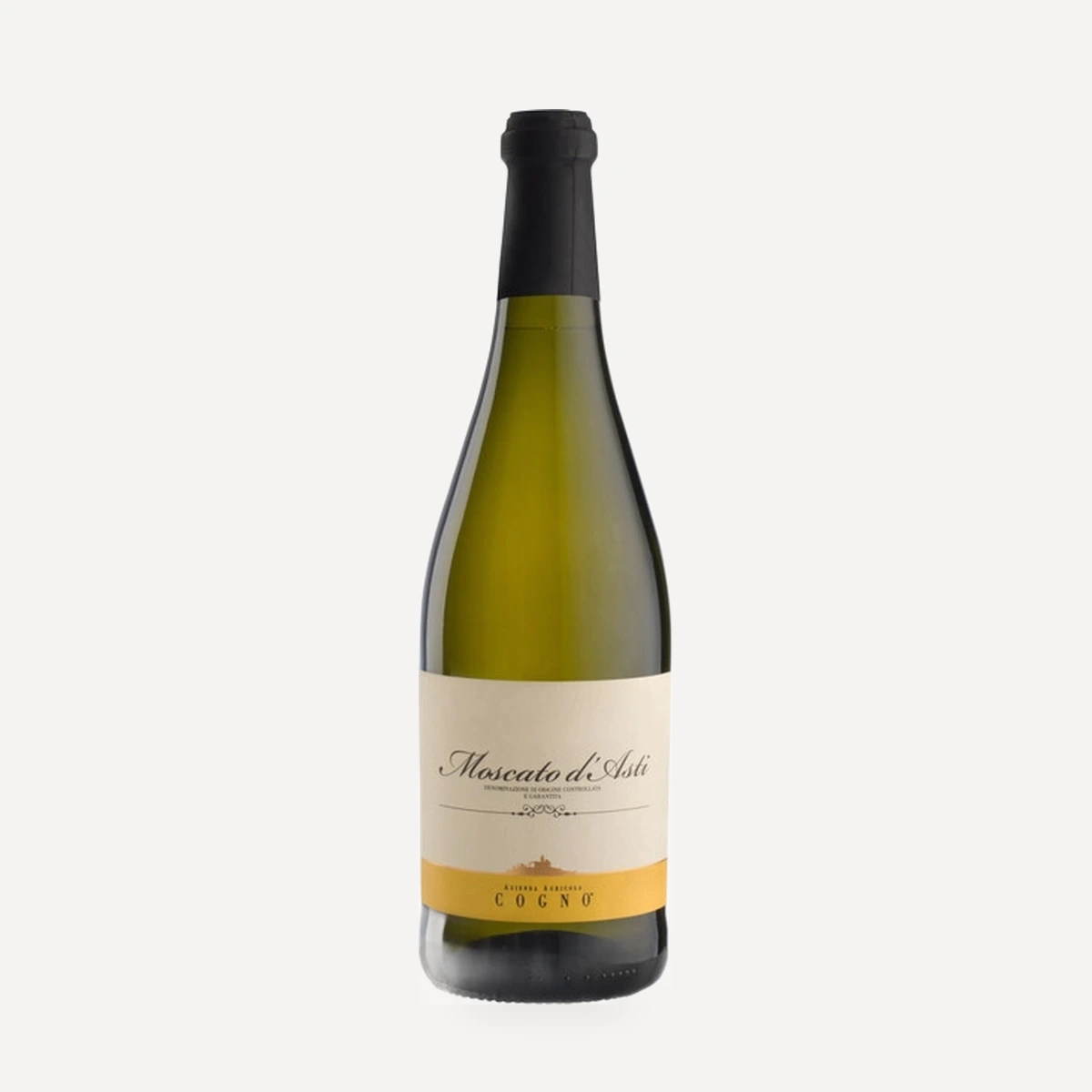
For Moscato, the documented process uses gentle pressing, clarification with pectolytic enzymes and fermentation with selected yeast at 15°C under slight pressure for approximately 15 days, without malolactic fermentation.
At the beginning of 2025, the new vintage was racked into large casks, while Dolcetto d’Alba Mandorlo and Langhe Nebbiolo Montegrilli remained exclusively in stainless steel. Part of the range was bottled during February and March.
Filosofia
Elvio Cogno’s production philosophy joins traditional cellar practice to an investigative relationship with the land. Long fermentation, measured extraction and large-cask ageing are intended to respect natural timing and allow differences among vineyards to remain visible.
Valter Fissore describes winegrowing as a commitment to the land’s living cycles rather than simply a means of obtaining grapes. Progress therefore begins in agriculture: understanding soils, vines, microclimates and the human environment, then interpreting them without forcing the plants.
The family rejects standardisation as a definition of perfection. Its objective is not to erase vintage or vineyard variation but to preserve the identifying character of Ravera and the individual personalities of its component vineyards. Tradition is treated as accumulated family and professional experience rather than immobility: that inheritance provides the confidence to change when change serves the vineyard or wine.
Sustainability extends beyond certification. The programme is framed as a responsibility to future generations, with emphasis on biodiversity, soil health, reduced chemical inputs, worker welfare and the long-term productivity of the vineyards. The recovery of Nascetta and continued cultivation of Nebbiolo Rosé and ungrafted old Barbera vines express the same commitment to local genetic and cultural heritage.
Vini
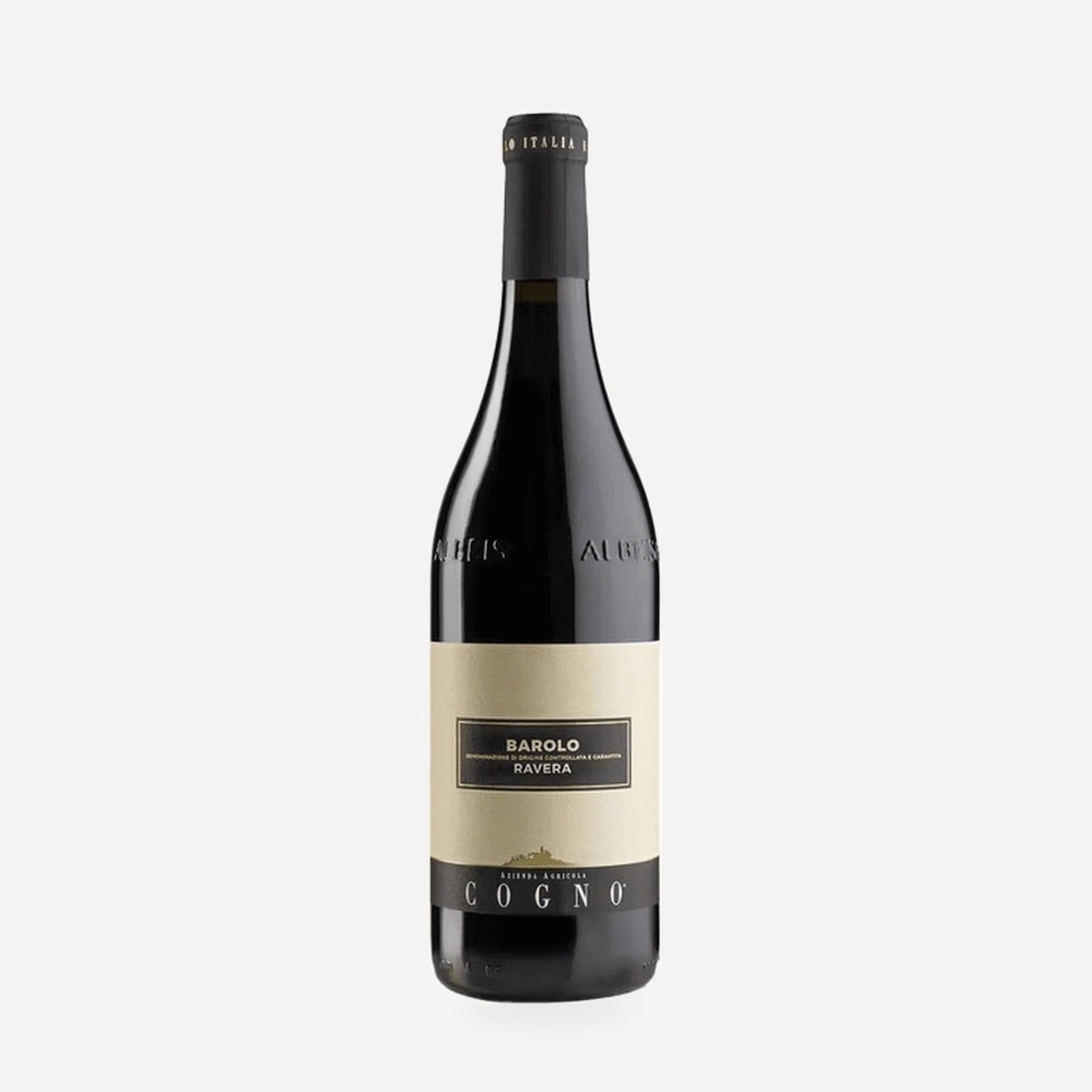
Barolo Ravera DOCG
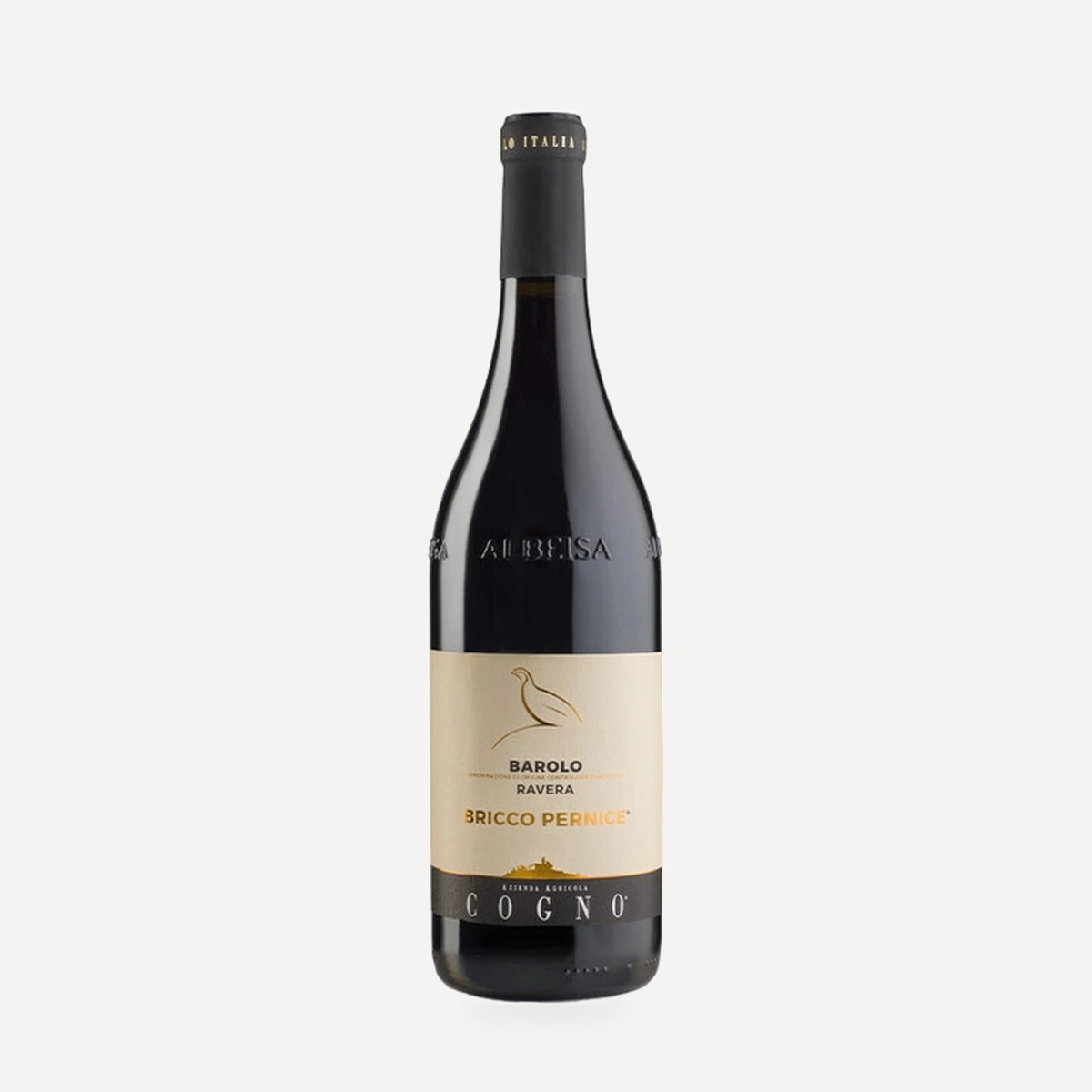
Barolo Ravera Bricco Pernice DOCG
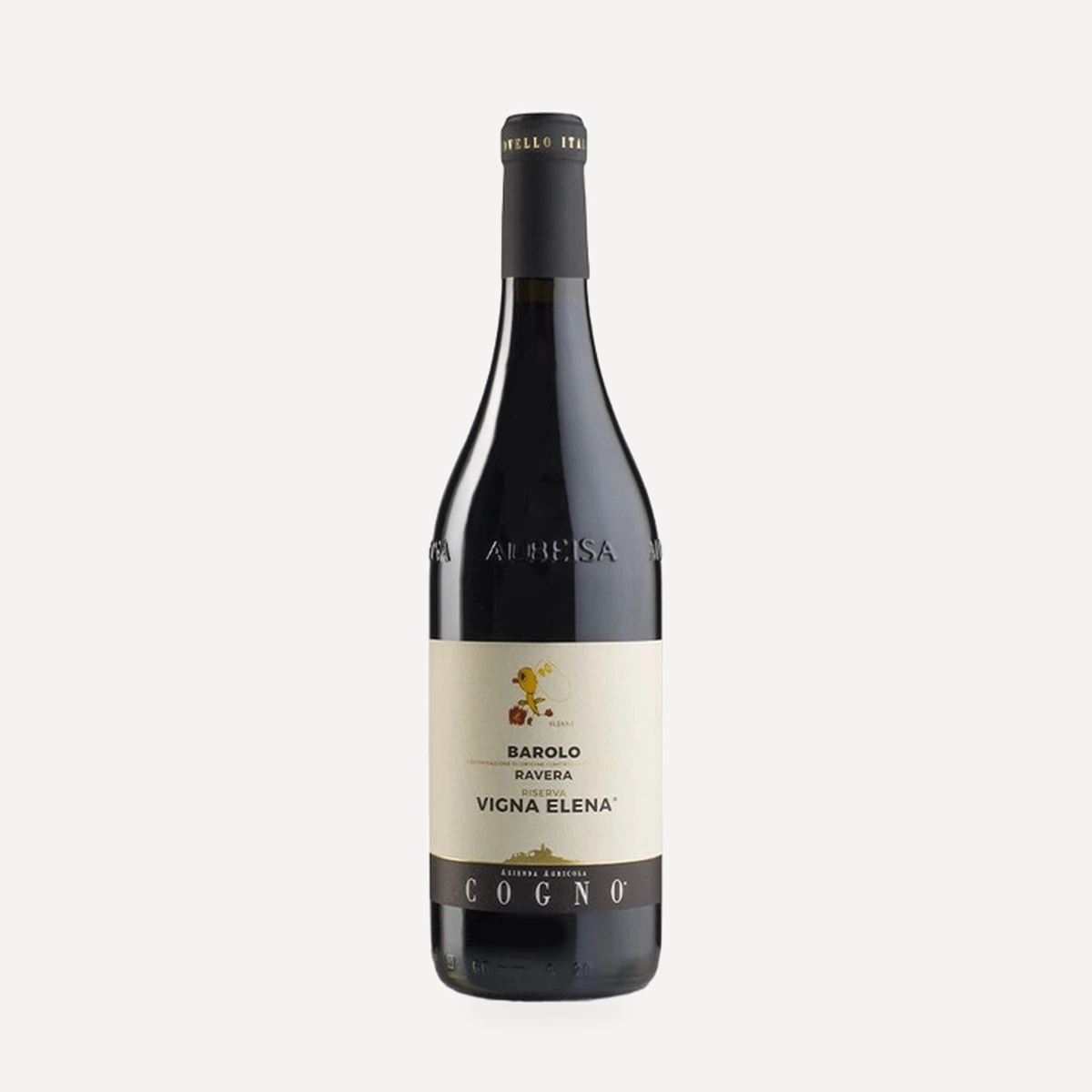
Barolo Riserva Ravera Vigna Elena DOCG
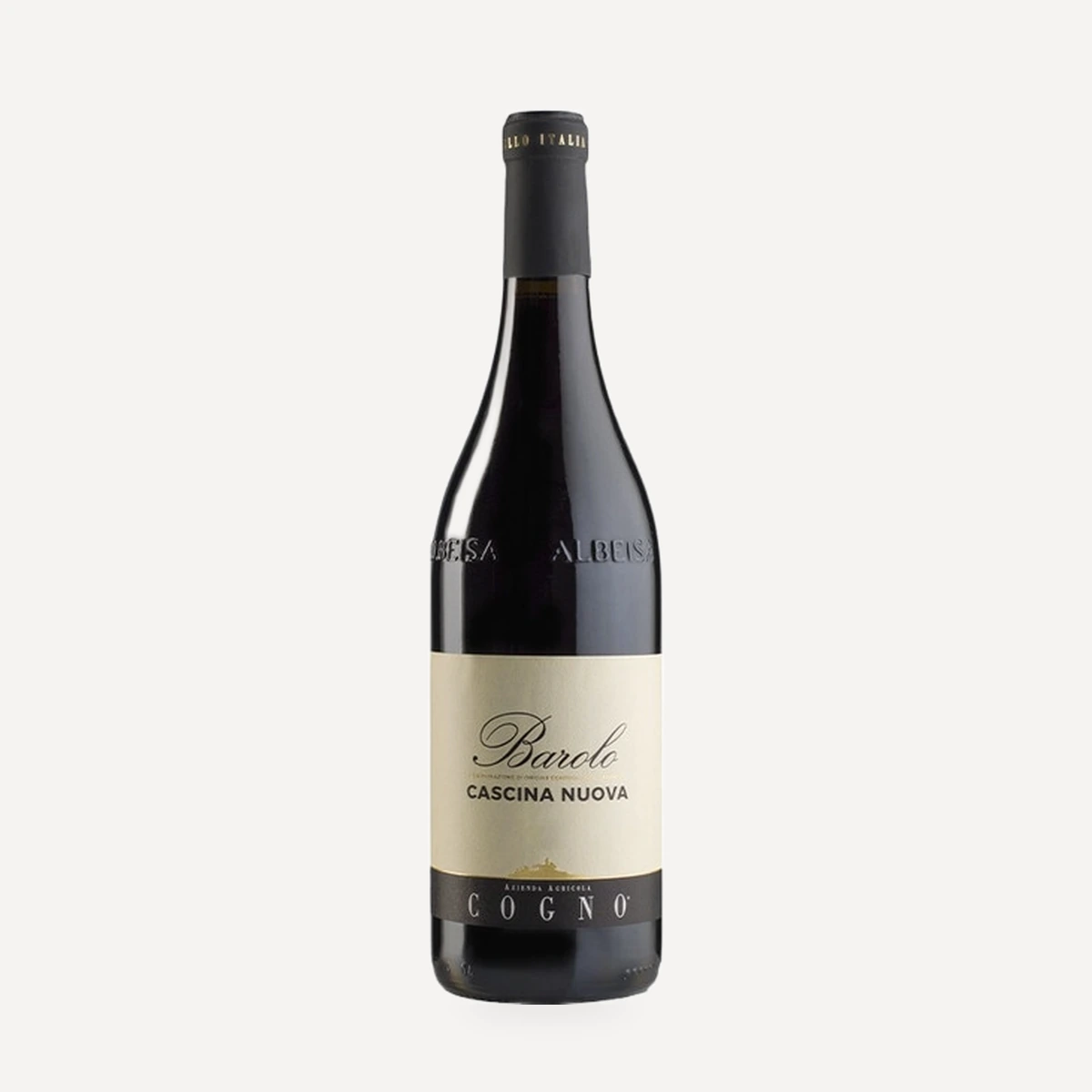
Barolo Cascina Nuova DOCG
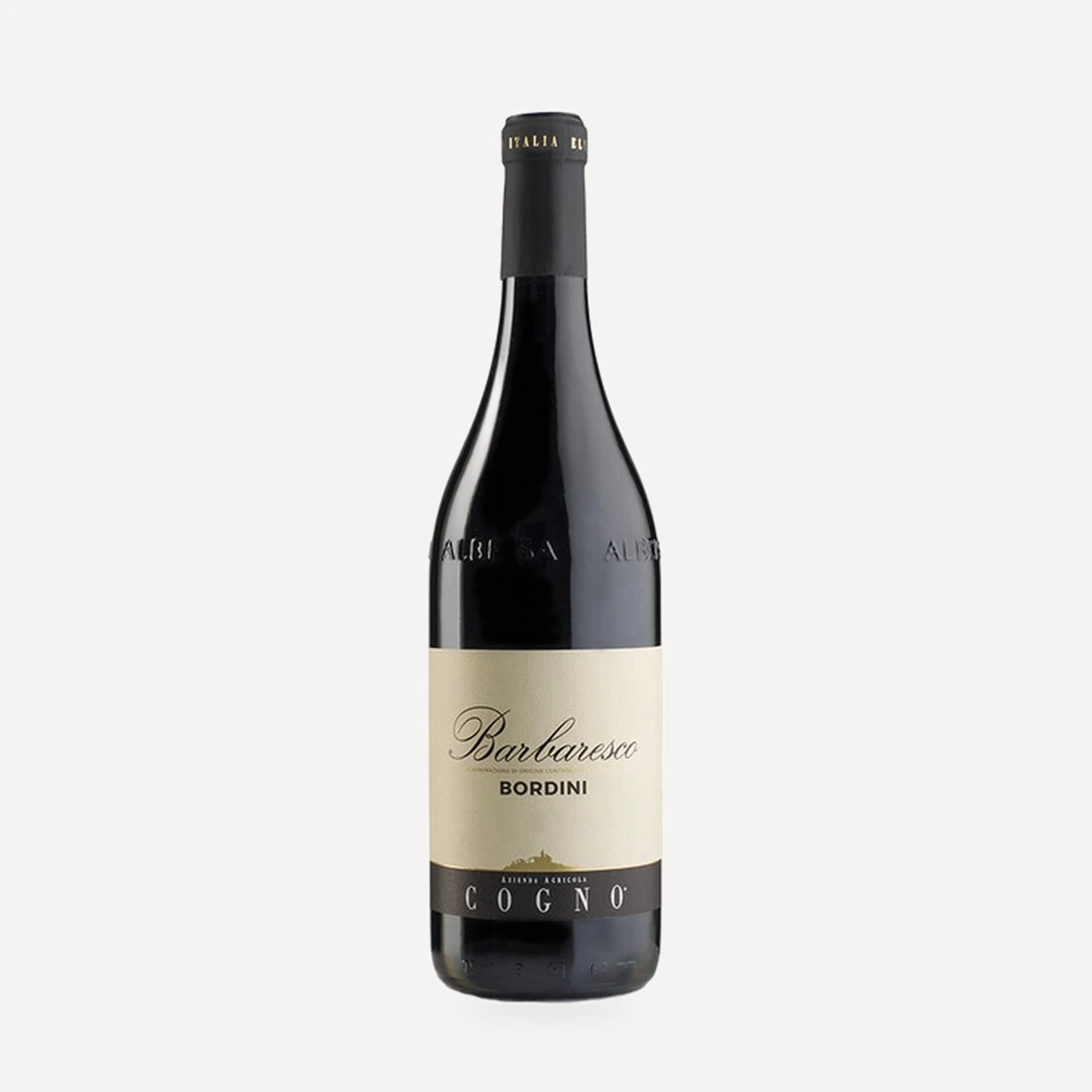
Barbaresco Bordini DOCG
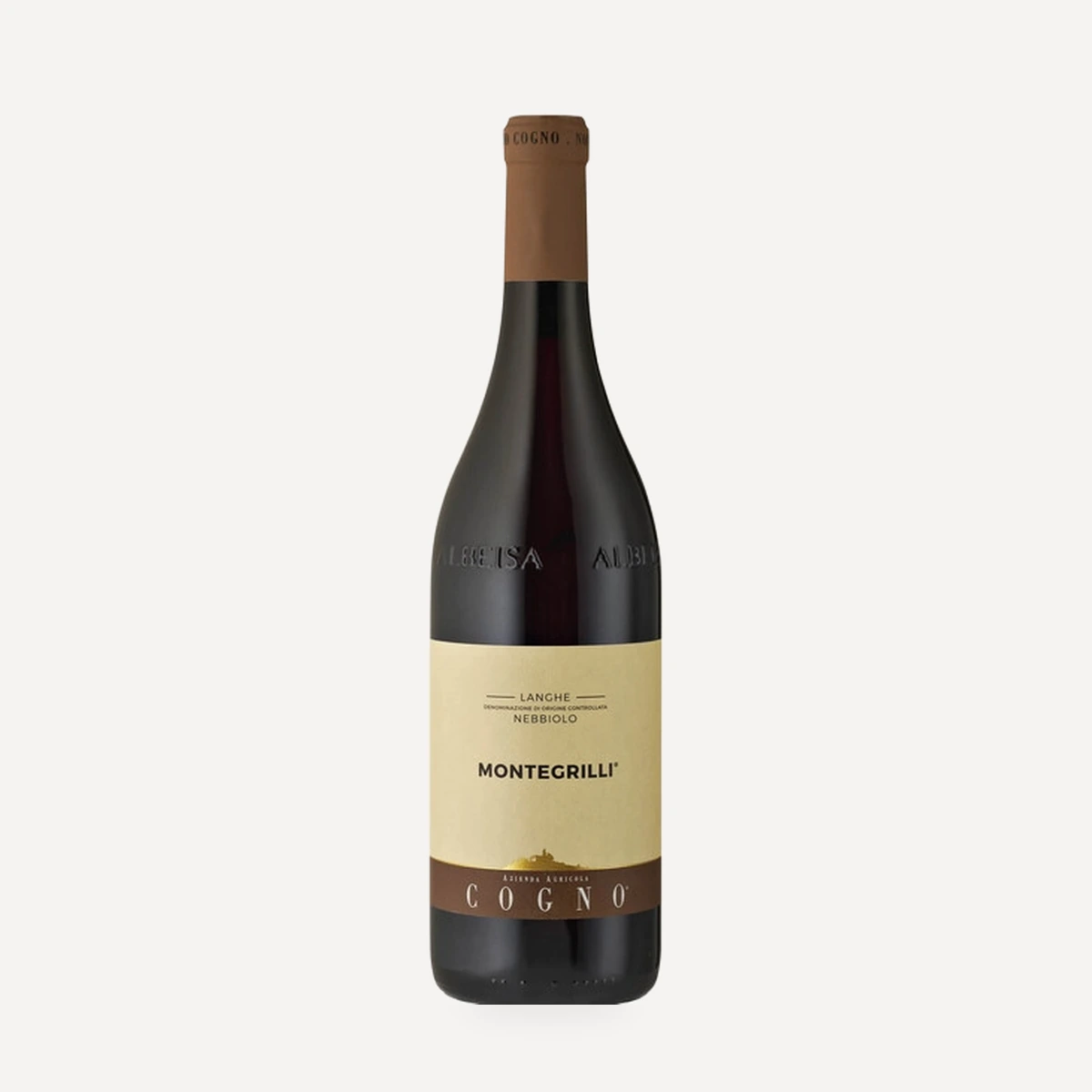
Langhe Nebbiolo Montegrilli DOC
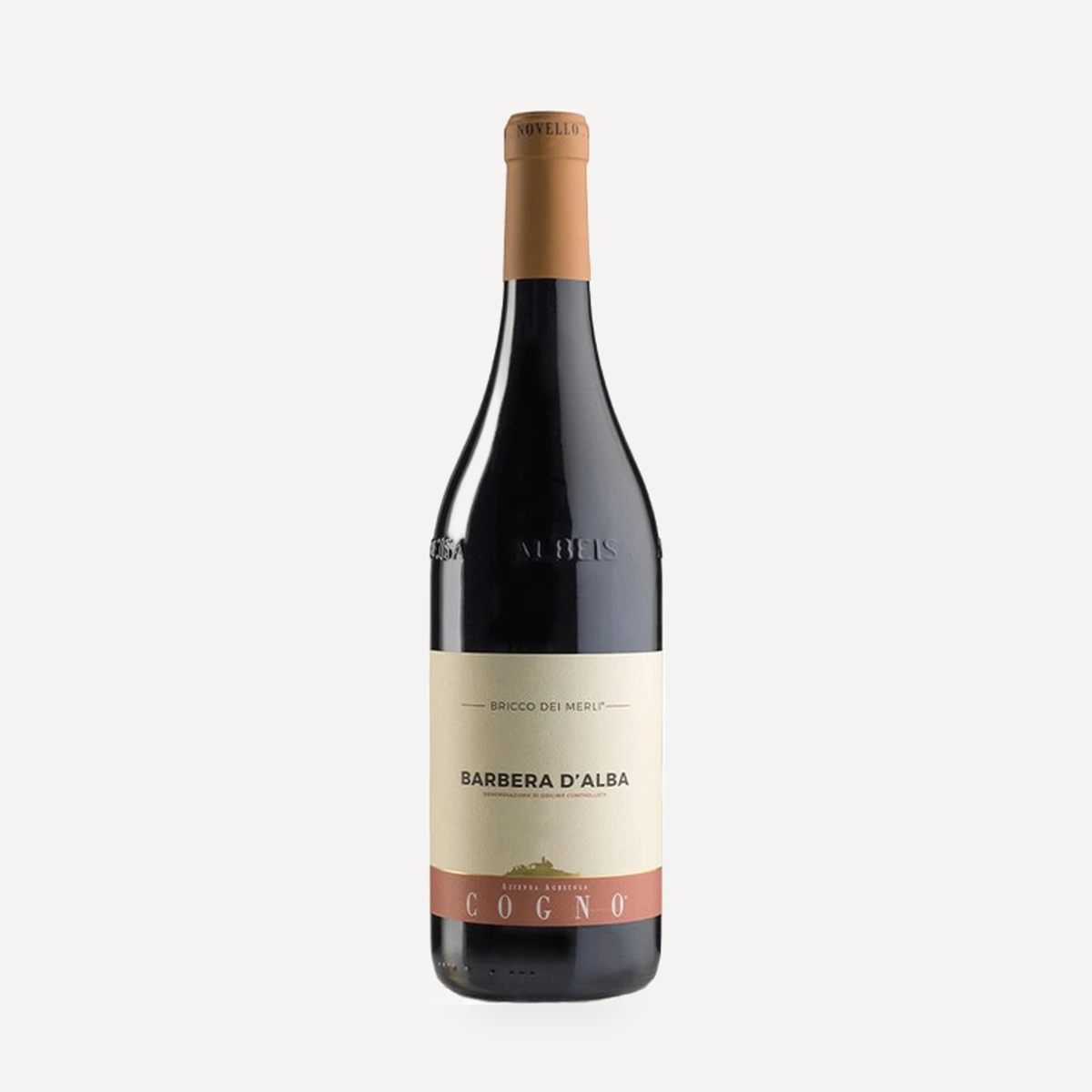
Barbera d’Alba Bricco dei Merli DOC
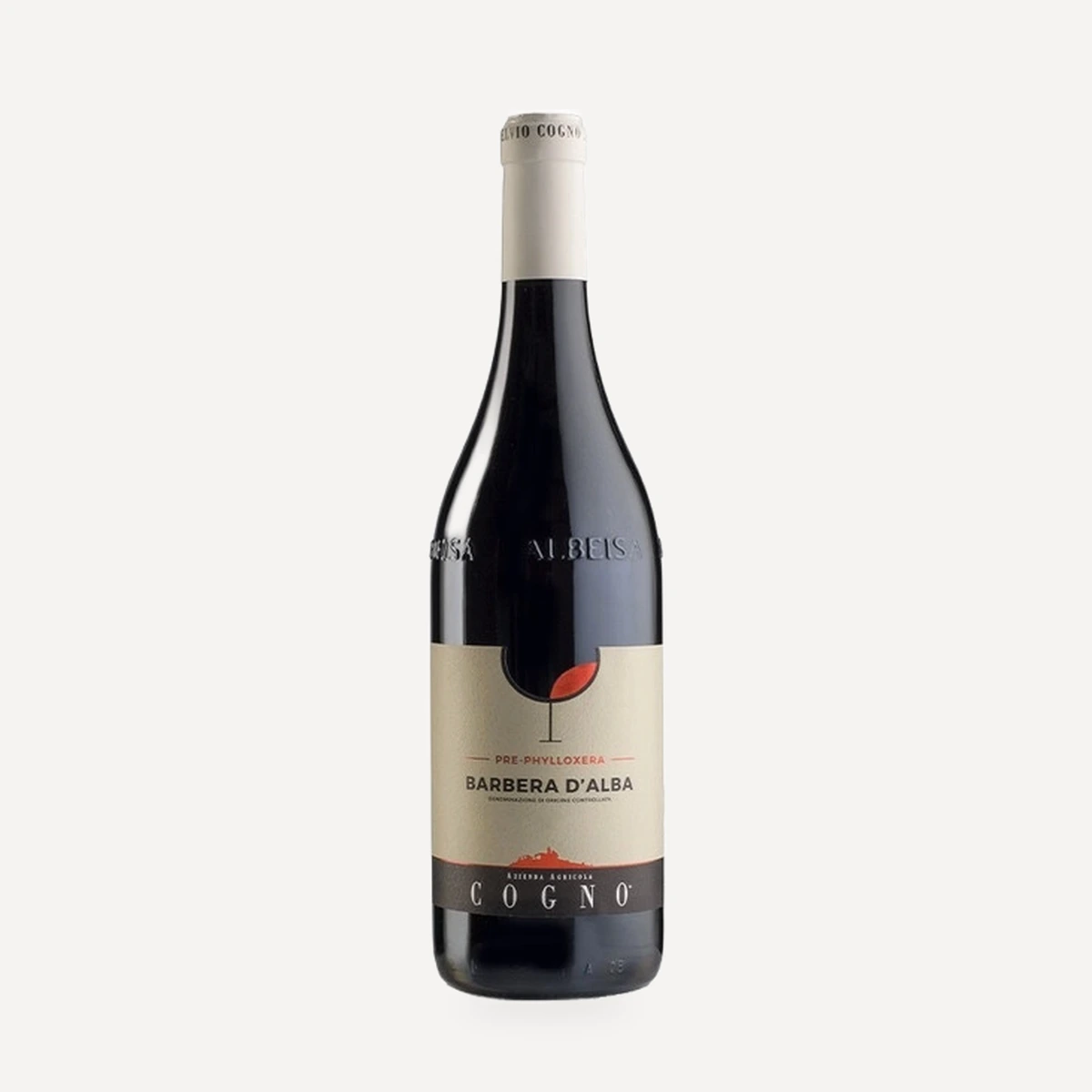
Barbera d’Alba Pre-Phylloxera DOC
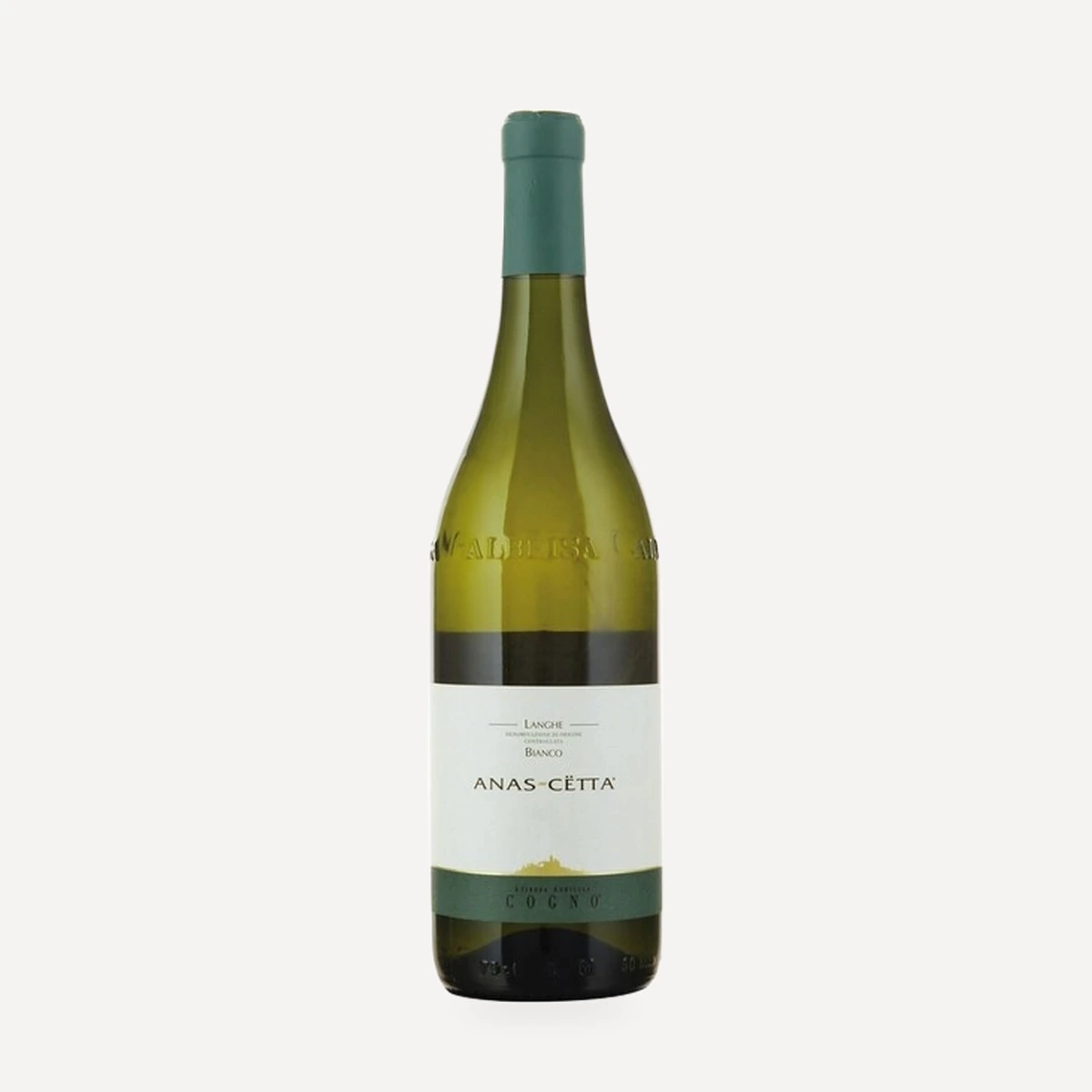
Langhe Nascetta del comune di Novello Anas-Cëtta DOC
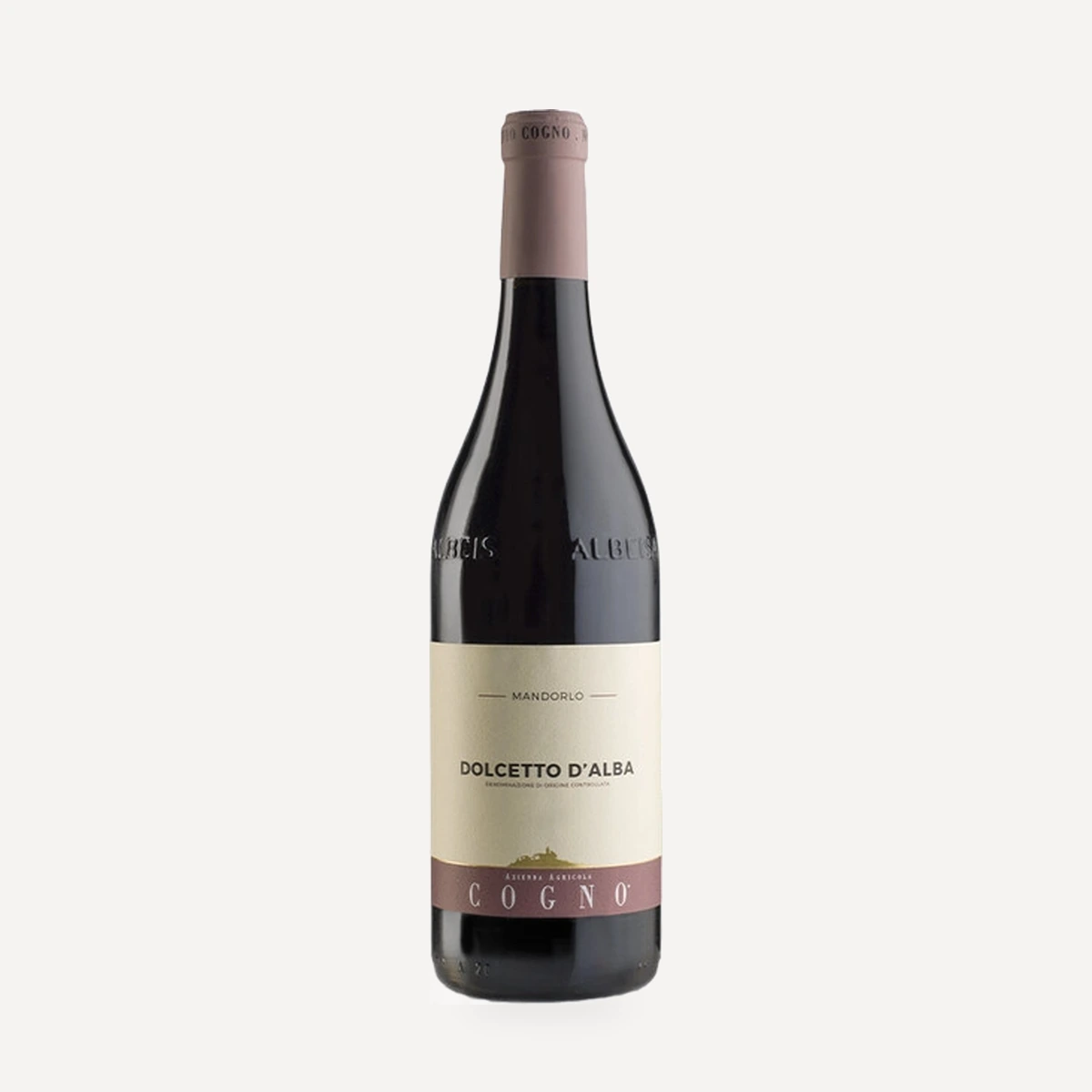
Dolcetto d’Alba Mandorlo DOC