Storia
Roberto Gatti’s background
Roberto Gatti was born in Cazzago San Martino in 1953 into a family of farmers and winegrowers. He moved with his family to Erbusco while still a child. As a young man he worked alongside his father at a local wine estate, then joined another established producer as manager of both the cellar and vineyards. More than 20 years in that position gave him extensive practical experience of Franciacorta viticulture and contemporary winemaking techniques.
The first harvests
In 1991 Roberto and his wife, Andreina, assumed the management of 4 hectares in Erbusco and adapted a building on the property into a winery. From the 1991 harvest Roberto presented the new enterprise’s first two wines, a red and a white under the Terre di Franciacorta designation.
The business took the name Ferghettina from the place-name of the cadastral parcel on which its original premises stood. In 1992 Roberto produced the first Ferghettina Franciacorta, a Brut that became a central wine in the estate’s range.
Expansion of the vineyard base
Ferghettina expanded rapidly after its first releases. Roberto’s standing among local growers enabled the family to secure numerous parcels on long-term leases and plant them according to its quality standards. The resulting vineyard park now extends across 200 hectares in 11 municipalities of Franciacorta. The family monitors this broad vineyard base and selects 100 hectares, vinifying the constituent parcels separately to preserve the distinctions created by variety and soil.
The business remains under family management. Roberto and Andreina work with their children Laura and Matteo, both graduates in oenology, as well as a wider team of employees and collaborators.
The Adro winery
In 2002 construction began on a new headquarters on the first parcel Roberto and Andreina had purchased in Adro. Completed in 2005, the three-level winery was built into the gentle slope of a hill and designed to accommodate every stage of the estate’s production in one building.
As the family extended the period for which its Franciacorta remained in contact with the yeasts and sought further improvements in vinification, additional cellar capacity became necessary. Expansion work began on land adjoining the existing winery in 2016. The new building was conceived to combine operational function with integration into the surrounding landscape.
The extension was finished in August 2018, in time for that year’s harvest. It also enlarged the hospitality facilities, including a substantial tasting room.
Organic certification
Ferghettina chose to manage its vineyards according to organic standards as part of a long-term commitment to the land and future generations. This work has been certified since 2017.
Terroir
Ferghettina’s vineyards occupy the sunny, gently rolling hills of Franciacorta, at the foot of the Alpine arc and overlooking Lake Sebino. From the Adro estate, the landscape encompasses vineyard rows, the lake, the morainic hills north of Sebino and the Alpine peaks.
The vineyard park is spread across 11 Franciacorta municipalities. This geographical breadth gives the family access to differing soils and site conditions. The interaction between each grape variety and the soil of its individual parcel is treated as a distinct component of the final wines rather than being absorbed immediately into a single undifferentiated lot.
Vinificazione
Ferghettina directs 80% of its human and economic resources to work on the land. Vineyard management follows certified organic standards, with certification in place since 2017. The stated purpose is to safeguard the integrity and productive future of the land for the family and subsequent generations.
The 200-hectare vineyard park is monitored systematically before 100 hectares are selected for production. Chardonnay and Pinot Noir receive particular attention as the principal grapes of the estate. Harvesting is carried out manually, and grapes are kept identified by parcel so that each site can be vinified separately. The work in the vineyards is presented as hands-on farming founded on continuous observation and care rather than as a standardized treatment of the entire estate.
The three-level Adro winery, completed in 2005, accommodates every stage of production. An adjoining extension, begun in 2016 and completed in August 2018, was developed to provide the space required for improved vinification and longer ageing of Franciacorta in contact with its yeasts.
Fruit from each selected parcel is vinified separately. This creates approximately 90 distinct wines or base-wine components, allowing the family to assess the character produced by each combination of site, soil and grape variety before assembling its cuvées.
For the principal Franciacorta process, whole bunches are pressed gently in a pneumatic press. The juice is divided into the higher-quality free-run fraction used for Franciacorta and a second-press fraction that is not destined for bottling. Alcoholic fermentation takes place in stainless-steel tanks at approximately 16–18 °C, and the base wines remain in vats until the spring following harvest. Selected Pinot Noir lots are pressed with the traditional Marmonnier system, from which only the free-run juice is retained.
Time and prolonged yeast contact are central to the cellar approach. Ferghettina progressively increased the lees-ageing periods of its Franciacorta, a development that directly contributed to the 2016–2018 cellar expansion.
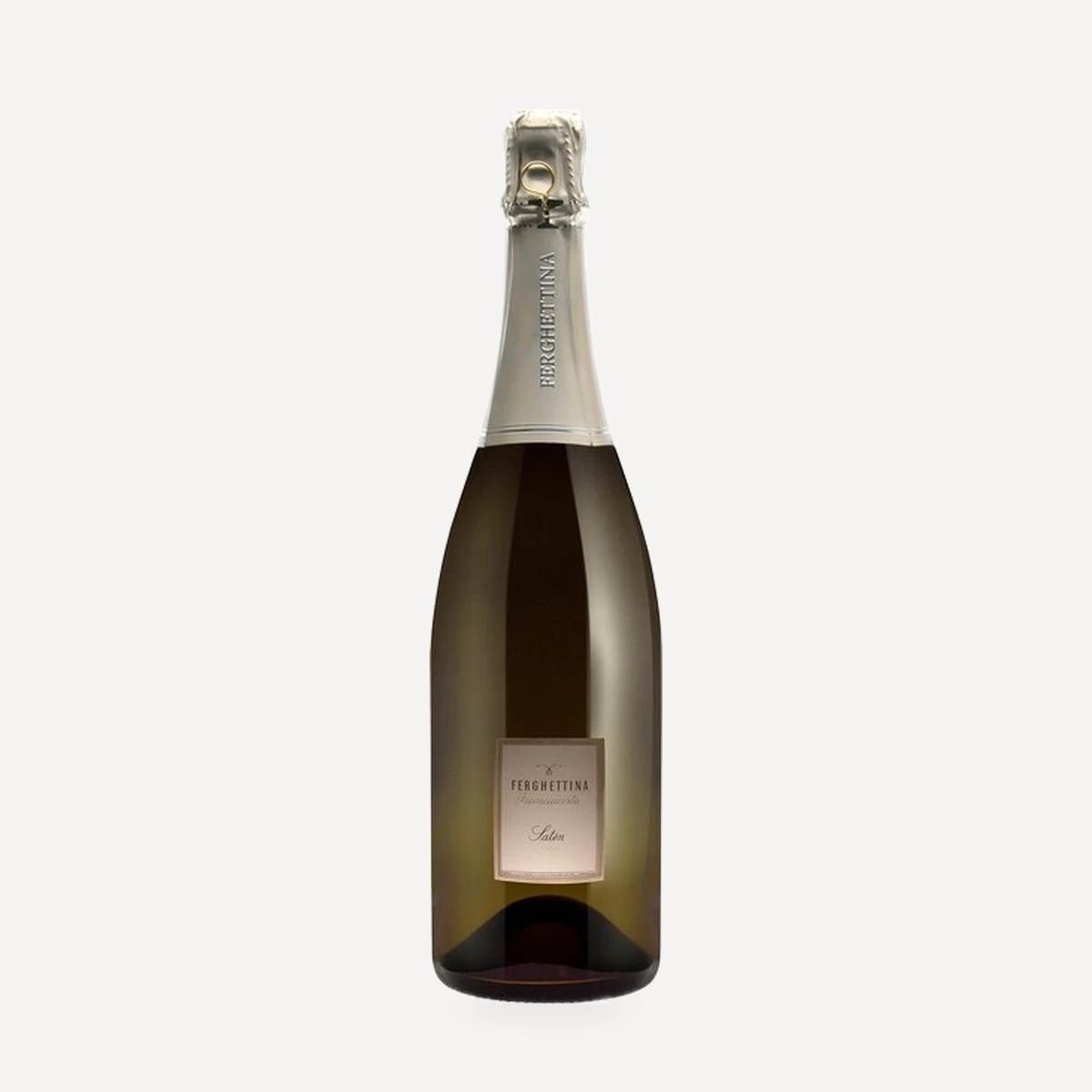
For some Franciacorta, secondary fermentation and lees ageing take place in a patented square-sided bottle designed by Matteo. Its flat internal side creates a sediment surface approximately 2.5 times that of a conventional round bottle. The broader wine-and-yeast contact is intended to increase the release of mannoproteins and yeast lysate, contributing additional aromatic components.
Filosofia
Ferghettina defines itself as a family of farmers and winegrowers whose project, work and experience of wine are shared across the family. Grapes are regarded as the sole raw material of the work and as the direct expression of an inseparable relationship with the territory.
The family’s priorities are concentrated in the vineyard: 80% of human and economic resources are assigned to the land. Organic management is framed as a responsibility to the present family, its children and future generations, with the aim of preserving the integrity and productive value of the territory.
Individuality is pursued through detailed monitoring, manual harvesting and separate vinification of every selected parcel. The family’s task is to understand and interpret the many distinct personalities created by the interaction of variety and soil. Palate and practical experience guide the final decisions, with Franciacorta intended to express the family’s style, ideas and reading of its territory.
In the cellar, time is treated as an active part of production. Natural development is respected through careful attention to each stage and through prolonged contact between wine and yeast. Technical research—including expanded ageing capacity and Matteo’s patented bottle—is used to support this emphasis on time and lees contact rather than to replace the identity of the vineyard material.
Vini
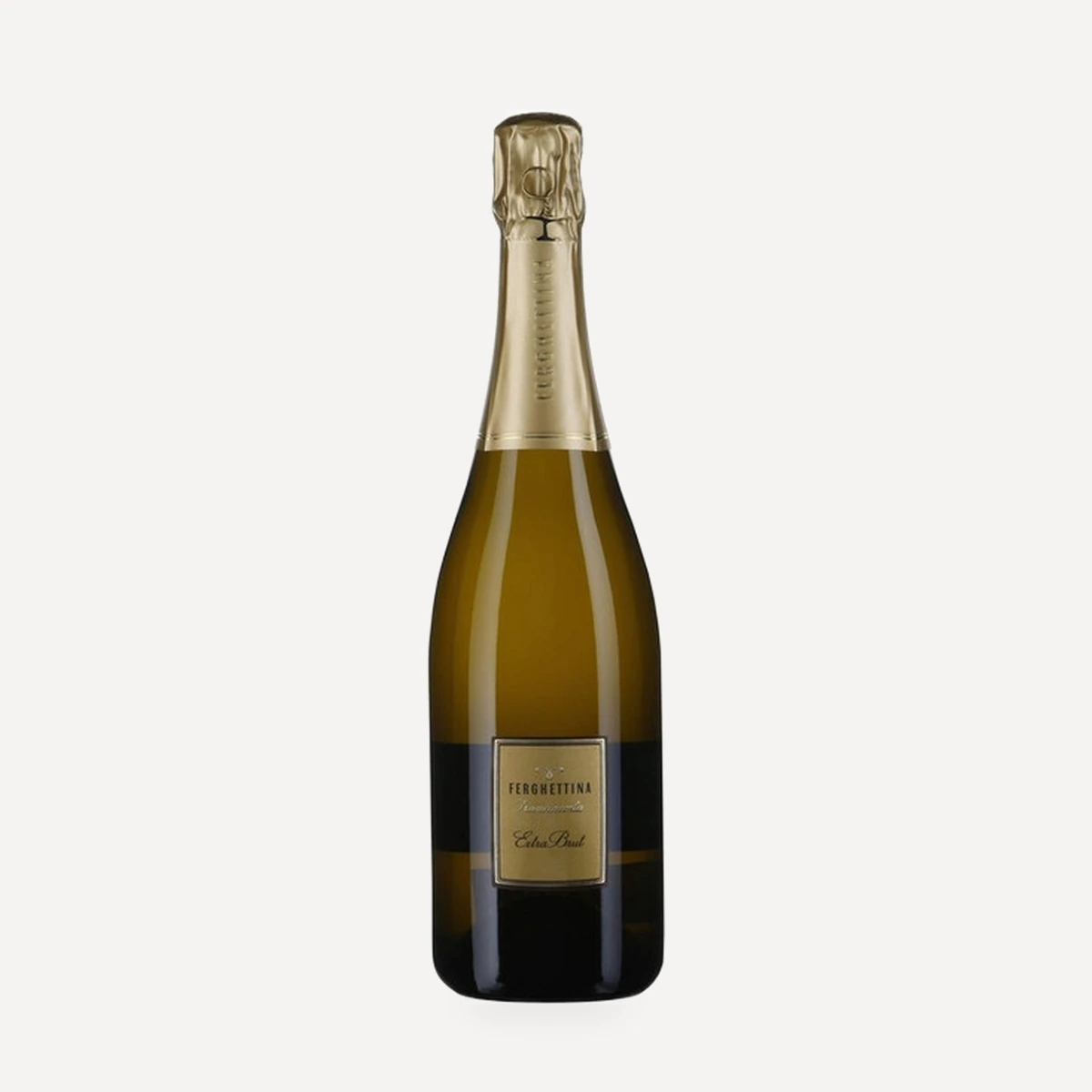
Franciacorta Extra Brut DOCG
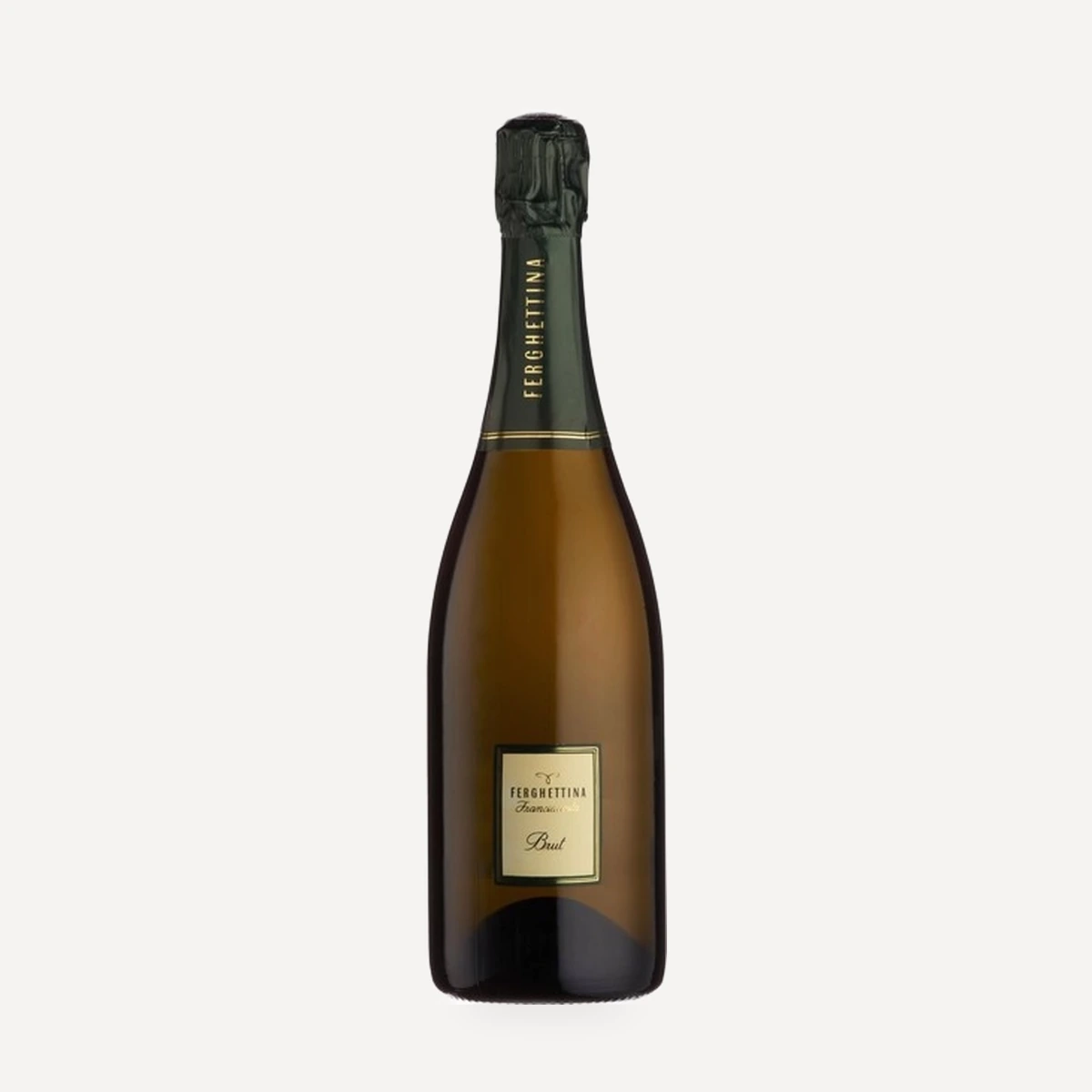
Franciacorta Brut DOCG
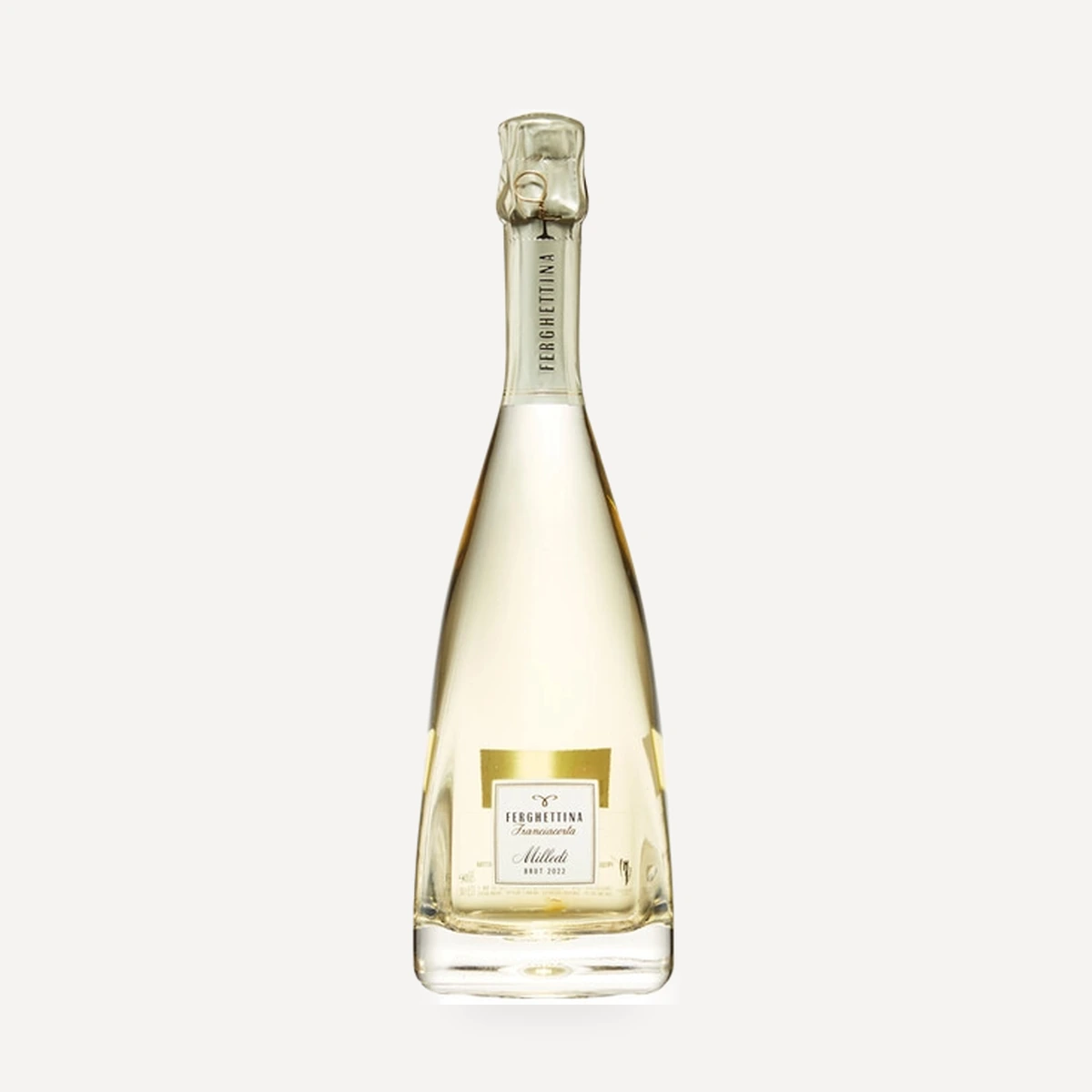
Franciacorta Milledi Brut DOCG
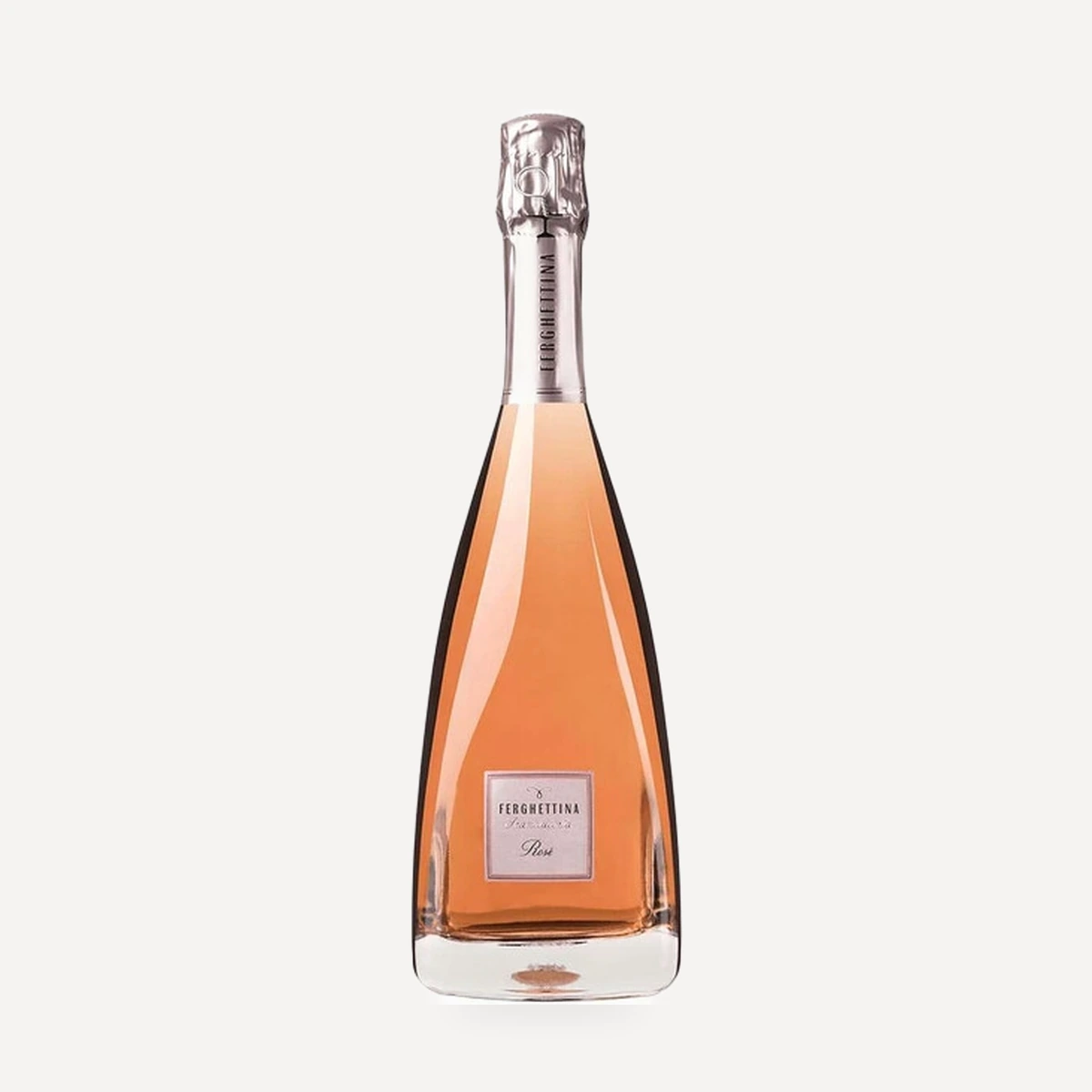
Franciacorta Rose Brut DOCG