Storia
The historic estate
Monte Rossa occupies the highest point of the hill overlooking Bornato. Long before the winery was founded, the site accumulated buildings from several periods: a circular watchtower erected by the Oldofredi, lords of Iseo, in the 13th century; a manor house originating in the 15th century and decorated with frescoes; and a monumental white-marble staircase designed in the 18th century by Abbot Antonio Marchetti, who also collaborated on the design of Brescia Cathedral. The estate gardens contain centuries-old olive trees, rose collections and aromatic plants. The hill was formerly a fief of the Bornati and Rossa families.
1972: foundation and first Franciacorta
Entrepreneur Paolo Rabotti and his wife, Paola Rovetta, moved to the historic villa at Monte Rossa in 1972 and began viticulture there. Paola took the lead in producing the family's first bottle-fermented Franciacorta and passed her enthusiasm for the work to the family. Her original stainless-steel vinification tank has been preserved as a commemorative installation in a vineyard that illustrates the development of the estate's training systems, from the original pergolas to the spur-pruned cordon used today.
1978–1990: the Franciacorta system
By 1978 Paolo Rabotti had formulated a cooperative vision for Franciacorta, expressed through the principle “I am, if we are.” That vision culminated in 1990 with the creation of the Consorzio Franciacorta, of which Rabotti was a founder and the first president.
Monte Rossa subsequently made several defining production choices. It was among the first estates to leave still-wine production behind and concentrate on Franciacorta. It coupled artisanal work with investment in technology, research and experimentation; one example was Enolift, a vertical wine-handling system developed to improve the vinification process.
Second generation
Paolo and Paola's son Emanuele Rabotti entered the family business and became its second-generation patron. He continued its emphasis on experimentation and technology while shaping a brand identity centred on optimism, enjoyment and shared celebrations. The words printed on Monte Rossa capsules—including ideas such as laughing, dreaming, singing, winning and loving—became recurring expressions of that identity.
2020–2022: the new winery
Work on a new production centre at Barco di Cazzago San Martino began in 2020. The initial project described an investment of approximately €7 million; the completed project is presented as an investment exceeding €10 million. Conceived by Emanuele Rabotti, the approximately 8,000 m² underground complex was designed specifically for Franciacorta production and to improve working conditions without compromising the estate's artisanal approach.
The winery was inaugurated in 2022, Monte Rossa's 50th-anniversary year. Its three levels are connected by a central staircase: production occupies the lowest level, management and operational offices the middle level, and hospitality and the shop the upper level. The complex stands at Barco, a few kilometres from the historic Bornato estate and approximately 900 metres from the Ospitaletto motorway exit. The historic villa remains part of Monte Rossa's identity alongside the new facility.
The 50th anniversary was also marked by a special presentation of P.R. Brut, the cuvée named for founders Paola Rovetta and Paolo Rabotti. A commemorative seal joined the foundation date and the anniversary year. The 2022 vintage was the family's 50th harvest.
2024: third generation and precision viticulture
In 2024 Monte Rossa introduced Vitibot's Bakus autonomous electric vineyard robot across its Franciacorta holdings. Its sensors, GPS, artificial-intelligence navigation and integrated monitoring support precision operations and real-time vineyard data collection. The same year brought greater visibility to the third generation: Aldo and Paolo Rabotti were identified as the third generation of Monte Rossa and received the “Migliori Produttori under 40” distinction in La Guida ai 1000 Vini d’Italia 2025.
Terroir
Monte Rossa's Franciacorta vineyards are distributed across morainic hills in Bornato, Brescia, Cellatica, Erbusco, Monterotondo, Provaglio, Provezze, Cologne, Passirano, Adro, Cazzago San Martino, Iseo and Rodengo Saiano. The principal hill soils are glacial-morainic, complemented in parts of the holdings by sandy and clay-rich ground. Differences in soil, position and exposure among the crus broaden the grapes' aromatic range and provide components with different structural characteristics for blending.
On the Monte Rossa hill at Bornato, vineyards lie in the path of air currents generated by thermal exchange between the Po Valley and Lake Iseo. From the historic estate, clear-day views extend across Lake Iseo, the surrounding morainic hills and as far as the Apennines.
Vigneto Pusterla occupies 4 ha on the slopes below Brescia Castle, at the top of a stratified limestone spur locally called medolo. Its geology includes marl and flint nodules. The composition and slope promote drainage; its exposure provides sunlight from dawn to sunset, while air currents arriving from Monte Guglielmo ventilate the site.
Vinificazione
Grapes for the Franciacorta range are selected in the vineyard and harvested by hand into crates. The vineyards use Guyot and spur-pruned-cordon training, with the cordon approximately 70 cm above the ground. Technical specifications generally give 2 × 1 m spacing, 5,000 vines/ha and maximum yields of 9–9.5 tonnes/ha.
In 2024 Monte Rossa introduced Bakus, an autonomous electric vineyard robot developed by Vitibot. Sensors, GPS and artificial-intelligence algorithms guide it between the rows. Rechargeable batteries eliminate local exhaust emissions and reduce operating noise. The machine can carry implements for pruning, shoot removal, weed control and vine treatments. Its sensors and monitoring system collect and analyse information in real time to assess vine health, anticipate disease pressure and support yield management.
At Vigneto Pusterla, Invernenga remains under the site's traditional pergola system and is harvested late, after ripening at the end of October or beginning of November.
Monte Rossa combines separate-cru vinification, reserve wines, temperature-controlled steel and oak fermentation with extended bottle ageing for Metodo Classico production.
Fruit is selected in the vineyard and hand-harvested into crates. The grapes undergo gentle pressing, with the preferred must fraction limited to no more than approximately 55% of the grape yield in most technical specifications and 58% for one older-vine selection. Each cru is vinified separately. Fermentation takes place partly in temperature-controlled stainless-steel tanks and partly in oak vessels; the exact proportions vary with the intended cuvée. Base wines from selected crus are subsequently blended with reserve wine, whose proportion also varies by bottling.
Bottle ageing on the lees ranges from more than 20 or 24 months for the principal non-vintage wines to more than 40 months for selected vintage production. The production system also employs Enolift, a vertical wine-handling installation designed to move wine through vinification while protecting quality.
The winery inaugurated at Barco in 2022 is an approximately 8,000 m², three-level underground complex built specifically for Franciacorta. Production is concentrated on its lowest level; management and operational offices occupy the middle floor, while hospitality and the shop are placed above. Its underground, environmentally conscious design was conceived to integrate with the surrounding landscape and improve conditions for the people working inside.
Filosofia
Monte Rossa describes its mission as artigianato enologico: rural tradition and craftsmanship joined to technology, research and an entrepreneurial commitment to quality. Its defining strategic choice was to leave still-wine production and focus on Franciacorta, accompanied by continuing experimentation rather than a rejection of modern equipment.
The production philosophy seeks quality across the entire range, not only in vintage or prestige bottlings. Differences among crus are preserved through separate vinification, then used to build structure, complexity and aromatic breadth through blending and reserve wines.
Emanuele Rabotti frames good wine as the result of an idea realised through time, experience and passion. The new winery carries that outlook into architecture: it was designed around specialised Franciacorta production, integration with the landscape and the quality of daily working conditions.
Celebration is another explicit part of Monte Rossa's identity. Verbs associated with positive experiences—laughing, dreaming, singing, winning, loving, travelling and discovering—appear on its capsules. The capsules and characteristic corks are conceived as keepsakes of the ritual of sharing a toast.
Vini
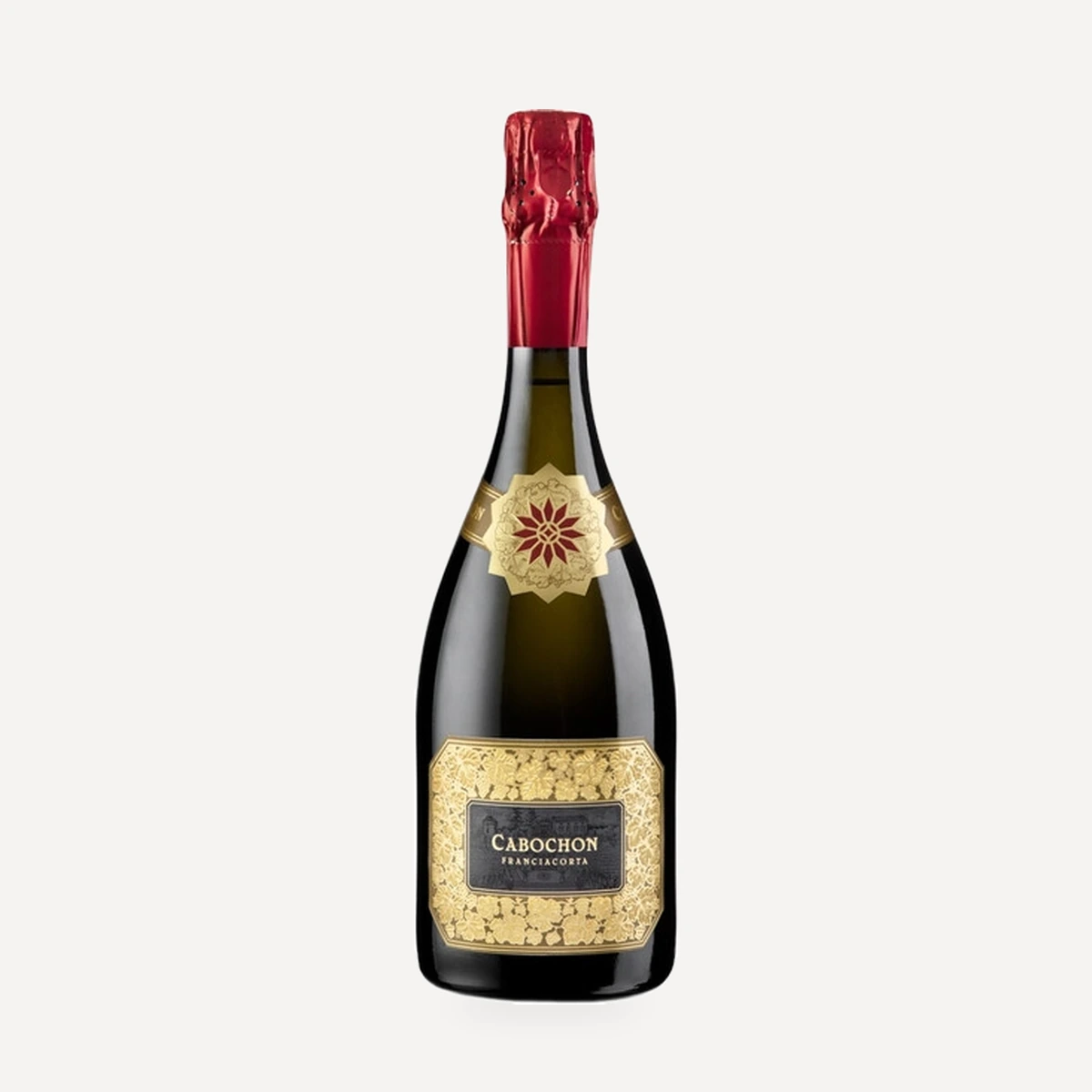
Franciacorta Cabochon Brut 2016
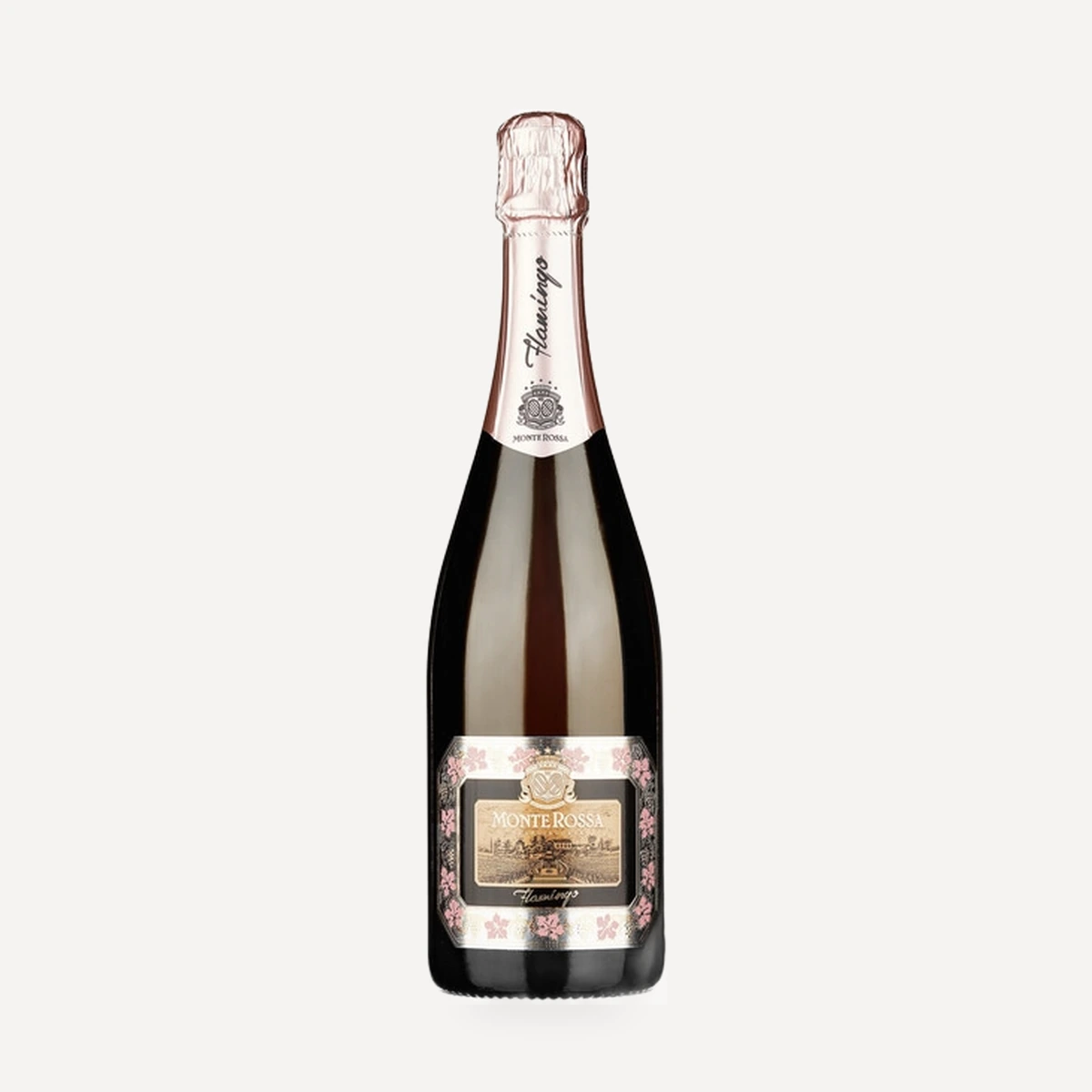
Monte Rossa Flamingo Rosé Brut
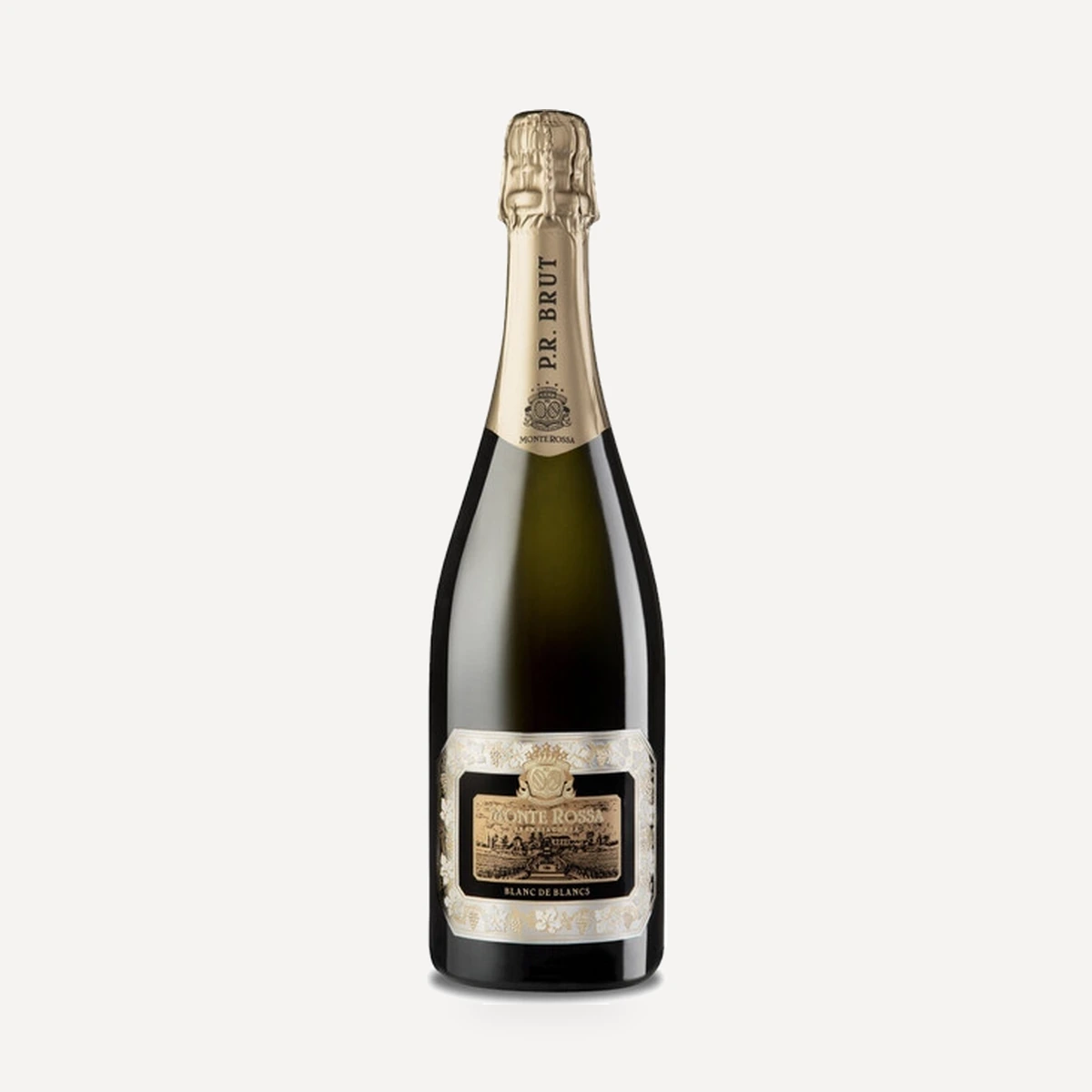
Monte Rossa P.R. Blanc Brut
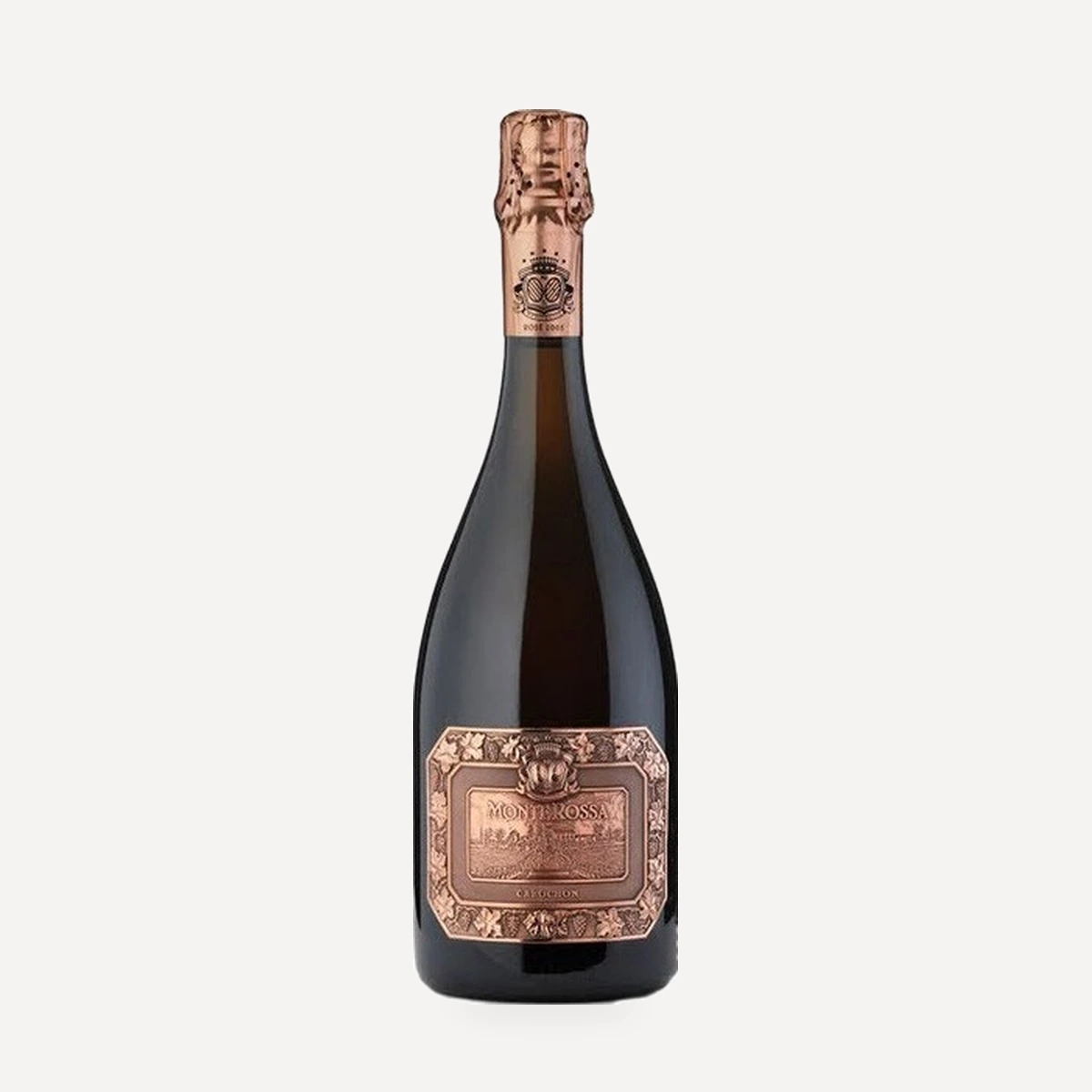
Franciacorta Cabochon Rosé Brut Fuoriserie N.08
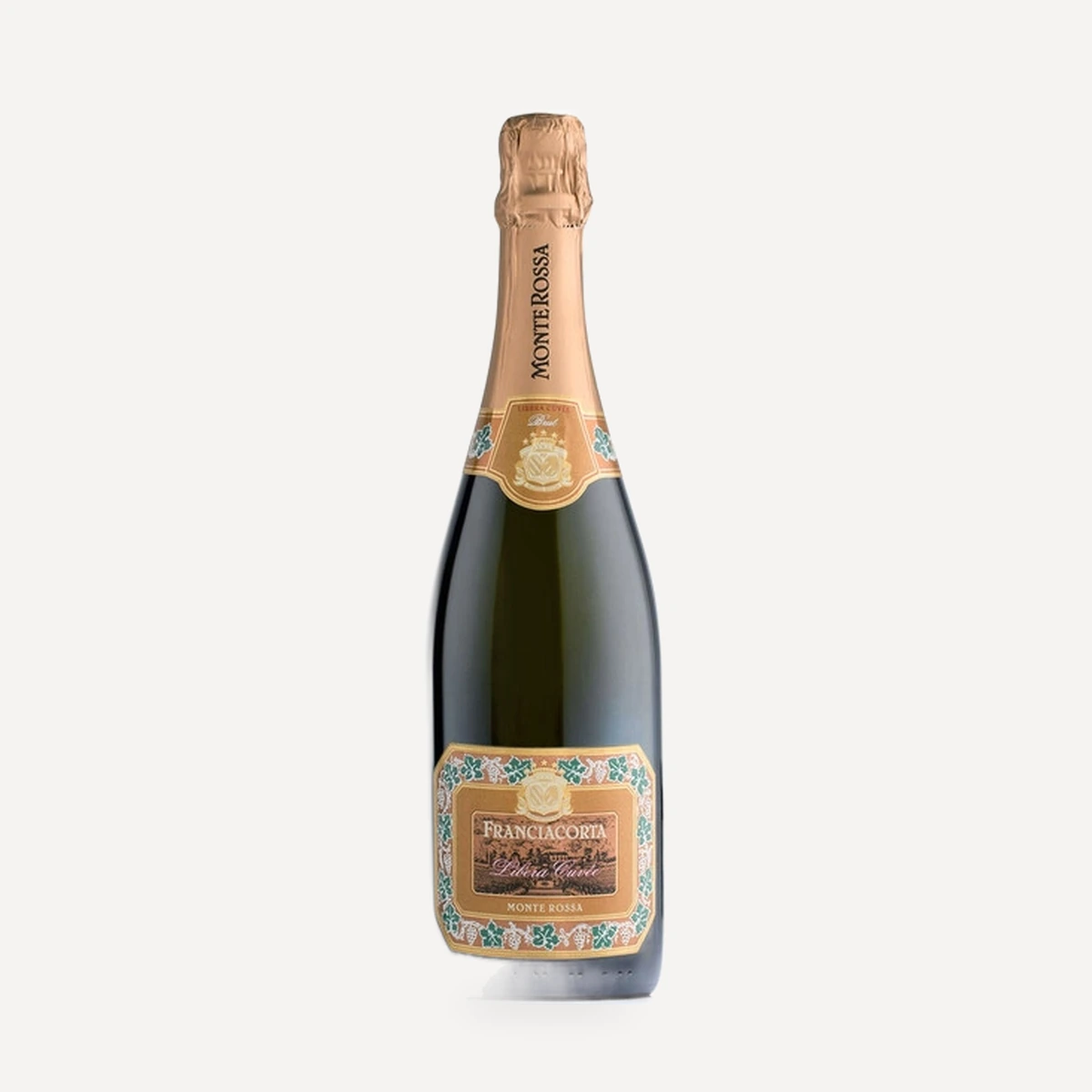
Libera Cuvee Brut Franciacorta DOCG
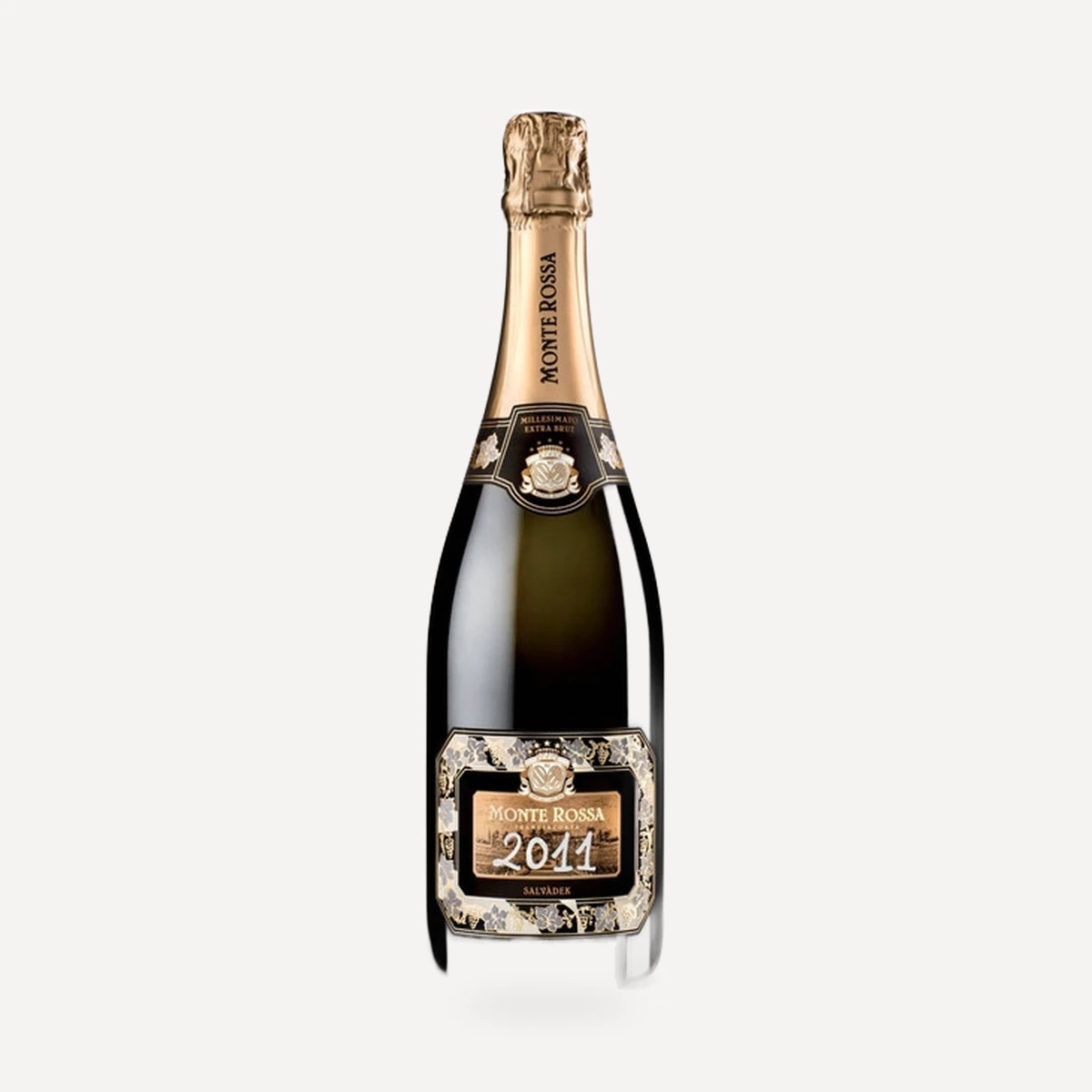
Salvadek Extra Brut Franciacorta DOCG
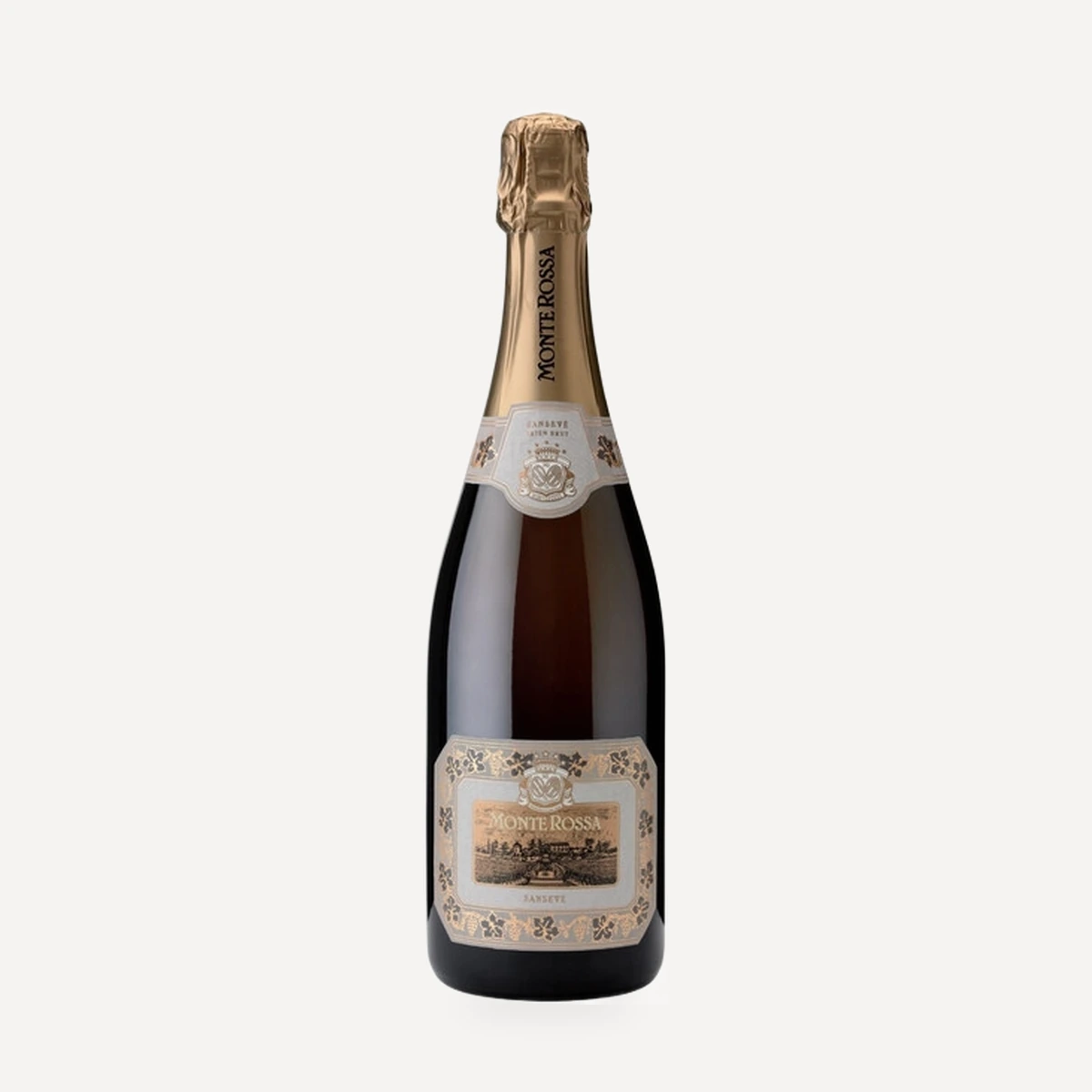
Monte Rossa Sansevé Satèn Brut