Storia
From family retreat to agricultural estate
Fonterenza began as the Padovani sisters’ holiday home and the place where their childhood relationship with nature, Montalcino and rural life developed. The house subsequently became their permanent home, the headquarters of the agricultural business and the name carried by its wines. Their approach to planting and farming grew out of that early attachment to the countryside, with natural rhythms and attention to the environment guiding the project from the outset.
The first Montalcino vineyards
The first plantings were made in 1999. Vigna del Bosco, the estate’s first parcel, was established on clay-schist terrain; Vigna della Strada was planted in the same year on clay-loam soil. These vineyards formed the basis of the Montalcino project.
Vigna del Lupo was planted to Cabernet Sauvignon in 2002. The first Rosso di Montalcino vintage followed in 2003. The first Brunello di Montalcino vintage was 2004; ten years elapsed between planting the first vineyard and releasing the first bottle.
In 2005, Vigna Alberello and Vigna della Quercia were planted with selections of three Sangiovese clones. Rosa was also first produced in 2005, initially as an experiment intended to express Sangiovese in a lighter, summer-oriented form.
Reworking parcels and separating vineyard expressions
Vigna del Lupo supplied the Cabernet-based Lupo di Fonterenza through the 2011 vintage. In 2012, the Cabernet Sauvignon vines were top-grafted to Sangiovese using material selected from Fonterenza’s own vineyards. From 2013 onward, the parcel’s fruit was directed to Rosso di Montalcino.
Vigna Alberello was vinified separately from the 2015 vintage and revealed a sufficiently distinct character to justify an independent bottling. After thirteen harvests, Fonterenza chose to present this small vineyard separately rather than retain it solely within Rosso di Montalcino.
The Monte Amiata project
A second agricultural project developed on Monte Amiata after the discovery and vinification of fruit from old local vineyards. The area’s old mixed plantings, forgotten varieties and traditional agricultural landscape encouraged a particular focus on white wines made from local vine material.
Fonterenza recovered old vineyard resources and then established a new planting following the example of the area’s earlier farmers. Vigna dei Ciliegi was planted in 2020 with numerous white varieties, led by several clones of Trebbiano toscano alongside Vermentino and Malvasia bianca. Vigna Matta Montebendico, a tiny mixed vineyard approximately a century old, is intended to be supplemented through massal selection taken from its own vines.
Terroir
Montalcino
The Montalcino vineyards occupy Poggio San Polo in the southeastern part of the commune, along the hillside descending from the Greppo area toward Castelnuovo dell’Abate through Podernuovi. Their average elevation is 420–450 metres.
Woodland surrounding the vineyards is a defining element of the site. Monte Amiata rises behind them, functioning as a thermal regulator and as a protective barrier against climatic extremes. Maritime winds arriving from the southwest meet cooler currents from the north and northeast. The area is warm, exceptionally bright and marked by changing light.
The geology is heterogeneous rather than reducible to a single soil type. It includes clay, clay-schist formations such as galestro and galestrino, sandstone at the higher positions, blocks of quartzite and silt. The combination of soil structure, microclimate and agronomic choices helps retain a balanced water supply even in very dry years.
Monte Amiata and Cinigiano
Monte Amiata is an extinct volcano between Montalcino and the Maremma. Its local agricultural landscape retains many small, sometimes century-old vineyards, forgotten grape varieties, old fruit trees, chestnuts, cherries and old Olivastra Seggianese olive trees.
Vigna dei Ciliegi, in Cinigiano, lies at approximately 480 metres with a northeast exposure. It is bright and consistently ventilated, with a strongly Mediterranean climate that is drier than Montalcino. Its layered soils combine galestro, sandstone, clay and tuff.
Vigna Matta occupies a ridge called Montebendico at 500 metres, between Montegiovi to the east and Monticello Amiata to the west. Its soil is principally galestro.
Other Cinigiano vineyard sources include La Fornace near Castello di Porrona, at 360 metres with an easterly exposure and sandy sandstone containing clay, and Vigna di Sara on the Castiglioncello Bandini side, at 320 metres with a southerly exposure and tuffaceous sandstone.
Vinificazione
The Montalcino vineyards are managed according to principles described as natural viticulture. Pruning, cultivation and treatments are timed with lunar and planetary phases. Every operation in these vineyards is carried out by hand.
Disease management relies on low doses of sulfur and copper, alternated with natural products against powdery and downy mildew. Propolis, infusions, macerations and herbal preparations are used as supporting treatments. The combination of these agronomic decisions, the varied soils and the local microclimate is intended to maintain water balance during drought.
The Montalcino wine sheets describe the farming as organic and biodynamic. The documented Cinigiano sources are described as organic. No certifying body, certification date or conversion timetable is identified.
Training systems are adapted parcel by parcel. Bilateral Guyot is used in Vigna del Bosco, Vigna della Strada and part of Vigna del Lupo; free-standing bush vines appear in Vigna del Bosco, Vigna del Lupo, Vigna Alberello and Vigna della Quercia; candelabro is used in Vigna del Lupo and Vigna della Quercia. Vigna dei Ciliegi is Guyot trained, while La Fornace, Vigna di Sara and La Casa use spur cordon.
Fonterenza also preserves old vineyard material on Monte Amiata. Vigna Matta is intended to be expanded through massal selection from its own century-old vines, while the 2020 Vigna dei Ciliegi planting draws on several local white varieties and multiple Trebbiano toscano clones. Early preselection of grapes is conducted across the Montalcino vineyards, particularly in more vigorous sections.
Fermentations across the documented production use indigenous yeasts. Maceration length is adjusted to the material and intended expression, ranging from very brief skin contact to extended maceration.
Oak and cement are central to red-wine vinification. Truncated-conical oak vats, cement tanks and small open vessels are used for fermentation. Some lots are destemmed by hand, while a proportion of whole clusters may also be retained. Montalcino parcels can be vinified separately before blending.
The cellar works with a broad range of maturation vessels: large oak casks, older smaller oak vessels, cement, stainless steel, terracotta, tonneaux and acacia barriques. Vessel choice and maturation length vary by lot. The longest maturation regime uses large 50 hl oak casks for the first two years, followed by older, smaller casks for a further three or four years.
Filosofia
Fonterenza presents its agricultural approach as an extension of the Padovani sisters’ childhood relationship with the countryside. Natural rhythms and continuous attention to the environment have guided the project from its beginning, with the objective of allowing each vintage to register the character of its soil and climate.
The estate treats the different Montalcino parcels as individual expressions rather than forcing them into a uniform model. The decision to bottle Vigna Alberello separately arose from a desire to give the small vineyard room to express itself beyond the established local denominations. Bush-vine training is associated with freedom and respect for the plant.
On Monte Amiata, the project focuses on preserving local agricultural memory: recovering old mixed vineyards, working with local white varieties and original vine material, and establishing new vineyards according to lessons taken from older farmers. Character, identity and a sense of place are the stated aims of this work.
Vini
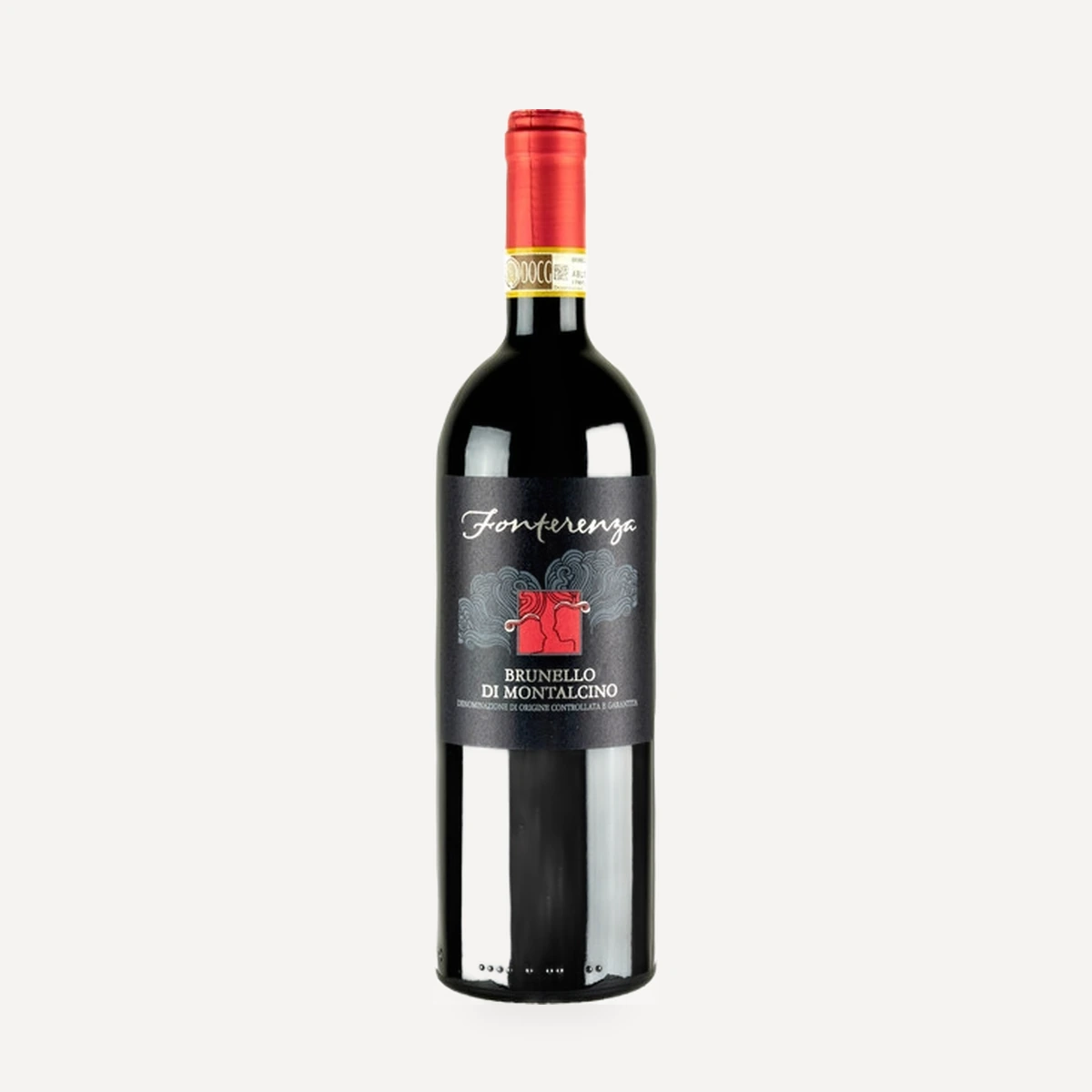
Brunello di Montalcino DOCG
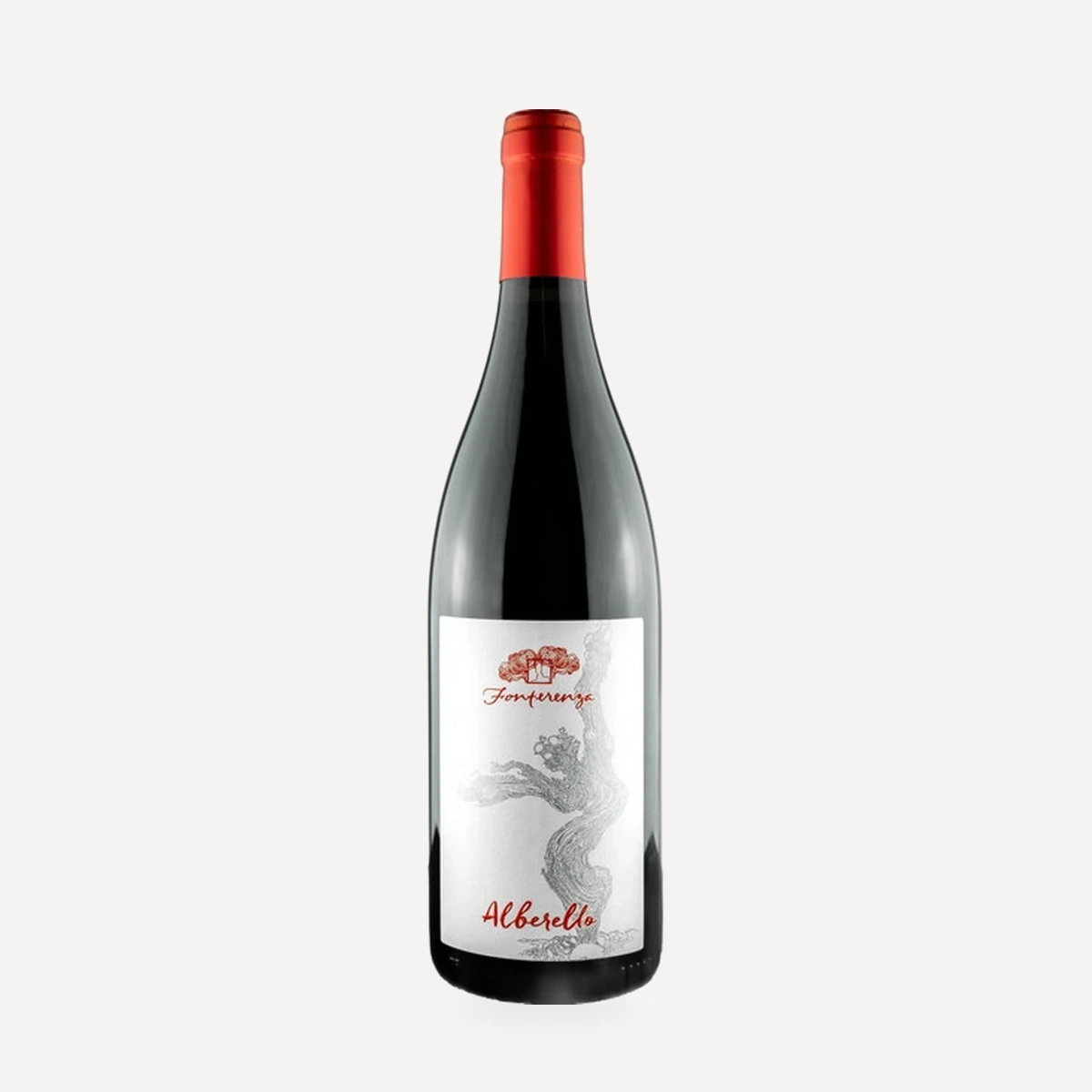
Alberello Toscana Sangiovese IGT
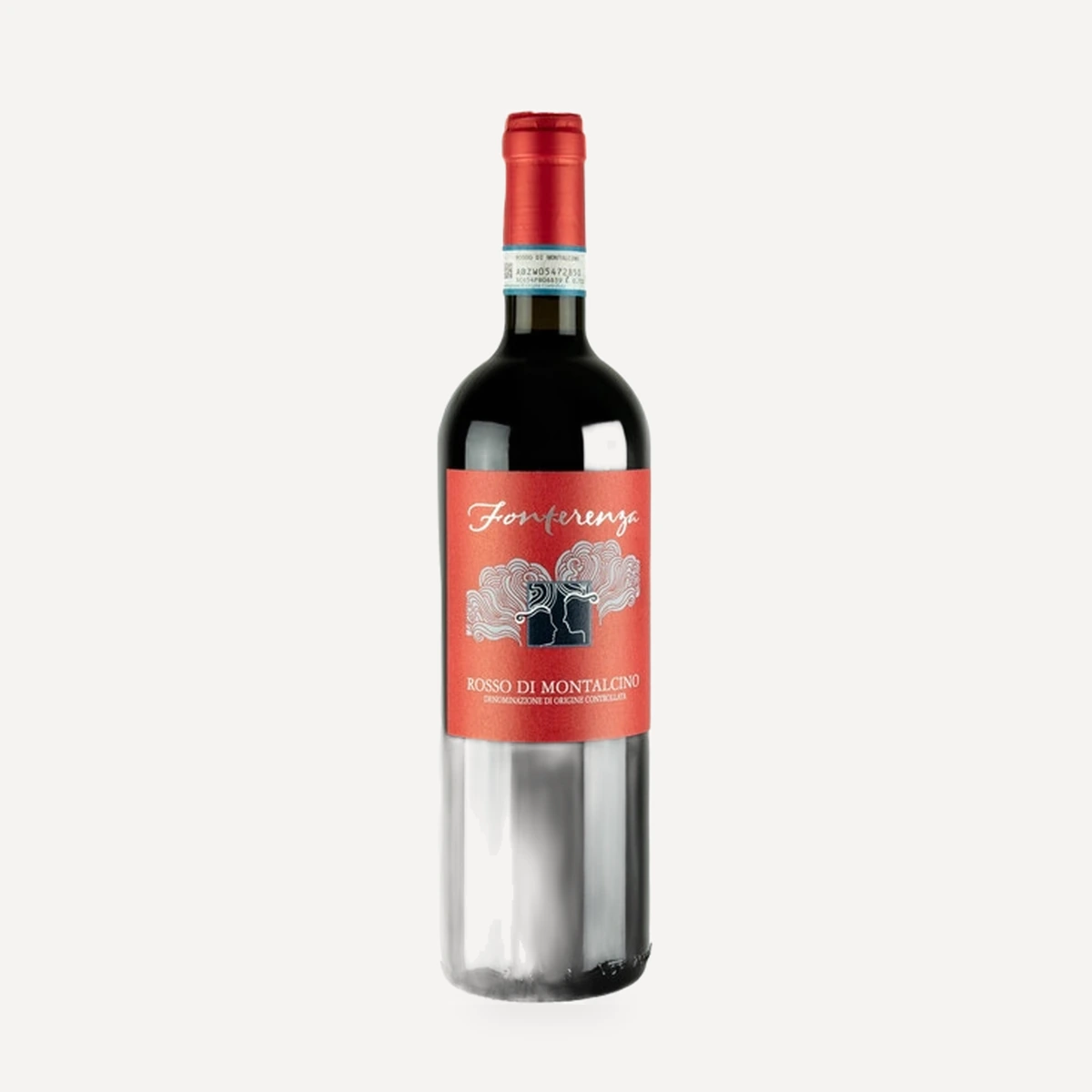
Rosso di Montalcino DOC