Storia
Centuries of winegrowing in Atzara
Fradiles grew out of a place where winegrowing has been an established occupation for centuries. Atzara lies in the historical region of Mandrolisai, and its vineyards have long formed part of a landscape of pastures, wooded hills and mountains in central Sardinia. The area retains old, low-trained alberello vineyards planted with mixtures of indigenous varieties according to local custom.
The family inheritance
The project originated in the recovery of an old family winegrowing business and the vineyards handed down with it. Its name, Fradiles, means “cousins” in Sardinian and refers directly to the family relationship at the heart of the enterprise.
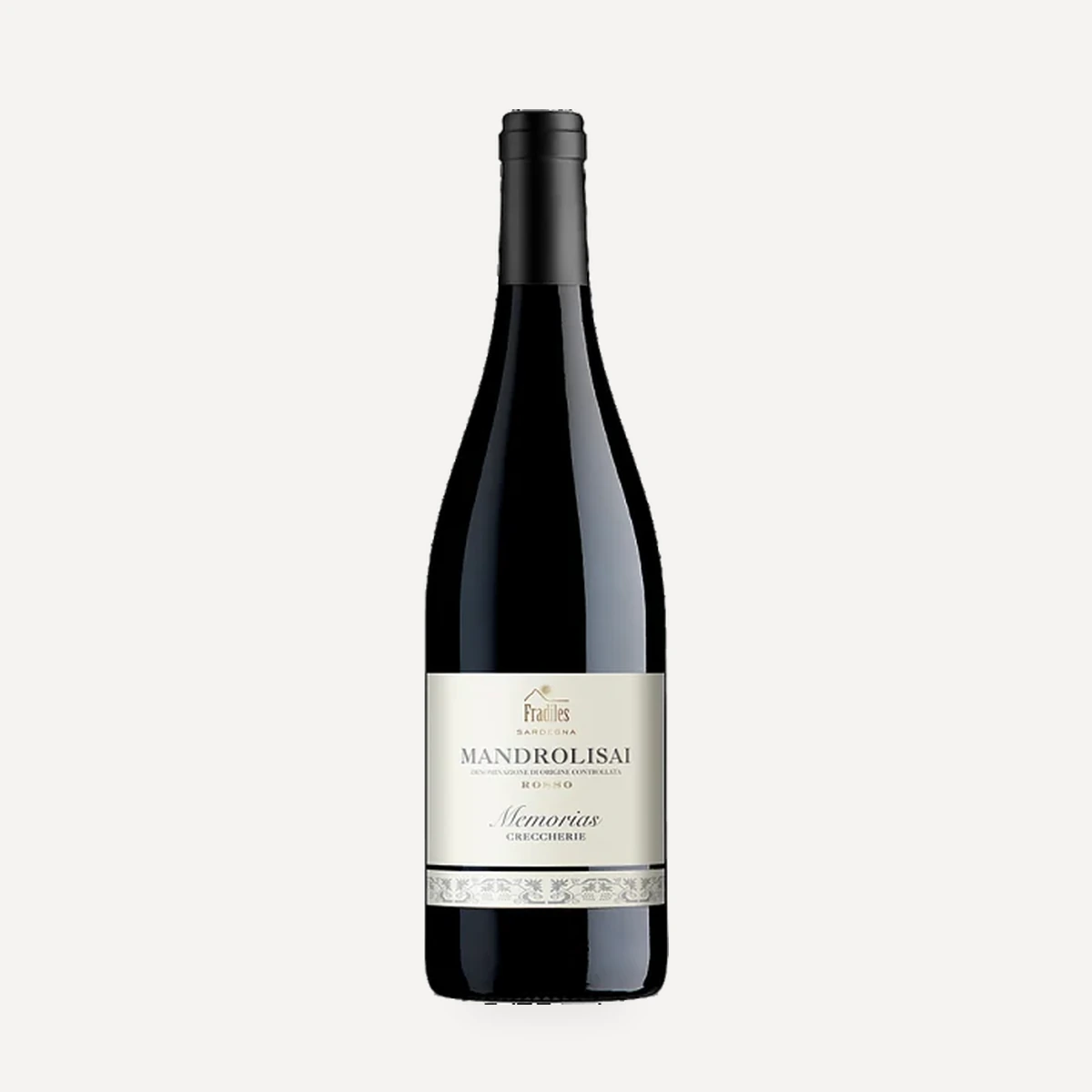
The historical nucleus comprises 6 ha surrounding the winery at Creccherì. It includes vines inherited through several generations, with surviving plants now approximately 80 and 100 years old. These vineyards preserve both the traditional alberello form and the old practice of growing several local cultivars together in the same vineyard.
Historic vineyards and new projects
The estate now works 10 ha between 500 and 700 m above sea level. Paolo Savoldo leads the business together with his cousin Antonio and the wider family. Their work combines the conservation of old vineyards with newer projects, while maintaining Mandrolisai DOC as the principal focus of production.
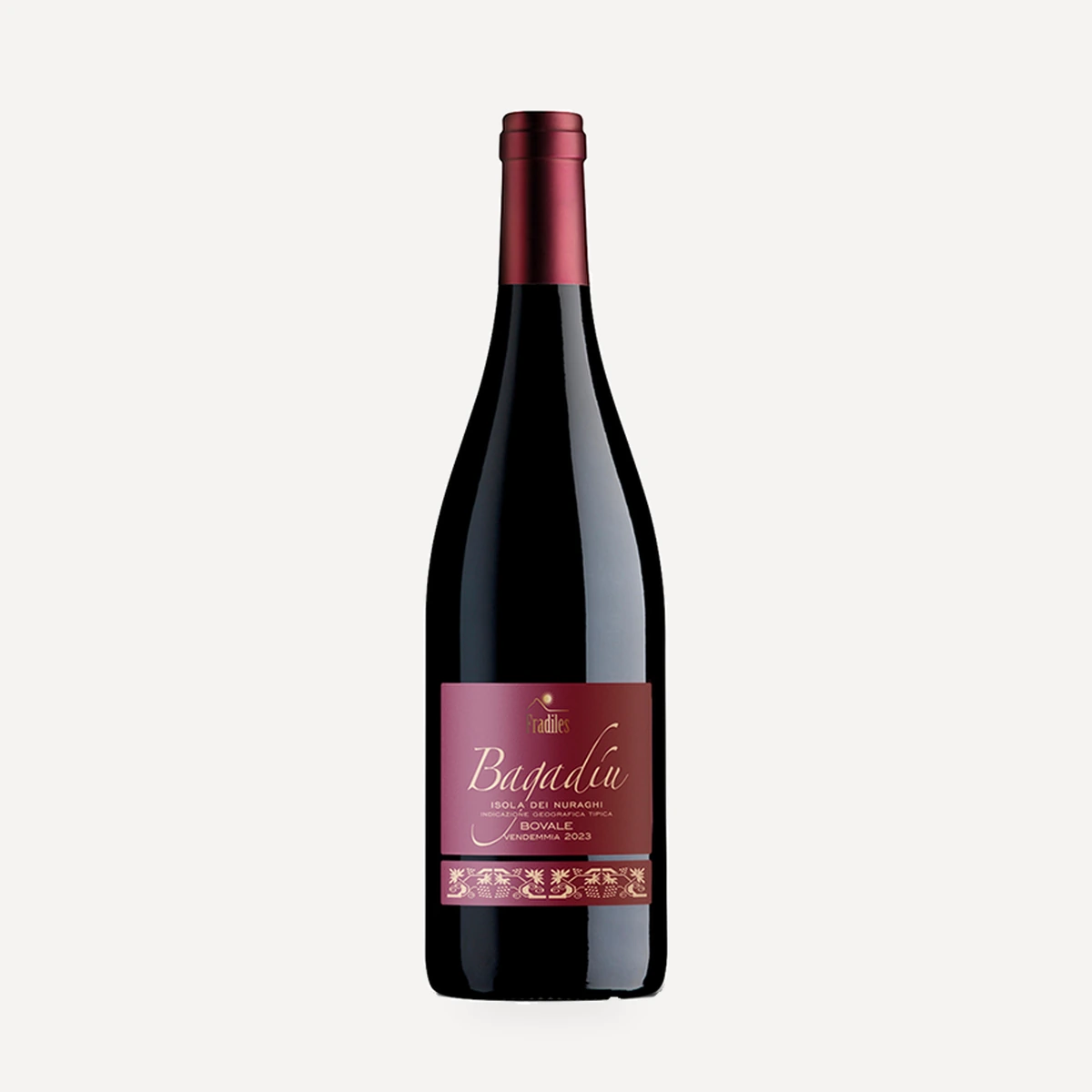
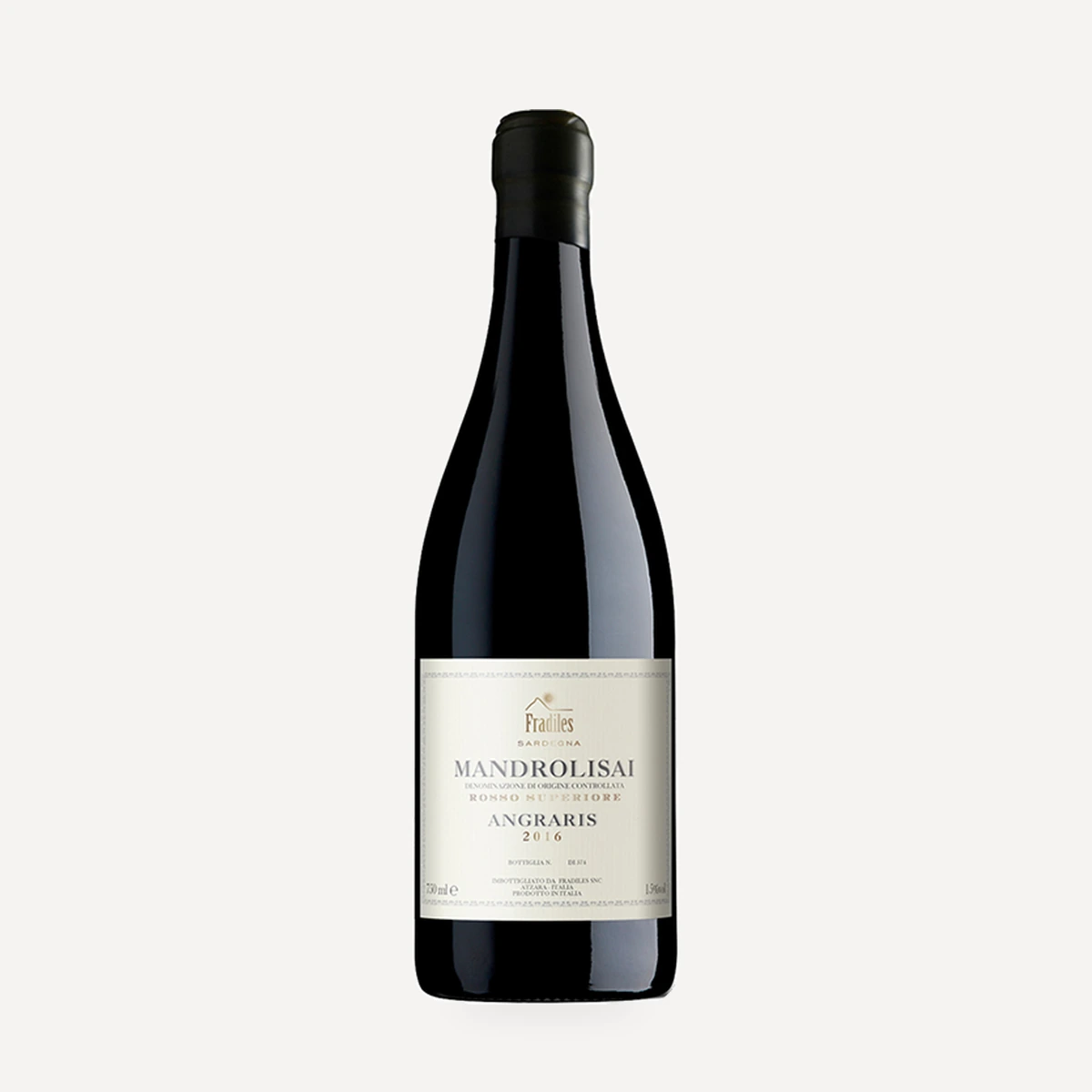
Particular attention is given to Bovale Sardo, locally called Muristellu, and to the rare red grape known locally as aniga ’e Sant’Antiògu, or “Saint Antioco’s grape.” These varieties also provide a basis for varietal IGT production. The Angraris area, represented by an old alberello vineyard, is treated as a cru for Mandrolisai Rosso Superiore.
The contemporary approach seeks to safeguard Mandrolisai’s viticultural inheritance while combining inherited practices with continuing research, technological innovation and close attention to detail.
Terroir
Fradiles is based at Creccherì in the commune of Atzara, in the geographical centre of Sardinia and within the historical region of Mandrolisai. The vineyards occupy hilly ground on the western side of the Gennargentu mountain chain. The estate’s elevation range is 500–700 m, while several described vineyard blocks lie around 500–550 m.
The landscape combines vineyards with green pastures, mountains bearing chestnut and oak trees, and hills covered by holm oak and holly woodland. Long, sunny summers and limited rainfall are accompanied by abrupt day-to-night temperature changes associated with the nearby mountains. These conditions contribute to the retention and development of aromatic compounds in the grapes.
The soils derive principally from weathered granite and tend from medium-textured toward sandy. Schist is also present in the Mandrolisai terroir, while one vineyard description identifies sandy and clay components alongside decomposed granite. Differences in climate, soil and position can produce distinct expressions from one vineyard to another, providing the basis for the estate’s cru approach.
Vinificazione
Atzara’s vineyards form part of a recognized Historical Rural Landscape. Traditional alberello training remains central to the older sites: vines are maintained close to the ground, with bunches near the soil surface. This form is adapted to poor, dry ground and naturally gives a low crop per plant.
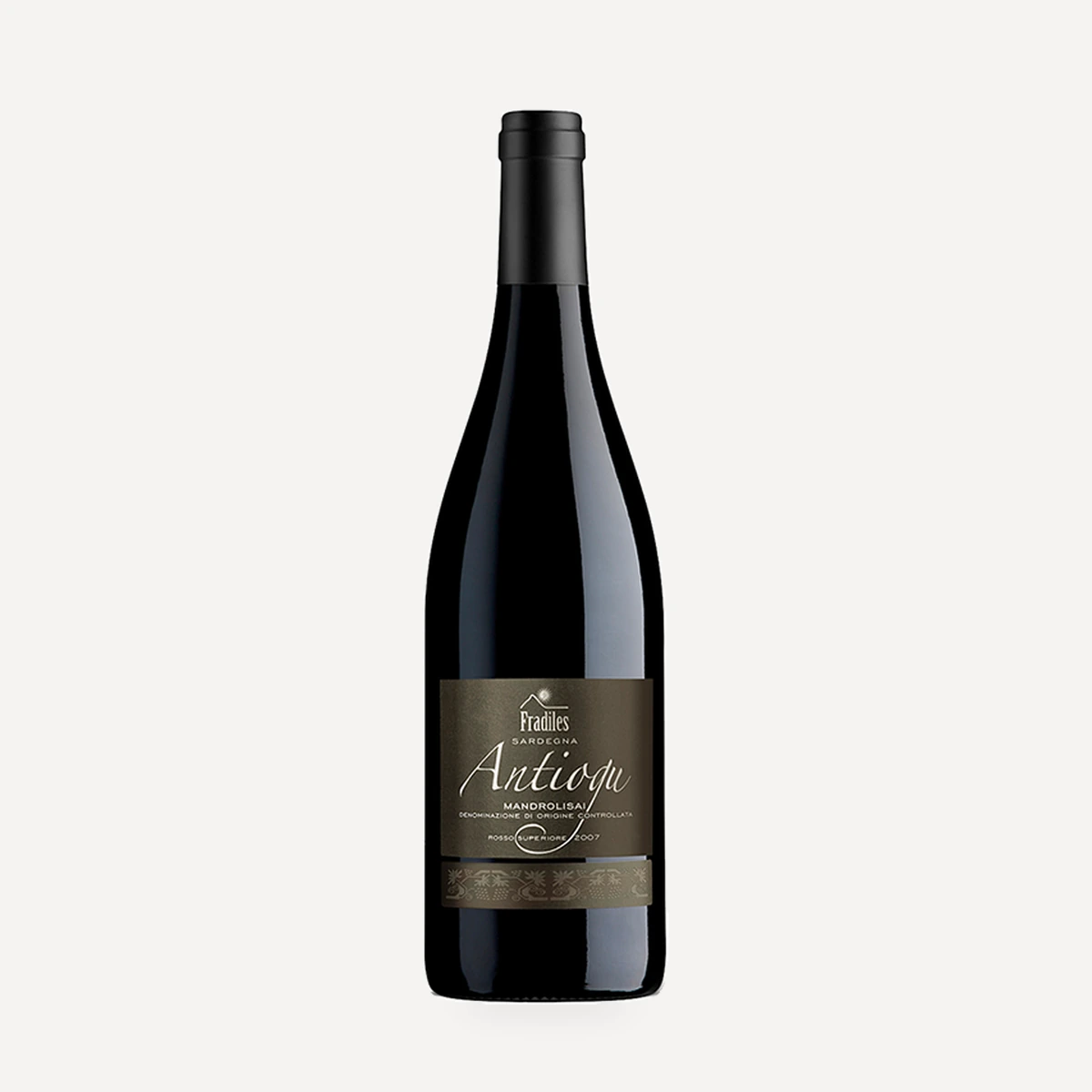
Old vineyards preserve the historical practice of field-mixing different local varieties. This coexistence of cultivars is treated as an important reservoir of biodiversity and a means of retaining the character of traditional Mandrolisai viticulture. Bovale Sardo (Muristellu), Cannonau and Monica are prominent, while special attention is also given to aniga ’e Sant’Antiògu.
Both alberello and espalier systems are present across the estate. Described densities range from 5,000 to 6,000 vines/ha, while the older blocks produce approximately 4–5 tonnes/ha. One Muristellu block is short-pruned. Soils in the historical Angraris and Antiogu-associated vineyards are worked throughout the year with traditional techniques.
Production is principally oriented toward Mandrolisai DOC, complemented by varietal and other wines under Isola dei Nuraghi IGT. The cellar approach is intended to protect the inherited viticultural identity of Mandrolisai while allowing individual vineyards and local varieties to retain distinct characters.
The winery combines established local practices with continuing research and technological innovation. Temperature-controlled fermentation and stainless-steel vessels are used across the range. Depending on the intended expression, maturation may continue in steel or in wooden vessels of several formats, including barriques, 500-litre tonneaux and larger 750-litre casks. Some wines receive additional bottle maturation. Careful attention to detail and simplicity of expression are presented as the foundations of the house style.
Filosofia
Fradiles defines its work through the recovery and protection of Mandrolisai’s winegrowing inheritance. Historic vineyards, old alberello training, mixed indigenous plantings and family continuity are treated as living resources rather than as purely historical artifacts.
The family’s stated aim is to create an increasingly recognizable “Fradiles style.” Each wine is conceived as carrying its own story, anecdote and emotional connection to the land. Quality is associated with simplicity and elegance, while improvement is pursued through research, technological innovation, care and close attention to detail.
The conservation of rare local grapes and old vineyards is central to this position. Individual vineyard differences are valued rather than erased, allowing specific sites to support cru bottlings. The idea of patience also recurs in the estate’s language: viticulture follows the rhythm of sowing, waiting and harvesting rather than the expectation of immediate results.
Vini
Angraris
Antiogu
Memorias Creccherie
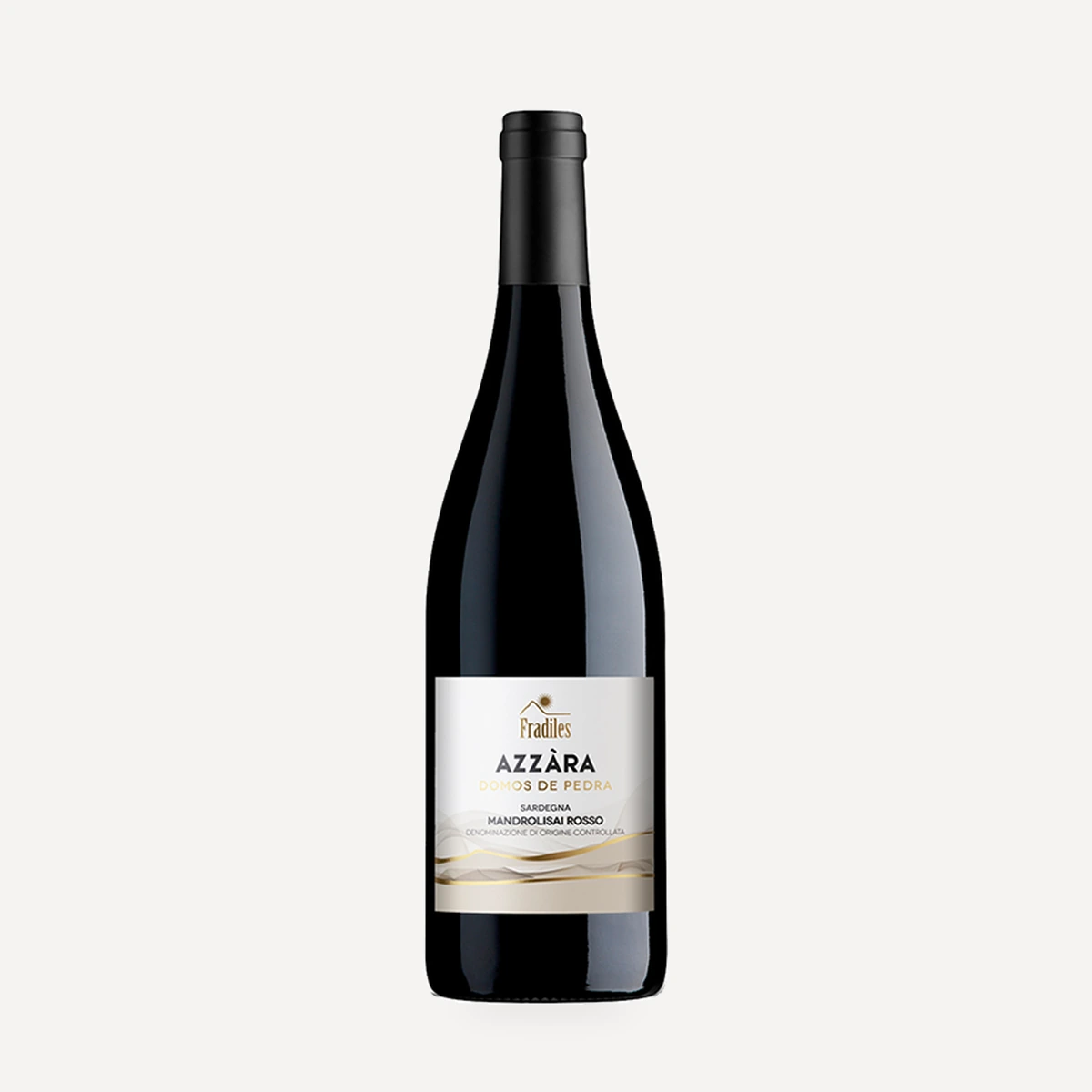
Azzàra