Storia
The family’s viticultural inheritance
Viticulture and winemaking predate the formal creation of Francesco Cadinu by several generations. Some vineyards have remained within the family across generations and are now more than a century old.
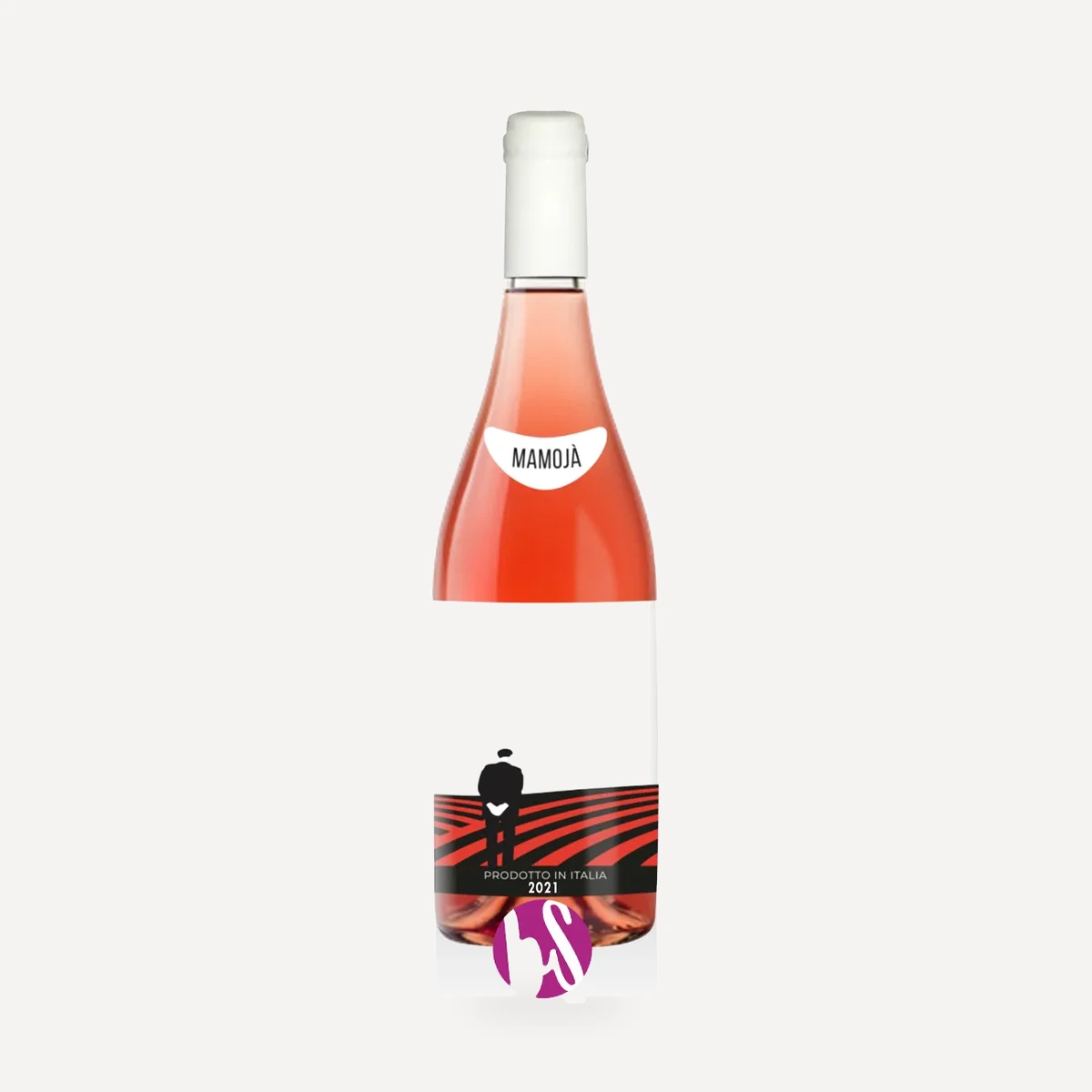
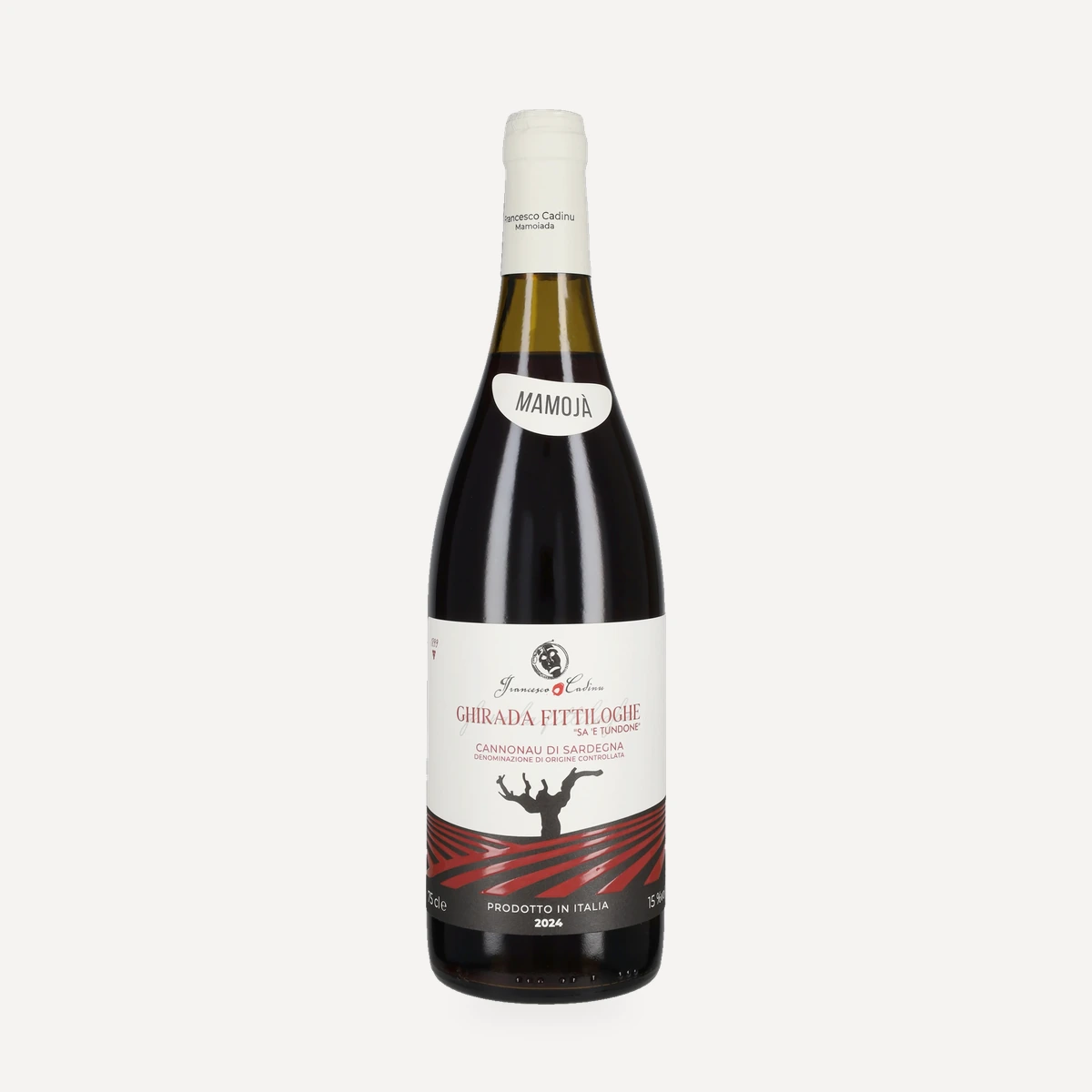
The family tradition was transmitted in particular through Simone Sale, known as tziu Simone. He learned the work of a winegrower from his father-in-law. During the 1950s, Simone purchased an old vineyard in the locality of Fittiloghe—whose name means “place of vines”—and that vineyard remains part of the estate. The family’s rosato was later named Tziu Simone in recognition of Simone Sale, the person who passed on both the vineyards and the winemaking tradition.
Loreto’s earlier history
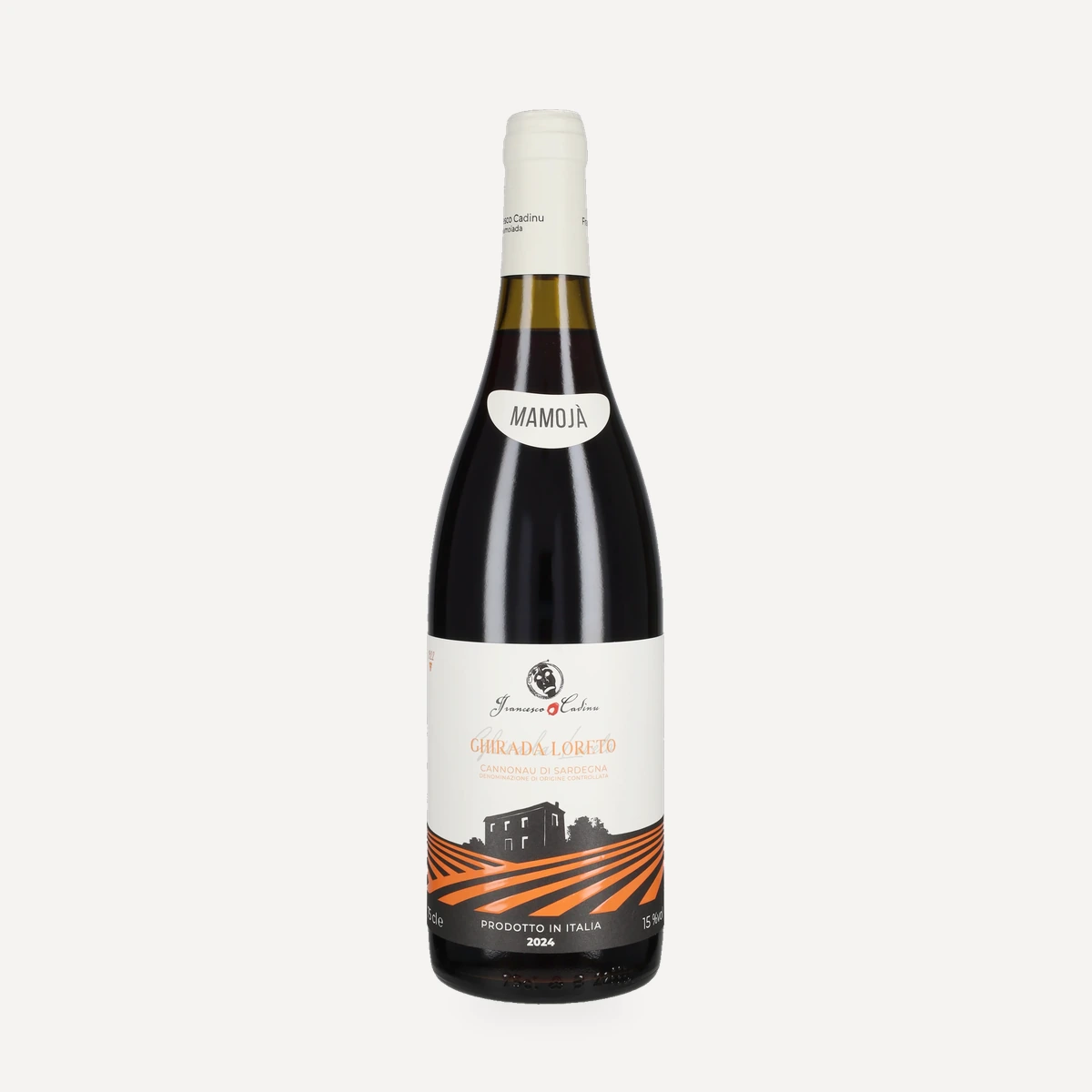
The Loreto vineyard was planted in 1922 by Simonetta’s great-grandfather. He bore the same name as Simonetta’s husband, Francesco Cadinu. Loreto remained a historic family vineyard and was acquired for the present estate in 2022.
Formal establishment in 2015
Francesco and Simonetta officially created the winery in October 2015, building the new enterprise around the family’s inherited vineyards and longstanding involvement in viticulture. The estate subsequently developed a parcel-focused structure: its 8 hectares are divided among eight vineyards, and each vineyard is vinified separately.
The oldest sites became the basis of the Ghirada range. In the Mamoiada Sardinian usage adopted by the family, a ghirada is a vineyard portion bounded by dry-stone walls and identified by a traditional name. These names, transmitted orally across generations, can refer either to former owners or to natural features of the land.
The estate today
The vineyards now include century-old parcels alongside younger plantings. The estate produces approximately 15,000 bottles annually. Its work combines traditional bush-vine cultivation, manual vineyard practices, separate vinification of individual sites, and spontaneous fermentation without added yeast. Granatza has also become part of the estate’s work through old vines and new plantings propagated by massal selection from historic Mamoiada material.
Terroir
The estate’s 8 hectares lie in the countryside of Mamoiada at approximately 650 metres above sea level. Individual documented sites range from about 650 metres at Elisi and Loreto to about 700 metres at Fittiloghe.
Mamoiada’s vineyards have an average elevation of approximately 736 metres and experience pronounced temperature differences between day and night. The area has roughly 300 hectares under vine. Cannonau accounts for approximately 95% of local plantings, while new vineyards are contributing to renewed interest in Granatza, an indigenous white variety.
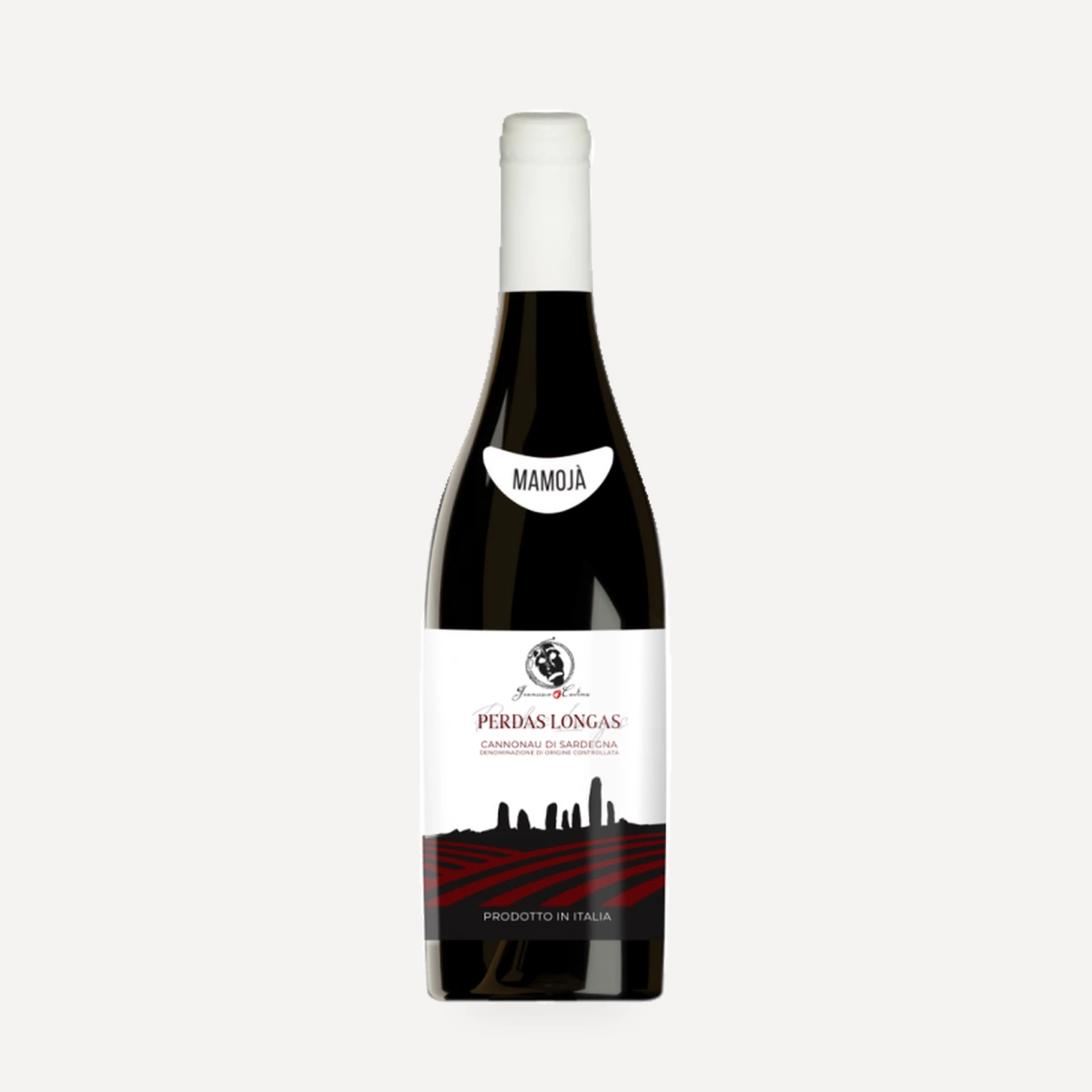
The soils are granitic, loose in structure and slightly acidic. The individually described estate vineyards have decomposing granite soils. At Perdas Longas, the name means “long stones” and refers to the considerable presence of menhirs in the locality.
Vinificazione
The estate follows a sustainable approach intended to respect the surrounding environment. Its 8 hectares are divided among eight vineyards and trained predominantly as traditional bush vines.
Manual work is central to the documented parcels. The current descriptions of Fittiloghe, Elisi, Loreto, the multi-vineyard Cannonau parcels and the young rosato vineyard all identify hand cultivation or traditional manual practices. Fittiloghe and Elisi are too old or too tightly planted for mechanical equipment; a yoke of oxen is used to plough both vineyards.
The estate preserves old plant material while also establishing new vineyards. Granatza, historically found among Cannonau vines, is being propagated through massal selections from old Mamoiada plants. This work accompanies the renewed cultivation of the indigenous white variety.
Documented yields range from 18 quintals per hectare at Fittiloghe to 25 quintals per hectare at Elisi and Loreto and 35 quintals per hectare in other old-vine parcels. Harvest timing varies by site, from the first ten days of September at Elisi and Loreto to the first ten days of October at the higher Fittiloghe vineyard.
The eight estate vineyards are vinified separately, preserving the identity of each site. The oldest vineyards supply the Ghirada single-vineyard range, while selected fruit from multiple old parcels can be combined for the estate’s broader Cannonau expression.
Fermentations are spontaneous and proceed without added yeast. The approach is deliberately restrained: the cellar work is intended to accompany the character of the fruit and individual vineyard rather than impose a predetermined interpretation. Current production is approximately 15,000 bottles per year.
Filosofia
Francesco Cadinu’s declared approach joins family continuity, artisanal work and respect for the land. The estate treats its old vineyards as a multigenerational inheritance and seeks to carry their individual identities into the cellar through separate vinification.
The farming philosophy is described as sustainable and environmentally respectful. Traditional bush-vine cultivation and manual work remain important, including ox-drawn ploughing where old, closely planted vineyards cannot accommodate machinery.
In the cellar, the guiding principle is minimal imposition: spontaneous fermentation without added yeast and an essential, attentive approach are intended to support the fruit and the identity of each vineyard without forcing them into a predetermined style. The estate presents its purpose as expressing Mamoiada through individual parcels, old vines and the differences among sites.
Vini
Ghirada Fittiloghe
Ghirada Loreto
Perdas Longas
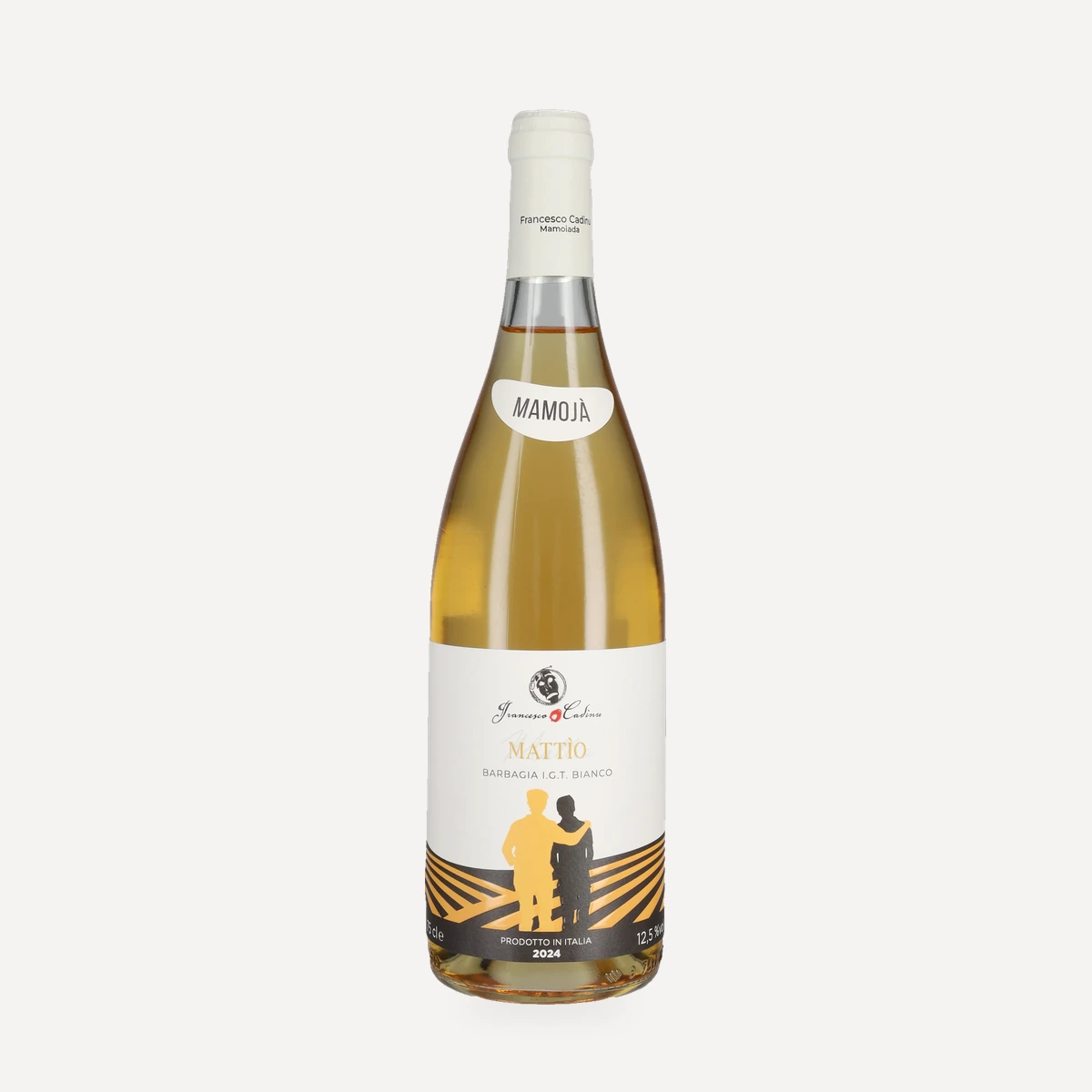
Mattio
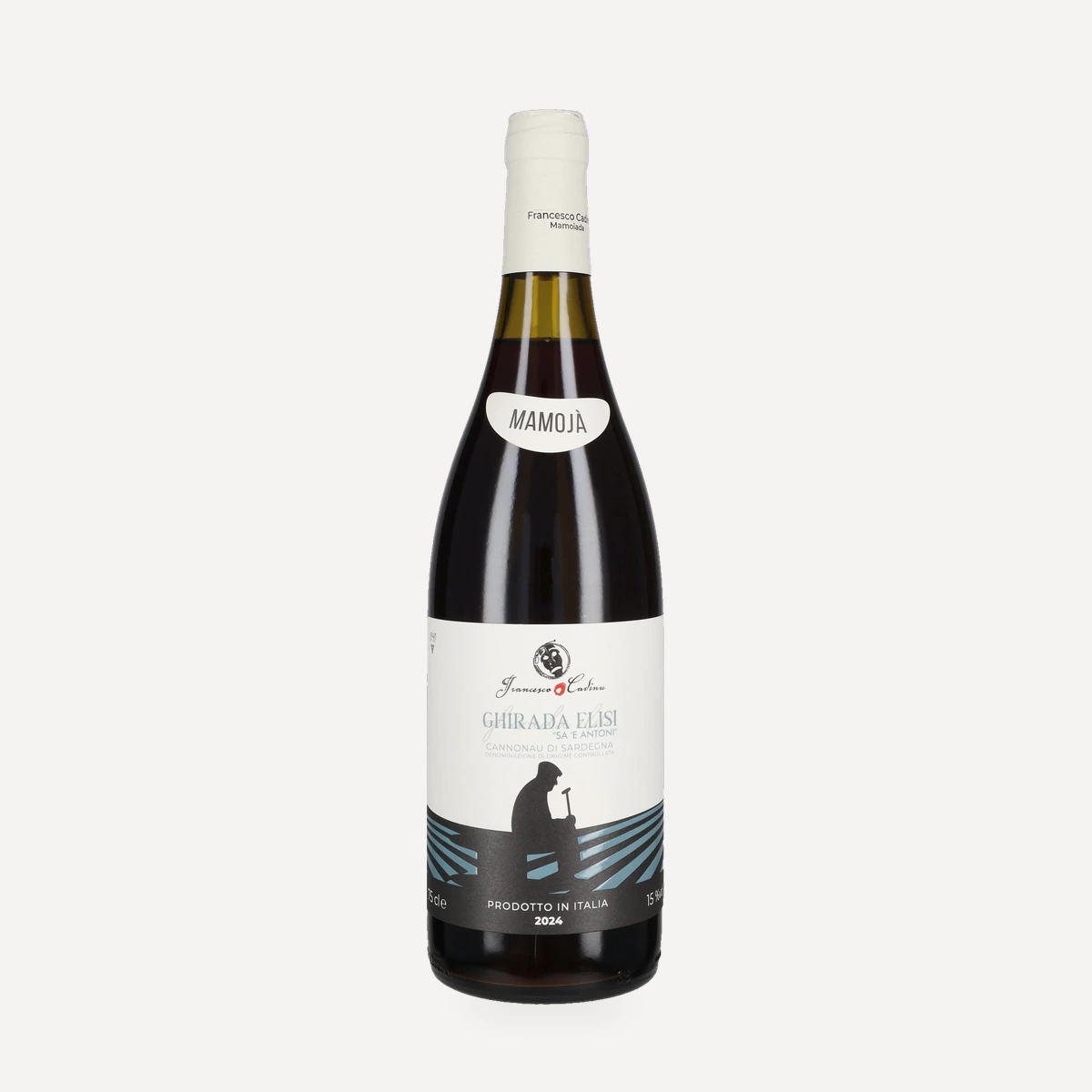
Ghirada Elisi