Storia
Medieval origins
The earliest historical references to Gabbiano date to the 11th century, when construction began on the square defensive tower guarding an important communication route between Florence and Siena. Work on the vaulted cellars began in 1124. Their architecture records their early use for wine production. At that time, the castle belonged to the Bardi, one of Florence’s principal banking families.
During the second half of the 13th century, the Bardi enlarged the fortress with perimeter walls and battlements in the Guelph architectural style. The property remained with the family until the beginning of the 15th century.
The Soderini period
In the early 15th century, the estate passed to the Soderini, one of Florence’s most politically influential families. A land survey presented by Tommaso Soderini to the Land Registry of the Florentine Republic in 1464 identified wine and olive oil as the estate’s most highly valued products.
The Soderini converted Gabbiano’s turreted manor into a working fattoria. That transformation had been completed by the late 15th century and was described in another cadastral declaration submitted by Tommaso Soderini, father of Pier Soderini, in 1480. Additional structures were erected in successive phases, eventually producing a large quadrilateral complex. Four cylindrical corner turrets strengthened the building as a private fortification.
In 1505, four round towers influenced by French architecture were built at the castle’s corners, giving the structure a form close to its present appearance. During the 16th century, the Soderini were declared rebels and banished from Florence following their struggle against the Medici. Gabbiano was consequently abandoned for an extended period.
The Soderini returned to their homeland in the 17th century and revived the castle. A sandstone plaque above its entrance commemorates the restoration with an inscription dated 1652. Beneath the family’s two coats of arms appears the inscription FRANC. SODERINUS SENAT. GASP. F. RURIS HUIUS IN FAMIGLIA RESTITUTOR SUB. A MDCLII; above them is Pier Soderini’s motto from his election as gonfalonier, IUS UT PALMA FLO, derived from Iustus ut palma florebit.
Nineteenth- and twentieth-century restoration
Successive owners carried out restoration work from the 19th century onward while preserving the defining features of the castle complex. The Del Turco family added a private Neoclassical chapel during the 19th century. An inscription inside the chapel records its restoration by the Lemmi family in 1957.
The ancient vaulted cellars were likewise restored without altering their original architecture. They now accommodate the large casks and barriques used for maturation.
Renewal of the vineyards and winery
A broad renewal and expansion of production has taken place over the last two decades, with environmental and social sustainability incorporated into the project. Francesco Caselli joined Gabbiano in 2007 after 11 years advising important Chianti Classico estates. He subsequently directed the vineyard-renewal program, which expanded the planted surface from the 52 ha he inherited to the 150 ha recorded in his professional profile. The current vineyard surface has since reached 165 ha.
Federico Cerelli became winemaker in 2011 after a decade working on Italian winemaking projects, particularly in Tuscany and Chianti Classico. His contribution included the design of a mechanized, computerized punching-down system. The first two examples of the apparatus were developed through collaboration between Cerelli and an engineer specializing in watchmaking.
Sustainability milestones
Gabbiano joined the MAGIS sustainable-wine program in 2012 and received MAGIS certification for its wine production in 2013. In 2014 it adopted Horta’s DSS project, using Vite.net®, agrometeorological stations and forecasting models to manage downy mildew and oidium more effectively.
The estate joined the Ministry of the Environment’s V.I.V.A. program in 2015. Its products were certified in 2018 after assessment of the Air, Water, Territory and Vineyard indicators. On 24 June 2021, an audit validated V.I.V.A. certification for the enterprise system as a whole.
Gabbiano received ISO 14001 certification for its environmental-management system on 29 May 2017. In 2019 it became an active participant in LIFE GREEN GRAPES, a project seeking to help vines withstand biotic stress while reducing synthetic plant-protection products and maintaining or increasing soil biodiversity.
In 2021 the company began the process of obtaining SA 8000:2014 social-accountability certification. The certificate was initially issued on 29 July 2022. An ISO 45001:2018 occupational-health-and-safety certificate had been issued on 25 November 2021.
Recent development
The vineyard estate now comprises 165 ha, mostly within San Casciano in Val di Pesa, with additional land around San Donato in Poggio. In 2024, Gabbiano received the inaugural Tuscan Wine Experience Award for Best Educational Wine Tour. In 2025 it introduced Vigneto Cerbaiola, a new Chianti Classico Gran Selezione, at Vinitaly.
Terroir
Gabbiano lies in the heart of Chianti Classico. Its 165 ha of vineyards are concentrated principally within the municipality of San Casciano in Val di Pesa, where both the vinification and maturation cellars are situated. A smaller portion extends into the San Donato in Poggio area, adding another component to the estate’s range of growing environments.
The vineyards traverse clay-rich, calcareous and stony ground. Individual sites can also include rocky, marl-rich limestone and clay soils. The combination of soil and grape variety is treated as decisive: each variety is matched to its particular needs and responses rather than managed through a single uniform model.
The wider property includes vineyards, olive groves and woodland across the rolling Chianti landscape. Its elevated viewpoints provide uninterrupted panoramic views over the surrounding countryside.
Vinificazione
Gabbiano’s viticultural principle is that wine quality begins in the vineyard. Management starts with soil analysis, selection of appropriate rootstocks and clones, and an understanding of the different requirements and responses of each variety. Production is deliberately contained, and the vines are followed throughout their full growth cycle to encourage healthy fruit and even ripening.
Most vines are trained to single spurred cordon, with Guyot used for part of the estate. Sangiovese accounts for about 85% of the 165 ha planted area. Francesco Caselli’s renewal program expanded and restructured the vineyards from a recorded starting point of 52 ha. His work has included collaboration with the University of Florence and the Chianti Classico Consortium on Sangiovese clonal selection.
Sustainable vineyard management
In 2014, Gabbiano adopted Horta’s DSS project. The Vite.net® decision-support platform combines agrometeorological-station data and forecasting models to guide control of downy mildew and oidium.
Participation in LIFE GREEN GRAPES began in 2019. The project seeks to place the vineyard system in conditions that help vines respond to biotic stress with less reliance on synthetic plant-protection products, while maintaining fruit quality and preserving or increasing soil biodiversity. Its work encompasses the vine-protection chain from nursery to harvest and investigates resistance inducers and biological-control agents.
The V.I.V.A. framework evaluates four indicators—Air, Water, Territory and Vineyard. Estate products were certified in 2018, followed by enterprise-system validation in 2021. The broader production process is presented as sustainably certified.
Wastewater is treated through phytodepuration, an artificially constructed version of the self-purification processes found in wetlands. An impermeable basin filled with gravel and planted with aquatic and non-aquatic vegetation allows the substrate, plants, effluent and microorganisms to act together. Plant organisms absorb dissolved organic compounds; treated water exits the system without sludge production.
Cellars and approach
The vaulted cellars originated in 1124 and preserve evidence of their historic wine-production function. Restored with respect for their original architecture, they now house large wooden casks and barriques for maturation. Vinification and ageing facilities are located in San Casciano in Val di Pesa.
Cellar work is conceived as a balance between inherited practice and modern technical control. Contemporary equipment is used to reproduce established operations with greater precision rather than to replace them. Winemaker Federico Cerelli describes traditional practices and modern technology as complementary.
Mechanized punching down
Cerelli played a central role in designing a fermentation system with mechanized and computerized punching down. Developed jointly with an engineer specializing in watchmaking, the equipment applies technical precision to a traditional extraction operation. The first two examples were described as the first such units made anywhere in the world.
Maturation and production management
Large casks and barriques are used in the historic cellars. The certified environmental-management scope encompasses grape growing and harvesting, vinification, maturation, processing, bottling, packaging and storage. The estate’s current public production description does not prescribe one fermentation or maturation regime for all wines, reflecting the different requirements of its grape varieties and selections.
Filosofia
Gabbiano places grape quality at the center of wine quality. Its vineyard approach is based on understanding the interaction between each variety and its soil, anticipating the vine’s requirements and guiding it toward healthy fruit and even ripening through analysis, clonal and rootstock choices, controlled production and attentive management.
In the cellar, the stated objective is to align tradition with innovation. Past experience supplies the practices; present-day technical competence and equipment provide greater precision and control. Federico Cerelli’s work on computerized punching down embodies this position: a historic cellar operation is retained while its execution is made more measurable.
Environmental policy is framed around preserving the productive capacity of the land for the future. This has led to participation in MAGIS, V.I.V.A., DSS and LIFE GREEN GRAPES, together with environmental, occupational-safety and social-accountability management systems. The sustainability program extends beyond vineyards to water treatment, worker welfare and relations with the local community.
The estate also presents wine, agriculture, food, architecture, hospitality and art as interconnected expressions of the Chianti territory.
Vini
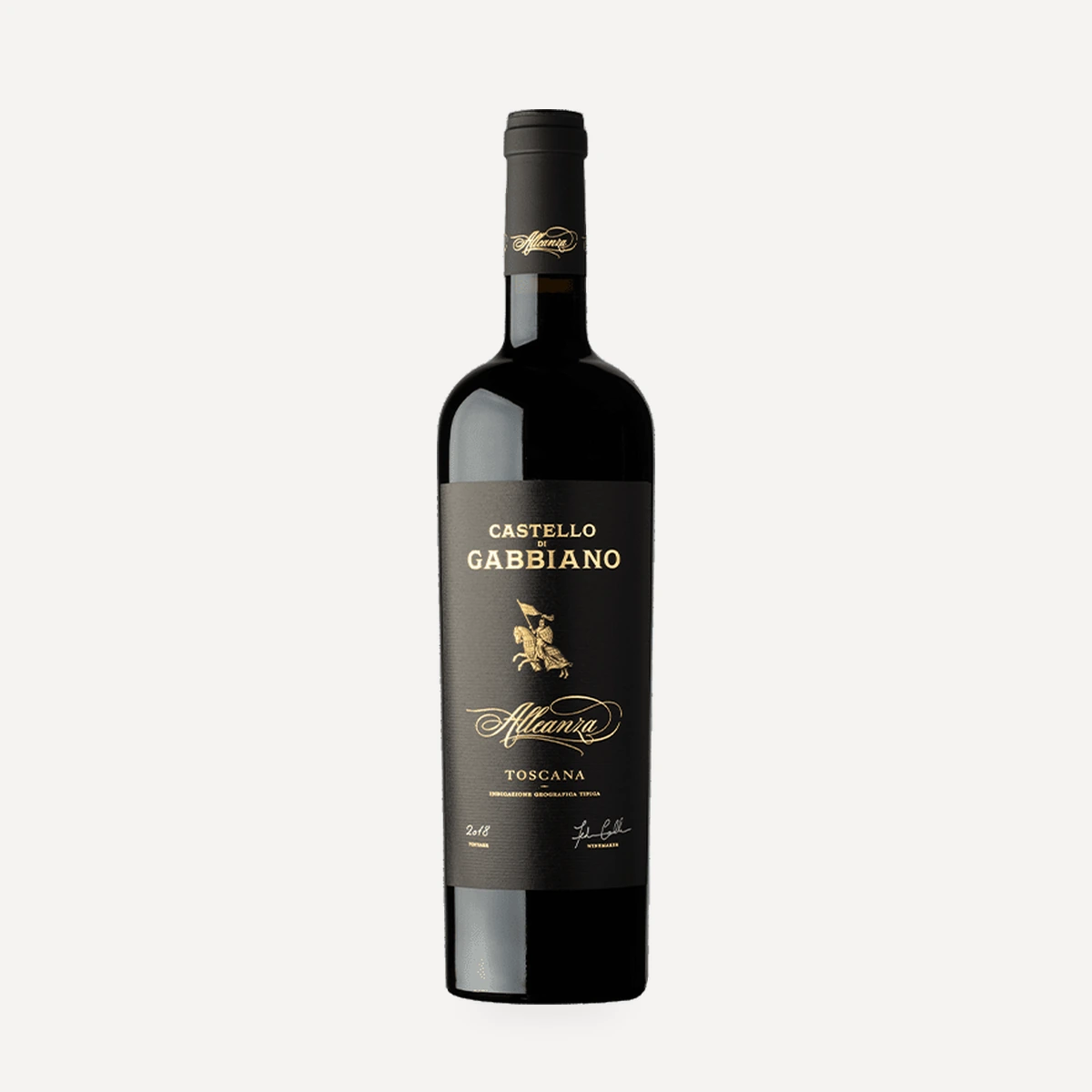
Alleanza I.G.T. Toscana
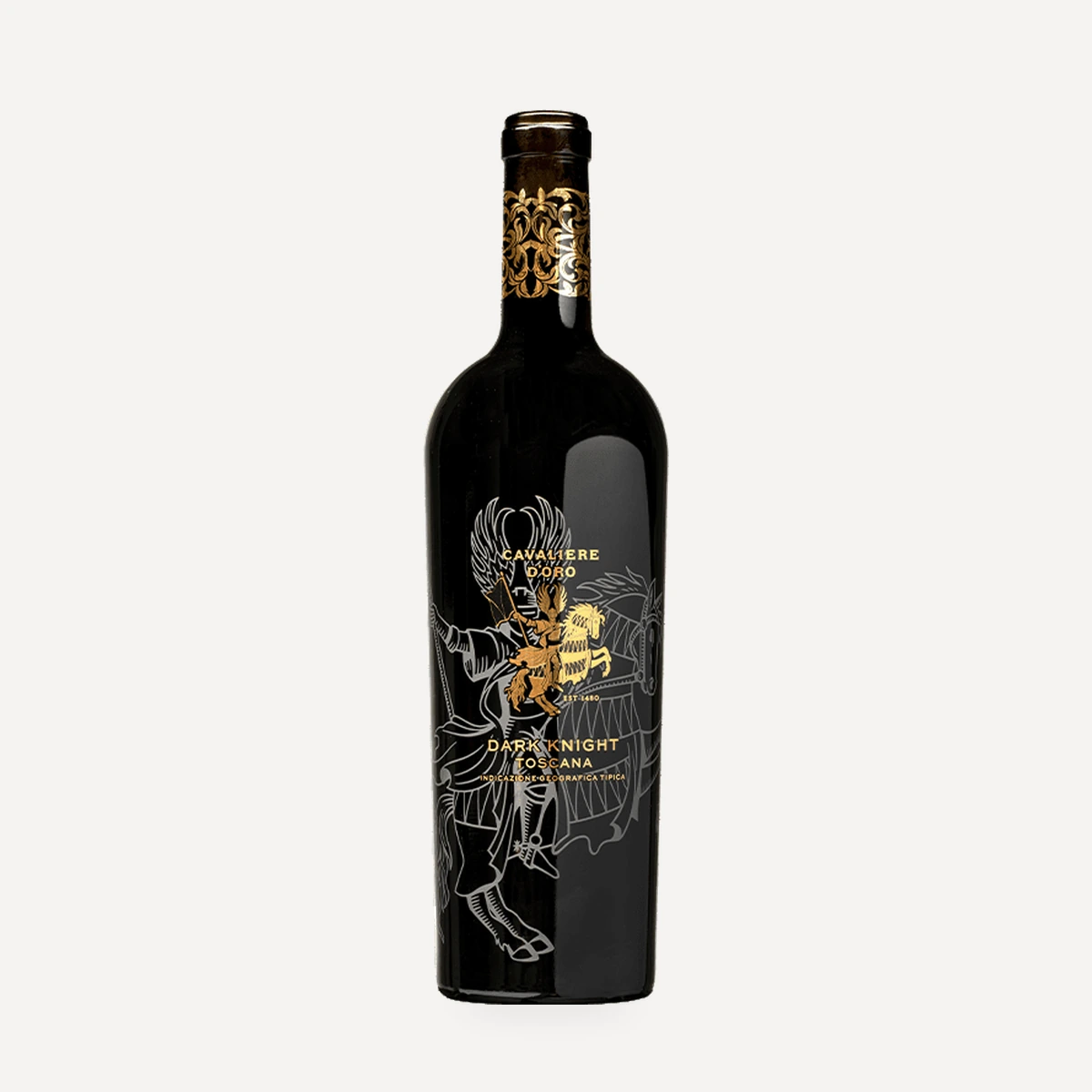
Cavaliere d’Oro Dark Knight I.G.T. Toscana
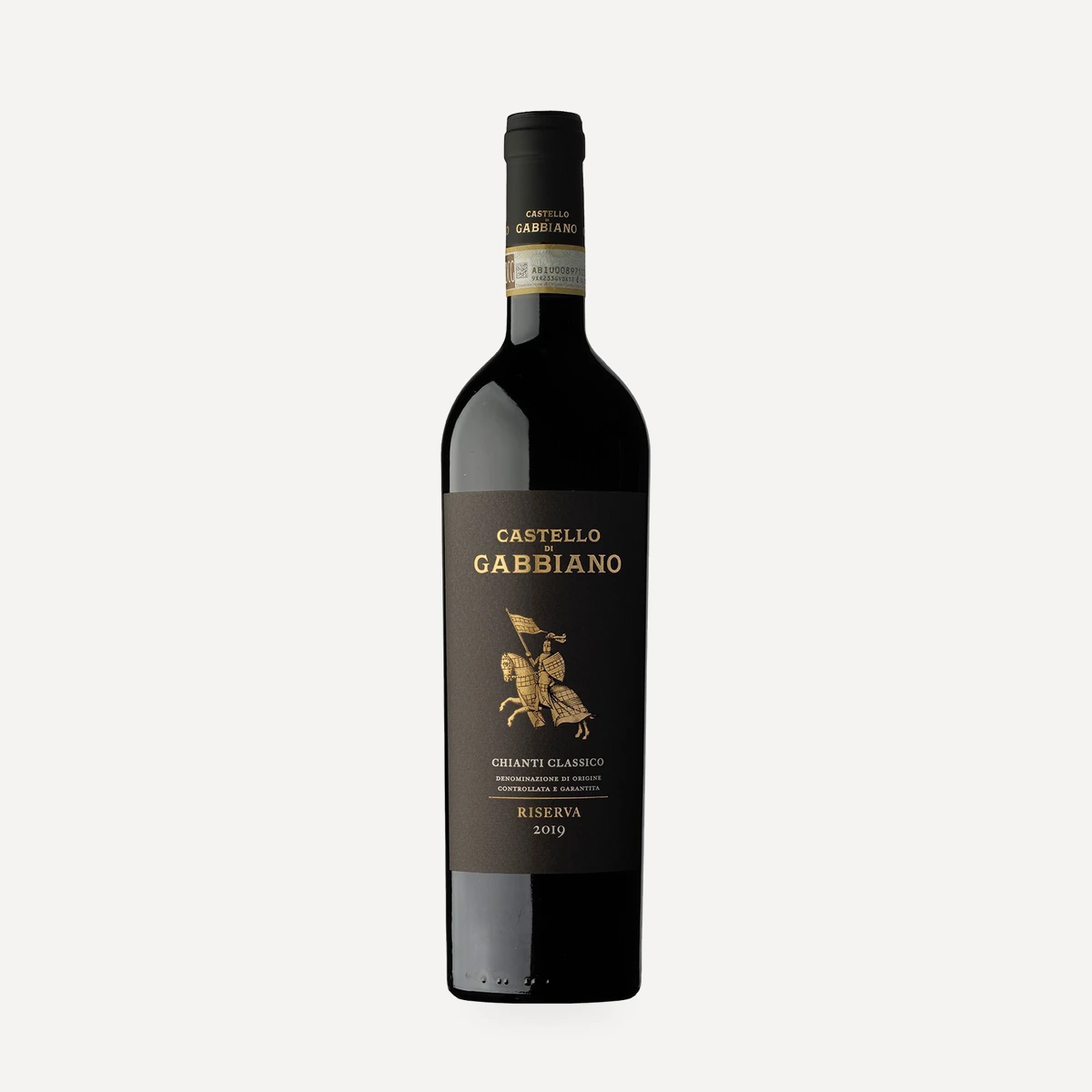
Chianti Classico Riserva D.O.C.G.
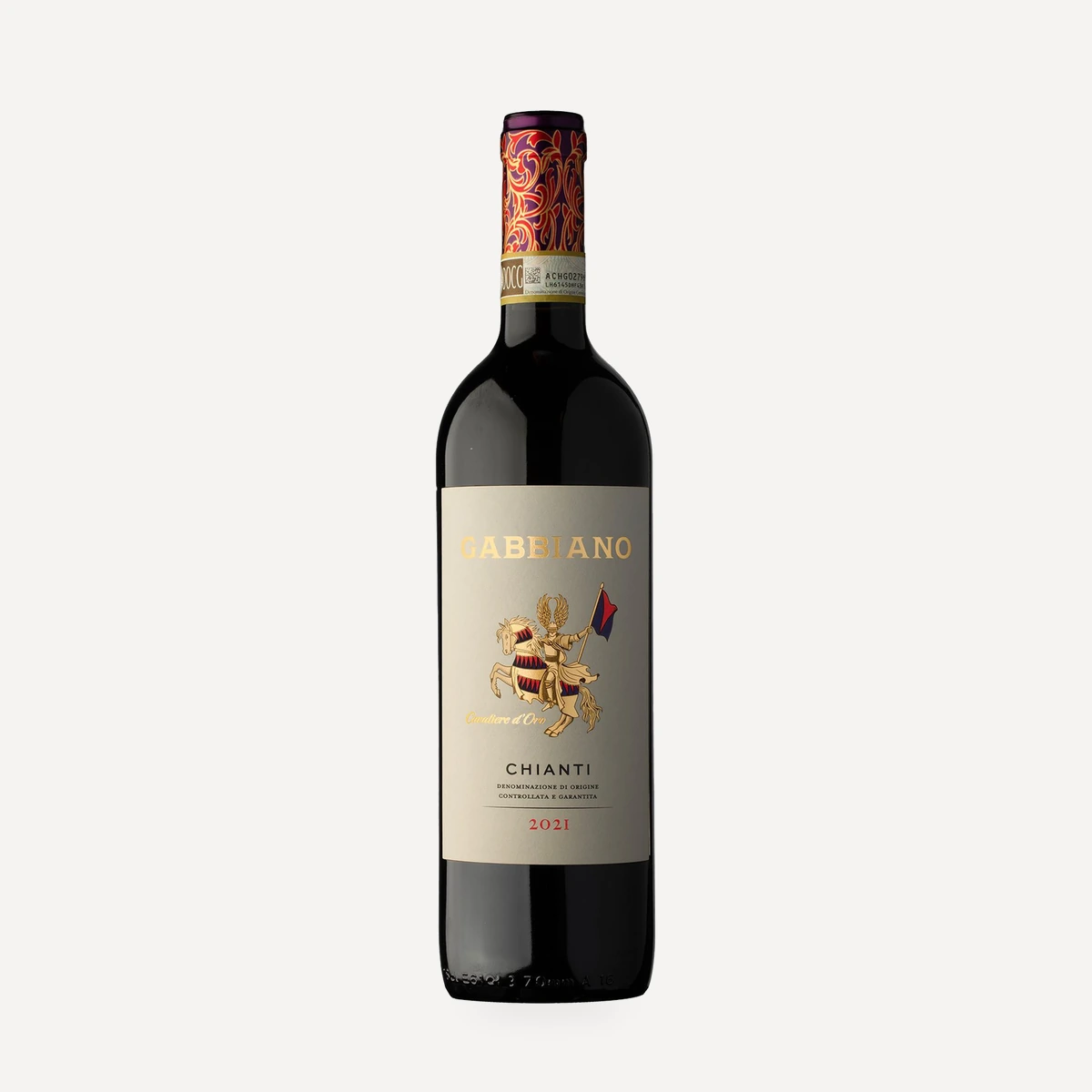
Chianti D.O.C.G.
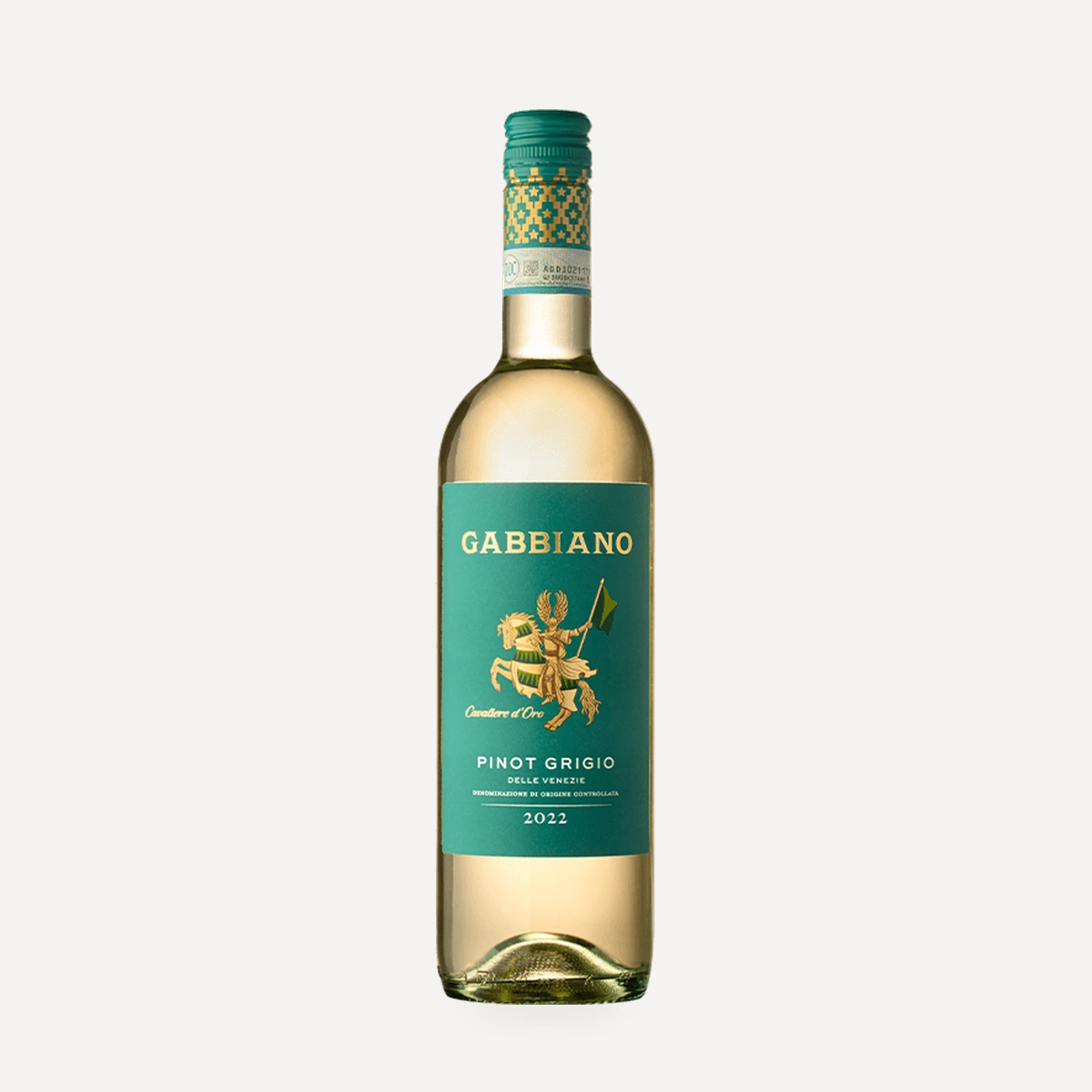
Pinot Grigio D.O.C. delle Venezie
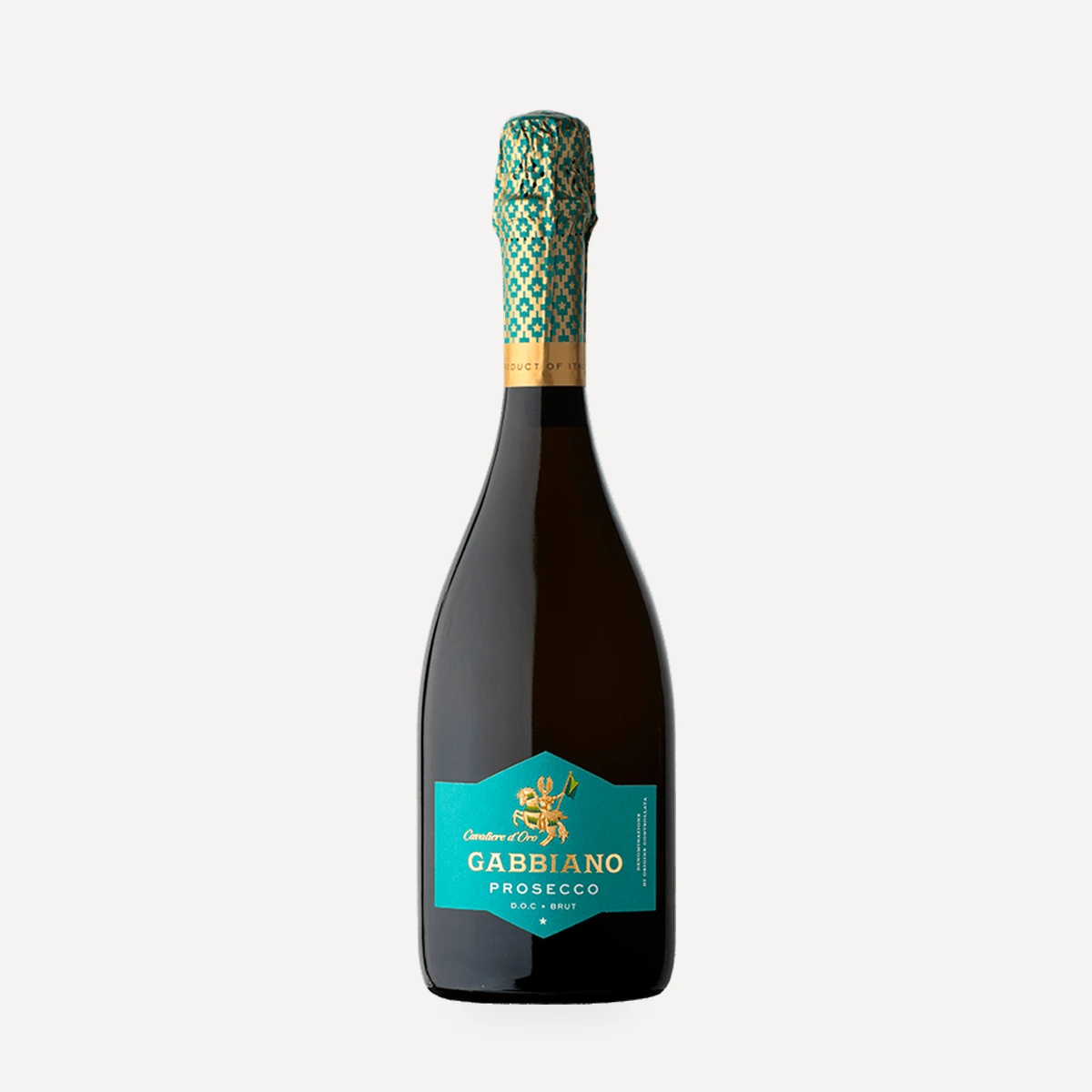
Prosecco D.O.C. Brut
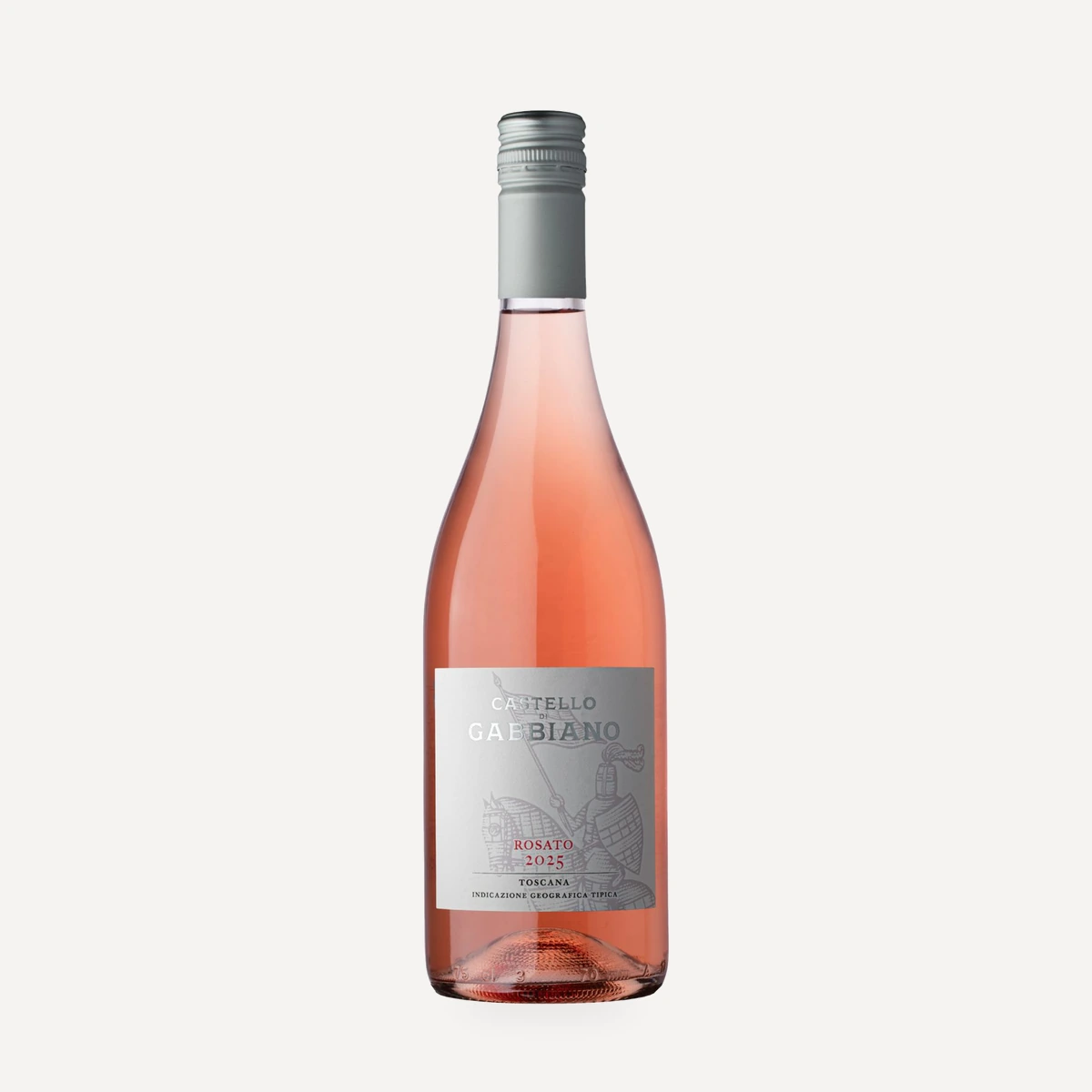
Rosato I.G.T. Toscana
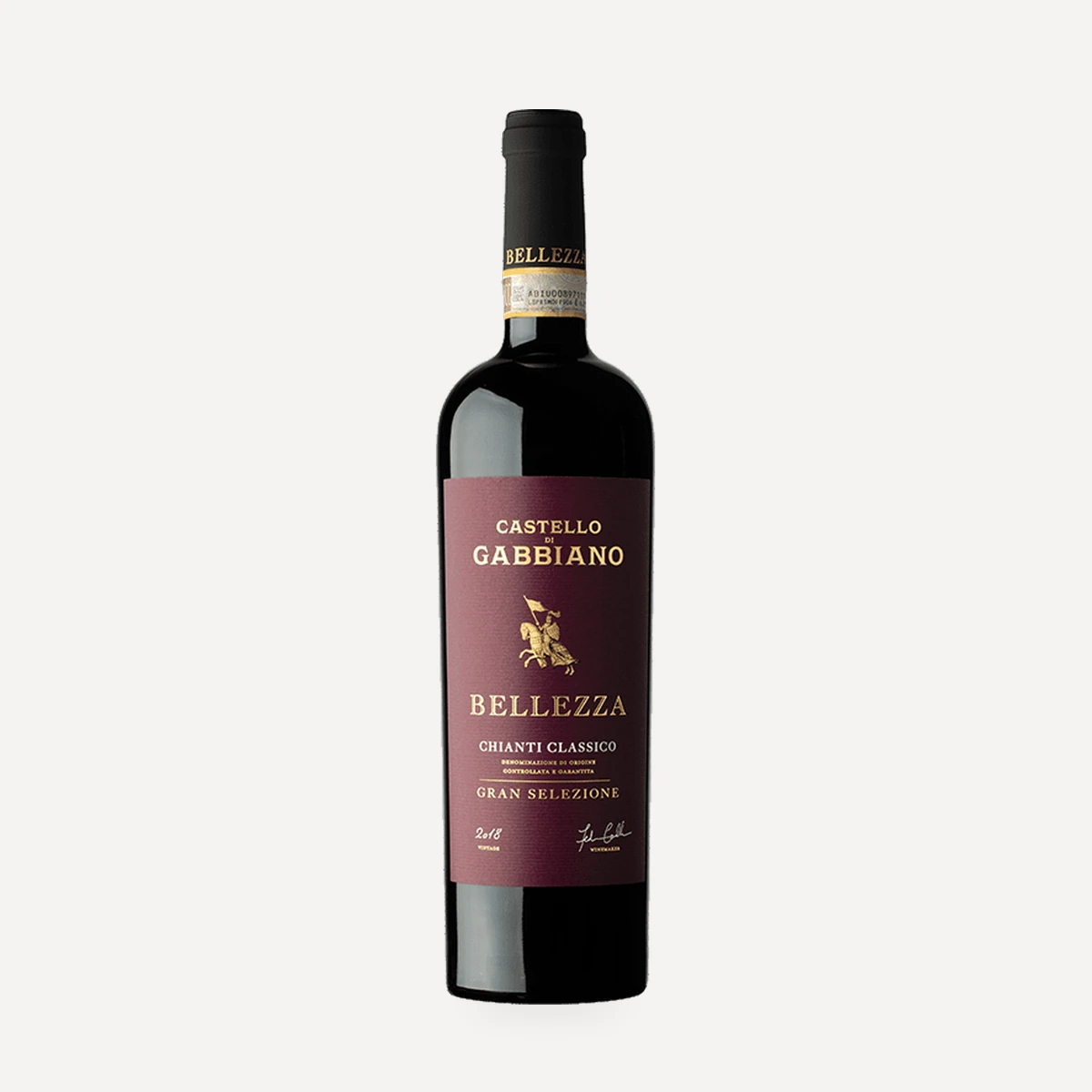
Vigneto Bellezza Chianti Classico Gran Selezione D.O.C.G.
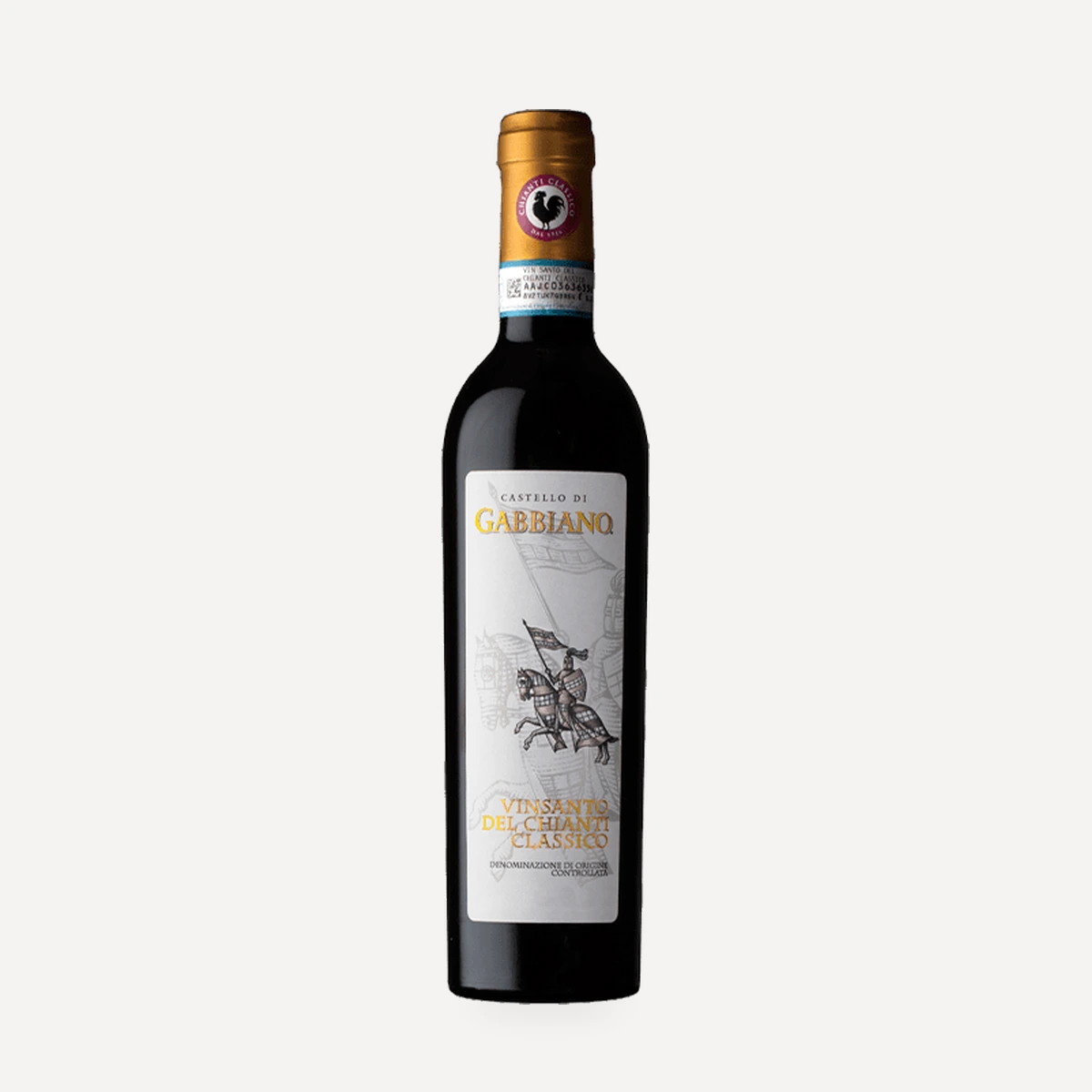
Vin Santo del Chianti Classico D.O.C.
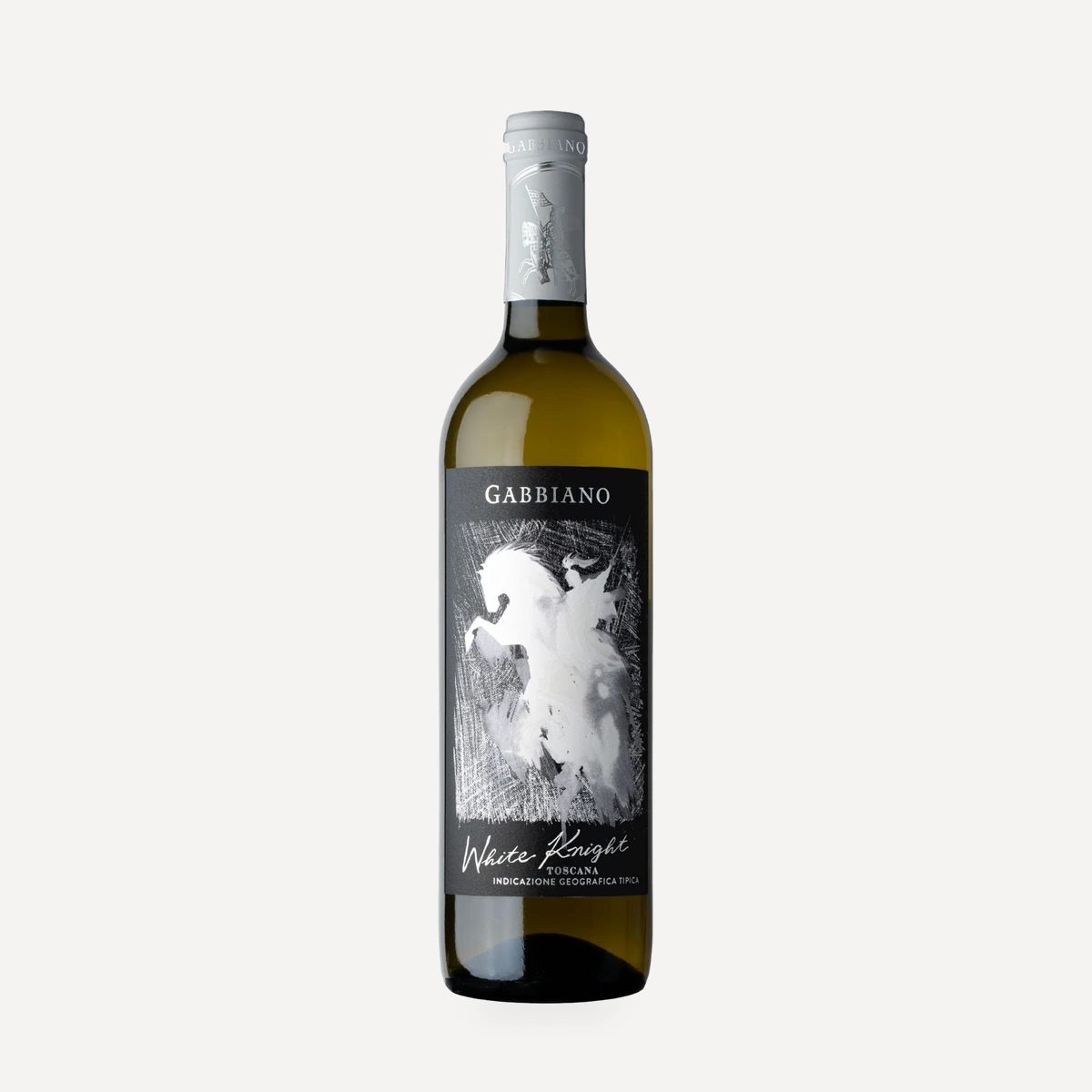
White Knight I.G.T. Toscana
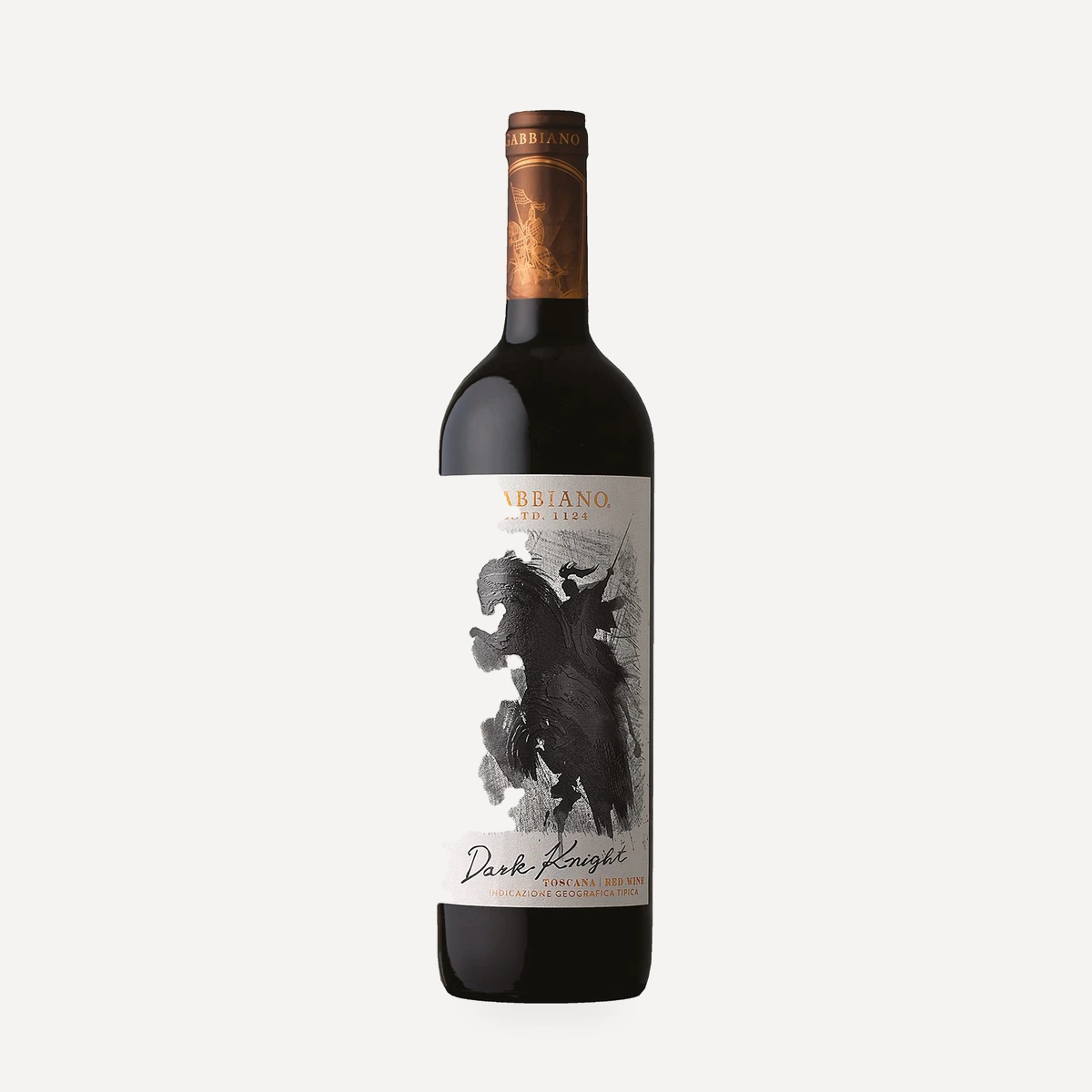
Dark Knight I.G.T. Toscana
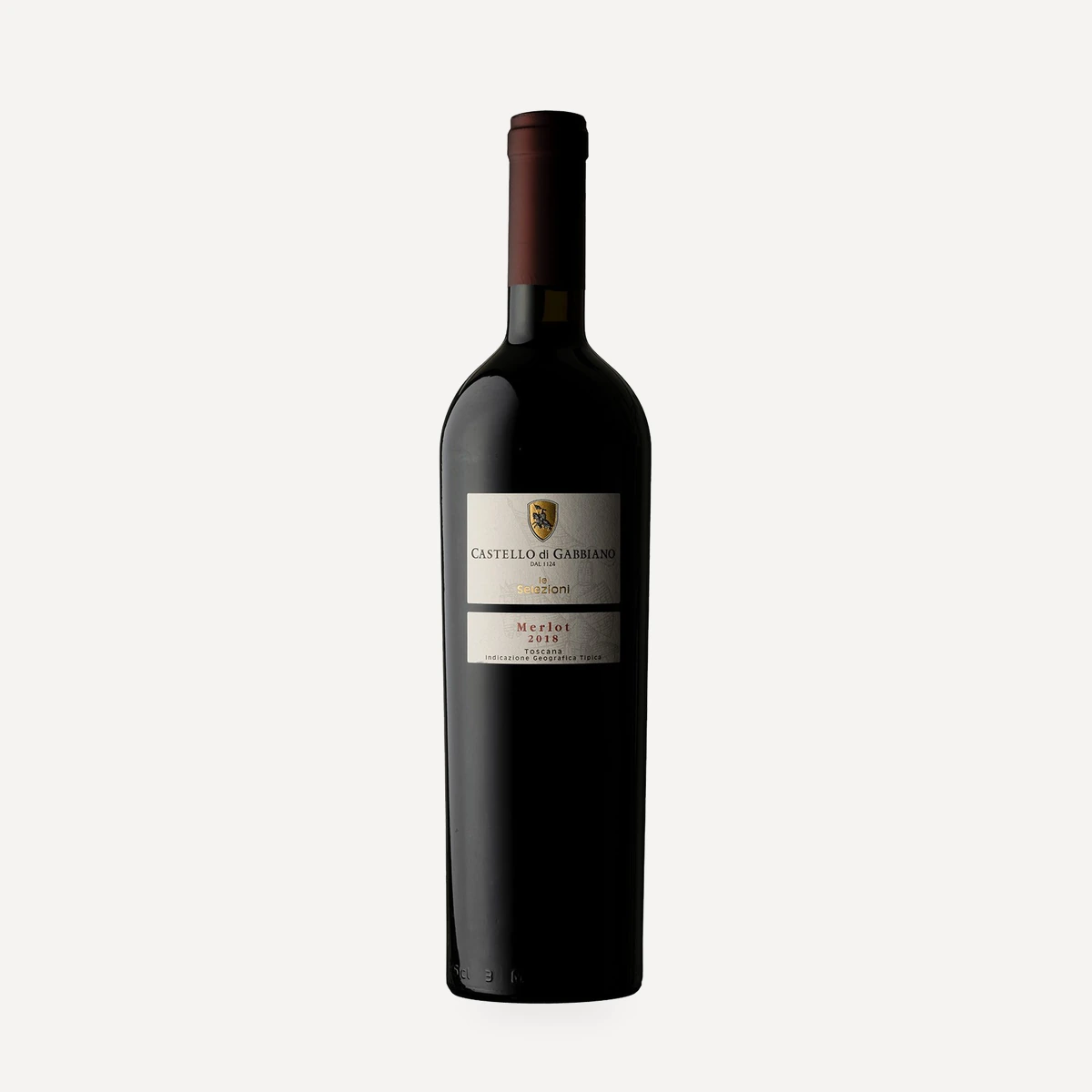
Merlot I.G.T. Toscana
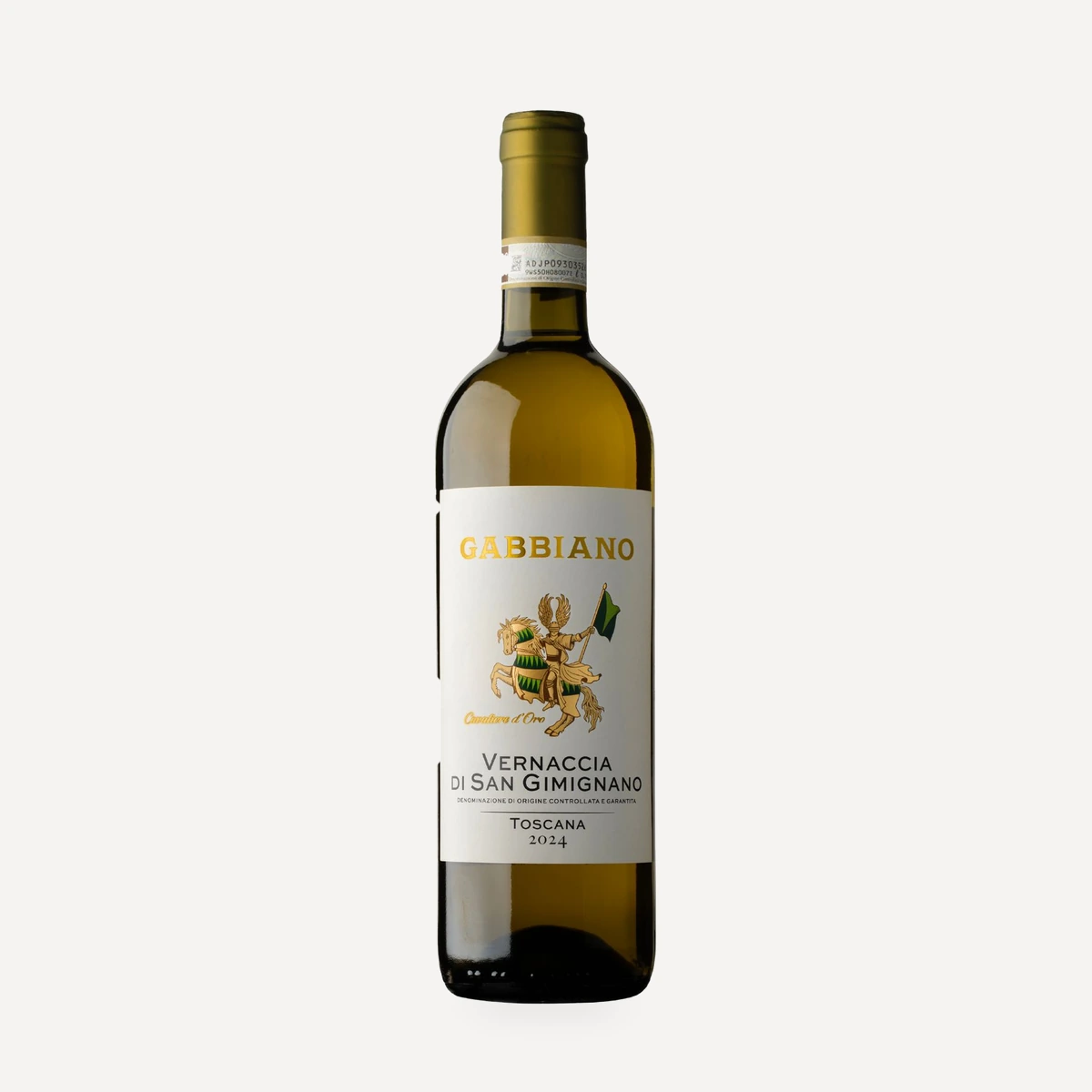
Vernaccia di San Gimignano D.O.C.G.