Storia
Agricultural roots
The family’s agricultural background extends through generations devoted to cereal production. Viticulture emerged when the family recognized the suitability of its land and chose to restore a form of farming that had once been widespread in central Anglona.
2000: the first vineyard
The first vineyard was planted in 2000. From that point, the family became a pioneer in the renewal of vine cultivation in Anglona. Gianluigi and Silvia developed the project with their daughters, bringing their culture and love of wine to an area they regarded as having considerable viticultural potential.
A modern winery was subsequently established in Bulzi, amid the Romanesque churches, nuraghi and Domus de janas of Anglona. Its purpose is to make wines whose aromas and flavours express Sardinia’s landscape and history.
The estate today
The vineyard holding has grown to 10 ha. Its vines are trained by spur-pruned cordon, own-rooted bush-vine and Guyot systems. Investment in research, innovation and technology accompanies an emphasis on safeguarding the natural habitat around the vineyards.
The estate also operates as a Fattoria Didattica, or educational farm, and hosts conferences and courses.
Terroir
The vineyards lie in Anglona, Sardinia, within a hilly landscape punctuated by rocky outcrops and influenced by the Gulf of Asinara. Estate soils are deep and are dominated by reddish trachyte and white limestone. Other Vermentino sites have white, sandy soils formed through granite weathering, with effective drainage.
Rocky projections across the hills form a natural barrier against strong, salt-bearing Mistral winds arriving from the Gulf of Asinara. Gentler air descends from the mountain ridges of Gallura, producing pronounced differences between daytime and nighttime temperatures during grape ripening. Summers are warm-temperate and consistently ventilated; winters are generally moderate and softened by marine currents.
Vineyard sites are situated at approximately 20–150 m above sea level. At 150 m, loose to medium-textured, limestone-based soils drain well throughout the year. The lower Vermentino site combines sandy, granite-derived material with similarly effective drainage.
Vinificazione
The estate uses three training systems: spur-pruned cordon, own-rooted bush vine and Guyot. Vineyard profiles specify densities of 4,000 vines/ha on sites at approximately 150 m and 10,000 vines/ha for the low-lying, own-rooted Vermentino bush vines. Depending on site and selection, yields are reported at 4,500–5,500 kg/ha or 7,000–8,000 kg/ha.
Harvesting is manual for the documented selections. Grapes are carried in small baskets or crates holding no more than 15 kg. Picking dates range from the second half of August for the low Vermentino site, through the first and second weeks of September for a low-yield red selection, to the second week or end of September for other red parcels.
The vineyard strategy combines innovation, research and technology with protection and enhancement of the surrounding natural habitat. The estate seeks to create the conditions needed for each site to express its potential. Narami Biologico is produced from organically grown Vermentino.
The cellar contains separate rooms for vinification, maturation and ageing.
Grapes for the documented selections are harvested by hand and delivered in small baskets or crates. White-wine production includes a brief cold skin maceration, followed by destemming-crushing and gentle pressing. Fermentation takes place in temperature-controlled stainless steel; one protocol specifies 14–16 °C over 15–18 days. White wines remain on their fine lees in steel for periods ranging from 2–3 to 3–6 months.
For rosé production, destemming-crushing and gentle pressing are combined with 3–5 hours of contact between must and skins. Alcoholic fermentation then takes place in temperature-controlled stainless steel, followed by 6–7 months on fine lees in steel.
Red-wine production uses destemming and crushing, alcoholic fermentation in stainless-steel tanks and frequent, short pump-overs. Some reds mature exclusively in steel for seven to approximately thirteen months. A Cannonau Riserva protocol ferments at 28–30 °C for 10–20 days, followed by maturation in barrique and cement, including several months on indigenous yeasts.
The Cabernet Sauvignon, Cabernet Franc and Merlot blend ferments in steel with prolonged extraction of polyphenolic material from the skins. It then matures for 12–24 months in very fine-grained French-oak barriques sourced from the Allier and Tronçais forests.
Barrique use is selective and intended to add complexity during maturation while complementing the contribution of the soils and microclimate.
Filosofia
The family’s aim is to renew the viticultural culture that once occupied an important place in central Anglona and to make wines that express Sardinia’s landscape, history, flavours and aromas. The approach combines tradition with investment in innovation, research and technology. Quality is understood as creating the best possible conditions for the land to reveal its potential while respecting and enhancing the natural habitat around the vineyards.
Soil morphology and microclimate are central to this vision. Cellar choices, including the measured use of barrique, are intended to add complexity during maturation while preserving the character derived from the vineyards.
Vini
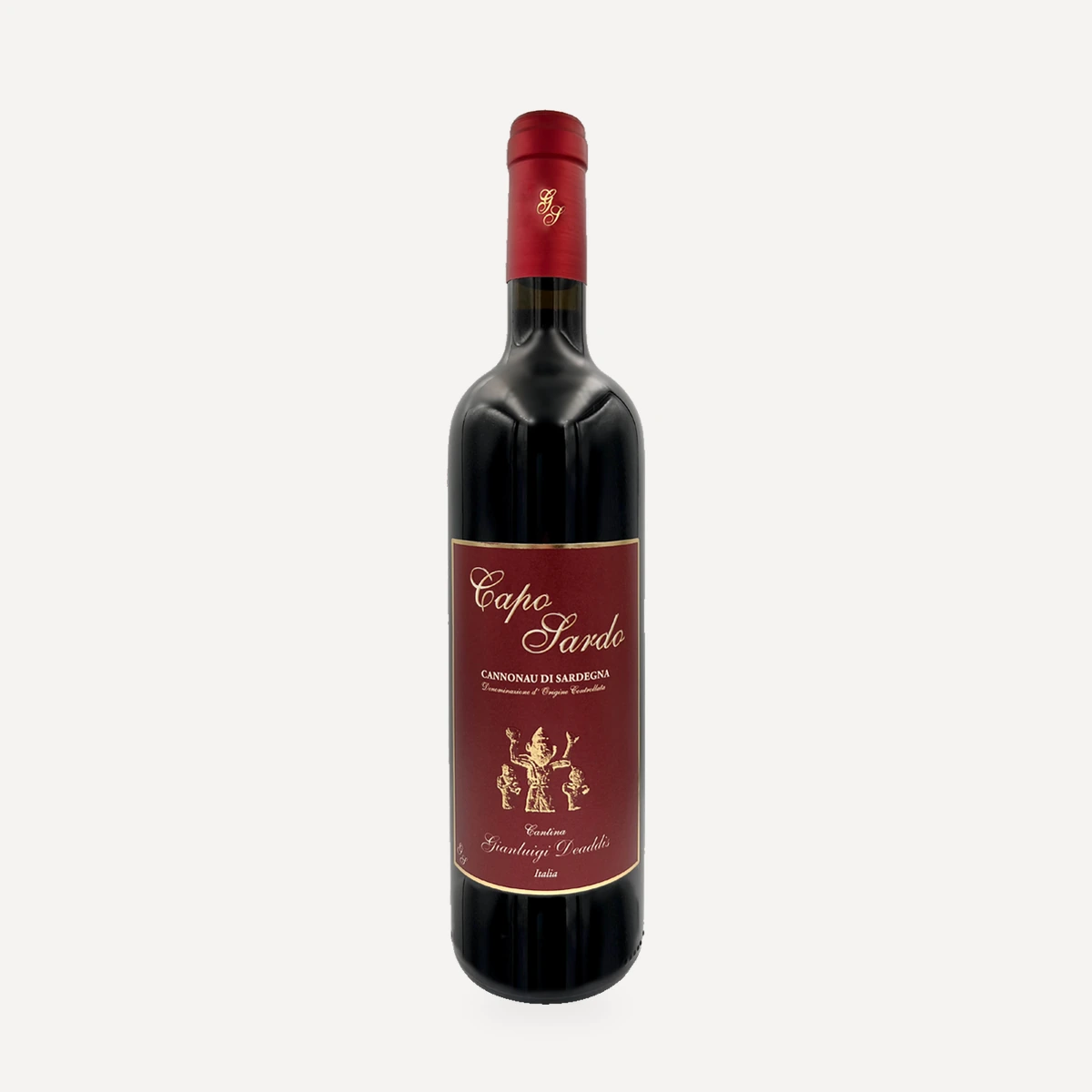
Capo Sardo
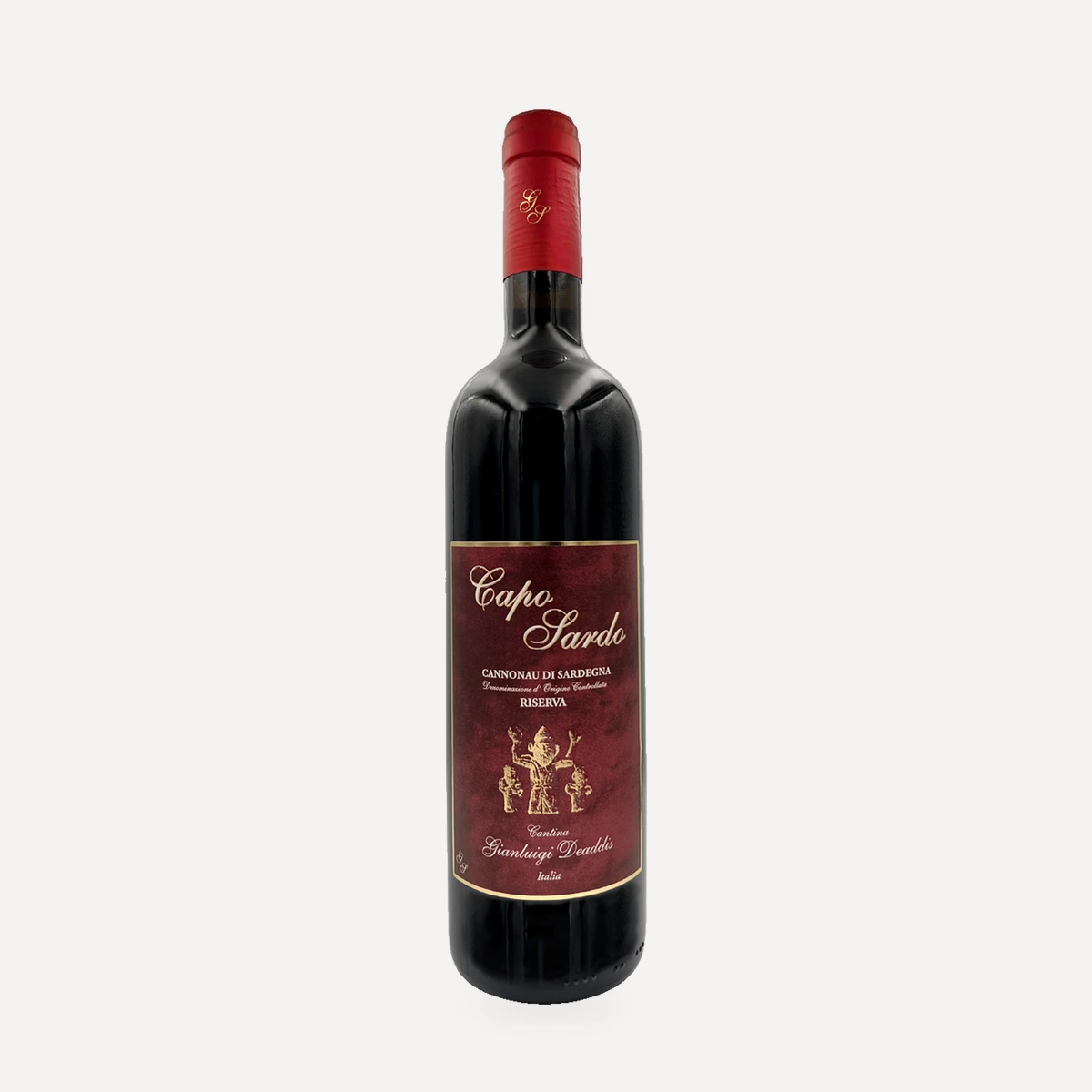
Capo Sardo Riserva
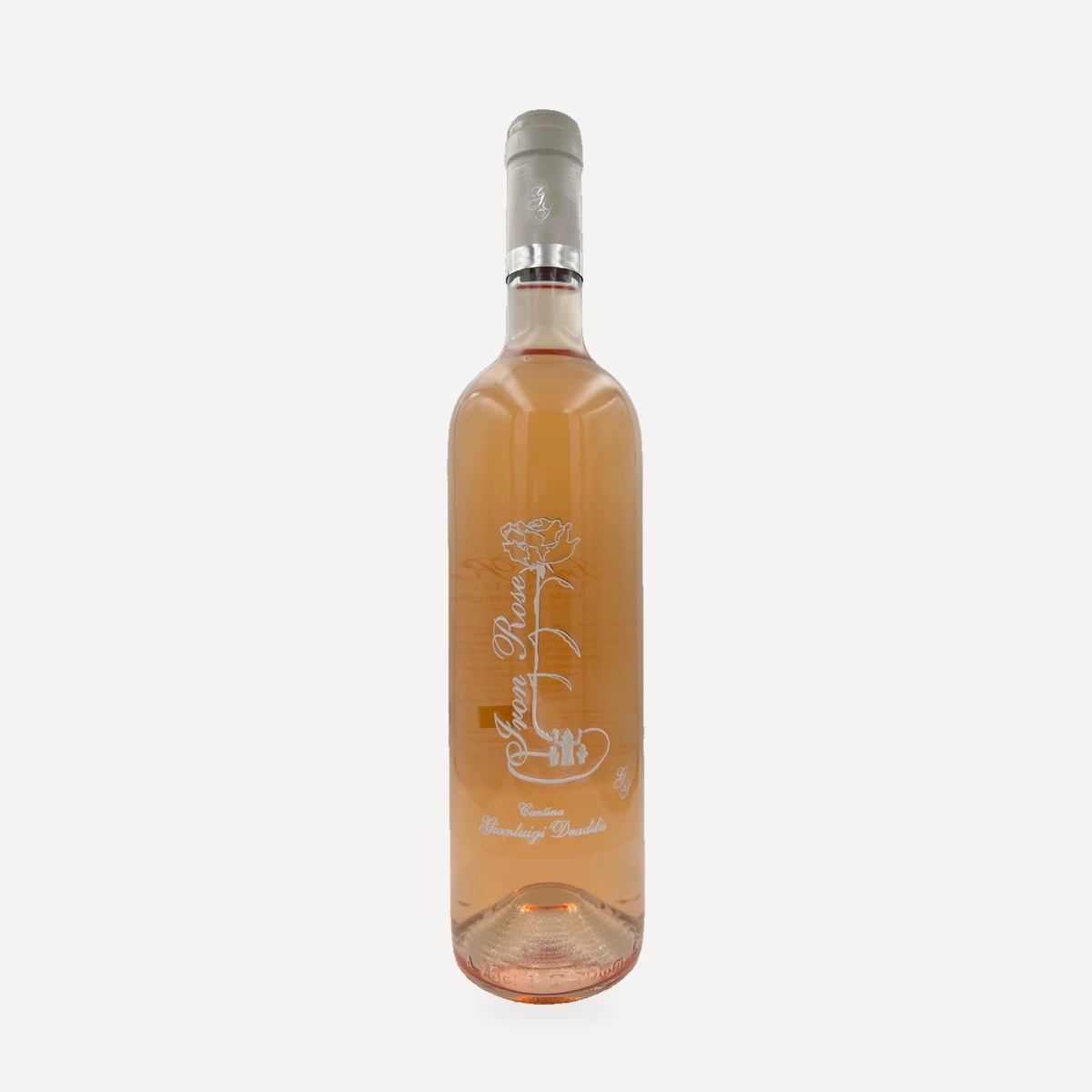
Iron Rose Biologico
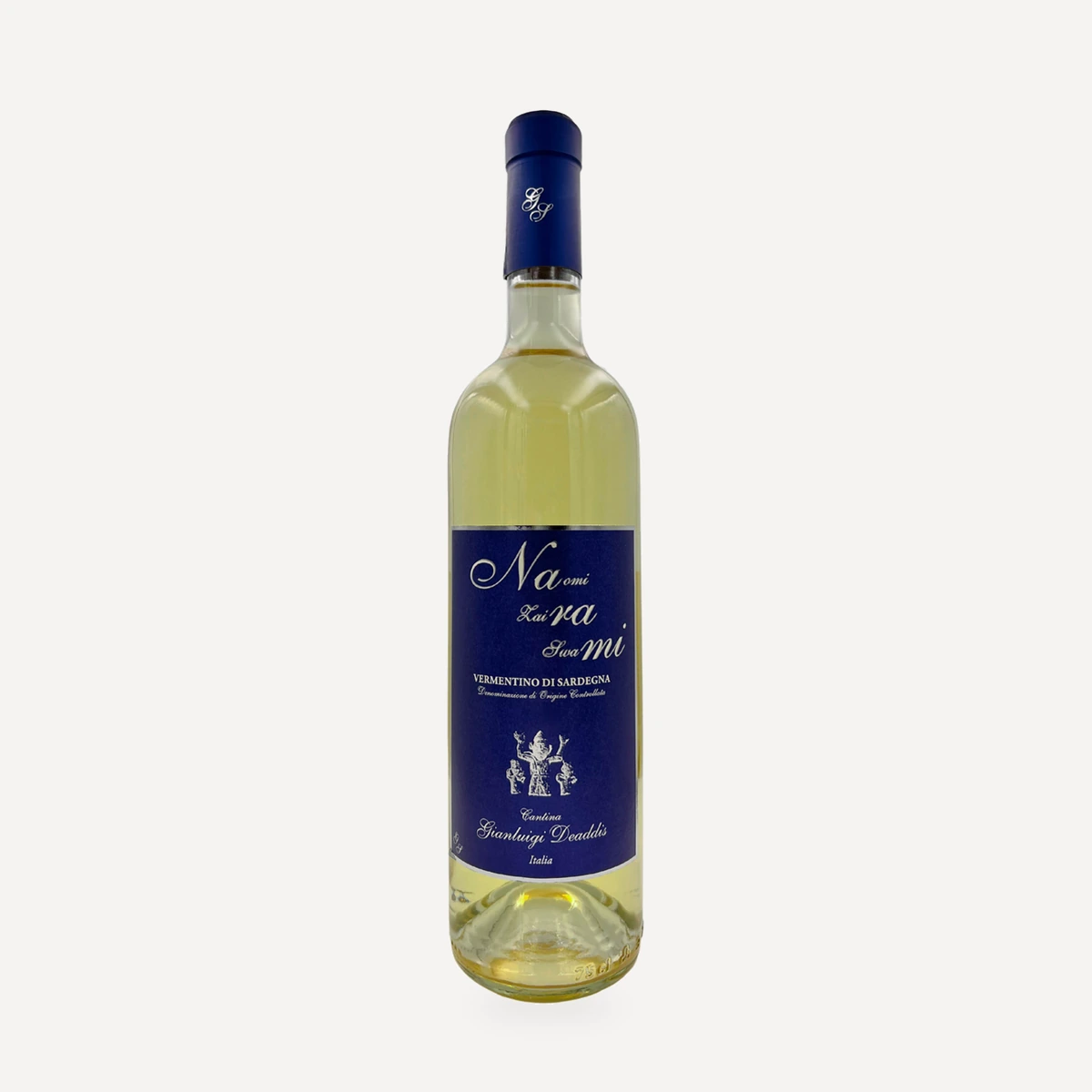
Narami
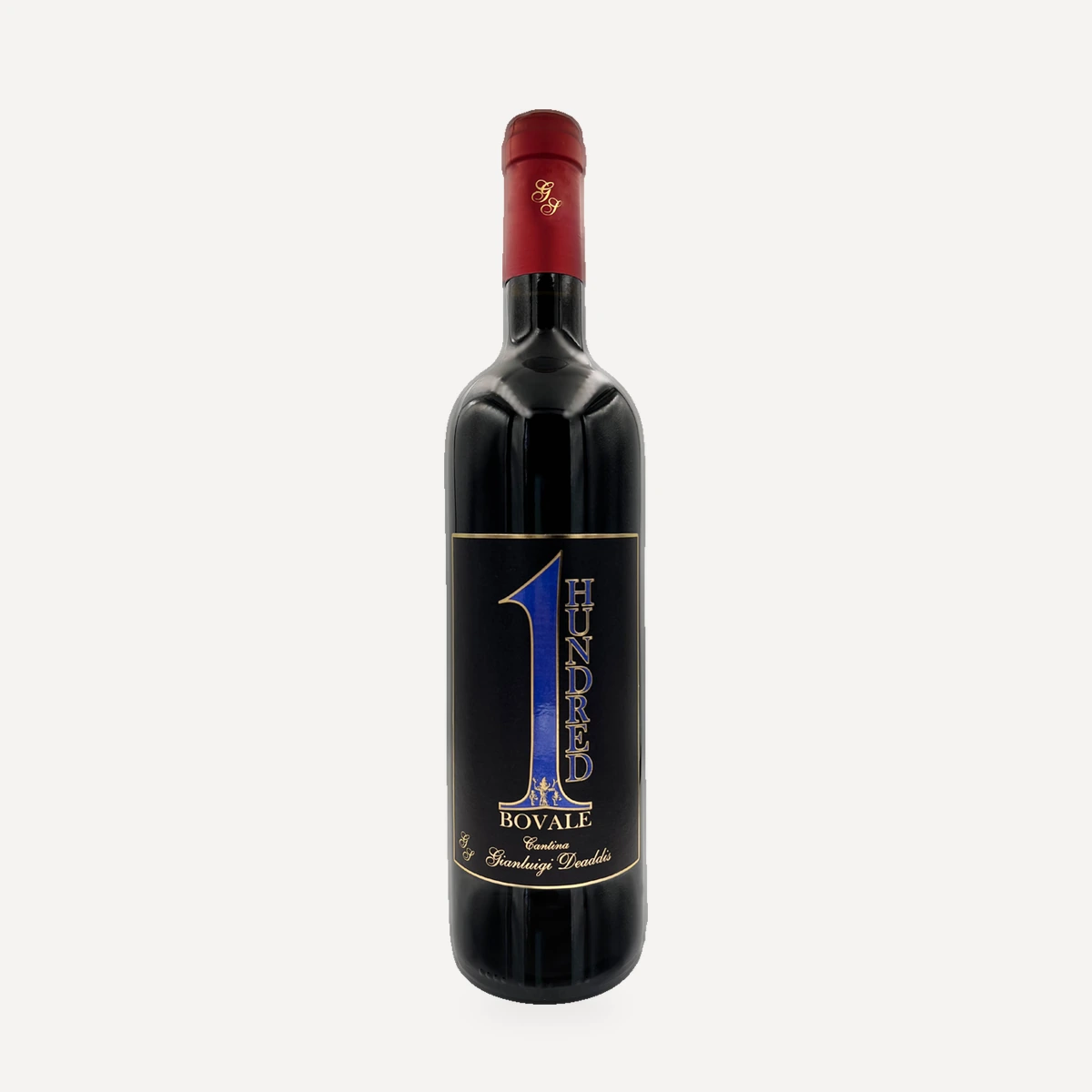
One Hundred
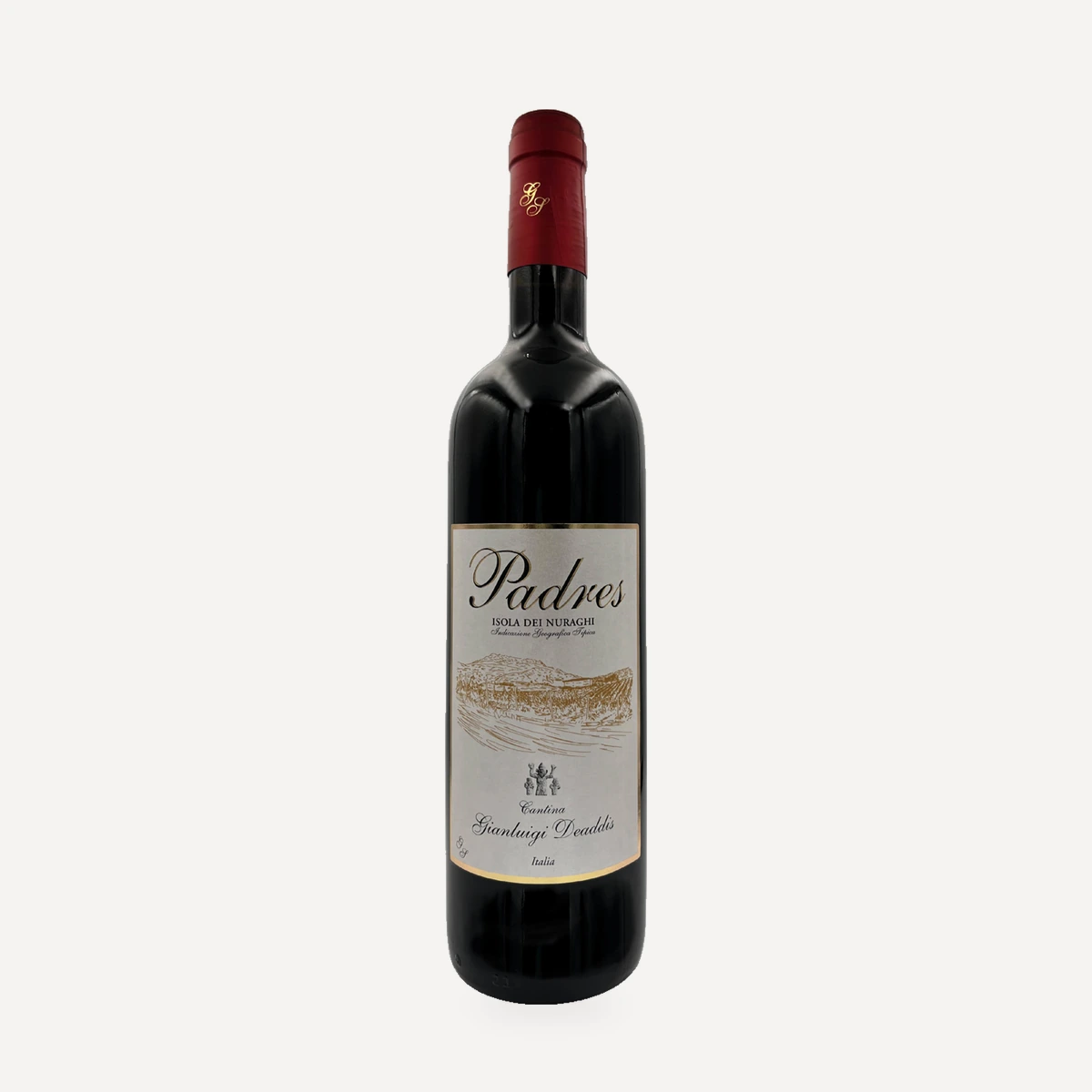
Padres