Storia
1947: Eugenio “Genio” Rivella establishes the family estate
After working for several years as a sharecropper at a farmhouse in his native Castagnole delle Lanze, in Frazione Annunziata, Eugenio Rivella—known as “Genio”—purchased the property in 1947. His aim was to make wine from grapes grown on his own land. His younger daughter Marisa worked alongside him, becoming his right hand and, through her experience, a continuing central presence in the business.
The 1980s: Bruno and Marisa take responsibility
During the 1980s, management passed to Eugenio’s son-in-law Bruno. Together with Marisa, he continued the family enterprise with renewed energy. Bruno’s approach emphasized precision throughout the chain from vineyard to cellar: he compared winemaking to constructing a precision watch, because a small error could compromise an entire year’s work.
2000: the third generation enters
Gianni Doglia, the son of Marisa and Bruno, studied Enology and Viticulture at the University of Turin and gained professional experience before assuming direct responsibility for the family’s winemaking path in 2000.
2001: Gianni’s first estate Moscato d’Asti
In 2001, Gianni vinified Moscato d’Asti from the family’s own vineyards for the first time. Around the beginning of the third millennium, he also initiated parcel-by-parcel selection in both the vineyard and cellar, helping redefine the estate’s Moscato style. The work ultimately distinguished the classic Moscato associated with the carousel emblem from Casa di Bianca, the family’s single-site Moscato selection.
Gianni subsequently developed a reputation around Moscato d’Asti while also extending his work to the red wines of Monferrato. Each vintage, harvest and bottling is treated as an opportunity for continued learning and development.
2013: Paola joins the business
Gianni’s sister Paola entered the winery in 2013. She became his principal collaborator in administration and commercial management.
2022: Winegrower of the Year
Gambero Rosso’s I Vini d’Italia selected Gianni Doglia as its 2022 “Viticoltore dell’Anno” (“Winegrower of the Year”). Gianni dedicated the distinction first to the family that enabled him to interpret the territory through his wines and then to Monferrato, the land in which the family’s work is rooted.
The present estate
Gianni Doglia remains a small family-run producer. Gianni is both owner and winemaker, supported by Paola and by their parents’ experience. He is directly responsible for cultivating 16 hectares in Castagnole delle Lanze, Coazzolo and Nizza Monferrato. The scale of the enterprise is intended to preserve close control of the entire production chain.
Terroir
The vineyards lie in the municipalities of Castagnole delle Lanze, Coazzolo and Nizza Monferrato in the province of Asti. The principal setting is Castagnole delle Lanze, on the boundary between Langhe and Monferrato and within the UNESCO World Heritage landscape. The cellar stands in Frazione Annunziata, at the meeting point of winds associated with the Langhe and Monferrato.
The vineyards are generally situated at approximately 300 metres above sea level. Their soils are calcareous and clay-rich, formed in land left behind by the sea millions of years ago. The climate is moderated by Alpine Foehn winds during spring and by the “Marin” arriving from the Ligurian Sea during summer; the Ligurian coast is approximately 70 km away. This interaction between soils and air currents is associated with aromatic definition and freshness.
The Annunziata hill is also identified as a distinct viticultural setting. At roughly 300 metres above sea level, it escaped the damaging early-April frost experienced by many other areas in 2021.
Vinificazione
Viticulture is organized around respect for the vine’s natural cycle, soil biodiversity, the surrounding environment and the people who work in the vineyards. The estate follows low-yield cultivation, manual operations and a no-irrigation policy.
Chemical fertilizers are excluded. Vegetation is mown and soils are worked instead of using herbicides, while spontaneous grass cover protects against erosion. In difficult conditions, such as the wet 2014 season, leaf removal, mechanical or manual mowing, and the progressive removal of excessive or unhealthy bunches were used to obtain sound, mature fruit without imposing sudden stress on the vines. Summer leaf removal and the elimination of surplus bunches shortly before harvest were also important in 2018.
Pest pressure is managed primarily with copper sulphate and sulphur. Small natural woods between vineyards are retained to preserve and repopulate habitats for local fauna, and bird nests are installed among the vines. Unpaved roads and drainage ditches are maintained to regulate water flow.
Approximately 80% of the vineyards can be reached on foot from the cellar. This reduces reliance on tractors and other vehicles and consequently lowers associated emissions. The estate also emphasizes agricultural-worker and consumer health and safety.
The entire chain is certified under SQNPI, the European Union-recognized Sistema di Qualità Nazionale di Produzione Integrata. The certification covers cultivation and cellar transformation, soil-fertility protection, efficient use of natural resources, environmental impact, traceability and compliance with defined production standards. Certified bottles carry the SQNPI bee symbol.
Annual production is approximately 110,000 bottles, of which about 60,000 are Moscato d’Asti.
The cellar’s general approach is described as natural vinification with low, carefully judged additions of sulphur dioxide. Close family control extends across the production chain, and precision from vineyard to cellar is treated as essential because wine is continuously evolving and small errors can affect an entire vintage.
Moscato has been a central area of development. Beginning around the start of the third millennium, Gianni introduced parcel-level selection in the vineyard and corresponding separate vinification. The classic Moscato associated with La Giostrina is made by the Charmat method. Casa di Bianca is produced from a separately identified estate parcel: hand-picked bunches are selected in the vineyard, gently pressed, and the free-run must is processed by the Martinotti method in autoclave, with at least six months on the lees. The method is intended to retain Moscato’s aromatic expression, freshness, sweetness and naturally moderate alcohol.
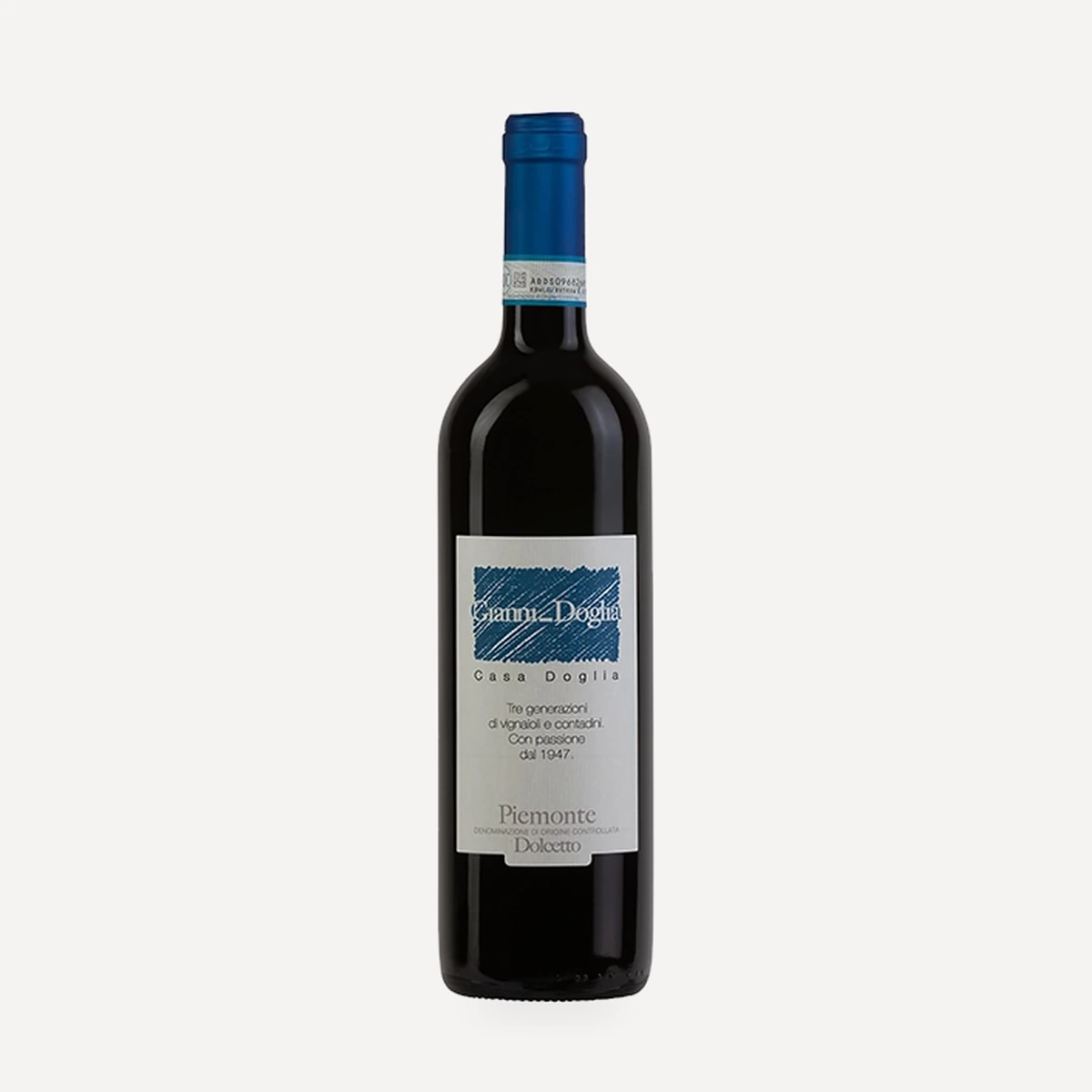
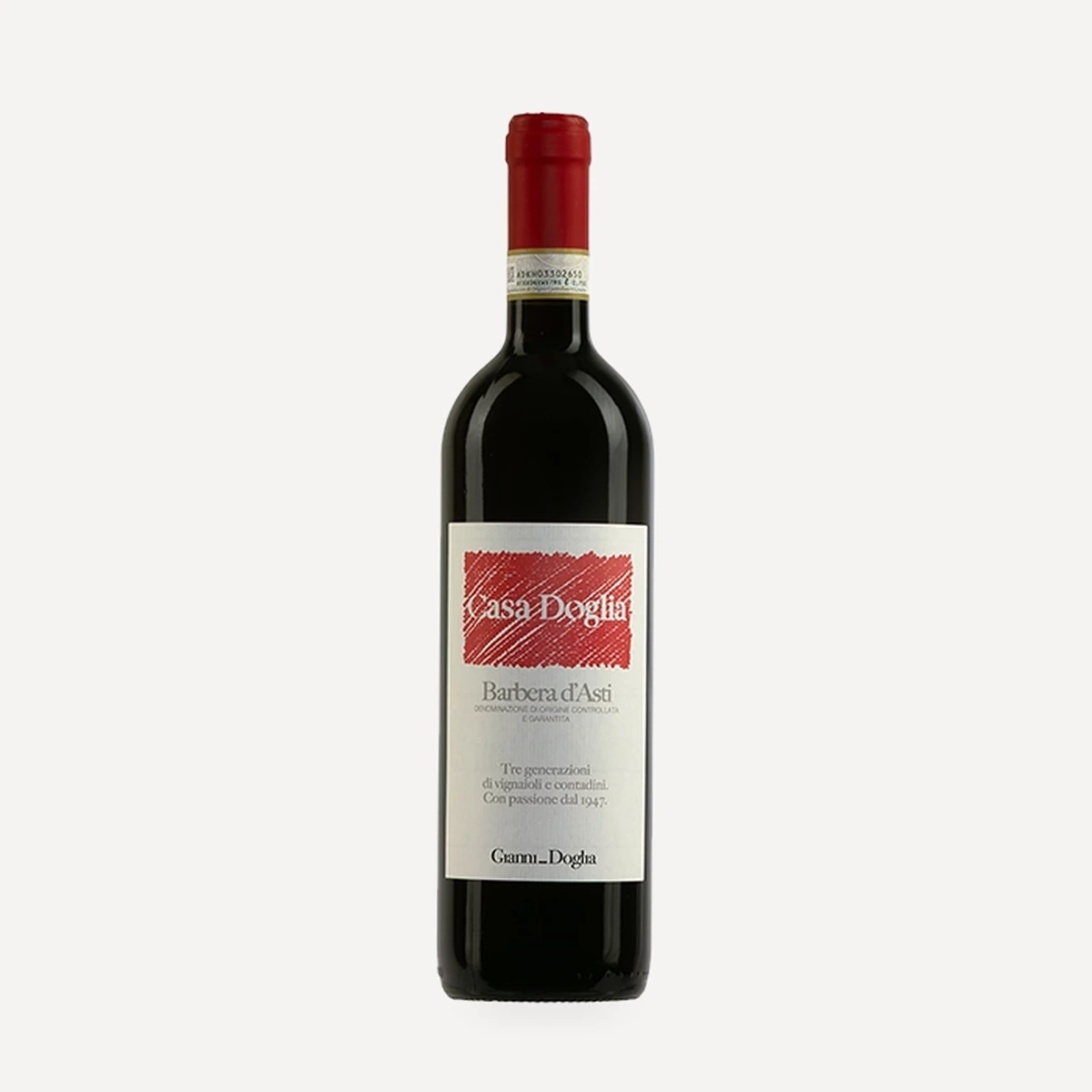
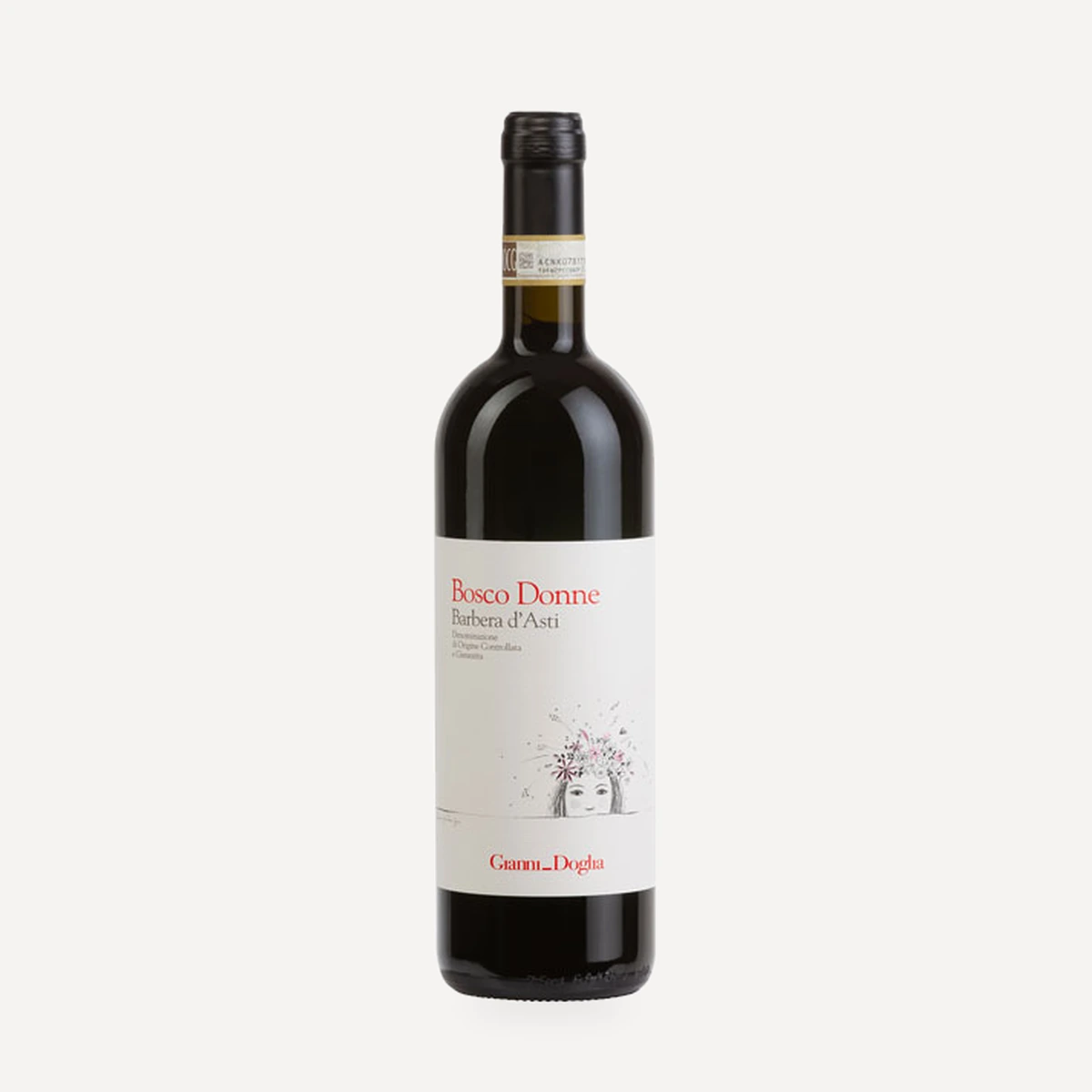
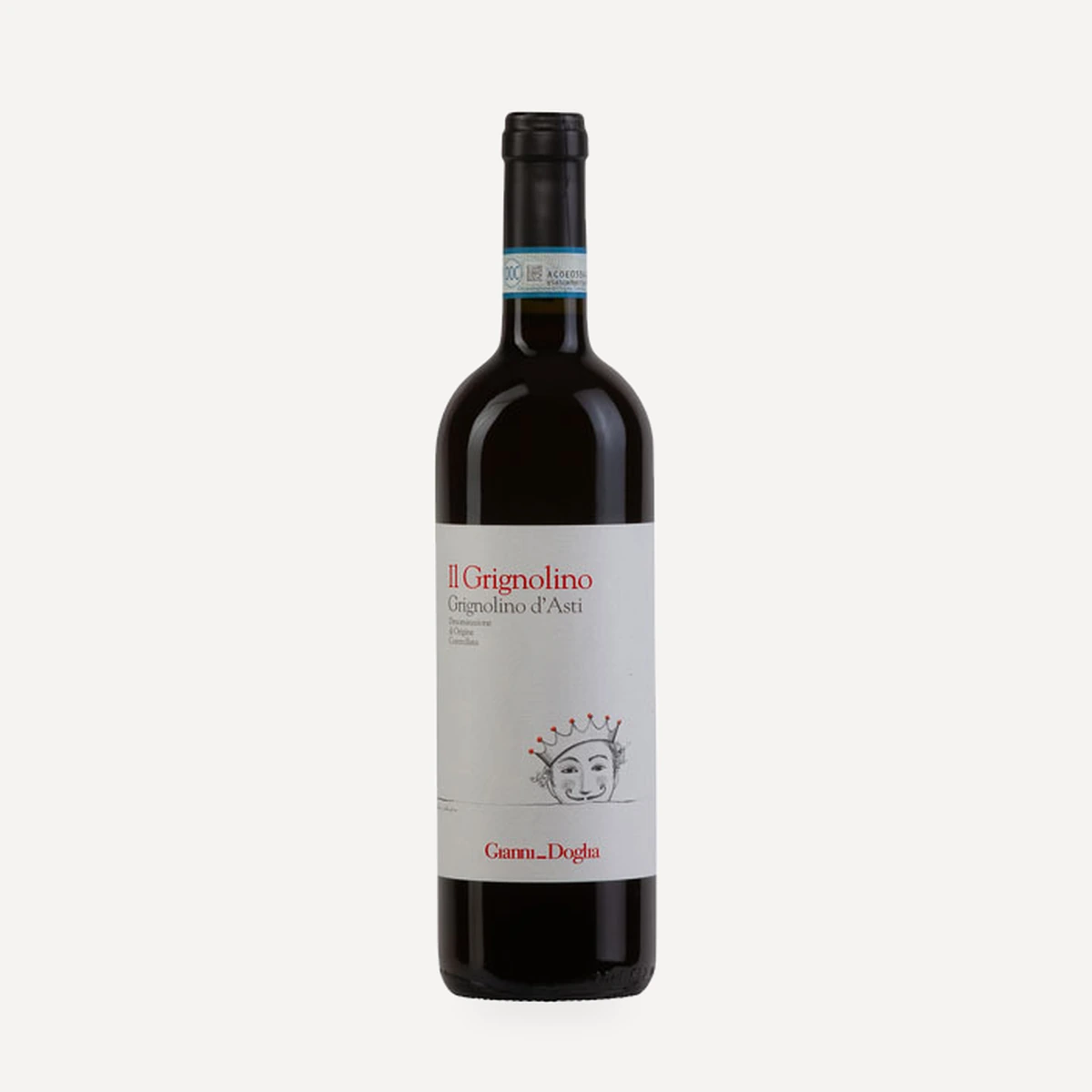
The estate’s annual portfolio spans Moscato, white, rosé and red wines from its Piedmont and Monferrato appellations.
Filosofia
“Respect” is the organizing principle of the estate’s production philosophy: respect for the vine, microbial life and biodiversity in the soil, the wider vineyard environment, agricultural workers and consumers.
The family has deliberately retained a small, family-run structure so it can supervise the entire chain closely. Its stated ambition is to express the identity of Monferrato through attentive farming and cellar work rather than through scale. Solidarity, working together toward shared goals and environmental responsibility are presented as core family values.
Continuity between generations is equally important. Remembering the family’s origins and transmitting its values are viewed not as resistance to change but as a form of modernity. Gianni’s work combines that inheritance with formal study, professional experience, parcel selection and continued learning from every vintage.
Quality is understood as the result of precision: nothing from vineyard to cellar should be left to chance. At the same time, sustainability is treated as an operating system rather than a label, encompassing soil fertility, biodiversity, water management, lower vehicle use, traceability, worker safety and restrained cellar inputs. SQNPI certification formalizes this approach across the full production chain.
Vini
Barbera d’Asti DOCG
Barbera d’Asti DOCG Bosco Donne
Grignolino d’Asti DOC
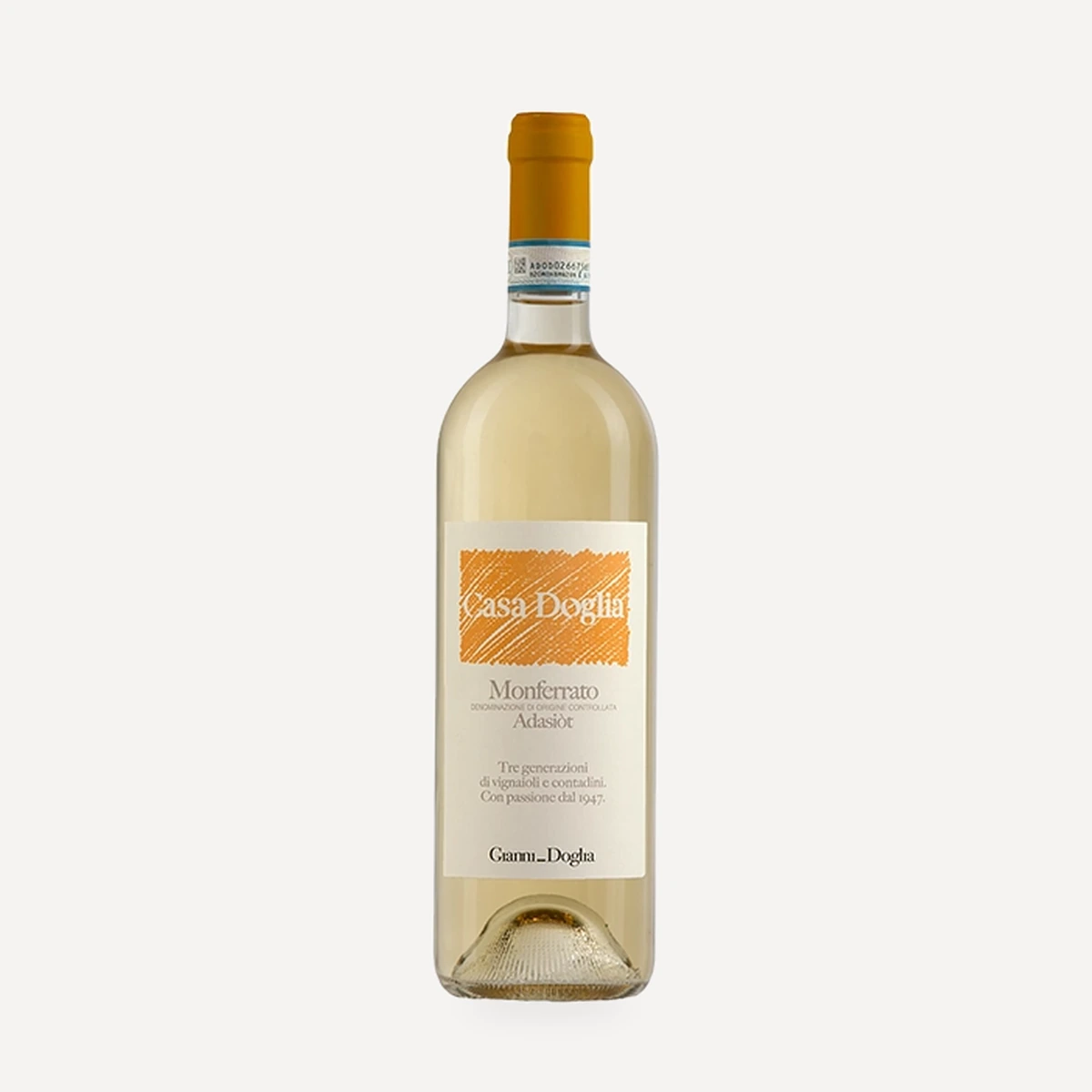
Monferrato DOC Bianco
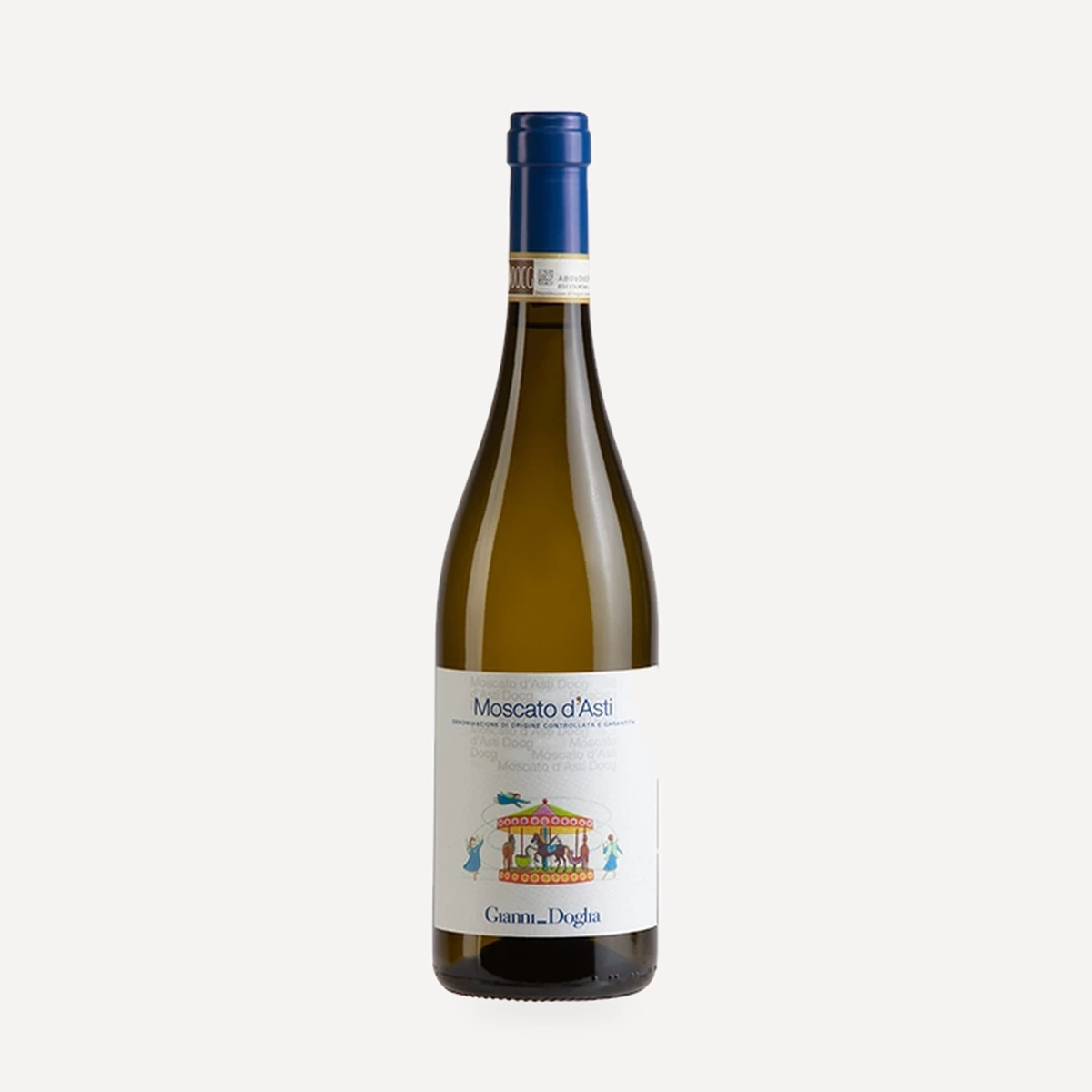
Moscato d’Asti DOCG
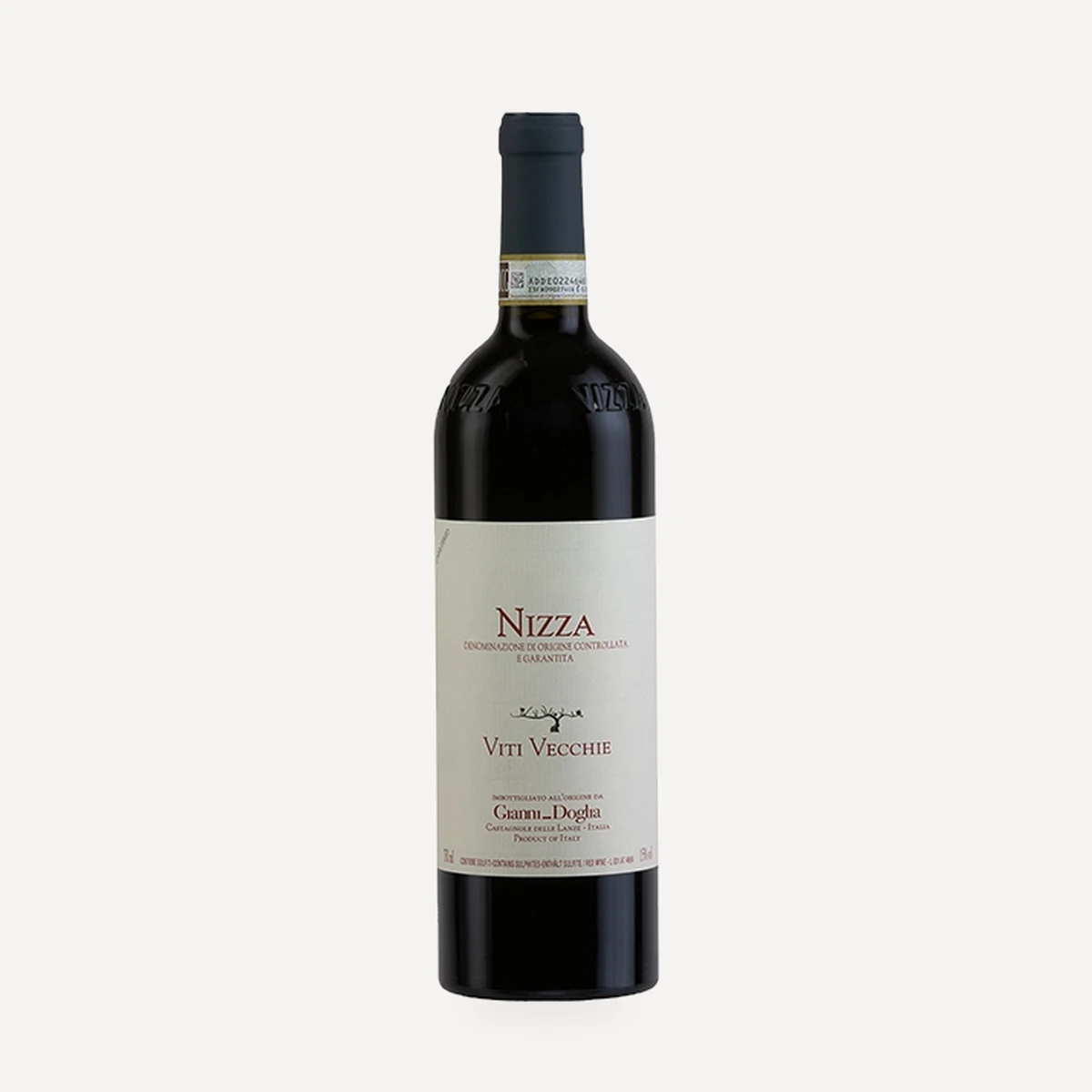
Nizza DOCG Viti Vecchie
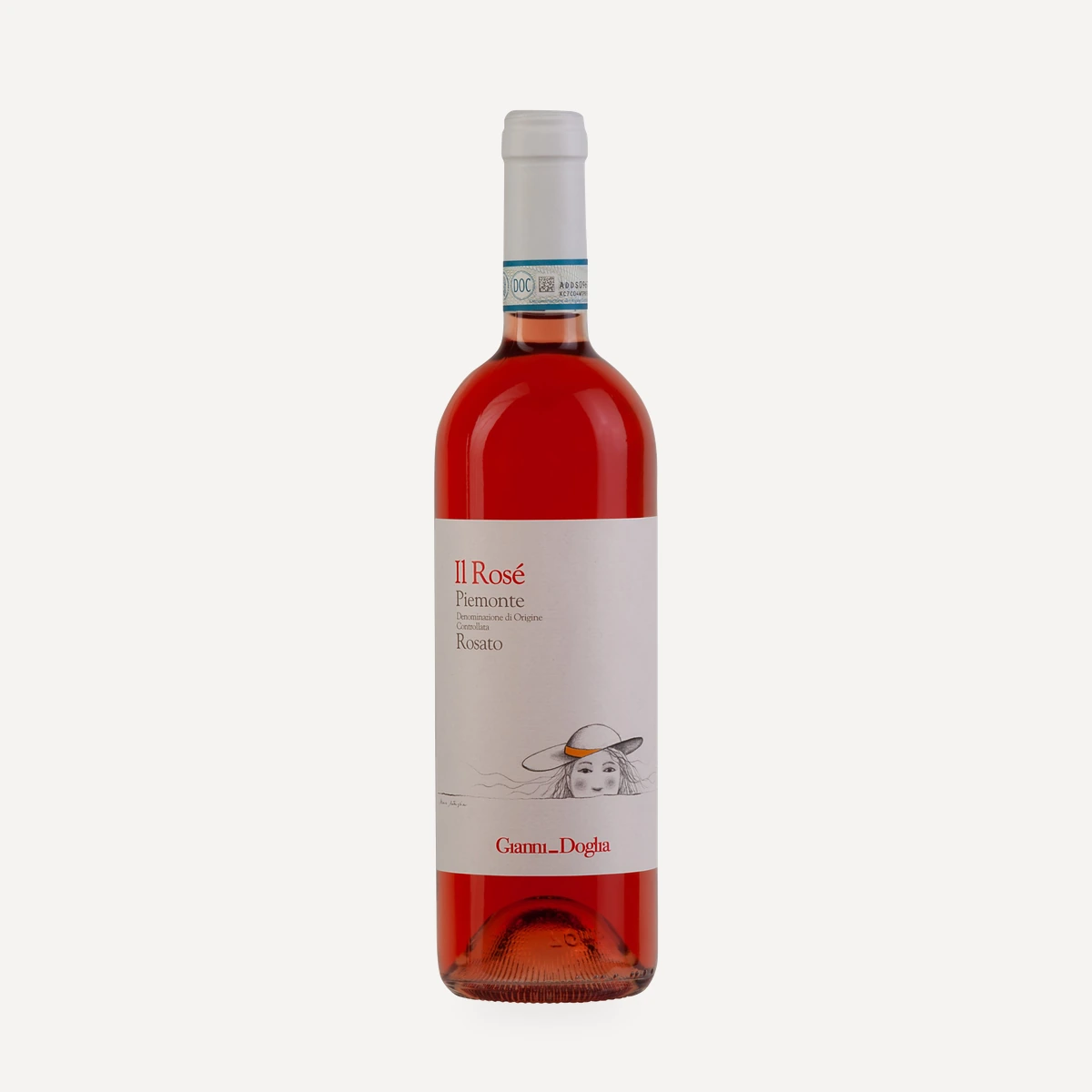
Piemonte DOC Rosato
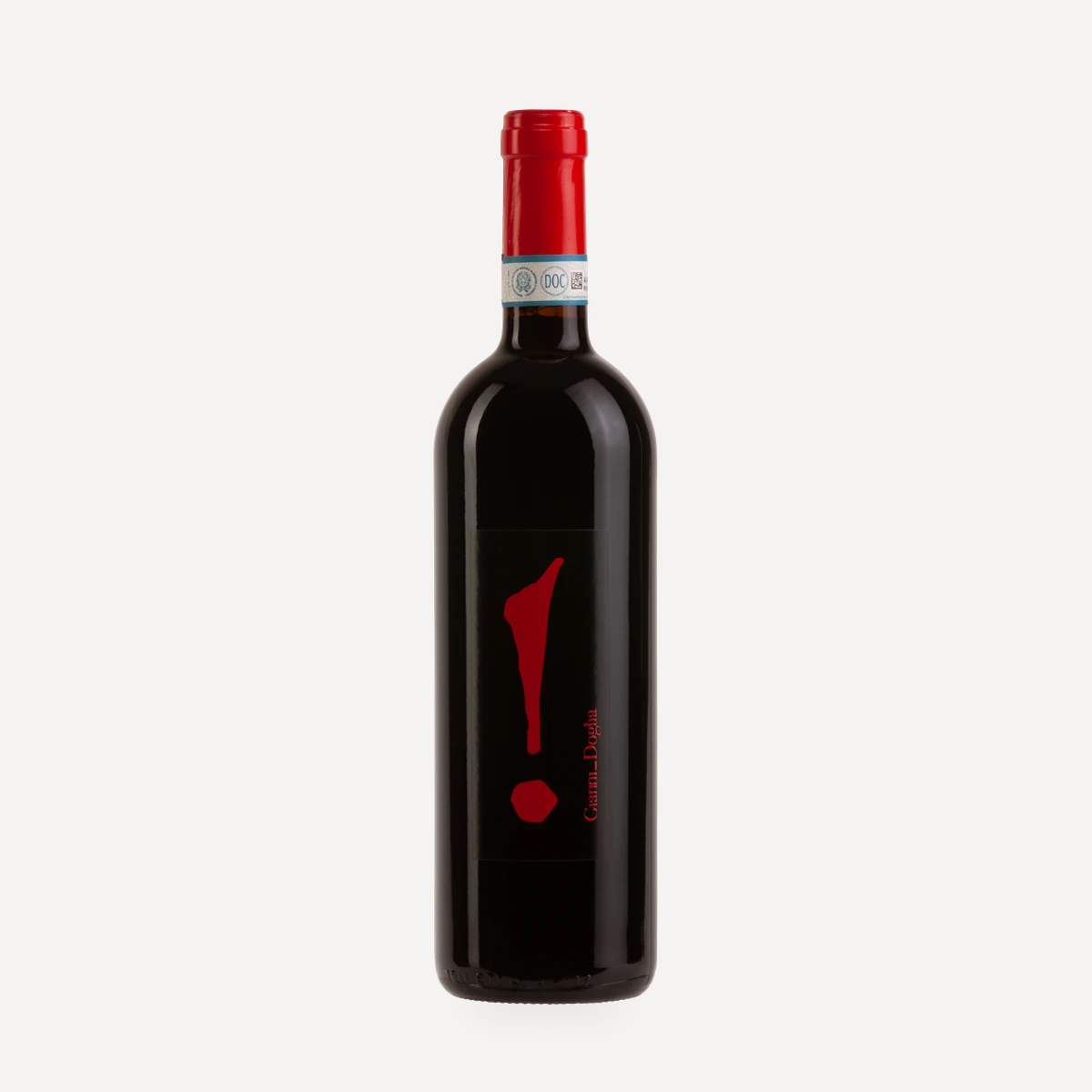
Piemonte Merlot DOC
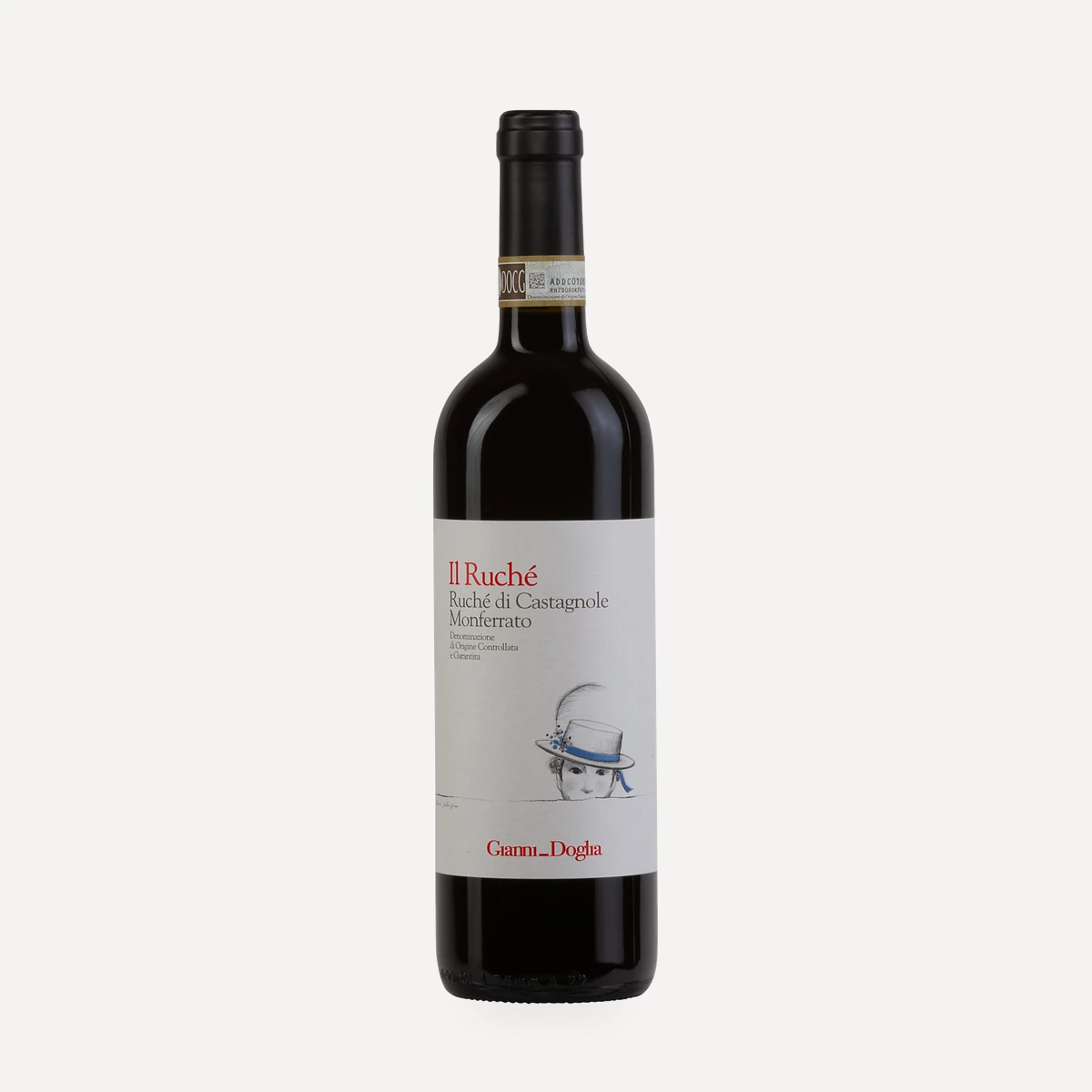
Ruchè di Castagnole Monferrato DOCG
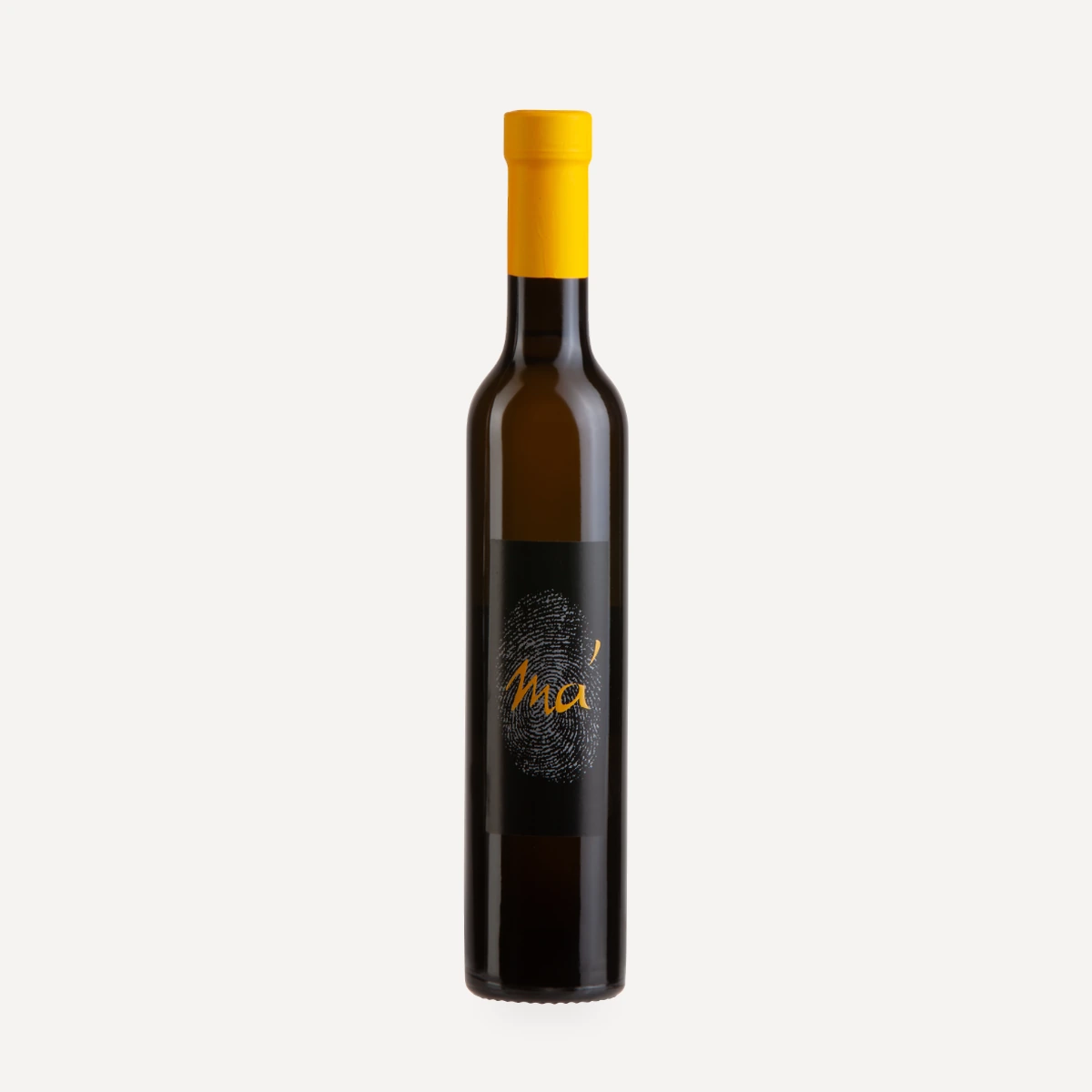
Vino da uve stramature Ma
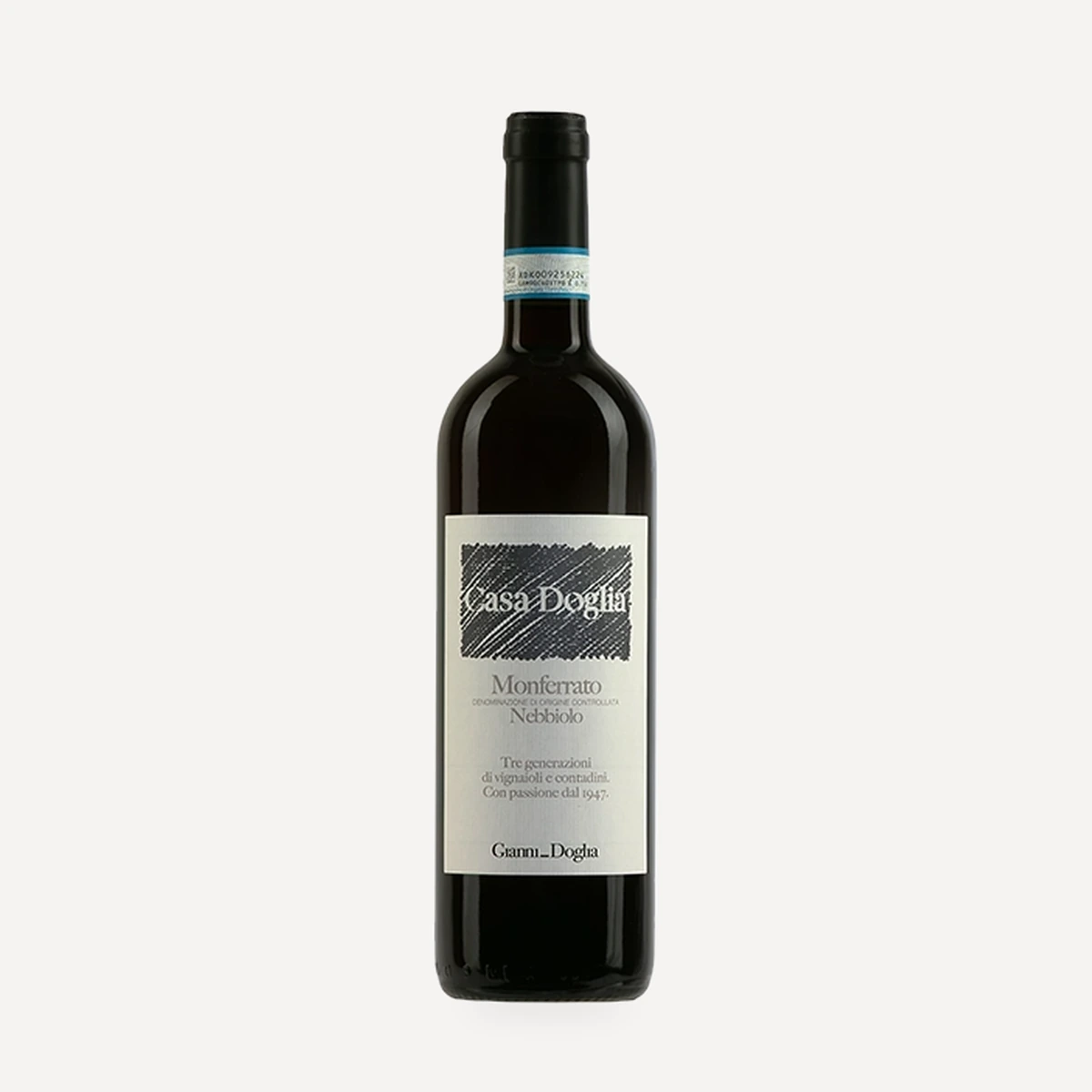
Monferrato DOC Nebbiolo
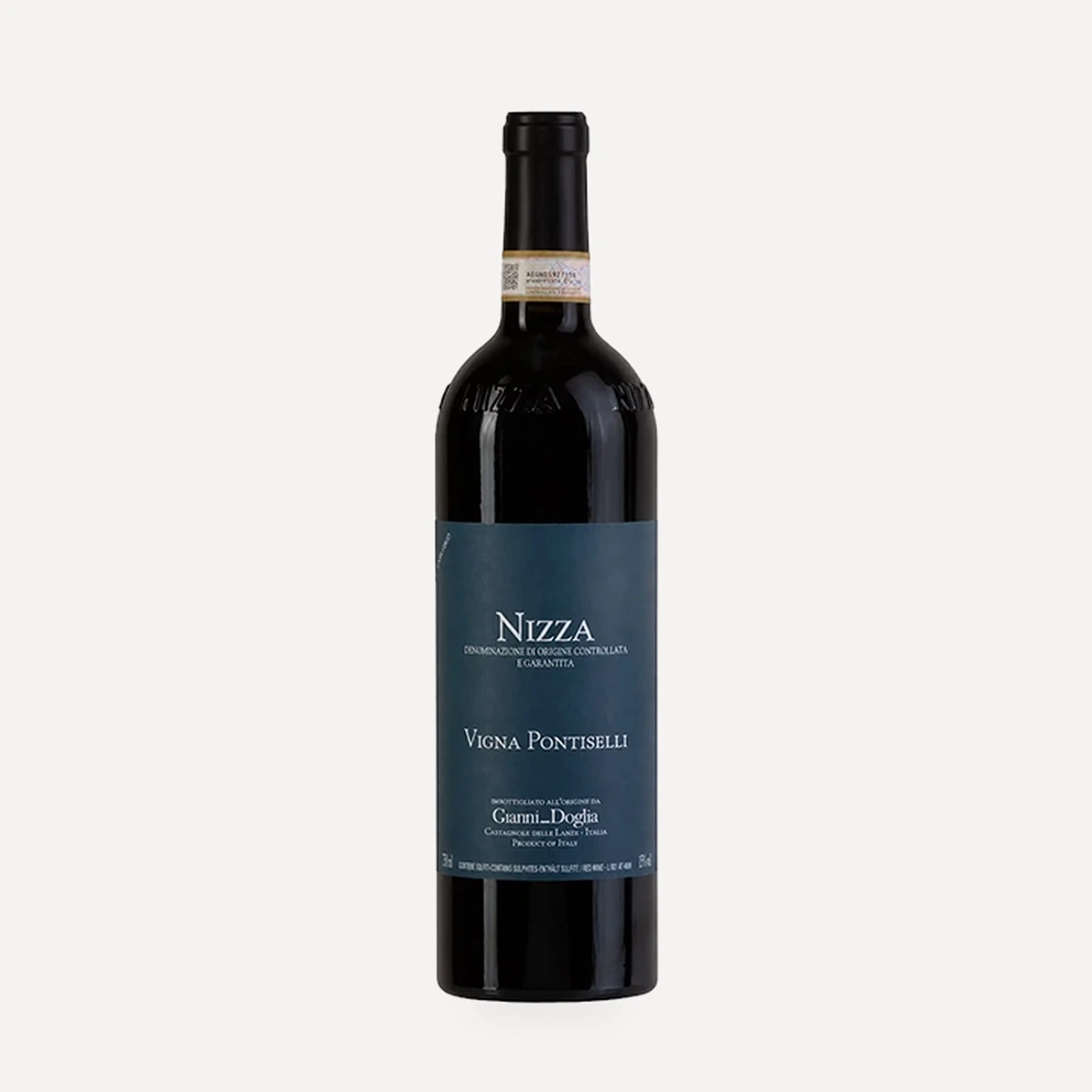
Nizza DOCG Vigna Pontiselli
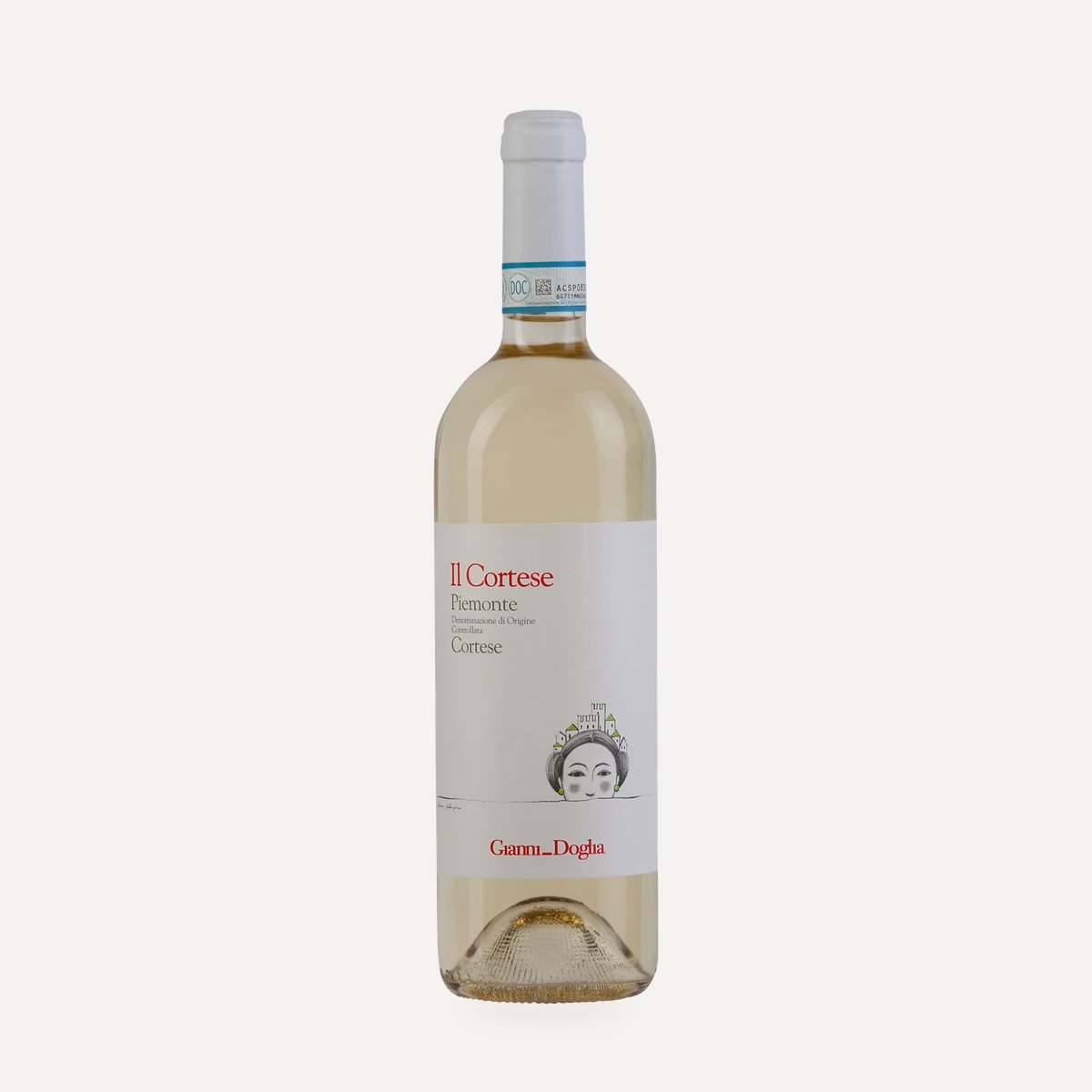
Piemonte DOC Cortese