Storia
From Cascina Manescotto to an independent estate
Before establishing their own property, members of the Mascarello family worked as tenant farmers for Marchesa Giulia Colbert Faletti di Barolo, managing Cascina Manescotto in La Morra. Giuseppe Mascarello worked for the Marchesa until 1881.
In 1881 Giuseppe Mascarello, born in 1830, began the family’s independent activity in Monforte d’Alba. He acquired cellars and slightly more than 3 hectares of vines, including a first parcel in Pian della Polvere. The vineyard had once belonged to the Bishop of Alba. Following the state confiscation of ecclesiastical property in the 1870s, it passed through commercial ownership and was divided into smaller parcels sold to local growers, including Giuseppe.
Giuseppe and his wife had six children: daughters Margherita, Catterina and Rosa, and sons Antonio, Luigi and Maurizio. Maurizio worked alongside his father and became the next custodian of the family business.
Maurizio Mascarello and Monprivato, 1904–1922
In 1904 Maurizio Mascarello, known in Piedmontese as Morissio, bought a farm in the Monprivato area of Castiglione Falletto and transferred the business there. His original Monprivato acquisition covered approximately 3.11 hectares. The farm produced Barolo from its own Monprivato grapes. Because its crop was insufficient for the entire business, Maurizio supplemented production with Dolcetto and Barbera made from selected grapes purchased from trusted growers in well-sited vineyards.
The family used one label while the winery remained in Castiglione Falletto from 1906 through 1919. In 1919 Maurizio bought an eighteenth-century building in Monchiero, midway between Barolo, Monforte d’Alba and Dogliani. Originally engineered for the storage and sale of natural ice, it incorporated a brick-lined cellar with walls approximately 1 metre thick and a year-round temperature of about 12–13 °C. Maurizio renovated the building and transferred the winery there. The family’s winemaking facilities have remained in Monchiero ever since. Maurizio also operated a building-materials business alongside the wine activity. A new label was used from 1920 through 1922.
In 1921 Maurizio planted part of Monprivato with Nebbiolo grafted from a particular Michét selection. This material became the foundation for a multigenerational program of selection, multiplication and replanting.
Giuseppe II, division of the estate and cellar development
After Maurizio’s death, Giuseppe Mascarello II—known as Gepin—assumed control in 1923, assisted by his brother Natale and sisters Giuseppina and Adelaide. Differences between Giuseppe and Natale over the philosophy and management of the business soon led the brothers to divide both the property and their respective wine-sales territories. Giuseppe’s branch used a principal label from 1924 through 1966.
During the first half of the 1930s, Giuseppe abandoned the more profitable building-materials trade and devoted his full attention to wine. He expanded Barolo production while maintaining quality through vineyard selection and cellar work. Estate-grown fruit was supplemented with grapes from trusted holdings, while Barolo was generally assembled as a normale and a riserva rather than released by individual vineyard.
Giuseppe had served in Slovenia during the Second World War and had observed the quality of its oak. In the second half of the 1950s he replaced the old cellar casks with large vessels made in Italy from Slavonian oak. Together with master cooper Severino Comola, he personally selected wood in a particular part of the Slavonian forests and commissioned casks built to new specifications. The new vessels were washed thoroughly and initially used for wines such as Dolcetto, Freisa and Barbera before receiving Barolo. These casks continued to form an important part of the cellar’s equipment.
Giuseppe repeatedly uprooted and replanted Nebbiolo. In 1959 he selected superior Michét vines descended from the material established by Maurizio, multiplied them and replanted the selection in 1963 in sections 2 and 3 of Monprivato. In the same year he acquired the Monprivato shares inherited by his sisters.
Among the admirers of Giuseppe’s Barolo were painters Eso Peluzzi, Felice Carena and Luigi Delleani, art critic Orio Vergarni, printer-publisher Alberto Tallone and several Italian embassies abroad.
Mauro Mascarello and vineyard-by-vineyard vinification
Mauro Mascarello worked beside his father for many years before taking responsibility for the Monchiero cellar in 1967 and carrying out his first vinification. Labels introduced under his direction were used in 1967–1968 and 1969–1974.
Between the 1968 and 1977 harvests, Mauro tested vinifications of different lengths and varied the intensity of cap punching and pumping over. The results were not always satisfactory. He ultimately returned to traditional long vinification, while progressively reducing maceration from approximately 60 days to 40 days and, in the early 1980s, to around 30 days.
In 1970 he began vinifying each vineyard separately, starting with Monprivato Nebbiolo. That year also became the first separate Monprivato vintage. The decision revived Maurizio’s earlier practice of vinifying Monprivato independently and departed from Giuseppe II’s preference for blends of several vineyard origins.
When Natale died in 1979, Mauro purchased his uncle’s business and reunited the divided holdings under Azienda Agricola Giuseppe Mascarello e Figlio. In 1980 he assumed direct responsibility for the family’s Monprivato vineyard and continued to pursue three principal objectives: ideal ripeness, perfectly healthy bunches and high concentration of the grapes’ constituent elements.
Mauro enlarged Monprivato through acquisitions in 1982, 1985, 1987 and 1990, ultimately uniting the vineyard under the family’s ownership and becoming its sole producer. He also acquired other sites after first working with their grapes and assessing their quality: Villero in 1985; Bricco and Toetto in 1987; Santo Stefano di Perno in 1989; and Codana and Scudetto del Santo Stefano di Perno in 1991.
The Cà d’Morissio selection
In 1983 Mauro began a mass-selection project using the old Michét material selected by his father and acclimatized within Monprivato for more than half a century. Rather than create a reserve through blending, he sought improvement at its origin in the vineyard: identifying superior vines, removing less satisfactory sections, improving soil structure and drainage, and replanting the selected material.
At the end of the 1985 harvest he removed the vines from the 1N section, an area of 1.0212 hectares. In 1986 the ground was deeply broken and large masses of soil were moved uphill to restore the site’s original conformation. Virgin earth was raised from a depth of 4 metres, bringing limestone, boron, iron, magnesium, manganese and potassium toward the surface. Drains were constructed to carry underground water and reduce erosion. Blocks of arenaceous tufa and stones bearing imprints of algae and marine shells emerged during the work. The site was then rested without crops for three years, with annual mechanical and manual weed control and aeration of the soil.
The initial selection began with 3,860 vines. In March 1987, after four years of observation through budding, flowering, fruit set, veraison and ripening, Mauro chose 283 vines that had shown consistent quality. Their buds were grafted onto a low-vigour, low-yielding rootstock and propagated in a dedicated nursery. In spring 1988 the selected Michét vines were planted in 1N at 5,680 vines per hectare.
The five-year-old 1N vines produced promising fruit in 1992, prompting the second phase. In November Mauro removed the vines from the 1.5370-hectare 2N section—not because they were diseased, unproductive or too old, but to replace Nebbiolo Rosé with Michét. Selection among the 1N vines began in spring 1993 and continued for three years. Buds from the most consistent vines were taken in winter 1995, grafted onto low-vigour rootstock and propagated in a nursery.
Section 2N underwent the same deep soil movement and drainage work and was left uncultivated for four years. Mechanical and manual work controlled weeds and aerated the soil. The selected Michét vines were finally planted there in spring 1996. Further stones with fossil algae and shells were recovered from a depth of 4 metres; the largest stone and several shells were placed on display in the Monchiero cellar.
The 1993 harvest from 1N was vinified separately with 28 days of maceration. After three years in a 27-hectolitre Slavonian oak cask, three quarters joined the 1993 Monprivato, while the remaining portion continued to mature in used, medium-capacity Slavonian oak. It was bottled in August 1999, after six years, as the first Barolo Monprivato Cà d’Morissio Riserva, bearing the 1993 vintage.
The name Cà d’Morissio is the Piedmontese form of Cascina Mascarello as used in Castiglione Falletto and recorded for Map Sheet IV, Parcel 99. It commemorates Maurizio, who recognized Monprivato’s potential, acquired his first part of it in 1904 and established the Michét material from which the reserve selection ultimately descended.
Technical development and the next generation
In 1994 Mauro began working with oenologist Donato Lanati to design a fermenter specifically for Barolo Nebbiolo. The objective was to maximize extraction while preserving softness and reproducing traditional long vinification under automatic control. The collaboration resulted in an original prototype awarded an industrial-invention patent by the Italian Ministry of Industry, Commerce, Crafts and Agriculture. Four working examples were built.
Mauro has managed the estate with Maria Teresa Mascarello, responsible for accounting and administration, and their son Giuseppe. Giuseppe qualified as a wine technician at the Agricultural and Enological Institute of Alba in 1994 before pursuing administrative and legal studies at the University of Turin. He subsequently worked alongside Mauro in the cellar, representing the family’s fifth generation.
Terroir
The family property covers 15 hectares of vineyards, all within the Barolo growing area. The holdings represented in the individual profiles lie in Castiglione Falletto and the Perno district of Monforte d’Alba, at elevations of 270–300 metres. Their aspects range from south-west through west-south-west to west-north-west.
Castiglione Falletto
Monprivato occupies an unobstructed, south-west-facing mid-slope at 280 metres. Its lack of surrounding obstacles exposes it to sunlight throughout the day. The soil derives from marine Miocene formations of the Helvetian type and consists of blue-grey, silty-clayey marl with a strong structure, abundant active limestone and a proportionate supply of trace elements. The vineyard’s natural productivity is low. During deep earthworks, arenaceous tufa, fossil algae and marine shells were found 4 metres below the surface.
Codana, at 270 metres, continues the Monprivato slope and takes its name from the Italian word coda, or tail. It has the same south-western aspect and silty, calcareous soil rich in active limestone and blue-grey marine marl.
Villero lies at 280 metres with a south-western aspect. Its calcareous, clay-and-sand soil contains grey marl, brown clay and grey sands of marine origin. Bricco and Toetto are also at 280 metres but face west-north-west. Bricco combines limestone and clay with grey marl and brown marine clay; Toetto has clay-calcareous soil composed of grey marl and brown marine clay.
Monforte d’Alba
Santo Stefano di Perno and Scudetto del Santo Stefano di Perno both lie at 300 metres in the Perno district. Santo Stefano faces west-south-west and has calcareous clay-sand soil made up of brown clay and grey sand of marine origin. Scudetto faces west-north-west; its brown clay and grey marine sand also contain pebbles and small skeletal fragments.
Vinificazione
The estate works with deliberately restrictive yield and selection standards. Winter pruning normally leaves six to nine buds according to the vigour of each vine. Imperfect bunches are removed in spring, and summer thinning eliminates fruit beyond the vine’s ability to ripen every bunch fully. The self-imposed ceiling is 6,000–6,500 kg/ha, while actual annual yields generally fall between 5,000 and 6,000 kg/ha. This corresponds to 35–42 hl/ha at racking and 1,200–1,500 grams per vine at a planting density of 4,000 vines per hectare, compared with the 8,000 kg/ha permitted for Barolo DOCG.
Harvesting is manual. Selection and severe cleaning begin in the vineyard, with imperfect berries removed individually.
Plant-protection treatments are kept to a minimum and integrated intervention is used only when indispensable. Herbicides and desiccants are rejected even though some low-impact products were permitted under EC Regulation No. 2078/92, which the estate adopted. Weeds are managed mechanically and supplemented by hand hoeing.
Fertilizer use is limited to replacing nutrients already absorbed by the vines. Applications are made only when a plant requires them, with preference given to natural organic materials such as humus and manure from known, trusted cattle farms.
Cà d’Morissio sections
The Cà d’Morissio selection applies tighter restrictions: winter pruning to five to seven buds, removal of imperfect spring bunches, summer thinning, a ceiling of 5,000 kg/ha and severe berry-by-berry selection during hand harvest. During its first ten harvests, actual yield remained at or below 4,400 kg/ha, equivalent to 30.8 hl/ha at racking and 775 grams per vine.
The 1N and 2N project sections were deeply worked before replanting. Soil was moved uphill and virgin earth was raised from 4 metres below the surface; drains were installed to manage underground water and erosion. Section 1N rested uncultivated for three years and 2N for four. Annual mechanical and manual work controlled weeds and aerated the soil during these fallow periods.
The Michét selection was evaluated through every vegetative phase—budding, flowering, fruit set, veraison and ripening. In the first phase, 283 consistently superior vines were retained from an initial population of 3,860, grafted onto low-vigour, low-yielding rootstock and multiplied in a dedicated nursery. Section 1N was planted in 1988 at 5,680 vines per hectare; section 2N followed in 1996 after a second selection cycle.
Winemaking remains based in the converted eighteenth-century ice-storage building in Monchiero. Its approximately 1-metre-thick, brick-lined cellar walls maintain a naturally stable temperature of about 12–13 °C throughout the year.
Fruit from every vineyard is vinified separately to preserve the identity of its place of origin. Mauro Mascarello’s experiments between 1968 and 1977 tested different fermentation lengths and varying intensities of cap punching and pumping over. He ultimately returned to long traditional vinification but reduced maceration from approximately 60 days to 40 and then, in the early 1980s, to around 30 days.
The general traditional process combines fermentation with prolonged skin contact and gentle pumping over. For the Cà d’Morissio selection, fermentation and maceration last 25–28 days with soft pump-overs intended to extract the grapes’ finer tannins. The 1993 selection underwent 28 days of maceration.
In 1994 Mauro and consulting oenologist Donato Lanati began developing a fermenter specifically for Barolo Nebbiolo. The purpose-built system reproduces long traditional vinification while allowing automatic control and seeking strong but gentle extraction. The design received an industrial-invention patent from the Italian Ministry of Industry, Commerce, Crafts and Agriculture, and four working units were constructed. Custom stainless-steel fermentation tanks provide temperature control and more precise management of extraction.
Maturation takes place in large or medium-capacity Slavonian oak rather than new French barriques. The cellar retains casks commissioned by Giuseppe II in the second half of the 1950s from personally selected Slavonian oak. New casks were initially washed and seasoned with Dolcetto, Freisa or Barbera before being entrusted with Barolo. Used Slavonian vessels allow slow oxygen exchange while contributing little wood flavour.
Vessel sizes are matched to individual parcels. The broad cellar range extends from approximately 20 to 90 hl; Cà d’Morissio is matured in carefully maintained, non-new Slavonian oak casks of 25–27 hl. Barolo generally remains in cask for about three to three and a half years, according to the vintage. The first Cà d’Morissio selection remained in élevage for a total of six years before bottling in August 1999.
Filosofia
The family’s guiding maxim is: “Only the memory of the past can open the way to the future.” Tradition is treated as accumulated practical knowledge rather than resistance to technical development. Mauro Mascarello retained long vinification and large Slavonian oak while changing maceration length, adopting temperature-controlled custom tanks and developing a patented fermenter capable of controlling the traditional process more precisely.
The primary objective is to produce grapes that are ideally ripe, perfectly healthy and highly concentrated. Short pruning, spring bunch removal, summer thinning, low yields, manual harvest and berry-level selection are voluntary restrictions intended to reach that goal.
Mauro’s vineyard philosophy places the origin of quality in the site, the vine and the fruit. The Cà d’Morissio project therefore pursued improvement through vine selection, soil work, drainage, fallow periods and replanting rather than through blending or cellar additions. External influences are deliberately excluded when they might obscure Nebbiolo and the character of Monprivato.
The intended cellar style is an expression of grape and terroir rather than wood. Large, used Slavonian oak provides slow oxygen exchange without the aromatic imprint associated with new wood. Separate vinification by vineyard, introduced in 1970, serves the same aim by retaining distinctions among sites.
Environmental self-restraint forms part of this quality philosophy: chemical treatments are limited to indispensable integrated interventions, herbicides and desiccants are rejected, weeds are controlled mechanically and by hand, and fertilizers are applied minimally and only when vines require nutrient replacement.
Vini
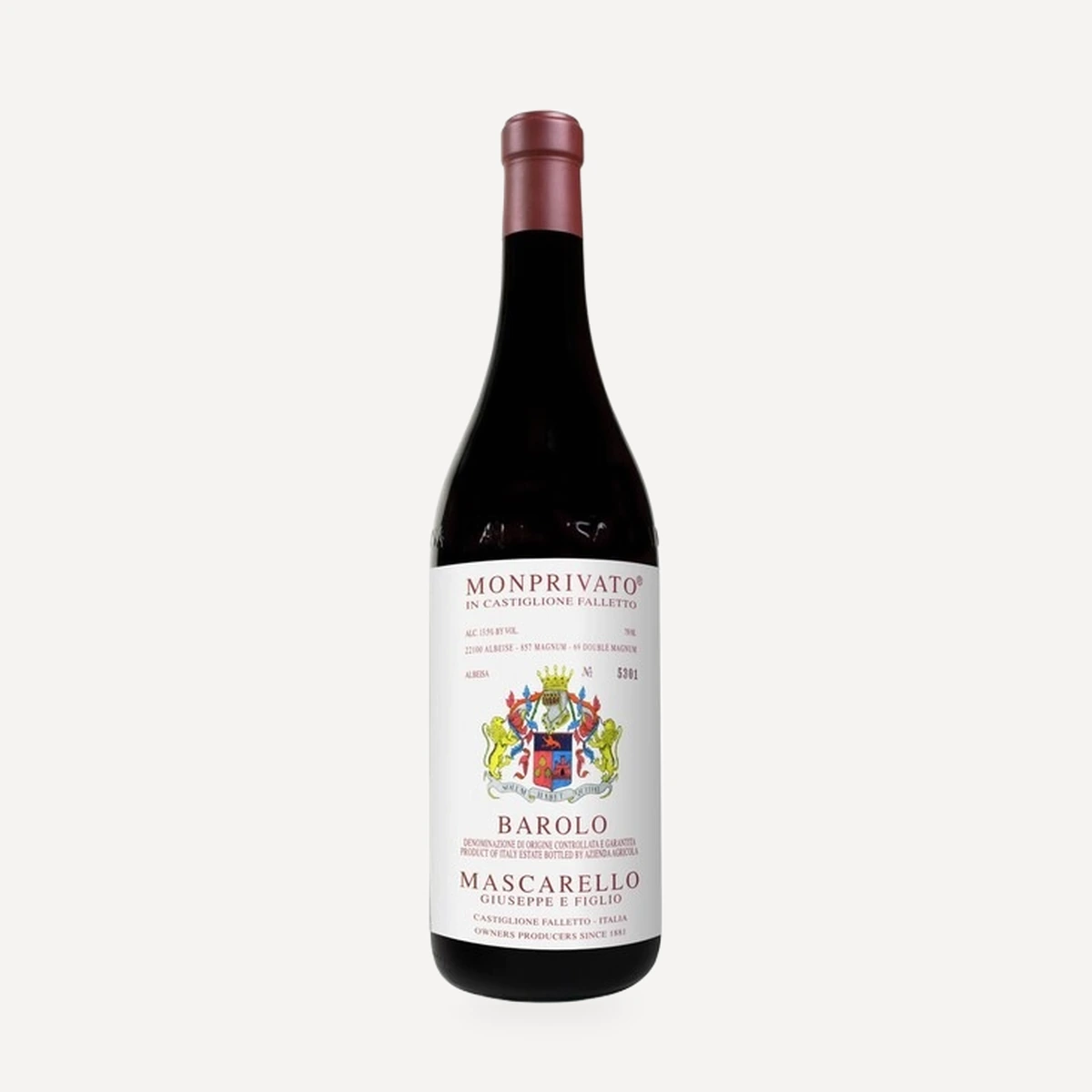
Barolo Monprivato® DOCG
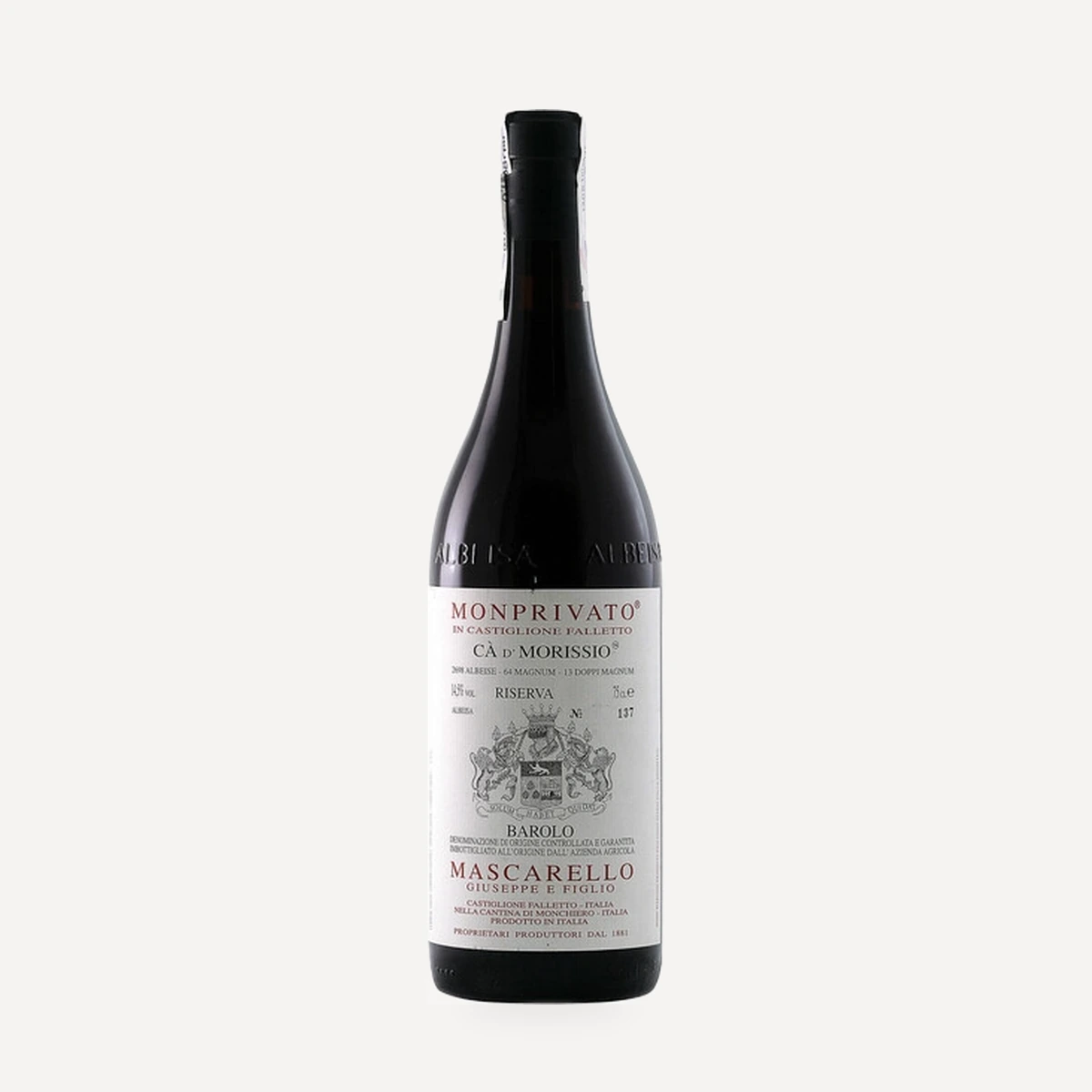
Barolo Riserva Monprivato® Ca’ d’Morissio® DOCG
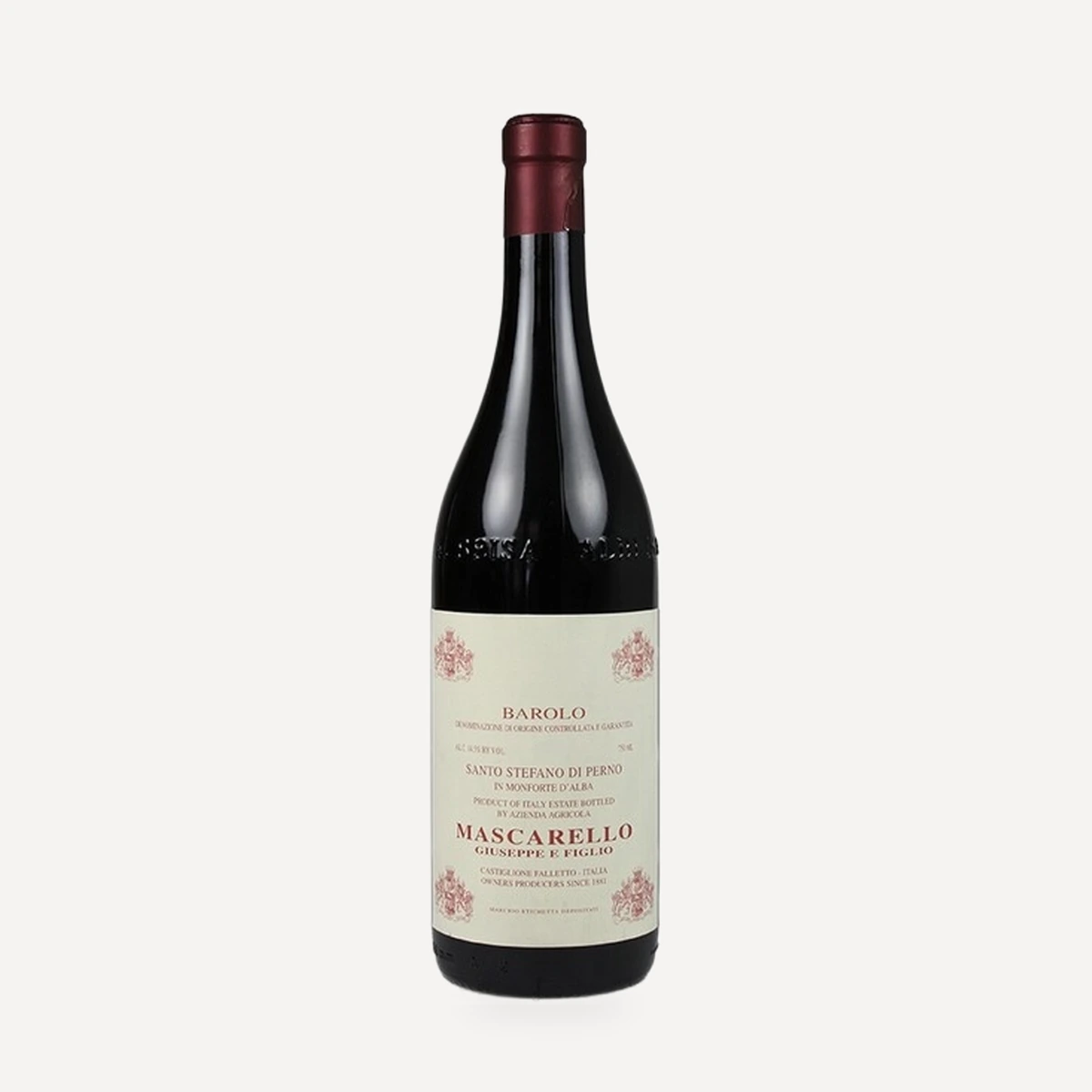
Barolo Perno Vigna S. Stefano DOCG
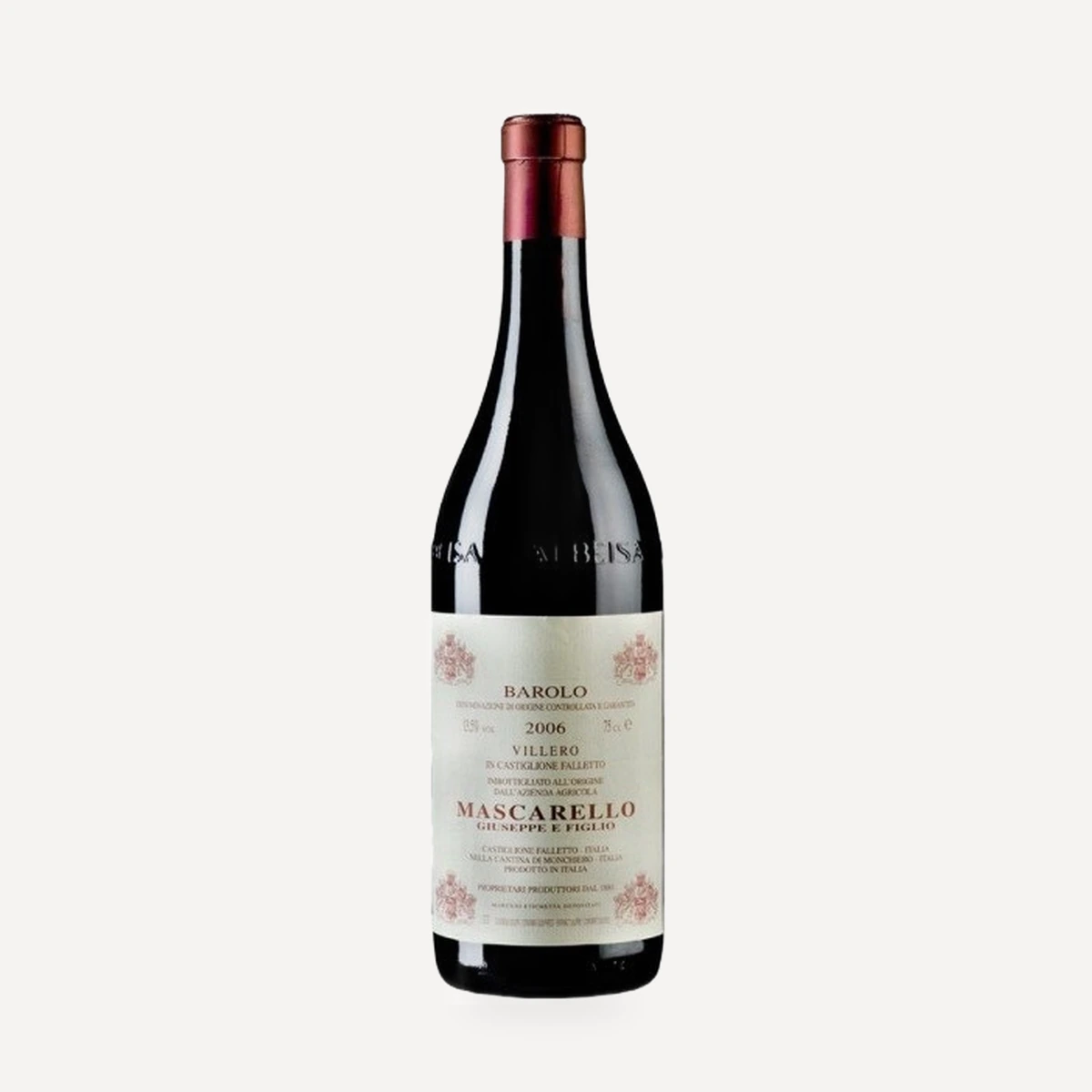
Barolo Villero DOCG
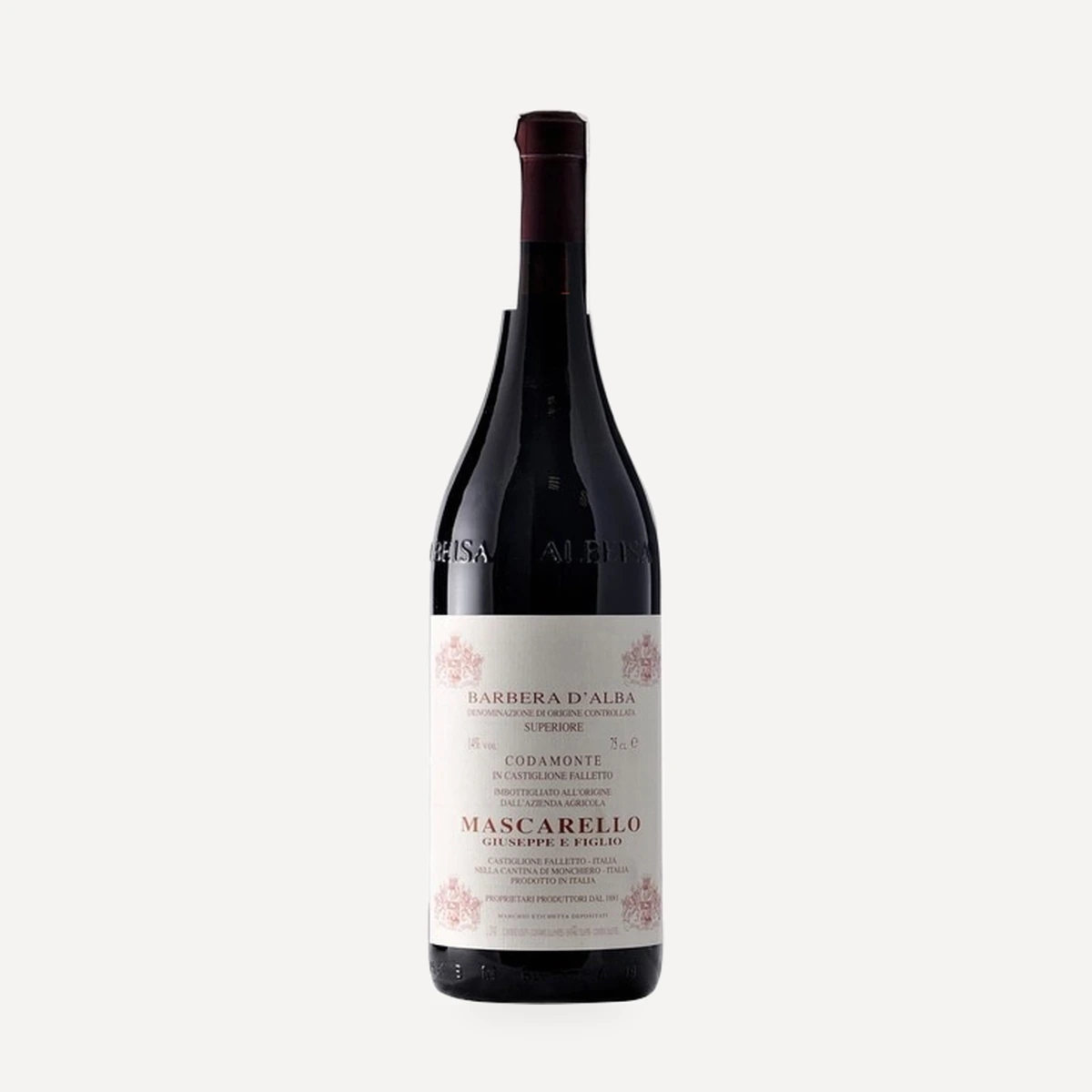
Barbera d’Alba Codamonte® DOC
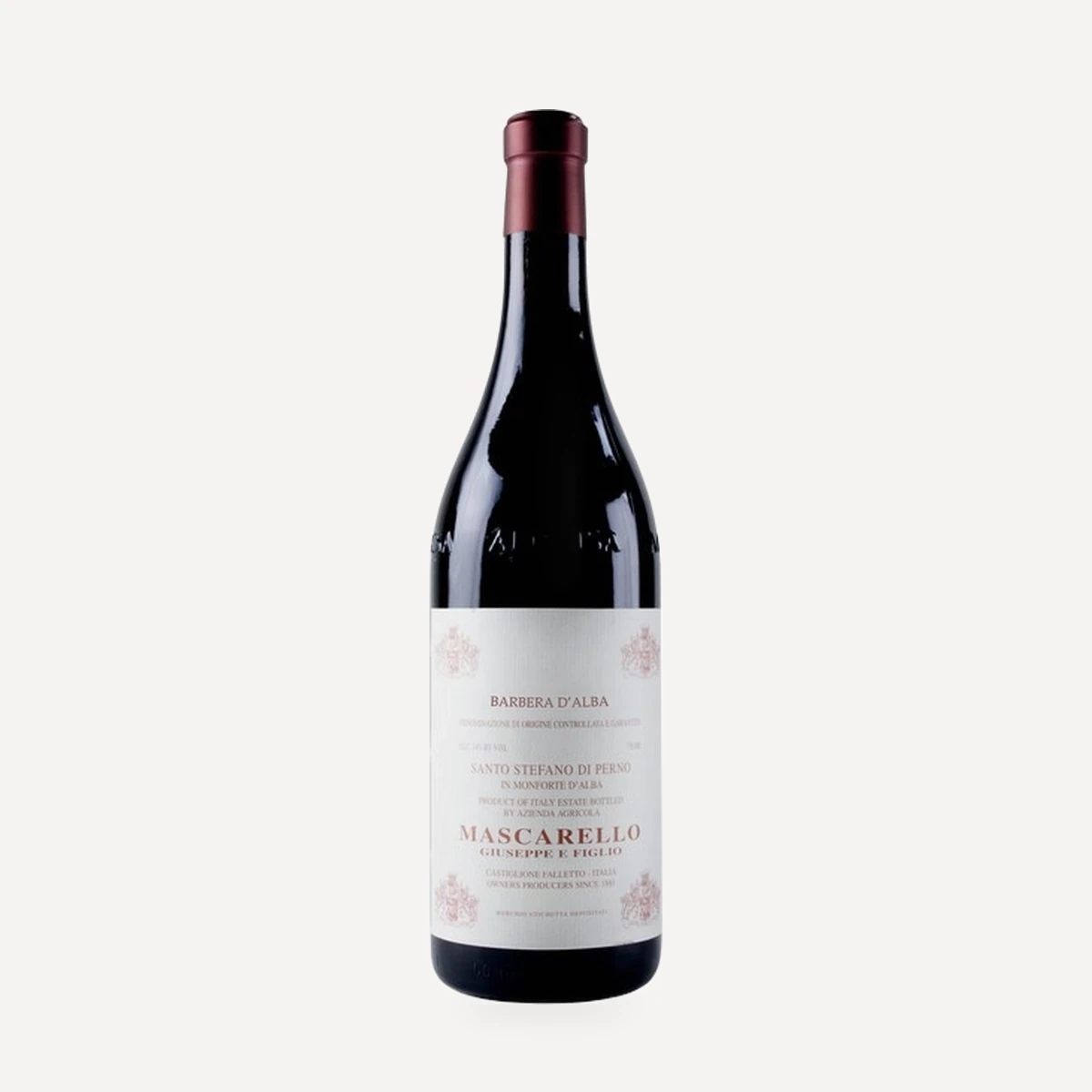
Barbera d’Alba Vigna Santo Stefano di Perno DOC
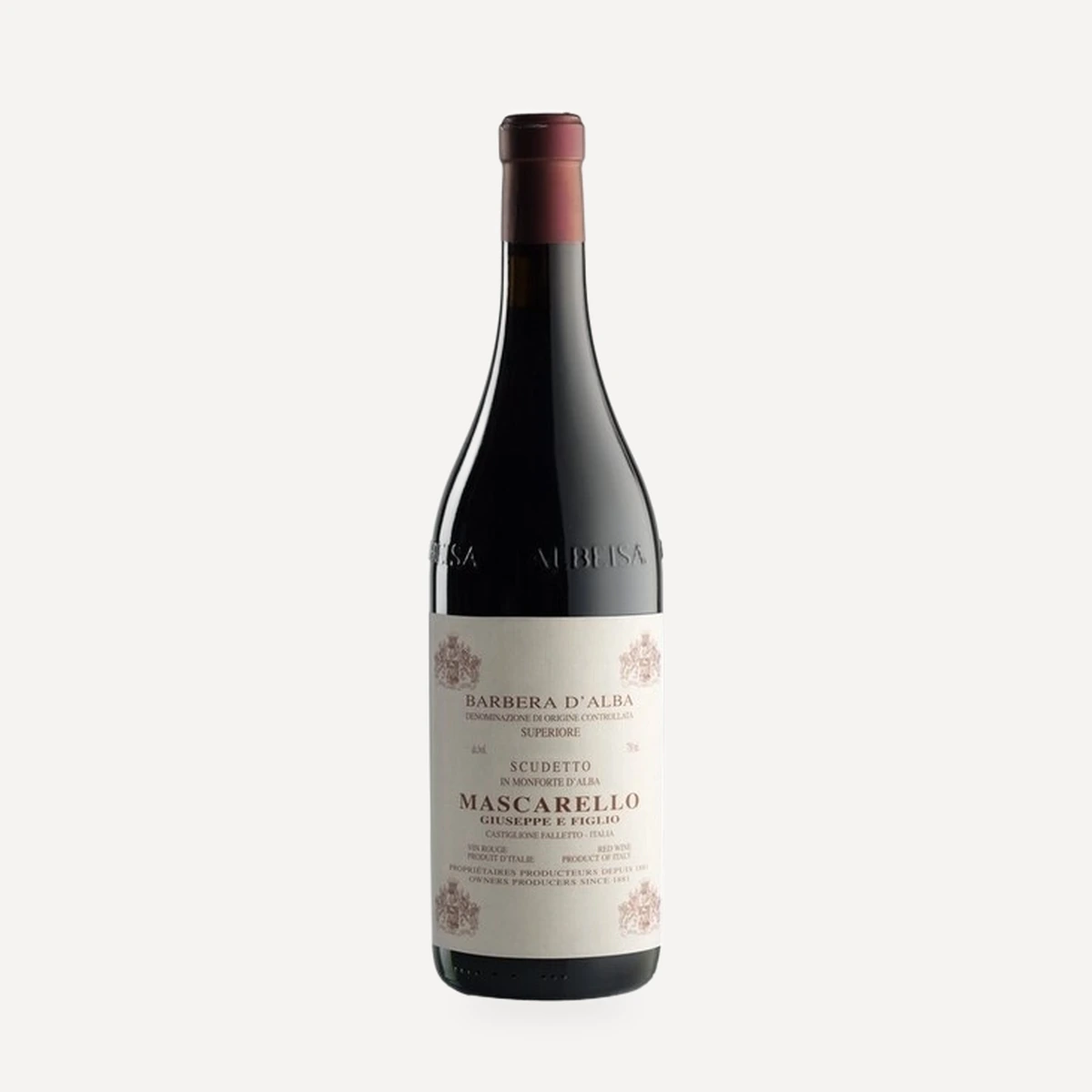
Barbera d’Alba Scudetto® DOC
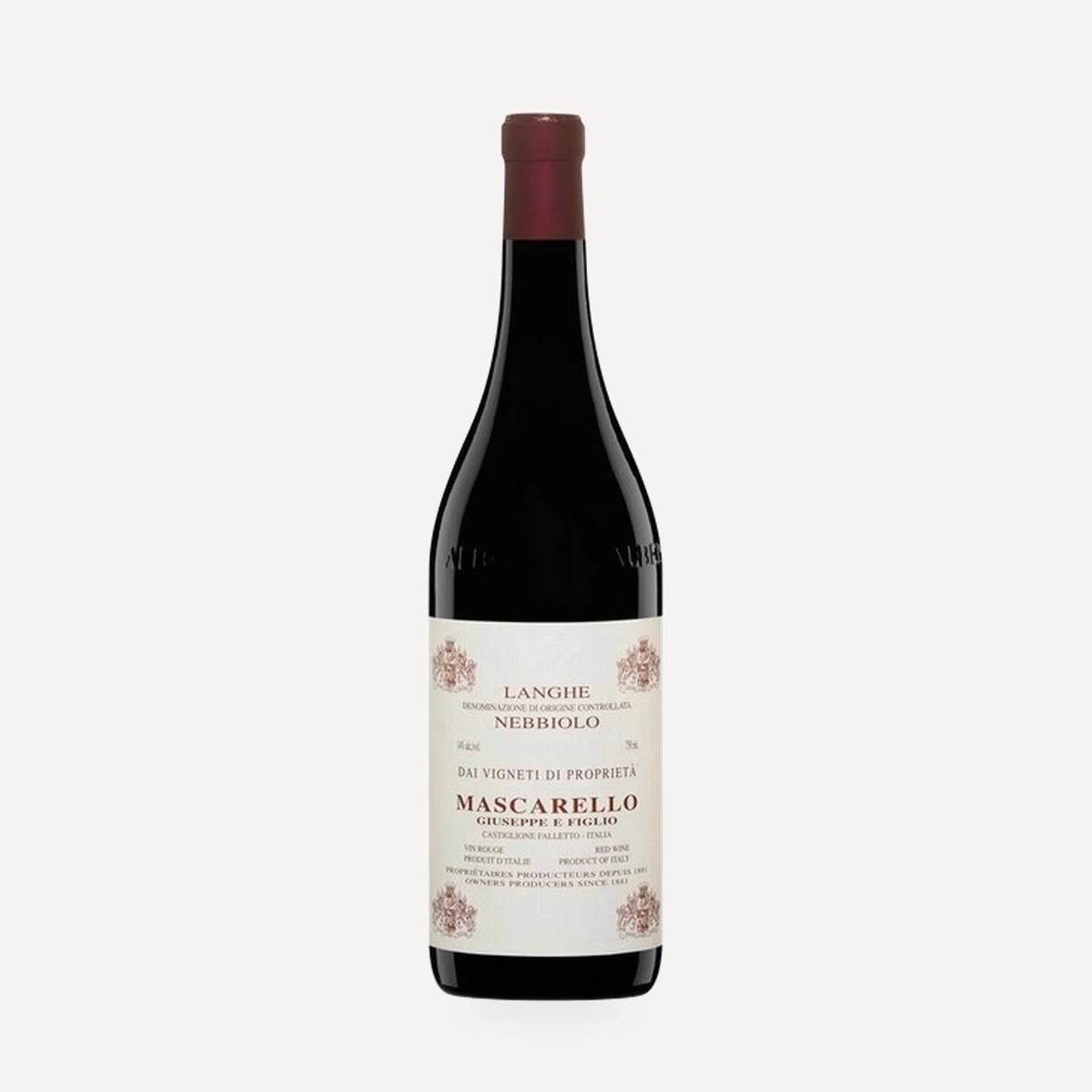
Langhe Nebbiolo DOC
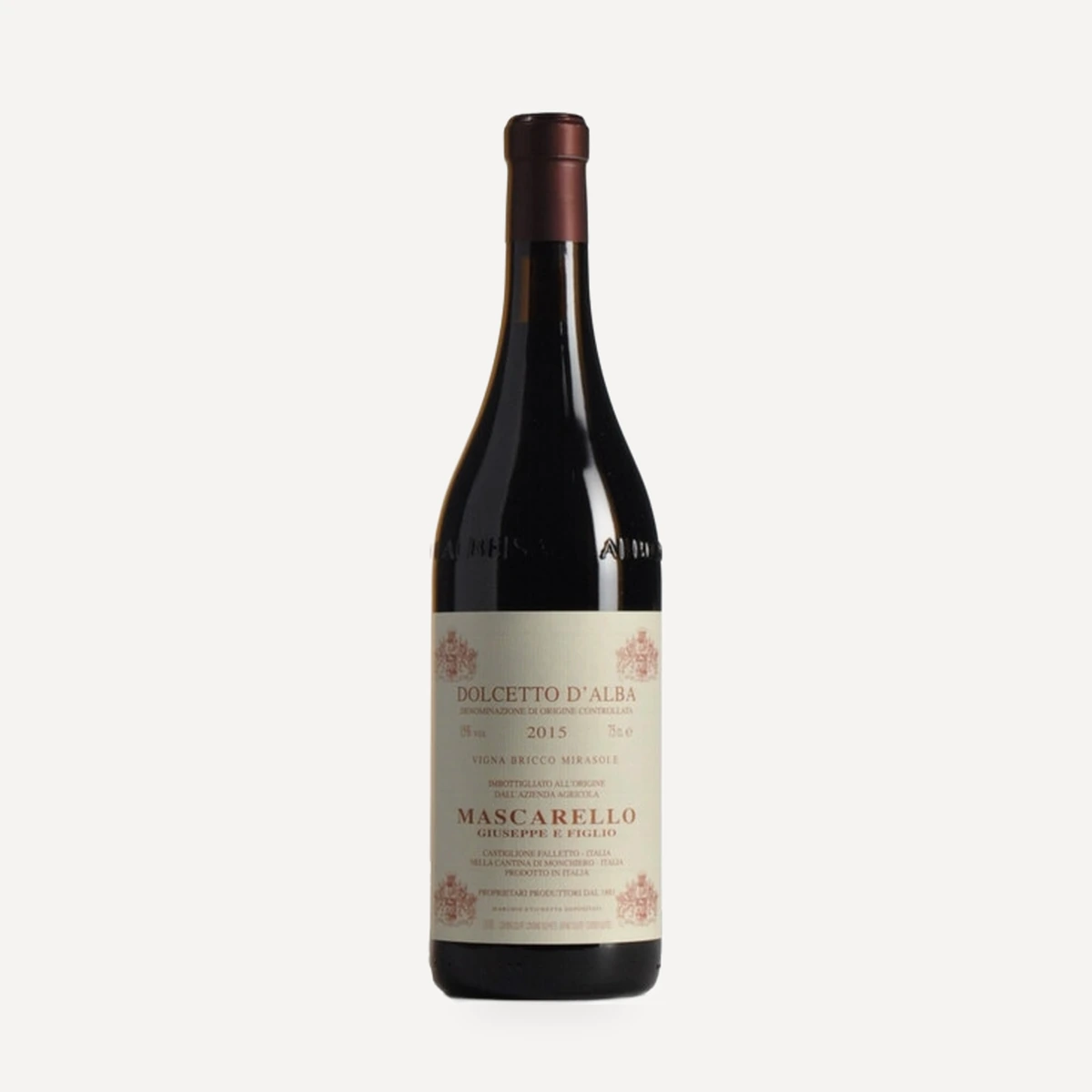
Dolcetto d’Alba Vigna Bricco Mirasole® DOC
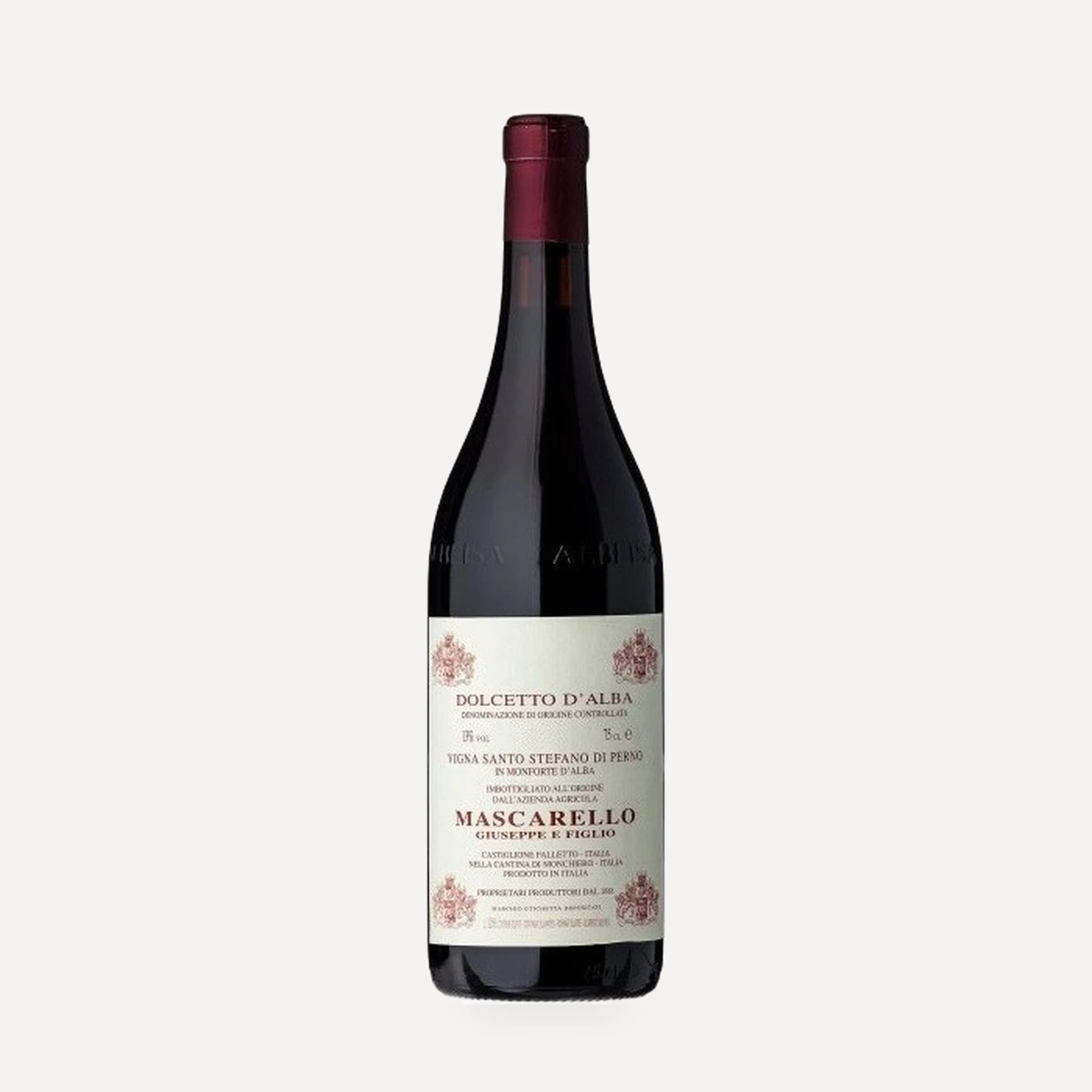
Dolcetto d’Alba Vigna Santo Stefano di Perno DOC