Storia
Family places and inherited land
The family’s Oslavia house and its surrounding 2 ha were purchased in 1901. During the First World War it was the only house left standing in the village and served as a first-aid post for soldiers at the front. The locality name Lenzuolo Bianco, or “white sheet,” recalls the surviving white wall that soldiers firing from Monte Sabotino used as a target because, from a distance, it resembled a sheet hung out to dry.
At Hum, the family’s ancestral house is more than 300 years old. It survived both World Wars but suffered serious damage in the 1976 earthquake. The Hum property passed from Joško Gravner’s paternal grandmother to his father and then to him.
Vineyards established and acquired
Merlot was planted at Hum in 1966. Godenza, previously an orchard, was planted to Pinot Grigio in 1971. Bracnik followed in 1974 with Pinot Grigio and Riesling Italico. Joško once spent a full Sunday laying out the future rows at Bracnik, only for his father to explain that he had failed to account for the path of the sun and the slope; he repeated the work according to his father’s directions and regarded the episode as an important lesson.
Joško’s father bought Polje during the 1970s. The family intended to plant Pinot Bianco, but a nursery error—identified only after several years—meant that the vines were Chardonnay. Pusca was planted in 1985 with Sauvignon and Chardonnay. Its Slovene name denotes barren, unproductive land of little value; Joško planted it at about the age of 30, later concluding that the place-name had accurately described the site.
The Oslavia house required work in 1980 following the Friuli earthquake. Joško later judged that enthusiasm and inexperience had compromised the building’s original simplicity and functionality. The family subsequently began another program intended to rationalize both house and cellar. In 1991 the ancestral house at Hum was restored, removing additions considered unnecessary.
In 1996 Joško consolidated Dedno by acquiring the neighboring land his father had long advised him to buy. The steep, well-exposed property was then improved gradually. Hum was planted to Ribolla in 1996 and to Pignolo in 1998. At Hum, following advice from Marco Simonit and Pierpaolo Sirch, Joško began training Ribolla as alberello in fila, or in a fan-shaped row system, and adopted the method for subsequent new Ribolla vineyards.
Runk was expanded through the purchase of two vineyards in 1996 and adjoining land in 2000. It had long carried Ribolla and a small amount of Merlot and became central to Joško’s practical experience and attachment to Ribolla.
The 1996 turning point
Two hailstorms on 19 and 20 June 1996 destroyed almost the entire crop. From 18 ha under cultivation, the autumn harvest yielded less than 2 tonnes of grapes. Gravner describes this as the “lost year”: a period of reflection that initiated profound changes. The damaged shoots struggled to lignify, so the 1997 season required extensive manual work to monitor vine health and secure normal ripening.
In 1998, partially botrytised grapes were used for the first time. They brought additional roundness and softness to the resulting wines.
Return from technology to older vessels
Joško initially pursued both quantity and quality through the newest available cellar technology, a position that produced disagreements with his father. He later reversed course, progressively removing surplus equipment—first stainless-steel tanks and ultimately barriques. The cellar evolved into a deliberately simple, functional space without modern technological effects, centered on amphorae brought from the Caucasus and buried in the earth.
The 1998–2000 wines documented in the estate archive fermented in large wooden vats with 10–14 days of maceration and matured for three years in oak. By the 2001 vintage, long skin maceration and fermentation in buried Georgian amphorae had been introduced, using indigenous yeasts without temperature control. Because the amphora cellar was still incomplete, part of the 2001 and 2002 production fermented in large wooden vats and moved into amphorae only after drawing off in April.
The 2003 vintage was the first in which all harvested grapes underwent long skin maceration and fermentation in buried amphorae. Part of the wine returned to amphora after pressing for another five months, reaching 11 months in amphora in total, while the remainder began maturation in large oak vessels. The archive records three years of large-oak maturation for that vintage.
Reorganization and concentration on fewer varieties
Immediately after the 2003 harvest, the Runk vineyards planted in 1919 and 1952 were uprooted. This allowed the whole holding to be reorganized after the 1996 and 2000 acquisitions. The long project also introduced the estate’s first pond among the vineyards.
Additional Ribolla and Pignolo were planted at Runk in 2005. The first Ribolla vines at Dedno were planted in 2010, with the steep site intended for continued gradual development.
Godenza’s Pinot Grigio was removed in 2011, and the land became space for four Tibetan goats and a horse. After the 2012 harvest, Gravner uprooted Sauvignon, Pinot Grigio, Chardonnay and Riesling vineyards, ending production of Bianco Breg. Bracnik, Polje and Pusca were among the sites removed that year. Pusca was converted to woodland, conceived as a lung for the land.
The estate now covers 32 ha, with 15 ha described as planted to vines and a further 3 ha planned. The remaining land is occupied by woods, meadows and ponds.
Terroir
Oslavia is a small hamlet near Gorizia in Friuli, on the Collio hills—Brda in Slovene—beside the Slovenian border and approximately halfway between the Adriatic Sea and the Julian Alps.
The estate covers 32 ha. Fifteen hectares are described as vineyards, with another 3 ha intended for planting; the rest comprises woodland, meadows and ponds. Individual sites differ visibly in slope and exposure. Dedno is particularly steep and has an excellent exposure, while Godenza is sufficiently windy that Joško Gravner’s father initially questioned whether it should be converted from orchard to vineyard. At Bracnik, row orientation had to account for both the path of the sun and the slope.
Pusca’s Slovene place-name identifies it as dry, infertile and historically considered of little value. Despite successful cultivation, its vines were removed in 2012 and the site was returned to woodland. The estate’s position between sea and mountains, the wind at exposed sites and the varied slopes form the geographical setting described for its vineyards; no detailed soil profile or geological analysis is provided.
Vinificazione
Gravner’s landscape management seeks to restore ecological balance within vineyard areas altered by intensive cultivation and monoculture. Ponds have been dug in the largest vineyards to bring back water, plants, insects and animals whose habitats had been reduced. The first vineyard pond was incorporated during the reorganization of Runk after the 2003 harvest.
Terraces have been planted with olive trees, cypresses, wild apple trees, manna ash and rowan. These provide animal habitat and support artificial nests installed to encourage several bird species. Pusca was returned to woodland in 2012, while former vineyard land at Godenza accommodates four Tibetan goats and a horse.
Vineyard and cellar timing follows the lunar calendar interpreted by Maria Thun. Lunar phases and planetary positions inform the preferred days for pruning, sowing, harvesting and other work. The first quarter is associated with sowing and balanced root and leaf growth but avoided for cellar work; the waxing phase is used for planting, gathering aromatic herbs and various vineyard and cellar tasks. The full-moon or third-quarter period is associated with transplanting, pruning, tillage, racking and bottling. The waning phase is regarded as suitable for fruit harvest, pruning and cellar work.
The approach accepts selective crop loss when this improves the remaining fruit and permits harvest to be delayed to the last suitable day. The 1997 season provides a documented example of intensive manual intervention: shoots damaged by the previous year’s hail had lignified poorly, requiring considerable hand work to monitor vine health and support normal ripening. Older vines proved especially resilient in difficult wet years such as 2014 and 2017. Formal organic, biodynamic or other agricultural certification is not identified.
Cellar evolution
Joško Gravner initially adopted the newest equipment promoted by the wine industry, including stainless-steel tanks and barriques. He later removed these technologies progressively and shaped a simple, functional cellar centered on amphorae from the Caucasus, buried in the earth.
Fermentation and maceration
The archived 1998–2000 production used large wooden vats, with skin maceration lasting 10–14 days for Ribolla and Bianco Breg. Red wines of the period fermented on their skins in open oak vats: Rosso Gravner for 21 days and selected Rujno lots for as long as five weeks. Indigenous yeasts were used and fermentation temperature was not controlled.
Buried Georgian amphorae entered production by the 2001 vintage. The process developed around long skin maceration with indigenous yeasts and no temperature control. Because the dedicated amphora cellar was unfinished in 2001 and 2002, part of the must fermented in large wooden vats and was transferred to amphora only after drawing off in April. In 2003, all harvested grapes fermented with long skin contact in buried amphorae for the first time.
After drawing off and pressing, the wines could return to amphora for at least another five months. In the 2003 vintage, one portion remained in amphora for a total of 11 months while the rest moved earlier into large oak vessels.
Maturation and bottling
Large oak casks replaced the barrique-centered approach. Maturation periods evolved from approximately three years in large oak for the 1998–2003 white wines to four, five or six years in later bottlings. Current Ribolla material describes at least five additional months in amphora after pressing followed by six years in large oak; red wines commonly mature for four or five years in oak. Selected releases receive extended bottle maturation that may run from several years to more than a decade.
Wines are bottled without fining or filtration. Numerous red and reserve bottlings are explicitly bottled during the waning moon, and the lunar calendar treats this phase as particularly favorable for cellar work. Some selections are bottled only in 1.5-litre magnums. The documented production relies on long maturation rather than modern cellar effects, with no routine temperature control during fermentation.
Filosofia
Gravner’s philosophy treats human beings as participants in nature rather than its masters: equal among its elements, but carrying greater responsibility. Nature is understood to contain what is necessary; the winegrower’s task is to guide, care for and serve it at the appropriate moment while resisting the urge to intervene, alter, cut or build unnecessarily.
Patience is central. Some stages require time, silence and inactivity, allowing the cycles of life and vine to reach completion. This outlook extends to accepting seasonal adversity, waiting through long maturation and tolerating the loss of part of a crop when the remaining fruit can be better. Harvest may consequently be postponed until the last viable day.
The cellar’s rejection of surplus modern equipment follows the same principle. Joško Gravner does not regard recent technology as a reason to disregard millennia of winemaking history. Buried amphorae, indigenous fermentation, large wood and prolonged maturation form a deliberately simple and functional system.
Ecological measures—ponds, mixed trees, artificial bird nests, meadow and woodland areas—seek to rebuild natural relationships diminished by monoculture. The lunar calendar supplies an additional temporal framework for work in the vineyard and cellar.
Vini
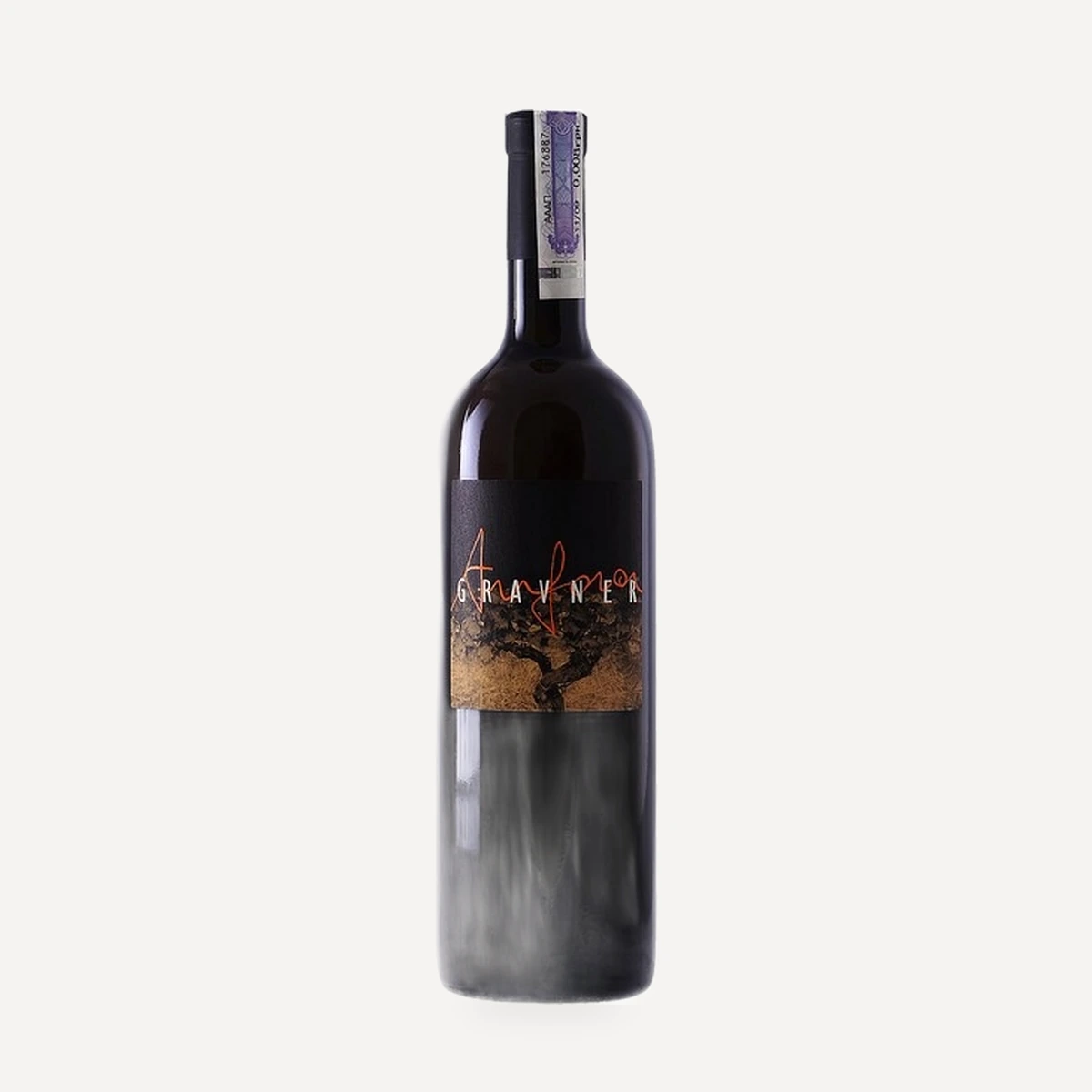
Anfora Ribolla Giala Venezia Giulia IGT
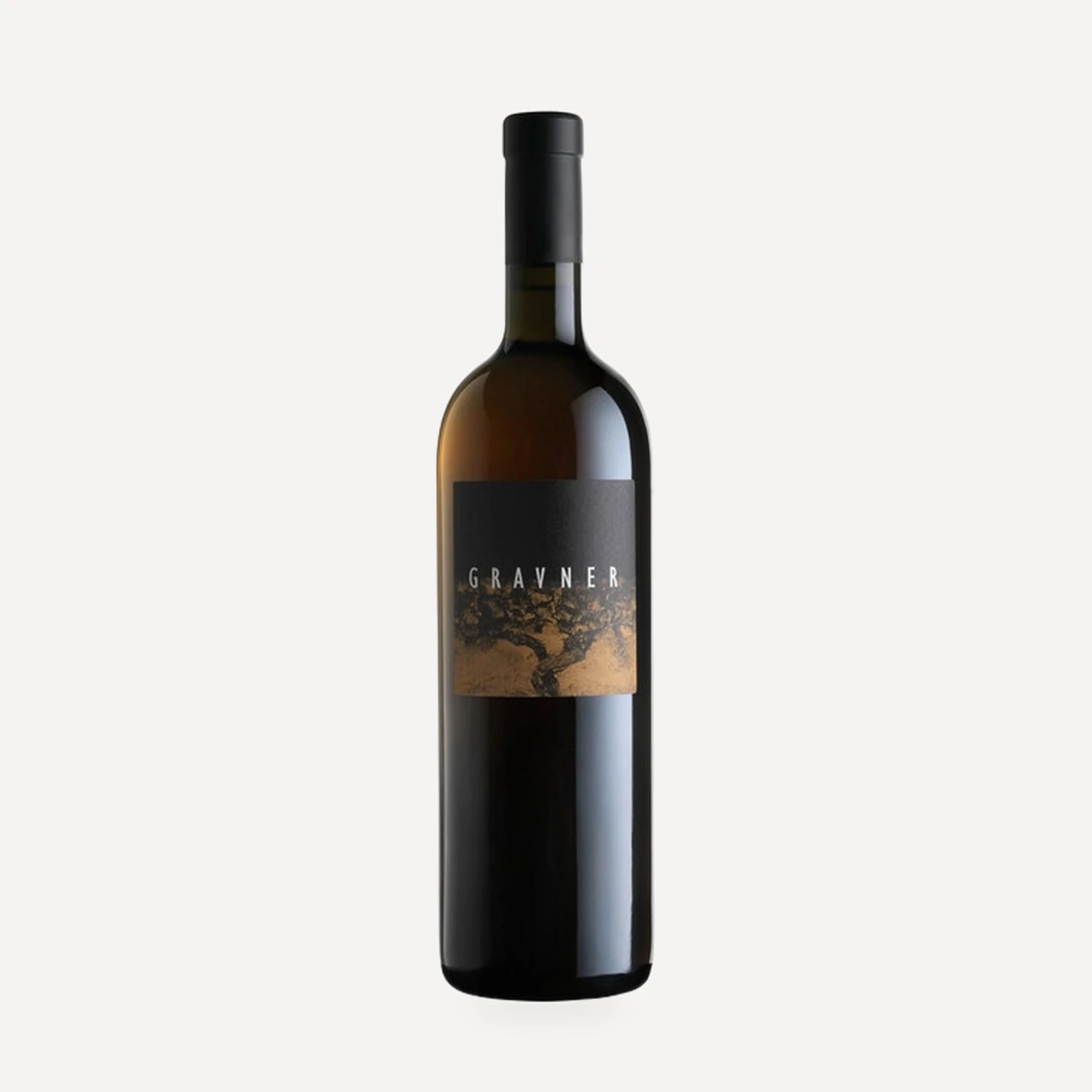
Bianco Breg Venezia Giulia IGT
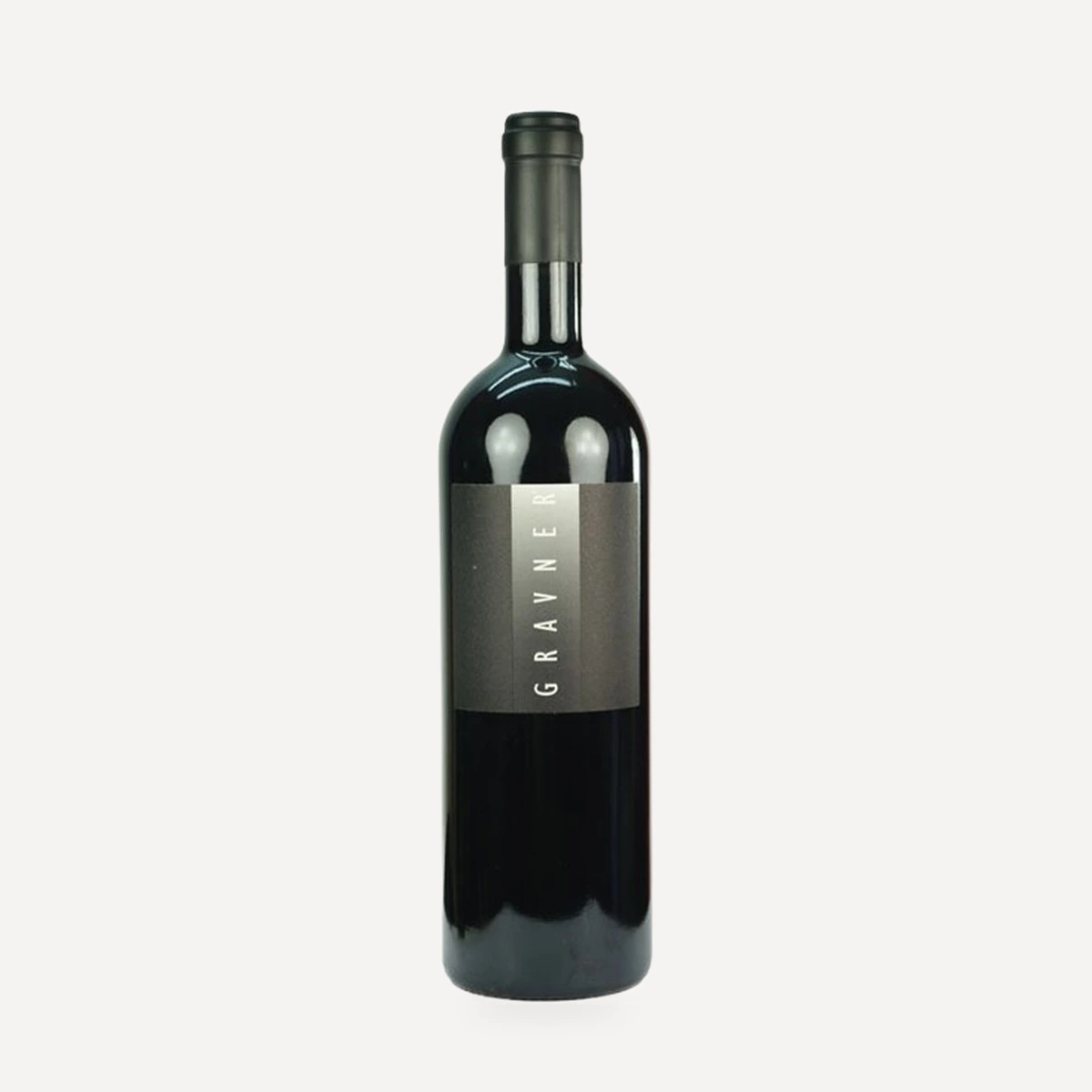
Rosso Breg Venezia Giulia IGT
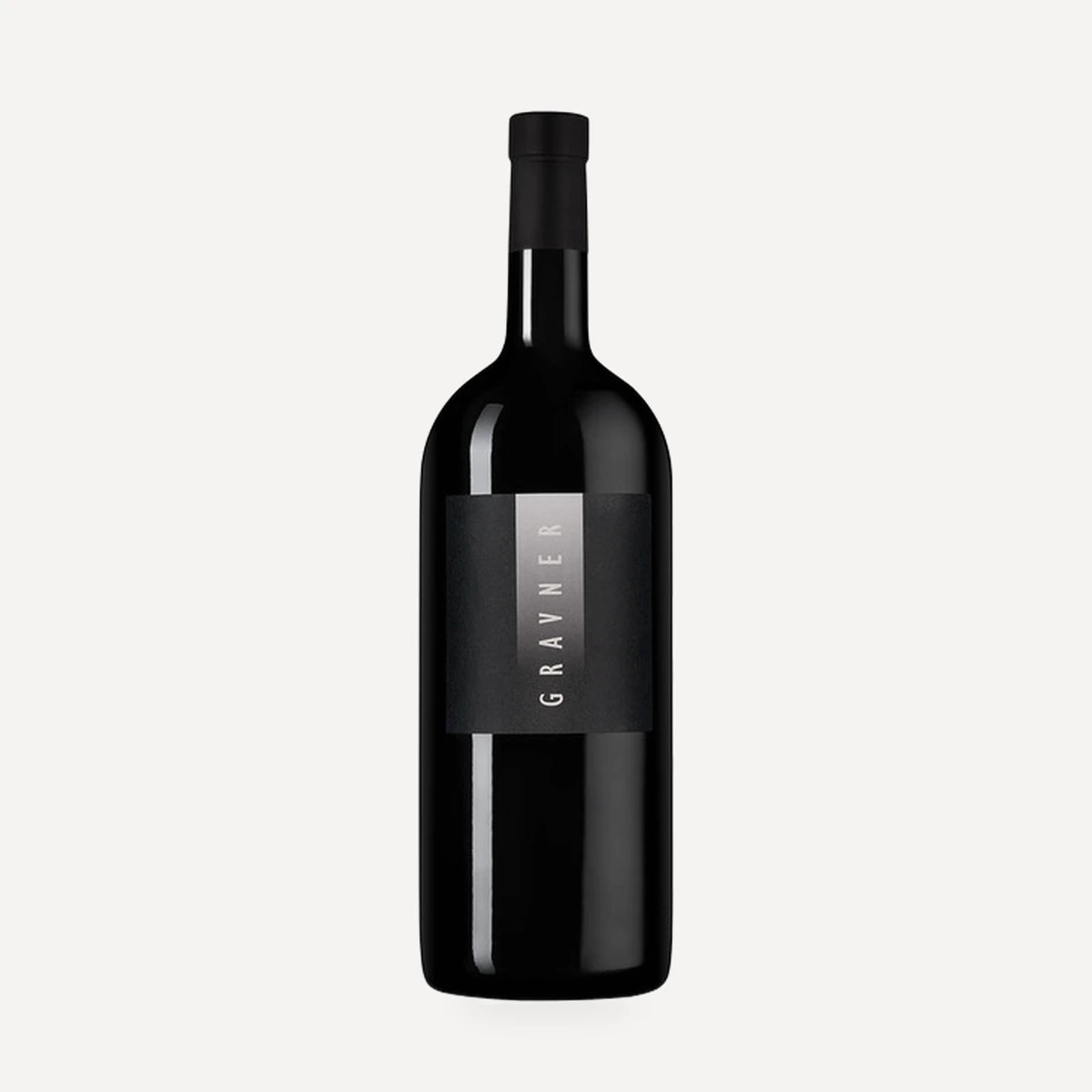
Rosso Breg
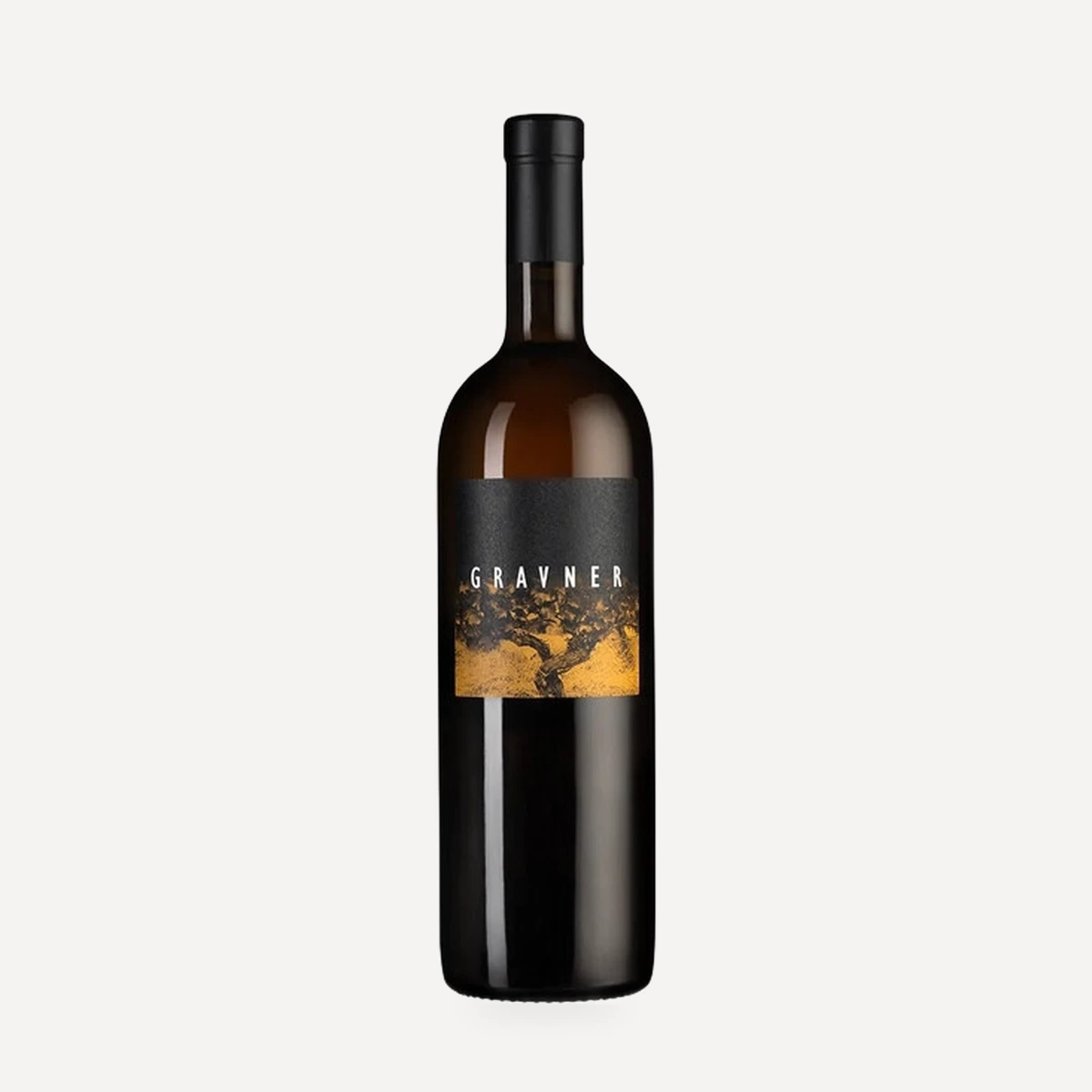
Ribolla Venezia Giulia IGT