Storia
Roots extending back to the 12th century
Jerzu connects its winegrowing culture to a collective history dating to the 12th century. Successive generations cultivated vines on difficult, rugged land, forming a dispersed wine community rather than a single, contiguous estate. Wine became the thread linking individual families to a shared project.
The high-altitude Baccu vineyards preserve part of this older settlement history. They were among the first sites cultivated by communities established in the mountains, at a time when coastal settlements remained uncommon because threats and enemies often arrived from the sea.
1950: foundation of the cooperative
The winery was founded in 1950 through the initiative of eighteen founders. Its cooperative structure transformed the inherited winegrowing activity of local families into a common economic and social enterprise. The historical winery has retained its original character through the subsequent evolution of the business.
Research, selection and zonation
Jerzu subsequently developed a programme of territorial research and grape selection. Work with recognised research institutes identified nine sub-areas whose vineyards share comparable altitude, age and yield. This zonation supports separate experimentation with the vinification best suited to each component of the territory. The programme underpins wines associated with specific elevations and sites, including Josto Miglior at 600 metres, Chuerra at 500 metres and Marghia at 400 metres, as well as the single-vineyard Baccu selections.
More than twenty years of research and grape selection are represented in the winery’s principal Vermentino and Cannonau expressions.
1999: theatre enters the vineyards
Since 1999, Jerzu has hosted the Festival dei Tacchi among its old vineyards. Curated by Cada Die Teatro under Giancarlo Biffi’s direction, the festival brings theatre together with landscape, community and wine culture. It treats the territory as a continuing laboratory in which avant-garde practice and local tradition can meet.
2021: a permanent relationship with Maria Lai’s work
In 2021, the exhibition Ricucire il dolore. Tessere la speranza became Jerzu’s first exhibition devoted to Maria Lai and inaugurated a space intended to become permanent. Curated by Micol Forti, the project explored Lai’s treatment of sacred stories, domestic life and local culture.
The relationship was consolidated from July 2021 and continued with Divenire Pietra. That installation inaugurated Spazio Cinquesse as a permanent area devoted to Maria Lai, developed with the archive and foundation bearing the artist’s name. The Cinquesse wine and its packaging were also created in collaboration with the Archivio Storico Maria Lai.
The cooperative today
Jerzu now unites 408 members or families and 460 hectares of vineyards across a territory extending over 593 km². Its vineyards range from 30 to 786 metres above sea level. The winery continues to function as both a production centre and a social institution, while its cellar, tastings, exhibitions and festivals provide meeting places for the surrounding community.
Terroir
Jerzu’s vineyards lie in Ogliastra, in a landscape where mountain and sea meet. Wine comes from numerous small growing areas rather than one uniform block of land. Across approximately 700 metres of elevation change, markedly different landscapes and ecosystems occur in close succession. The cooperative’s overall altitude range is 30–786 metres above sea level, distributed through a territory covering 593 km².
Elevation creates substantial differences in the seasonal development of the vines. At the same point in the growing season, bunches may only be beginning to form in the upper vineyards while fruit thinning is already taking place in the lower areas. This diversity supports multiple expressions of the same grape variety.
Research has divided the territory into nine sub-areas. Within each sub-area, vineyards are grouped according to common altitude, vine age and yield. The resulting zonation is used to match vinification decisions to the characteristics of each area.
The individually documented sites reveal significant geological variation. S’Abba ’e s’Alinu has loamy and clay-loam soils of calcareous-schist origin. Is Baus and the Filare hills have sandy-loam soils of granitic origin. Cinquesse’s high hills have clay-loam soils derived from schist. The Baccu sites occupy the mountain interior: Baccu Is Baus lies at about 500 metres, while Baccu S’Alinu rises above 700 metres. Other zoned Cannonau areas include vineyards at 400 metres for Marghia, 500 metres for Chuerra and 600 metres for Josto Miglior.
Vinificazione
Jerzu manages its vineyard base through territorial mapping and zonation. Research conducted with recognised institutes identified nine sub-areas with distinct characteristics. Vineyards within each area are classified by altitude, age and yield, allowing their fruit to be directed toward appropriate vinification trials and selections.
Training systems documented in the selected vineyards are Guyot and, in the two Baccu sites, a combination of Guyot and alberello. Planting densities range from more than 4,500 vines/ha in the Cinquesse and Filare vineyards to more than 5,000 vines/ha in S’Abba ’e s’Alinu and Is Baus. Stated yields range from 50 quintals/ha (5 t/ha) at S’Abba ’e s’Alinu to 70 quintals/ha (7 t/ha) at Cinquesse and Filare.
Harvesting is performed entirely by hand in the documented vineyards. Filare’s Vermentino is collected during the first ten days of September; Cinquesse and Is Baus are harvested in the second half of September; S’Abba ’e s’Alinu is picked between late September and early October. The broad elevation range means that vineyard operations occur at different stages simultaneously: fruit may be forming in the upper vineyards while bunch thinning is already under way at lower elevations.
Jerzu’s production complex retains the character of the historical winery founded in 1950. Its visitor route passes through a barrel room, a horizontal cellar, a barrique cellar and a vat room, revealing successive layers in the winery’s physical development. The production philosophy combines this preserved industrial heritage with experimentation guided by vineyard zonation.
For the documented Cannonau selections, fermentation takes place in stainless steel under controlled temperature for at least 25 days. Malolactic fermentation is completed in oak containers. The Baccu selections mature in small French-oak vessels; the current presentation specifies more than six months, while the earlier technical catalogue gives barriques and tonneaux followed by bottle ageing. Cinquesse matures for six months in French-oak tonneaux and then for six months in bottle.
Filare Vermentino follows a distinct white-wine process. Whole grapes enter the press for 6–8 hours of cold maceration and gentle pressing, producing a stated 50% juice yield. The must settles in stainless steel at 10°C before racking and transfer to wood. Fermentation and maturation on the lees run from September to June in 30 hl French-oak casks, followed by at least nine months of bottle ageing.
The zonation system is intended to support trials of the vinification best suited to each homogeneous combination of altitude, vine age and vineyard yield, rather than imposing one process across the entire 460-hectare vineyard base.
Filosofia
Jerzu defines itself as a distributed winery whose strength comes from the collective work of winegrowing families. Wine is treated as a life project passed between generations and as the bond connecting individual growers to a common undertaking.
The cooperative presents the winery as both a social institution and an ambassador for its territory. Its purpose extends from preserving viticulture on difficult mountain land to carrying the values of the community beyond Ogliastra. Sharing is central to this outlook: the cellar is conceived as a meeting place, while tastings connect wine with local history, culture and tradition.
Research and inherited practice operate together. Scientific mapping and cooperation with research institutes are used to understand the nine sub-areas and refine production decisions, while the historical winery, old mountain vineyards and established techniques remain reference points. Zonated winemaking aims to allow each component of the territory to express itself rather than forcing the vineyard base into a single style.
Cultural activity forms another part of the cooperative’s identity. Exhibitions, theatre and collaborations with artists are intended to support and disseminate Sardinia’s cultural heritage. The continuing work with Maria Lai’s archive and foundation, and the Festival dei Tacchi’s meeting of theatre, landscape and community, embody this broader role.
Vini
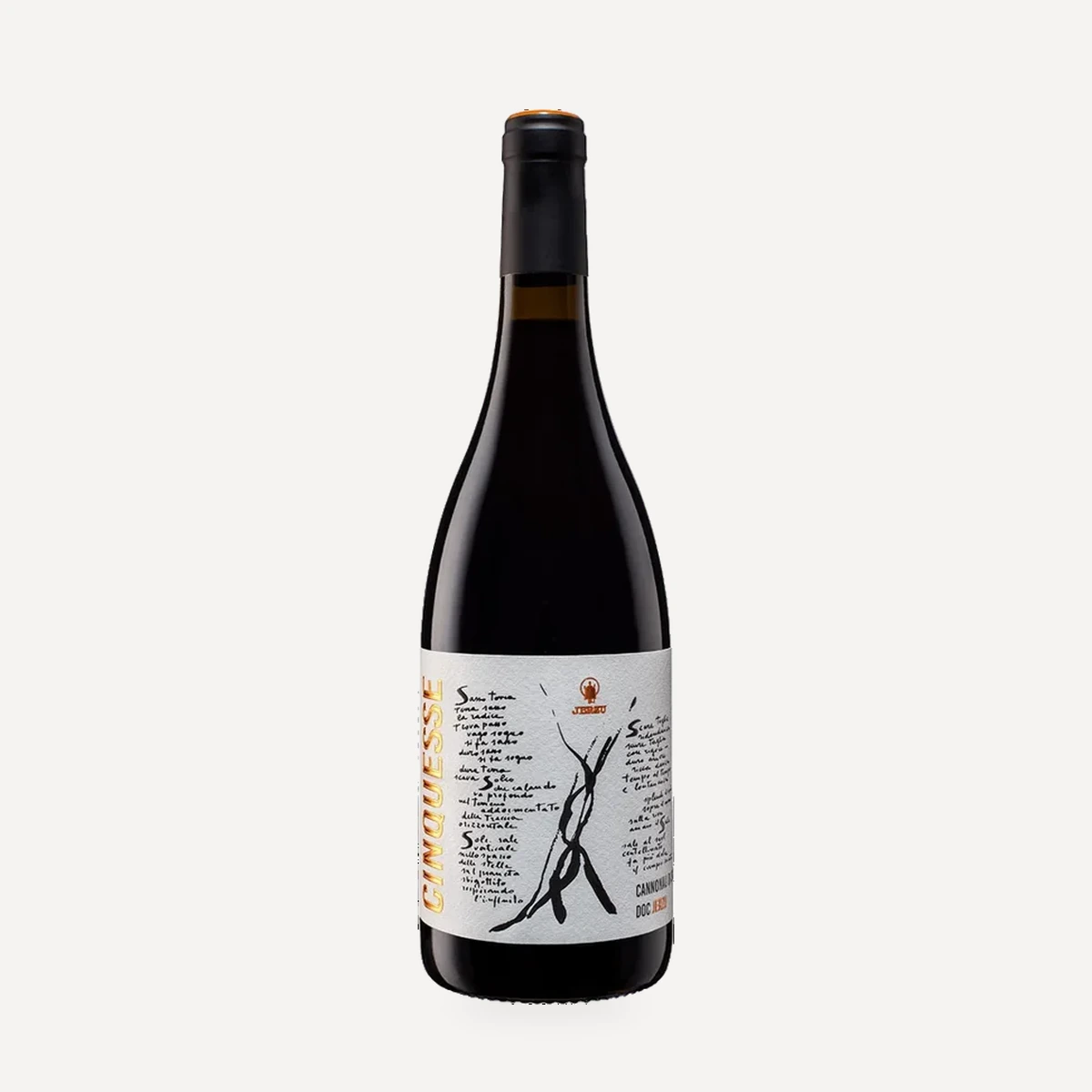
Cinquesse Cannonau di Sardegna DOC Jerzu
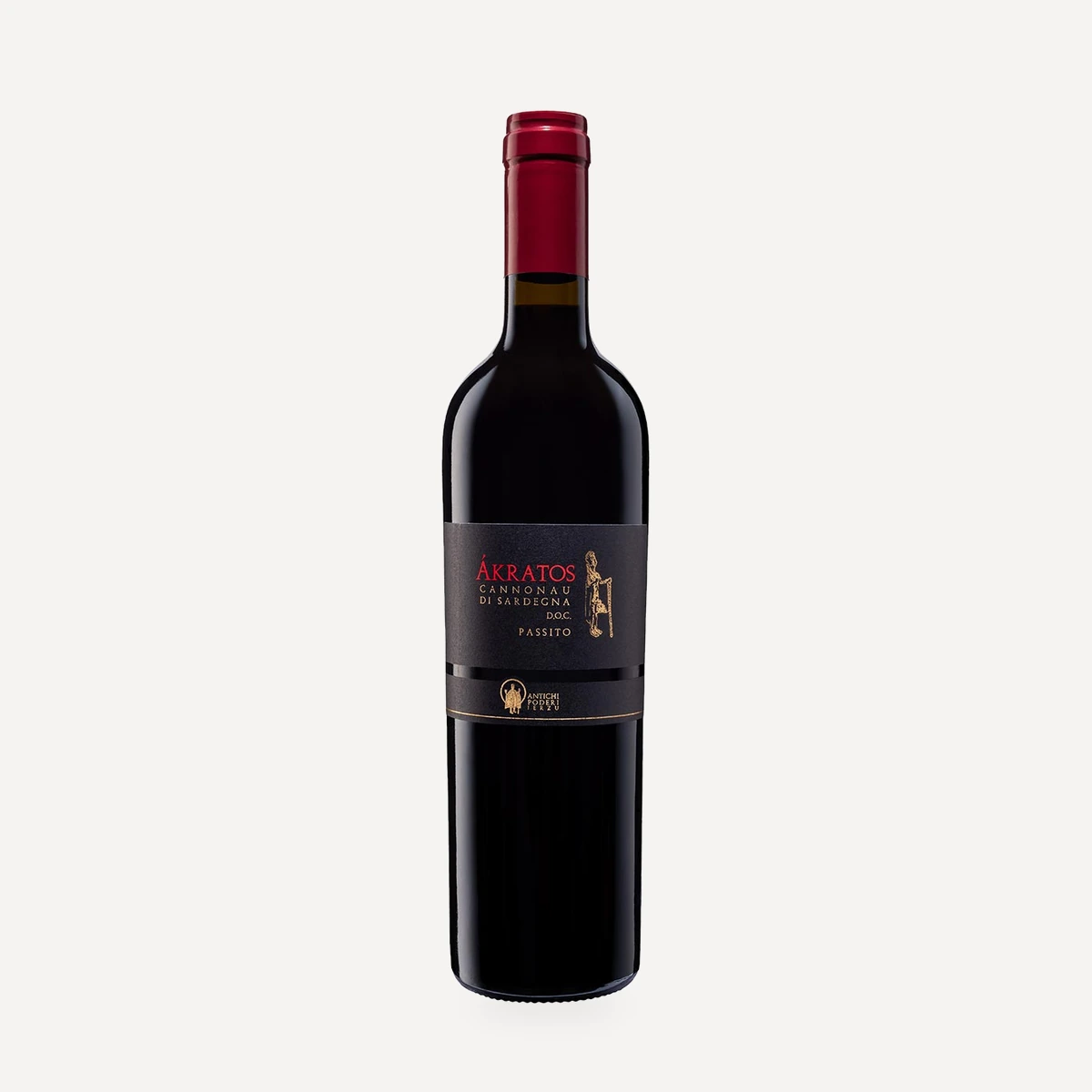
Àkratos Cannonau di Sardegna DOC Passito
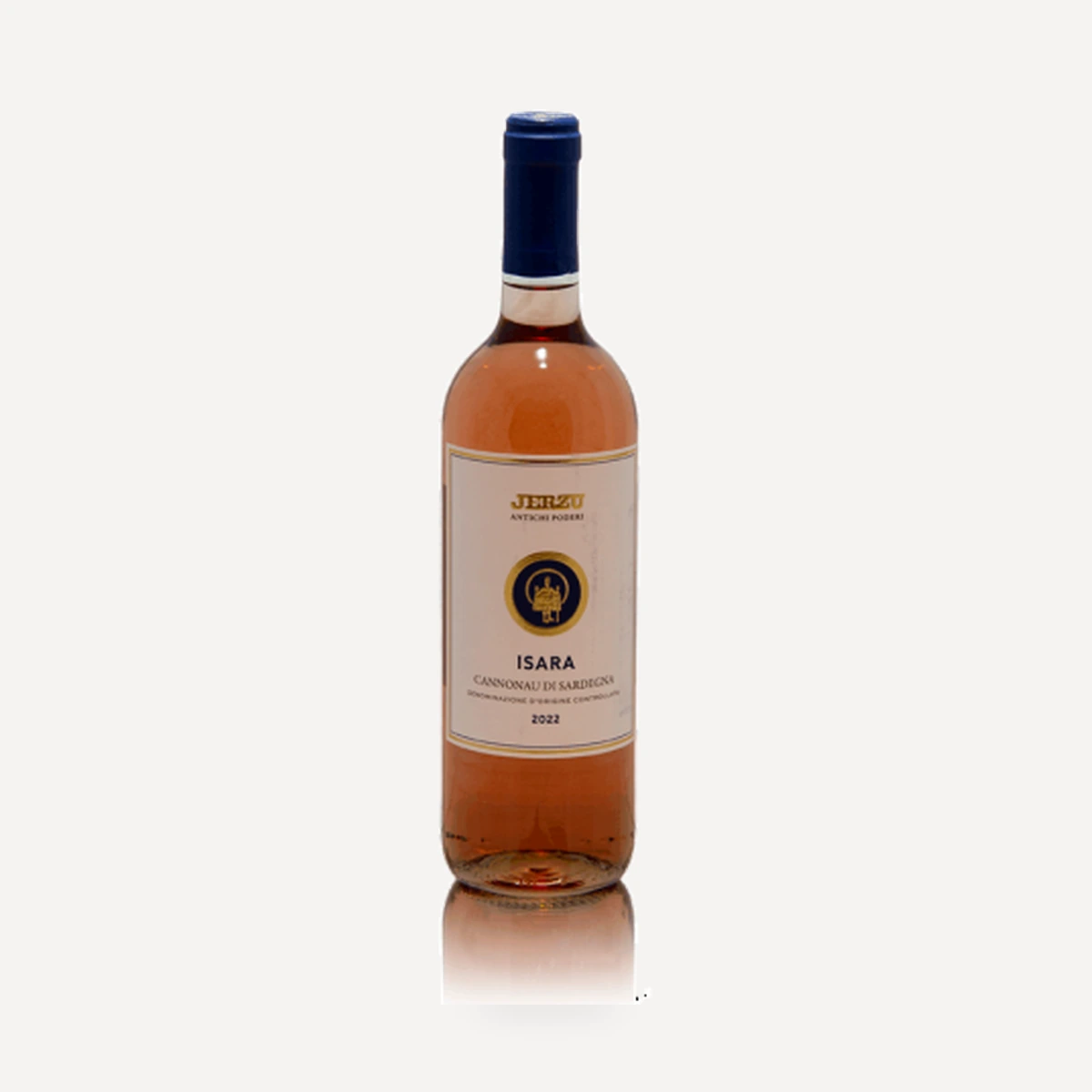
Isara Cannonau di Sardegna DOC Rosé
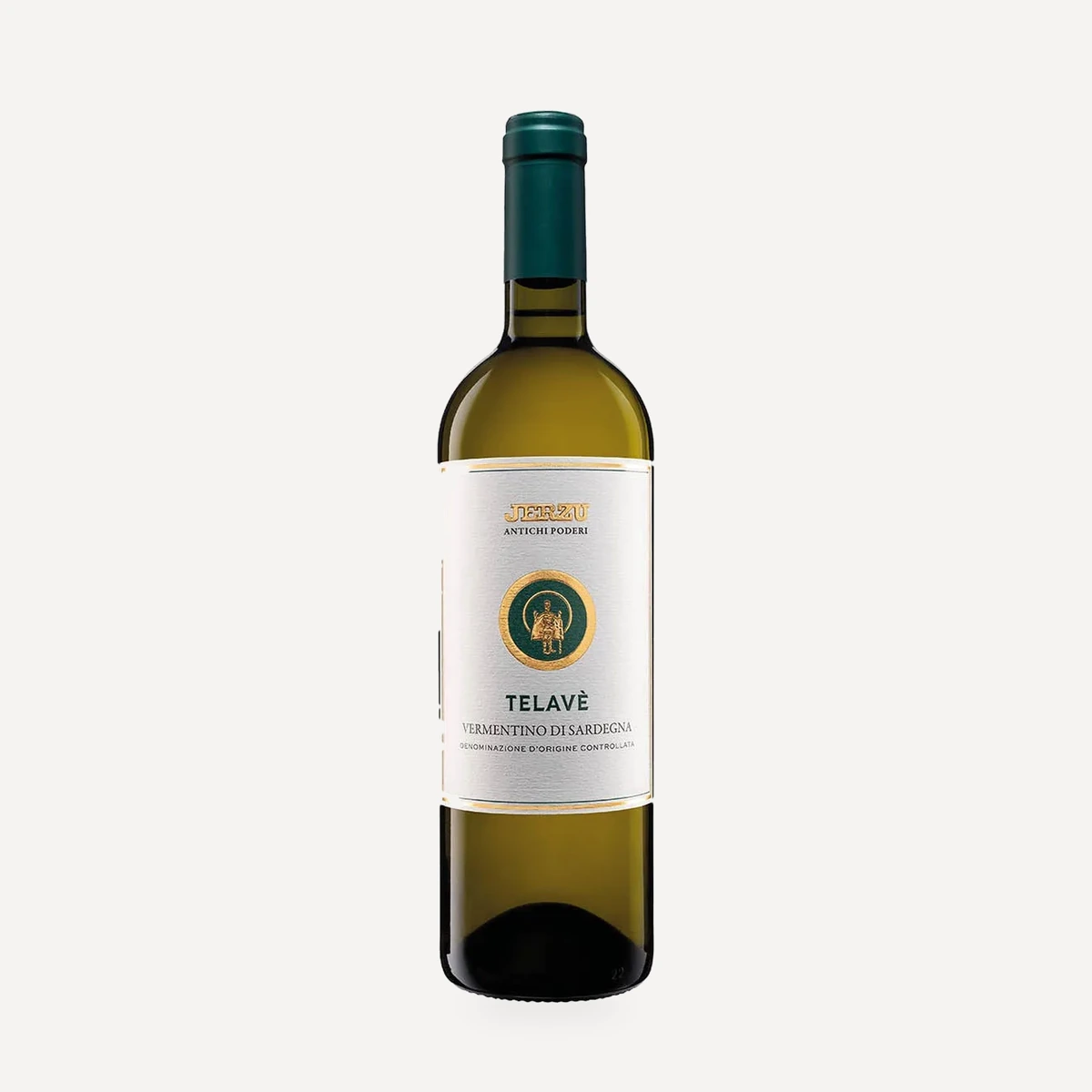
Telavè Vermentino di Sardegna DOC
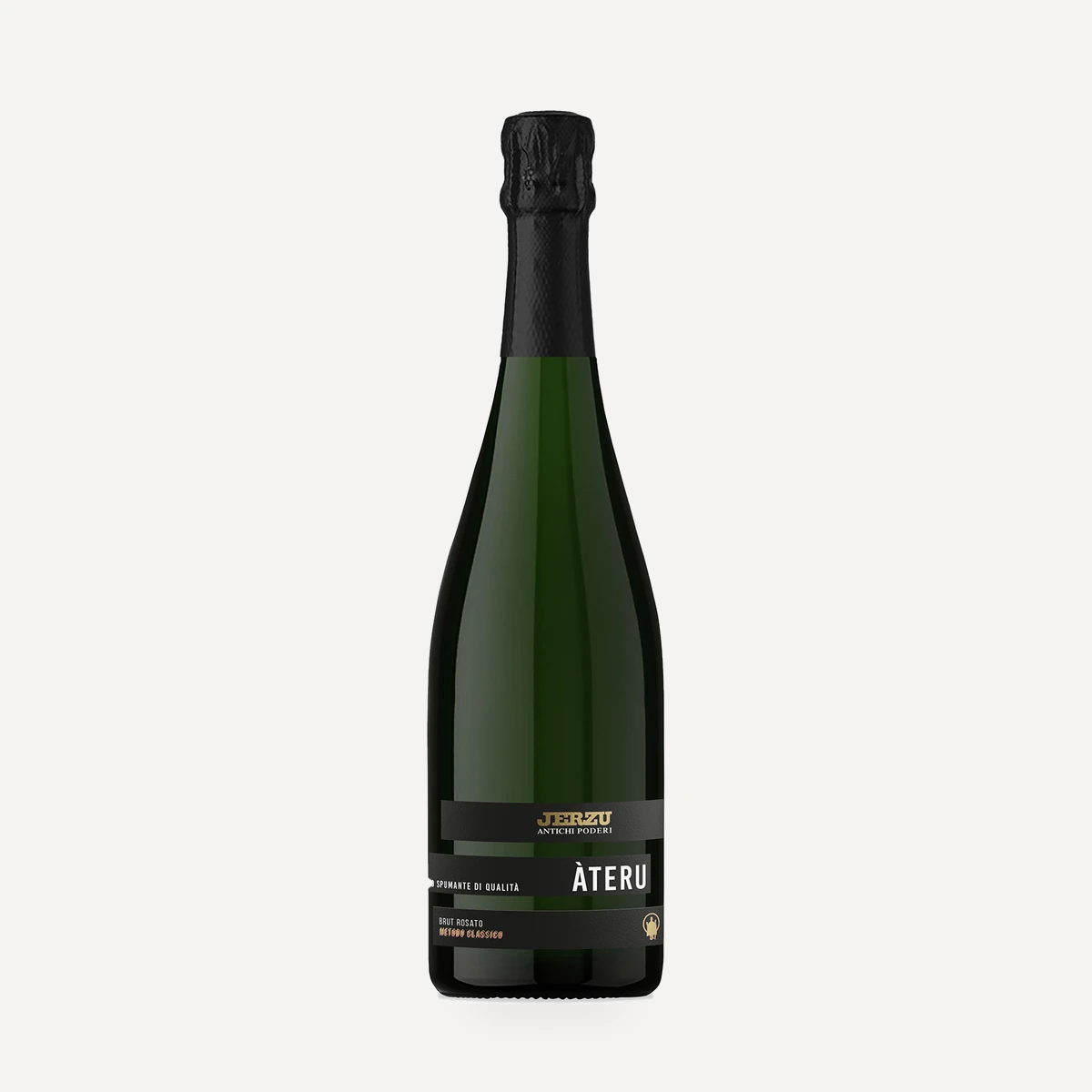
Atèru Vino Spumante Brut Metodo Classico Rosato