Storia
From the family vineyards to an independent path
Elena Casadei grew up as a winegrower’s daughter among Tuscan vineyards and cellars but initially resisted entering the family business. Seeking independence, she left Italy to study and live abroad. Her direction changed when her father asked her to return for a harvest. After spending that summer among the vines and in the cellar, she discovered a vocation for enology and winemaking.
2000: Stefano Casadei and the Georgian amphorae
In 2000, Stefano Casadei visited cellars in Azerbaijan where wine was being made in Georgian amphorae. Fascinated by the method, he purchased amphorae and brought them to Castello del Trebbio. Nine terracotta vessels arrived from Georgia.
Stefano entrusted the amphorae to Elena. She learned through direct cellar work, gradually developing the experience and confidence to treat terracotta not merely as an ancient container but as a tool for a new style of wine. Her experiments indicated that amphorae could support spontaneous fermentation and produce fruit-led wines without imposing aromas from the vessel.
The creation of Le Anfore di Elena Casadei
Elena developed the experiments into a dedicated collection composed exclusively of wines fermented and matured in amphora. The project united her personal approach with the family’s BioIntegrale philosophy and drew selected grapes from three family estates: Castello del Trebbio, Tenuta Casadei and Olianas.
The collection was built around annual selection rather than an obligation to produce every wine every year. Elena personally evaluates fruit in the different vineyards, chooses the varieties and plots suited to the vintage, and declines to make a wine when the grapes fail to meet her standard. The resulting range has expanded across Tuscan and Sardinian varieties while retaining amphora fermentation and maturation as its defining principle.
Terroir
The project works across three family estates in Tuscany and Sardinia, using amphora as a neutral vessel intended to transmit the identity of each grape, vintage and place.
Castello del Trebbio
Castello del Trebbio supplies Sangiovese and Trebbiano. The vineyards belong to the Chianti Rufina territory, and these two varieties connect the collection with the grapes among which Elena grew up.
Tenuta Casadei
Tenuta Casadei lies at Suvereto. Its mineral-rich soils are associated with the pronounced spicy character Elena seeks in Syrah. The estate also supplies Ansonica and Moscato for amphora vinification.
Olianas
Olianas provides the Sardinian component of the collection. Its selected indigenous varieties are Cannonau, Semidano, Malvasia and Nasco. Semidano is used for Migiu, while Malvasia and Nasco are combined for Malvasco.
Terracotta is treated as a neutral extension of these places: unlike wood, it contributes no vessel-derived aromas, while its porosity provides continuous micro-oxygenation. The project therefore links “earth” in the vineyard with fired earth in the cellar.
Vinificazione
The vineyard objective is impeccable fruit from healthy, living soils managed with rational, environmentally conscious agricultural practices that protect the ecosystem. The project connects this approach with the Famiglia Casadei BioIntegrale philosophy and presents Biologico, BioIntegrale and Demeter credentials.
Selection begins shortly before the harvest. Elena Casadei visits each of the three family estates and, together with her father, tastes grapes from the varieties and plots under consideration. She assesses the maturity and consistency of pulp, skins, pedicels and seeds to understand the vintage and determine whether the crop is suitable for amphora vinification. A variety is not automatically produced each year: if the fruit does not reach the required standard, the corresponding wine is omitted.
Harvesting is entirely manual and includes an initial bunch-by-bunch selection in the vineyard. The selected clusters are placed in small crates filled only halfway to protect the berries during transport. A second selection follows in the cellar on vibrating sorting tables, where the fruit is examined berry by berry.
Amphorae and cellar principle
The collection uses both Georgian amphorae and vessels produced in Impruneta, Tuscany. Terracotta is neutral and does not add the aromatic or flavor imprint associated with wood. At the same time, its porosity provides the continuous micro-oxygenation unavailable in stainless steel. Thermal inertia and vessel shape support natural fermentation, reduce cellar energy requirements and make clarification unnecessary.
Work is centered on hand operations, without exogenous substances or mechanical intervention. The choice of amphora is not standardized: Elena matches each grape and vintage to a vessel according to characteristics such as the type of clay and the firing.
Selection and reception
Elena begins by tasting grapes in candidate plots before harvest. Picking is manual, with selection in the vineyard. The clusters travel in small, half-filled crates to protect the berries, then undergo a second pass on vibrating sorting tables.
Destemming and must analysis
After sorting, the grapes are destemmed, separating the berries from the stalks. The must is then received and sampled so that its acidity and pH can be checked.
Skin contact and spontaneous fermentation
Must and skins are placed together in the selected terracotta amphora. Maceration begins in the vessel, and alcoholic fermentation starts through the indigenous yeasts naturally present on the fruit. No cultured yeast is added.
Manual punch-down
During skin contact, the floating cap must be pushed back into the liquid. Punch-down is always performed manually. Elena determines its frequency and intensity according to the developing wine rather than applying a fixed routine.
Drawing off, lees removal and racking
Elena tastes each developing wine daily. On the basis of those tastings, she decides when to stop maceration and separate the pomace from the liquid. She later determines when the fine lees should be removed and when the wine should be racked into the amphora selected for maturation.
Maturation
Every wine in the collection matures in terracotta amphorae made at Impruneta. These vessels have stainless-steel lids that protect the wine from the external environment while the terracotta permits continuous, steady micro-oxygenation. The process is designed to retain freshness, clear fruit aromas, crisp texture, intense color and the recognizable character of the variety, vintage and terroir.
Filosofia
Le Anfore di Elena Casadei is built on the idea that looking back to an ancient vessel can provide a route toward contemporary wine. Its goal is not to reproduce an old style but to use neutral terracotta to make modern wines that preserve fruit character and express variety, vintage and terroir.
Elena’s stated quality standard begins with healthy soils and impeccable grapes. Her signature on the labels represents a personal pledge that only fruit meeting that standard enters the collection. This principle takes precedence over maintaining a fixed annual range: when a vintage or parcel fails to provide suitable grapes, she does not make that wine.
The project presents amphora as an “acoustic chamber” for grapes. Because the vessel contributes no wood-derived flavor, it can amplify both virtues and defects; rigorous selection is therefore fundamental. Minimal intervention in the cellar follows from the same logic: spontaneous fermentation, manual handling, daily tasting, no exogenous additions, avoidance of clarification and maturation in neutral terracotta.
The environmental dimension combines healthy, living soils and ecosystem-conscious farming with a cellar process intended to lower energy use. Amphorae provide thermal stability and micro-oxygenation without the need for energy-intensive control or flavoring material. Tradition, experimentation and sustainability are treated as complementary rather than opposing aims.
Vini
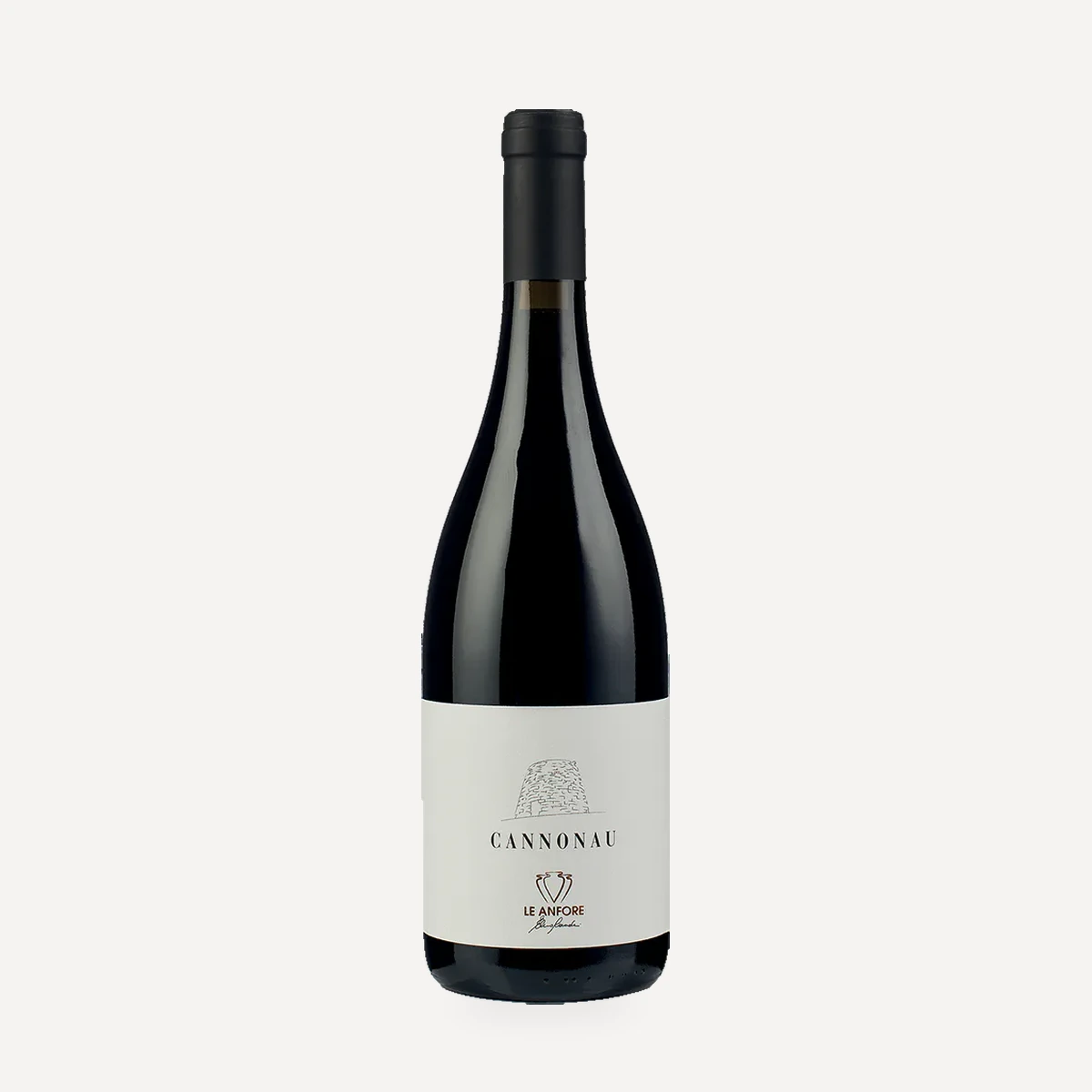
Cannonau
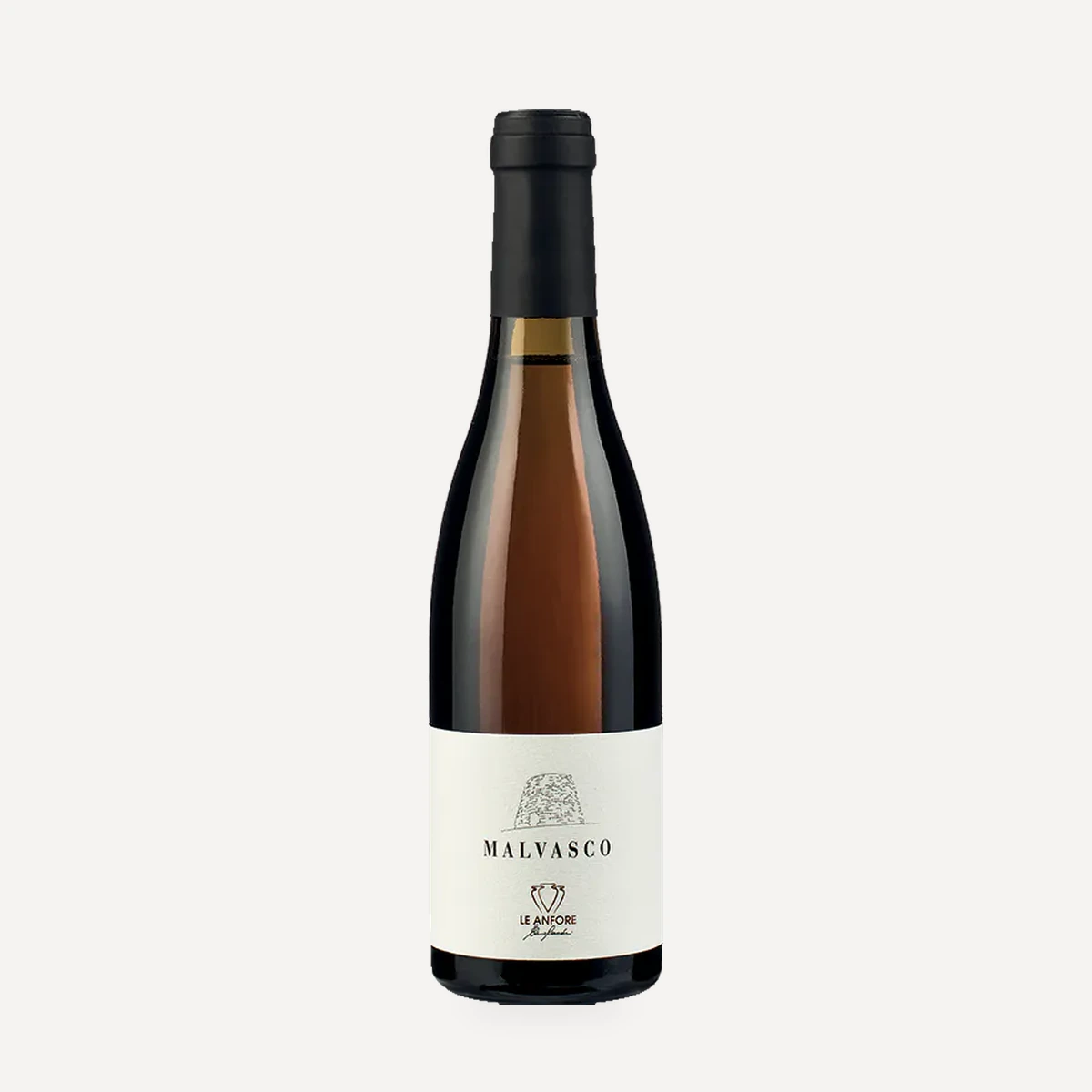
Malvasco Bianco Passito
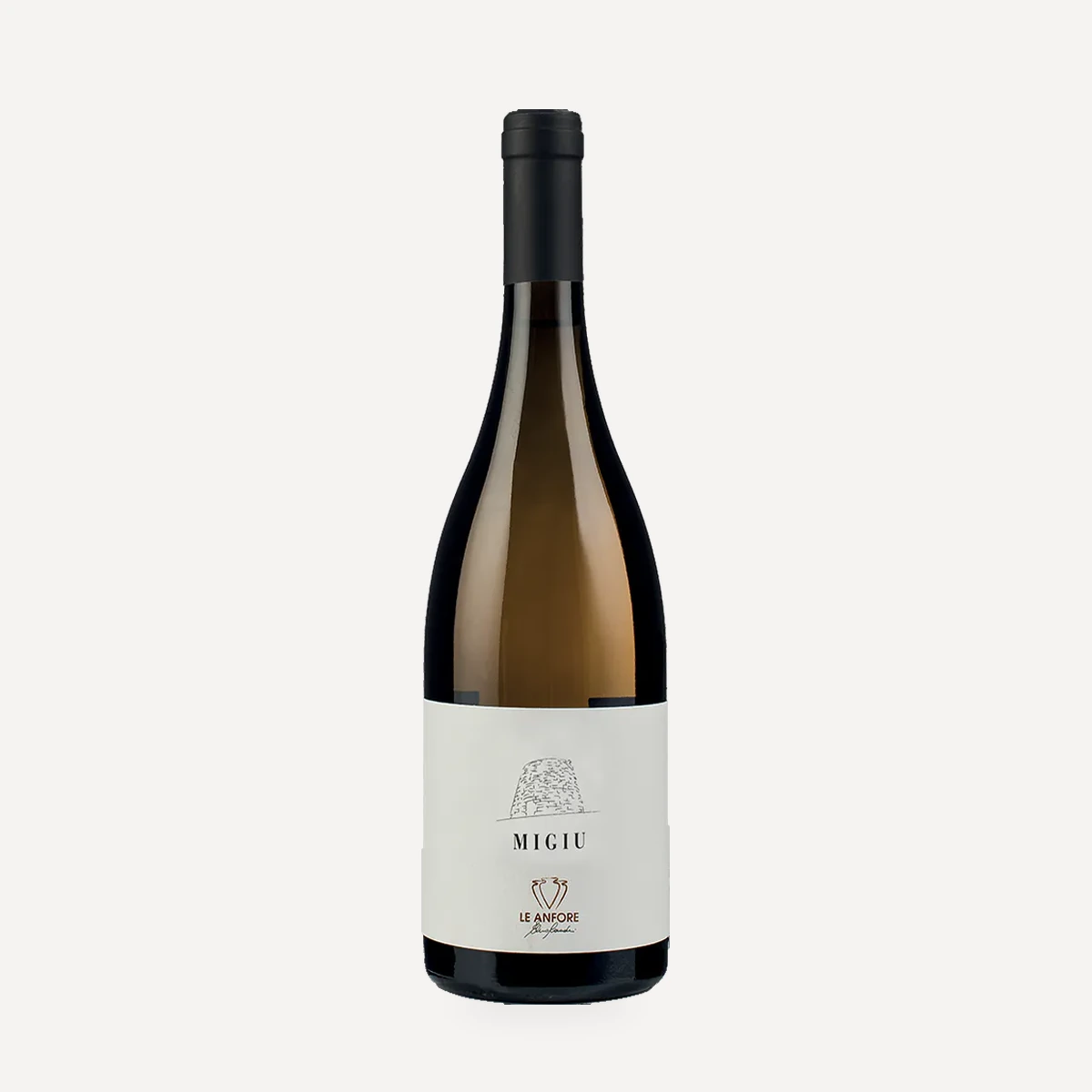
Migiu
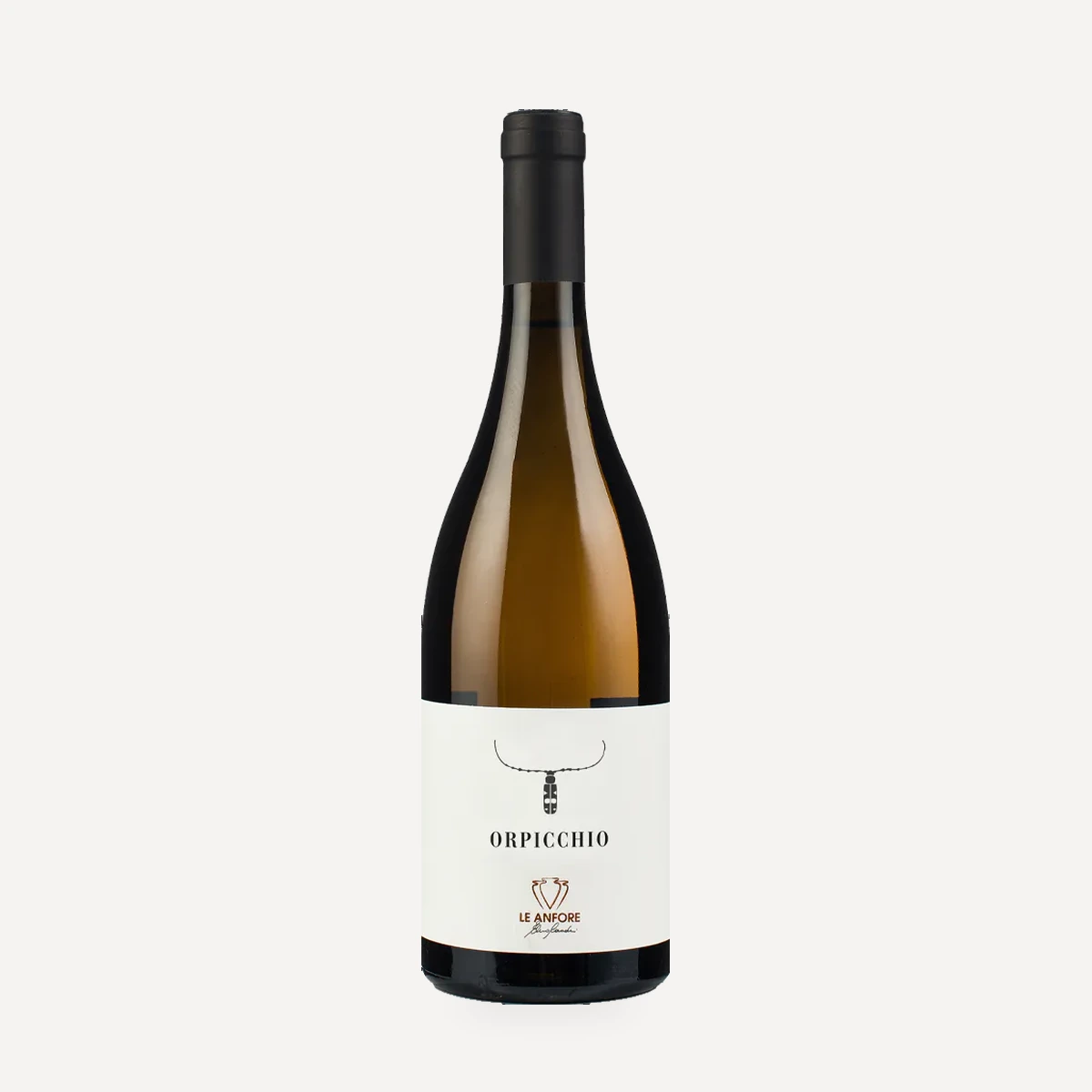
Orpicchio
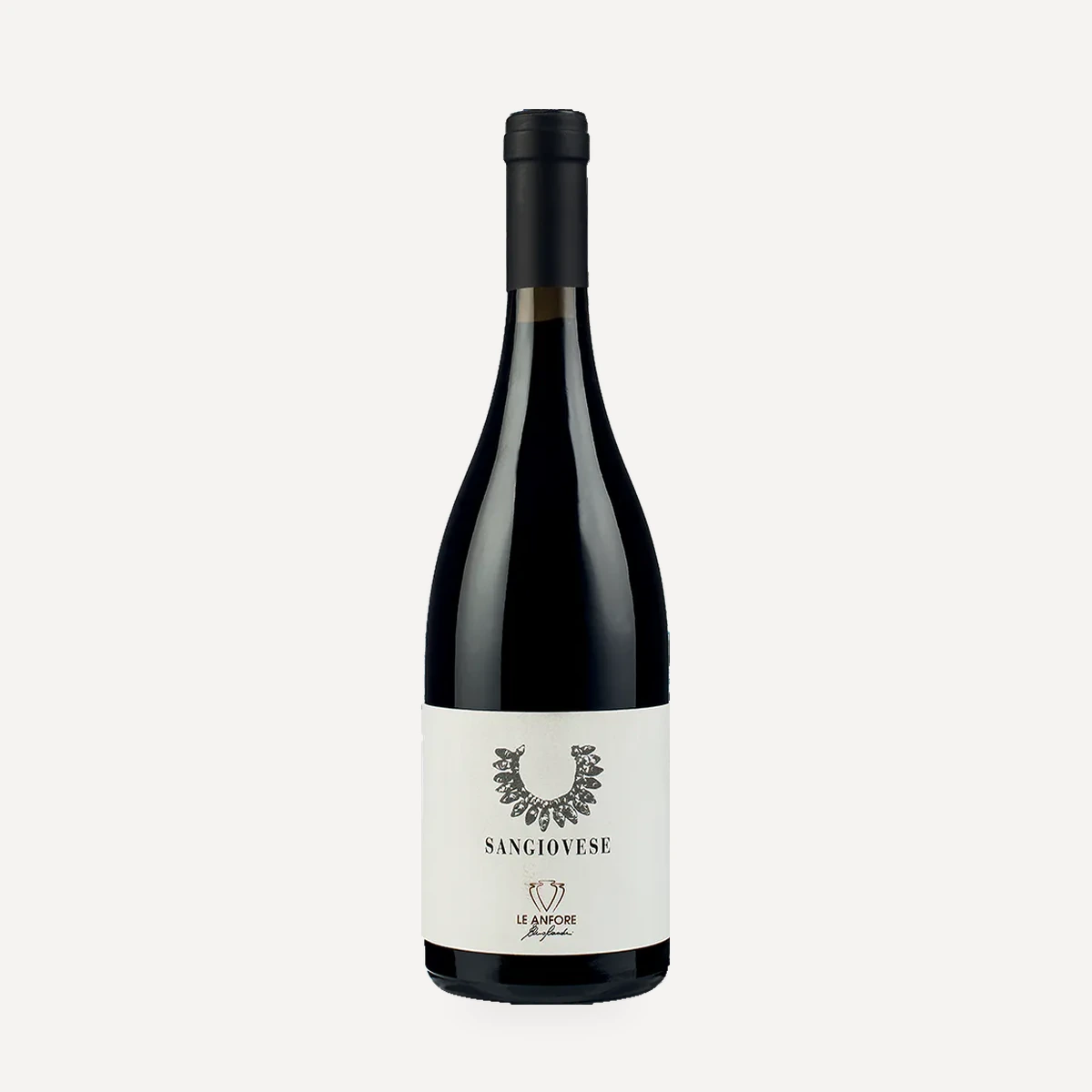
Sangiovese