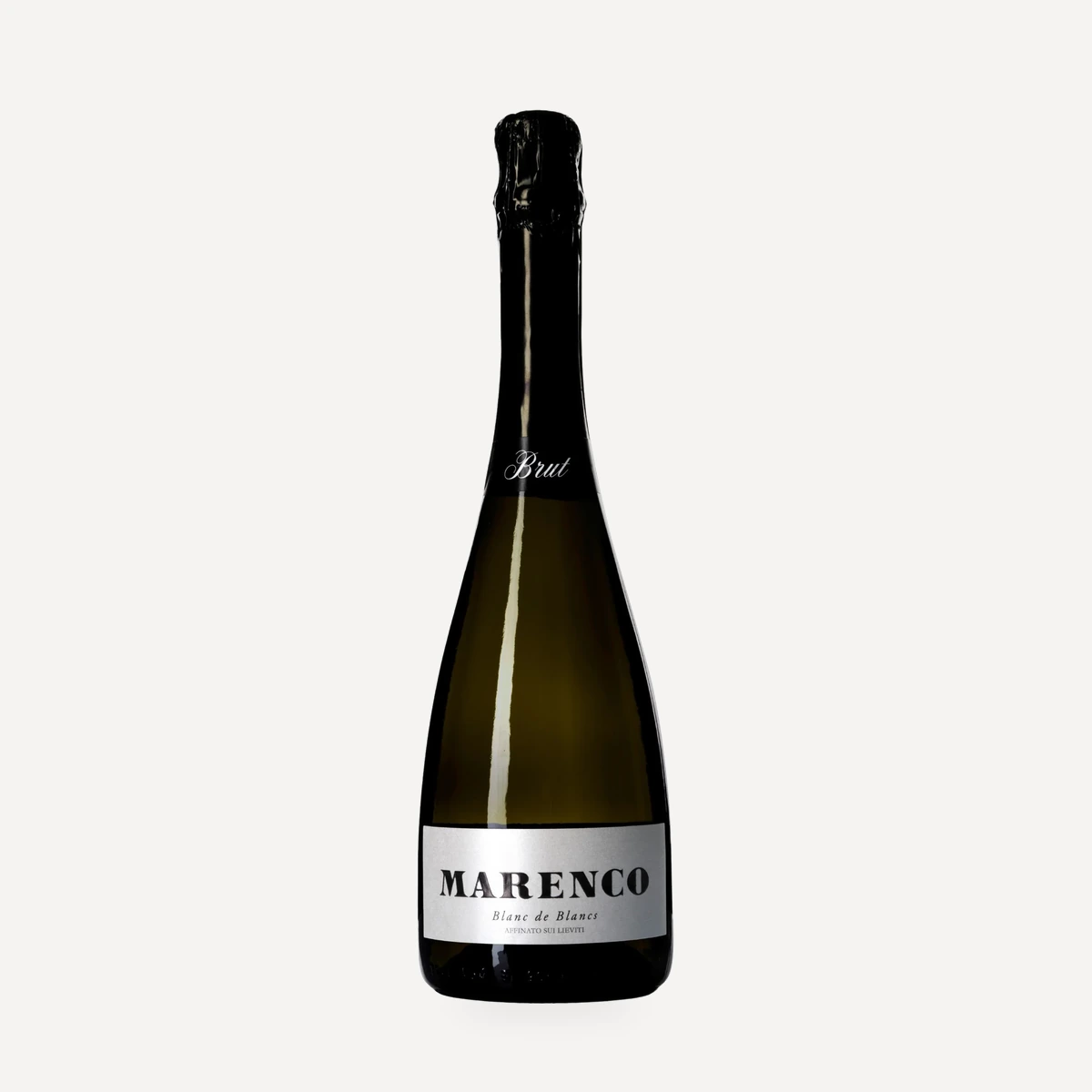
Storia
1925: Michele Marenco and Margherita Scovazzi
Marenco began in Strevi on 19 February 1925, the date Michele Marenco and Margherita Scovazzi married. They had met as vineyard neighbours in Valle Bagnario: Michele’s family owned the Marchesa vineyard, while Margherita’s family owned Scrapona. Michele brought Marchesa into the marriage, and the couple acquired Scrapona together. Their project centred on producing a Moscato di Strevi capable of expressing the personality of its place.
1950s–1970s: Giuseppe’s vision
Their only son, Giuseppe Marenco, shaped the modern estate during the 1950s, 1960s and 1970s. At a time when people were leaving the Piedmontese countryside for the cities, he committed to the value of the local vineyards. In 1956 he built the winery in the upper village of Strevi, where the production cycle from crushing through bottling continues to take place.
Giuseppe began bottling the family’s wines and presenting them to enthusiasts in Milan and its surroundings. Earnings were reinvested in the business. Over approximately 30 years he acquired vineyards between Strevi and Nizza Monferrato, establishing the viticultural holdings on which the estate developed. Barbera became an important part of Marenco’s work from the 1970s onward.
1983: transition from grape processing to wine production
As customers became more attentive to quality, Marenco moved from processing grapes toward producing and bottling wine under its own identity. In this context, Patrizia Marenco moved to Alba to study oenology. She qualified in 1983 and was among the first women in Piedmont to receive the title of oenologist.
1985 and the development of the crus
In 1985 the estate advanced its parcel-focused approach. Individual vineyards were vinified separately, and the most distinctive lots were bottled as single-vineyard wines. Moscato Scrapona was the first of these, followed by Pineto, Ciresa, Bassina and Marchesa.
During the qualitative changes of the 1990s, Marenco identified its strongest vineyard sites and developed the Cascine range. Pineto, Bassina, Ciresa and the Passrì wines joined the established Scrapona and Marchesa bottlings.
1996–2000s: export and generational continuity
Michela Marenco and Gian developed export markets from 1996, first taking the Moscato and Brachetto of Strevi beyond Italy. The wines subsequently reached restaurants in cities including New York, Miami, Strasbourg and Singapore.
From the early 2000s, Giuseppe’s daughters Michela, Doretta and Patrizia continued the family business, together with Michela’s husband Giovanni Costa. The estate remained focused on customers seeking estate-grown wines with a clear connection to Monferrato.
2014–2016: fourth generation, organic conversion and research
Andrea Costa, the eldest son of Michela and Giovanni, joined Marenco in 2014. As the fourth generation, he began working alongside Patrizia in the cellar and helping develop the estate’s international presence.
Conversion of every vineyard to organic management began in 2015. The estate subsequently reached fully certified organic status, with agronomic and cellar practices inspected by an independent third party.
In 2016 Marenco launched the Scrapona research project with the University of Turin’s Faculty of Agriculture and the laboratory of the Consorzio dell’Asti. The project divided Scrapona into experimental sectors and studied how soil fertility, water availability, canopy management, crop load, harvest timing and cellar techniques could improve aromatic expression, stability, longevity and reduce added sulphur dioxide.
2019: Zana and Nizza Riserva
After Nizza DOCG was created in 2014 from the former Barbera d’Asti subzone, Marenco began developing a dedicated Nizza project. In 2019 it acquired a small vineyard within the Zana cru at Castel Boglione specifically for this purpose and produced the first vintage of Nizza Riserva Zana. At 420 m, Zana is the highest vineyard in the estate’s holdings. Its old vines, steep south-facing slope and sandy-calcareous soil were central to the project.
2025: the centenary
Marenco celebrated its first 100 years in October 2025. Hospitality had become a daily family activity, led by Doretta with Chiara, Gian and other family members. The business remained in family hands, with Patrizia responsible for production alongside Michela, Doretta, Gian, Andrea and the wider team.
Terroir
Marenco’s vineyards extend across Alto Monferrato, principally between Strevi and the Nizza Monferrato area, with holdings also identified in Cassine, Fontanile and Castel Boglione.
Strevi and Valle Bagnario
Strevi is one of the 52 communes of Moscato d’Asti DOCG and is the historic centre of the estate’s Moscato and Brachetto vineyards. Moscato combines natural sweetness with freshness in this area. Toward Acqui Terme lies the smaller Brachetto d’Acqui DOCG zone, extending across 12 communes.
Valle Bagnario provides the setting for Scrapona and Marchesa. The Moscato sites are characterised by calcareous marl and sandy components. Their proximity to the Ligurian Sea—Scrapona lies approximately 38 km from it in a straight line—contributes to a maritime microclimate associated with freshness and mineral character. Scrapona’s upper section reaches 310 m, while its slope exceeds 30%.
Nizza Monferrato and Barbera
The estate’s Barbera vineyards extend toward Nizza Monferrato, including Fontanile and Castel Boglione. Zana, at Castel Boglione, is the highest Marenco vineyard at 420 m. It has a south-facing slope of more than 30%, predominantly sandy-calcareous soil with sandstone, and vines more than 30 years old. Its altitude supports freshness and balanced alcohol.
Across these two centres, the estate presents a dual identity: sweet aromatic varieties around Strevi and Barbera around Nizza Monferrato.
Vinificazione
All Marenco vineyards between Strevi and Nizza Monferrato are managed under certified organic farming. Conversion began in 2015, and compliance is verified by an independent third party. Synthetic pesticides, herbicides and chemical fertilisers are excluded.
Grass cover between rows limits erosion and supports soil organic matter. Green manure and organic or organo-mineral fertilisers are used, with doses based on vineyard needs and soil analysis. Before a vineyard is replanted, the ground rests for at least one year; minimal pre-plant organic amendments are calculated from chemical and physical soil analysis. Rows follow the contours of the hills, accepting greater manual labour to reduce erosion. Training systems include vertical trellising with classic Guyot pruning and spur-pruned cordons.
Weather stations and decision-support systems monitor vineyard conditions and guide the timing of low-impact treatments. Sexual confusion is used against grape moths rather than insecticides. In the Scrapona trials, fungal disease control used naturally derived materials, principally copper and sulphur, while weeds beneath the vines were controlled mechanically. Alternate-row grassing and a multi-species green manure of legumes and grasses were tested on a four-year cycle.
The vineyards are not artificially irrigated in normal estate management. Research trials nevertheless examined water availability and retention to understand responses to hotter, drier seasons. Other trials studied organic-matter balance, green manure, protection of bunches from sunburn while retaining sufficient light for terpene synthesis, grass management, optimal crop load, thinning and harvest timing. Excessive leaf removal in the hot, dry 2016 season caused sunburn and loss of free terpenes through oxidation, demonstrating the need for balanced canopy exposure.
In Scrapona, the upper part was thinned in early July near the end of véraison to investigate whether a lower crop load increased aromatic concentration. From early August, grapes were sampled weekly for technological and aromatic maturity, including free-terpene monitoring, before the harvest date was selected. The broader harvest decision combines laboratory analysis with tasting berries in the vineyard; the required balance differs between sparkling bases, Moscato, Brachetto and structured red varieties.
Harvesting is manual where required by quality objectives and terrain. Scrapona was collected by hand in 10 kg baskets during the research work, while Zana’s steep slope obliges entirely manual cultivation. Marenco also employs local workers during harvest and provides continuing training for qualified staff.
Resource measures include no routine artificial irrigation, lightweight bottles made with recycled glass, photovoltaic electricity generated on the winery roof and naturally cool concrete storage tanks. Vineyard residues are also treated as resources: stems can become organic fertiliser, pomace goes to distillation, exhausted pomace can become fertiliser or organic fuel, and grape seeds can yield grapeseed oil.
All wines are made from estate-owned grapes. Vinification, maturation and bottling take place at the Strevi winery built in 1956. Individual vineyards have been vinified separately since the parcel-focused programme began in the 1980s, allowing the strongest sites to be bottled as crus.
The cellar uses stainless steel for controlled fermentations, concrete tanks whose natural thermal stability reduces energy use, and oak vessels of different capacities for wines requiring maturation. Red-wine practice includes alcoholic fermentation in temperature-controlled stainless steel, malolactic fermentation and subsequent maturation in concrete, large oak or smaller oak vessels according to the cuvée.
For aromatic sweet wines, the objective is to retain the grapes’ natural sugar, varietal aroma and fermentation-derived carbon dioxide. Moscato grapes are softly pressed and the must clarified. Fermentation takes place in a pressure tank without added sugar and is stopped by cooling and filtration at the intended low alcohol level. Brachetto receives a short skin maceration to extract colour and aroma before clarification and cold storage, followed by a similarly arrested fermentation. Historically, thick cotton “Dutch bags” were used to stop Moscato fermentation; temperature reduction and modern filtration now perform this role.
Scrapona research workflow
The 2019 Scrapona study documented a detailed workflow designed to preserve aroma under organic-production limits on sulphur dioxide. Hand-harvested grapes in 10 kg baskets were transported to the winery, fed through a hopper and destemmer-crusher, and pressed in an approximately 8-tonne press. The final press fraction was separated from the principal must. Pectolytic enzymes were tested to aid aroma extraction and clarification without drawing excessive phenolics.
The must underwent flotation, polishing filtration and tangential microfiltration to remove solids and yeasts, then entered a sanitised refrigerated tank. Sulphur dioxide was adjusted according to must pH to reach the required molecular level, and the must was rapidly chilled. Storage could last from several weeks to several months, with monitoring for microbiological change, spontaneous fermentation, acetaldehyde, terpenes and thiols.
When required for fermentation, the must was brought to an inoculation temperature of about 18°C and inoculated with selected active dry yeast. Research fermentations examined yeast nutrition, temperature and acetaldehyde formation. An earlier trial began at 20°C and continued at 18°C to protect aroma, with pressure retained as alcohol approached the target level. Fermentation was stopped by cooling to 0°C and filtration. Raising fermentation temperature from 15–16°C to 18°C, improving sanitation and providing suitable nutrition corrected an acetaldehyde problem and allowed lower sulphur-dioxide additions.
Scrapona receives a short period of bottle ageing and is normally released a few months after harvest. A separate family collection is held in the estate vault for at least four years of bottle maturation, preserving its foam while developing more complex aromas.
Filosofia
Marenco defines itself through continuity of family, place and estate-grown production. Its declared goal is to cultivate varieties that express themselves most successfully in its territory and to translate the differences between Strevi’s aromatic grapes and Nizza Monferrato’s Barbera into wine.
The family presents organic farming as an evolving discipline rather than a fixed dogma. Difficult seasons are treated as opportunities to improve agronomic practice. The extremely rainy 2024 season, for example, increased the cost of controlling grass and fungal disease while producing an unsatisfactory crop volume, but did not alter the commitment to avoid chemical shortcuts.
Certification is understood as a transparency commitment: vineyard and cellar practices are independently checked. The estate accepts lower output rather than overexploiting natural resources and frames wine as a pleasure rather than a necessity—summed up in its preference for one fewer glass, provided it is well made.
Tradition and innovation are treated as complementary. Marenco invests in research to preserve the identity of Moscato, Brachetto, Barbera and rare local material such as Caricalasino and Albarossa under changing climatic conditions. New wines are expected to develop at the pace of vineyards rather than industrial product cycles: a newly planted vine takes about three years to bear fruit and five to seven years to deliver the desired quality, while a complete project can require as much as ten years before bottling and further bottle evaluation. A new wine is intended to remain relevant across vintages and make sense for Monferrato rather than merely create a short-term market impression.
Vini
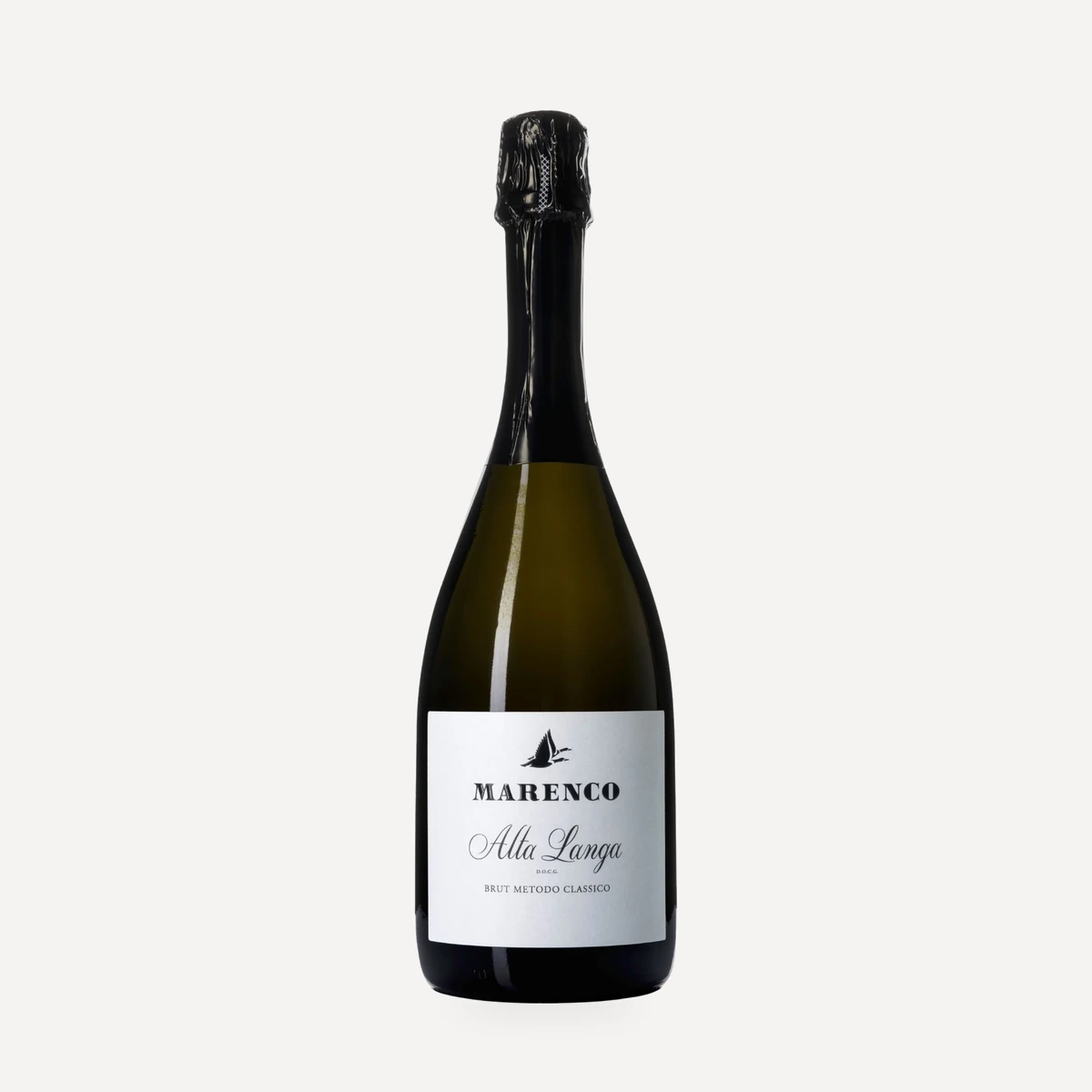
Alta Langa
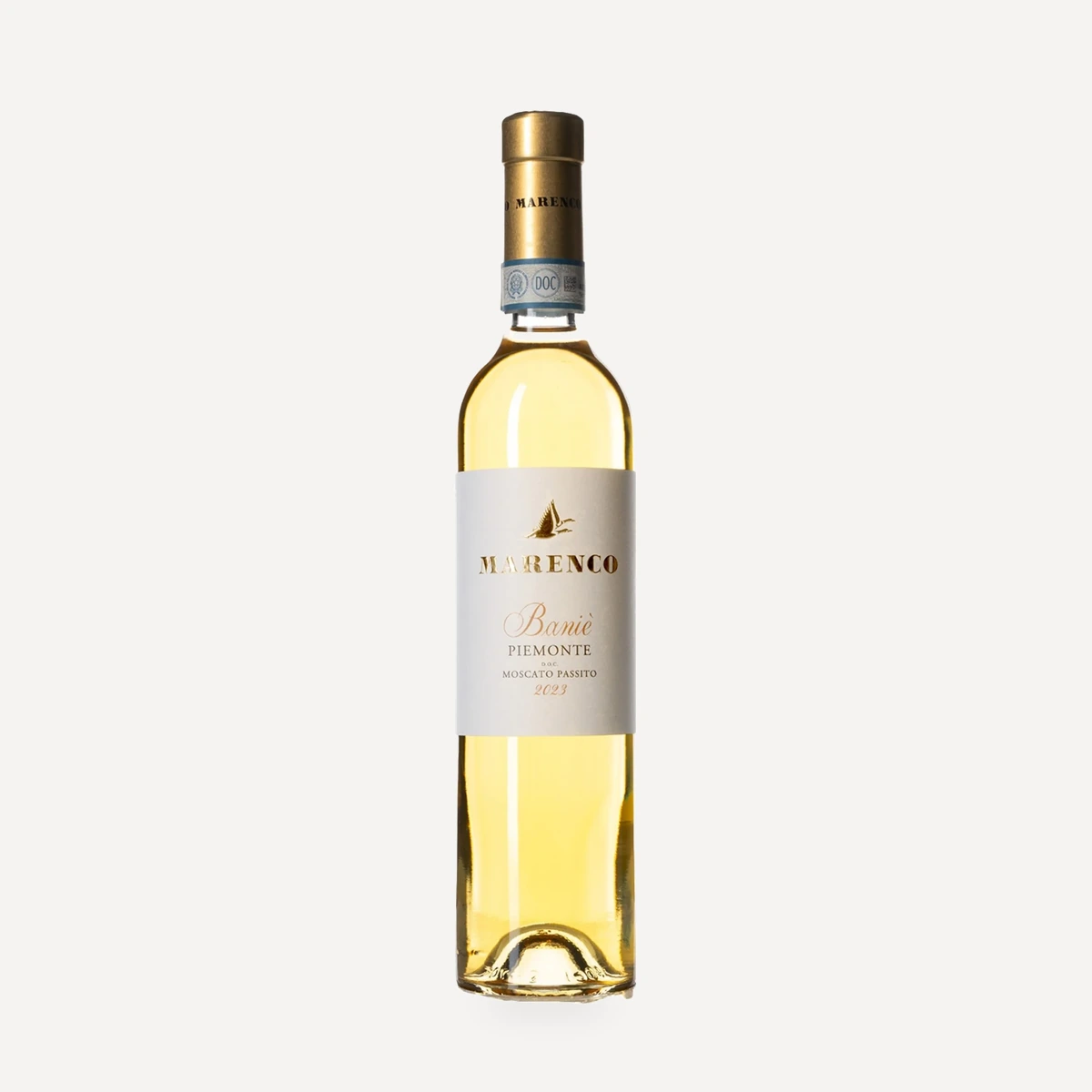
Baniè
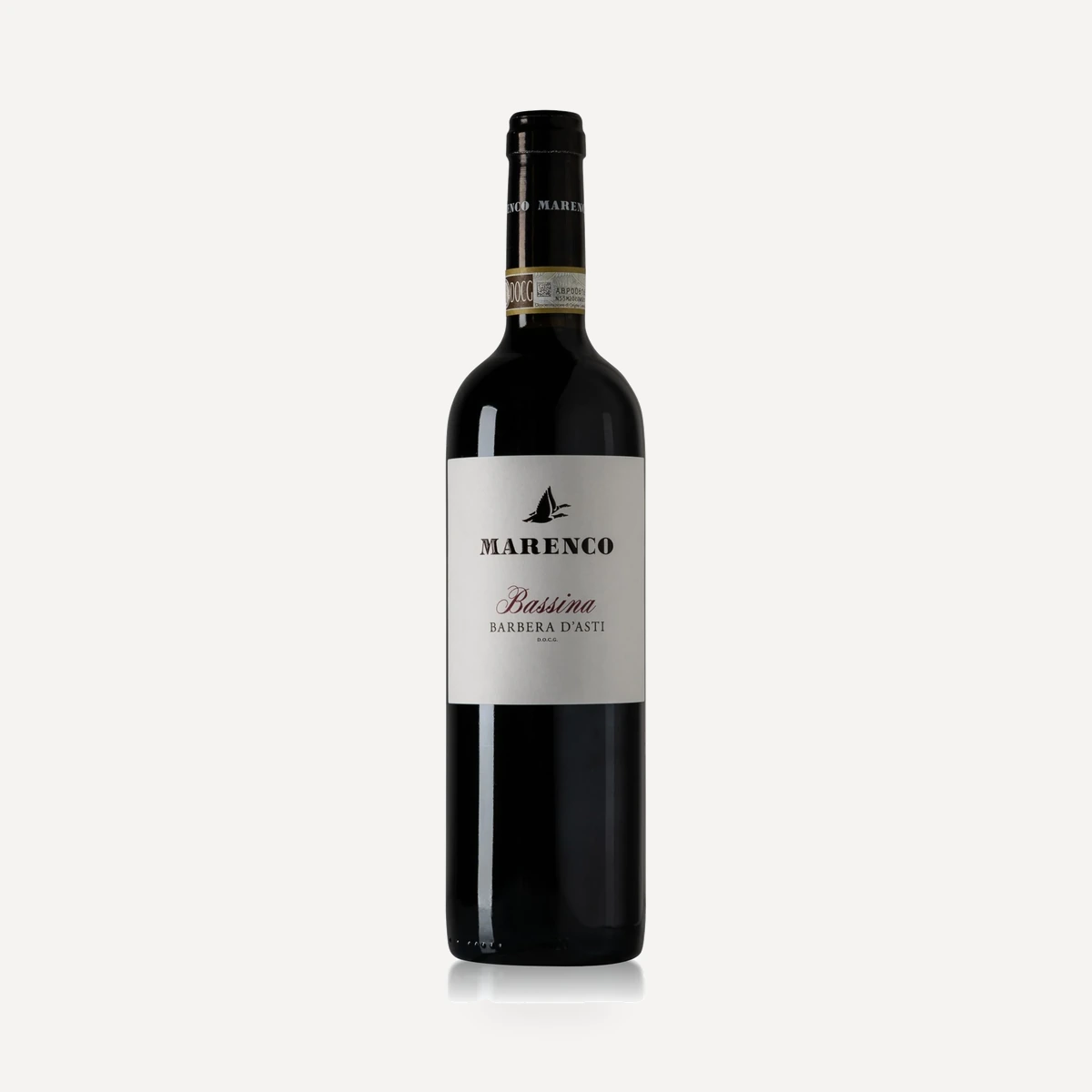
Bassina
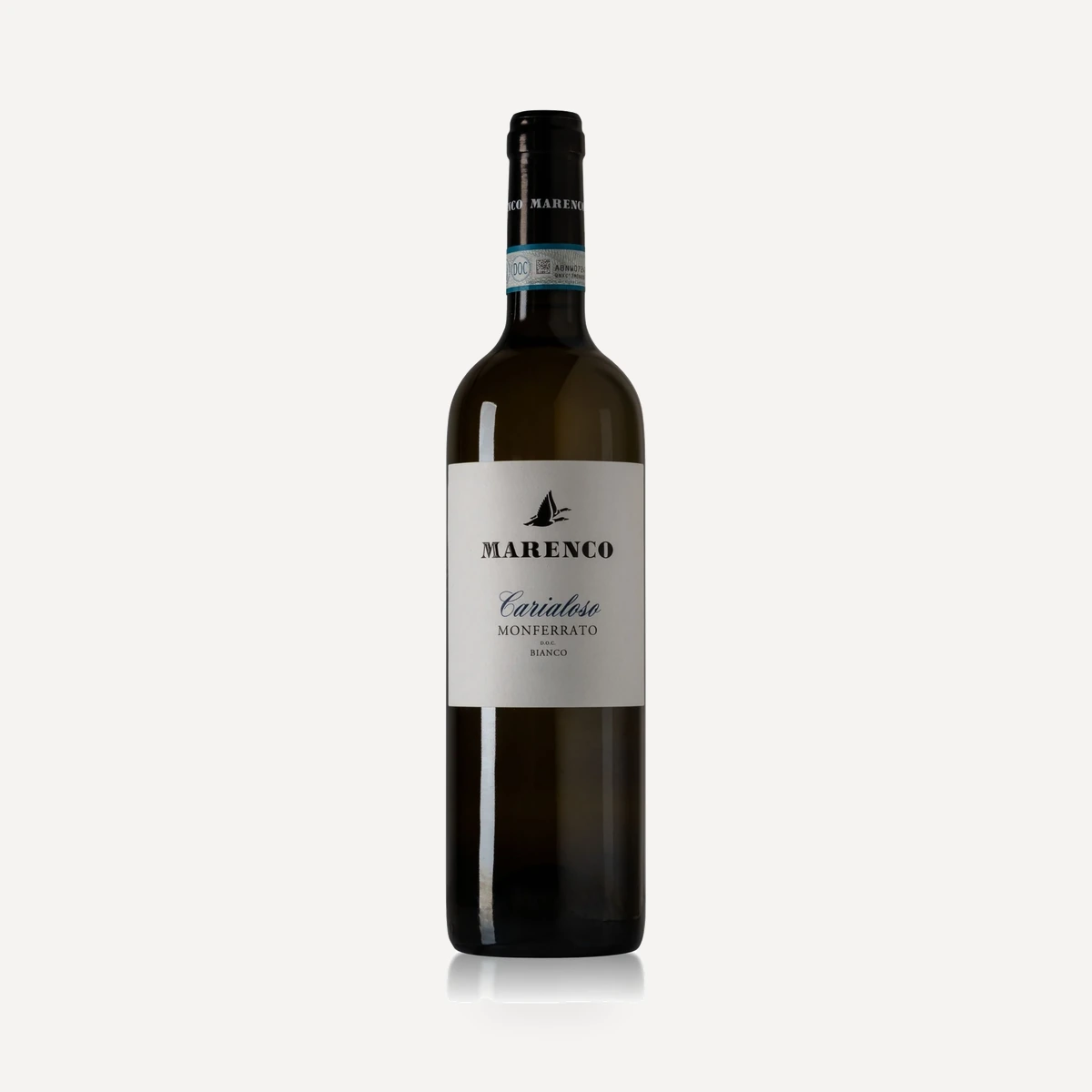
Carialoso
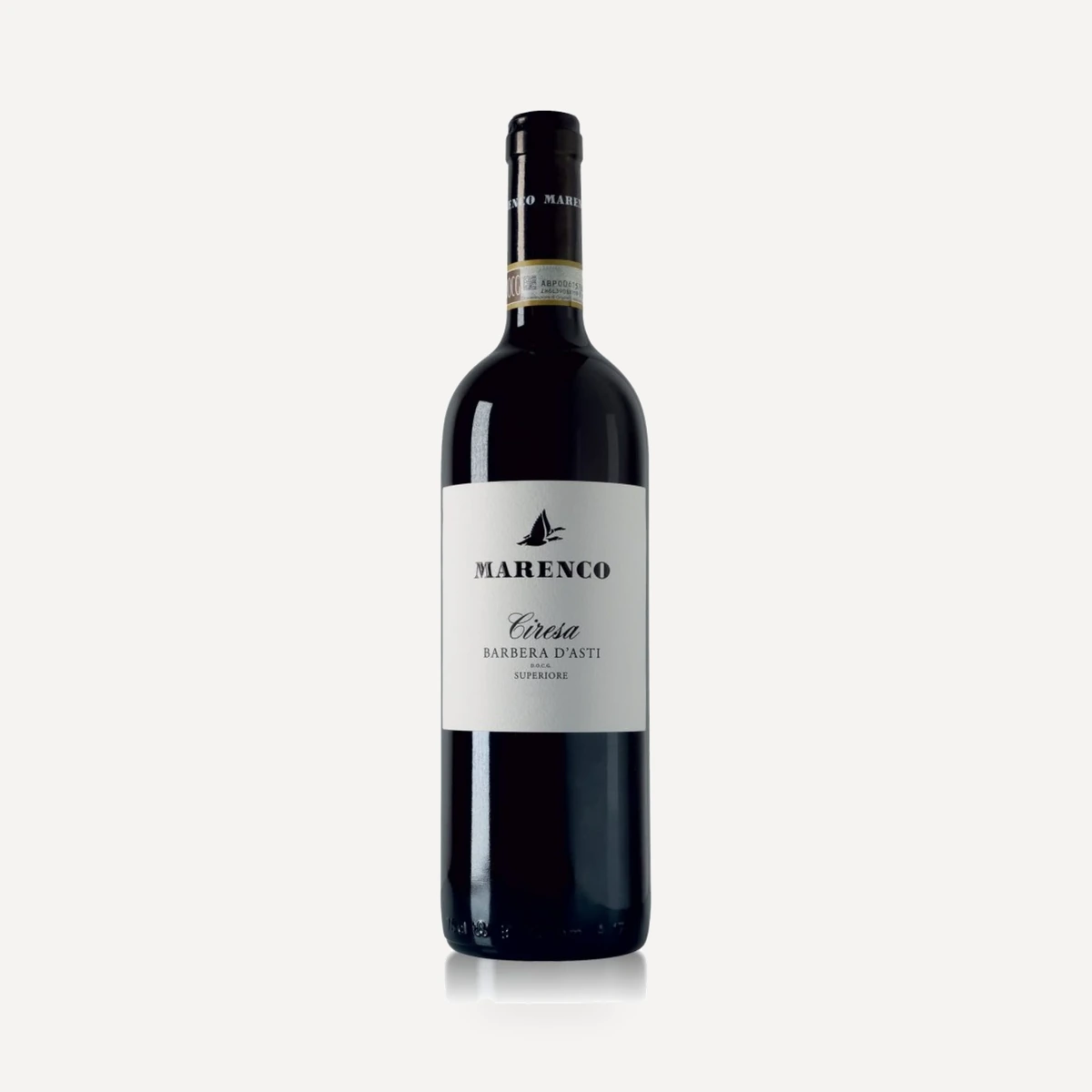
Ciresa
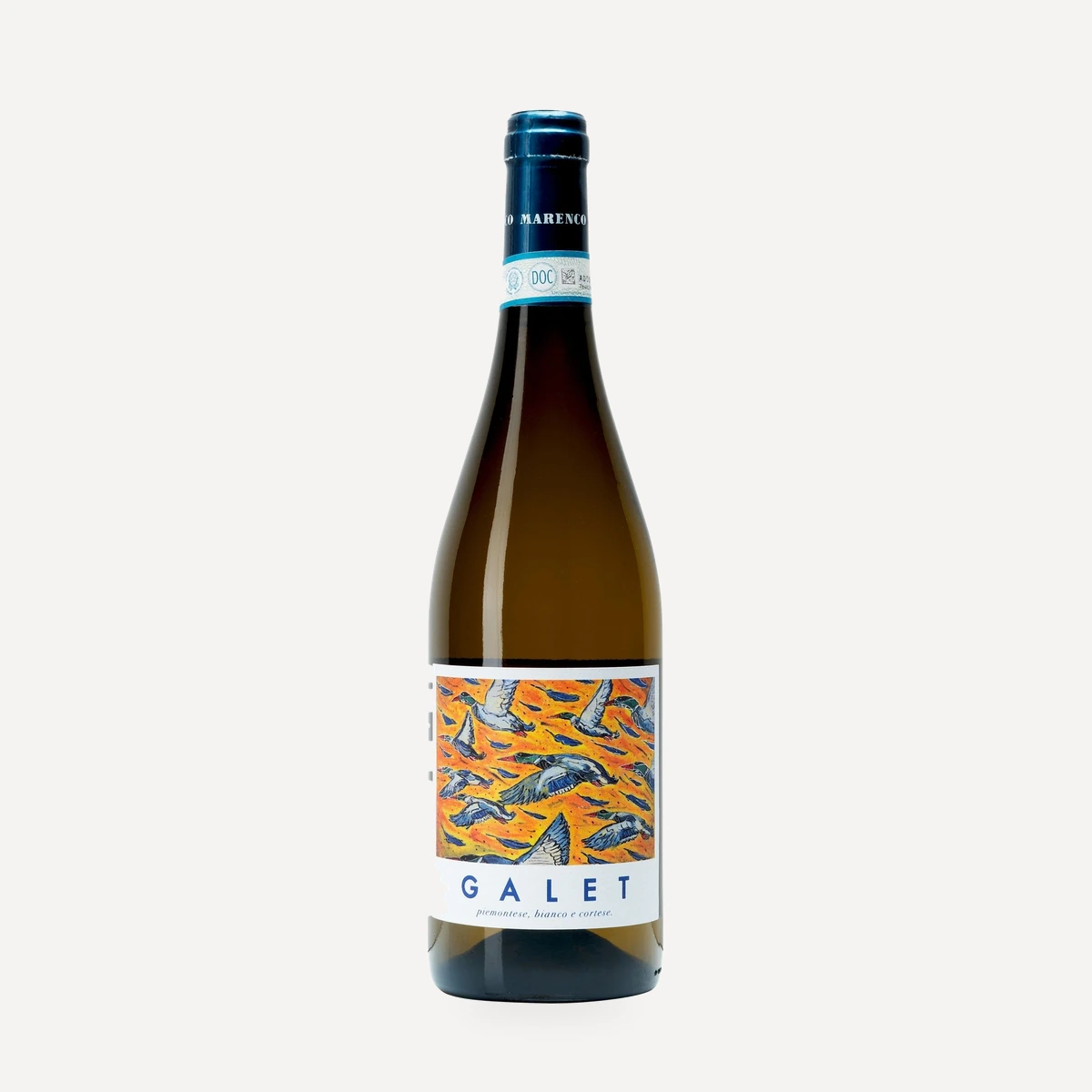
Galet
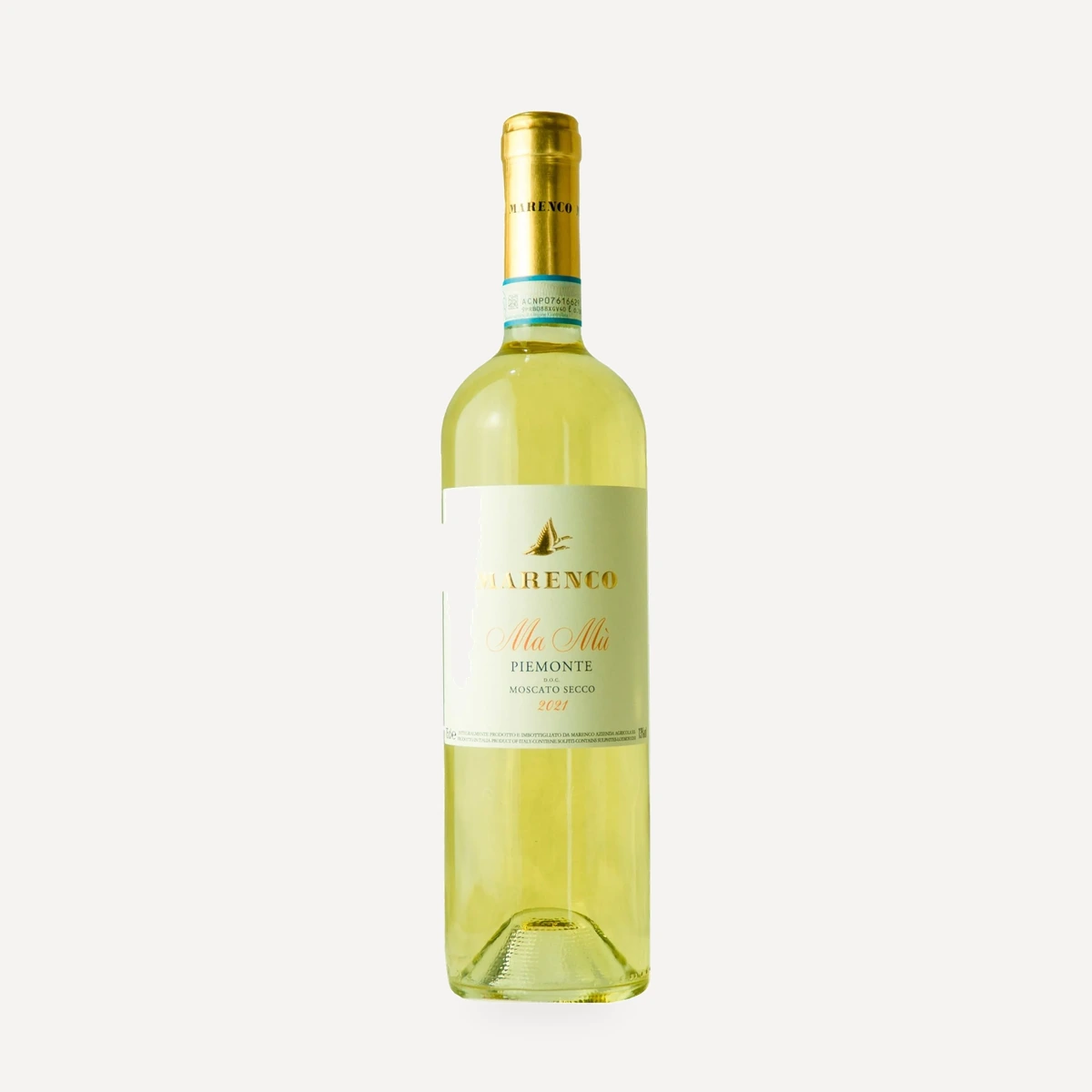
Ma Mù
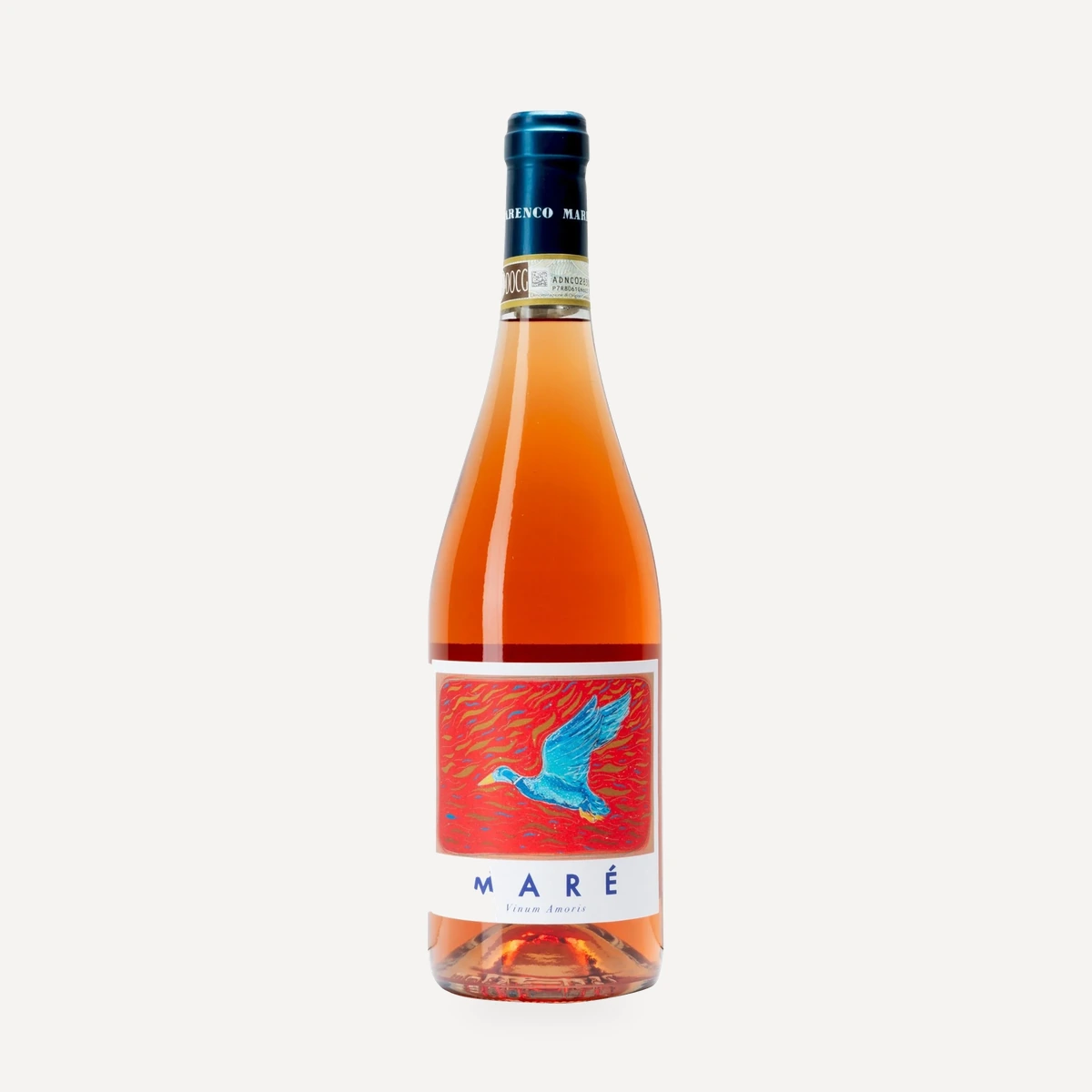
Ma Rè
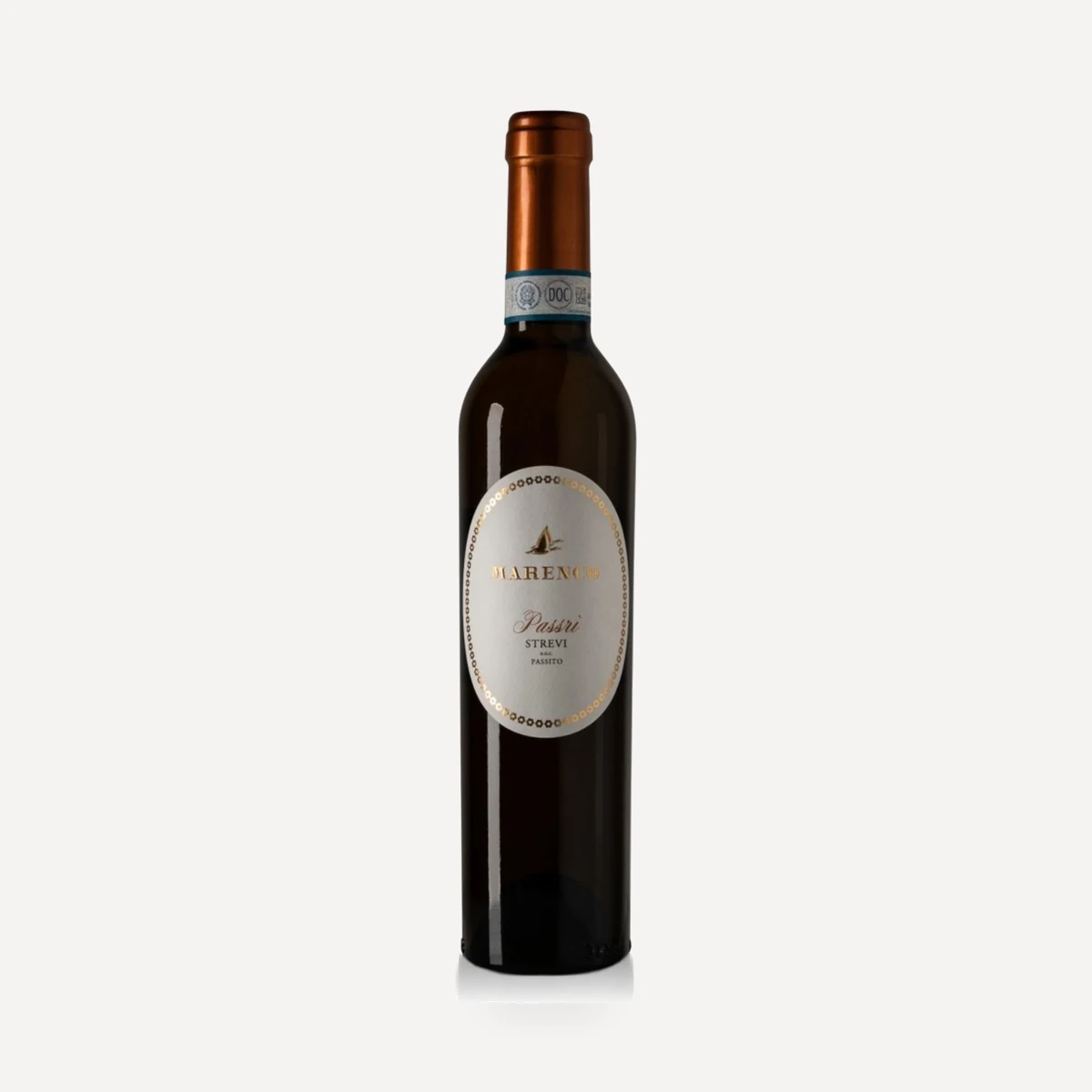
Passrì
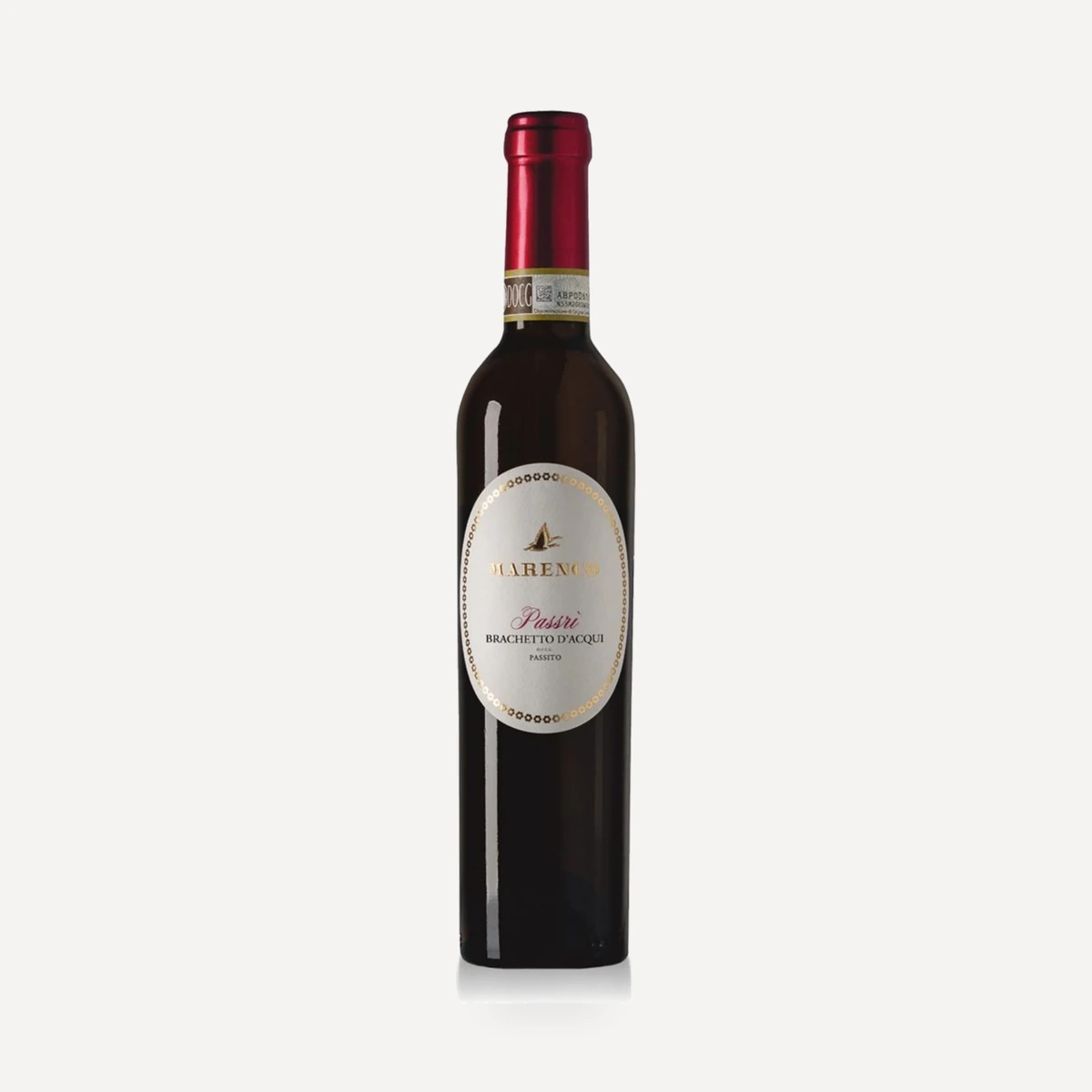
Passrì Rosso
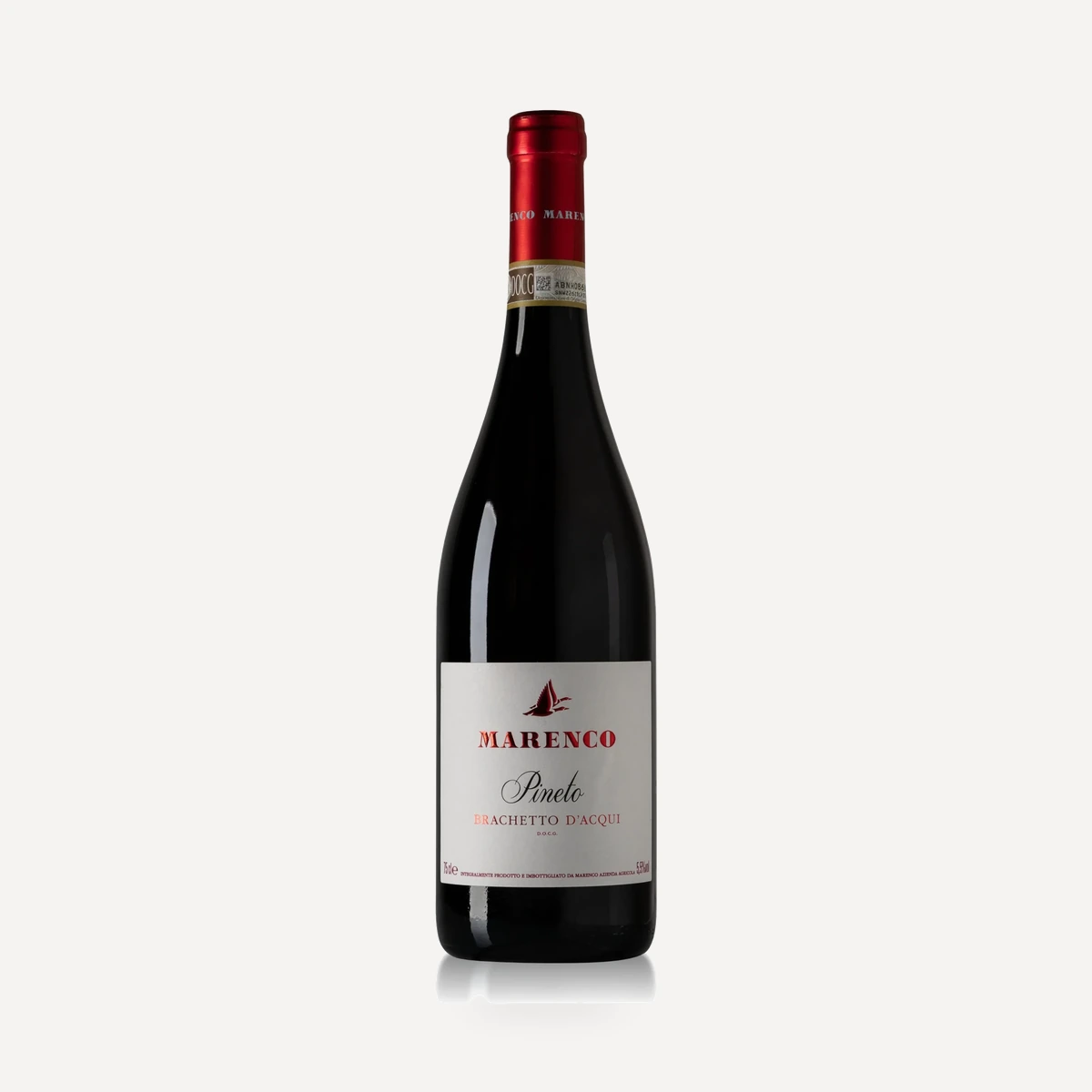
Pineto
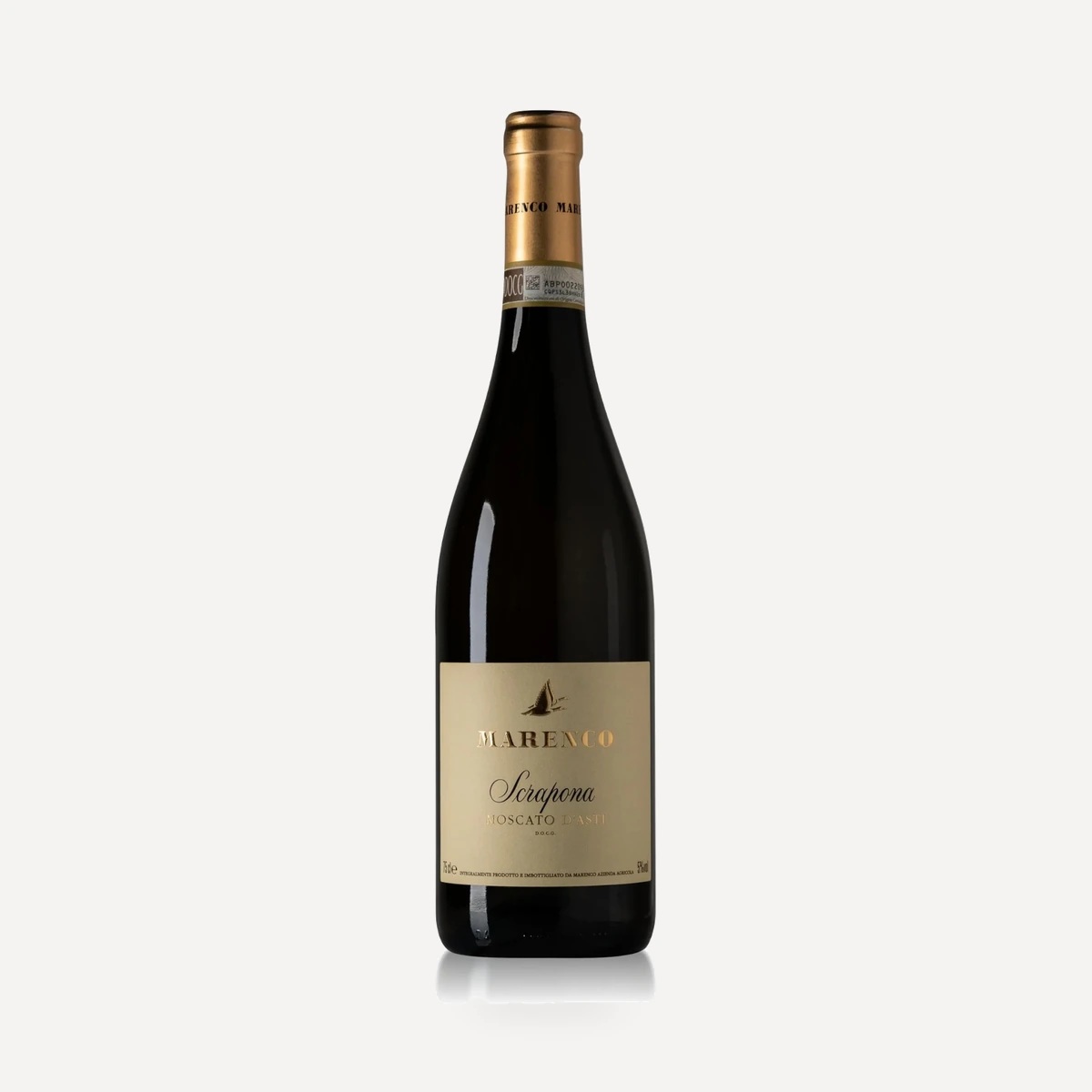
Scrapona
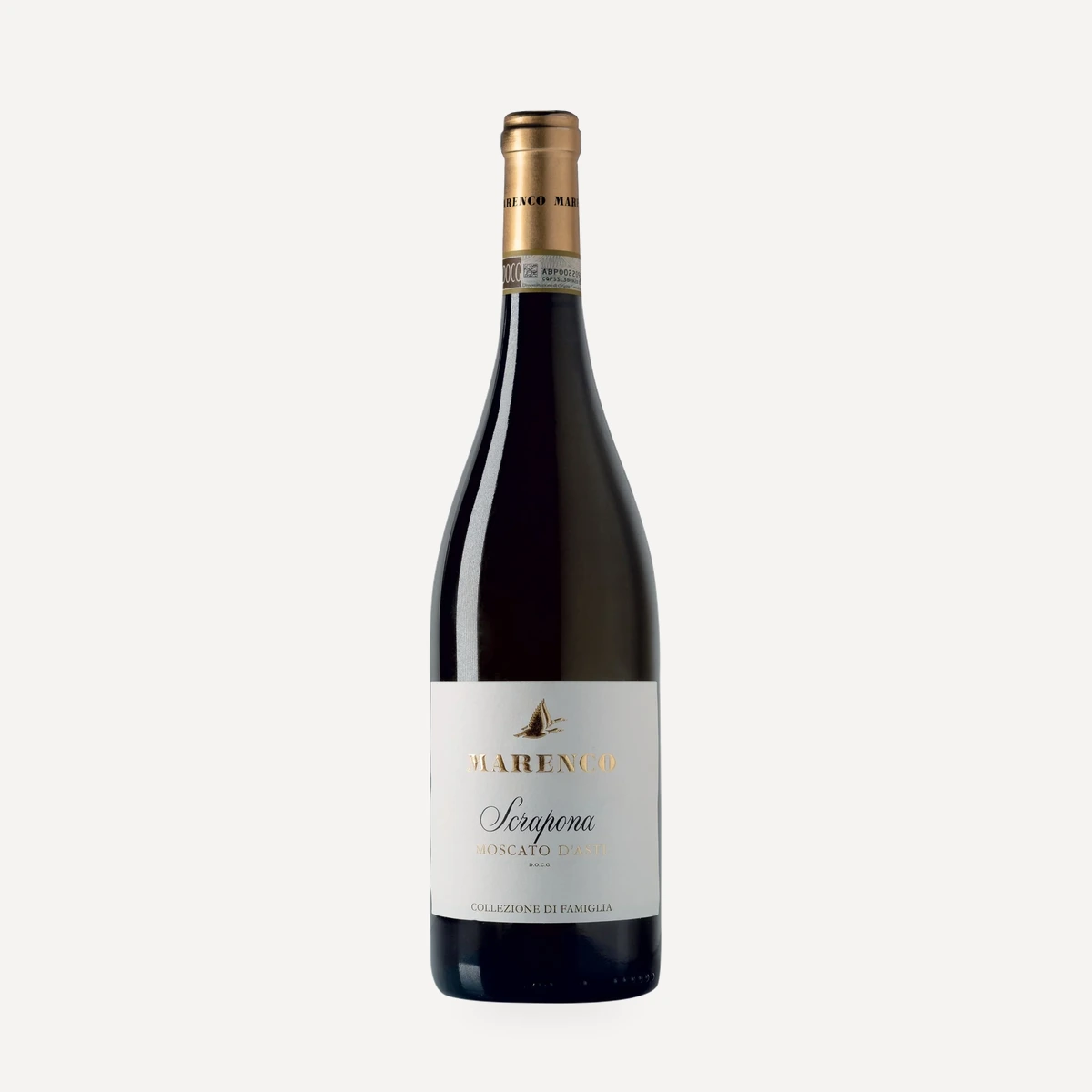
Scrapona Collezione di Famiglia
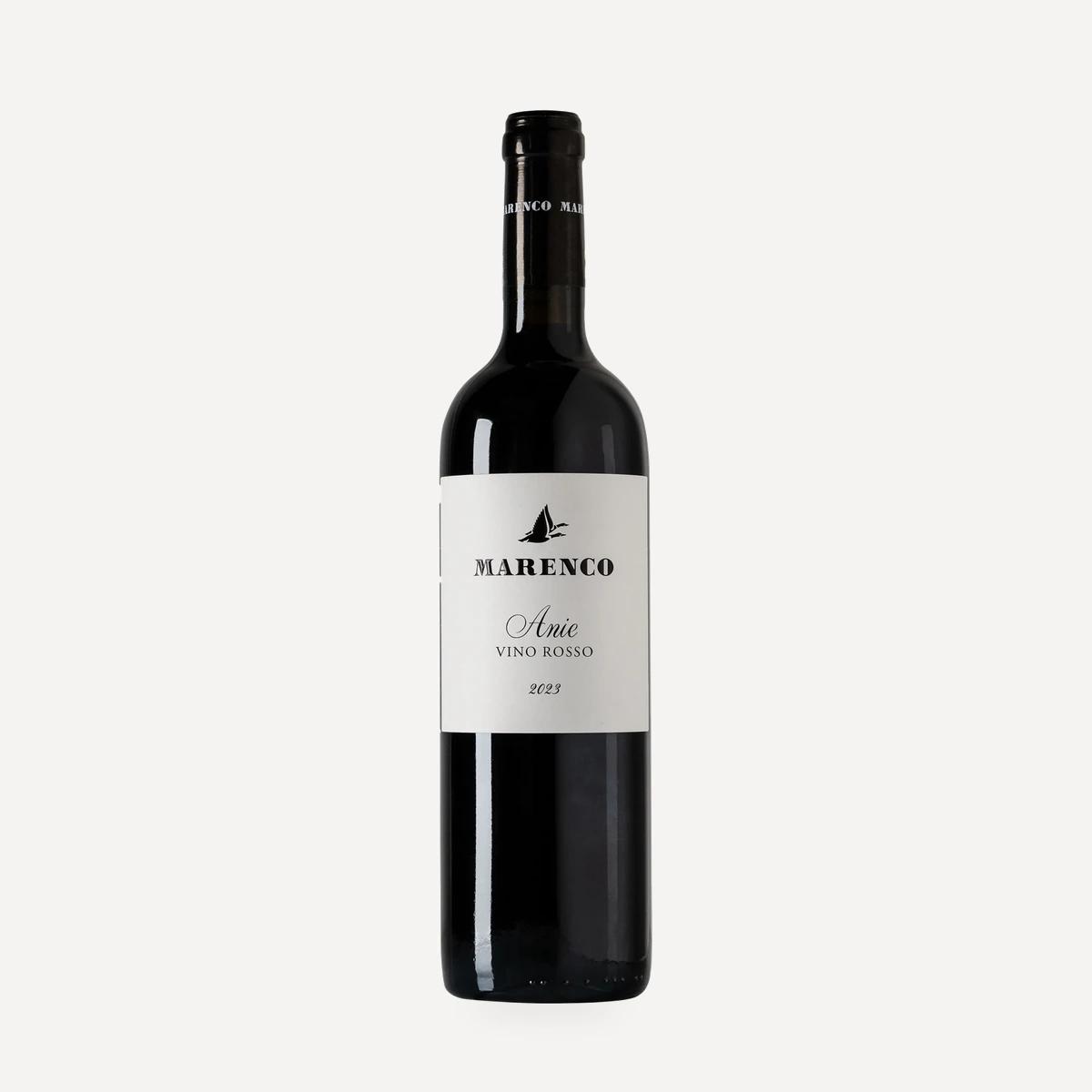
Anie Rosso
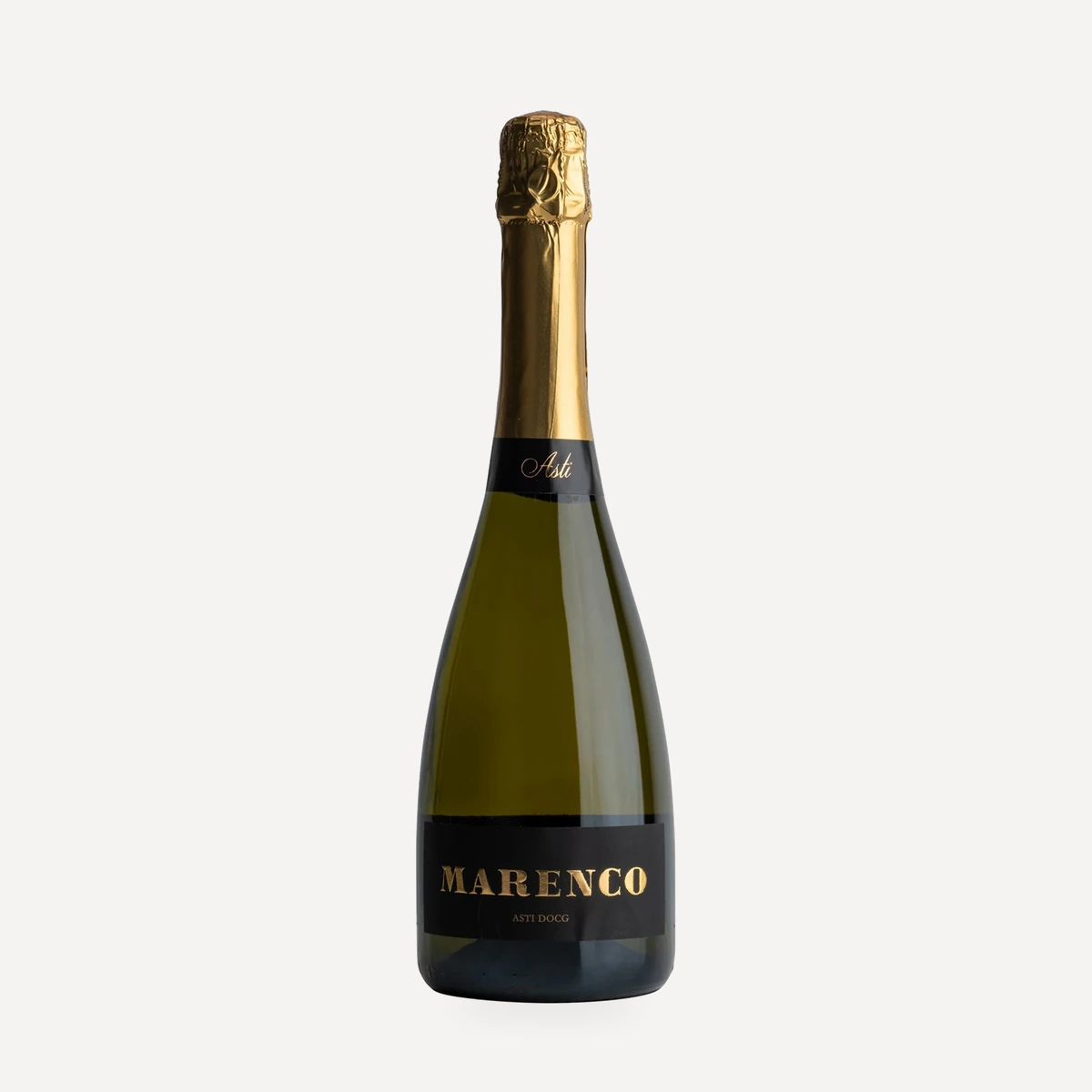
Asti
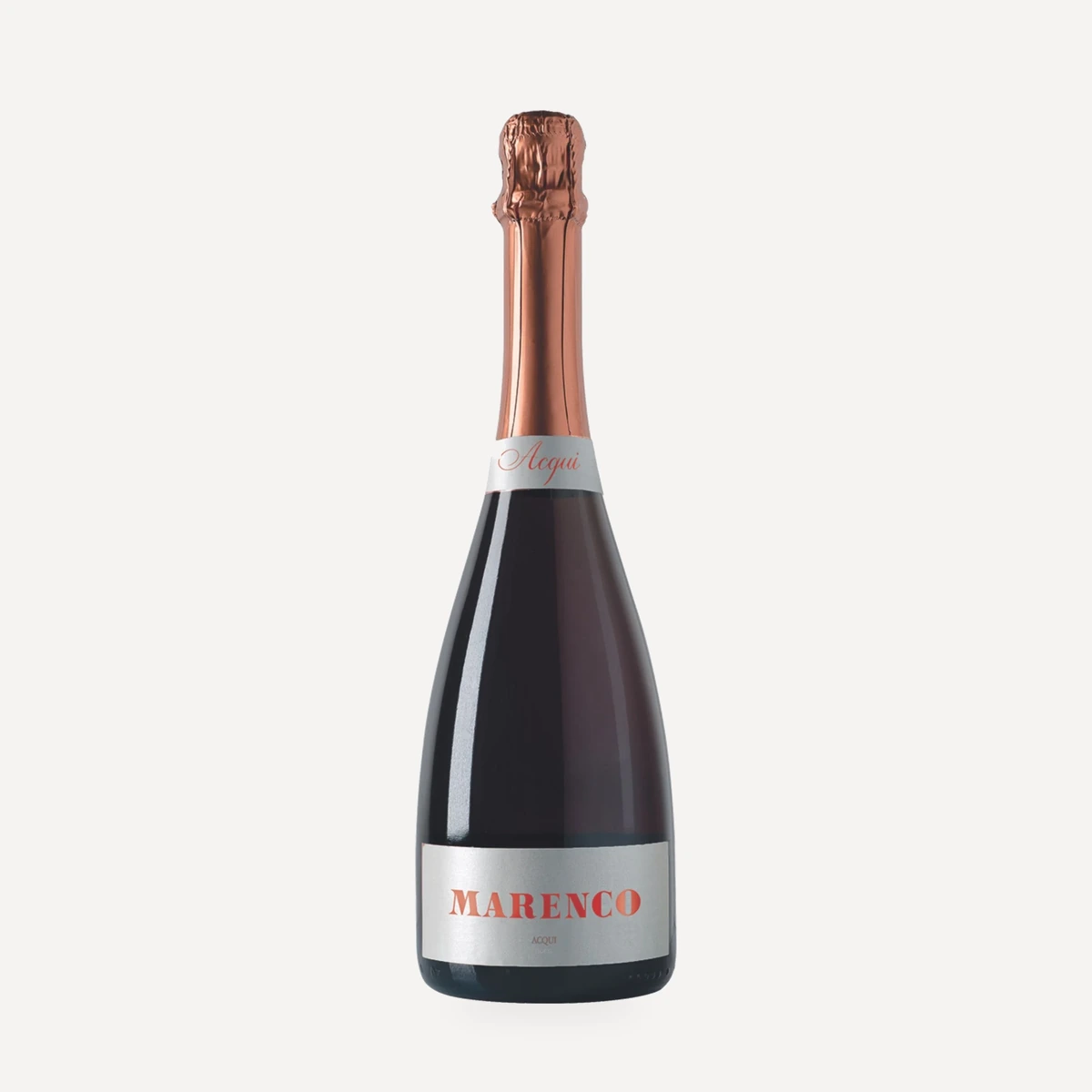
Brachetto d'Acqui Spumante
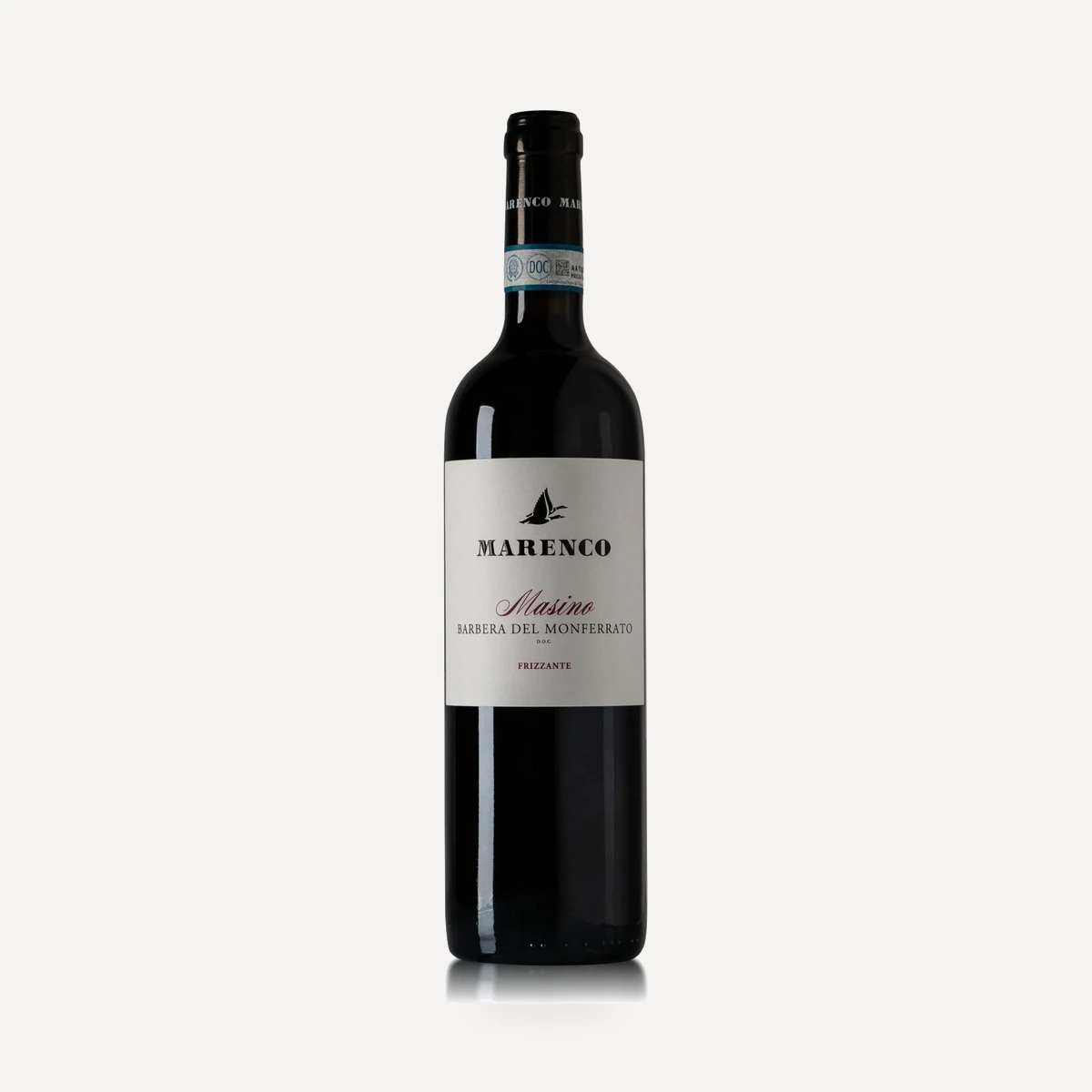
Masino
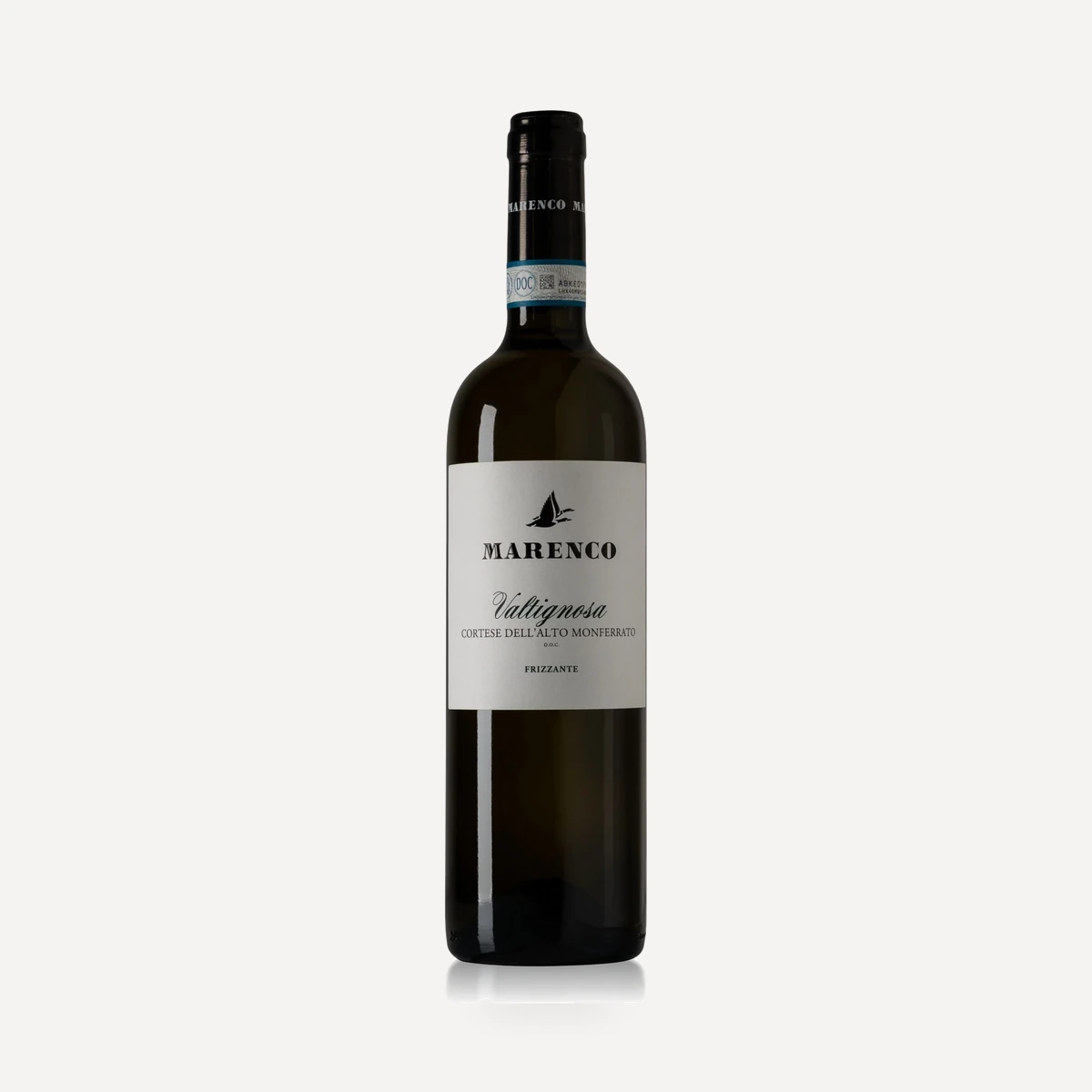
Valtignosa
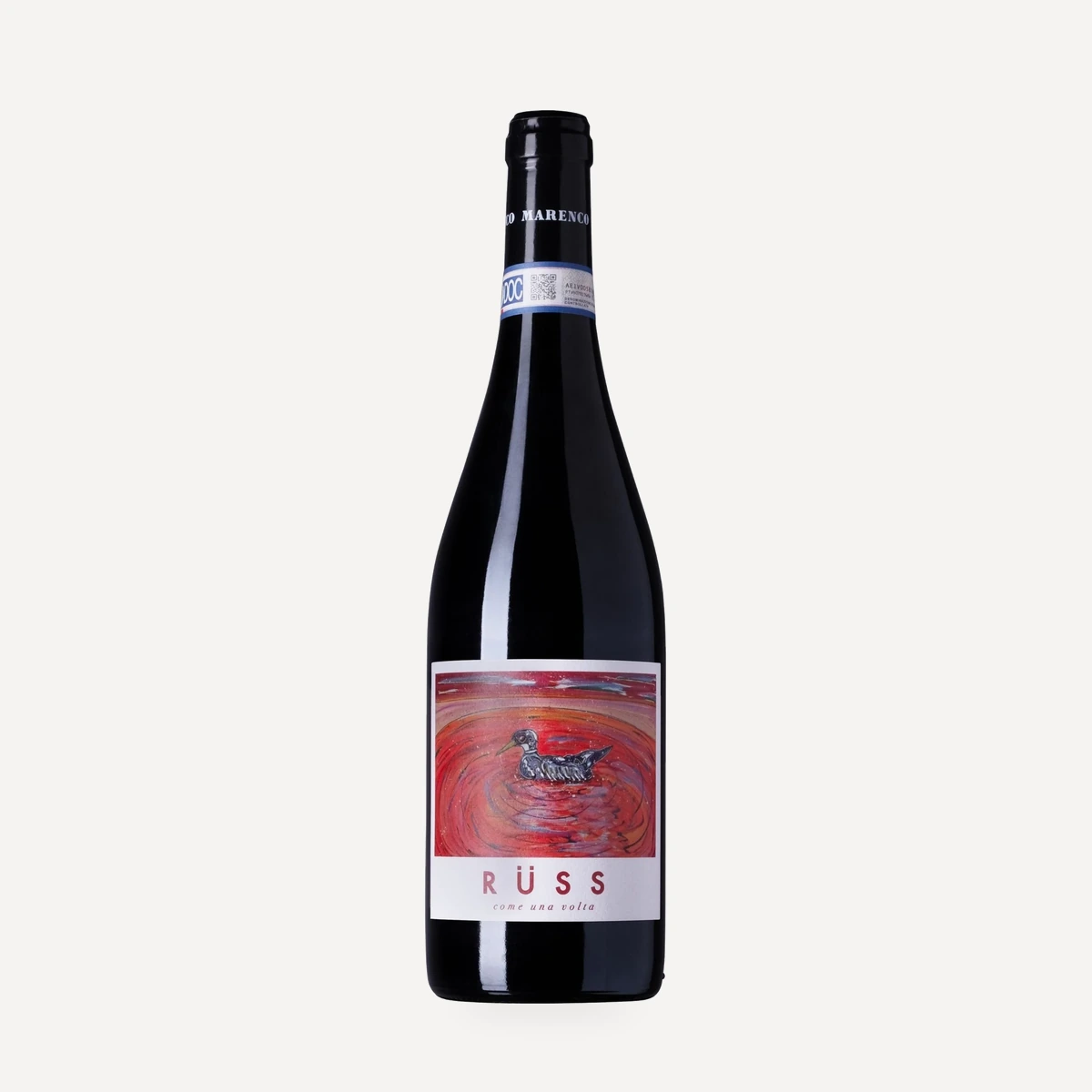
Russ