Storia
Family roots
The Molino family’s agricultural roots extend beyond La Morra. Giuseppe Molino, grandfather of the present generation, came from the Asti area. Mauro Molino has described the preservation of inherited land through successive generations as a central source of family pride.
1982: the first label
Mauro founded the eponymous winery in La Morra in 1982 after devoting years to agronomy and oenology and, more broadly, a lifetime to viticulture. That year he fulfilled his ambition of producing wine under his own name and released the first label, Barolo Conca.
Mauro subsequently devoted himself fully to viticulture. His work in the vineyards deepened his knowledge of the vines, while experience in the cellar allowed him to refine the estate’s winemaking techniques and pursue wines intended to develop over time.
Expansion during the 1990s
The business consolidated during the 1990s. Drawing on his agronomic training and attachment to the Langhe, Mauro acquired additional vineyards in sites selected for their soils, exposures and microclimates. These purchases included land at Berri on the western slope of La Morra. The family later presented its work in Berri as the recovery of a long-undervalued Barolo area.
The second generation
At the beginning of the 2000s, the second generation entered the family business after studies at the Oenological School of Alba. Mauro’s eldest son, Matteo Molino, joined in 2003. He assumed responsibility for the family vineyards and production, introducing a more modern and innovative approach while concentrating on the individual identity of each terroir and maintaining an environmental and sustainability focus.
Martina Molino joined in 2008. She took responsibility for communication and commercial development, strengthening the winery’s image and expanding the presence of the Mauro Molino name in international quality-wine markets. Matteo and Martina now continue the family’s historic wines while developing new projects and production methods.
New territory and family memory
In 2015, the Molino family purchased a 1 ha Barbera parcel in Burio, within the municipality of Costigliole d’Asti. The project reconnected the family with Giuseppe Molino’s Asti origins. It became Barbera d’Asti LERADICI, a name chosen to express the bond between the family, its original territory and its roots.
For the estate’s 40th anniversary, the family created Barolo DOCG Anniversario. The project celebrated their parents, the path already travelled and the winery’s future. It drew on one of the estate’s historic vineyards in the Annunziata area and used the 2016 vintage.
Terroir
The winery is based at Annunziata Gancia in La Morra and works with sites in La Morra, Costigliole d’Asti and the Barbaresco denomination.
La Morra
The estate’s Barolo sites demonstrate marked differences in position and soil. Berri lies on the western slope of La Morra. The Gallinotto vineyard within the Berri MGA has calcareous-clayey, marly soil and faces south to southwest. Bricco Luciani, immediately in front of the winery and the Molino family’s childhood home, has calcareous-sandy soil and a southeast exposure. La Serra occupies the highest part of the municipality and combines calcareous-clayey soil with south and southeast exposures. Conca has calcareous-clayey soil and south to southeast exposure. The historic Annunziata vineyard selected for the anniversary project has calcareous-sandy soil and a southwest exposure.
Costigliole d’Asti
The LERADICI vineyard is in Burio, a locality within Costigliole d’Asti in Monferrato. The 1 ha parcel has a southeast exposure and calcareous-sandy soil. Its vines were described as 20–40 years old in the project’s technical material. Burio takes its name from the local Castello di Burio, whose construction dates to the 14th century.
Vinificazione
Matteo Molino’s work centres on the family vineyards and on strengthening the identity of each terroir. His approach combines modern and innovative practices with attention to environmental responsibility and sustainability.
The family defines sustainability as stewardship of the land in which it was born and raised and which will pass to future generations. Its stated objective is harmony with nature through environmentally respectful practices and everyday actions directed towards well-being. Site selection has historically considered soil, exposure and microclimate. Each vineyard is kept distinct through separate vinification so that its individual characteristics remain legible.
Production decisions remain at family level and are carried out with artisanal attention to detail. The central cellar principle is separate vinification of individual vineyards, especially the Barolo sites, in order to preserve their distinguishing characteristics and express the identity of their places of origin.
The second generation continues the estate’s historic wines while introducing new projects and techniques. Matteo Molino directs his production work towards a more modern and innovative interpretation of each terroir, while the family’s quality policy applies both in the vineyard and in the cellar.
Filosofia
The production philosophy rests on four stated pillars: aromatic character and elegance; consistency of quality; preservation of terroir; and sustainability.
Aromatic finesse and persistent elegance are treated as defining traits across the range. The family seeks to combine inherited tradition with a contemporary sense of freshness rather than treating the two as opposing approaches.
Consistency means maintaining high standards in both vineyard and cellar and applying the same ambition to every operational detail, including client service and the construction of durable commercial partnerships.
Preserving origin is particularly important in La Morra. Separate vinification is intended to retain the distinctions among vineyards and produce Barolos with profiles tied to their respective sites.
Sustainability is framed as custodianship of the land for future generations. The family’s declared approach centres on harmony with nature, environmentally respectful practices and daily actions directed towards well-being. Matteo and Martina Molino connect these principles with the values inherited from Mauro while continuing the historical range and investing in new projects and production methods.
Vini
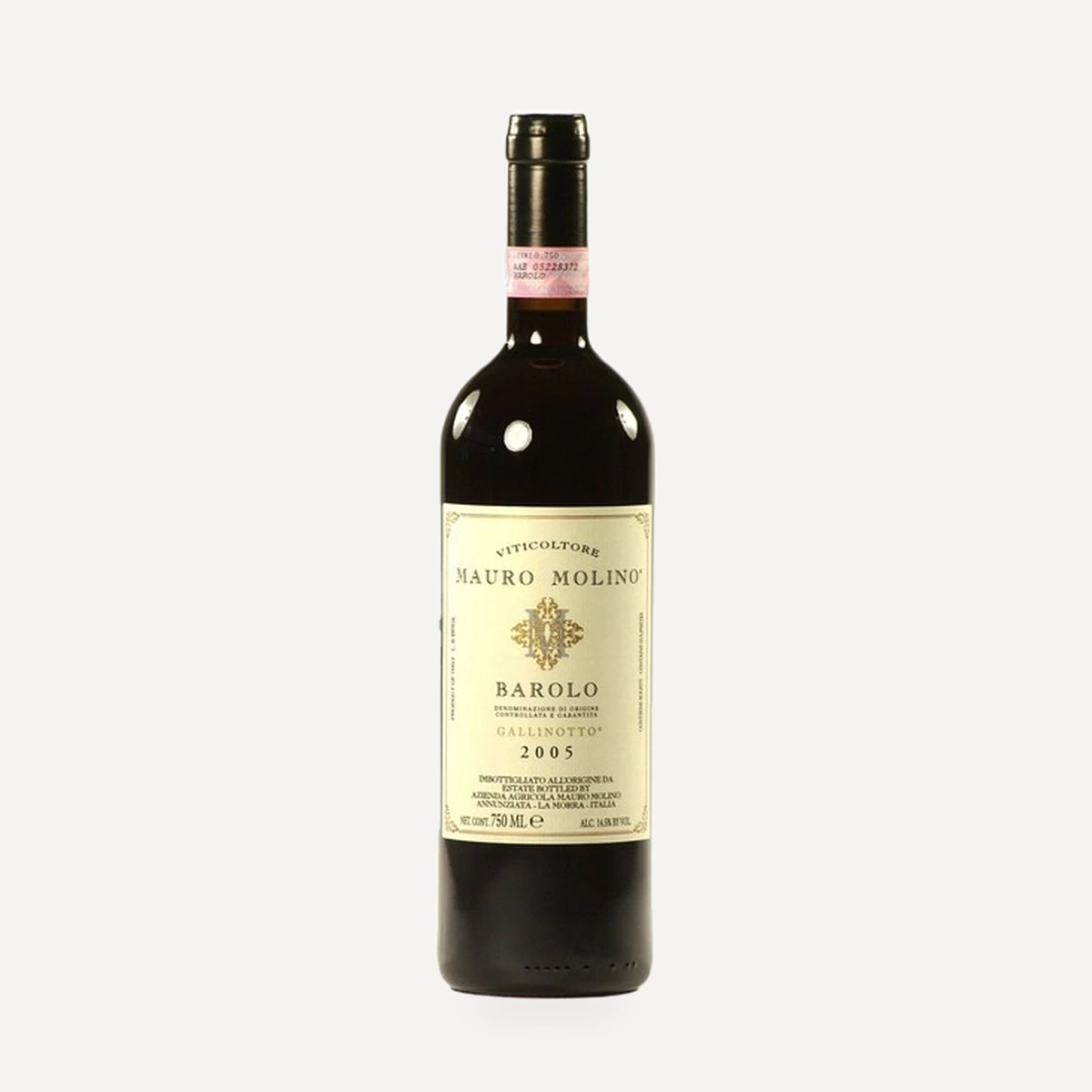
Barolo Gallinotto DOCG
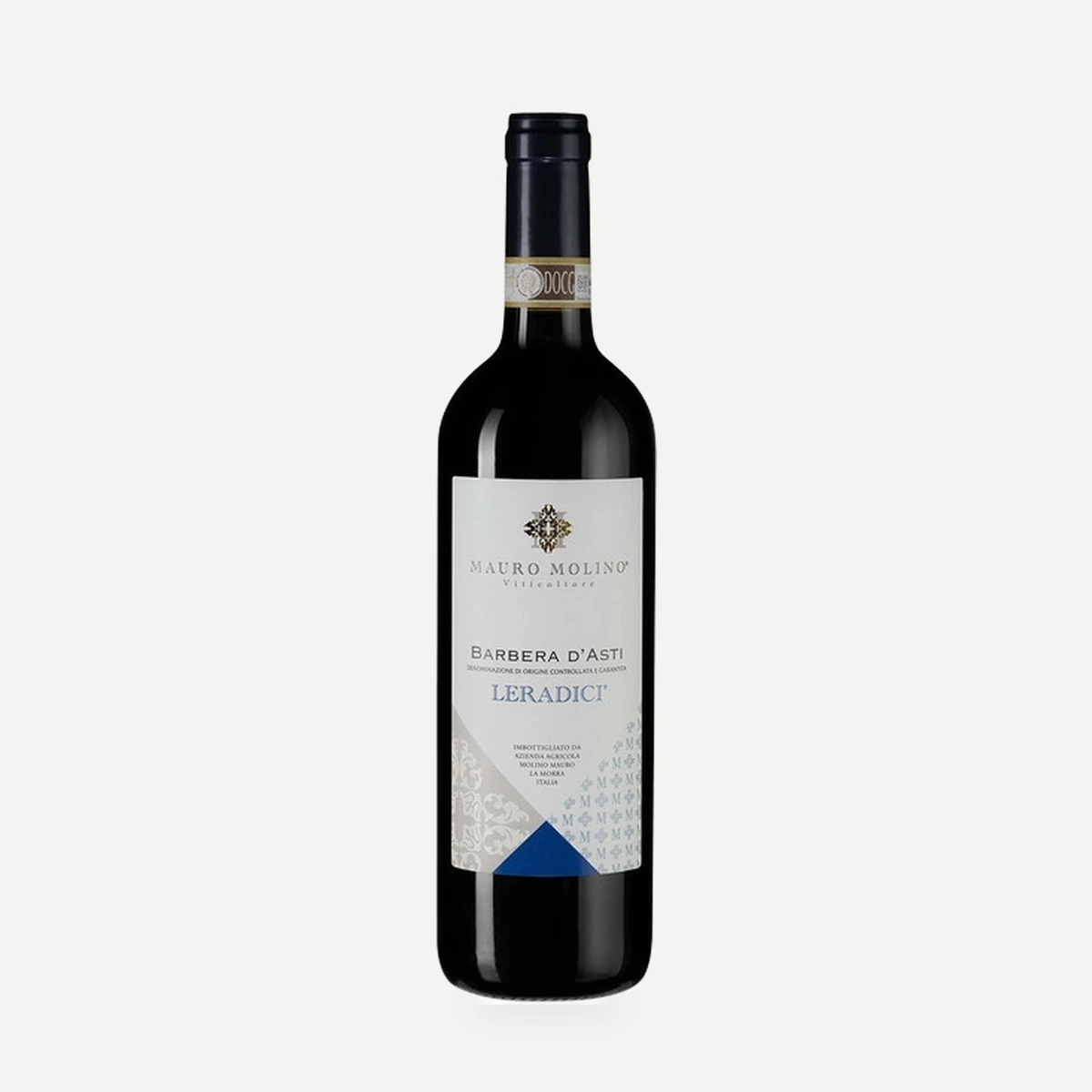
Barbera d'Asti Leradici DOCG
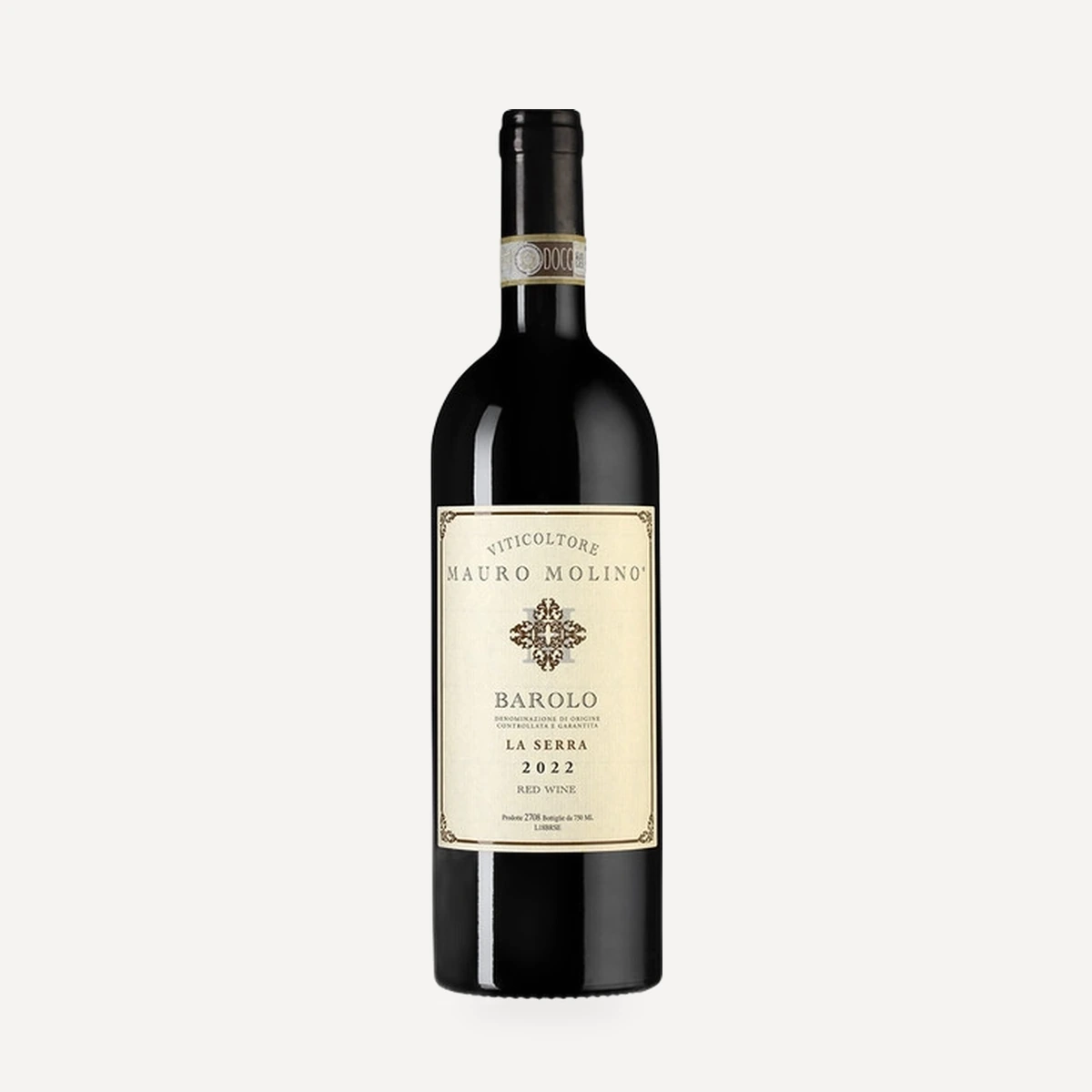
Barolo La Serra DOCG
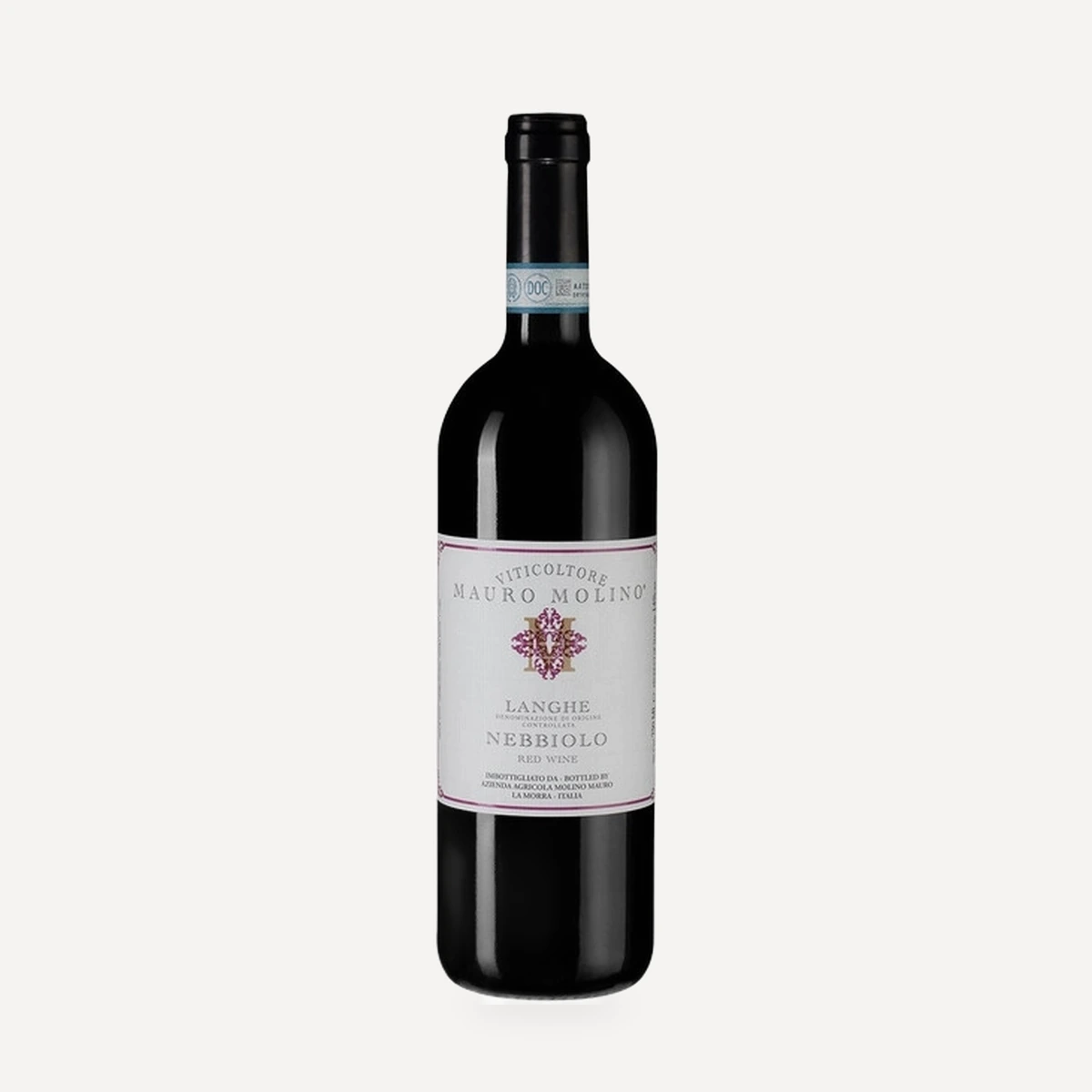
Nebbiolo Langhe DOC
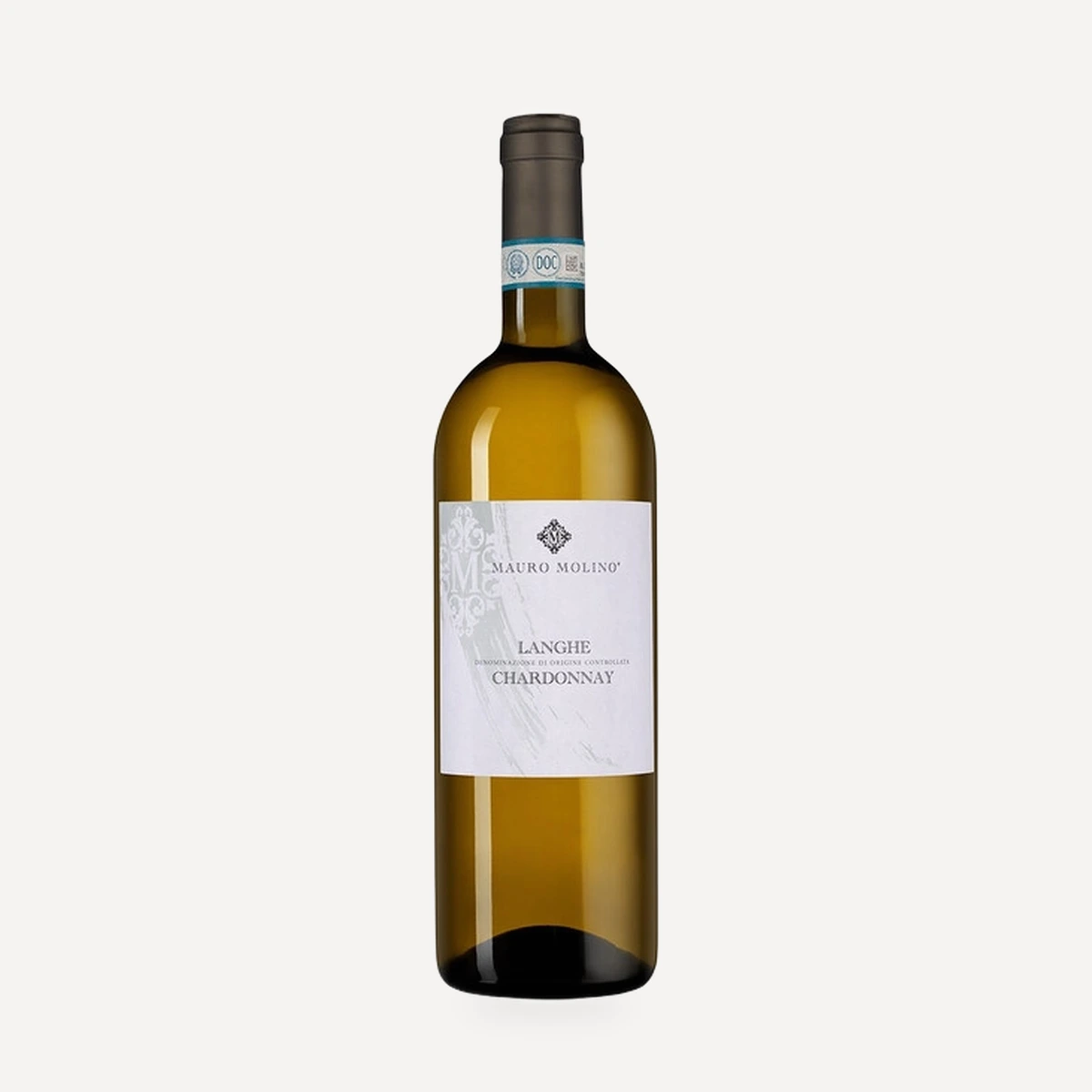
Langhe Chardonnay DOC
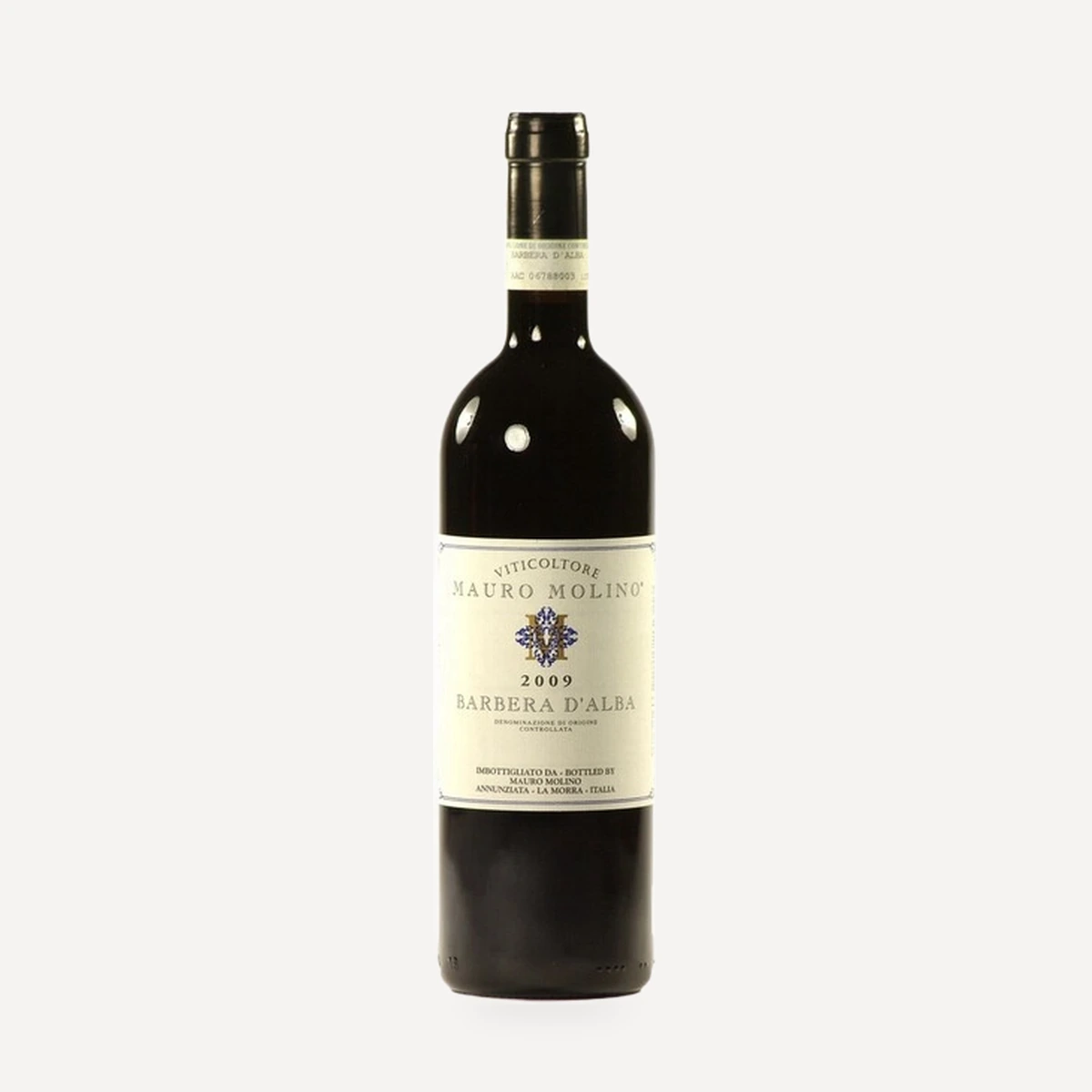
Barbera d'Alba DOC
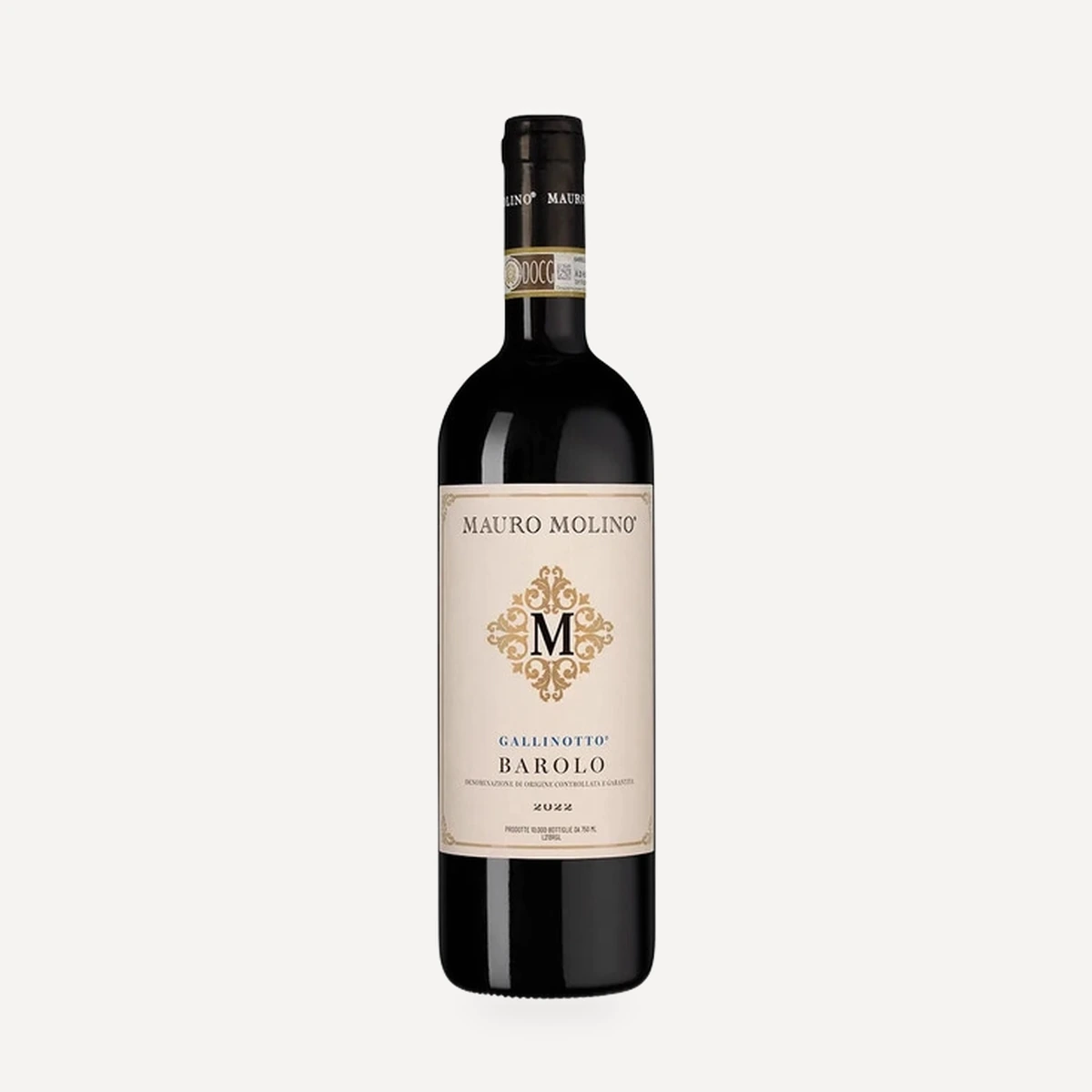
Barolo DOCG
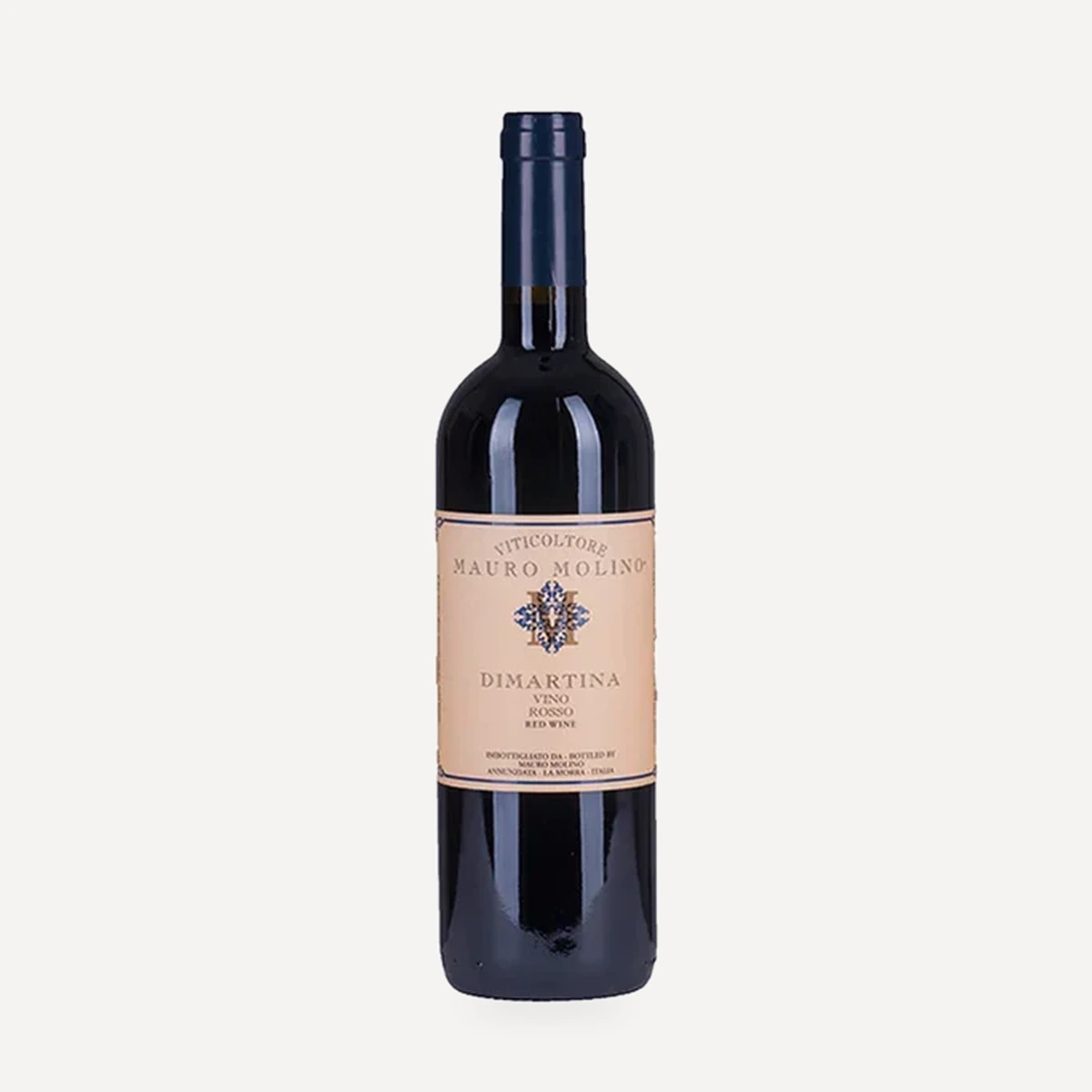
Vino Rosso DiMartina