Storia
The regional setting
Montepeloso lies in the Maremma area of Tuscany, close to the medieval town of Suvereto and set back from the Tyrrhenian coast. The surrounding Val di Cornia received DOC status in 1989 and DOCG status in 2011. The locality occupies a historic meeting point between Roman and Etruscan cultures, with the Etruscan settlement of Populonia to the south above the Gulf of Baratti and Bolgheri to the north.
Modern viticulture in Suvereto
Modern, uncompromising viticulture began to take shape in Suvereto during the 1990s. The potential of Montepeloso's partly terraced, mineral-rich slopes became increasingly apparent during this period.
1999: Fabio Chiarelotto takes the helm
Fabio Chiarelotto assumed responsibility for Montepeloso in 1999. A historian by academic training, he pursued a programme intended to develop the full potential of the estate without following short-lived fashions or market fluctuations. The work required new plantings, grafting existing vines, radical restriction of yields and optimization of production processes in both vineyard and cellar.
The estate subsequently tested and selected varieties over a period of years, seeking those best adapted to Montepeloso's climate and individual growing conditions. The resulting varietal composition combines local grapes with Cabernet Sauvignon and Marselan while retaining a deliberately Mediterranean and Italian identity.
2000: collaboration with Fabrizio Moltard
Fabrizio Moltard began working closely with Montepeloso in 2000, following earlier collaborations with the Frescobaldi family and Angelo Gaja. His remit encompasses both oenology and oversight of the vineyards. Together with the estate, he helped develop a Tuscan project centred on local grape varieties.
2007: Silvio Denz joins the partnership
Swiss entrepreneur Silvio Denz acquired a share in Montepeloso in 2007. He brought international wine-business experience, additional investment, new momentum and opportunities for collaboration. Infrastructure investment following his arrival produced a rapid, marked improvement in quality.
Denz and Chiarelotto became partners around a shared ambition to make wines with an individual identity, pursuing that ambition independently of passing industry trends. Their collaboration also reflects a common interest in broader cultural connections.
The estate today
Montepeloso comprises 30 hectares amid the hills and Mediterranean macchia. Fourteen hectares are planted to vines at high density. The vineyard population includes both recent plantings and older sites, including Cabernet Sauvignon vines more than 40 years old.
Terroir
Location and landscape
Montepeloso is situated in Maremma near the medieval town of Suvereto, inland from the Tyrrhenian coast. The 30-hectare property lies among gently undulating hills and Mediterranean macchia. Its vineyards are partly terraced and extend from 50 to 200 metres above sea level.
Populonia and the Gulf of Baratti lie to the south, while Bolgheri lies to the north. The estate belongs geographically to Val di Cornia, a territory shaped by both its coastal position and the inland Colline Metallifere.
Maritime climate
Land and sea interact directly at Suvereto. Strong solar radiation and local ground conditions generate thermal currents, while the nearby coast supplies persistent ventilation. Together these factors cool the grapes despite the intensity of the Tuscan sun. This cooling influence preserves freshness and is associated with the pronounced saline character of the wines.
Soils and vegetation
The soils are strongly mineral and contain Silex characteristic of the coastal area together with Scaglia Toscana, described as fossilized clay. The mineral composition of the Colline Metallifere and the aromatic, spicy character of the surrounding Mediterranean macchia contribute to the wines' lightness and local identity.
Vinificazione
Montepeloso's vineyard programme has included new plantings, grafting, strict limitation of yields and continuous optimization of working processes. Fourteen hectares are planted at a density of 7,500–8,500 vines per hectare.
Varietal selection has been carried out over a period of years. Different locally established grapes were cultivated and assessed to identify those best suited to Montepeloso's climate, soils and individual growing conditions. The present vineyard is led by Montepulciano and Sangiovese, accompanied by Cabernet Sauvignon, Alicante, Marselan, Malvasia Nera and Alicante Bouschet.
Fabrizio Moltard's responsibility extends beyond oenology to supervision of the vineyards. The longstanding estate team contributes detailed knowledge of the individual vines and established working processes.
Fabio Chiarelotto's programme from 1999 included optimization of production processes alongside extensive vineyard work. Fabrizio Moltard has directed the oenological work since 2000 while also supervising the vineyards, linking decisions in the cellar directly to the condition and character of the vines.
The production approach grew from a multi-year selection of grape varieties adapted to the estate. The resulting project is centred on combinations that express a Mediterranean and Italian identity, the aromatic diversity of the Tuscan coast and the specific conditions of Montepeloso. Exact compositions may be adjusted to the character of an individual vintage.
Filosofia
Montepeloso's guiding objective is to develop the full potential of its terroir without compromising in response to passing fashions or market fluctuations. This principle shapes decisions in both vineyard and cellar, from replanting and grafting to yield restriction and process optimization.
The estate seeks wines with a recognizably Mediterranean and Italian identity that capture the aromatic diversity of the Tuscan coast. Its approach is based on long-term observation: varieties have been cultivated and assessed over a period of years, with those best matched to Montepeloso's climate and particular conditions retained for the project.
Local varieties occupy a central place in this vision. The aim is not merely to preserve them, but to combine their individual qualities in forms capable of conveying the estate's terroir and providing a complete sensory expression. Vintage differences are respected through adjustments to the proportions used in individual compositions.
Fabio Chiarelotto and Silvio Denz share an interest in wines with a distinct, independent character as well as in broader cultural relationships. Fabrizio Moltard's combined oversight of vineyard and cellar reinforces the connection between the growing site and the finished wines.
Vini
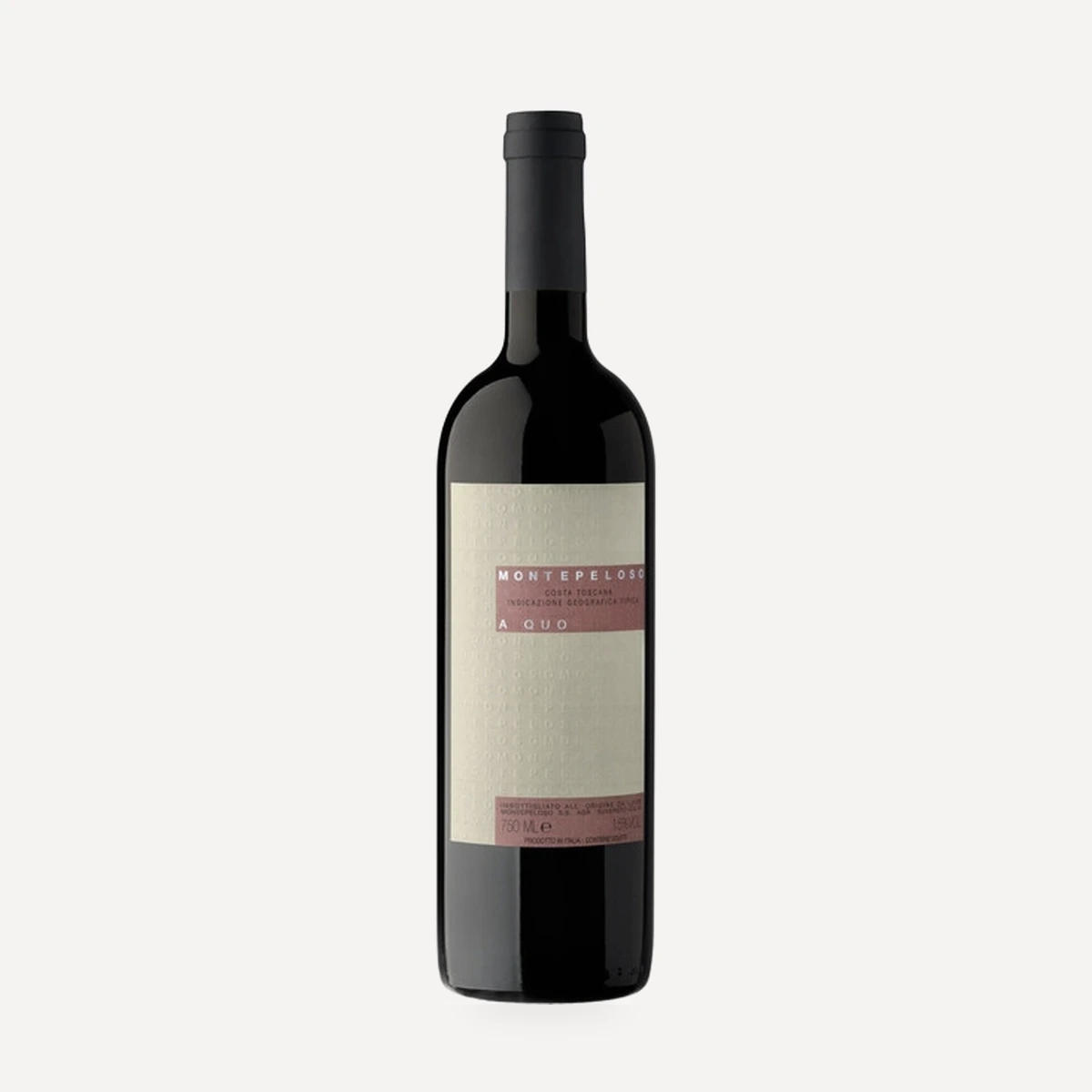
A Quo Costa Toscana IGT
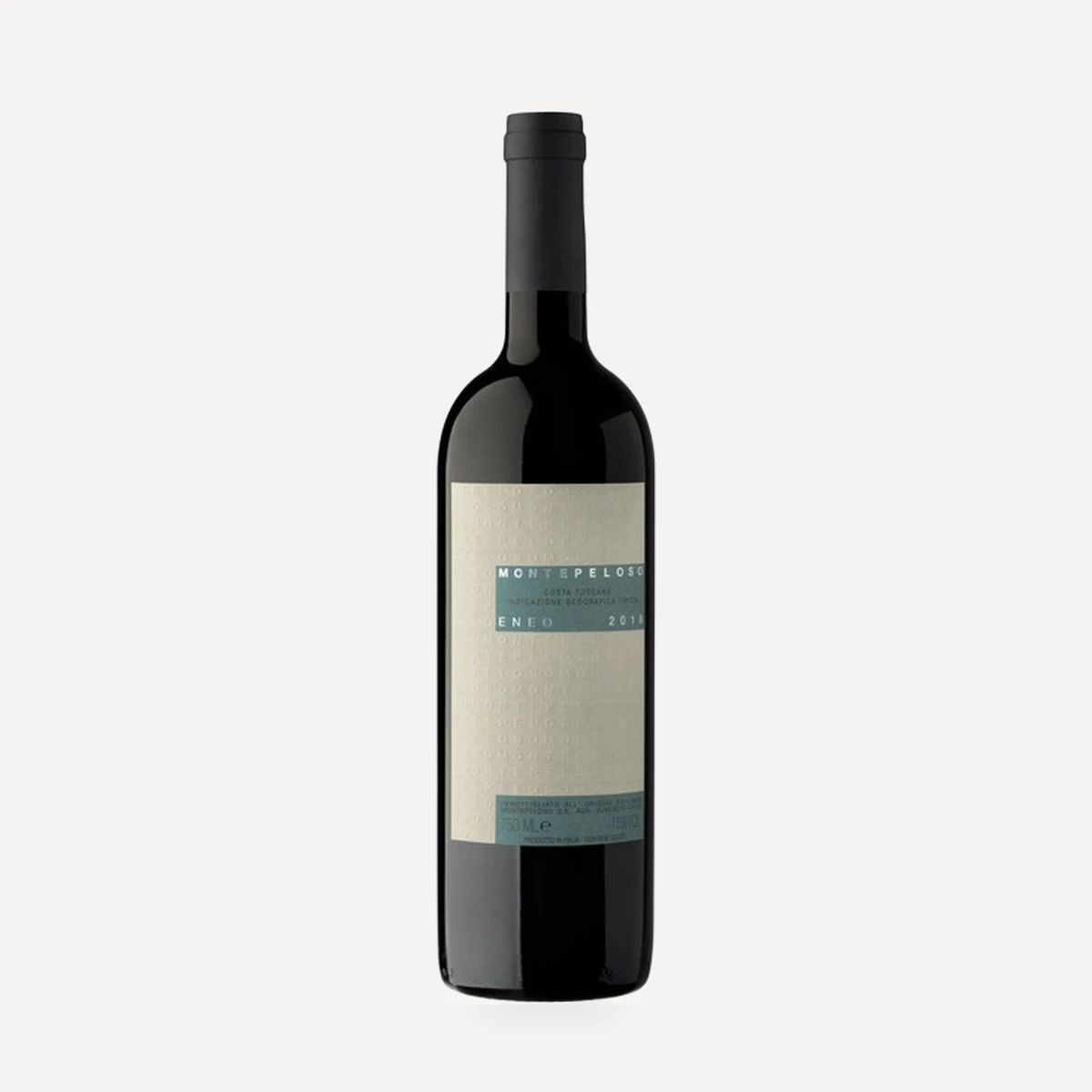
Eneo Costa Toscana IGT
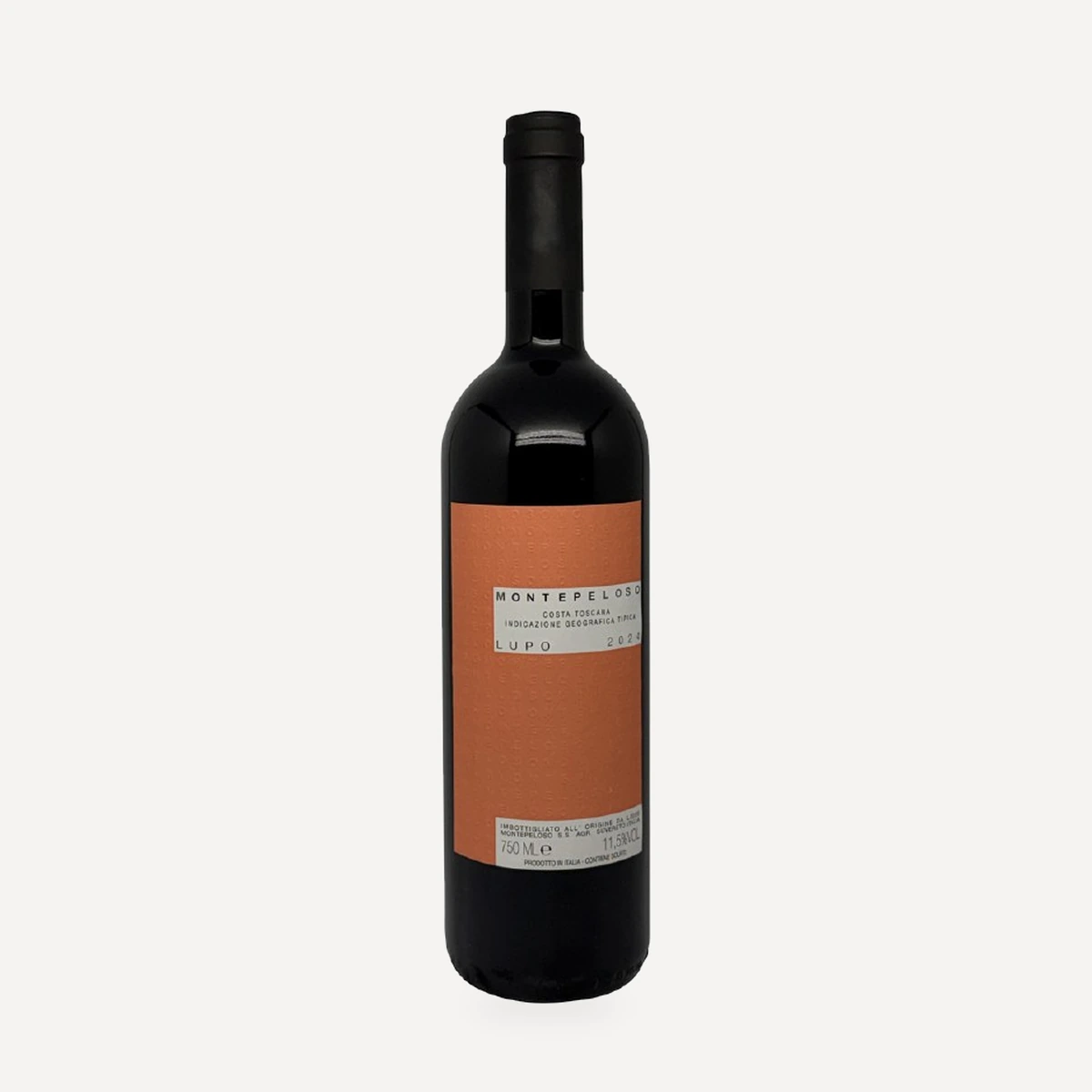
Lupo
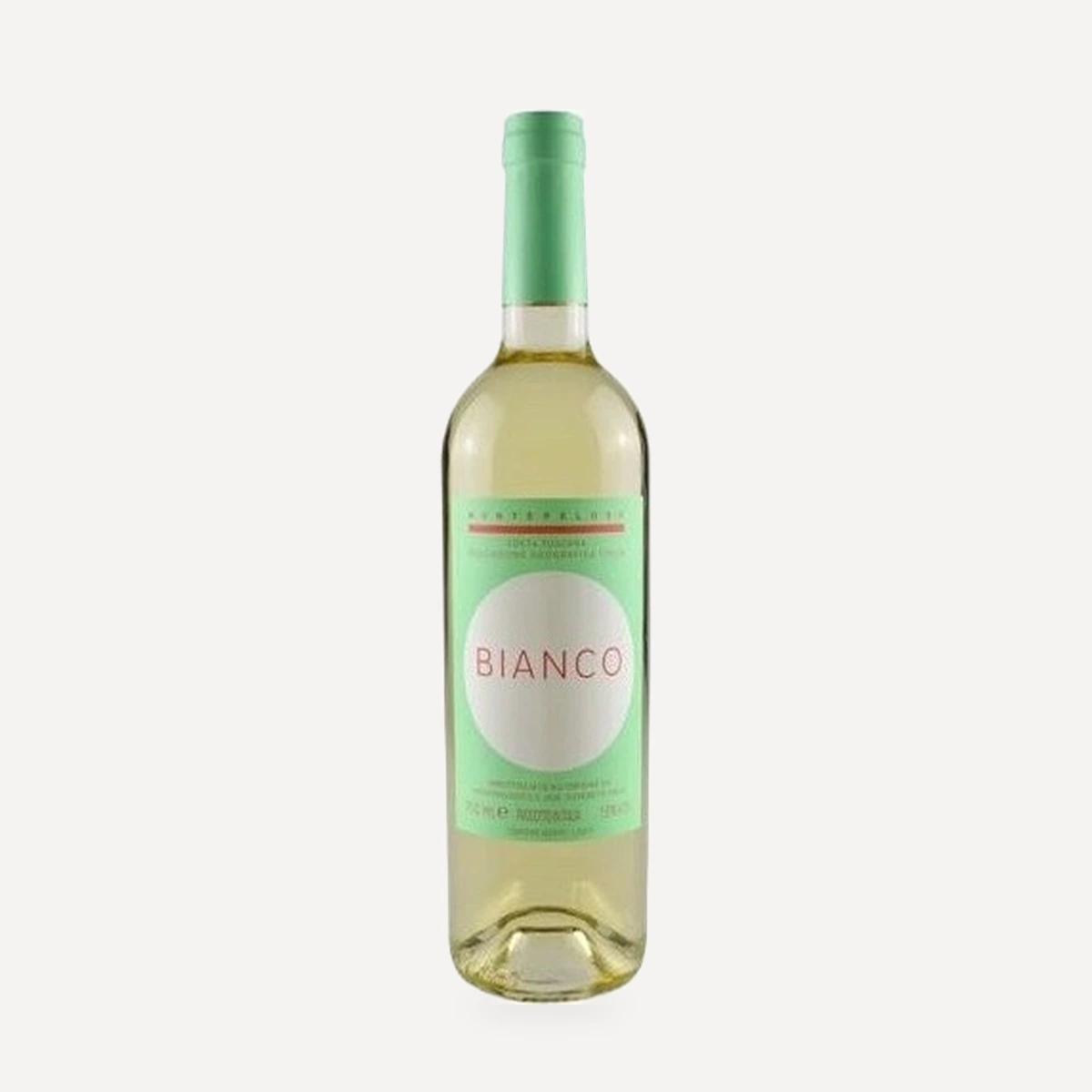
Bianco Toscana IGT
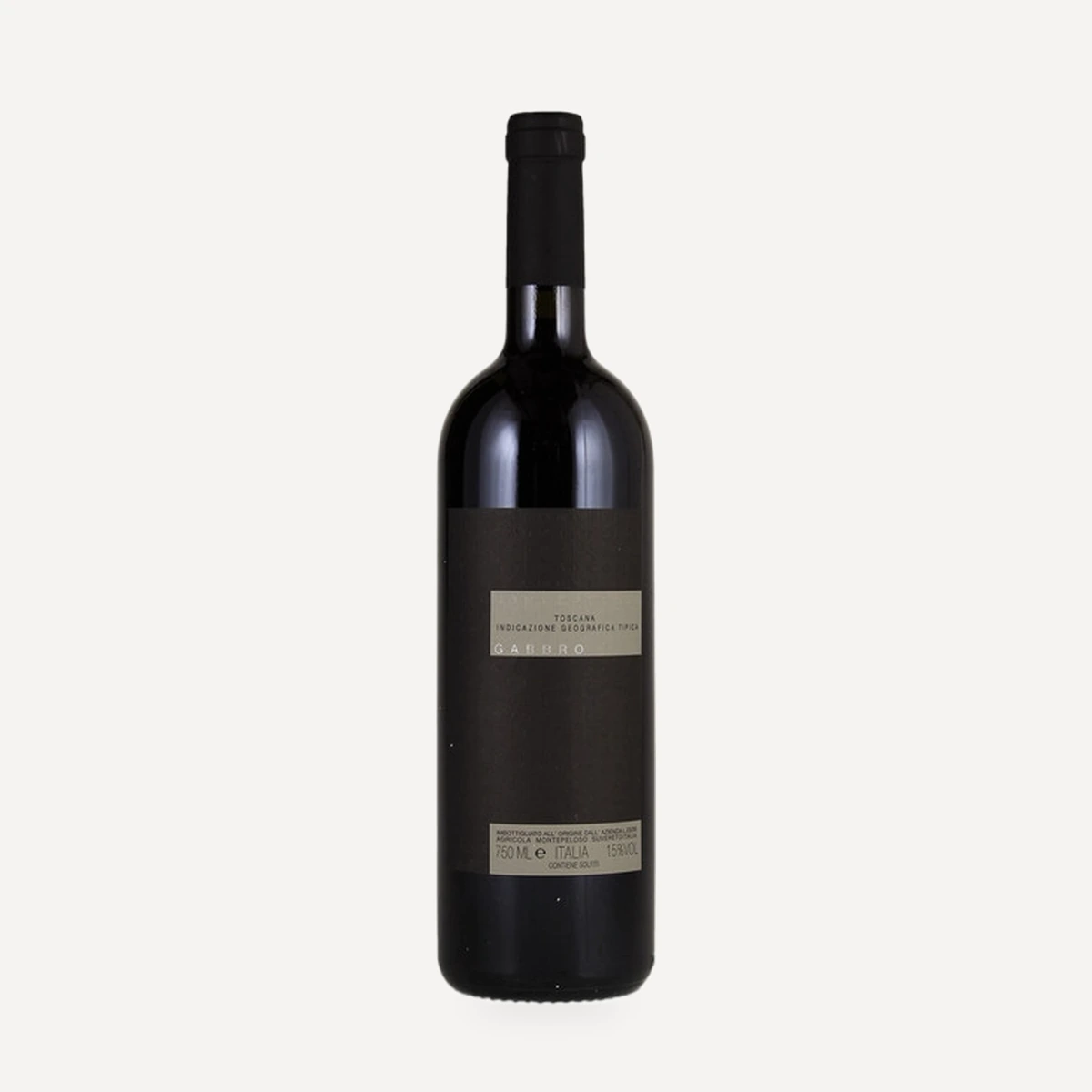
Gabbro Toscana IGT
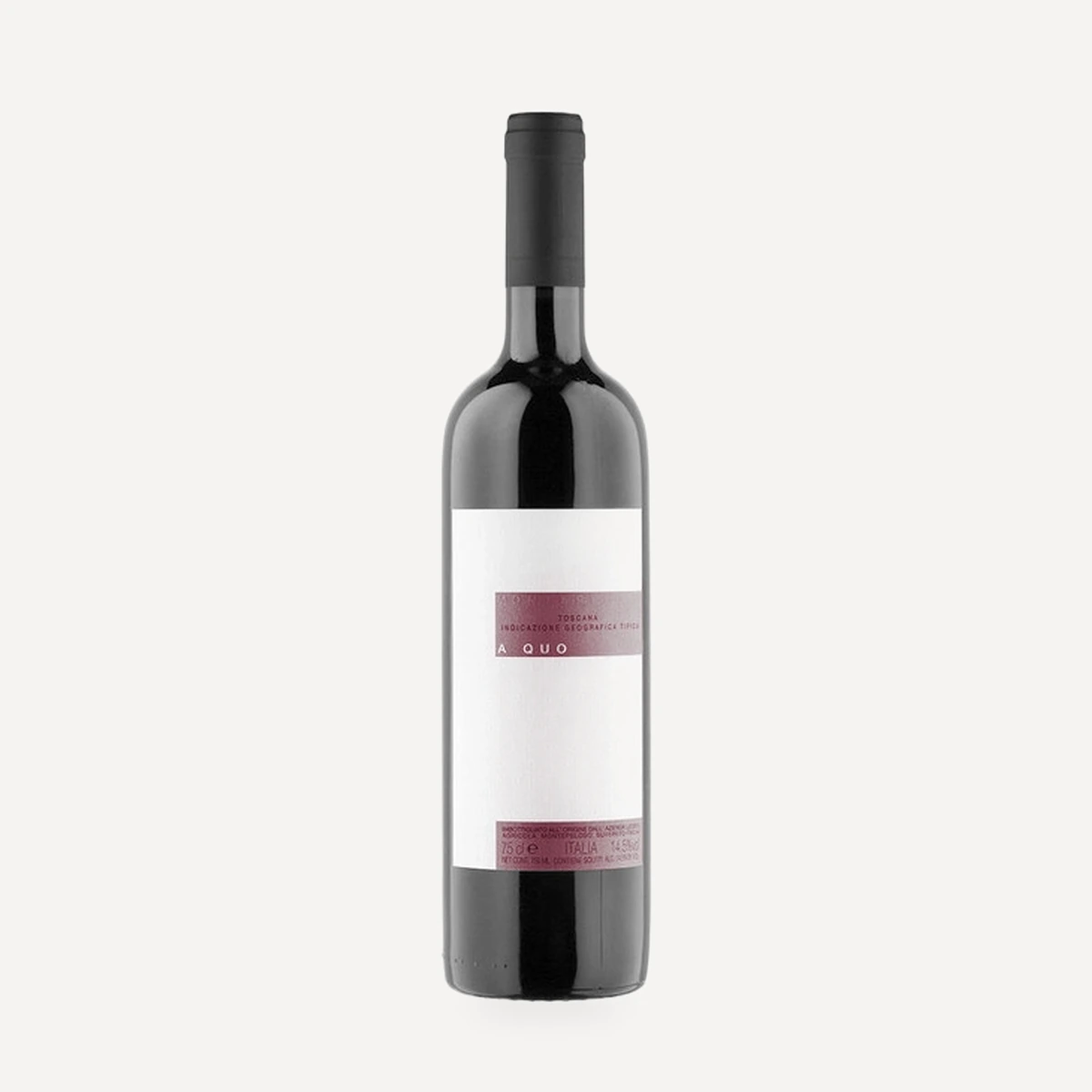
A Quo Toscana IGT
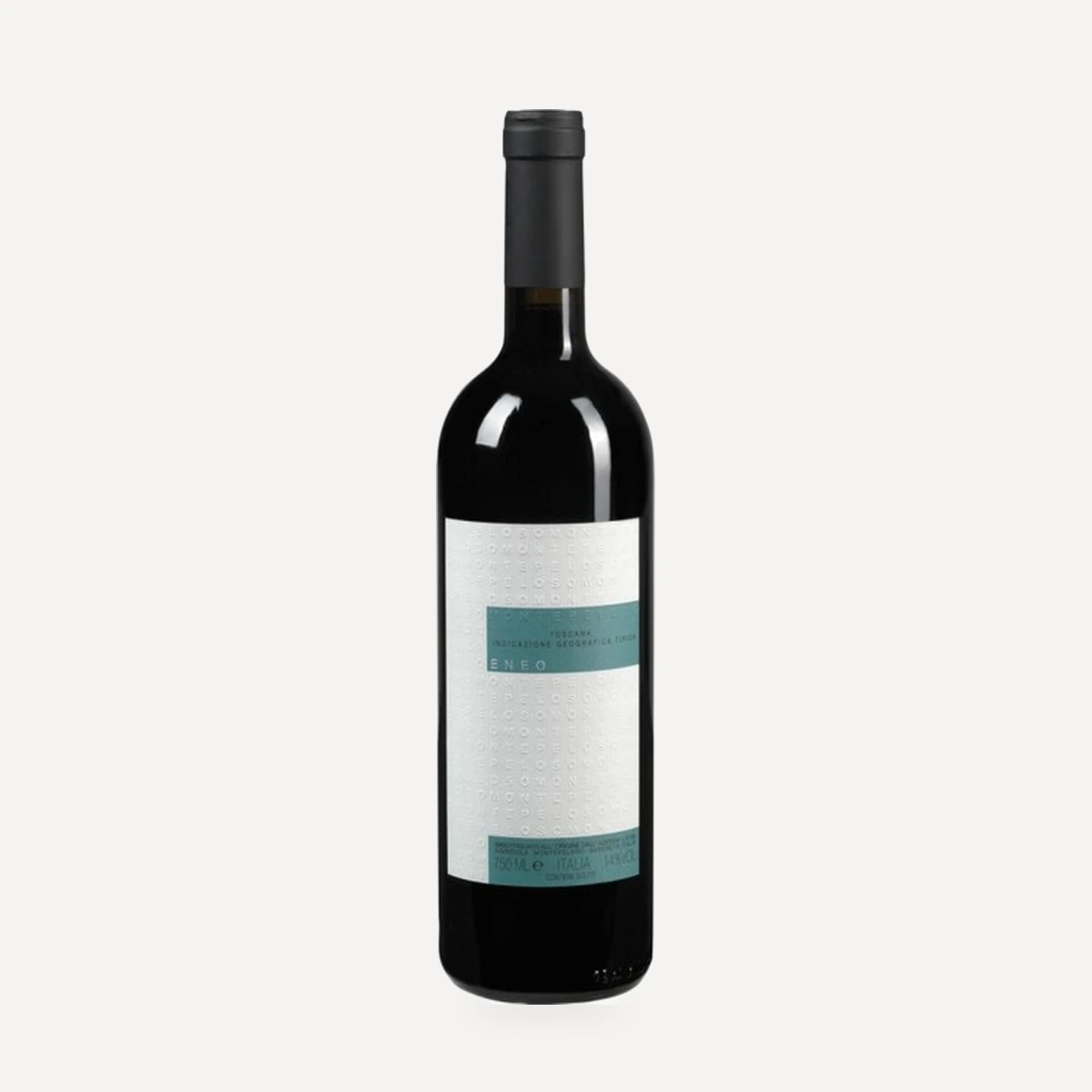
Eneo Toscana IGT
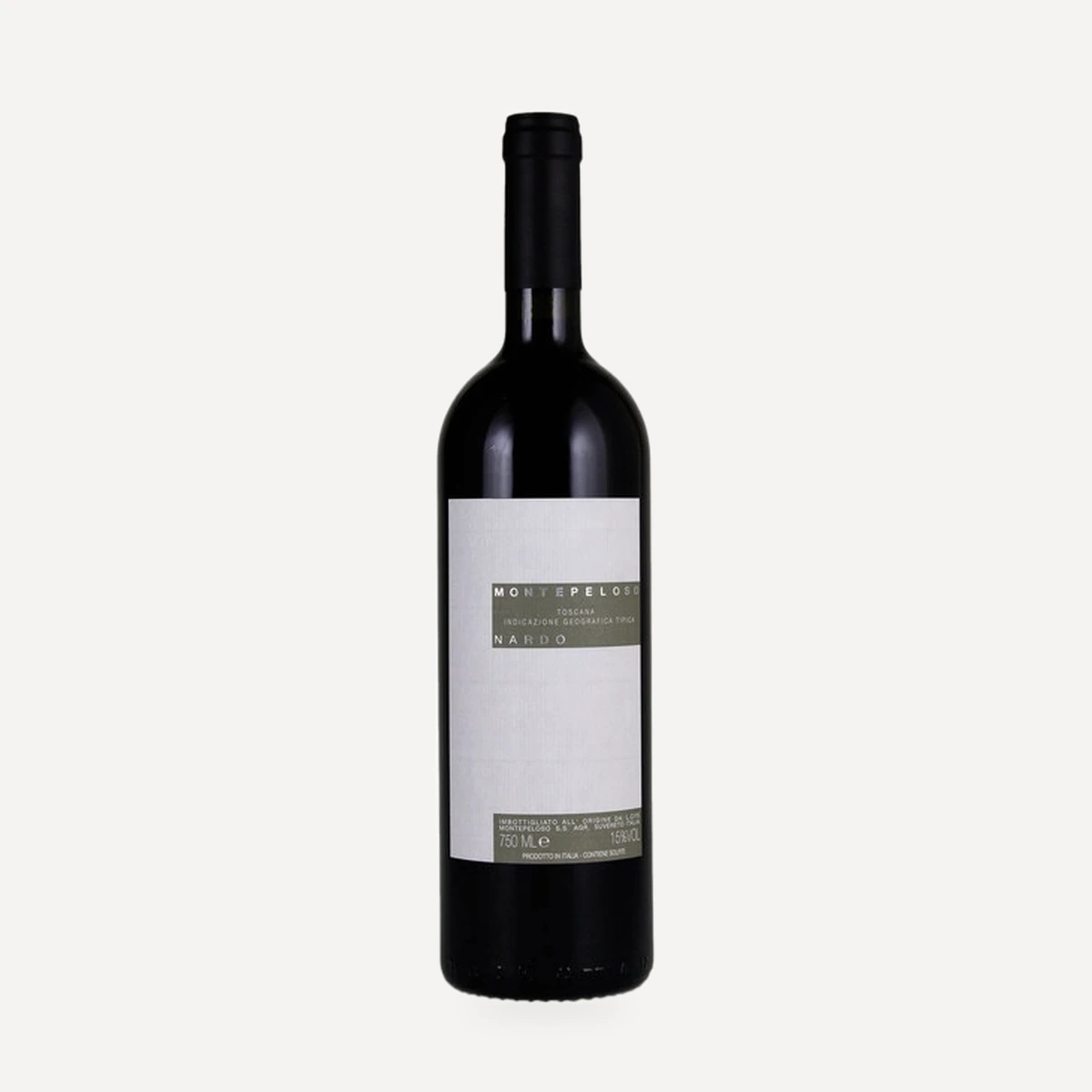
Nardo Toscana IGT
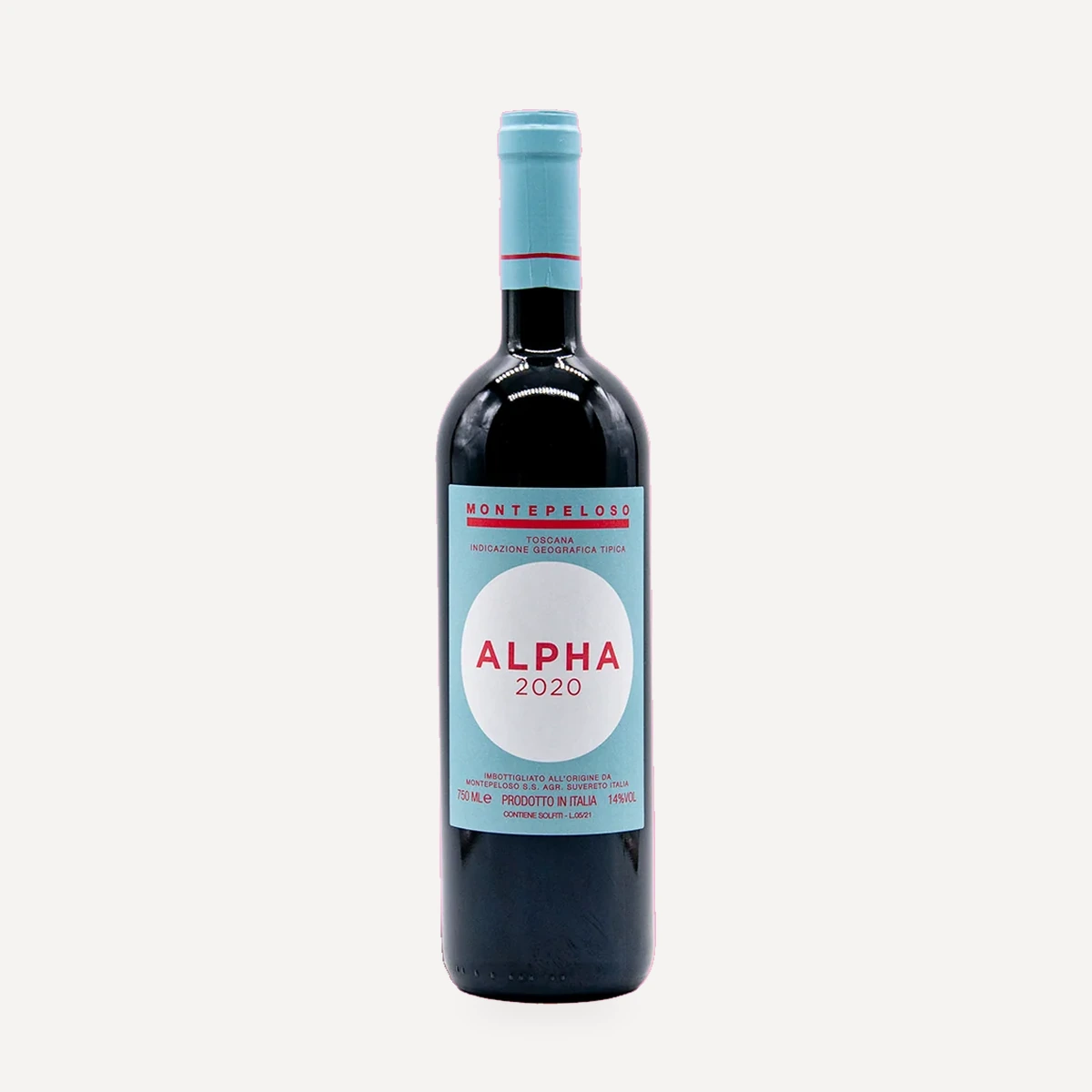
Alpha