Storia
A project rooted in Sardinian identity
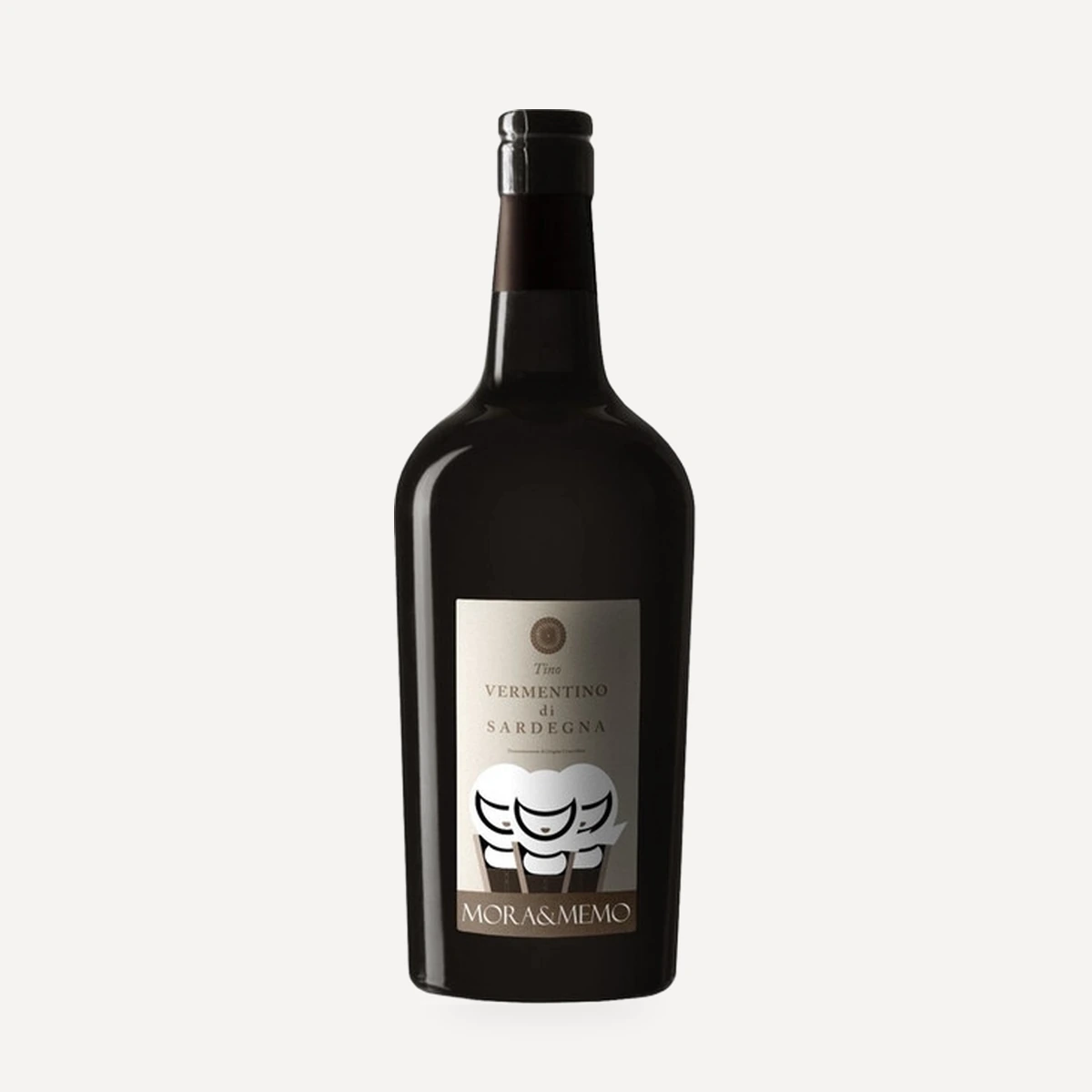
Mora & Memo draws its identity from Sardinia’s matriarchal traditions. The project honours the generations of women whose leadership, influence and care helped preserve the island’s cultural heritage, sustain families and shape Sardinian identity.
Its name expresses the same idea. “Mora” is a personal interpretation of a feminine presence imagined within the Four Mori, Sardinia’s emblem. “Memo” evokes memory and origins, connecting the winery with the values and cultural inheritance it seeks to preserve.
2024: Alicia Banville assumes ownership
Alicia Banville relocated to Italy in 2024 and assumed ownership of Mora & Memo. Born in Canada and raised between Winnipeg and her family’s vineyard in Tuscany, she brought to the project a long personal connection with wine and a vision centred on Sardinia’s traditions, native varieties and terroir.
2025: a new chapter
In 2025, Mora & Memo formally presented a new phase under Banville’s ownership. The direction combines continuity with renewed ambition: Sardinian heritage and authenticity remain central, while the winery seeks to communicate the island’s character through wines made from indigenous grapes.
Terroir
Mora & Memo is based in Serdiana in southern Sardinia. Its vineyard, Sa Perdera, lies at 200–220 metres above sea level.
The name Sa Perdera means “stony place” in Sardinian. Its soils are described both as stony, with calcareous components, and as limestone and clay. The stones promote natural drainage, while the soil composition is associated with structure, balance, depth and complexity in the resulting wines.
The vineyard receives abundant sunlight, supporting full grape maturity. Constant Maestrale winds moderate temperatures during the growing season and encourage even ripening. Proximity to the sea contributes freshness and a subtle saline dimension.
Vinificazione
Grapes are harvested by hand. Vineyard cultivation is focused exclusively on indigenous varieties, particularly Vermentino and Cannonau. The growing environment combines abundant sunlight with temperature-regulating Maestrale winds, conditions that support full and even ripening.
Mora & Memo employs several vinification approaches across its range.
For the Vermentino and rosé expressions, the grapes are gently pressed and the resulting juice receives a short maceration. Fermentation takes place in stainless-steel tanks at a controlled temperature of 15°C. Natural yeasts are used for these fermentations.
One Vermentino is matured for several months in stainless steel before further ageing in bottle. The Sur Lie expression remains in contact with its fine lees for four months, with bâtonnage, followed by three months of bottle maturation before release.
The Cannonau undergoes approximately 8–10 days of maceration with selected yeasts at controlled temperatures. Fermentation takes place in stainless-steel vats, followed by further refinement in the same type of vessel before bottling.
Filosofia
Mora & Memo’s philosophy links wine with Sardinia’s matriarchal culture. The project treats the strength, guidance and cultural influence of Sardinian women as defining elements of its identity, seeking to convey resilience, elegance and depth through its wines.
Respect for Sardinian traditions, authenticity and the island’s native varieties guides the current direction. The focus is on expressions of Vermentino and Cannonau that communicate the soils, climate and maritime influence of southern Sardinia with clarity and precision.
Under Alicia Banville, this cultural foundation is paired with an ambition to bring Sardinia’s identity to a wider audience. Memory and origins remain central: “Memo” explicitly invokes those ideas, while “Mora” introduces a feminine interpretation of the Four Mori emblem.
Vini
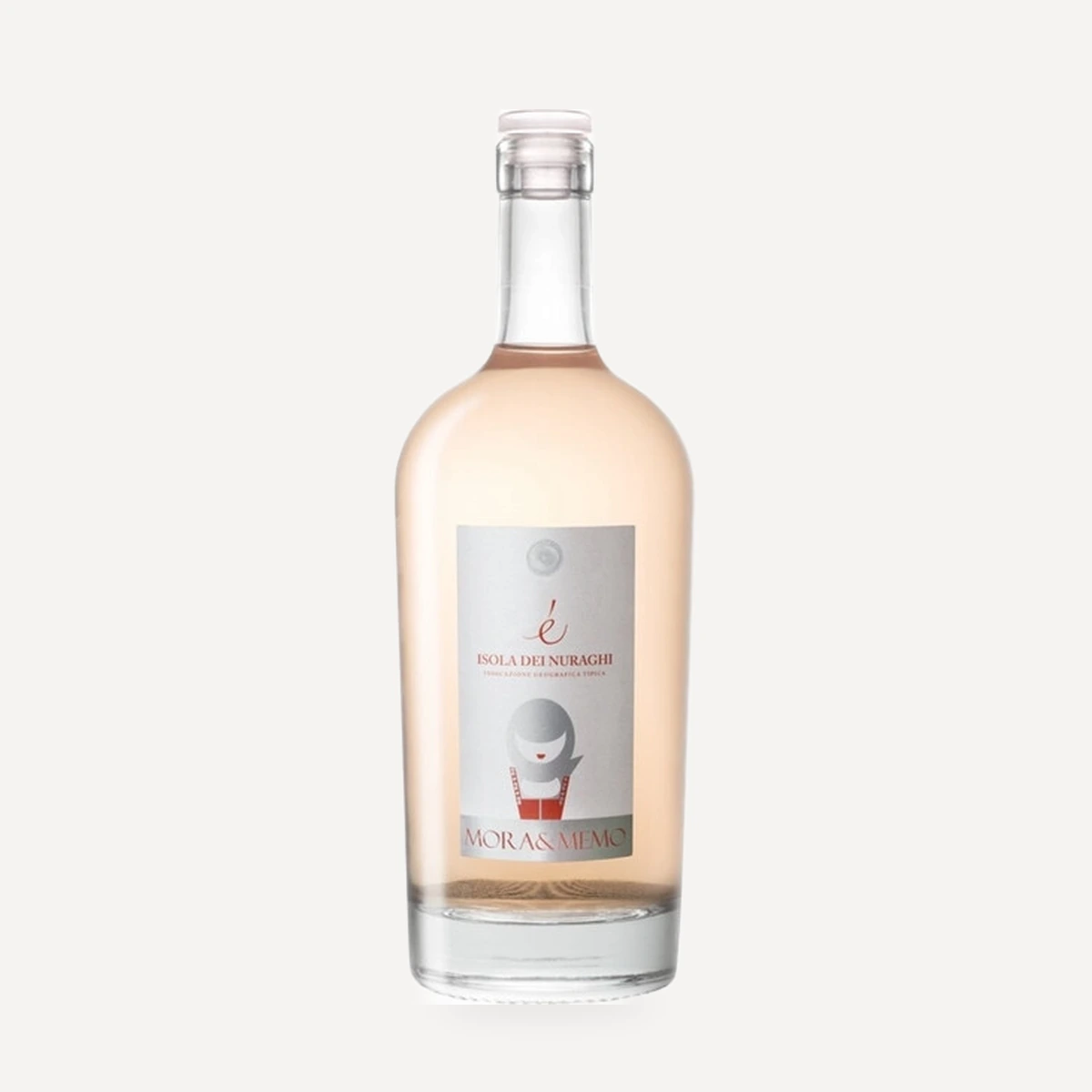
E Rose Isola dei Nuraghi IGT
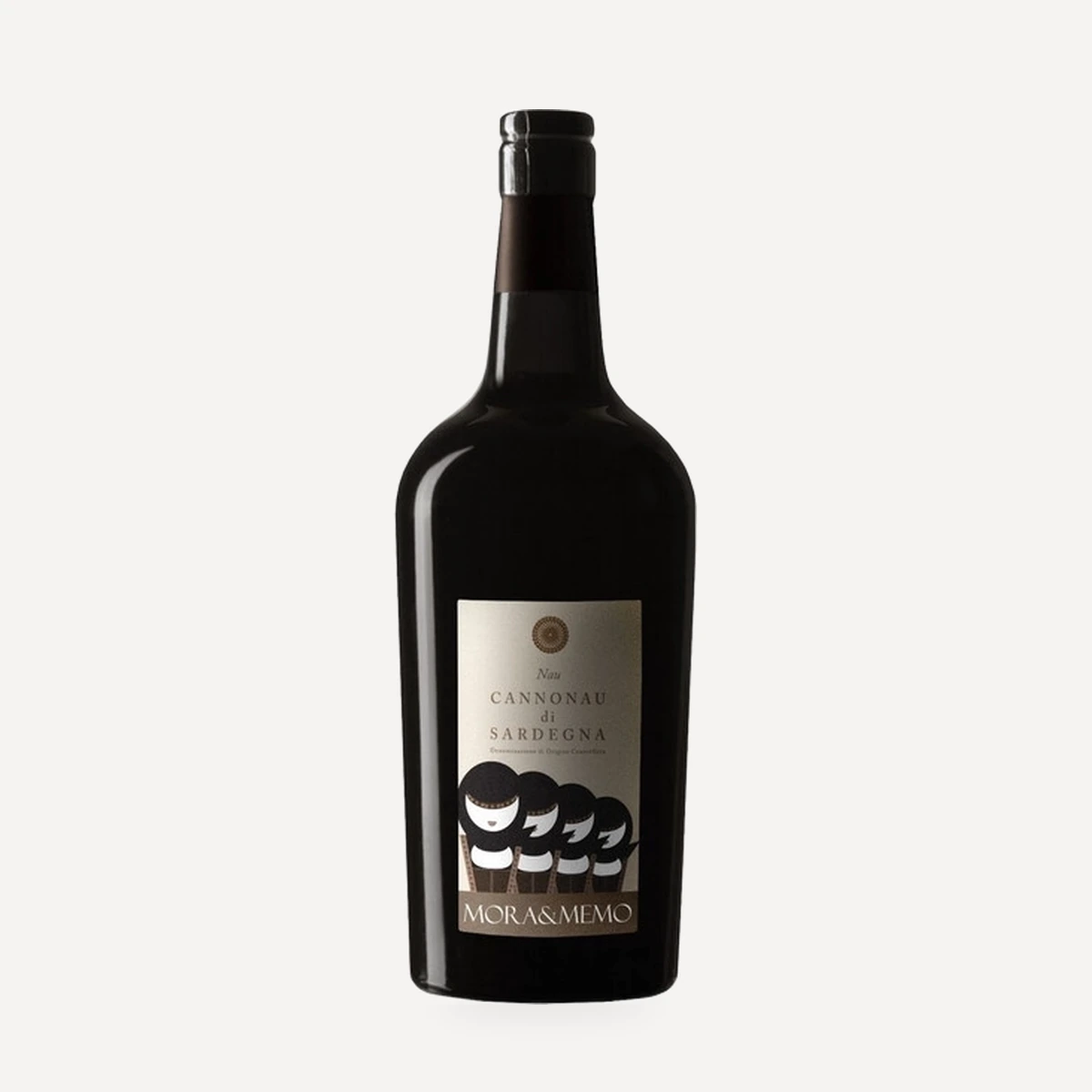
Nau Cannonau di Sardegna DOC
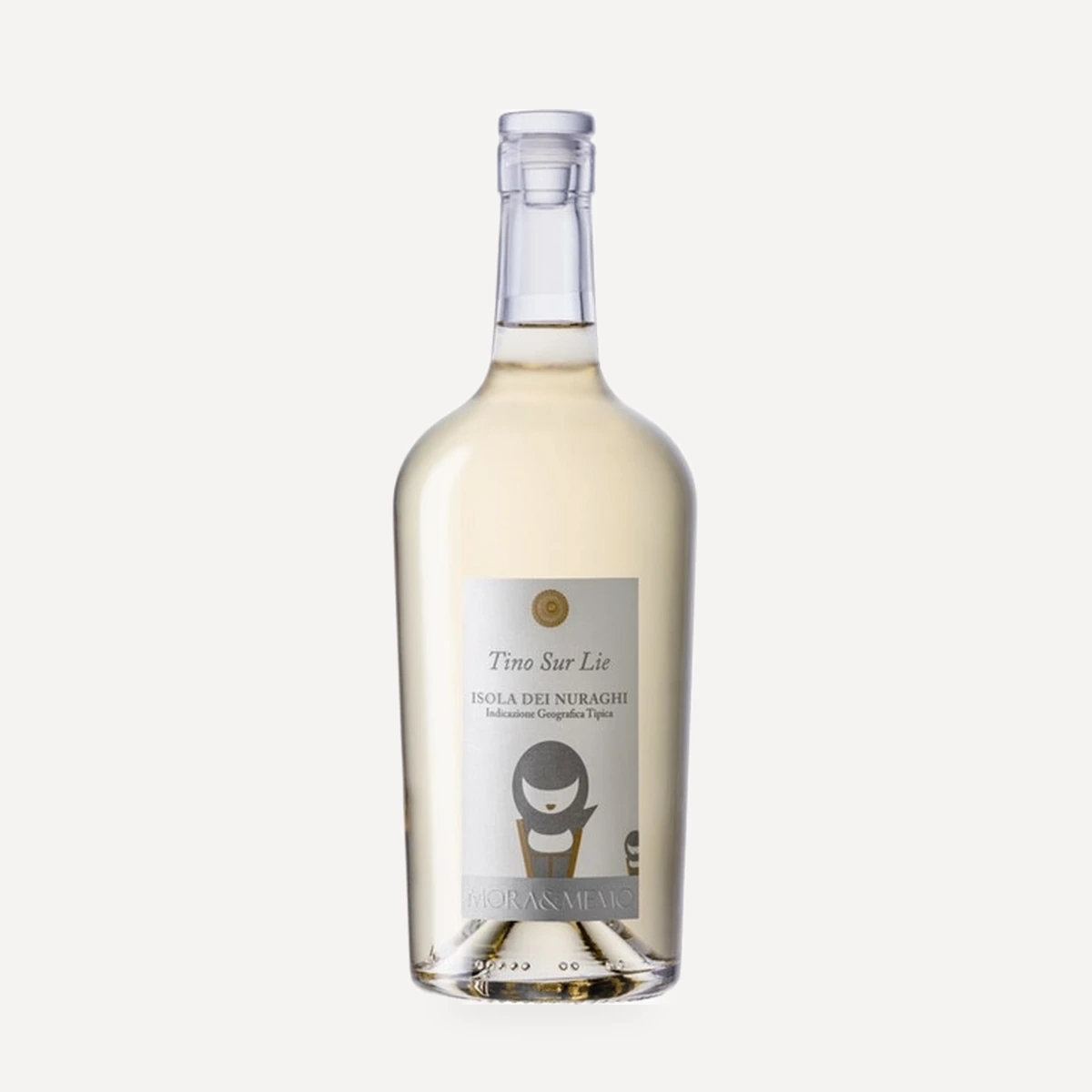
Tino Sur Lie Isola dei Nuraghi IGT