Storia
Before the cooperative
Cannonau has a much longer cultural history in Sardinia than was once believed. Its arrival had traditionally been attributed to 15th-century Spanish colonisation, but grape seeds dated to approximately 3,200 years ago have been found at Nuragic sites. Genetic analysis identifies Cannonau as indigenous to Sardinia and cultivated on the island for millennia.
In 1909, Gabriele D’Annunzio celebrated Nepente d’Oliena in a letter written after his encounter with Sardinia. His description associated the wine with the island’s landscape, hospitality and cultural identity, helping establish Nepente as a literary as well as a local wine reference.
1950: foundation
Oliena was founded in 1950 when a group of winegrowers from Oliena joined forces to enhance the value and reputation of Cannonau. They chose the cooperative model both to stimulate entrepreneurial activity and to serve a social purpose rooted in collective work and community life. From its creation, the cooperative placed quality ahead of profit and sought to combine inherited knowledge with innovation.
The cooperative today
Growers continue to deliver fruit from family vineyards, some of which have passed from one generation to the next. Their work preserves a local viticultural tradition renewed with every harvest. The cellar brings together traditional methods and contemporary production technology, with teamwork, territorial identity and the quality of the contributed grapes remaining central to its approach.
Terroir
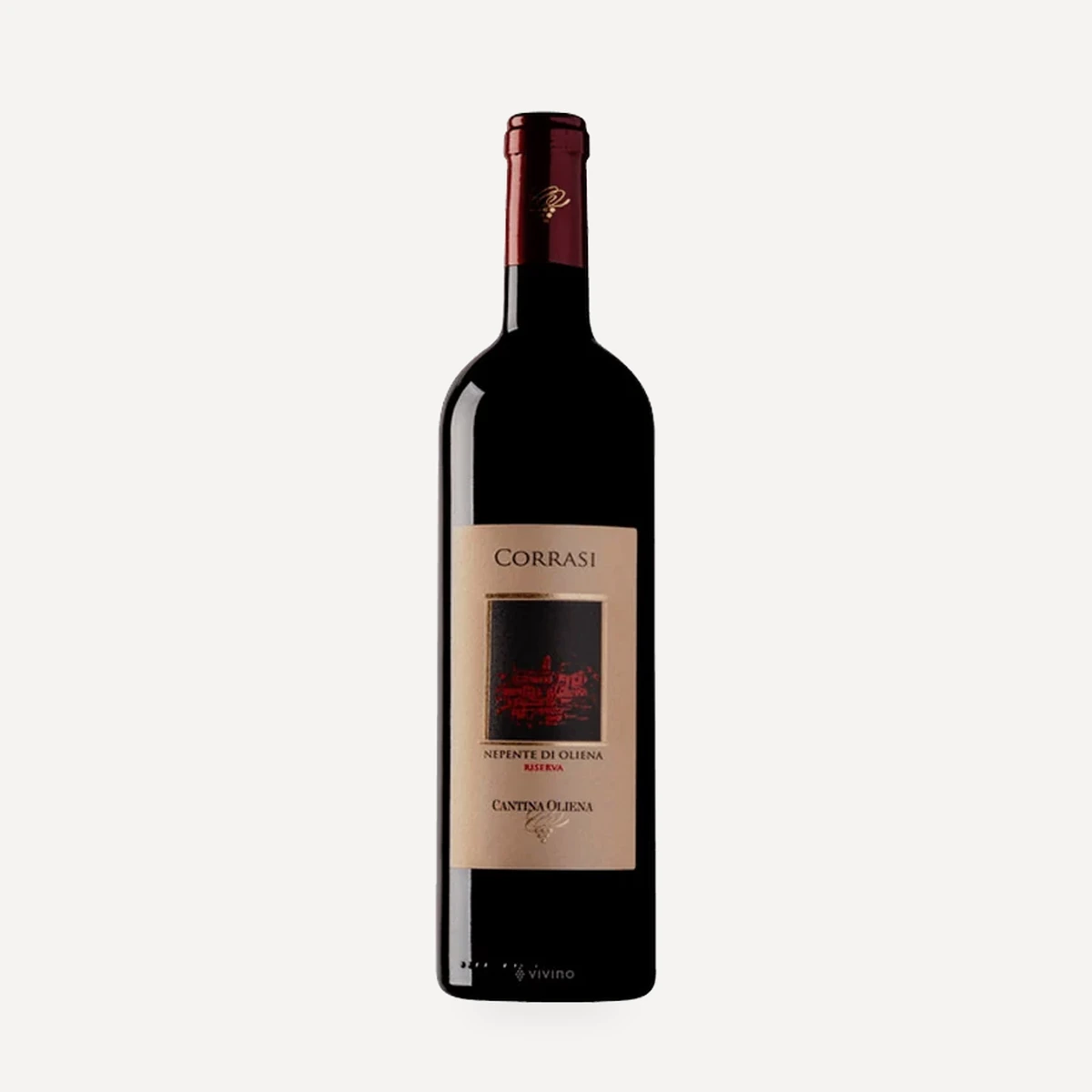
Oliena lies in the heart of Barbagia, a few kilometres from Nuoro, where vineyards and olive groves occupy valleys beneath the Supramonte mountains. The territory forms a natural amphitheatre dominated by Monte Corrasi, and the cooperative’s vineyards are described as growing at its foot.
The vineyards occupy both limestone and granite-derived soils shaped by wind and rain. Day–night temperature variation, Mediterranean influence and the persistent maestrale are defining climatic factors. Individual sources of fruit range from strongly sun-exposed, non-irrigated sites to high-hill vineyards at 600–650 metres above sea level. Granite soils recur in the hill and high-hill sites, while the wider vineyard base also includes medium-textured and limestone soils.
Cannonau is adapted to differing soil and climatic conditions and finds a principal growing area in central-eastern Sardinia. The variety is vigorous, with medium-sized bunches whose berries become black with purple reflections at maturity.
Vinificazione
The cooperative’s members cultivate their own family plots, some handed down over successive generations. Traditional alberello and alberello sardo training remain important, while espalier, counter-espalier with renewable canes and Guyot are also used according to site.
Several vineyard groups are deliberately managed for restrained vigour and low yields. Nepente vineyards rarely exceed 6,000 kg/ha, while the old mid-hill vineyards associated with late-harvest fruit produce very little per vine. Non-irrigated farming is explicitly identified for the Nepente and Corrasi sites.
Cannonau is harvested by hand once the grapes are fully mature. Selection may begin in the vineyard, and fruit intended for several expressions is delivered in crates. Harvest timing varies substantially with site and intended use: high-hill fruit can be collected from the final ten days of August through early September, Corrasi fruit generally from early October, and overripe fruit from old mid-hill vineyards during the second ten days of October.
The cellar combines methods inherited through local tradition with modern equipment and production technology. Cannonau is harvested manually, while cellar operations are carried out with contemporary technical systems. Quality control begins with the condition and maturity of grapes delivered by the cooperative’s growers, whose fruit may be selected in the vineyard, transported in crates and inspected again on arrival.
Filosofia
Oliena’s cooperative identity is founded on collective work, community culture and the continuity of family vineyards. Its creation was intended not merely as a commercial initiative but as a social undertaking that could unite growers, strengthen local enterprise and preserve knowledge accumulated over generations.
Quality is placed ahead of profit. The guiding approach combines ancient knowledge and established methods with innovation and contemporary technology, while maintaining a close relationship with Oliena, its traditions and its landscape. Respect for teamwork, the land and the growers’ contribution is presented as fundamental to the identity of every bottling.
Vini
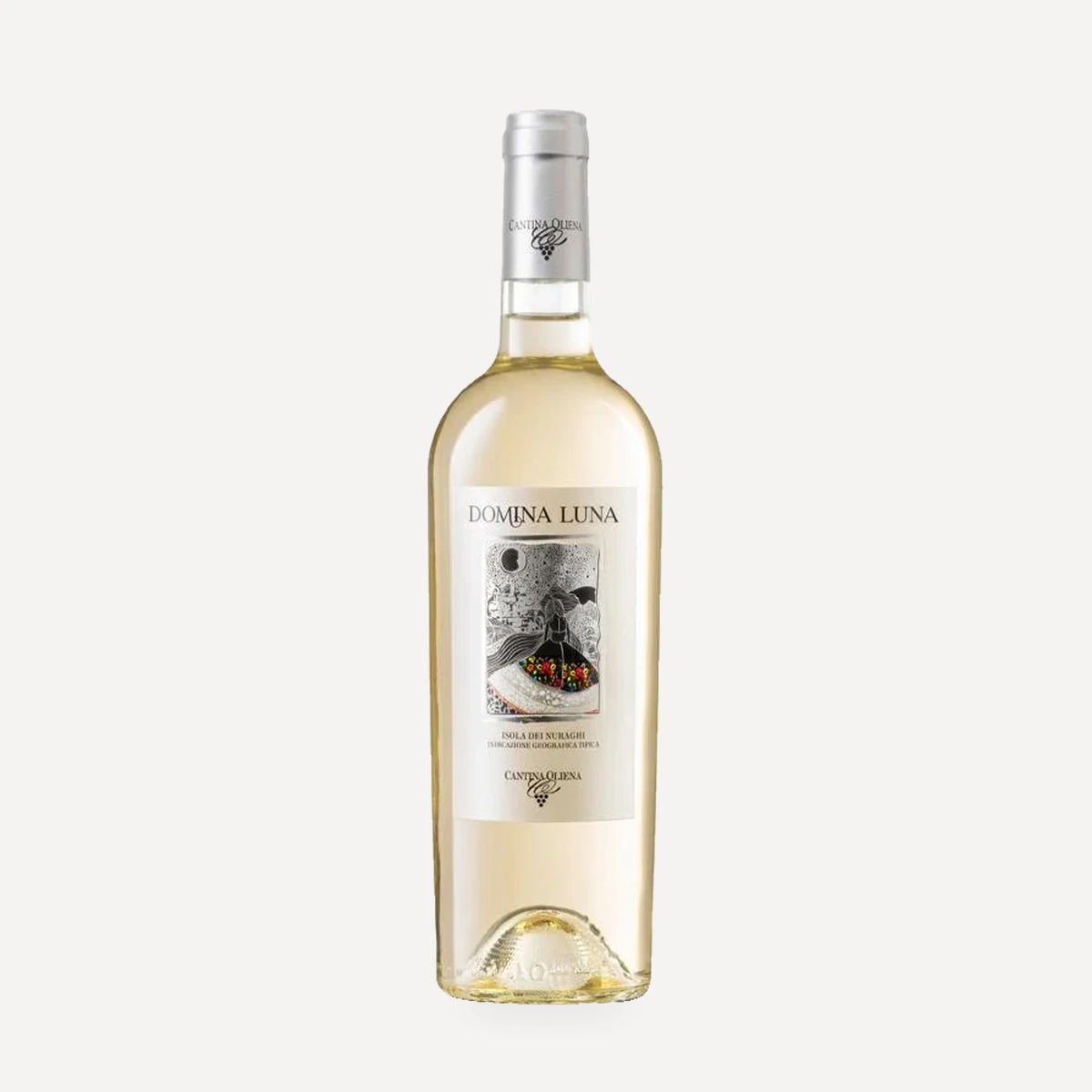
Domina Luna
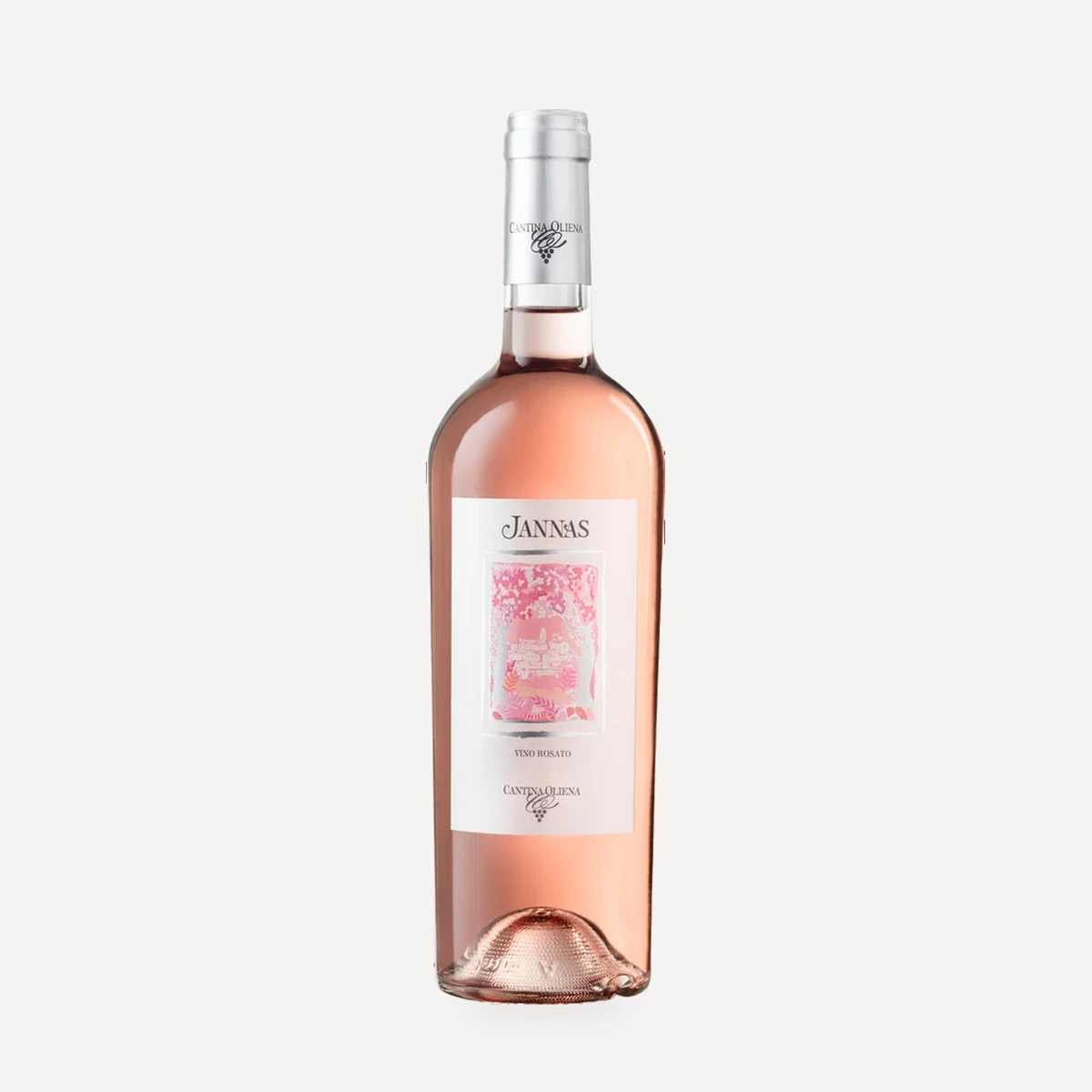
Jannas