Storia
The gifted vineyard
The origins of Paleos Vini lie in a vineyard given to the future founders by an unnamed man whose work, patience and generosity became central to the estate’s identity. He worked beside them, sharing his practical knowledge without affectation and teaching through both explanation and example. His dedication to vineyard labor—and the calm with which he approached physically demanding work—provided the foundation for the project.
The founders began without expecting to create the business that exists today. Their initial lack of knowledge and experience gradually developed into respect for the vineyard, dedication and sustained study. Encouraging results led them to believe that the wine had sufficient potential to be introduced to a wider public. AriMa was consequently created around the natural and spontaneous qualities that they felt distinguished the wine.
Development of the project
Paleos Vini describes itself as a young, small-scale undertaking supported by 25 years of experience. Production reached a stated scale of 5,000 bottles. Years of research and study progressively shaped both vineyard care and the effort to preserve the wine through natural substances and very limited additions of sulfur dioxide.
2022: public launch and events
On 15 September 2022, Paleos Vini launched its web presence as a direct channel for communicating events, news, offers and information about its wines.
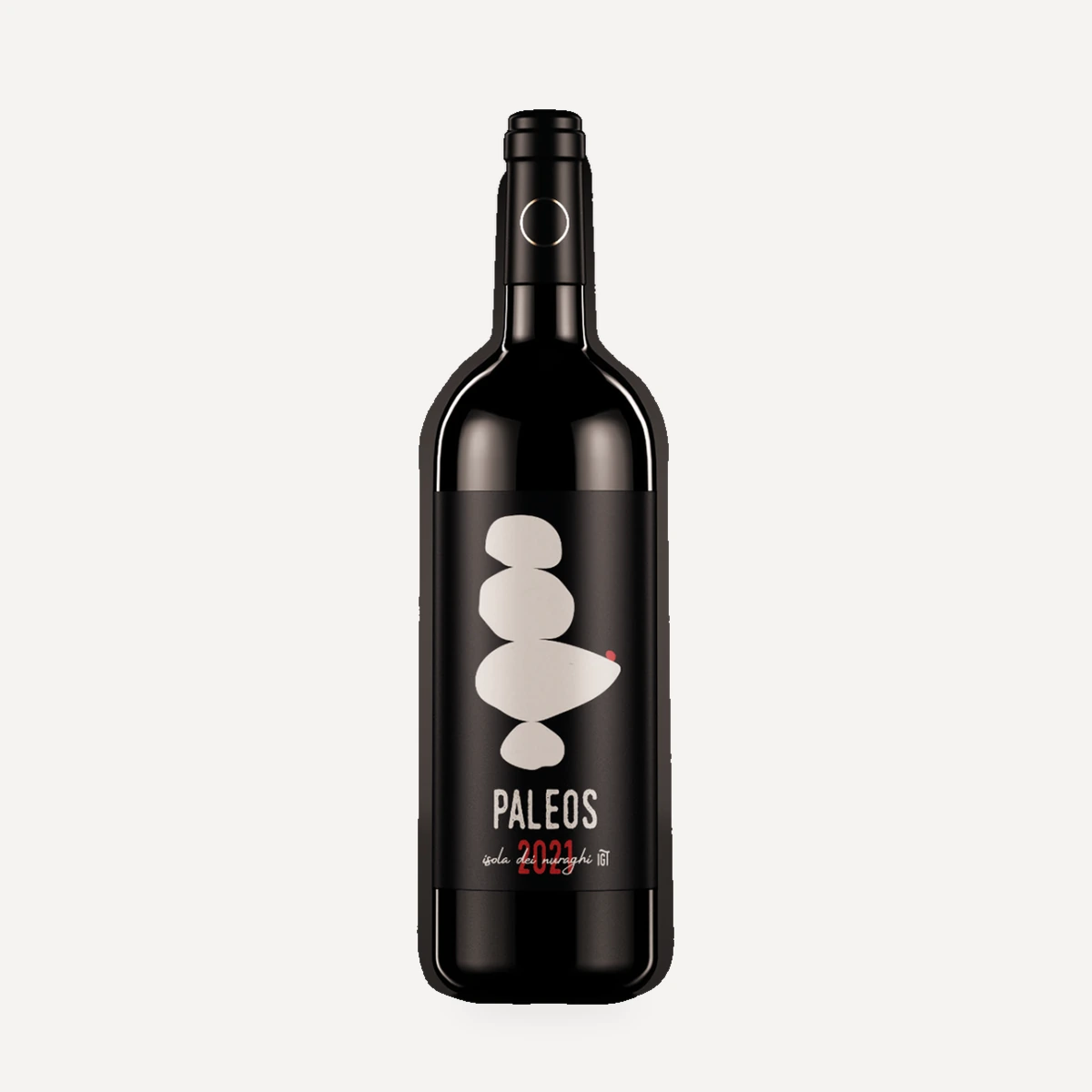
On 24 and 25 September 2022, the winery took Paleos Lizeri 2020 and Paleos 2021 to the fifteenth edition of La Grande Festa del Vino at Villa Farsetti in Santa Maria di Sala, Venezia. During the associated Venezia International Wine Trophy, Paleos Lizeri 2020 Isola dei Nuraghi received 90 points and Paleos 2021 Isola dei Nuraghi received 89.25 points out of 100.
2025–2026: VinNatur membership
Paleos Vini announced its membership of VinNatur on 26 November 2025. The decision formalized an existing commitment to exclude synthetic products in the vineyard and cellar, foster biological soil fertility and biodiversity, use indigenous yeasts, minimize sulfur dioxide and avoid invasive cellar treatments. Although VinNatur permits extremely limited sulfur and copper in exceptional circumstances, Paleos Vini elected to use neither.
The VinNatur logo was introduced on brochures and other informational material. Bottle use was scheduled to begin in January 2026, identifying wines from the 2025 harvest released during that year.
Terroir
The vineyards are in Badesi, in northern Sardegna, at approximately 50 metres above sea level. They occupy a landscape of gentle hills leading toward the Gulf of Asinara, while the nearby Coghinas plain takes its name from the river that crosses it. The sea is visible from the vines.
The growing environment combines sandy ground, abundant vegetation and salt-laden air. Summer sun, autumn maestrale winds and the aromas of Mediterranean scrub and the sea define the estate’s description of the place. Constant wind moves through the bunches and functions as a preventive defense against disease. It also carries maritime and Mediterranean influences to the berries, associated with salinity and iodine-like character in the resulting wines.
Vinificazione
Paleos Vini follows a natural vineyard program while explicitly distinguishing it from certified organic farming. The vines are raised with substances permitted in organic agriculture, but the operation does not claim organic certification.
No chemical fertilizers are applied. Soil fertility is supported with composted or incorporated pruning residues, worm-humus inoculation, green manures and perennial grassing. The permanent meadow keeps the vineyard cooler in summer, offers protection from winter cold and contributes organic matter. Tractor traffic is avoided to limit soil compaction and protect the microorganisms living in the soil.
Vine protection relies on strengthening substances, nettle and garlic macerates, and ozonated solutions. Paleos Vini excludes synthetic pesticides and herbicides and has chosen not to use copper or sulfur, even though VinNatur allows extremely limited quantities of both in exceptional cases. This choice reflects a focus on the vine’s intrinsic health and its capacity to withstand adversity, as well as a concern that sulfur could affect compounds important to proper fermentation.
The winery joined VinNatur in 2025. The association’s protocol emphasizes biological soil fertility, biodiversity and the exclusion of synthetic chemicals in both vineyard and cellar. Its control system includes random annual inspections covering 40% of member estates, conducted with a certification body recognized by MIPAAF, together with laboratory residue analysis for pesticides.
Harvest takes place manually in early October, with grapes collected in 20 kg crates.
The two documented red wines follow the same core production sequence. Grapes harvested by hand in 20 kg crates in early October are destemmed and macerated for 7–10 days. Fermentation proceeds at 25–27°C, followed by gentle pressing and spontaneous malolactic fermentation in stainless-steel vessels. The wines mature for six months on their own lees in stainless-steel tanks before bottling.
Cellar work is guided by minimal intervention. Fermentation uses indigenous yeasts naturally present on the grapes and in the cellar. Sulfur dioxide—the only additive accepted within the described natural-wine protocol—is kept to very small quantities, with progressive elimination as the stated objective. The wines are otherwise made and protected with natural substances while being allowed to follow their normal evolution.
Dealcoholization, fining with animal-derived products and aggressive filtration are excluded because they are considered capable of altering the wine’s integrity. Years of study and research underpin this approach.
Filosofia
Paleos Vini understands the vine as a living entity capable of perceiving, reacting, suffering, defending itself, feeding and growing. Vineyard work is therefore framed as an ongoing dialogue in which the growers listen to the plant’s deeper requirements rather than imposing a standardized program.
The estate’s central mission is care for nature and respect for natural cycles. Wine is conceived as originating in the earth and retaining the vitality of the vine—a continuous cycle joining nature, labor and passion. Quality is associated with the spontaneous elements of the place, the health of the plant and soil, and the preservation of the wine’s natural development.
This outlook favors living soil, biological fertility, biodiversity and the vine’s capacity to resist adversity. In the cellar it leads to indigenous fermentation, very limited additions, rejection of invasive processing and the ambition ultimately to eliminate added sulfur dioxide. Joining VinNatur was intended to provide an additional, externally controlled guarantee of this commitment and to align the winery with a protocol extending beyond conventional organic or biodynamic certification.
Vini
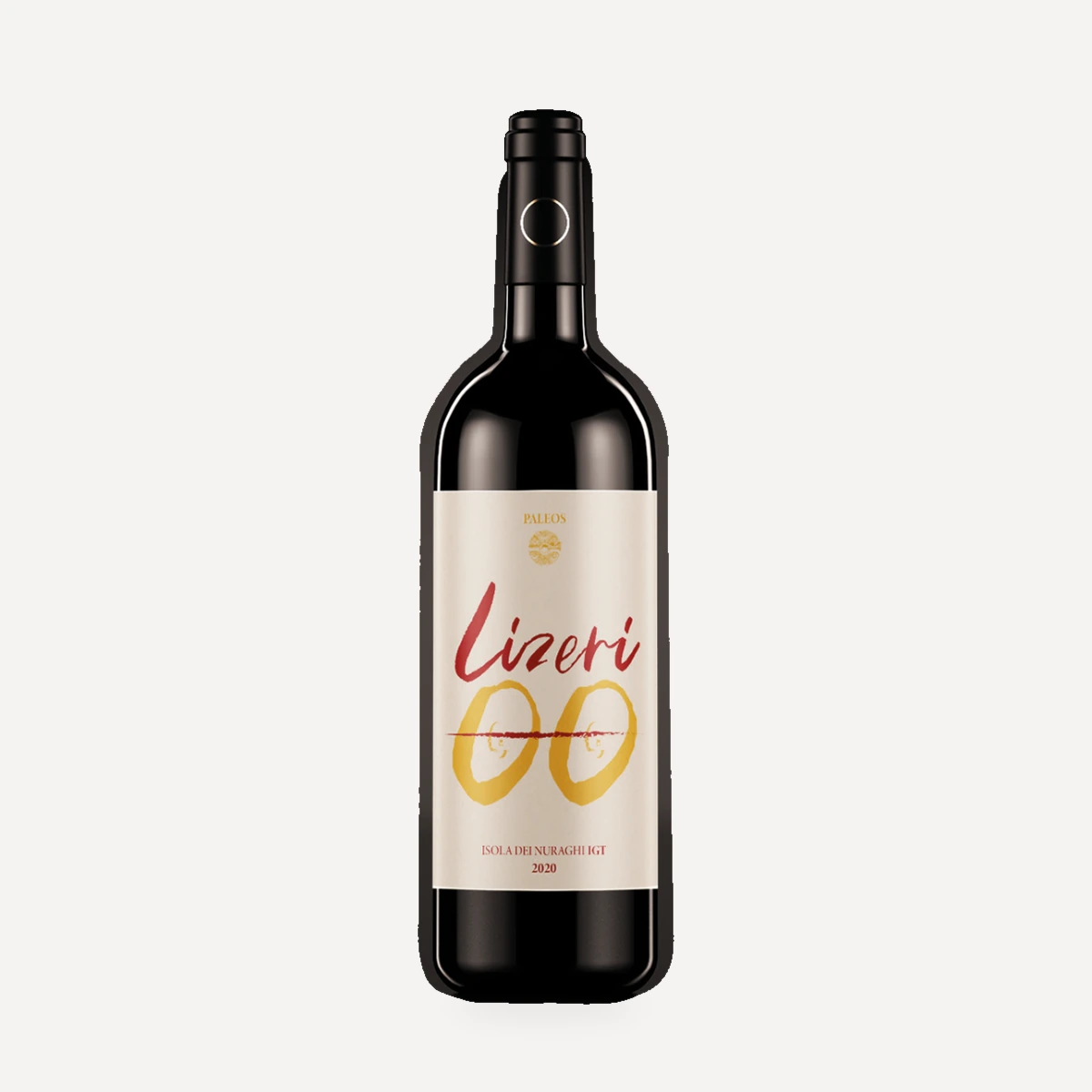
Lizeri Rosso — Isola dei Nuraghi IGT