Storia
1949: Mario Mereu and the Cardedu winery
Perda Rubia began in 1949 from an idea developed by Comm. Mario Mereu, one of the early Sardinian entrepreneurs to recognize the commercial potential of Cannonau grown in Ogliastra. That year he opened his winery in Cardedu, the first winery to bottle wine in the province of Nuoro. Cannonau was the central focus from the outset, and the wine named Perda Rubia was created in this founding phase.
The early wine combined grapes grown by the business with fruit supplied by local farmers. It quickly found an audience beyond Sardegna and reached international markets, helping to introduce Cannonau to a wider public.
1971: Renato Mereu and estate vineyards
Mario’s son, Renato Mereu, continued the family business. In 1971 he planted new proprietary vineyards and introduced a series of technical innovations in their cultivation. These practices became a defining feature of the estate’s viticulture. The proprietary plantings also established the agricultural base for a gradual transition away from purchased fruit.
Early 1980s: exclusive reliance on estate grapes
From the early 1980s, the business began processing only grapes from its own vineyards. Cannonau remained at the centre of production, including vines growing on their own roots rather than grafted onto American rootstock. The estate continued propagating original Cannonau material associated with plantings from the beginning of the twentieth century.
2014: the third generation and Naniha
Ownership and management passed to the third generation of the Mereu family in 2014. The transition initiated a substantial programme of renovation and commercial relaunch. Naniha was introduced as part of that programme, with the aim of presenting varietal, own-rooted Cannonau to new international markets while retaining the traditional processing methods handed down through the family business.
The estate today
The agricultural holding now covers approximately 600 ha, all managed organically. Vineyards account for 20 ha; the remaining land supports olive growing, forestry and the cultivation of ancient grains. The business operates as Velmer Società Agricola S.r.l., while the current visitor and vineyard address is at Loc. Pranu Mannu in Talana.
Terroir
Perda Rubia’s vineyards lie in Ogliastra on the eastern coast of Sardegna. The estate’s historical and agricultural identity is tied to Cardedu, while its current vineyard and visitor location is at Loc. Pranu Mannu in Talana.
The landscape faces east and receives the morning sun directly. Heat and persistent sunshine are defining environmental influences, moderated at times by strong winds. The climate is described as hot and arid.
The vineyard soils are of granitic origin. Their characteristic reddish colour is associated with the geological identity expressed throughout the estate’s visual and philosophical narrative. Harvest maturity is judged with particular attention to the relationship between these granitic soils and the warm, dry climate.
The Cannonau heritage includes own-rooted vines that are not grafted onto American rootstock. Continued propagation preserves clonal material traced to vineyard plantings from the beginning of the twentieth century.
Vinificazione
The entire agricultural holding of approximately 600 ha is managed organically. Vineyard work follows the estate’s traditional agronomic practices, with no chemical substances or fertilizers and no artificial irrigation. This approach is intended to preserve the land’s natural integrity and biological equilibrium.
Own-rooted Cannonau is maintained without grafting onto American rootstock. Continuous propagation preserves original clonal material associated with plantings dating from the beginning of the twentieth century. Vermentino is trained to Guyot, while Semidano uses a branched-Guyot system.
Harvest timing is determined by careful evaluation of grape ripeness. For Cannonau, this includes particular attention to the balance between the granitic-origin soils and Ogliastra’s hot, arid climate. Hand harvesting is specified for Vermentino, the historic Cannonau vineyards and red grapes intended for Talùna Rosé. Where specified, the fruit is converted to must within a few hours of picking.
Production combines temperature-controlled stainless-steel vinification, maturation in steel, oak-cask ageing and the Charmat method, depending on the material being processed.
Vermentino undergoes a very short maceration and fermentation in stainless-steel vats under temperature control. Maturation also takes place in steel, followed by refinement in bottle. Only free-run must is used, deliberately reducing the conversion yield from grapes to wine in favour of final quality.
Cannonau fermentation takes place in steel with a brief period of contact between the must and pomace. Naniha then matures in steel before refinement in bottle. The historic Perda Rubia expression also uses only free-run must and brief pomace contact, but matures in large oak casks before an extended rest in bottle.
Semidano ferments at controlled temperature in stainless steel, remains in steel for maturation and is subsequently refined in bottle. Free-run must is used here as well.
The white and rosé Talùna sparkling wines are produced by the Charmat method. The process includes gentle pressing, natural cold settling, temperature-controlled fermentation and a brief stay on fine lees.
Filosofia
Perda Rubia frames its identity through five connected ideas: silence, heat, origin, respect and time.
Silence
Silence evokes the rare calm between the island’s strong winds and the restrained character attributed to the people who live and work there. It also represents protection of the agricultural landscape—vineyards, olive trees and grain fields—through quiet, measured intervention.
Heat
Heat represents the eastern exposure, the force of the morning sun and the reddish granite beneath the crops. Sun, aridity and the granite-derived soils form the environmental setting against which ripeness is evaluated.
Origin
Origin connects the first Perda Rubia wine with Cannonau and with the surviving own-rooted vineyards of Ogliastra. These vineyards continue to propagate clonal material associated with early-twentieth-century plantings. The estate’s identity narrative also recalls the historical spelling “Canonau,” with one “n,” and links it to the Greek “Kanonìzo,” interpreted as “reference value,” and to wine’s former role as an article of exchange in the Mediterranean.
Respect
Respect is expressed through organic management, the exclusion of chemical substances and fertilizers, the absence of artificial irrigation and the intention to preserve the biological balance of the land.
Time
Time means waiting for nature, fruit and wine to follow their course without forcing development. Oak is presented not merely as a means of ageing wine, but as a way of giving it vigour and the capacity to continue developing.
Vini
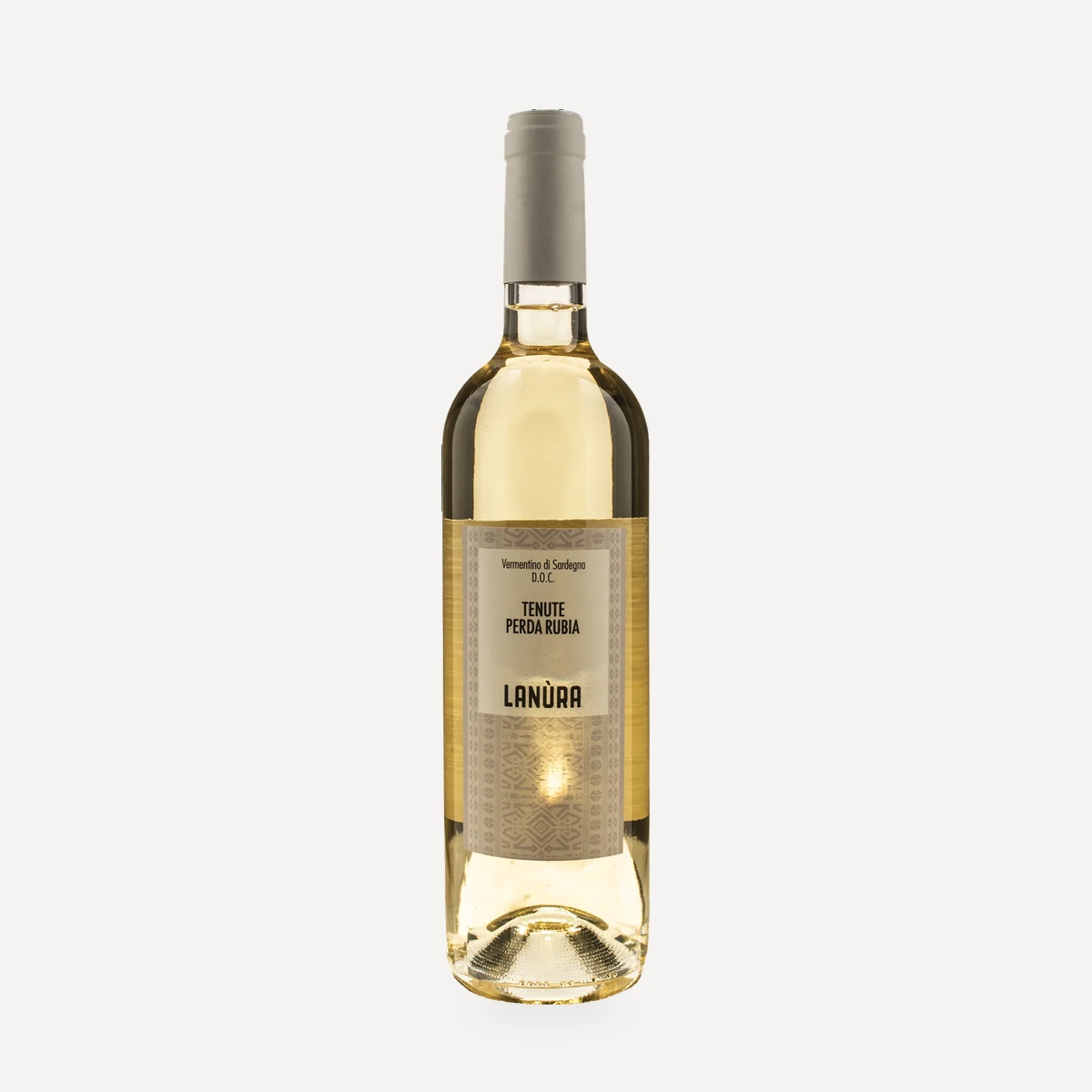
Lanùra
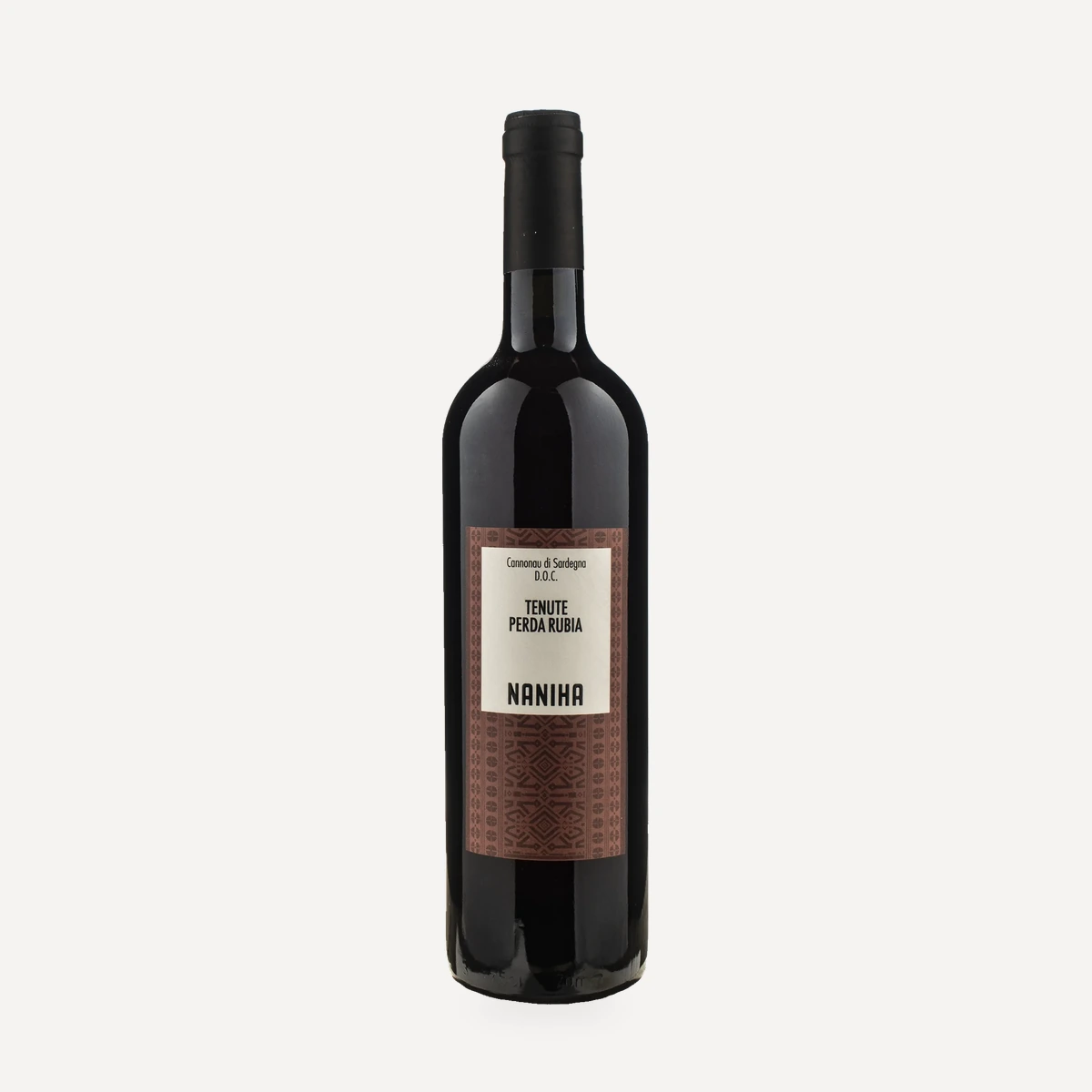
Naniha
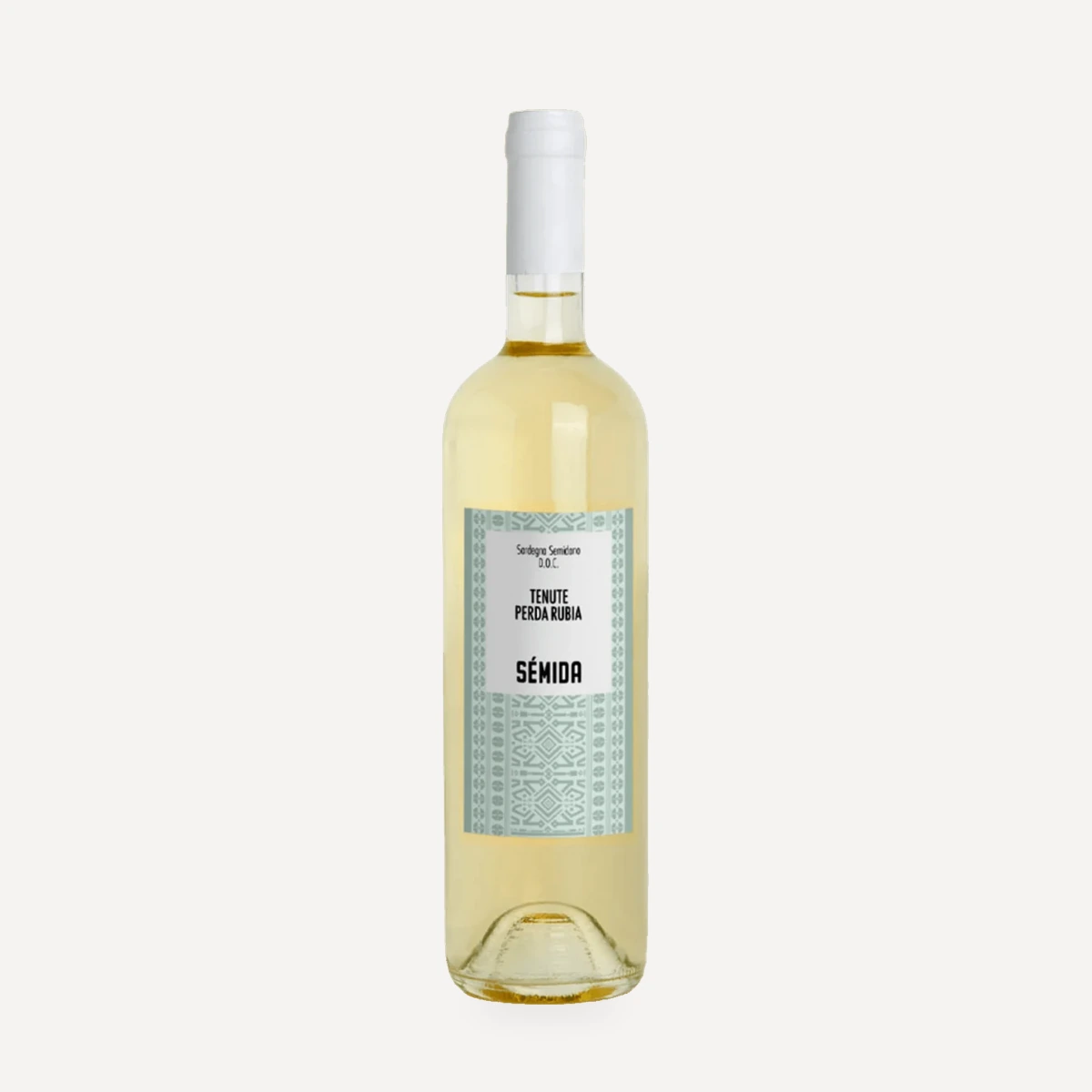
Semida
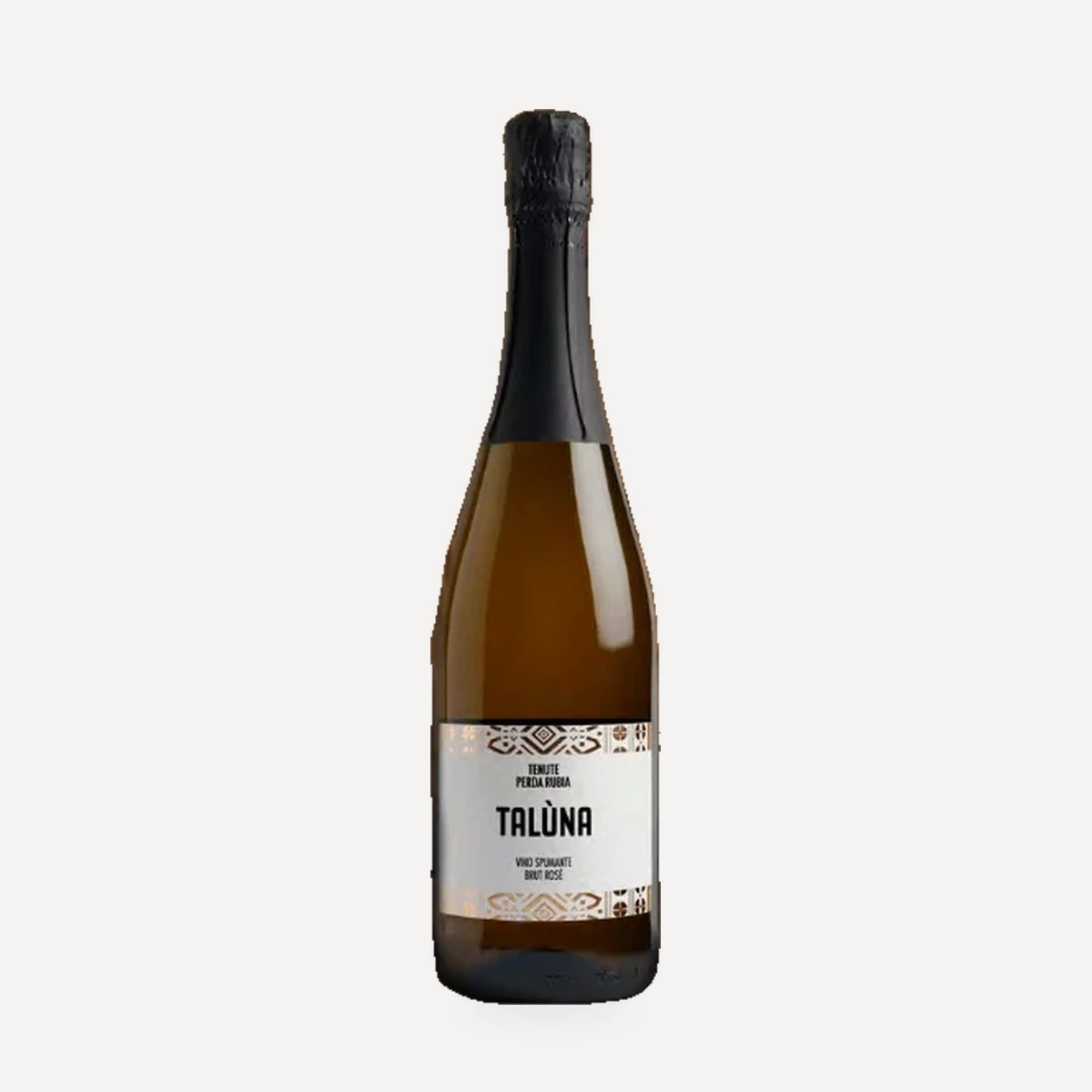
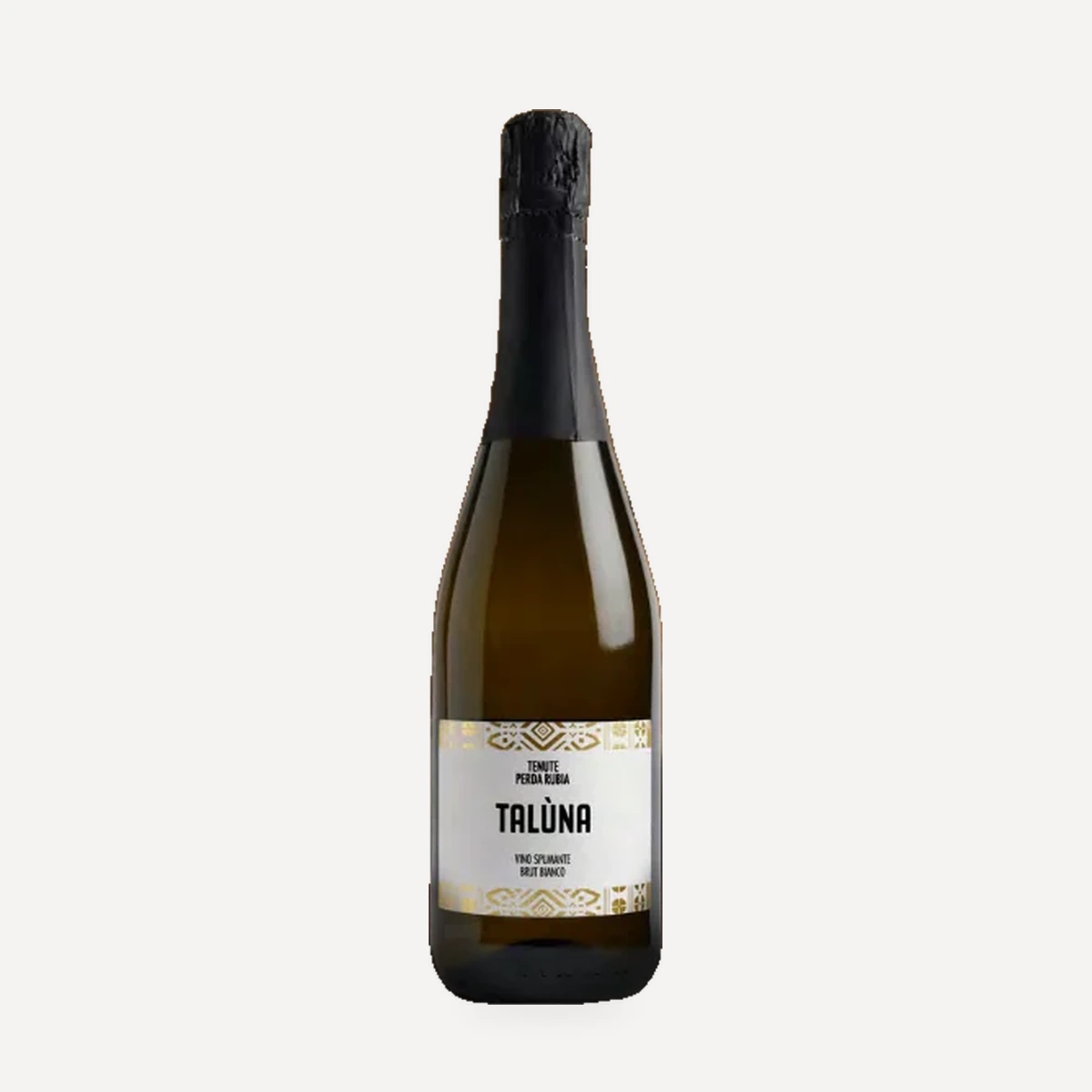
Talùna Vino Spumante Brut Rosé da Uve Rosse