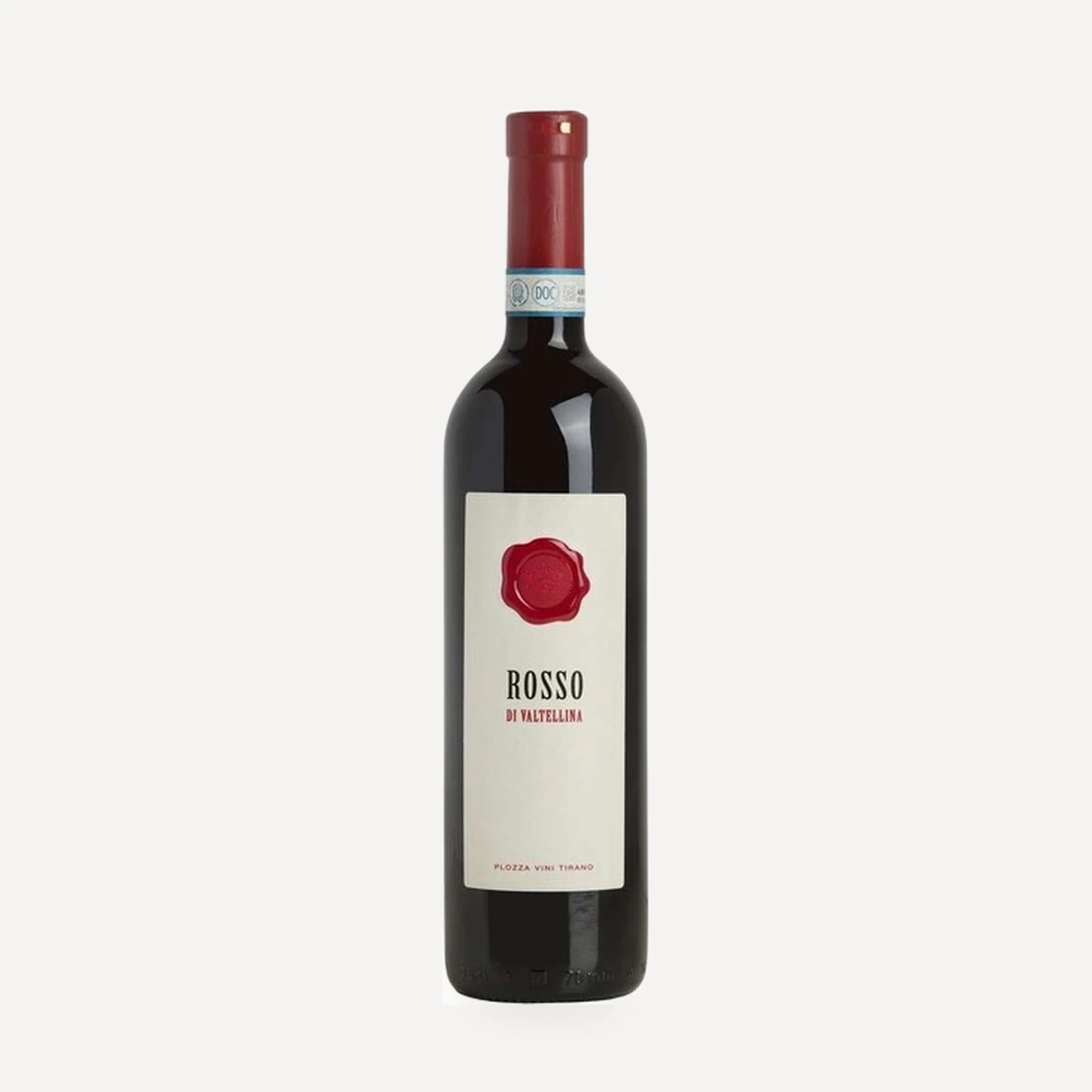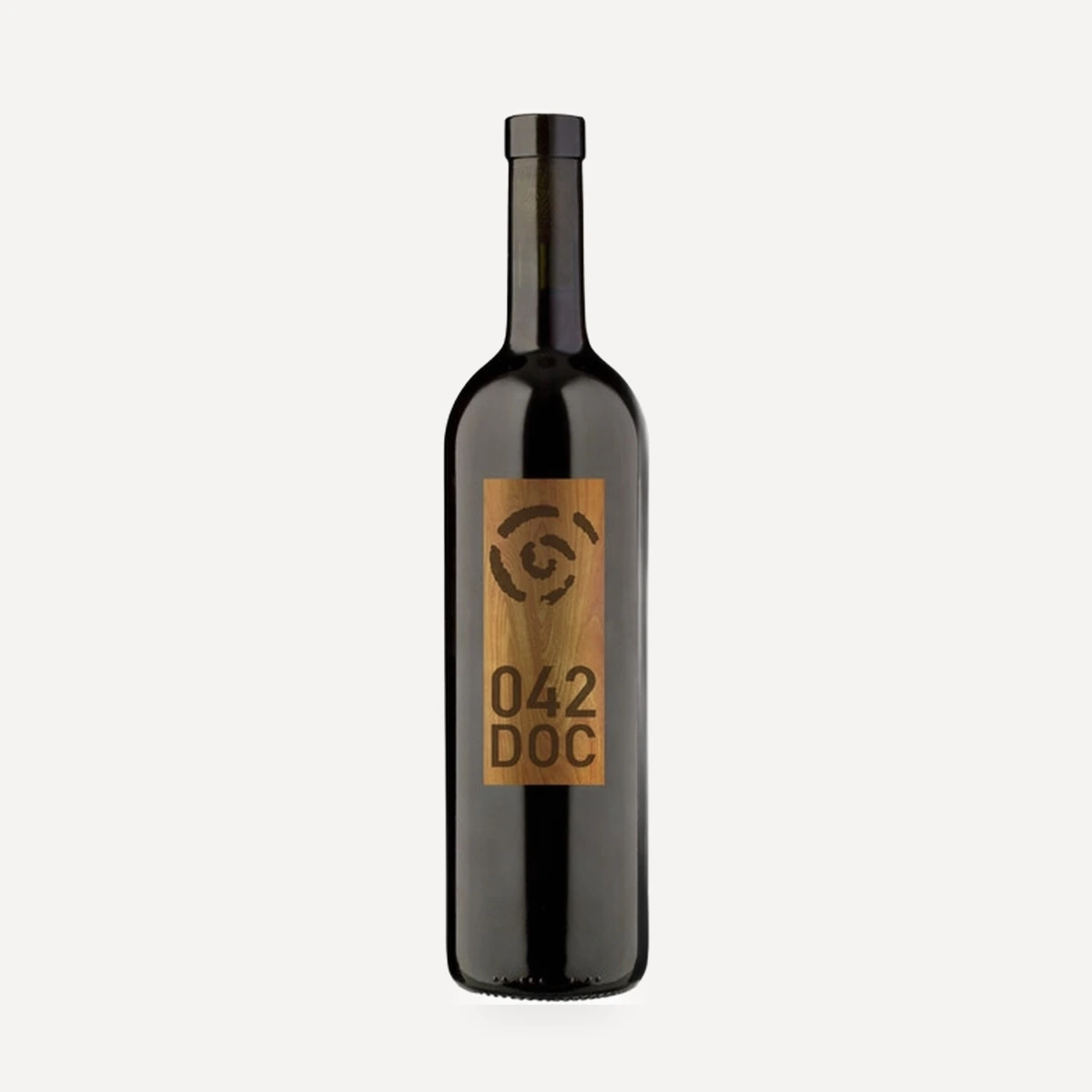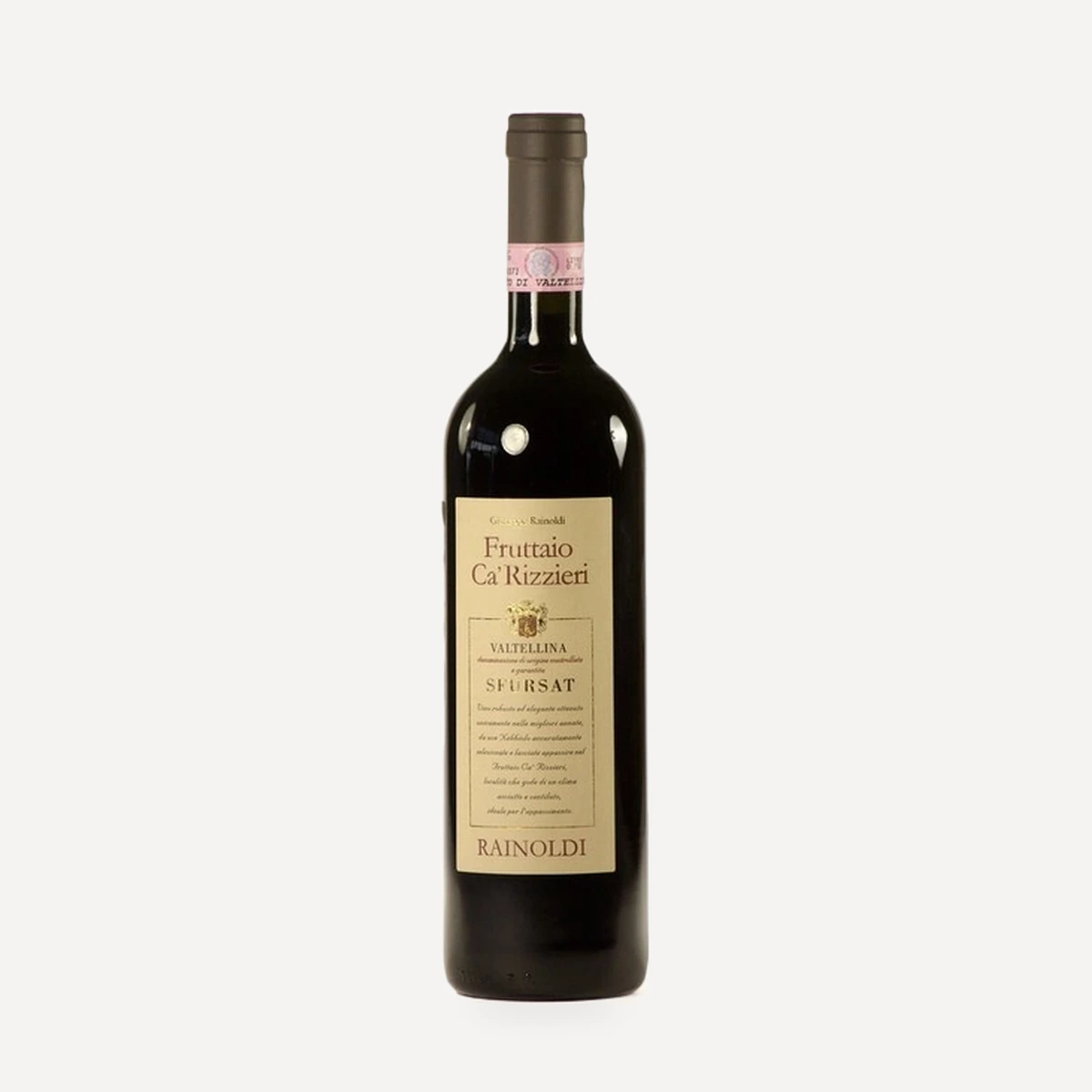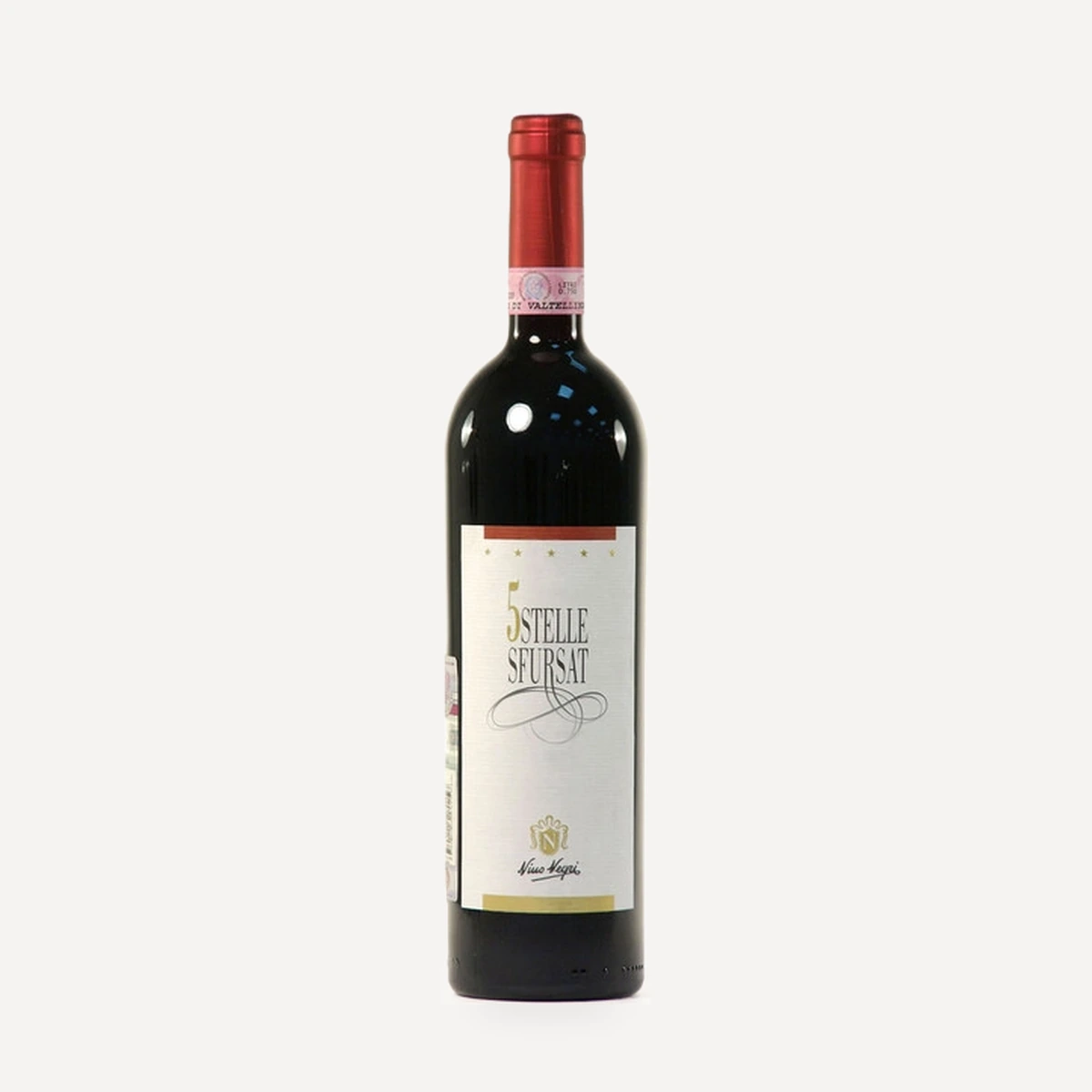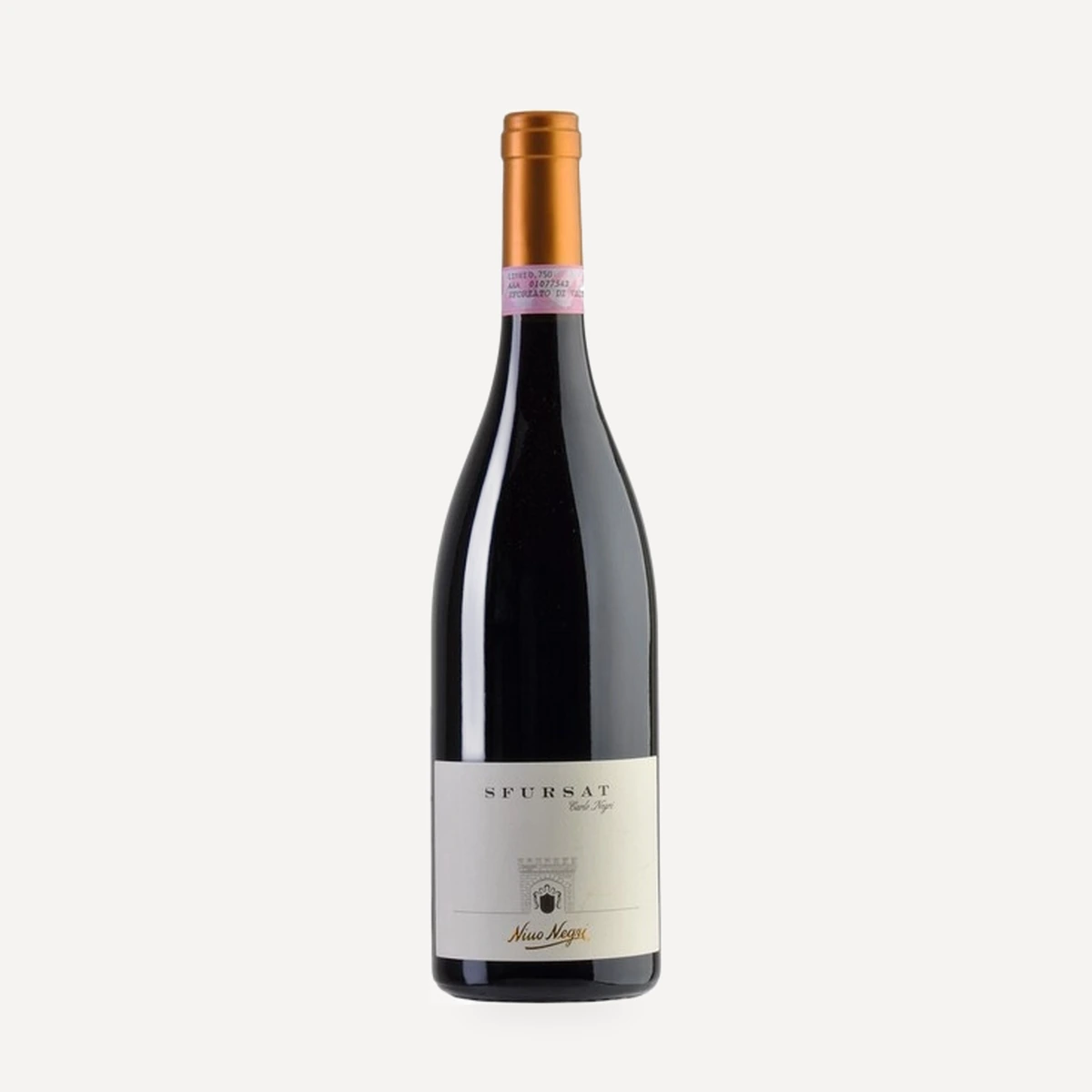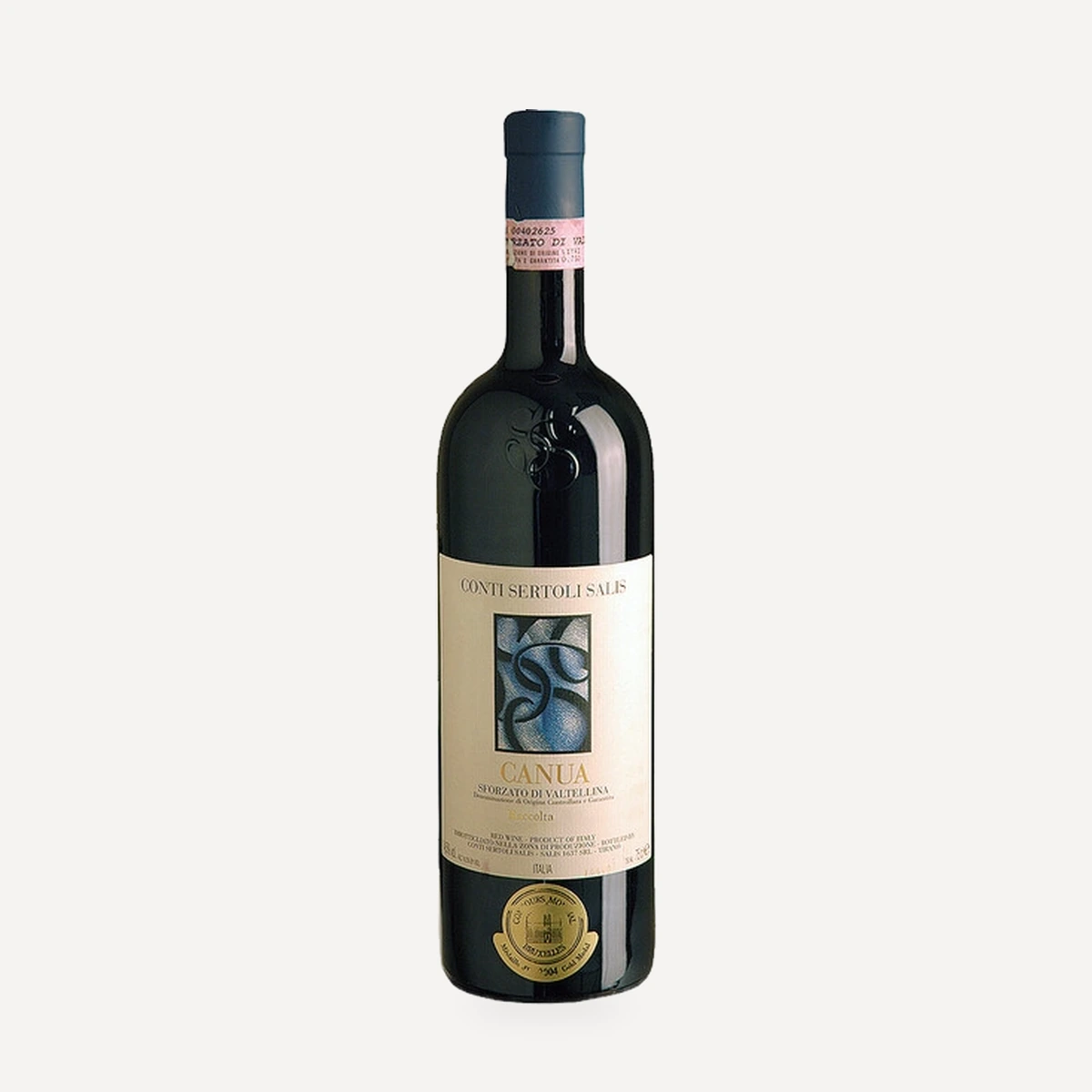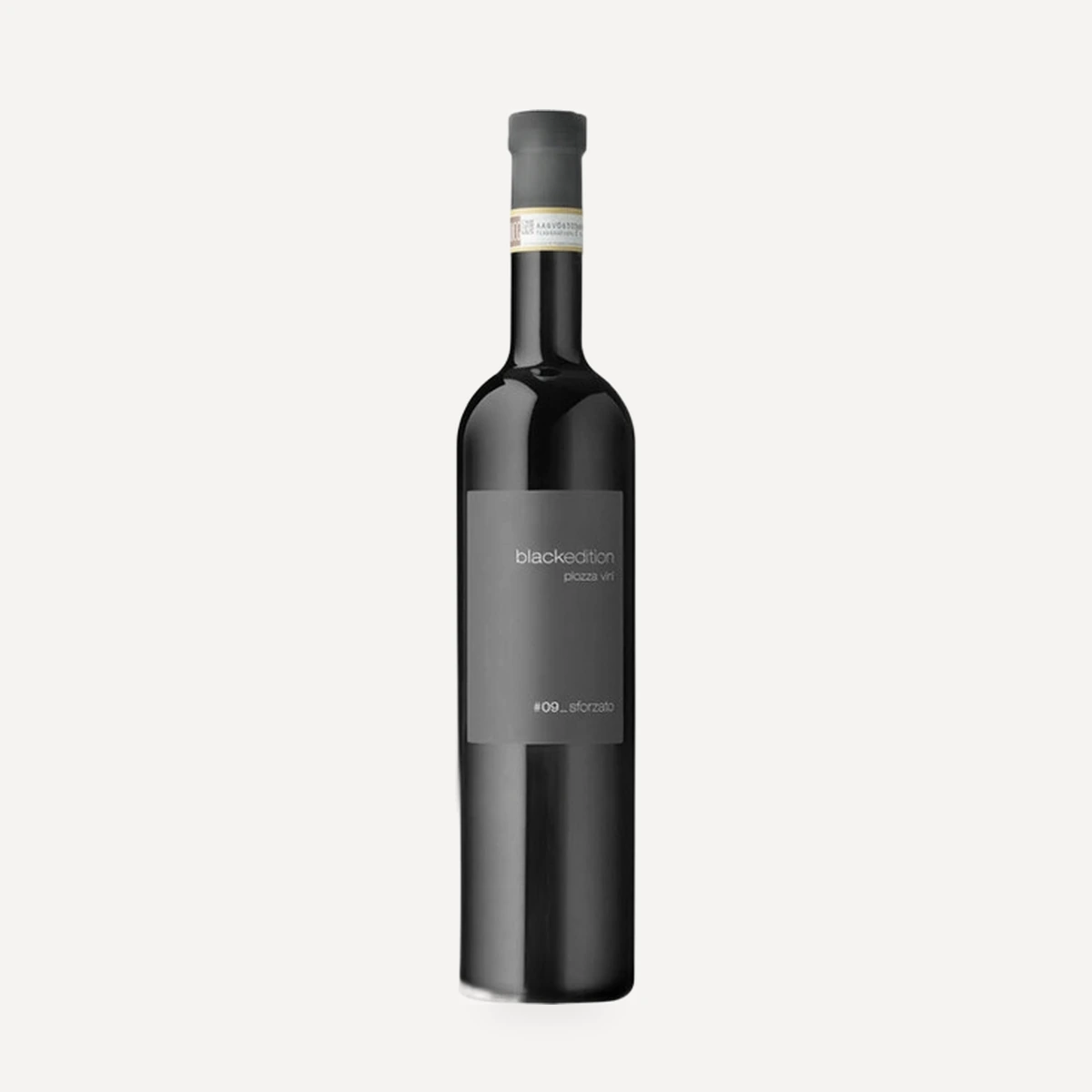
Questo vino
Vineyard and terroir
The wine reflects the pedoclimatic character of Valtellina. The vineyards have an average altitude of 600 m and sandy, silty soils. Vines average approximately 60 years of age, are Guyot-trained and planted at 4,500 vines per hectare. Average yield is 7,000 kg/ha.
Grapes
100% Nebbiolo. The grapes are picked and sorted by hand. Approximately half of the fresh fruit remains after drying.
Vinification
The grapes dry naturally in a fruttaio for three months, concentrating their sugars and aromas. Cold maceration lasts three days, followed by ten days on the skins.
Ageing
The wine matures for eight months in used French-oak barriques and then for 24 months in casks made from local chestnut wood.
Technical data
Approximately 16.0% alcohol by volume, 35 g/L dry extract, 5.7 g/L total acidity and less than 1 g/L total sugar. Production is approximately 10,000 bottles. These figures may vary with the vintage.
Tasting profile
A substantial, enveloping wine with a full structure and aromas of plum, jam, red fruit and green pepper. Its notable acid-and-tannin framework supports a warm, robust palate where fruit and spice return and converge in an elegant, persistent finish. Ageing in used barriques and chestnut casks adds body and aromatic complexity.
Serving and pairing
The technical sheet recommends 18–20 °C, while the wine page gives 20–22 °C. Pair with mature Bitto cheese, a substantial roast or fillet steak. The indicated ageing potential is 15 years.
Label / history
Sforzato has appeared in written references since the eighteenth century. Pietro Plozza introduced this expression to the market in 1946.