Storia
Family memories and Piero Cella’s formation
Quartomoro grew out of Piero Cella’s family connection to wine. As a child, he encountered the culture of the cellar through his father, Domenico, and his grandfather, Amedeo. His memories include the September aromas of grapes, must and pomace at the Enopolio di Arborea, as well as its presses, crushers, vats and barrels. His father’s work also meant long periods of absence during the harvest season.
Piero specialised in oenology in 1989. A formative point in his professional development was his work with and instruction from Giacomo Tachis. He subsequently devoted himself to daily cellar work, field research and the pursuit of greater precision. In 2000 he began working as a consulting oenologist for leading wineries across Sardinia, building practical knowledge of the island’s many soils and wine districts.
Luciana Baso came to the project from a different professional path. A pedagogy graduate, she worked for years with children and adolescents. Her own attachment to rural life began in her maternal grandfather’s vineyard, where she spent time harvesting and working with relatives and family friends. Her relationship with Piero revived those childhood memories and helped shape the emotional foundations of Quartomoro.
The teaching cellar and workshop of ideas
Quartomoro di Sardegna began as Piero’s teaching, experimental and research cellar: a place for testing ideas about Sardinian viticulture and oenology. Professional and social relationships around the project brought together grapes, territories, experience and culture. The enterprise was conceived as an evolving small winery rather than a fixed formula.
The project’s identity links Arborea—with its combination of Sardinian and continental influences—to the wider biodiversity of Sardinia. Childhood memories, personal relationships, vineyard walks and shared tastings supplied the impetus to turn the experiment into a working winery. Piero and Luciana became the cellar team, seeking to reveal the character of Sardinian varieties without forcing wines toward an artificial sensory ideal.
Development of the range
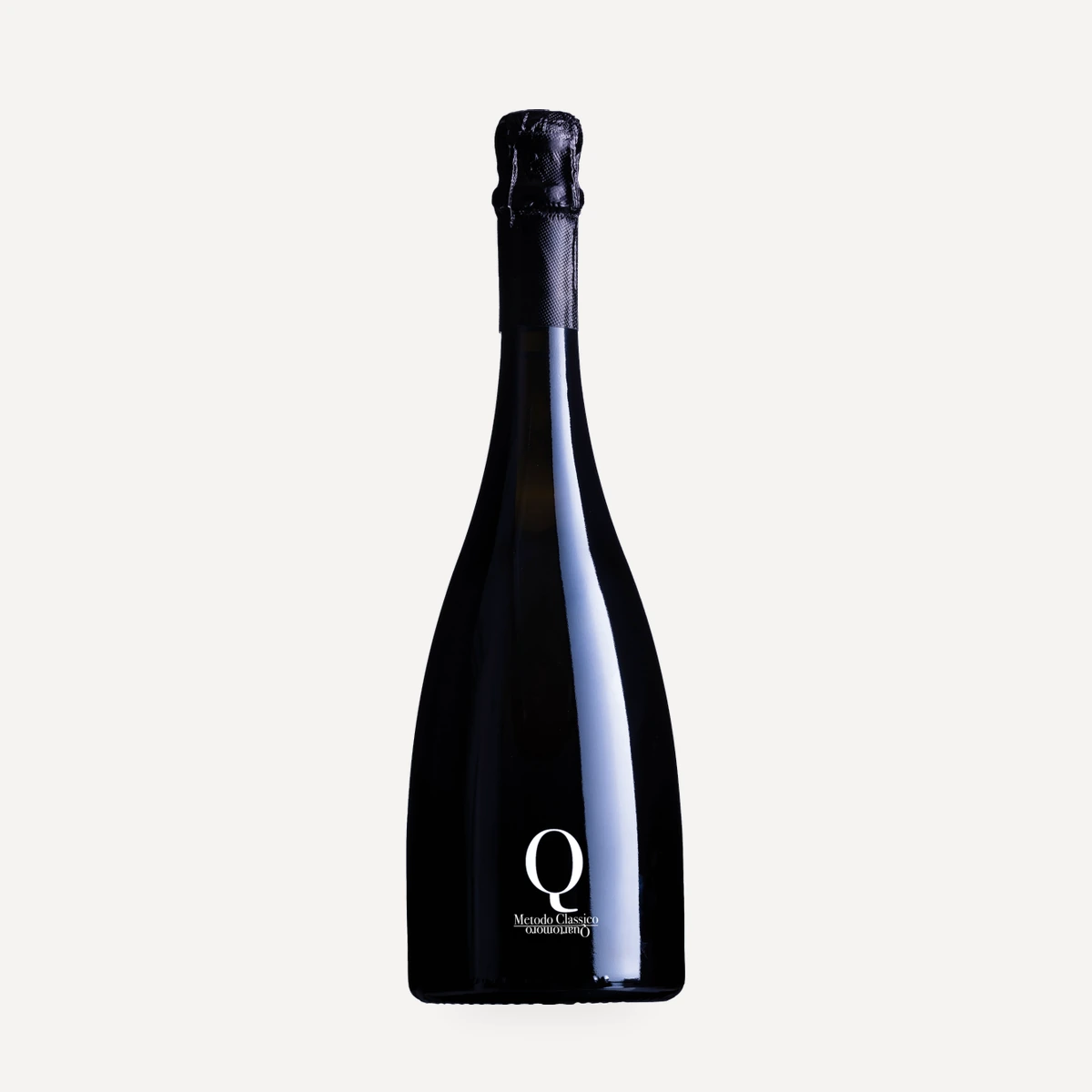
In 2009 Quartomoro first experimented with a traditional Sardinian variety as a bottle-fermented sparkling wine. The initial trial developed into the Q project after repeated experiments, including both successful and unsuccessful results, and maturation for 24 months before disgorgement.
The range subsequently developed around four families: Bollicine, Memorie di Vite, Intrecci di Vite and Òrriu. Its structure reflects continued research into Sardinian varieties and the contrasting territories from which they come. Recent presentation of the range describes new generations becoming involved while preserving the focus on origins, varieties, territories and an increasingly defined style associated with Monte Arci, obsidian and landscapes shaped by water and wind.
Is Bangius and the current phase
Quartomoro now operates at Località Is Bangius in Marrubiu. The location supports cellar and vineyard visits and a teaching vineyard used in guided experiences. The project continues to combine research, production and wine tourism.
In 2025 Quartomoro received Go Wine’s Impronta recognition for the overall standard of its wine-tourism location, hospitality and production profile. The Impronta recognition appears again in the 2026 edition of Cantine d’Italia.
Terroir
Marrubiu, Arborea and Monte Arci
Quartomoro’s present base is at Is Bangius in Marrubiu, at the foot of volcanic Monte Arci. The mountain reaches 812 metres and is associated with extensive obsidian deposits. Marrubiu vineyards represented in the project include sandy sites, clay-and-sand soils over limestone, and mixtures of sand and clay created by obsidian decomposition. Other sites contain sandy volcanic clay with abundant obsidian stones. The range’s evolving style is explicitly linked to Monte Arci’s obsidian and to land shaped by water and wind.
The wider Arborea–Terralba district occupies a nearly level plain of basaltic origin overlain by ancient and recent alluvium from the Rio Mogoro. Its soils contain little organic matter or phosphorus, lack calcium and are well supplied with exchangeable potassium. Sandy ground traditionally permits vines to be propagated and grown without rootstocks, either from cuttings—a pettia sarda—or by layering—a pettia furada. The district’s traditional red varieties include Pascale, Gregu Nieddu, Monica and particularly Bovale Grande; white varieties include Semidano, Vermentino and Nuragus.
Oristanese and Sinis
The Oristanese is predominantly flat, with vineyards accounting for almost 4% of its agricultural land. Two traditional soil categories are distinguished. Gregori is infertile, structurally weak, rich in dispersed mineral colloids and poorly permeable. Bennaxi is more fertile, low in limestone and assimilable phosphorus, and rich in exchangeable potassium. Both are alluvial formations in which a clay layer lies over siliceous or sandy material derived from the long erosion of basalt, schist, trachyte and granite.
The climate is temperate to warm, with annual rainfall of approximately 600–700 mm. Vernaccia is the principal traditional white variety; Vermentino, Trebbiano and Nuragus are also present, while Pascale di Cagliari, Nieddera, Sangiovese and Caddiu represent the red grapes. Quartomoro’s Sinis-source Vernaccia vineyard is on clay, sand and limestone and belongs to the same cultural landscape in which Gregori and Bennaxi soils shape the traditional styles.
Mandrolisai
Mandrolisai lies in central Sardinia, where plains and middle hills rise to almost 500 metres. Bush-trained vines are common. Soils formed through granite weathering interact with a sub-humid climate. Cannonau, Monica and Bovale Sardo—better known locally as Muristellu—form the traditional Mandrolisai DOC combination. Quartomoro’s lower-central-island Muristellu source is on sandy material derived from granite decomposition.
Planargia
Planargia occupies the central-western coast and faces the Mediterranean. The mistral is its dominant wind and contributes to the microclimate associated with Malvasia. The old name Planaria reflects the district’s relatively level morphology, created by major basalt flows from volcanic systems in Montiferru and possibly Marghine. Vineyards occur on medium-textured basaltic, trachytic and calcareous soils at elevations reaching about 200 metres.
Nuorese
The Nuorese consists of broad plateaus divided by deep valleys. Central soils are granitic, changing toward basalt on the eastern side; they are generally shallow and become stony on valley floors. Cannonau is the principal grape, and this is the area eligible for the Classico form of the Cannonau denomination. A Quartomoro Cannonau source is bush-trained on sandy soil created by granite decomposition.
Ogliastra
Ogliastra runs along eastern Sardinia, where granite relief and basaltic plateaus extend toward the coast. Vineyards frequently occupy slopes. Soils combine granite, schist and limestone, generally with silty-sandy texture and occasional clay. Cannonau is the area’s defining variety.
Baronie
The Baronie district faces the Tyrrhenian Sea in northeastern Sardinia. Its soils derive from decomposed granite or limestone, with alluvial formations in some subzones. Textures are loose and can be especially stony near watercourses. The climate is temperate; Cannonau is the principal grape alongside smaller local varieties.
Gallura
Gallura is dominated by weathered Palaeozoic granite. Its shallow sandy soils contain little clay, retain little water and carry abundant quartz-rich stones. They are acidic to sub-acidic, extremely poor in organic matter and phosphorus, though exchangeable potassium can be present. The temperate-to-warm climate receives no more than 800 mm of rain annually; mean annual temperature is below 15°C, and the mistral is persistent. Vermentino is the principal variety, accompanied by Moscato, Monica, Nebbiolo, Caricagiola and Retagliado.
Nurra–Coros
Nurra–Coros contains relatively deep soils over predominantly Miocene limestone, mixed in places with red limestone-derived earth, brown soils and trachyte. Rounded hills, long valleys, inclined plains and pale outcrops define the terrain. The mistral dominates a temperate climate. Cagnulari performs particularly well on the dark, deep soils known as Luzzanas; Pascale and Cannonau are also traditional red varieties, while Vermentino and Panzale represent the whites. Quartomoro’s Usini source combines clay and limestone.
Centro Basso Campidano
This southeastern district lies between Trexenta, Gerrei, the Sette Fratelli massif and eastern Campidano. Its pale hills reflect abundant limestone, while valleys carry alluvial deposits. Soils are loose to medium-textured, rich in limestone and potassium, and poor in phosphorus and organic matter. The temperate-to-warm climate receives approximately 600–700 mm of rain annually, irregularly distributed. More than 14% of agricultural land is under vine. Nuragus and Monica were historically dominant, although their area has declined since the 1970s as Vermentino and Cannonau expanded.
Sulcis
Sulcis occupies Sardinia’s far southwest and includes San Pietro and Sant’Antioco. Low and medium hills alternate with sandy alluvial plains along the coast and farther inland. Coastal soils are sandy; inland ground becomes looser and more clay-rich. Calasetta’s sands permit ungrafted vines to survive. The climate is sub-tropical and dry. Carignano is the principal variety, traditionally bush-trained near the coast at relatively low yields. Quartomoro’s southwestern coastal source is an ungrafted bush vineyard on sand close to the sea.
Vinificazione
Quartomoro’s declared approach is minimal intervention in the vineyard and respect for natural processes. Its work is distributed across contrasting Sardinian districts rather than presented as one uniform estate vineyard.
The source vineyards encompass Guyot-trained and traditional alberello vines. Several historic sites are ungrafted: the 1925 Bovale Grande vineyard at Marrubiu, the 1960 Cagnulari vineyard at Usini and the 1967 southwestern Carignano vineyard. Sandy sites in Arborea and Marrubiu are also described as suitable for ungrafted cultivation.
Planting dates represented in the vineyard material range from 1925 to 2005. Stated yields range from 5,000 to 8,000 kg/ha. Technical material for Bovale, Cannonau, Muristellu, Nasco and Semidano records manual harvesting into crates. No estate-wide organic, biodynamic or regenerative certification is declared.
Quartomoro began as Piero Cella’s teaching and experimental cellar—a practical workshop for researching Sardinian viticulture, grape varieties and winemaking. Production is conceived as an extension of work in the vineyard and of Piero’s knowledge of the island’s diverse soils.
Piero and Luciana describe their cellar work as simple accompaniment of nature. Their objective is to preserve and clarify the varietal traits of Sardinia’s grapes, using minimal intervention in both vineyard and cellar and respecting natural winemaking processes. They do not seek forced sensory perfection or exaggerated stylistic accents; the intended result is a coherent wine that retains the essential identity of the grape and its place.
The experimental character is illustrated by the Q project, first made in 2009 from a traditional Sardinian variety using second fermentation in bottle. Repeated trials—both successful and unsuccessful—led to a wine disgorged after 24 months. At winery level, no comprehensive specification is given for reception, sorting, presses, fermentation vessels, temperature control, malolactic fermentation, oak programme, fining, filtration, sulphur additions or bottling.
Filosofia
Quartomoro defines itself as an intertwining of vines, lives, experience and culture. Its point of departure is the relationship between Arborea—where Sardinian and continental influences meet—and the broader biodiversity of Sardinia.
The central ambition is to make wines that express Sardinian land and grapes. Piero Cella’s working principle is to transform the fruit simply, accompany nature quietly and respect natural processes through minimal intervention in both vineyard and cellar. Native and traditional varieties are treated as carriers of individual identity rather than raw material for a predetermined house formula.
Piero and Luciana seek harmony and regularity without manufacturing emphatic or artificially perfect organoleptic effects. A wine that departs from its intended natural course is regarded as a failure rather than something to disguise through manipulation. Their stated goal is the essence of Sardinian grapes in the bottle.
Memory is equally important: family ties, harvest aromas, old cellar equipment, vineyard walks and shared tastings are not presented merely as nostalgia, but as the experiences that prompted the creation of Quartomoro. The continuing involvement of younger generations is framed as development that preserves roots, research into origins, and the study of varieties and territories.
Vini
Memorie di Vite BVL
Memorie di Vite CNS
Memorie di Vite VRM
Q
Òrriu sulle bucce
Òrriu un anno dopo
Memorie di Vite MNC
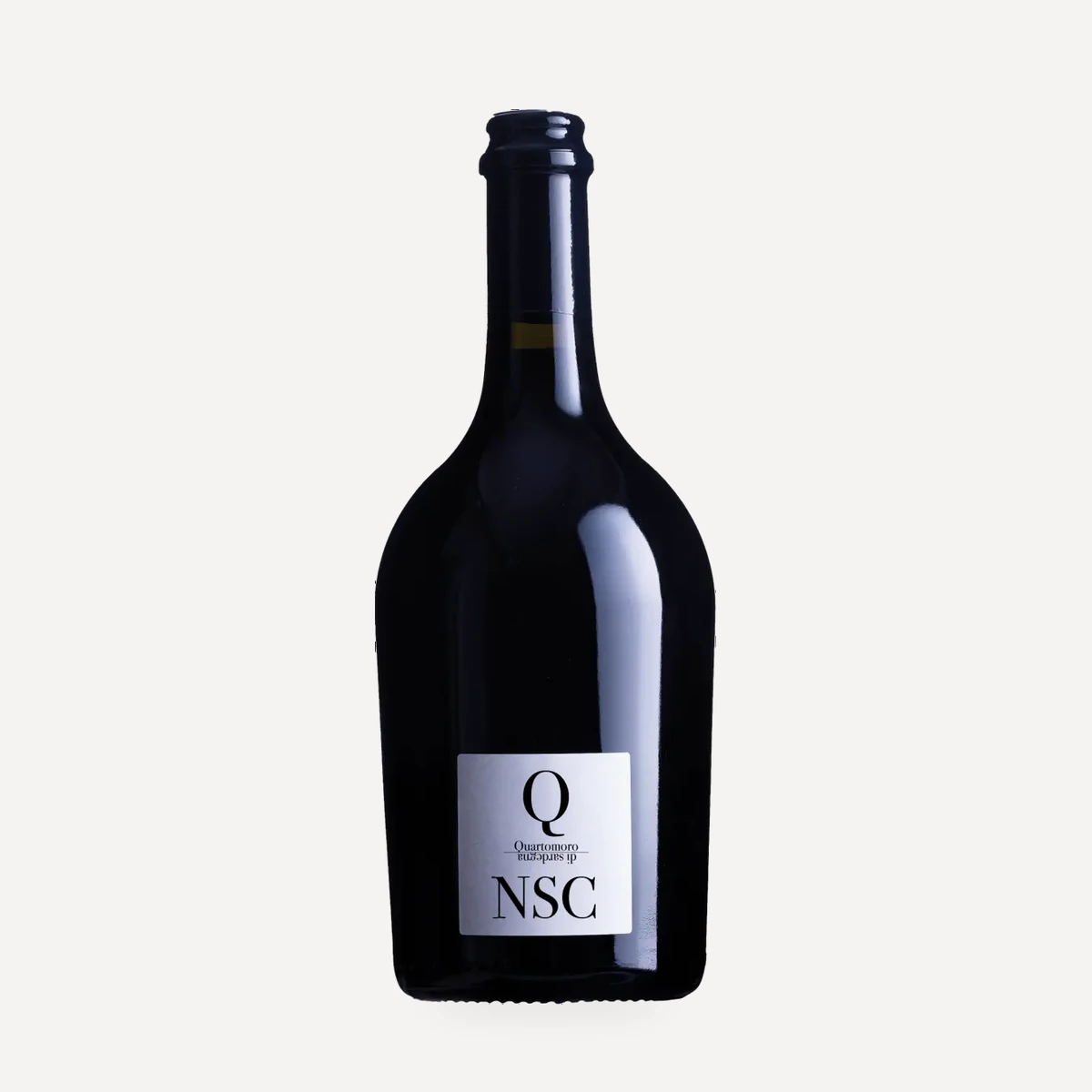
Memorie di Vite NSC
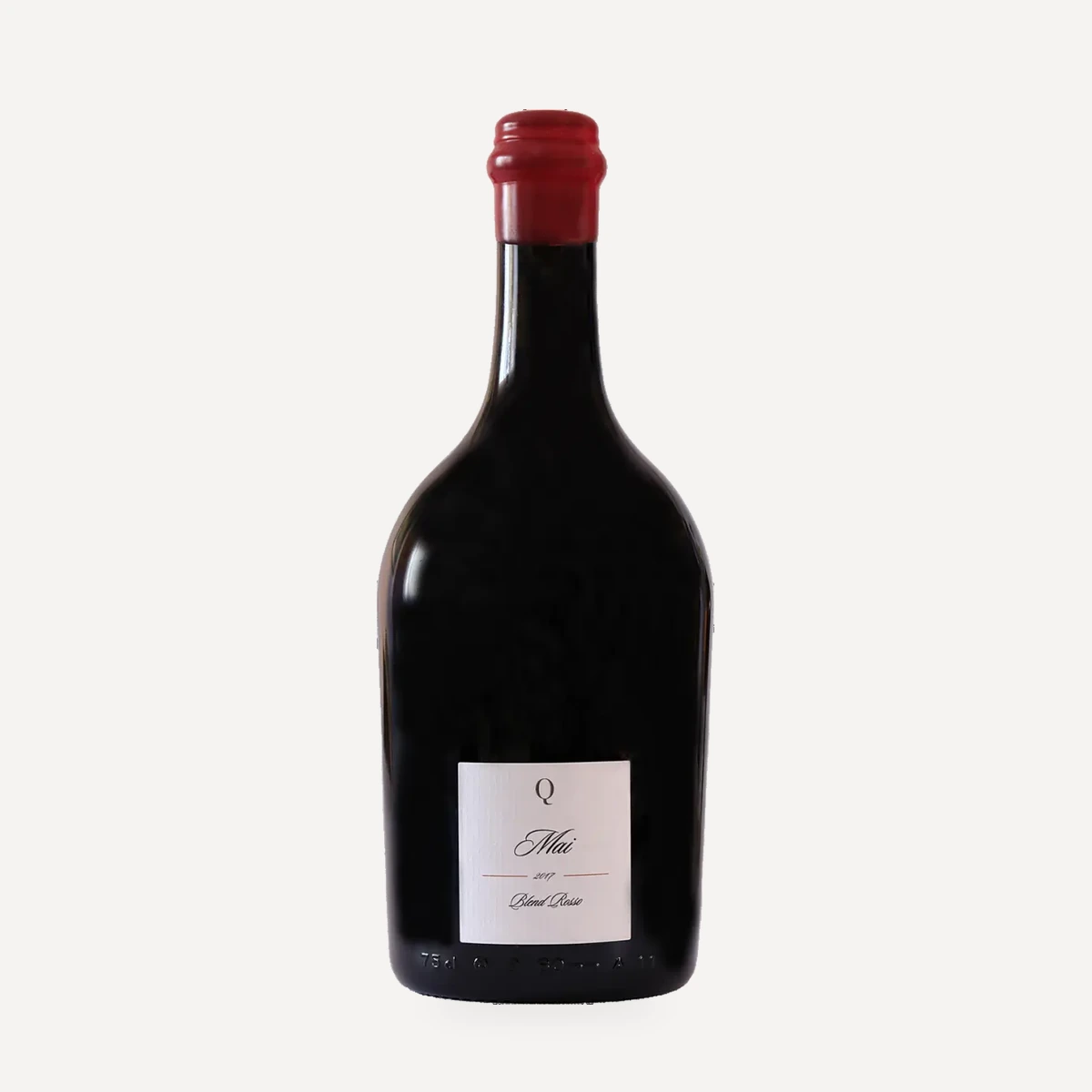
Intrecci di Vite MAI
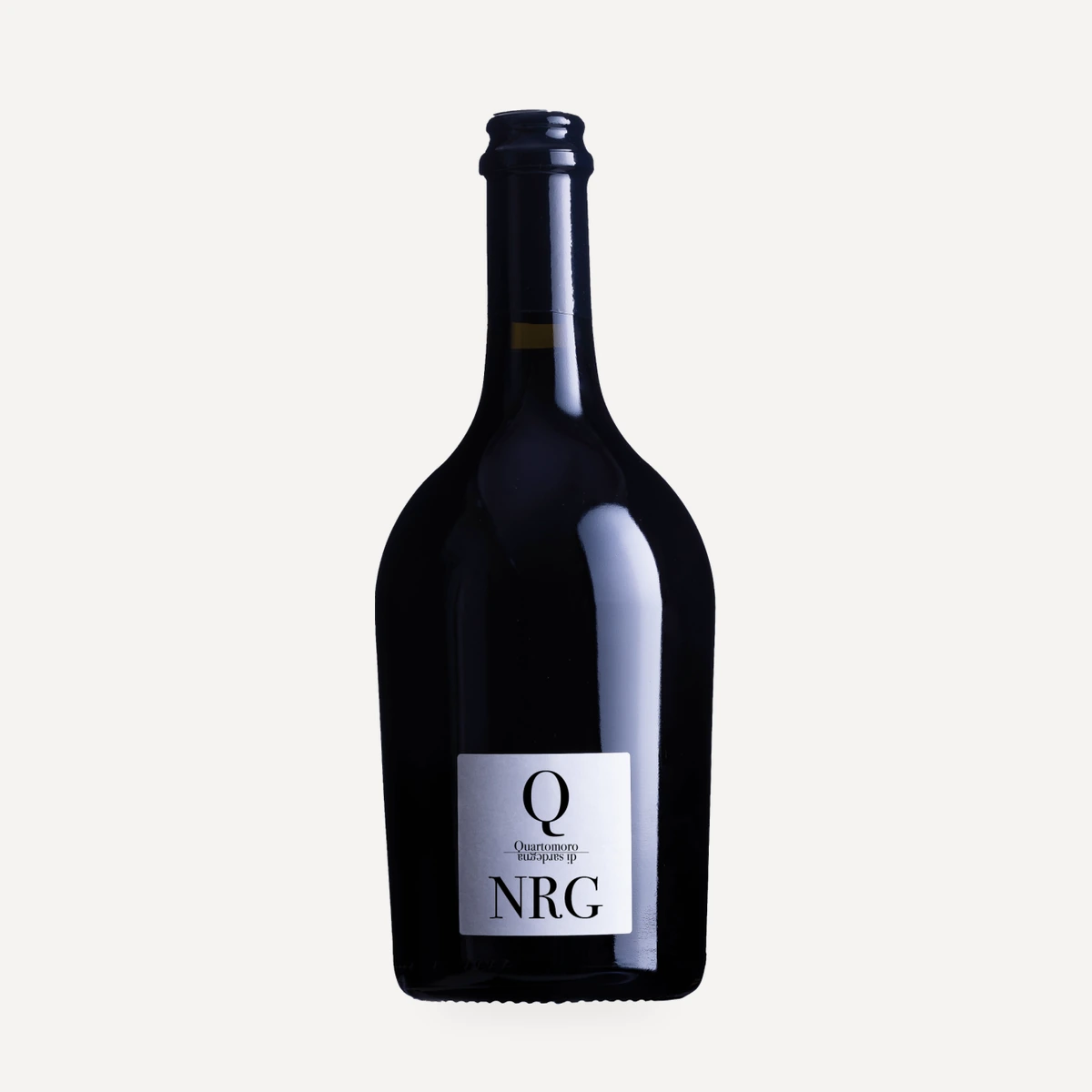
Memorie di Vite NRG
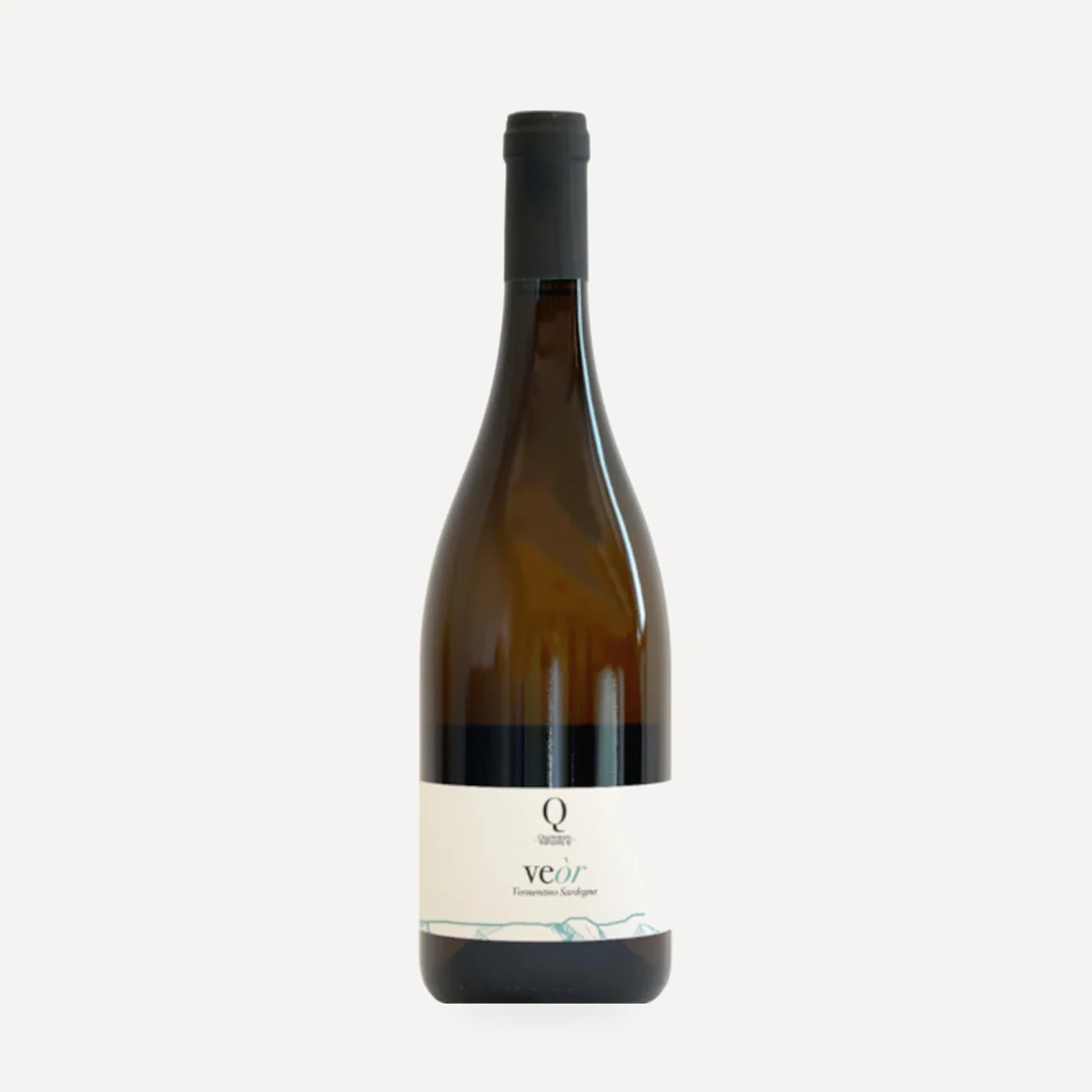
Òrriu Veòr
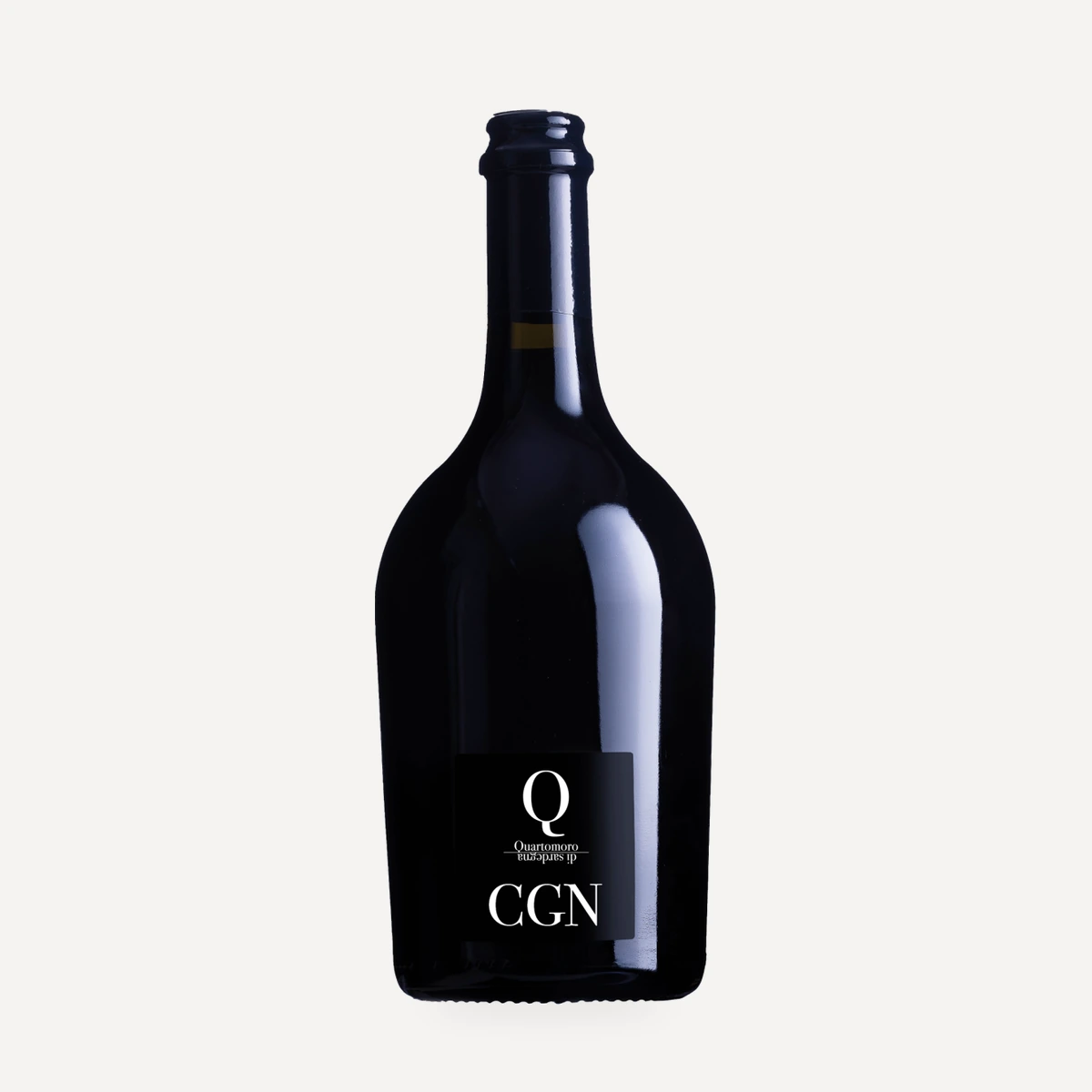
Memorie di Vite CGN

Memorie di Vite MRS
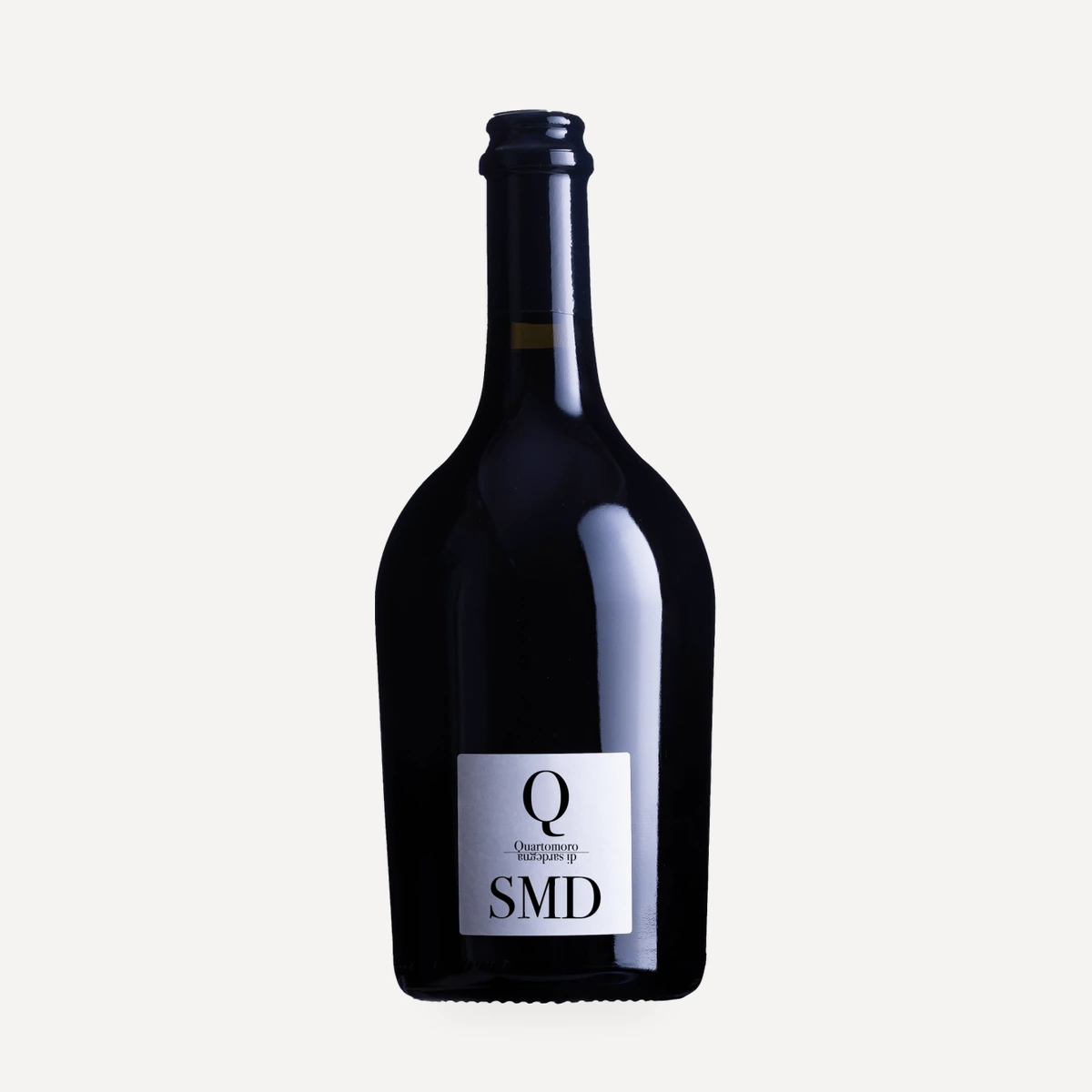
Memorie di Vite SMD
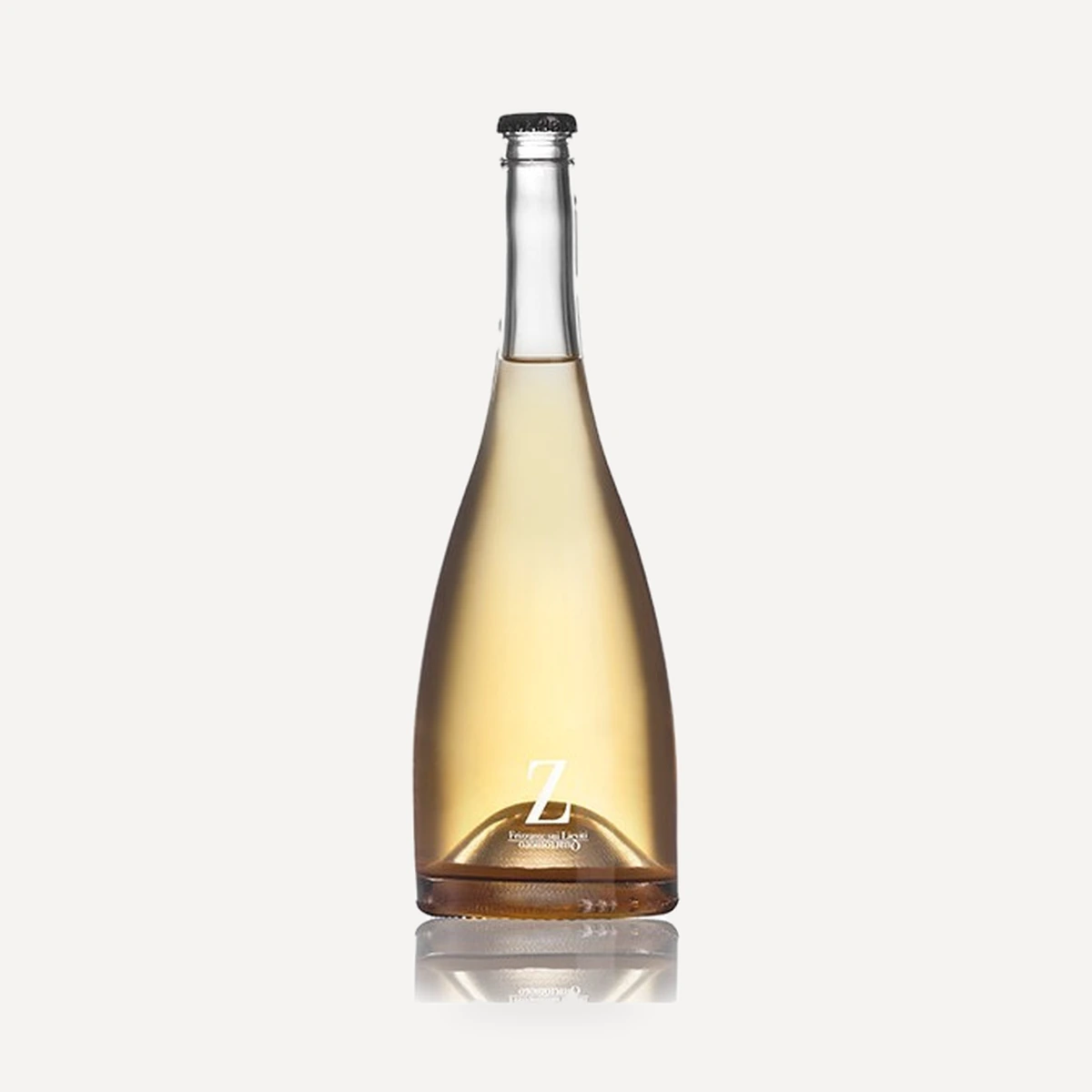
Z
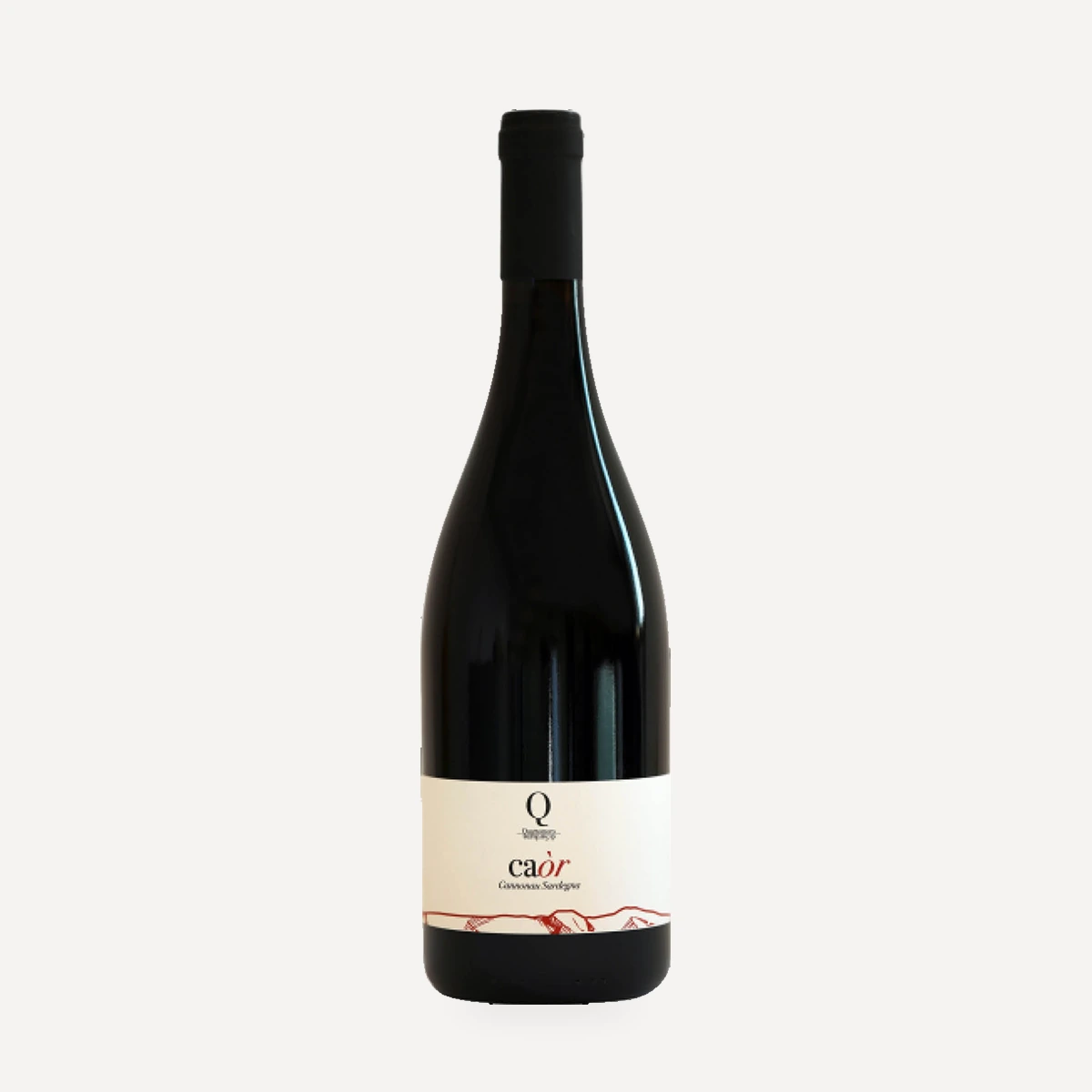
Òrriu Caòr
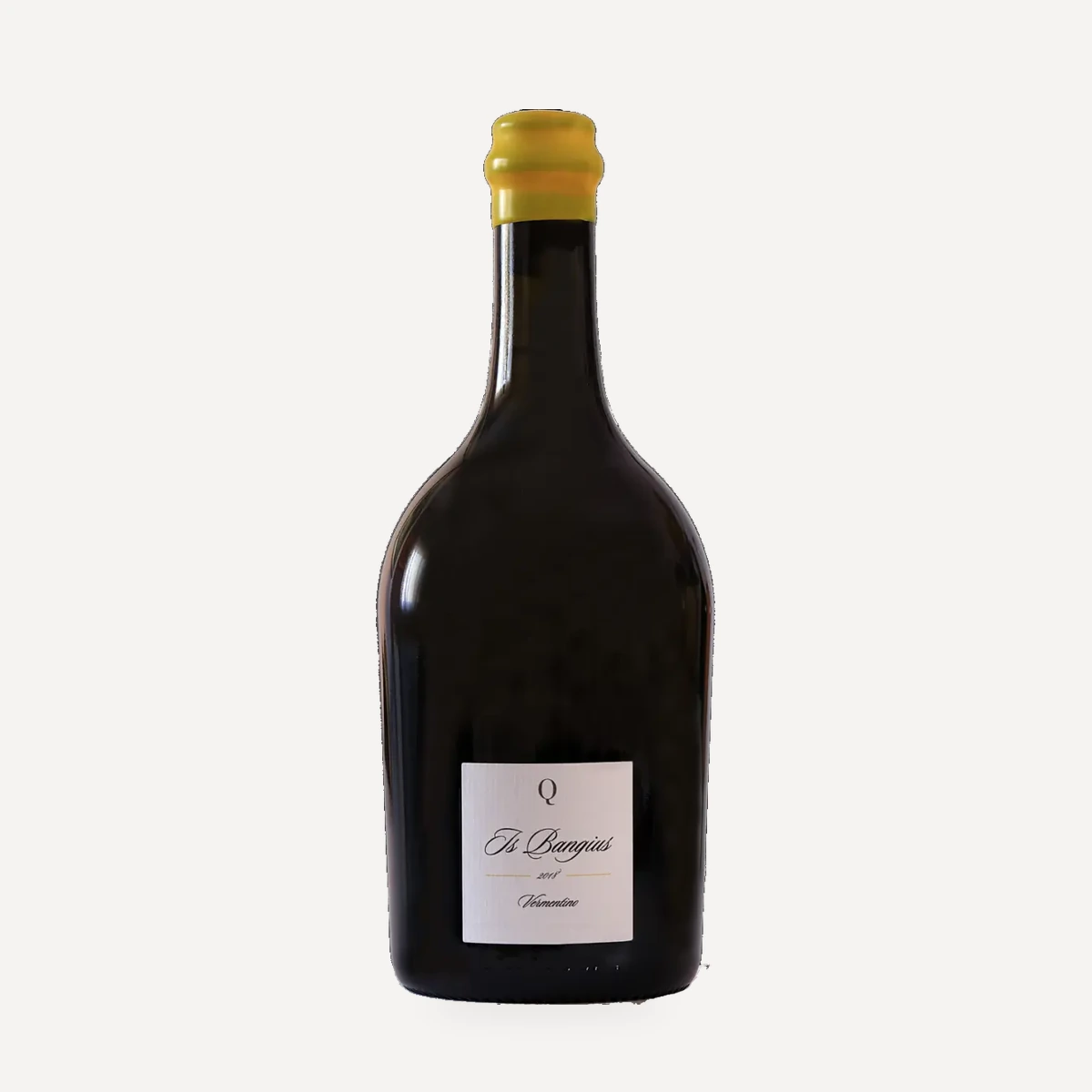
Intrecci di Vite Is Bangius