Storia
A landscape with a long wine history
Sirch’s vineyards occupy lands between the Judrio and Natisone rivers. Their viticultural record reaches back far beyond the winery itself. In 534, a document attributed to Theodahad, king of the Ostrogoths, recorded that Forum Julii—present-day Cividale del Friuli—paid tribute in wine. Grapes and vine shoots also recur in Lombard art associated with the area.
Cladrecis had its own statute by 24 February 1318, evidence of the small settlement’s rural autonomy during the Middle Ages. In Orsaria, the account book of Giovanni da Udine records that Salvestro d’Orsaria settled debts in wine in 1536. In 1558, one of the artist’s tenant farmers paid part of the rent on the braida d’Orsaria in wine and vine bundles and undertook to plant 100 new vines every year.
A pastoral visitation of 1666 recorded an annual wine income of 20 conzi—approximately 1,400 litres in modern measure—for the church at Cladrecis. The village subsequently passed through the hands of local and Venetian feudal families before the fief was abolished under Napoleon in 1806.
Nineteenth- and early-twentieth-century context
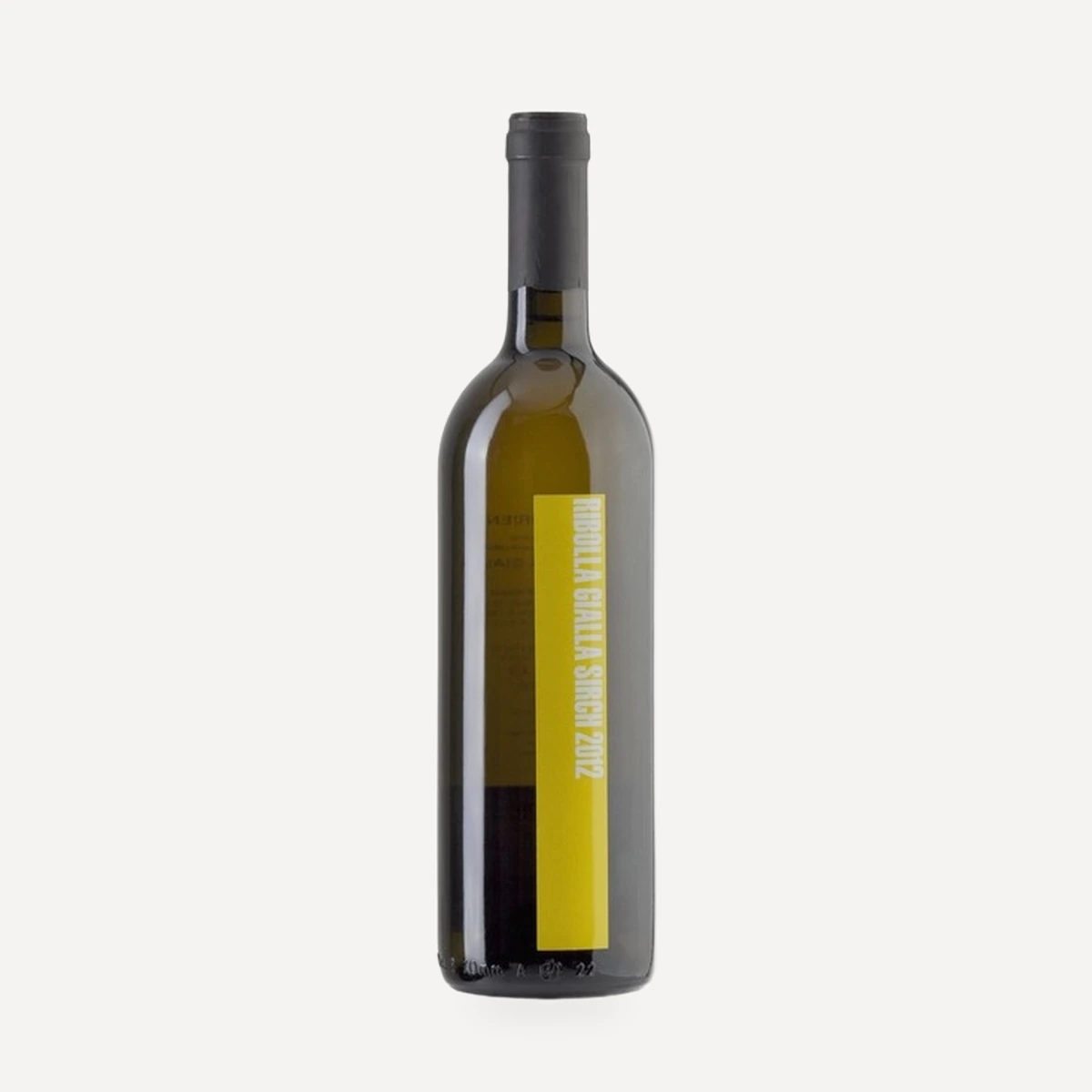
An 1867 account described upper Orsaria as land producing wine and hay, while its lower ground supported cereals, vines, mulberries and forage. A later description identified the locality as one of Friuli’s most productive areas for fruit and vineyards, particularly white grapes and Ribolla di Cividale. In 1888, an Orsaria farmer exhibited the table grape Uva lugliatica.
At the Vienna Exhibition of 1873, producers from Cividale presented Ribola white wine from the 1869 vintage and Pinot red wine from 1871. In the same year, Professor Taramelli described the rounded, gently undulating hills around Cividale as Eocene formations characteristic of eastern Friuli. By the end of the nineteenth century, the Cividale district was regarded as well exposed and highly productive. An agricultural exhibition in 1896 recorded its wine-grape production as 20% white and 80% red. Cividale later hosted a successful provincial wine competition in 1939.
The historical record for Schioppettino is similarly deep. The variety was mentioned by Rovasenda in his 1877 Ampelografia. A 1910 publication by Giuseppe Sirch cited a document from 1282 showing that the Albana and Prepotto basin was already substantially planted with vines.
Establishment and development of Sirch
Sirch began in the mid-1950s on a small holding. The estate subsequently invested in land, people and production facilities, expanding its activity across Cividale del Friuli, Orsaria and Cladrecis. The small local production grew over successive harvests into an internationally distributed family wine business while retaining attention to individual vineyards and an artisanal approach to production.
In 1970, Sirch’s original land entered the newly established Friuli Colli Orientali DOC framework. Around the same period, the winery embraced the local “Renaissance of Wine”: a movement toward higher quality and more sustainable cultivation that combined contemporary technology with farming knowledge.
Also in 1970, writer Mario Soldati encountered Schioppettino at Albana di Prepotto and devoted a chapter of Vino al vino to the then-rare local wine. During the 1977 harvest, oenologist Walter Filiputti developed a Burgundy-inspired interpretation and matured the wine in barriques, an innovative choice for a native Friuli Venezia Giulia variety at the time.
On 9 January 1977, the Municipality of Prepotto convened an extraordinary council meeting to defend Schioppettino. Mayor Bruno Bernardo led the initiative, supported by arguments presented by Walter Filiputti and the Nonino family’s Risit d’aur project. Schioppettino, Pignolo and Tazzelenghe regained legal recognition on 8 March 1978 under EEC Regulation 486.
In 2008, Schioppettino di Prepotto became a subzone within Friuli Colli Orientali DOC, formalizing the connection between the variety and its historical growing area.
Cladrecis and international expansion
Pierpaolo and Luca Sirch initiated a project at Cladrecis to conserve and restore old vineyard land. The recovered site became the basis of the Cladrecis range, named for the historic village and conceived as a pair of site-linked wines.
In 2014, the Sirch and Terlato families began working together on Pinot Grigio from Friuli Colli Orientali DOC. Within two years, the resulting wine was distributed throughout the United States. Sirch also developed exports to several European countries.
Terroir
Between two rivers
Sirch’s vineyards lie in eastern Friuli Venezia Giulia, between the Judrio and Natisone rivers and across the municipalities of Cividale del Friuli, Prepotto and Premariacco. The Judrio marks the Italian-Slovenian border to the east, while the Natisone defines the western side of the estate’s viticultural landscape. Elevations across these territories range from approximately 100 to 350 metres above sea level.
Ponca and Eocene geology
The characteristic soil is ponca, the Friulian term for alternating marl and sandstone. The marl comprises calcareous silts and clays, while the sandstone consists of cemented sands. These formations originated when the present plain and hills formed part of a gulf around 60 million years ago. Gradual uplift, retreating seas and the drainage action of the Tagliamento and Isonzo rivers filled that gulf with sediments. Fossils of fish and molluscs remain within the formations.
The hills around Cividale and Prepotto belong to the Eocene geology of eastern Friuli. At Cladrecis, marl and sandstone alternate with limestone, producing a more varied soil composition.
Climate, relief and vegetation
The vineyards occupy land between the Julian Alps and the Adriatic Sea. The Alps shelter them from cold northern currents, while the Adriatic supplies gentle, persistent ventilation. Cool winds also arrive from the east. The resulting microclimate combines Mediterranean and at times continental influences, with significant day-to-night temperature variation that supports varietal aroma development.
Rounded hills and cultivated terraces alternate with broad areas of woodland. At Cladrecis, the sloping vineyards are enclosed by centuries-old woods, creating a cool, well-ventilated microclimate with marked thermal variation. The village stands at 314 metres above sea level in the Judrio valley, close to Slovenia.
Vinificazione
Sirch works vineyard areas with vines of different ages. The principal training systems are Guyot and the traditional doppio capovolto method.
Viticultural decisions respond to the individual plot, its exposure, the grape variety and the age of the vines. The objective is to preserve the identity of each component through harvest and vinification before decisions are made about blending.
The estate’s environmental principles include respecting natural cycles, reducing chemical inputs and increasing care at each stage of vineyard and cellar work. Woodland remains an important part of the vineyard landscape, particularly at Cladrecis and Prepotto, where cultivated terraces alternate with extensive wooded areas. The Cladrecis project focuses on conserving and restoring old vineyard land.
Sirch’s vinification cellar is located at its Cividale del Friuli headquarters. Grapes are selected and destemmed before fermentation. Wines subsequently mature in either stainless-steel tanks or wooden barrels, according to the intended wine, and are then bottled for further refinement.
The production approach combines local farming knowledge and established regional practices with contemporary technical expertise. Decisions from harvest through vinification take account of the parcel, exposure, grape variety and vine age. Individual components are preserved before the winery determines how to assemble them.
Sirch presents the cellar as the heart of the estate and manual skill as central to both vineyard and cellar work. Its broader production history is associated with the quality-focused Friulian wine renewal that began roughly half a century ago, combining technological development with greater environmental awareness.
Filosofia
Sirch frames its work around a balance between contemporary vision and loyalty to historical and natural roots. Three principles guide this approach: respect for nature’s timing and for land formed over millennia; respect for soil and vines through lower chemical use and careful work in both vineyard and cellar; and respect for people by valuing technical knowledge, commitment and passion.
The family describes wine as an expression of the relationship between people, land and time. Growth from a small local producer to an internationally distributed business is paired with continued attention to individual vineyards, detail and artisanal work at every stage.
Traditional vineyard knowledge is combined with current technical expertise. Native and international grape varieties are both part of the estate’s identity, while parcel, exposure, variety and vine age guide decisions intended to retain territorial distinctions. Sirch also places collective work at the centre of the business, presenting every bottle as the result of cooperation among vineyard and cellar workers, technicians, employees, suppliers and customers.
Vini
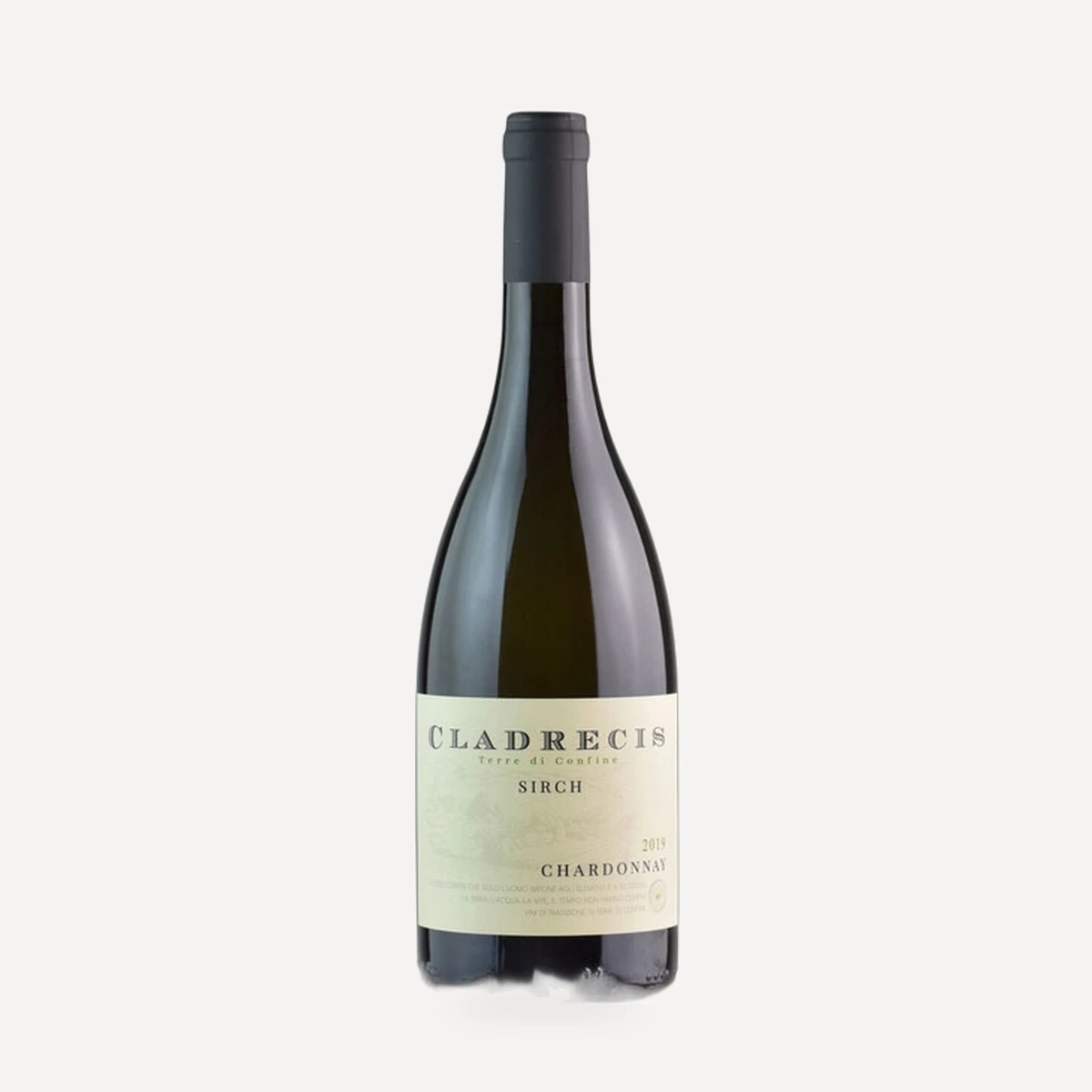
Cladrecis Chardonnay Friuli Colli Orientali DOC
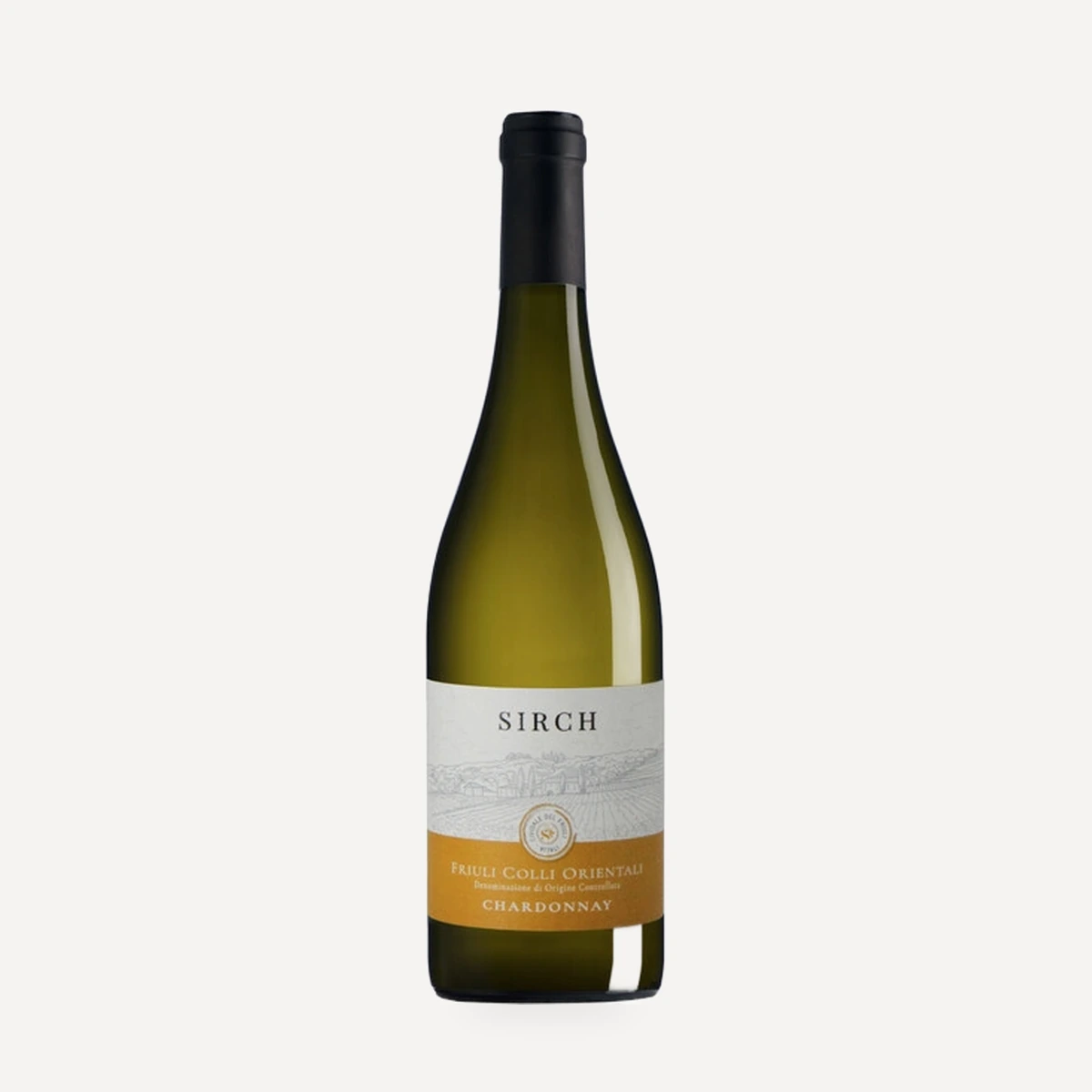
Chardonnay Friuli Colli Orientali DOC

Pinot Grigio Ramato Friuli Colli Orientali DOC
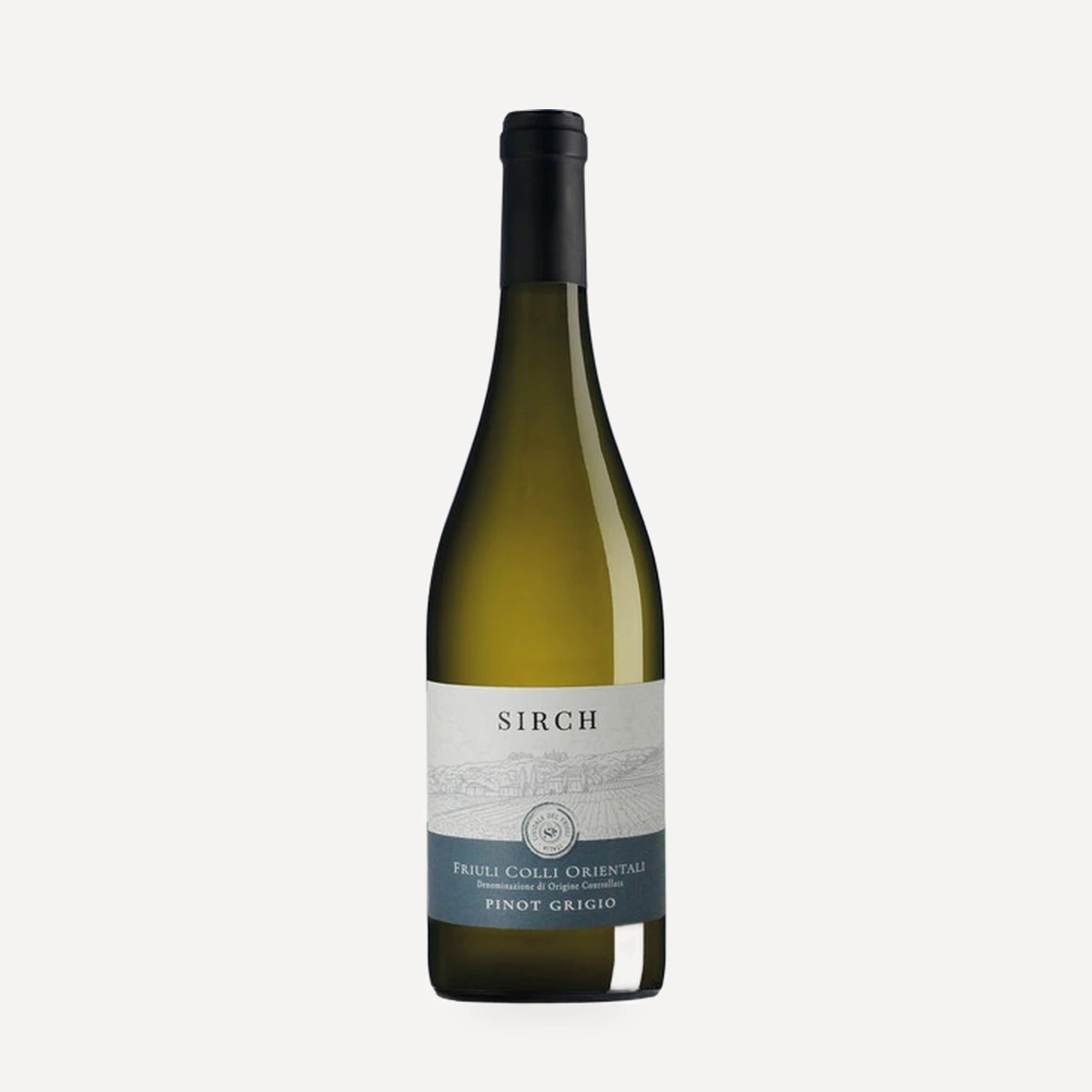
Pinot Grigio Friuli Colli Orientali DOC
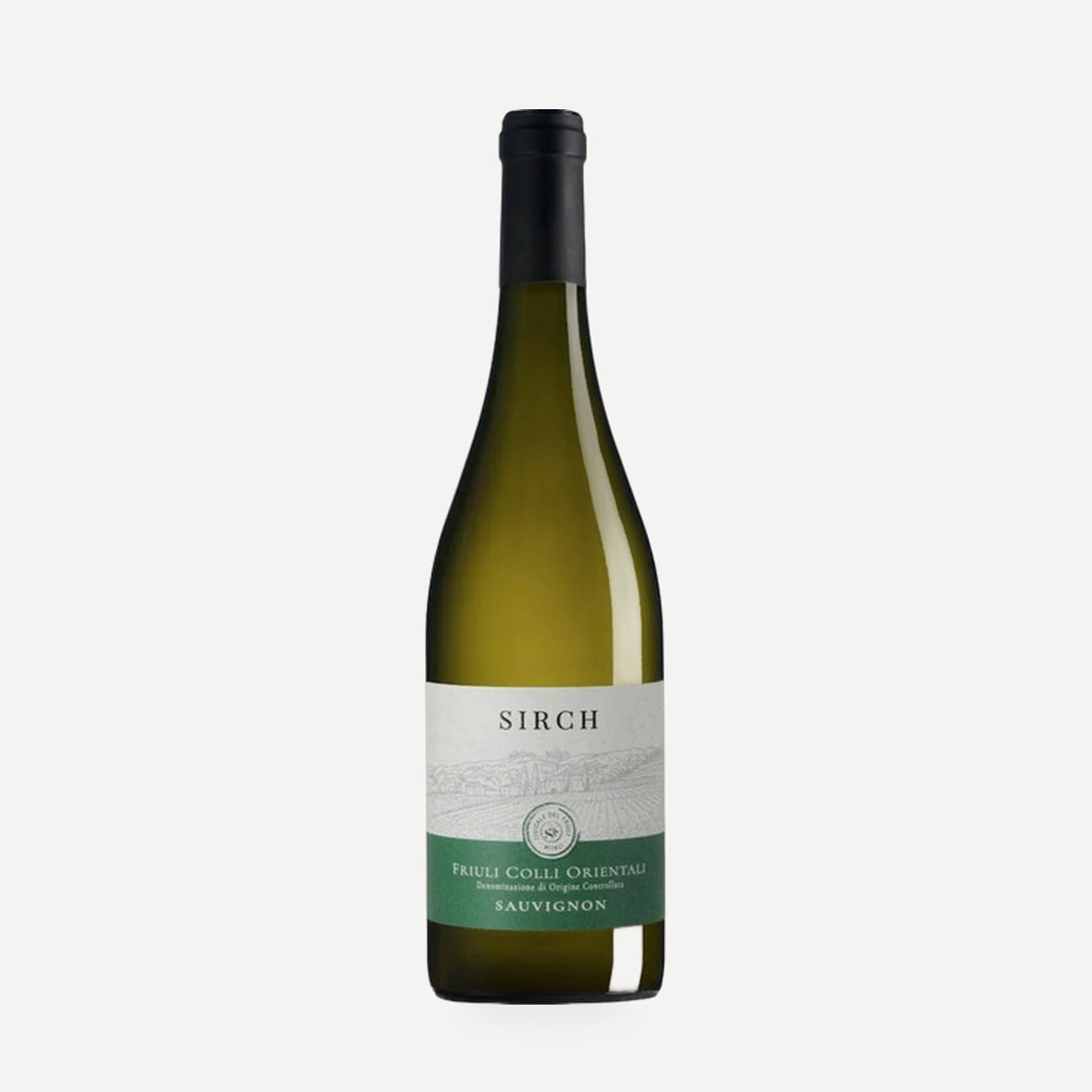
Sauvignon Friuli Colli Orientali DOC
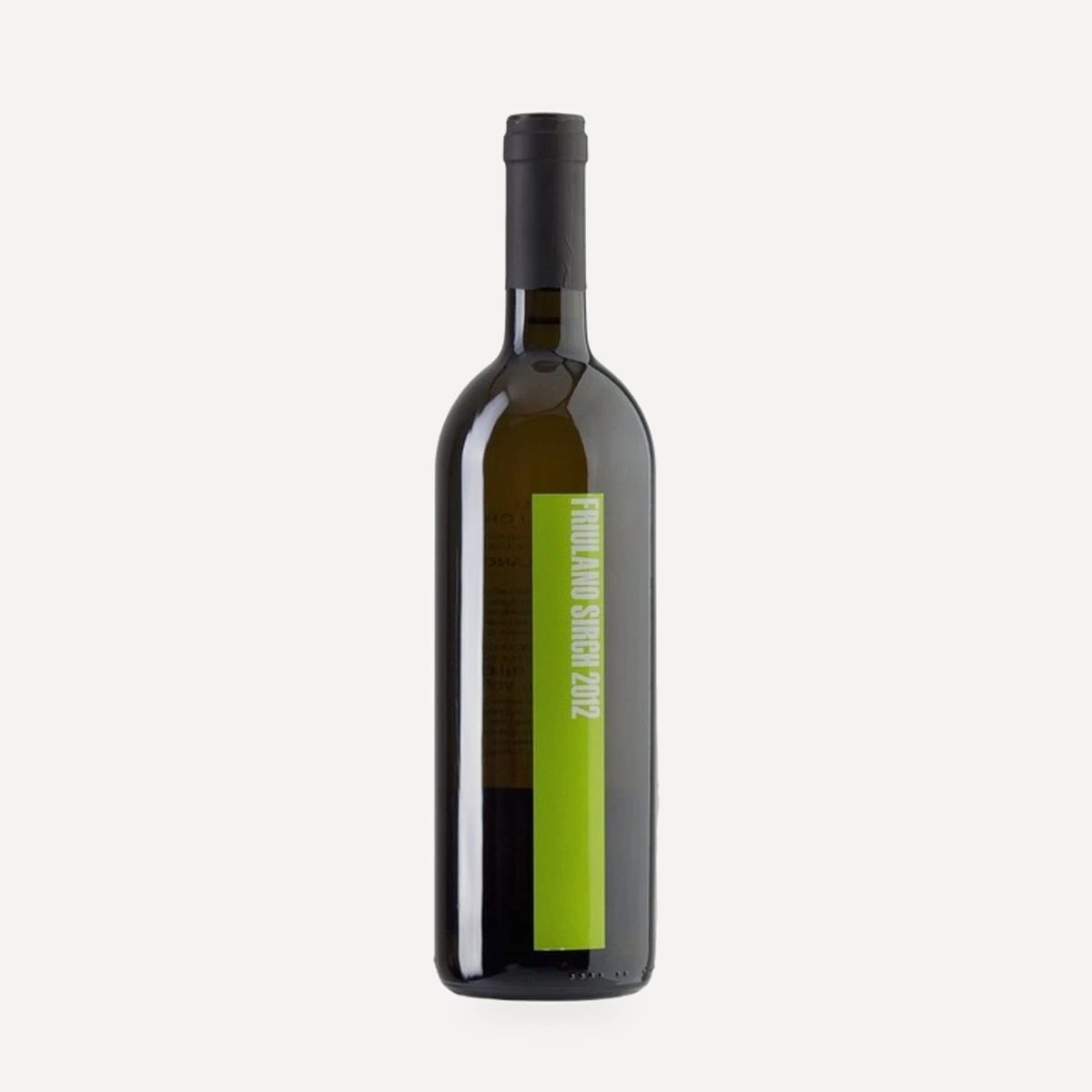
Friulano Friuli Colli Orientali DOC