Storia
Daniele and the foundation: 1930
The family enterprise began in 1930, when Daniele Venica bought the house in Cerò where he had lived and the adjoining land he had worked as a sharecropper. He moved there with his wife and children, cultivated the ground with hand tools and planted young vines. His mixed-farming approach left room for woodland, animals and fruit trees. The apple trees that still grow beside Ronco delle Mele recall the former ronco arborato system, in which vines were associated with fruit trees and their trunks helped support the rows.
Daniele taught his son Adelchi to work with natural cycles: sowing in accordance with lunar phases, preparing the ground only under suitable moisture conditions, retaining woodland and fruit trees, collecting rainwater and using natural products in both vineyard and cellar. Adelchi grew up among the vines and woods and continued this approach, transmitting its agricultural and human values to the next generation.
Vineyard specialization and the third generation: 1974–1995
The original Tocai Friulano planting at Cime dates to 1974. In 1981 the family began developing Sauvignon on the north-western side of Cerò hill after identifying this exposure as particularly suited to aromatic white grapes.
The Jesera vineyard was acquired in 1982 in the valley beside the original farm complex. It became the preferred location for Pinot Grigio and continued the estate’s practice of matching varieties to individual sites.
Expansion accelerated in 1983 with the purchase of 5 ha at Bernizza. Its north-western, woodland-framed slopes were selected for Chardonnay. In 1984 Gianni and Giorgio planted the first Sauvignon R3 vines at Ronco delle Mele, using a Rauscedo selection. The surviving apple trees planted by Daniele gave the site and subsequent wine their name.
In 1985 the family opened a three-bedroom agriturismo, establishing hospitality as a second expression of its relationship with Collio. A further 5 ha were acquired at Meden in 1987, increasing the estate’s Ribolla Gialla plantings.
The purchase of the entire Cerò hill in 1993 brought the holding there to 12 ha. In 1995 the first Ronco delle Mele Sauvignon was produced and the “Spirit of Place” project began to take a defined form. The single-site bottling was distinguished from Ronco del Cerò, assembled from Sauvignon grown in other estate vineyards.
Cime, cru development and further expansion: 1999–2013
Ronco delle Cime was created in 1999 as a cru devoted to the particularly suitable Tocai Friulano parcel at Cime. The purchase of 5 ha at Cime was finalized in 2002. This is the family’s highest and one of its steepest vineyards, surrounded by woodland and divided into several microclimates.
Photovoltaic panels were installed in 2006 to generate electricity and domestic hot water. In 2007 a wood-fired boiler entered service, using material from the property to heat winery and hospitality spaces. The 2007 vintage of L’Adelchi was dedicated by Gianni and Giorgio to their father Adelchi, acknowledging both his farming knowledge and his emphasis on human values and respect for nature.
Venica & Venica joined the national V.I.V.A. Sustainable Wine pilot project in 2011. The initiative, established by the Italian Ministry of the Environment with nine companies and three research centres, introduced systematic measurement of environmental performance, including carbon and water footprints.
In 2013 the estate acquired 5 ha at Ruttars, with vineyards facing the Collio hills and the Julian Pre-Alps.
Measurement, certification and generational renewal: 2017–2025
Electric-vehicle charging points, a Tesla-designated area and facilities for charging electric bicycles were added in 2017 as the sustainability programme expanded into hospitality.
The first Sustainability Report was presented to the agent network on 17 February 2019 and at Vinitaly on 8 April 2019. VIVA certification was granted in 2020 and validated by DNV GL. The 2020 documentation identified both the agricultural company and Ronco delle Mele as certified under the organization and product schemes then in force.
In 2021 the Sustainability Report was included in ConsumerLab’s Future Respect Index and voted among the top 50 for clarity and accessibility. In 2022 the estate joined the Eno Bee biomonitoring project, adding five honey-bee colonies near vineyards to monitor environmental conditions through analysis of honey and pollen. Six further hives had been added by 2023.
By 2023 the property encompassed 109.8 ha: 41.6 ha of vineyards, 49.1 ha of woods and 19.1 ha occupied by buildings, meadows, roads and waterways. A new agricultural photovoltaic installation with a rated output of 130 kWp entered initial operation in December. The company also introduced a Code of Ethics and operated with 47 people in its workforce, including four family members, 27 regular employees, four seasonal employees and 12 external workers.
The fourth generation has been moving into responsibility alongside Gianni and Ornella. Giampaolo directs international business development, particularly in the United States; Serena supports management through data analysis and market development; and Marta has followed Giorgio’s path in cellar and agronomic work.
In 2024 the family marked the thirtieth anniversary of the first Ronco delle Mele vintage during preparations for the 2025 harvest. In September 2025 Venica & Venica received the Distinctive Award of Excellence for Italian Entrepreneurship in sustainable viticulture and first prize at the Energy Awards FVG 2025.
Terroir
Venica & Venica lies in Dolegna del Collio, the northernmost municipality in the province of Gorizia, along the Slovenian border. Its vineyards occupy hills between the Julian Alps and the Adriatic Sea, with individual slopes and exposures creating distinct microclimates. The Dolegna sector is cooler than more southerly parts of the denomination, and the vines grow on steep hills enclosed by biodiversity-rich woods.
The Adriatic moderates the wider Collio climate, while the Julian Alps provide protection from cold northern winds. At estate level, surrounding forests, differing sunlight exposure and cool northern breezes contribute to substantial day–night temperature variation. These conditions preserve natural acidity and aromatic freshness. Rainfall recorded in the vineyards averages approximately 950 mm over 57 days annually.
The local soil, called Ponca or the Flysch of Cormons, originated in the Eocene seabed. It consists of friable marl alternating with harder sandstone layers and can contain small fossils. Weathering breaks the partly rocky strata first into coarse, granular material and later into fine soil. It drains well and contains calcium carbonate, magnesium and manganese.
The estate’s vineyards extend from valley-bottom sites to Ronco delle Cime at approximately 270 m, the highest altitude reached by Collio vineyards within the family holding. Different combinations of slope, exposure, woodland, humidity and wind can create several microclimates on a single hill.
BioPASS analysis found the Braidis and Bernizza soils to be loamy and rich in silt, with good available water capacity during dry summers. Both contained approximately 3% organic matter. Bernizza additionally showed abundant stones and pebbles, with fractured Ponca allowing roots to descend beyond 1 m. Root depth at the examined sites exceeded 80 cm, and biodiversity testing found 11 soil-organism taxa, a high result within the project’s wider dataset.
Vinificazione
Soil and vineyard management
The farming system is based on site-specific precision viticulture. Decisions are made row by row according to soil, microclimate, disease risk and plant condition. Routine work includes pruning, shoot positioning, leaf removal, thinning and targeted plant protection. Canopy management balances leaf area and vigour while reducing trimming passes, soil compaction, machinery fuel use and associated emissions.
Herbicides are excluded. A specially adapted under-vine cutter removes and grinds vegetation while aerating the soil and reducing damage around the trunks. A separate digger arm simultaneously moves under-row soil and incorporates manure in new vineyards, including difficult outer rows near steep slopes.
Organically sourced manure, estate-made compost and biodynamic preparations are used to support soil vitality. Multi-purpose cover-crop mixtures are sown in alternate rows on the plains and every row on hillsides. Their composition rotates annually and draws mainly on ten species from the legume, grass and crucifer families. Root systems loosen and aerate deeper layers, improve water permeability and add organic matter; flowers and vegetation support pollinators and beneficial insects. Five-to-ten-metre strips of natural grass are retained where erosion risk is greatest.
Vine health and plant protection
The vineyard area is divided into lower- and higher-disease-risk zones. Lower-risk, usually hillside, vineyards are protected exclusively with natural-origin products. Copper and sulphur are preferred wherever conditions permit; alternative products allowed under integrated pest management are used when necessary in higher-risk areas.
Product-recovery sprayers enclose the canopy, capture droplets that miss leaves and bunches, and return the liquid to the tank. The bilateral machine used on flatter ground nearly eliminates drift and can reduce product consumption by as much as 80%. Treatment plans also incorporate local weather stations, including one within the estate vineyards, phytosanitary bulletins, ripeness sampling and guidance from the Collio Consortium, ERSA and the agronomic consultant.
Water, biodiversity and long-lived vines
Underground drip lines serve hillside areas most exposed to water stress, placing small, accurately measured volumes close to the roots and limiting evaporation. River water may be drawn from the Judrio for emergency irrigation when authorized; none was required in rainy 2023. The system was activated during the wet and hot 2024 season to prevent water stress.
The estate manages 49.1 ha of woodland and has historically protected forest when planning vineyards; only about 1 ha was converted to vines during the ten years preceding 2023. Buffer strips between vineyards, woods and waterways intercept eroded soil, limit contamination and maintain landscape diversity. A 2023 census recorded more than 40 tree and shrub species around the farm complex.
Local beehives encourage animal and plant biodiversity. Since 2022 the Eno Bee programme has used additional Apis mellifera colonies and analysis of honey and pollen to monitor pesticide pollution. Five colonies entered the programme initially, and six more hives had been added by 2023.
Old vineyards are retained as part of the estate’s historical and genetic memory. Vineyard renewal emphasizes preservation of natural soil layering, cultivation only when moisture conditions are appropriate, removal of old root systems that could carry Armillaria mellea, fallow periods before replanting and manual placement of young vines with their roots spread carefully. During the first two to three years, superficial roots are removed to encourage deeper root systems that are less vulnerable to climatic variation.
Harvest
Harvesting is entirely manual and can last for more than a month. Picking dates are determined separately for each variety and site after considering plant health, ripeness, vine age, crop load, exposure and seasonal conditions. Grapes may also be collected at different times within a single vineyard because of row-level microclimates. The objective is intact, healthy fruit suitable for overnight cold maceration.
The winery complex includes the historic cellar, an oak cellar, vinification rooms, bottling facilities and an archive of older vintages. The ground floor of the late-19th-century family house still accommodates part of the cellar.
The entirely hand-picked crop is brought in according to the maturity of each variety and site. Intact fruit is important because cold maceration is frequently employed, keeping must and skins together overnight at low temperature. The crushed grapes are then transferred by gravity into the press, where juice is separated from skins and seeds. Static settling or flotation removes heavier material from the must.
Processing takes place without oxygen to limit oxidation. Nitrogen recovered from the atmosphere protects the early stages; once fermentation is underway, recovered carbon dioxide is used to maintain the inert environment. Fermentation occurs in stainless-steel and oak tanks with selected yeasts. For certain Sauvignon and Ribolla Gialla wines, the yeast was selected from the estate’s own vineyard environment.
Wines age for at least six months before filtration and bottling. Bottling follows lunar phases. An automated Industry 4.0 bottling line controls filter and machine washing and rinsing, increasing efficiency and reducing waste.
Water and energy systems are integrated with production. Bottle-sterilization water is recovered for washing bottle exteriors, while the final two filter rinses are reused for cellar cleaning. Rainwater collected in an upper-cellar tank is used to wash rooms and tank exteriors and to regulate humidity in the wood and barrique rooms. Fermentation-tank cooling systems recover heat for domestic hot water and winter heating. Tartrate from stabilization is recovered for cream-of-tartar production, while pomace and lees go to third parties for distillation.
Filosofia
Venica & Venica presents winegrowing as a relationship among family, place, scientific observation and patient agricultural work. Technique and organization are considered necessary but insufficient: the relationship with nature should remain harmonious and unforced, with human effort answering rather than overriding the needs of vines and soil.
The family describes “walking the vineyard” as a method of sustained observation and planning. Each plant, root system, soil and surrounding habitat is assessed before decisions are made. The aim is to guide each vine toward the fullest expression of its potential within a defined winemaking project while accepting the individuality of seasons, exposures and microclimates.
The idea of terroir extends beyond soil, climate, variety and human knowledge to include biodiversity as the living engine of the vineyard system. Conserving woodland, old vines, soil organisms, water and community relationships is therefore treated as part of wine quality rather than as a separate programme.
The “Spirit of Place” concept expresses the estate’s goal of linking specific vineyards to individual wines. Ronco delle Mele and Ronco delle Cime embody this approach through selected grapes from defined sites. Tradition is combined with research, measurement and technical innovation, including VIVA indicators, BioPASS soil analysis, precision equipment and university collaborations.
Family continuity remains central. Daniele’s and Adelchi’s values are reinterpreted through modern scientific and technical standards, while Gianni and Ornella work beside the fourth generation. Sustainability is treated as a continuing path of measurable improvement encompassing environmental, social and organizational responsibility.
Vini
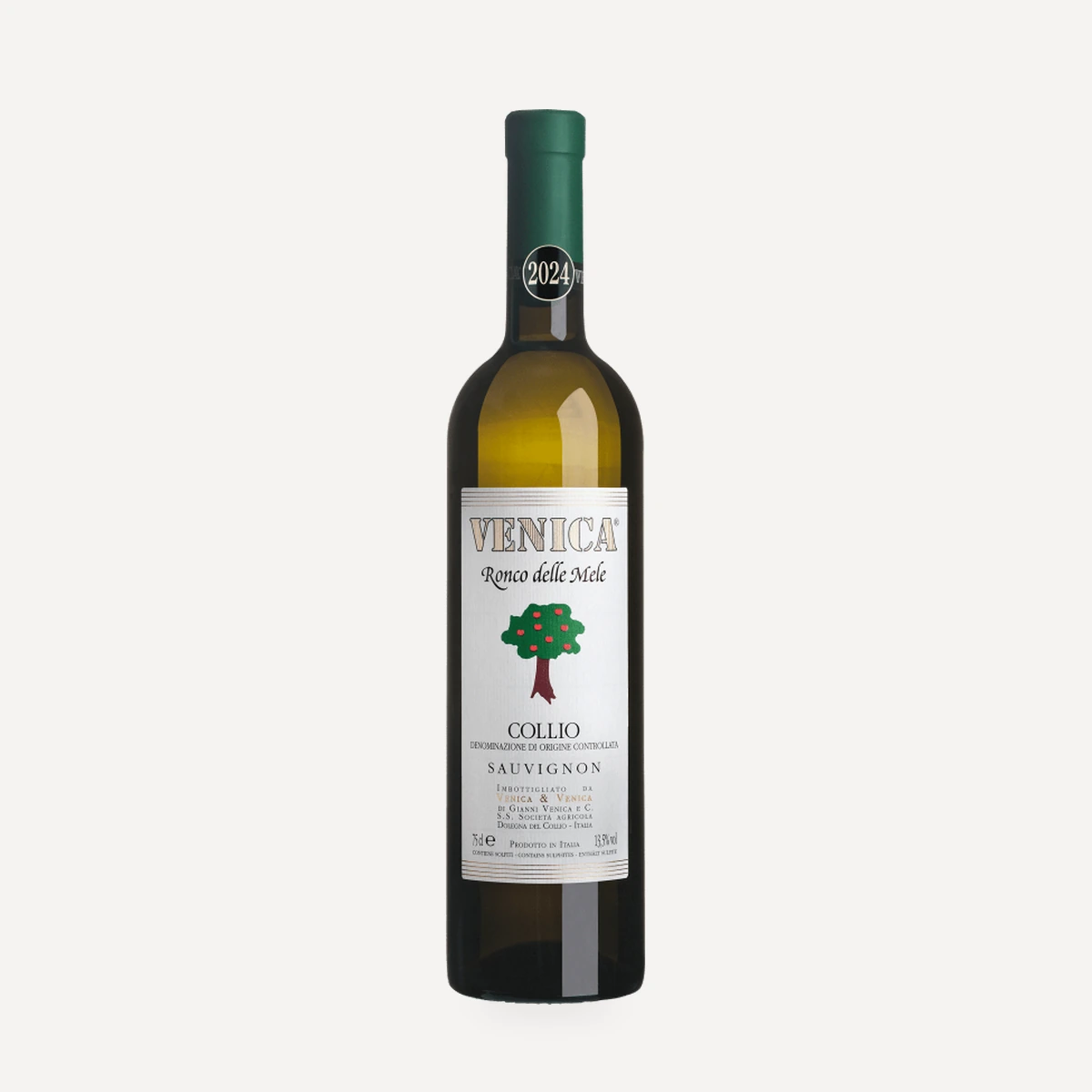
Ronco delle Mele • Sauvignon Collio DOC
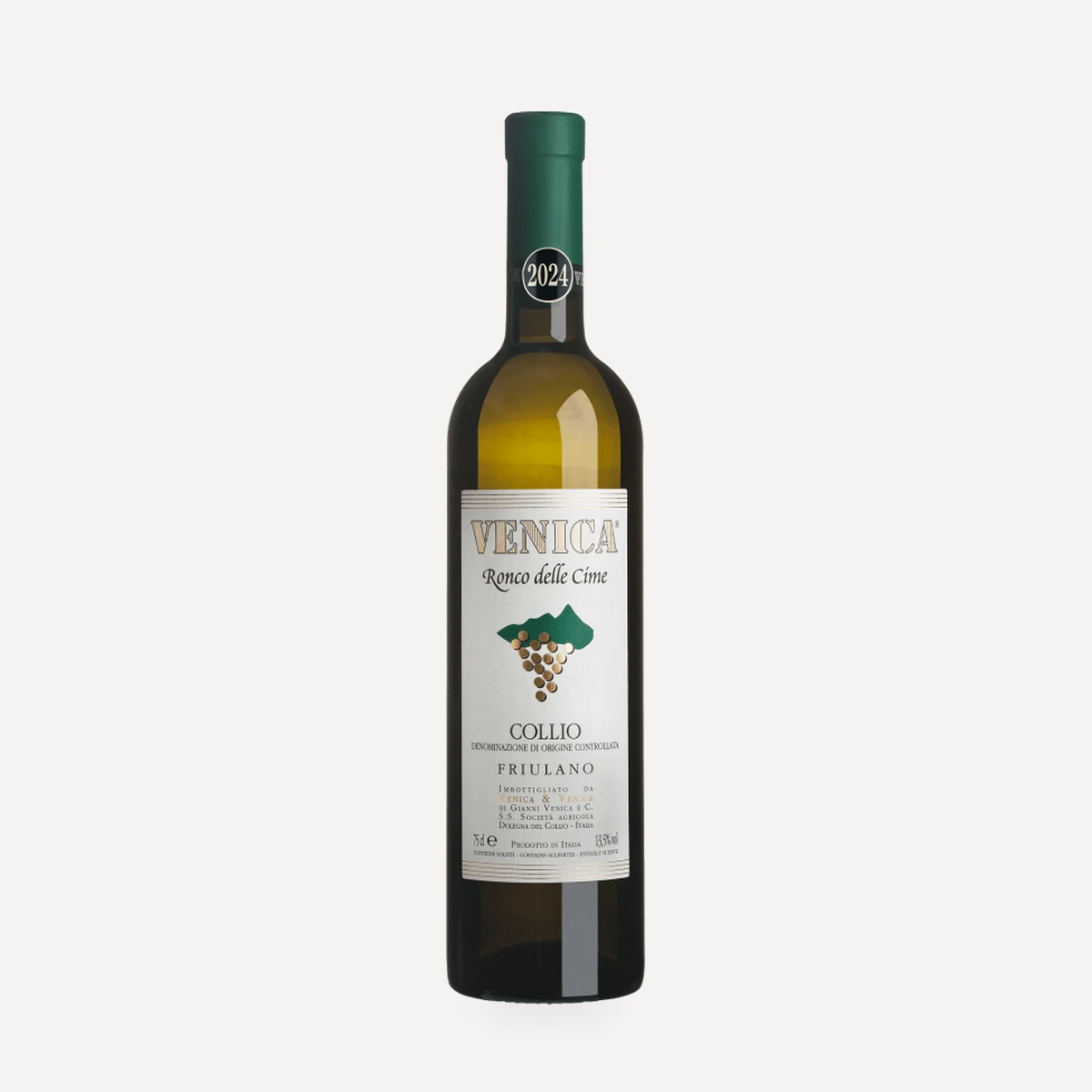
Ronco delle Cime • Friulano Collio DOC
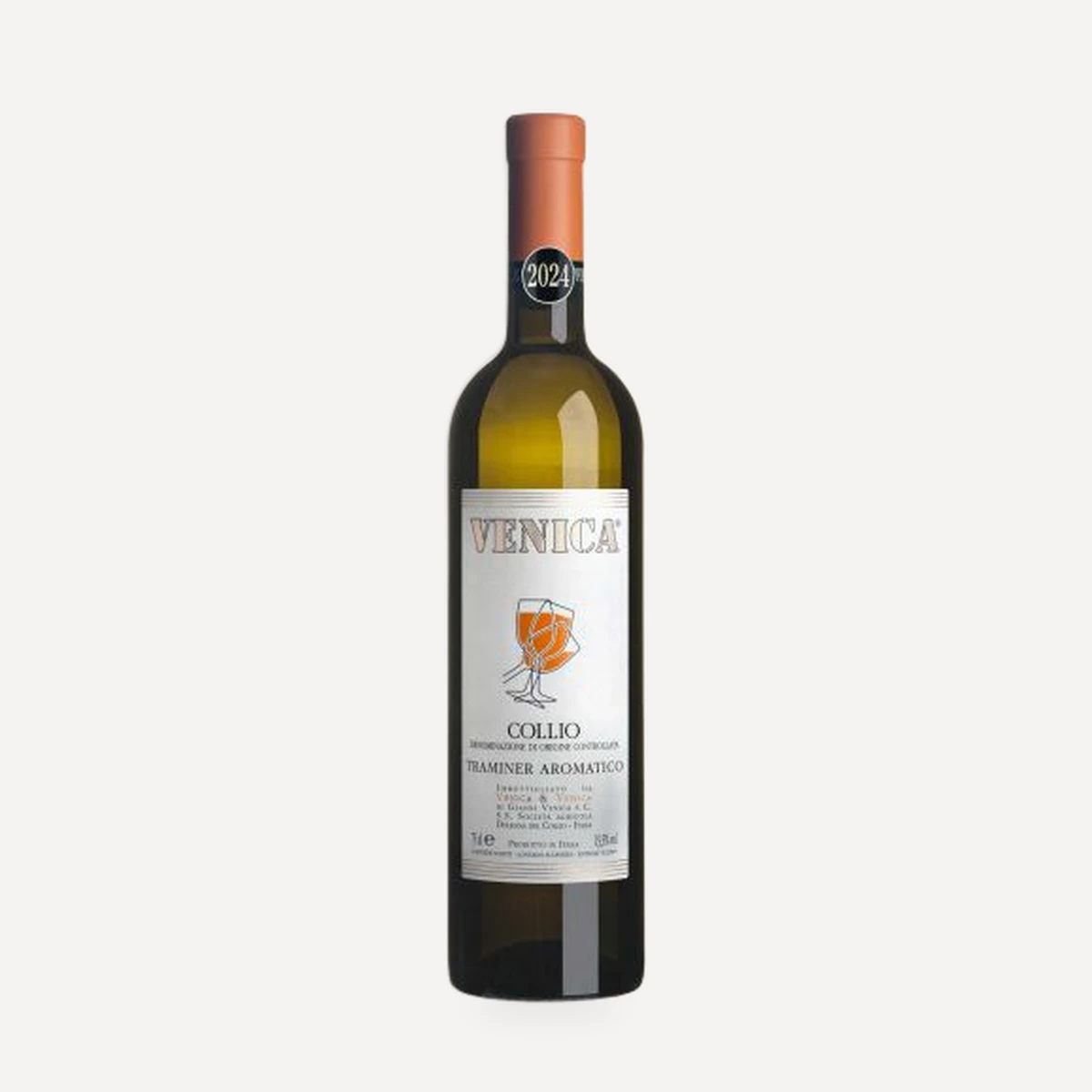
Traminer Aromatico Collio DOC
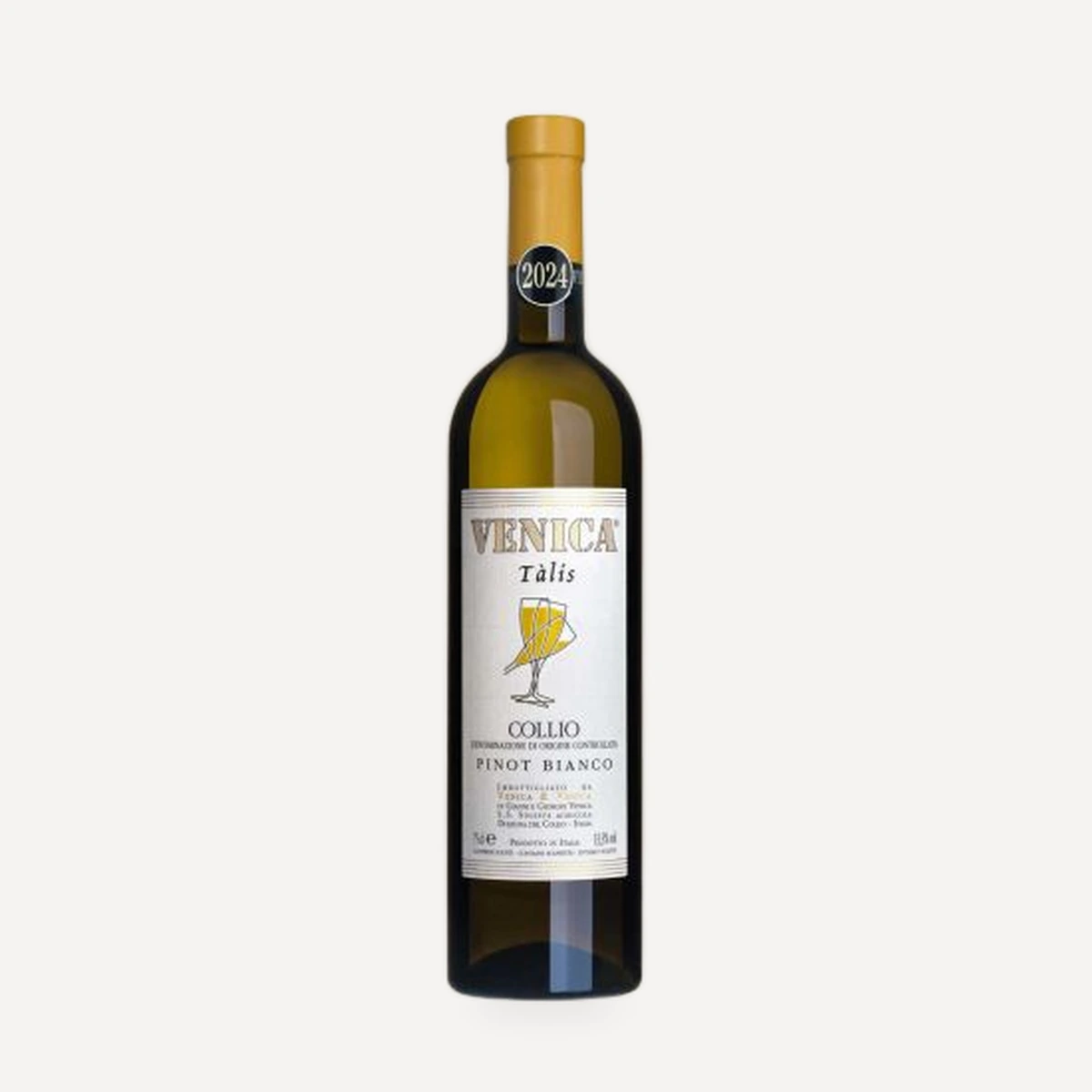
Tàlis • Pinot Bianco Collio DOC
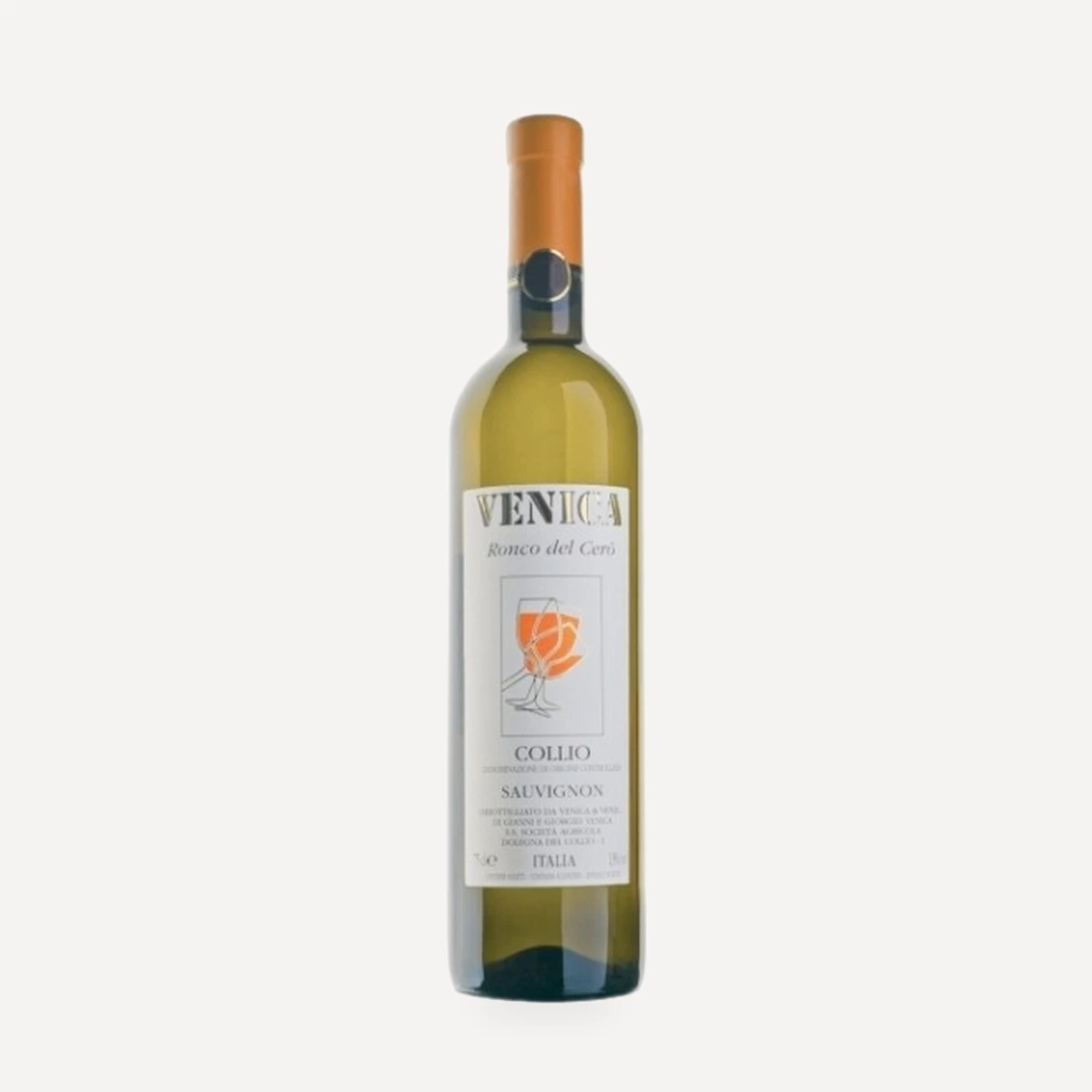
Ronco del Cerò • Sauvignon Collio DOC
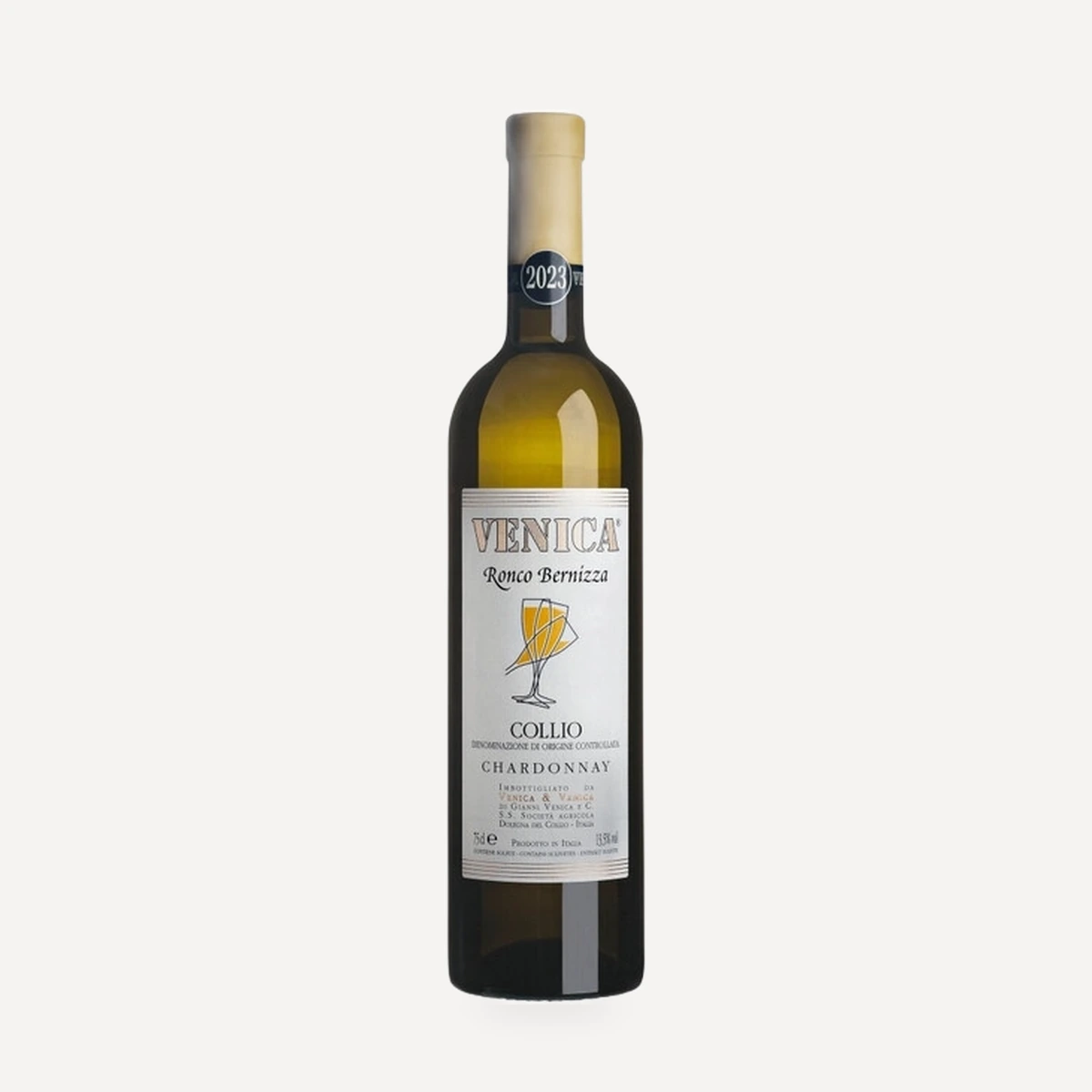
Ronco Bernizza • Chardonnay Collio DOC
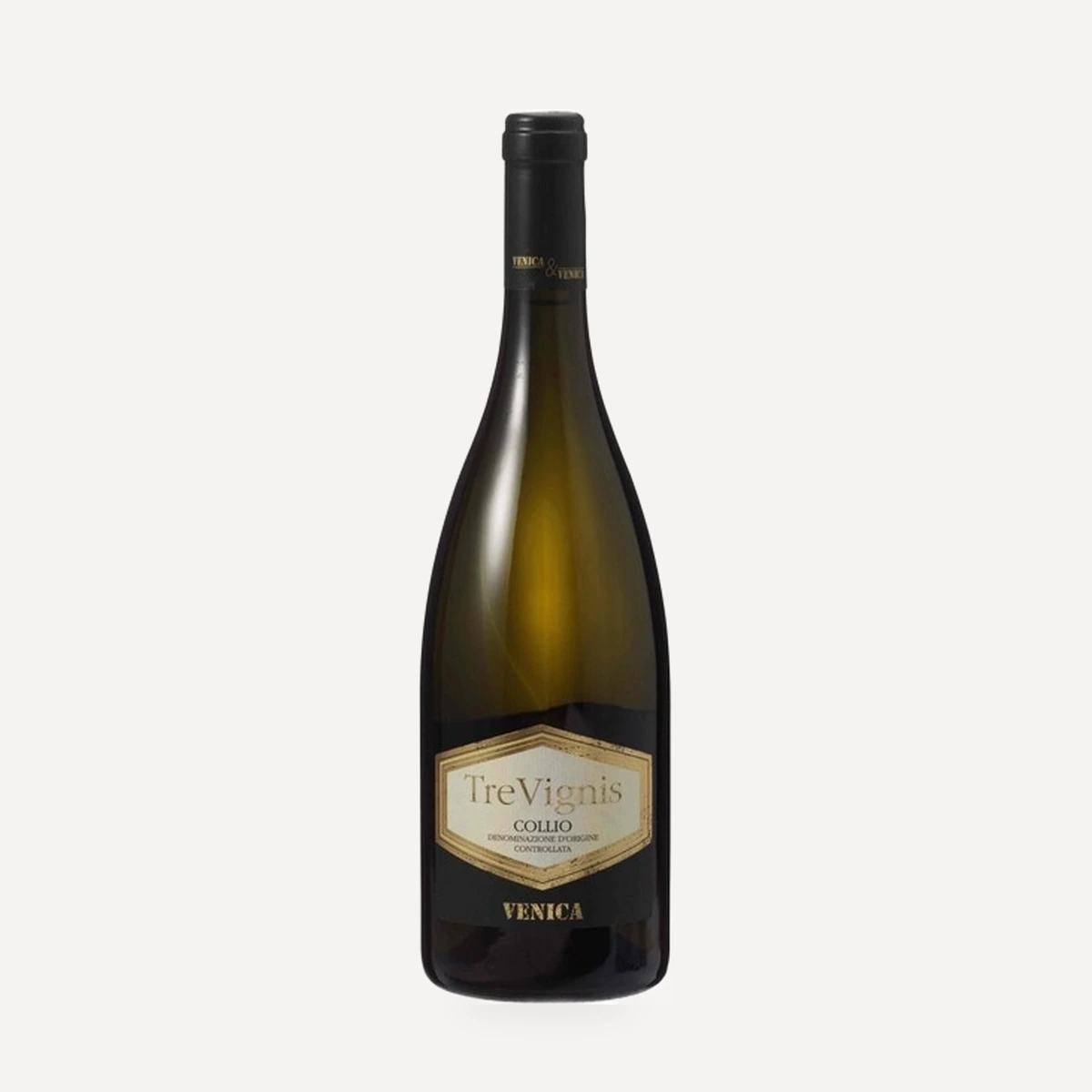
Tre Vignis • Bianco Collio DOC
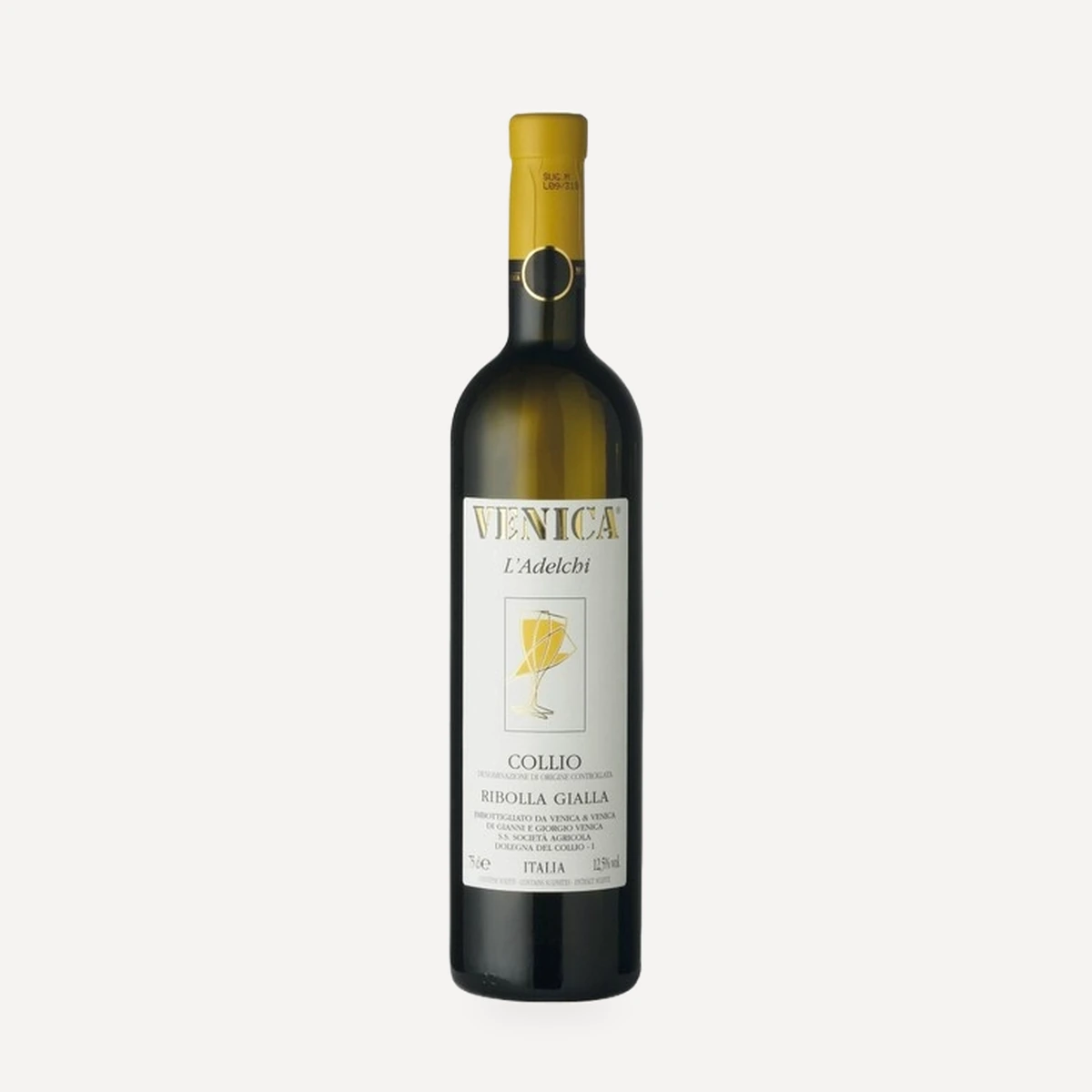
L’Adelchi • Ribolla Gialla Collio DOC
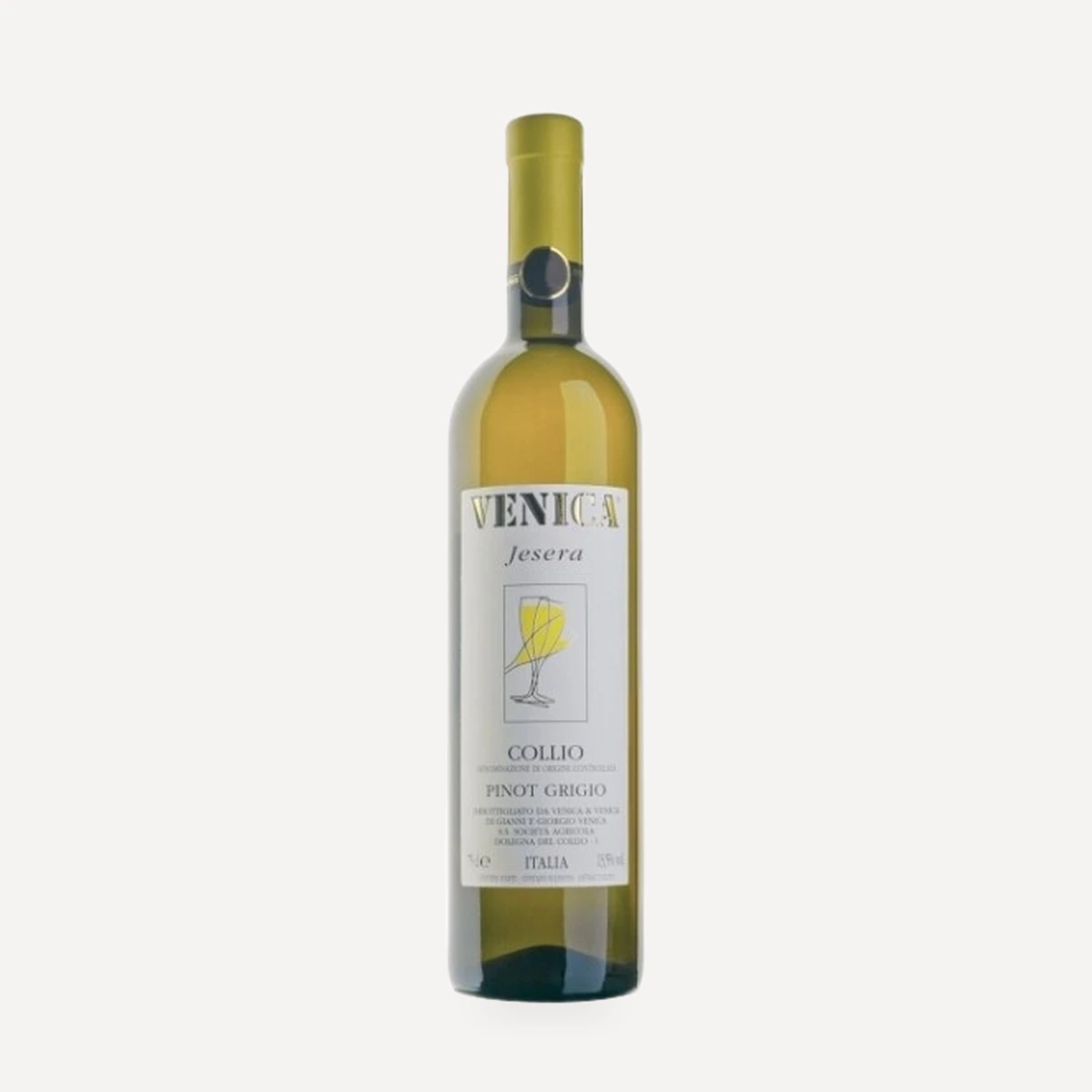
Jesera • Pinot Grigio Collio DOC
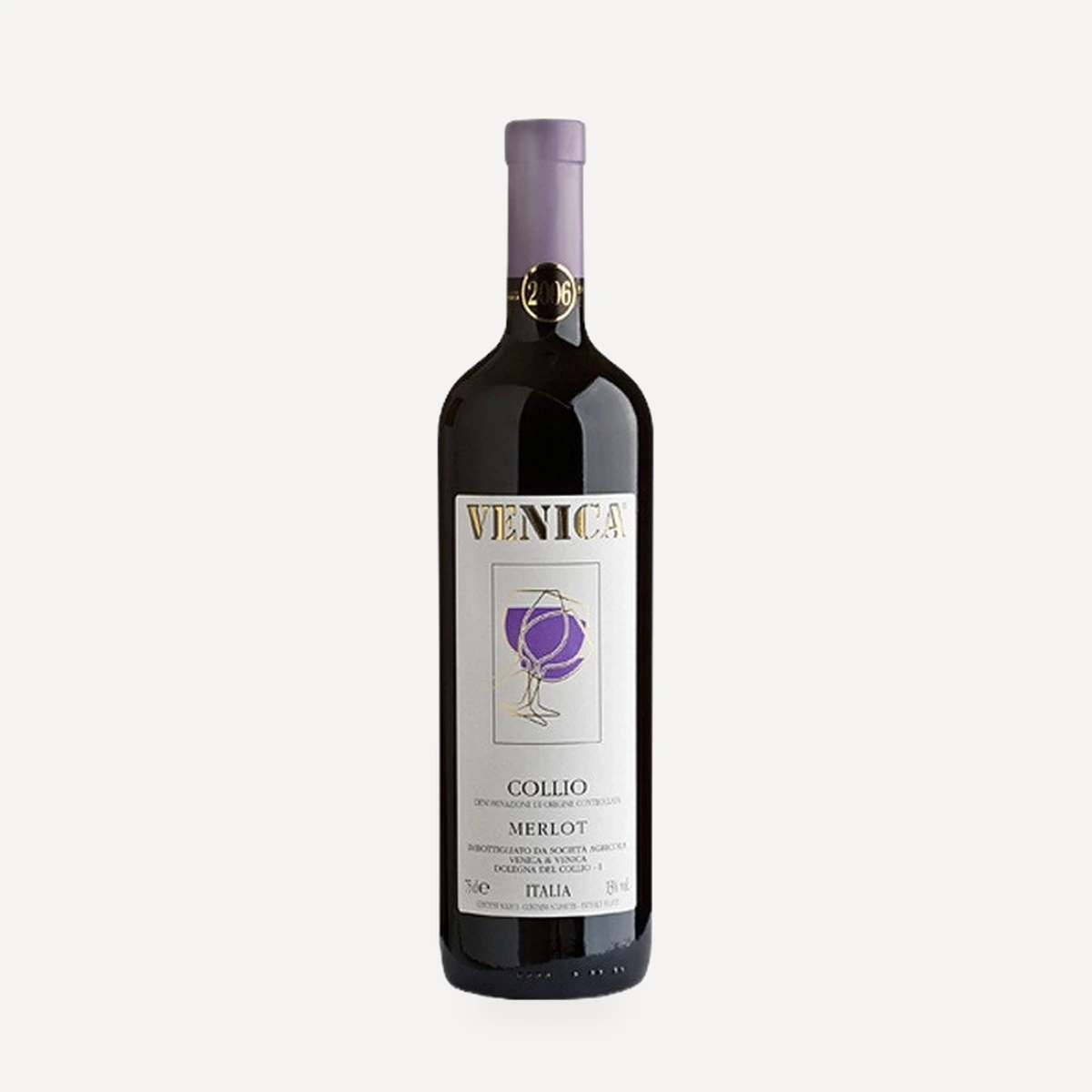
Merlot Collio DOC
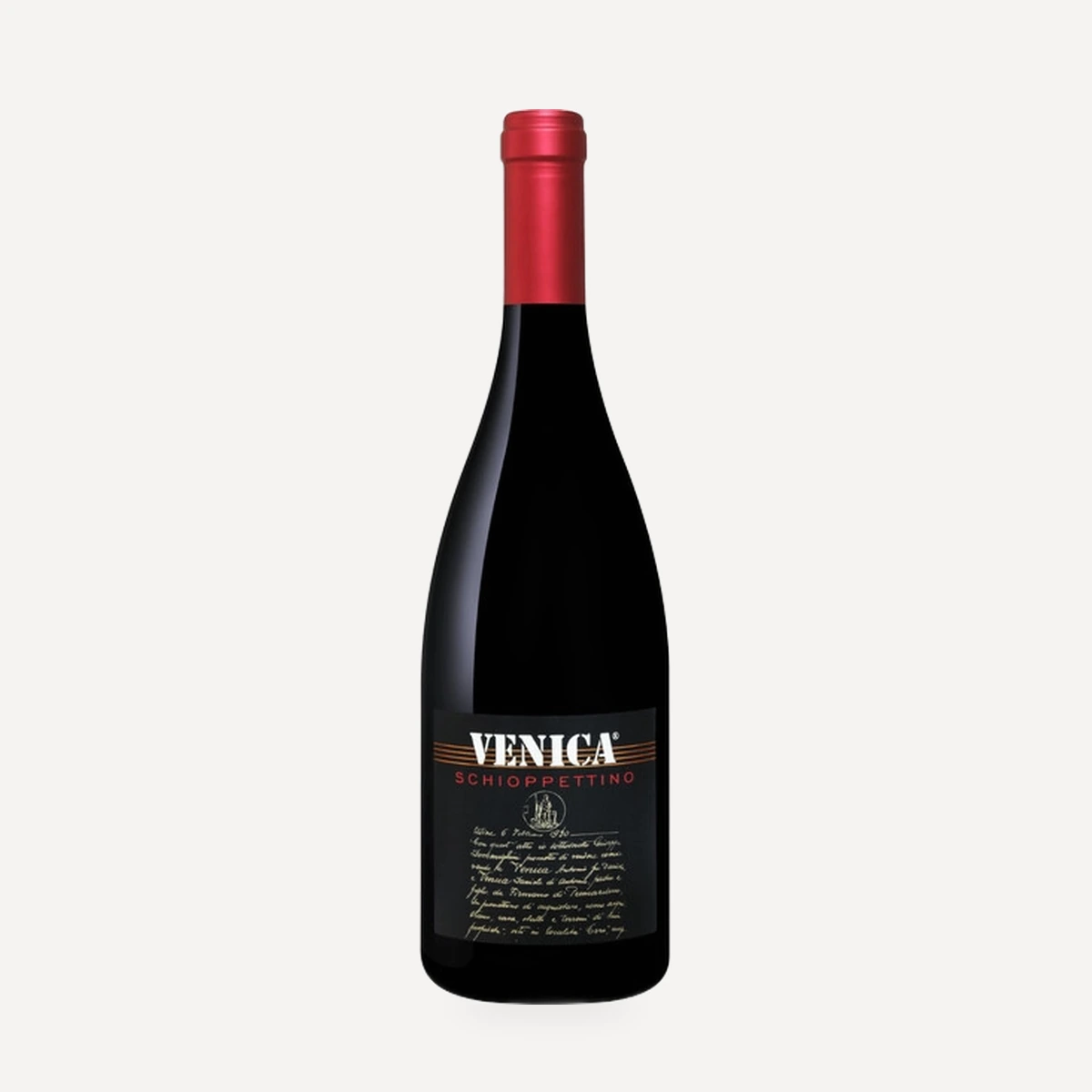
Schioppettino Friuli Colli Orientali DOC
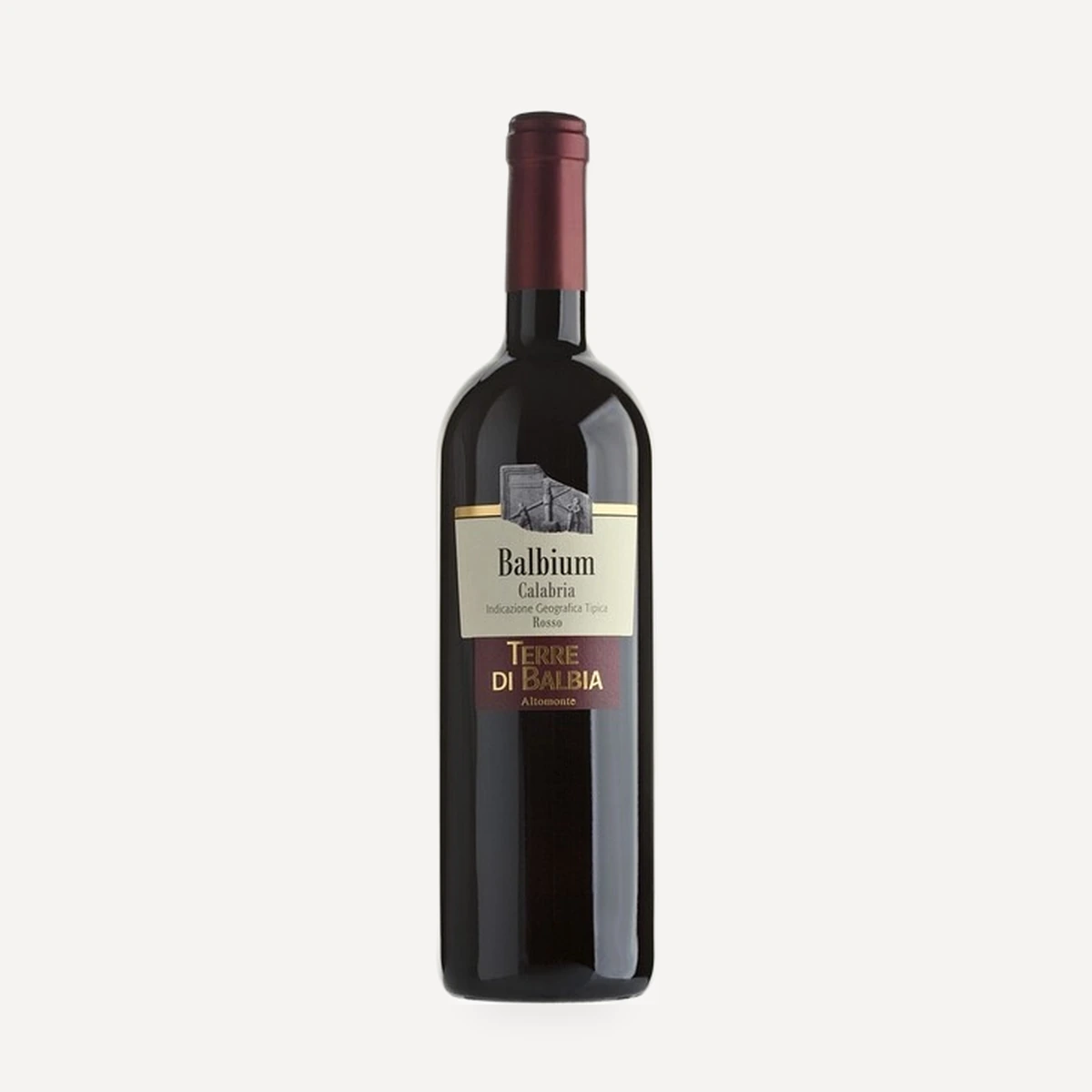
Balbium Calabria IGT
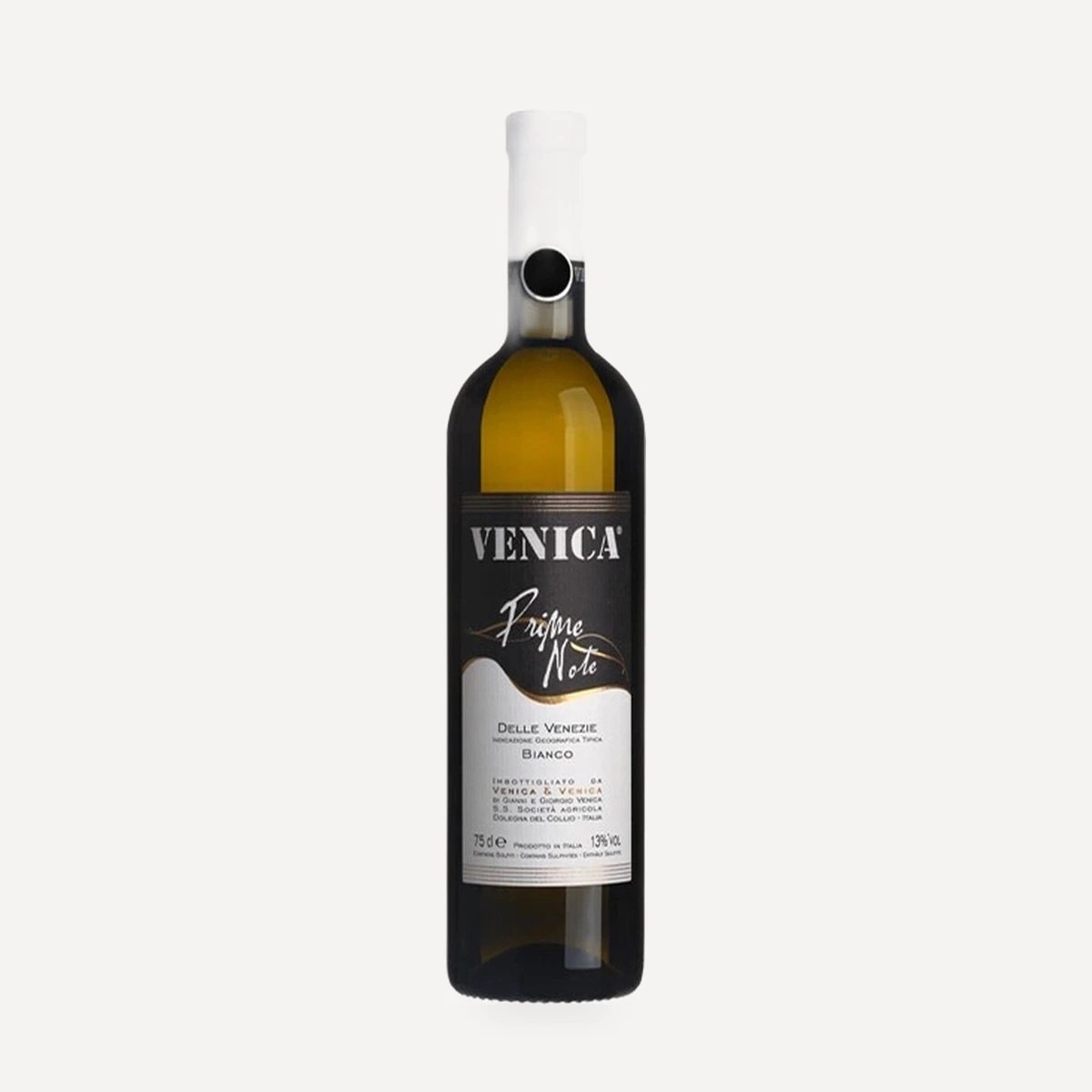
Prime Note • Bianco Delle Venezie IGT
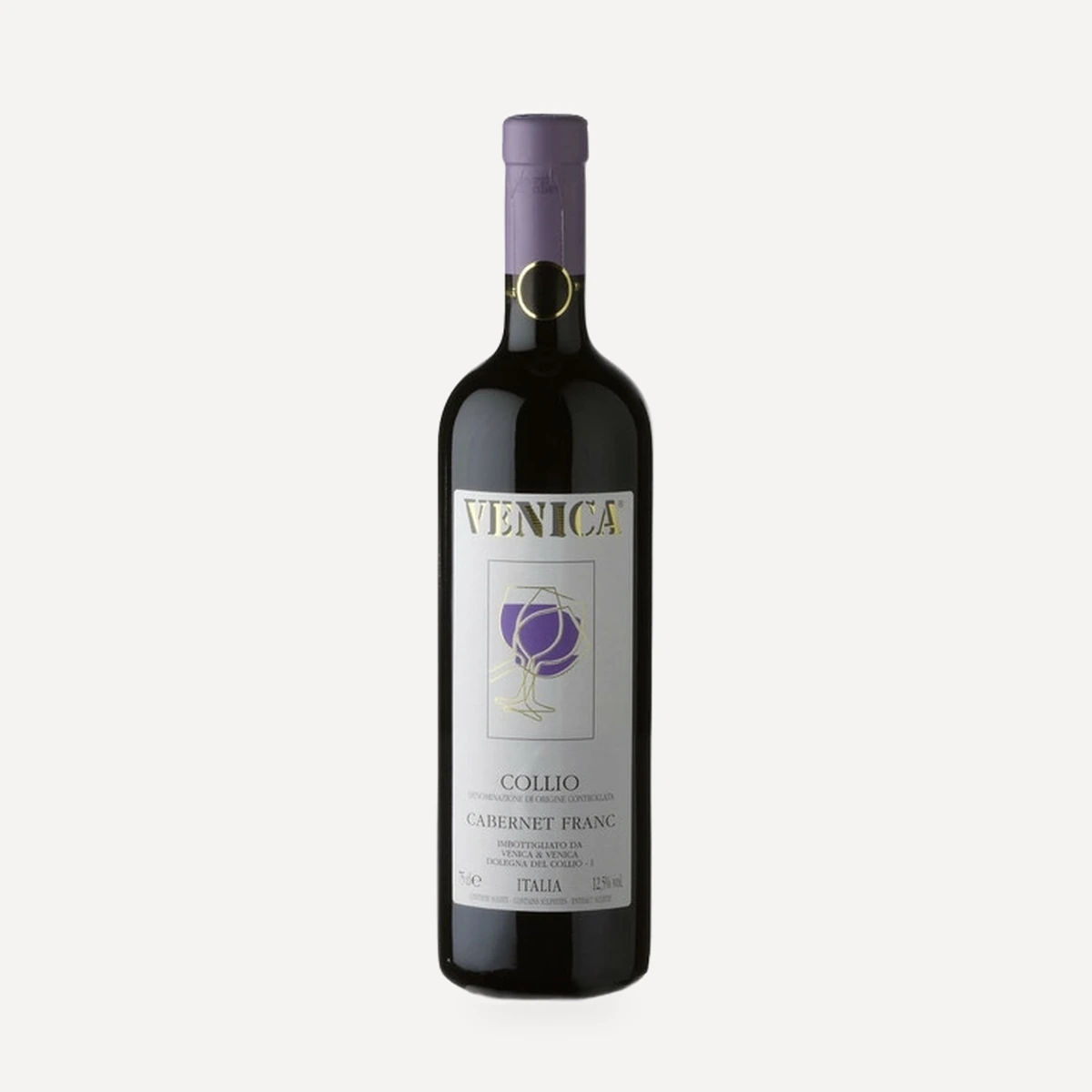
Cabernet Franc Collio DOC