Storia
The beginnings in Spessa
Tunella's family history began in the 1960s in Spessa, in the Colli Orientali del Friuli. Grandfather Zorzettig, known as “Min,” worked as a sharecropper and made a wine whose flavour and aromas attracted friends and acquaintances from the surrounding area and beyond. His son Livio subsequently continued the enterprise, which operated under the name Livio Zorzettig.
Winemaking expertise and the third generation
Giuseppe Zamparo joined the enterprise as a wine technician in 1993. His knowledge helped the family develop a more clearly defined personality for its wines, while winemaking expertise continued to be combined with experience passed from father to son and refined through study.
The business now represents three generations of the family. Massimo and Marco Zorzettig own Tunella and, together with their mother Gabriella, preserve more than fifty years of family history. Their approach brings together memory and contemporary practice, experimentation and the established traditions of the Colli Orientali del Friuli.
The Tunella name
In 2002 the company changed its name from Livio Zorzettig to Tunella. The name is a local toponym referring to a farmhouse and a hill near the estate, set among meadows and vineyards in the Colli Orientali landscape.
Development of the cru range
With the 2011 vintage, Tunella introduced two single-variety crus: Colmatìss Sauvignon and Coldebliss Ribolla Gialla. Both were based on small, clearly delimited plots around Cividale, planted during the 1980s. The 2015 vintage brought a third cru, Colbajè Pinot Grigio, completing a group sourced from three small plots in different parts of the Cividale area.
Terroir
Location and landscape
Tunella lies in the easternmost part of Friuli Venezia Giulia in northeastern Italy, close to the borders with Austria and Slovenia and not far from Venice. All 70 ha of vineyards are within the Friuli Colli Orientali DOC area and extend through the municipalities of Cividale del Friuli, Premariacco, Manzano and Corno di Rosazzo.
The vines grow on hillsides that have been terraced by human labour. The Julian Prealps shelter these slopes from cold northern winds, while breezes arriving from the Adriatic Sea, only a few dozen kilometres away, provide a warming maritime influence. This combination creates the area's favourable vineyard microclimate.
Soils
The soils consist of alternating layers of marl and sandstone. The flaky marl is a calcareous clay locally known in Friulian as “ponca”; the sandstone derives from calcified sands. These formations are rich in limestone, potassium and phosphorus.
The entire vineyard holding lies within the DOC zone. White varieties occupy 70% of the planted surface and red varieties 30%, reflecting the historic predominance of white grapes in the area.
Vinificazione
Tunella works 70 ha of vineyards, all within Friuli Colli Orientali DOC. Seventy percent of the planted area is devoted to white grapes and 30% to red grapes. The estate cultivates the native varieties Friulano, Ribolla Gialla, Malvasia Istriana, Verduzzo Friulano, Picolit, Refosco dal Peduncolo Rosso, Schioppettino and Pignolo, alongside Chardonnay, Pinot Grigio, Sauvignon, Pinot Nero, Merlot, Cabernet Sauvignon and Cabernet Franc.
The vines are trained using traditional French Guyot and monocapovolto. Planting density averages approximately 5,000 vines per hectare. Yields are restricted to 70 quintals per hectare, or 7 tonnes per hectare, to favour grape quality.
The vineyards are managed through a low-environmental-impact integrated pest-management programme that limits systemic pesticides, other plant-protection treatments and chemical fertilizers. Photovoltaic panels generate the energy used for the company's operations. These measures form part of a commitment to preserve the vineyards and their natural inputs—soil, sun, rain and wind—for future generations.
Winemaking approach
Winemaking is intended to preserve and enhance the quality created in the vineyard. Each wine is treated as a project requiring high-quality fruit and careful preparatory work, allowing intervention to be kept to a minimum later in the process. Giuseppe Zamparo has contributed his expertise as a wine technician since 1993.
Cellar design
The winery is arranged over two levels, with each space assigned to a different phase of production. Temperature, humidity and ventilation are strictly controlled and adjusted to the intended character of each wine.
The basement contains a room for fermenting white wines and a separate room for drying grapes. It also houses the barrique cellar and spaces for tonneaux and larger oak barrels used to mature red wines. The ground floor contains the warehouse and bottling line, while an outdoor area is reserved for equipment storage.
Native varieties and oak fermentation
Production gives particular emphasis to native Friulian varieties. Friulano, Ribolla Gialla—bottled under the name Rjgialla—and Malvasia Istriana—presented as Valmasìa—form the principal native whites. Refosco dal Peduncolo Rosso, Schioppettino and Pignolo are the principal native reds highlighted by the estate.
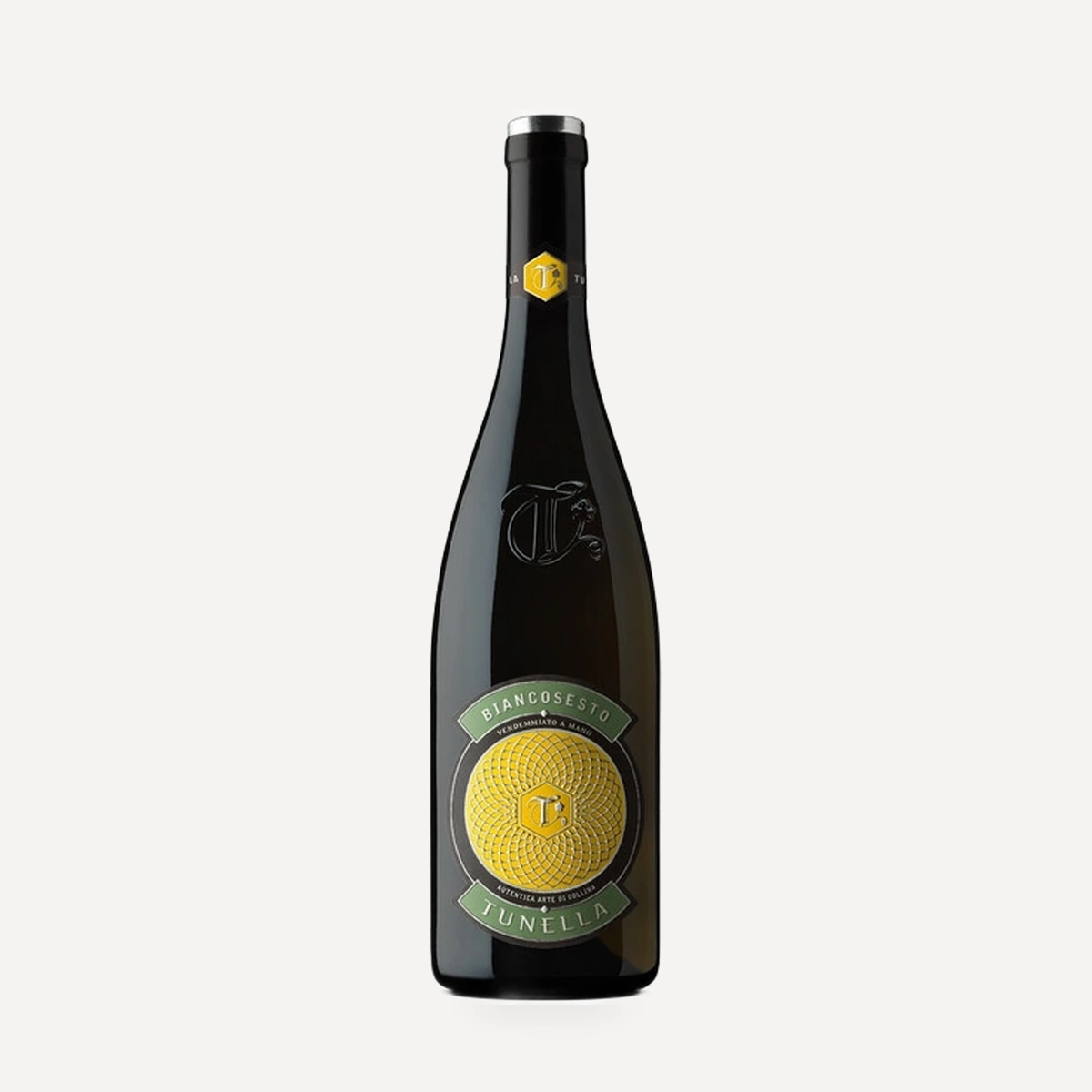
For Biancosesto, selected Friulano and Ribolla Gialla grapes undergo slow, temperature-controlled fermentation and maturation in 30-hl Slavonian oak casks. Frequent bâtonnage accompanies maturation on the lees. The wine receives a further resting period and is released no earlier than one year after the harvest.
The cellar also handles fruit destined for three single-variety crus from small plots around Cividale whose vines were planted in the 1980s: Colmatìss Sauvignon and Coldebliss Ribolla Gialla, produced since the 2011 vintage, and Colbajè Pinot Grigio, added with the 2015 vintage.
Filosofia
Tunella's guiding principle is “do little to do better.” It rests on meticulous attention to details that may not be immediately visible but shape the finished wine. Extensive work in the vineyard and careful preparation in the cellar are intended to reduce the need for later intervention and preserve an authentic expression of the territory.
The family presents tradition and experimentation as complementary. Knowledge inherited from father to son is refined through study, while current practice remains anchored in the established traditions of the Colli Orientali del Friuli. Particular value is placed on native Friulian grapes, with Friulano, Ribolla Gialla, Malvasia Istriana, Refosco dal Peduncolo Rosso, Schioppettino and Pignolo treated as important expressions of the local growing area.
Sustainability is framed as an obligation to preserve the beauty of the vineyards and the character of the wine for future generations. Integrated pest management, restricted use of agricultural treatments and fertilizers, and photovoltaic energy are the practical expressions of that commitment.
Vini
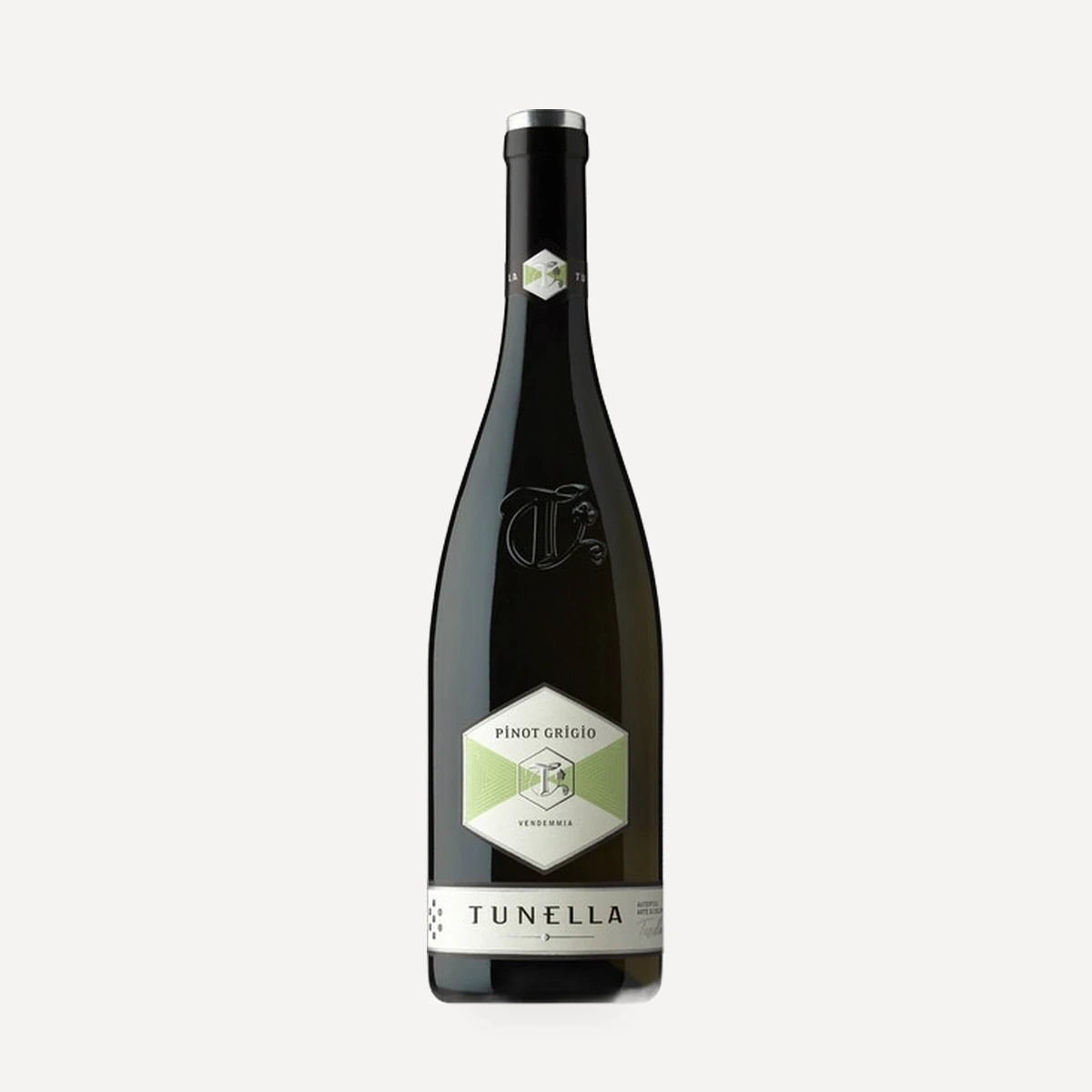
Pinot Grigio
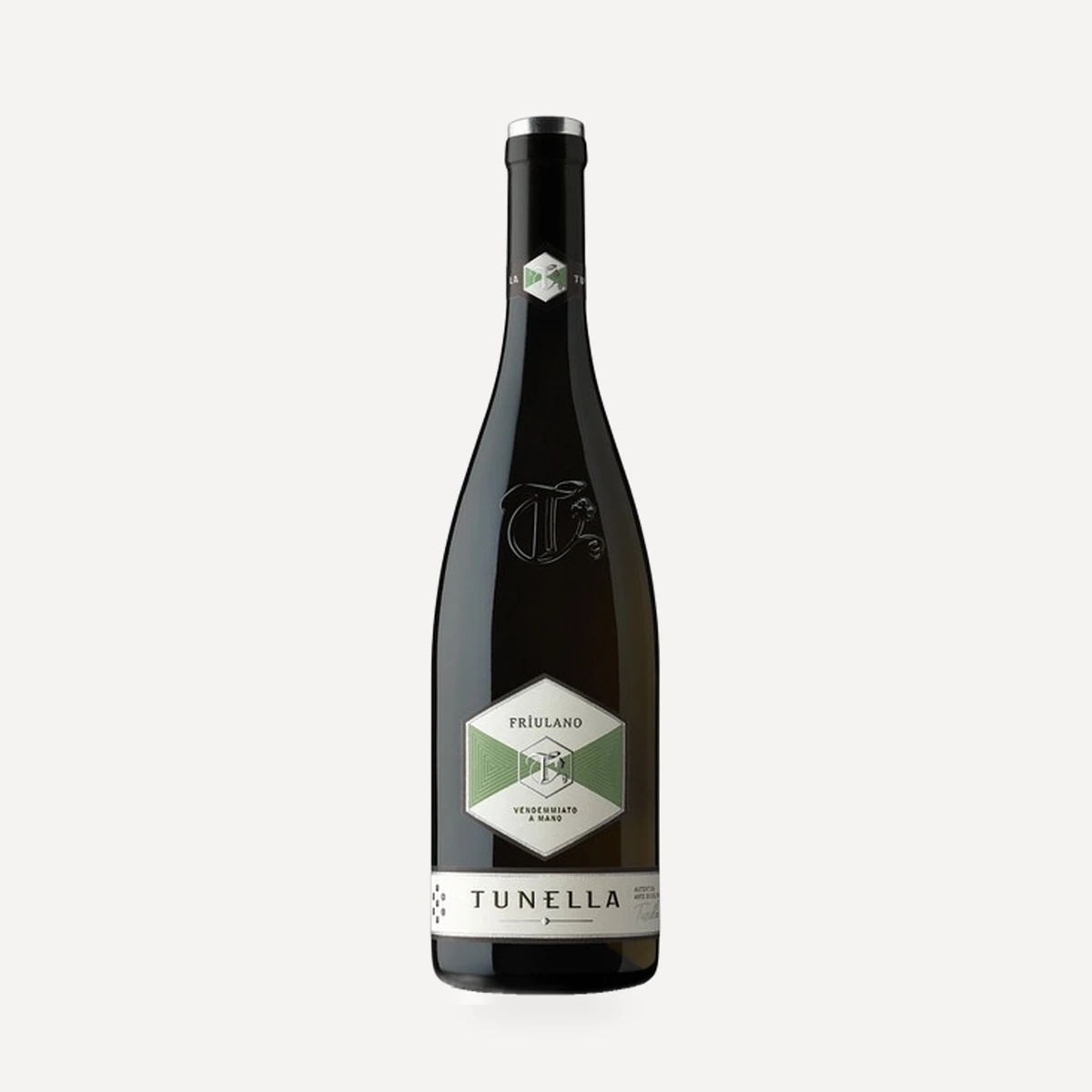
Friulano
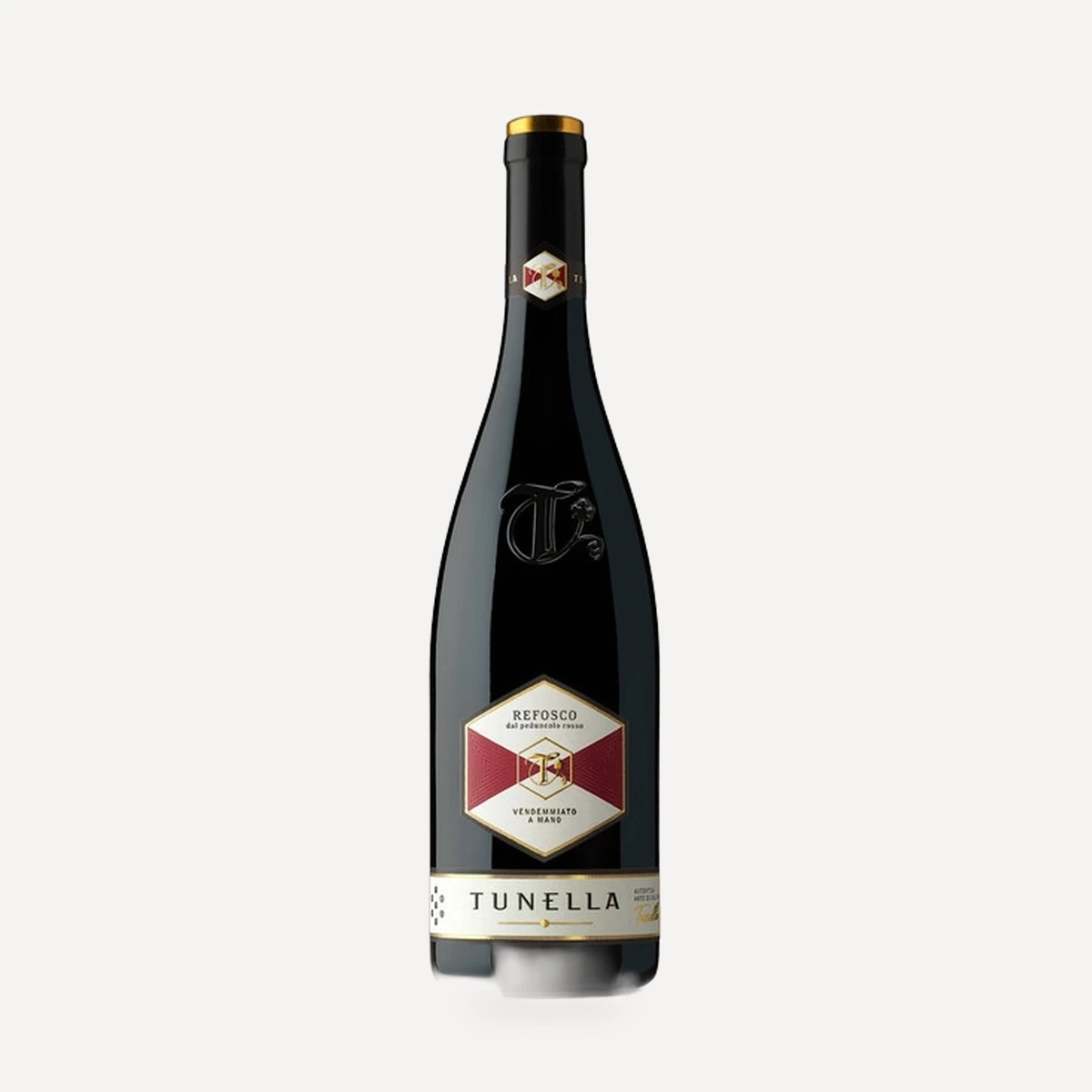
Refosco dal P. R.
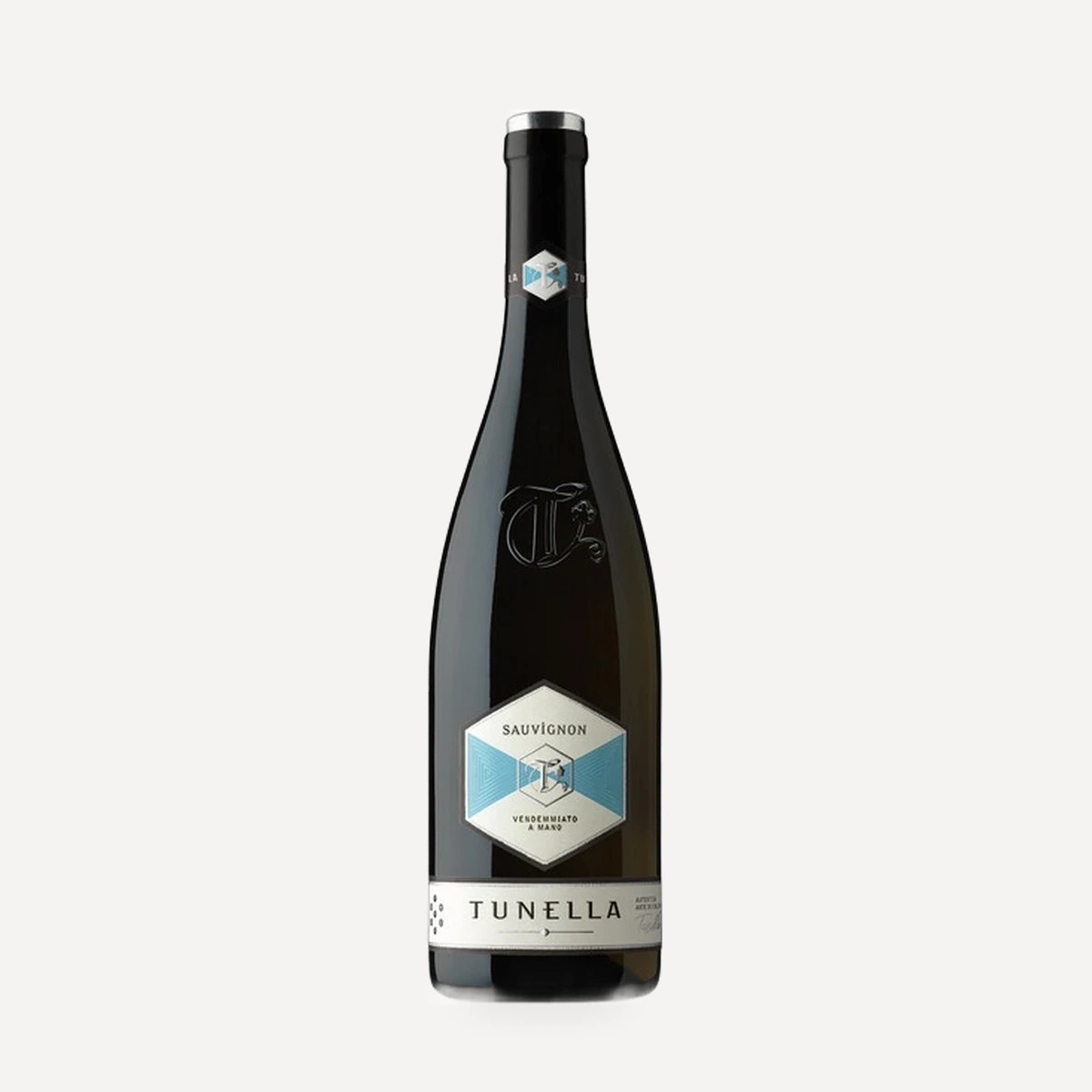
Sauvignon