Storia
First generation: Giuseppe and Lina
Sordo began in the early twentieth century in Borgata Garbelletto, Castiglione Falletto. In 1912, Giuseppe Sordo, the first generation of the family, started cultivating vineyards and making wine there. His wife Lina accompanied him in establishing the family enterprise and is remembered as one of its pioneers.
Second generation: Giovanni and Maria
The decisive expansion came with Giuseppe’s son Giovanni. Beginning in the 1950s, he selected and acquired favorably situated vineyards known in Piedmontese as sorì or surì, building a portfolio intended for wines of high quality and prestige.
During the 1960s Giovanni and his wife Maria enlarged the winery. They constructed the fermentation room that remains in use and created the first cellar devoted exclusively to Barolo maturation, equipping it with large oak vessels of 120 hl. Maria supported Giovanni’s major decisions and preserved the estate’s historical memory.
Third generation: Giorgio
Giovanni died prematurely in 2001, after which his son Giorgio assumed responsibility for the estate. He continued the approach learned from his father and developed the family’s focus on the Menzioni Geografiche Aggiuntive of Barolo.
Giorgio also expanded the winery. A new subterranean cellar was excavated more than 12 m into the hillside, providing constant temperature and humidity for maturation in cask. Two infernot—small underground cellars—were incorporated into this area for the family’s magnums and double magnums of historic Barolo vintages.
In 2013, Sordo produced eight different Barolo MGAs for the first time: Rocche di Castiglione, Parussi, Villero, Monprivato, Gabutti, Perno, Monvigliero and Ravera. Giorgio dedicated the achievement to his mentor, oenologist Armando Cordero, an advocate of ageing Barolo in large casks.
Fourth generation: Paola
Paola Sordo, Giorgio’s only daughter, was born in 1999 and represents the fourth generation. Her place in the succession continues a family history in which Lina and Maria had already played central roles alongside the first two generations.
Terroir
Sordo’s 53 ha of vineyards extend across Castiglione Falletto, Serralunga d’Alba, Monforte d’Alba, Barolo, Novello, La Morra, Verduno, Grinzane Cavour, Vezza d’Alba and Volpeglino. Its Barolo portfolio draws on vineyards in Castiglione Falletto, Serralunga d’Alba, Monforte d’Alba, Barolo, Novello, La Morra, Verduno and Grinzane Cavour. The eight named Barolo MGAs occupy five communes and span elevations from 230 to 450 m.
Castiglione Falletto
Four MGAs lie in Castiglione Falletto. Rocche di Castiglione occupies an undulating, predominantly southeast-facing slope at 320–350 m. Its conspicuously white central soils derive from sandy Sant’Agata Fossili Marls overlying Diano Sandstones. The estate parcel has medium-textured, loose surface soil tending toward limestone, with hard whitish-grey and bluish marls and compact sandstone a little more than 1 m below the surface.
Parussi lies at 270–290 m in a sheltered amphitheatre extending from the Montanello boundary toward the hamlet of Parussi. West and southwest aspects combine with medium-textured soil that is loose and calcareous near the surface, above hard whitish-grey and bluish Langhian marls.
Villero ranges from 230 to 350 m on southwest-facing terrain. Its clay-limestone soils contain bluish-grey marl and compact grey sand at depth, assigned to the Langhian stage of the Miocene.
Monprivato occupies a southwest-facing position at 240–320 m. Its calcareous soils consist of blue-grey marine marl of Miocene, Langhian origin.
Serralunga d’Alba
Gabutti lies at 250–300 m with southern and southwestern exposures. Its Lequio Formation consists of relatively loose calcareous-clay marls from the Langhian stage. The slope and protection from wind create a particularly favorable Nebbiolo microclimate. Within the wider MGA, the fully south-facing vineyards between Parafada and Cascina Marianot are regarded as its heart; Sordo’s western-side expression is associated with a more linear, floral profile.
Monforte d’Alba
Perno extends around the village of the same name and is divided almost equally between the commune’s eastern and western slopes. The eastern side includes Disa, Ceretta and the better-exposed plots of Cascina Colombera; the western side includes the valued Santo Stefano di Perno hill. The central area known locally as Srea and in Italian as Ceretta or Cerretta is a steep, mainly east-southeast-facing slope. It transitions on one side into a cooler concavity and on the other into an easterly ridge bordering Disa. Sordo’s parcel is southeast-facing at 270–400 m, with difficult-to-work tufaceous red soil over stones and detrital rock cemented by sand and clay of Langhian origin.
Verduno
Monvigliero occupies south- and southeast-facing slopes at 280–320 m. Its pale, fine, relatively dry Tortonian marls are loose in texture and can create water stress in dry years. These soils are associated with reduced color intensity but a broader floral and spicy aromatic range.
Novello
Ravera is the highest of Sordo’s eight MGAs at 420–450 m, with southern and southeastern exposures. It is a large, heterogeneous MGA encompassing four distinct areas: the continuation of upper Terlo near the Barolo boundary; slopes below the Barolo–Monforte road between Rivassi and the Ravera estate; the area between the Parusso and Ravera estates, with its strongest sites near south-facing Bricco Pernice; and the broad amphitheatre around Pratorotondo and Cascina Nuova. Sordo’s soil is relatively loose and fertile, with whitish Tortonian marls resting on more compact brownish-grey marl. Ravera’s cool, late-ripening character has become increasingly significant in warmer conditions.
Vinificazione
Sordo maintains controlled grass cover between the vine rows, using grasses and other plant species. Their roots consolidate the slopes and reduce erosion and the washing away of soil during rainfall. When the vegetation is incorporated into the ground, it adds organic matter. This system allows the estate to dispense entirely with chemical fertilisers and herbicides.
Vine protection relies principally on sulfur and copper-based products, including Bordeaux mixture. Other crop-protection products are reserved for serious need and applied according to the advice and dosages of qualified agronomists.
The eight detailed Barolo MGA parcels are trained on upward vertical trellises with Guyot pruning. Planting density is consistently 4,000 vines/ha. Declared yields are 68–72 q/ha at Rocche di Castiglione and 75–80 q/ha in Parussi, Villero, Monprivato, Gabutti, Perno, Monvigliero and Ravera.
Winery wastewater passes through a modern phytopurification installation designed to return water to the soil without polluting substances.
Cellar structure
The fermentation room dates from Giovanni and Maria Sordo’s enlargement of the winery in the 1960s. They also established a dedicated Barolo maturation cellar and installed large 120 hl oak casks.
Under Giorgio Sordo, the cellar was extended more than 12 m into the hillside. Constant underground temperature and humidity provide the conditions for maturation in cask. Two infernot within this underground section hold magnums and double magnums from historic Barolo vintages. The modern production area incorporates bottling and packaging lines, while a dedicated “Barolo tunnel” stores large-format bottles.
Barolo production
The recurring protocol for the MGA Barolos begins with crushing and destemming, followed by temperature-controlled fermentation in stainless steel and a long submerged-cap maceration lasting four to seven weeks according to the vintage. Natural malolactic fermentation takes place at 20°C, followed by two to four months in stainless steel. Maturation then proceeds for 24 months in Slavonian oak casks, followed by four to six further months in stainless steel and at least six months in bottle.
Reserve Barolo follows an extended traditional program: long submerged-cap maceration, 36 months in large Slavonian oak casks and prolonged bottle ageing before release.
Other production
White-wine production includes crushing and destemming, white vinification in temperature-controlled stainless steel and, for several wines, maturation on fine lees. Alta Langa Extra Brut is vinified in stainless steel at low temperature, remains on its lees for six to eight months and then undergoes traditional-method bottle refermentation with 36 months on the lees. Its Pinot Nero and Chardonnay are selected from external growers in Langhe, Roero and Monferrato.
Nebbiolo also provides the base for Barolo Chinato, aromatised with cinchona bark, and fresh Nebbiolo pomace still imbued with wine is used for Grappa di Nebbiolo da Barolo.
Filosofia
Sordo’s guiding aim is to express the value of its winegrowing territory while maintaining continuity across four family generations. The estate’s historical production choices emphasize long macerations, large oak casks and patient maturation, particularly for Barolo.
Its environmental philosophy centers on respect for nature and progressive improvement as agricultural science develops. In practice, this means controlled vegetation between the rows, elimination of chemical fertilisers and herbicides, restrained vine treatments under qualified agronomic guidance, wastewater phytopurification and attention to the environmental effect of packaging materials.
The family also presents preservation as part of its identity: Maria safeguarded its historical memory, the underground infernot conserve large formats from past vintages, and the cellar retains Reserve Barolos dating back to 1989.
Vini
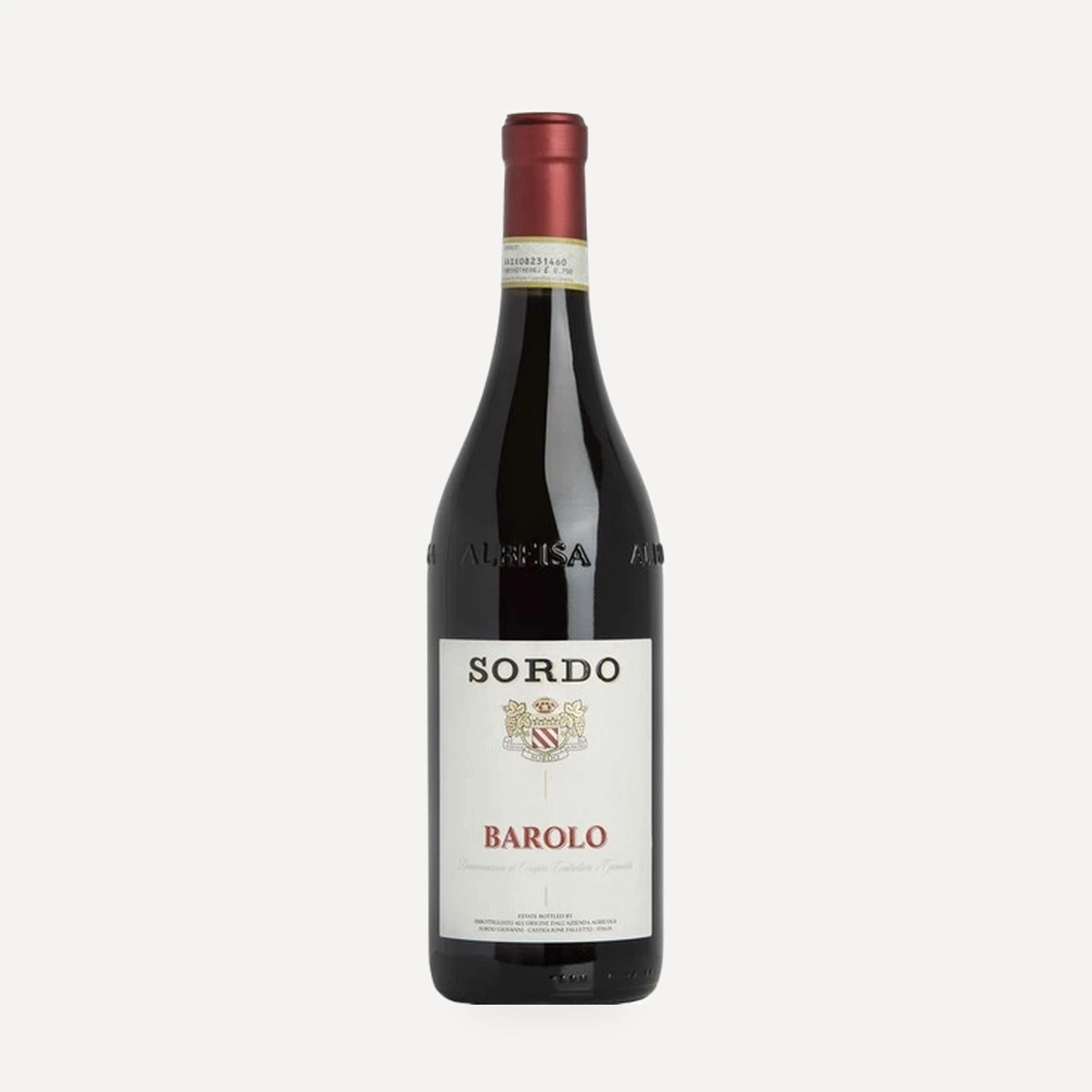
Barolo DOCG
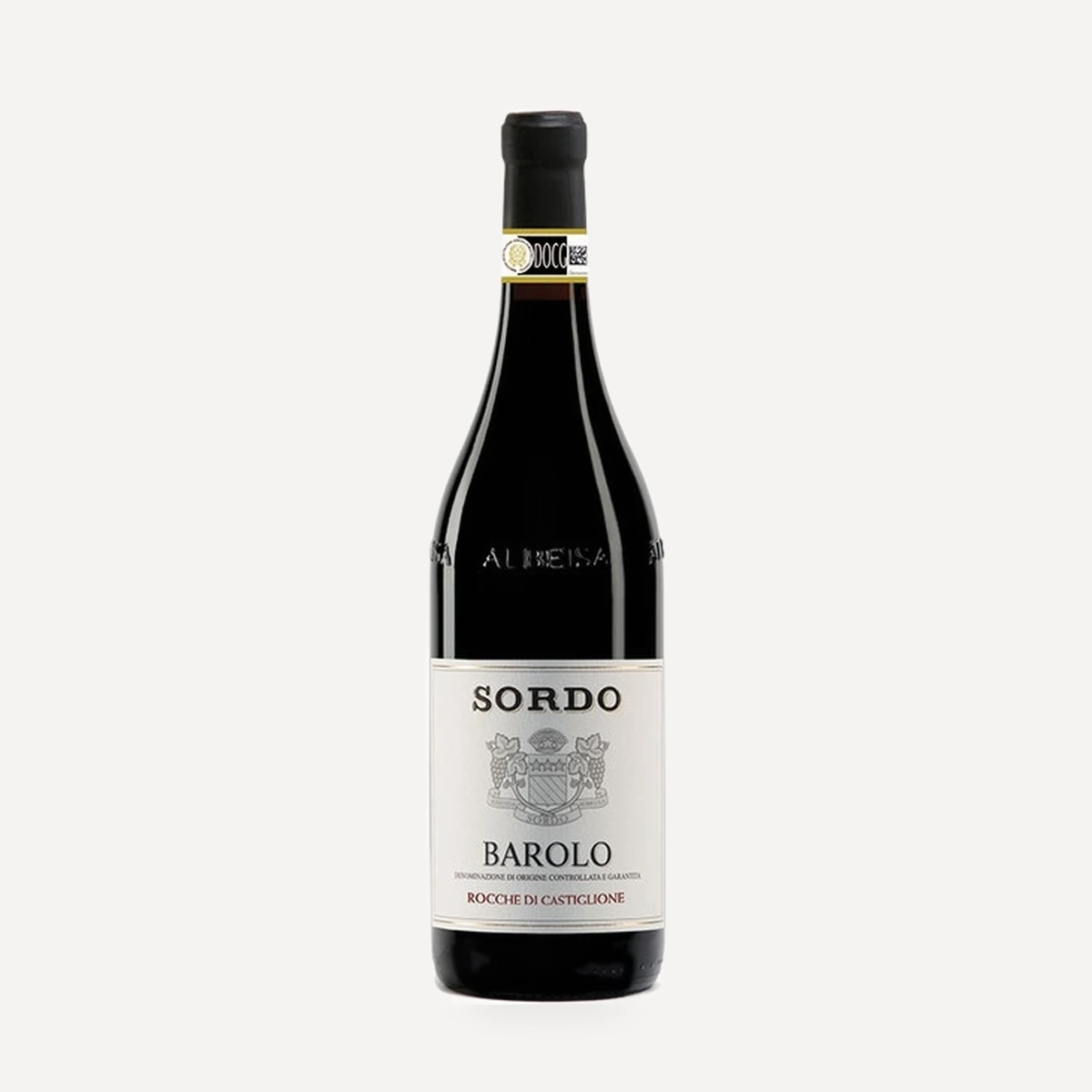
Barolo Rocche di Castiglione DOCG
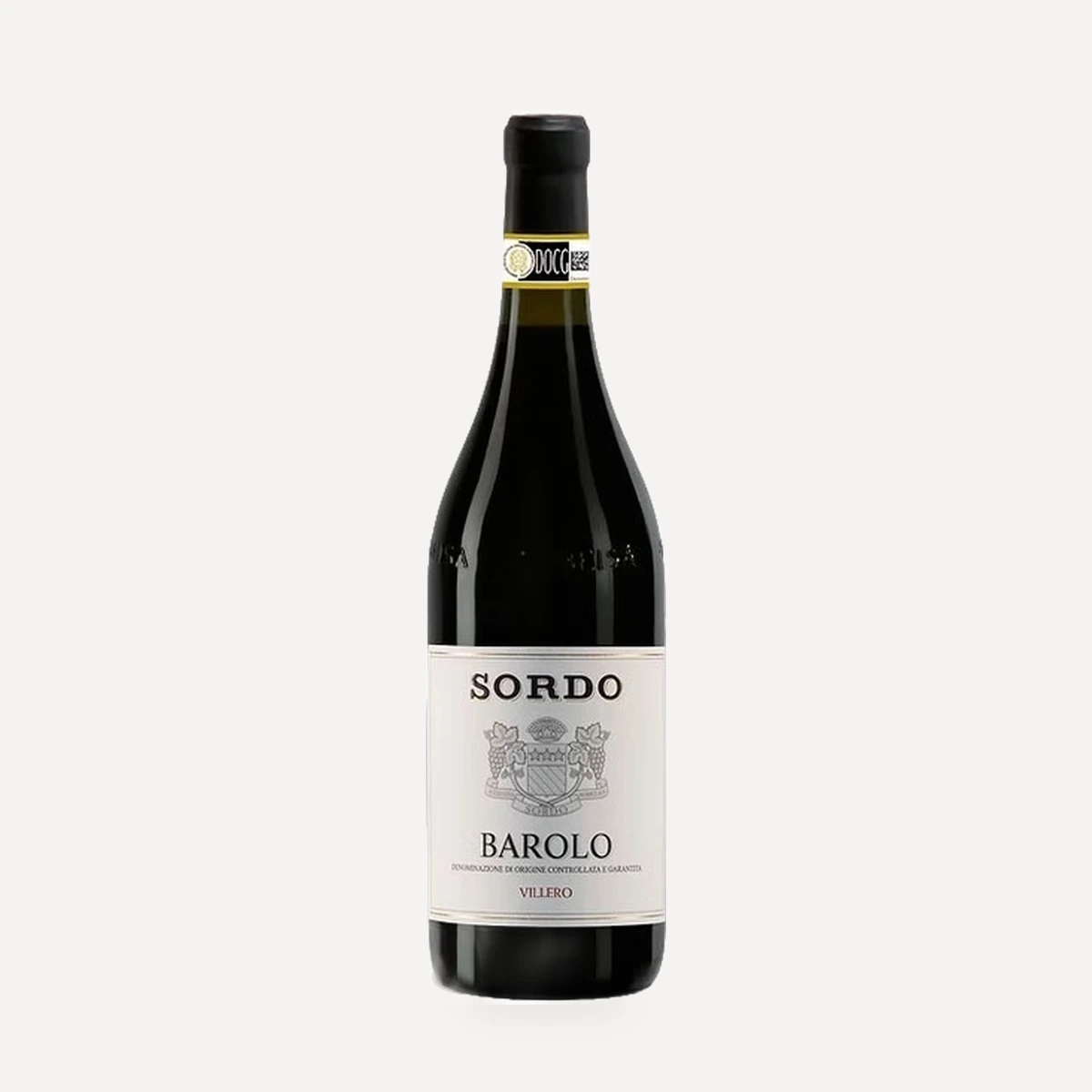
Barolo Villero DOCG
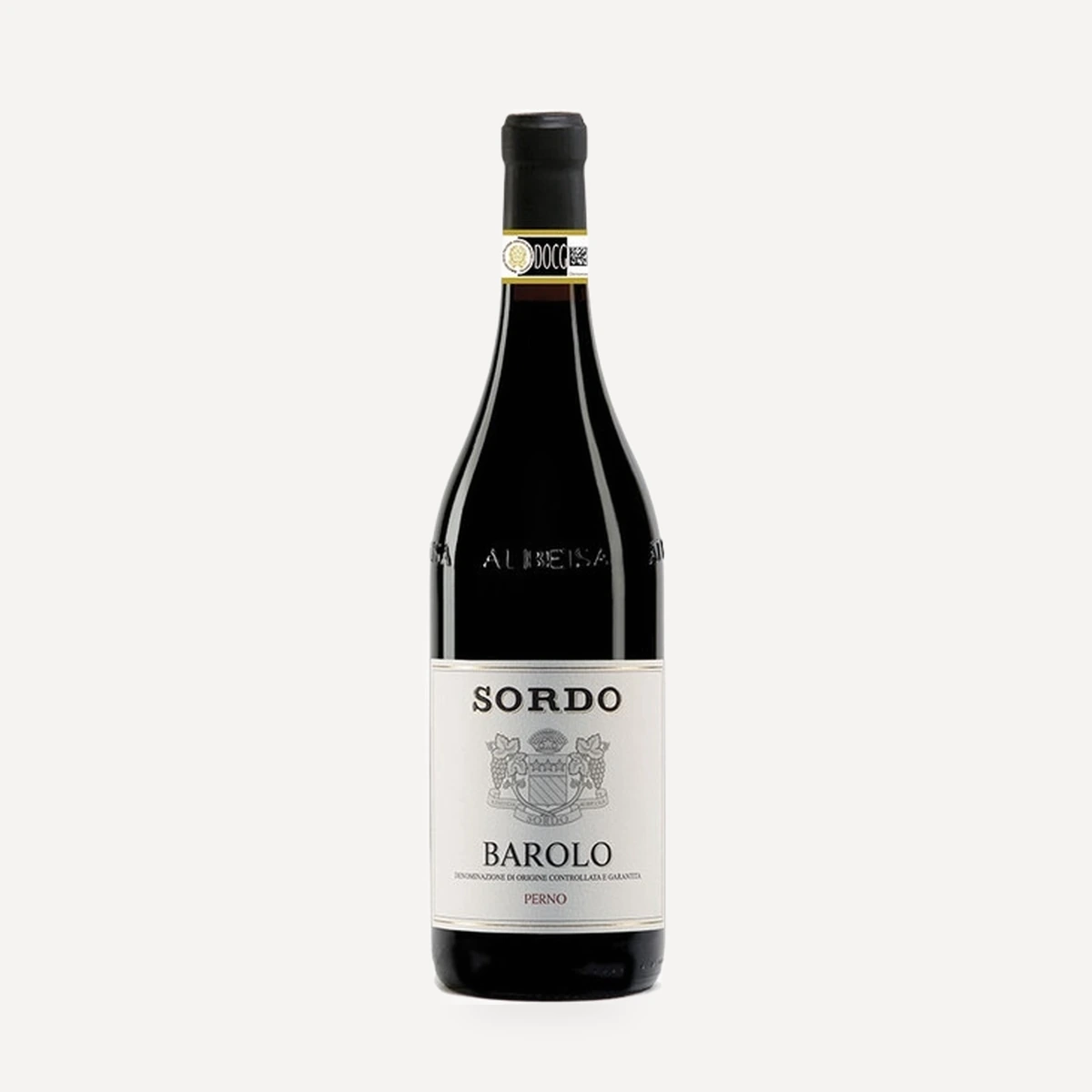
Barolo Perno DOCG
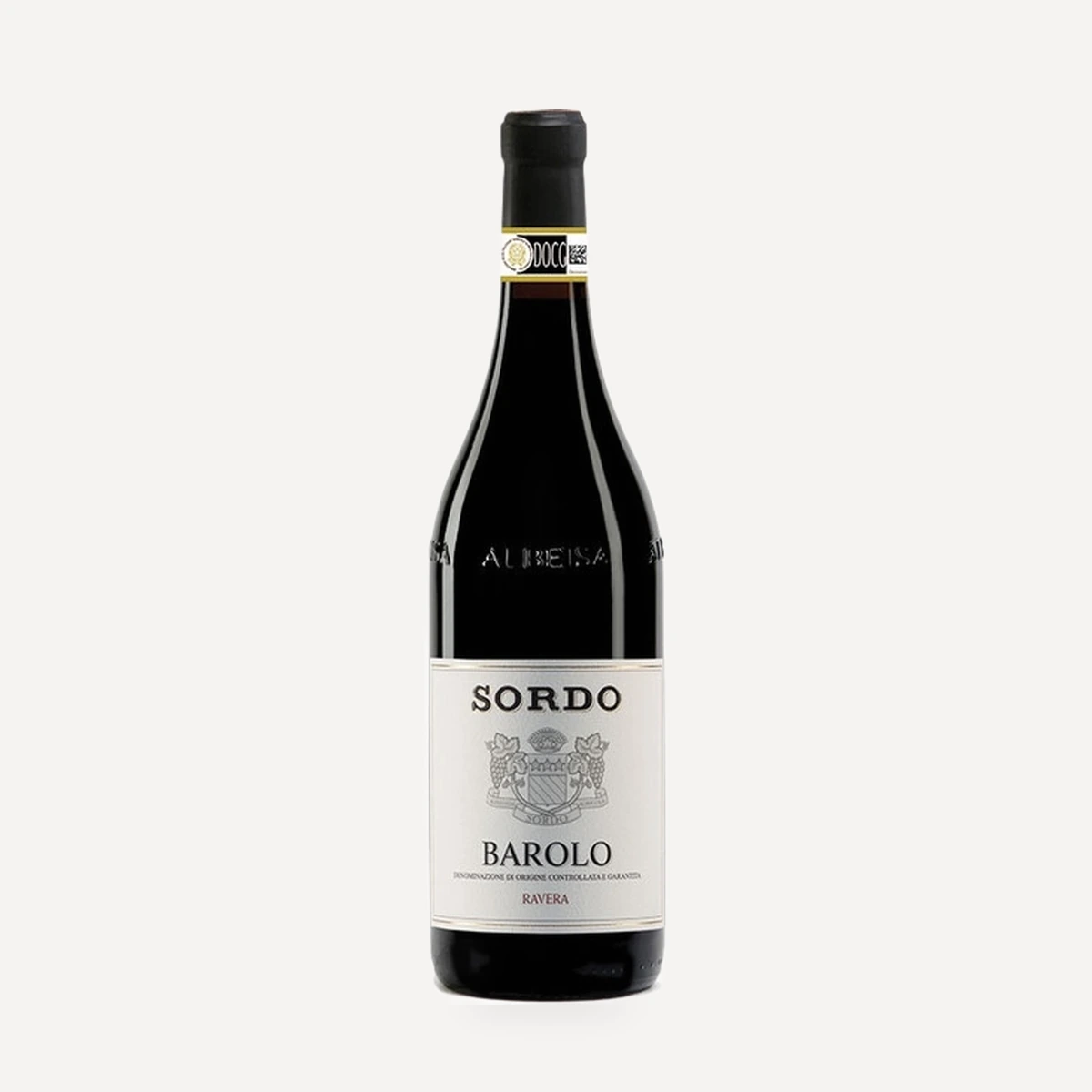
Barolo Ravera DOCG
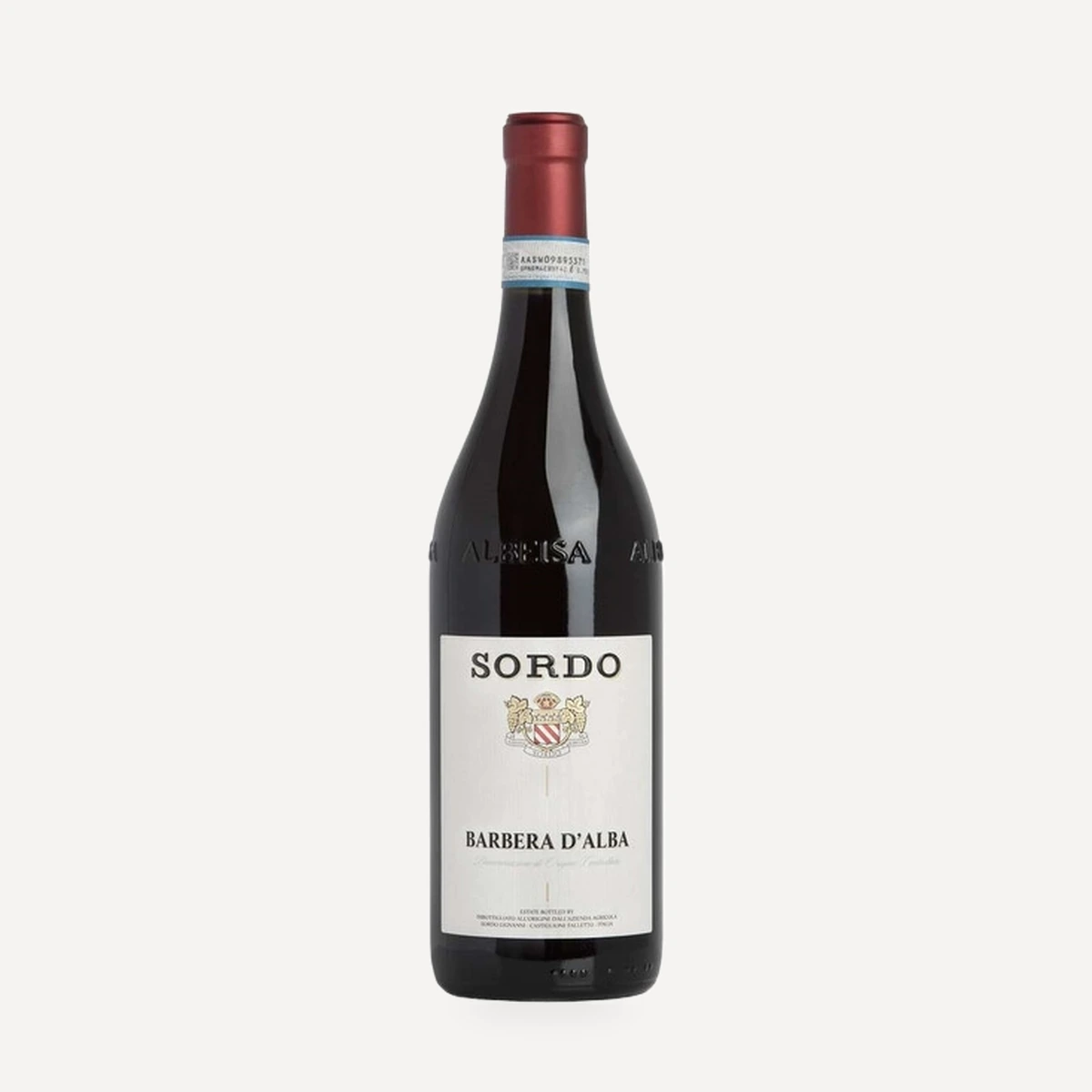
Barbera d'Alba DOC
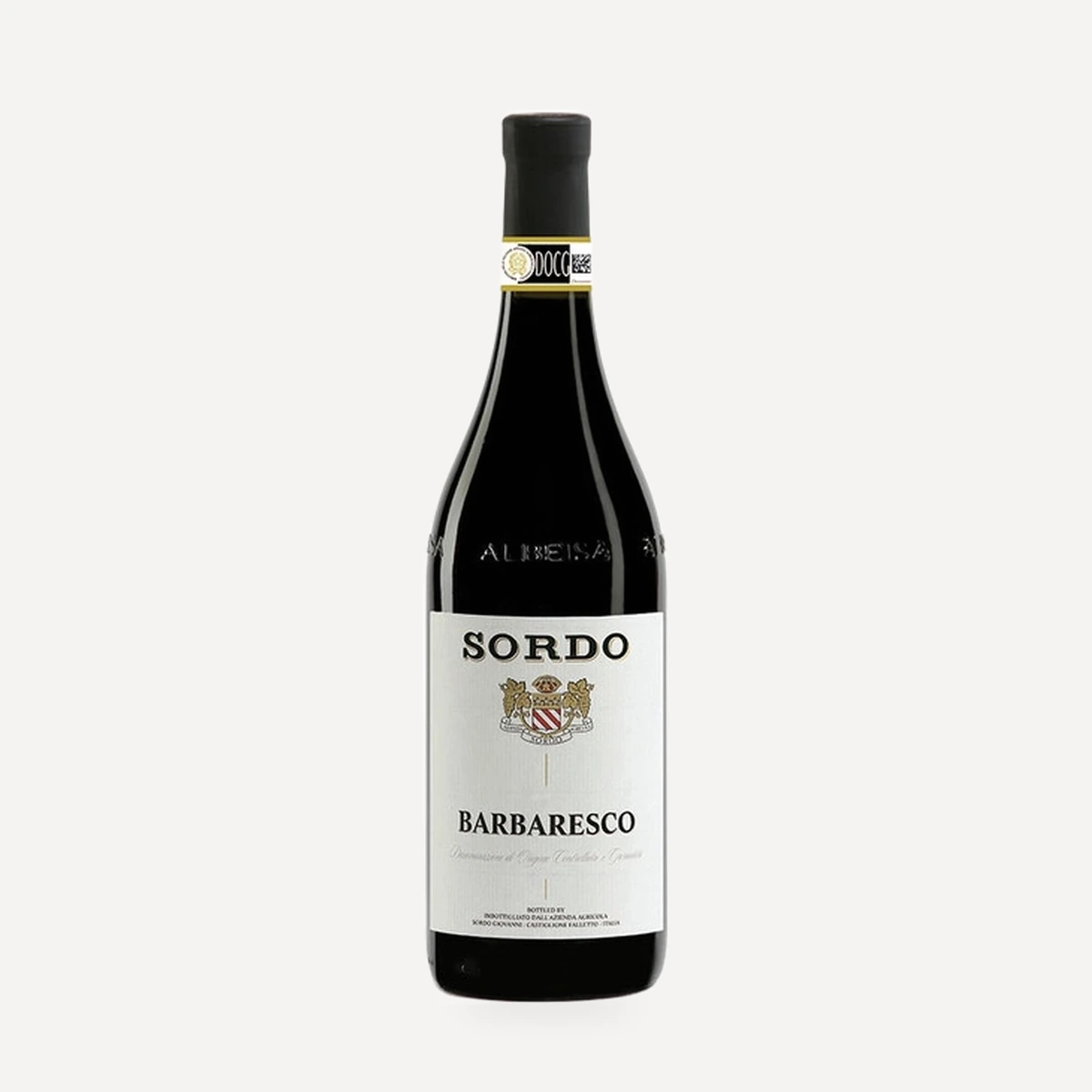
Barbaresco DOCG
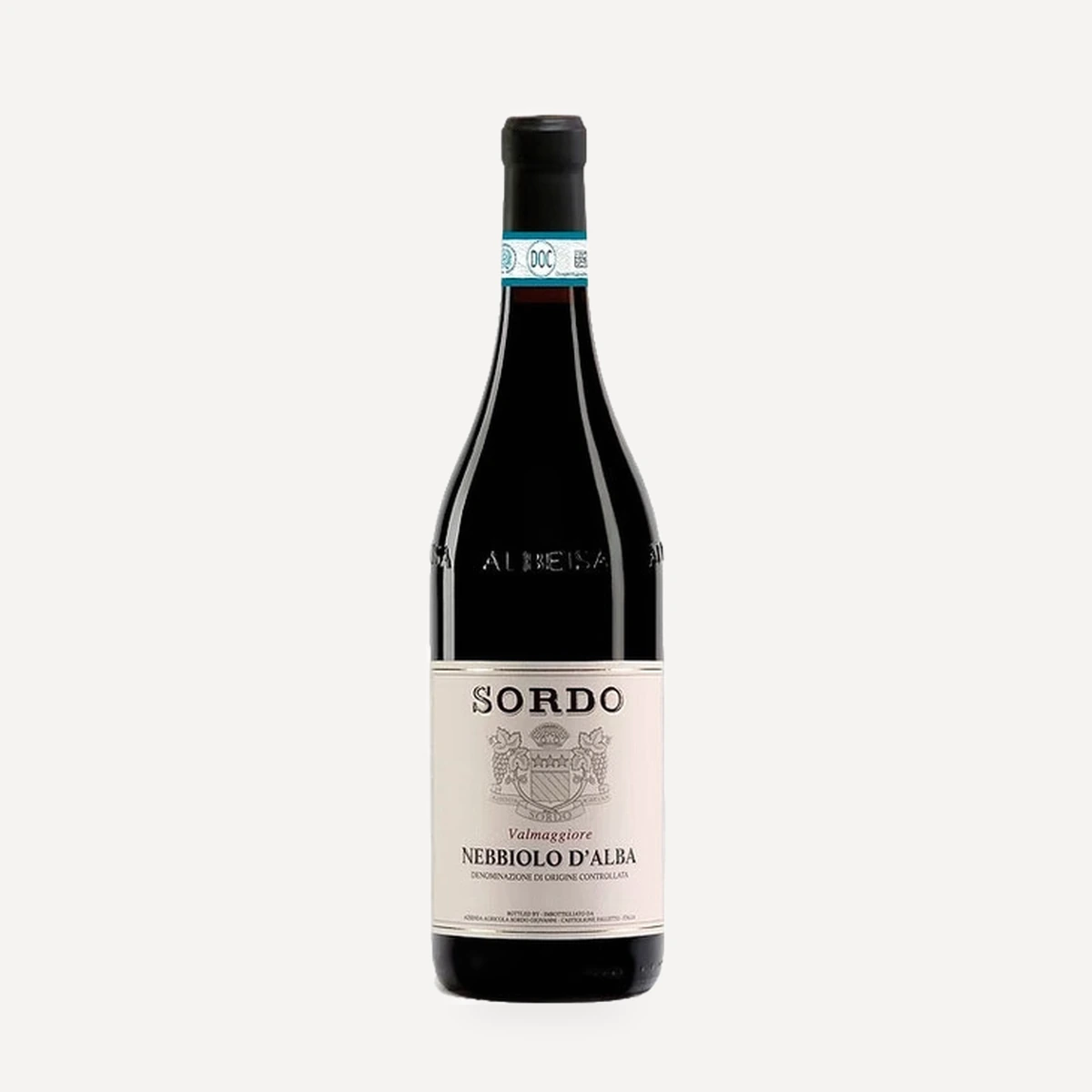
Nebbiolo d'Alba Vigna Valmaggiore DOC
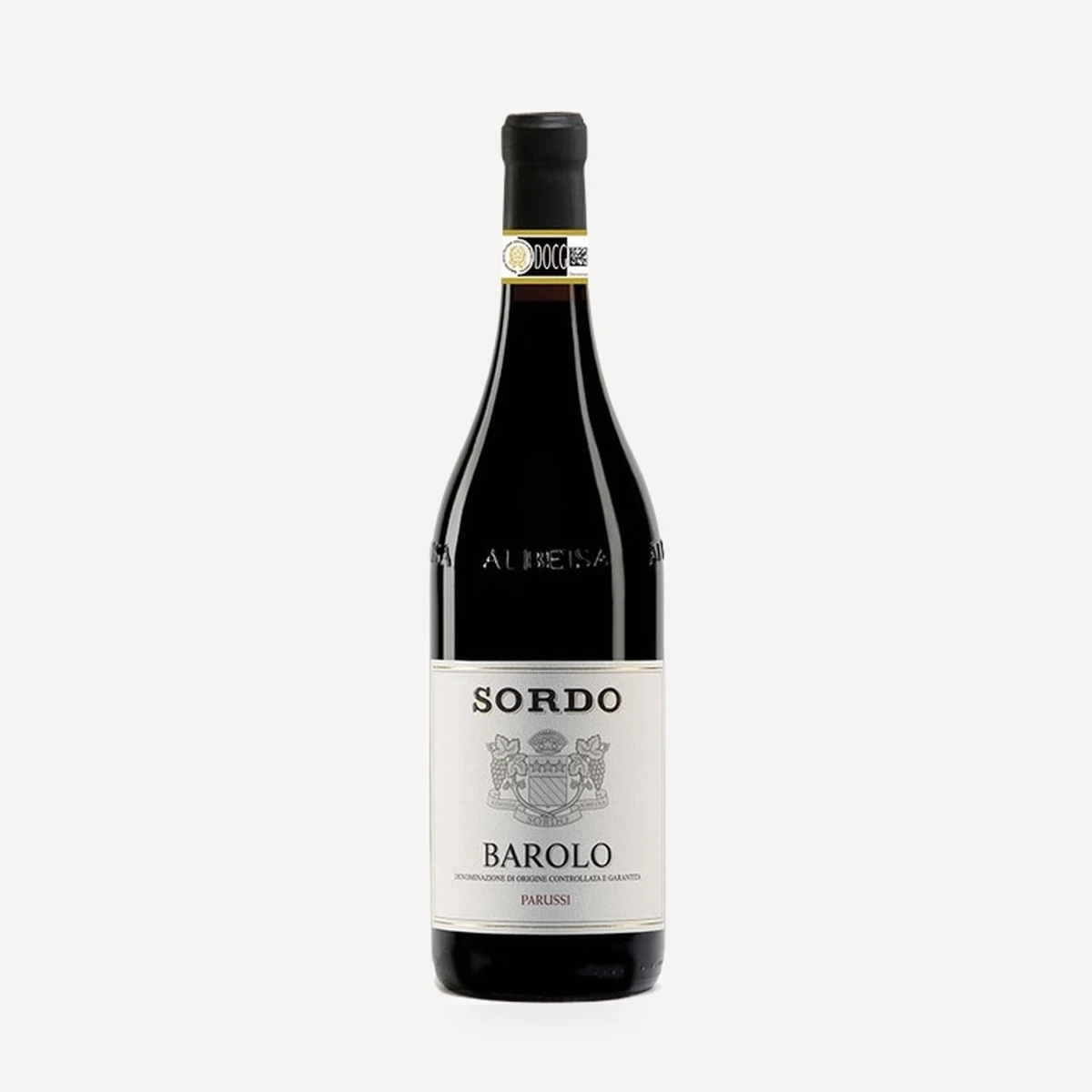
Barolo Parussi DOCG
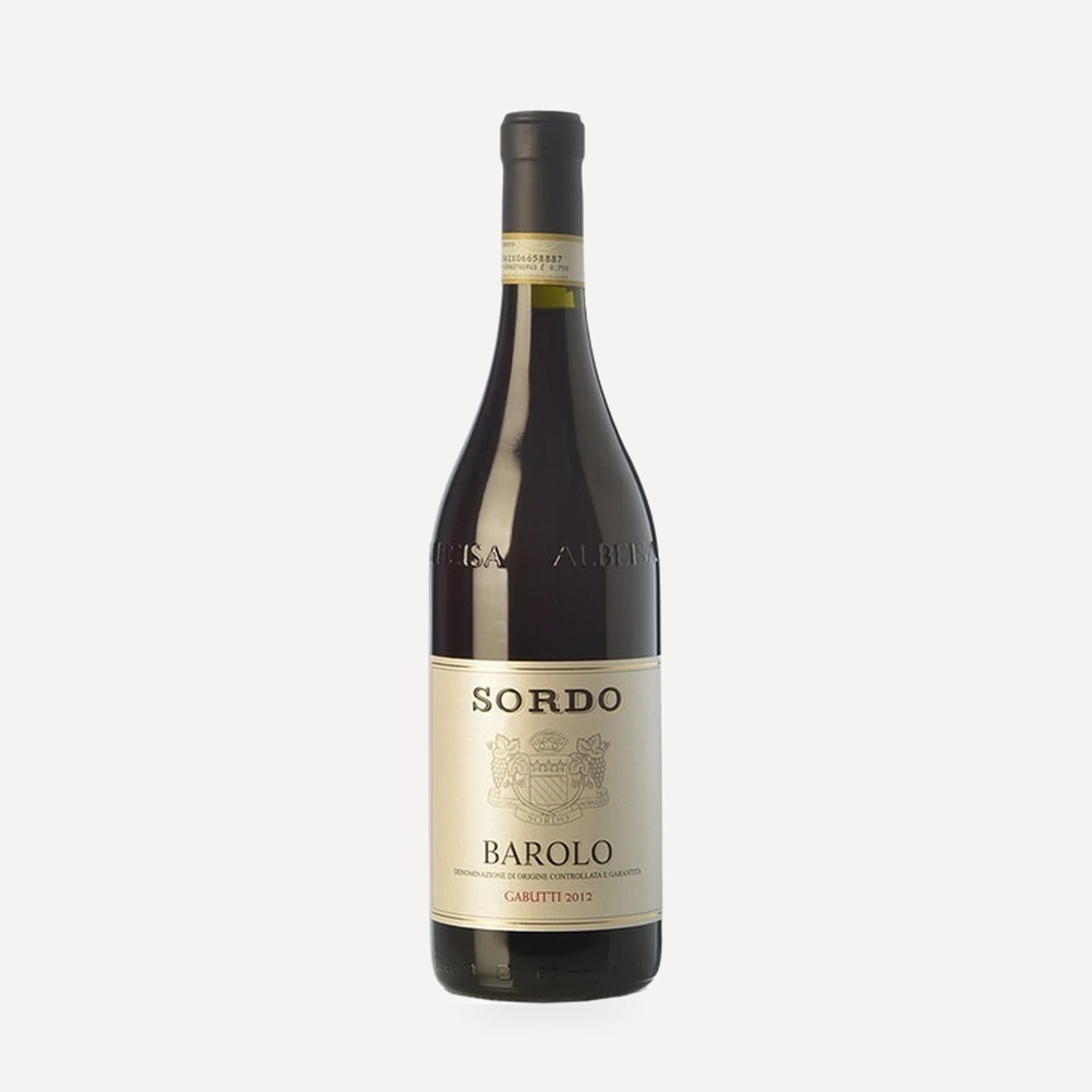
Barolo Gabutti DOCG
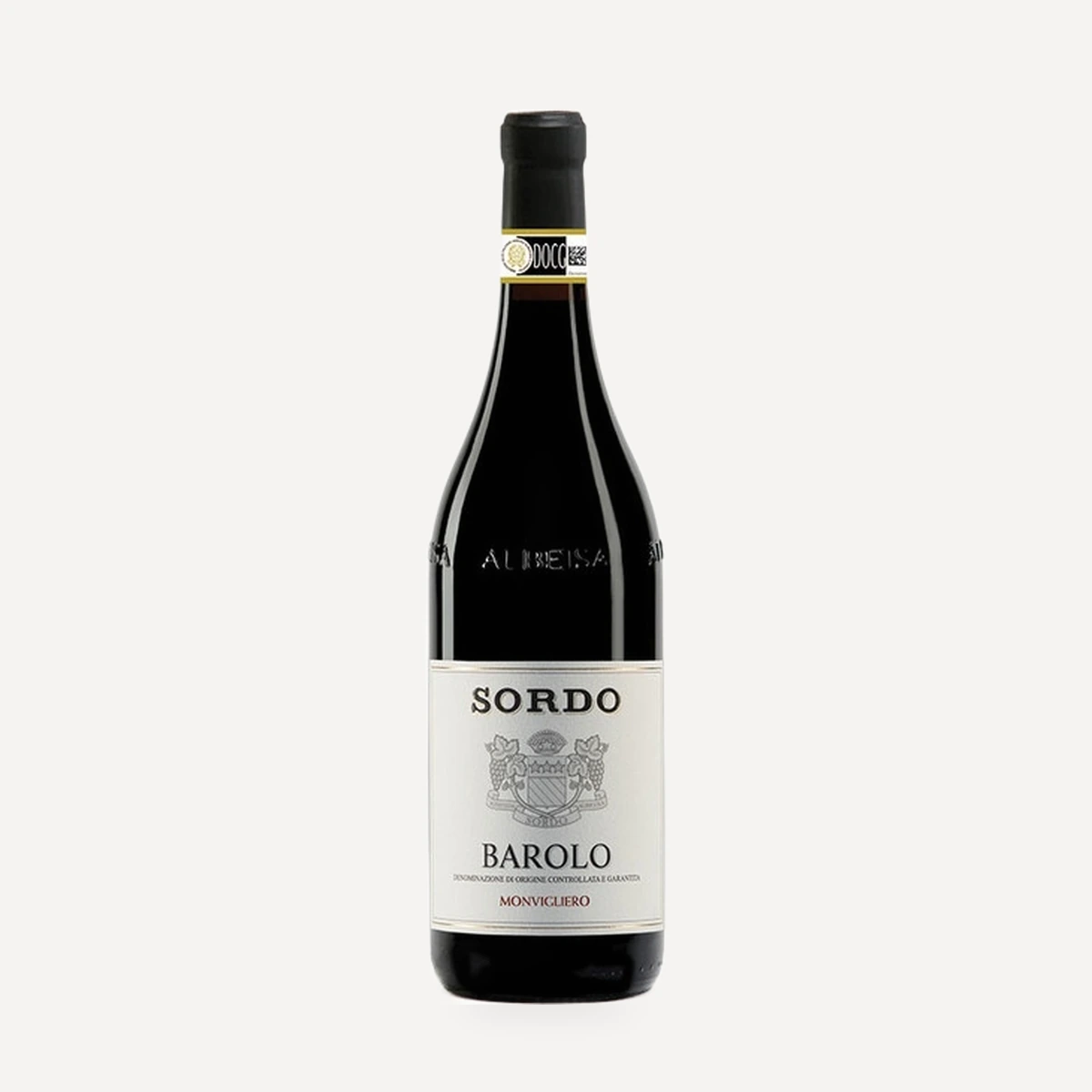
Barolo Monvigliero DOCG
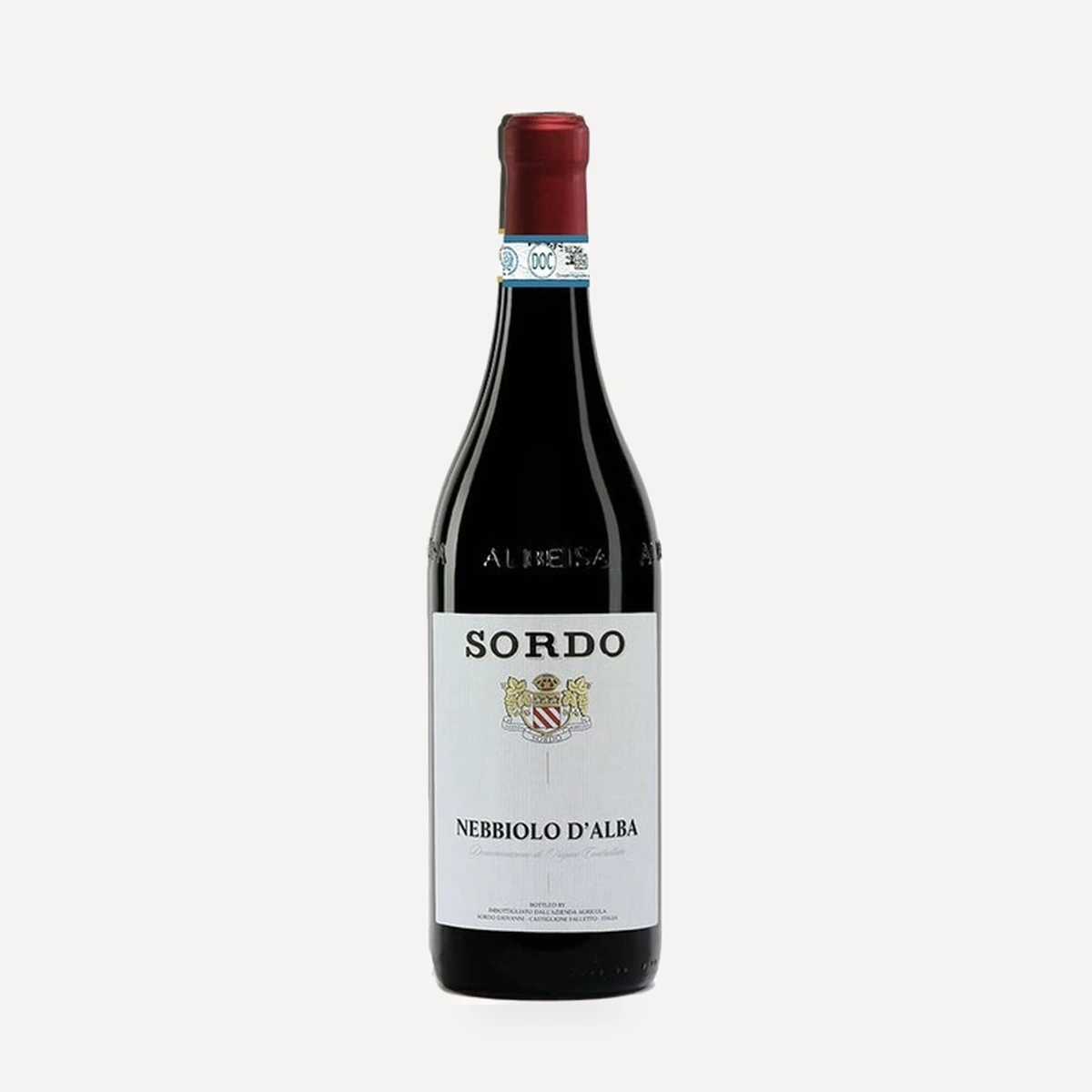
Nebbiolo d'Alba DOC
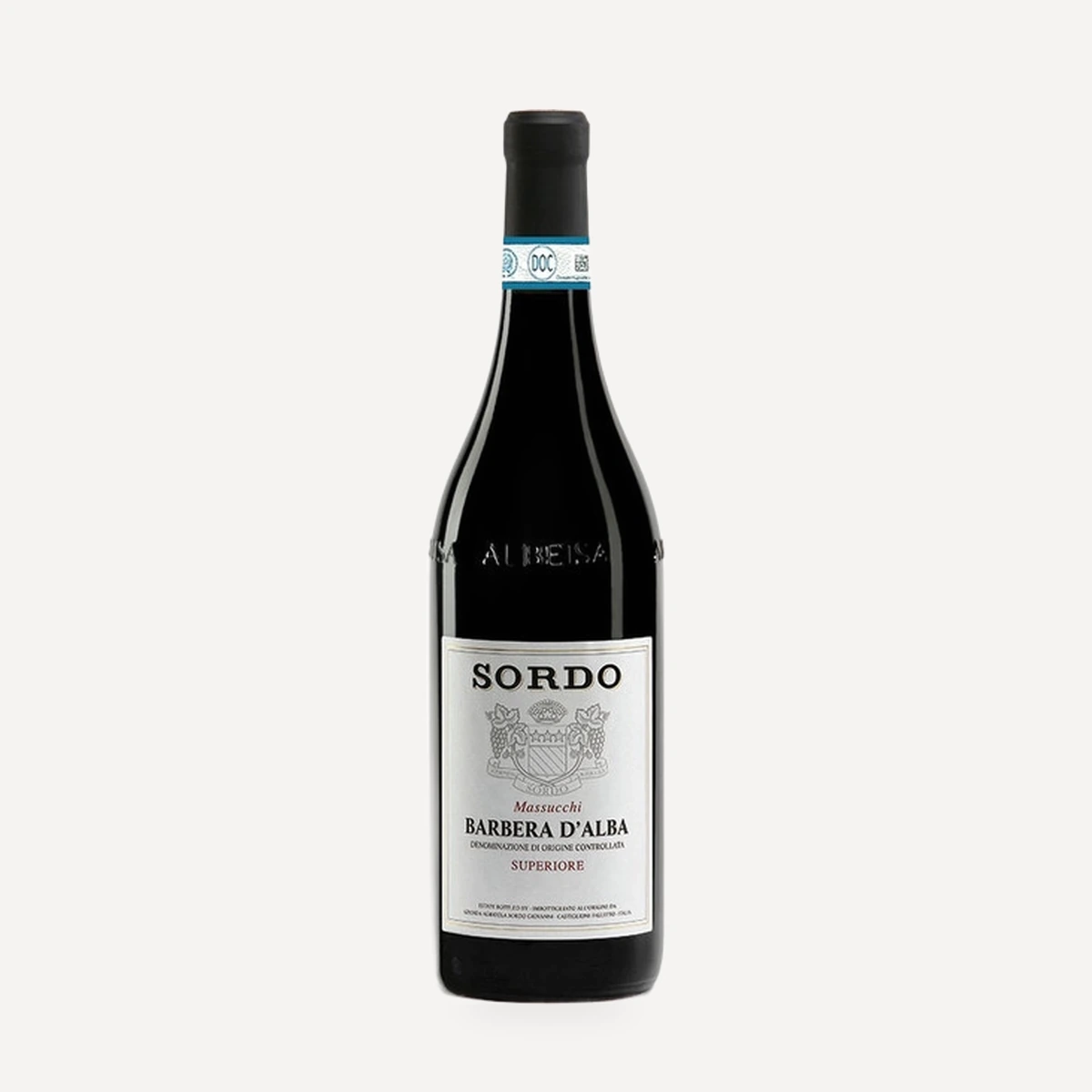
Barbera d'Alba Superiore Massucchi DOC