Storia
Spanish origins and settlement in Maremma
The Moris family left Spain and settled in the Tuscan Maremma approximately three centuries ago. Agriculture and wine became enduring family interests, and Tenuta Poggetti developed into the historic core of the family’s landholding near Massa Marittima.
Gualtier Luigi Moris and the transformation of the landscape
Gualtier Luigi Moris was born in 1911, the only son among seven siblings. He inherited Tenuta Poggetti shortly before the Second World War and left a lasting physical imprint on its 423 ha landscape.
The estate’s cypress planting dates to 1937. Gualtier propagated more than 3,600 trees from the seeds of a single “mother cypress” and planted them beside the estate roads. The plantings include a cross visible from the main terrace and a carefully calculated semicircle at the summit of Poggio dell’Avvoltore, the estate’s highest hill. The hill’s silhouette subsequently became a secondary Morisfarms emblem and a landmark visible throughout the surrounding area.
Gualtier wanted his six children and fourteen grandchildren to preserve Poggetti with the care given to a garden. His grandchildren Giulio Parentini and Ranieri Moris now carry that responsibility as the estate’s managers.
The shift from mixed farming to quality-focused viticulture
Adolfo Parentini joined the Moris family through marriage in 1977. He recognized the viticultural potential of its land, exposure and microclimate and promoted a major change in direction: new vineyard investment, unfamiliar techniques and a gradual shift in emphasis from general agriculture toward quality winegrowing.
Green harvesting was initially controversial. Gualtier wrote that Adolfo was discarding too many grapes, reflecting a culture in which an abundant crop was considered intrinsically desirable. Within four or five years, however, the vineyard workers themselves were identifying excessive crops and asking for a second green harvest. This change marked the adoption of deliberate yield control as part of the family’s quality policy.
Adolfo created Avvoltore from grapes grown on Poggio dell’Avvoltore. Its first vintage was 1988. Beginning with the second vintage, in 1990, the label carried Gualtier Luigi Moris’s signature as a public sign of approval for his son-in-law’s work. The wine has been bottled only in vintages considered suitable: production was omitted in the rain-affected 1996 and 2014 seasons and after hail problems in 2008.
Memorial to Gualtier Luigi Moris
Gualtier died in 2001. A large rock uncovered while preparing the ground for a new vineyard was raised in his memory on Poggio dell’Avvoltore, overlooking the Gulf of Follonica. A plaque bears one of his cherished maxims: a person who has planted even one tree has not lived in vain. His children planted a single cypress beside the memorial in a place where the family had enjoyed Sunday picnics during their childhood. The memorial remains accessible from the estate roads.
The present generation
Giulio Parentini formally entered the family company in 2001 after growing up around its customers and wine shops. Working beside his father, Adolfo Parentini, he learned land management, production and commercial development. He later became active in international promotion and in long-term projects designed to open the family estates and products to visitors.
Francesco Moris and his wife, Gloria Pisaneschi, developed Poggetti’s hospitality activity by restoring traditional farmhouses. Their largest project, the Santa Laura complex, was completed in 2007 and converted into ten furnished apartments overlooking vineyards and olive groves.
Ranieri Moris began working alongside his uncle Adolfo in 2008. He combined an interest in traditional Maremman farming with an openness to innovation and later served as president of the Viticulture Section of the Agricultural Confederation of the Province of Grosseto and as a director of the Morellino di Scansano consortium.
Giulio and Ranieri now manage the estate together. They have expanded the family portfolio across white, rosé and red wines, with particular attention to grape varieties associated with the Tuscan coast. Their period of management has included the first Rosamundi vintage in 2012, the production of Barbaspinosa under Maremma Toscana Rosso DOC from 2015 and the first AMOR vintage in 2019.
In July 2021, Poggetti’s farm shop evolved into Terrazza Moris, realizing Gualtier’s unfinished idea for a place where visitors could taste wine and local food while looking over the Tuscan countryside, coast, Elba and Montecristo. More recent diversification has included pasta made with durum wheat grown partly at Poggetti and, in 2024, an artisanal Tuscan London Dry Gin inspired by the aromas and setting of Terrazza Moris.
Terroir
Tenuta Poggetti occupies a succession of small hills in the northern Tuscan Maremma near Massa Marittima. It stands 7 km from the Tyrrhenian Sea and approximately ten minutes from the Gulf of Follonica. From the elevated farm buildings and terraces, the view extends across farmland and vineyards to Elba and, in clear conditions, Montecristo.
The estate vineyards cover 37 ha at elevations of 80–100 m above sea level. The prevailing exposure is south-west. Vines experience high daytime temperatures, prolonged sunlight and cool nights during ripening. Proximity to the sea brings maritime air across the property and is associated with the saline and mineral character found in its wines.
Clay is the principal vineyard soil. Across the estate it is described as mineral-rich and skeletal, with fossil material in some sites, reflecting Poggetti’s position in the Colline Metallifere. Poggio dell’Avvoltore is a mineral-rich clay-limestone slope and the highest hill on the property. The estate connects these soils with structured, fully mature tannins and a strong individual character in its red grapes.
The wider 423 ha property includes vineyards, olive groves, cereal fields, orchards and pine woodland. These cultivated areas are interspersed with cypress-lined roads and open views toward the Maremman countryside and coast.
Vinificazione
Adolfo Parentini introduced deliberate crop control after joining the family in 1977. Green harvesting represented a break with an earlier agricultural culture that equated abundant yields with success. Within four or five years, the vineyard team had adopted the practice to the point of identifying excessive crops and requesting a second pass.
The estate’s quality program therefore includes removing fruit during the growing season when crop levels are considered too high. The broader approach combines long-term stewardship of a mixed agricultural landscape with maintenance of vineyards, olive groves, fields, orchards, pine woodland and thousands of cypresses. The current managers continue Gualtier Luigi Moris’s principle that Poggetti should be cared for like a garden.
The main complex at the top of one of Poggetti’s hills contains the estate’s cantina alongside its offices, tasting rooms, reception area and shop. The building is covered with Virginia creeper and wisteria and opens onto a terrace overlooking the vineyards and other agricultural land.
Cellar work is divided between the family’s properties. The Poggetti complex contains its working cantina, while the family’s large barrel room at Poggio La Mozza is used to mature the leading wines from both estates in French oak.
Filosofia
The Moris family presents Tenuta Poggetti as a long-term agricultural inheritance rather than an isolated wine-production site. Respect for the land, careful cultivation and continuity between generations are central to that identity.
Gualtier Luigi Moris expressed this responsibility through the idea that his descendants should maintain the 423 ha property like a garden. Giulio Parentini and Ranieri Moris continue that approach through the management of vineyards, woodland, olive groves, fields, hospitality and public access to the estate roads.
In winegrowing, the family’s stated goal is to produce high-quality wines that reflect both their growing sites and established production traditions. Adolfo Parentini’s introduction of green harvesting illustrates its willingness to change inherited practice when greater precision and lower yields are considered necessary. The current generation combines that tradition with new wines, hospitality, direct engagement with visitors and new uses for Poggetti’s agricultural products.
Vini
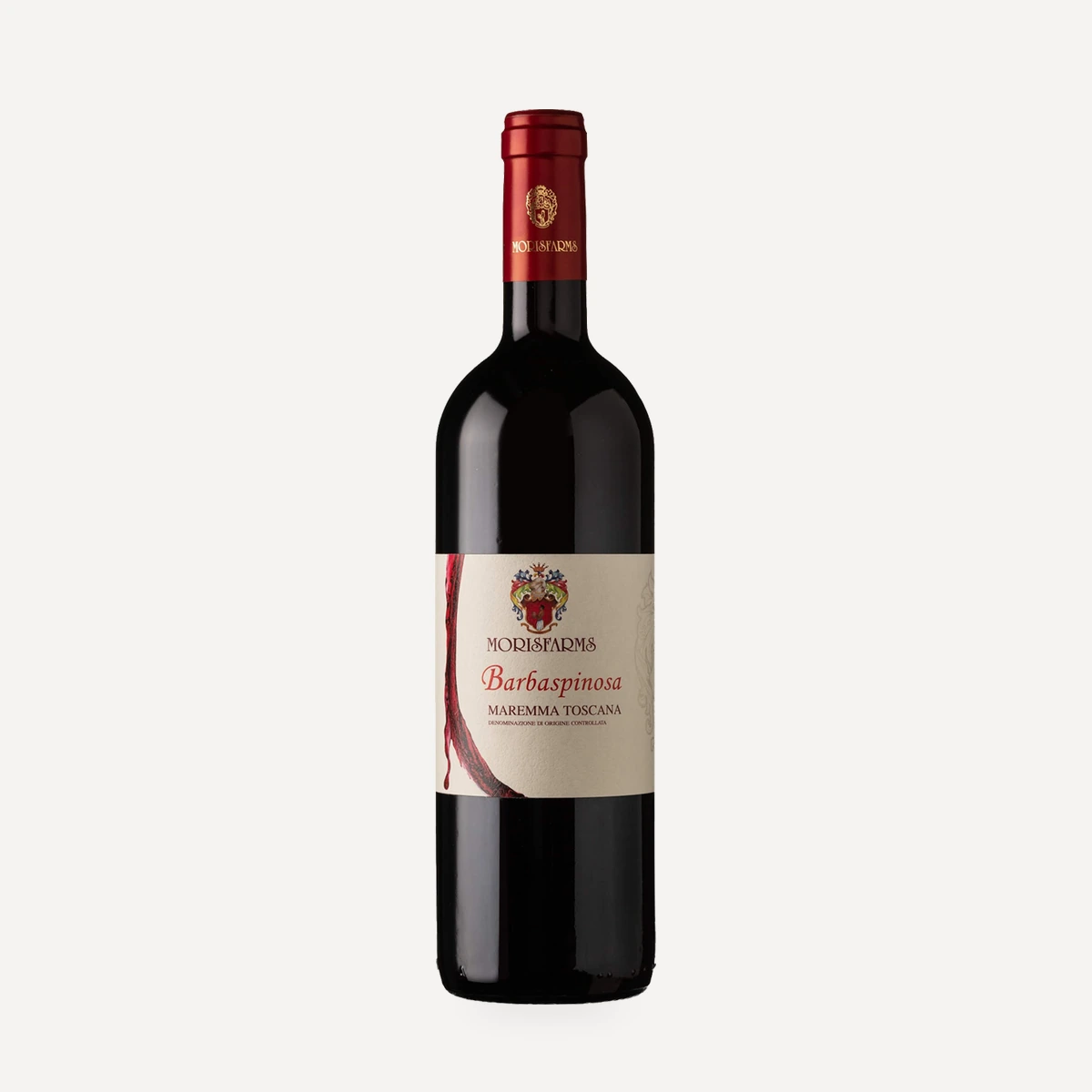
BARBASPINOSA | Costa Toscana IGT
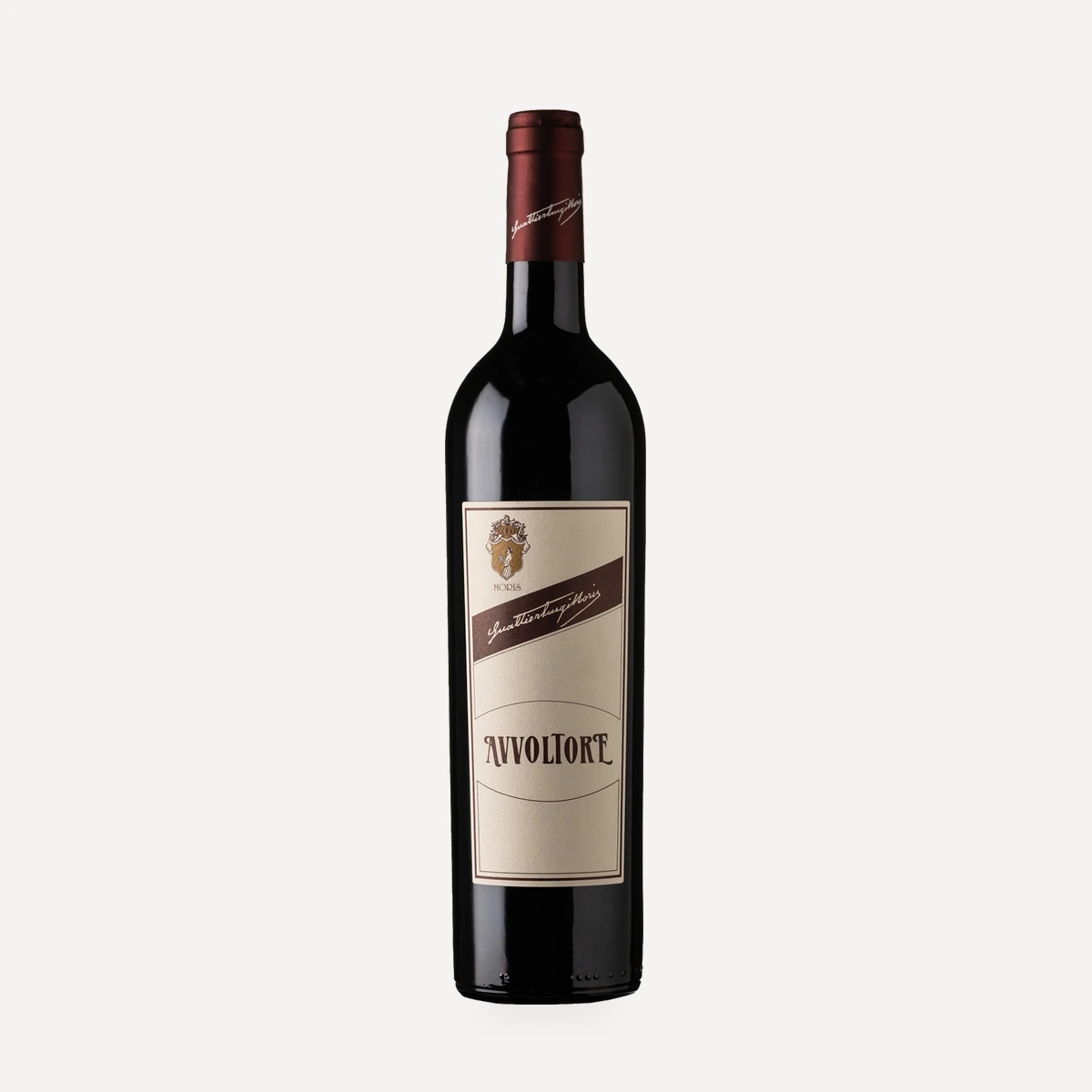
AVVOLTORE | Toscana IGT
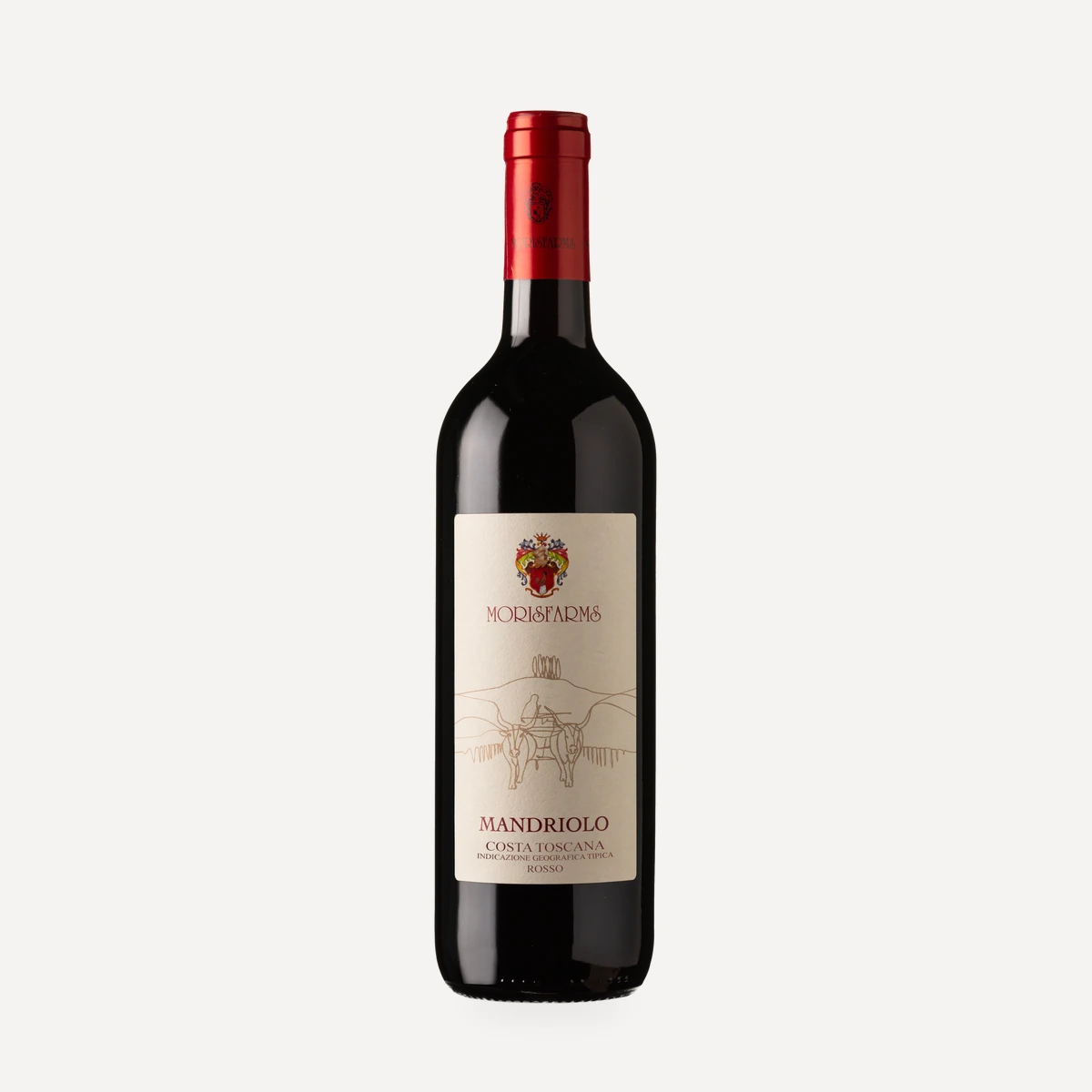
MANDRIOLO ROSSO | Costa Toscana Rosso IGT
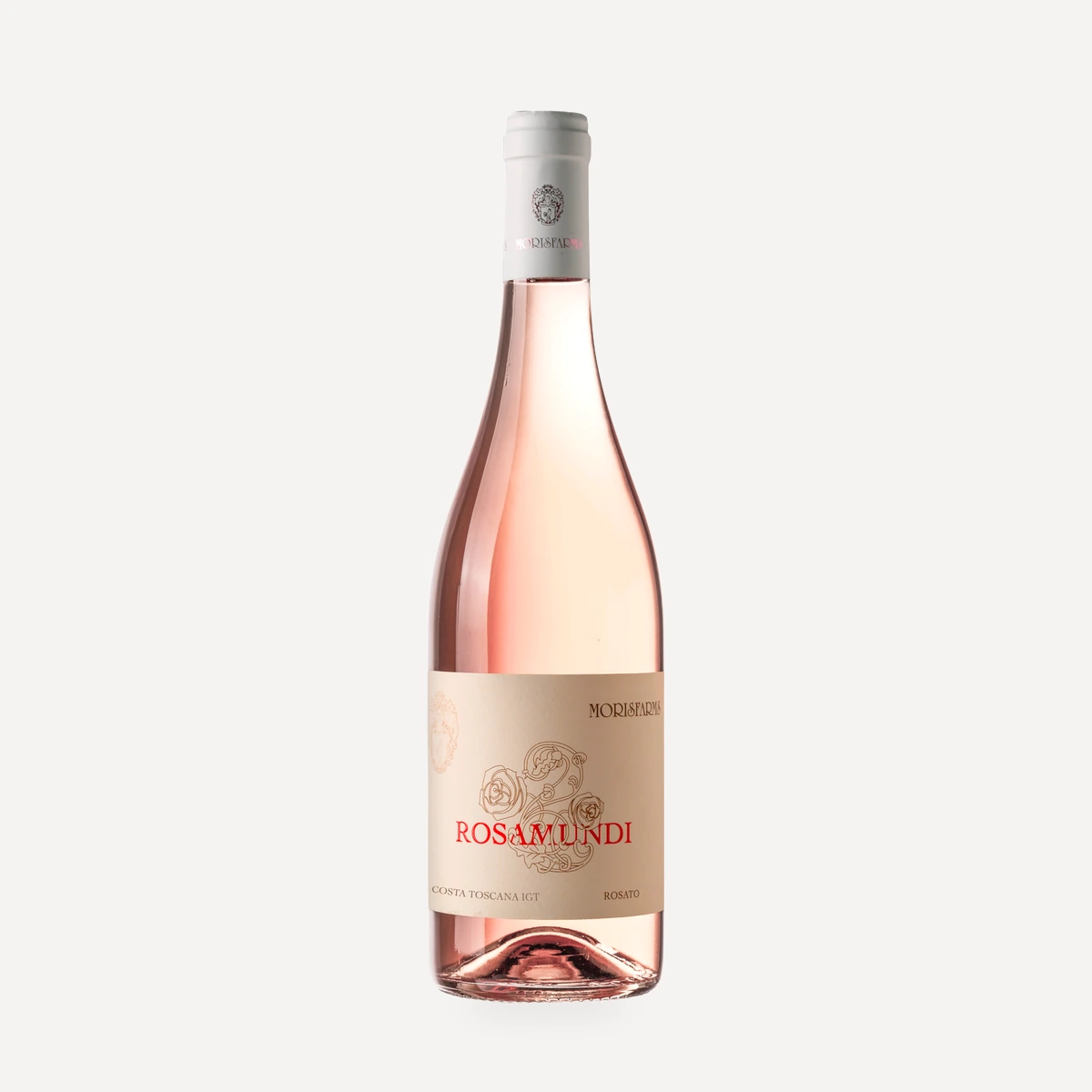
ROSAMUNDI | Costa Toscana Rosato IGT
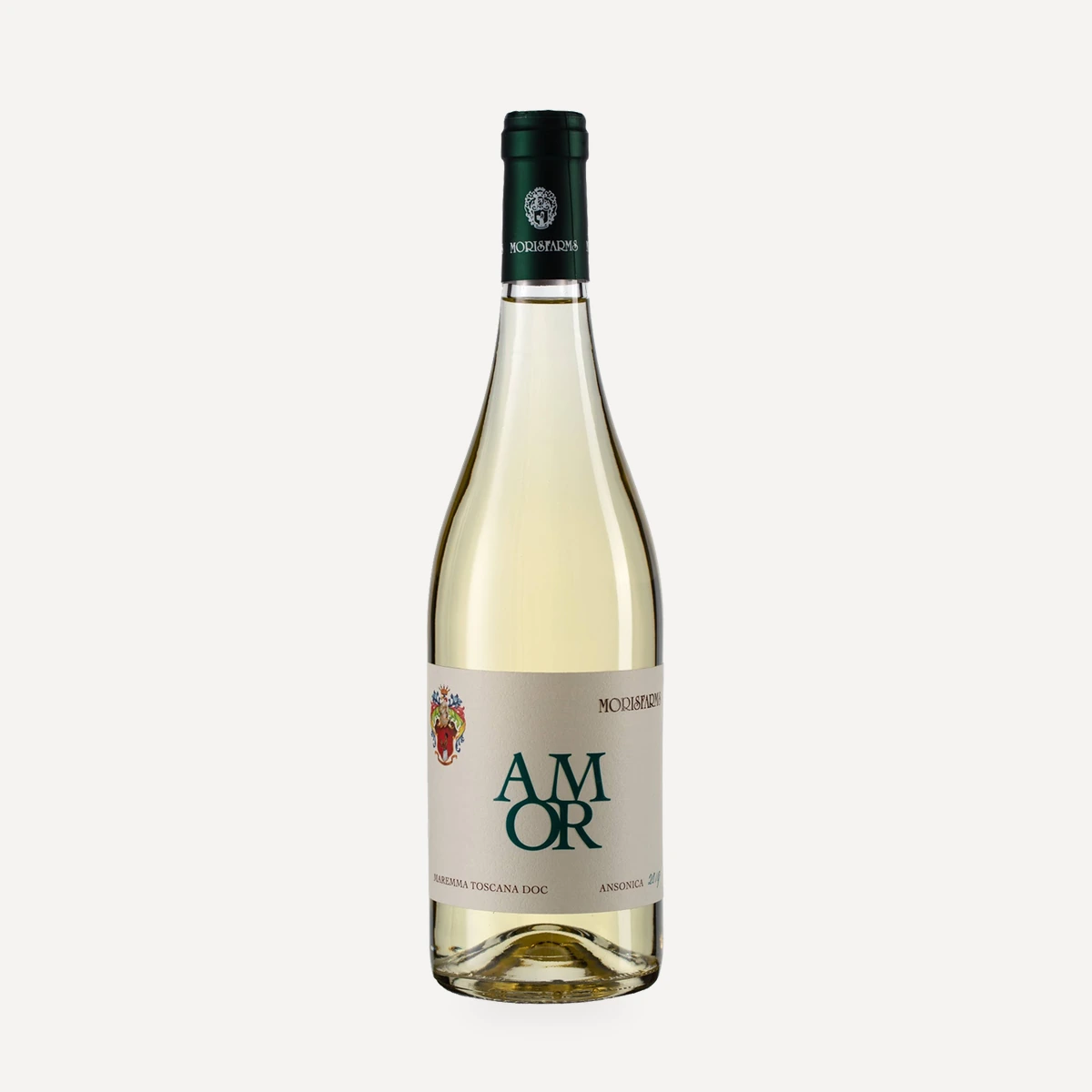
AMOR | Costa Toscana Ansonica IGT
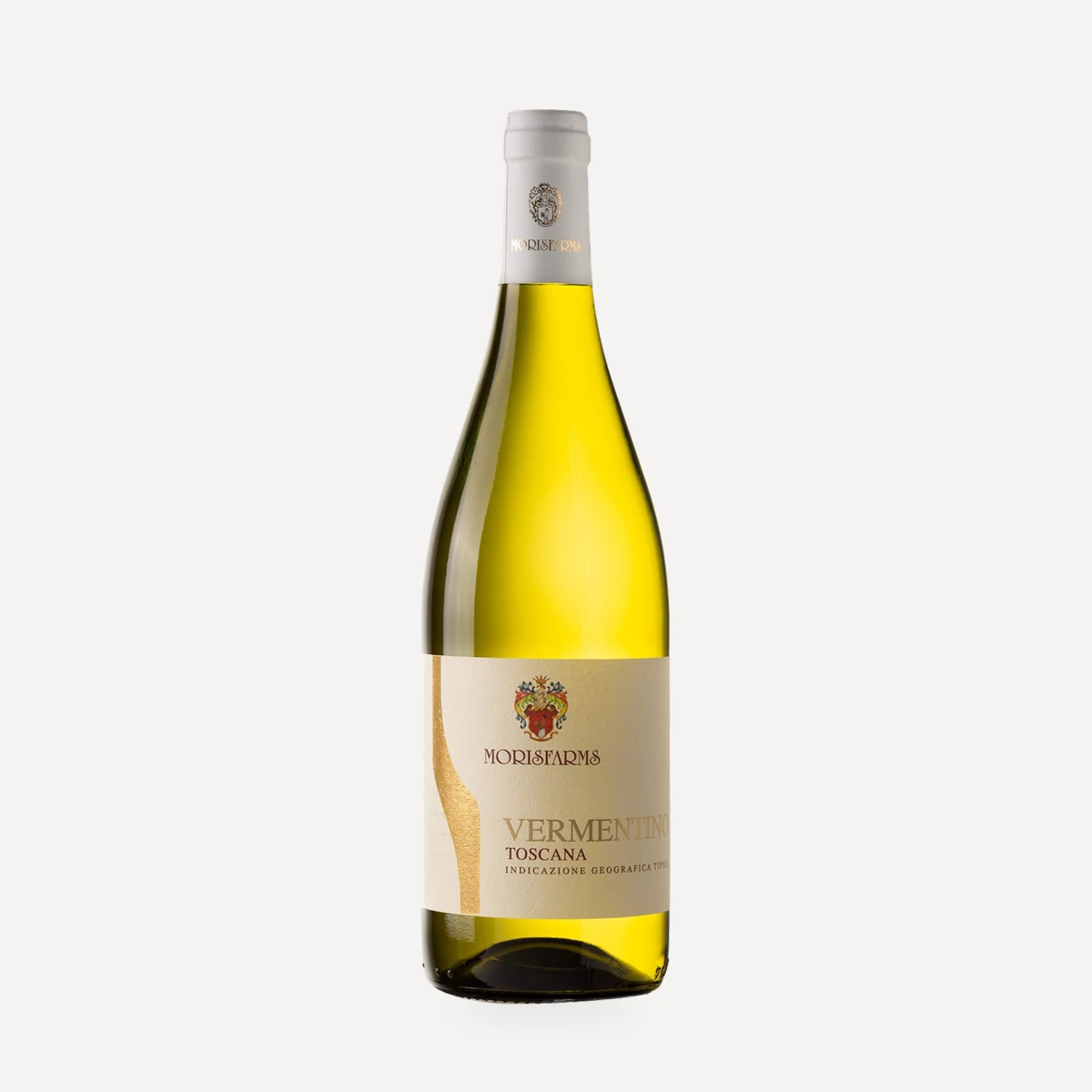
Vermentino Moris | Costa Toscana IGT
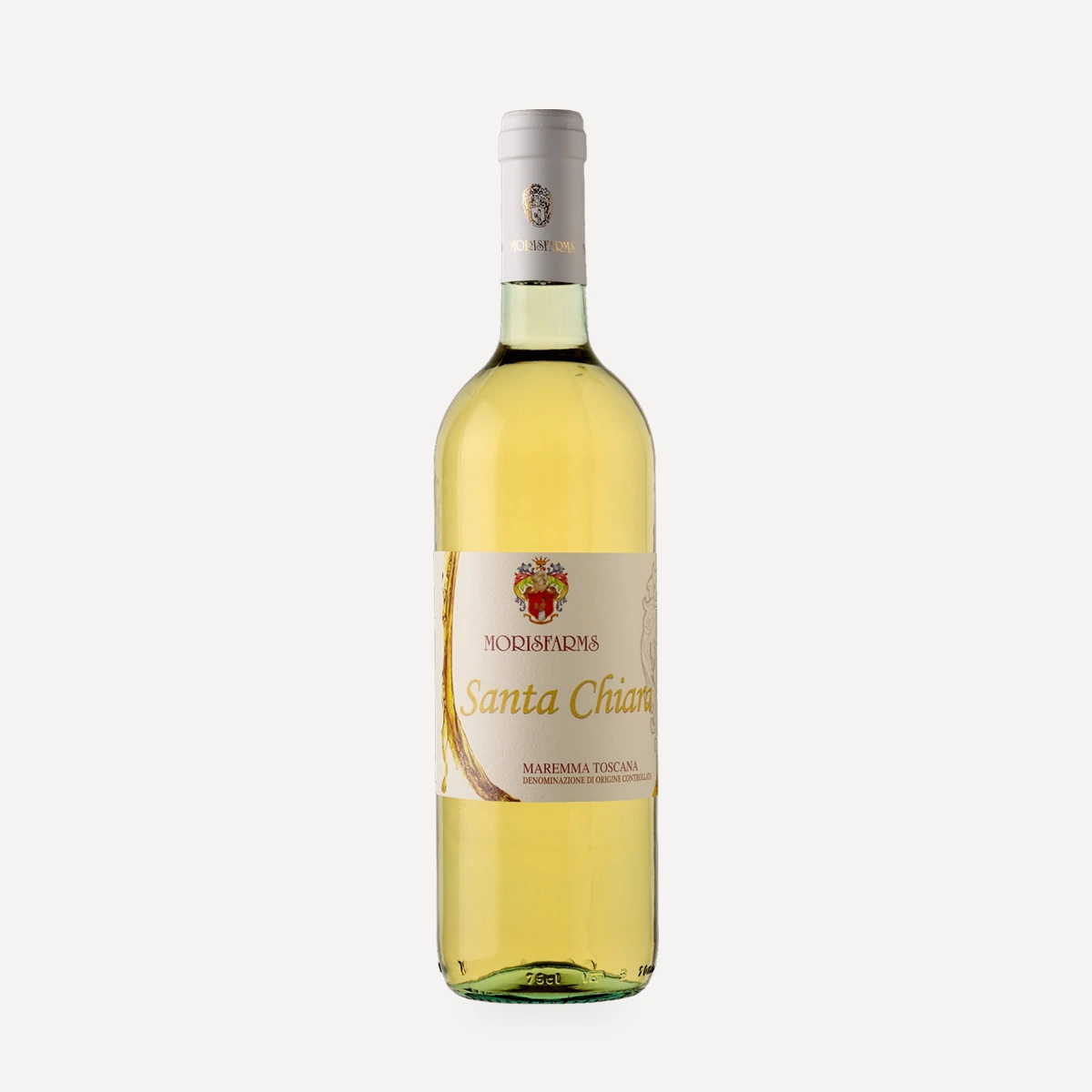
SANTA CHIARA | Costa Toscana Bianco IGT
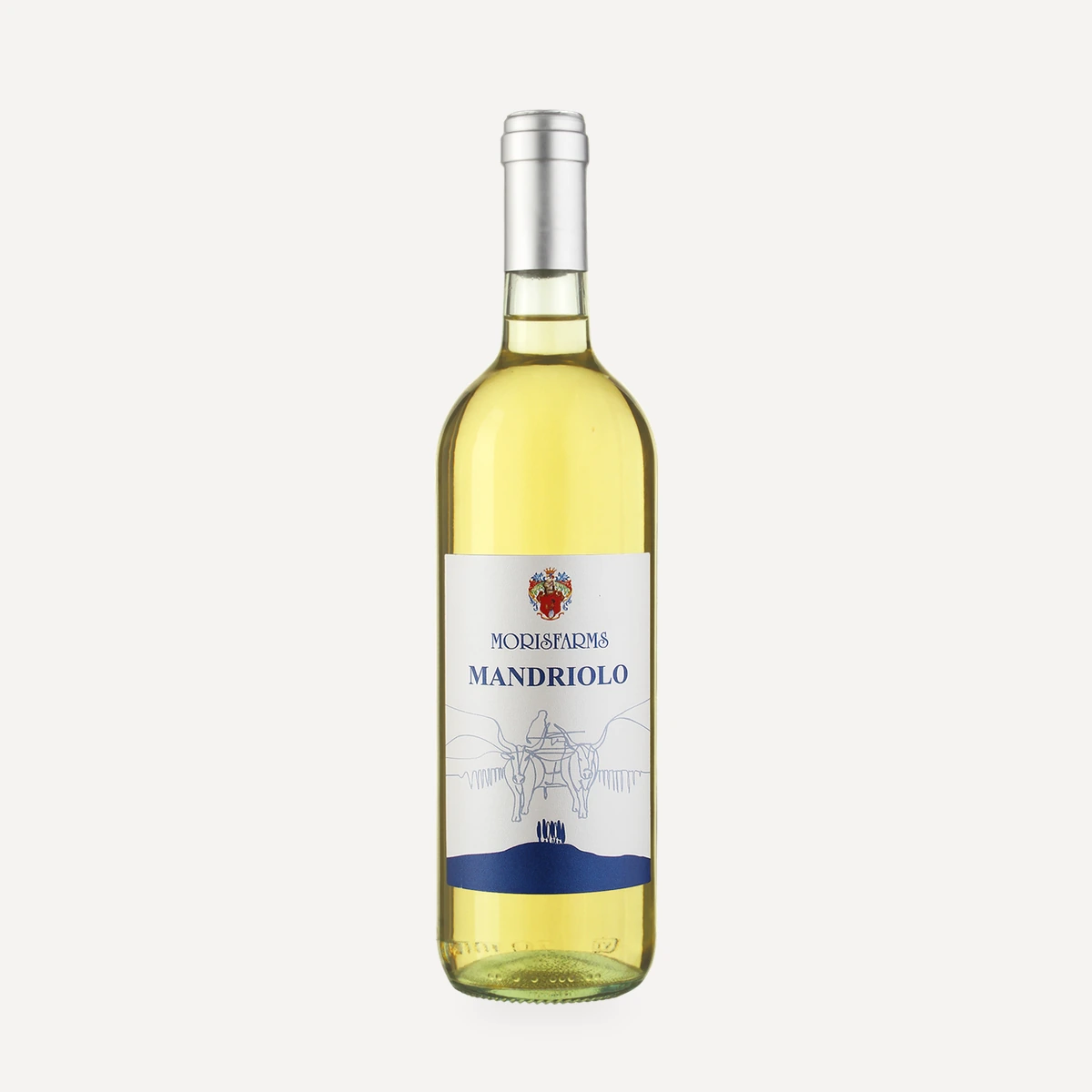
MANDRIOLO BIANCO | Vino Bianco d'Italia