Storia
Foundation in 1720
Bartolomeo Giachi left Florence for Ulignano, near San Gimignano, in 1720. He settled on a property whose land was considered particularly suited to winegrowing and erected the first walls of the estate close to the Via Francigena. He named the property Tenuta Torciano after the ancient Borro di Torciano, the stream that crossed or watered these lands.
The location placed the young estate near the Magione di Torre, the La Scala hospital and a Cistercian monastery. Traffic through this religious and travel corridor, together with the estate’s Chianti, Vernaccia, olive oil and hospitality, helped Torciano become known across the region as a producer and direct seller of wine and oil.
Thirteen generations
Winemaking passed from father to son through thirteen generations. The succession specifically preserved in the family account runs from Bartolomeo Giachi to his son Emanuele, then to Gaetano, Angelo, Alfredo Romano and, ultimately, Pierluigi Giachi. The family continued cultivating the same San Gimignano slopes and passing vineyards, olive groves and cellars between generations.
Bartolomeo’s niece, Veronica Giachi, followed a religious path shaped by the clerics who travelled through San Gimignano on their way to Rome. She entered the cloistered Capuchin convent in Siena and later became its abbess and Mother Superior.
The vineyards and the modern family business
Romano Giachi assumed responsibility for the estate’s Vernaccia di San Gimignano vineyard in 1996. The vineyard became associated with the name Poggioaicieli. A newer Sangiovese vineyard was laid out in a spiral, combining cultivation with a deliberately sculptural landscape design.
Pierluigi Giachi and Luciana Cilemmi renewed the family business after travelling through the United States and studying major American wineries, including Mondavi and Jarvis. During these journeys they met Nick and Edward of Lionstone, a company involved in distributing foreign wines directly to private American customers. Friendship developed into a commercial partnership and Torciano adopted a direct-to-consumer model before online commerce made that approach commonplace.
The change took the business from approximately 5,000 bottles per year and five employees to more than 700,000 bottles and 50 employees. Pierluigi became an early Italian winemaker to sell directly to private consumers in the United States. North American distribution was subsequently supported from Northbrook through more than 42 state licences. A later company profile counted more than 125 employees across wineries, wine bars, shops, hotels, warehouses and American offices.
Wine education, hospitality and international growth
The direct relationship with customers developed beyond shipping into the Torciano Wine School. From November through April, members of the family and estate team travel to the United States for private tastings in homes, restaurants and clubs. The classes cover tasting technique, glass etiquette, Tuscan wine styles and food pairing.
Foreign markets became central to the business: one company account assigned 80% of sales to North America, followed by Brazil at 5%, Asian markets—especially South Korea, Singapore and Hong Kong—at 2%, Europe at 2% and the Middle East at 1%.
Hospitality developed in parallel through tastings, vineyard and cellar tours, meals, cooking classes, harvest activities, truffle hunting and accommodation. The family continually expanded its reception areas as visitor numbers rose; more than 200,000 people visited the properties in 2022.
Torciano today
Torciano remains owned and operated by the Giachi family. Pierluigi Giachi, his wife Luciana Cilemmi and their son Emanuele Bartolomeo Giachi lead its thirteenth generation, supported by a substantially family-based team that includes approximately 25 relatives. The family’s work combines wine production, vineyard care, direct sales, hospitality and wine education. Its Tuscan activity extends from the historic winery at Ulignano to vineyards associated with San Gimignano, Chianti Classico, Montalcino, Montepulciano, Bolgheri and Murlo.
Terroir
The historic winery stands at Ulignano in the municipality of San Gimignano, between San Gimignano and Chianti. Its vineyards descend towards the Elsa valley, within a landscape of rolling vine-covered hills, olive groves, oak woodland and views of San Gimignano’s medieval towers. The Elsa River runs beside family property and contributes water and vitality to the estate’s ecological oasis. The estate’s name derives from the ancient Borro di Torciano that watered its original land.
Torciano’s vineyard holdings represent several distinct Tuscan environments. Near Greve in Chianti, hilly terrain and a seasonal climate support Sangiovese. Montalcino contributes elevated hills, abundant sunlight and a long growing season. The Bolgheri site lies along the Via Bolgherese near Castagneto Carducci, where maritime breezes, sunlight and local soils create a Mediterranean-influenced environment. Montepescini, near Murlo in the province of Siena, is surrounded by wooded hills; altitude, exposure and local climatic conditions were central to its selection. Poggioaicieli lies in the San Gimignano countryside and is closely connected to Vernaccia di San Gimignano.
Ripening varies materially between these sites. A warm, south-facing parcel can reach maturity as much as two weeks before a cooler or higher vineyard on the same property. Hot, dry seasons advance harvest, while cool, wet years delay it.
Vinificazione
Vineyard work follows the seasonal development of the vines. In May and June, the team selects the best new shoots through light pruning. The retained shoots are gathered and tied horizontally to iron wires between the posts, improving their exposure to sunlight and distributing sap more evenly across the growing vegetation.
Topping keeps the canopy within the intended height and thickness, with the timing and intensity adjusted to the speed of growth. In July, bunch thinning reduces the crop before ripening. The objective is a low yield, with the number and distribution of the strongest bunches adjusted to the desired level of maturity. Soil work generally slows in August as adventitious vegetation grows less vigorously, but vineyard monitoring continues through September.
Harvest timing is based on variety, parcel, season and intended wine style. Vernaccia is generally the first major estate variety to ripen, from the second half of August into early September. Sangiovese follows from mid-September into October, while later varieties such as Cabernet Sauvignon can remain until late October or early November. Grapes for fresh white and rosé wines are brought in earlier to protect acidity; fruit intended for structured reds, Vin Santo and other sweet wines remains longer. Grapes are picked by hand with shears and crates and transported to the cellar for processing.
The estate’s agricultural philosophy also encompasses biodiversity. Its ecological farm was created to preserve old domesticated breeds considered important by the FAO and to demonstrate the relationship between local species and habitats. Chickens, Padovana hens, ducks, Mandarin ducks, swans, peacocks, pheasants and horses live under staff supervision. Eggs and herbs from the farm and gardens supply the kitchen, while the surrounding woods support seasonal truffle hunting with trained dogs.
Torciano combines a working production cellar, a barrique cellar, additional cellar rooms and caves used for production, maturation, tastings and hospitality. Harvested grapes arrive from the vineyards by tractor and pass through mechanical destemming before fermentation. Large stainless-steel vats and fermentation casks form part of the cellar equipment.
Hand picking and extended cellar fermentation are presented as continuations of the estate’s historic method, while modern machinery streamlines processing and fermentation. The modern production line takes grapes from destemming through crushing, pressing and fermentation; traditional foot treading survives only as an educational harvest activity and is no longer required for routine production.
Fruit is harvested according to its destination. White and rosé grapes are collected earlier to retain acidity, while grapes intended for more structured reds remain on the vines longer. Fruit for Vin Santo and other sweet wines may be ripened further on the vine or dried after harvest. Oak maturation is part of the cellar’s work, and wine is regularly assessed directly from casks while it develops.
Historical luxury releases illustrate the range of maturation vessels used for selected wines: one documented sequence comprised two years in large oak casks, followed by one year in small chestnut barriques and one year in cherry-wood barriques. This is a special-release method rather than a universal protocol for the portfolio.
Filosofia
Family continuity is the central principle of Torciano’s identity. Winegrowing, hospitality and commercial decisions are treated as parts of a way of life inherited through thirteen generations rather than as separate business functions. Pierluigi Giachi describes making wine and running the estate as life itself, while the family regards time shared over wine and food as an essential part of Tuscan culture.
The production philosophy seeks to retain hand work and patient cellar time while using machinery where it can improve or streamline the process. Tradition is therefore presented as a working method rather than a rejection of modern equipment: grapes continue to be selected and harvested by hand, while contemporary cellar technology supports fermentation and scale.
In the vineyard, the guiding idea is that wine quality begins in the countryside. Shoot selection, tying, topping and crop thinning are used to encourage sunlight, even growth, controlled vegetation and low yields. Harvest dates respond to the character of each variety, slope and season rather than a fixed calendar.
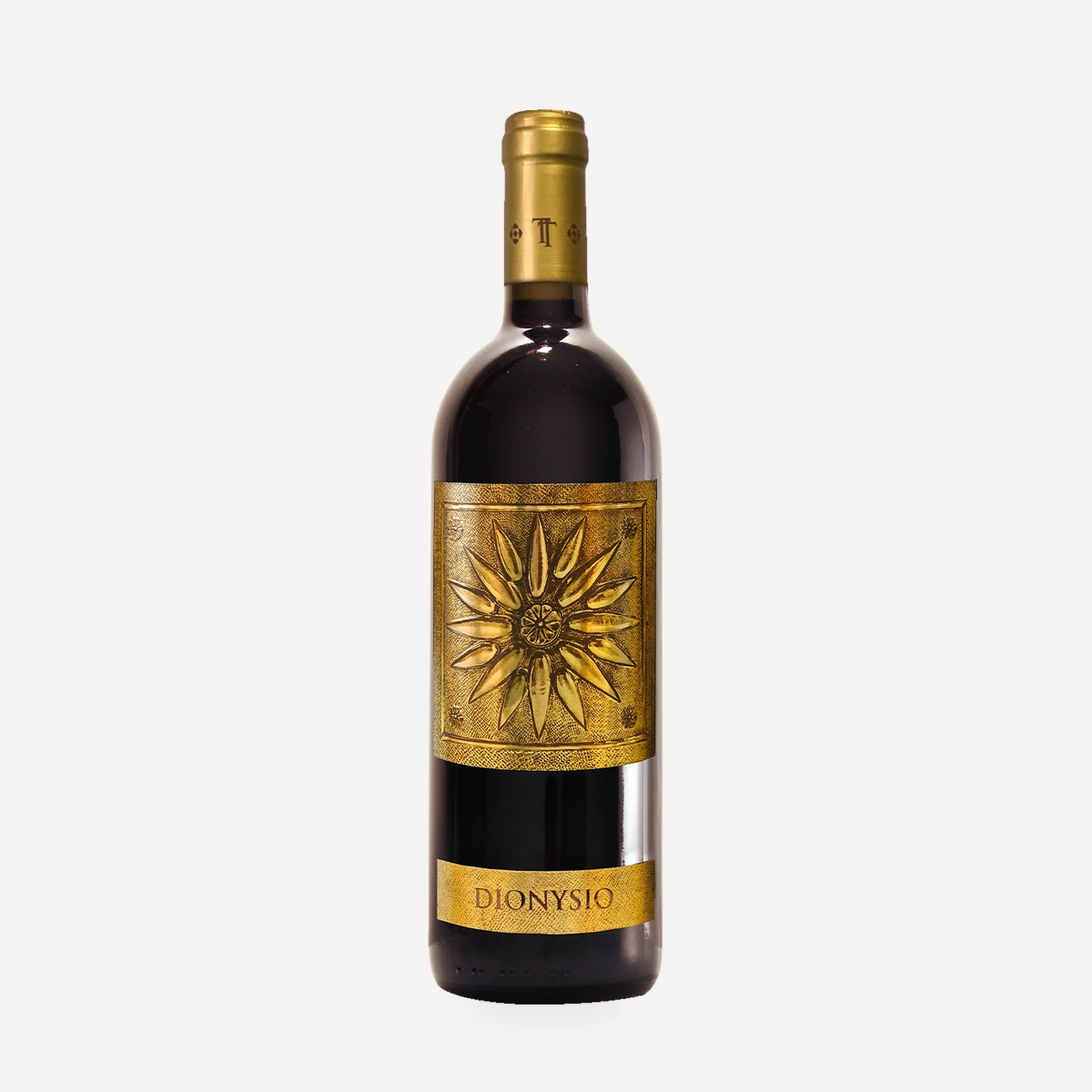
Torciano also connects wine with education and direct relationships. Tastings, Wine School events and food pairing are intended to teach guests how to understand and enjoy Tuscan wine. Quality, craftsmanship, originality and Italian manufacture also shape the presentation of the bottles, including handmade, hand-painted, leather and jewel-like labels.
Environmental measures extend beyond the vines. The winery, restaurant and hotel use renewable solar energy, while the ecological farm promotes self-sufficiency, biodiversity, the protection of animals and awareness of traditional domestic breeds and their habitats.
Vini
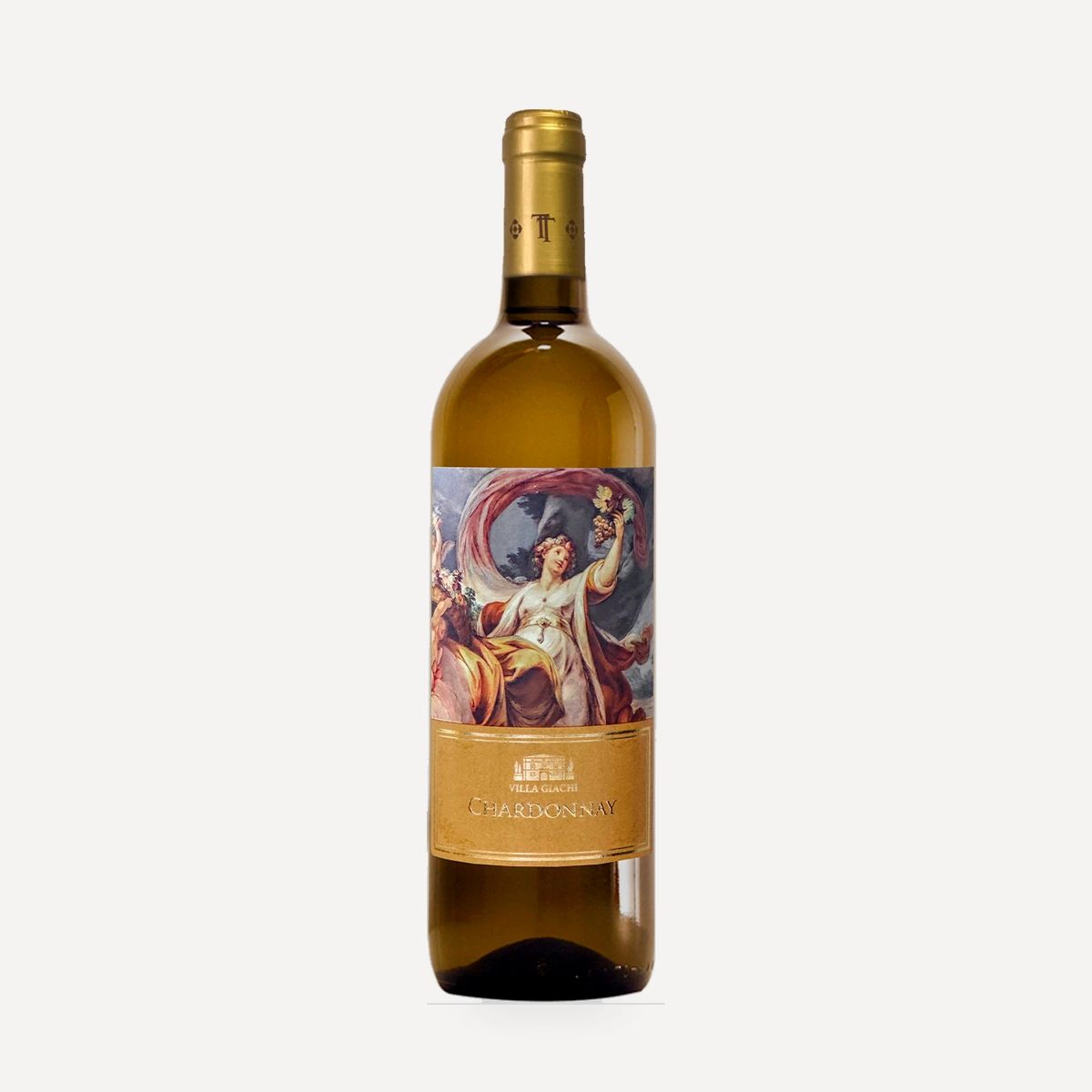
Chardonnay VillaGiachi
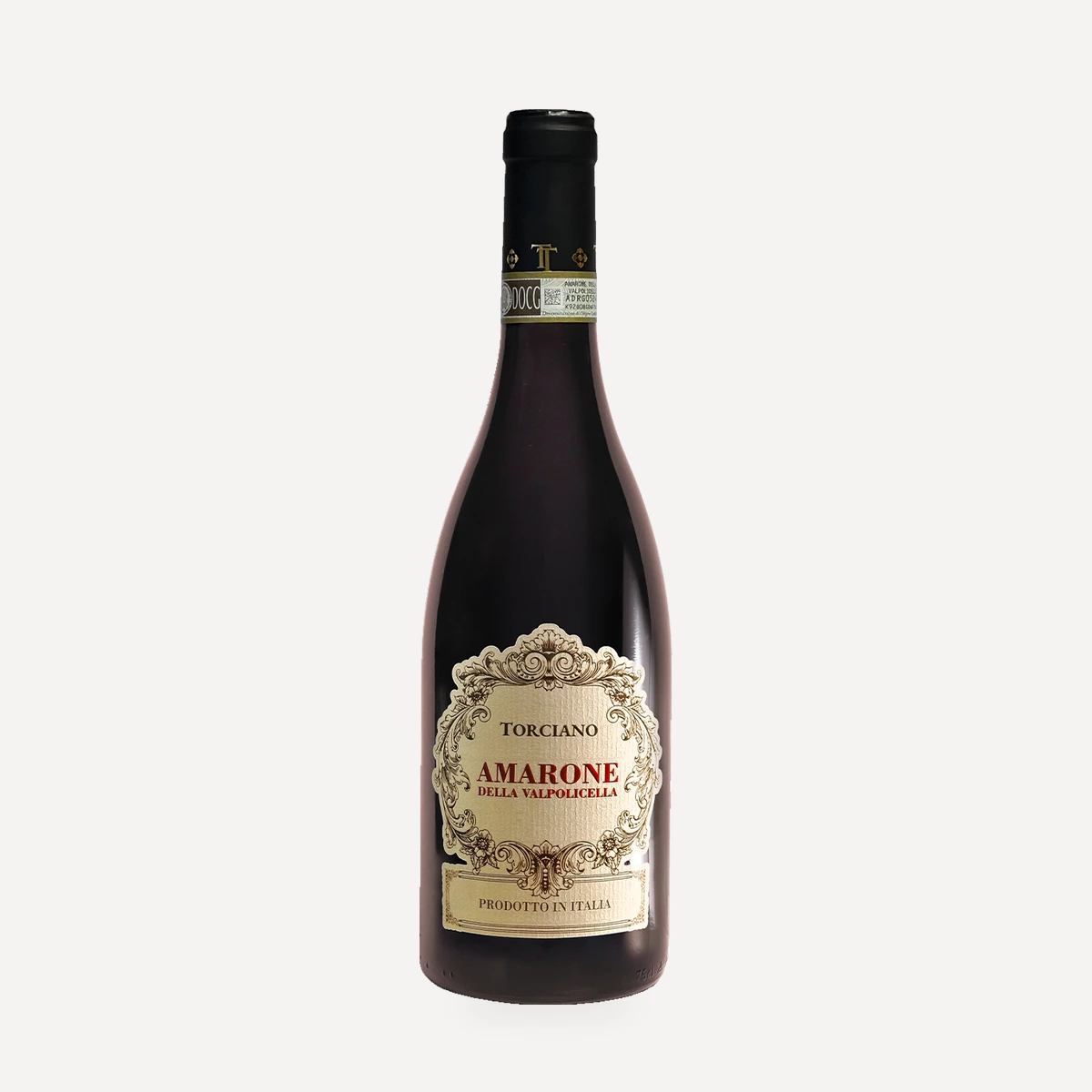
Tenuta Torciano Amarone della Valpolicella DOCG
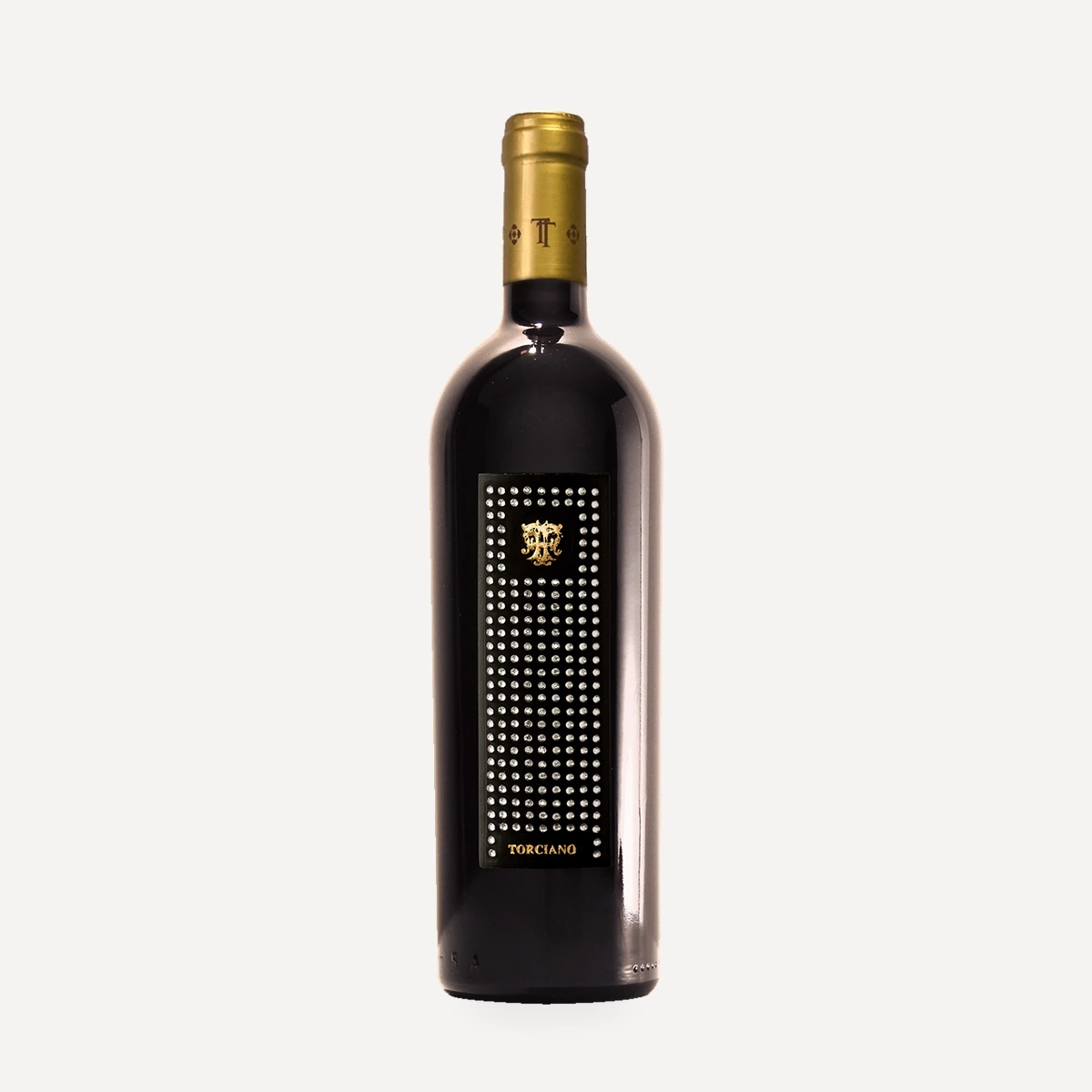
Tenuta Torciano Black-Gold Tuscan Blend Gioiello
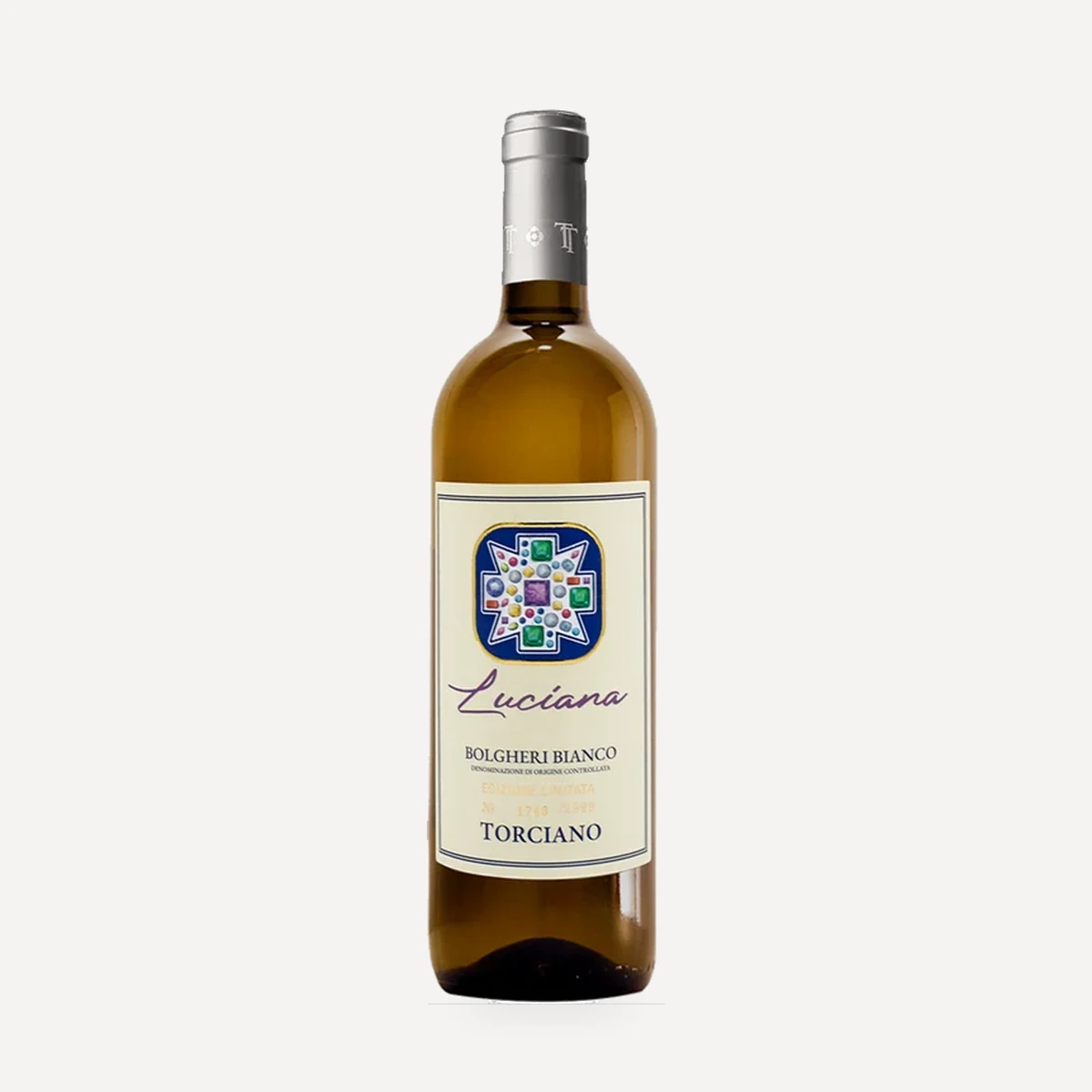
Tenuta Torciano Bolgheri Bianco Luciana
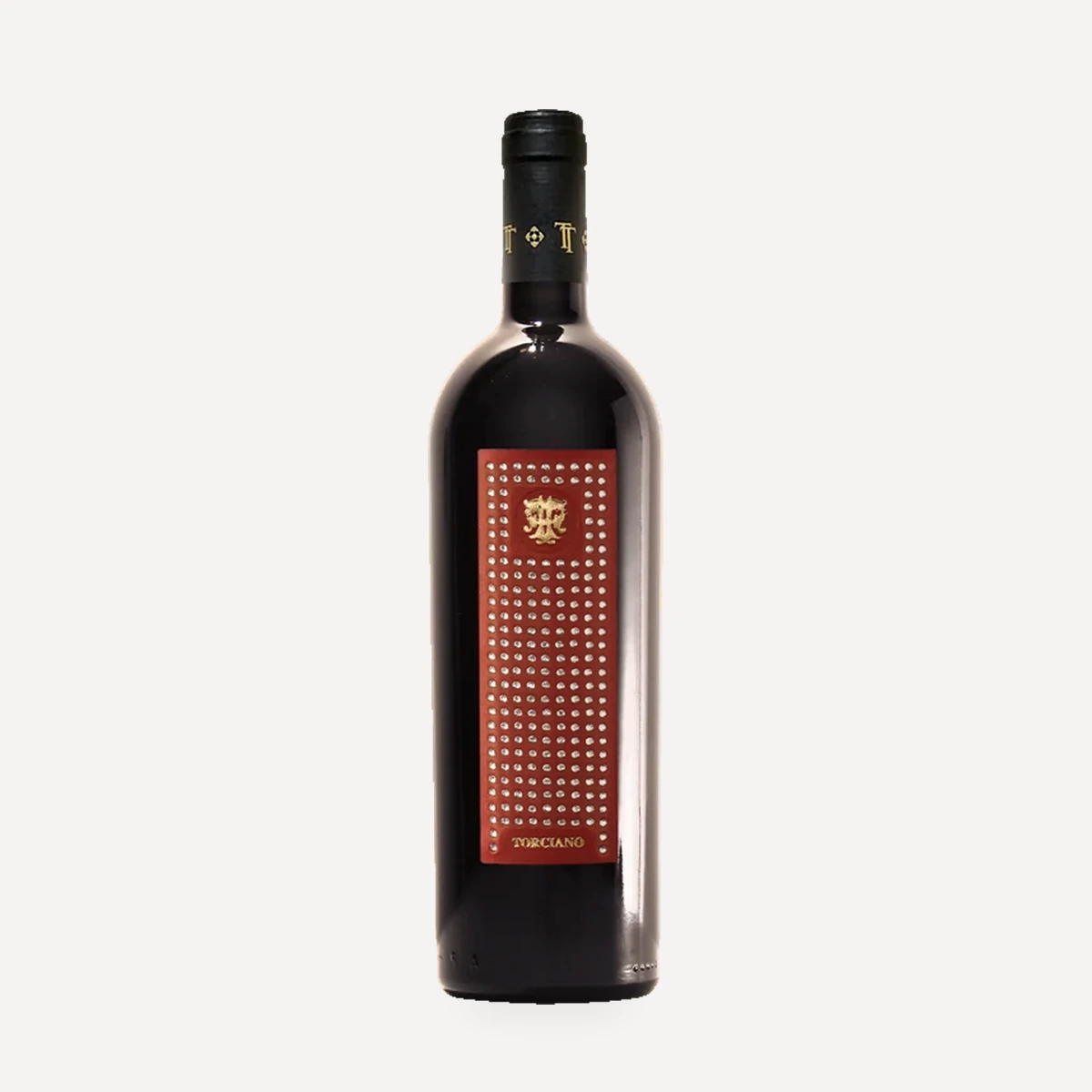
Tenuta Torciano Bolgheri Gioiello Red Wine
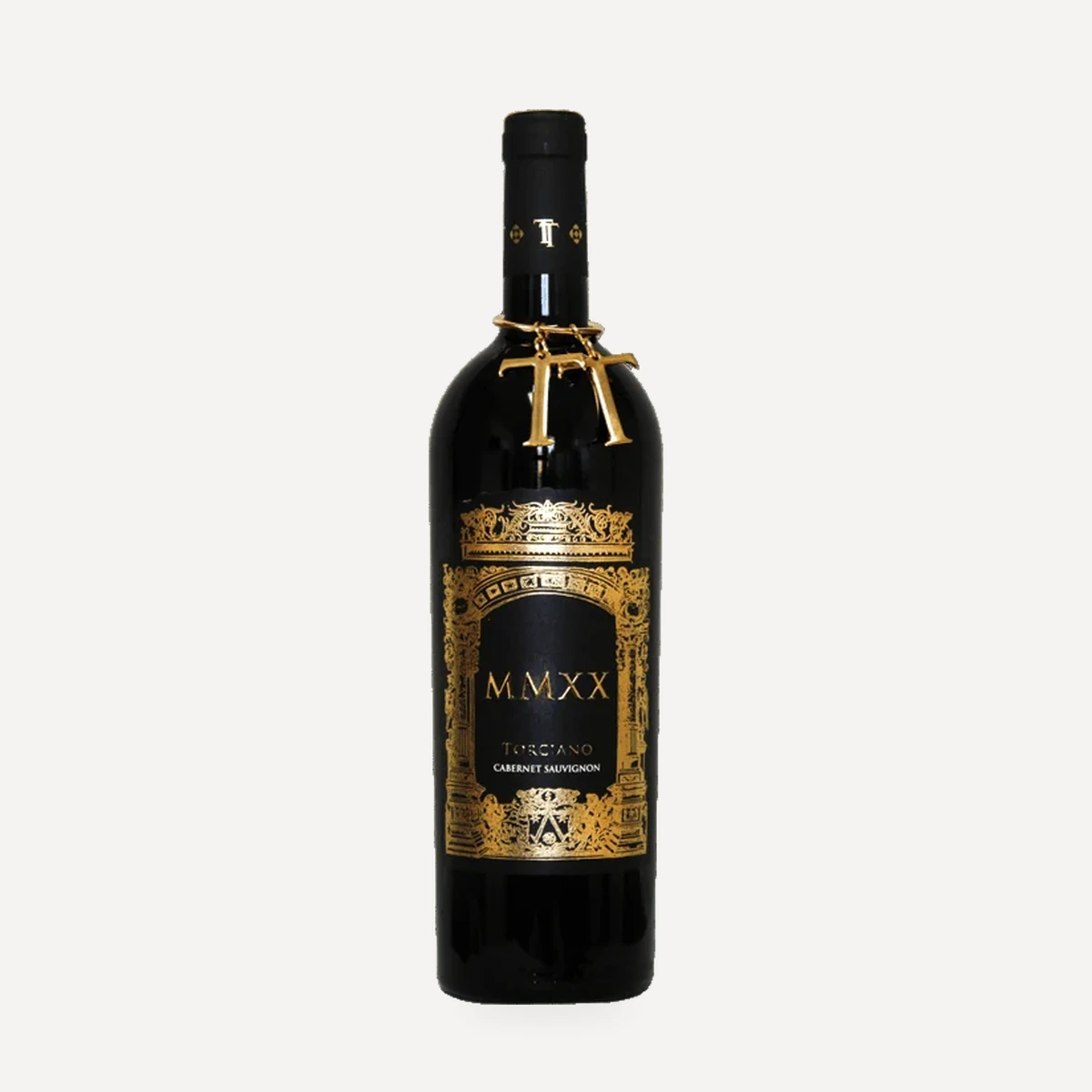
Tenuta Torciano Cabernet Sauvignon MMXX
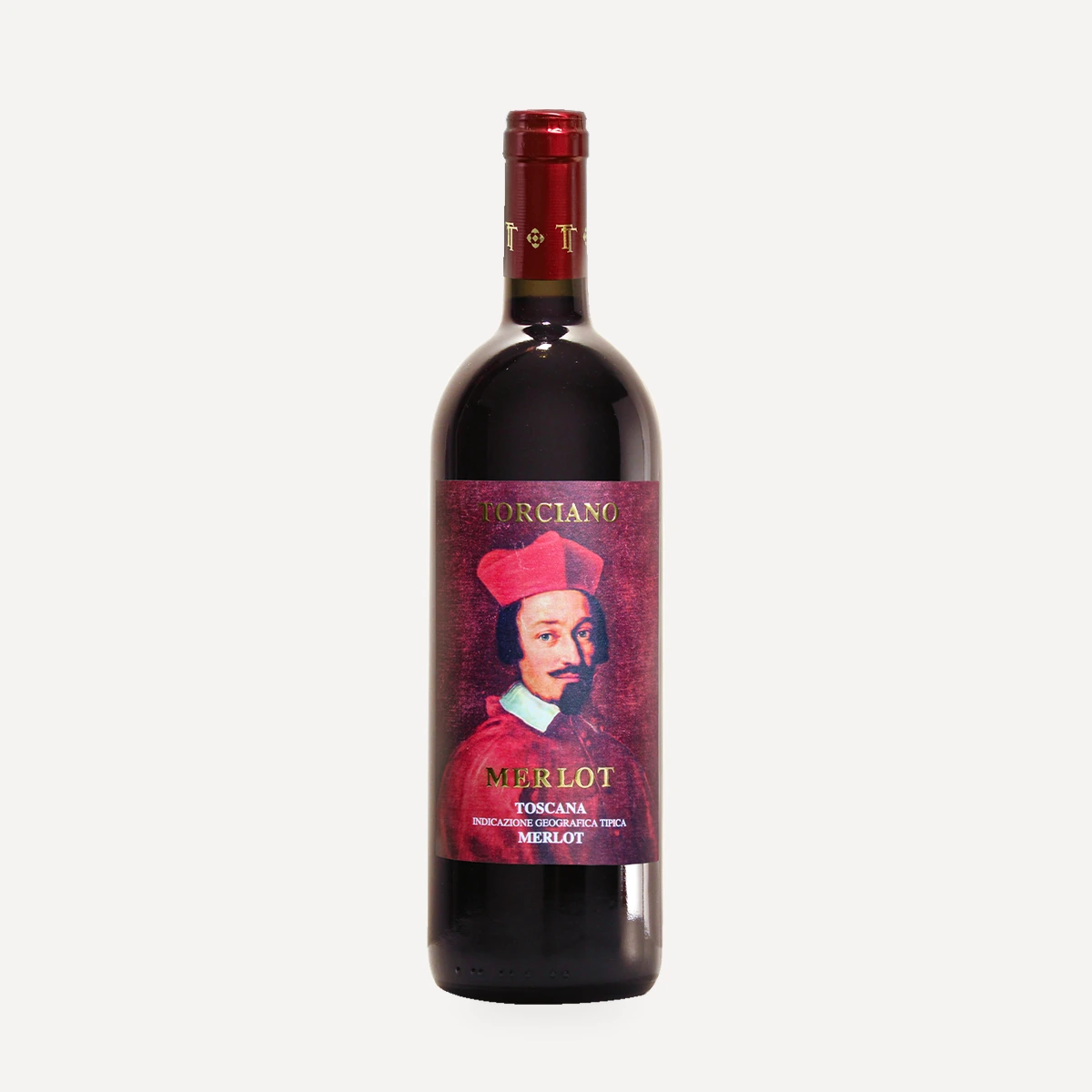
Tenuta Torciano Cardinale Merlot
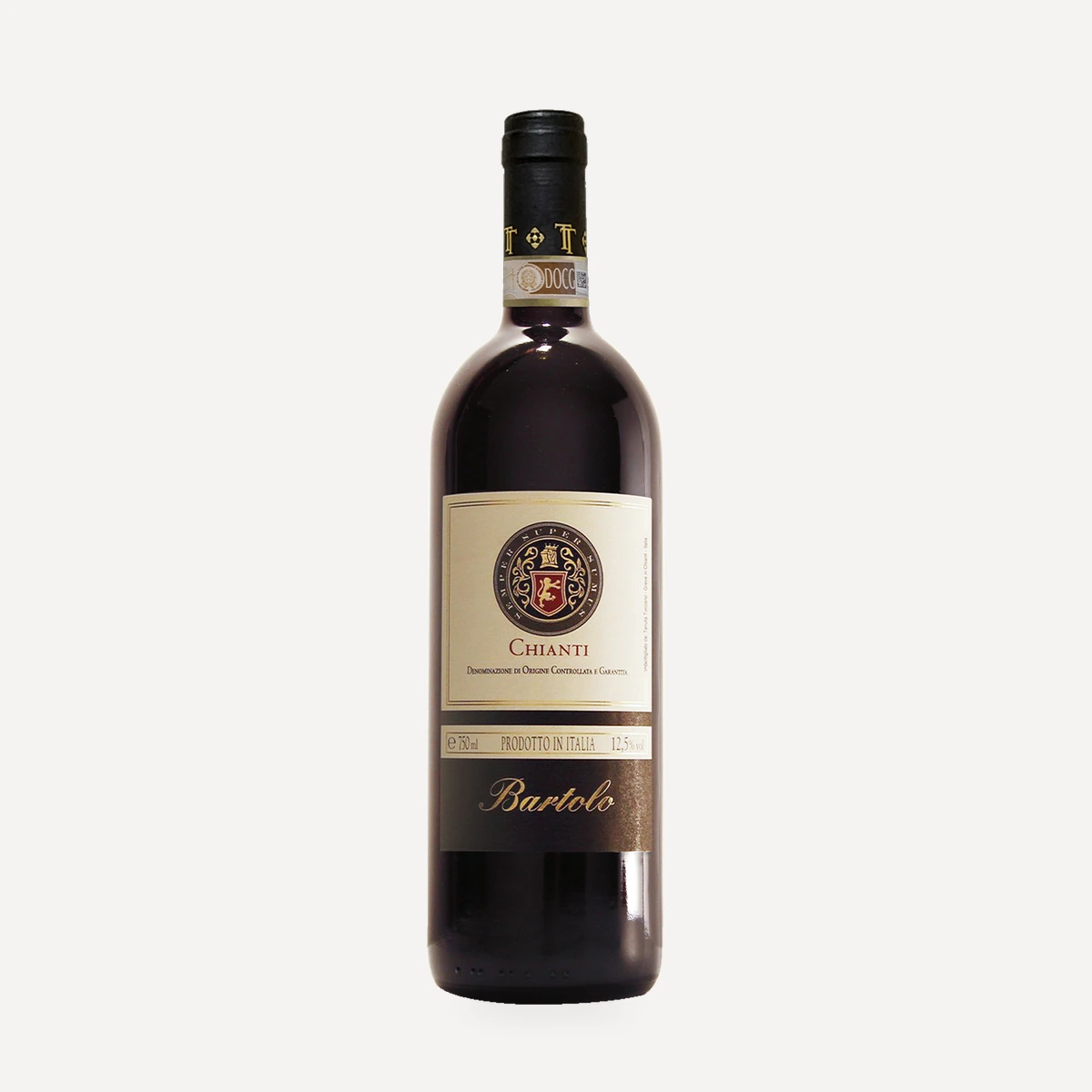
Tenuta Torciano Chianti Bartolo
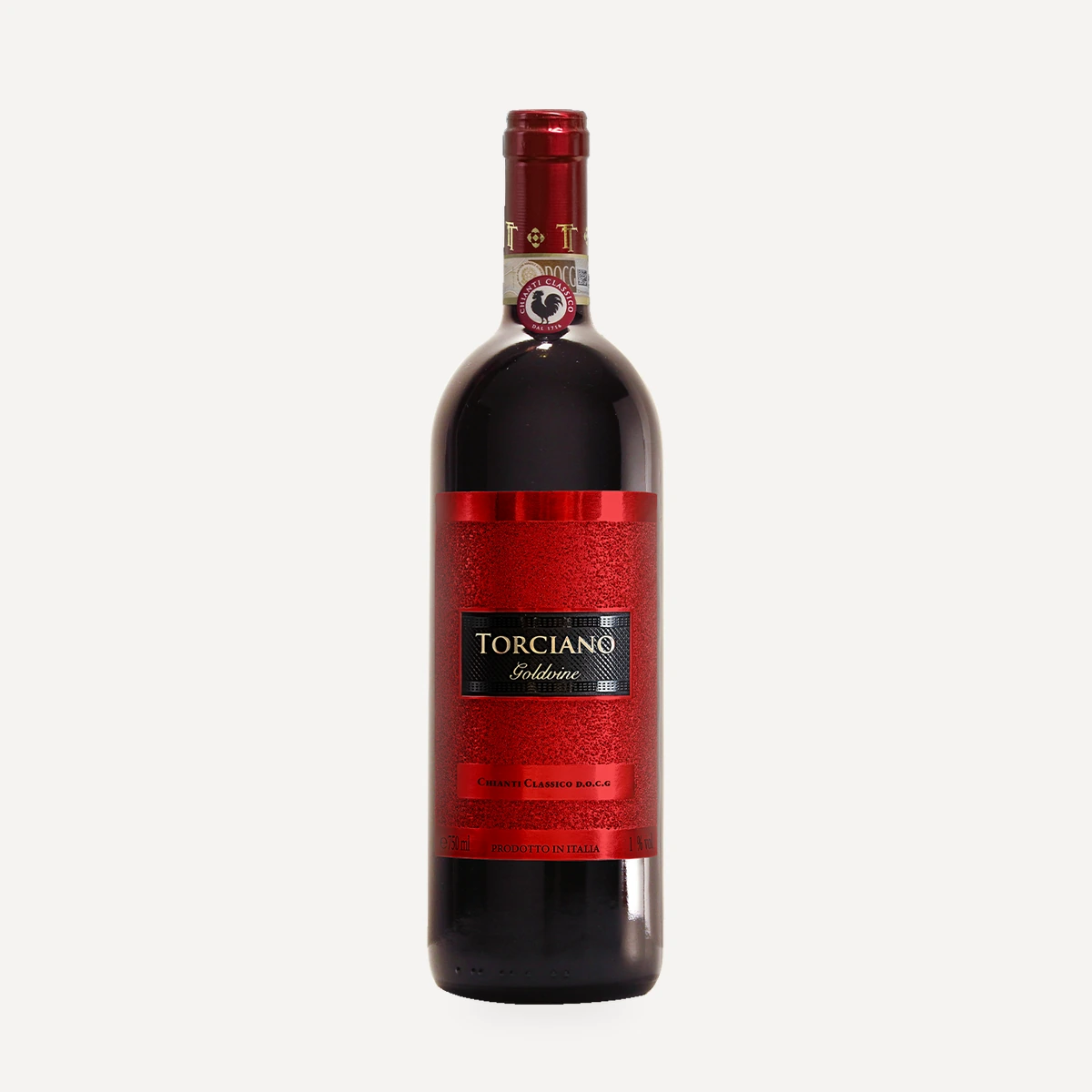
Tenuta Torciano Chianti Classico Goldvine
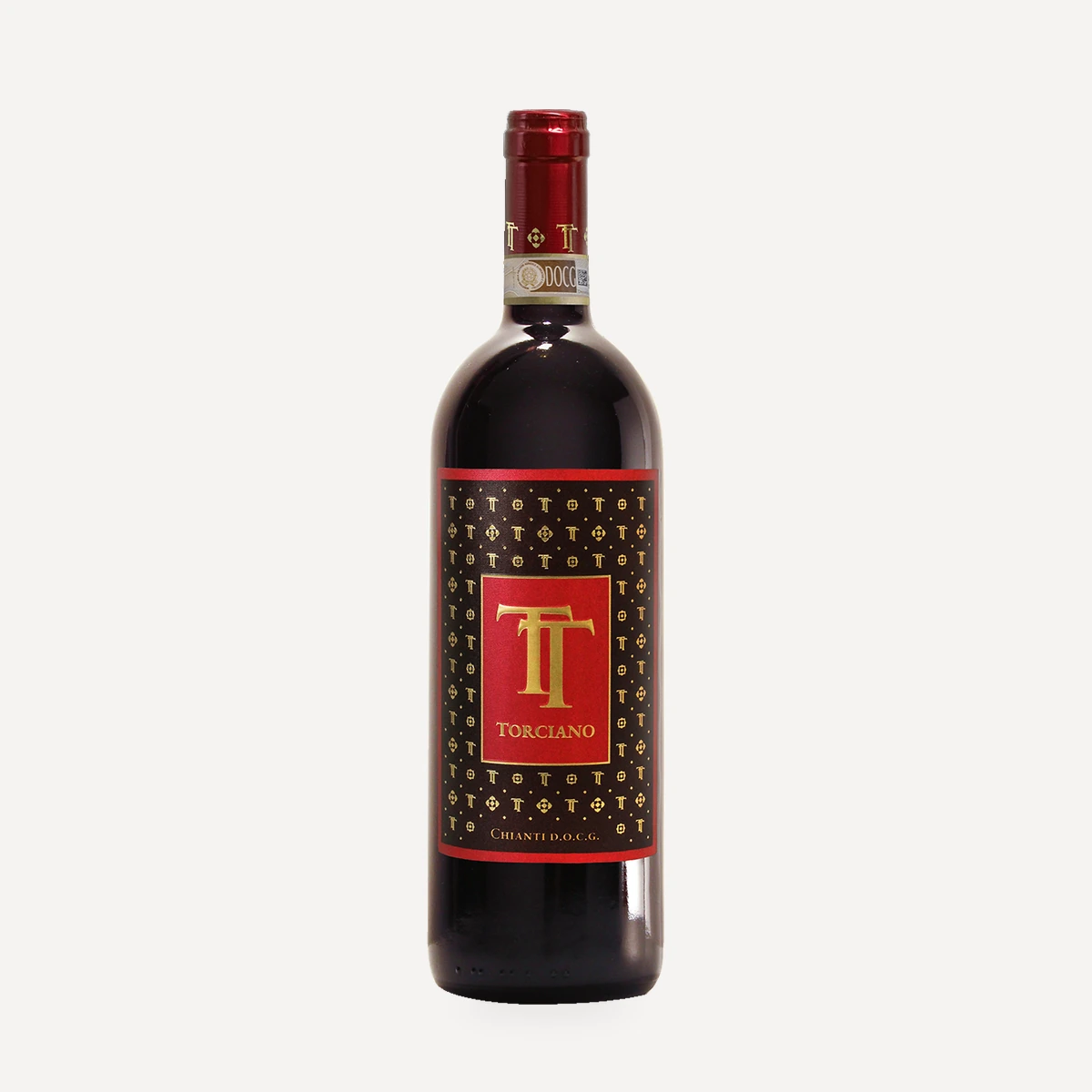
Tenuta Torciano Chianti Monogram
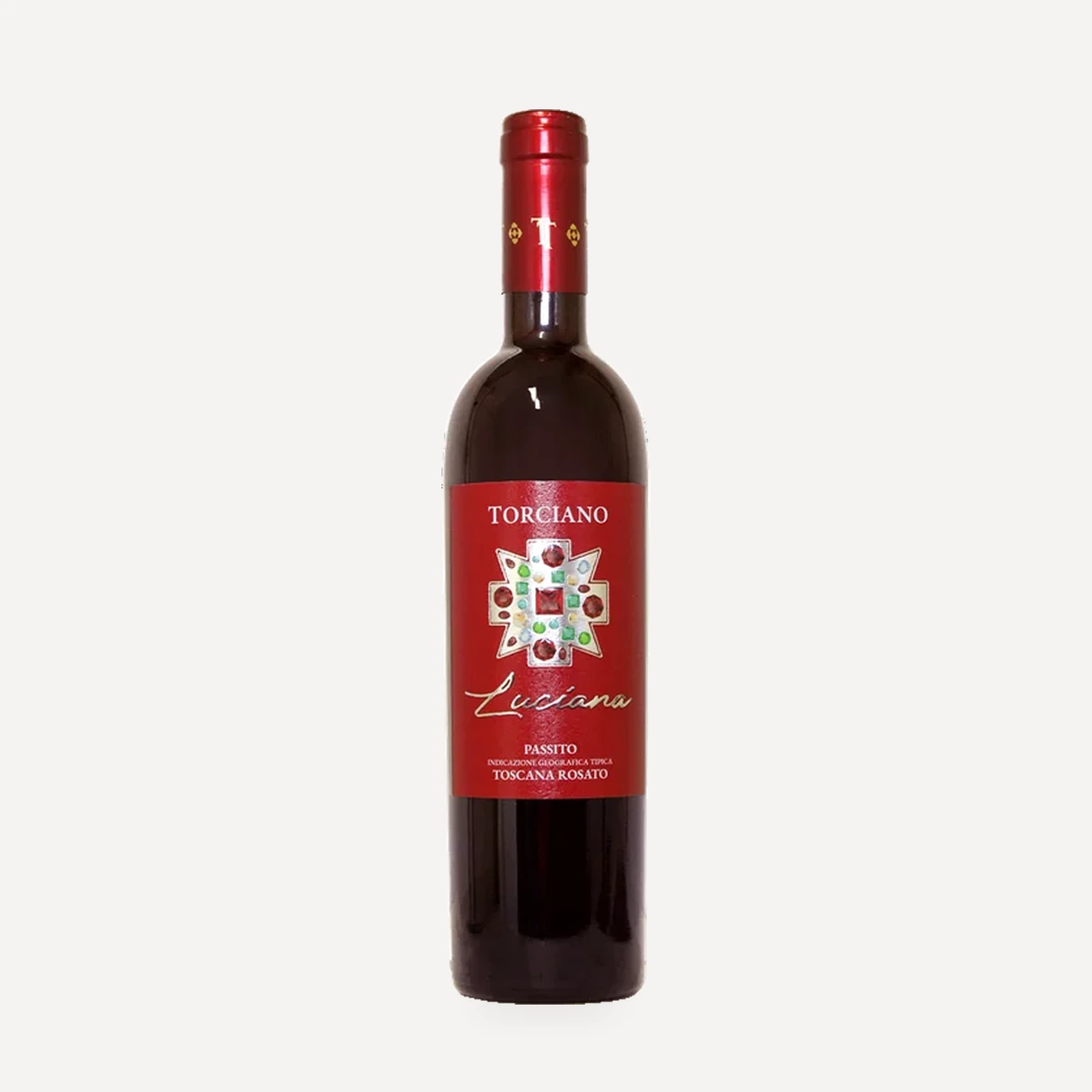
Tenuta Torciano Dolce Passito
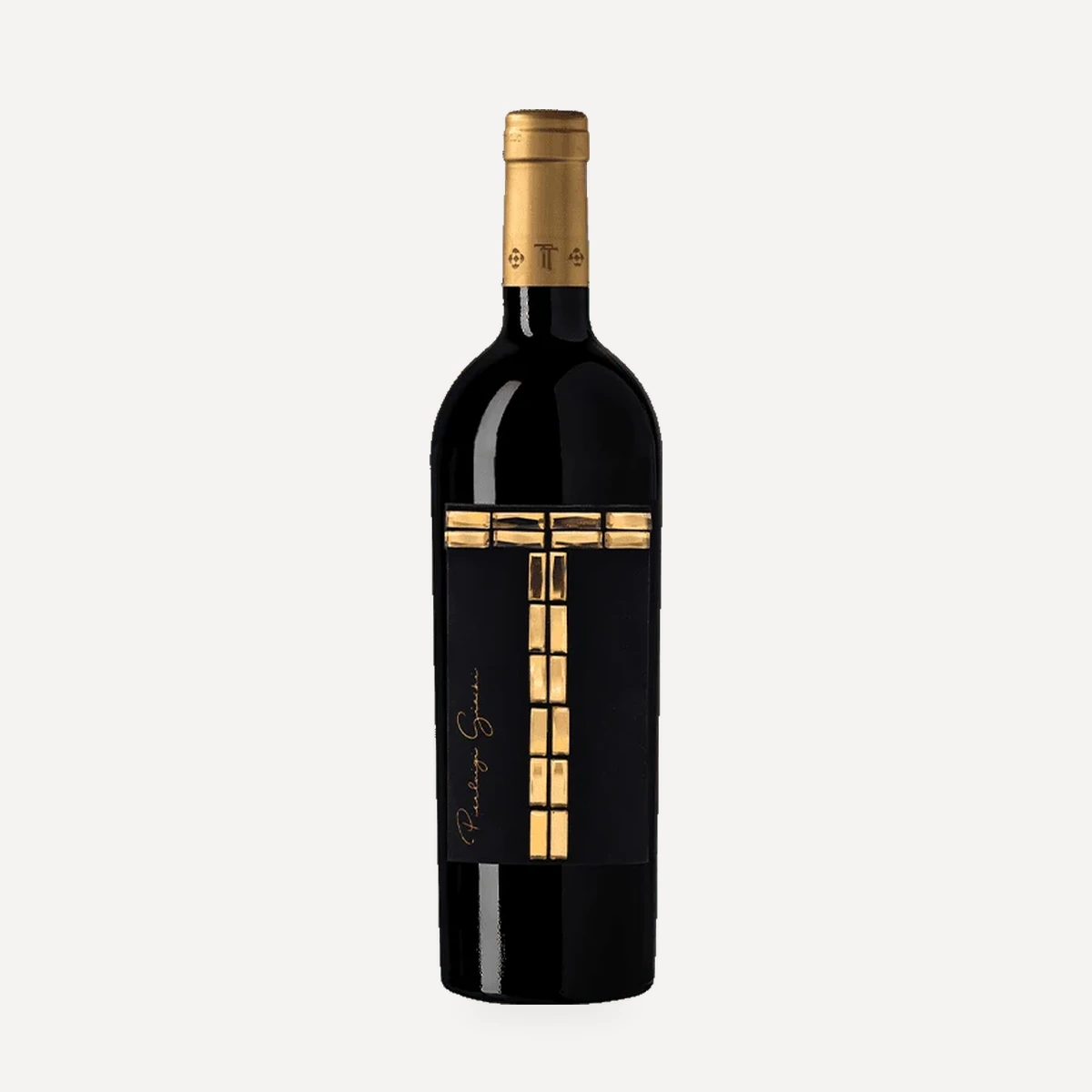
Tenuta Torciano Le Gemme Gold
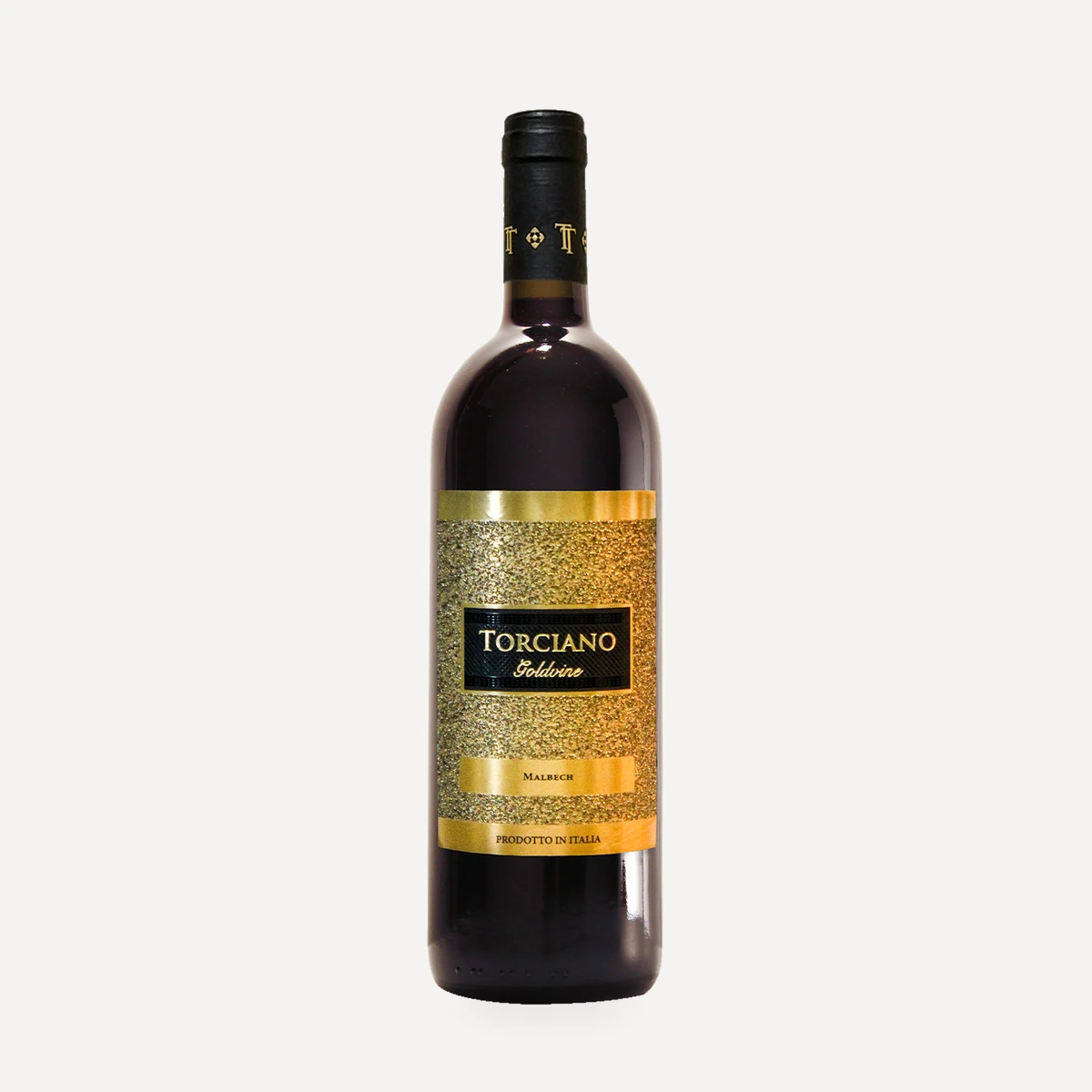
Tenuta Torciano Malbec Goldvine
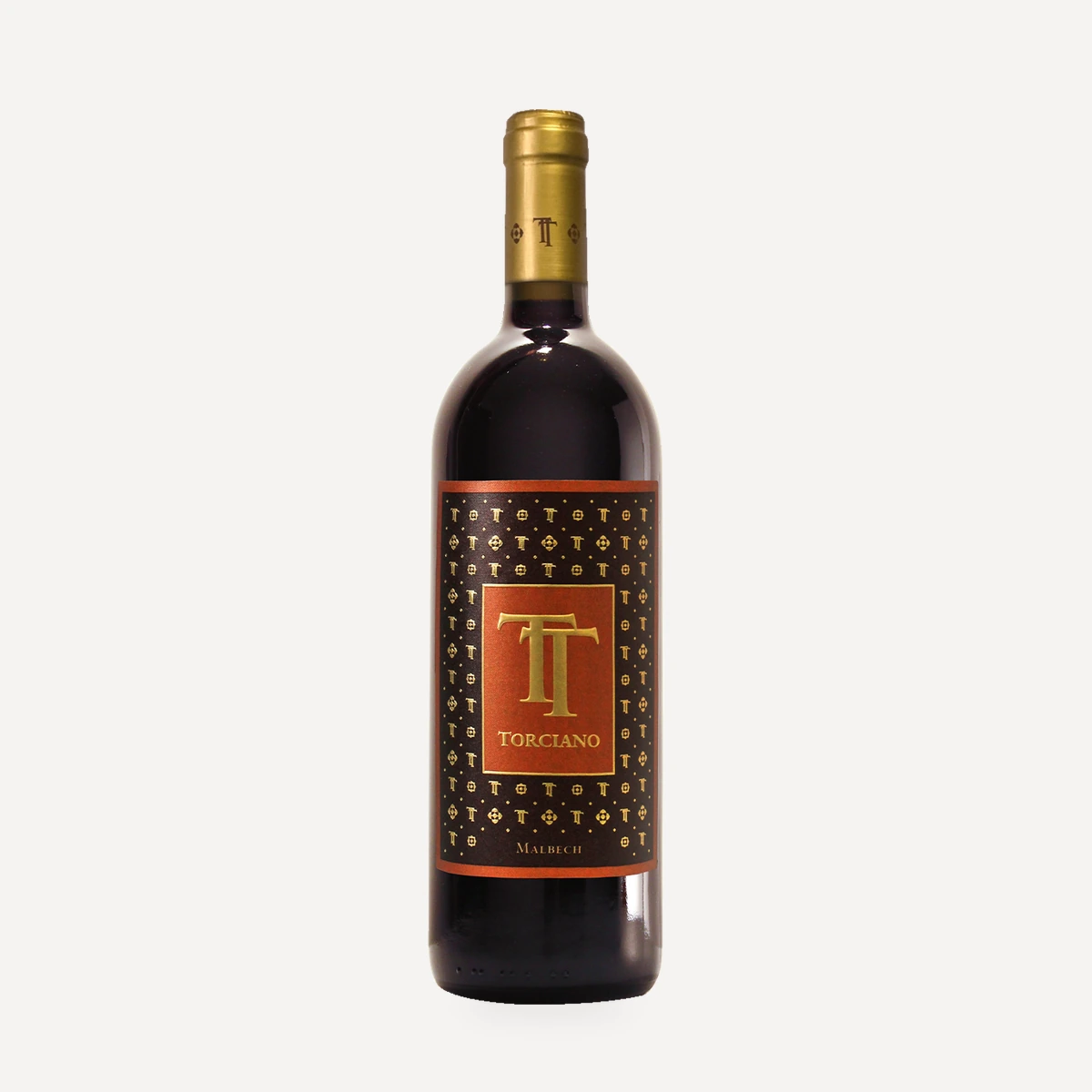
Tenuta Torciano Malbec Monogram TT
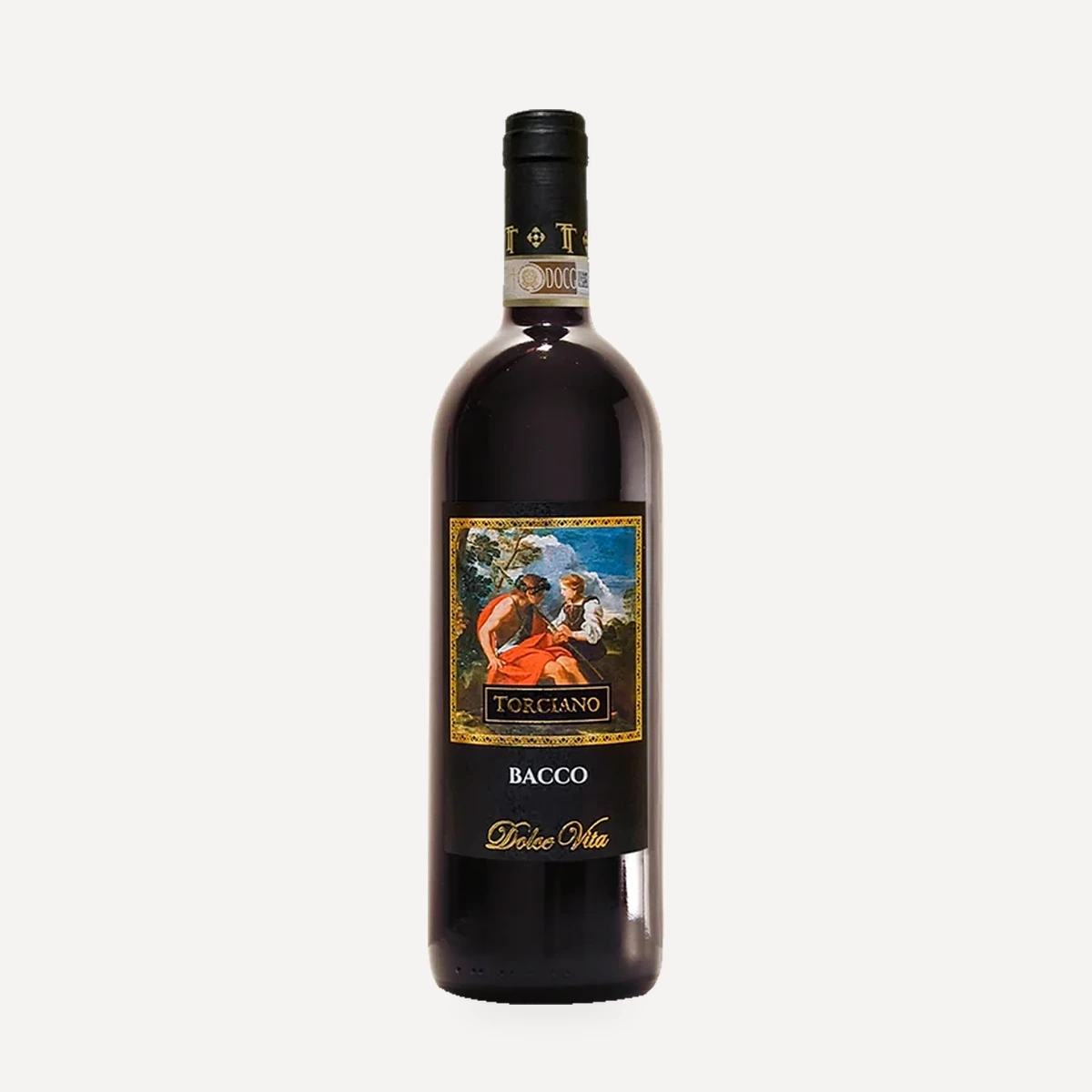
Tenuta Torciano Morellino Bacco
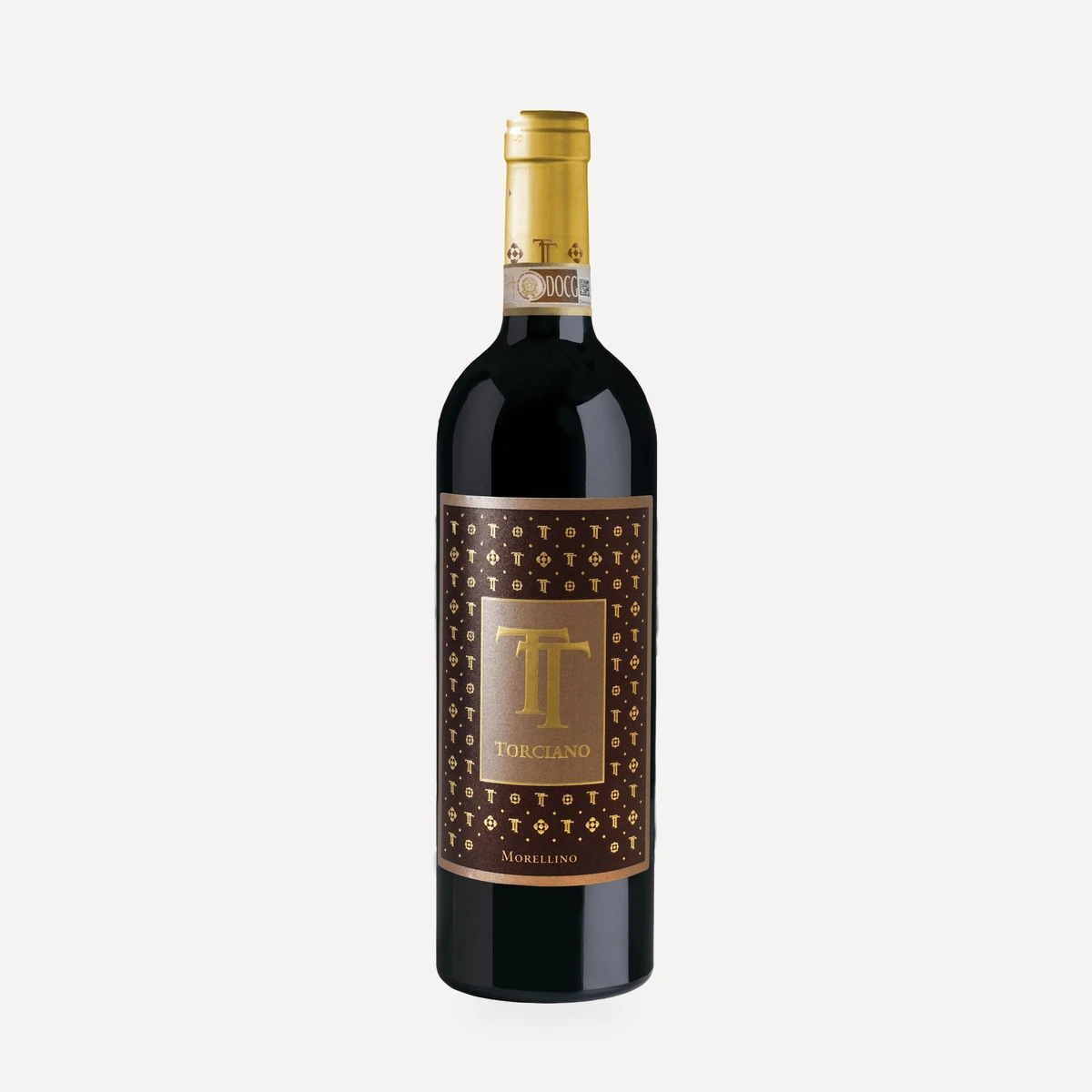
Tenuta Torciano Morellino Monogram
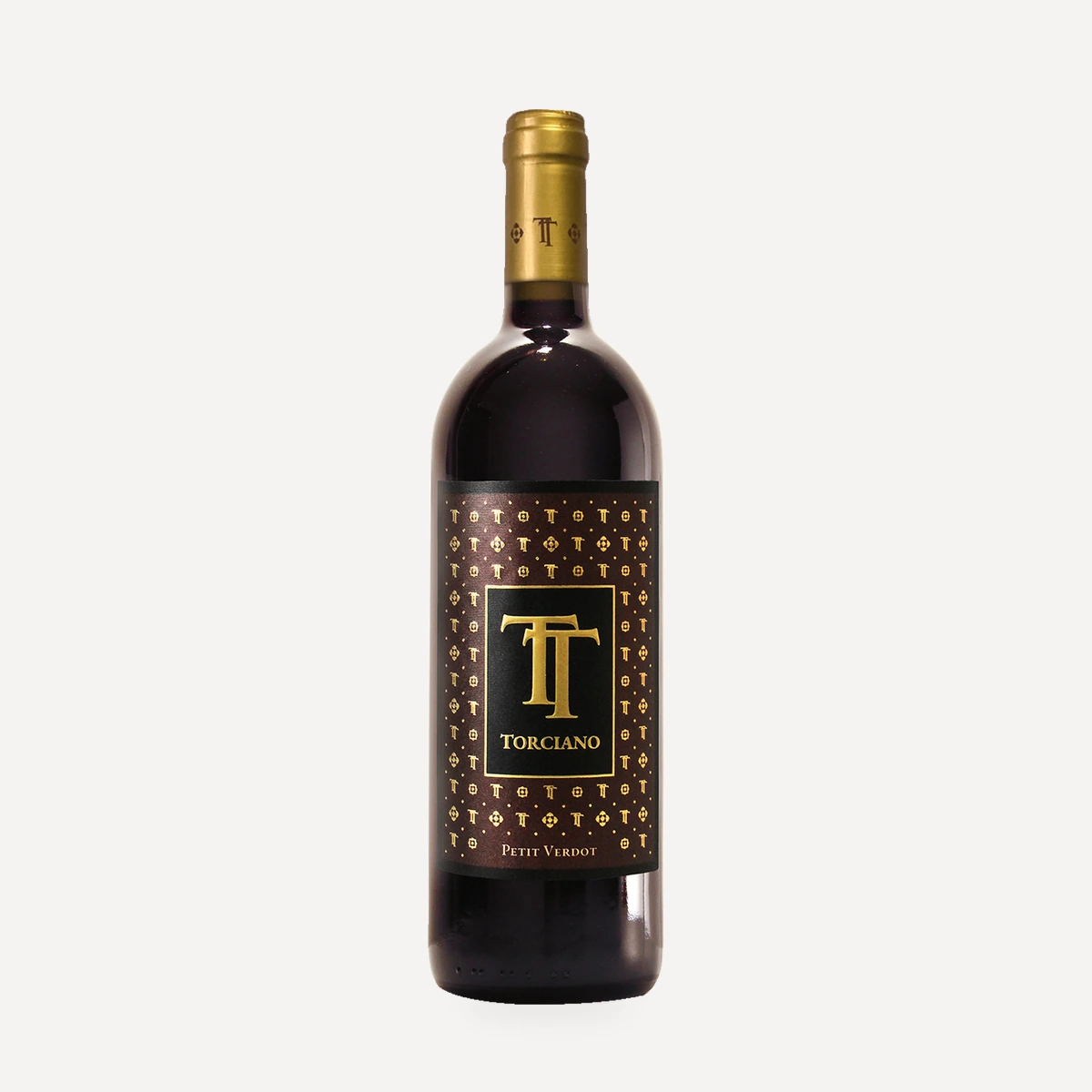
Tenuta Torciano Petit Verdot TT Monogram Collection
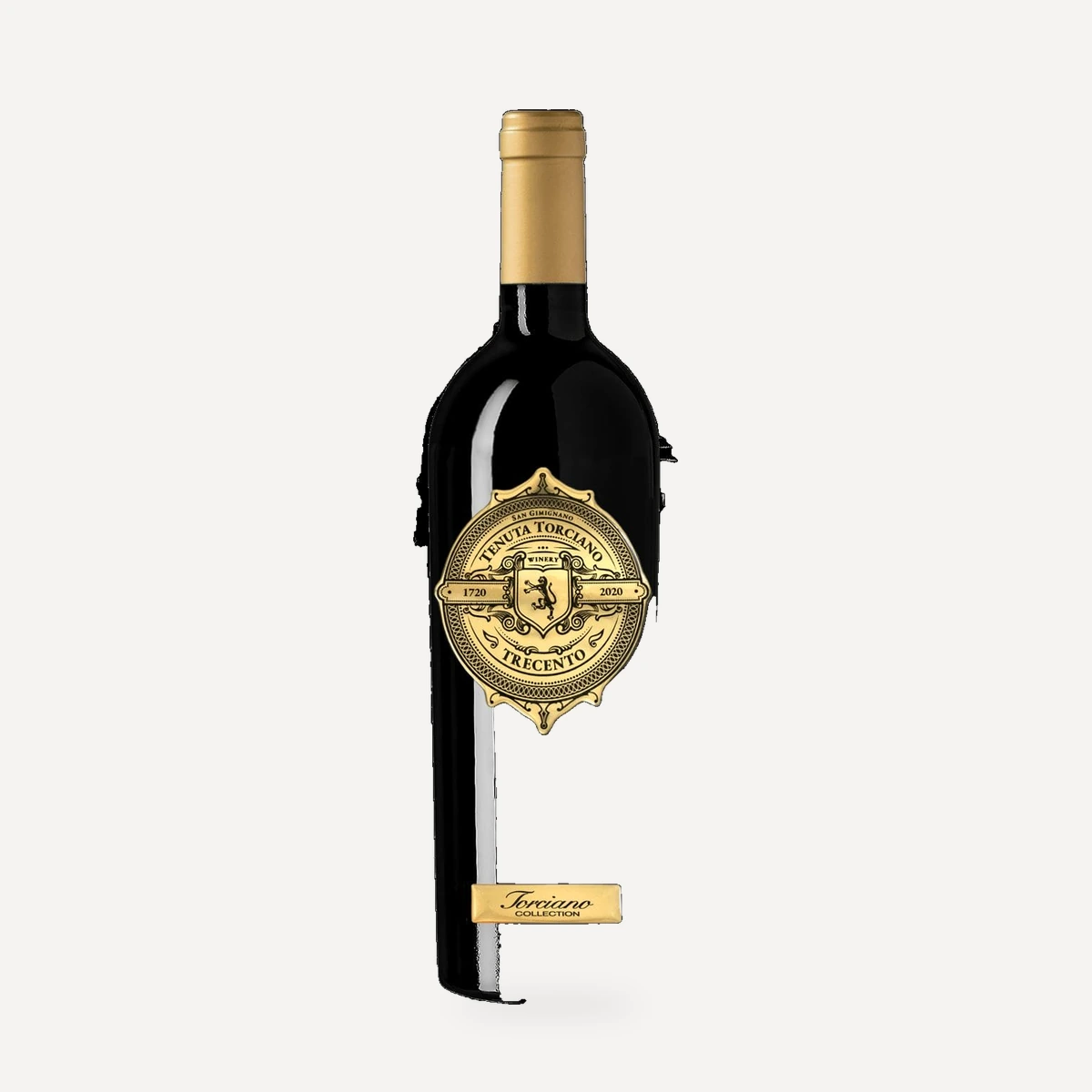
Tenuta Torciano Red Blend Trecento Cave Collection
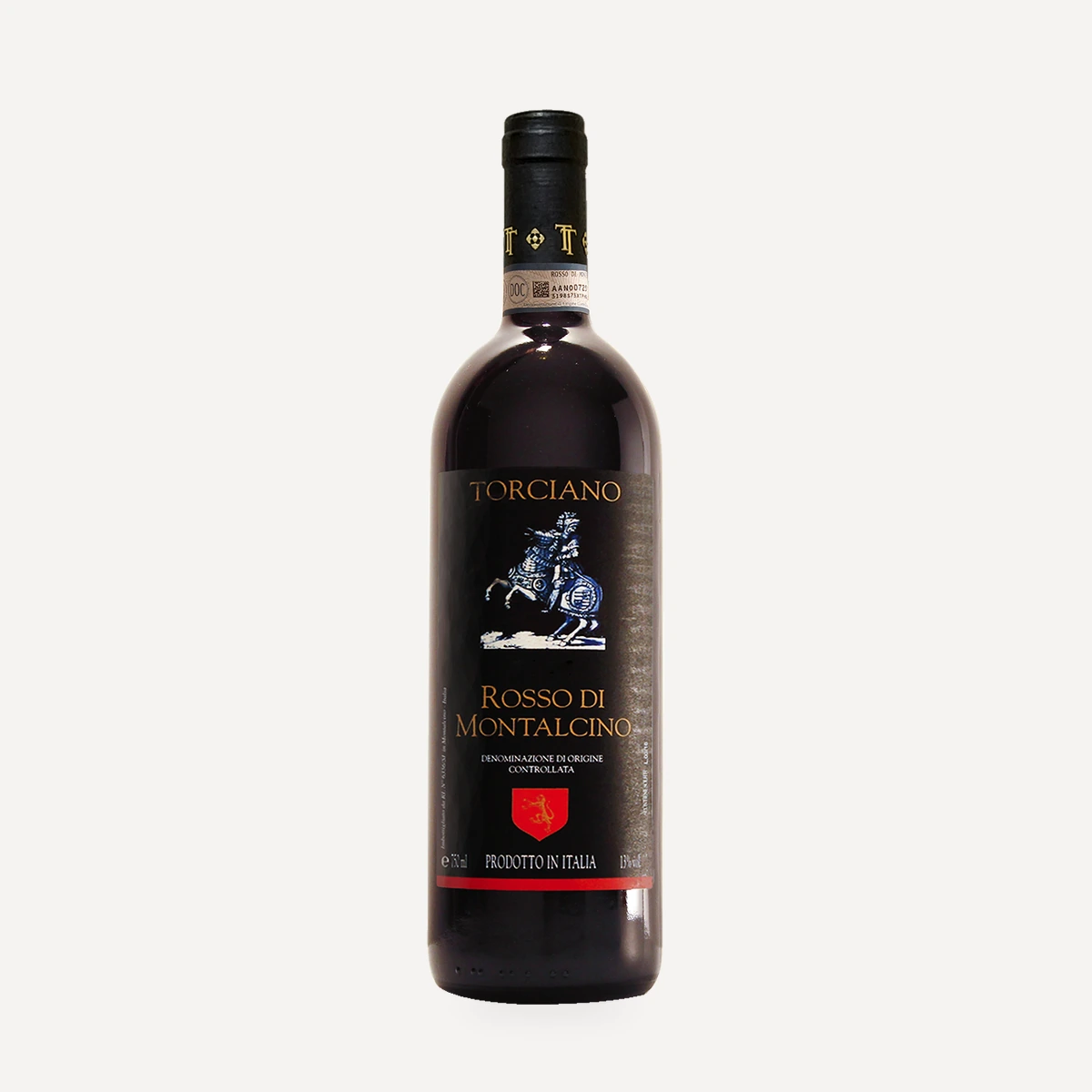
Tenuta Torciano Rosso di Montalcino
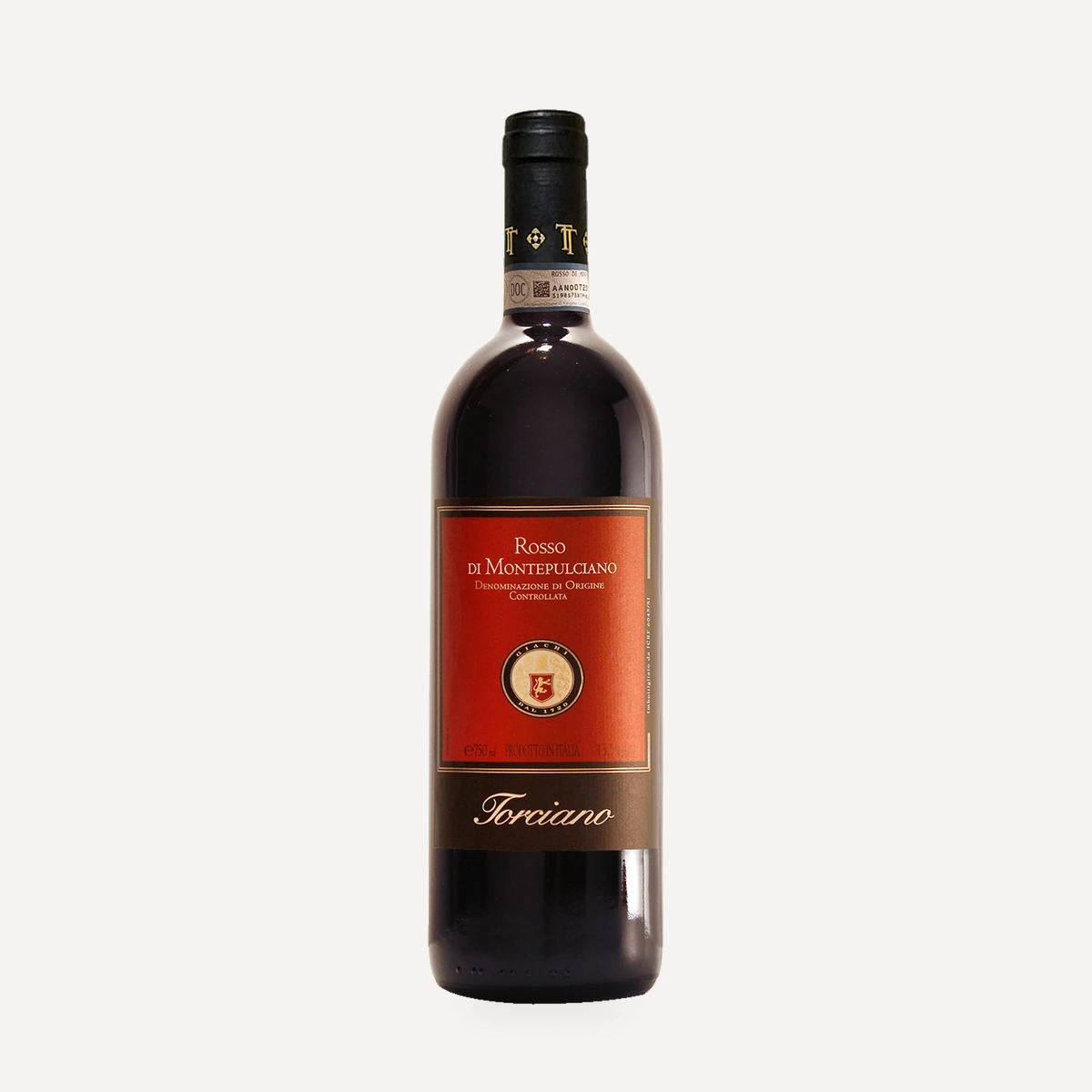
Tenuta Torciano Rosso di Montepulciano
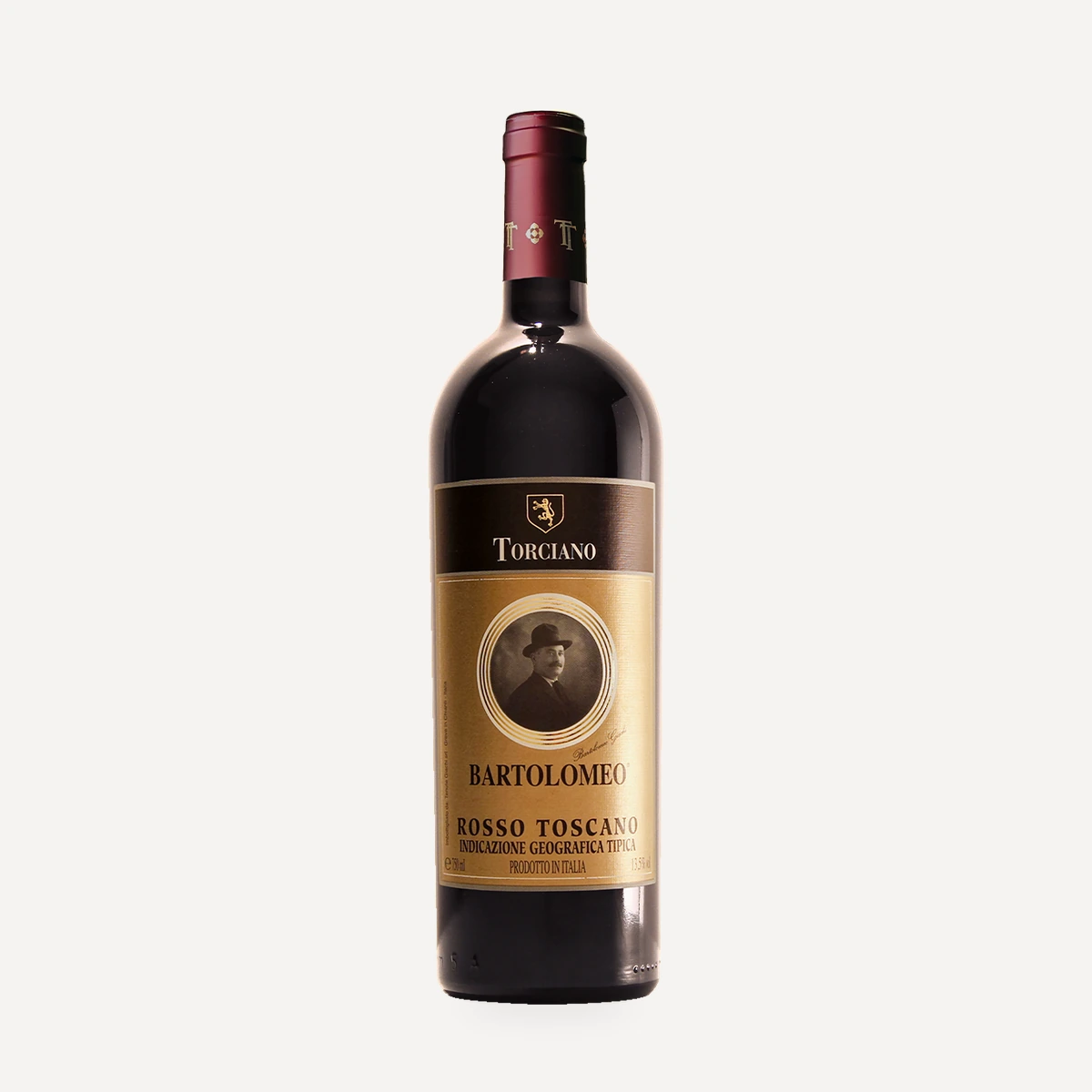
Tenuta Torciano Super Tuscan Bartolomeo
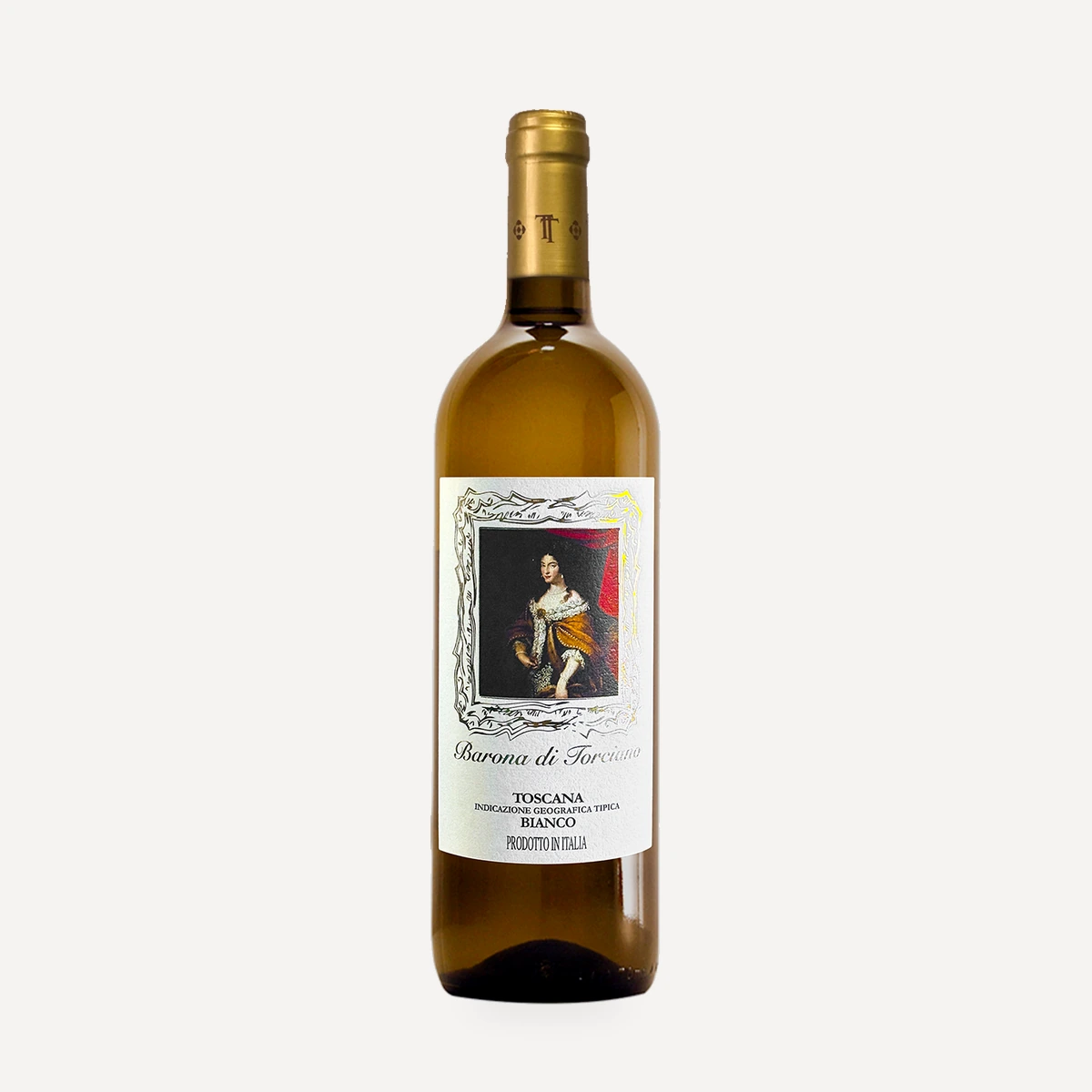
Tenuta Torciano Tuscan Blend Barona di Torciano
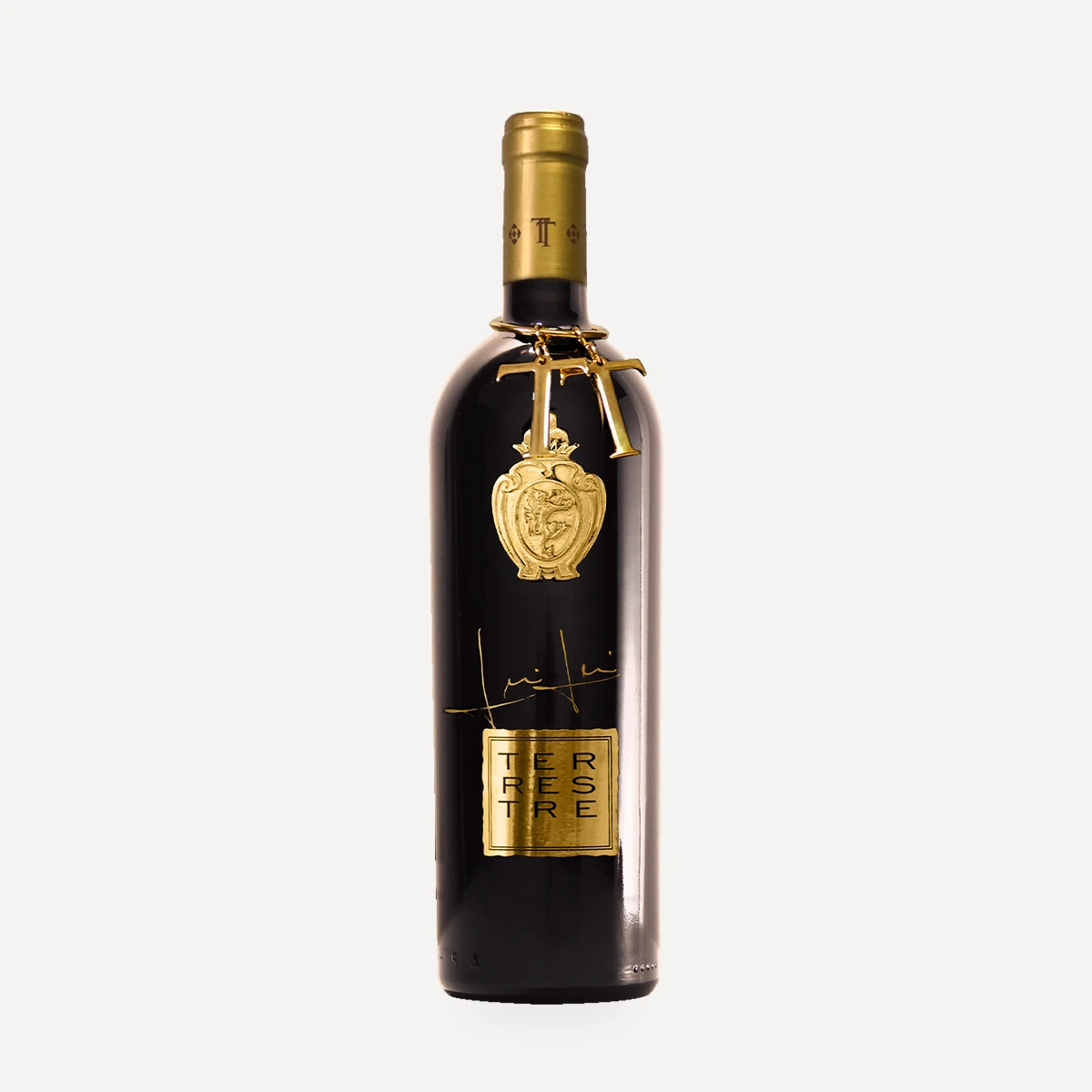
Tenuta Torciano Tuscan Blend Terrestre Gold
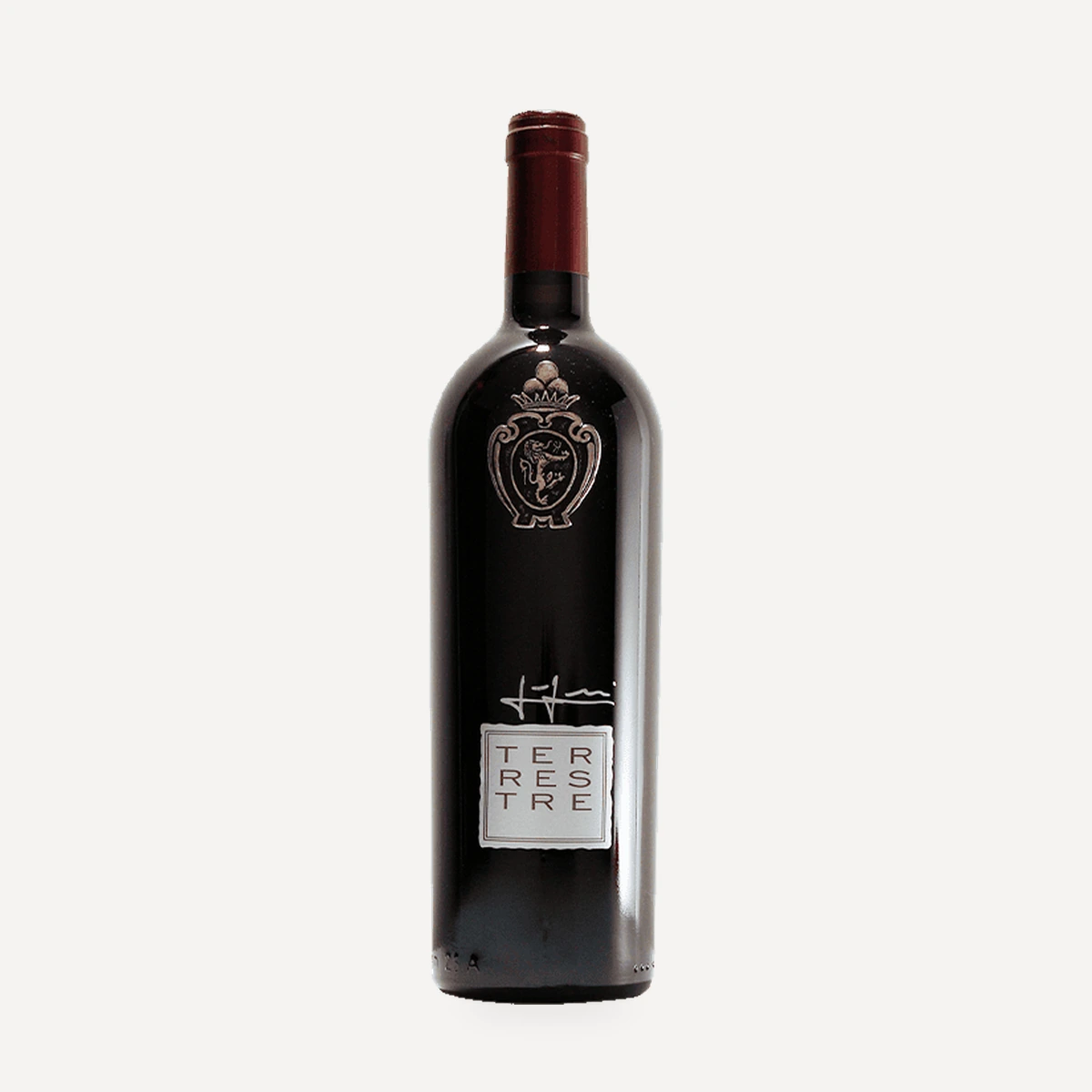
Tenuta Torciano Tuscan Blend Terrestre Silver
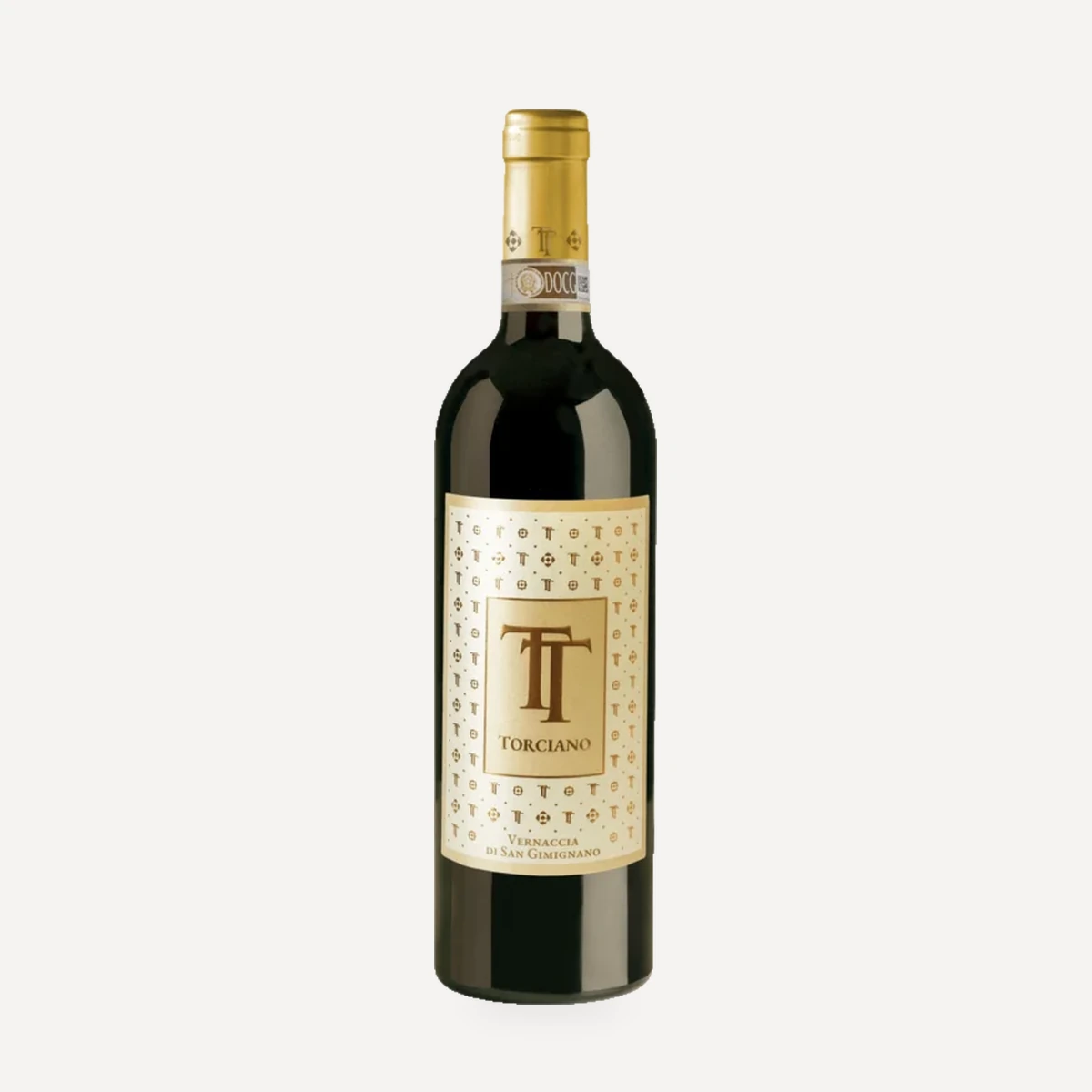
Tenuta Torciano Vernaccia di San Gimignano Monogram TT Collection
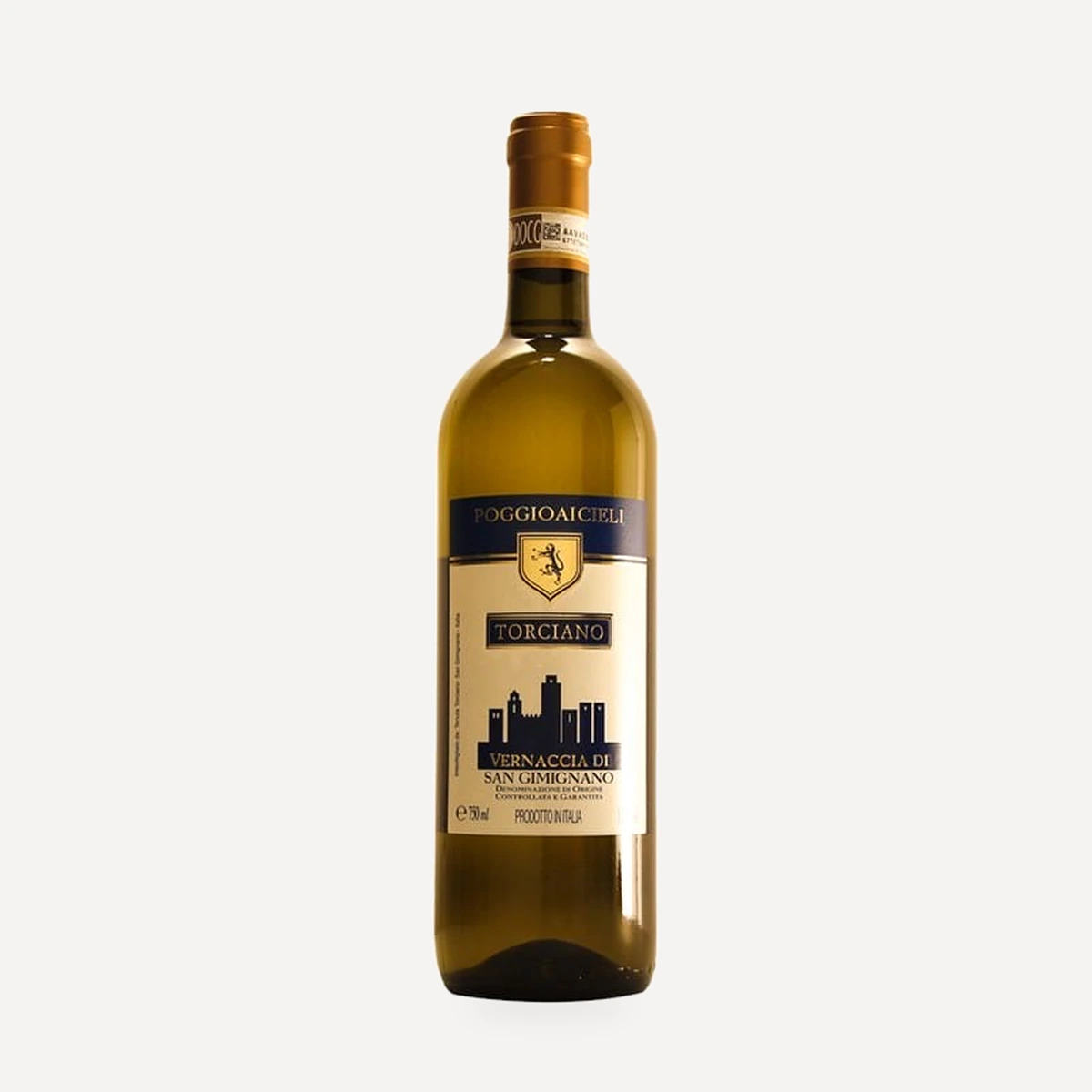
Tenuta Torciano Vernaccia di San Gimignano Poggioaicieli
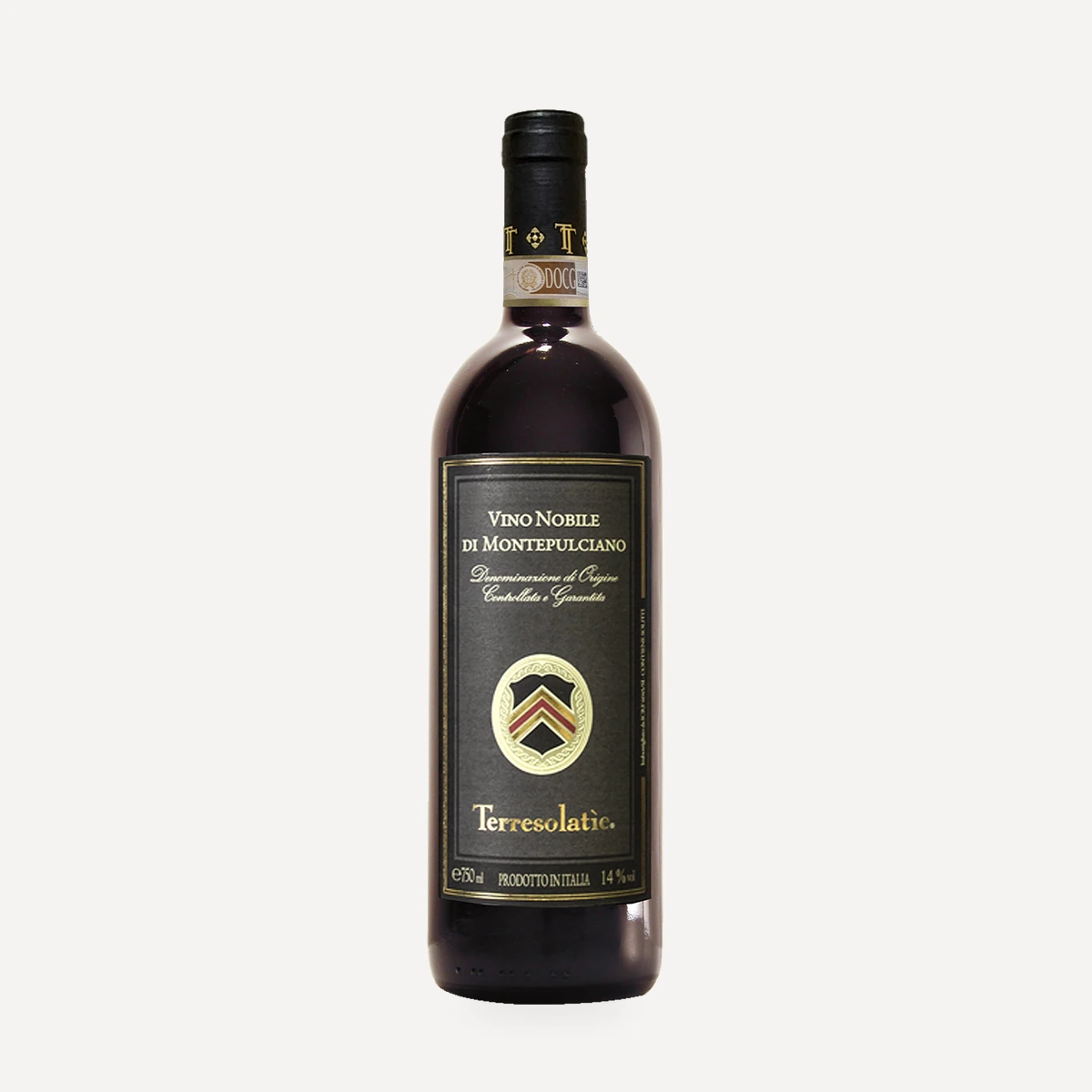
Tenuta Torciano Vino Nobile di Montepulciano Terresolatie
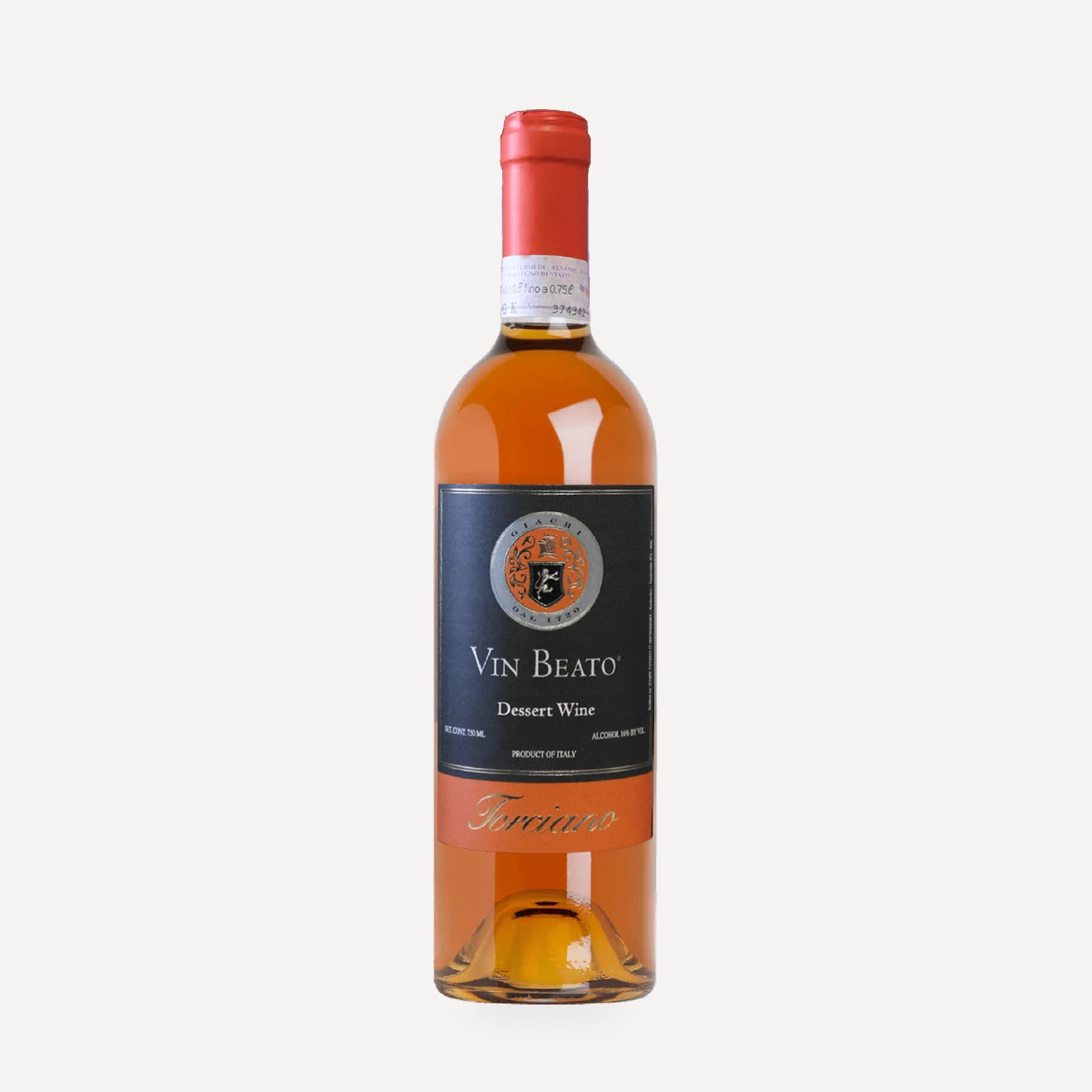
Tenuta Torciano Vin Beato
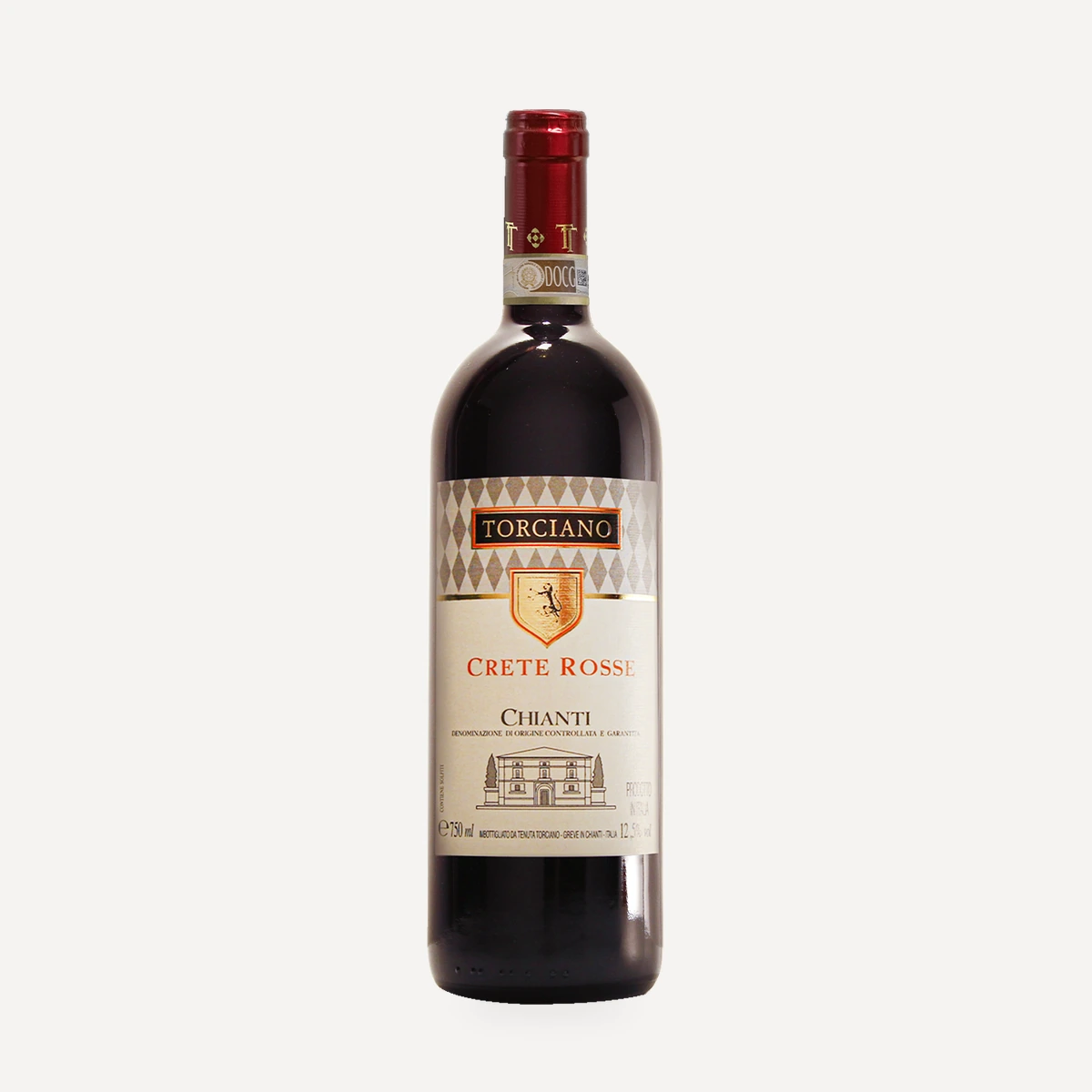
Tenuta Torciano Chianti Crete Rosse
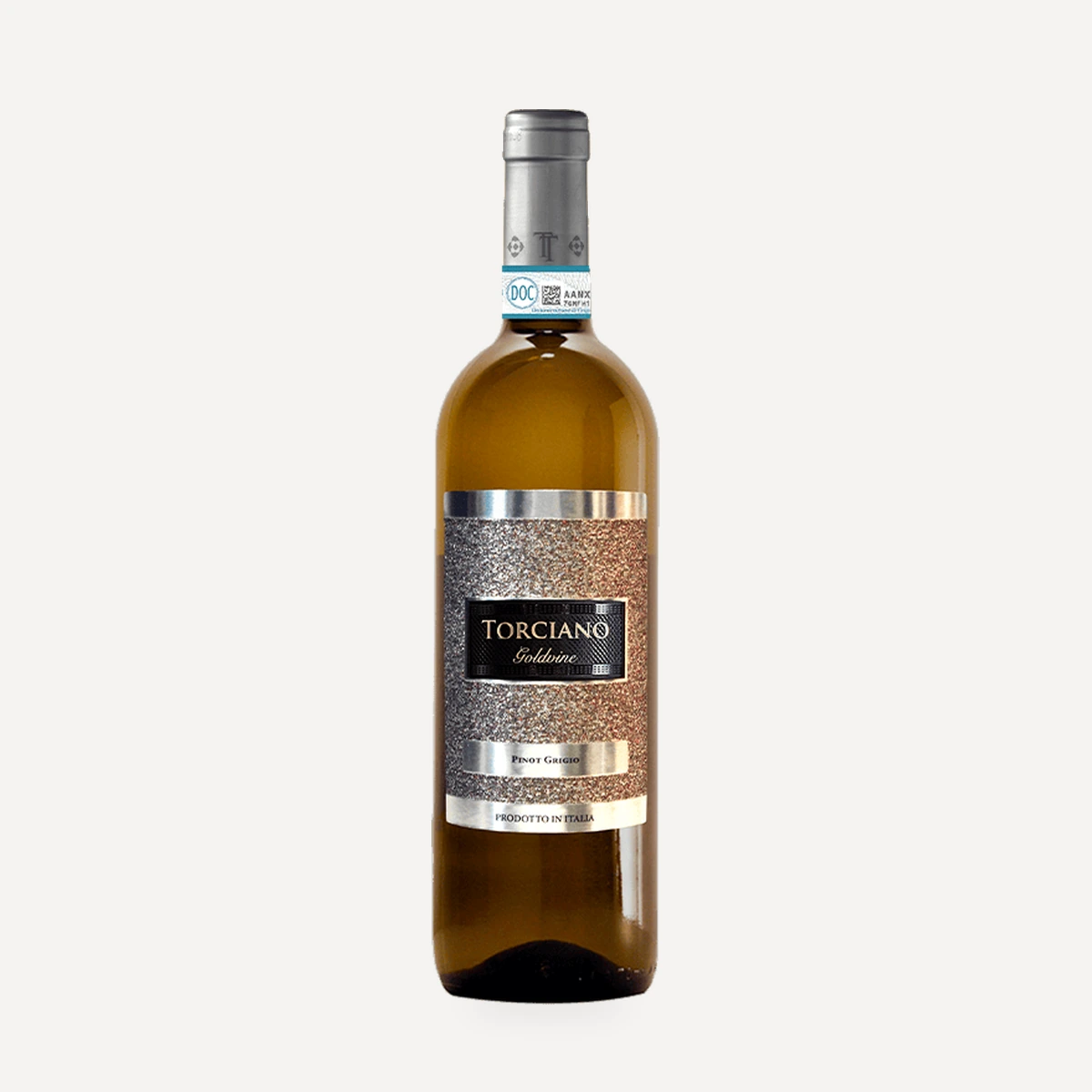
Tenuta Torciano Pinot Grigio Goldvine