Storia
Origins in the 1960s
Tenuta Valdipiatta was established by its original, unnamed owner during the 1960s. One of its historic Sangiovese vineyards was planted toward the end of that decade by Alfiero Carpini, the estate’s first fattore and an important figure in its early development. The parcel subsequently became known as Vigna d’Alfiero.
The Caporali family
Giulio Caporali acquired Tenuta Valdipiatta at the end of the 1980s. The purchase fulfilled his ambition to leave Rome for the Tuscan countryside, where he could make wine and olive oil, cultivate other produce for his family and devote time to literature and historical research. The estate remained a family undertaking.
Giulio combined winegrowing with research into the history of Montepulciano and Vino Nobile. Among his projects was a translation from Latin of medieval statutes governing the local production and trade of wine. He also wrote about Porsenna, presented in the estate’s family narrative as the legendary founder of Montepulciano and the final king of Rome and the Etruscans.
Bordeaux connections
At the beginning of the 1990s, Tenuta Valdipiatta began working with Professor Yves Glories, then head of the Faculty of Oenology in Bordeaux and creator of the Phenolic Maturity Method. This introduced a formal scientific dimension to the estate’s work with Sangiovese while retaining its emphasis on Montepulciano’s native grapes and terroir.
Miriam Caporali takes charge
In 2002, Giulio transferred management of Tenuta Valdipiatta to his daughter Miriam Caporali. She brought business studies completed in Rome and oenological training in Bordeaux to the role. Her approach linked environmentally responsible viticulture and sensitive winemaking with close observation of differences between grapes from lighter sandy ground and denser clay soils. She dedicated her work to the expression of Montepulciano’s terroir and indigenous varieties through conscious, sustainable viticulture.
A new Bordeaux connection began in 2010 with consulting oenologist Eric Boissenot. His work followed the earlier experience with Yves Glories and continued the estate’s combination of local varieties, scientific research and French oenological expertise.
Organic certification
After a progressive move toward sustainable agriculture, Tenuta Valdipiatta obtained EU organic certification and the Marchio Comunitario BIO in 2018. Its vineyard management developed around the idea of a closed agricultural ecosystem balancing flora, fauna and human activity, supported by biodiversity, estate-made compost, green manure, limited cultivation and closely targeted plant-protection treatments.
Terroir
Tenuta Valdipiatta lies in south-eastern Tuscany, in the heart of the Vino Nobile di Montepulciano territory. Montepulciano stands between the Valdichiana and Val d’Orcia, while the estate’s vineyards are distributed at elevations of 300–350 metres above sea level.
The 22 hectares of vineyards extend through the Montepulciano localities of Bossona, Ciarliana, Sanguineto and Valdipiatta. The soils vary within the holding: lighter, sandy ground contrasts with denser, clay-rich soils. Clay is sufficiently important that the estate uses green manure specifically to increase soil organic matter. Miriam Caporali follows the resulting differences in grape development and adapts picking and fermentation accordingly.
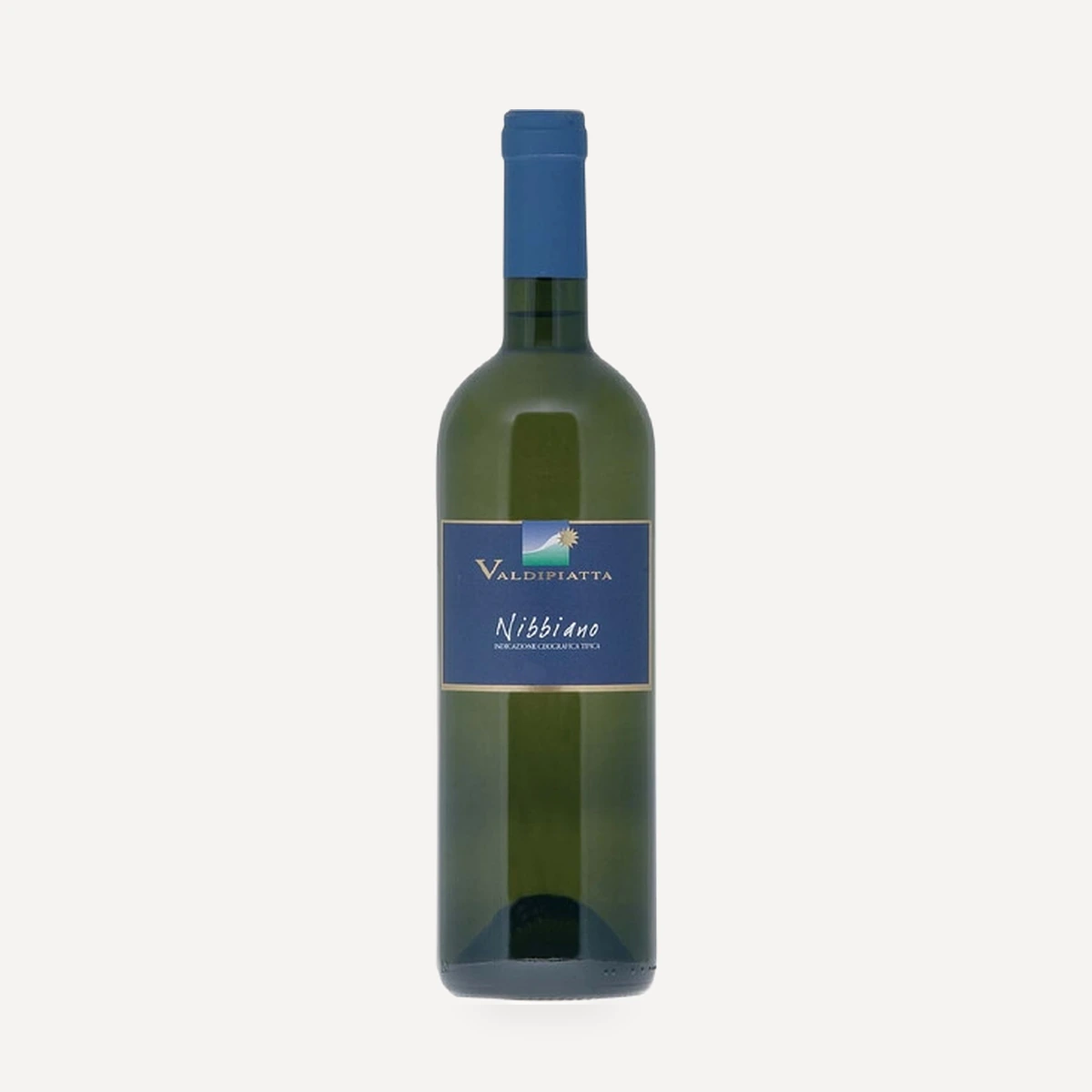
A stream named Nibbiano runs near the winery and gives its name to the estate’s white wine.
Vinificazione
Tenuta Valdipiatta has been EU-certified organic under the Marchio Comunitario BIO since 2018. Its agricultural model treats the estate as a closed ecosystem in which farming supports a balance among flora, fauna and human activity. The central objective is to protect soil and vineyard agrobiodiversity so that the vineyards retain their individual expression.
Soil management is designed to limit erosion, maintain organic matter and avoid cultivation unless it is strictly necessary. Fertility is supported with organic fertilizers and estate-made compost combining grape pomace, lees, pruned vine shoots and manure. This mixture ferments for 12 months before use.
Green-manure mixtures are sown between the rows in autumn. They combine legumes, grasses and brassicas; clover, lupin and vetch are among the plants identified. Their roots feed the soil and its organisms, while the flowering plants attract beneficial insects and encourage a natural balance with pest species. The mixtures help fix atmospheric nitrogen, increase the organic matter needed by the clay-rich soils and are cut and incorporated into the ground in spring to return nutrients and organic material.
Vines and crops are monitored for disease and harmful insects so that plant-protection treatments can be minimized and the amount of copper and sulfur adjusted plot by plot. Natural enemies of vineyard pests are preserved, while varied plants and trees along vineyard margins reinforce the complexity of the ecosystem and the vines’ natural resilience.
Both spur-pruned cordon and Guyot training are used. Reported vineyard yields vary from 5 to 8 tonnes per hectare according to the grapes’ intended use. Picking decisions respond to differences in ripening between lighter sandy sites and denser clay soils; the small Pinot Nero planting is picked in two passes.
Winemaking is adapted to grape variety, site and intended style rather than imposed as a single uniform recipe. Grapes from contrasting vineyard soils can be picked and fermented separately, and the principal Montepulciano reds draw on separately harvested and vinified vineyard components before blending.
For most reds, fermentation takes place in temperature-controlled stainless-steel tanks at 24–28 °C. Skin contact lasts approximately 15 days for earlier-drinking styles and 20–25 days for more structured selections. Pump-overs are carried out daily, beginning from the second day in some fermentations; délestage may be performed near the beginning and midpoint of fermentation. Malolactic fermentation occurs spontaneously in temperature-controlled steel tanks.
The estate also uses 500-litre French-oak tonneaux for both fermentation and maturation. In its small manual Pinot Nero production, skins are punched down daily from the second day of alcoholic fermentation, with spontaneous malolactic fermentation in tonneaux. Red-wine maturation options across the cellar include French-oak barriques, 500-litre French-oak tonneaux, second-use Allier barriques and 30- or 50-hectolitre Slavonian-oak casks. Bottle maturation follows wood ageing, with duration determined by the intended style.
White grapes and red grapes intended for white production are pressed without extended skin contact and fermented at controlled temperature. White wine can remain for three months in stainless steel, including at least one month on fine lees, before a minimum three months in bottle. Rosé production uses two to three hours of skin contact during pressing immediately after harvest, followed by temperature-controlled fermentation and five months in steel, including at least one month on fine lees.
For Vin Santo, selected Trebbiano Toscano, Grechetto and Malvasia grapes dry until the first months of the year following harvest. Selected fermentation mothers are used, and maturation lasts at least three years in small oak caratelli. The Sangiovese-based Occhio di Pernice receives six years in caratelli. Unpressed Sangiovese and Canaiolo Nero pomace from Vino Nobile production is also distilled in old copper stills for grappa.
Filosofia
Tenuta Valdipiatta combines respect for Montepulciano’s native varieties and traditional identity with scientific research, Bordeaux experience and continued experimentation. The purpose of technique is to respond to the grapes and their places of origin: Miriam Caporali observes how fruit differs between sandy and clay-rich soils, then adjusts harvesting and fermentation to those differences.
Its organic philosophy views the farm as a closed ecosystem, with agronomy supporting balance among plants, animals and people. Biodiversity, soil life and restrained intervention are treated as conditions for preserving the expression of terroir. Miriam’s stated lesson from Bordeaux is that distinctive, smooth-textured wines depend on environmentally respectful grape growing and sensitive winemaking.
The same balance of tradition and investigation appears in the estate’s long relationships with Bordeaux oenologists, its continued focus on Sangiovese and Canaiolo Nero, and small experimental projects such as the 2,000-vine Pinot Nero planting and the use of red Sangiovese grapes in white vinification.
Vini
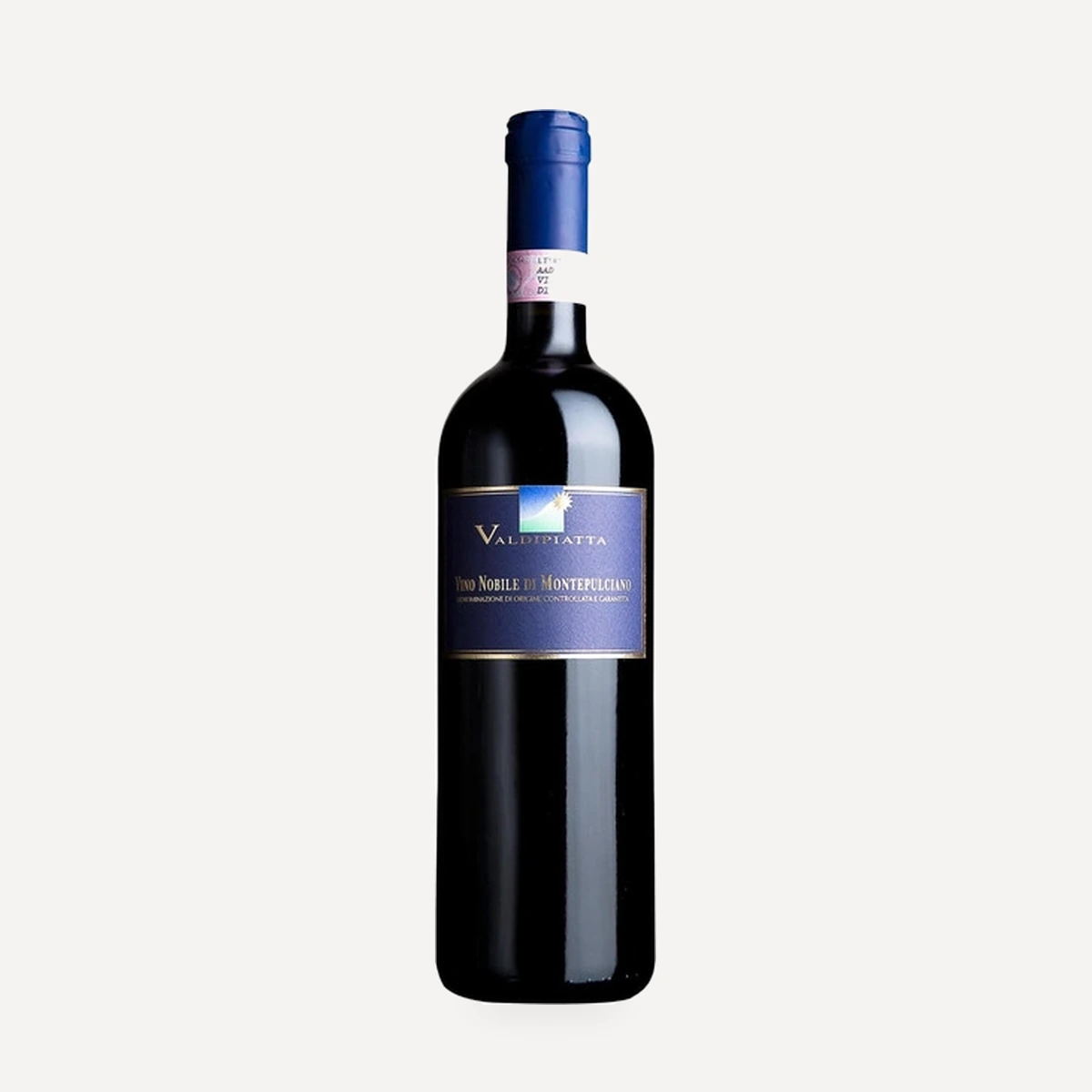
Vino Nobile di Montepulciano
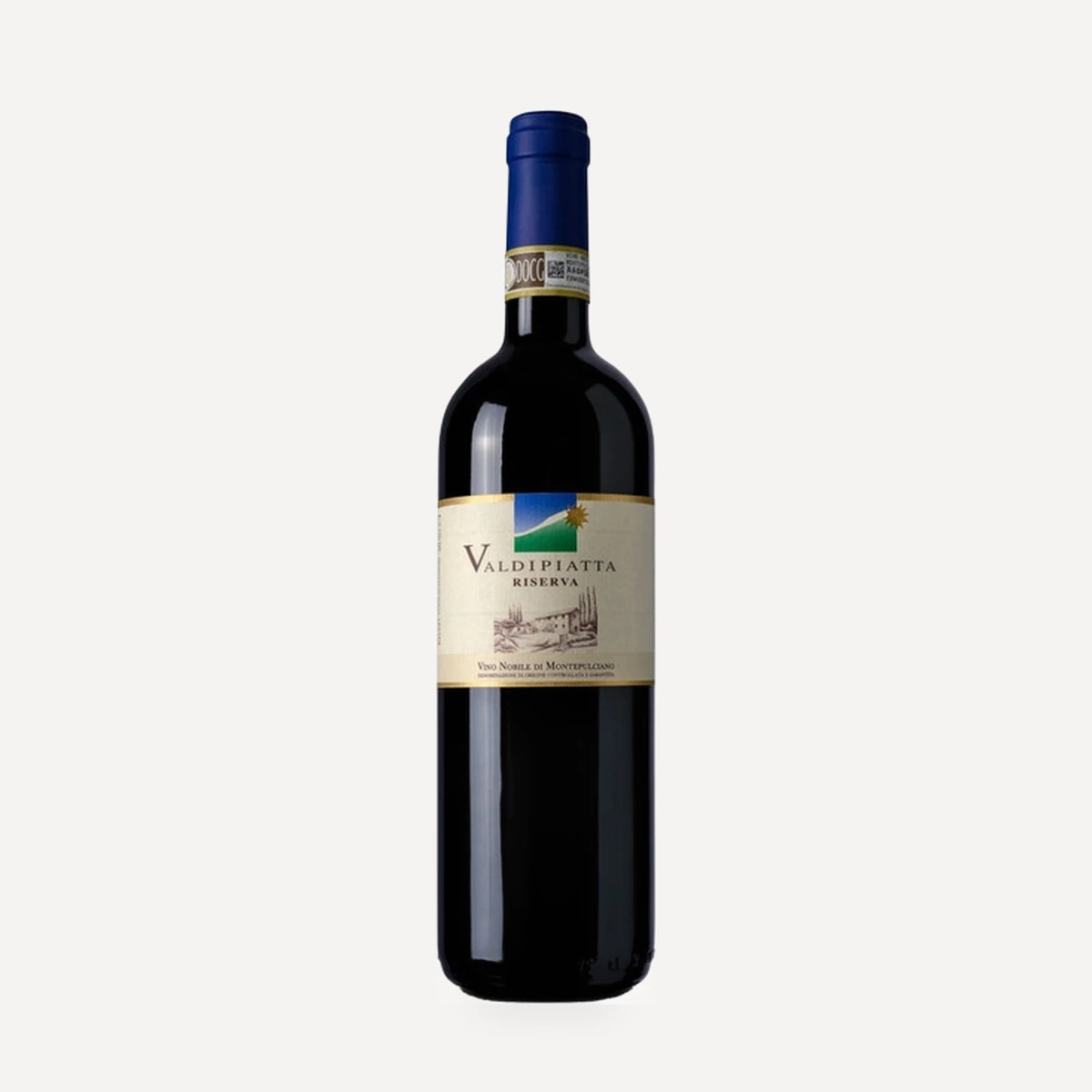
Vino Nobile di Montepulciano Riserva
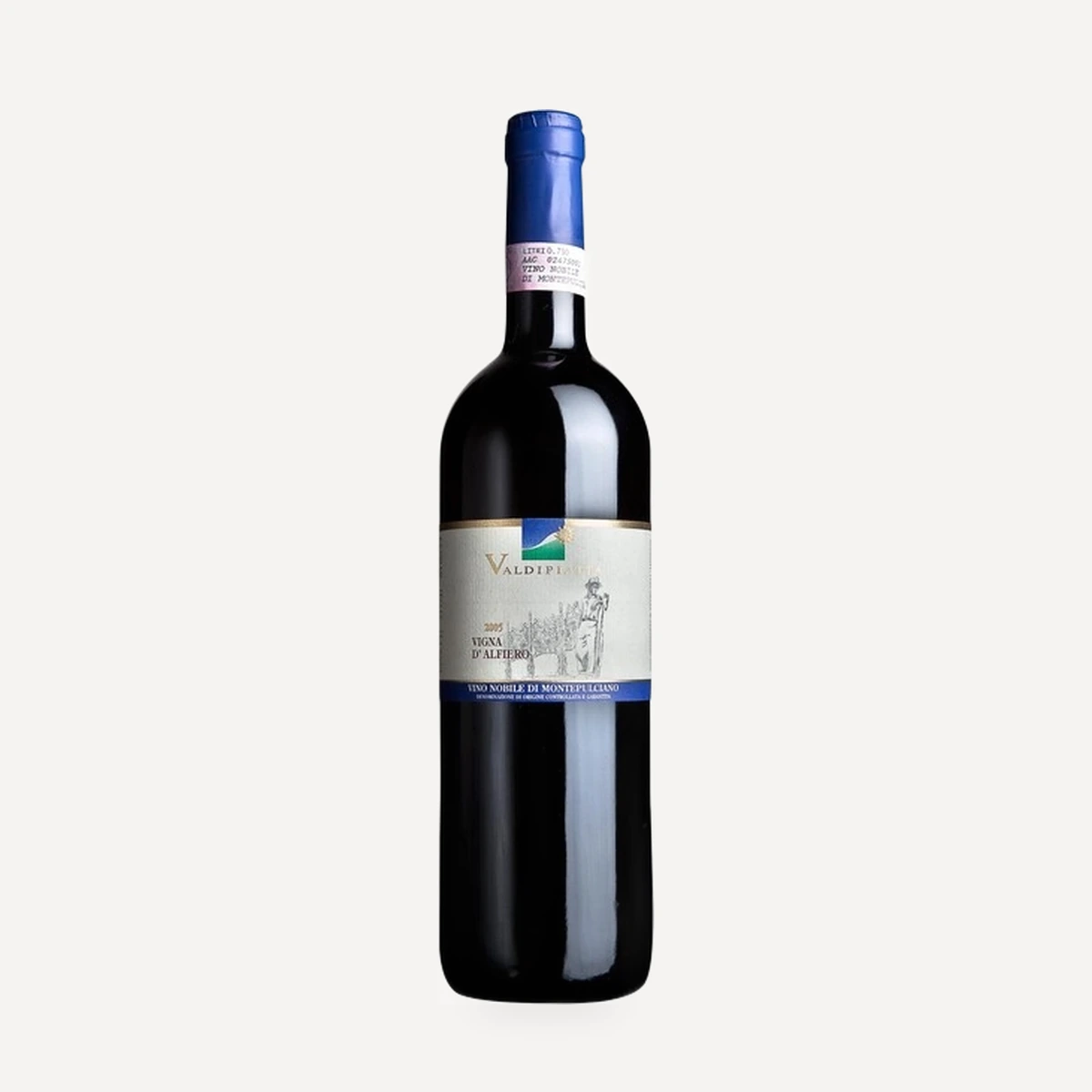
Vino Nobile di Montepulciano Vigna d'Alfiero
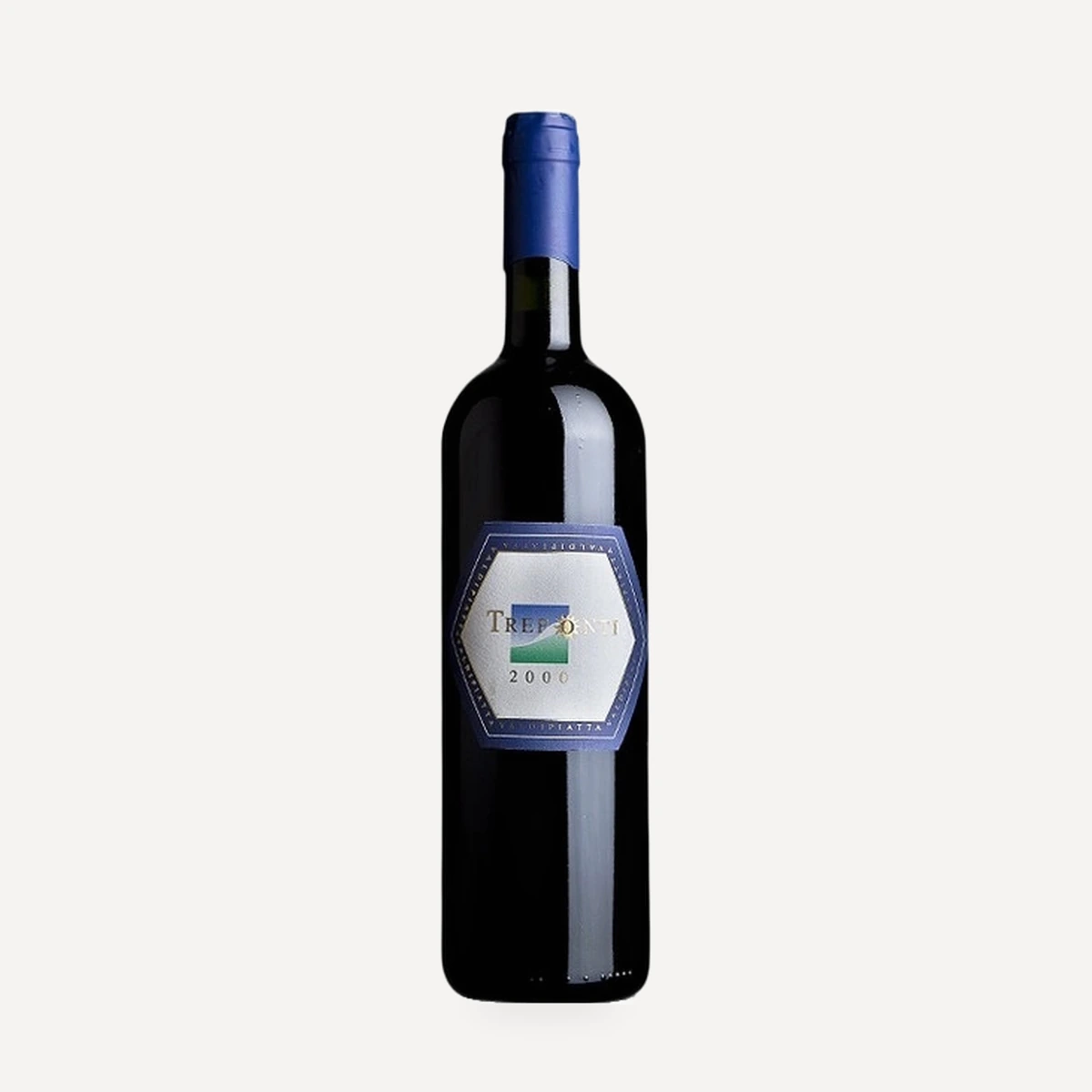
Trefonti
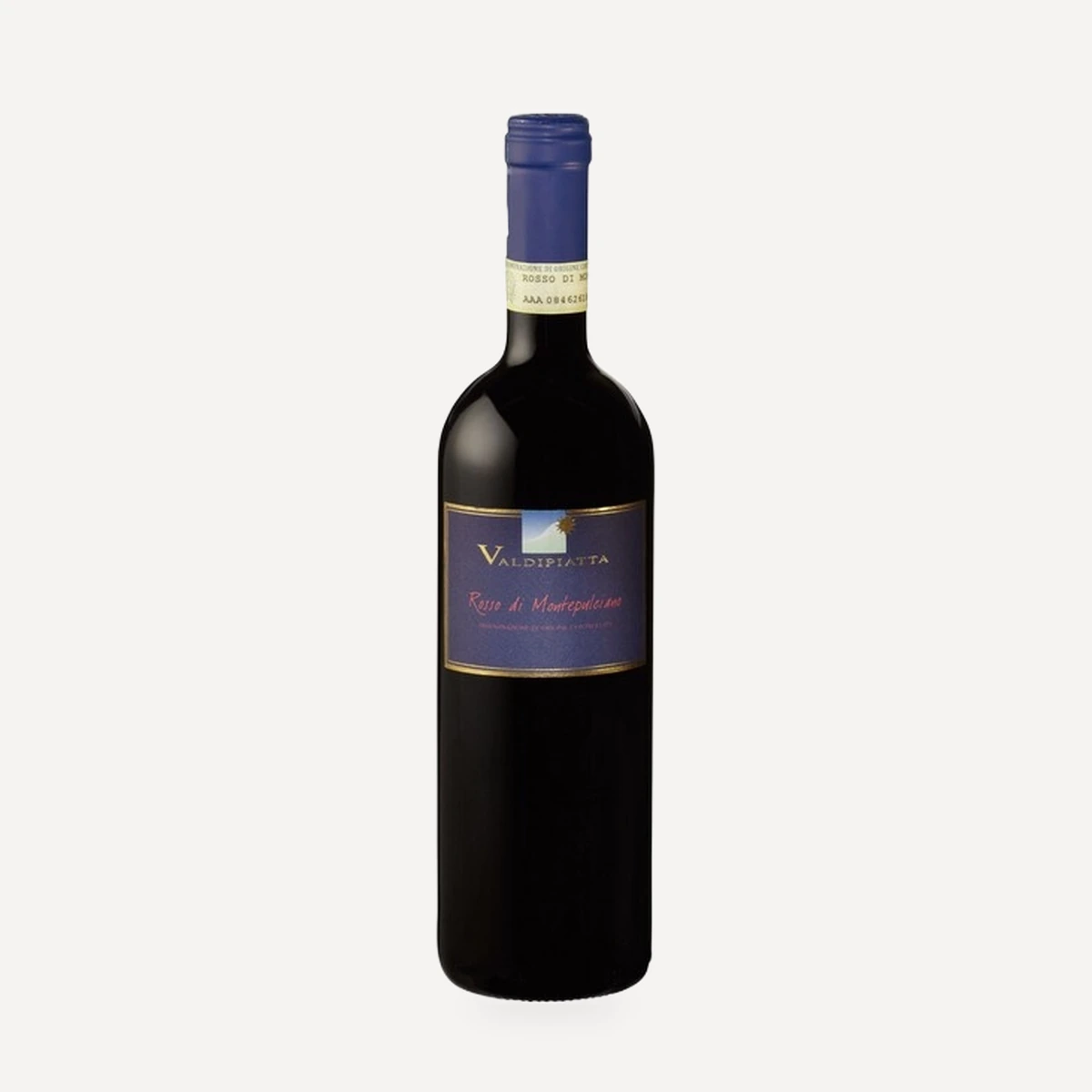
Rosso di Montepulciano
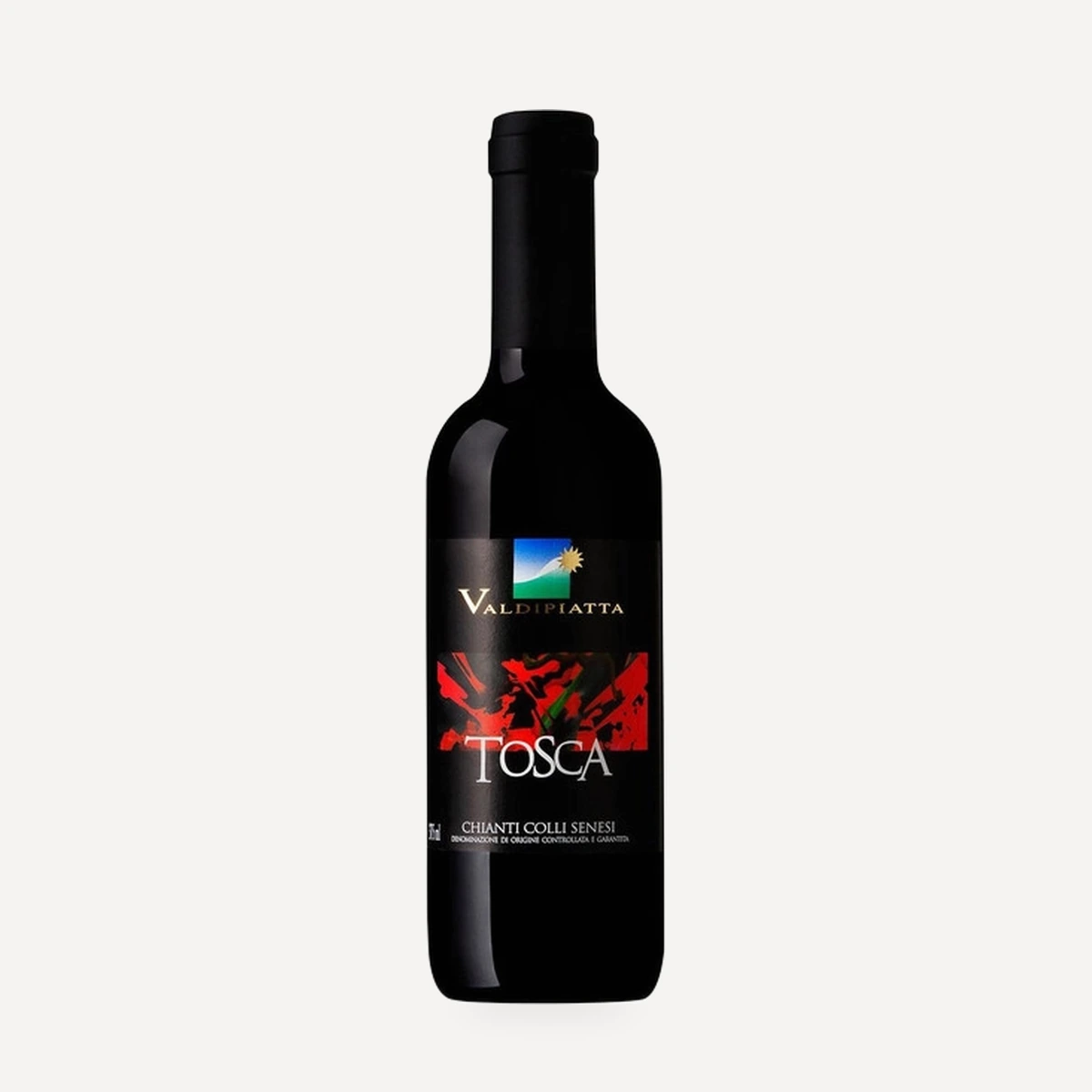
Chianti Colli Senesi Tosca