Storia
The origins of Bruno Vespa’s wine interest
Bruno Vespa’s involvement with wine began in the 1970s, when Luigi Veronelli introduced the television journalist to the people and culture surrounding wine. Veronelli subsequently became his friend and mentor. Vespa spent decades recounting the stories of wine producers through articles and columns in Italian newspapers and magazines before deciding to become a grower and producer himself.
2008: the project begins
The Vespa Vignaioli project started in 2008. More than six years were devoted to preparation and work in vineyards acquired around Manduria, in Puglia. Bruno involved his sons Alessandro and Federico in the undertaking and selected Manduria after Riccardo Cotarella agreed to share the ambition of producing wines from the area’s native varieties.
The family’s holdings grew to include vineyards in Manduria, Sava and Lizzano, as well as Masseria Li Reni. The masseria is a residence dating from the 16th century, subsequently restored by the Vespa family. Fifteen hectares of land surround the historic residence, and the winery was constructed within this property, creating an integrated masseria-and-vineyard estate.
2014: market debut and foundation
In 2014, Bruno Vespa and his sons formally founded the winery and introduced the business operated by Futura 14 under the name “Vespa Vignaioli per Passione” to the Italian and international markets. The name expresses the personal passion for wine that led Bruno Vespa from journalism into viticulture and production.
The family and professional team
Bruno, Alessandro and Federico lead the family wine project. Augusta Iannini, Bruno’s wife and the mother of Alessandro and Federico, became creative director of Masseria Li Reni and the Vespa Vignaioli showroom; she also created names for some of the estate’s labels. Riccardo Cotarella serves as oenologist, bringing a professional focus on the recovery and interpretation of Italian native grape varieties.
The estate now combines the restored Masseria Li Reni, a winery built within the property and approximately 34 hectares of vineyards within a broader holding of about 46 hectares.
Terroir
Location and climate
The estate is based at Masseria Li Reni outside Manduria, in the province of Taranto, close to the Ionian Sea. Its vineyards are concentrated primarily around Manduria, with production sites also in Sava and Lizzano. The climate is temperate, and frequent cool maritime breezes reach the vines from the Ionian coast. Negroamaro sites between Manduria and Lizzano benefit from both these winds and day-to-night temperature variation.
Vineyard territory and denominations
The broader property covers approximately 46 hectares, including 34 hectares of vineyards. These lands lie within the production areas of Primitivo di Manduria DOP and Salento IGP. Manduria is the principal setting for the estate’s Primitivo vineyards.
Varietal response
Primitivo is vigorous and ripens early, developing concentration and power. The estate cultivates it in both spurred-cordon and traditional alberello systems, with alberello retained for the more mature vineyards. Negroamaro grows between Manduria and Lizzano, where temperature variation and fresh Ionian winds shape the fruit; its bunches are compact and its pulp is rich. Fiano has small berries and abundant productive potential and is trained using Guyot.
Historical landscape
The vineyards occupy a part of Puglia facing the Ionian coast and historically connected with Magna Graecia. Greek colonisation reached southern Italy in the seventh century BCE, with Taranto as its principal centre. This cultural background forms part of the setting in which the estate places contemporary Puglian viticulture.
Vinificazione
Cultivation is conventional but follows sustainable-agriculture protocols. The vineyard approach combines several training systems according to variety and vine age. Traditional Puglian alberello is retained particularly for mature Primitivo vines, while younger Primitivo plantings may use spurred cordon. Fiano is Guyot-trained.
The oldest identified groups are the alberello vineyards associated with Raccontami Primitivo and Helena Nero di Troia, averaging 35–70 years. Other vineyards average 20–30 years. Viticultural work is directed toward expressing the Manduria territory and supporting the character of native varieties under the area’s temperate climate, maritime winds and temperature variation.
The winery was constructed inside the Masseria Li Reni property, placing production within a 15-hectare masseria-and-vineyard setting. The broader business works with vineyards in Manduria, Sava and Lizzano and has an annual production figure of 250,000 bottles.
Riccardo Cotarella directs the oenological work, with a focus on interpreting native varieties including Primitivo, Negroamaro, Fiano and Nero di Troia. The production philosophy combines the historic setting and traditional vineyard forms, particularly alberello, with contemporary oenological expertise.
Filosofia
Vespa presents wine and history as Bruno Vespa’s two connected passions. The project grew from decades spent meeting and writing about producers before the family assumed the responsibilities of cultivating vineyards and making wine itself.
The estate’s declared ambition is to create important wines from native varieties and to convey the Manduria territory with clarity. Its approach brings together mature alberello vineyards, the restored architecture of Masseria Li Reni and contemporary viticultural and oenological expertise. Tradition and innovation are treated as complementary rather than opposing forces.
Riccardo Cotarella’s involvement reflects a particular interest in the recovery and interpretation of Italian native grapes. Augusta Iannini’s work on the masseria, showroom and label names extends the family project beyond production into its visual and cultural identity.
Vini
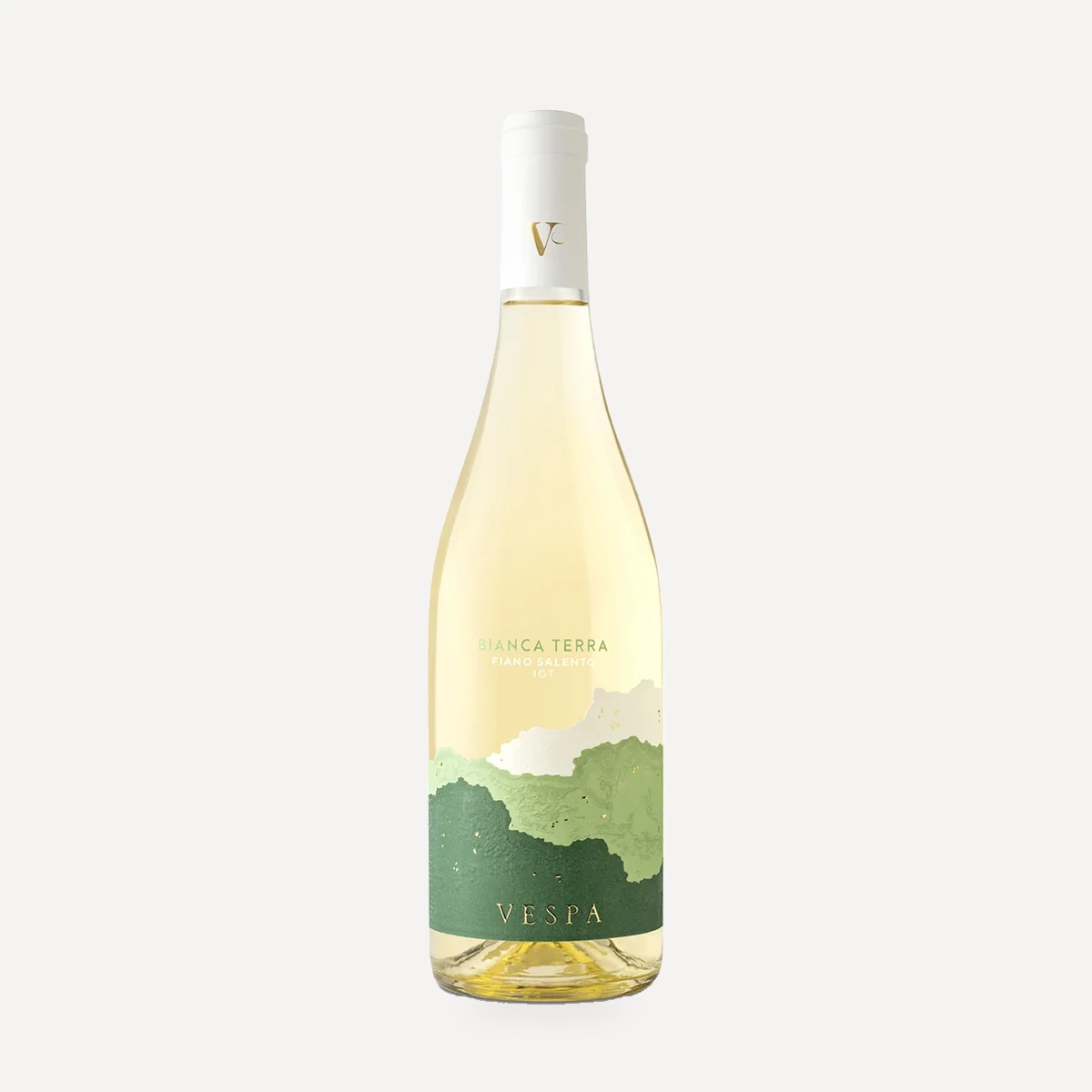
Bianca Terra
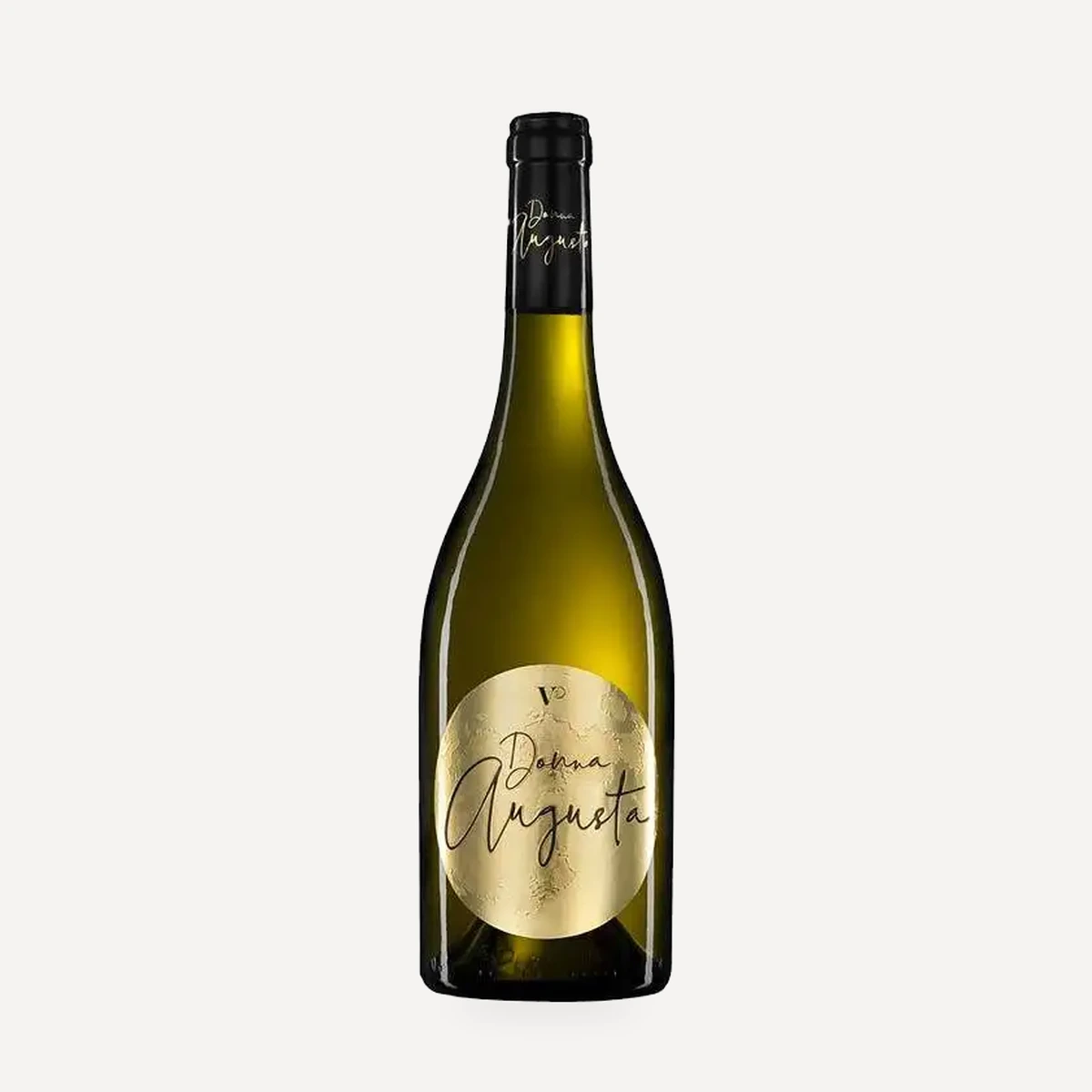
Donna Augusta
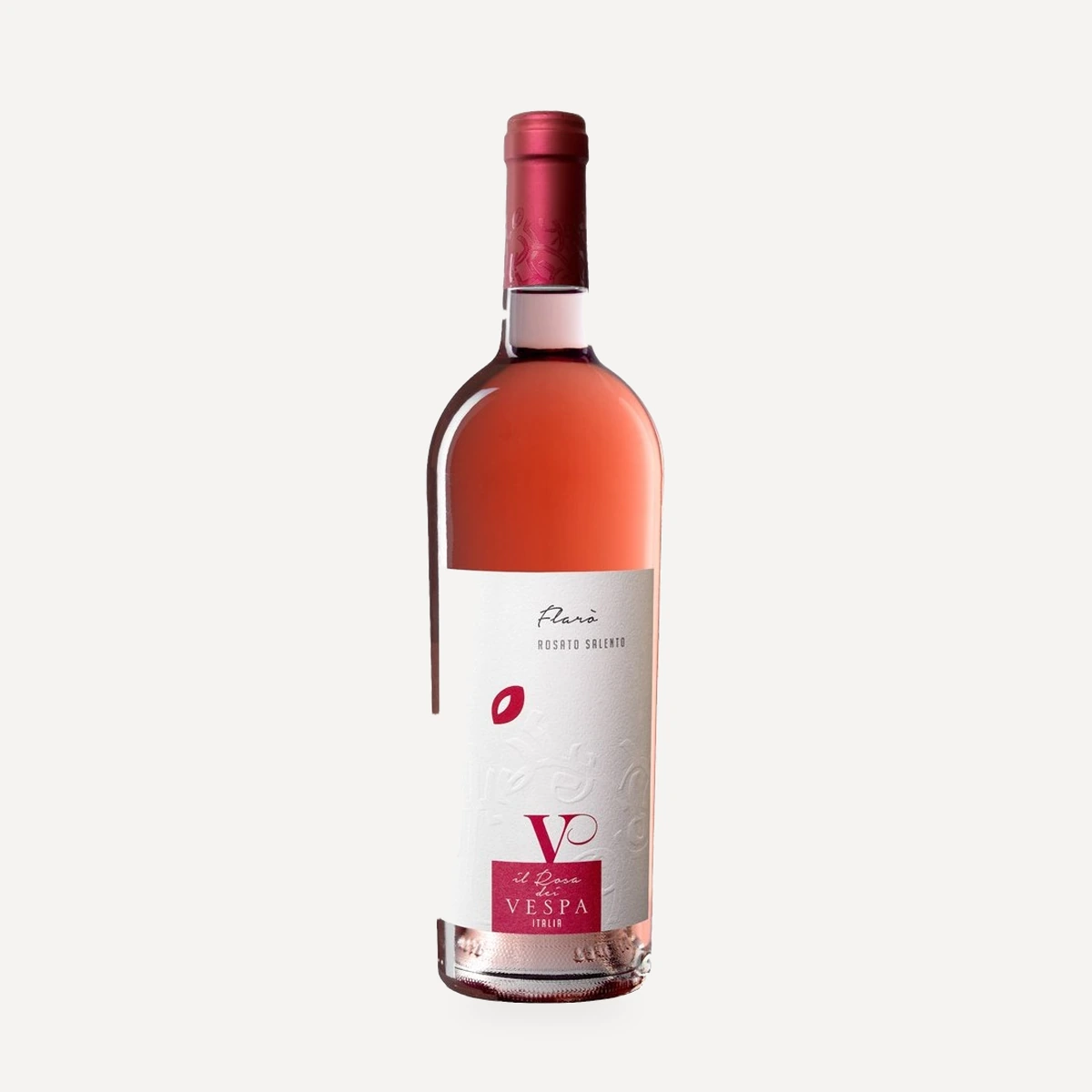
Flarò
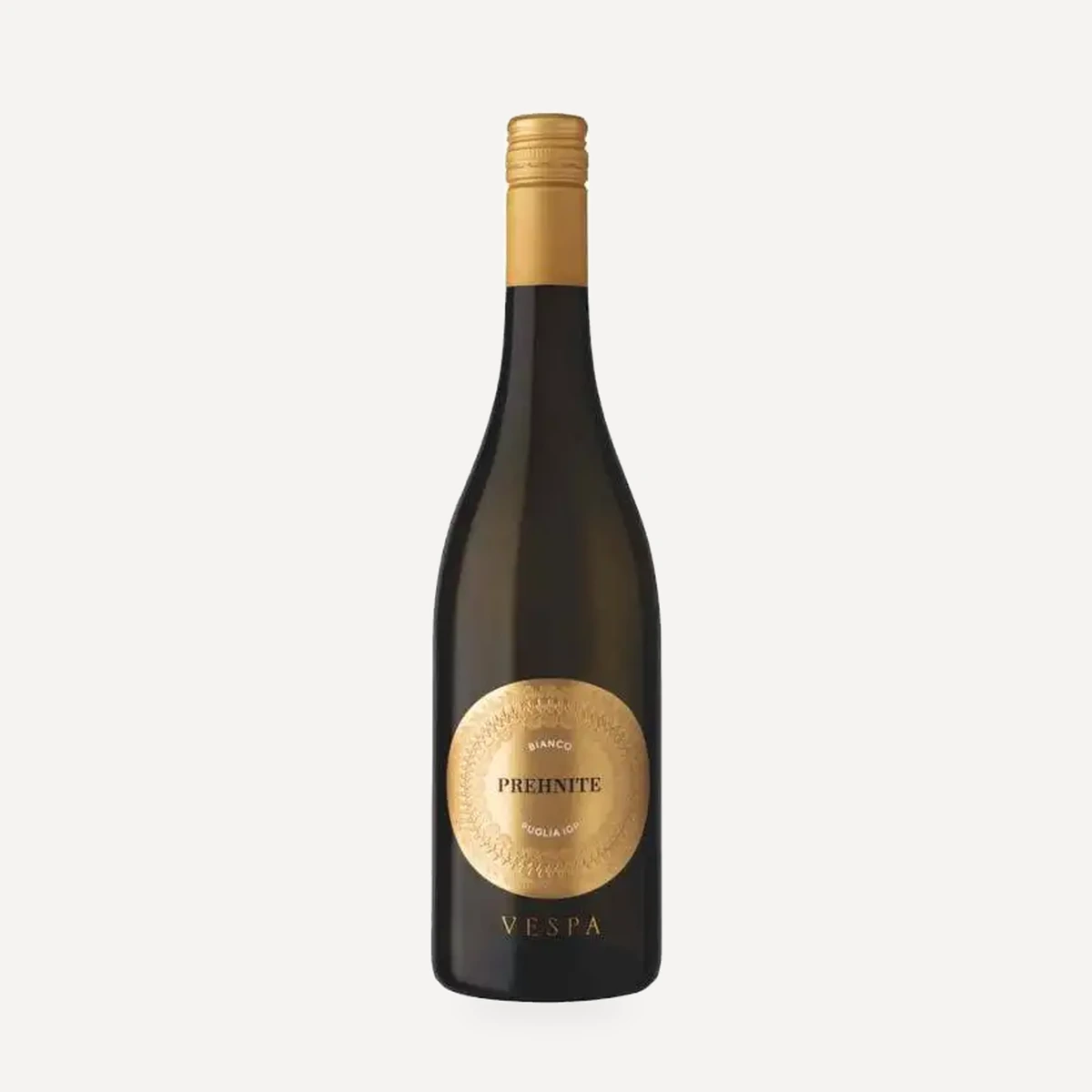
Prehnite
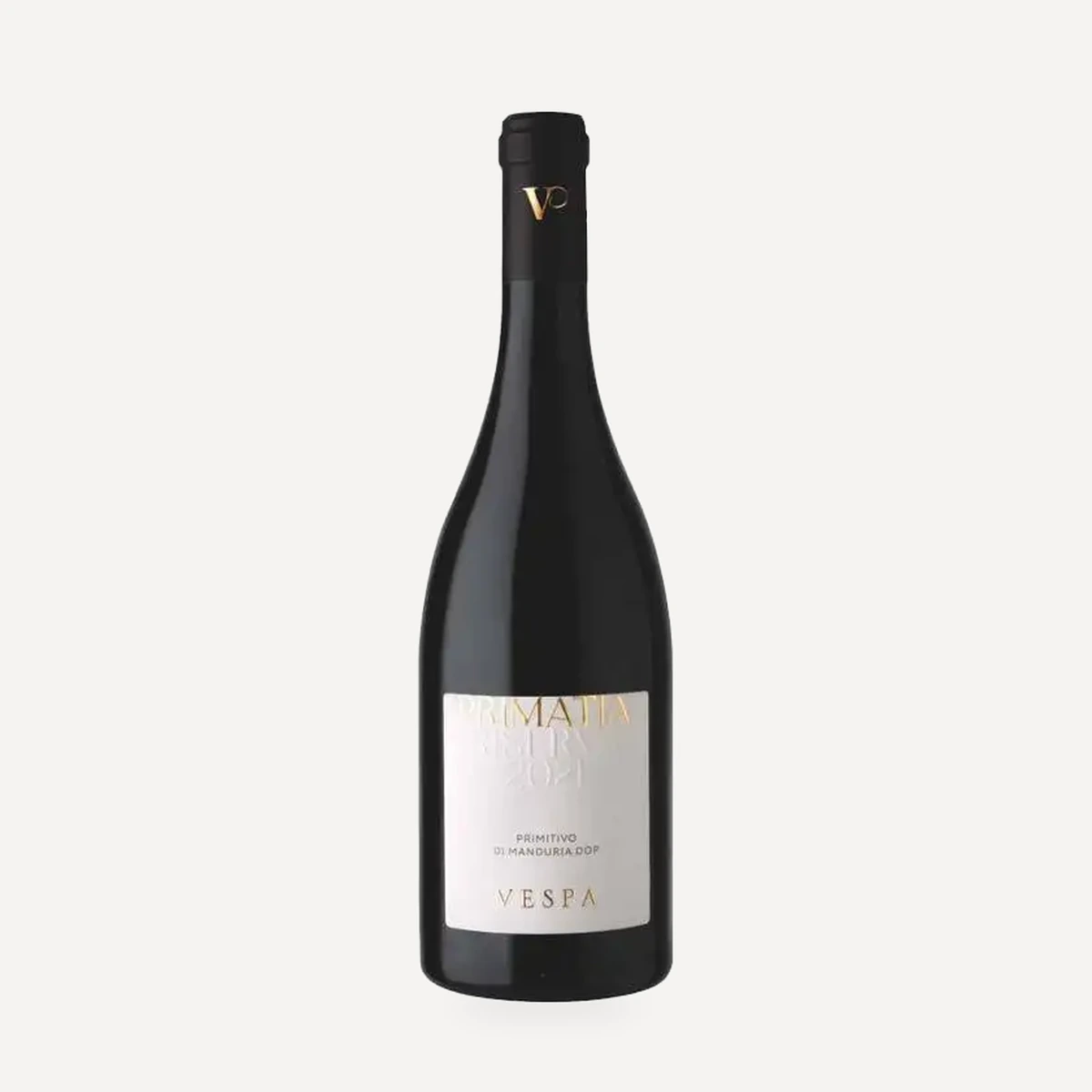
Primatìa
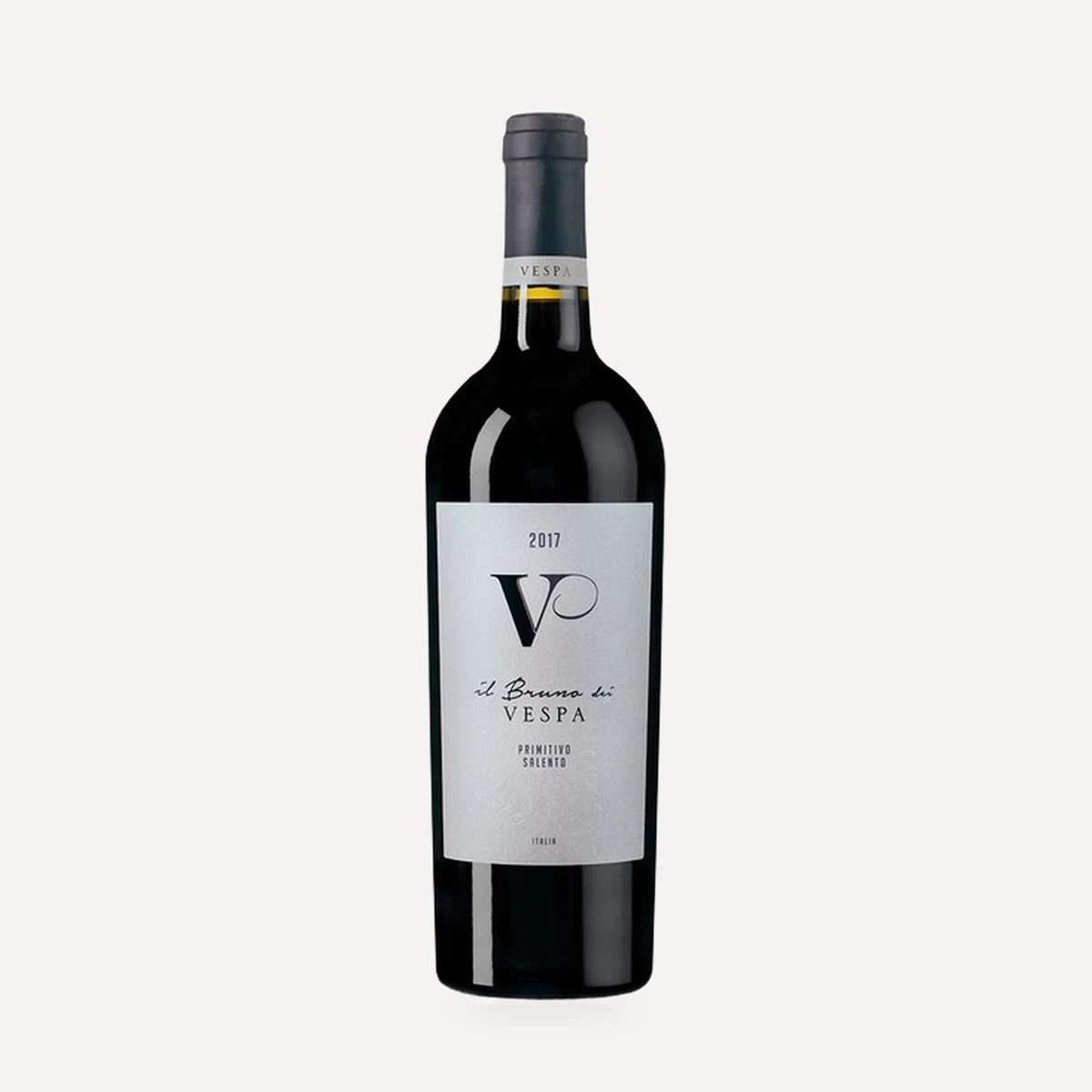
Il Bruno dei Primitivo Salento IGT
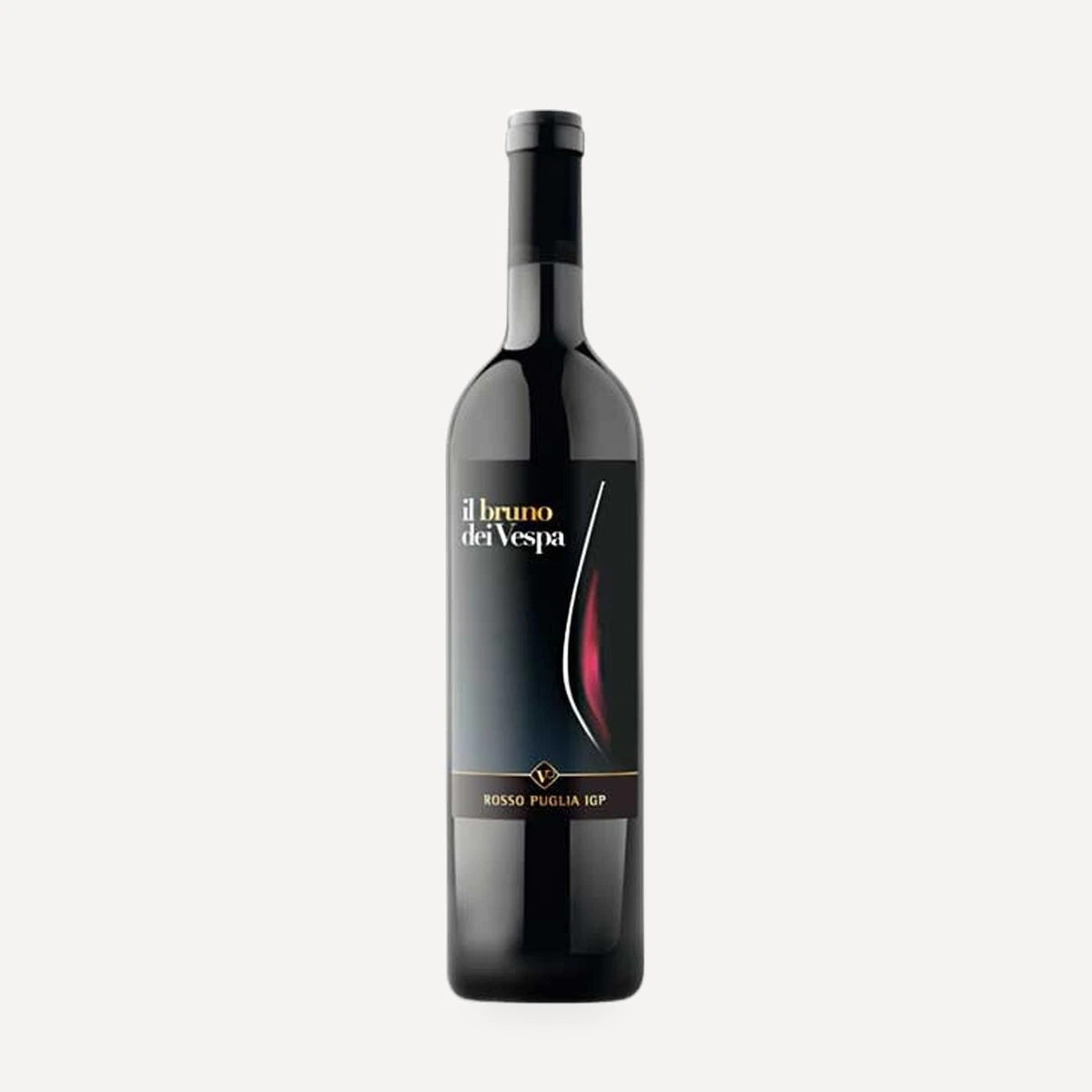
Il Bruno dei Rosso Puglia IGT
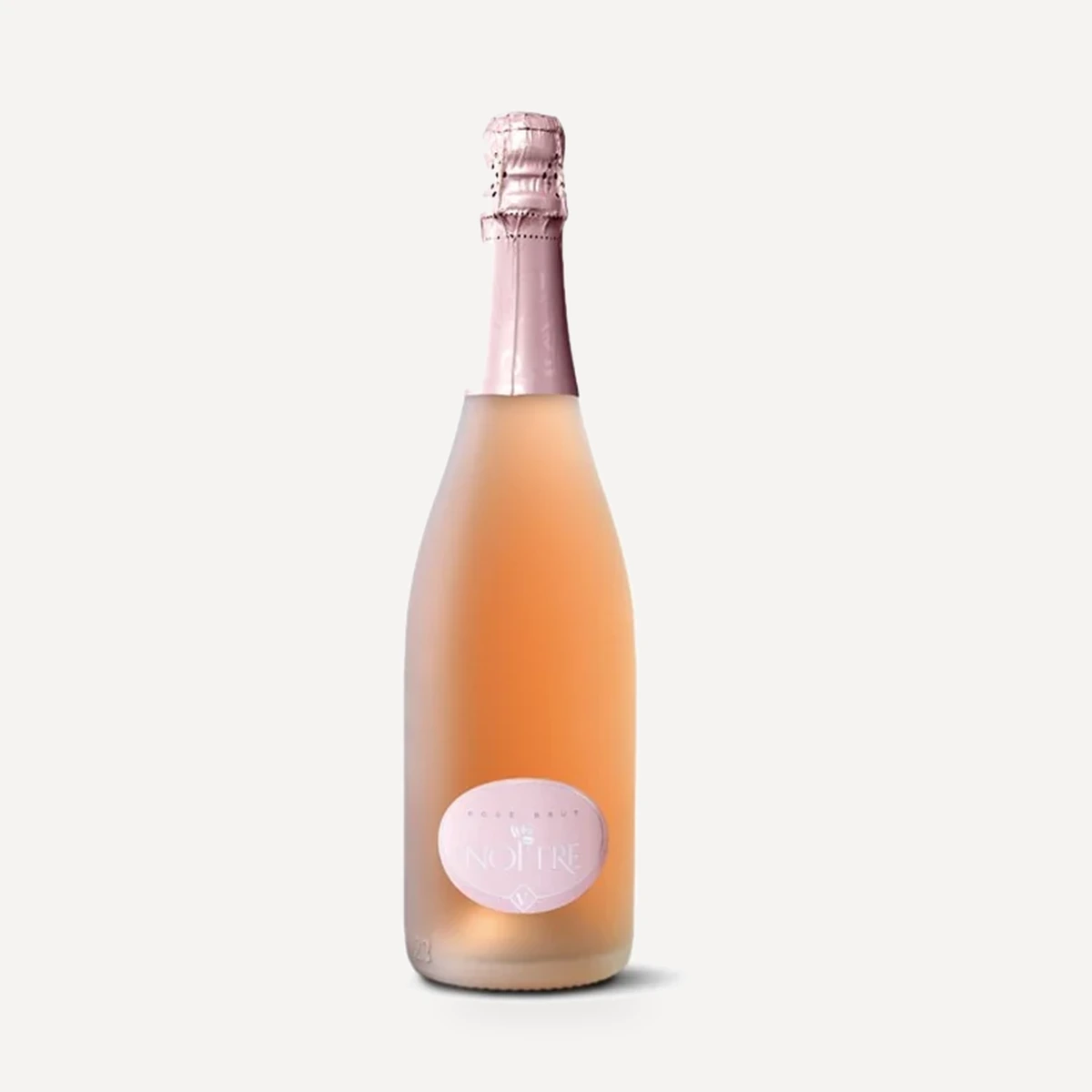
Noi Tre
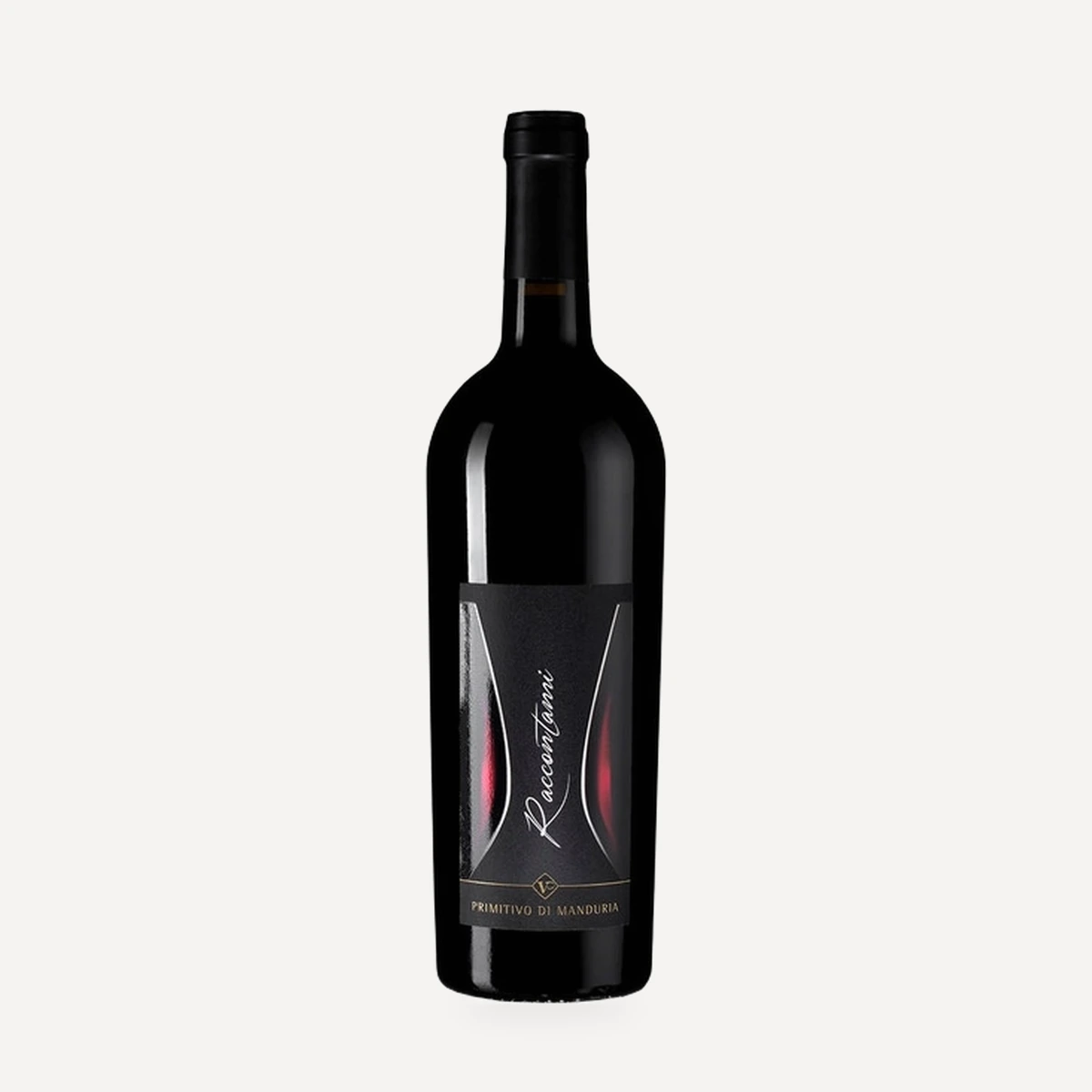
Raccontami Primitivo di Manduria DOP
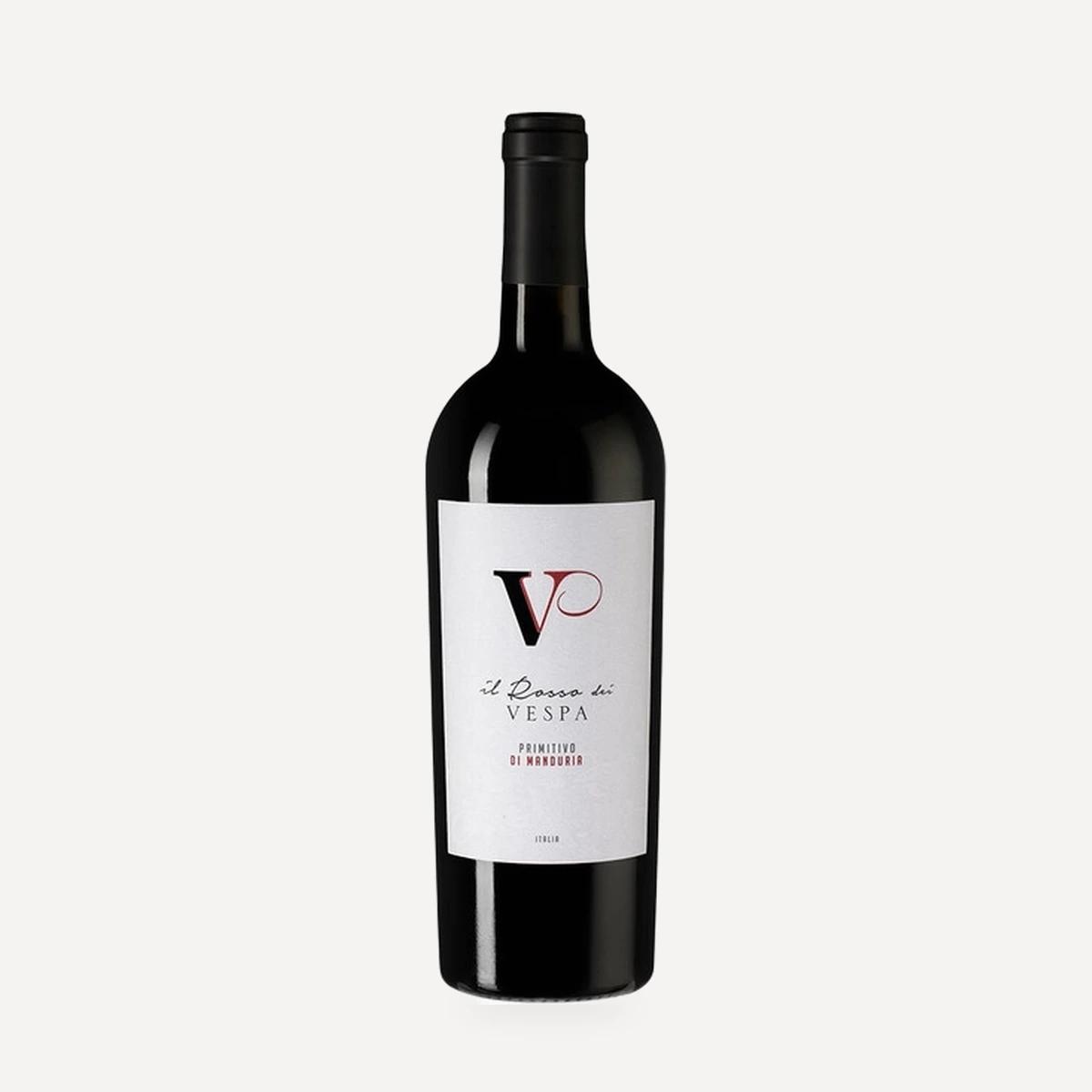
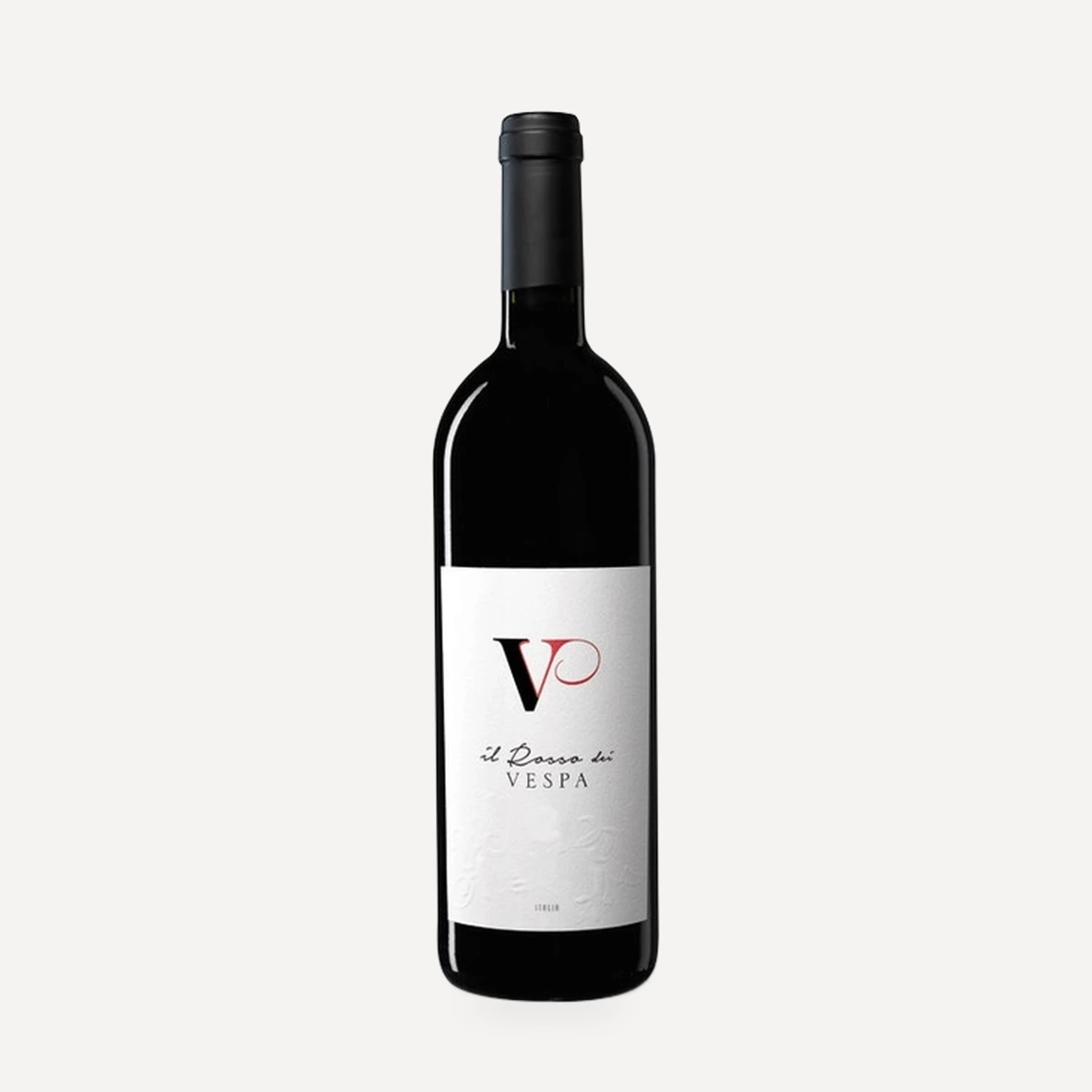
Il Rosso dei Primitivo di Manduria DOC