Storia
Origins in Castiglione Falletto
Carlo Vietti created the winery at the end of the nineteenth century in the heart of the Langhe, at the highest point of the medieval village of Castiglione Falletto. The winery remains on this original site.
Mario Vietti and the transition to quality wine production
In 1917, Carlo’s son Mario Vietti returned after several years in the United States and assumed control of the farm. He transformed it into a dedicated winemaking business oriented toward high-quality production.
Luciana Vietti and Alfredo Currado
At the end of the 1950s, Mario’s daughter Luciana Vietti and her husband, winemaker and art connoisseur Alfredo Currado, combined the family’s accumulated experience with new ideas. Their work established the relationship between winemaking, art and culture that would become central to Vietti’s identity.
In 1961, Alfredo Currado’s initiative led to the production of Rocche di Castiglione, described as one of the first single-cru Barolos. In 1967, Vietti produced its first wine made entirely from Arneis. Artist Labels followed in 1974, pairing selected wines and vintages with original artworks.
The next generation
During the 1980s, Luciana and Alfredo Currado’s intellectual and professional legacy passed first to their son-in-law Mario Cordero. From the 1990s it was continued by their son Luca Currado Vietti, later joined by his wife Elena. This period combined respect for local tradition with careful experimentation and expanded Vietti’s standing and vineyard heritage.
Krause family ownership
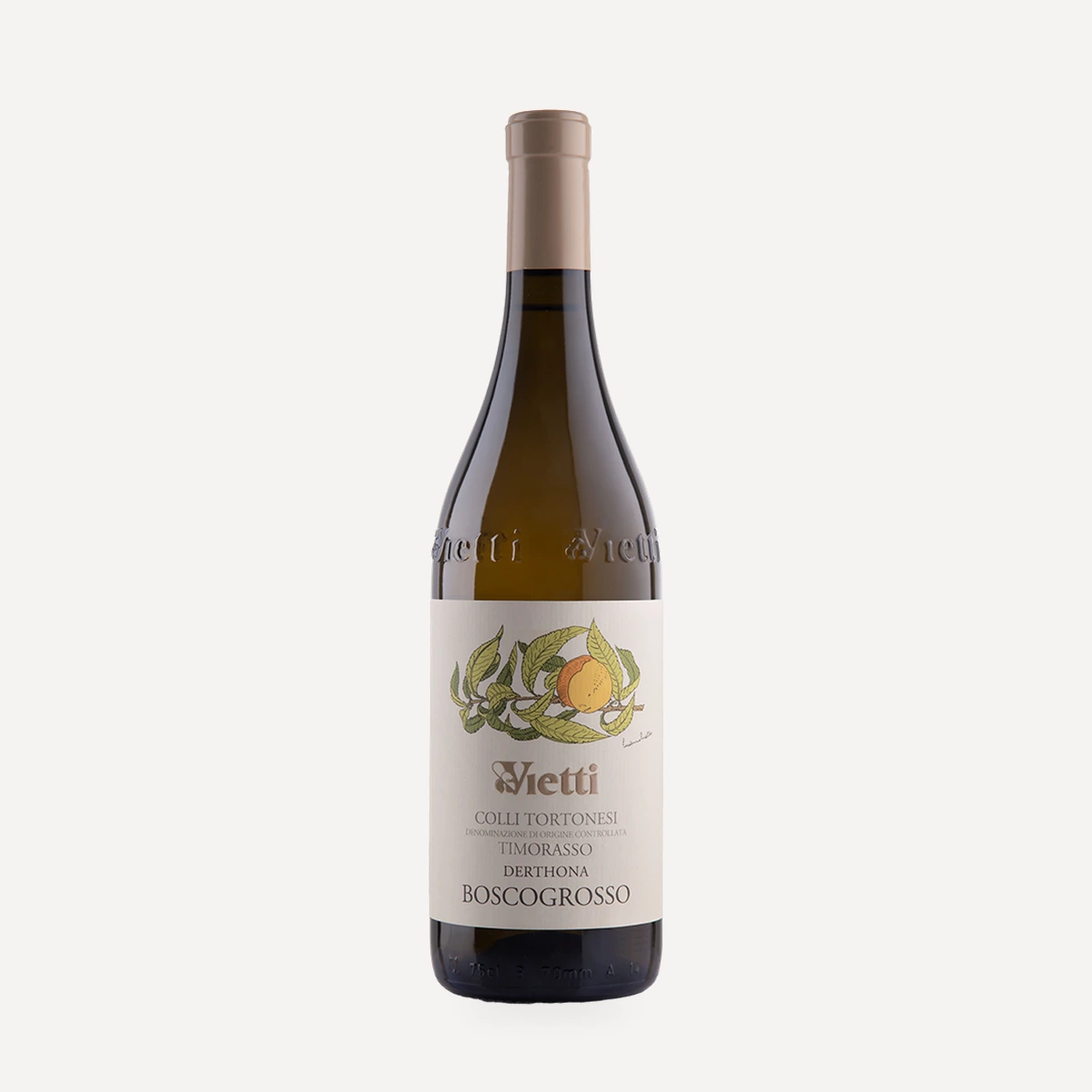
The Krause family purchased Vietti in 2016. Kyle Krause subsequently expanded the estate through the acquisition of renowned crus in both the Barolo and Barbaresco denominations. The family also established the Derthona Timorasso project by purchasing parcels and vineyards in the Colli Tortonesi.
At the beginning of 2023, Luca Currado Vietti and Elena left the winery. The Krause family, owners since 2016, assumed responsibility for carrying Vietti’s legacy forward. The contemporary estate encompasses 75 hectares across the Langhe, Roero, Astigiano and Colli Tortonesi and includes representative vineyards in both Barolo and Barbaresco.
Terroir
Vietti’s 75 hectares of vineyards extend across the Langhe, Roero, Astigiano and Colli Tortonesi at elevations ranging from approximately 200 to 500 metres. The estate works within the Piedmontese vineyard landscape recognized by UNESCO in 2014.
The documented Barolo and Barbaresco MGAs show considerable variation in altitude, aspect and geology. Most occupy Tortonian formations based on different expressions of Sant’Agata marl, while Lazzarito belongs to the older Serravallian period and Lequio formation. Soils range from the sandy, loose material of Rocche di Castiglione to the deep, fertile, high-water-capacity soils of Roncaglie and Villero. Recorded pH values range from 8.19 at Rabajà to 8.35 at Ravera, while active limestone ranges from 11% to 14%.
The Colli Tortonesi holdings include vineyards around Monleale, Vho and Volpeglino. Boscogrosso occupies a calcareous-clayey hilltop watershed at 310 metres. The Astigiano holdings include La Crena near Agliano Terme, where the oldest vines stand on limestone- and clay-rich soil. Scarrone lies immediately below the castle of Castiglione Falletto on steep terraces of marl.
A climatic analysis covering 2020–2023 recorded rising monthly temperatures and falling rainfall throughout the year. Summer temperatures showed especially marked increases: June averages rose from 20.5°C to 22.5°C, July from 24°C to 26.5°C and August from 23.5°C to 26°C. Rainfall deficits were most consequential in spring and early summer: April declined from 60 to 45 mm, May from 70 to 55 mm, June from 55 to 40 mm and July from 40 to 25 mm. These changes increased water stress and prompted conservation practices and more adaptive vineyard management.
Vinificazione
Soil and ground management
Herbicides were eliminated in 2007, initiating a program intended to bring chemical impact close to zero. Vineyard floors are grassed and mown to conserve moisture, support regular root development, reduce erosion and preserve soil structure. Green-manure cover crops—including legumes, red clover and other plants—protect and enrich the soil before being chopped in spring to nourish the vines. Organic compost and manure supply fertility.
Biodiversity and plant protection
Ten hectares of owned woodland and uncultivated land are maintained and regularly cleaned to provide stable habitat for local flora and fauna. Tree roots are protected for their role in stabilizing slopes. Habitats for beneficial insects support natural plant defence.
Pest vulnerability is reduced without conventional insecticides through mating disruption with pheromones and the manual collection of cutworms and geometrid caterpillars. Recovery sprayers apply products directly and precisely to plants, reducing airborne dispersion—including copper drift—by 80–90% while supporting integrated pest-management standards.
Reduced traffic and resource use
Agricultural-vehicle passes are minimized to limit soil compaction, root-zone asphyxiation and carbon emissions. A vineyard weather station tracks humidity, rainfall and temperature, allowing treatments to be reduced alongside soil traffic and fossil-fuel consumption. Technological investment in drift control also reduces water use. Artesian-well water is used for vineyard treatments, irrigation and machine washing, reducing reliance on mains water; low-consumption irrigation and groundwater form part of the water-management strategy.
Adaptive work and harvest
A long-standing vineyard team has walked and observed the same sites for more than 20 years. Management is adjusted without fixed formulas to each vintage’s climatic conditions and each vineyard’s vegetative cycle. Grapes are harvested exclusively by hand, and individual parcels are kept separate from harvest onward.
Certification
Eighty-five percent of the grapes and 85% of the area under vine were reported as certified organic, while 55% of wine was produced from certified-organic estate vineyards. Equalitas certification covers the winery, finished product and territory through environmental, social and economic criteria. All wines were reported as Vegan certified; this certification has been held since 2015 under Vegan Society standards and is controlled by Certification Europe Italia Srl.
The cellar is arranged to handle grapes gently and preserve the identity of individual parcels. Harvesting is exclusively manual, followed by soft crushing and destemming. Must is moved by gravity. Each plot is harvested, vinified and matured separately in selected vessels so that its particular character can be retained before any final blending.
Fermentation takes place predominantly in stainless-steel tanks. Depending on the parcel and wine, maturation may take place in steel or wood; the broader cellar also employs ceramic vessels. A below-ground ageing cellar protects wines from light and maintains a naturally constant temperature, supporting steady maturation while lowering energy demand.
The production system combines established local techniques with continuing modernization. Documented techniques across the cellar include cold pre-fermentation maceration, post-fermentation skin contact, regular pumping-over, mechanical punching-down, délestage, submerged-cap maceration, partial whole-bunch fermentation and malolactic fermentation in steel or wood. The precise combination varies by grape variety and parcel.
Quality and traceability controls extend from grape selection through vinification and bottling. Hygienic conditions are continuously monitored, employees receive food-safety training, and the hygienic-sanitary self-control system was certified on 24 July 2023 as compliant with CXC 1-1969 Rev. 2020 and Codex Alimentarius HACCP principles.
The winery installed a biomass wastewater-treatment plant in 2009, using bacterial fermentation to purify cellar effluent. A 60 kWh photovoltaic installation added in 2014 produced 173,339 kWh in 2023. The underground cellar, energy-efficient lighting, recycling, composting, lighter bottles and self-assembling cartons form part of the production infrastructure’s environmental program.
Filosofia
Vietti presents wine as a collective, artisanal project in which the “intelligence of the hands” connects vineyard and cellar work with long-term vision. Its declared objective is an identity-driven wine capable of ageing, achieved by pursuing quality without compromise and finding a renewed balance in every harvest.
The manifesto rests on four principles: continual improvement; care for tradition and for the people who preserve it; respect for nature’s rhythms; and the cultivation of sustainability. Ancient knowledge and local techniques are retained alongside training, experimentation and modernization. Each vineyard is observed as an individual site with its own vegetative cycle rather than managed through a fixed formula.
Human capital is treated as central to quality. Equality, equity, inclusion and social well-being guide employment and training policies. Environmental aims include minimizing intervention, using natural resources carefully, lowering chemical impact, conserving biodiversity and adapting to climate change. Tradition is therefore framed as a living body of knowledge that can coexist with technical innovation, rather than as a rejection of change.
Vini
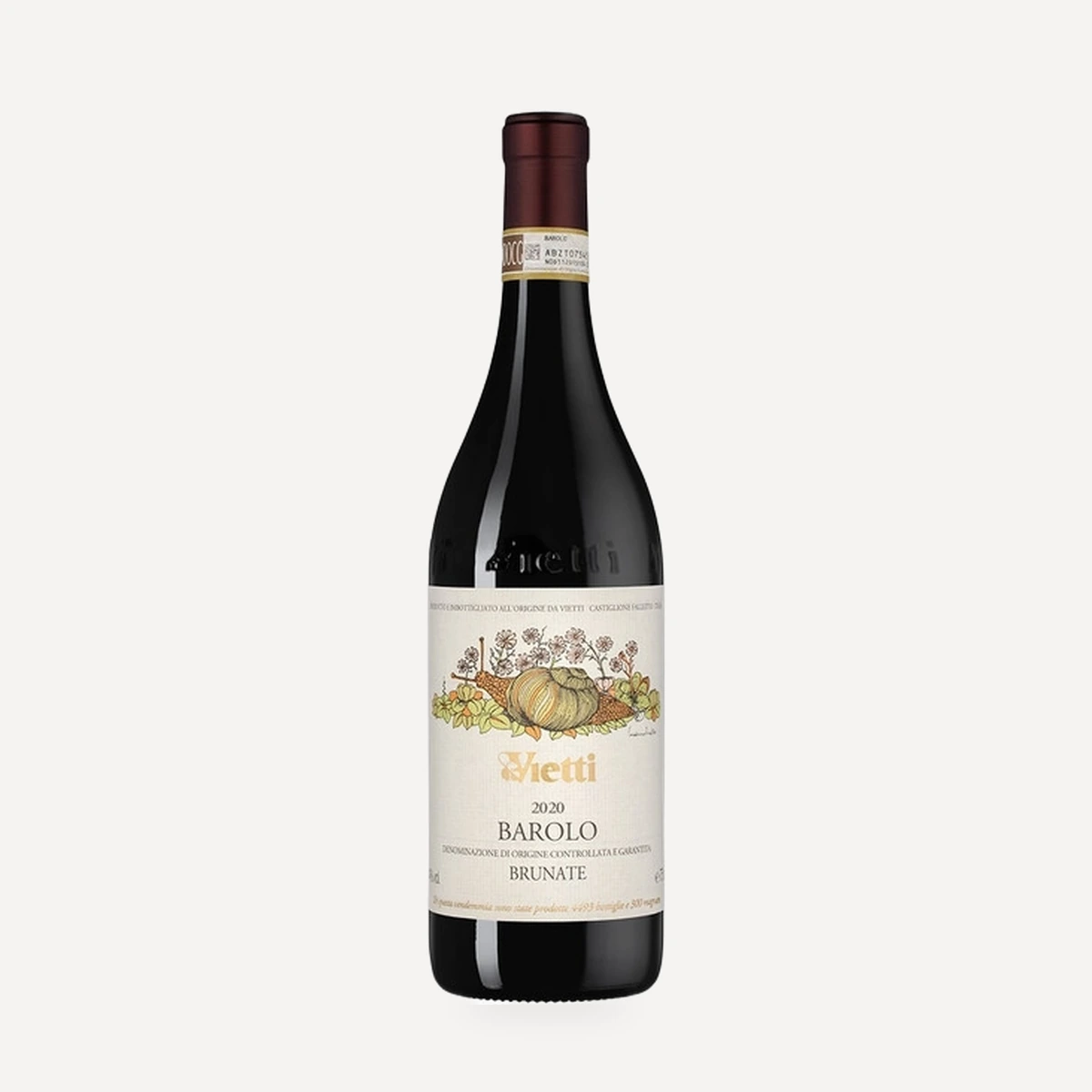
Barolo Brunate
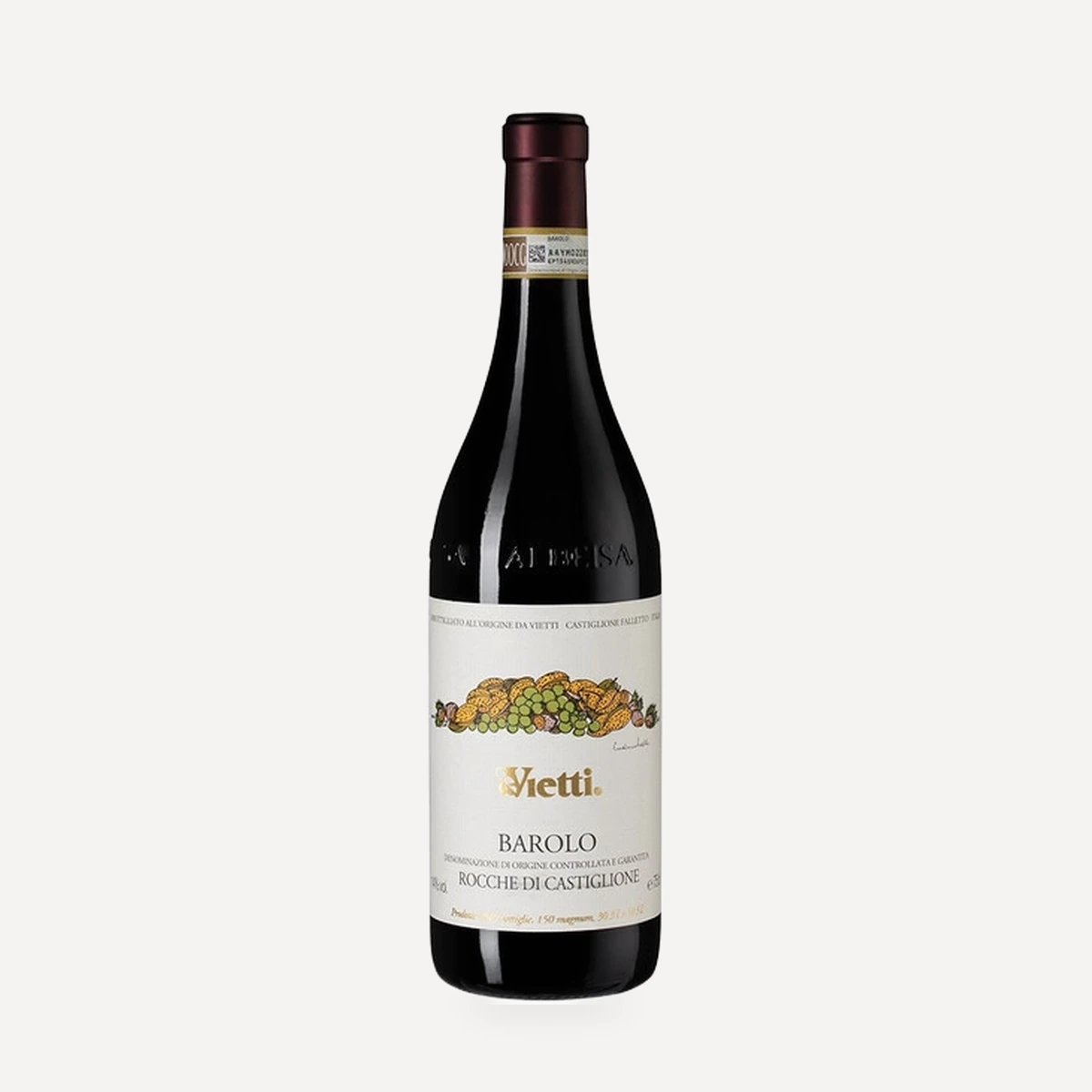
Barolo Rocche di Castiglione
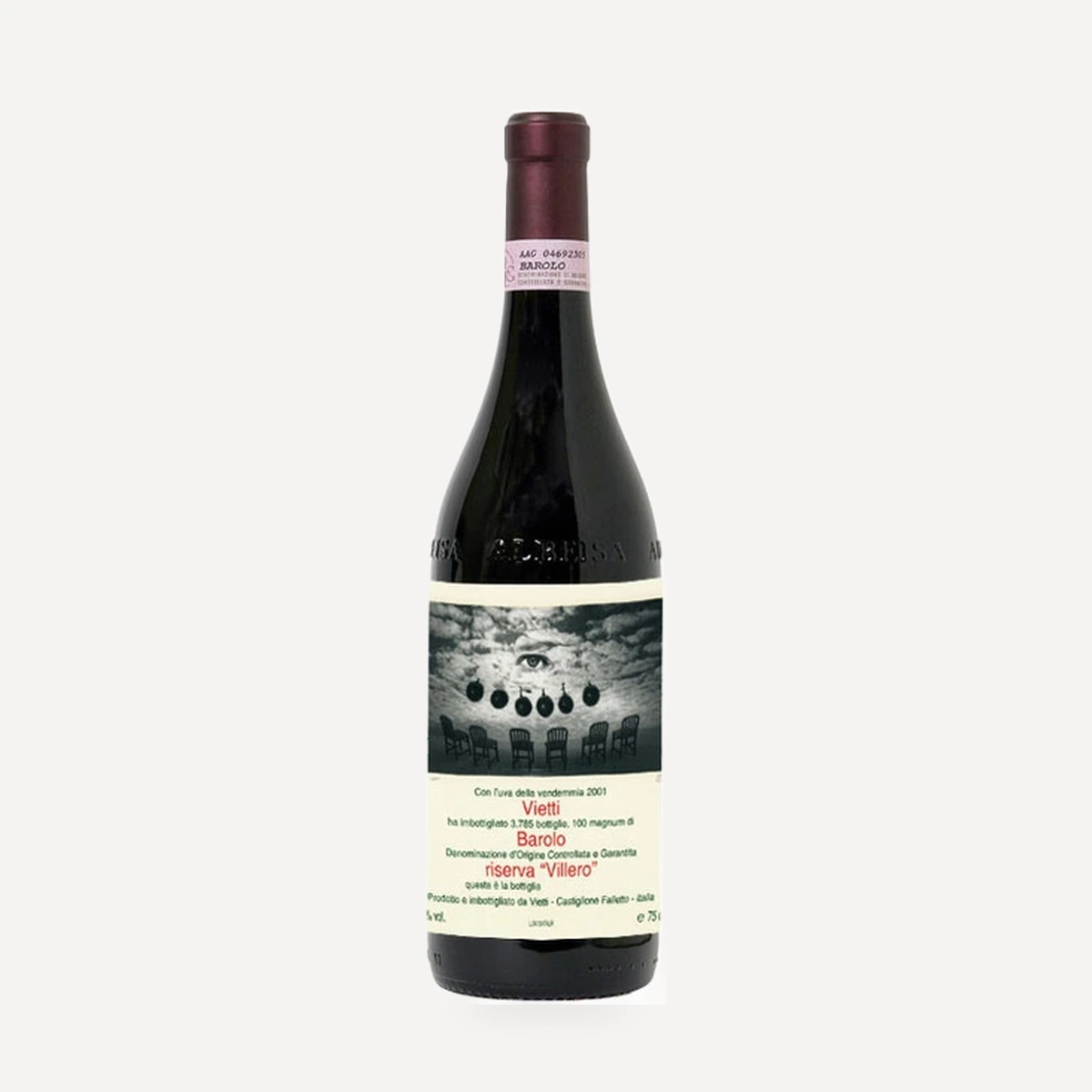
Barolo Riserva Villero
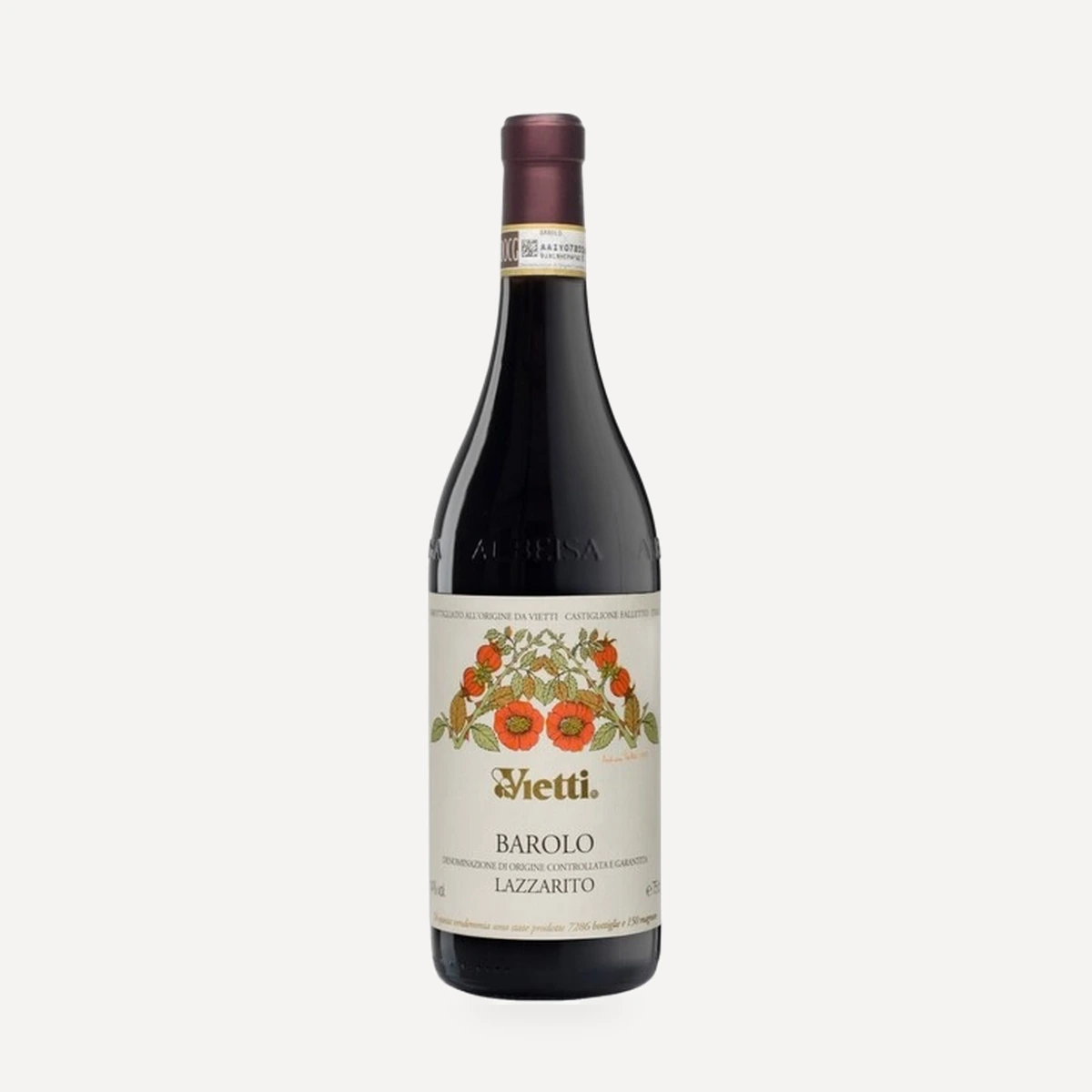
Barolo Lazzarito
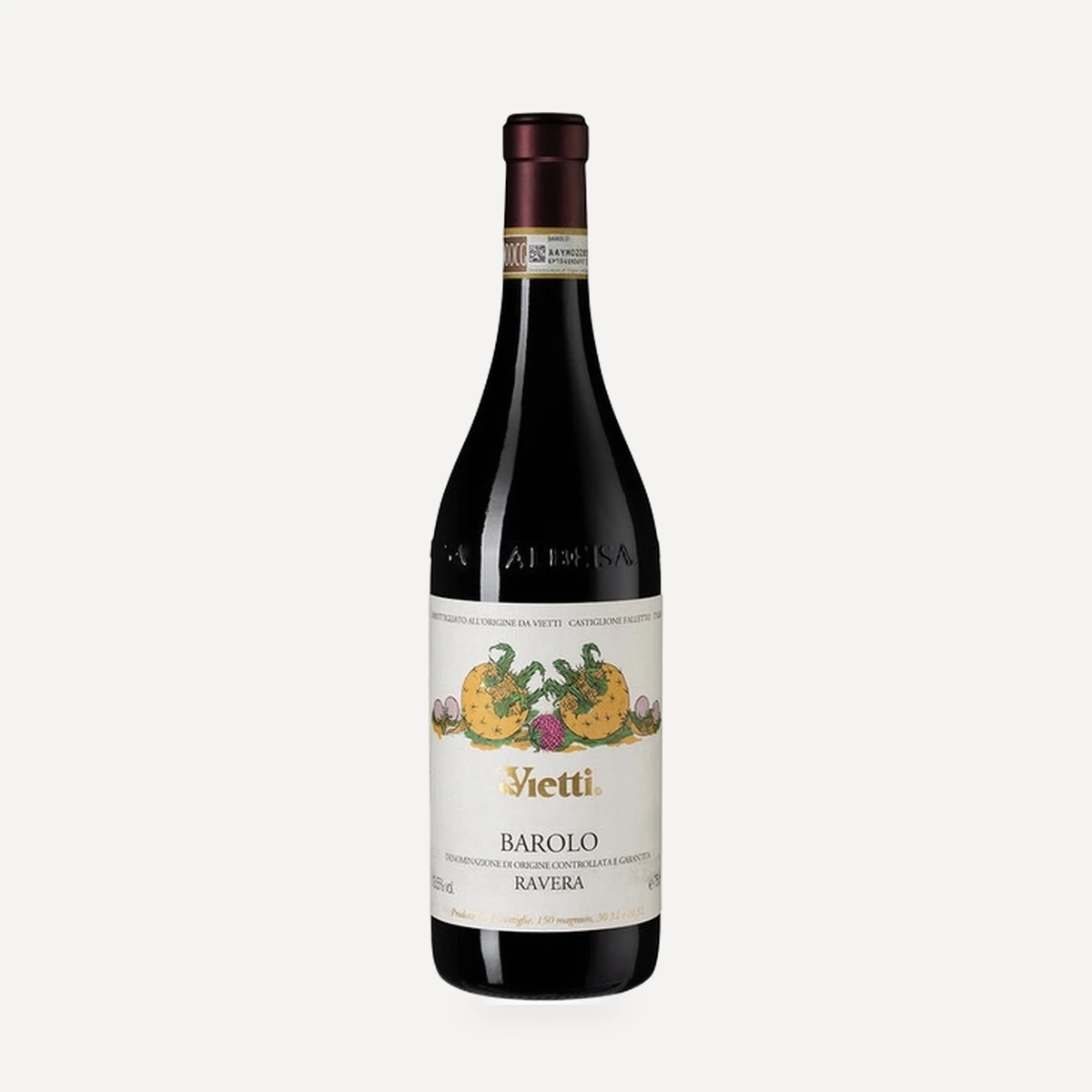
Barolo Ravera
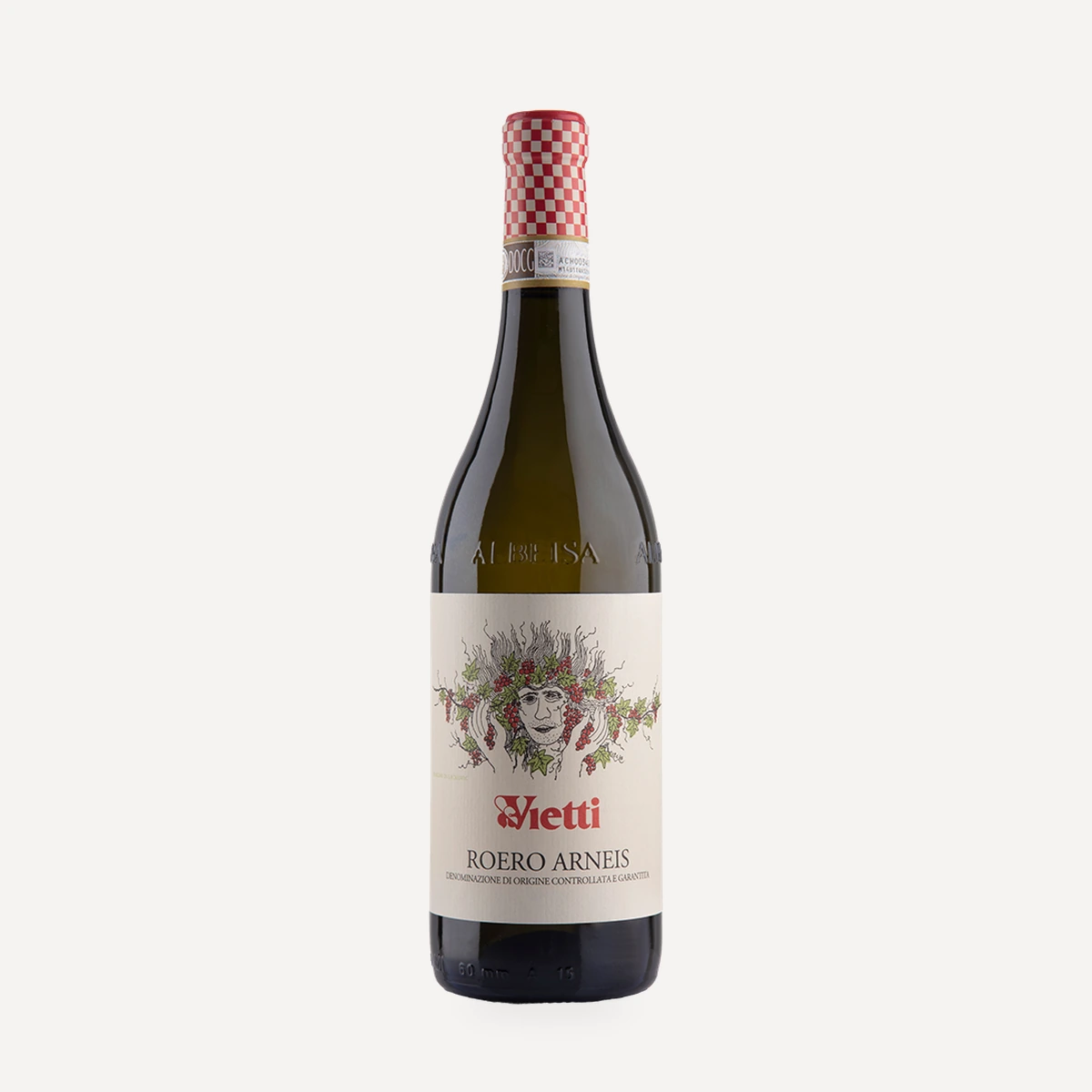
Roero Arneis
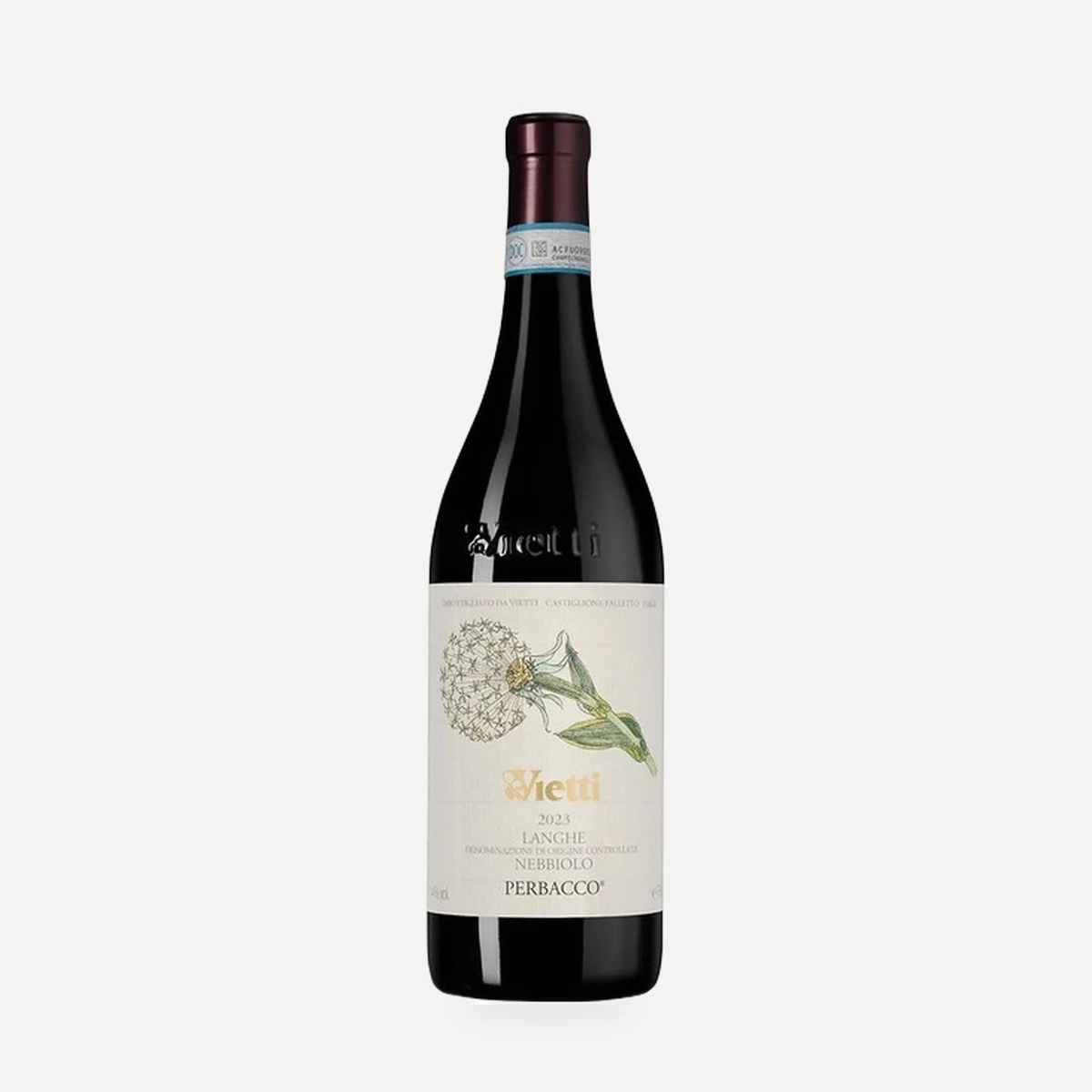
Langhe Nebbiolo Perbacco
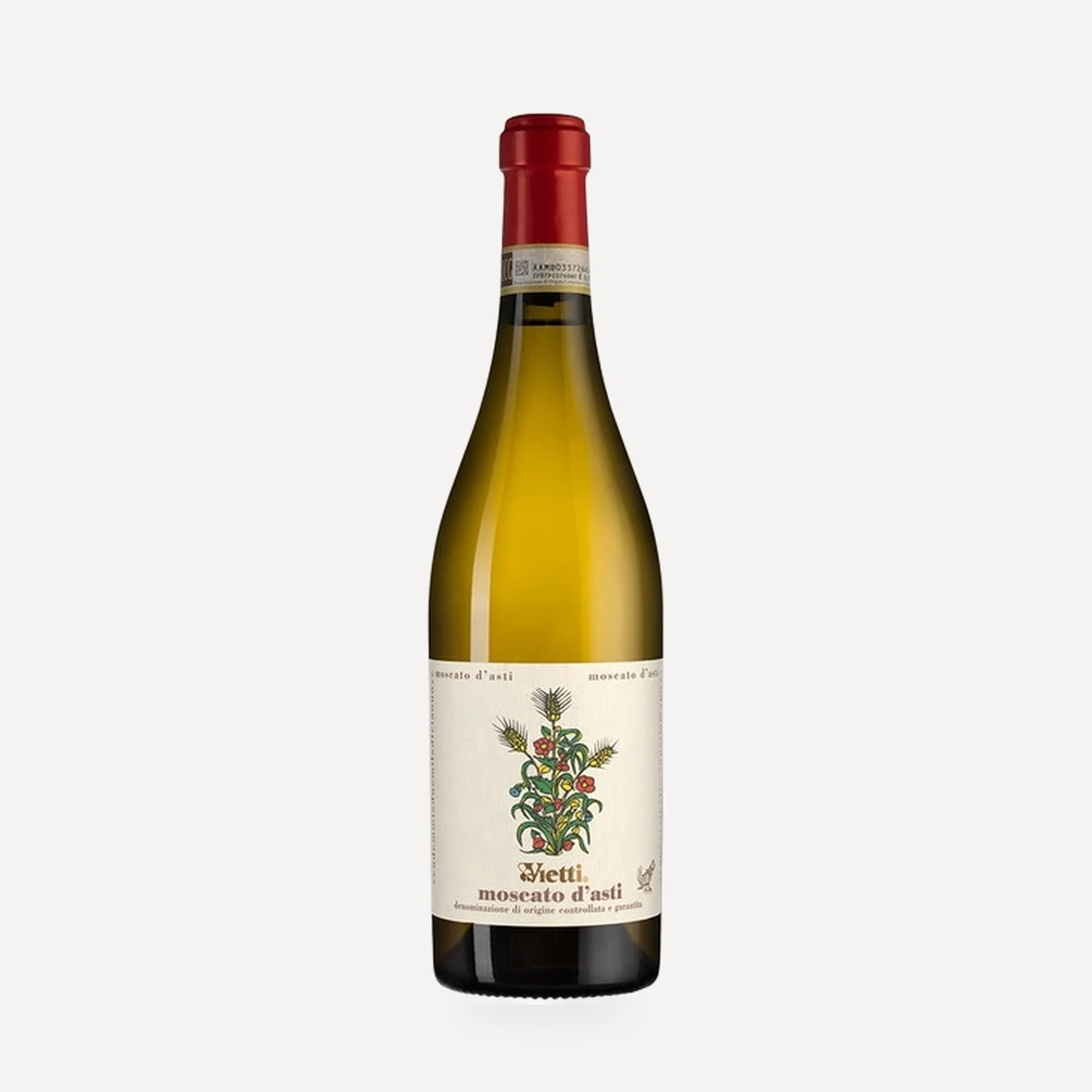
Moscato d'Asti
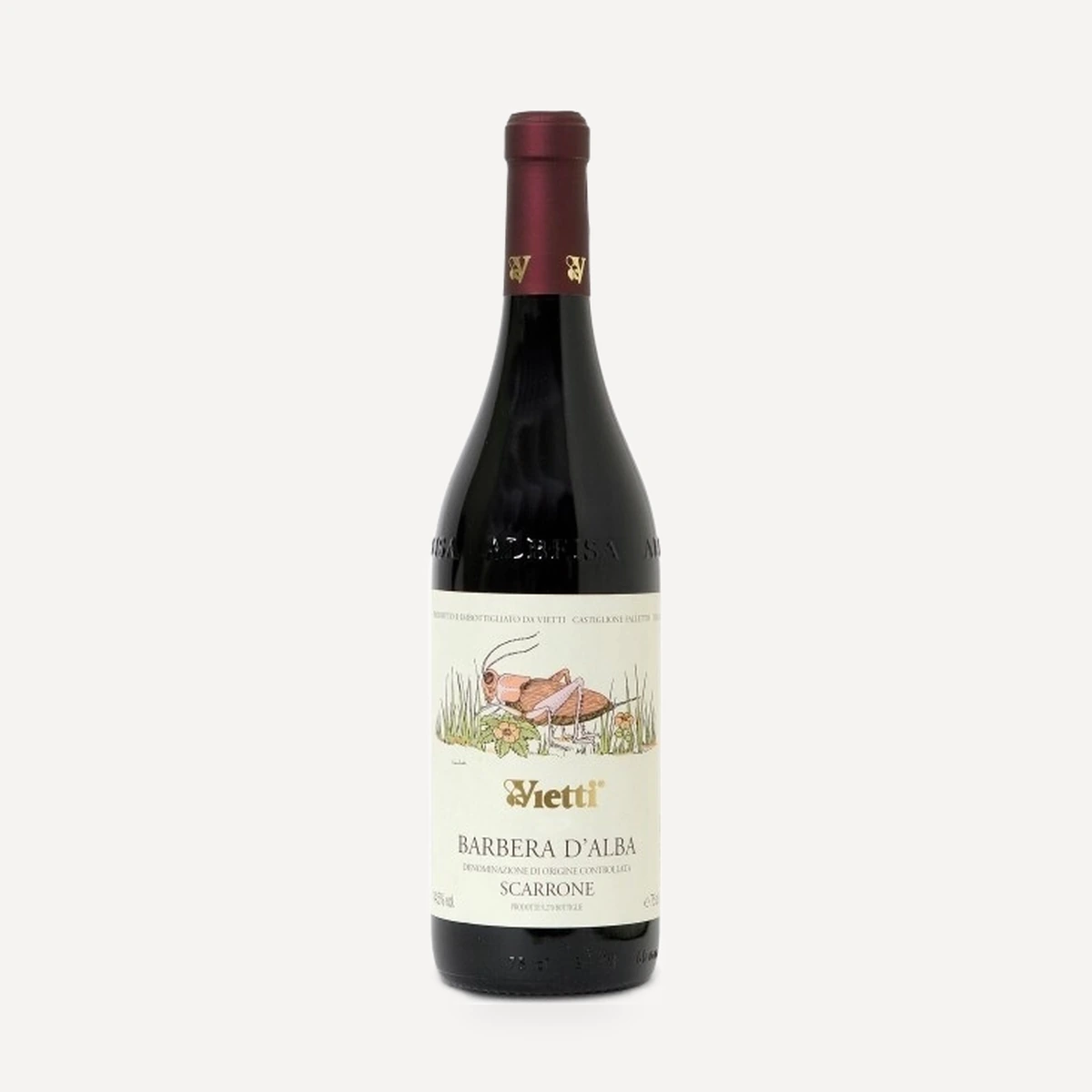
Barbera d'Alba Vigna Scarrone
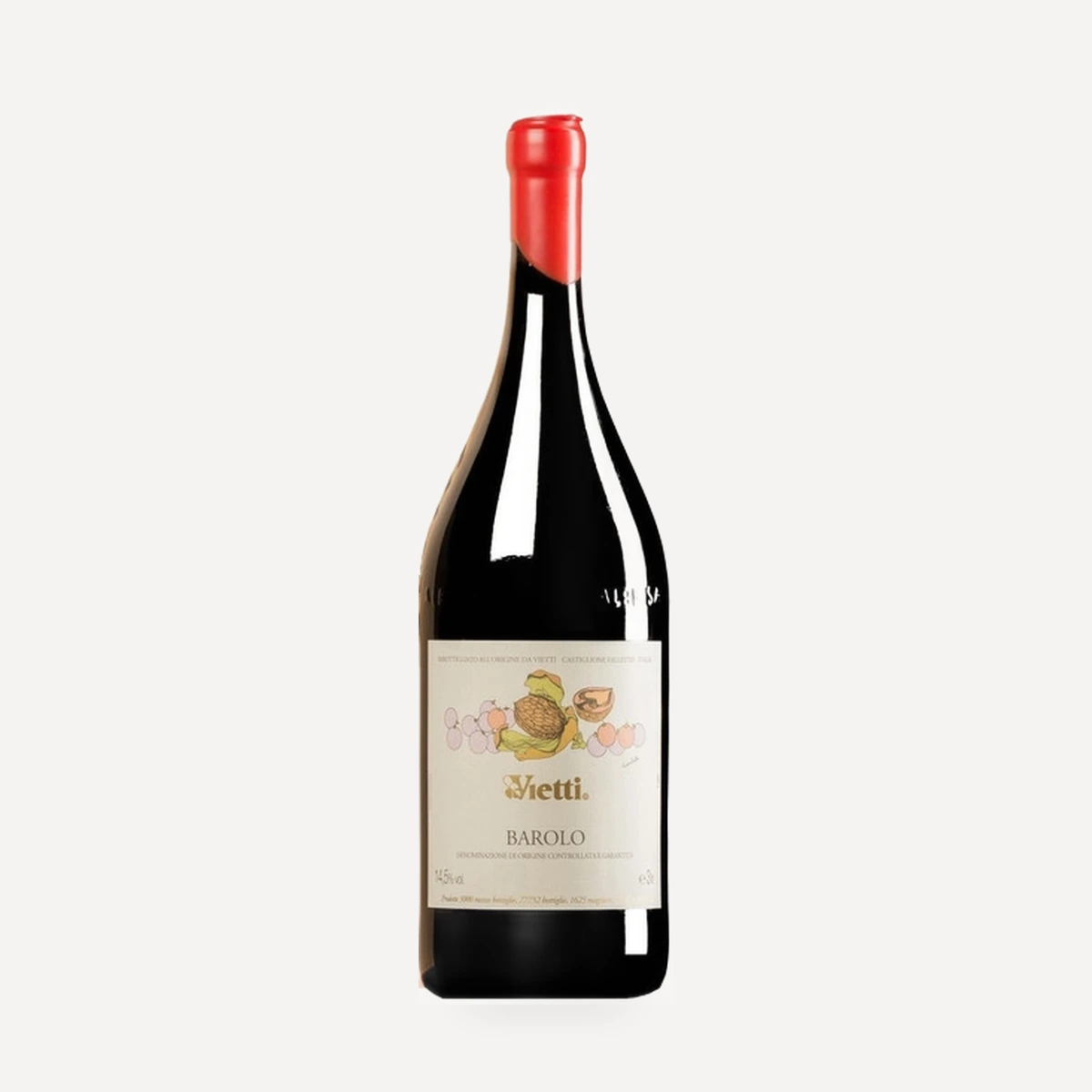
Barolo
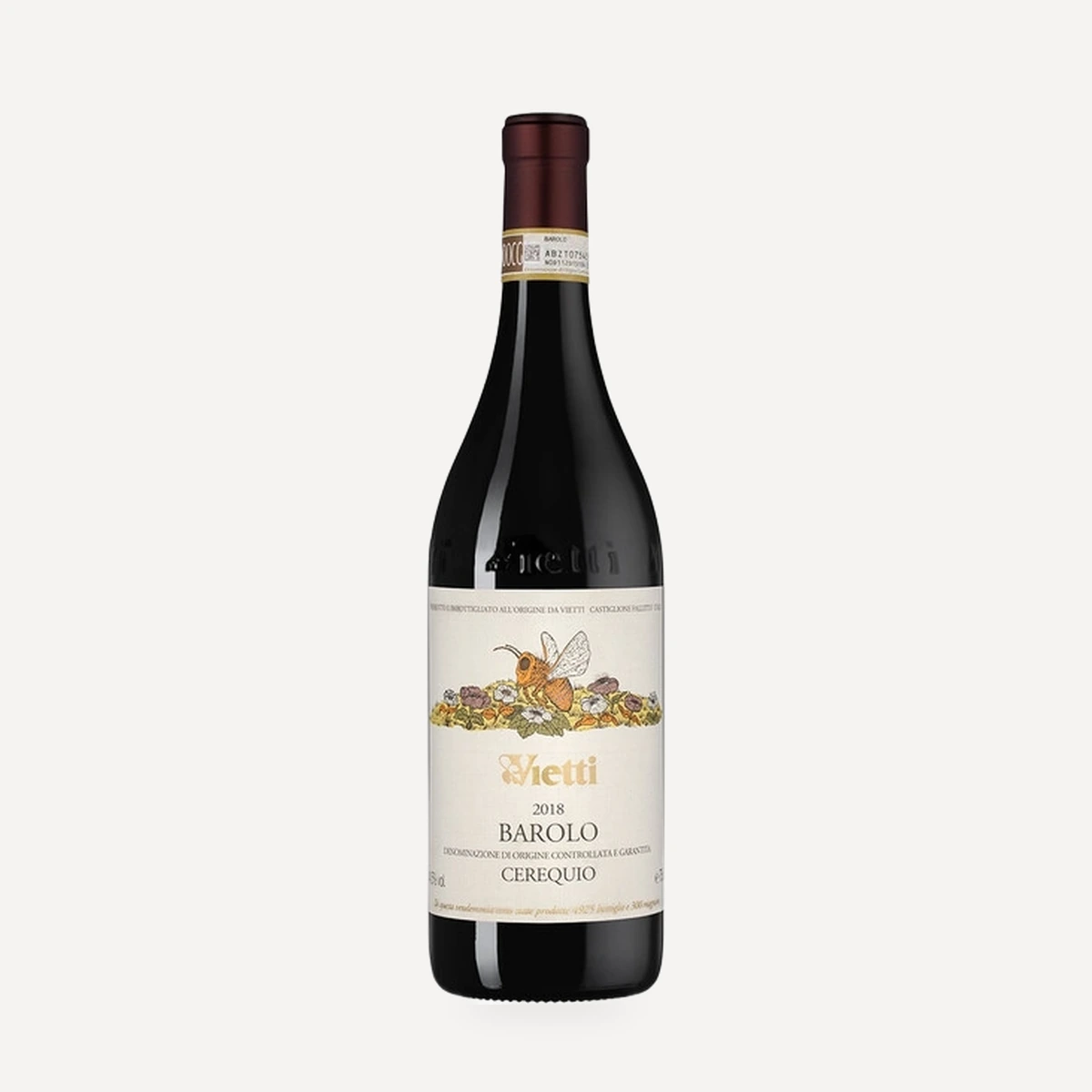
Barolo Cerequio
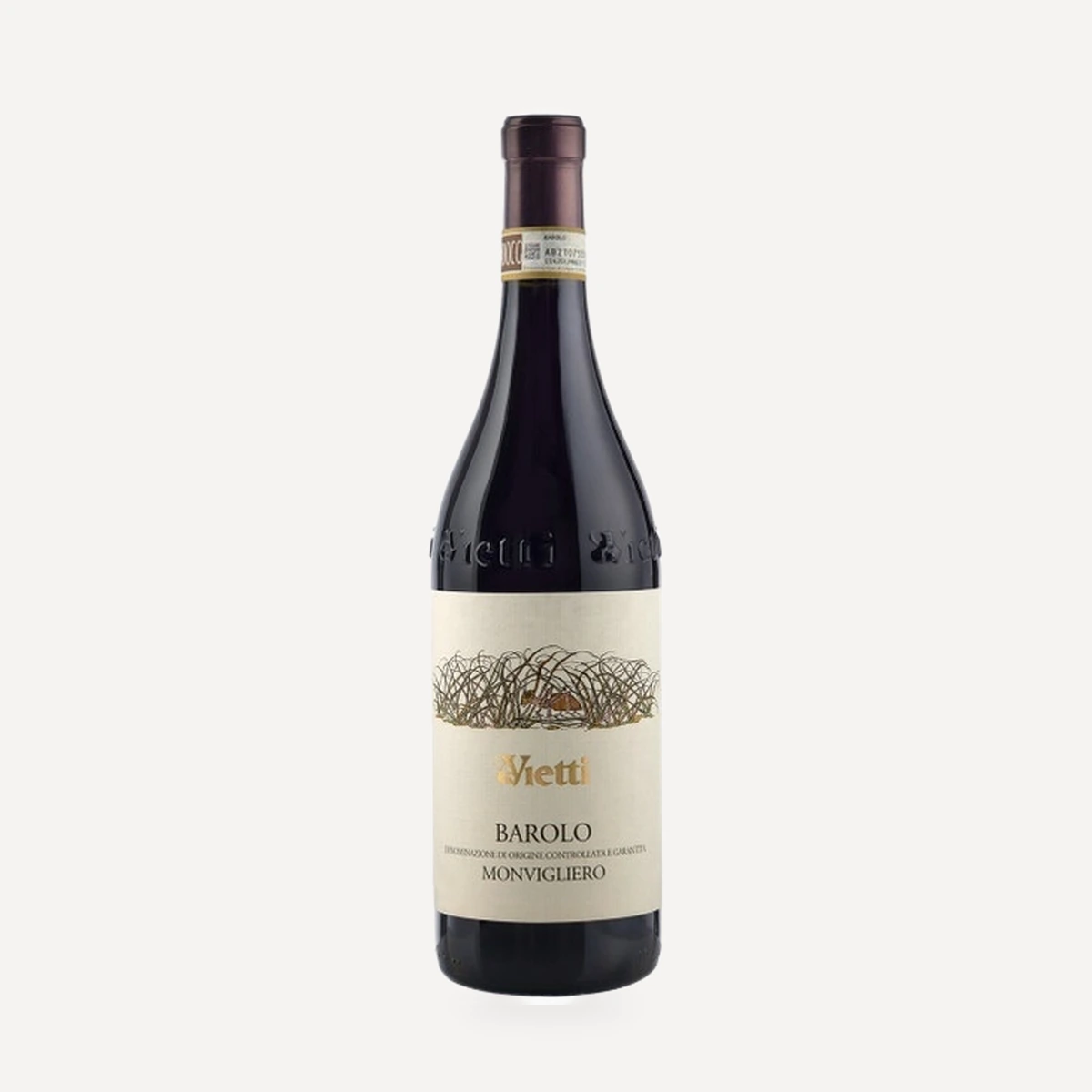
Barolo Monvigliero
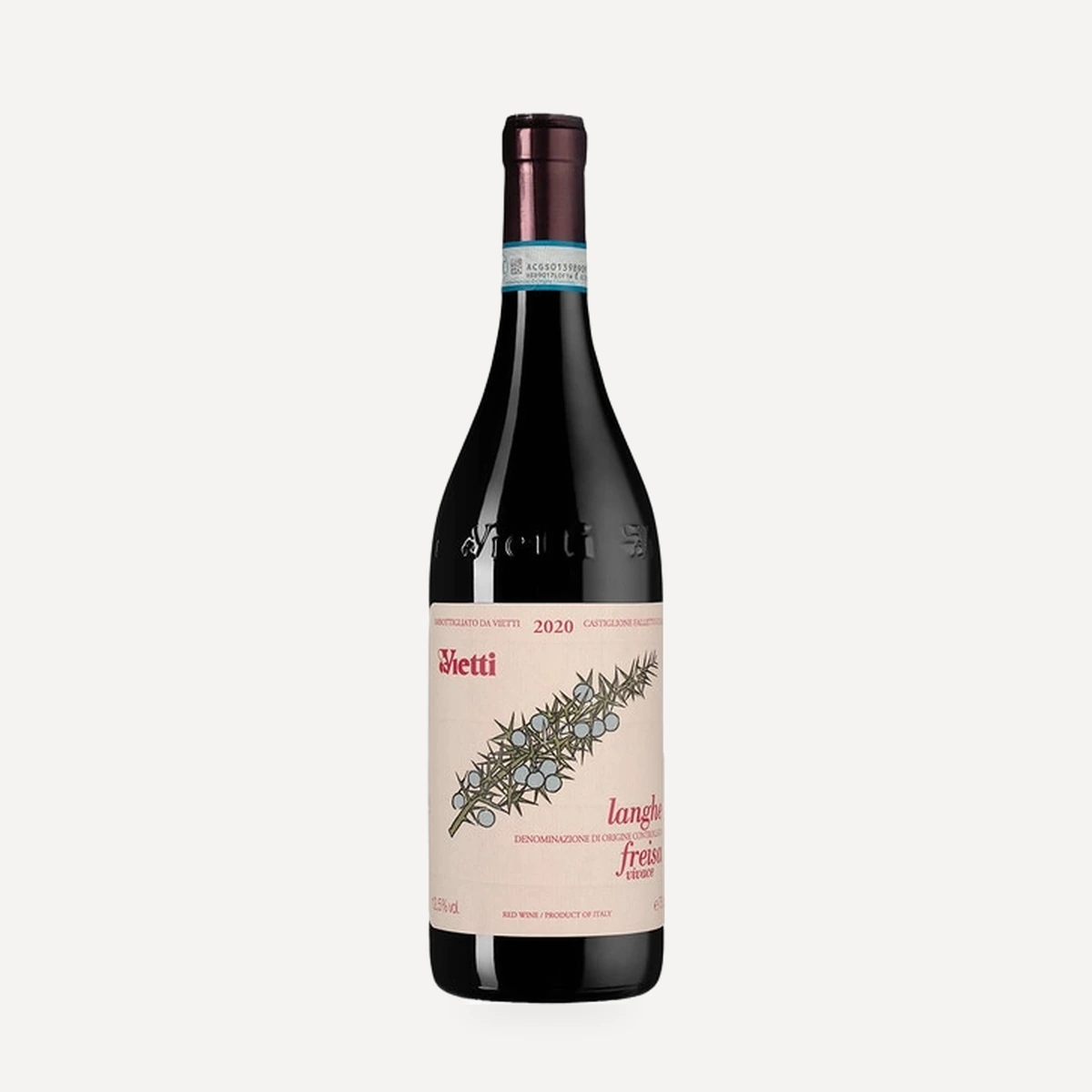
Langhe Freisa
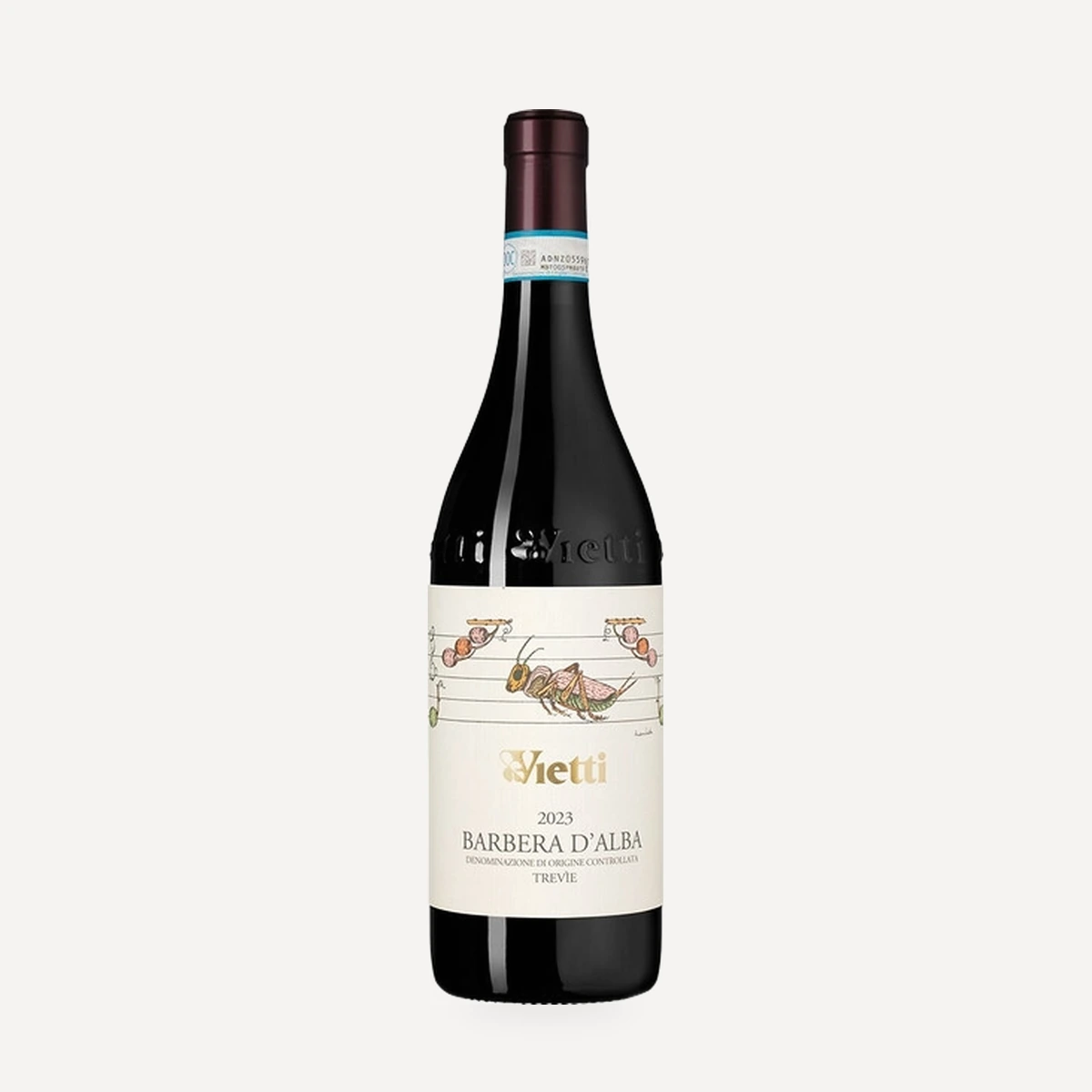
Barbera d'Alba Trevìe
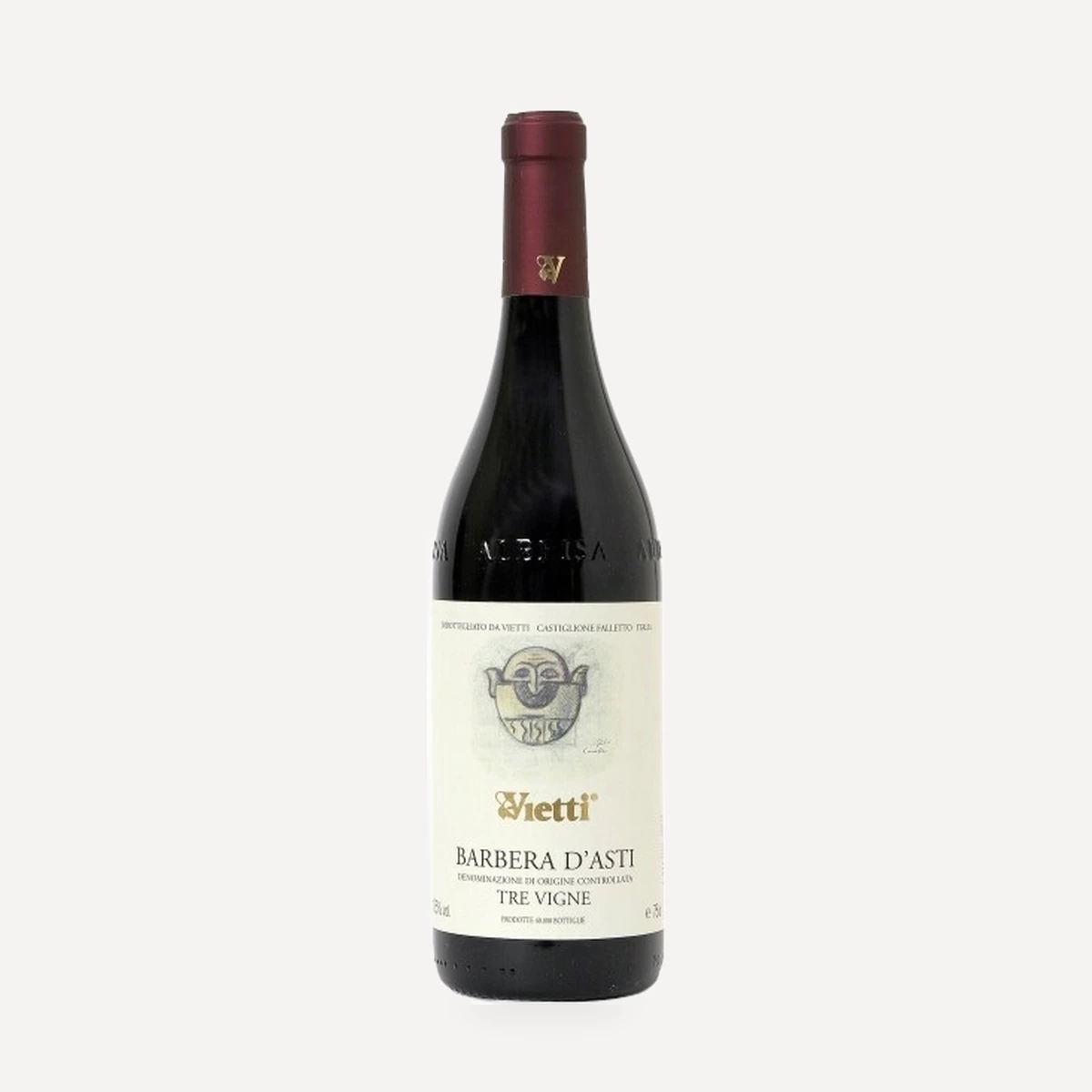
Barbera d'Asti Trevìe
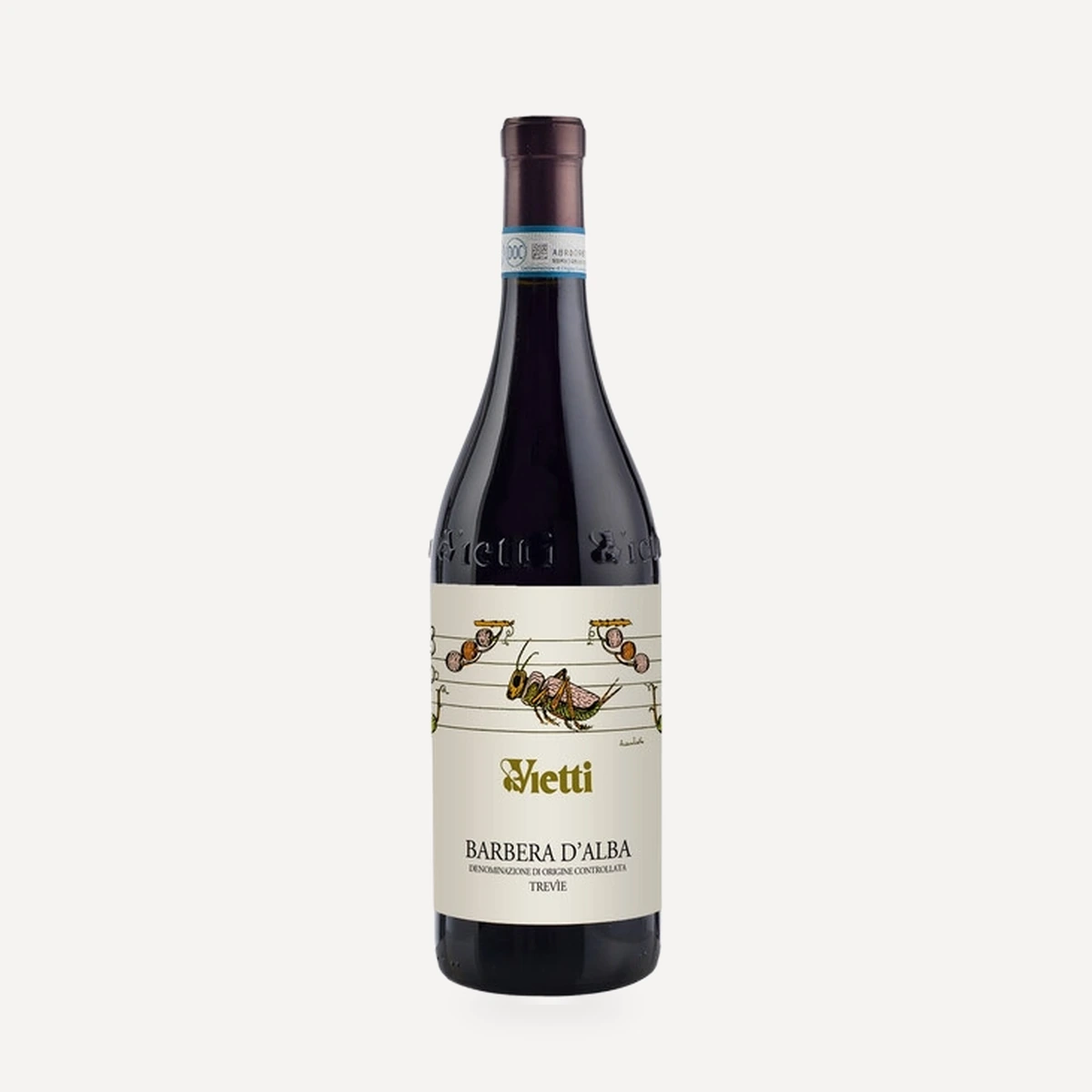
Dolcetto d'Alba Trevìe
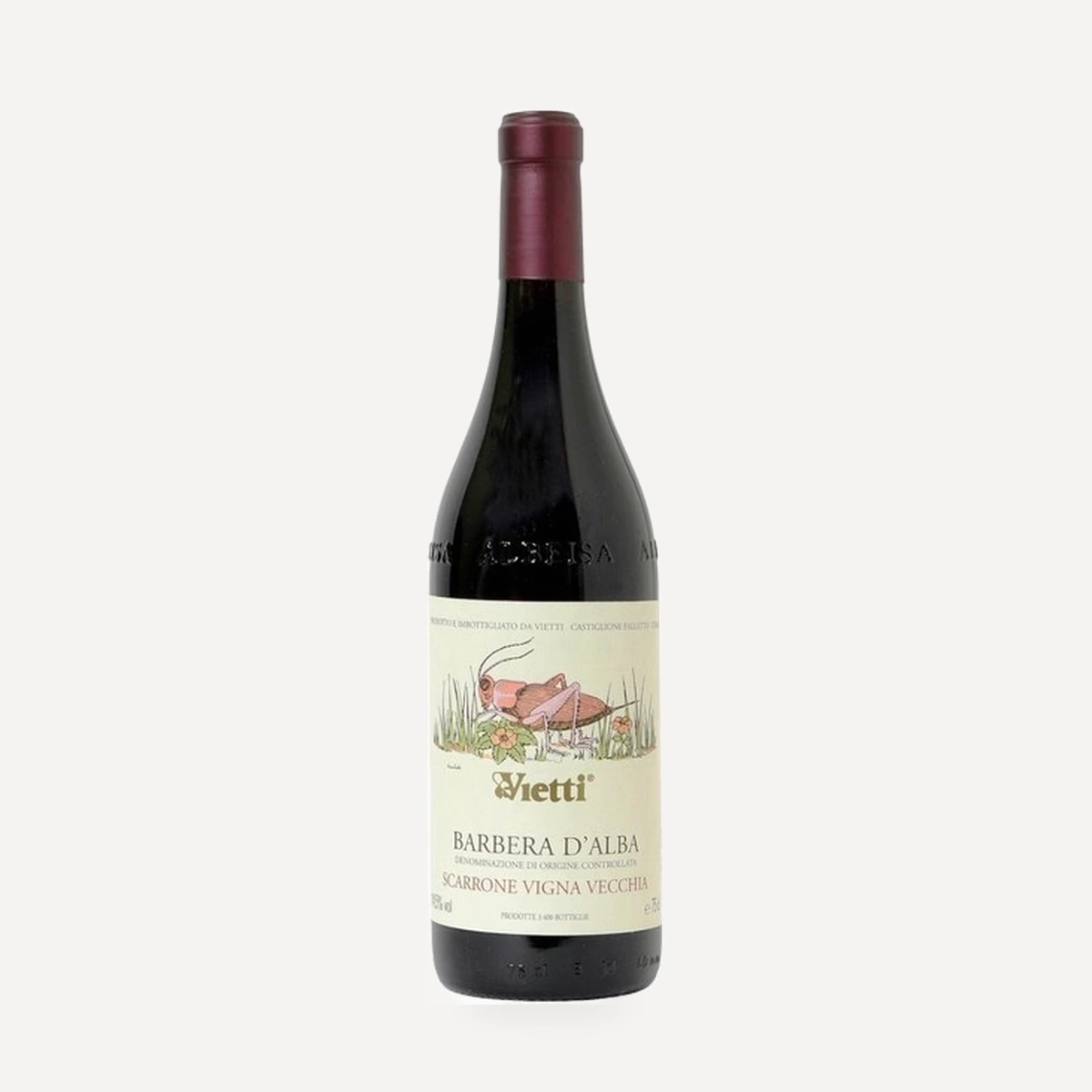
Barbera d'Alba Vigna Vecchia Scarrone
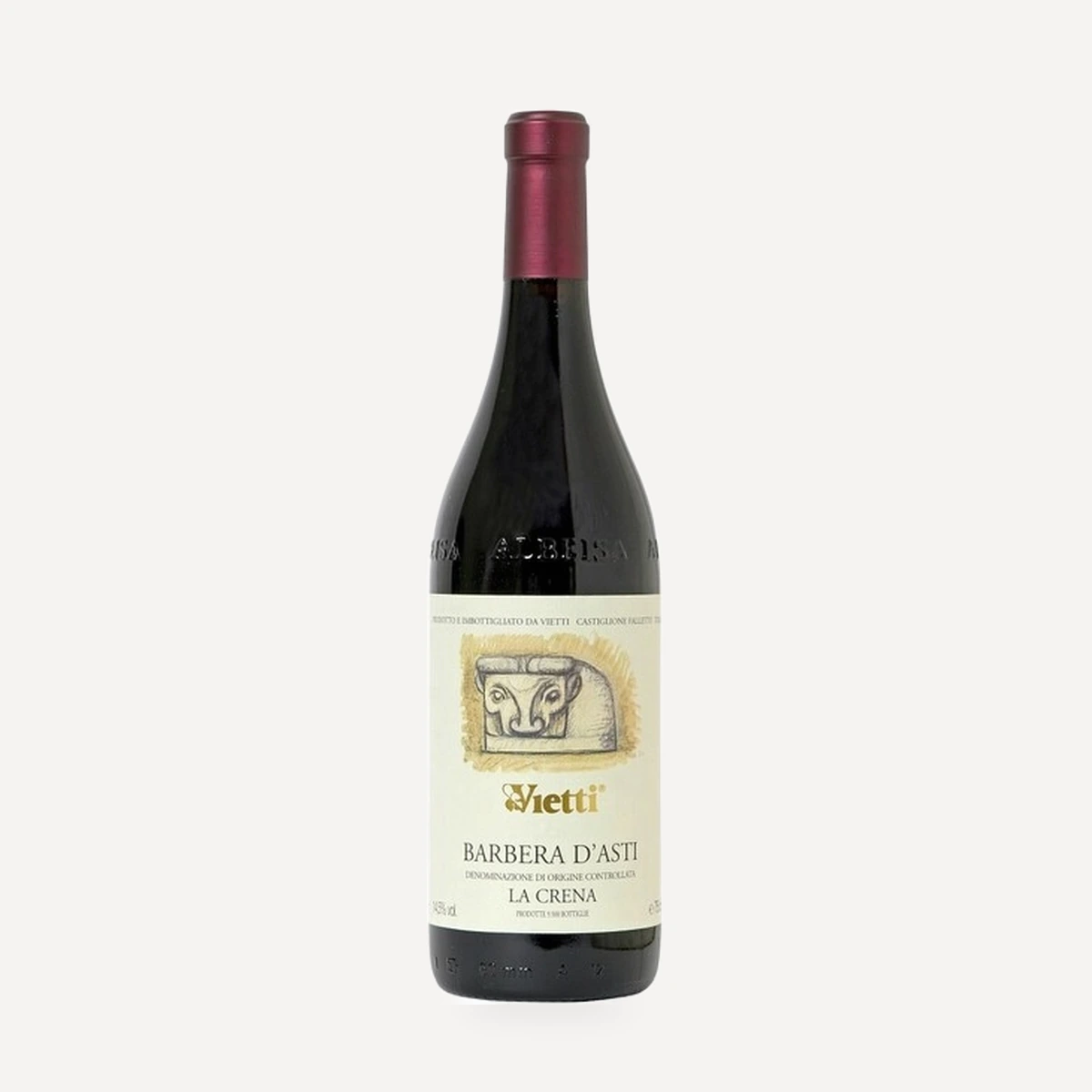
Barbera d'Asti La Crena
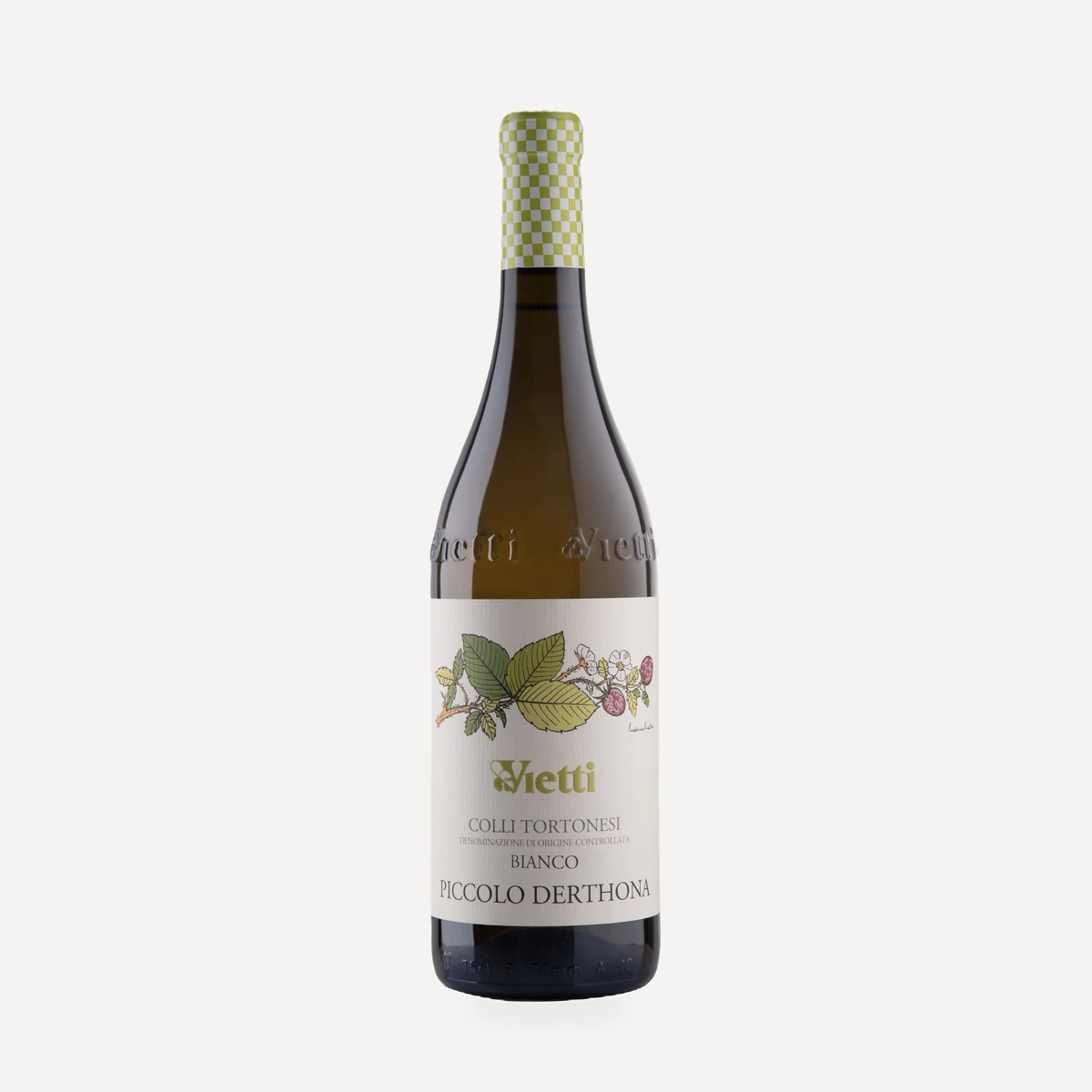
Piccolo Derthona
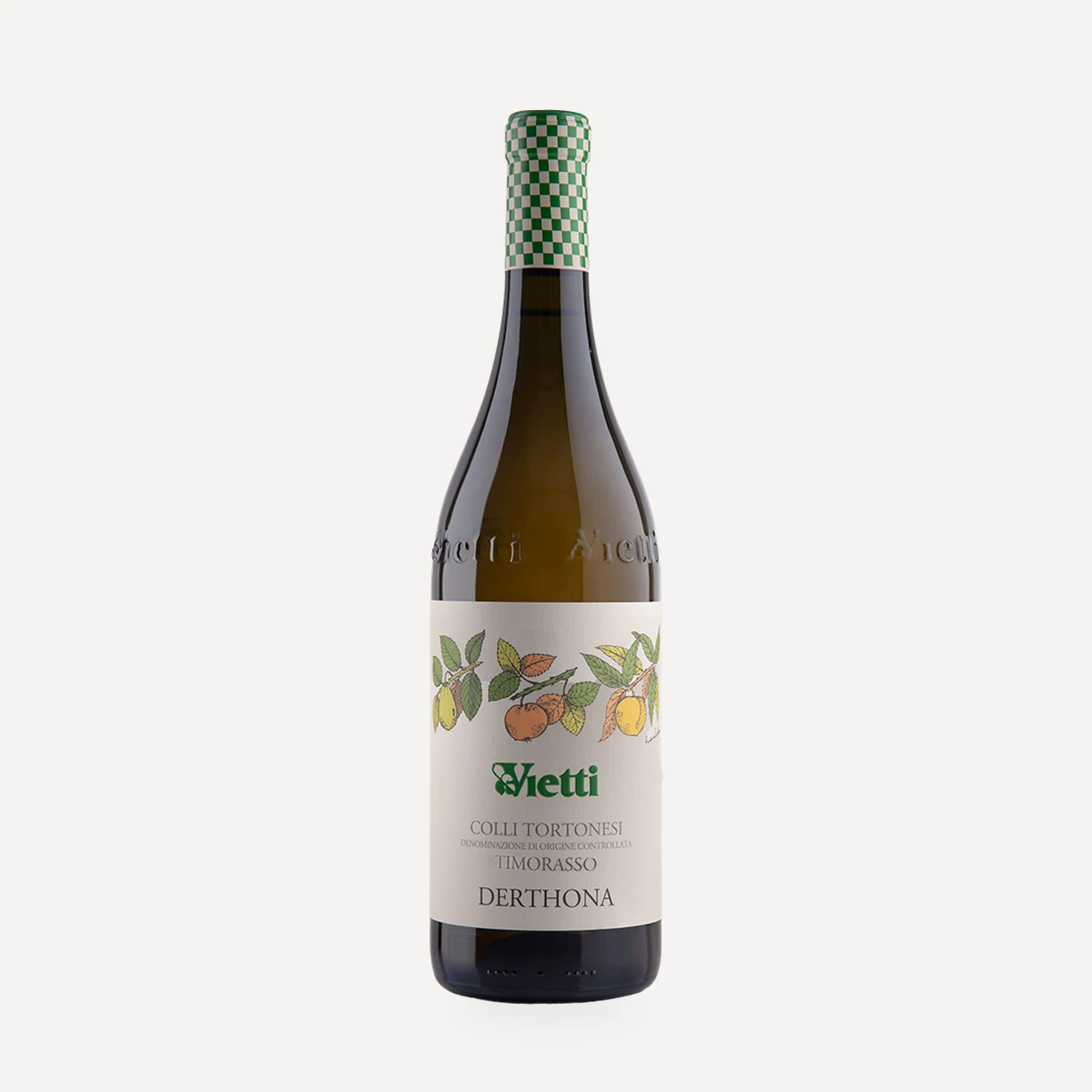
Derthona Timorasso