Storia
Origins in the 1960s
Villa Matilde Avallone grew out of Francesco Paolo Avallone’s attempt to reconstruct Falerno, the celebrated wine of Roman antiquity. Avallone was a lawyer and an enthusiast of ancient wine. Accounts by Pliny and verses by Virgil, Martial and Horace inspired him to investigate a wine that had disappeared at the beginning of the twentieth century after centuries of decline.
He worked with a group of scholars that included professors from the Faculty of Agriculture at the University of Naples. The research extended over a number of years—described in the older international presentation as a ten-year collaboration—and combined historical texts, study of the Massico territory and identification of surviving vines. A small number of plants that had escaped the phylloxera devastation of the late nineteenth century were associated with the varieties historically used for Falerno. With help from local farmers, propagation material was replanted in the Massico territory where the vines had once prospered.
Matilde was a constant source of support and inspiration for Francesco Paolo and gave the enterprise its name. The estate identifies 1965 as the beginning of its Campanian winegrowing activity; both Vigna Camarato and Vigna Caracci were planted that year.
Revival of Falerno in the 1970s
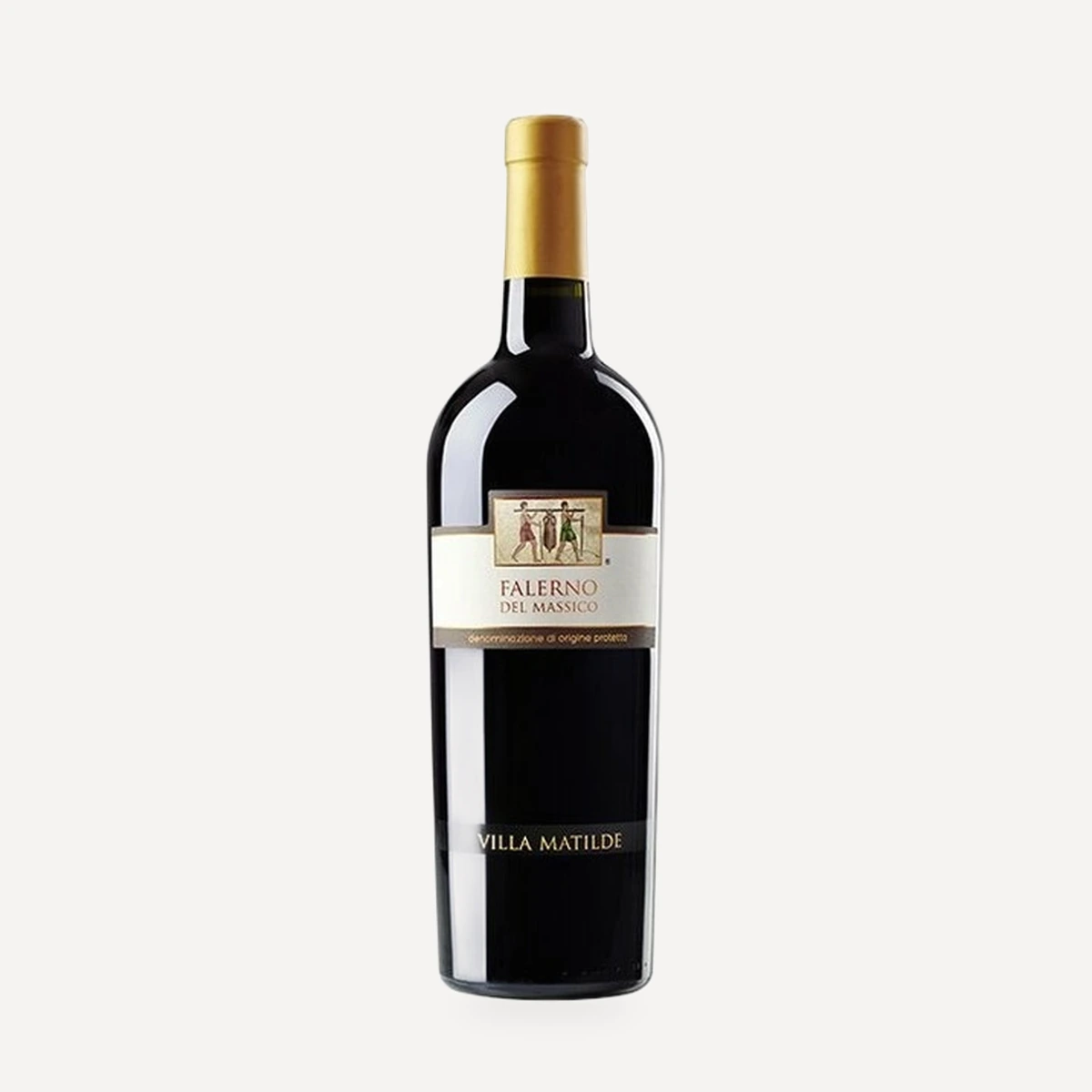
The reconstructed Falerno returned to production during the 1970s in vineyards on the lower slopes of the extinct Roccamonfina volcano. The first documented vintage of Falerno del Massico Bianco was 1974, followed by Falerno del Massico Rosso in 1975. The project centered on Falanghina—particularly the local Falerna biotype—for the white wine and on Aglianico with Piedirosso for the red.
Development of the estate range
Vigna Camarato produced its first documented vintage in 1981. Eleusi followed in 1983 and Cecubo in 1985. In 1985 Francesco Paolo’s children, Maria Ida and Salvatore Avallone, assumed responsibility for the founder’s legacy and began consolidating the business and opening new markets while retaining the Ager Falernus as its historical center. Vigna Caracci and Sinuessa both record 1989 as their first vintage.
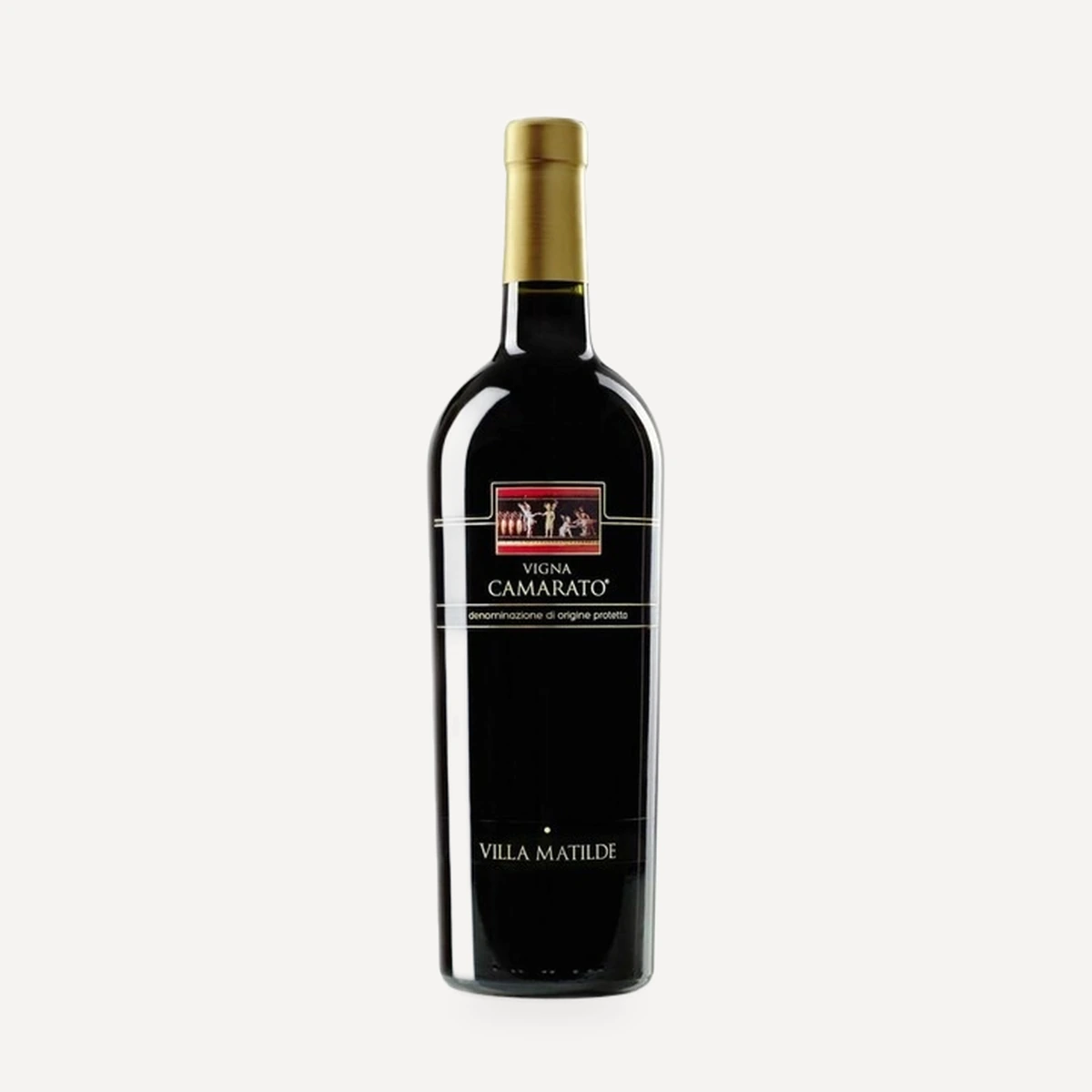
The cru program gave separate expression to two old, well-exposed four-hectare vineyards planted in 1965: red-variety Vigna Camarato and Falanghina-based Vigna Caracci. Both cru wines are reserved for suitable vintages.
Sustainability and new production formats
The Emissioni Zero program began in 2009, during the International Year of Planet Earth. Conceived as a progressive reduction program for the whole chain from vineyard work to distribution, it brought together renewable energy, more efficient buildings and equipment, resource management, recycling and lower-impact transport and packaging.
The first vintage of the traditional-method Mata Bianco was 2010, followed by Mata Rosè in 2011. Stregamora began with the 2016 vintage, and the Martinotti-method Baia di Prochyta sparkling wine with the 2020 vintage.
The present generation
Salvatore Avallone remains the company administrator and Maria Ida Avallone a partner. The third generation now holds operational responsibilities: Maria Cristina De Simone Avallone is the enologist and production manager, while Francesco Paolo Avallone is responsible for marketing and international markets. The current family model joins the founder’s historical research with contemporary enology, environmental management and international commercial development.
Terroir
Ager Falernus
The headquarters and principal winery lie between Rome and Naples, approximately one hour north of Naples along the coast. The historical vineyard center is at San Castrese in the commune of Sessa Aurunca, on hills at the foot of the extinct Roccamonfina volcano.
The Falerno territory opens toward the sea in the west and is framed by the Monti Aurunci to the northwest, Roccamonfina to the northeast and Monte Massico to the southeast. A break between the Aurunci and Roccamonfina admits cool air from the northern Apennines. Its meeting with warmer maritime air creates upward air movement, limiting cloud formation and favoring abundant sunlight and relatively dry conditions.
Soils and vine response
The principal hillside soils are volcanic and calcareous, with fine sand and pale coloration. Individual estate blocks are described as volcanic soils well supplied with phosphorus, potassium and, in some cases, other microelements. Their limited water content encourages roots to explore more deeply.
Conditions vary within the estate. Vigna Camarato has volcanic soil with phosphorus and potassium, while Vigna Caracci adds a broader supply of microelements. The Parco Nuovo vineyards at Cellole stand at sea level on sandy soils rich in silicates, potassium and phosphorus.
The combination of volcanic mineral composition, intense light and the interaction of sea and mountain air forms the estate’s principal microclimatic framework.
Vinificazione
Viticulture is based on integrated pest management described as having a low environmental impact. Guyot is the principal training system, adapted to individual blocks; documented densities across the estate range from 3,000 to 7,000 vines/ha. Older technical descriptions also note that spur-pruned configurations can be adjusted according to individual vine condition.
Harvest runs from early September to mid-November across the wider production cycle. The first selection takes place in the vineyard: only ripe, intact bunches are picked. Harvesting can involve two or more passes through the same vineyard as different fruit reaches maturity. Grapes are hand-picked into 18 kg boxes, transported to the winery and subjected to a second inspection on a sorting table. White grapes may be collected at night to preserve their condition. In Vigna Camarato, bunches destined for the cru are selected individually by hand.
Landscape work has included planting olive trees, oleanders, oaks and other trees and shrubs to restore and reinforce the rural setting. Vineyards border woodland, olive groves, arable fields and pasture. Vegetated buffer strips are maintained beside sensitive areas without fertilizer or plant-protection treatments. Woodland associated with the holdings includes holm oak, chestnut, beech, manna ash and blackthorn; recorded wildlife includes hoopoes, buzzards, peregrine falcons, ravens, barn owls, kestrels, wild boar, stone martens, weasels, badgers, hares, foxes, green lizards, geckos and several snake species.
Other environmental measures include lower-consumption agricultural machinery, electric vehicles, biomass use, new tree planting and resource-management programs extending from vineyard operations through distribution.
Harvest reception and control
Grapes are hand-harvested into 18 kg boxes after an initial vineyard selection. A second quality check and careful sorting take place at the winery. An in-house laboratory follows the entire process—from grape analysis through fermentation, maturation and bottling—and supports weekly tasting sessions used to monitor wine development.
Fermentation vessels
Vinification takes place almost entirely in temperature-controlled stainless-steel tanks, with automated systems providing control over alcoholic fermentation and maceration. White-wine practices documented at the estate include cryomaceration, gentle pressing, cold or static settling and fermentation at controlled temperatures. Some white lots remain in steel on their lees for approximately three months.
Red-wine work includes destemming and crushing, cold pre-fermentation maceration where appropriate, skin fermentation and malolactic fermentation. Longer red macerations can extend for 20–25 days at approximately 25–26°C, with daily pump-overs and délestage.
Oak and amphora
The principal red wines mature partly in 225-litre French-oak barriques and partly in larger French- and Slavonian-oak casks. Time in wood is adjusted to wine type and vintage. Estate protocols include Allier barriques and traditional Slavonian casks of 10–35 hl, with combinations of new, second-use and third-use barrels.
Handmade clay and ceramic amphorae provide controlled micro-oxygenation while avoiding overt oak-derived flavor. They are used for both fermentation and slow maturation, particularly for separately vinified fruit from old vineyards. The documented amphora program includes terracotta vessels of 150, 300 and 500 litres. Selected white lots undergo bâtonnage on fine lees in amphora for about three months before extended bottle maturation.
Specialized methods
Late-harvest Falanghina remains on the vine until early November, completes natural drying on racks and is pressed in December before barrel fermentation. Traditional-method sparkling wines receive a second fermentation in bottle and remain on lees for at least 48 or 60 months, depending on the cuvée. The Martinotti-method sparkling program uses a second fermentation in autoclave followed by at least 12 months in contact with the lees.
Filosofia
Quality, environmental responsibility and respect for the territory are treated as working principles extending from vineyard to cellar. The family rejects standardized production and aims for wines with identifiable origin, coherence, depth and a clear relationship to their landscape.
The approach places viticulture at the center of quality: sound wine begins with attentive cultivation and high-quality grapes. Historical research, local varieties and traditional vessels coexist with temperature control, laboratory analysis, automated processes and renewable-energy systems. Innovation is understood not only as equipment, but as a way of interpreting tradition through the territory and the people who work in it.
The estate’s self-defined mission is to express the qualities of its territory through a rational use of innovation and a progressively more sustainable production cycle. Recovery, recycling and reuse inform decisions about waste, packaging and communications, with responsibility toward future generations presented as a central objective.
Vini
Falerno Del Massico Rosso
Vigna Camarato
Fiano di Avellino DOCG
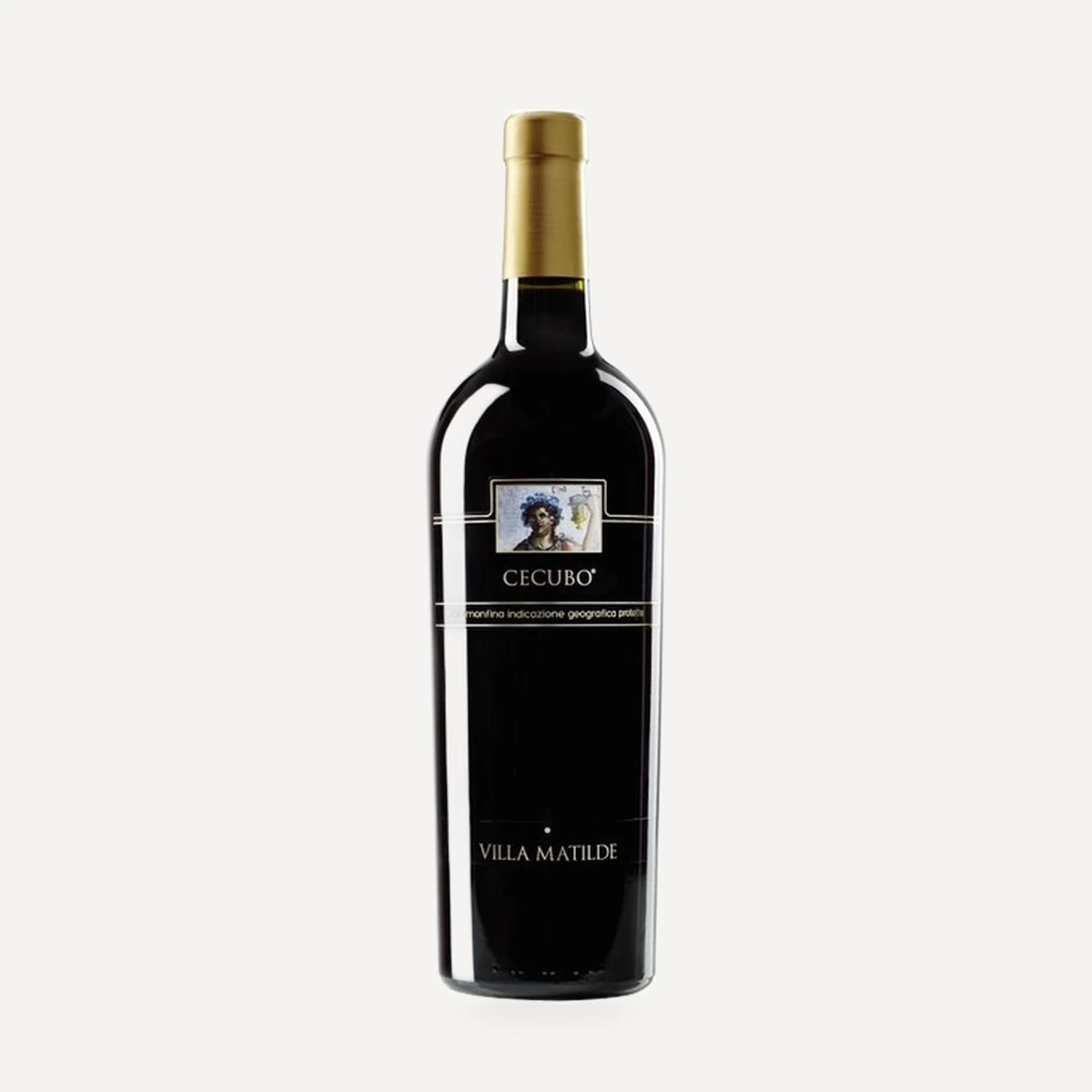
Cecubo
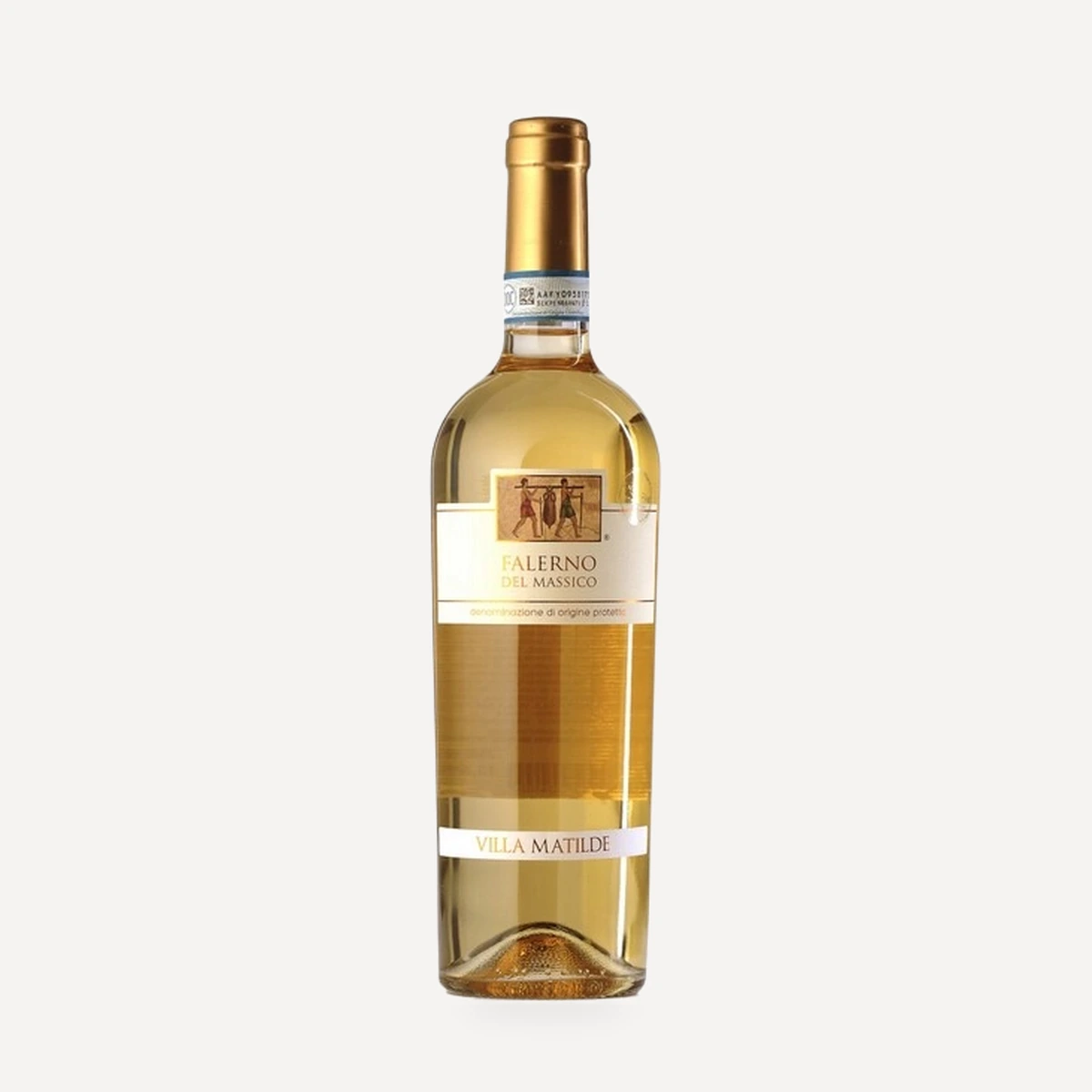
Falerno Del Massico Bianco
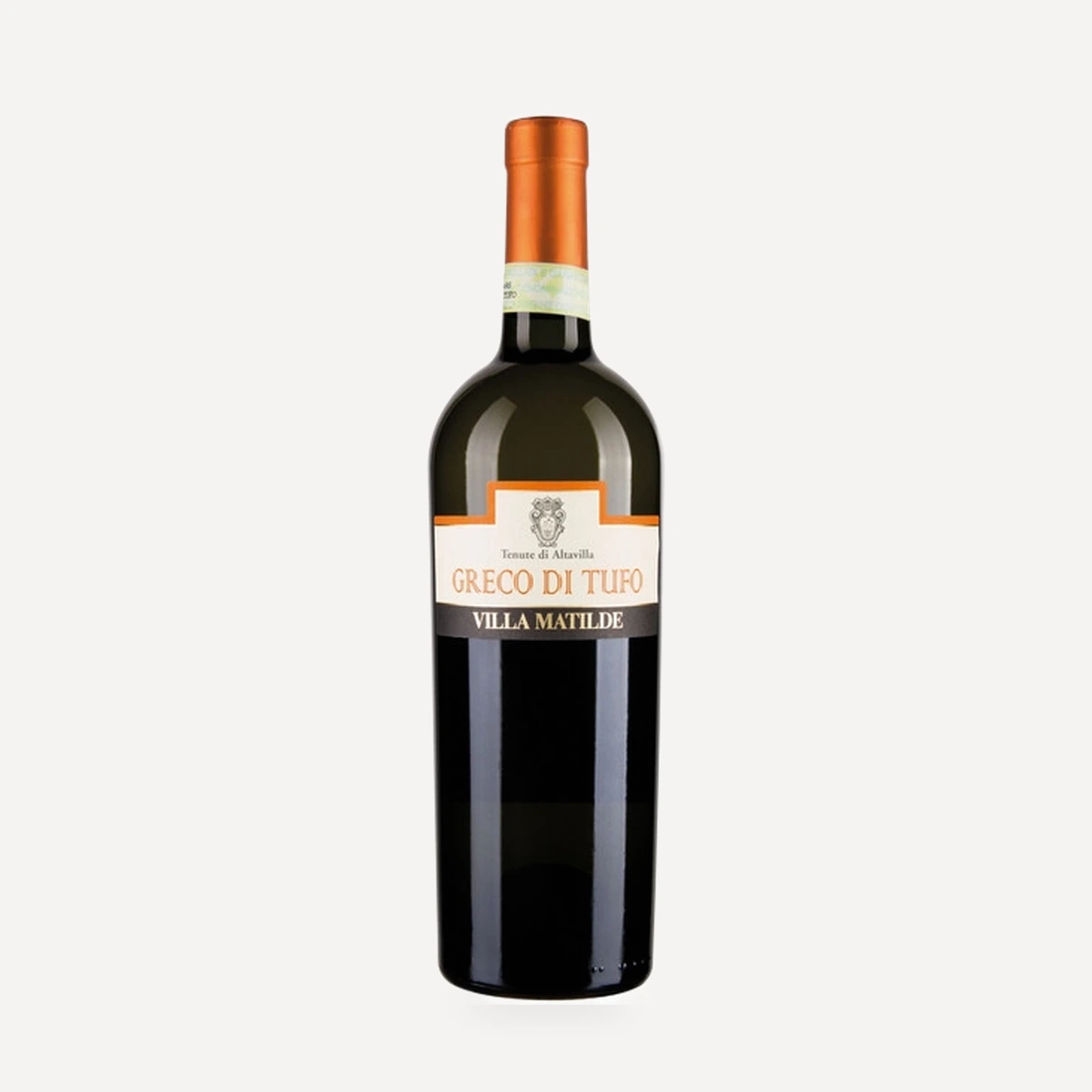
Greco di Tufo DOCG
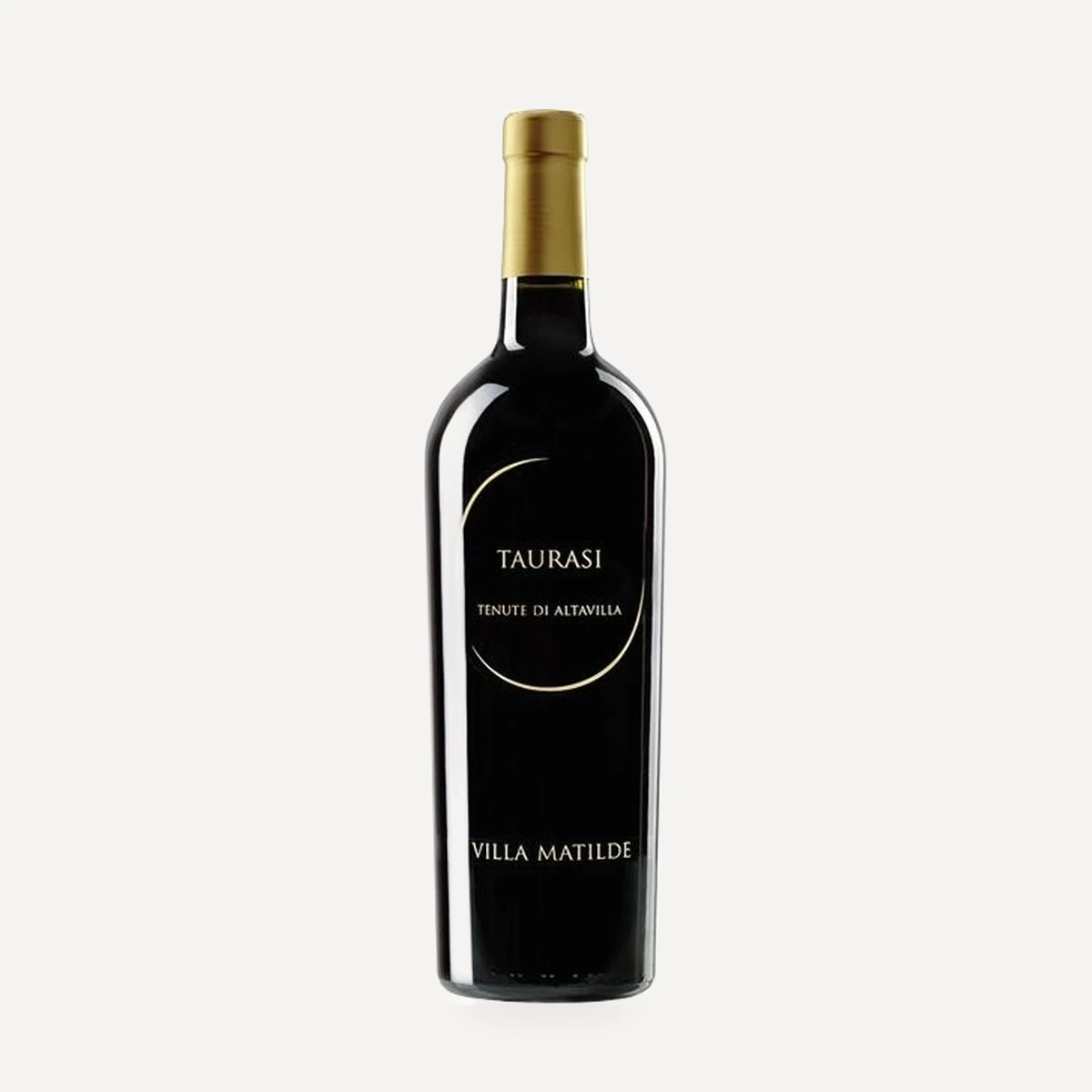
Taurasi DOCG