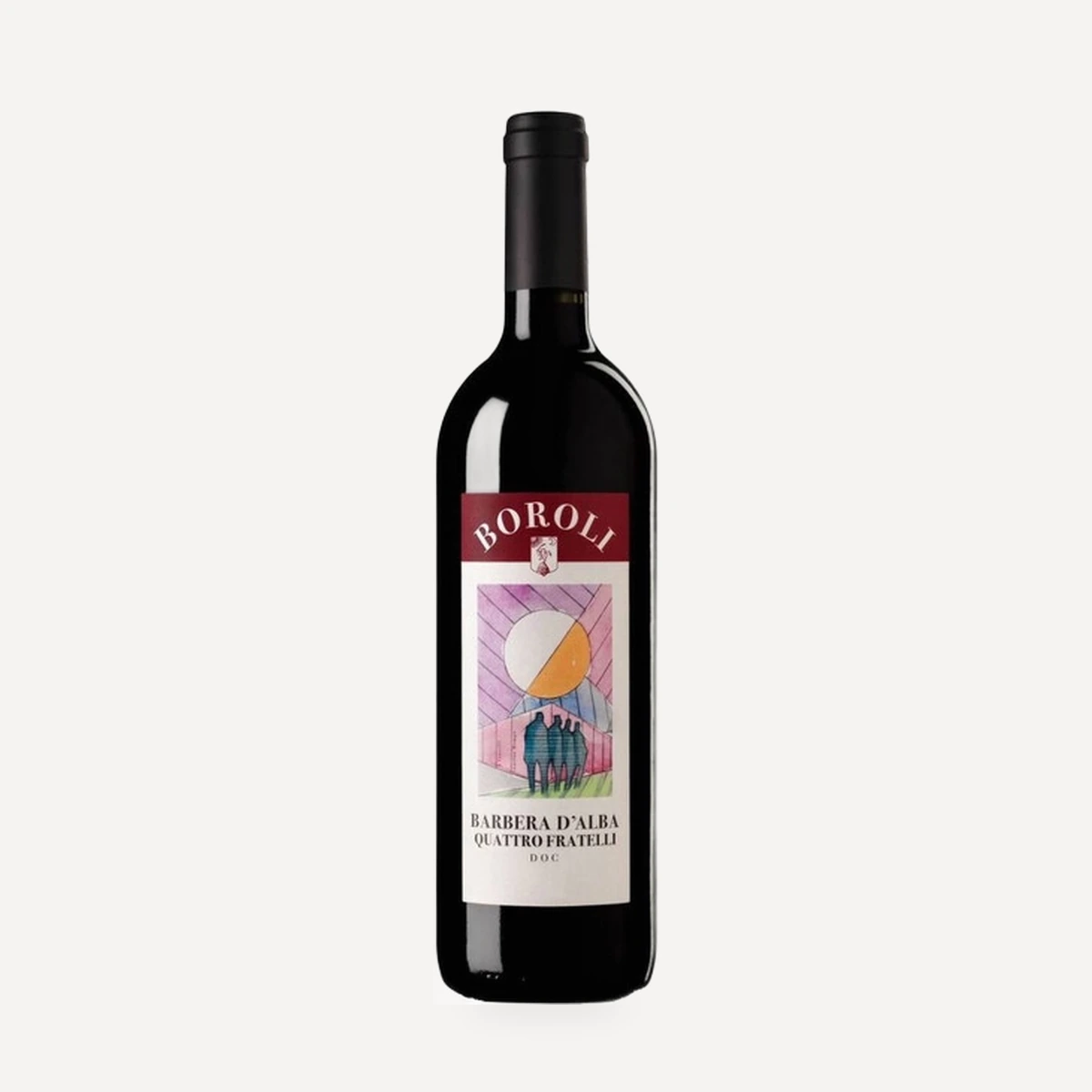
History
Family roots in Castiglione Falletto
The family history preserved by Boroli reaches back to the Vignolo family of Castiglione Falletto. Around 1500, Bartolomeo Vignolo and his sons Cristoforo and Giovanni were landowners who contributed to viticulture in the Langhe, particularly around Barolo and Brunella. The family’s local roots are documented from 1534.
Don Carlo Pollina (1744–1799), guardian of the young Carlo Antonio Boroli, preserved the documents through which this history survives. The family archive also contains a heraldic emblem: its crescent moon, scimitar and rampant lion represent merits associated with the Crusades, while the sun represents the abundance of the family’s resources.
From textiles and publishing to wine
The Boroli family has been active in business since 1831, initially in textiles and subsequently in graphic publishing. Silvano Boroli married Elena Verri in 1968. Their four sons are Carlo, Guido, Achille and Filippo; the family also includes seven grandchildren.
Silvano worked in graphic publishing until the 1990s. During that decade, he and Elena sought a closer relationship with nature and transformed their longstanding interest in wine and the Langhe into a new family enterprise. Boroli identifies 1997 as the beginning of its activity as a wine producer. The earliest-vintage records nevertheless begin with the 1996 harvest for both the classic Barolo and Langhe Chardonnay “Bel Amì.”
The next generation and the modern winery
In 2000, Achille Boroli—the third of Silvano and Elena’s four sons—joined the business after completing a degree in business economics. He took responsibility for the winery and the family’s hospitality and restaurant interests.
The Cascina Brunella estate, whose origins date to the 17th century and which has undergone several restorations, was expanded in 2006 with a contemporary winery designed by Achille’s brother Guido Boroli. The new building covers more than 1,000 m² and places vinification, maturation, bottling, hospitality and packaging functions beside the historic property.
Following the award of a Michelin star to the family’s Locanda del Pilone, Achille radically revised work in both vineyard and cellar beginning with the 2012 harvest. The objective became consistent, uncompromising quality in Barolo and the individual crus, with lower yields, stricter selection and separate handling of parcels.
Brunella and the cru-focused era
Brunella had long been the name of the hill and surrounding viticultural area. Archival evidence records the place by 1624, while a cadastral document dated 1661 attests to viticulture around the present winery. Brunella is now a Barolo MGA and a monopole of the Boroli family.
The 2013 harvest produced the first Barolo Brunella. Released and formally presented in 2017, it was described as the first Barolo to carry the Brunella cru name on its label. Its debut was marked by a presentation in Bordeaux on 18 June 2017 and a subsequent eight-stop Brunella World Tour, concluding in Milan on 29 September.
The estate’s cru program also encompasses Villero and Cerequio. Each vineyard is harvested and vinified separately so that differences among sites remain discernible. In 2026, Villero also became the setting for an agronomic trial using shade nets of different filtering intensities, monitored with instruments recording temperature and soil and air humidity.
Terroir
Boroli is based at Cascina La Brunella in Castiglione Falletto, on a hill overlooking the Barolo valley between La Morra, Barolo and Castiglione Falletto. Its principal sites occupy the communes of Castiglione Falletto and Barolo, at elevations from 280 to 350 m.
Geological framework
Fossil Sant’Agata marls form an important part of the estate’s soils. Their high silt and clay content derives from prolonged settling in relatively calm water. In the central and southern part of the denomination, sandy variants form a transition between typical fossil Sant’Agata marl and the Diano sandstones, with tongues or layers of sand alternating with marl.
Brunella lies at the western extremity of the Villero ridge. Its oval hill carries Nebbiolo in an elongated ring and includes south-, east- and west-facing parcels. Calcareous clay predominates, with sandy veins and marl approximately 0.5 m below the surface. Soil analysis gives 32.5% sand, 46.1% silt and 21.4% clay.
Cerequio stands at 350 m in the commune of Barolo. Its east-to-southeast exposure receives abundant sunlight. The clay-limestone soil contains veins of sand and Sant’Agata marl; silt and clay alternate in thin sedimentary layers that readily split into laminations. Bedrock lies approximately 1–1.5 m below the surface. The soil is 25% sand, 50% silt and 25% clay. Its favorable microclimate is traditionally called the “Riviera delle Langhe”; snow melts rapidly there in winter.
Villero lies at about 280 m in Castiglione Falletto and faces southwest, with additional south-facing sections. Its geology brings together Sant’Agata marl, sand, loam, clay and limestone. Alternating silty layers contain plant remains, shells and fossils. The limestone-clay soil reaches marl at roughly 1 m. Its texture is 15% sand, 60% silt and 25% clay. The broader Villero MGA covers more than 15 ha and has low-permeability soils capable of retaining water through dry seasons.
Winemaking
Vineyard work is organized around low yields and the selection of evenly ripened, healthy clusters. General planting density is approximately 4,500–4,800 vines/ha, with site-specific densities ranging from about 4,000 to 4,500 vines/ha.
Organic material is applied every three years, treating alternate rows. Grass cover is managed according to the conditions of each season—warm, cool, wet or dry—to regulate competition between grass and vines. This controlled competition encourages roots to penetrate more deeply. Crop rotation and natural fertilization are also used, particularly in Cerequio.
Pruning retains a limited number of buds per vine, while chemical products are reduced to the minimum considered necessary. Nebbiolo vines maintain a substantial leaf wall to shield grapes from climatic extremes. A rigorous green harvest concentrates the crop in fewer clusters, followed by further selection at veraison and in July, approximately two months before harvest, to promote uniform ripening.
Average yields are 40–45 quintals/ha for the crus and 55 quintals/ha for classic Barolo, compared with the Barolo production rule’s maximum of 80 quintals/ha.
Harvesting is manual. For Barolo, picking normally occurs around mid-October, with grapes placed in small crates. Micro-parcels and maturity groups are harvested separately. Chardonnay and Langhe Nebbiolo clusters are selected on a sorting table.
In Villero, shade nets are being tested on the most sun-exposed side of the vineyard. The nets use different levels of light filtration to assess protection from hail, direct sun and heat. Instruments record daily temperature and soil and air humidity, allowing the effects on Nebbiolo quality to be evaluated over successive seasons.
Parcel separation and red-wine production
The cellar preserves the identity of individual vineyards and maturity groups through separate micro-vinifications. Barolo grapes are harvested by hand in small crates, and vineyards are divided into micro-parcels according to cluster ripeness. Separate picking can produce several micro-cuvées from a single parcel; these lots remain separate throughout fermentation and maturation.
Red grapes are crushed and destemmed. Alcoholic fermentation takes place in stainless-steel tanks at controlled temperature, generally for 10–12 days. This is followed by submerged-cap maceration: skins are held approximately 40–50 cm below the surface for a medium-to-long period, reaching as much as 30 days. Recent cru profiles specify approximately 20–25 days.
Malolactic fermentation is conducted in temperature-controlled stainless steel for Brunella and Cerequio, and in small barrels for Villero. Maturation lasts at least 18 months in wood. Brunella uses large oak vessels of approximately 1,000–1,500 L; Cerequio uses 1,000–2,500 L vessels; Villero employs 225, 500 and 1,000 L oak vessels. The classic Barolo lots are tasted and selected after wood maturation, then blended to express both the vintage and the vineyards.
Bottling generally takes place in June and July. The wines remain in bottle until the following year; cru profiles require at least one year of bottle maturation before release.
White-wine and Langhe Nebbiolo handling
Chardonnay is hand-harvested close to the cellar and selected on a sorting table. It undergoes a 24–48-hour cryomaceration, followed by fermentation in stainless steel and brief maturation in oak. A technical profile additionally specifies gentle pressing before stainless-steel fermentation.
Langhe Nebbiolo is selected from north-facing vines and younger rows, harvested manually and sorted by cluster. It also undergoes 24–48 hours of cryomaceration, followed by fermentation and maceration in steel and several months in oak barrels.
Cellar organization
The winery covers more than 1,000 m² on two levels. The underground floor is devoted to maturation, aging and refinement. Vinification, bottling and packaging occupy the ground floor, allowing the principal production stages to be separated by function.
Philosophy
Boroli defines its objective as total, constant and uncompromising quality. The guiding conviction is that a great wine begins with a great vineyard and a clearly expressed terroir. Vineyard work is therefore treated as the foundation of quality, with lower yields, deeper rooting, restrained chemical inputs, rigorous cluster selection and separate treatment of individual sites.
Tradition and experimentation are presented as complementary. Traditional Langhe practices—manual harvest, submerged-cap maceration, long wood and bottle maturation, and blending by barrel selection—coexist with micro-parcel vinification, detailed soil study, controlled grass management and monitored shade-net trials.
The estate seeks to preserve vintage variation rather than obscure it. Blending is used to express the classic character of the year and the component vineyards, while the crus are kept separate to make their individual soils, exposures and microclimates legible. Customer satisfaction is treated as a more fundamental measure than press recognition, and hospitality is intended to connect the finished wine with its landscape, farming and family history.
Wines
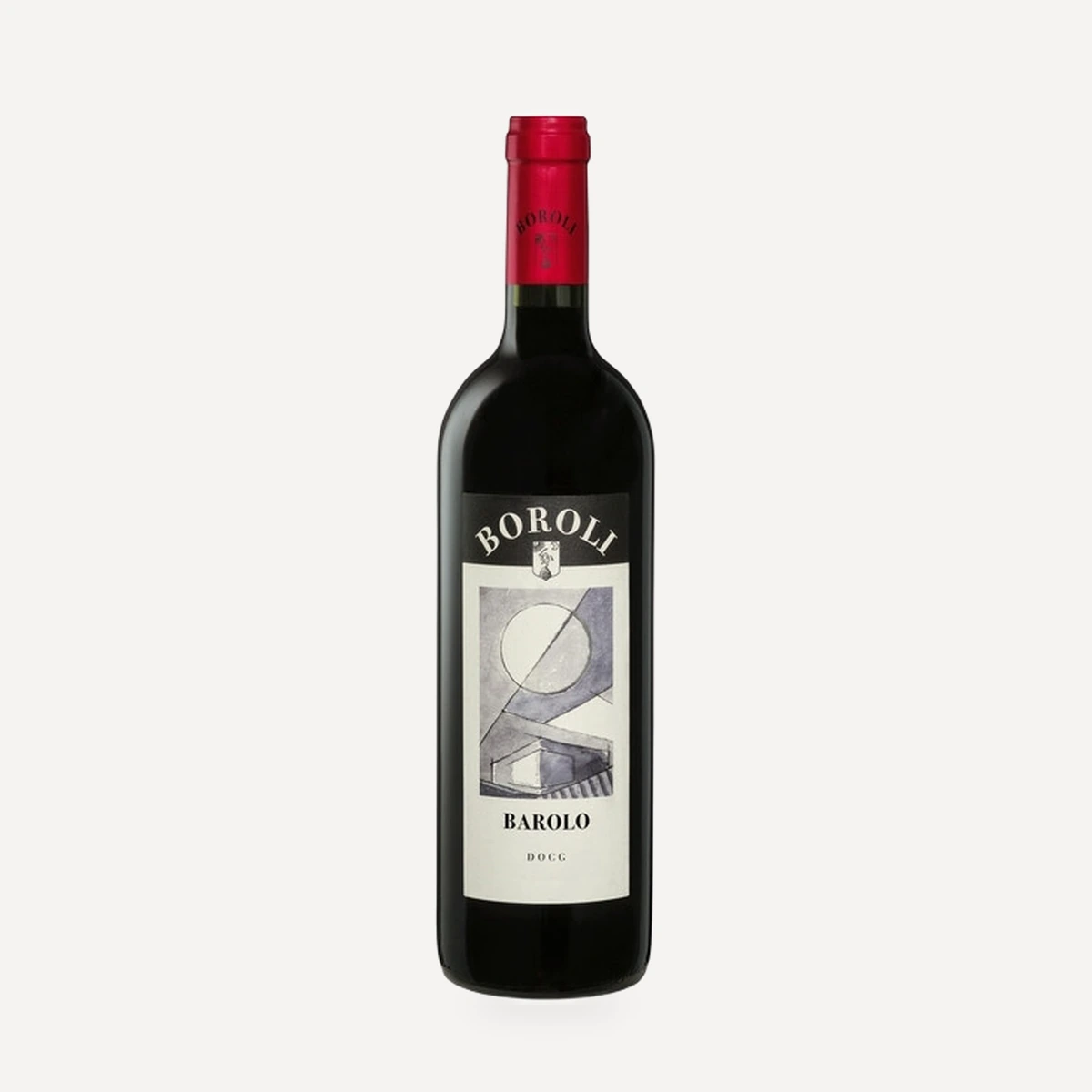
Barolo
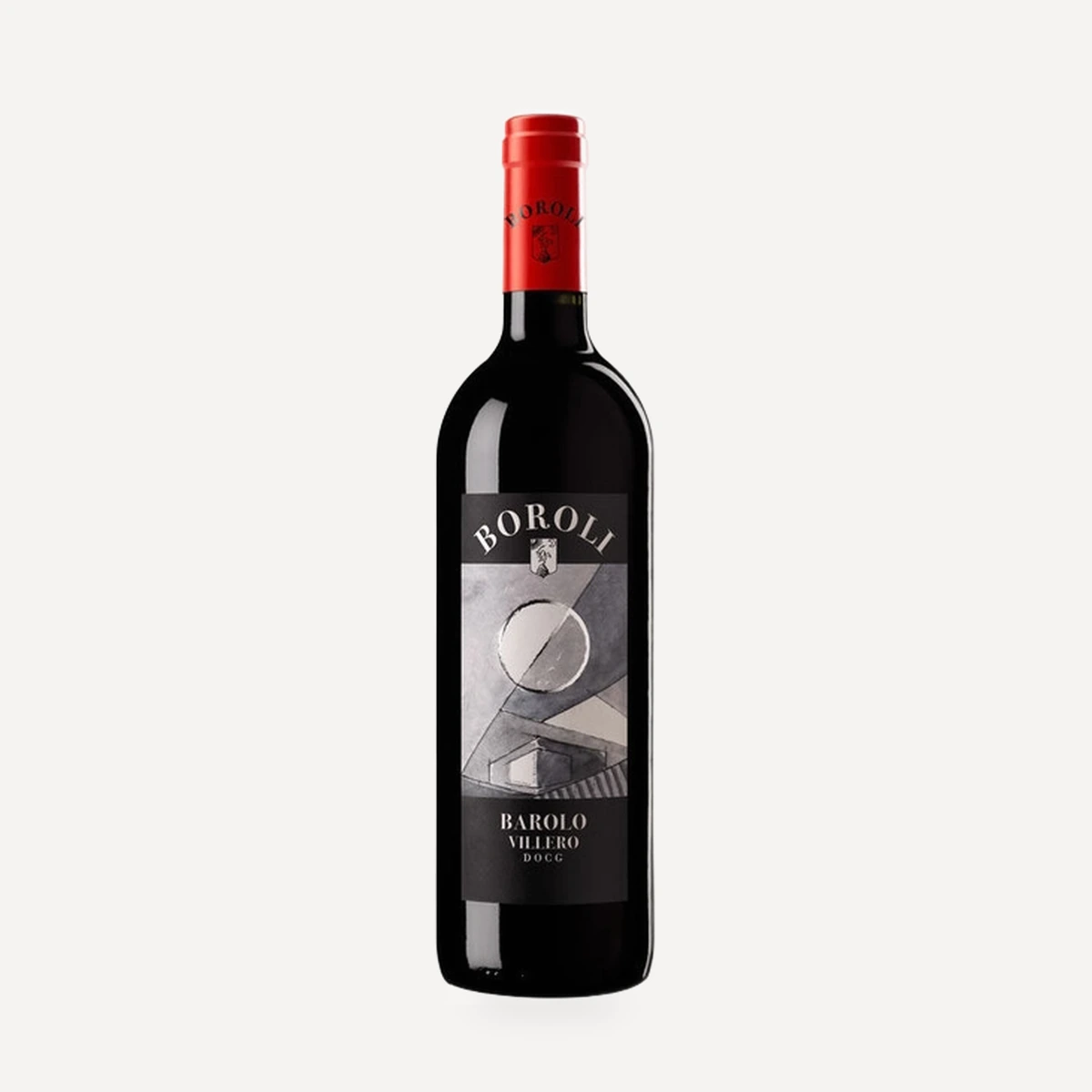
Barolo Villero
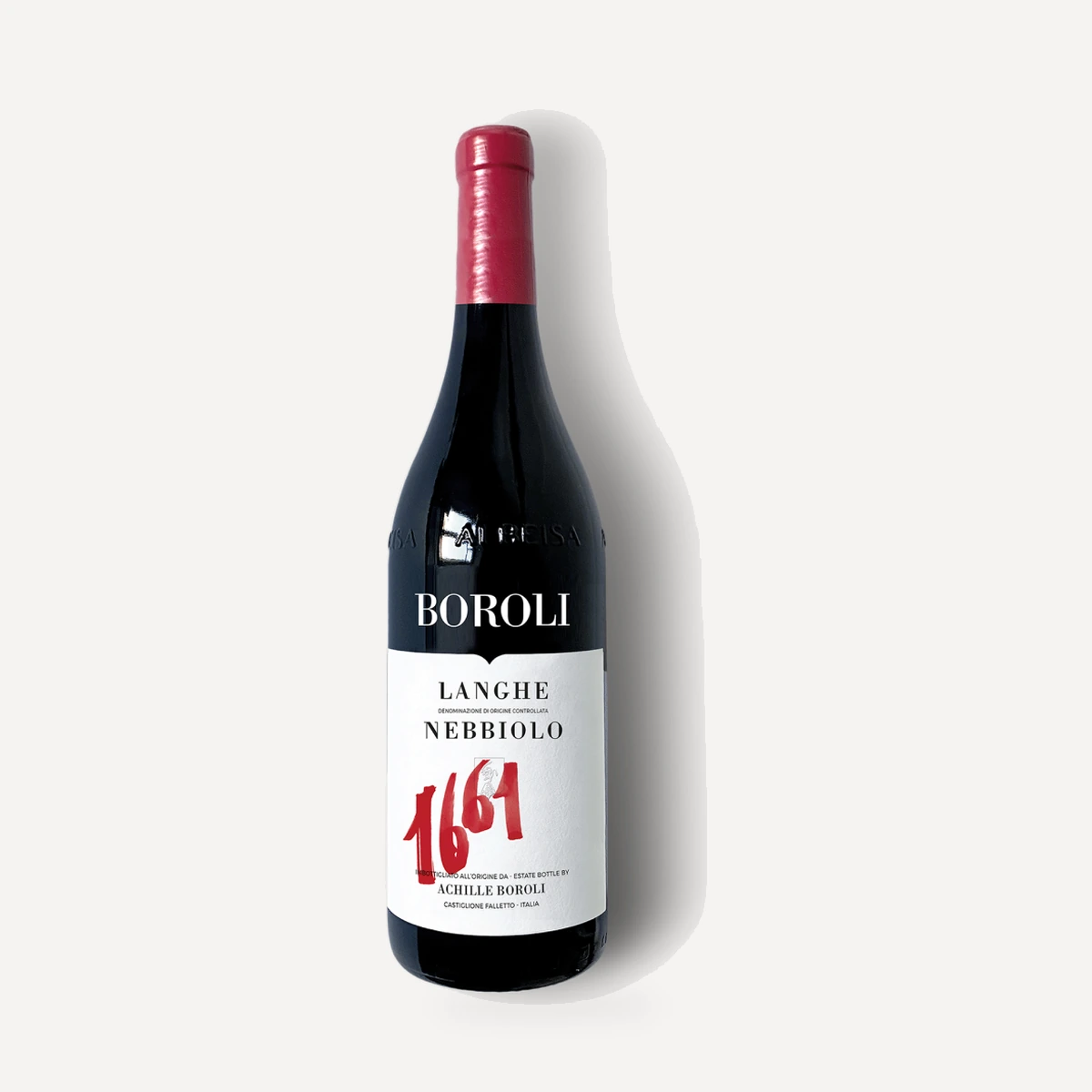
Langhe Nebbiolo 1661

Langhe Chardonnay Bel Amì