History
Family origins and foundation
The family’s agricultural project began with Desiderio Bortolin, Angelo Bortolin’s father. Desiderio—also remembered as Jeio Beo or Jejo Beo—was born in 1905. His son Angelo, born in 1938, continued the work in the vineyards and gave the business its formal identity in 1968. The winery took Angelo’s name, and he is regarded as its founder.
Specialisation in sparkling wine
The wines found an early audience, and the family subsequently invested in production technology. A major modernisation of the equipment in 1983 marked the beginning of the winery’s specialisation in sparkling wine.
In 1993, Angelo began gradually admitting his three children—Cristina, Paola and Desiderio—into the company as partners. This initiated the formal transfer to the next generation while Angelo continued to contribute vineyard knowledge, ideas and practical support.
The winery introduced the Valdobbiadene DOCG Desiderio in 1998 to celebrate its first 30 years. The cuvée was dedicated to Angelo’s father. Before harvest, Angelo and his son Desiderio would inspect the vineyards together and choose the grapes for it.
A renewed focus on Valdobbiadene
Following the major change to the Conegliano Valdobbiadene denomination in 2009, when the word Prosecco ceased to identify the vine and instead came to designate a much larger territory, the family reassessed its direction. It elected to concentrate its sparkling-wine offer exclusively on Valdobbiadene DOCG as an expression of its land, work and culture.
The generational transition was completed in January 2010. Desiderio Bortolin became the majority partner, and the business changed its legal form from an snc to an sas. Angelo remained active while giving the successors broad freedom in decision-making. Desiderio became the principal leader of the winery, supported by Cristina, Paola and technical consultants.
In 2011, the Extra Dry received Vinitaly’s Gran Medaglia d’Oro as the competition’s best Charmat-method sparkling wine.
New winery and vineyard-focused bottlings
In 2013, the family opened a new grape-reception and vinification centre a short distance from the historic winery. The building was equipped with modern technology and designed to reconcile production innovation with the surrounding landscape. Beginning with the 2013 harvest, the winery also produced a Rive di Guia wine exclusively from grapes grown in Guia, strengthening its focus on the steep vineyards associated with the family’s origins.
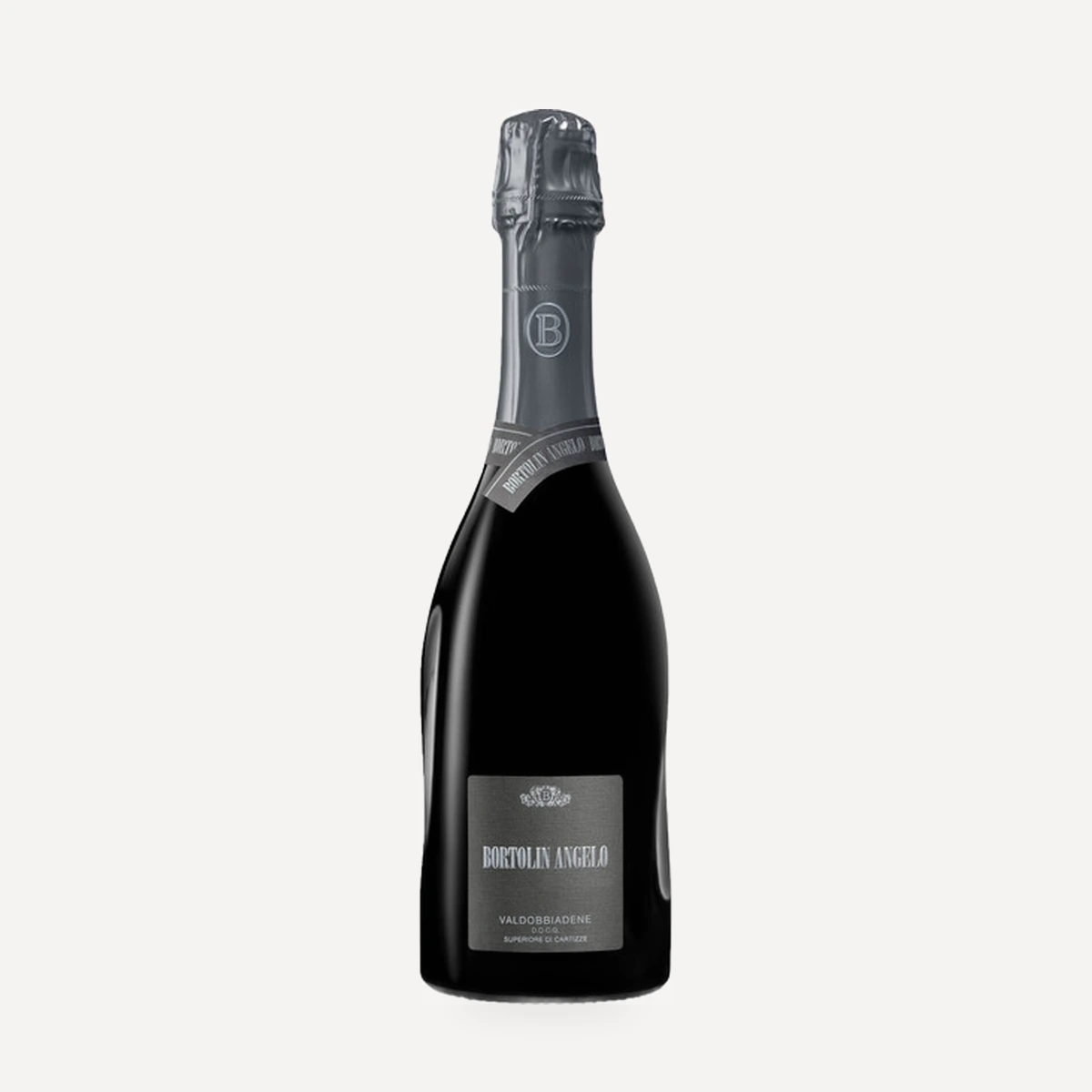
Beginning with the 2014 harvest, the wines were bottled in a proprietary container created specifically for the estate. The idea arose while Angelo and Desiderio were working in the vineyard: Angelo showed his son a large, twisted cane from a particularly productive vine, inspiring a bottle shaped to recall the torsion of a vine shoot. Its labels adopted colours associated with Valdobbiadene’s soils and seasons.
The bottle was presented publicly at Vinitaly 2015. It won the international packaging competition’s Etichetta d’Oro, placing first among sparkling-wine entries at the 22nd Vinitaly International Wine Competition. The design was subsequently patented.
Fifty years and the third generation
In 2018, Angelo’s 80th birthday coincided with the winery’s 50th anniversary. The family marked both occasions by introducing Angelin Beo, named after the local nickname by which Angelo is known. The wine was made solely from Guia grapes as a tribute to his work and to the family’s home village.
From the 2020 harvest, the Desiderio bottling became a Rive di Guia. The vineyard selection that Angelo and Desiderio had traditionally performed across the holdings was restricted to vineyards within Guia, aligning the wine more closely with the village in which the winery is based.
Desiderio now leads the family team with Angelo’s continuing support. The company describes itself as a third-generation, family-run winery dedicated principally to Valdobbiadene DOCG and the steep Rive of Guia.
Terroir
The winery is based among the Rive di Guia, within the hills of Valdobbiadene. The vineyards are repeatedly described as steep or vertical, making vineyard work physically demanding and requiring manual harvesting.
Conditions can change within only a few hundred metres. Individual sites differ in gradient, solar exposure and soil, while vine age and the timing and manner of vineyard work add further variation. The documented vineyards face south and extend from approximately 200 to 400 metres above sea level.
The estate associates different visual and physical traits with its sites. Organic matter and humus inform the imagery used for the Brut label; stones are a defining visual reference for Sommaval; and the grey-blue soil known locally as Salìs is associated with Cartizze. Wild sage grows spontaneously in the historic Sommaval vineyard.
The Rive di Guia selections occupy south-facing vineyards at approximately 300–400 metres. The named Sommaval vineyard lies in Guia, faces south and is identified at 350 metres in the current vineyard description. The broader Brut and Extra Dry source vineyards are recorded at 200–250 metres.
The Superiore di Cartizze source area consists of 107 hectares across the steep, sunny hills of San Pietro di Barbozza, Santo Stefano and Saccol, all within Valdobbiadene. The winery’s Cartizze vineyard data indicate a south-facing site at approximately 250 metres.
Winemaking
Viticulture is conducted on steep, often described as vertical, hillsides. Harvesting is exclusively manual; the principal Glera sites are picked in September, while grapes for Dinastie are picked by hand between September and October.
The documented Glera vineyards use the doppio capovolto training system at approximately 3,000 vines per hectare. Maximum yields vary by source: 135 q/ha for the 200–250 m Brut and Extra Dry vineyards, 130 q/ha for the Guia and Sommaval sites, and 120 q/ha for Cartizze.
Work is adapted to individual plots. Differences in vine age, grower practice and the timing of pruning, cane tying and disbudding contribute to variation between vineyards only a few hundred metres apart.
The family describes its approach as sustainable viticulture supported by intelligent technology and directed toward allowing fruit from the most suitable vineyards to express its origin. It also frames the land as something held in trust for the next generation and emphasises respect for natural rhythms. No named organic, biodynamic or sustainability certification is identified.
Winery infrastructure
A new grape-reception and vinification centre opened in 2013, a short distance from the historic winery. It was built with modern production technology and with attention to its relationship with the surrounding landscape.
Harvest, pressing and clarification
Glera is harvested exclusively by hand on the steep slopes of Valdobbiadene. At the vinification centre, the grapes undergo gentle pressing designed to extract the mosto fiore, the free, high-quality juice from the centre of the berry. The maximum extraction is 70 litres of wine from 100 kg of grapes.
The cloudy must rests cold in stainless-steel tanks at 5–10°C for approximately 10–12 hours. After settling, the clear fraction is separated for fermentation.
Primary fermentation and assemblage
Alcoholic fermentation is initiated with added natural ferments and lasts approximately 15–20 days in stainless-steel tanks maintained at 18–20°C, producing the base wine.
Base wines remain separated by vineyard origin, harvest timing and organoleptic profile. They are tasted before the cuvées are assembled.
Second fermentation
Sparkling production follows the Italian or Charmat method, termed the Metodo Conegliano Valdobbiadene by the estate. The assembled wine enters pressure-resistant autoclaves with sugar and yeast for the second fermentation. The process is intended to retain the grape’s original aromas. The Cartizze technical data specify 30–40 days on the lees in autoclave.
After sparkling fermentation, the wine is bottled. It is considered ready for release after approximately 30–40 days in bottle.
Traceability
Each proprietary bottle carries a back-label QR code linked to a lot-specific identity record. This provides the harvest start, second-fermentation start, bottling date, number and formats of bottles produced, organoleptic data and the relevant suitability certificate issued by VALORITALIA.
Philosophy
The family’s stated mission is to communicate its identity through Valdobbiadene. It presents wine as the culmination of daily work by the land’s inhabitants—not merely as a drink, but as an expression of culture, place and landscape.
Its guiding phrase, “Our heritage is humanity,” expresses loyalty to family, the winery team, vineyard workers and the wider Valdobbiadene community. The philosophy emphasises the manual labour, sacrifice and accumulated culture of people accustomed to working the steep hills in sun and rain.
The family regards the land as borrowed from its children rather than inherited without obligation. This idea underpins its commitment to natural rhythms, sustainable viticulture and responsibility toward future generations.
The post-2009 decision to offer only Valdobbiadene DOCG sparkling wines was framed as a defence of origin, work and local culture. Desiderio connects this policy with respect for consumers, wine enthusiasts, the family’s ancient Rive and the people who cultivate them.
Technology is accepted when it supports the expression of suitable vineyards. The new vinification centre and lot-specific digital traceability reflect this combination of technical investment and transparency. At the same time, vineyard differences—slope, exposure, soil, vine age and human practice—are treated as elements to preserve rather than erase.
Tasting is understood as an act of involvement and memory. Guests are introduced to the vineyards and their stories before the wines, so that sensory experience is linked to place, people and personal recollection.
Wines
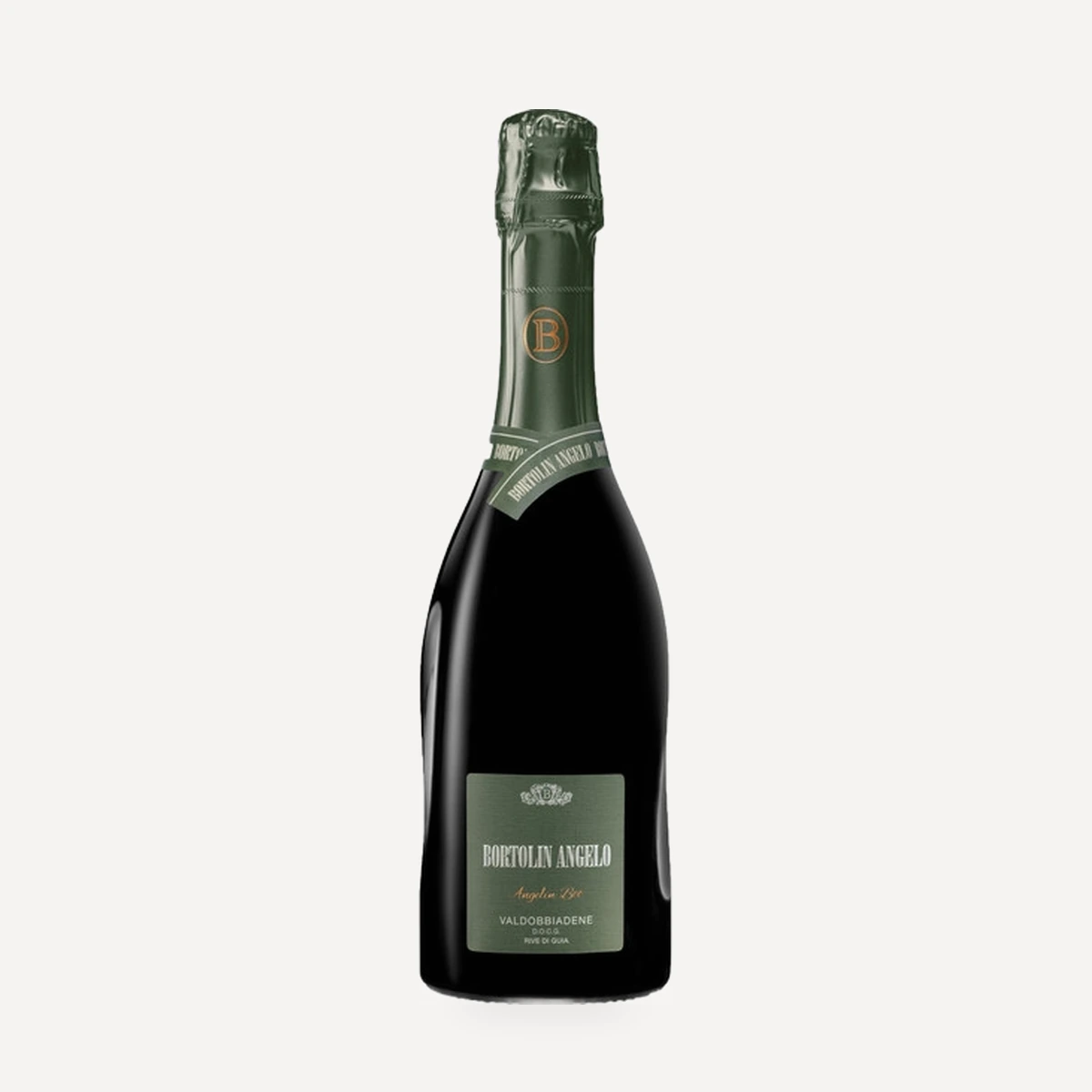
Valdobbiadene Rive di Guia Angelin Beo Extra Brut DOCG
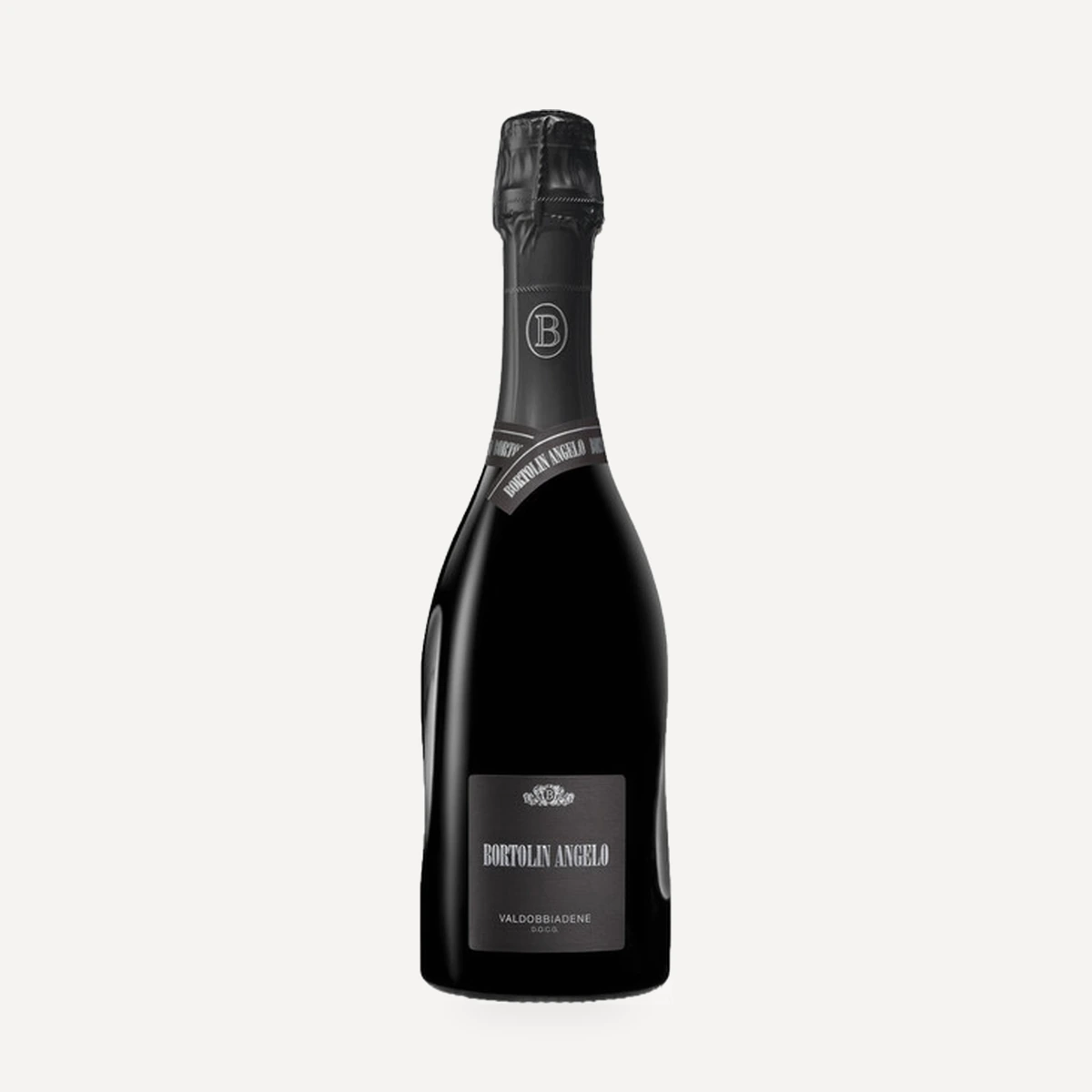
Valdobbiadene Brut DOCG
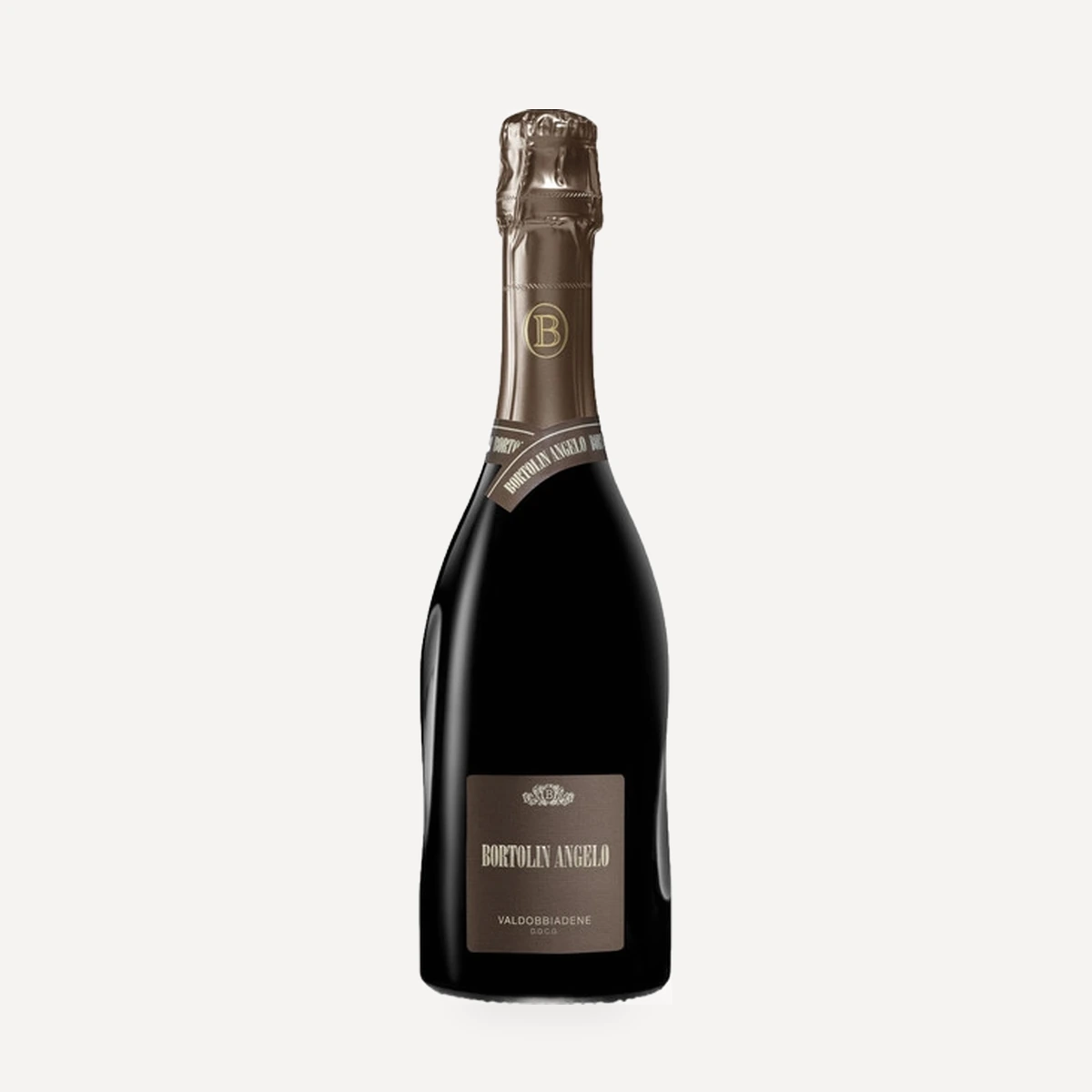
Valdobbiadene Extra Dry DOCG