History
Family origins
The Braida story is rooted in Rocchetta Tanaro and in the Bologna family. Giuseppe Bologna worked as a carter, owned four draught horses, two hayfields and a Barbera vineyard, and was also a skilled player of the local game known as balon or pallone elastico. Villagers nicknamed him “Braida” because he resembled a well-known horse trader and champion player. The nickname, the attachment to horses and the first Barbera vineyard later passed to his son Giacomo.
Giuseppe’s wife, Caterina Quaglia, was known within the family for her cooking. Their first son, Giacomo, was born in 1938 and Carlo followed in 1942. On 3 February 1953, the family opened the Bar degli Amici in Rocchetta Tanaro. Only a few weeks later, Giuseppe died after falling from his cart while returning from a wine delivery.
In April 1958, the Bar degli Amici became Trattoria Braida. Caterina continued to cook, assisted by Luigina Schialva, who had acquired extensive culinary experience in aristocratic households. Giacomo and Carlo looked after an increasingly varied dining-room clientele of sportspeople, artists and intellectuals.
1961–1969: the winery takes shape
The winery was established in 1961, the year of the first harvest of La Monella. Its earliest grapes came from Caterina’s vineyard, and the name recalled the family practice of marking the most exuberant barrel of Barbera with the words “La Monella” in chalk. Giacomo decided to bottle the lively Barbera del Monferrato. In 1962, the family’s house wine, previously served in unlabelled bottles, appeared with a label as Barbera di Rocchetta Tanaro cru La Monella 1961.
Braida’s Barbera was soon joined by Grignolino, Moscato d’Asti and Brachetto d’Acqui. Production of Brachetto began in 1967. Giacomo studied, travelled and exchanged ideas with other producers while developing the spacious, well-ventilated cellar he envisioned in Rocchetta Tanaro. He also traded important Italian and foreign labels and occasionally helped introduce emerging producers, exposing the family to a broad range of wines and steadily raising its quality ambitions.
In 1969, Giacomo entered La Monella in the Douja d’Or National Wine Competition in Asti and won a gold medal. The award provided free participation in the wine fairs of Genoa, Turin and Milan, where he discussed Barbera with other winemakers. During the 1960s and 1970s, the family’s early fair stand was built entirely from wine bottles.
1982–1989: the Barbera revolution
At the beginning of 1982, an exceptional vintage gave Giacomo Bologna the opportunity to test an unconventional combination: Barbera from a selected cru, deliberately low yields and maturation in French oak barriques. The result was the first vintage of Bricco dell’Uccellone. Californian oenologist André Tchelistcheff visited Italy and endorsed the wine after its time in barrique. The project established cru selection, yield restriction and small French oak barrels as central instruments in Giacomo’s effort to demonstrate Barbera’s stature.
During the early 1980s, Giacomo Bologna and Anna Martinengo worked with Giacomo Bersanetti and Chiara Veronelli on Braida’s image and label style. The resulting visual identity remained substantially unchanged for more than forty years.
Bricco della Bigotta followed in 1985. Both names preserve Rocchetta stories: “Uccellone” referred to a black-clad woman living on the vineyard hill whose profile recalled a bird’s beak, while “Bigotta” referred to a pious neighbour of another Barbera vineyard.
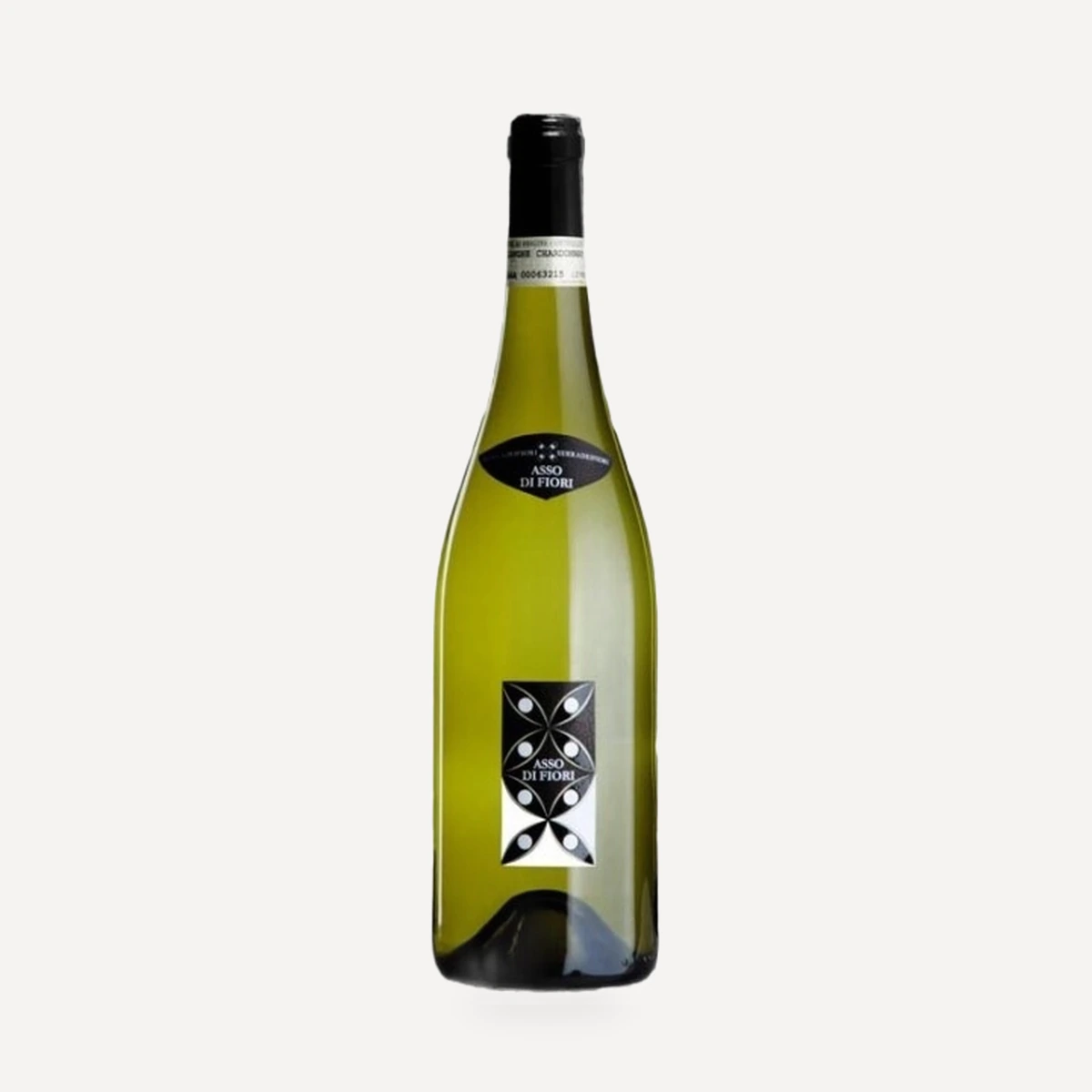
In 1988, the family acquired the Serra dei Fiori estate at Trezzo Tinella and began managing it with the brothers Renzo and Valerio Giacosa. Roberto Macaluso, professor of viticulture and oenology and an advocate for native grapes, assisted with the planting of white varieties, including Nascetta. This launched Braida’s white-wine project in the Langa.
The 1989 harvest produced another decisive experiment. Against the advice of others, including his oenologist, Giacomo left the finest Barbera bunches on the vines until mid-October to achieve overripeness. The late harvest took place on the morning of 16 October. That evening he crushed the grapes with visiting Georgian friends Tiberi Dvalishvili, Simon Makaroblinshvili, Cucuri Coroglishvili, Givi Gvarashvili and George Zicitishvili. After six months in French oak, Giacomo tasted the wine and exclaimed “Ai Suma”—“We did it,” an expression he used when a wine had reached the desired maturity. Ai Suma has subsequently been made only in selected vintages.
1990–2001: succession and expansion
At the end of the 1980s, Giacomo purchased a plot at Mango in the Langhe to make Moscato from an estate vineyard rather than continuing to rely solely on growers in Canelli. The family hoped to acquire the entire named vineyard, but its division among numerous owners made that impossible. Their parcel was therefore called Vigna Senza Nome, “the vineyard without a name,” and produced its first harvest in 1990.
Giacomo died in December 1990, leaving the estate to his wife Anna and their young children Raffaella and Giuseppe. The siblings, both trained as oenologists, continued his work. Raffaella developed the commercial side of the winery, drawing on Anna’s experience, while Giuseppe concentrated on viticulture and production. From 1990 onward, he expanded vineyard ownership, especially in important Barbera d’Asti crus, while consolidating and refining production.
Giuseppe created Il Bacialè, first harvested in 1994, by bringing Barbera together with Merlot, Pinot Nero, Cabernet Sauvignon and Cabernet Franc. The first harvest of Braida’s white wines in the Langa followed in 1995. A new cellar was completed at the historic Via Roma 94 property in 1996.
Giacomo had long wished to reunite the fragmented vineyard holdings of Montebruna. At the end of the 1990s, Giuseppe resumed negotiations with the many landholders. The process required seven years and 35 legal deeds, ultimately securing the majority of the hillside. The reconstructed Montebruna estate reached 40 hectares, 20 of them planted with Barbera. Its first Braida harvest took place in 2001.
2008–2020: new projects and refined identities
In 2008, master distiller Gianfranco Berta proposed using the pomace of Bricco dell’Uccellone for an aged grappa. The distillate is matured for three years in barriques previously used for the wine, and each bottle carries its harvest year.
Limonte Grignolino debuted in 2014. The vineyard had been planted in Rocchetta Tanaro in 2010 on clay-, silt- and sand-rich soils.
The 2016 vintage introduced Cabernet Franc into the evolving Il Bacialè blend. By 2020, the project had been comprehensively revised: production was halved, Pinot Nero was removed, Cabernet Sauvignon and Cabernet Franc were increased, and the proportions of Barbera and Merlot were retained. The varieties continued to be vinified separately, while maturation was extended to three years—one in barrique, one in large oak and one in bottle.
The first Curej harvest took place in 2019 from Barbera planted around the San Bernardo property on the Asinara hill. The wine’s name preserves the nickname of families that had long inhabited and cared for that part of Rocchetta Tanaro, where viticulture was already practised by monks in the eighteenth century. The inaugural 2019 vintage yielded 8,000 bottles.
2021–2025: sustainability, hospitality and the fourth generation
Braida celebrated its sixtieth harvest in 2021. That year the restored San Bernardo farmhouse opened as the Braida Wine Resort, and an oak woodland was planted below the Montebruna vineyard. The woodland consists of 146 Quercus sessilis trees originating in the French département of Allier.
Also in 2021, the family acquired a previously abandoned, historically planted slope on the Asinara hill. Two hectares of Barbera were replanted there, using several clones and deep-rooting rootstocks selected for the loose, sandy soil mixed with red clay. The vineyard’s fruit was intended to join Curej production after three years.
The fortieth harvest of Bricco dell’Uccellone was celebrated in 2022. Braida also obtained SQNPI integrated-production certification from that year, with the wine-supply-chain sustainability certificates first issued on 21 November 2022.
In 2023, Braida introduced Timorasso, its first still white wine outside the Serra dei Fiori range. In 2024, the Ministry of Enterprise and Made in Italy recognized Braida as a Marchio Storico di Interesse Nazionale and entered the name in the Register of Historical Brands of National Interest. The year marked the estate’s sixty-third harvest.
Limonte GB debuted in 2025 through the simultaneous release of its first three vintages: 2016, 2017 and 2018. By this period, the fourth Bologna generation had entered the family business, represented by Giacomo Bologna Jr., alongside third-generation owners Raffaella and Giuseppe.
Terroir
Braida’s properties extend between Monferrato Astigiano and the Langhe, with vineyards in Rocchetta Tanaro, Castelnuovo Calcea, Costigliole d’Asti, Mango and Trezzo Tinella.
Rocchetta Tanaro
Rocchetta Tanaro is the historic centre of the estate. Braida’s vineyards begin around 160 metres above sea level, while the surrounding wine-growing hills reach approximately 250–450 metres. The climate is continental, with hot summers, moderately warm spring and autumn conditions and cold winters; recorded seasonal extremes range from approximately −10°C to 35°C. Exposure is decisive, and the local word bricco describes a sunny, well-sloped hill particularly suited to vines.
The main Rocchetta soils have a medium texture, with sand and clay in roughly equal proportions, producing a more intense aromatic and flavour spectrum than looser soils. Other holdings contain substantial silt, particularly the Limonte site. The Asinara ridge benefits from constant ventilation; its altitude and surrounding woods provide a cooling influence that favours healthy fruit and moderates potential alcohol. The replanted Asinara slope has loose, light soil dominated by sand mixed with red clay and faces east, south-east and south.
Montebruna
Montebruna lies at approximately 250 metres with a south to south-east exposure. Its soils combine locally named sabbie astiane, clay, marl and coarse detrital material known as fossaniano. The estate covers 40 hectares, including 20 hectares of Barbera. Soil composition was studied parcel by parcel so that rootstocks and plant material could be matched to different textures.
Castelnuovo Calcea and Costigliole d’Asti
Castelnuovo Calcea begins at approximately 230 metres. Its loose, light calcareous sands warm rapidly, including at depth, allowing roots to become active early in the season. Bricco della Bigotta comes from an estate Barbera vineyard in this commune.
Costigliole d’Asti begins at approximately 240 metres. Its clay-limestone soils and favourable hillside exposure contribute body and aromatic intensity.
Mango
The Mango holding begins at approximately 500 metres. Predominantly sandy-calcareous soil provides effective drainage and supports balanced vine vigour without excessive vegetative or crop growth. The family’s Moscato parcel is known as Vigna Senza Nome.
Trezzo Tinella and Serra dei Fiori
Trezzo Tinella begins at approximately 450 metres. The soils are loose and rich in sand mixed with calcareous marl. Predominantly southern exposure, the natural amphitheatre form of the hill, elevation and marked temperature variation produce slow, late ripening. The resulting conditions underpin the depth and elegance sought in the Serra dei Fiori whites.
Winemaking
Braida follows integrated production under the SQNPI framework. Certification dates from 2022, and the wine-supply-chain sustainability certificates SFV-26686 and SFV-26687 were first issued on 21 November 2022.
Permanent or managed grassing is maintained between vine rows. Green manure incorporates legumes, crucifers and grasses into the earth to sustain fertility, improve soil structure and resist erosion. Organic matter is used as fertiliser, and buried stalks return additional material to the soil. Vine shoots are used for new plant material and organic matter.
Sulphur and copper are used against vine diseases. Vineyard work is performed by hand or with tracked machinery where appropriate to reduce greenhouse-gas emissions. The estate also practises “dendrosurgery,” an old curative pruning technique intended to preserve vine health.
At Montebruna, soil textures were analysed before rootstocks and plant material were matched to individual conditions. Dense planting was adopted to obtain smaller bunches and complete ripening. At the replanted Asinara site, several Barbera clones and deep-rooting rootstocks were chosen for sandy soil mixed with red clay.
The estate protects and expands non-vine biodiversity. In 2021, 146 sessile oaks from Allier were planted below the Montebruna vineyard. The new Asinara vineyard lies beside woods and near the 120-hectare Rocchetta Tanaro Natural Park. Its historically cultivated hillside was restored after earlier vines had been uprooted.
A reservoir has been planned in the Montebruna woodland for future drip irrigation. At the Wine Resort, collected rainwater is reused for irrigation.
Braida works from two cellars in Rocchetta Tanaro: the historic winery at Via Roma 94, including the barrique cellar, and a second facility on the provincial road toward Nizza Monferrato. The historic site remains the setting for maturation of the estate’s principal Barbera reserves. Modern vinification and bottling technologies are employed alongside the estate’s established use of steel tanks, large oak casks, barriques, concrete and bottle maturation, according to the requirements of each project.
Giacomo Bologna’s defining technical change began with the 1982 vintage: fruit from selected crus, deliberately reduced yields and maturation in French oak barriques. This combination became the foundation of the estate’s structured Barbera programme. The reserve wines are produced only in vintages considered suitable.
Red-wine work includes temperature-controlled skin maceration. Depending on the project, maceration lasts from approximately 15 to 20 days. Some lots ferment in stainless steel before transfer to large oak; the more structured Barberas mature in barriques or oak casks and receive extended bottle ageing. For Il Bacialè, varieties are hand harvested in order of ripeness, selected again by trained personnel, destemmed and softly pressed. Fermentation takes place separately in steel, with pump-overs roughly every eight hours and two délestages during the first 15 days. Transfer to barriques supports colour stabilization and malolactic fermentation. The components spend 12 months in barrique and 12 months in large casks before blending, followed by at least 12 months in bottle.
White-wine pathways vary. Whole clusters may be gently pressed, followed by clarification and controlled-temperature fermentation. Timorasso ferments for 16 days and matures for 12 months in a tulip-shaped concrete vessel on fine lees, with monthly bâtonnage until bottling. Serra dei Fiori whites may ferment and mature entirely in steel or, for selected late-harvest Chardonnay, ferment and mature in oak.
The winery produces vegetarian- and vegan-suitable wines under self-certification. Milk- and egg-derived products are not used for clarification or filtration, and no substances of direct or indirect animal origin are employed. Sulphur dioxide, naturally also produced during fermentation, is the additive identified by the estate. Screw caps are used for some wines as an alternative to natural cork.
Liquid is racked several times during vinification to remove deposits. Residual solids are transferred to authorized processors for alcohol used in perfume and cosmetic production. Seeds and skins go to distillation for grappa and other uses before remaining material is converted into fuel. Used barriques are repurposed as furniture, planters, animal shelters and decorative objects. Corks, bottles and cardboard are separated for recycling.
The second cellar uses photovoltaic power, with expansion designed to reach 150,000 watts of independently generated clean energy. Wells collect and permit reuse of wastewater, and environmentally and socially responsible packaging and cellar suppliers are prioritized.
Philosophy
Braida’s identity joins continuity with experimentation. The family’s central ambition has been to demonstrate the stature and diversity of Barbera—from lively, youthful expressions to cru wines capable of long maturation—without abandoning Grignolino, Moscato, Brachetto and other varieties tied to its Piedmontese holdings.
Giacomo Bologna pursued this goal through travel, comparative tasting, dialogue with other producers and a willingness to test methods that were unconventional for Barbera. His successors retained this innovative impulse while expanding vineyards, developing the white-wine project in the Langa and refining each vineyard’s individual identity.
Raffaella and Giuseppe frame the estate as a shared family inheritance rather than a static monument. Their work combines production rigour, imagination, respect for tradition, biodiversity and responsibility toward Rocchetta Tanaro. The hills are treated as the family’s home and as a place they hope the next generation will continue to inhabit.
Sustainability extends beyond the vineyard to the cellars, offices, logistics and hospitality. The aim is to preserve the local environment through integrated farming, soil fertility, biodiversity, renewable energy, water reuse, recycling and careful supplier selection. Hospitality, friendship, food, music and wine remain interlocking parts of the Bologna family culture.
Wines
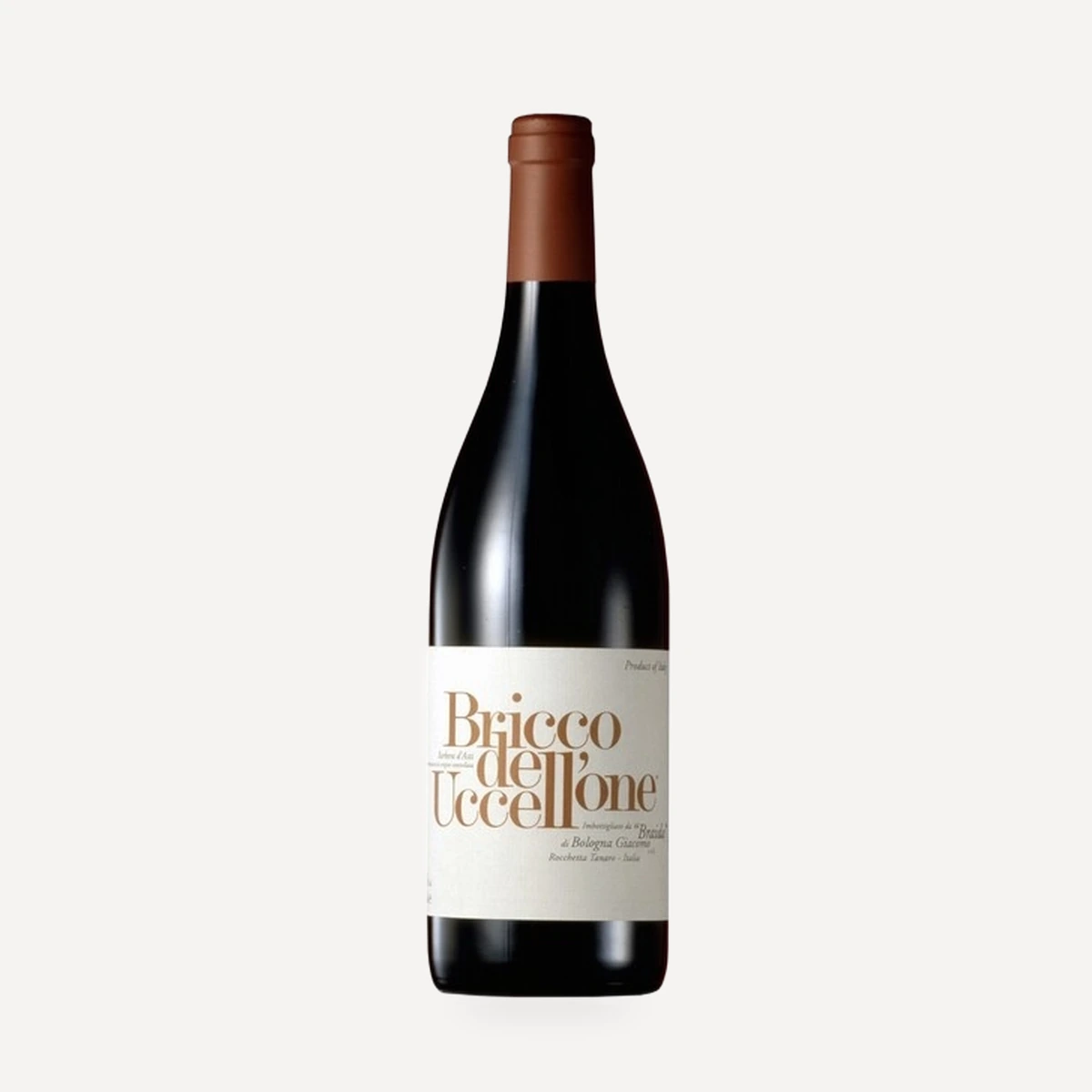
Bricco dell’Uccellone Barbera d’Asti DOCG
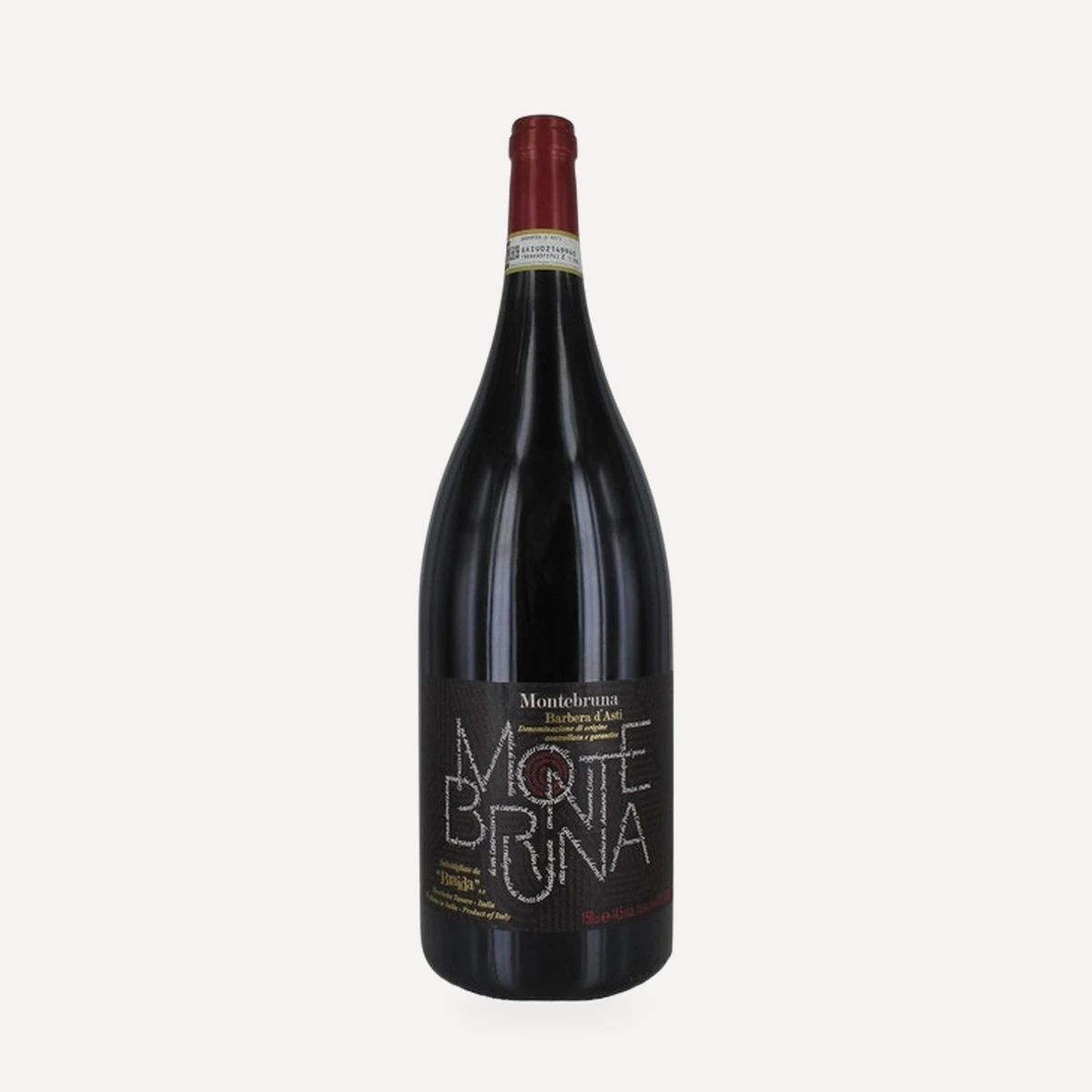
Montebruna Barbera d’Asti DOCG
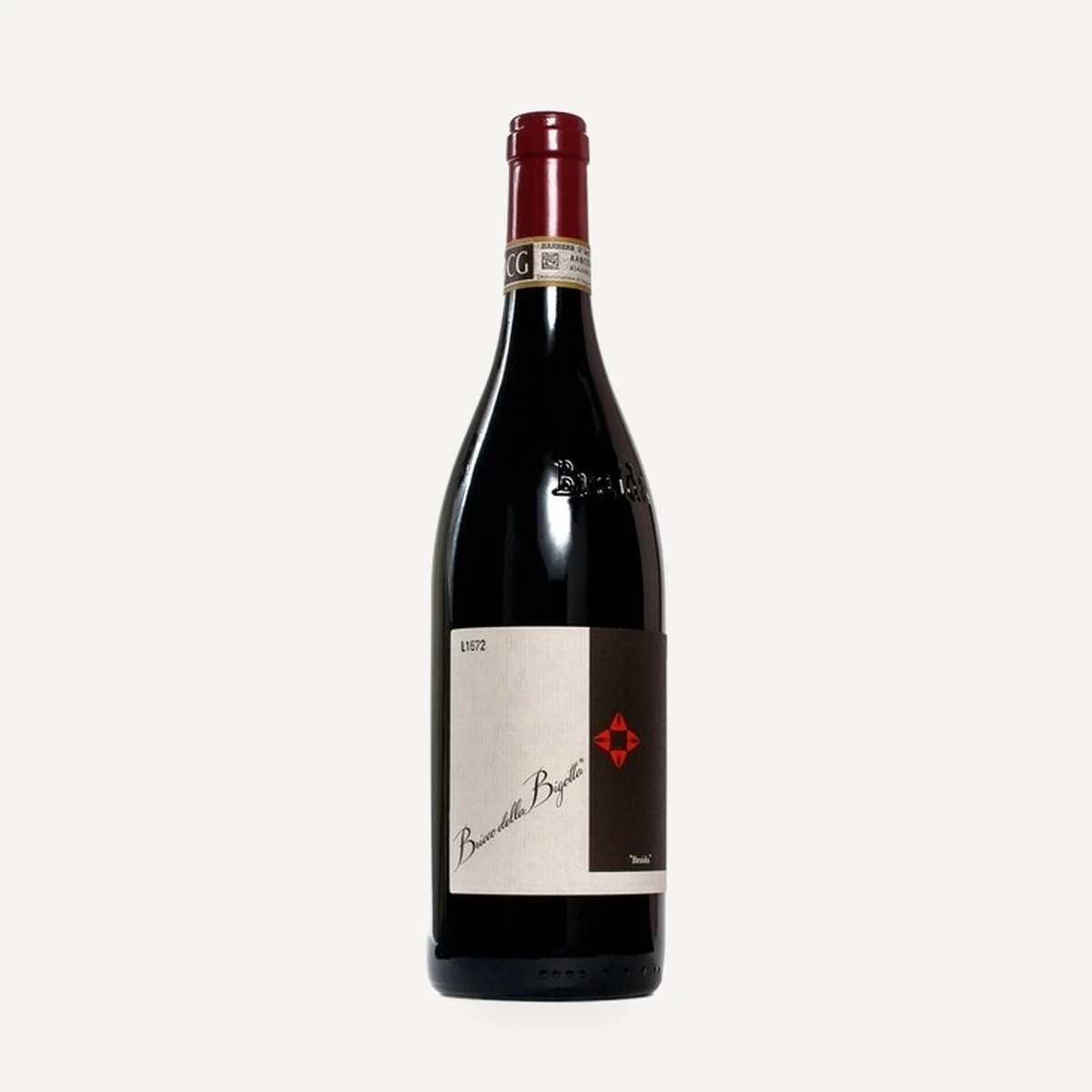
Bricco della Bigotta Barbera d’Asti DOCG
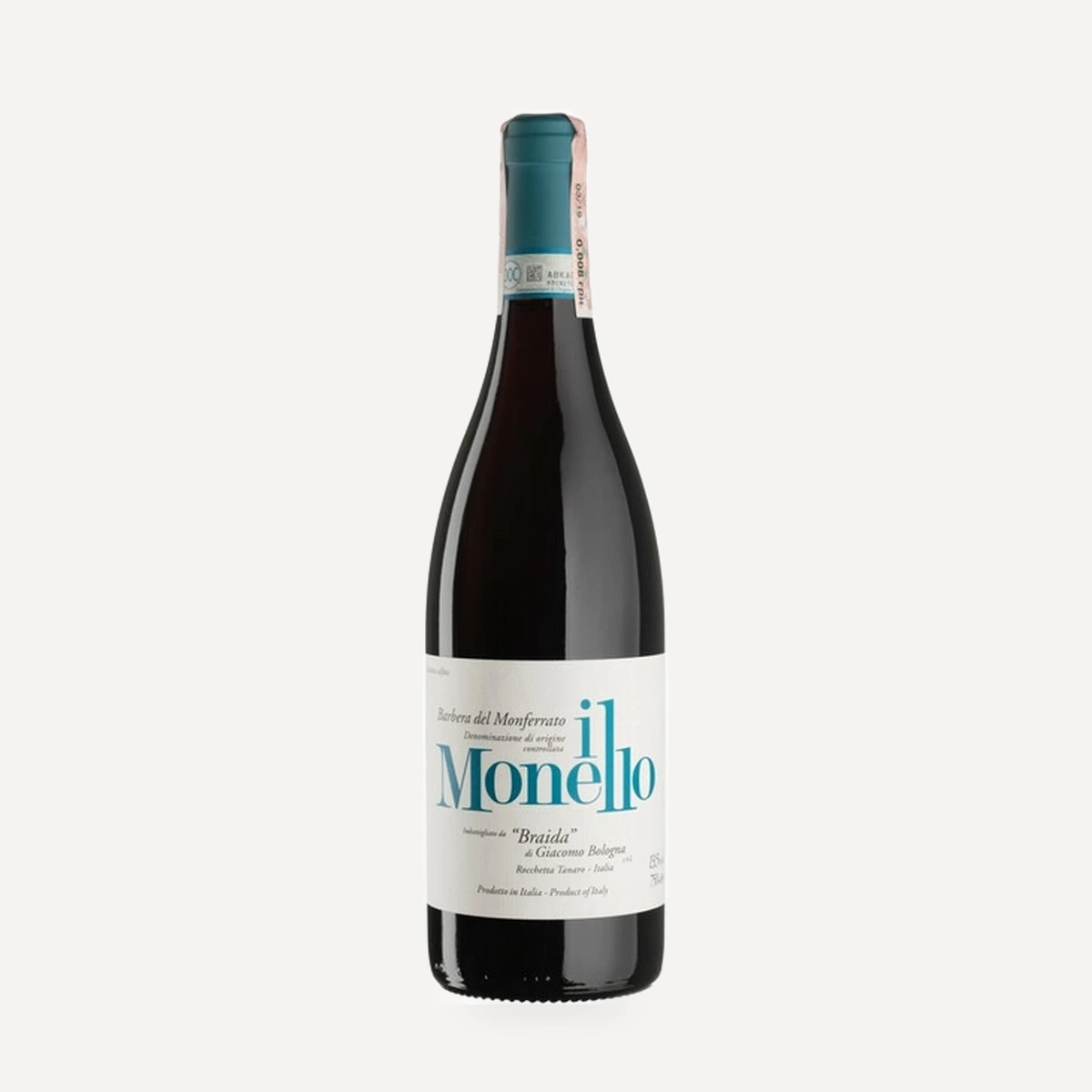
La Monella Barbera del Monferrato Frizzante DOC
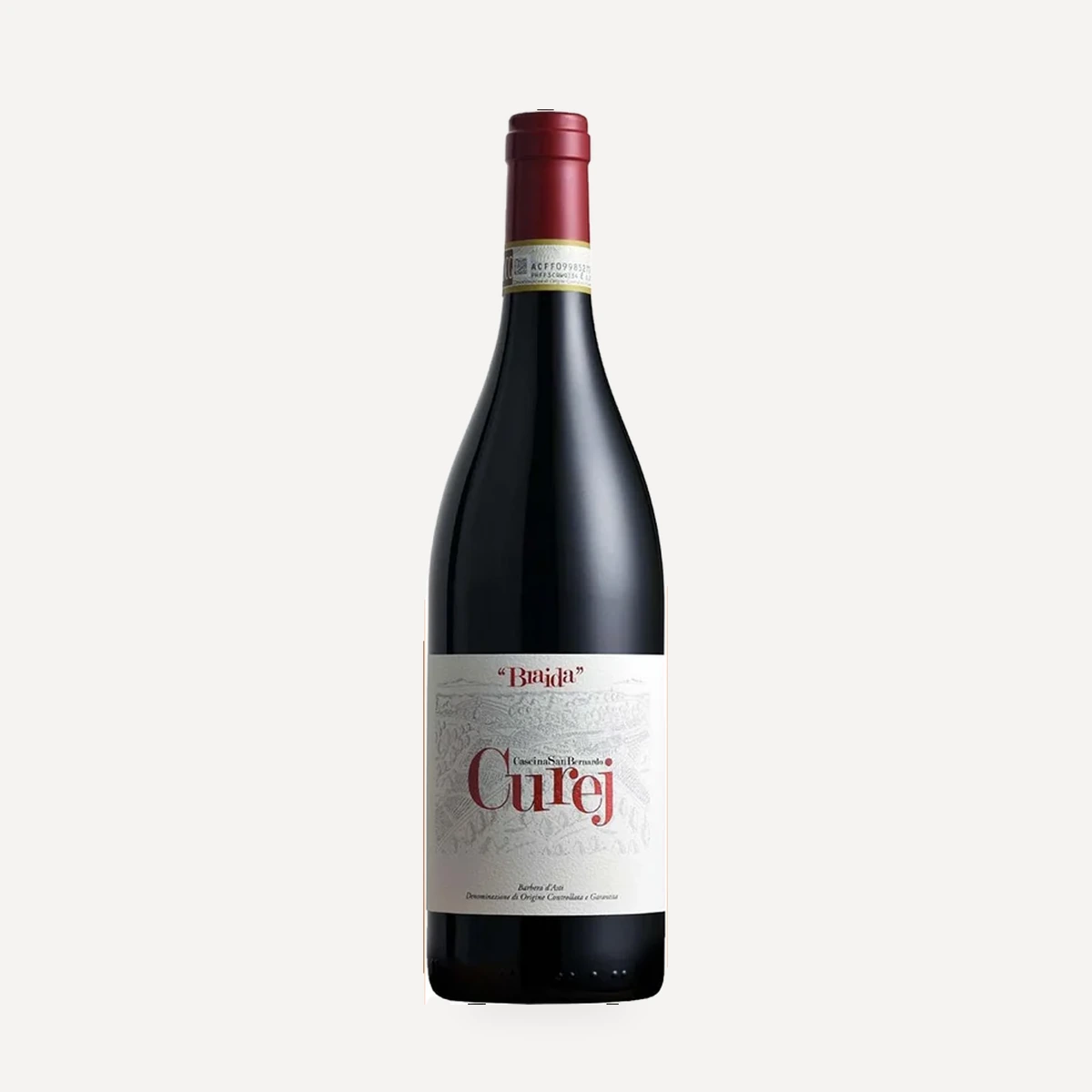
Curej Barbera d’Asti DOCG
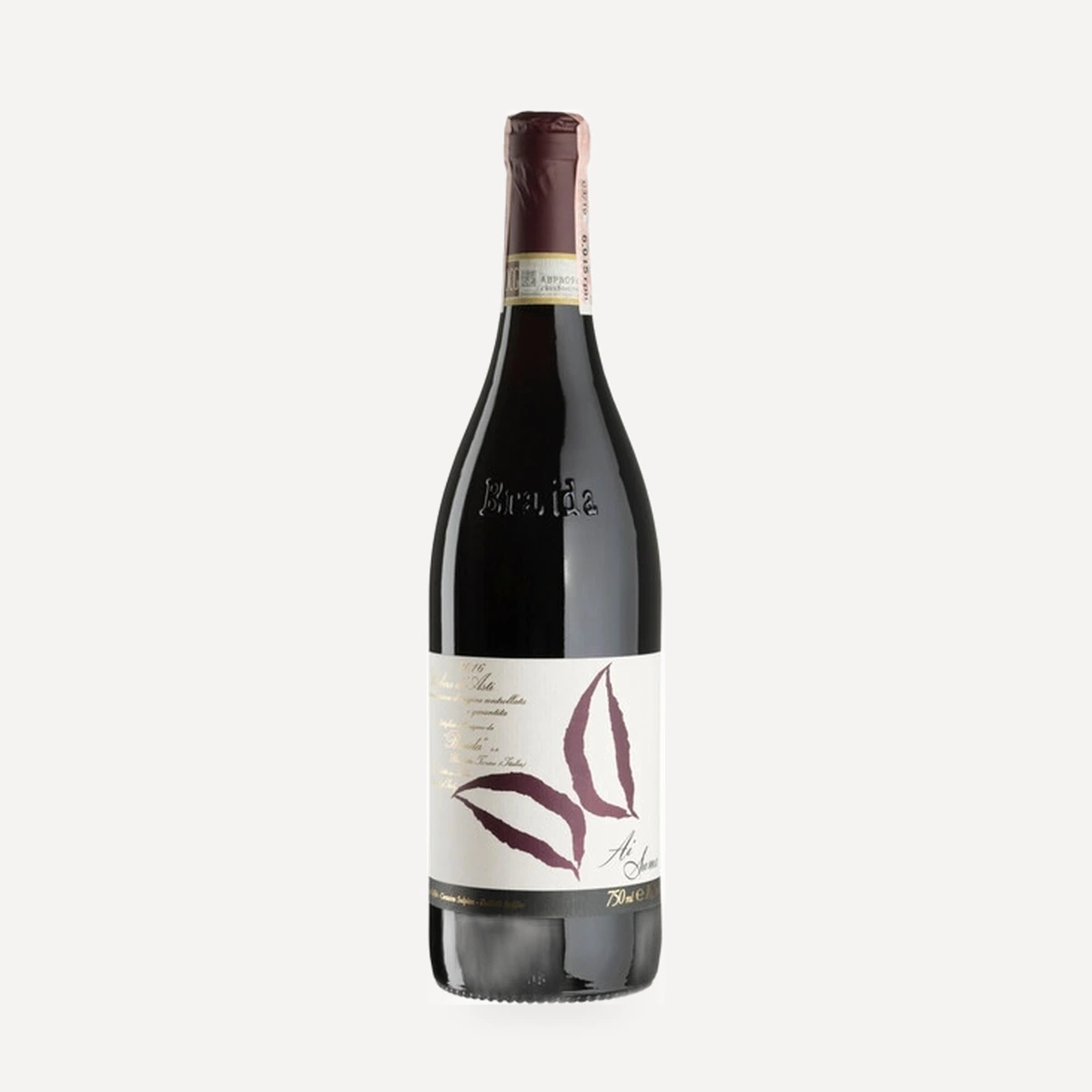
Ai Suma Barbera d’Asti DOCG
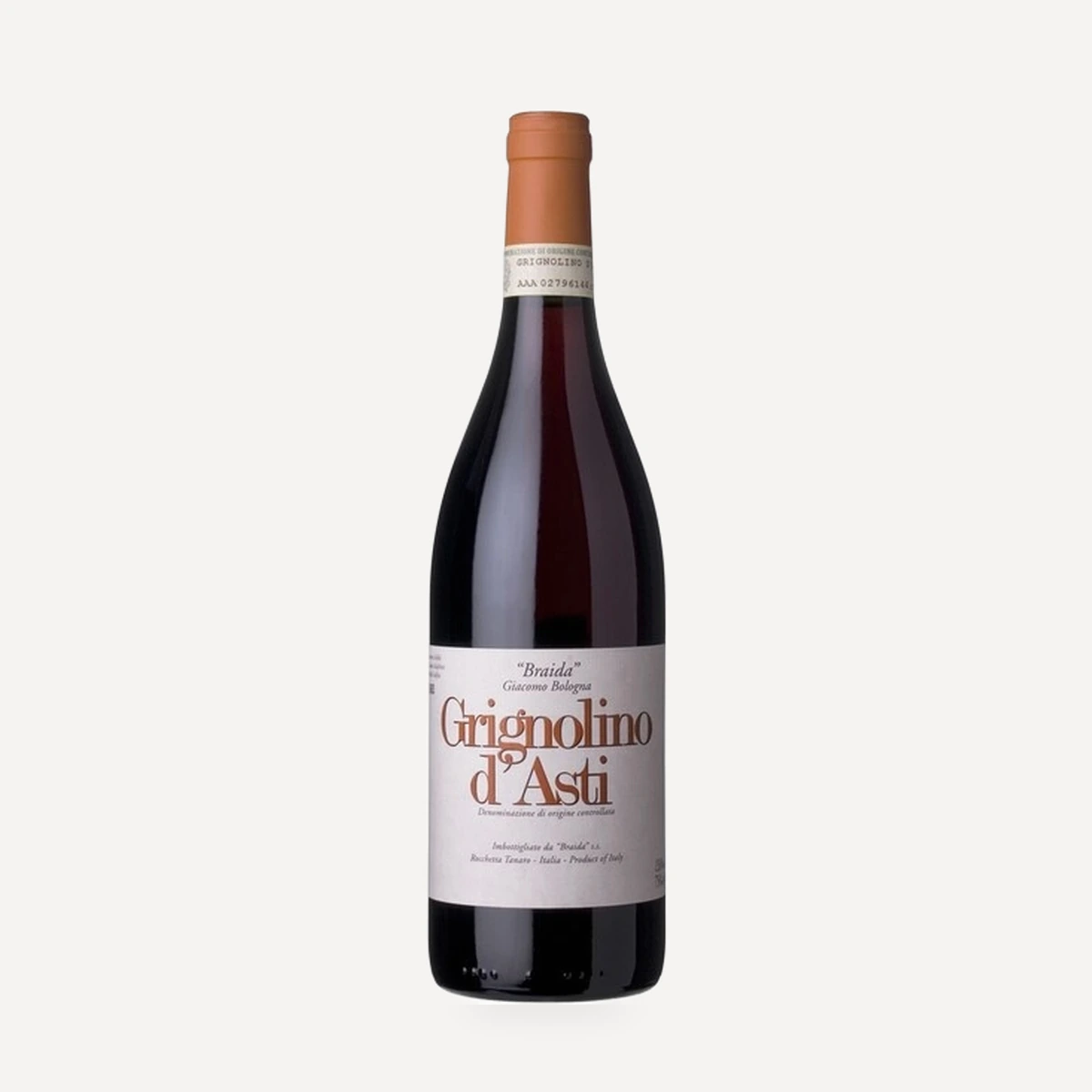
Limonte Grignolino d’Asti DOC
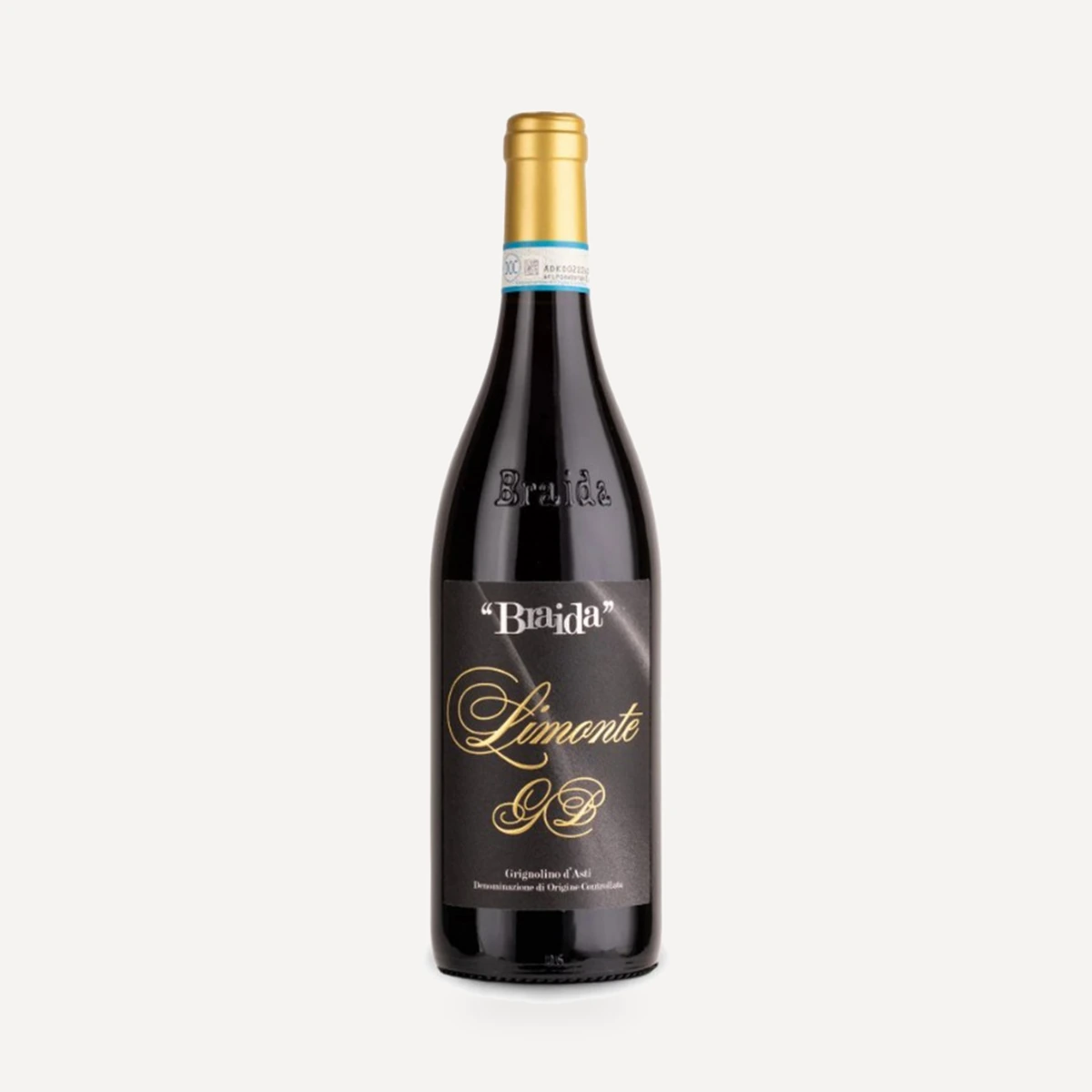
Limonte GB Grignolino d’Asti DOC
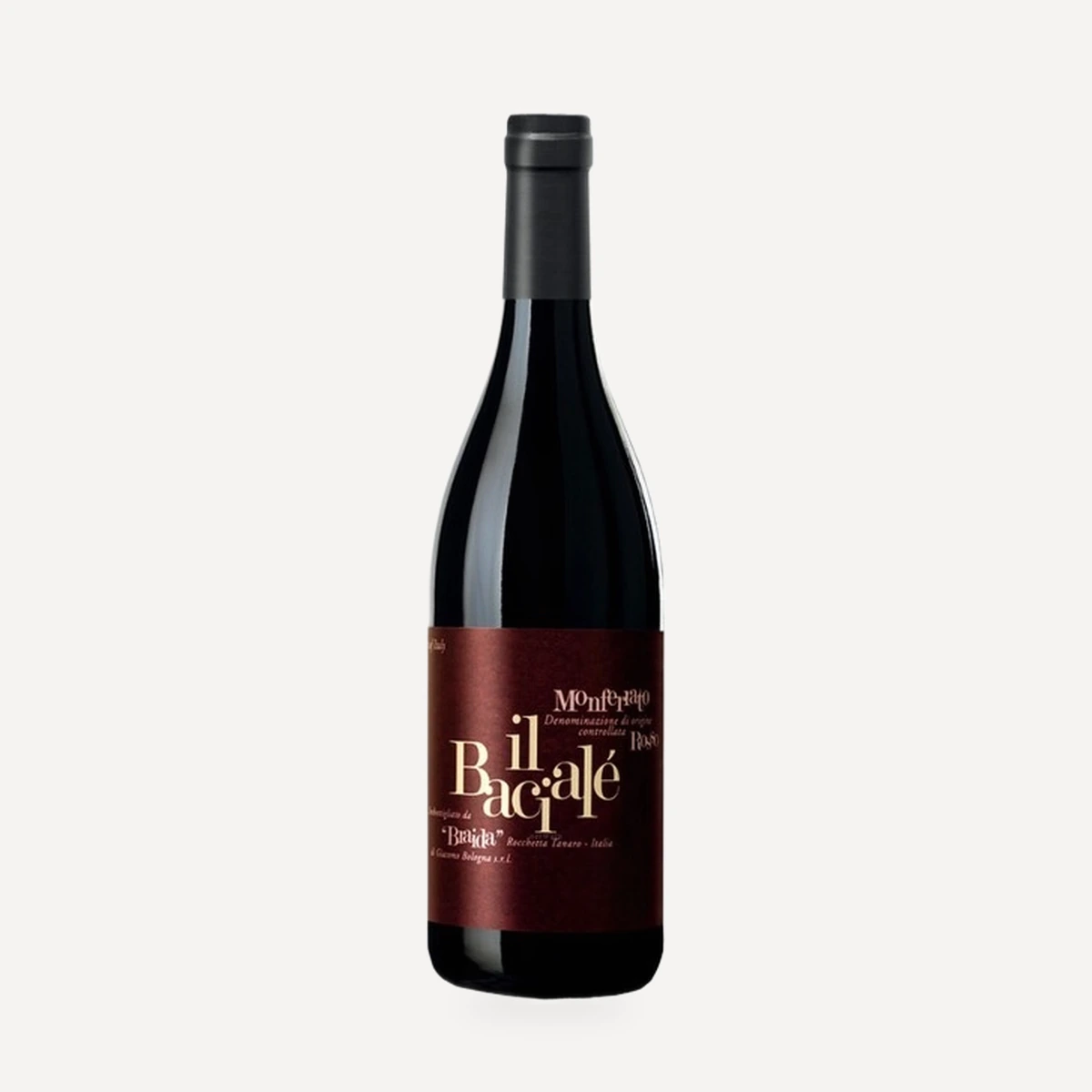
Il Bacialé Monferrato Rosso DOC
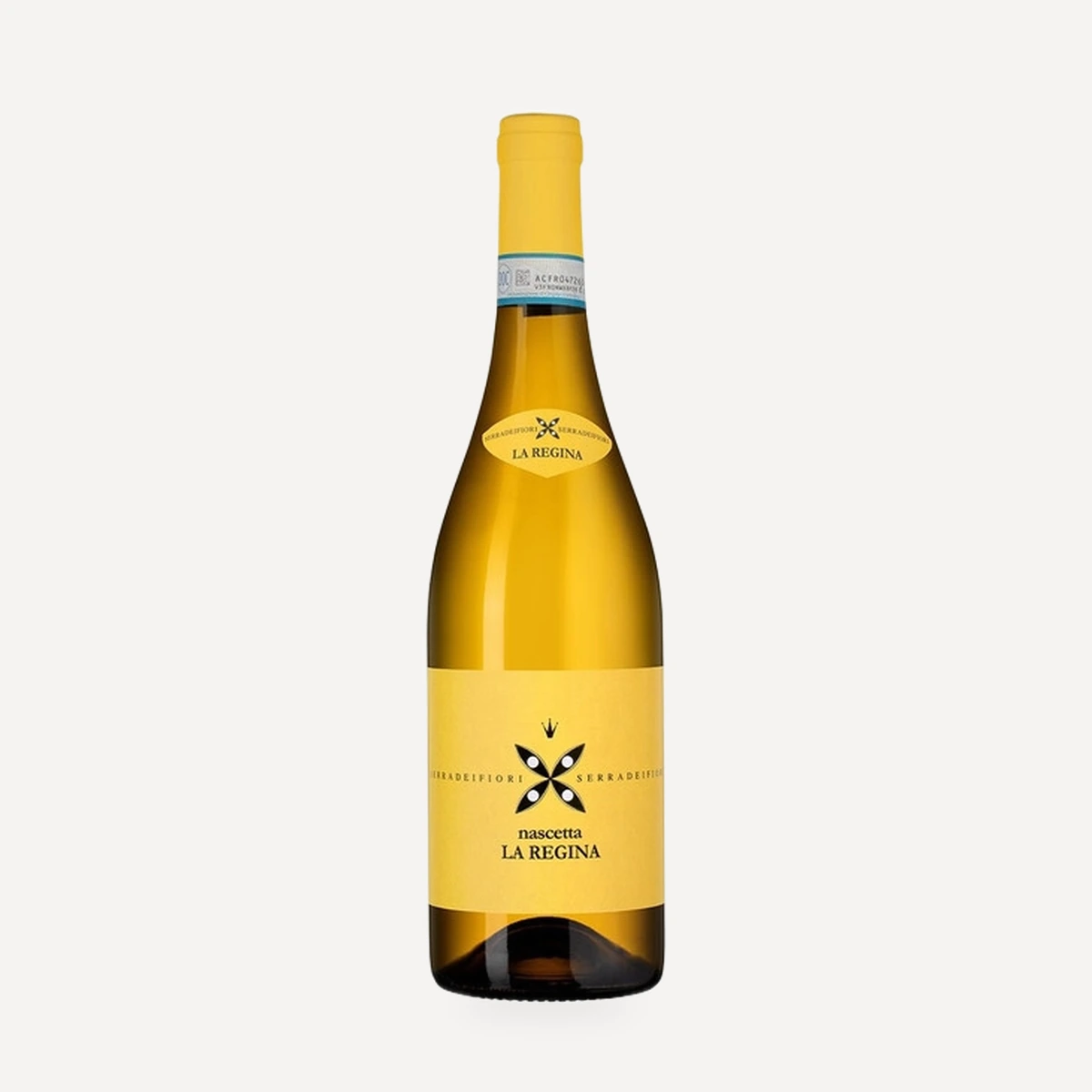
La Regina Langhe Nascetta DOC
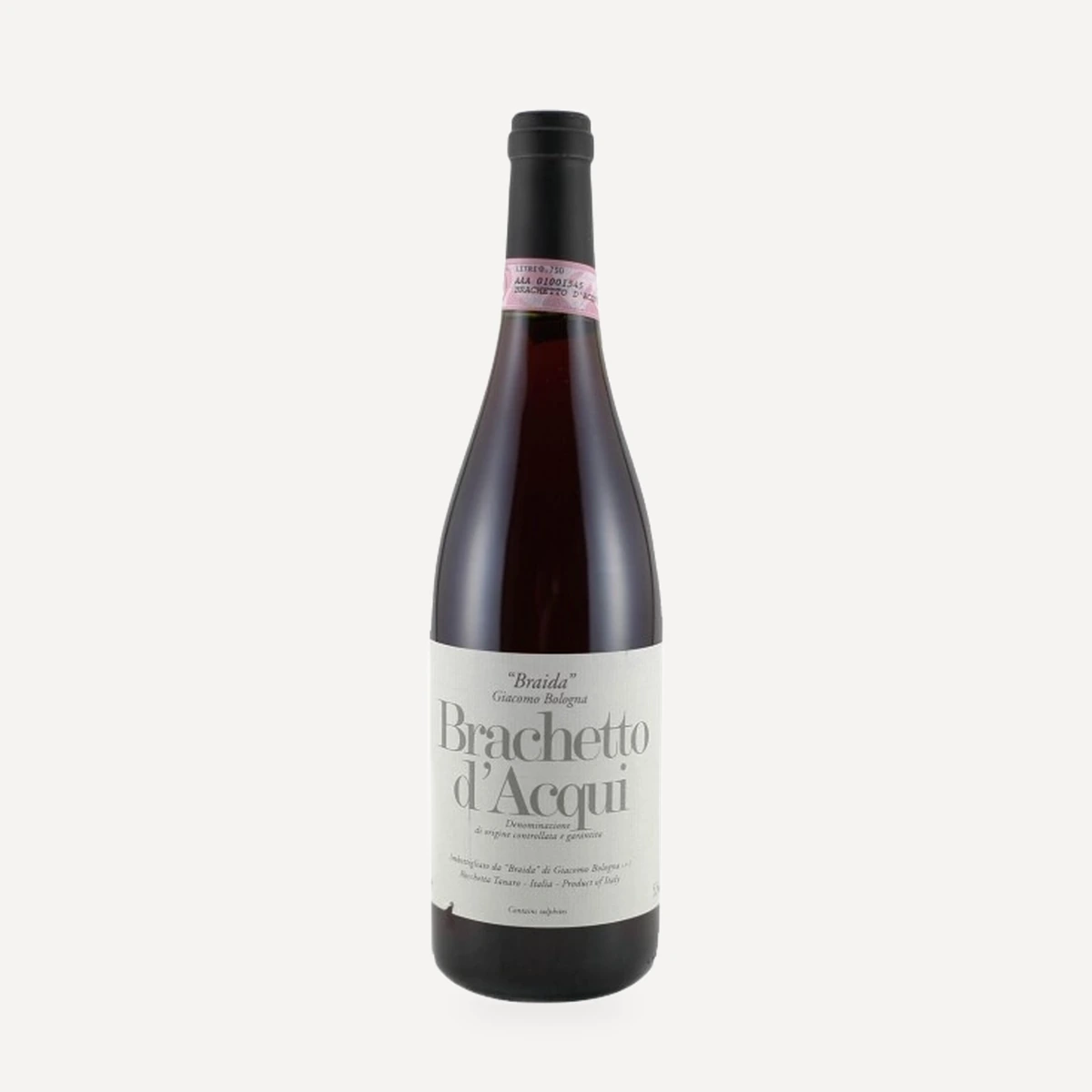
Brachetto d’Acqui Brachetto d’Acqui DOCG
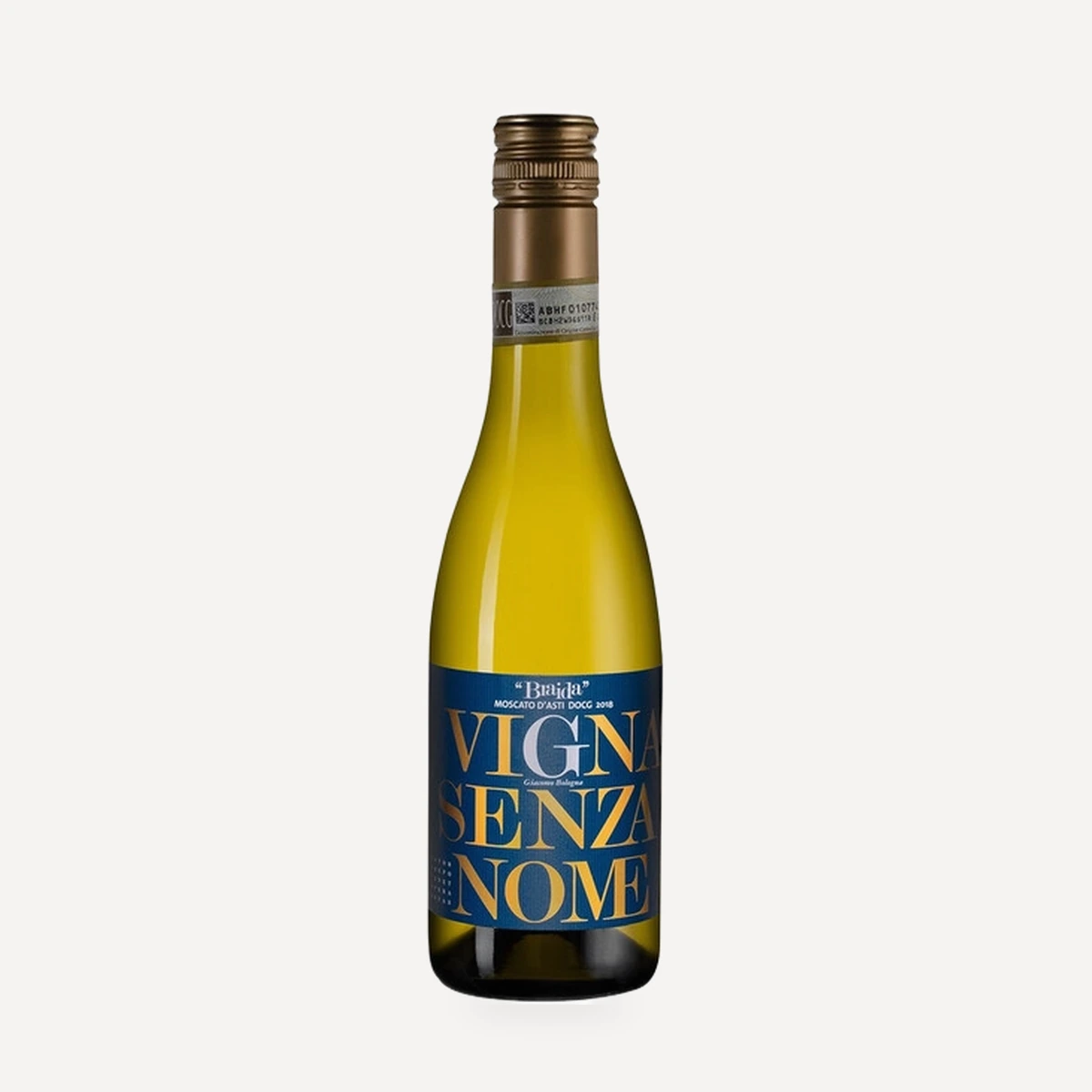
Vigna Senza Nome Moscato d’Asti DOCG
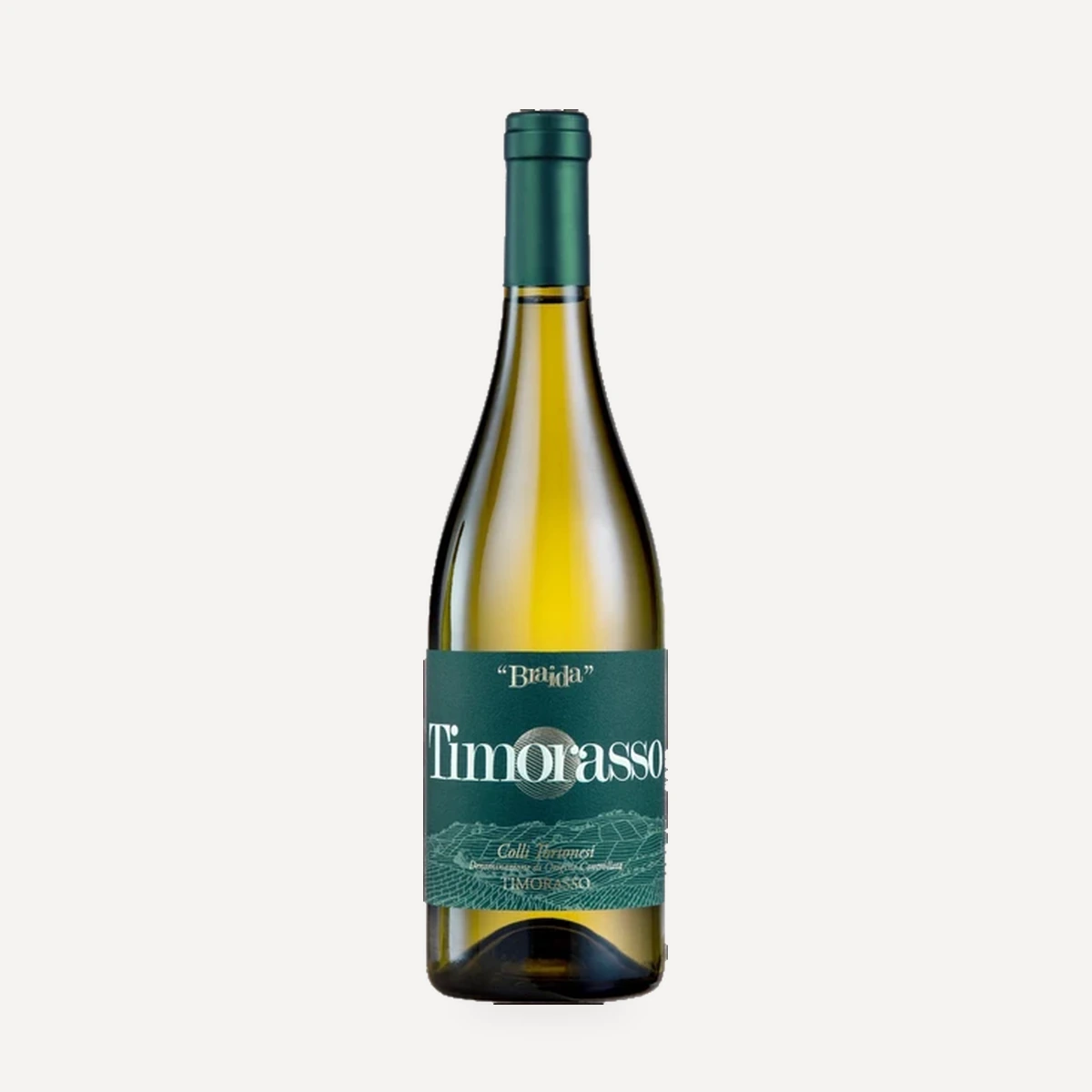
Timorasso Colli Tortonesi Timorasso DOC
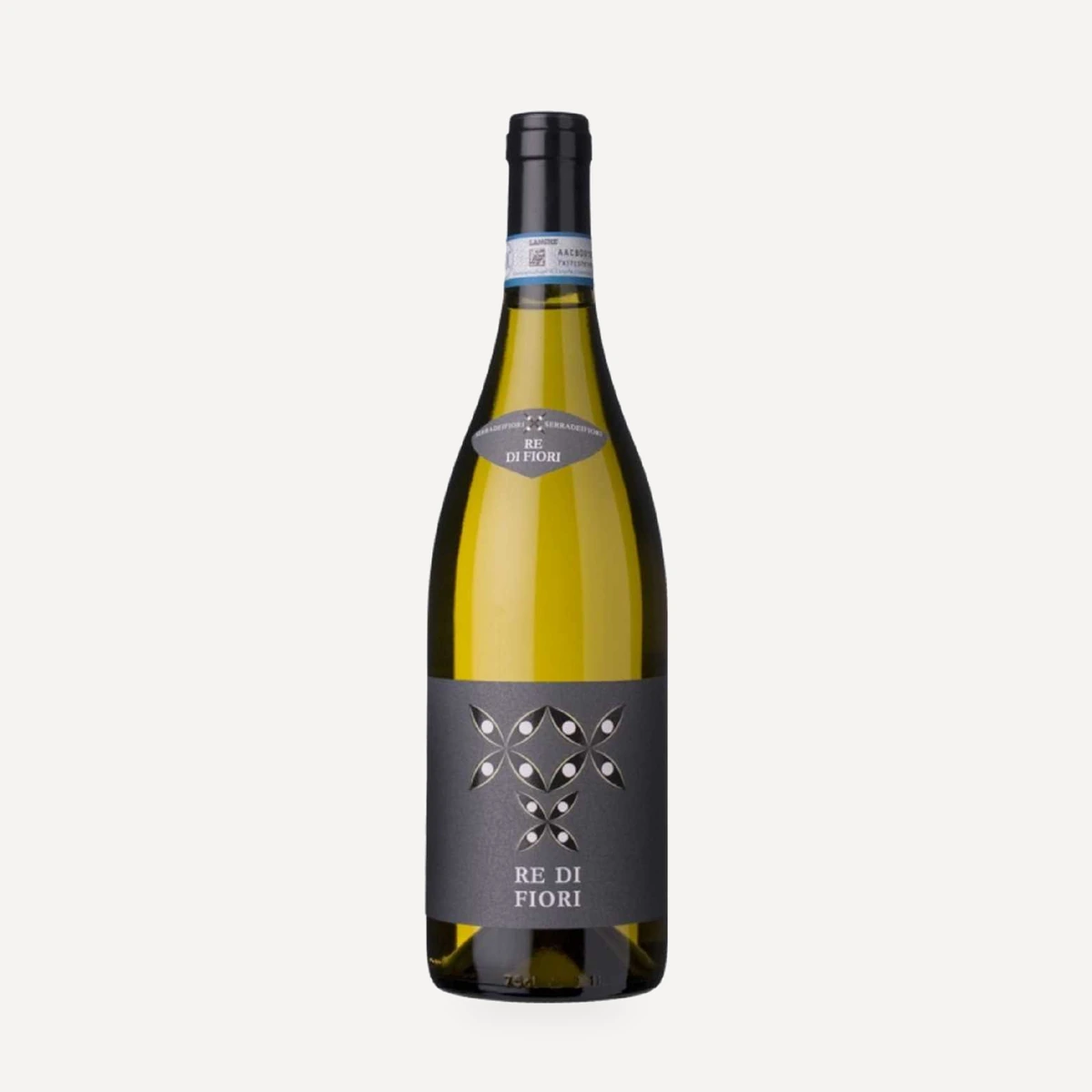
Re di Fiori Langhe Riesling DOC
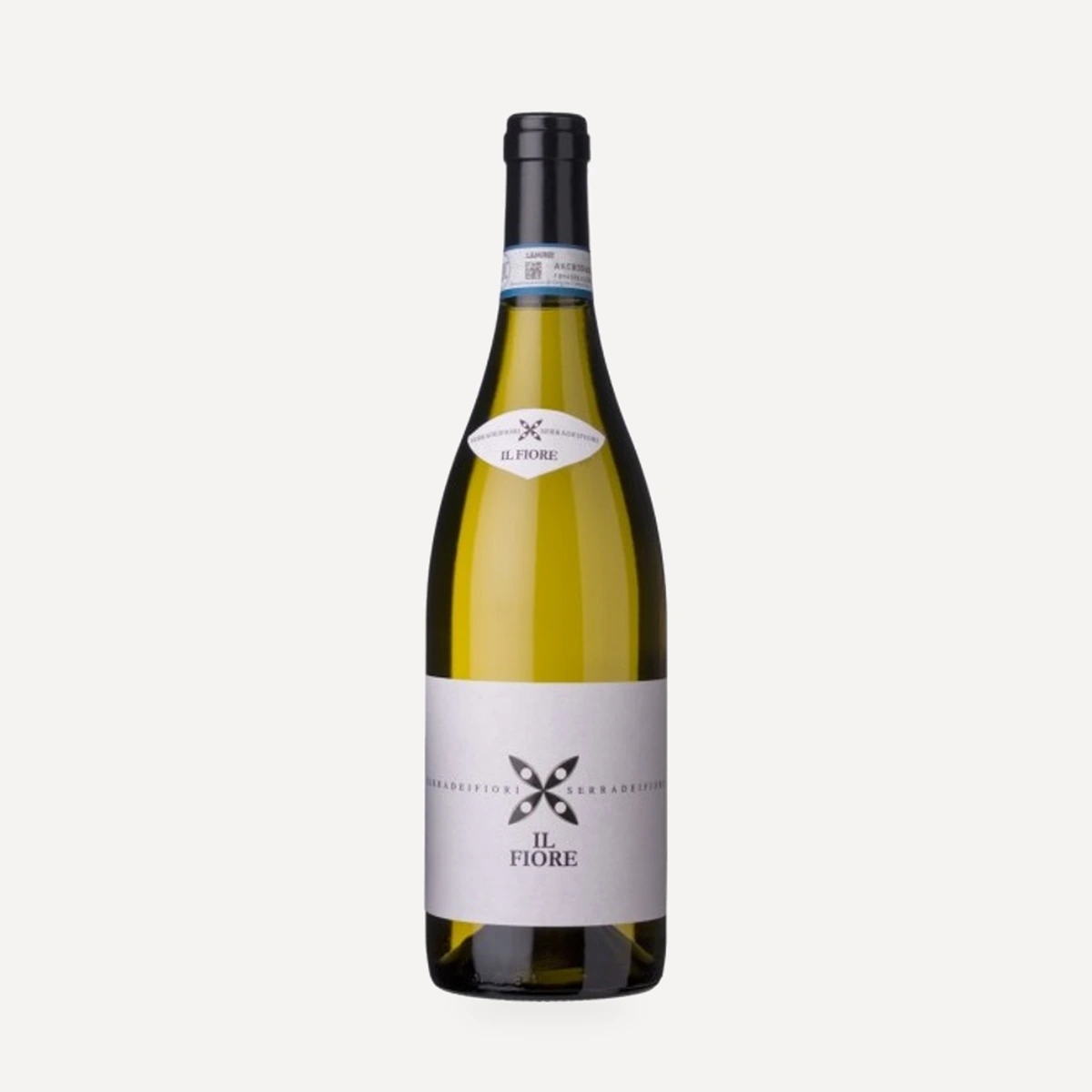
Il Fiore Langhe Bianco DOC