History
1980–1989: first sight, first estate and first recognition
During a Christmas visit in 1980, Bruno and Brigitte Widmer saw the Brancaia hill in Castellina in Chianti from the home of their friend Ruedi Bettschart.
They purchased the property in 1981: a house requiring restoration and 20 hectares of land, including four hectares of vineyards. The first grapes were harvested that same year.
The 1983 Chianti Classico won a blind tasting organised by the Swiss magazine VINUM in 1986, giving the young estate international visibility.
IL BLU was first produced in 1988. Bruno Widmer, who ran a Zurich advertising agency, created the square Brancaia logo with a designer for the first bottle.
In 1989 the family acquired a ruined property in Radda in Chianti and decided to build its own winery there.
1990s: Barbara Widmer and Maremma
Barbara Widmer participated in her first Brancaia harvest in 1993. She left architecture studies and enrolled in oenology at Wädenswil in 1995. An internship at Domaine des Balisiers, then Switzerland’s largest organic wine producer, strongly influenced her approach.
Completion of the Radda cellar allowed Brancaia to vinify and mature its wines independently.
In 1998 the family acquired 82 hectares in coastal Maremma. Barbara devoted her diploma thesis to the Brancaia in Maremma project, which was built according to principles of sustainability and organic agriculture.
2000s–2025: portfolio, logistics and hospitality
Brancaia produced its first grappa with Distilleria Berta in 2001. The first Maremma flagship wine was launched in 2002.
In 2012 spontaneous fermentation was introduced for all wines.
A logistics centre between Siena and Florence was acquired in 2014. In 2015 Brancaia produced its first Maremma wine made entirely from Cabernet Sauvignon.
Conversion of all three estates to organic farming began in 2016, and Brancaia became officially certified organic in 2019.
Osteria Brancaia opened at the Radda winery in 2019. Bar Brancaia opened in Castellina in Chianti in 2025.
Terroir
Brancaia cultivates approximately 80 hectares across three Tuscan estates.
Brancaia in Castellina is the original property purchased in 1981 and lies in Chianti Classico.
Brancaia in Radda is the winery site and another high-quality Chianti Classico territory.
Brancaia in Maremma is a coastal estate purchased in 1998. Its proximity to the sea, warmer climate and different soils support Cabernet Sauvignon, Cabernet Franc, Petit Verdot, Merlot, Sangiovese and Sauvignon Blanc.
The three estates are used to express contrasting Tuscan environments and to create complexity through parcel and varietal selection.
Winemaking
Brancaia has been certified organic since 2019.
The estate states that employees perform more than 450 hours of work per hectare before the grapes reach the cellar.
Permanent cover crops protect soil, reduce erosion and support biodiversity. Herbicides and synthetic pesticides are avoided.
Clone and variety selection is based on achieving the best possible relationship between vine and soil. Massal selection is used to preserve suitable plant material.
Barbara Widmer regularly walks the vineyards with agronomists Alessandro di Tardo and Marco Marchi. Each parcel is monitored and handled according to the needs of the annual cycle.
All parcels are harvested manually and delivered rapidly to the appropriate winery.
Grapes from Maremma are processed in the Grosseto winery. Grapes from Radda and Castellina are processed at the Radda winery.
Every parcel is harvested by hand. Grapes undergo an initial selection on the sorting table.
The wineries are organised over multiple levels so that grapes, must and wine can be moved largely by gravity.
Since 2012 fermentation has been spontaneous. It takes place in temperature-controlled, truncated-conical stainless-steel tanks.
Grape varieties and individual vineyard parcels are fermented and matured separately.
Depending on the wine, maturation lasts approximately 12–20 months in 225 L barriques, 500 L tonneaux, concrete or stainless steel. The final blends are created shortly before bottling.
After bottling, the wines remain in the Brancaia warehouse for product-specific bottle aging before market release.
Philosophy
Brancaia’s stated philosophy combines Italian style with Swiss precision.
Harmony is defined in two ways: balance within the wines and deep respect for nature and terroir.
The estate argues that organic viticulture and uncompromising quality are fully compatible. Greater biodiversity is understood to make the agricultural system more resilient and self-regulating, producing healthier vines and more authentic fruit.
The winery treats nature as a force that cannot be controlled but can be understood, respected and answered through precise work.
Wines
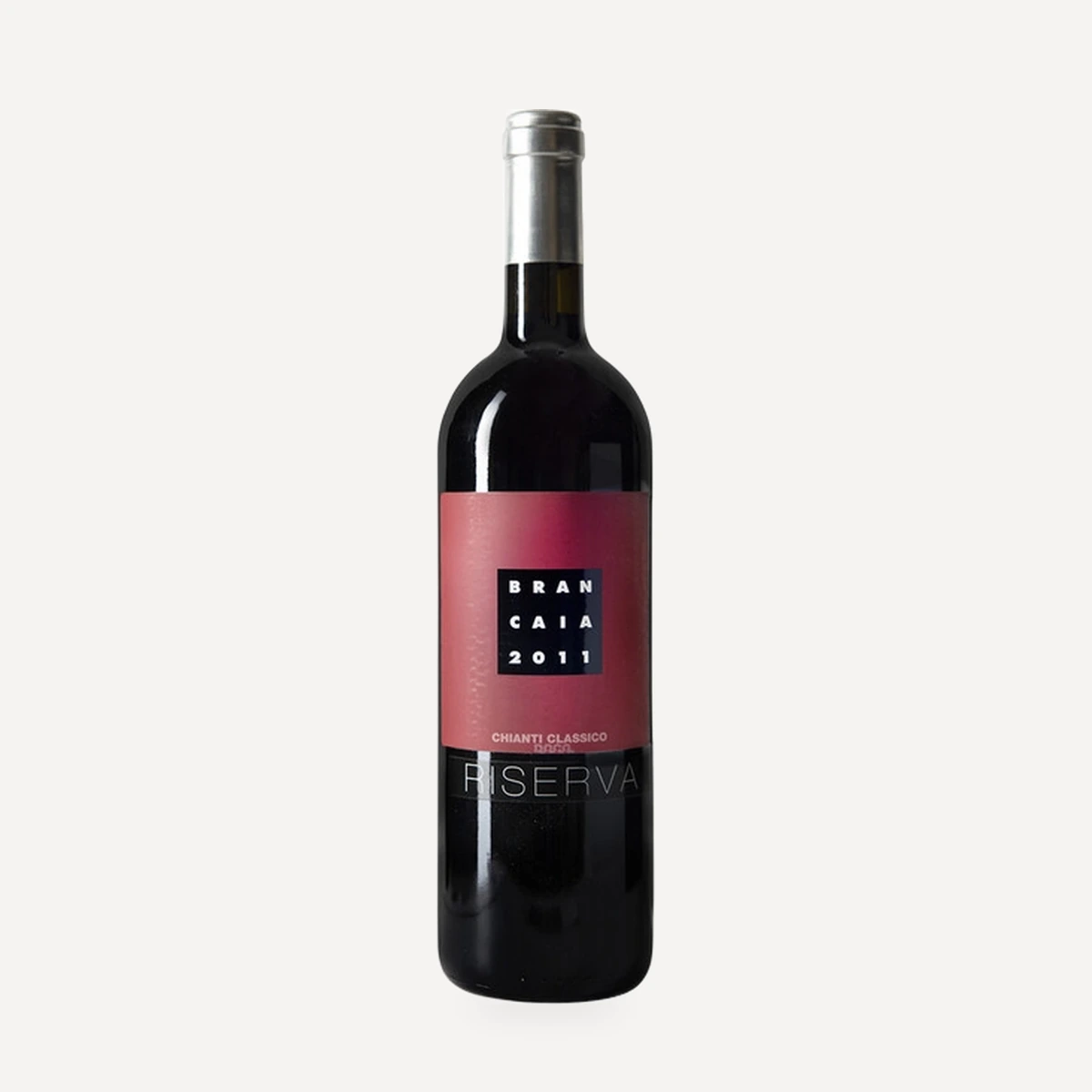
Chianti Classico Riserva
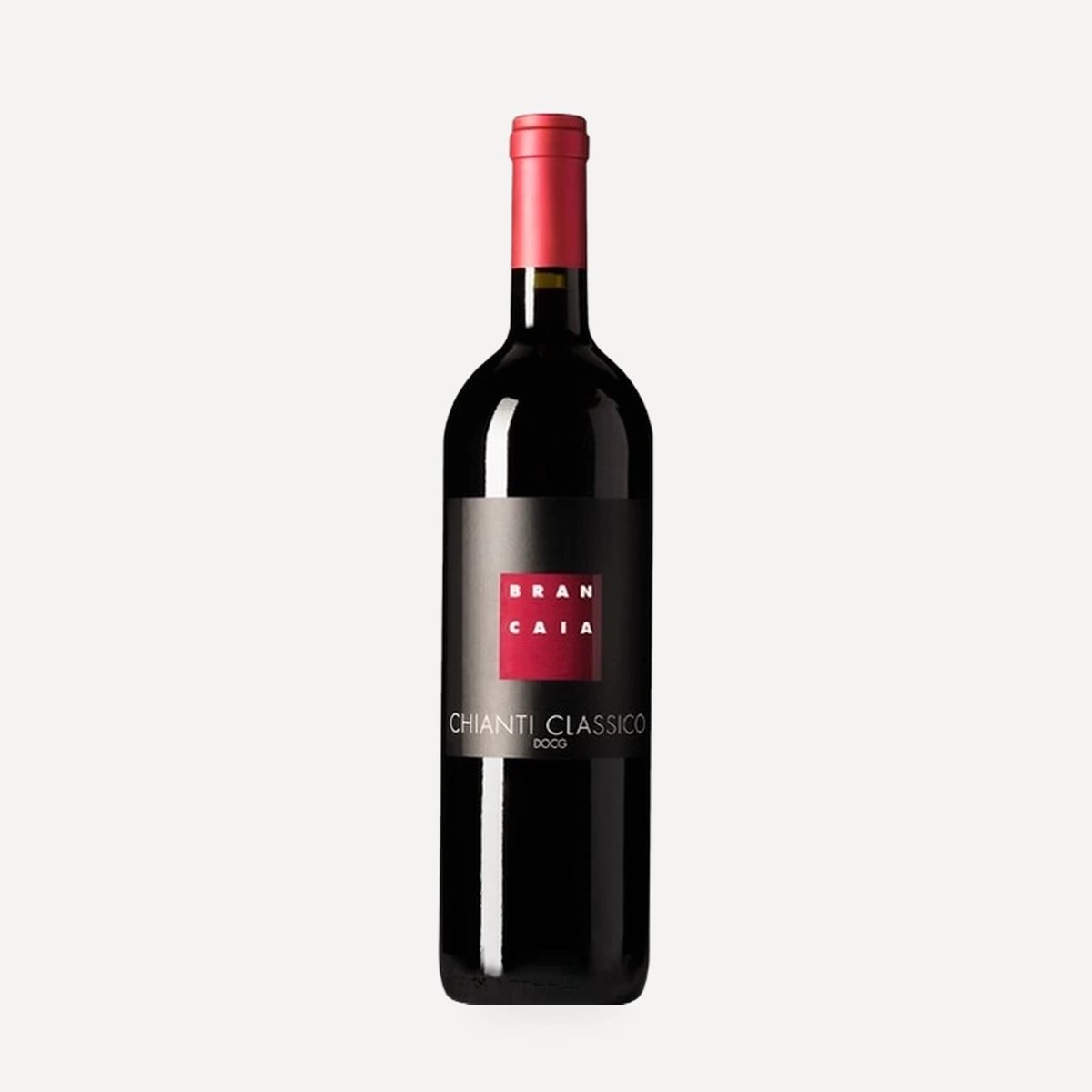
Chianti Classico
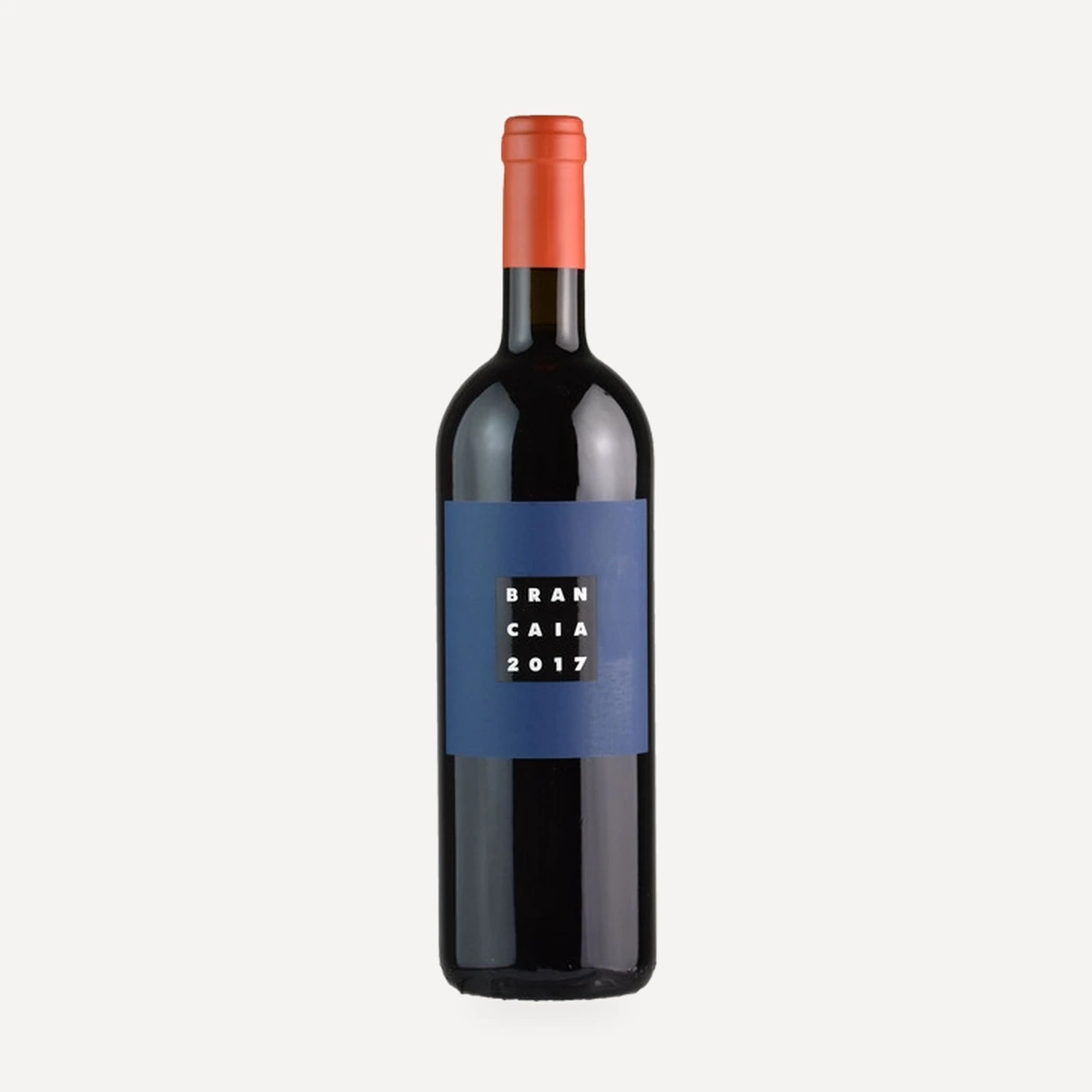
Il Blu
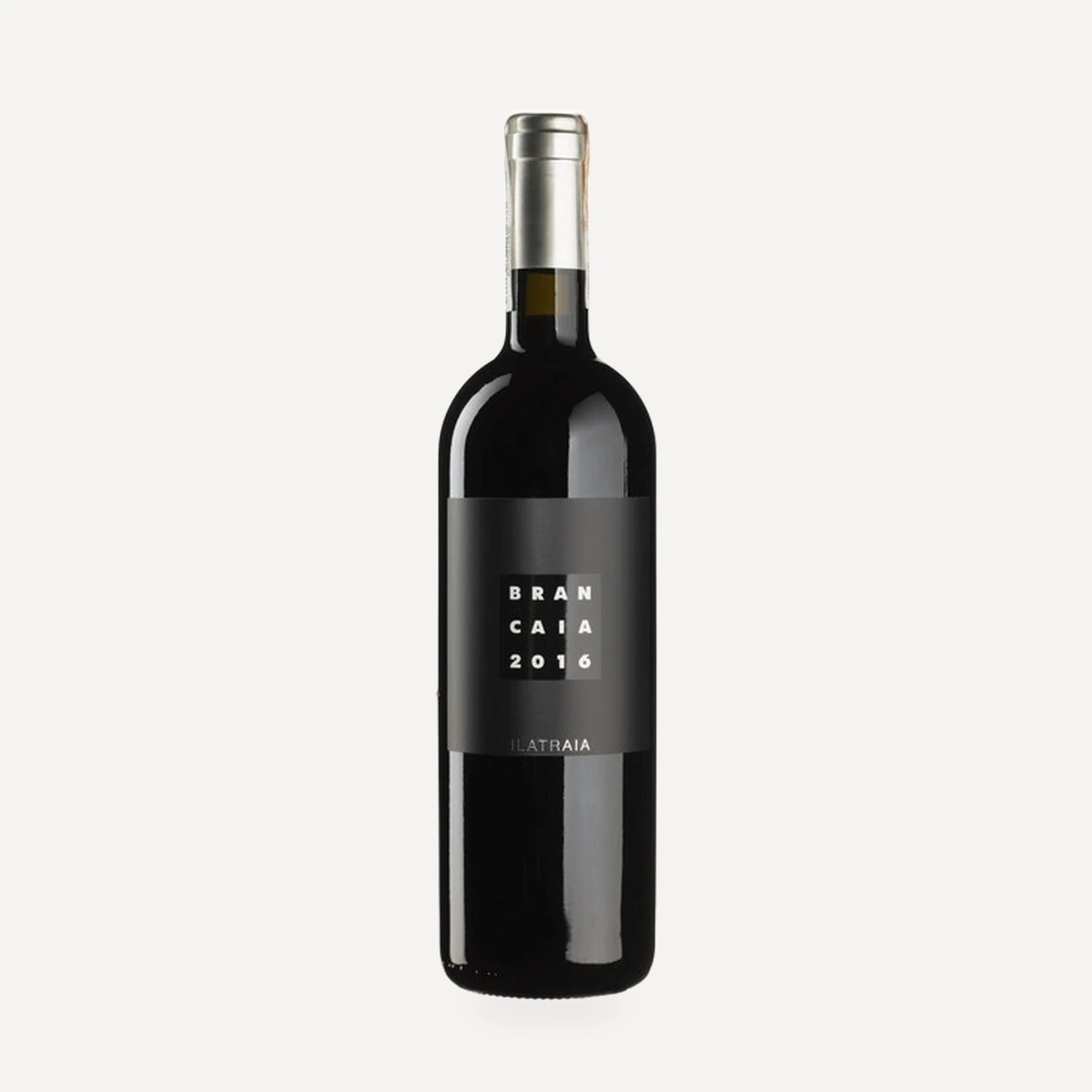
Ilatraia
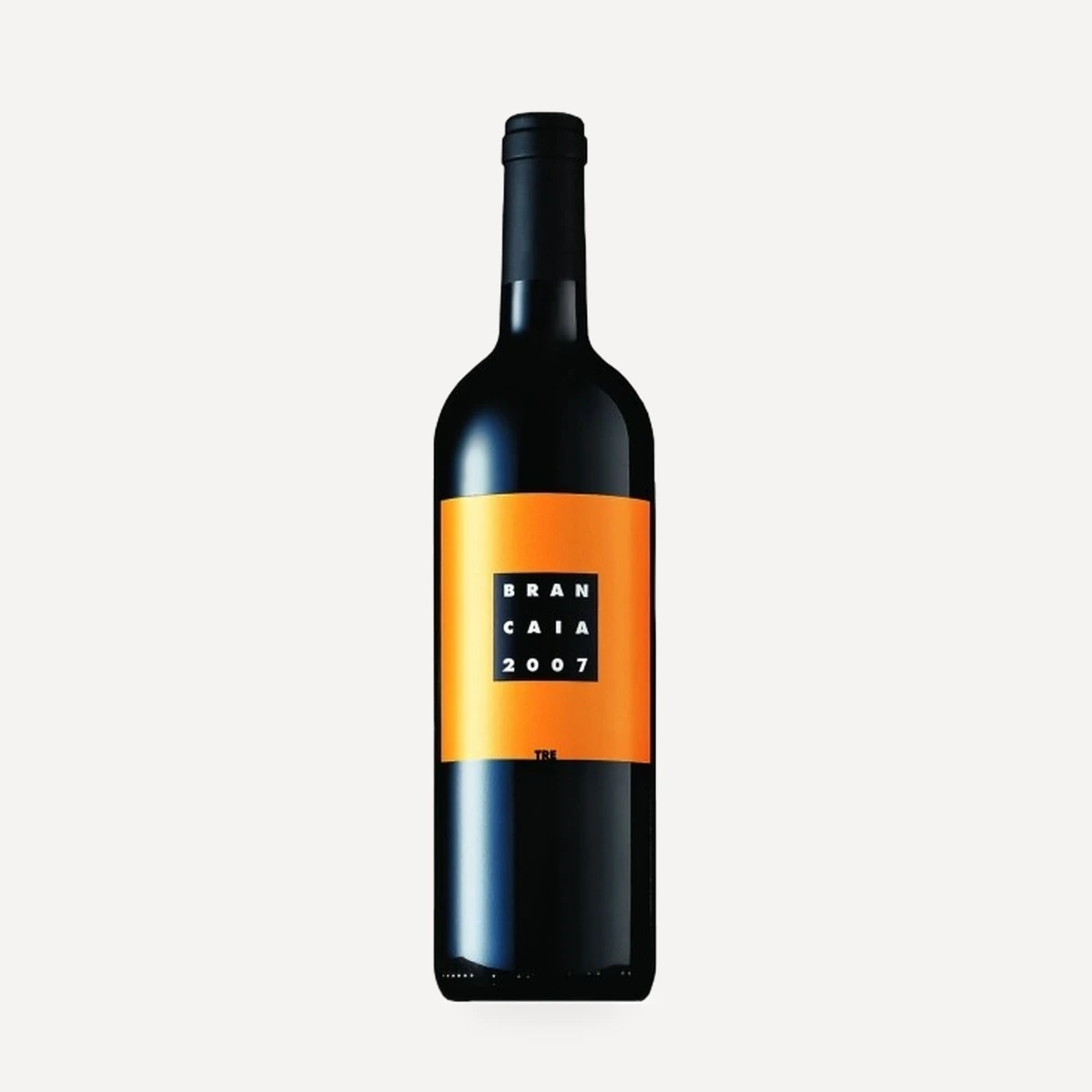
Tre
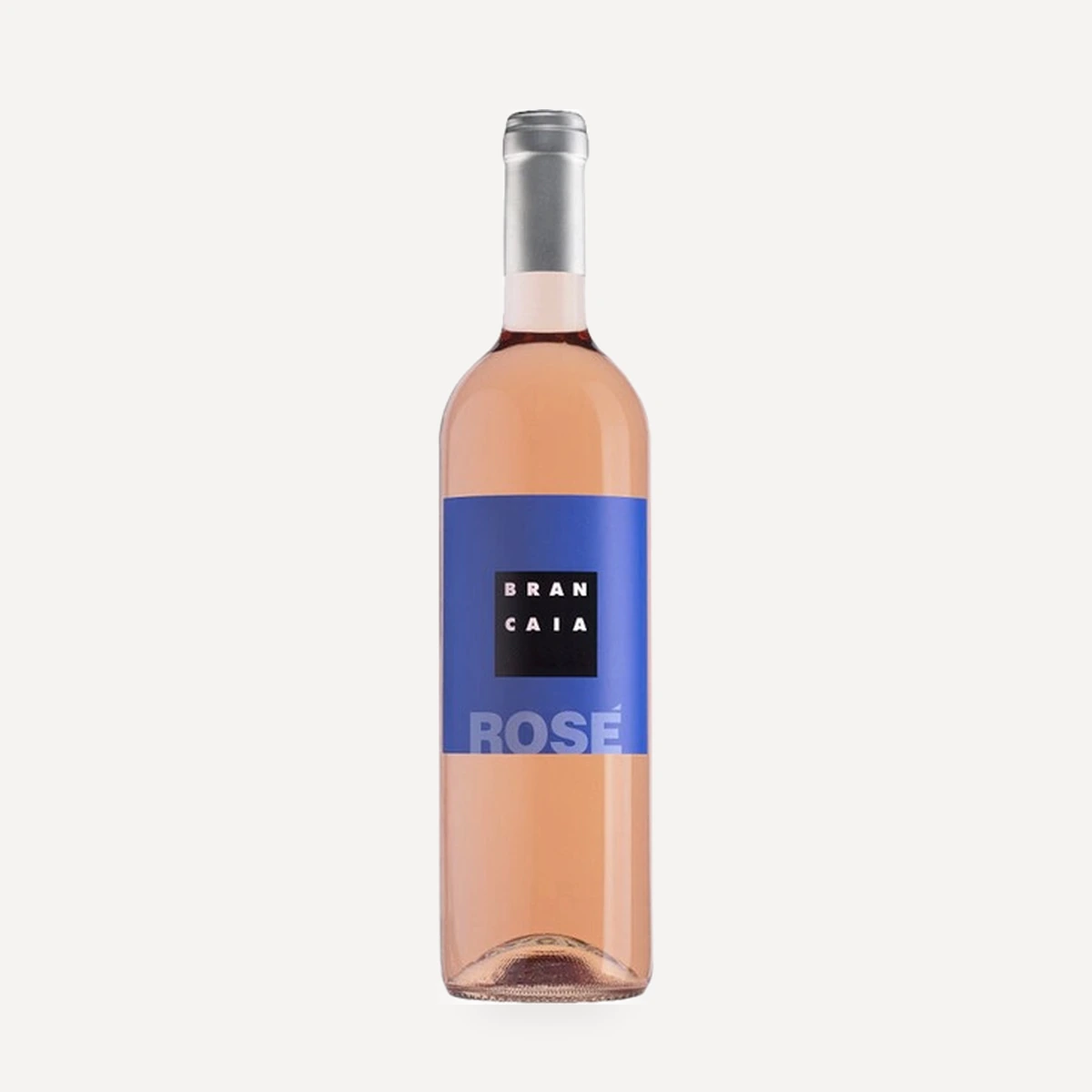
Rosé
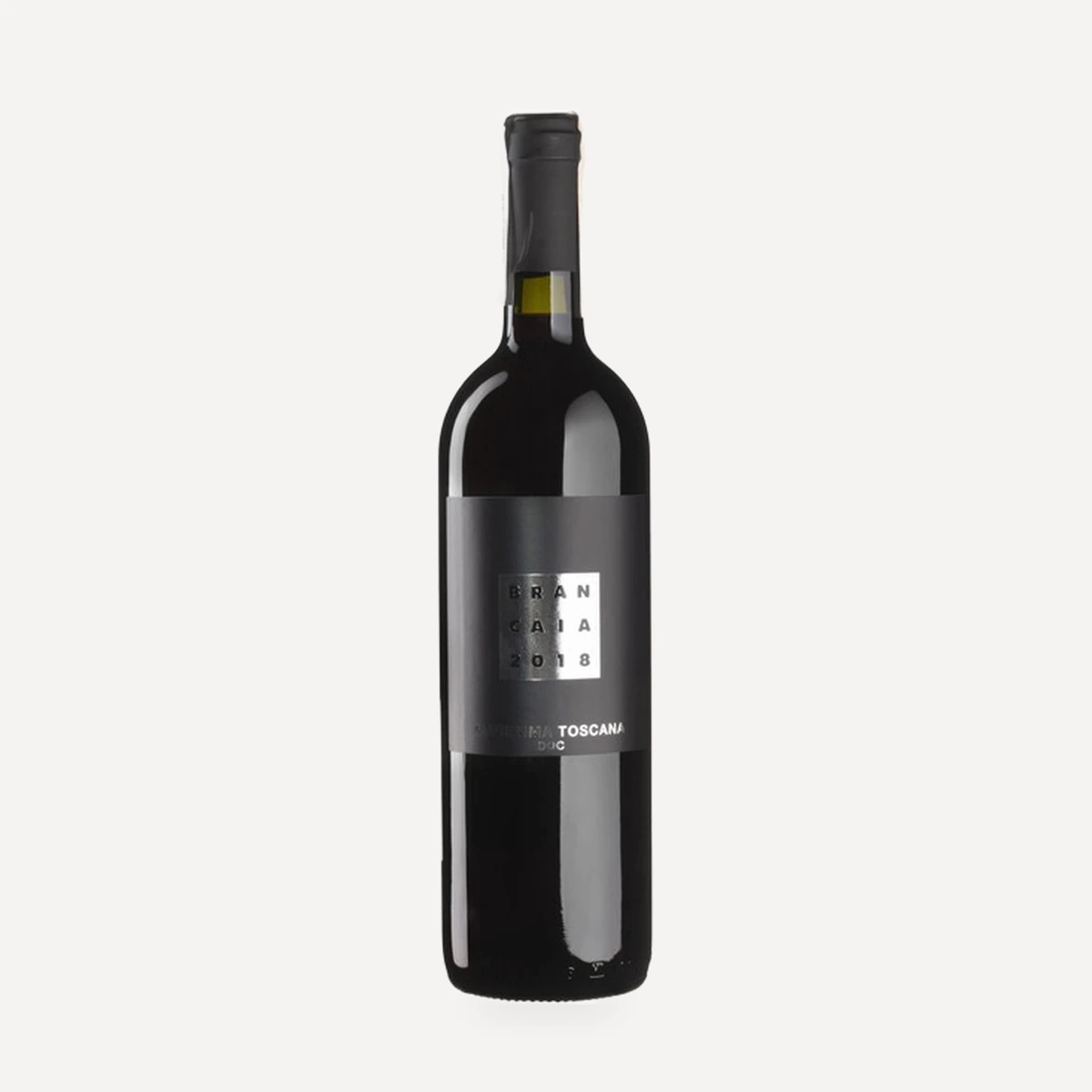
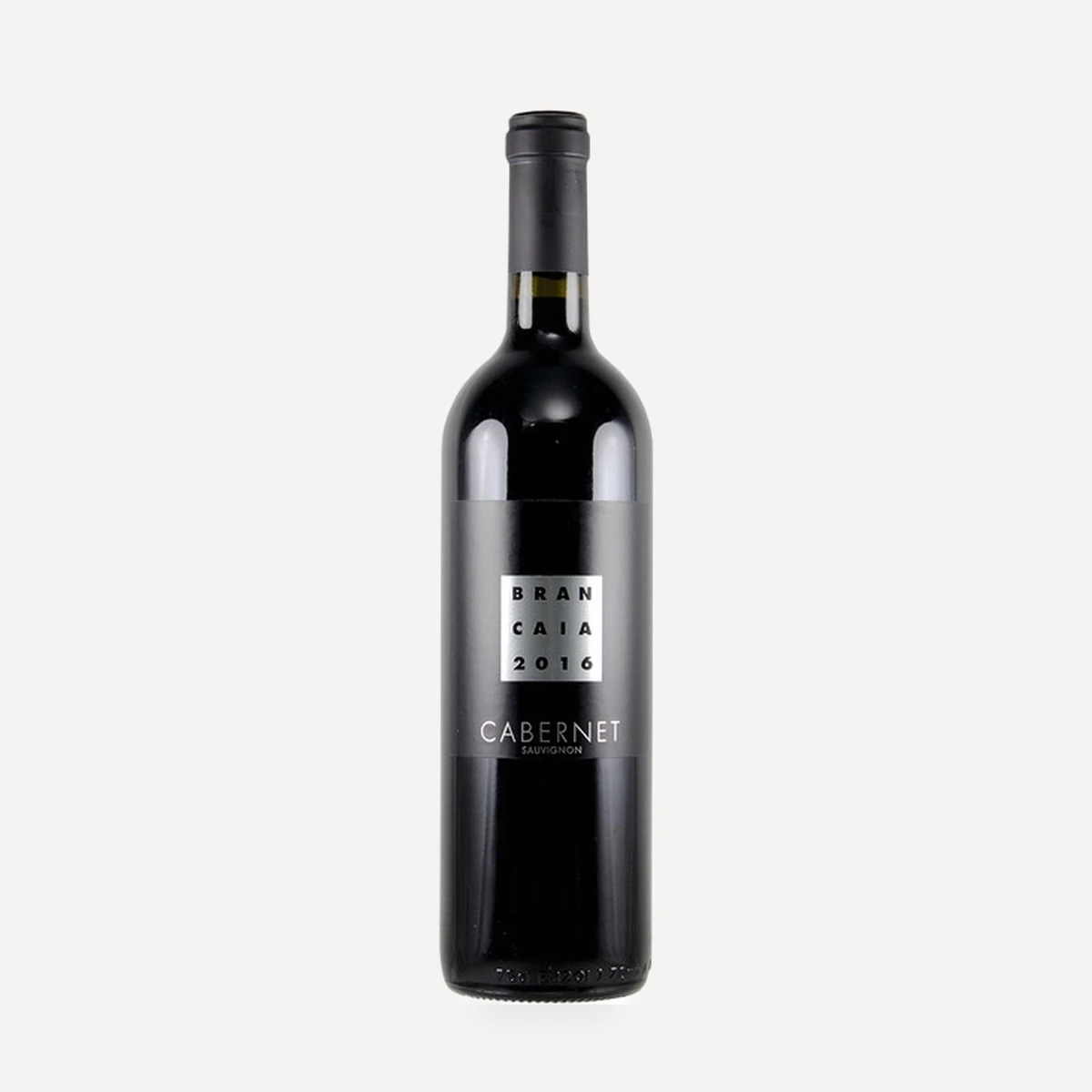
Cabernet Sauvignon Maremma Toscana DOC