History
A family connection dating to 1385
The historical context presented at Antinori nel Chianti Classico begins in 1385, the starting date of the Antinori family’s wine story and of a relationship with Chianti Classico that has continued across 26 generations. The new winery was conceived as an architectural and productive expression of that relationship, bringing together the family’s past, its contemporary work and its plans for the future.
Seven years of construction
The winery was completed after seven years of construction. Marchese Piero Antinori and his daughters Albiera, Allegra and Alessia established the project’s intentions and requirements. Archea Associati developed the architectural design, while Hydea handled construction and engineering.
The reddish-brown structure was designed to emphasize its connection with the earth and to respect the surrounding landscape. Local and natural materials—including terracotta, wood, Corten steel and glass—were selected for its construction. The building was embedded in the hillside so that it would remain almost invisible from outside, apart from two long horizontal openings forming its façade.
25 October 2012: inauguration
Antinori nel Chianti Classico was inaugurated on 25 October 2012. It marked the first time in 26 generations that the Antinori family had opened a new winery specifically conceived both as a production facility and as a place where wine enthusiasts could encounter the family’s winemaking philosophy directly.
The winery introduced a three-level layout connected by a large spiral staircase. Its production design enabled gravity-flow vinification and used natural conditions to maintain suitable temperatures for making and aging wine. The rooftop and terrace vineyard integrated vines directly into the architecture, while public areas, production spaces and the family’s art collection were combined within a single visitor route.
The opening also inspired a new interpretation of Villa Antinori as a Chianti Classico Riserva. Antinori Art Project was founded at the same time, extending the family’s collecting tradition into contemporary art through site-specific commissions, temporary exhibitions and seminars.
2012–2013: the first contemporary-art program
Chiara Parisi curated the Antinori Art Project program during 2012 and 2013, involving Yona Friedman, Rosa Barba and Jean-Baptiste Decavèle.
2013: Pèppoli production moves to Bargino
Beginning with the 2013 vintage, grapes for Pèppoli began to be vinified directly at Antinori nel Chianti Classico. The facility consequently became part of the production history of an established Chianti Classico label as well as the home of the newly interpreted Villa Antinori Chianti Classico Riserva.
2014: new artistic direction
Ilaria Bonacossa became artistic director of Antinori Art Project in 2014. That year Tomás Saraceno participated with Biosphere 06, cluster of 3, installed in the vertical space of the winery’s internal staircase.
2015: Still Life Remix
The 2015 exhibition Still Life Remix explored the still-life tradition and included Giorgio Andreotta Calò’s Clessidra. The bronze sculpture reproduces and doubles a Venetian mooring post damaged by tides, creating two mirrored halves. Its hourglass-like form addresses time and transformation and connects those ideas with the role of time in wine maturation.
2016: site-specific acquisitions and commissions
In 2016 the project acquired Nicolas Party’s site-specific Giant Fruit and commissioned Jorge Peris to create Portal del Angel. Peris constructed the precarious triumphal arch through the reuse of local materials, including antique terracotta jars historically employed for storing olive oil.
2017–2018: Stefano Arienti and the Antinori lunette
In 2017 Stefano Arienti was commissioned to create a project in dialogue with Giovanni Della Robbia’s early-16th-century glazed lunette The Resurrection of Christ, originally commissioned by Nicolò di Tommaso Antinori. The work, now owned by the Brooklyn Museum, returned temporarily to Florence after approximately 500 years following a restoration supported in the United States by the Antinori family. It was exhibited at Museo Nazionale del Bargello from 9 November 2017 to 8 April 2018.
Arienti’s project comprised two complementary works: Scena Fissa was displayed beside the lunette at the Bargello, while the site-specific Altorilievo was installed at Antinori nel Chianti Classico and entered the family collection.
2022: World’s Best Vineyards
In 2022 Antinori nel Chianti Classico was ranked first by World’s Best Vineyards. The international wine-tourism ranking was decided by more than 500 wine and tourism specialists.
Terroir
Antinori nel Chianti Classico stands in Bargino, within the commune of San Casciano Val di Pesa in the province of Florence. The building opens toward the Chianti Classico countryside through a terrace surrounded by vines, while another vineyard covers the winery roof.
The visible landscape is formed by gently rolling hills interspersed with olive groves and historic churches. The winery’s architecture follows the hill rather than rising above it: most of the building is embedded in the terrain, and only two long horizontal openings interrupt the slope.
The vineyard immediately associated with the building is planted principally with Sangiovese. Traditional companion varieties are Canaiolo, Ciliegiolo, Colorino, Malvasia Nera and Mammolo. A smaller section is planted with Cabernet Sauvignon and Cabernet Franc.
Winemaking
The vineyard integrated into the winery’s terrace and roof is planted predominantly with Sangiovese, accompanied by Canaiolo, Ciliegiolo, Colorino, Malvasia Nera and Mammolo. Cabernet Sauvignon and Cabernet Franc occupy a smaller section.
The winery was organized around gravity-flow vinification. Its integration into the hillside allows natural conditions to help maintain the temperature required for wine production, maturation and storage, reducing reliance on energy-intensive climate control.
Production is distributed across three interconnected levels. The visitor routes identify a dedicated production floor, a barrique area and a bottaia for large casks. A suspended tasting room overlooks the barrel cellar, making the maturation area part of the architectural experience.
Beginning with the 2013 vintage, grapes for Pèppoli have been vinified directly at Antinori nel Chianti Classico. The opening of the winery also provided the setting for the family’s Chianti Classico Riserva reinterpretation of Villa Antinori.
Philosophy
Antinori nel Chianti Classico was conceived as a meeting point between tradition and innovation. Its role is both productive and interpretive: it connects the Antinori family’s centuries-long relationship with Chianti Classico to contemporary winemaking, architecture, hospitality and art.
The family defines its production philosophy through passion, patience and a continual pursuit of quality. The facility translates those ideas into gravity-flow production, natural temperature management and an architectural design intended to serve technical requirements without dominating the landscape.
Environmental restraint is integral to the concept. Embedding the winery in the hill, selecting local and natural materials and targeting low environmental impact and substantial energy savings were treated as part of the same design objective.
Cultural continuity is expressed through both the Accademia Antinori and Antinori Art Project. Classical Tuscan art and wine culture are preserved through research, restoration and publications, while contemporary artists are invited to respond directly to the winery through site-specific commissions.
Wines

Tignanello
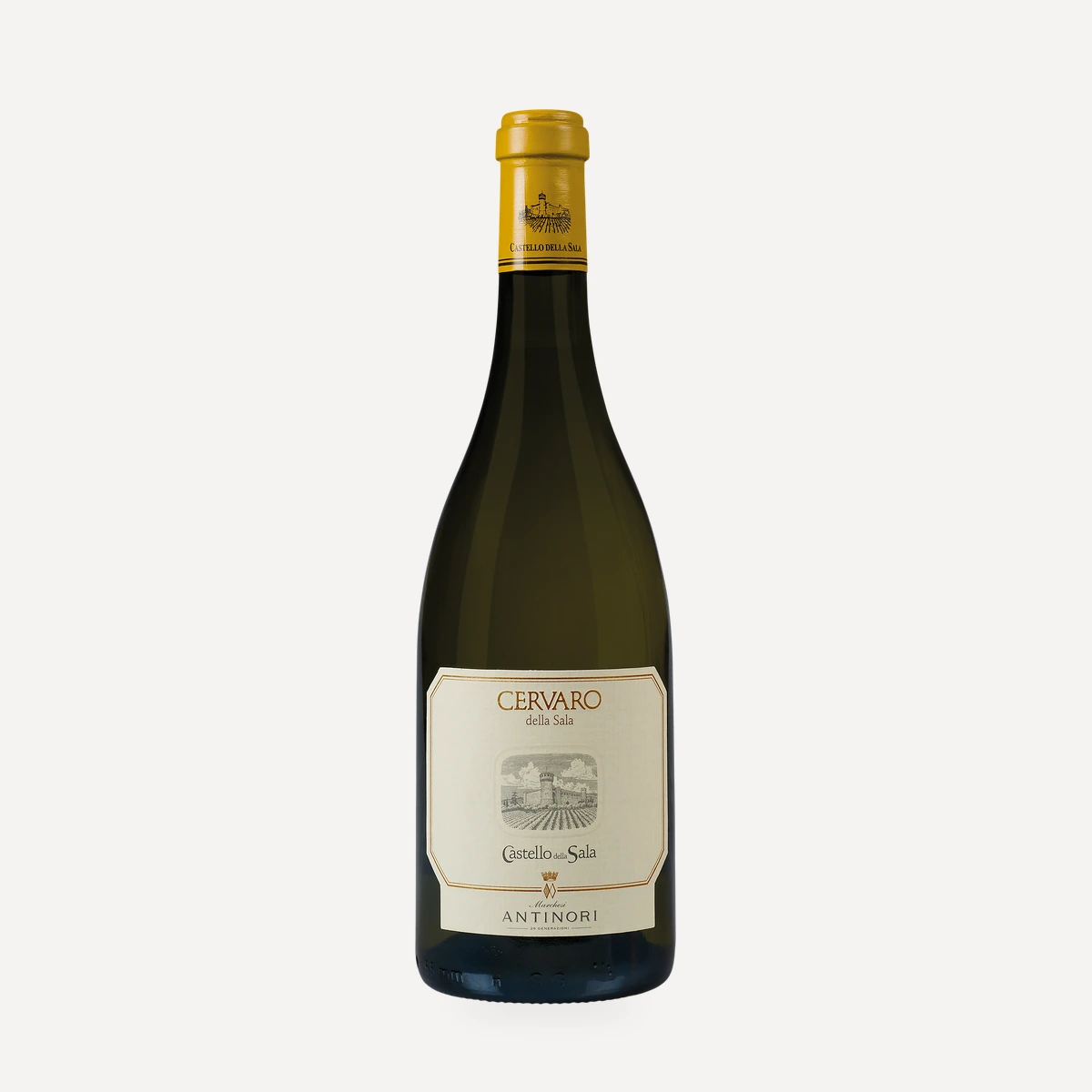
Cervaro della Sala

Solaia
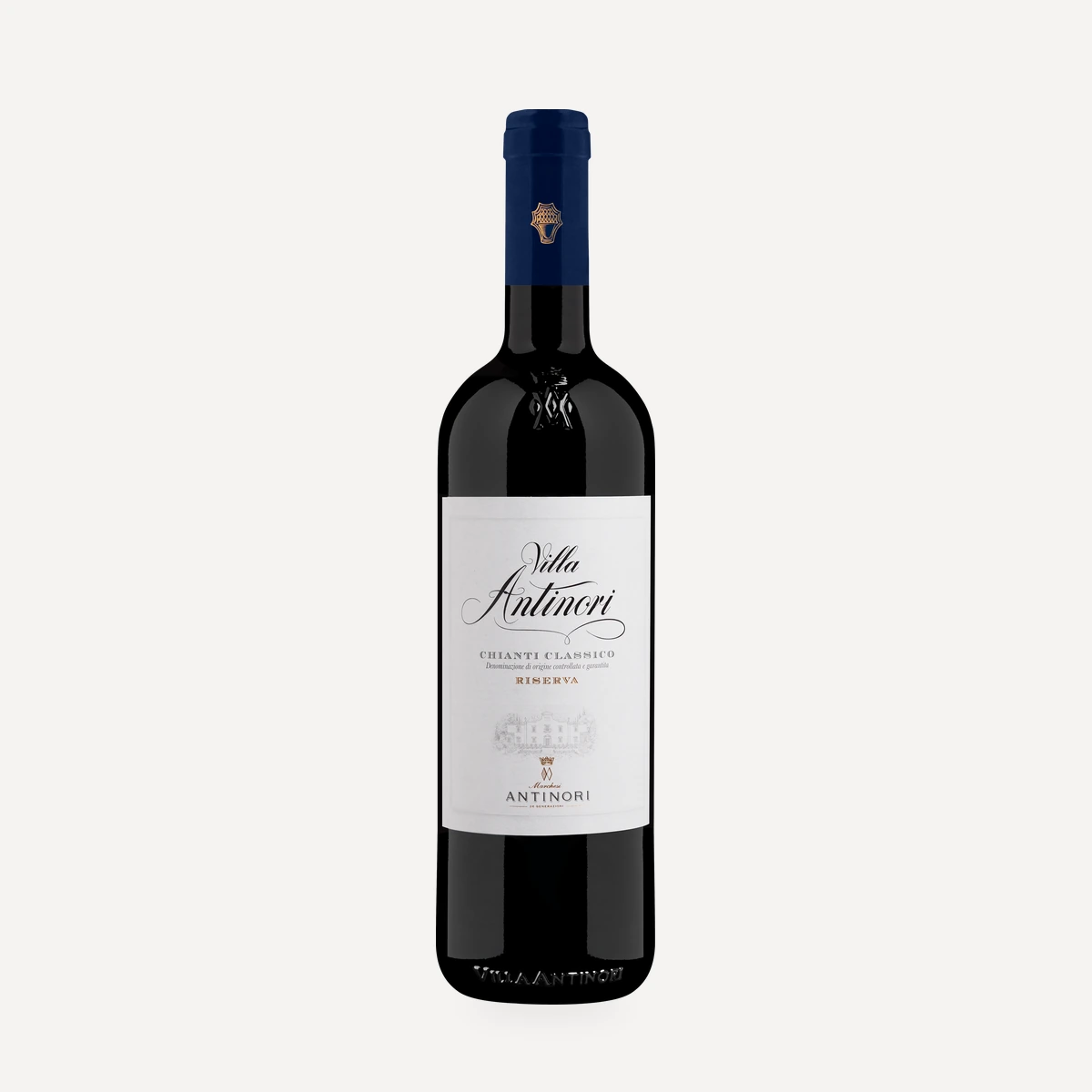
Villa Antinori Chianti Classico Riserva

Pèppoli
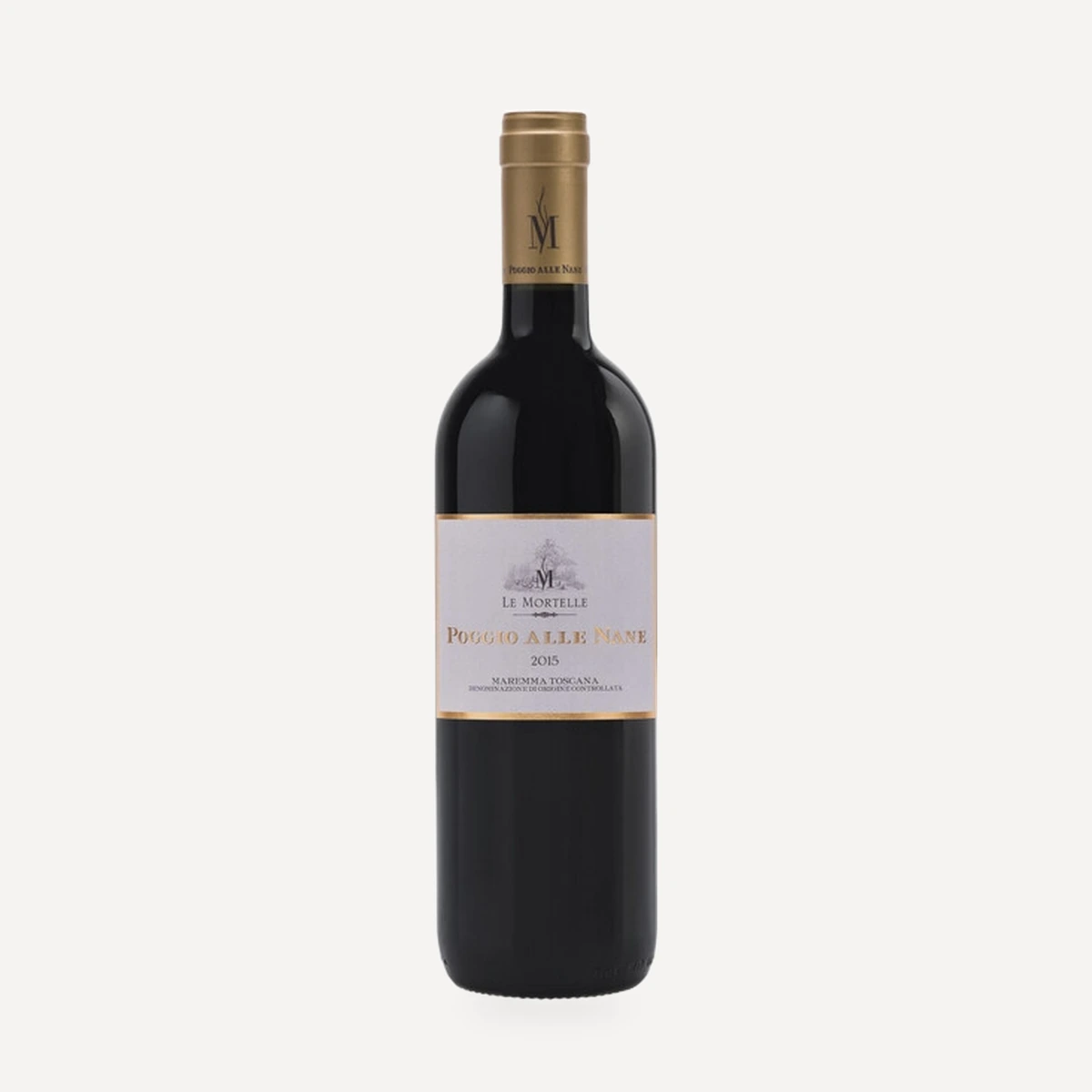
Le Mortelle Poggio alle Nane Maremma Toscana DOC
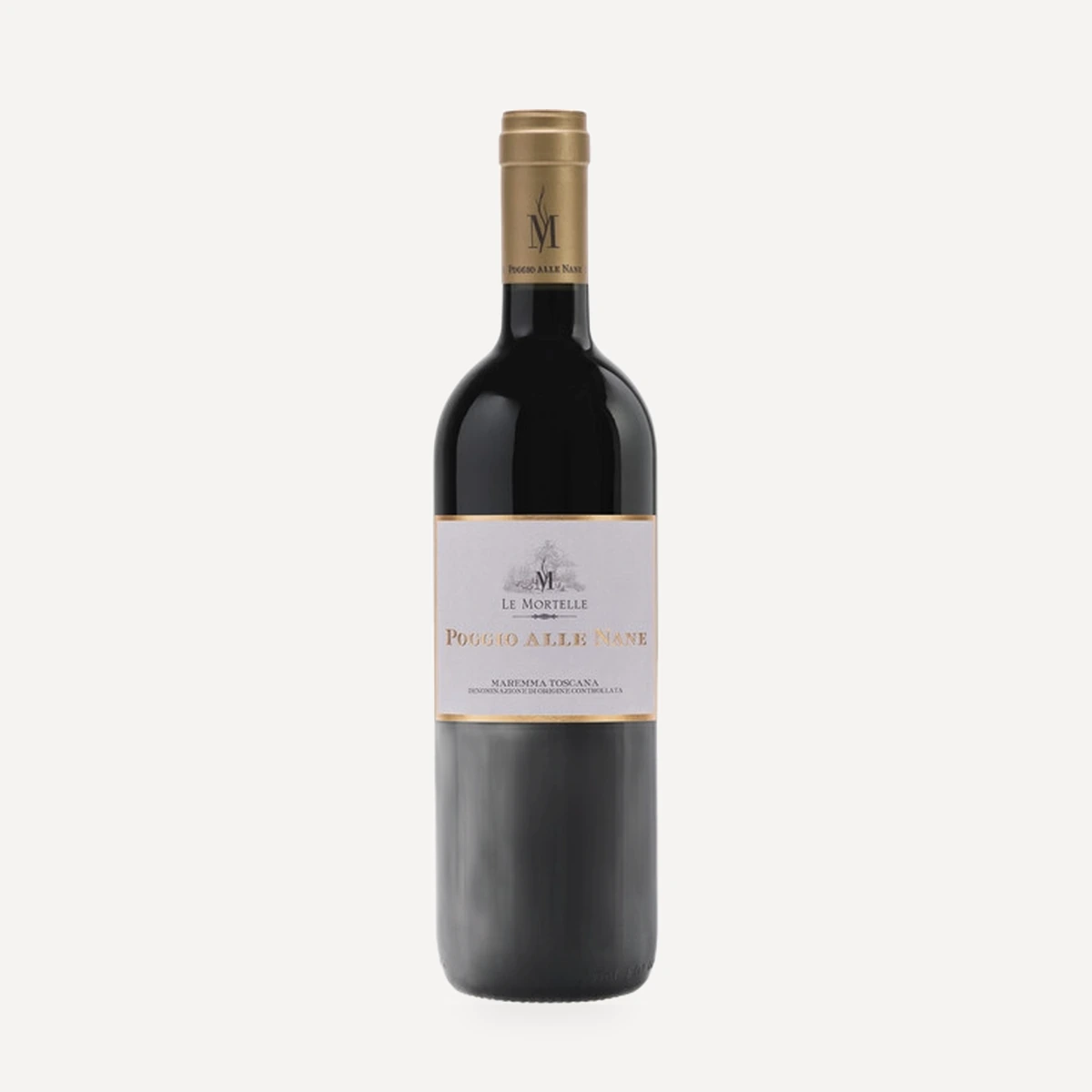
Poggio alle Nane Maremma Toscana DOC
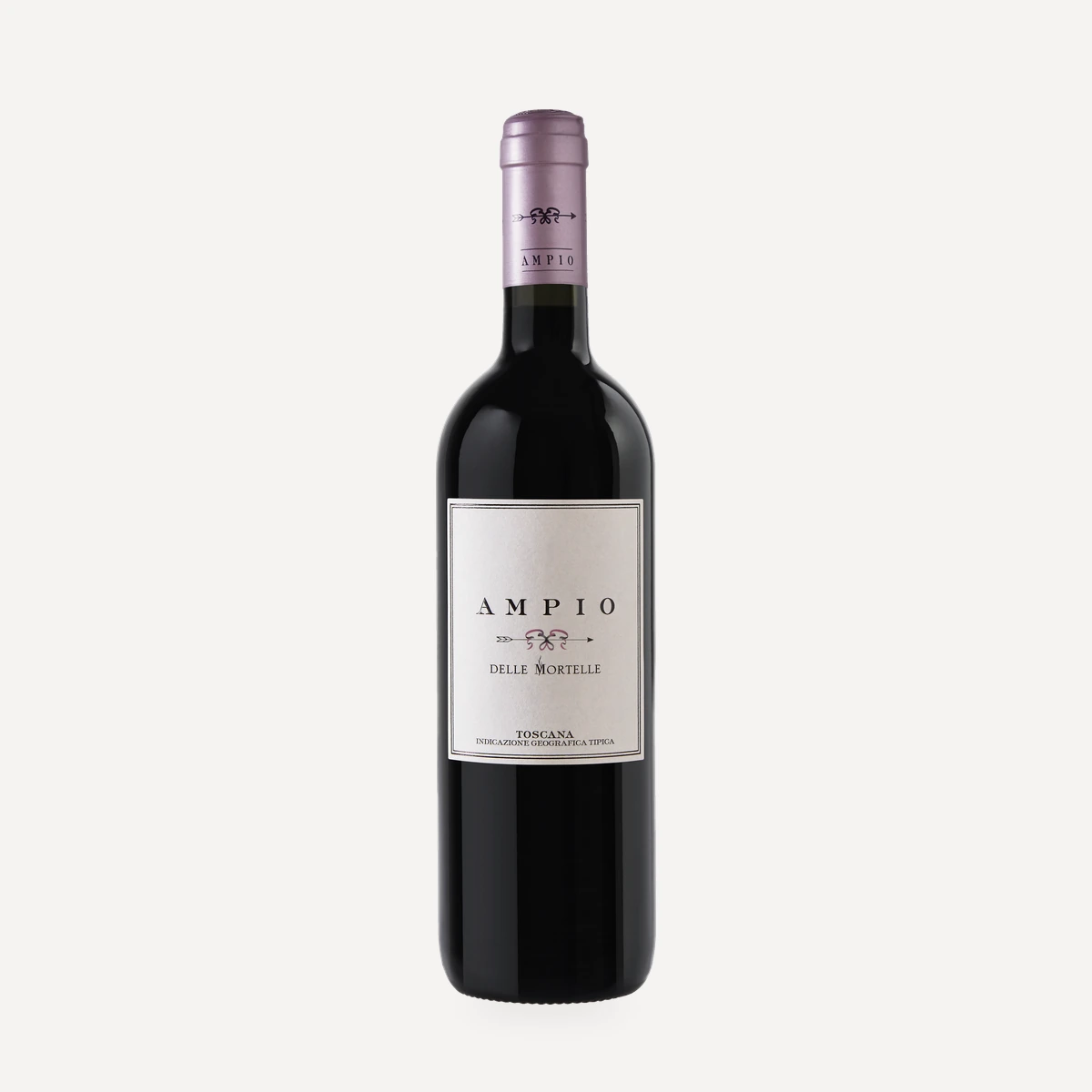
Ampio delle Mortelle Toscana IGT
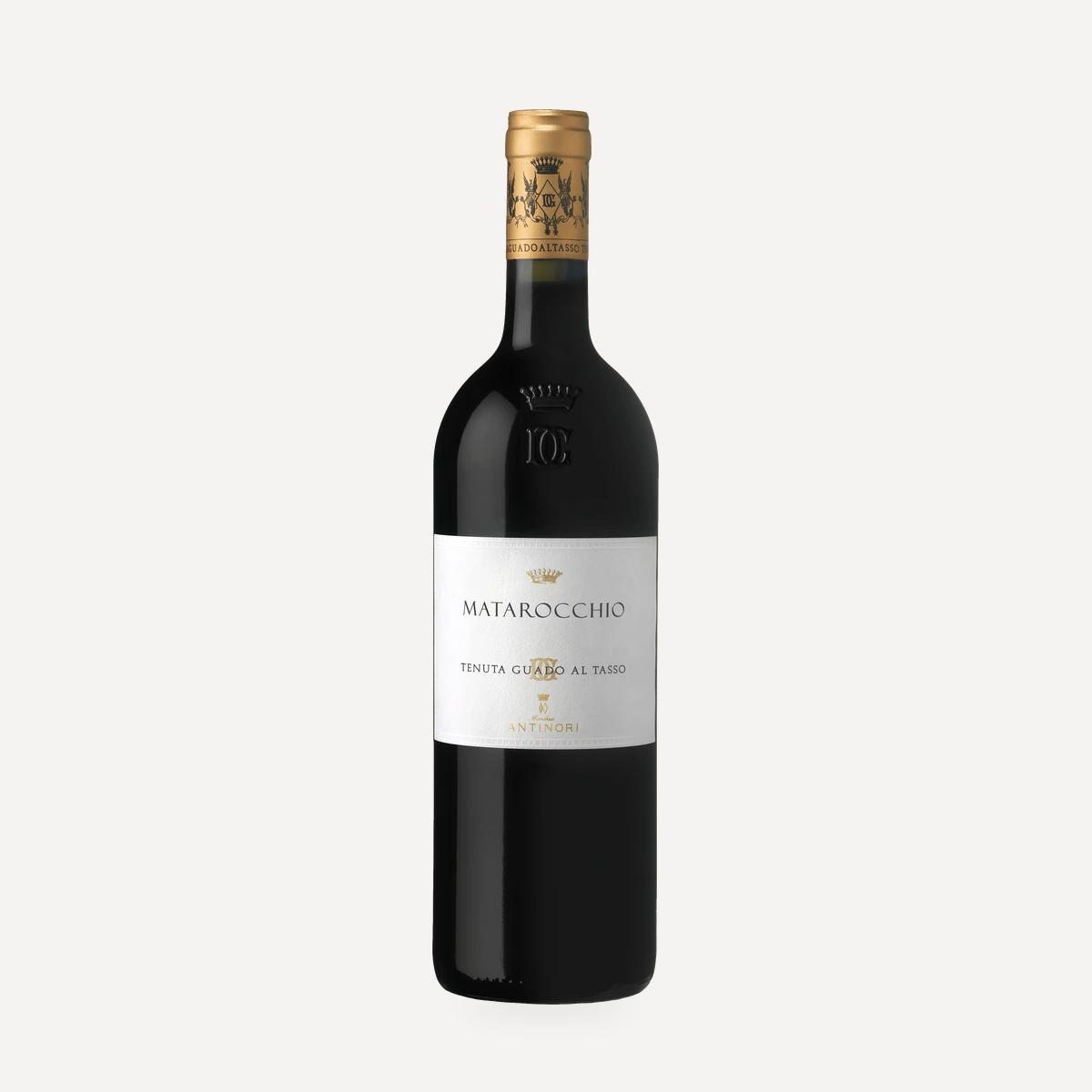
Matarocchio Bolgheri Superiore DOC
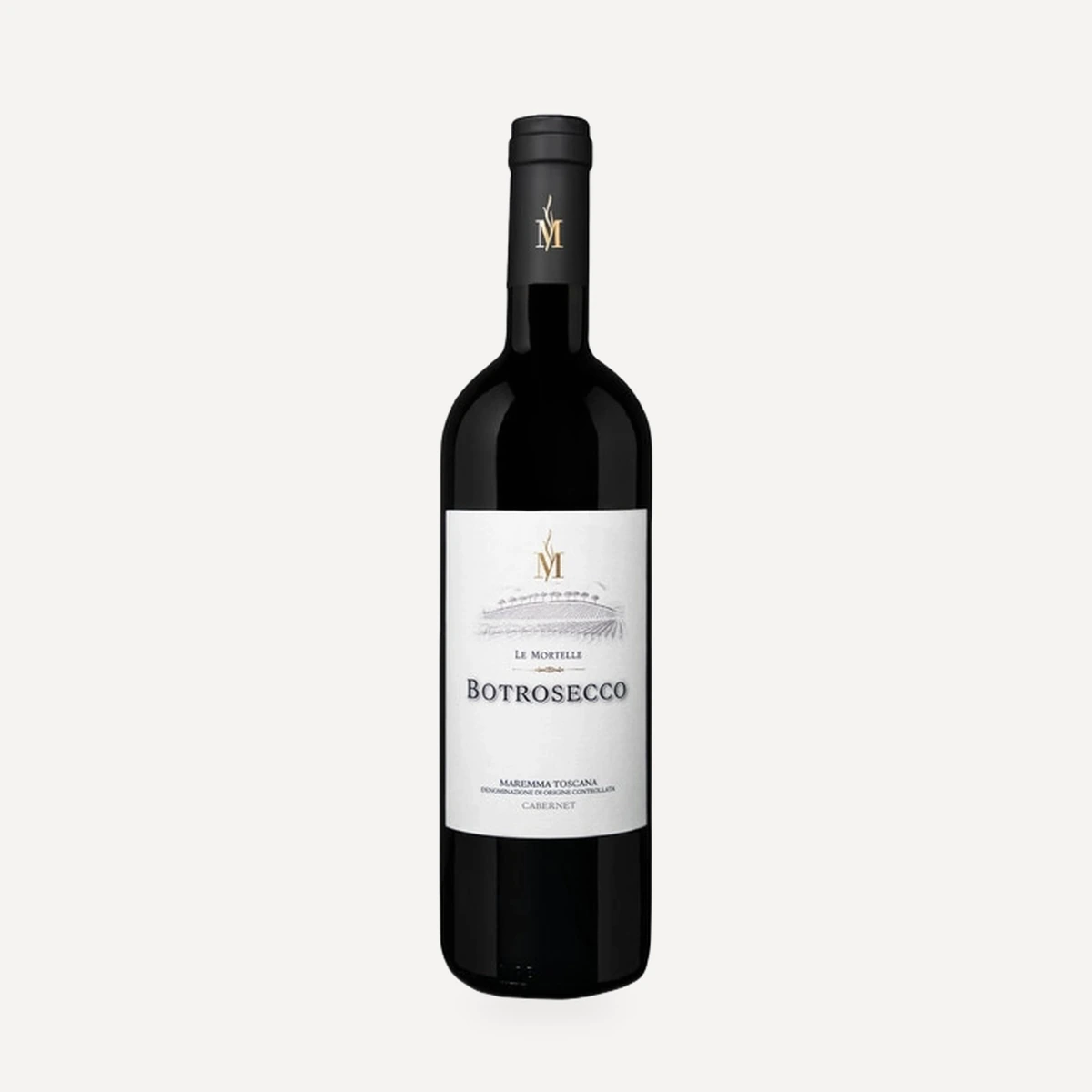
Le Mortelle Botrosecco Maremma Toscana DOC
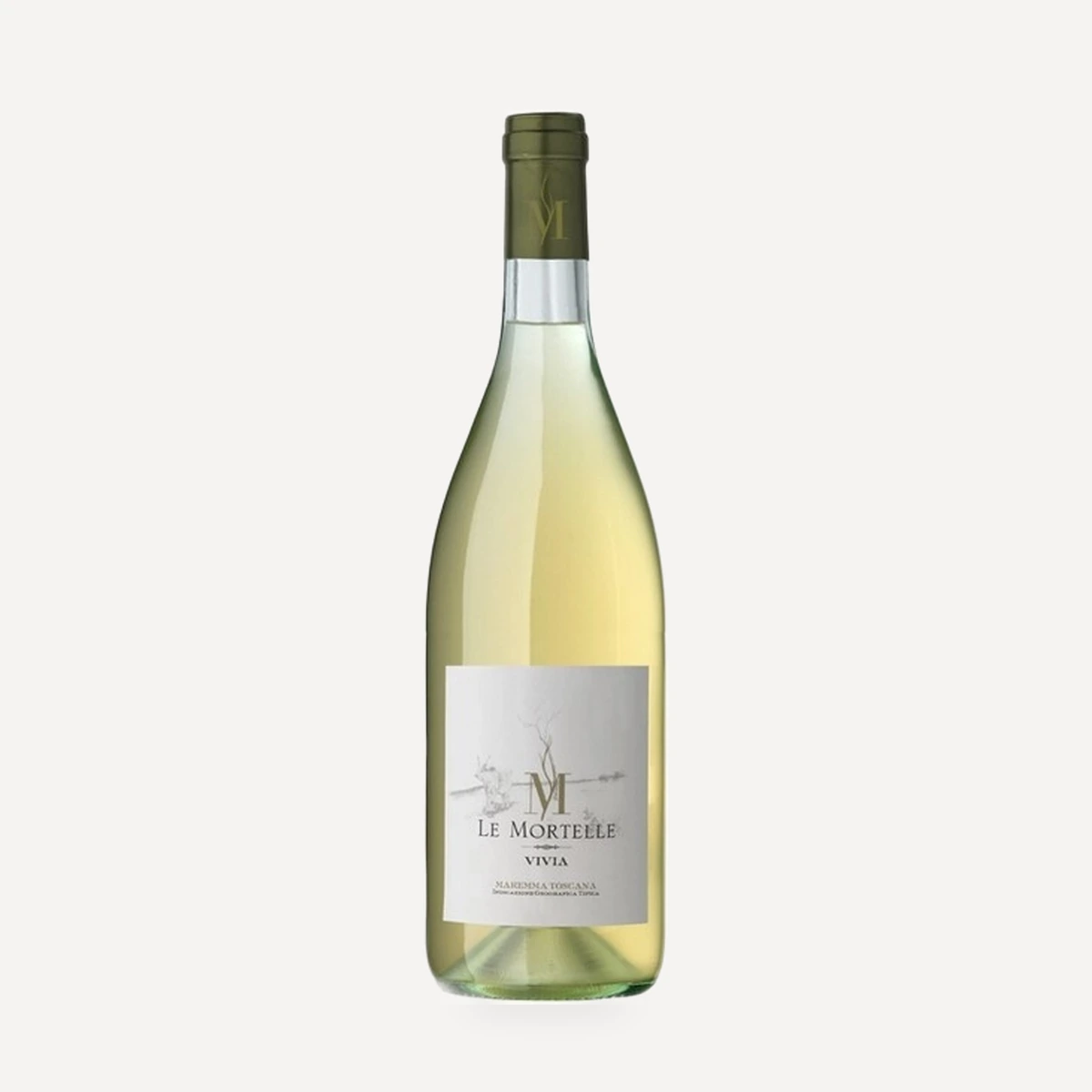
Le Mortelle Vivia Maremma Toscana DOC
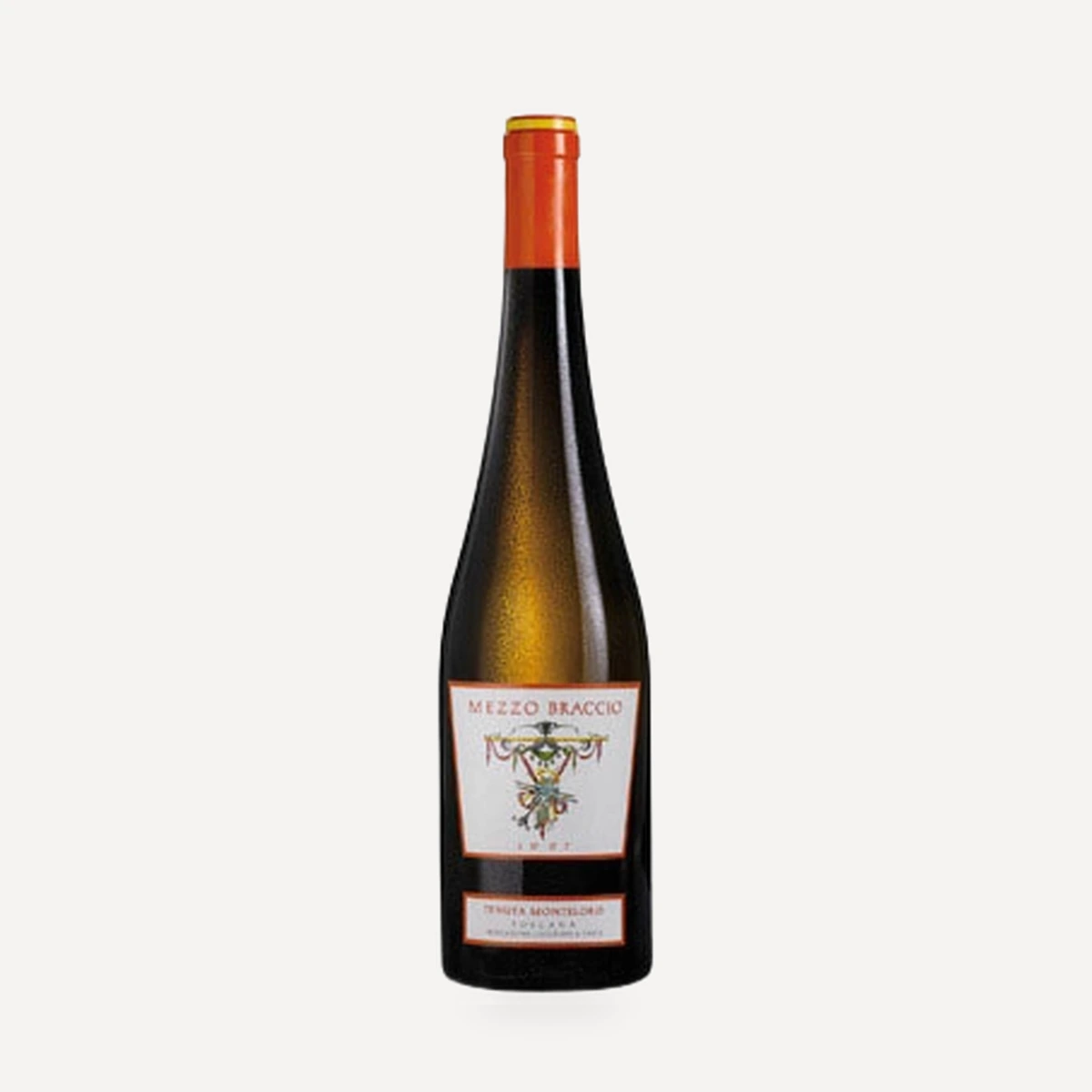
Mezzo Braccio Tenuta Monteloro Toscana IGT
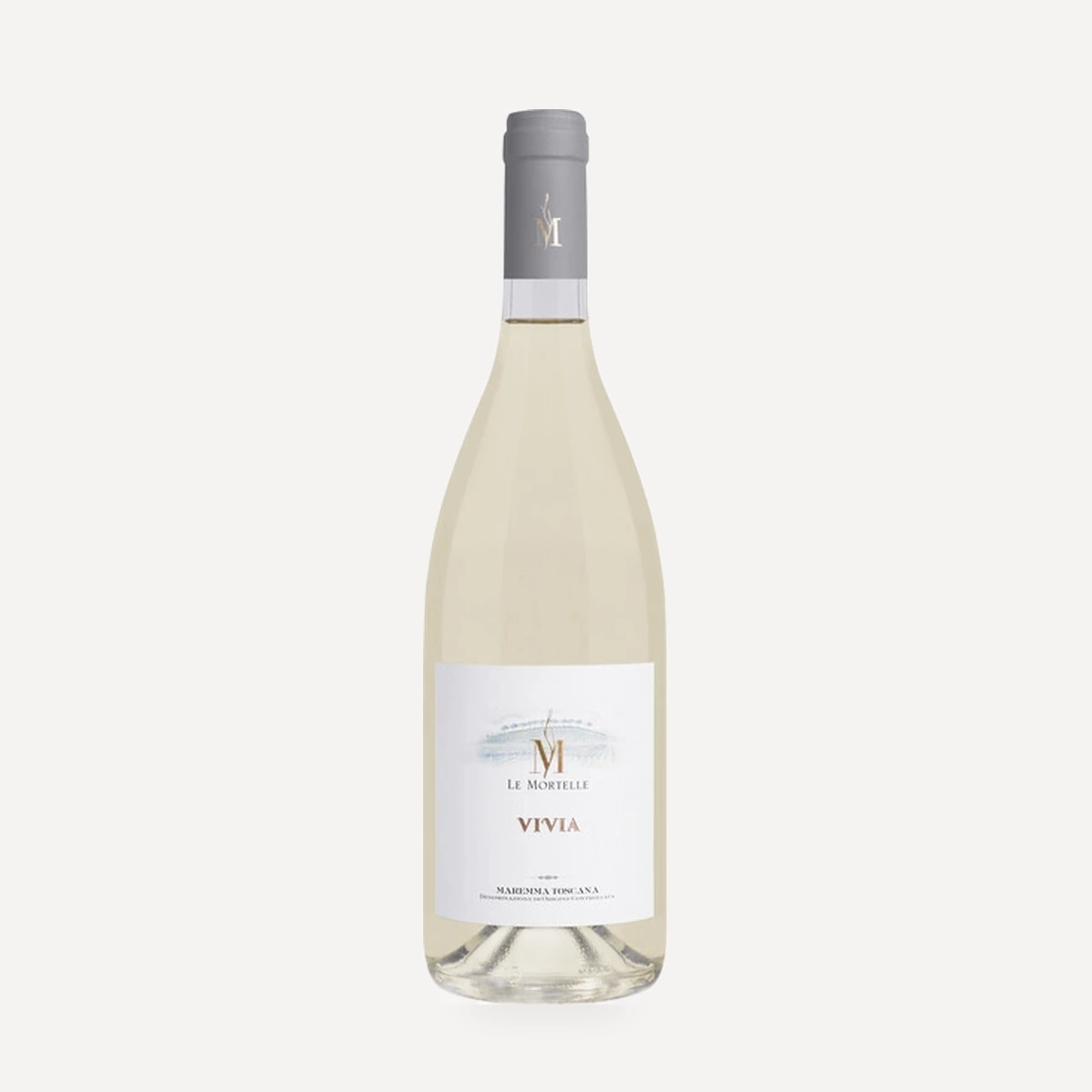
Vivia Maremma Toscana DOC
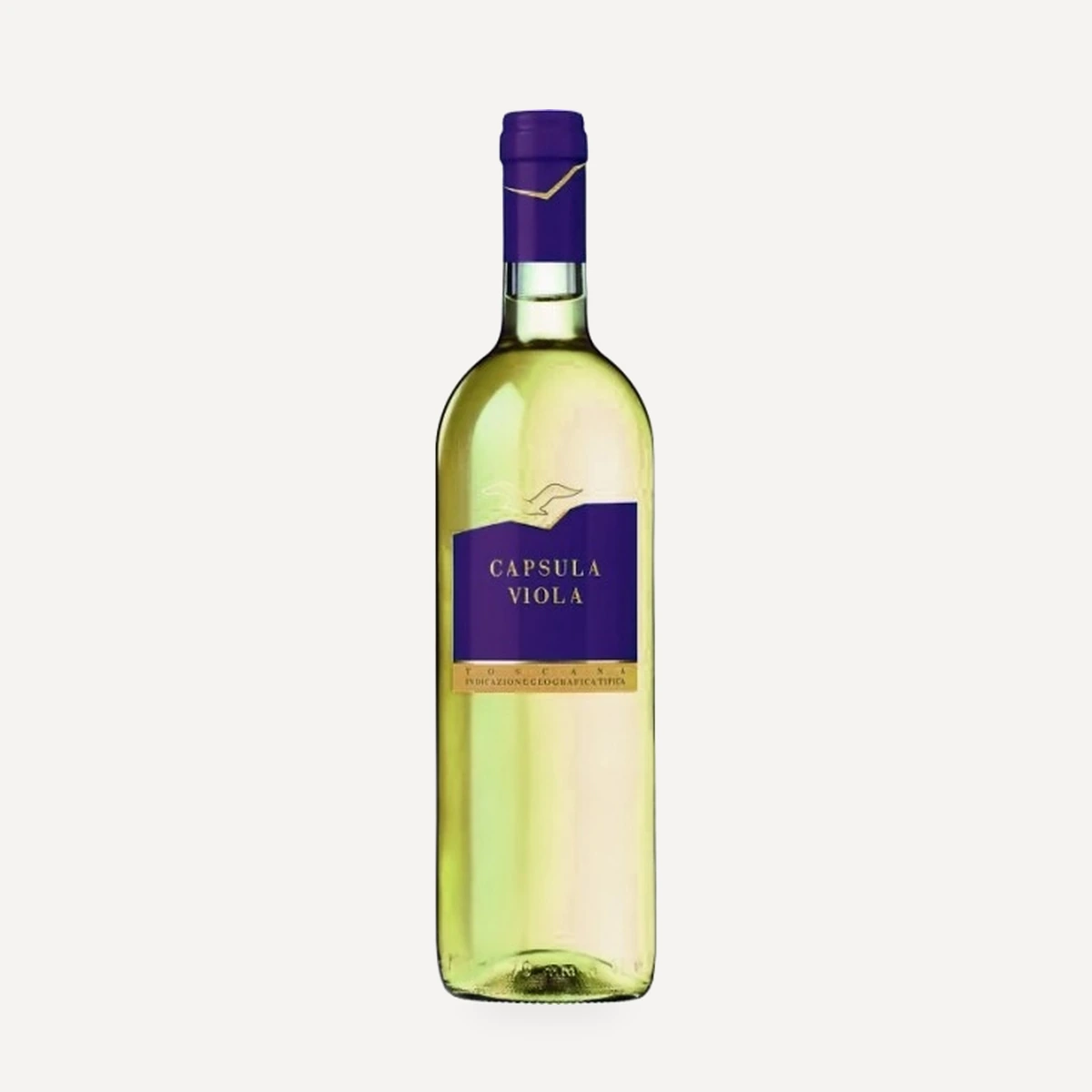
Capsula Viola Toscana IGT
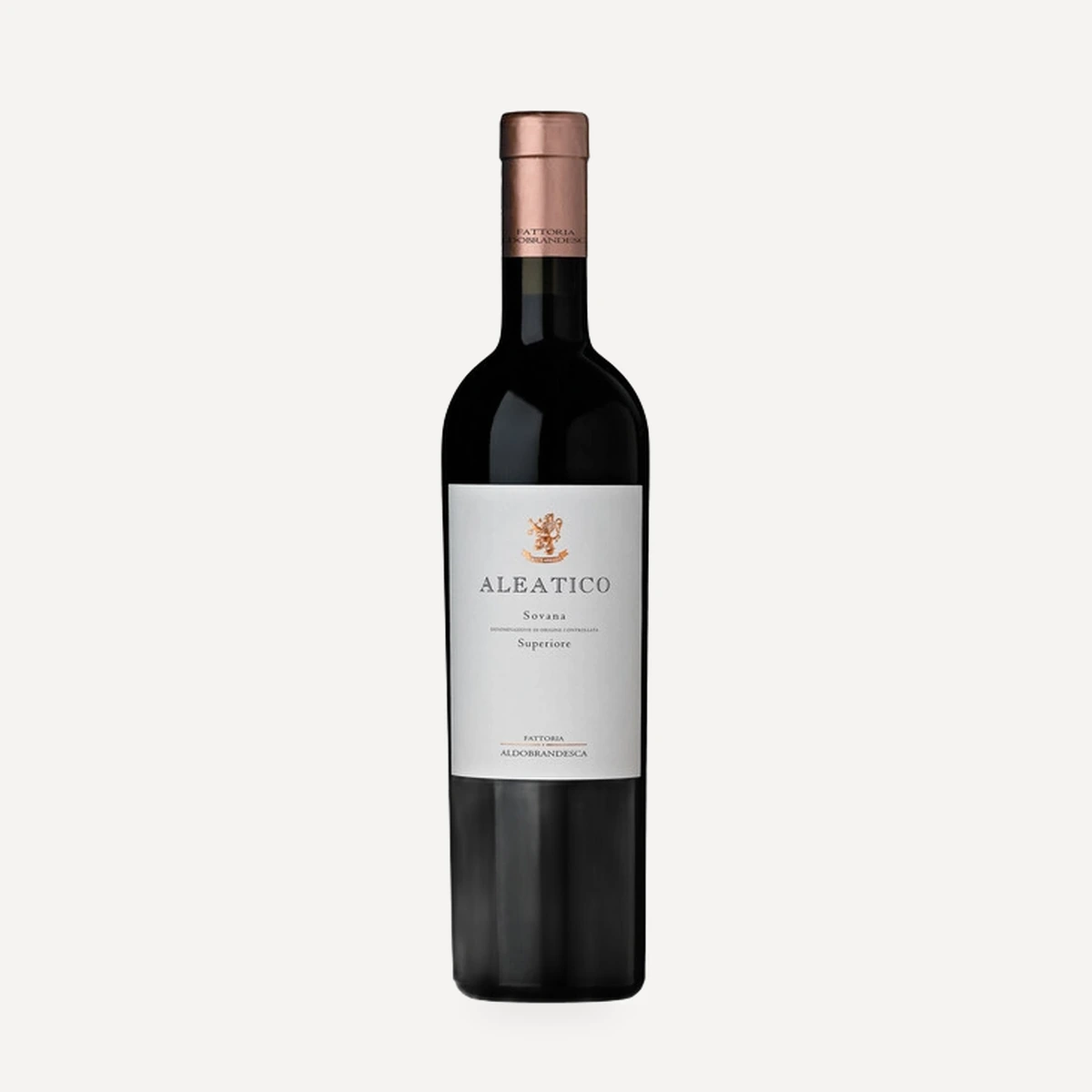
Fattoria Aldobrandesca Aleatico Sovana Superiore DOC
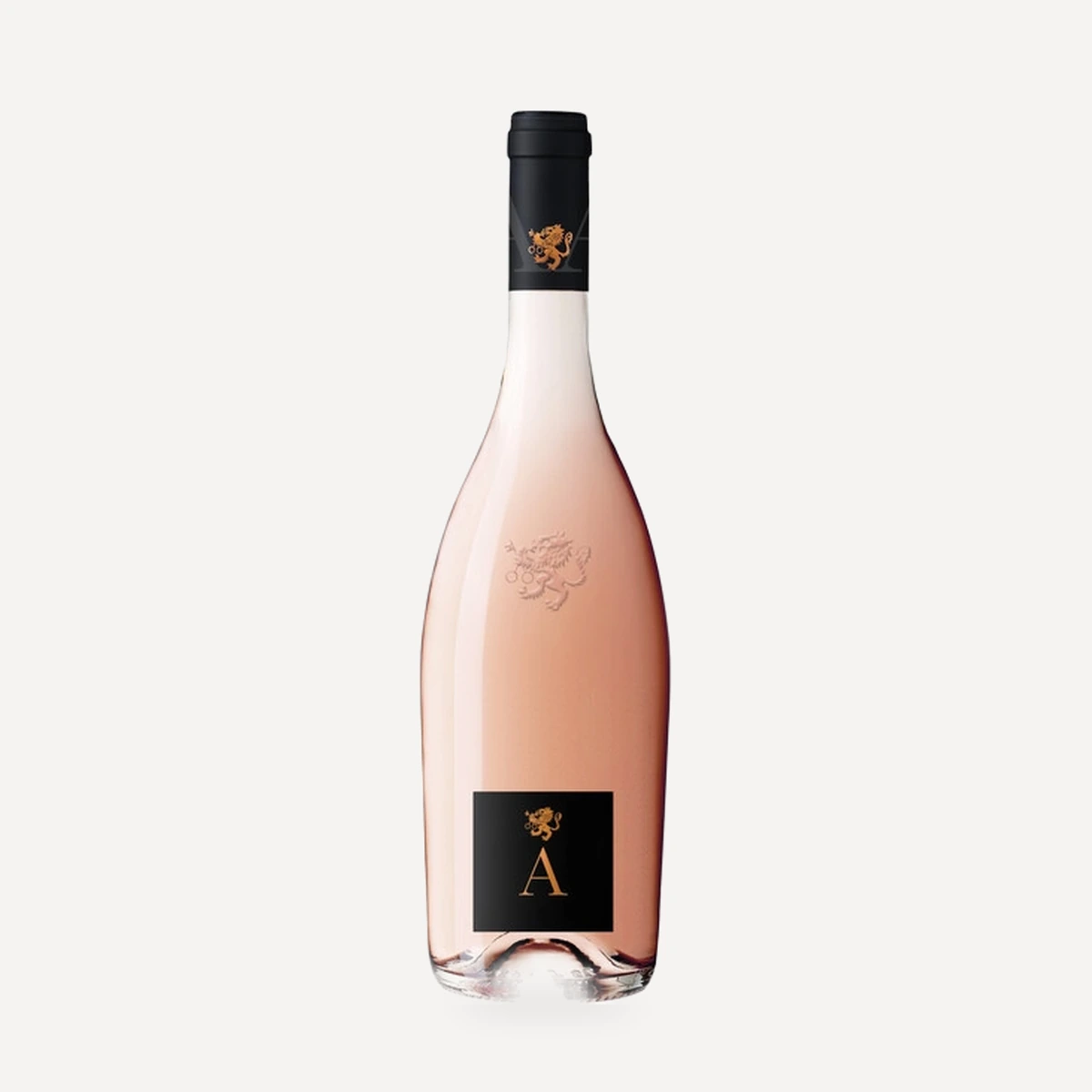
Aldobrandesca A Rosato Toscana IGT
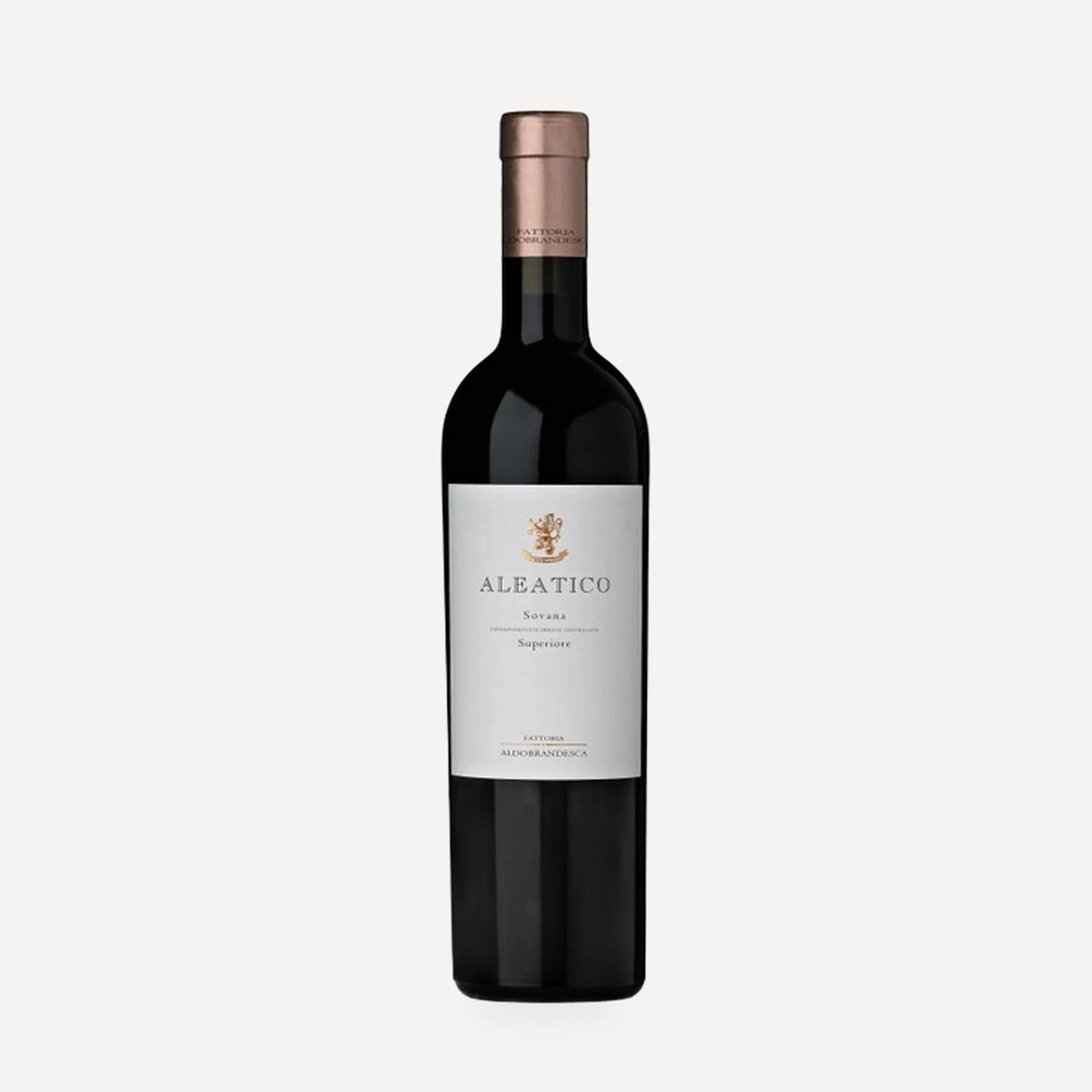
Aleatico Sovana Superiore DOC
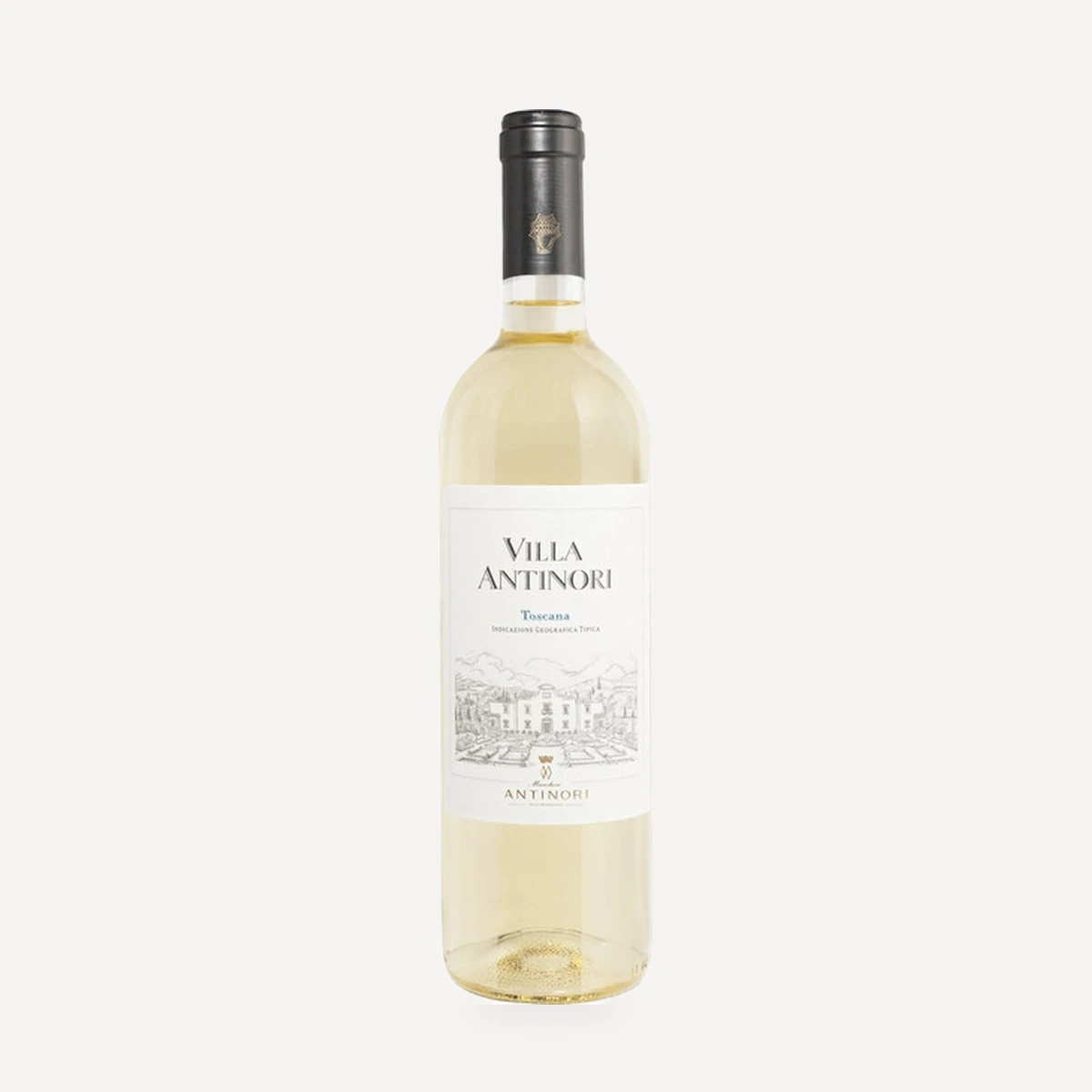
Villa Bianco Toscana IGT
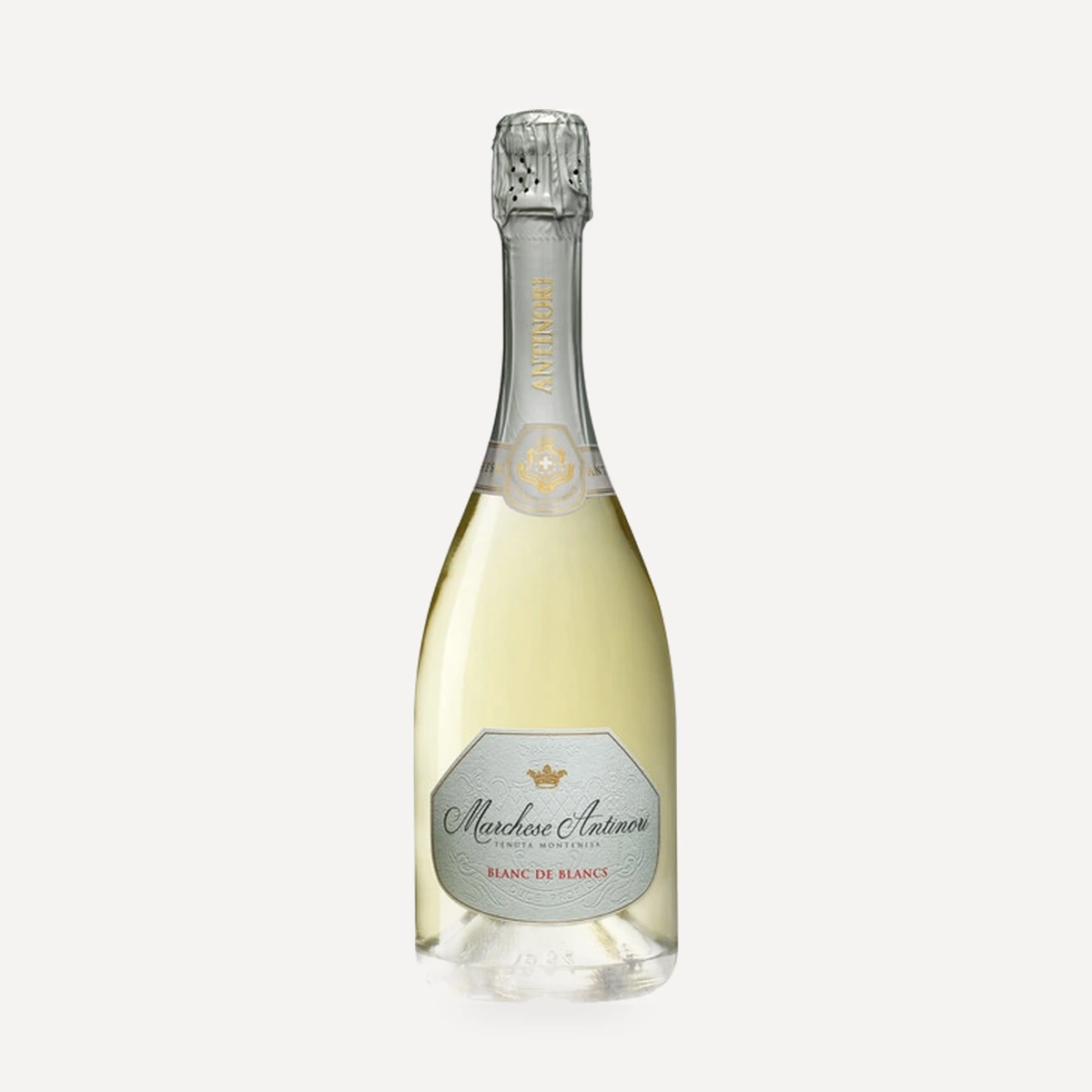
Blanc de Blancs Brut Franciacorta DOCG
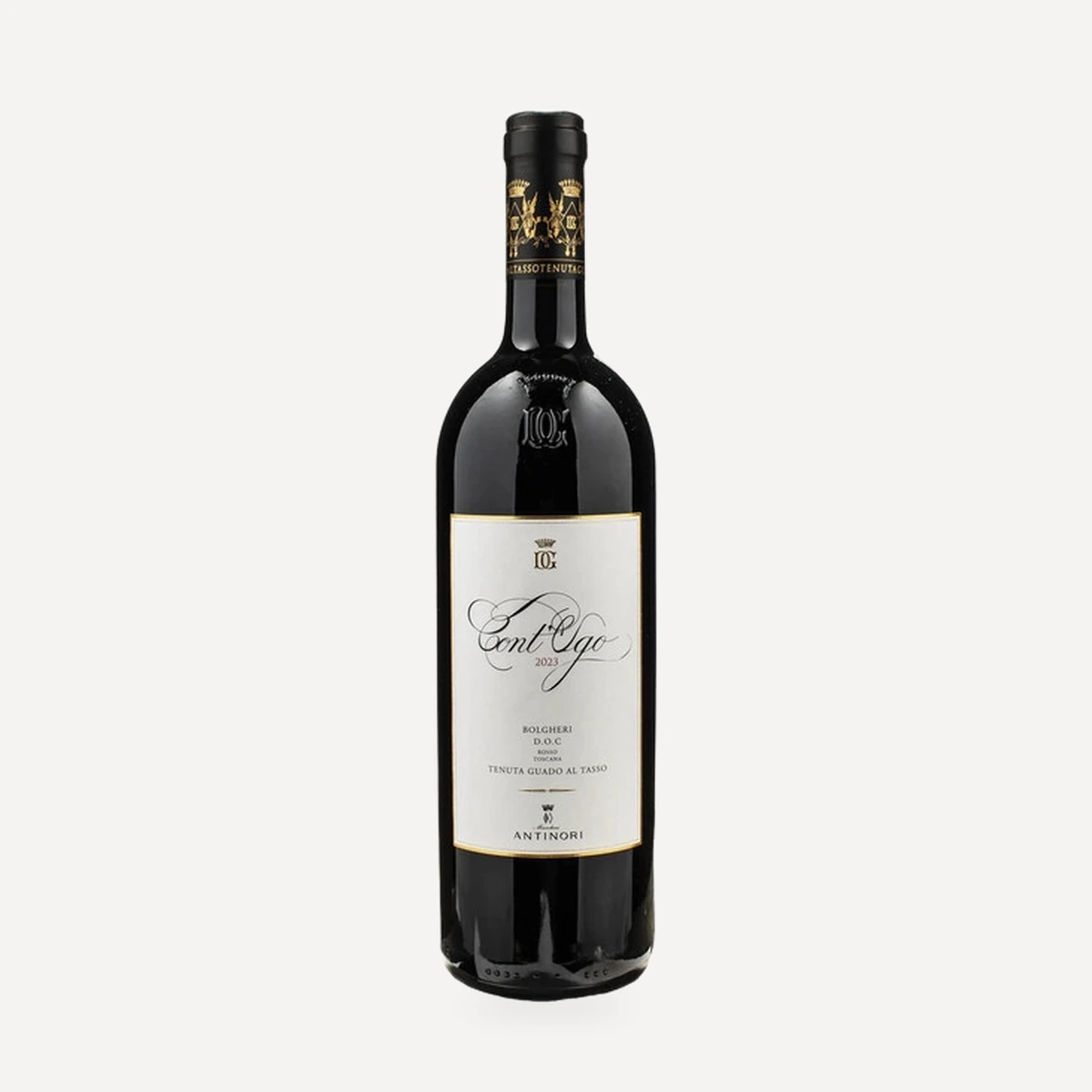
Cont'Ugo Bolgheri DOC
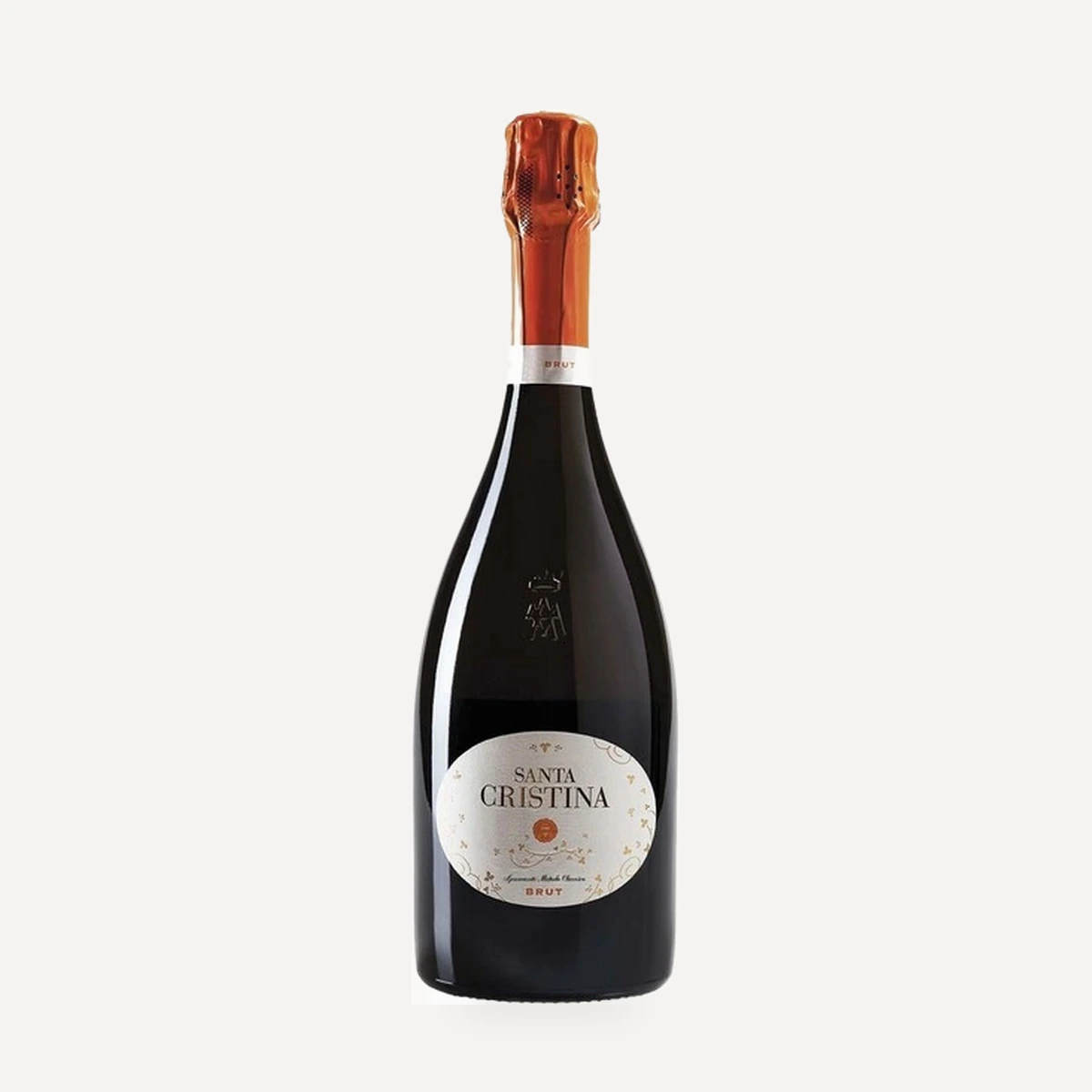
Santa Cristina Brut Franciacorta DOCG
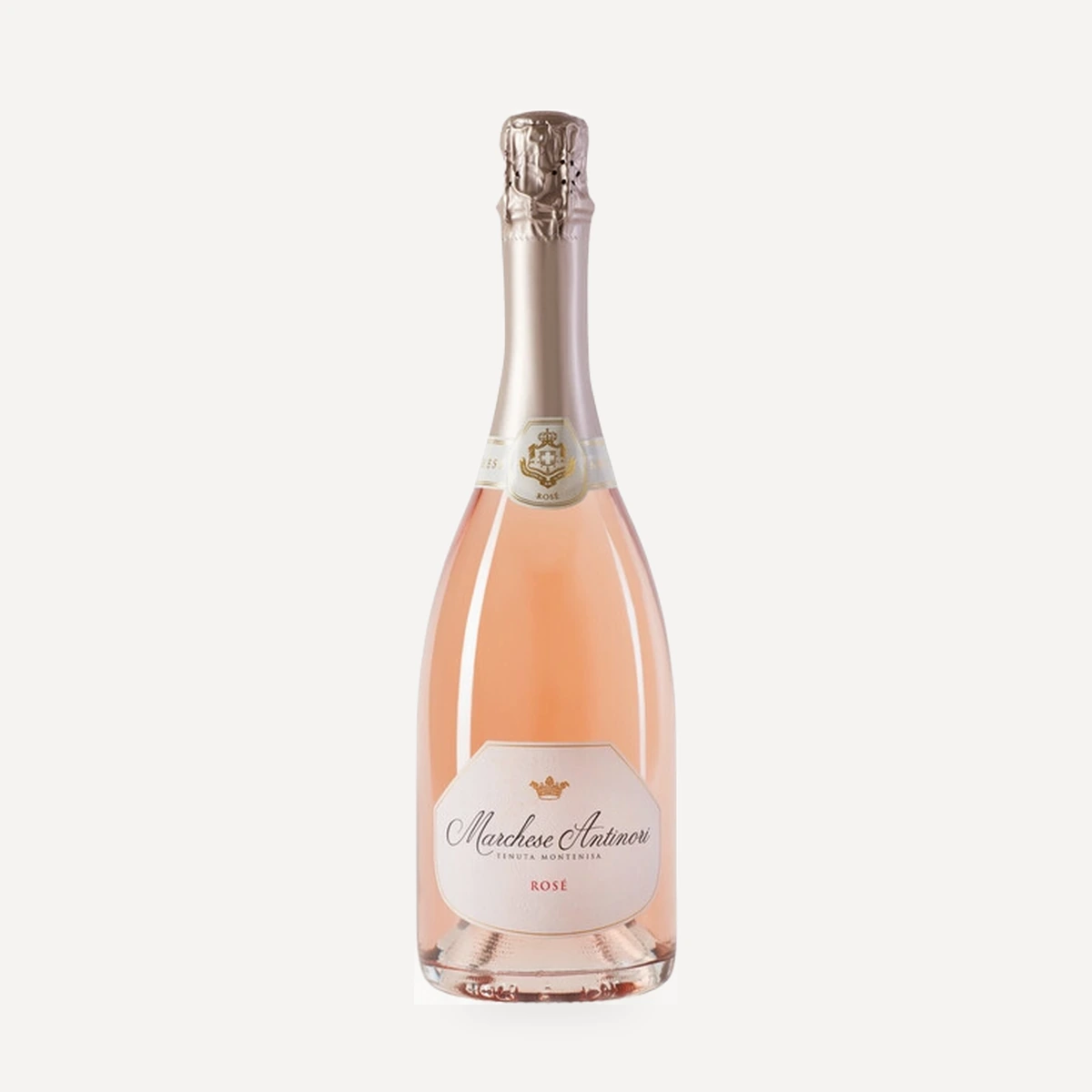
Marchese Rose Brut Franciacorta DOCG
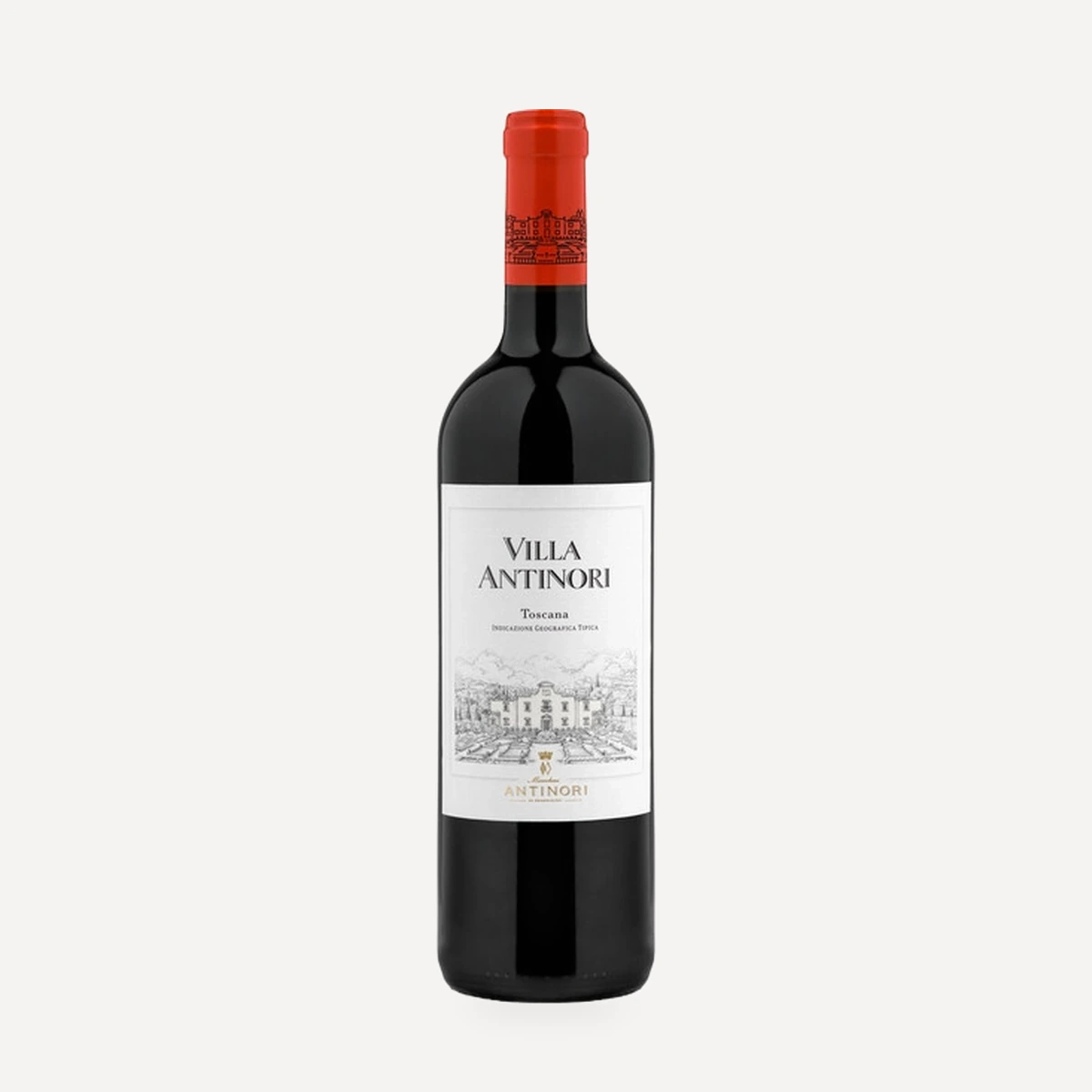
Villa Toscana Rosso IGT
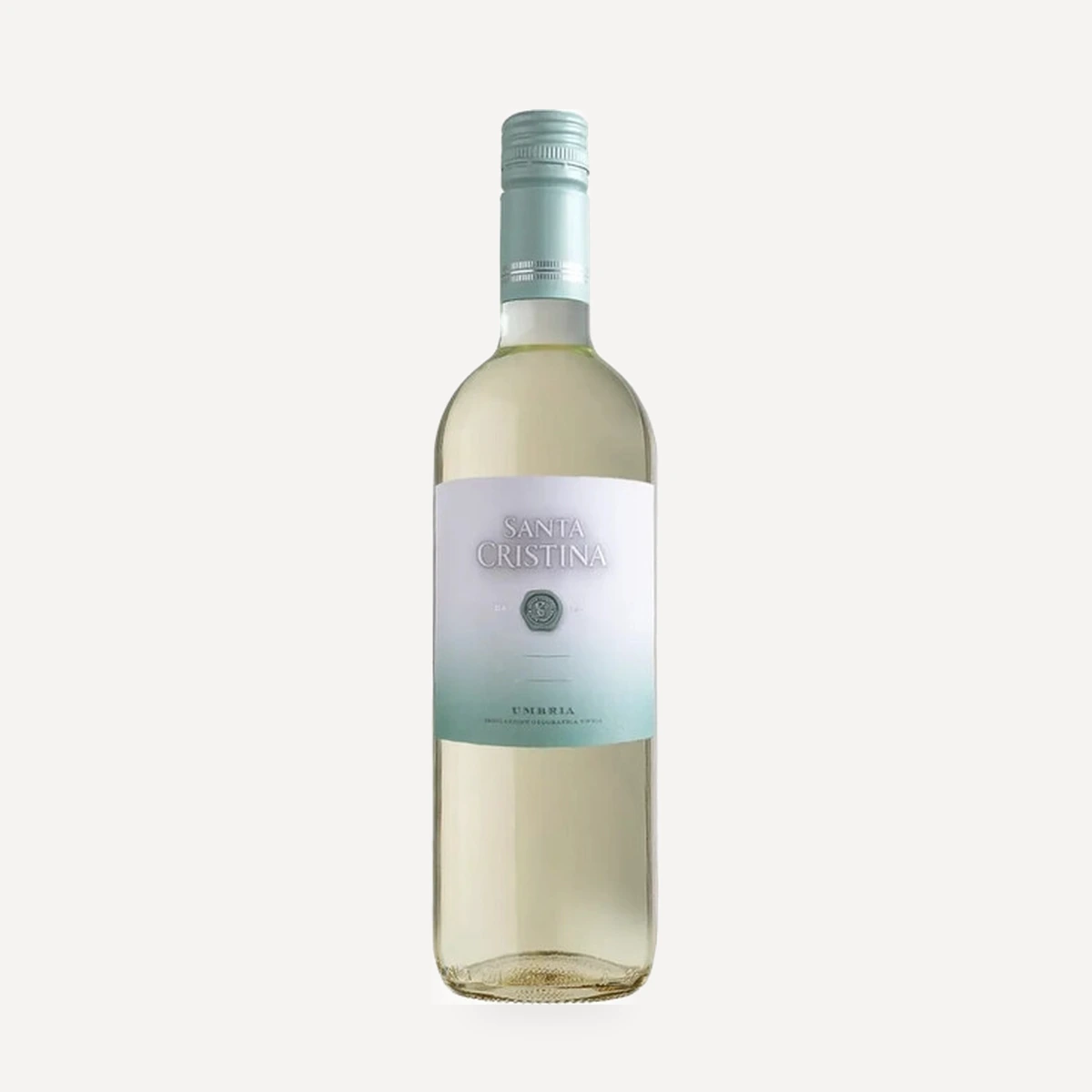
Santa Cristina Bianco Umbria IGT
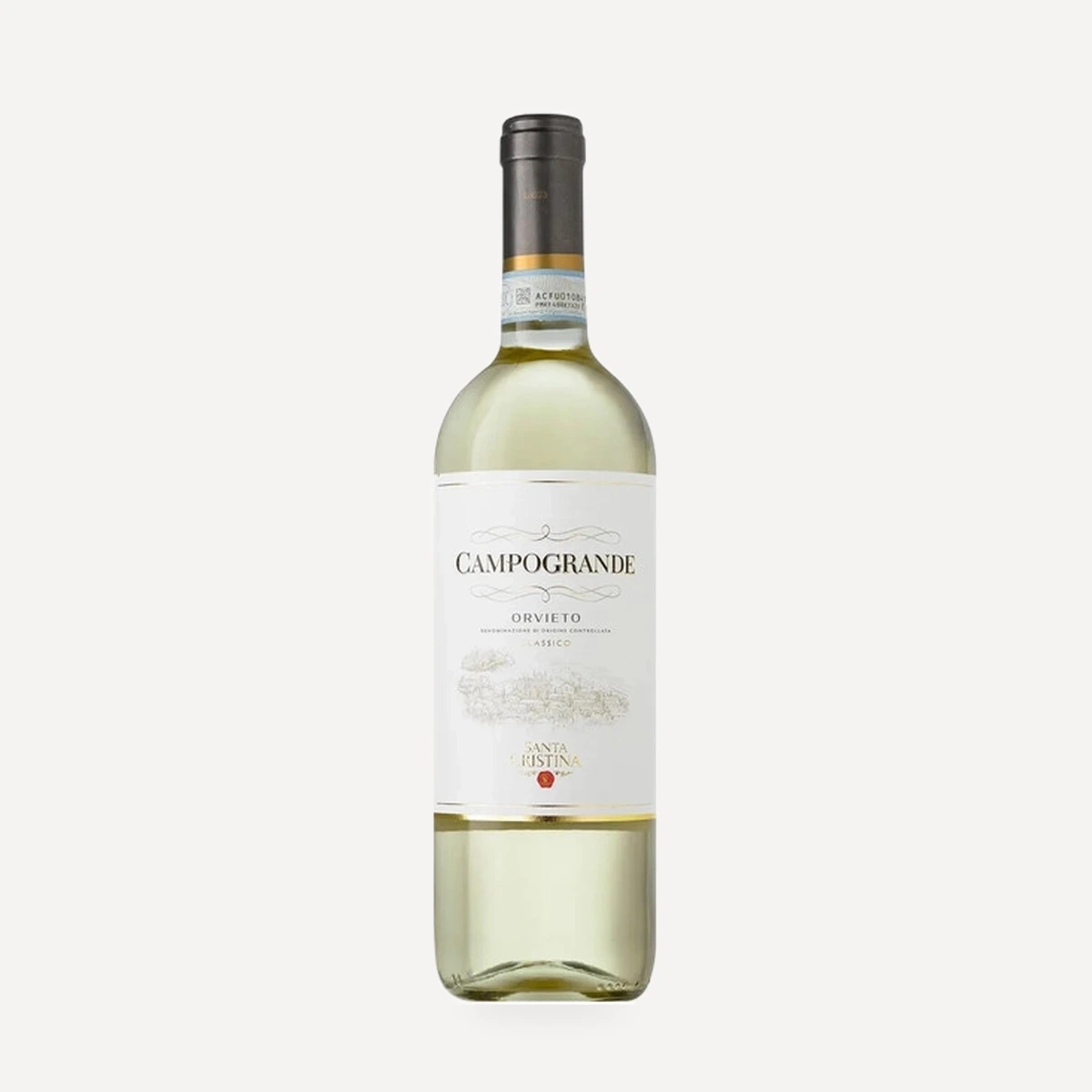
Campogrande Orvieto Classico DOC
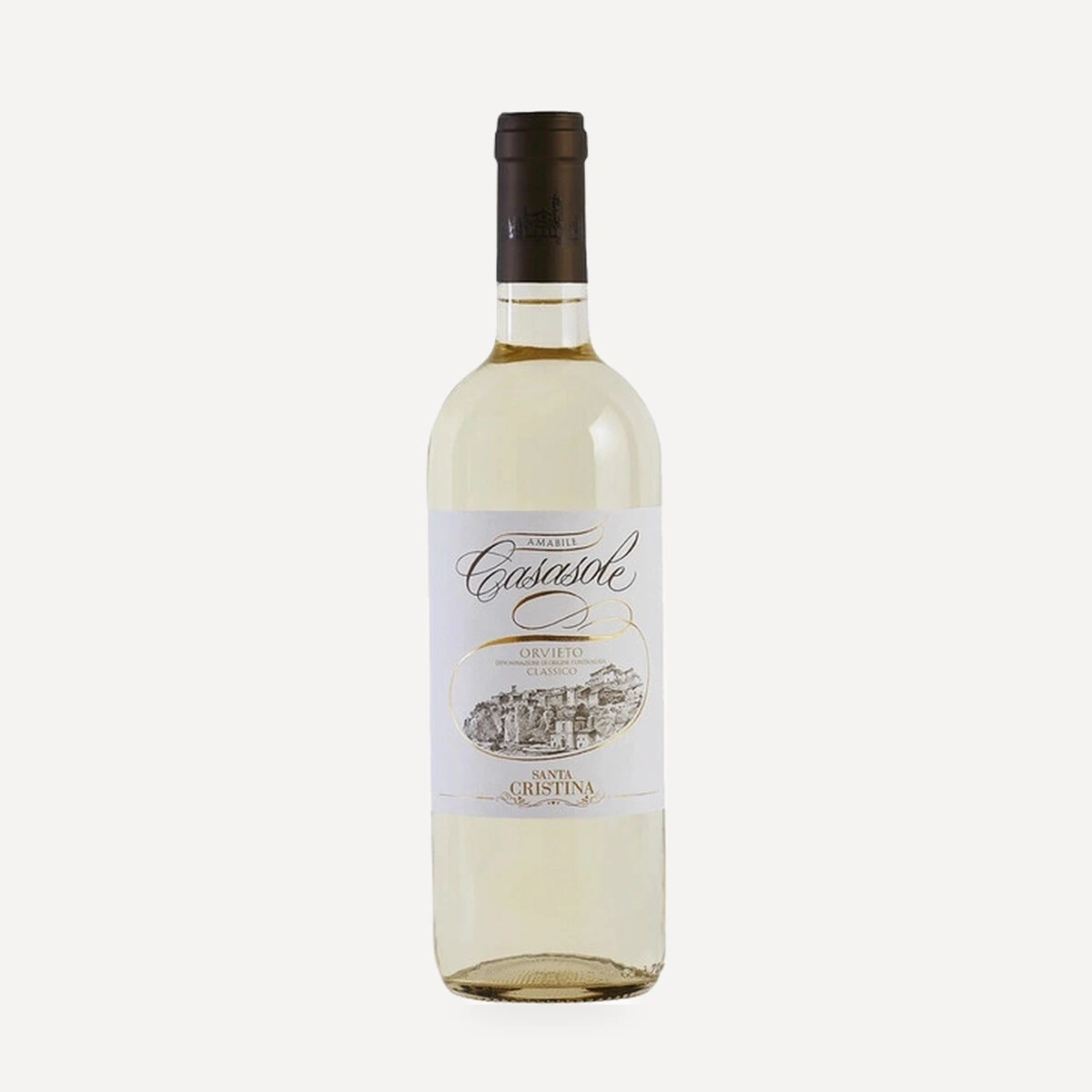
Casasole Orvieto Classico DOC
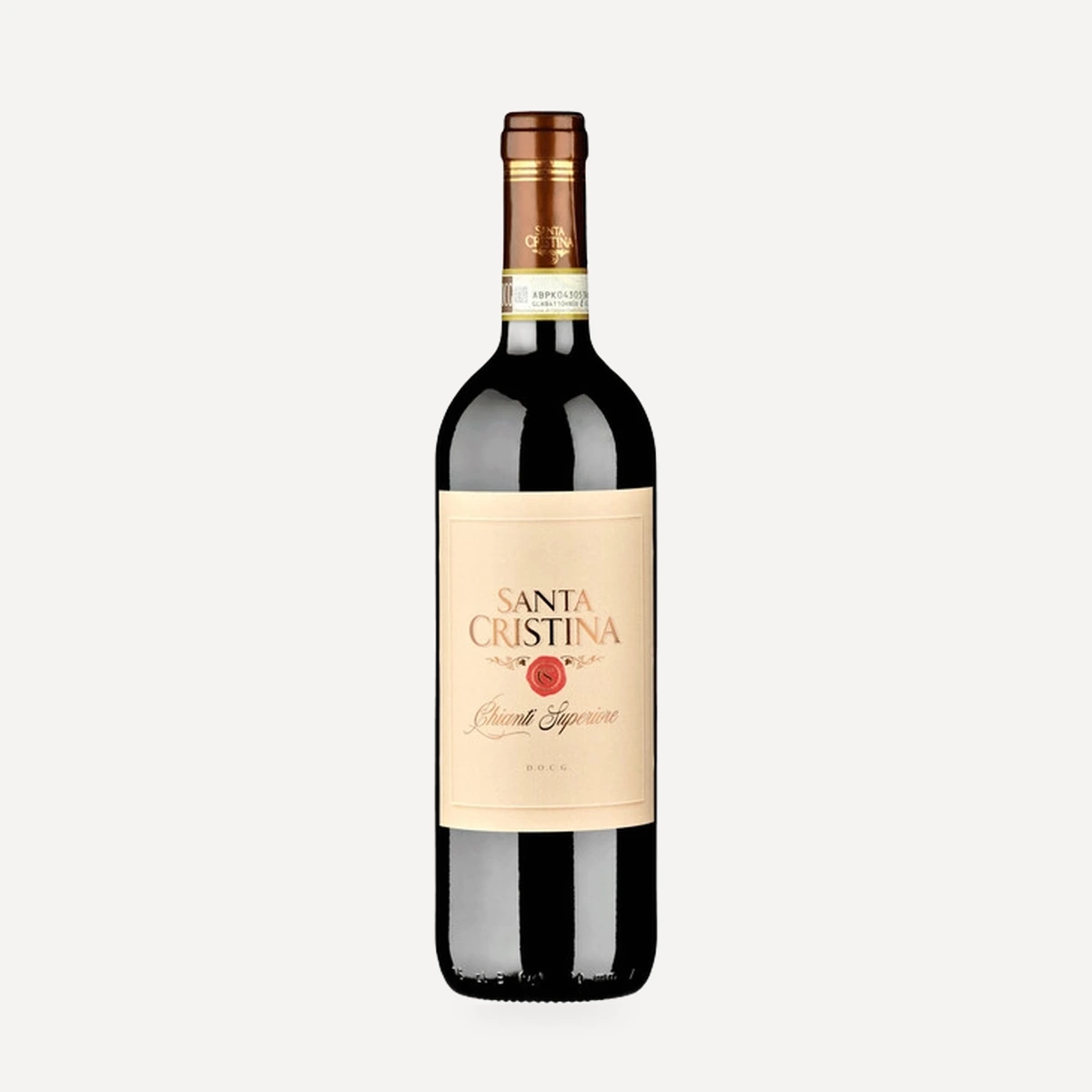
Santa Cristina Chianti Superiore DOCG
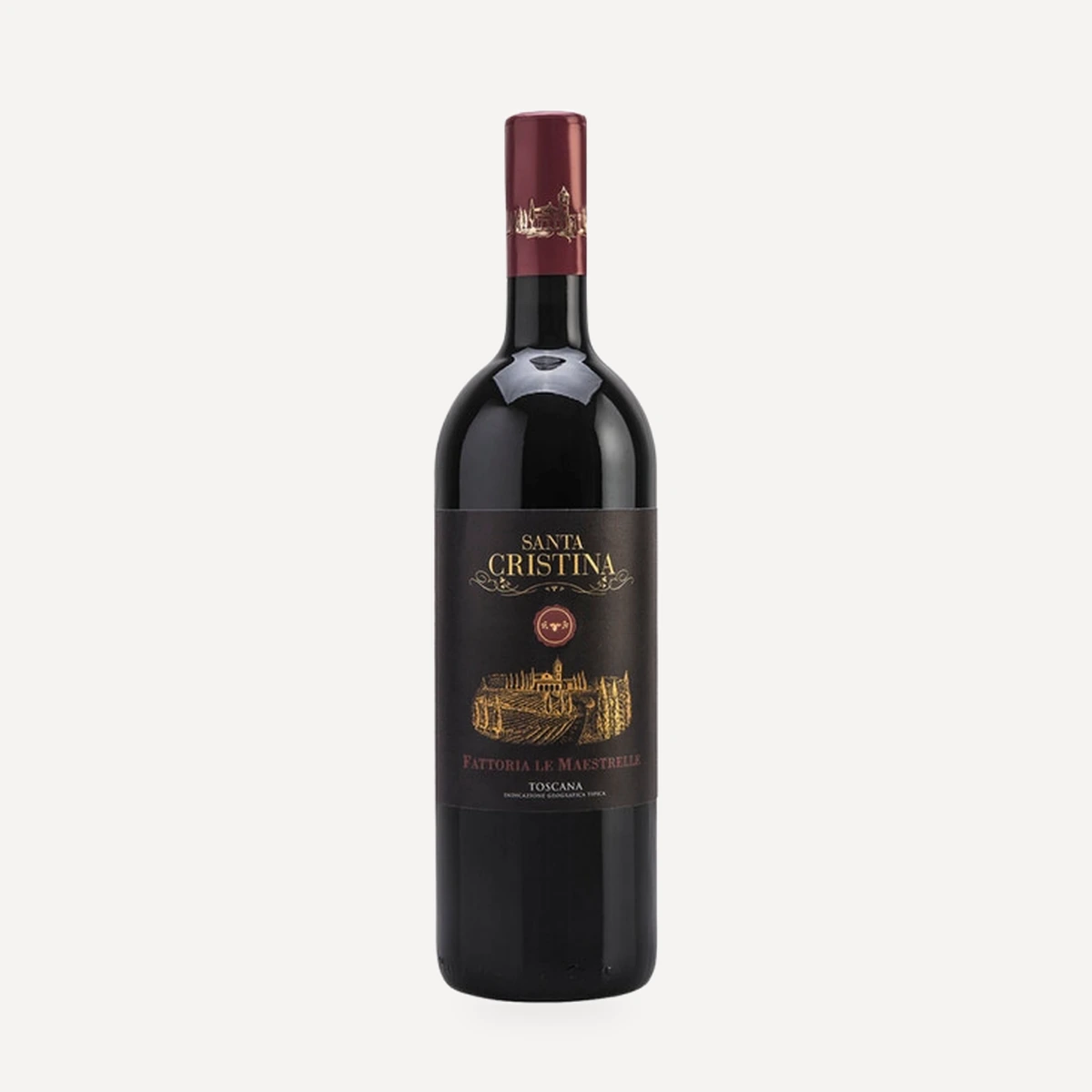
Fattoria Le Maestrelle Toscana IGT
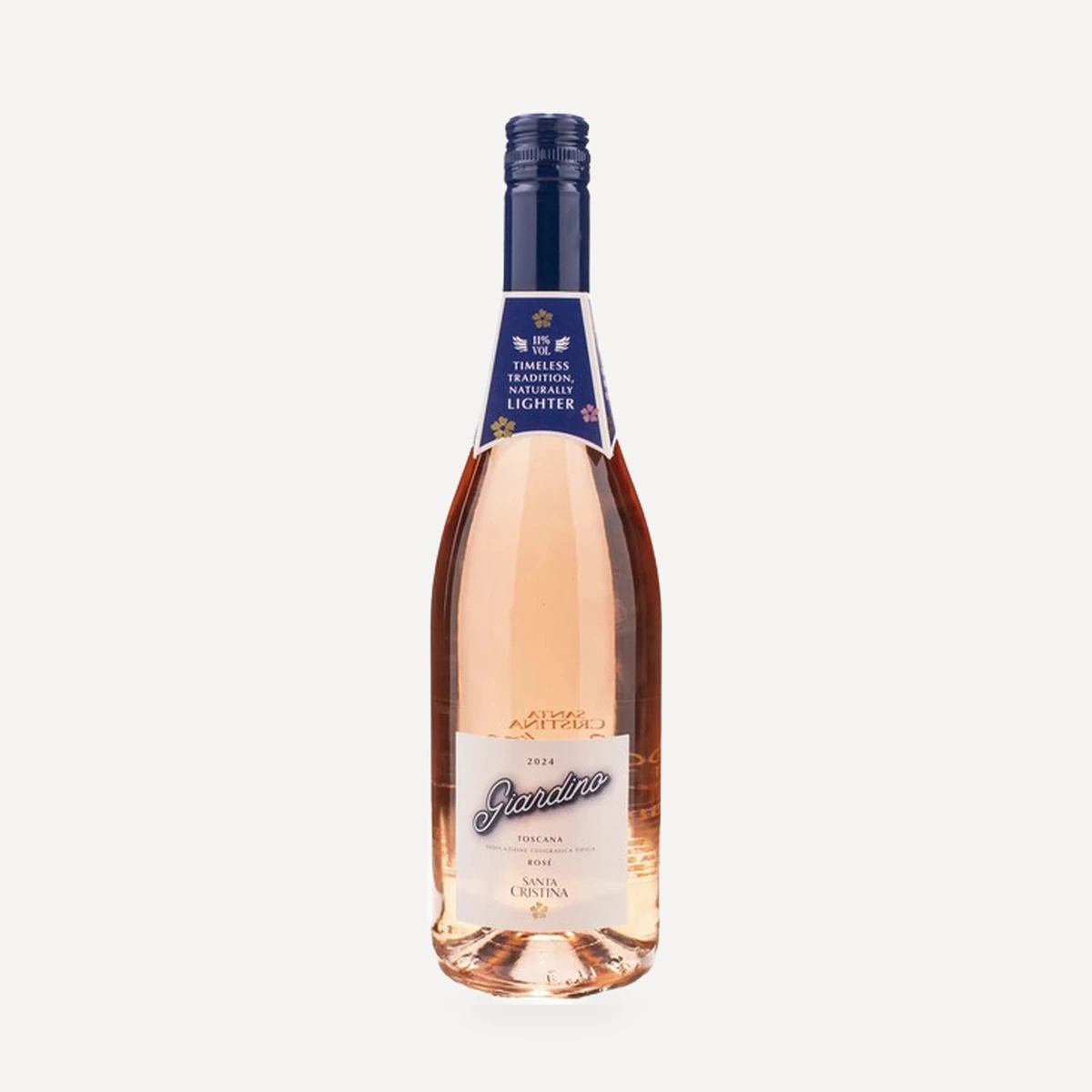
Giardino Rose Toscana IGT
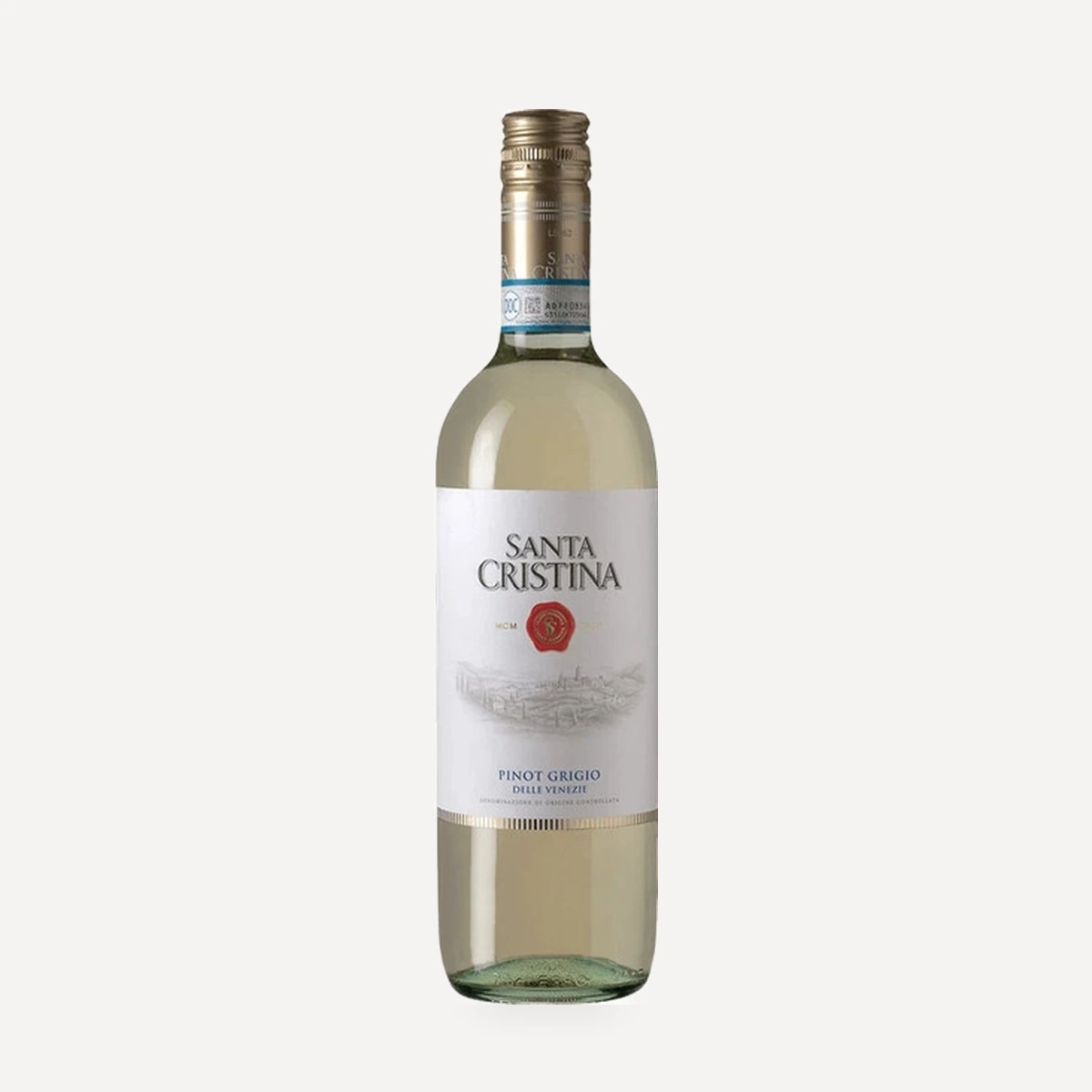
Santa Cristina Pinot Grigio delle Venezie DOC
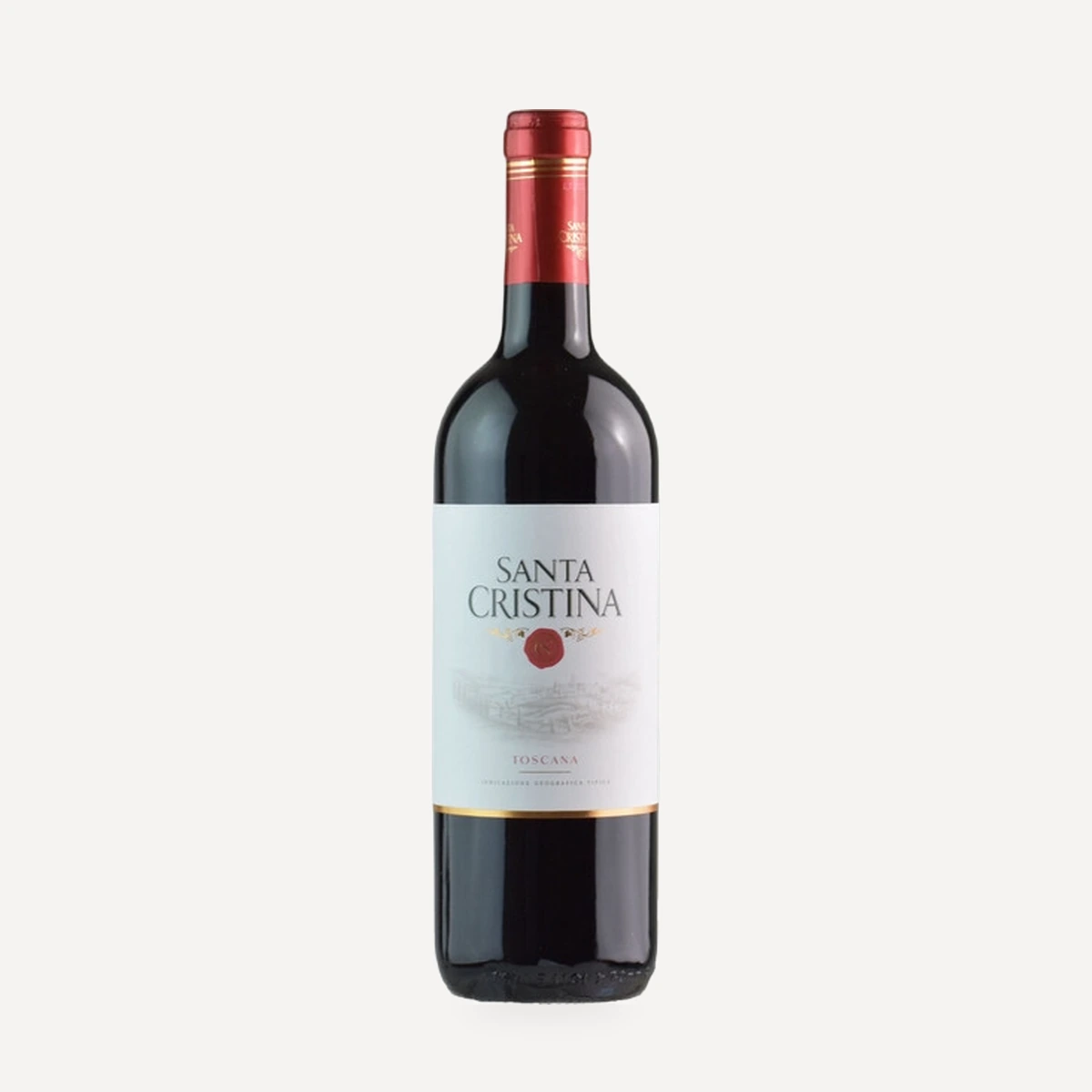
Santa Cristina Toscana IGT
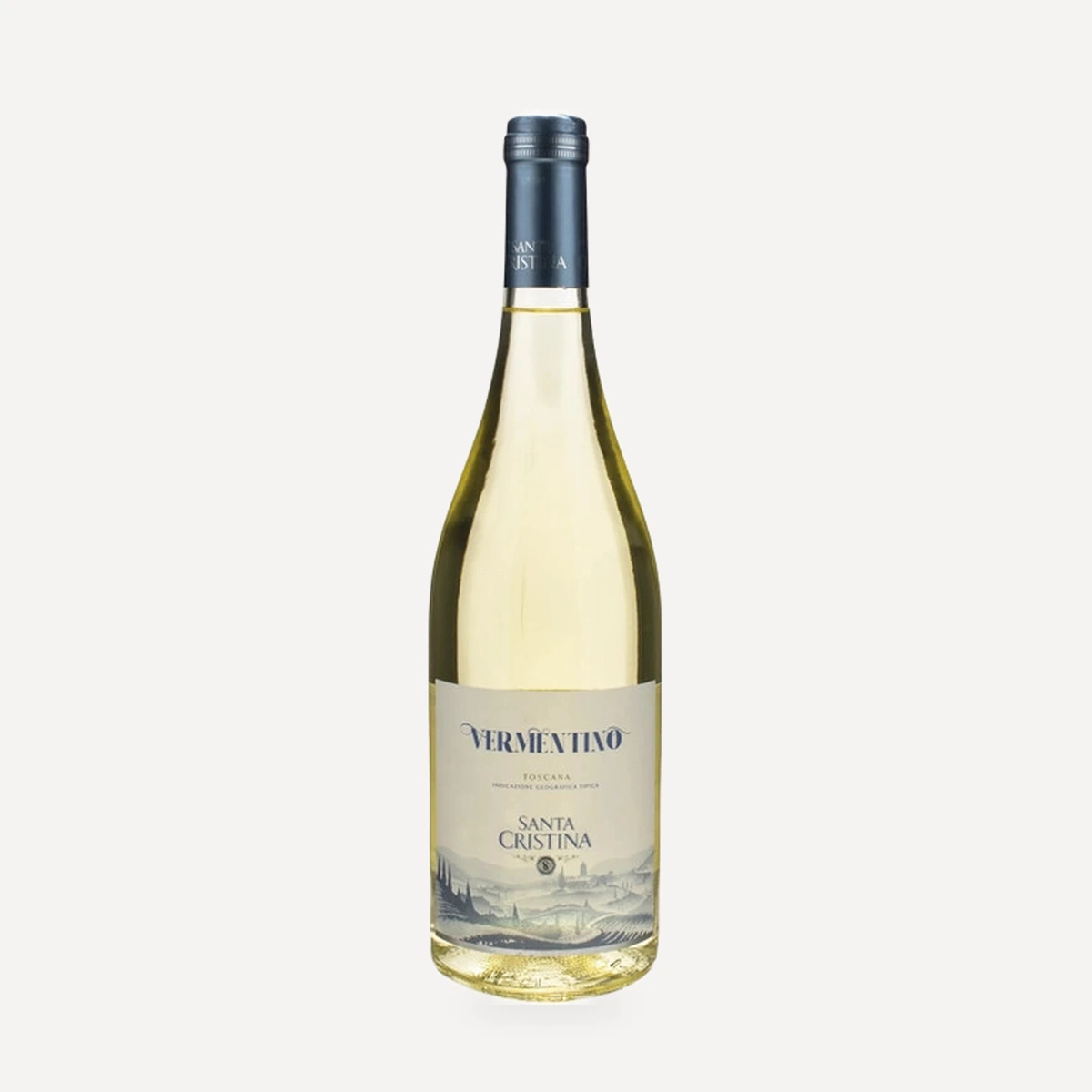
Santa Cristina Vermentino Toscana IGT
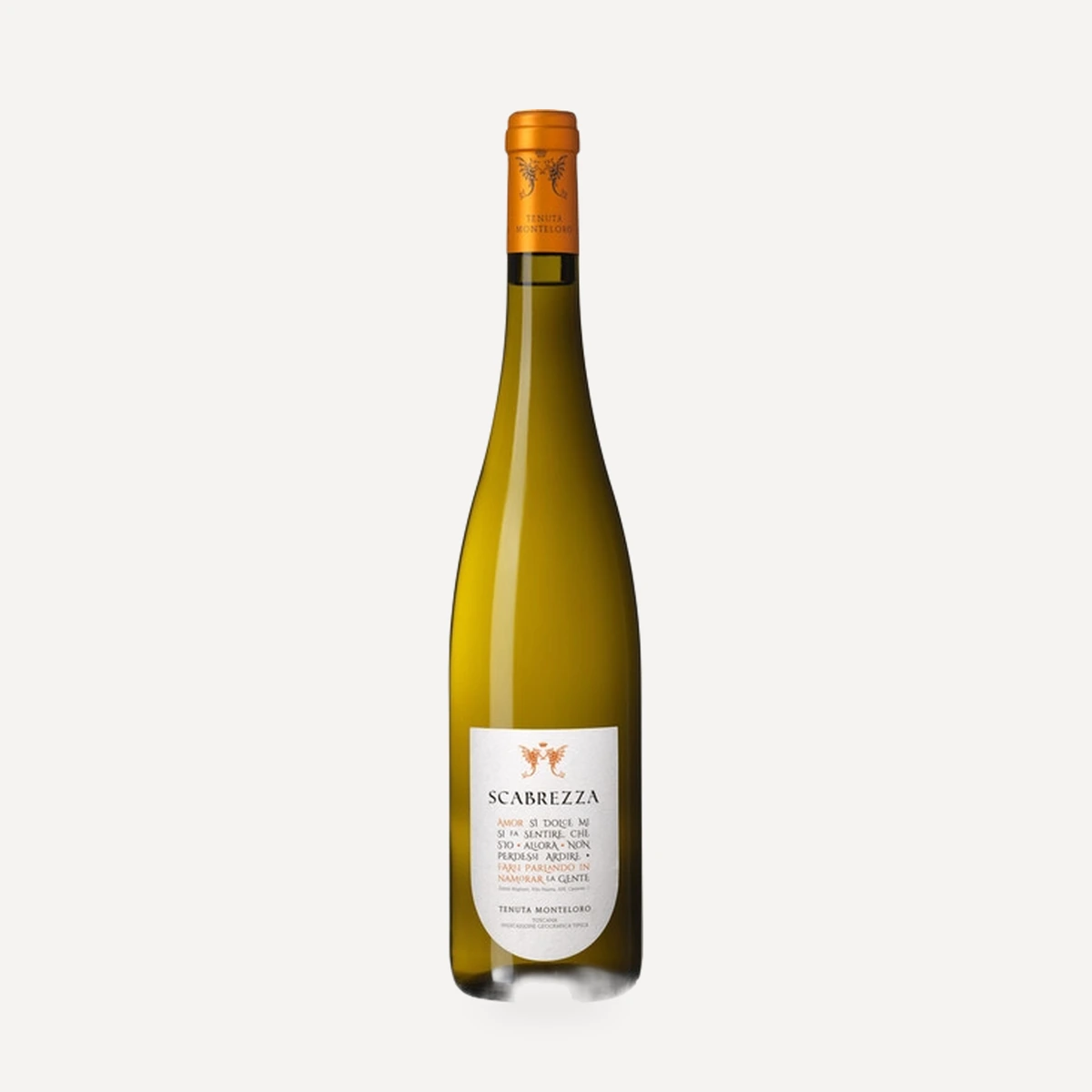
Tenuta Monteloro Scabrezza Toscana IGT
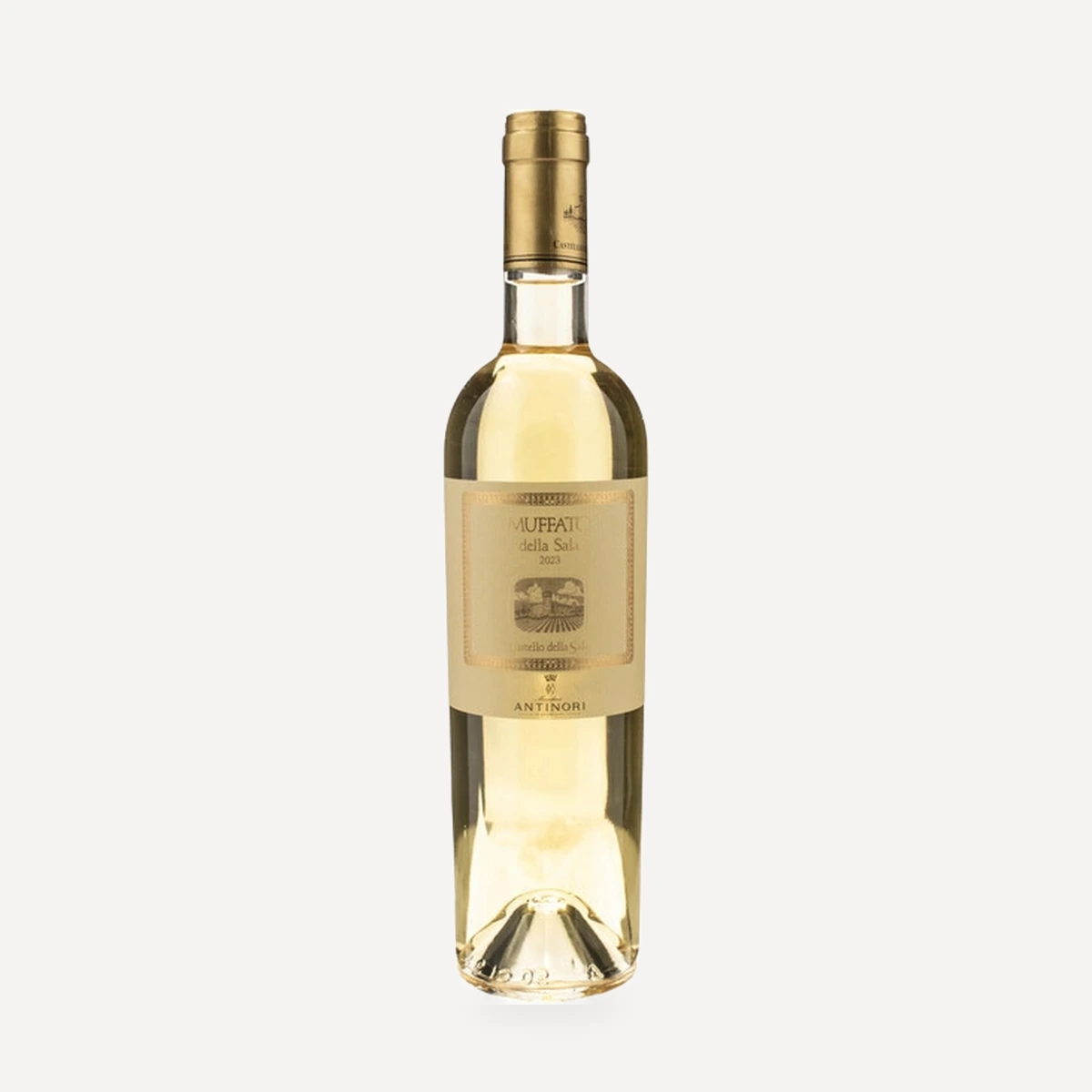
Muffato della Sala Umbria IGT

Guado al Tasso
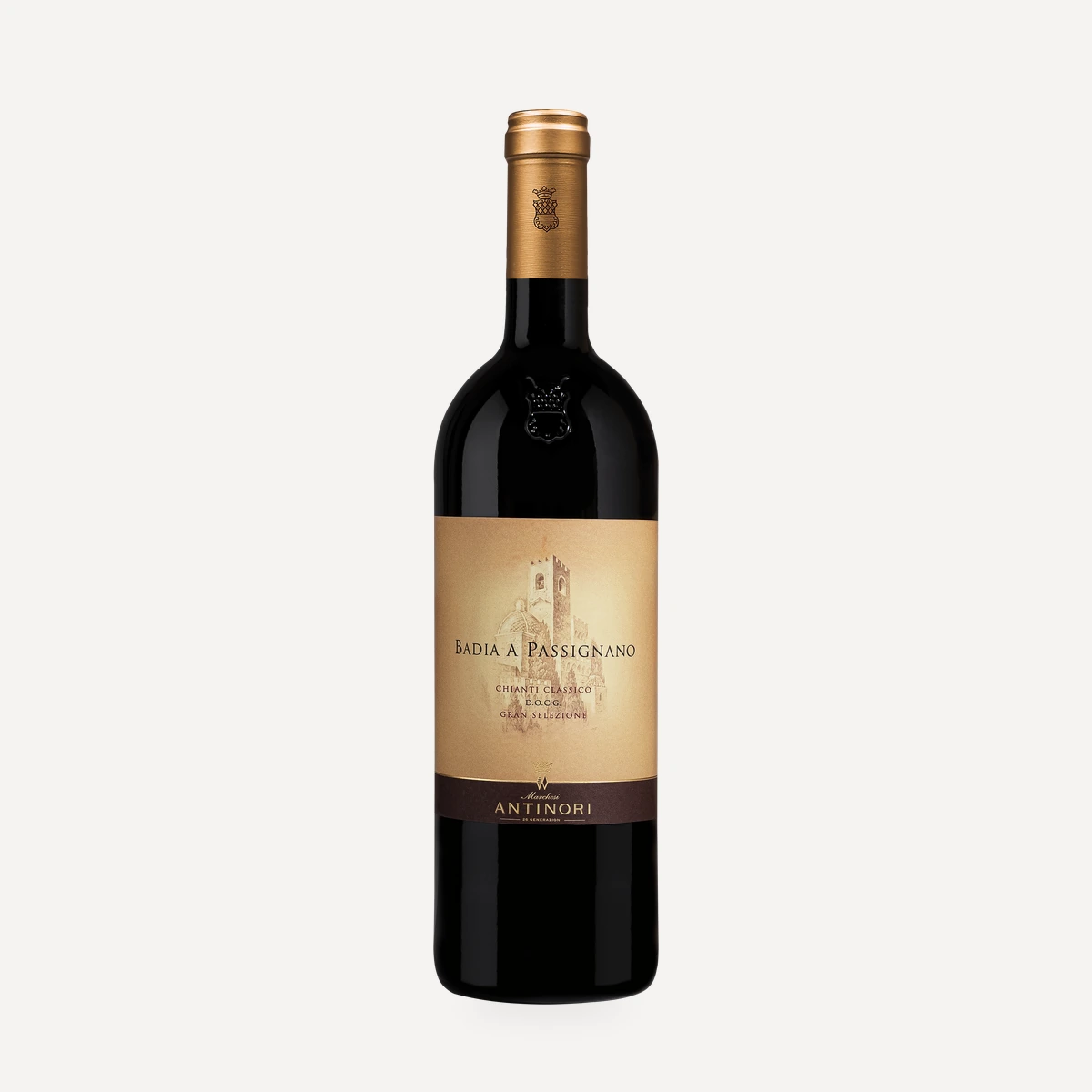
Badia a Passignano
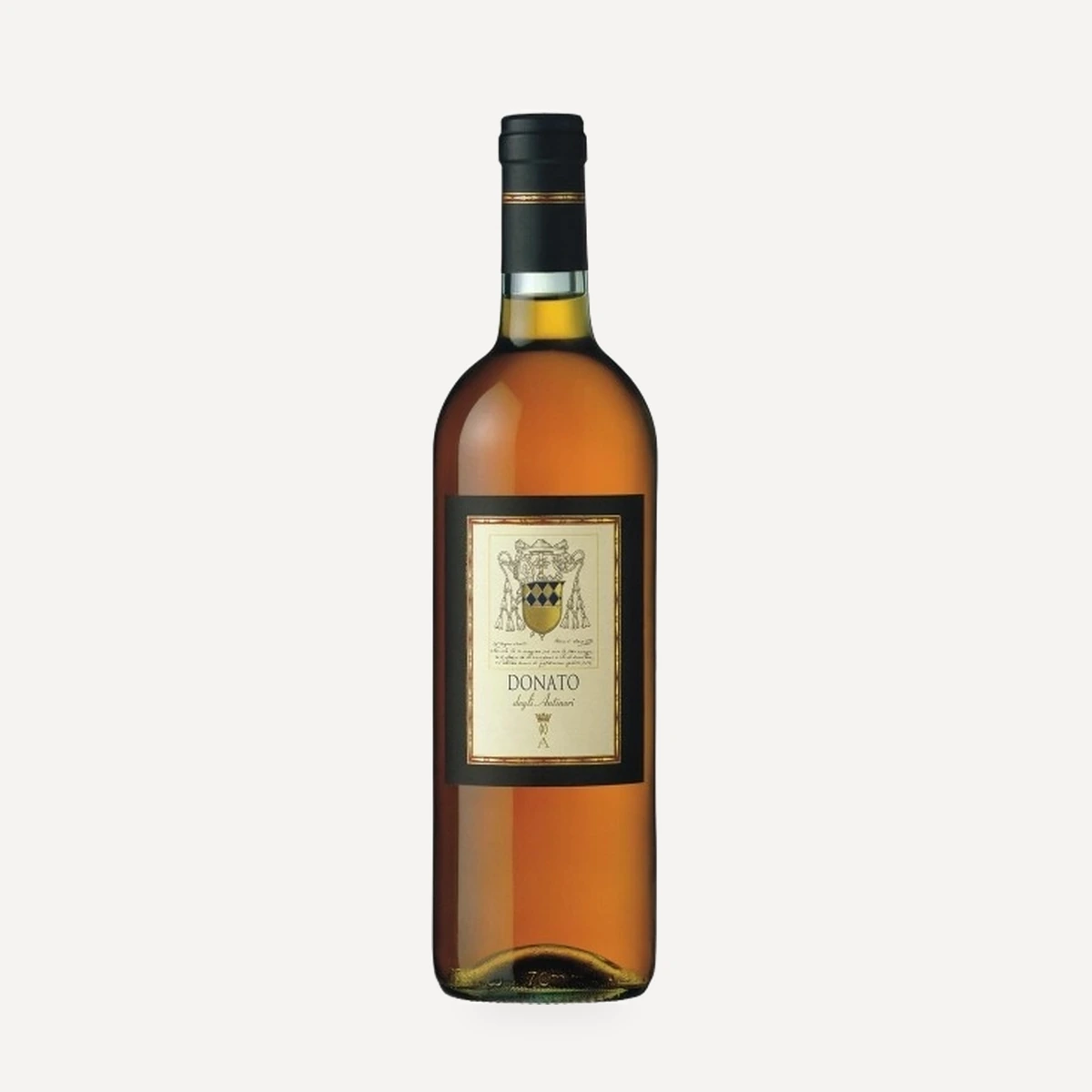
Donato degli
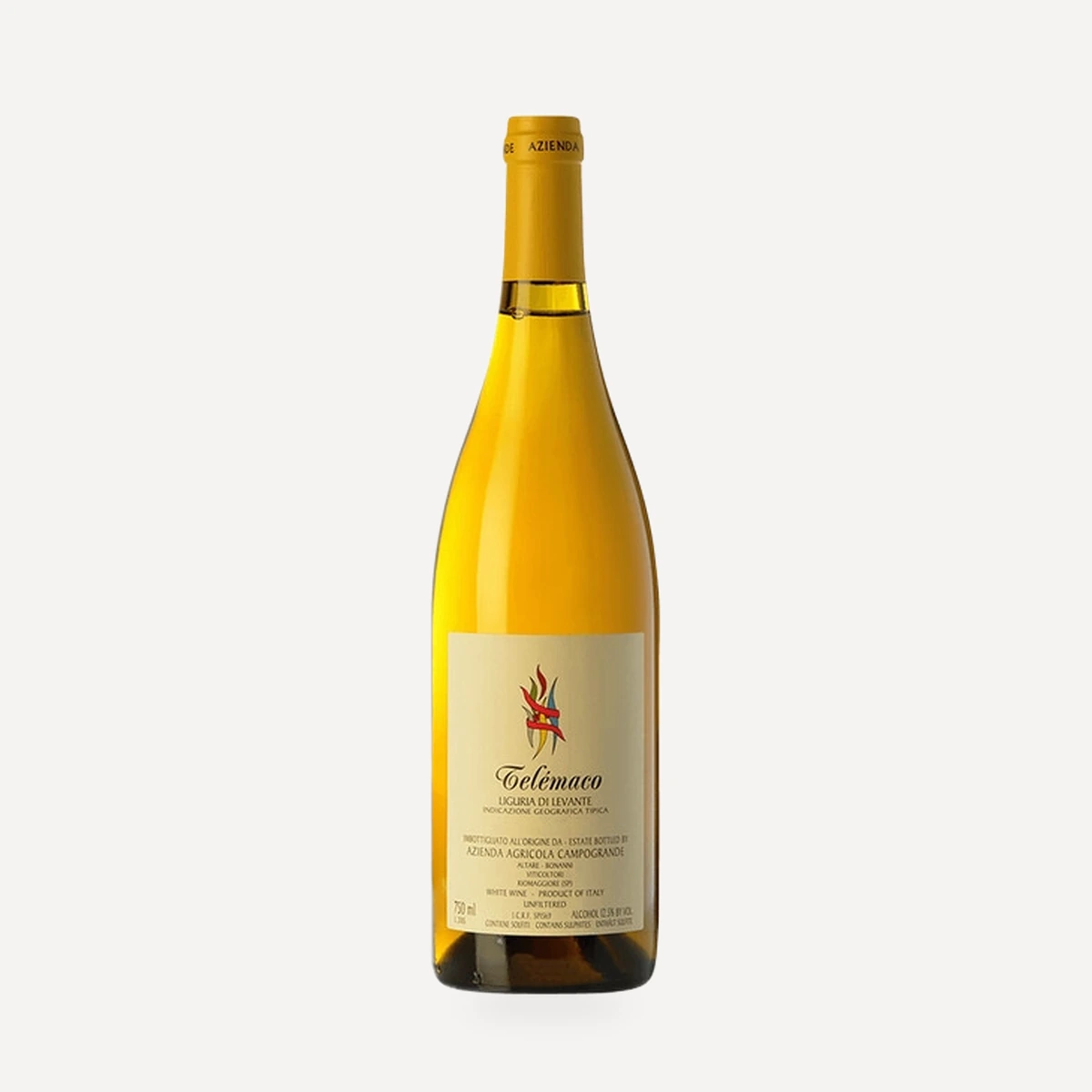
Campogrande Telemaco Liguria di Levante IGT
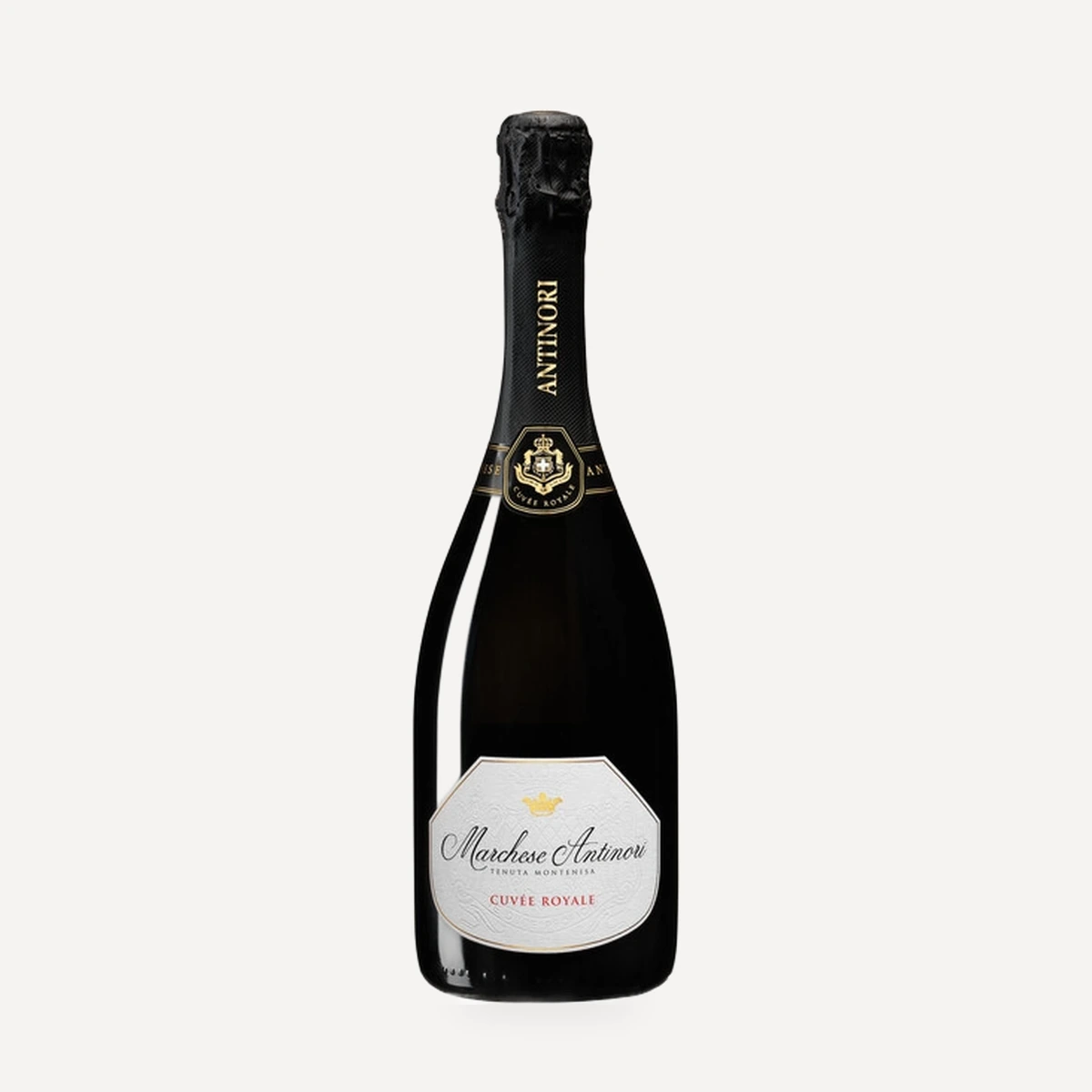
Cuvee Royale Franciacorta DOCG
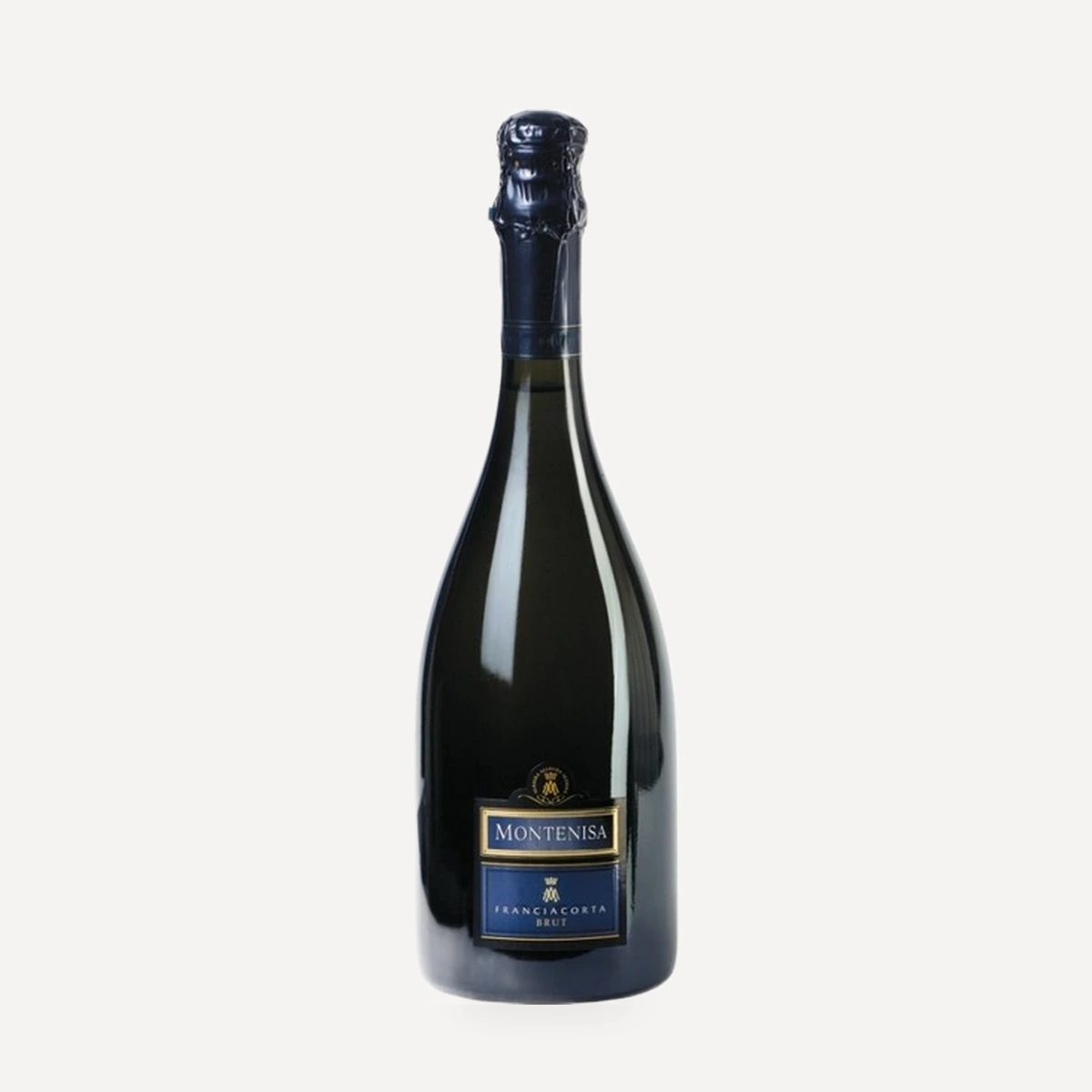
Montenisa Brut Franciacorta DOCG
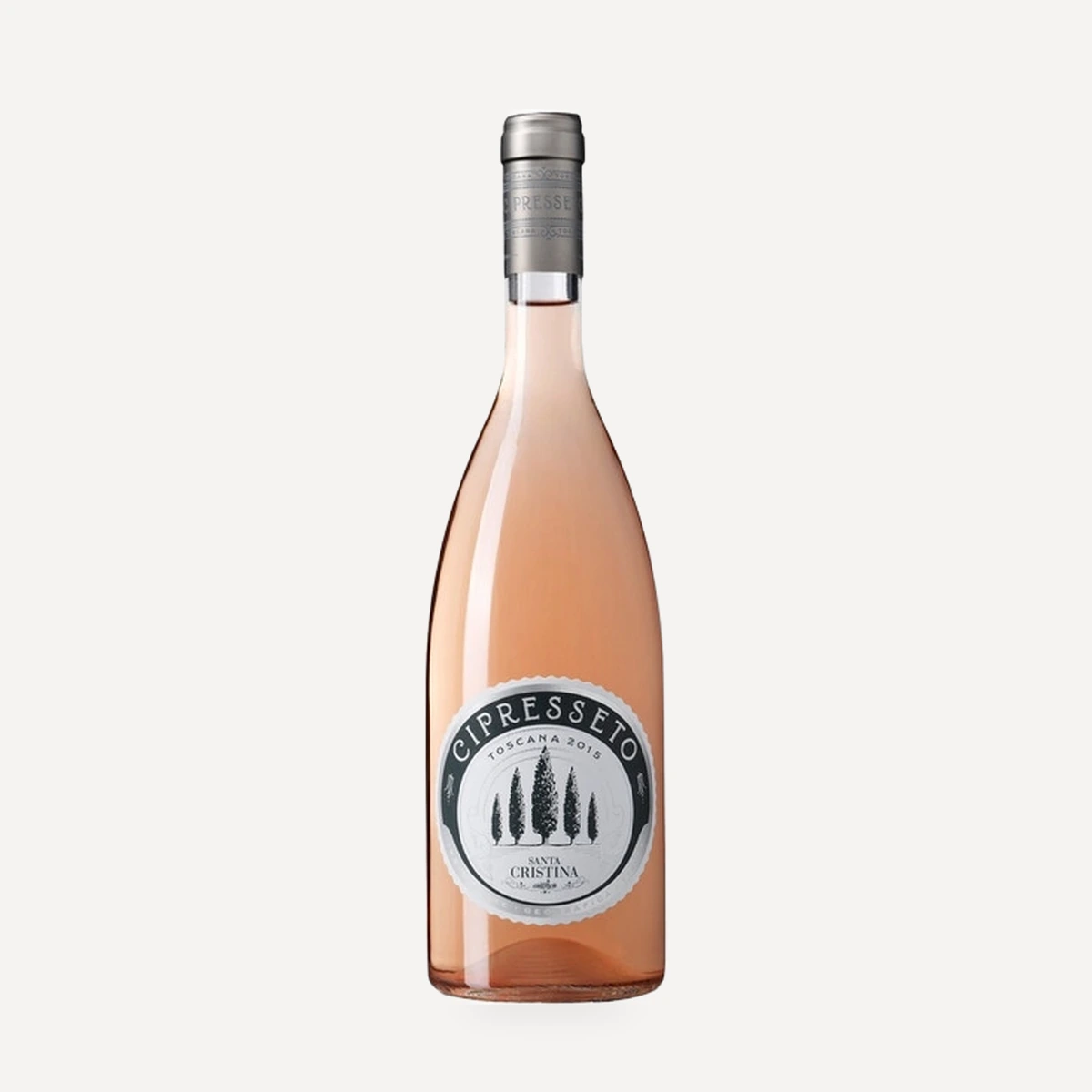
Cipresseto Rosato Toscana IGT
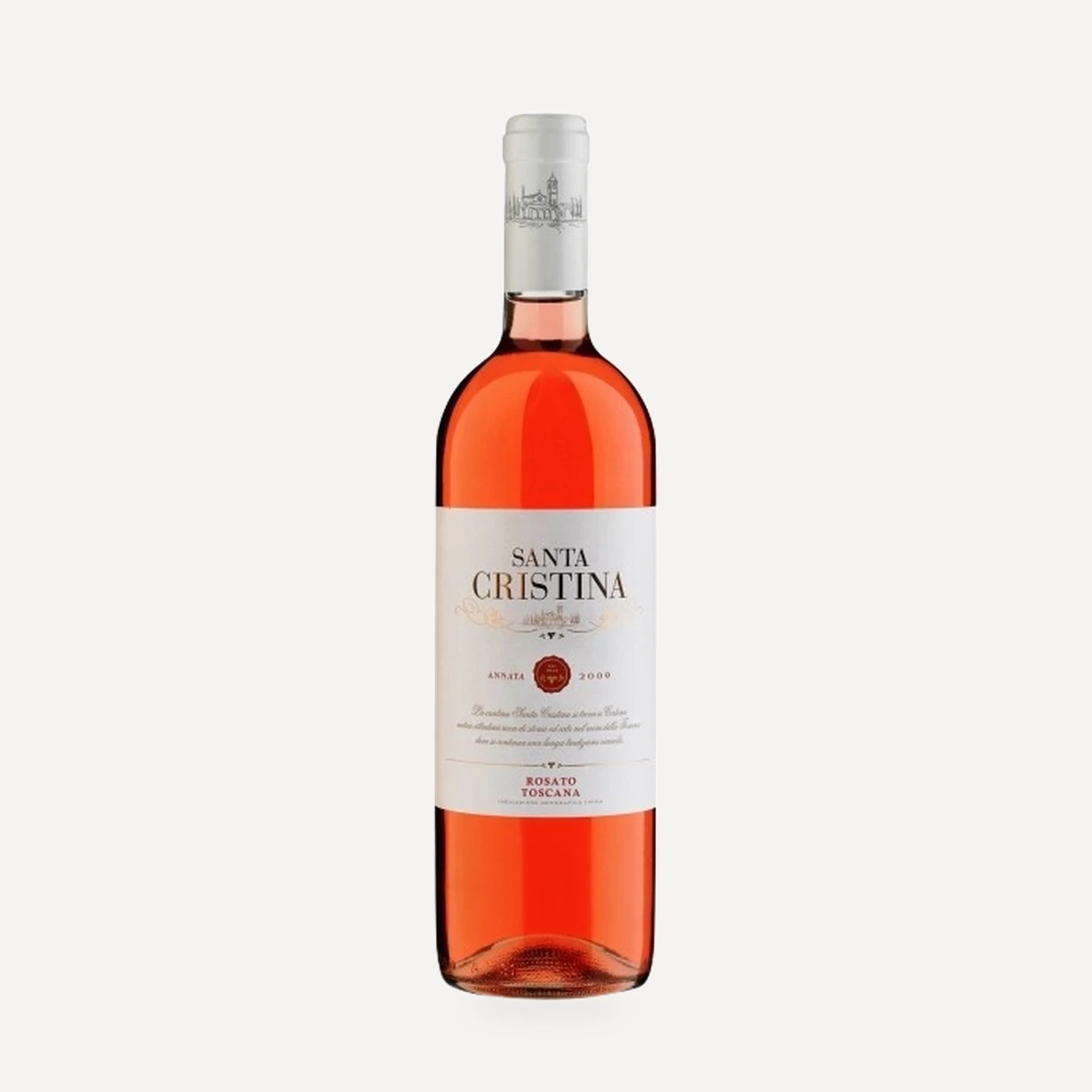
Santa Cristina Rosato Toscana IGT
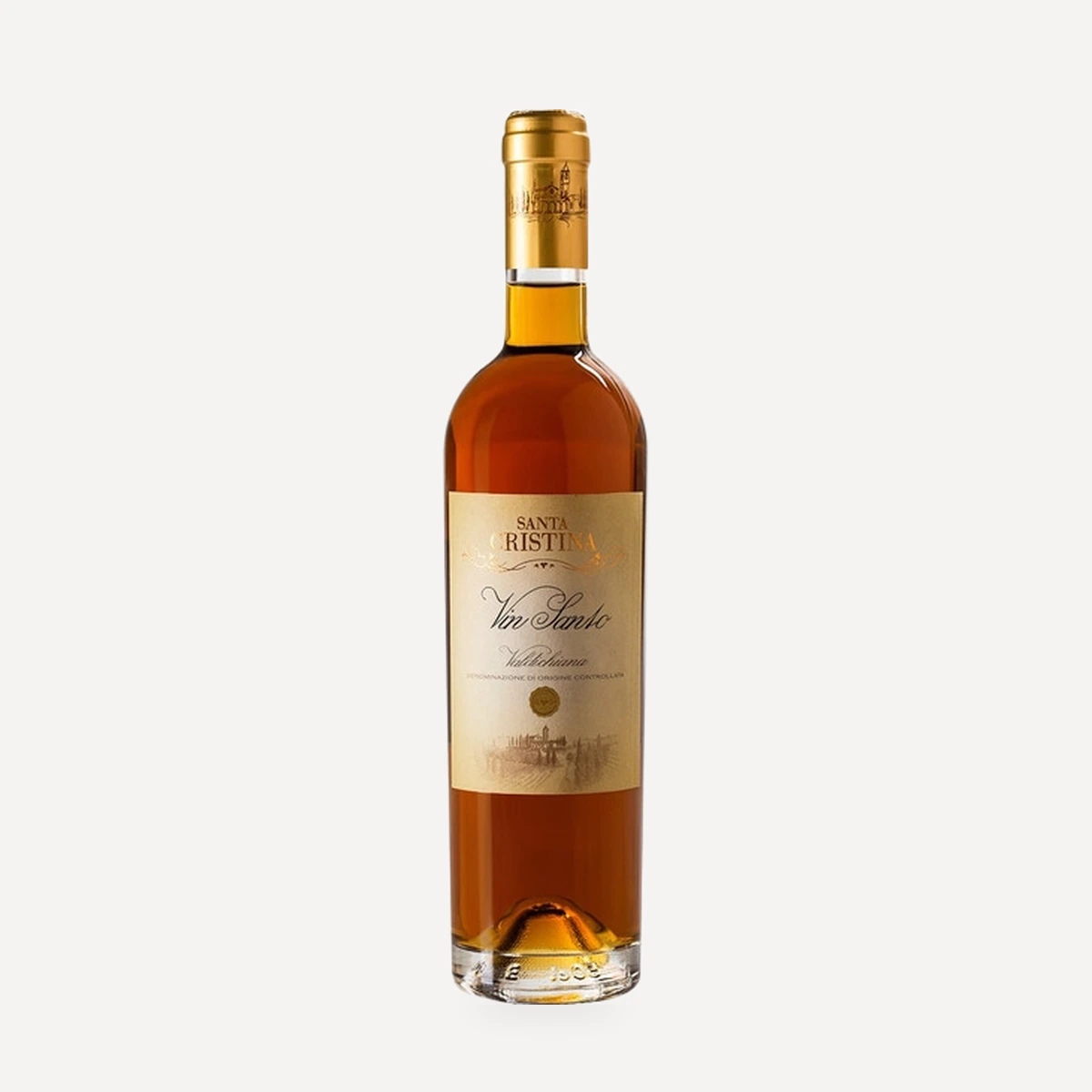
Vin Santo Valdichiana DOC