History
Brovia was founded in Castiglione Falletto in 1863.
The family developed its identity through vineyards in Castiglione Falletto and Serralunga d’Alba and through separate bottling of individual Barolo sites.
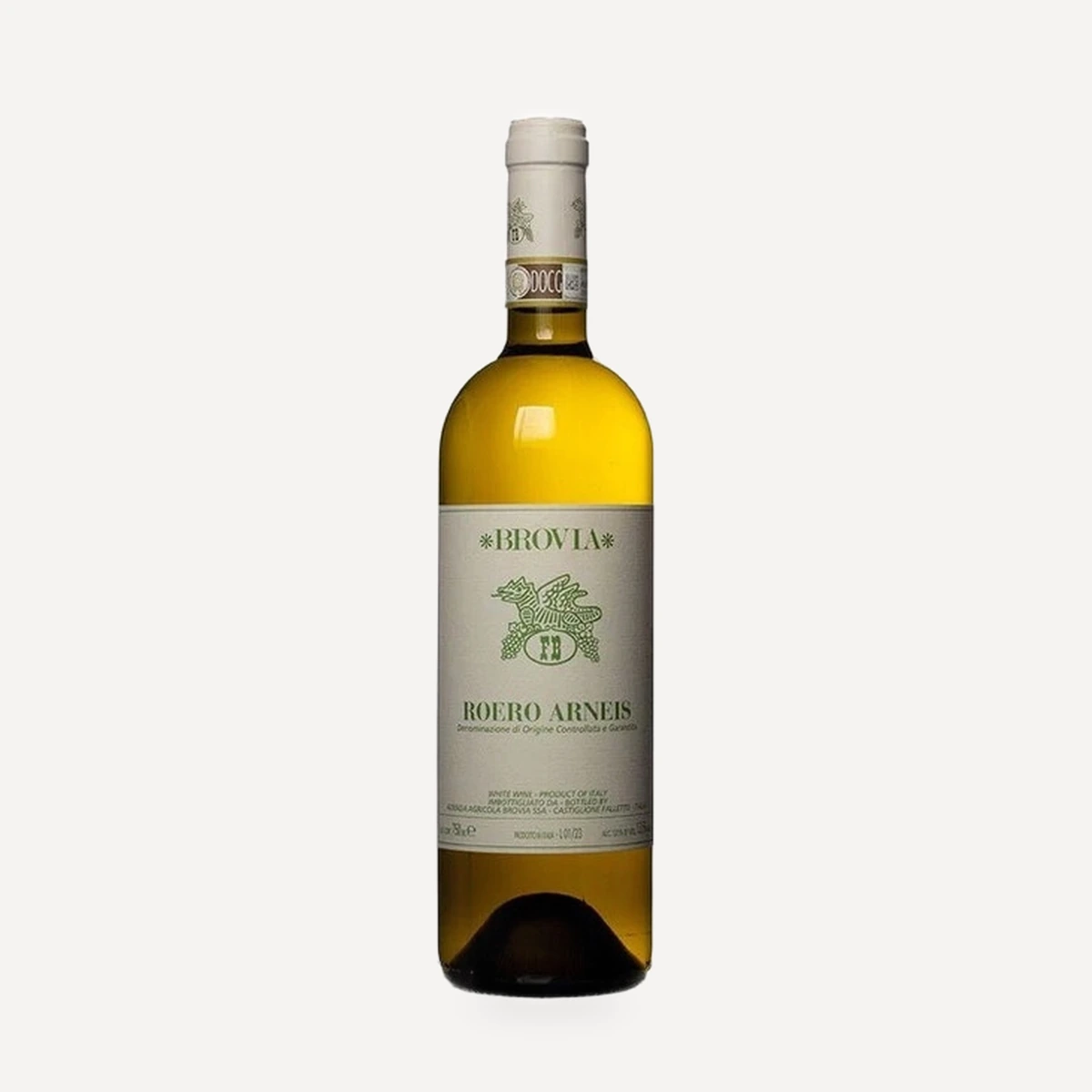
The estate remains a family agricultural company based in Castiglione Falletto. Its current official environmental-labelling register documents a broader portfolio than the earlier summary, including five Barolo bottlings, two additional Nebbiolo wines, three Barbera wines, two Dolcetto wines, Freisa and Roero Arneis.
Terroir
Brovia’s Barolo production is based on named vineyards in Castiglione Falletto and Serralunga d’Alba.
Rocche di Castiglione, Villero and Garblèt Sué are individual Barolo MGAs in Castiglione Falletto.
Brea Vigna Ca’ Mia is the estate’s named Barolo vineyard in Serralunga d’Alba.
The estate also works vineyards for Nebbiolo, Barbera, Dolcetto, Freisa and Arneis. The public current website does not publish one consolidated set of parcel areas, altitudes, exposures, soils, vine ages or planting densities.
Winemaking
The family manages estate vineyards and keeps named Barolo sites separate through vinification and bottling.
The official public pages currently available do not provide a consolidated certification status, soil-management programme, disease-control policy, harvest method or yield data.
Brovia is identified with traditional Barolo production and separate cru vinification.
The public current website does not expose complete technical text for all wines. The final portfolio has therefore been verified through the official environmental-labelling register rather than inferred from third-party catalogues.
Philosophy
Brovia’s identity is based on family continuity, the separate expression of individual Barolo vineyards and a portfolio built around traditional Piedmont varieties.
The estate treats Rocche di Castiglione, Villero, Garblèt Sué and Brea Vigna Ca’ Mia as distinct wines rather than blending away their individual identities.
Wines
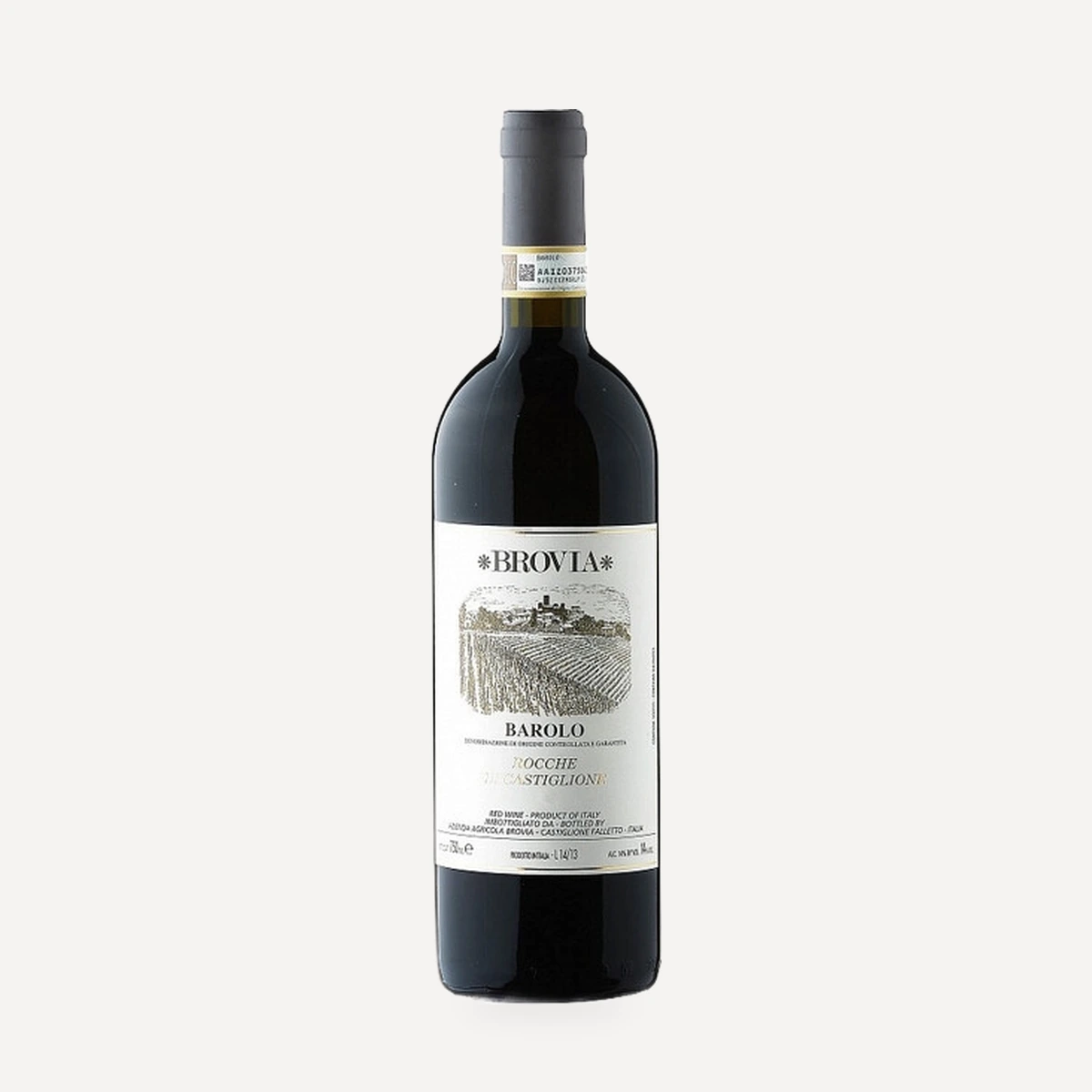
Barolo Rocche di Castiglione
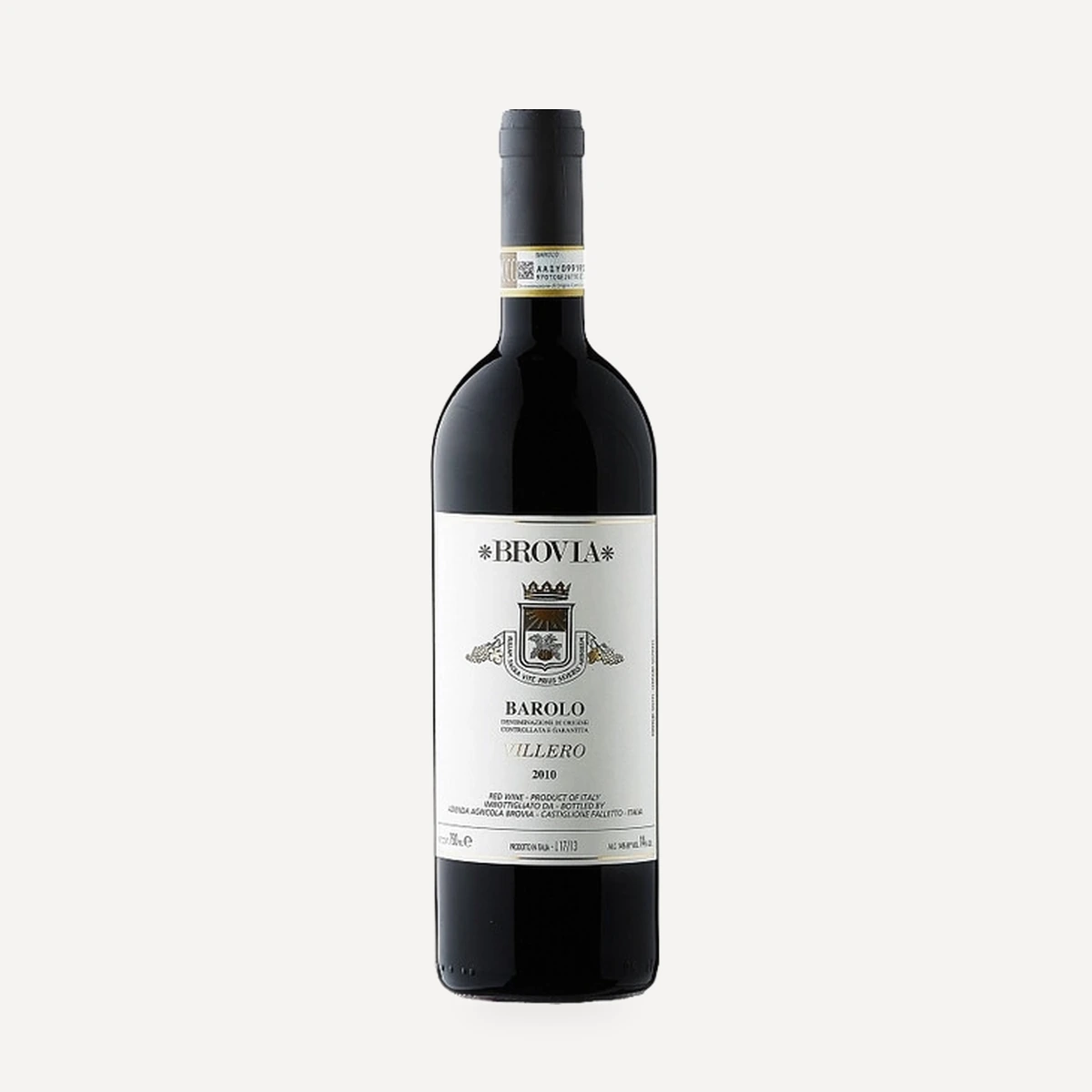
Barolo Villero
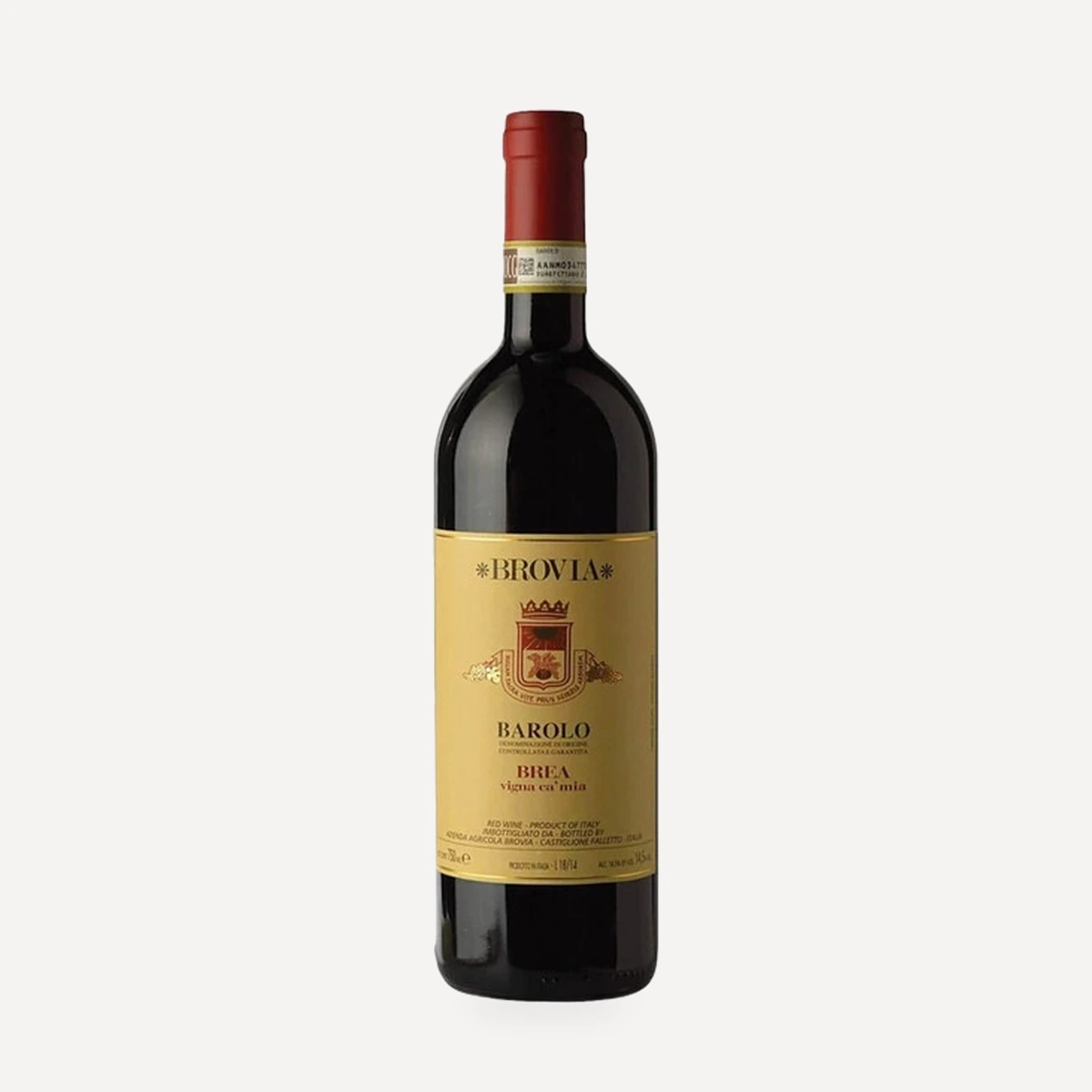
Barolo Brea Vigna Ca’ Mia
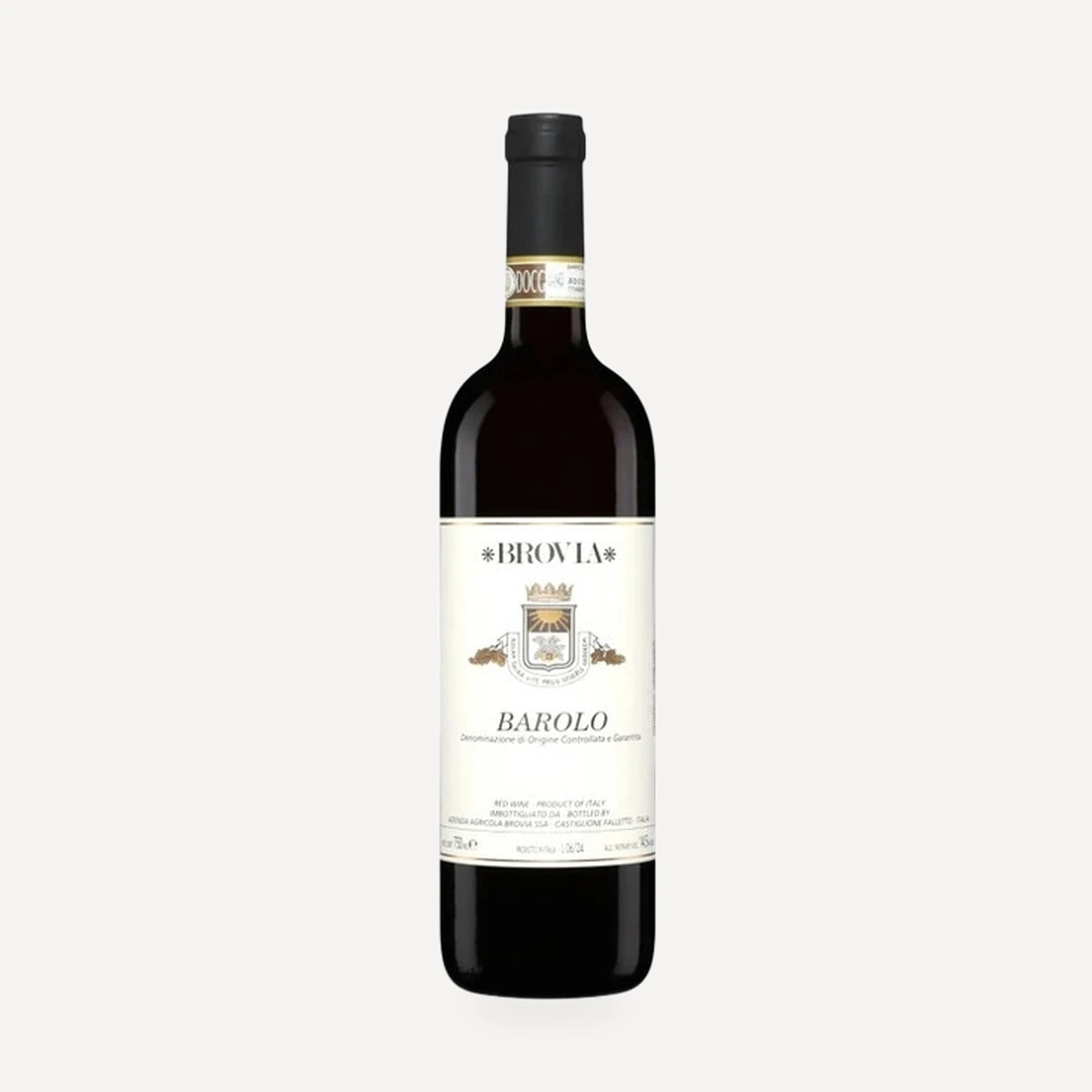
Barolo Brovia
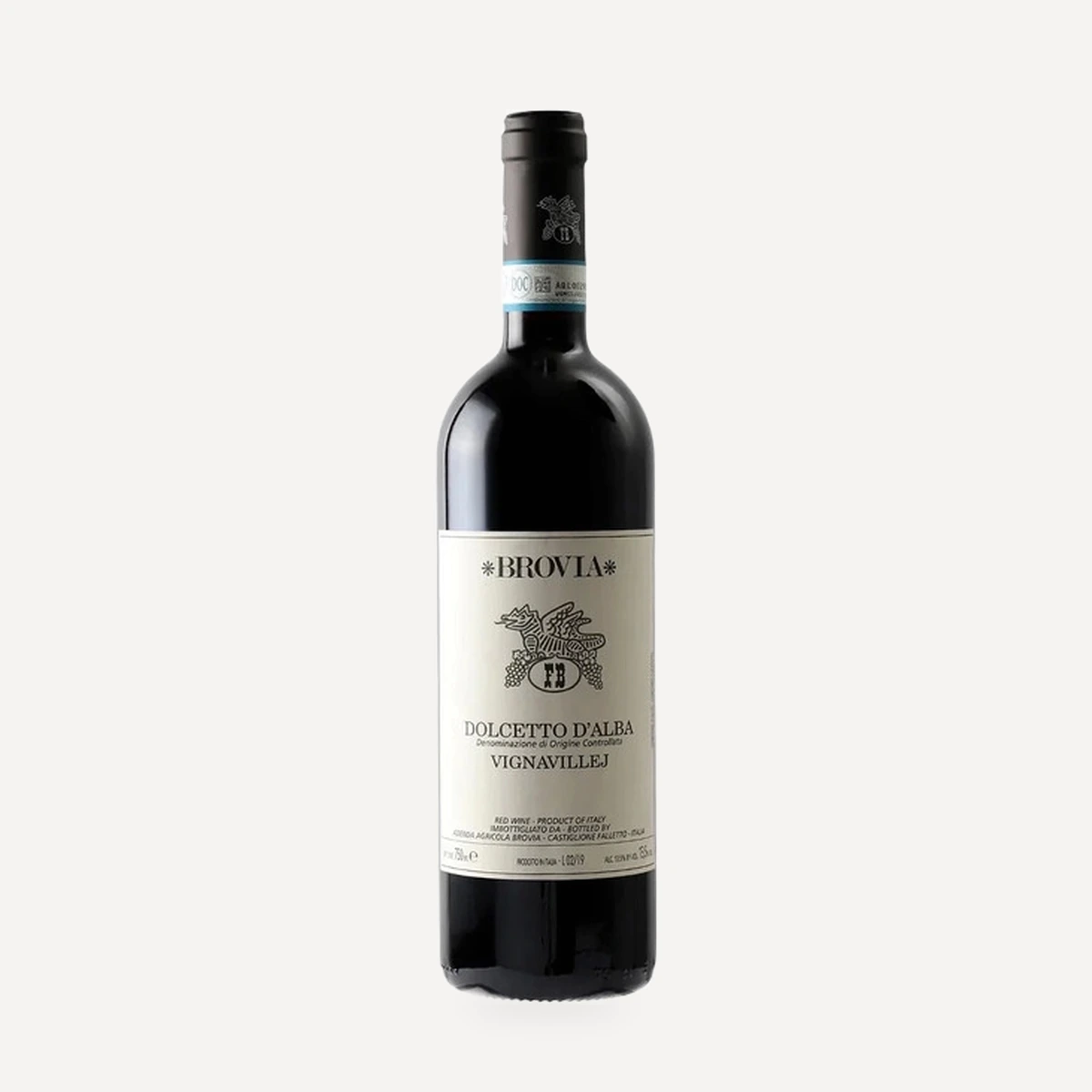
Dolcetto d’Alba Vignavillej
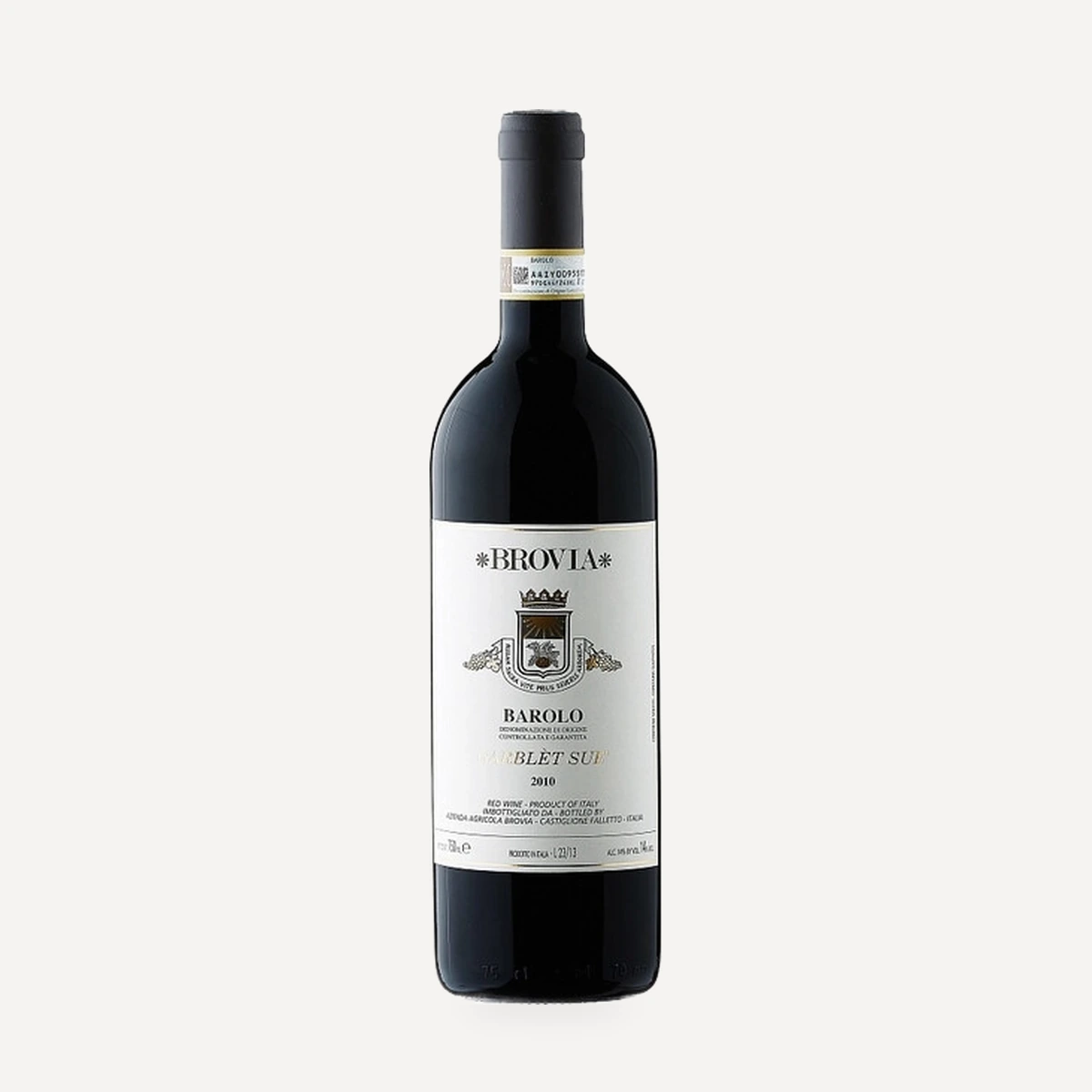
Barolo Garblèt Sué
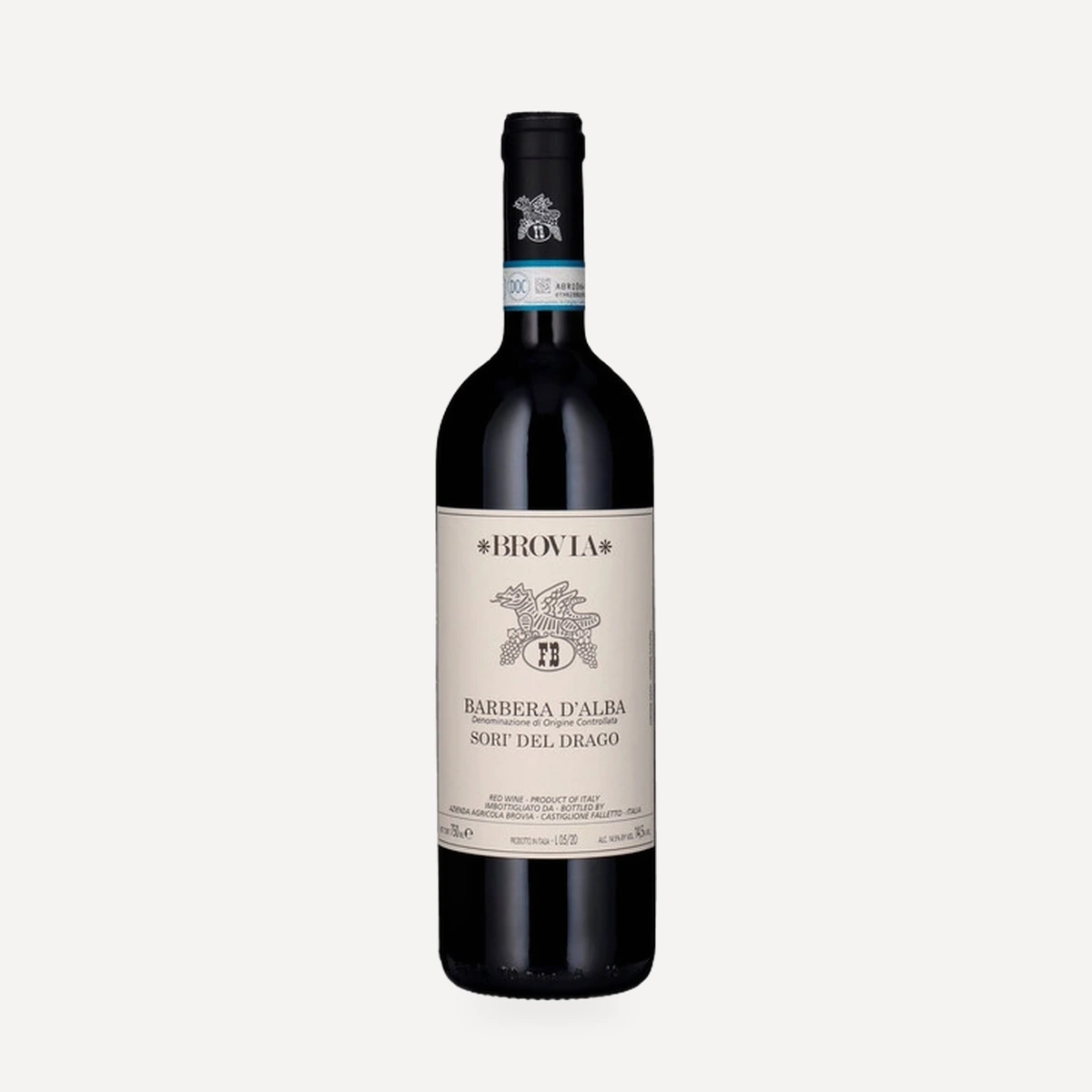
Barbera d’Alba Sorì del Drago
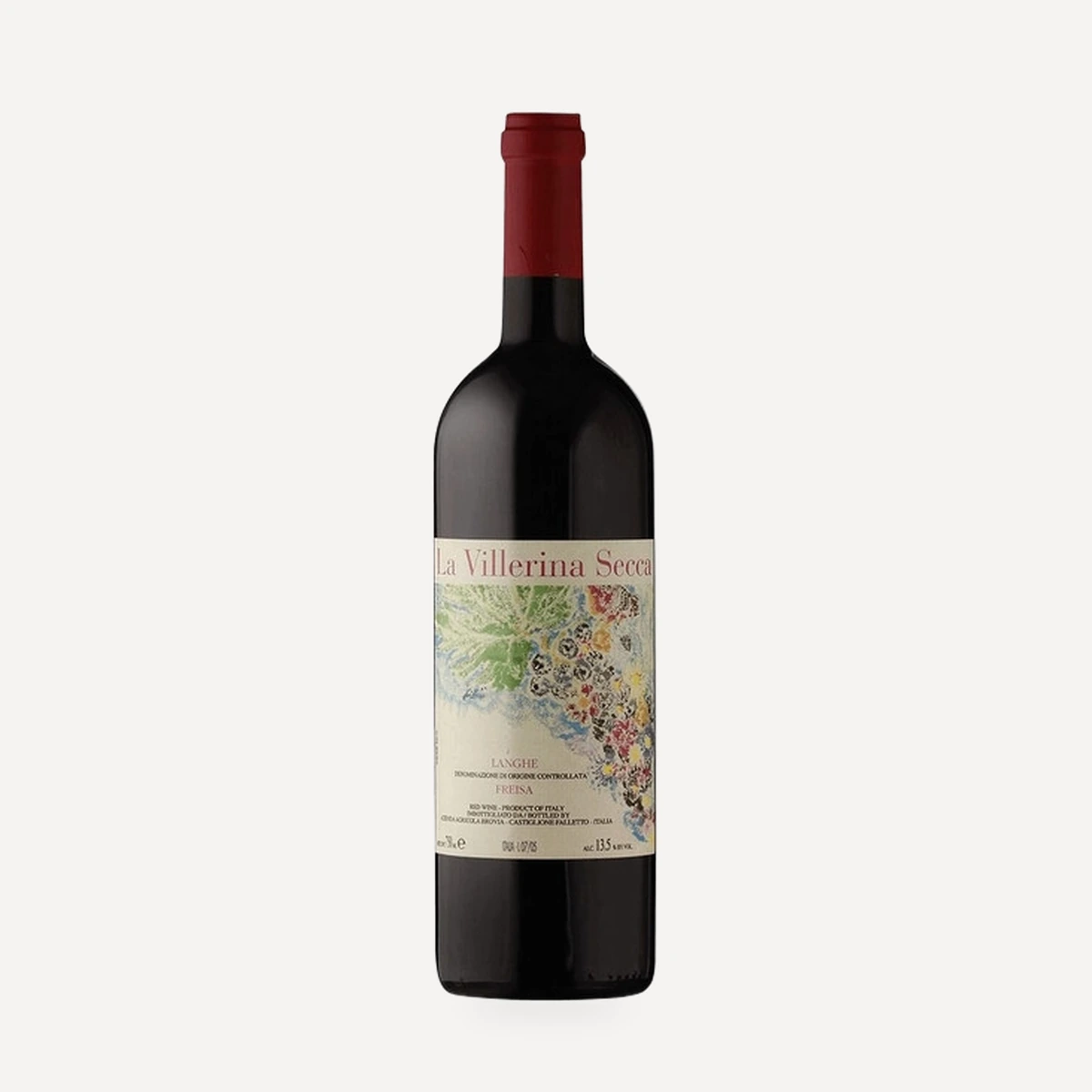
Langhe Freisa La Villerina Secca