History
Walter Ghezzi purchased Camigliano in 1957 and redirected the agricultural property toward quality wine, especially Brunello di Montalcino.
His son Gualtiero and the family modernised the estate and expanded its viticultural and hospitality activities.
A new underground winery was constructed and the former building demolished. Roads and panoramic viewpoints were restored, and historic residences in the hamlet were converted into agritourism accommodation.
The estate now covers 530 ha, including 90 ha of vineyards.
Terroir
Camigliano lies in the south-western sector of Montalcino. The estate reports clay and sand left by ancient marine influence and significant soil variation even within the same vineyard. The vineyard body is divided into parcels differentiated by soil composition, altitude and exposure.
Winemaking
Vineyards have been managed according to organic methods since 2014. Herbicides were replaced by mechanical cultivation between rows and manual intervention in younger vineyards. The estate uses selected Sangiovese clones and focuses on environmental impact and energy recovery.
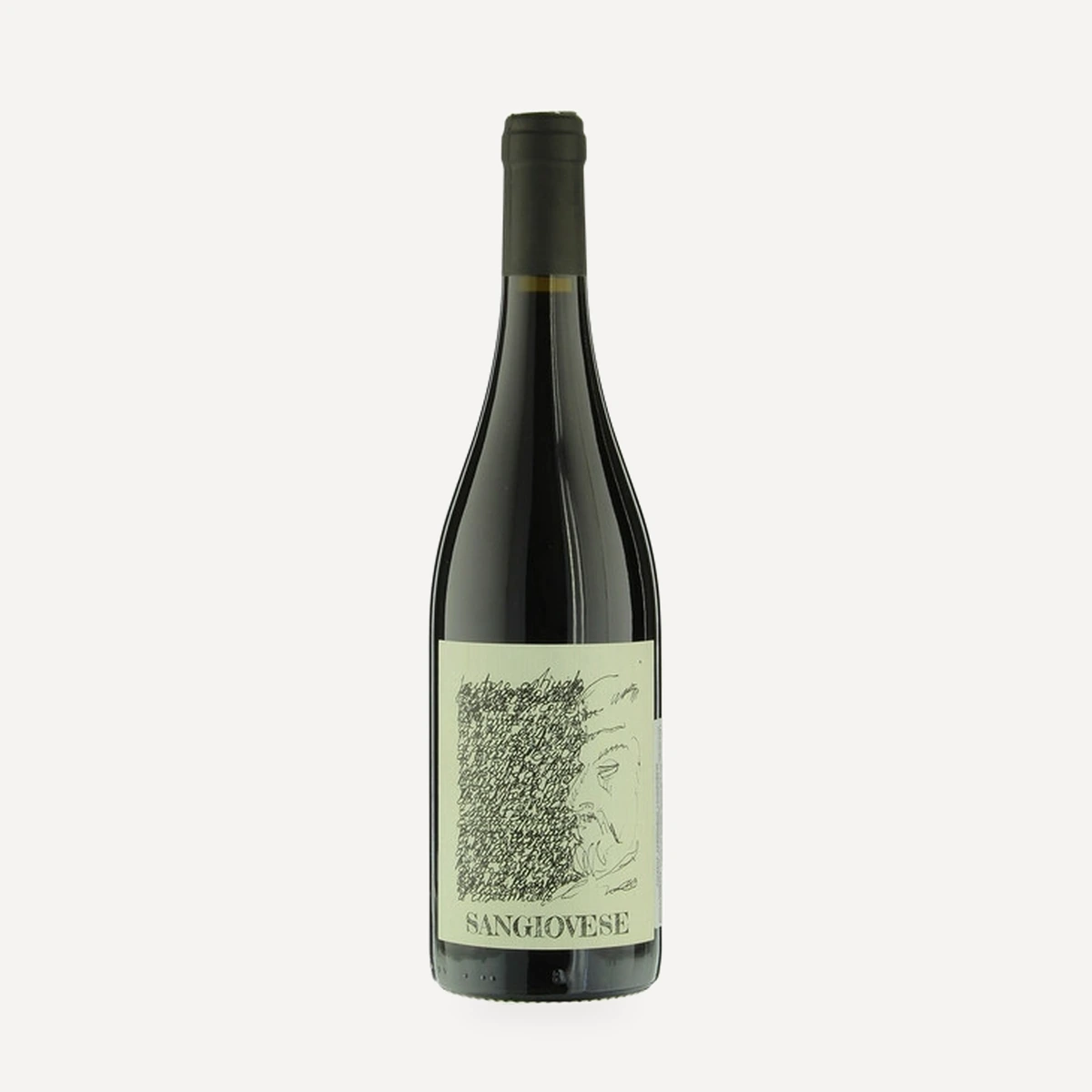
Grapes are selected manually in the vineyard and cellar. Reception equipment includes a vibrating sorting table, soft destemmer and gravity filling of tanks. The winery uses new concrete tanks after wood maturation and large French-oak barrels of 30 and 60 hl. Production aims to preserve acidity and produce responsive, drinkable wines.
Philosophy
The estate combines modern technology with natural procedures, organic farming, energy recovery and parcel-specific viticulture. Continuous improvement is described as a way to keep the wines contemporary without losing Montalcino identity.
Wines
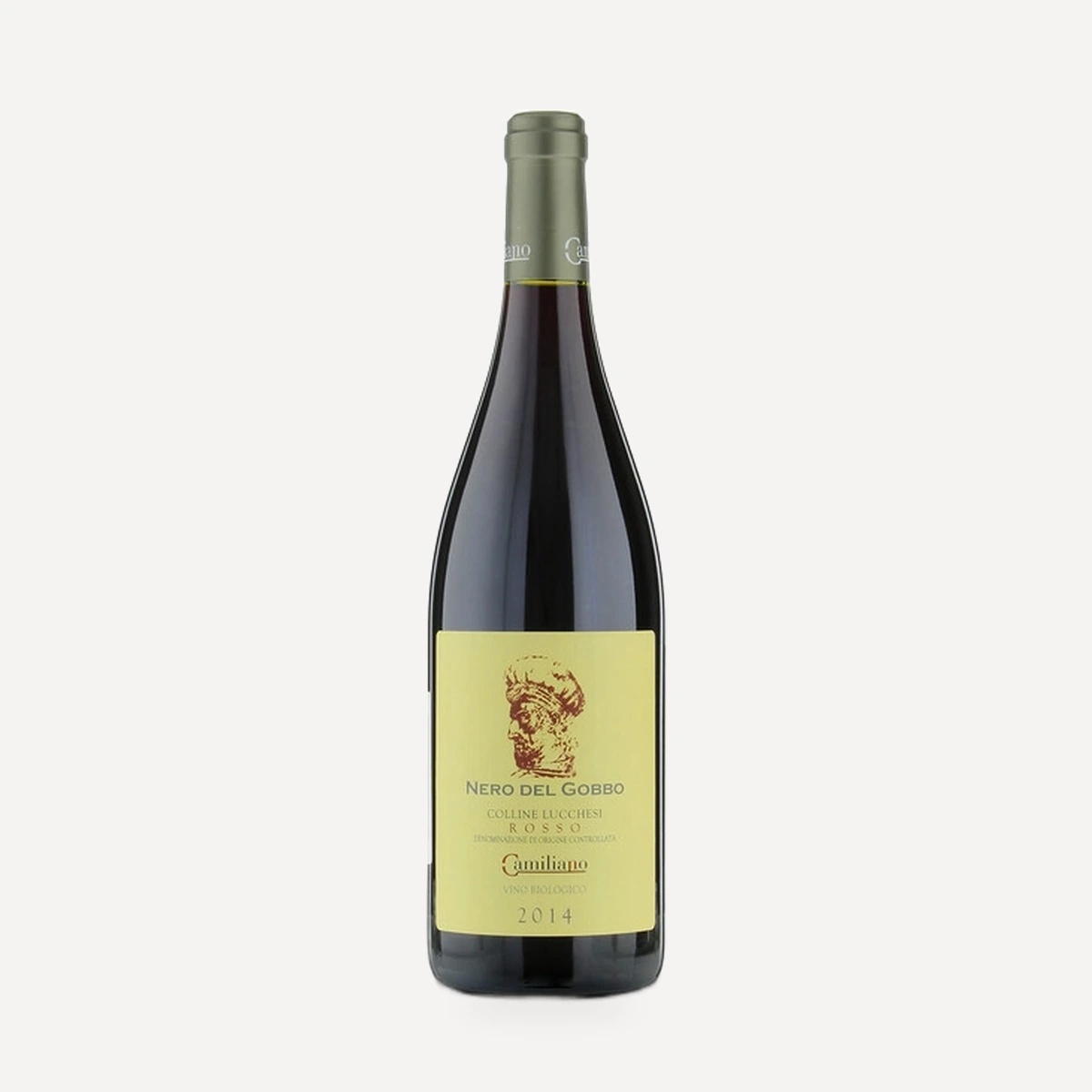
Nero del Gobbo Colline Lucchesi DOC
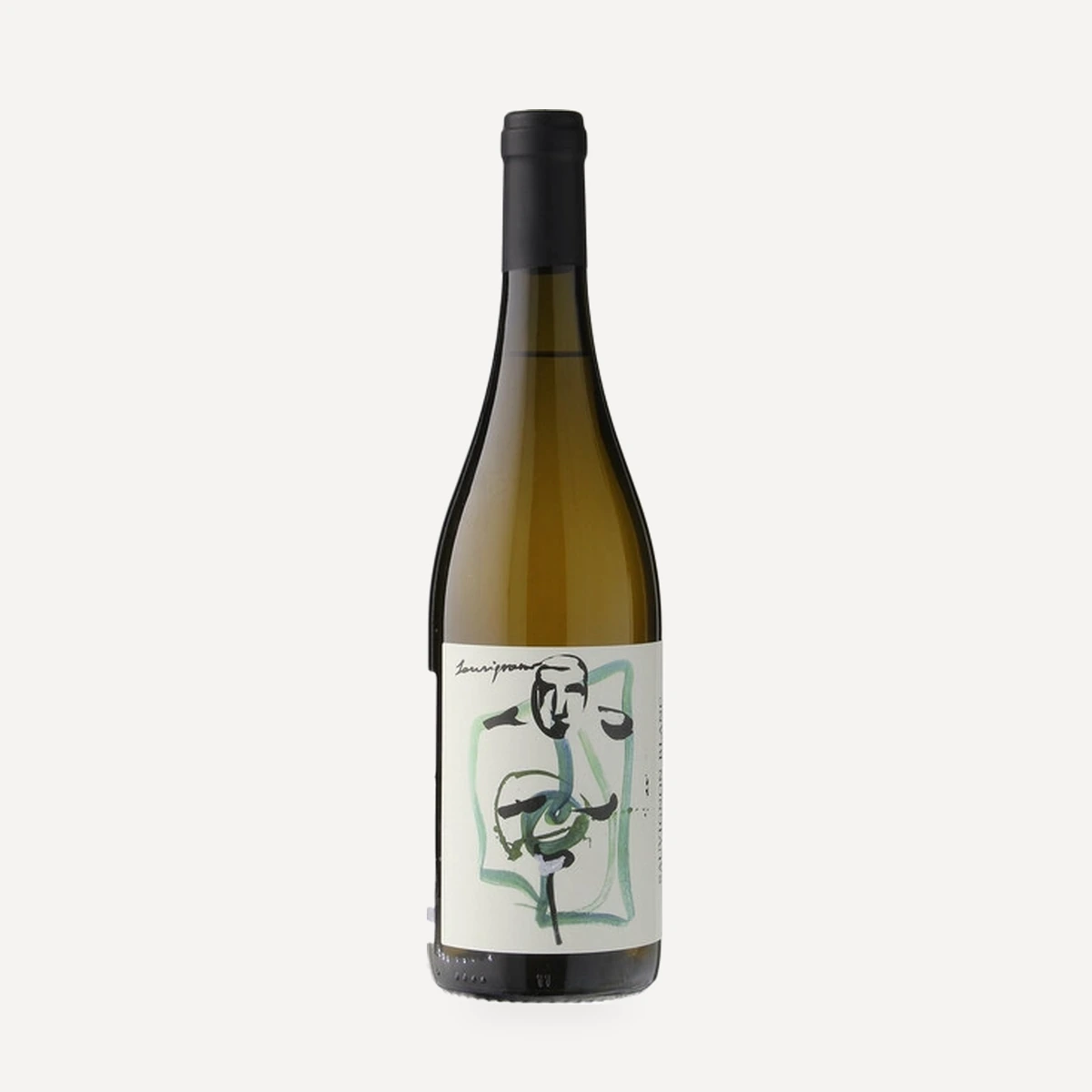
Sauvignon Blanc Toscana IGT
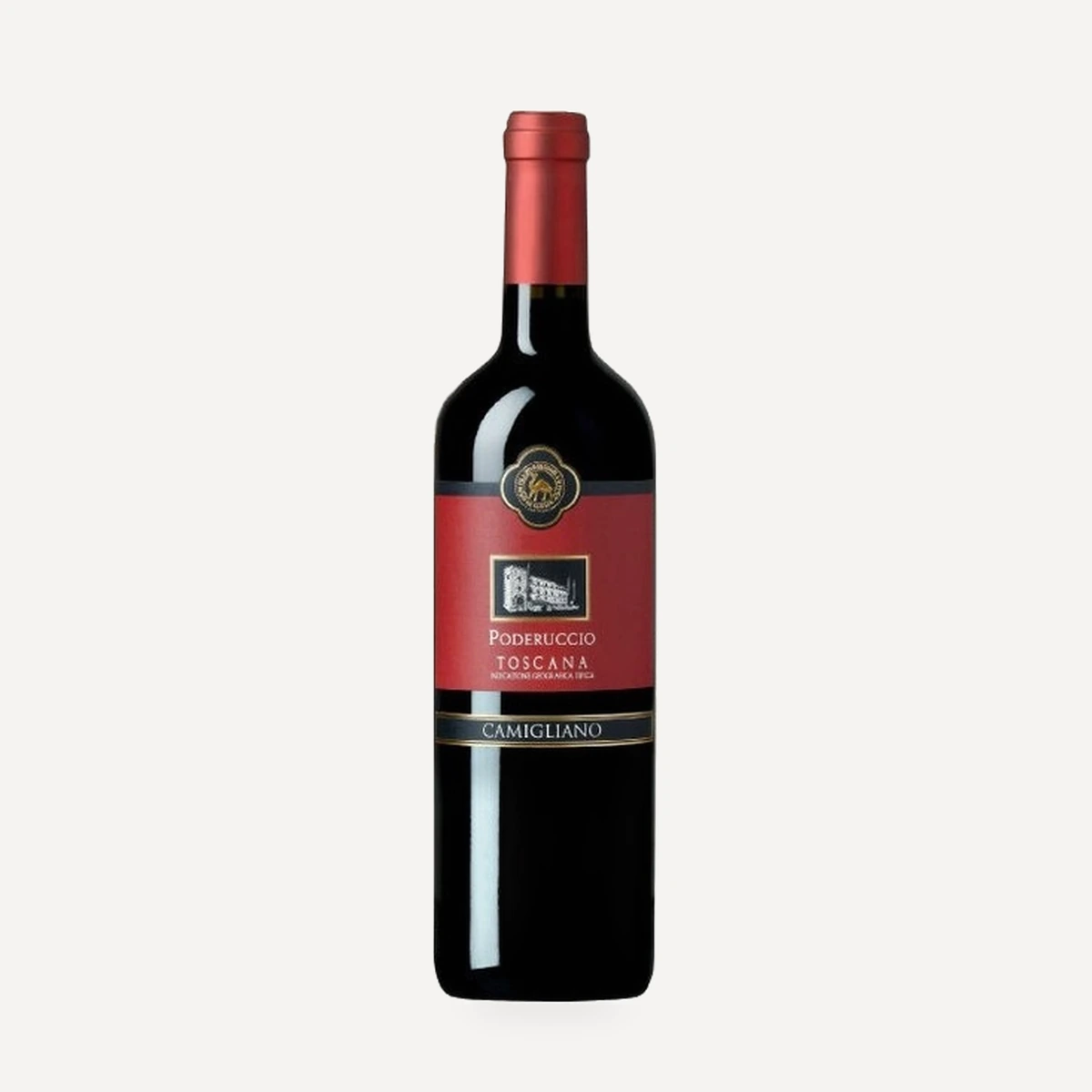
Poderuccio
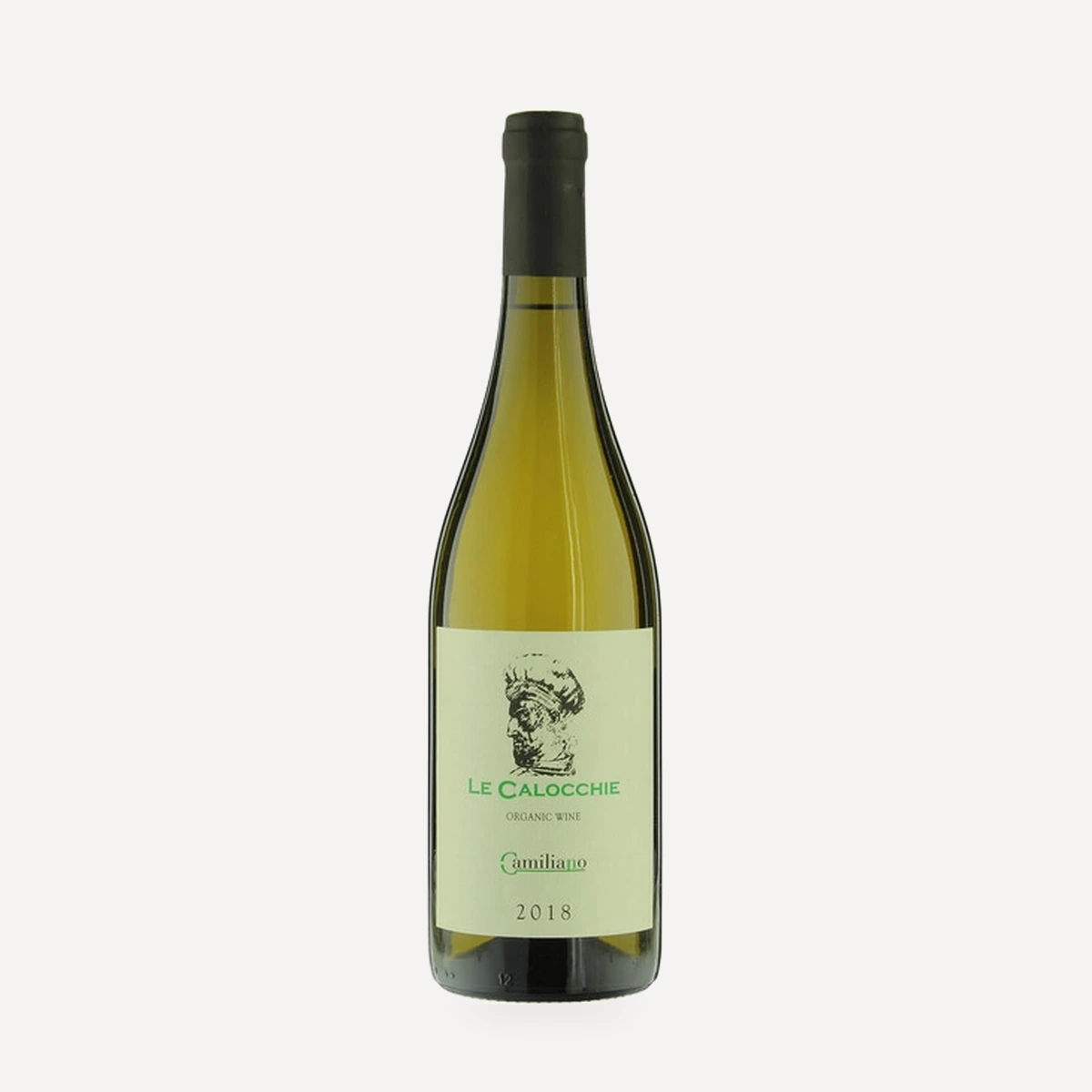
Le Calocchie Toscana IGT
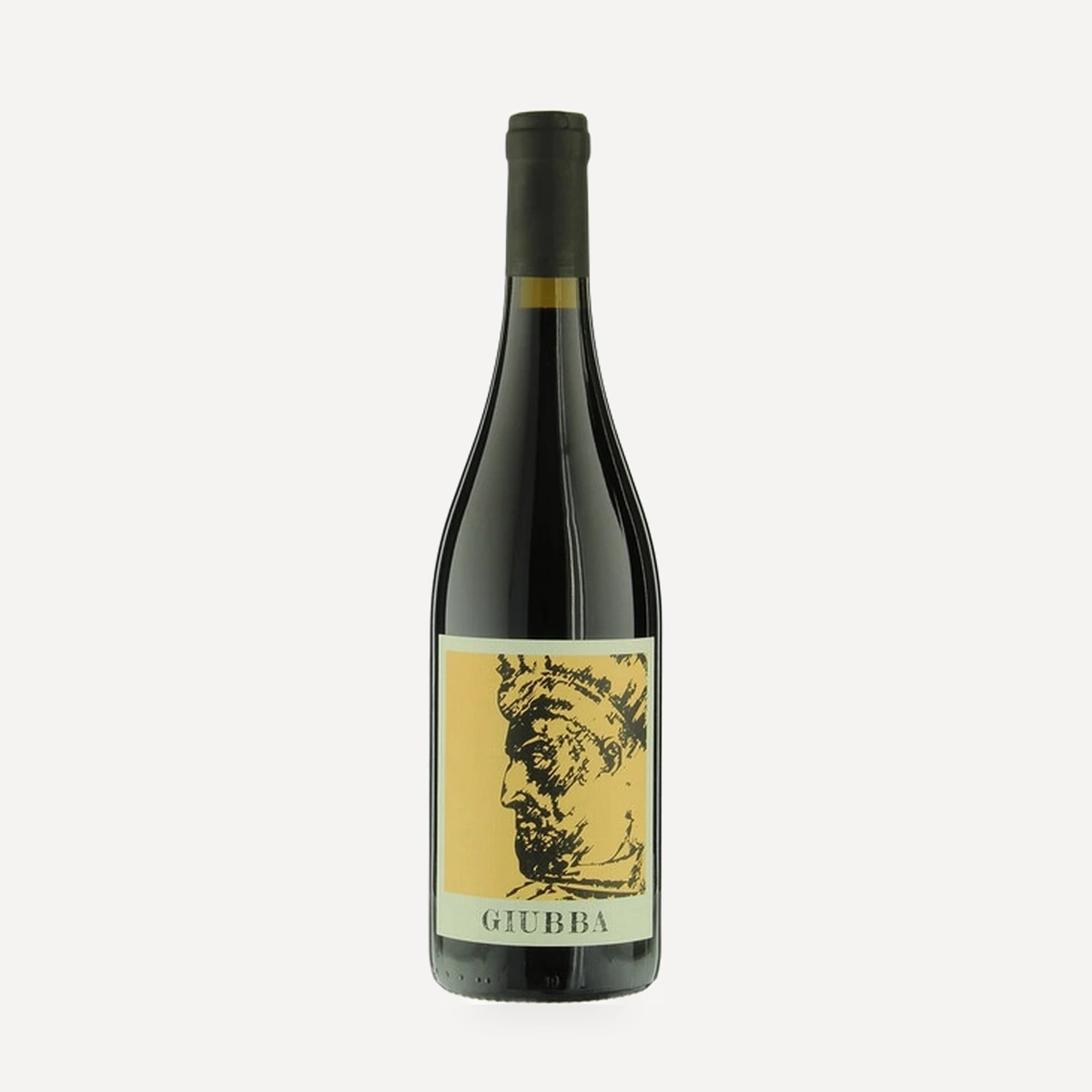
Giubba Toscana IGT