History
Agricultural roots in the early twentieth century
The Caruso family's story began in the early 1900s, when Francesco Caruso identified sites in the Trapani area whose soils, elevations, exposures and microclimates were suited to vines. His son Nino assumed responsibility for the family at a young age. He learned to interpret the seasons and winds, managed the vineyards and continued producing grapes and wine.
By the middle of the twentieth century, the Caruso family was cultivating and selling grapes. Nino nevertheless wanted the family to carry its agricultural work through to bottled wine rather than stop at grape production.
The Minini family followed a separate commercial path in northern Italy. Its wine-marketing business was established at Verolanuova after the First World War and developed within the rural economy of the period.
From grapes to an integrated winery
During the late 1990s, the third Caruso generation began extending the business across the complete production chain, including bottling. Stefano, Francesco and Roberto Caruso carried forward Nino's ambition and combined their family's agricultural experience with the Minini family's commercial knowledge.
The decisive meeting came in 2004, principally associated with Stefano Caruso and Mario Minini, while the wider founding group also included Francesco and Roberto Caruso and Francesco Minini. Together they created Caruso & Minini in Marsala. The partnership united Sicilian vineyard experience with the sales expertise of a northern Italian wine business.
The winery took shape in a historic Marsala baglio built in 1904 from yellow tuff. The building, located in the city's traditional wine-production quarter, was renovated and modernized while retaining the characteristic courtyard arrangement. It was equipped for vinification, maturation, bottling, storage, hospitality and direct sales.
Development of production and quality systems
Caruso & Minini adopted ISO 9001 quality-management and ISO 14001 environmental-management systems in 2008. The environmental system's first certification date was 28 May 2008.
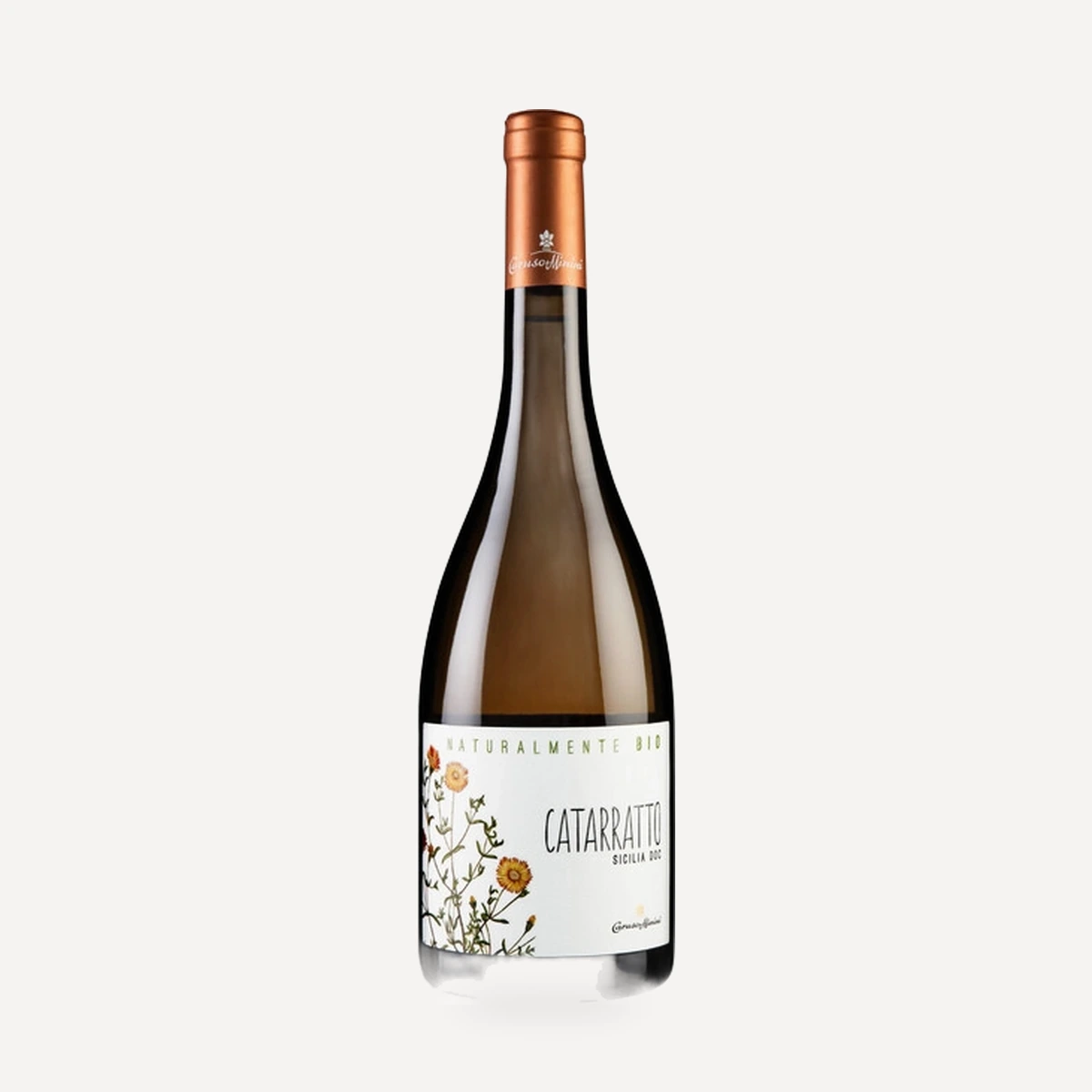
The first vintage of Nino, a tribute to Nino Caruso and the family's history, was 2009. The wine was not initially submitted to competitions. The 2012 vintage was later sent to reviewers and received several published scores in 2021.
Arya Metodo Classico was first produced in the 2013 vintage. It established a bottle-fermented sparkling-wine project based on Catarratto and subsequently became part of Le Selezioni del Presidente.
In 2016, halogen and fluorescent lighting was replaced with LED technology. Annual electricity use for lighting fell from 23.466 MWh to 9.351 MWh, a saving of about 60%, or 14.1 MWh, with an estimated annual reduction of approximately 7.5 tonnes of CO2.
In 2017, the company extended its management systems to BRC Food and IFS Food standards and introduced an ISO 50001 energy-management system. The first BRC and IFS certification dates were 30 March and 13 April 2017 respectively.
Fourth-generation management and research
Stefano Caruso was subsequently joined by his daughters Giovanna and Rosanna. They represent the fourth generation and brought renewed attention to sustainability, communication and bottle design. Operational direction passed to Giovanna and Rosanna, working alongside Giovanna's husband, Andrea Artusio.
Between 2021 and 2024, Caruso & Minini participated with the University of Palermo and private partners in the STRA-VI-NA research project. The work examined natural-wine protocols, organic soil-management strategies and the relationship between cultivar, slope, exposure, soil formation, groundwater and microclimate. Frappato was the first variety selected for the project. Parallel experimental fermentations compared the established process with fermentations inoculated using indigenous yeasts selected by the university's wine-microbiology department.
Environmental investment and modernization
In 2022, a 200 kWp photovoltaic installation comprising 534 roof-mounted modules was completed. Its estimated production exceeds 300 MWh per year, making the winery almost energy self-sufficient and reducing annual CO2 emissions by about 160 tonnes.
The central refrigeration unit was also replaced in 2022. The new system maintains a coefficient of performance of at least 5, compared with 3.6 for its predecessor, saves more than 130 MWh annually and reduces annual CO2 emissions by about 70 tonnes. The change also reduced the refrigerant's stated climate impact from 363.7 to 1.04 tonnes of CO2 equivalent. A new labeler, capsule applicator and tangential filter reduced waste, while dedicated meters began tracking consumption by production line.
In 2023, integrated optimizers, capacitors and passive filters were installed to reduce electricity withdrawals. Packaging procurement shifted toward cartons containing more than 50% recycled material, including FSC-certified paper, while labels began incorporating FSC-certified or recycled stock.
In 2024, cellar traceability operations that had previously been recorded on paper were computerized. During that year the winery processed 401,643 kg of grapes, including 46,970 kg of certified-organic grapes; produced 2,744 hl of wine; bottled 3,811 hl; and made 508,082 bottles.
Current generation
The business now presents the work of four Caruso generations through approximately 22 labels distributed in about 40 countries. Its contemporary identity combines the agricultural inheritance of the Caruso family, the Minini family's commercial experience, fourth-generation management, certified systems, research and continuing modernization of the Marsala winery.
Terroir
The vineyards associated with Caruso & Minini lie in the Trapani hinterland around Salemi, east of Marsala, principally in the Giummarella and Cuttaia districts. They occupy gently descending hills between approximately 200 and 450 m above sea level. Most of the surface faces north or north-west, with a smaller portion facing south-east.
The western tip of Sicily is exposed to both the maestrale and scirocco. Constant Mediterranean winds cross the inland hills with saline air, moderate heat and help dry nocturnal humidity brought by sea breezes. Summers are long, the climate is mild and rainfall is limited mainly to winter. Winter temperatures generally fluctuate between 7°C and 17°C. Marsala receives approximately 300 days of sunshine annually.
The soils are permeable and rich in clay, silica and limestone. The calcareous-clayey inland ground also contains numerous small stones, which shelter roots from excessive heat. The combination is associated with naturally restrained productivity, capped at 8,000 kg/ha. The vineyard landscape is not intensively exploited, and the choice of individual portions is guided by the intended relationship among variety, soil, exposure, altitude and microclimate.
The 120 ha vineyard source is divided between Giummarella and Cuttaia. The wider setting links the high, ventilated hills of Salemi with maritime influences from the Mediterranean and the western Sicilian coast.
Winemaking
The vineyard cycle is managed through year-round monitoring designed to match each variety to soil, climate, slope and exposure. Work includes organic fertilization, observation for harmful insects, sowing herbaceous species and using legumes to increase nitrogen availability and soil fertility. Flowers and spontaneous plants are retained between rows to attract pollinators, increase biodiversity and improve soil aeration. Green manure is used to maintain fertility.
The stated production limit is no more than 8,000 kg/ha. The STRA-VI-NA work added soil analysis, intelligent canopy management, crop calibration and closer study of slope, soil formation, exposure, underground water and microclimate. Its aim was to refine agronomic protocols, mitigate climatic change and improve vine expression while minimizing environmental impact. Frappato was selected as the project's first variety because of its potential in a ventilated, organically managed western Sicilian hill environment.
Harvest decisions follow repeated monitoring and analysis by a team led by agronomist Fernando Paternò and winemaker Giuseppe Ferranti. The harvest generally begins in the first ten days of August with early white varieties such as Chardonnay and Catarratto and continues into October with later red grapes including Nero d’Avola and Merlot. Sugar concentration and physiological maturity are evaluated before picking. Grapes are harvested by hand, cleared of leaves and placed in small containers to preserve berry integrity.
The winery's certified-organic production conforms to EU Regulation 2018/848. BIOS Srl certificate IT-BIO-005.380-0004621.2025.001 was issued on 10 November 2025 and expires on 4 December 2027. The current Equalitas organizational certification covers the Marsala winery and excludes agricultural requirements because Caruso & Minini S.r.l. does not itself conduct cultivation; the vineyard practices describe the agricultural holdings and suppliers from which its grapes originate.
Winery and capacity
Vinification takes place in a renovated baglio built in 1904 in Marsala's historic wine-production quarter. The site covers 5,000 m², including 3,000 m² under cover: 450 m² for offices, direct sales and tasting; a 50 m² laboratory; a 1,340 m² vinification department; a 160 m² packaging room; 270 m² of bottled-wine and packaging storage; a 570 m² barrel cellar; a 108 m² additional warehouse; and a 75 m² covered grape-reception area.
The bottling line handles 3,500 bottles per hour. Total storage capacity is approximately 18,900 hl: about 17,900 hl in stainless-steel tanks, some temperature controlled, and roughly 1,000 hl in oak barriques in the barrel cellar.
Reception, fermentation and maturation
Hand-picked grapes arrive in small containers intended to protect berry integrity. General production begins with destemming, after which must is transferred to tanks for fermentation. Depending on the intended wine, aromatic preservation may include cryomaceration. Nitrogen is used to protect must and wine from oxygen, while added sulfites are reduced.
Most fermentations and a substantial portion of maturation take place in stainless steel. Steel is used when neutrality and preservation of primary flower and fruit aromas are required, particularly for young white wines. Wood is employed principally for reds when controlled micro-oxygenation and greater aromatic depth are desired.
The cellar contains 225-litre barriques, 550-litre tonneaux and large casks of 30 and 50 hl. Cooperage includes French oak and acacia, with vessels made by coopers in the Trapani area. Smaller vessels impart a more pronounced wood influence than large casks. General maturation periods begin at approximately three to six months, while selected wines remain in wood and bottle much longer.
Cellar protocols define the intended oenological result, and each operation is recorded in the quality-management system. The traceability system follows grapes, oenological materials and finished products through production and first commercialization. Cellar traceability was fully computerized in 2024.
Yeast research
Research with the University of Palermo has examined yeast selection. Alongside active dry yeasts, indigenous yeasts were isolated in vitro from organically grown Catarratto, Frappato and Perricone to initiate fermentations with microorganisms associated with the individual varieties. STRA-VI-NA included two parallel Frappato fermentations, one using indigenous strains selected by the university's wine-microbiology department. The experimental lot retained Frappato's fruit while developing additional floral complexity.
Traditional-method sparkling wine
The traditional-method project begins with hand-picked Catarratto harvested in the first ten days of August at 11–13 degrees Babo to retain malic acidity. The base wine ferments in stainless steel at low temperature for approximately 15–20 days. A first racking removes coarse lees; maturation follows, then a second fermentation is initiated in bottle with selected sugar and yeast. Bottles rest horizontally for at least 24 months before disgorgement removes the residual yeast.
Skin-contact white wine
For the orange-wine project, Catarratto is harvested in September and vinified with skins in the manner of a red wine. Destemming and crushing are followed by spontaneous fermentation at a controlled 18°C without added sulfur dioxide. The wine is filtered for clarity before bottling.
Philosophy
Caruso & Minini defines its identity through the meeting of agricultural tradition and commercial competence, carried forward with a contemporary interpretation of western Sicilian varieties. The family's aim is to transfer inherited knowledge into the bottle while allowing soil, altitude, exposure, season and microclimate to guide agricultural and cellar decisions.
Tradition is treated as a working foundation rather than a fixed model. Research, precision viticulture, temperature-controlled production and modern management systems are used to give long-established Sicilian varieties a fresher, current expression. The fourth generation has extended this approach into sustainability, communication, inclusive design and closer engagement with consumers.
Environmental, social and economic responsibility are presented as interconnected obligations. The practical program includes organic production, soil fertility and biodiversity measures, lower sulfite additions, renewable energy, reduced packaging impacts, water and carbon accounting, worker development, community feedback and annual sustainability reporting.
The winery also emphasizes collective responsibility: the business is understood as a system in which every team member contributes to quality. Human relationships, food-and-wine culture and accessibility form part of its broader interpretation of contemporary wine consumption.
Wines
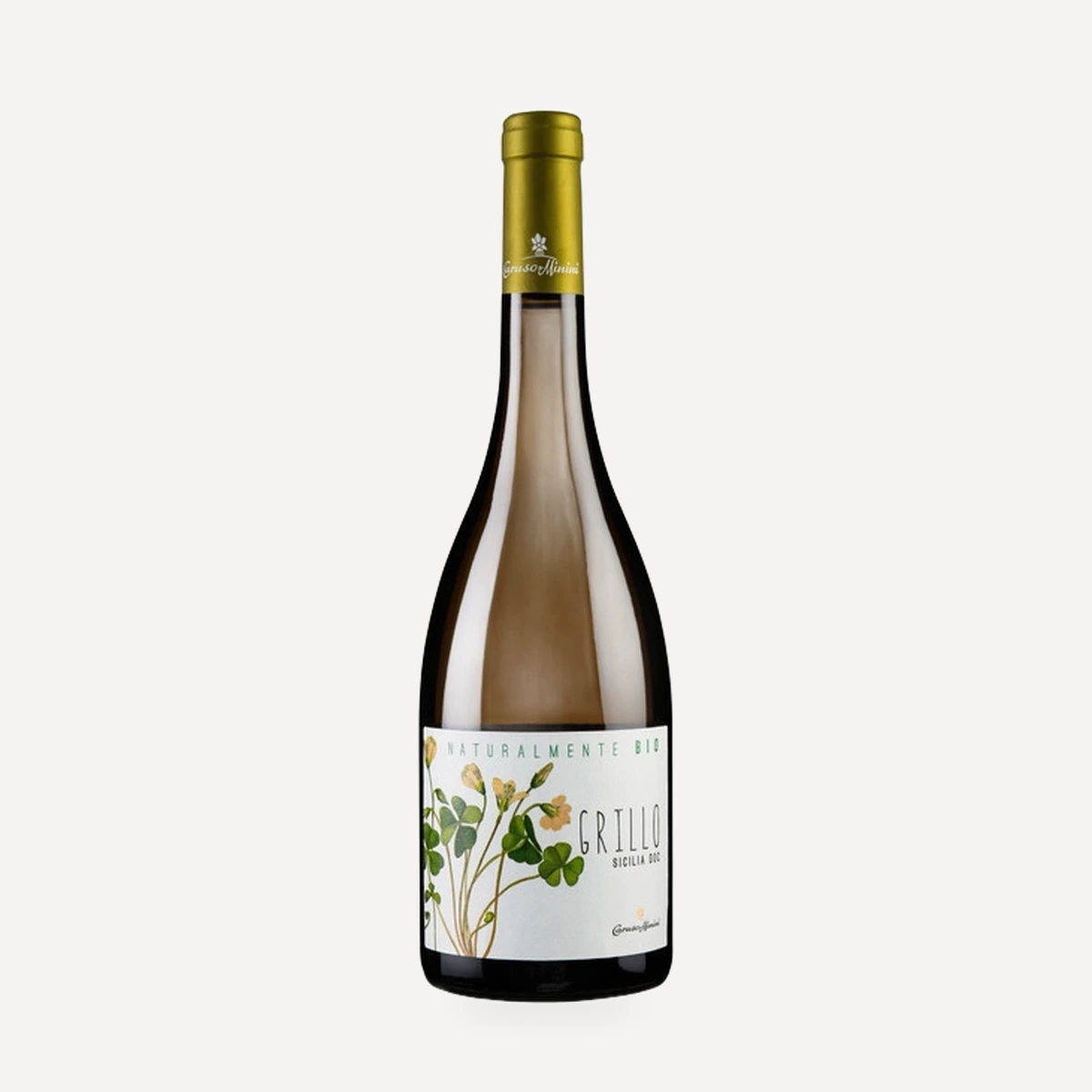
Naturalmente Bio Grillo Sicilia DOC
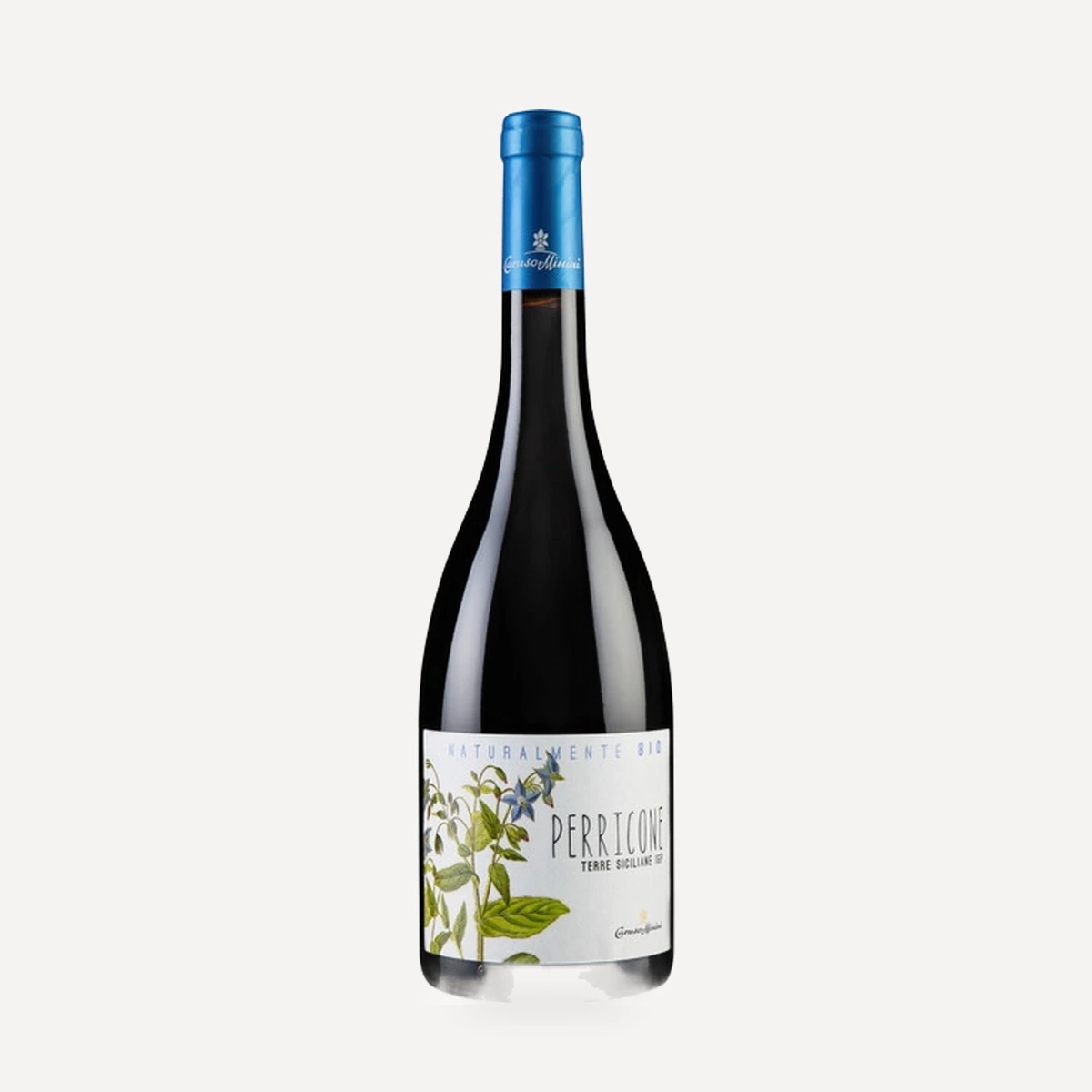
Naturalmente Bio Perricone Terre Siciliane IGT
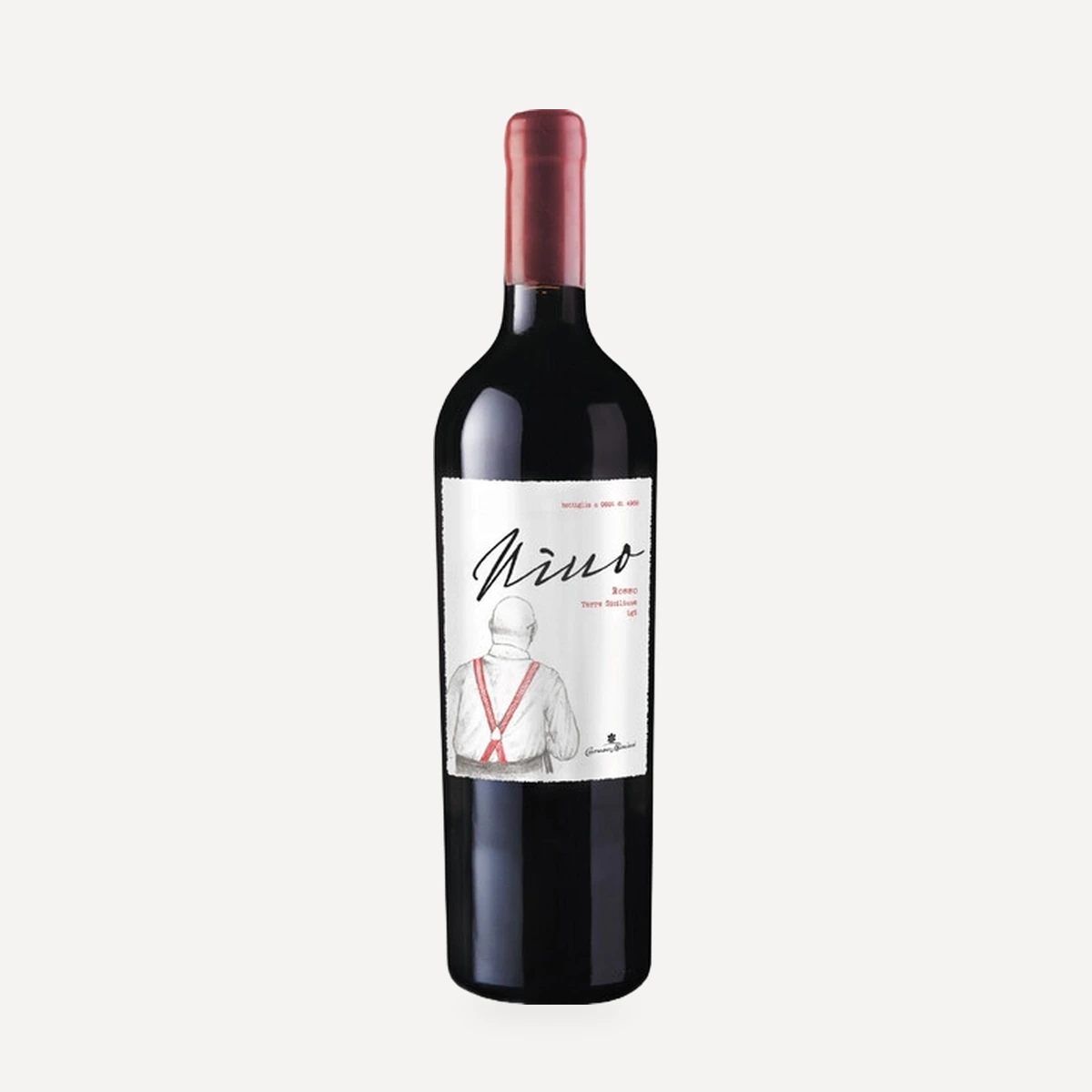
Nino Rosso Terre Siciliane IGT
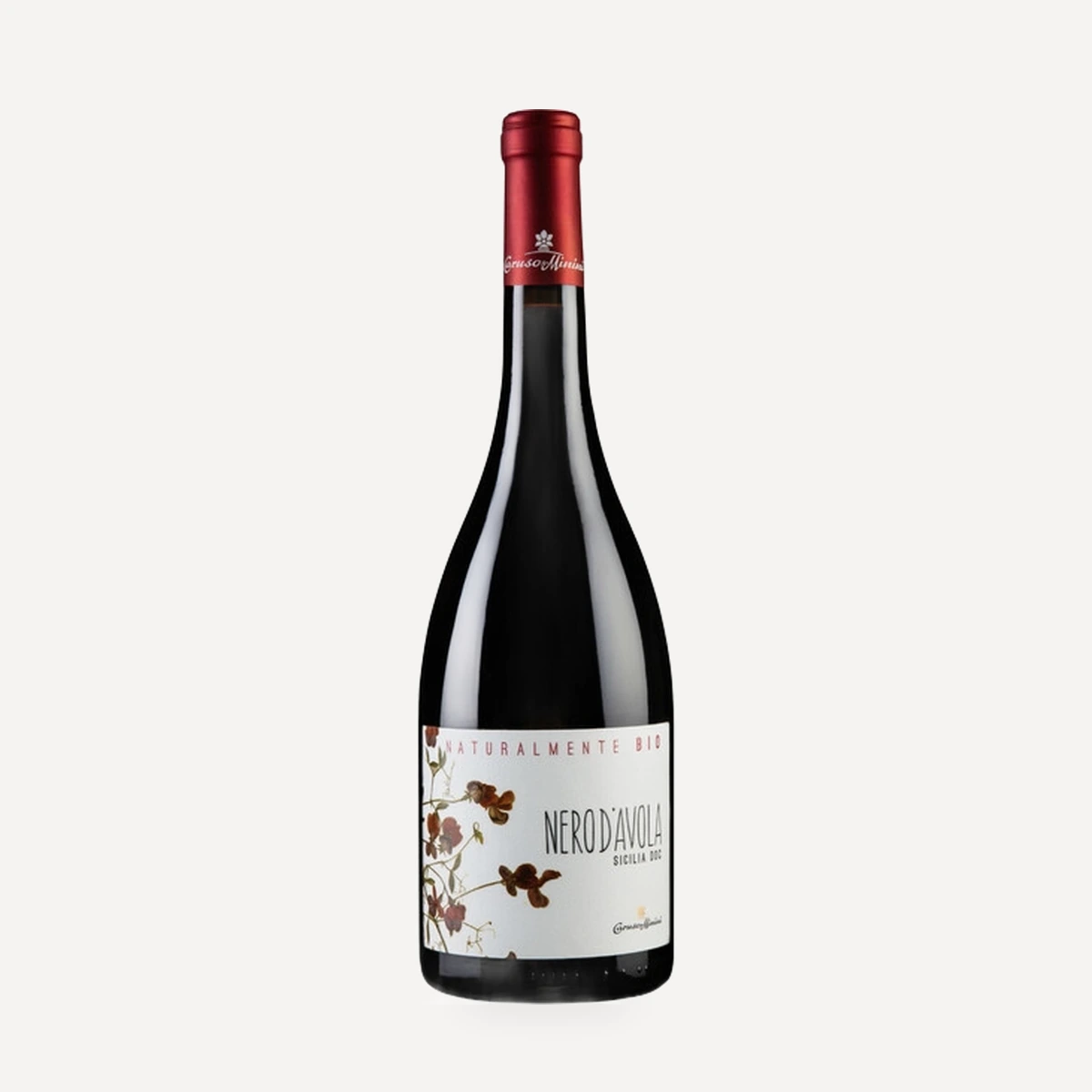
Naturalmente Bio Nero d'Avola Sicilia DOC