History
The Visco roots
The estate’s history reaches back through the Visco family, a historic Soave winegrowing family. By the middle of the nineteenth century, the Viscos were vinifying their own Castelcerino grapes as “Bianco Soave,” while quality wine was already being bottled in the cellar beneath what is now Palazzo Visco-Coffele. Chemical analyses of the family’s wine appeared in the Gazzetta Chimica di Asti in 1874. An original cadastral map belonging to the family and dated 1847 preserves the old place-name Nuj. A surviving image from 1928 shows Vittore Visco and his family preparing to press grapes.
The family’s base in Soave is Palazzo Visco-Coffele, a seventeenth-century building in the medieval centre. The family has lived there for approximately 400 years. Its chapel retains the original seventeenth-century walls and portal, opening onto an old courtyard with a century-old wisteria.
Giovanna Visco and Giuseppe Coffele
Giovanna Visco, the final heir of the Visco family, married Giuseppe Coffele and brought approximately 25 hectares of vineyards at Castelcerino, within Soave Classico, as her dowry. The couple spent many years restoring the vineyards before beginning to vinify under their own estate name.
Giuseppe was initially a teacher and later headmaster of Soave’s Benedetto dal Bene middle school. He cared for the vineyards outside his teaching commitments and, although he had no original technical training in oenology, deliberately surrounded himself with specialists. Attilio Scienza, Mario Fregoni, Antonio Calò, Giovanni Cargnello and technicians from the Verona agricultural inspectorate and Veneto agricultural institutions all contributed advice or experience at Castelcerino.
1971: foundation of Azienda Agricola Coffele
In 1971, Giuseppe and Giovanna founded Azienda Agricola Coffele and began making wine after the prolonged restoration of their vineyards. From the 1970s onward, Giuseppe became the first private wine producer in the Soave Classico zone to place particular confidence in the individual crus of Castelcerino, safeguarding and conserving the family’s land while developing a more site-specific interpretation of it.
Cru selection and the next generation
Ca’ Visco was the first cru formally selected by the estate. Its inaugural vintage was 1992, following approximately twenty years spent identifying the vineyard’s distinctive qualities and behaviour.
In the 1990s Giuseppe enlarged the hospitality spaces at Palazzo Visco-Coffele. He added a welcoming barrel-vaulted tasting room connected directly to the historic cellar. The roof garden above the cellar provides natural temperature moderation.
Alberto Coffele joined the production side after graduating from the Agricultural Institute of San Michele all’Adige. Since 1994, under his father Beppino’s supervision, he has personally directed production from the choice of planting material through bottling. He describes himself as a “young traditionalist.” At the age of thirty, he received his first major recognition when Ca’ Visco 2003 earned Tre Bicchieri; the same distinction followed for the next two vintages. The wine was conceived as a dedication to his mother Giovanna and her ancestors.
Chiara Coffele, a graduate in foreign languages and literature from Bologna, assumed responsibility for public relations and commercial activity in 2001. Her work developed the estate’s presence in Italy and international markets. Alberto and Chiara now manage the family business, respectively overseeing winegrowing and production, and sales and communications.
Expansion and later developments
The estate subsequently acquired four hectares at Campiano, a hamlet of Cazzano di Tramigna, extending production into Valpolicella. These vineyards support the family’s Valpolicella and Amarone della Valpolicella production.
After years of trials, the family revived the traditional practice of drying grapes on vertical nets. In 2003, it constructed a purpose-designed drying room on the ridge known as the “Sponde,” a naturally ventilated, fog-free position. Automated windows regulate airflow, humidity and temperature without air conditioning or dehumidifiers.
From the 2015 harvest, the estate’s Soave Classico began carrying the name Castel Cerino. It was the last of the four Castelcerino crus to receive a distinct identity, the result of approximately forty years of vineyard experience passed from Giuseppe to Alberto.
In 2018, Coffele received the Best of Wine Tourism Award for ecological practices, innovation and sustainable development in both vineyard and cellar. The recognition brought the estate into the Great Wine Capitals network.
Giuseppe Coffele died in October 2021, leaving Alberto and Chiara to continue both the family estate and his experimental, collaborative approach.
Terroir
Castelcerino
The principal vineyard holding forms a single block of approximately 25 ha at Castelcerino, in the northernmost part of the municipality of Soave. The vineyards occupy hillsides between approximately 150 and 450 m above sea level and include some of the highest sites in Soave Classico. They predominantly face south to southwest and receive both abundant sunlight and steady ventilation.
The southern portion has calcareous soils, associated with greater acidity, finesse and longevity. Farther north, darker basaltic and volcanic soils contribute more structure and complexity. Ca’ Visco crosses both formations: Garganega occupies the calcareous southern section, while Trebbiano di Soave is planted on basaltic ground.
A large wooded area—the most extensive within the DOC—surrounds and influences the vineyards. Together with century-old olive trees and cherry trees, the woodland tempers excessive summer heat and helps preserve acidity. Persistent northerly winds ventilate the canopy and fruit, supporting healthy grapes and organic vineyard management.
Campiano
The estate also owns 4 ha at Campiano, a hamlet of Cazzano di Tramigna within the Valpolicella DOC area. These hillside vineyards lie at approximately 400 m above sea level and are used for the estate’s Valpolicella grapes.
Winemaking
All family-owned land is managed organically under Alberto Coffele’s direct supervision. Coffele became the first producer in the Soave DOC Classico zone authorized to place both the organic designation and the EU Euro-leaf on its labels under Regulations EC 834/2007, 889/2008 and 203/2012. Certification followed approximately twenty years of progressively more environmentally attentive farming after Alberto joined the estate.
Herbicide use was abandoned, and systemic crop-protection products are not used, with the aim of minimizing residues in the finished wine. Earthworms transform estate materials into humus and compost. Fertility is maintained exclusively with organic matter produced on the farm, allowing its origin to be controlled. The horses eat forage grown on the property and provide manure; the indicative composition given for equine manure and bedding is 6.7‰ nitrogen, 2.3‰ P₂O₅ and 7.2‰ K₂O, compared with 3.4‰, 1.3‰ and 3.5‰ respectively for cattle manure.
Horses also take an active role in vineyard work. A suitable animal can perform the full range of vineyard operations without fossil-fuel or noise emissions, graze weeds when treatment residues are absent, and return nutrients through manure. An average horse weighs about 0.8 tonnes, compared with approximately 2 tonnes for even a small tractor, and concentrates its load through the hooves rather than broad wheels. This reduces repeated tractor traffic, soil compaction and the subsequent need for deep mechanical subsoiling.
Soil-cover management is central to erosion control. Coffele’s conservation trials compare standard estate management, continuous cultivation and bare soil, a single shallow late-autumn cultivation, long-lived native-species cover and a nectar-producing seed mixture. The late-autumn cultivation removes tractor ruts and encourages cover regrowth; native plants increase cover diversity; and the nectar mixture rapidly reaches full winter cover, supports insects and is roller-crimped in late spring to avoid competing with vine protection. The nectar mixture is used in alternating inter-rows.
During the 2020 observation season, total rainfall reached 1,271 mm over 85 days, close to the 27-year average of 1,308 mm over 95 days. Eight rain/runoff events were recorded on very steep Soave slopes exceeding 20%. In the estate trial vineyard, whose gentler gradient and soil rich in sand and organic matter make it less runoff-prone, only one event occurred between 28 and 31 August after 136 mm of rain, including a peak intensity of 9.2 mm in five minutes.
The ITAca work explores fixed vineyard-treatment systems for steep pergola- and Sylvoz-trained vineyards. It combines fixed nozzles, electrolyzed water, predictive models, winter-pruning and canopy adjustments, and the LA.VI.PE platform to improve treatment timing and dose control. Intended benefits include less spray drift, lower operator and resident exposure, reduced water and diesel use, less soil compaction, safer work on steep and slippery ground, and elimination of localized contamination caused by washing atomizers.
SOiLUTION SYSTEM adds drone and airborne laser-scanner surveys, high-resolution three-dimensional vineyard models, ground monitoring after instability events, lower-impact machinery prototypes, economical methods for consolidating dry-stone walls and embankments, and conservation-agriculture protocols designed to reduce erosion while strengthening biodiversity.
Production is directed by Alberto Coffele from the selection of planting material through the decision to bottle. Grapes are harvested by hand. Across the estate’s principal wines, bunches are collected in small crates—commonly 20 kg—to preserve their integrity until pressing; harvesting dates and vineyard passes vary according to variety and intended style.
The historic cellar stands beneath Palazzo Visco-Coffele in central Soave, where quality wine was already bottled in the mid-nineteenth century. A roof garden above the cellar naturally moderates its temperature. Environmental measures in the cellar include systems designed to contain energy consumption.
Appassimento facilities
After years of experimentation, the family became the first in the area to revive drying bunches on vertical nets. Although this method requires more space and labour, it provides better ventilation and permits close control of grape health and concentration. The purpose-built fruttaio completed in 2003 stands on the Sponde ridge, beyond the reach of fog and in a consistently ventilated position. Software automatically opens and closes its large windows to regulate humidity and temperature through air exchange alone. Dehumidifiers and air conditioning are unnecessary, reducing energy use and allowing each winter’s natural conditions to influence the drying process.
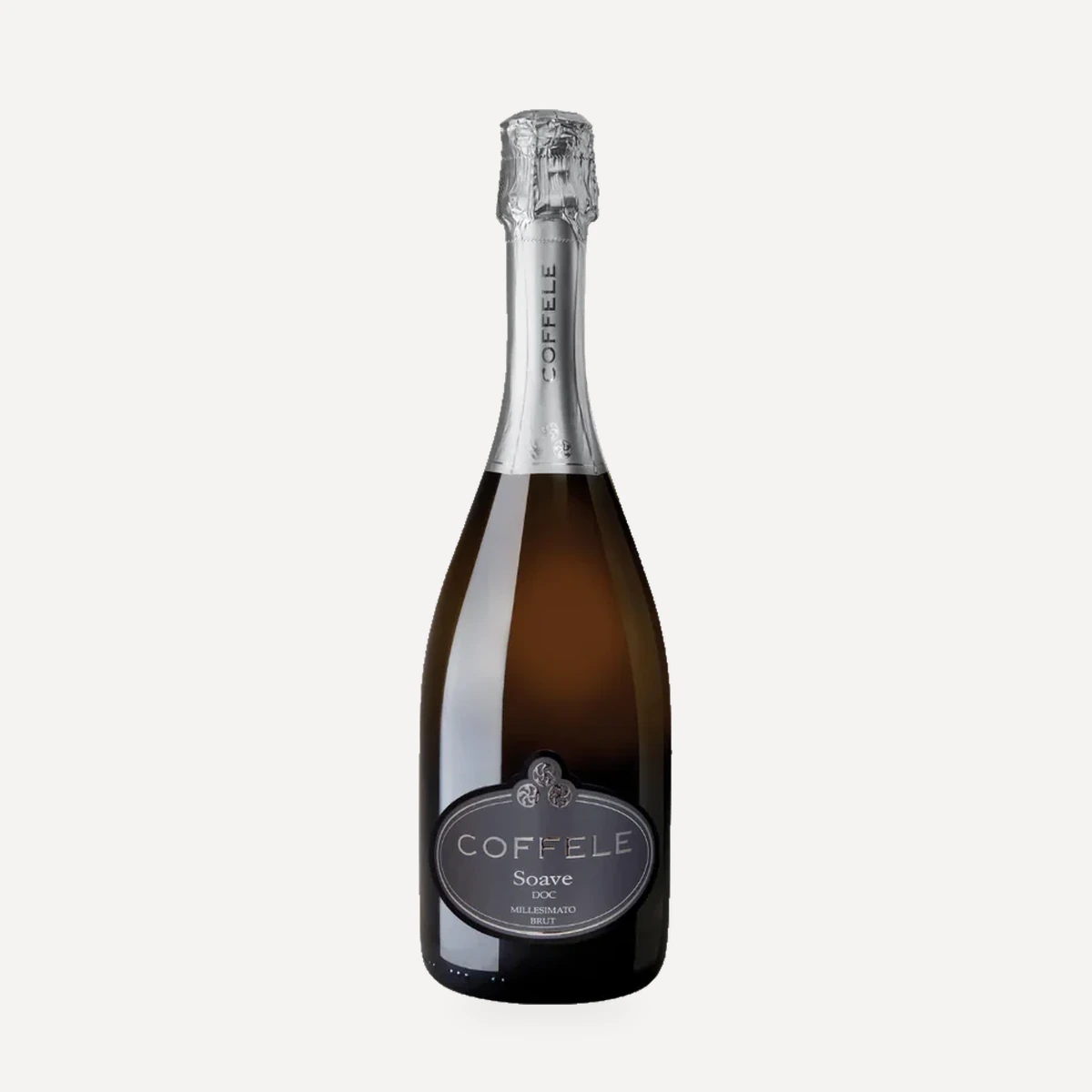
Selected bunches intended for extended appassimento are inspected repeatedly, with imperfect berries removed. Depending on the intended wine, drying may continue from harvest into January or as late as March. The cellar works with temperature-controlled stainless steel, small stainless-steel vessels, large 1,500-litre oak casks, 225-litre oak barrels and barriques. The portfolio encompasses white vinification, skin maceration for reds, indigenous-yeast fermentation for one naturally sweet sparkling expression, and Martinotti-method secondary fermentation. Racking, filtration, maturation and bottle ageing are adapted to the individual wine rather than imposed as a single uniform protocol.
Philosophy
Coffele’s philosophy combines family continuity, close observation of individual sites and an openness to experimentation. Giuseppe Coffele sought advice from specialists with backgrounds different from his own, and Alberto and Chiara continue that curiosity through environmental, technical and social projects.
Alberto defines himself as a “young traditionalist.” His work links traditional elements—pergola-trained vines, vertical-net appassimento, horses in the vineyard and estate-made manure—with controlled fermentation, automated natural ventilation, remote sensing, digital mapping and fixed vineyard-treatment systems. Technology is used to understand and protect the land, reduce resource use and refine existing practices rather than detach production from its agricultural setting.
Soil fertility is treated as an intergenerational responsibility. The estate’s guiding position is that the next generation should inherit soils whose fertility is no lower than that received by the present one. Organic matter, biodiversity, reduced compaction, erosion prevention and preservation of the historic hillside landscape are therefore treated as connected aspects of wine quality.
Environmental and social sustainability extend beyond certification. Coffele supports a model in which agriculture can protect vulnerable landscapes, reduce risks to workers and residents, and create rehabilitative and reintegration pathways for people facing social, physical or economic hardship. The family has also belonged to FIVI since the organization’s foundation and identifies closely with its values.
Wines
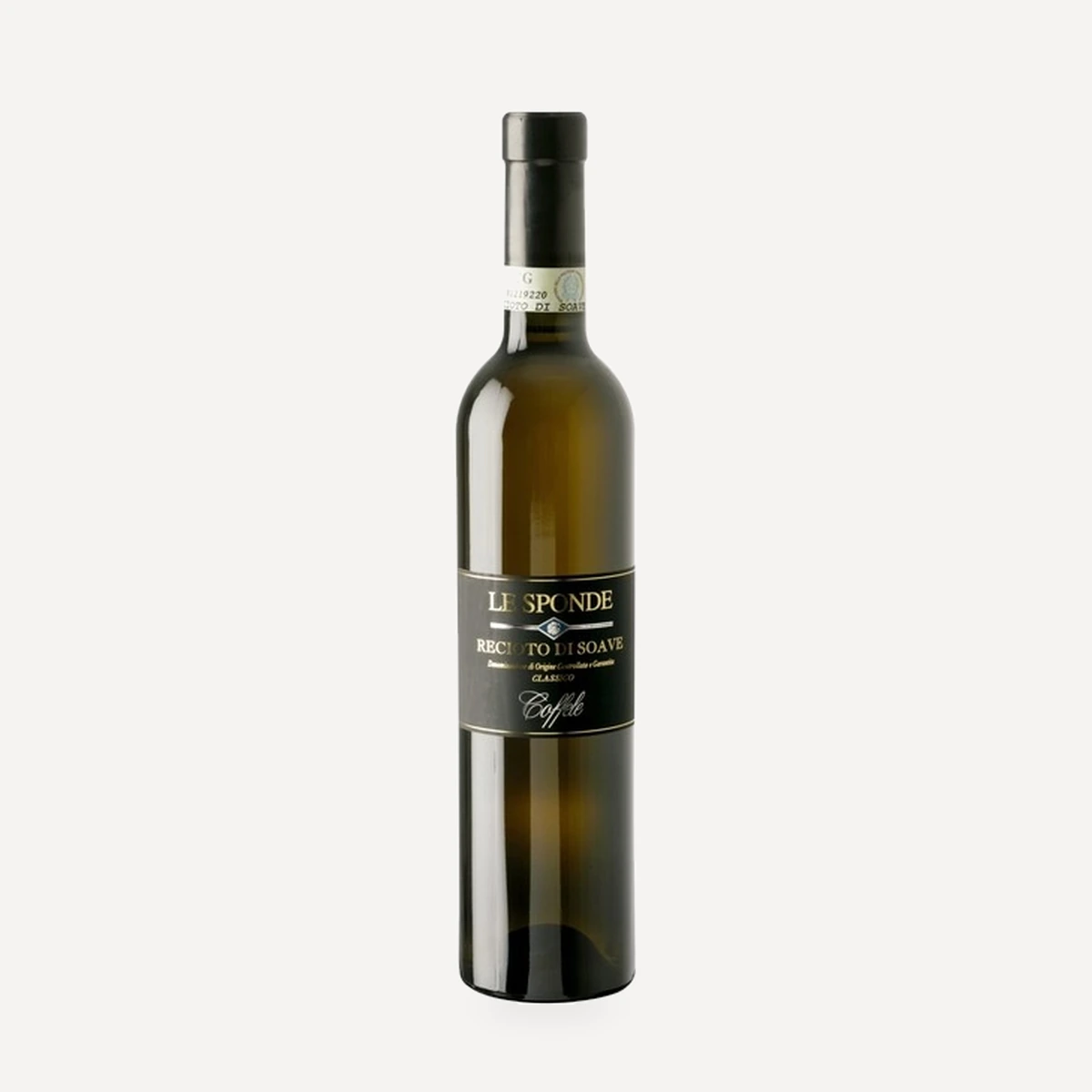
Le Sponde Recioto di Soave Classico DOCG
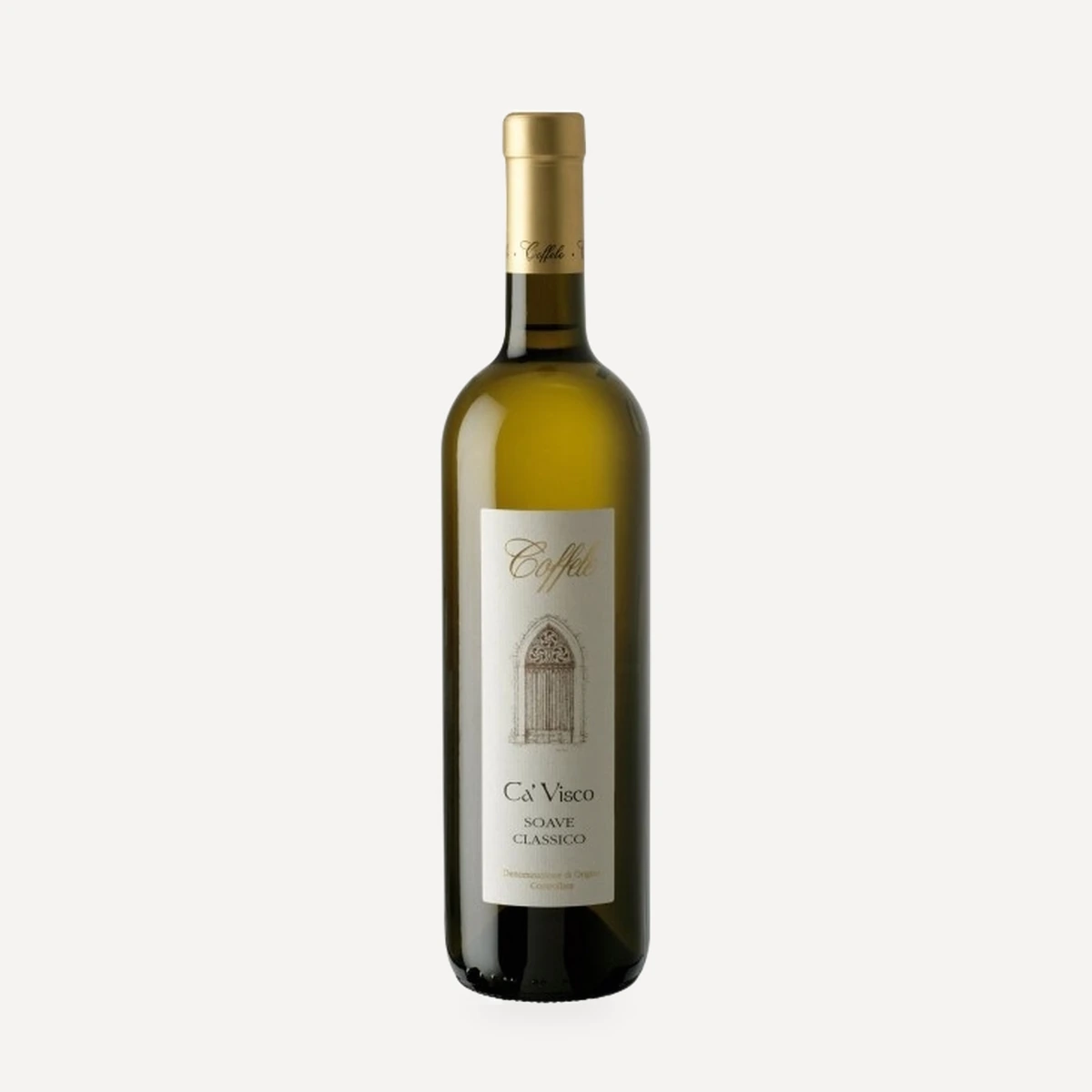
Ca’ Visco Soave Classico DOC
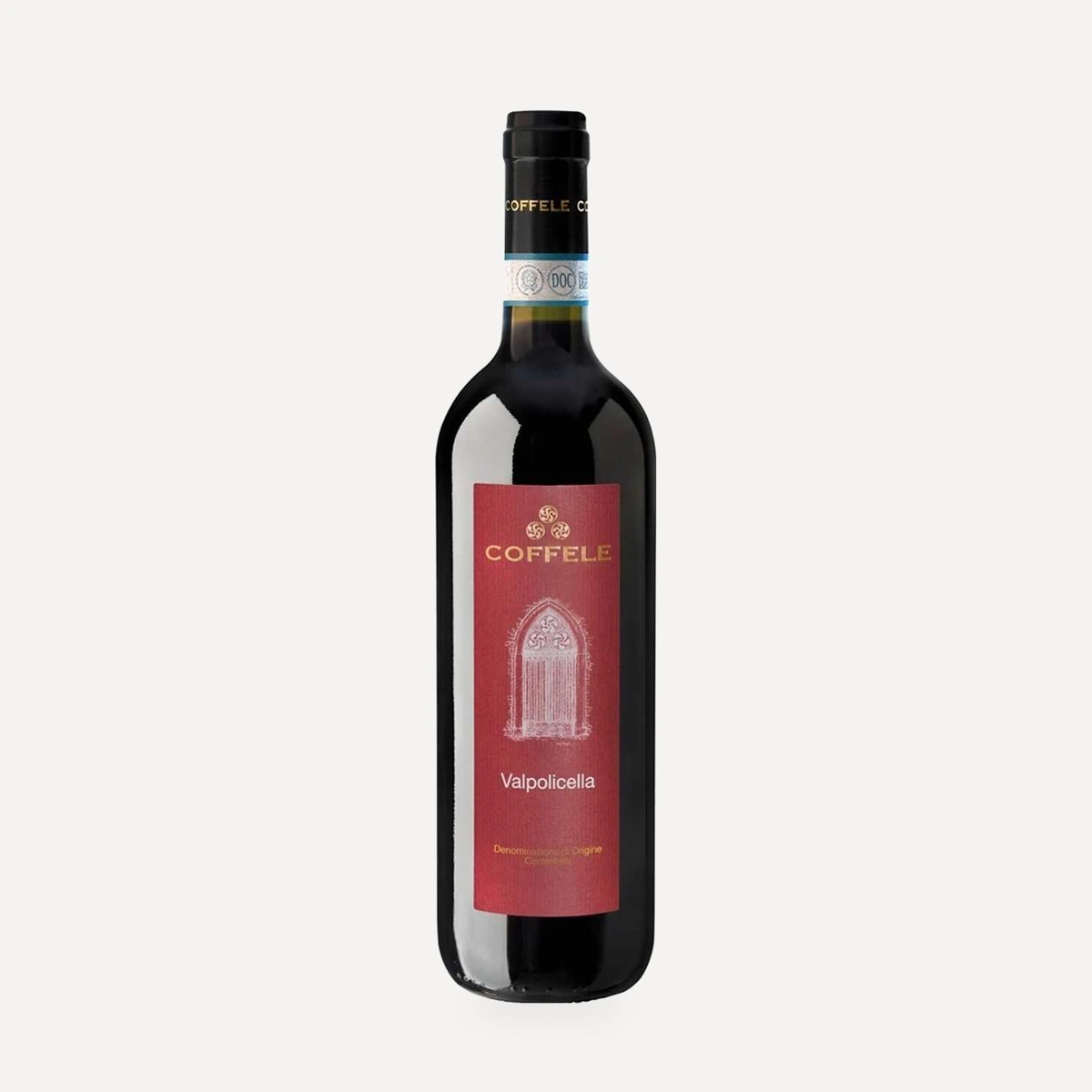
Valpolicella DOC
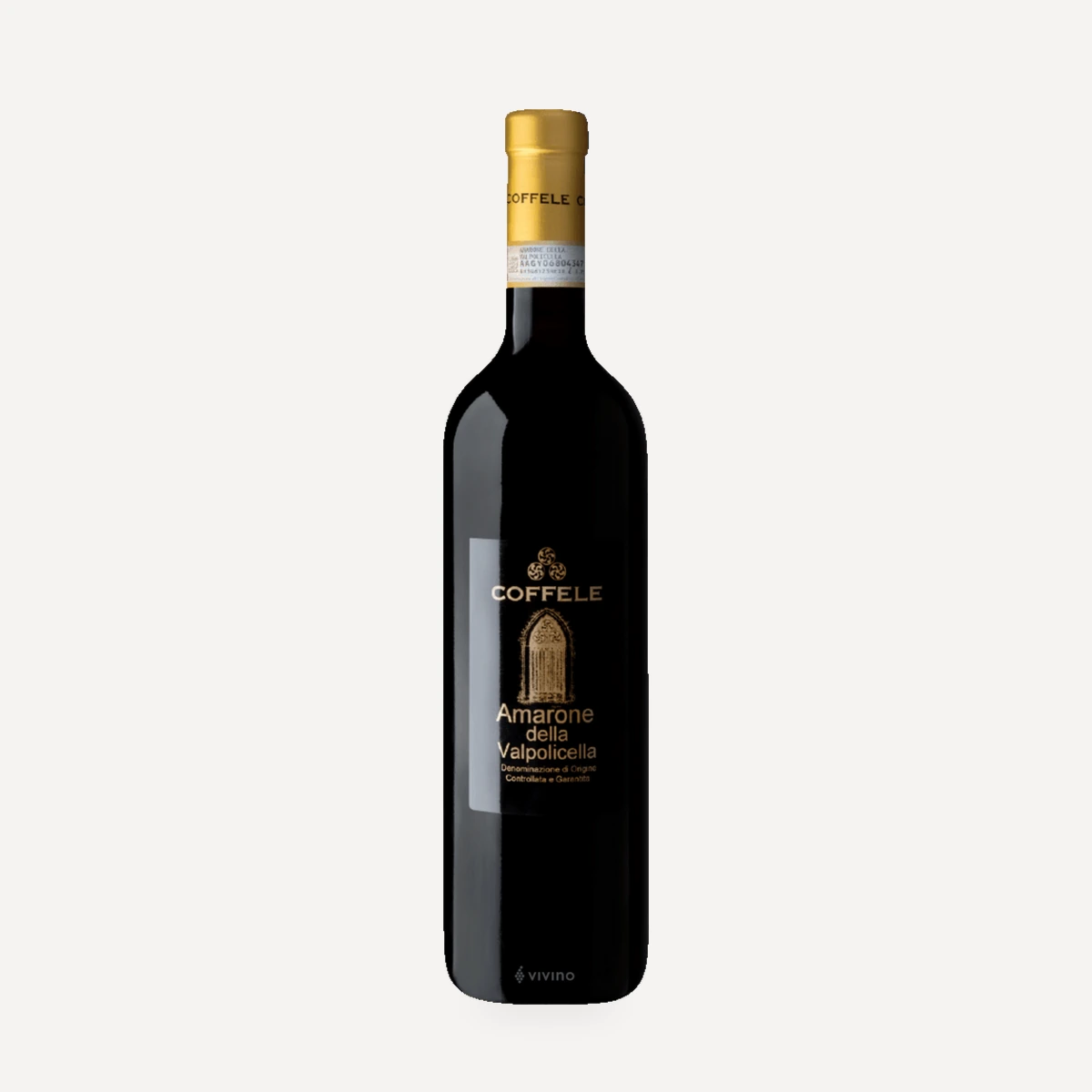
Amarone della Valpolicella DOCG
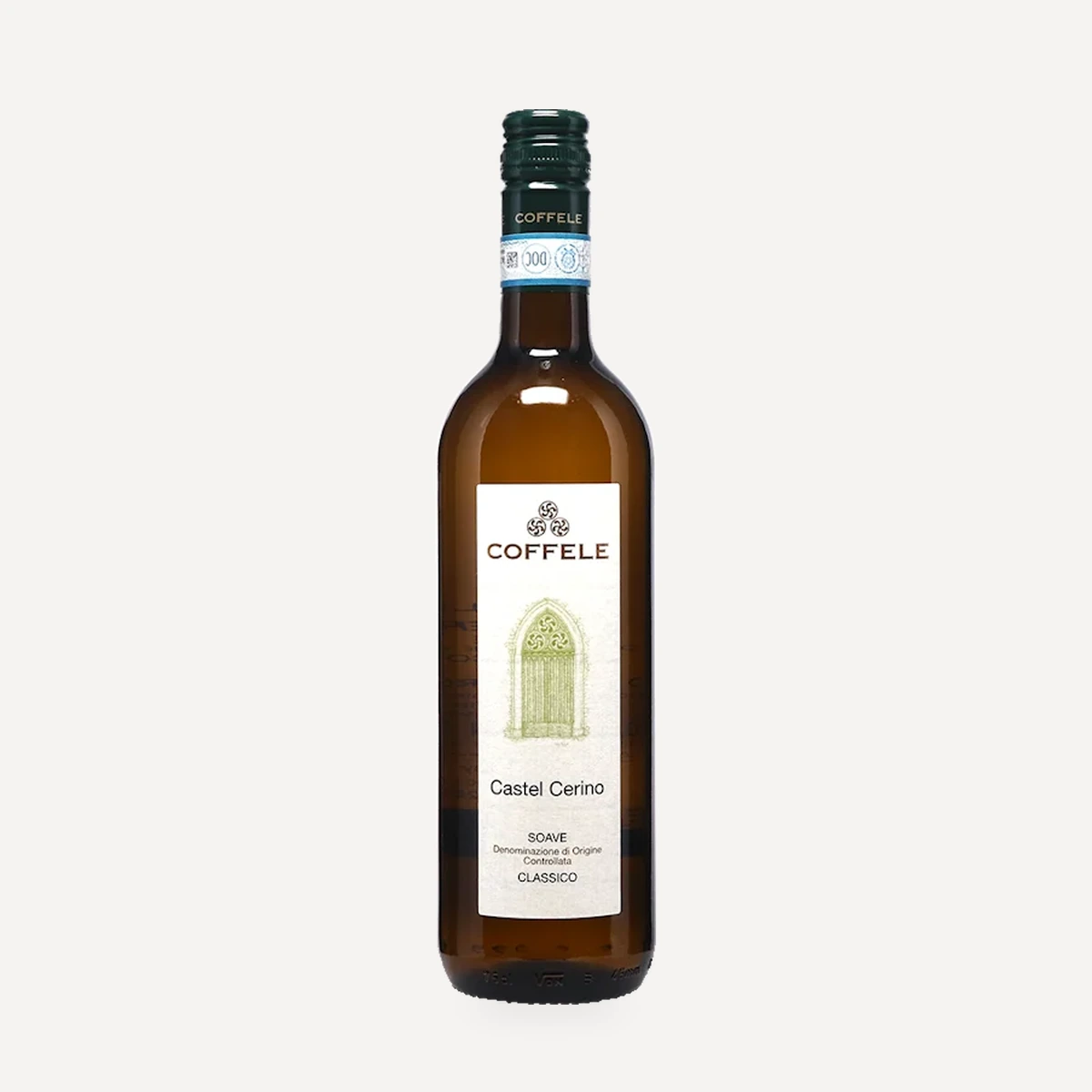
Castel Cerino Soave Classico DOC
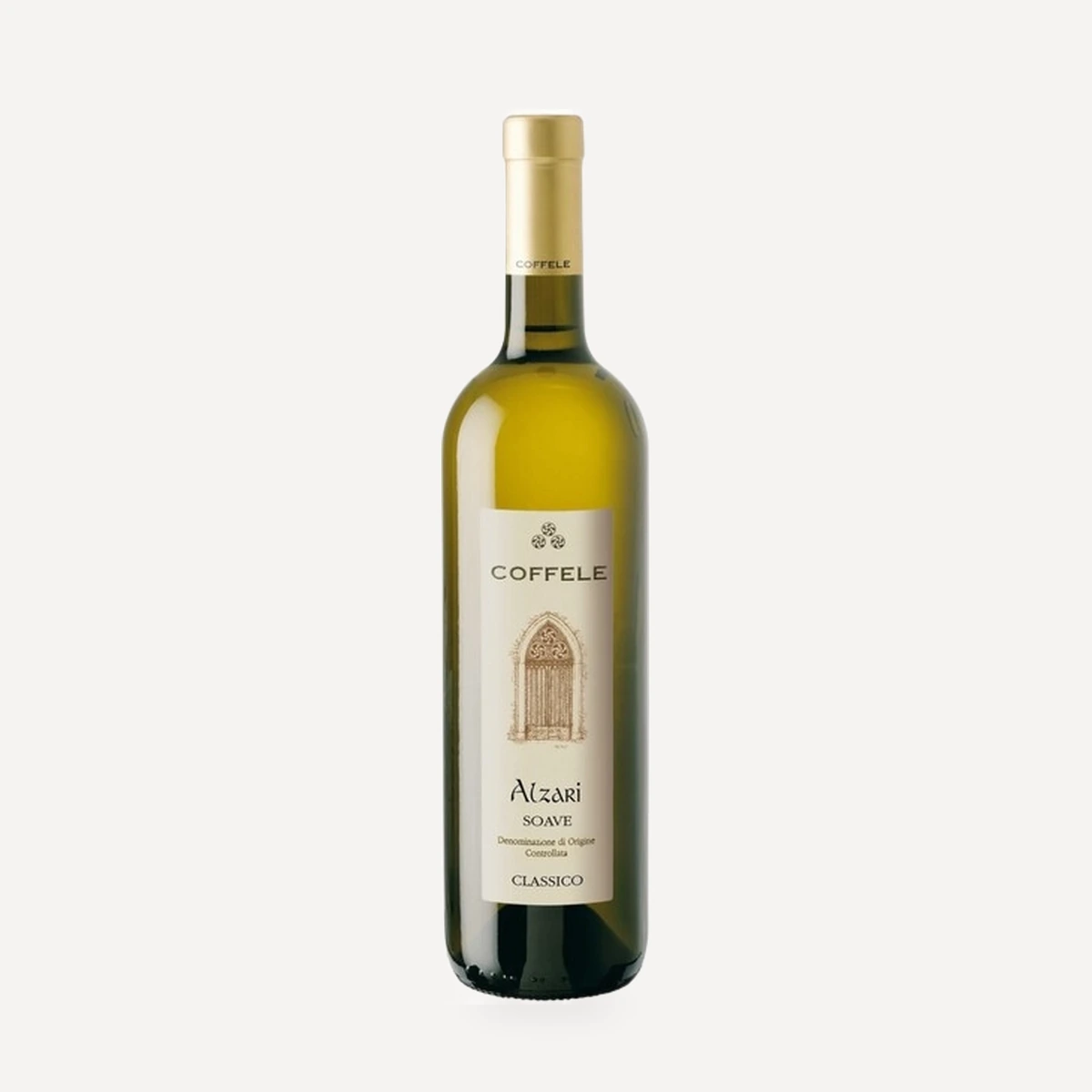
Alzari Soave Classico DOC
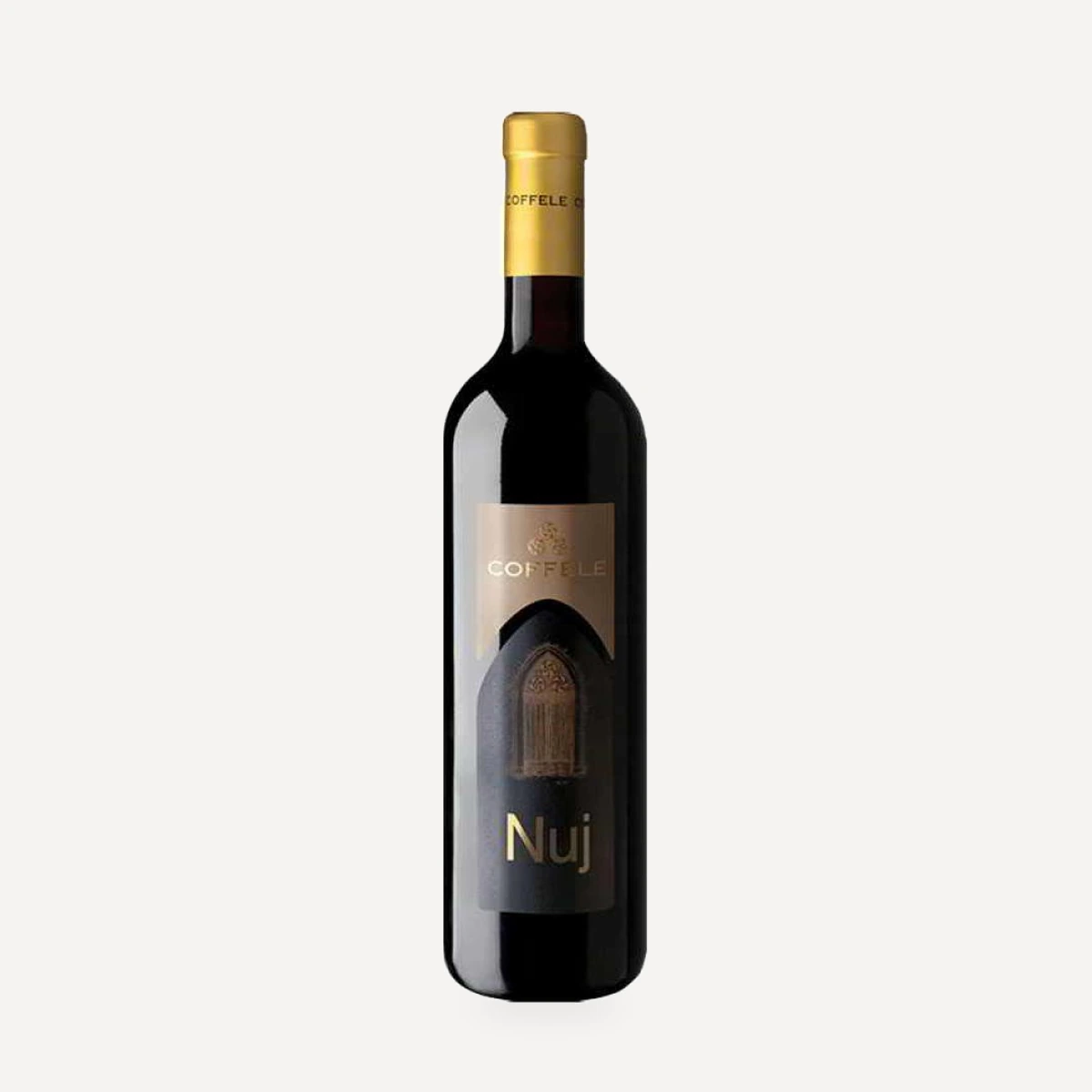
Nuj Rosso del Veneto IGT