History
The family farmhouse and first vineyard
Casa Defrà takes its name and identity from the Cielo family's original farmhouse at the foot of the Colli Vicentini. The name is synonymous with Casa dei Fratelli Cielo—the House of the Cielo Brothers.
In 1908, Giovanni Cielo acquired a small property with a vineyard in the countryside around Vicenza. The family planted its first vineyard there and Giovanni began producing the first bottles of wine. This became the starting point of a wine business subsequently developed over four generations and expanded beyond Italy into international markets.
Partnership with local winegrowers
In 1999, the family business joined forces with the local winegrowers of Cantine dei Colli Berici. The partnership was intended to support growth, establish closer control of the supply chain and distribute the value generated by wine production more fairly and sustainably over the long term.
Casa Defrà now encompasses wines made from grapes cultivated around Vicenza by successive generations of local growers. Its historical narrative connects continuity in the vineyard and cellar with the renewal of the same tradition at every harvest.
Formal sustainability commitments
In 2020, Cielo e Terra, the company behind Casa Defrà, obtained B Corp certification, formalizing a business model intended to combine commercial activity with social and environmental benefit.
The company obtained the VIVA wine-sustainability certification in 2021. From the beginning of 2022, VIVA's Air, Water and Territory indicators were used to assess organizational climate and water impacts. In December 2022, Cielo e Terra became a Benefit Corporation, incorporating positive effects for people and the environment alongside profit into its corporate purposes.
Equalitas corporate certification followed on 11 December 2023. In March 2025, B Corp certification was renewed: the B Impact Assessment score increased from 87.3 in 2020 to 103.3.
Terroir
Casa Defrà is rooted at the foot of the Colli Vicentini, a landscape of gentle slopes extending between Padua and Verona. The hills bear geological traces of volcanic activity alongside white calcareous stone. Their position combines proximity to the sea with shelter supplied by the Piccole Dolomiti, two influences associated with the area's suitability for viticulture.
The Colli Vicentini have a historical association with red varieties, particularly Cabernet and Merlot. They are also home to the local varieties Garganega, Tai Rosso and Durello. Vicenza lies at the origin of the Berica ridge, placing the Casa Defrà story within the wider Vicentine and Colli Berici landscape.
Winemaking
Casa Defrà's supply model is based on collaboration with winegrowers around Vicenza, including the growers associated with Cantine dei Colli Berici since 1999. This relationship is intended to improve control across the supply chain while supporting a fairer, more sustainable long-term distribution of value.
A dedicated quality project provides an additional financial reward for high-quality viticulture among member growers. The measure is intended to preserve both sustainability and diversity in the most highly regarded vineyard areas, with particular support for sites where production is more fragile.
Environmental performance is assessed through VIVA's three indicators—Air, Water and Territory. These cover organizational carbon and water footprints under UNI EN ISO 14064-1 and UNI EN ISO 14046 and are used to define further sustainability improvements. Equalitas corporate certification covers the sustainability management of the wine supply chain, including production and packaging operations conducted by Cielo e Terra.
Philosophy
Casa Defrà presents continuity as the central idea of its identity: a family tradition rooted in the first vineyard of 1908, renewed at every harvest through consistent care and through the long-standing connection of Vicenza-area winegrowers with their land.
Its contemporary business philosophy links growth with closer supply-chain control and a fairer distribution of value among participating growers. High-quality viticulture is encouraged through additional remuneration, especially where valuable vineyard areas are vulnerable or production is fragile.
The sustainability model treats financial performance as only one component of business value. Environmental, intellectual, human and social resources are also incorporated into the company's understanding of prosperity. B Corp participation, Benefit Corporation status, VIVA impact measurement and Equalitas certification express the stated aim of generating social and environmental benefit while continuing to operate profitably.
Wines
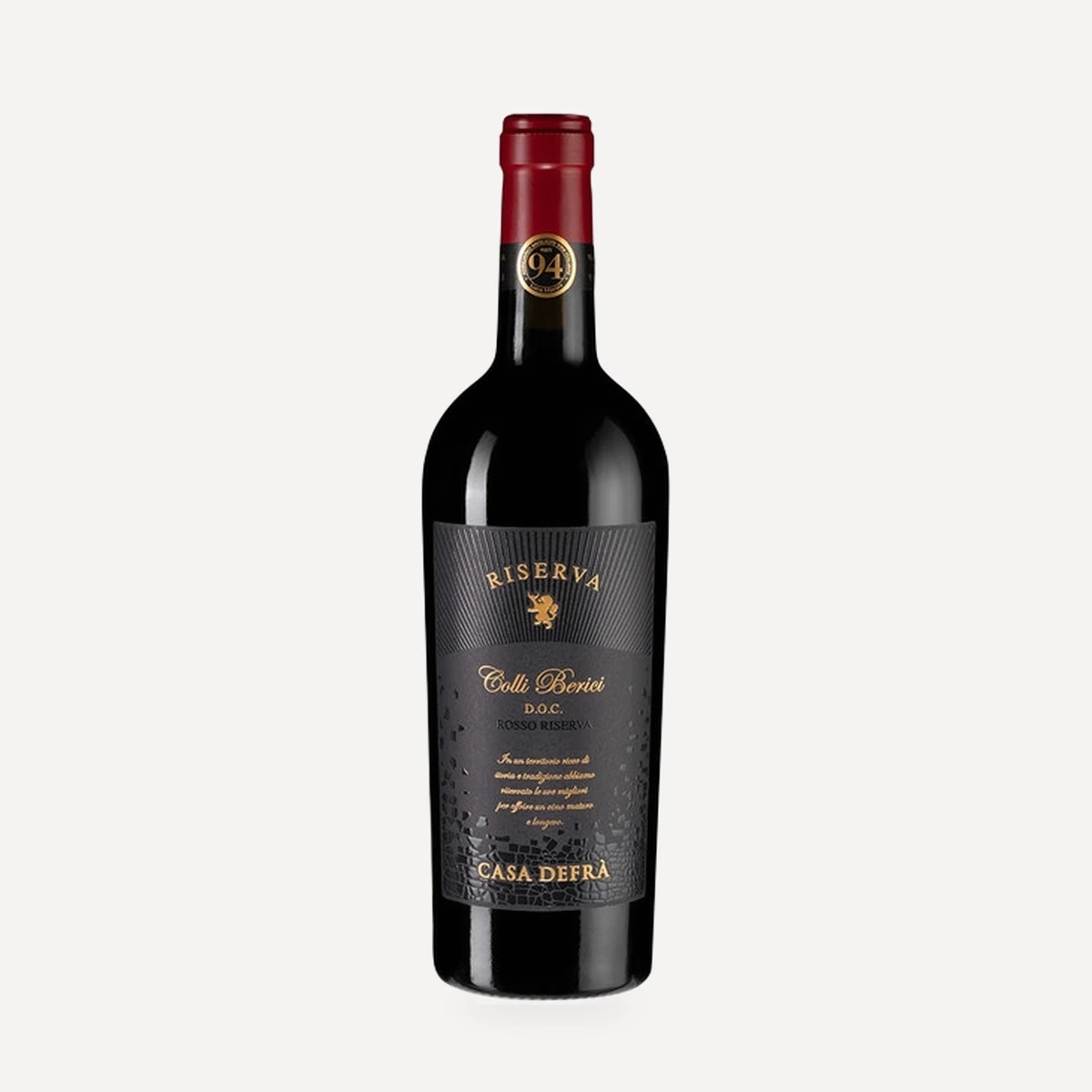
REDEMONTE Rosso Riserva Colli Berici DOC
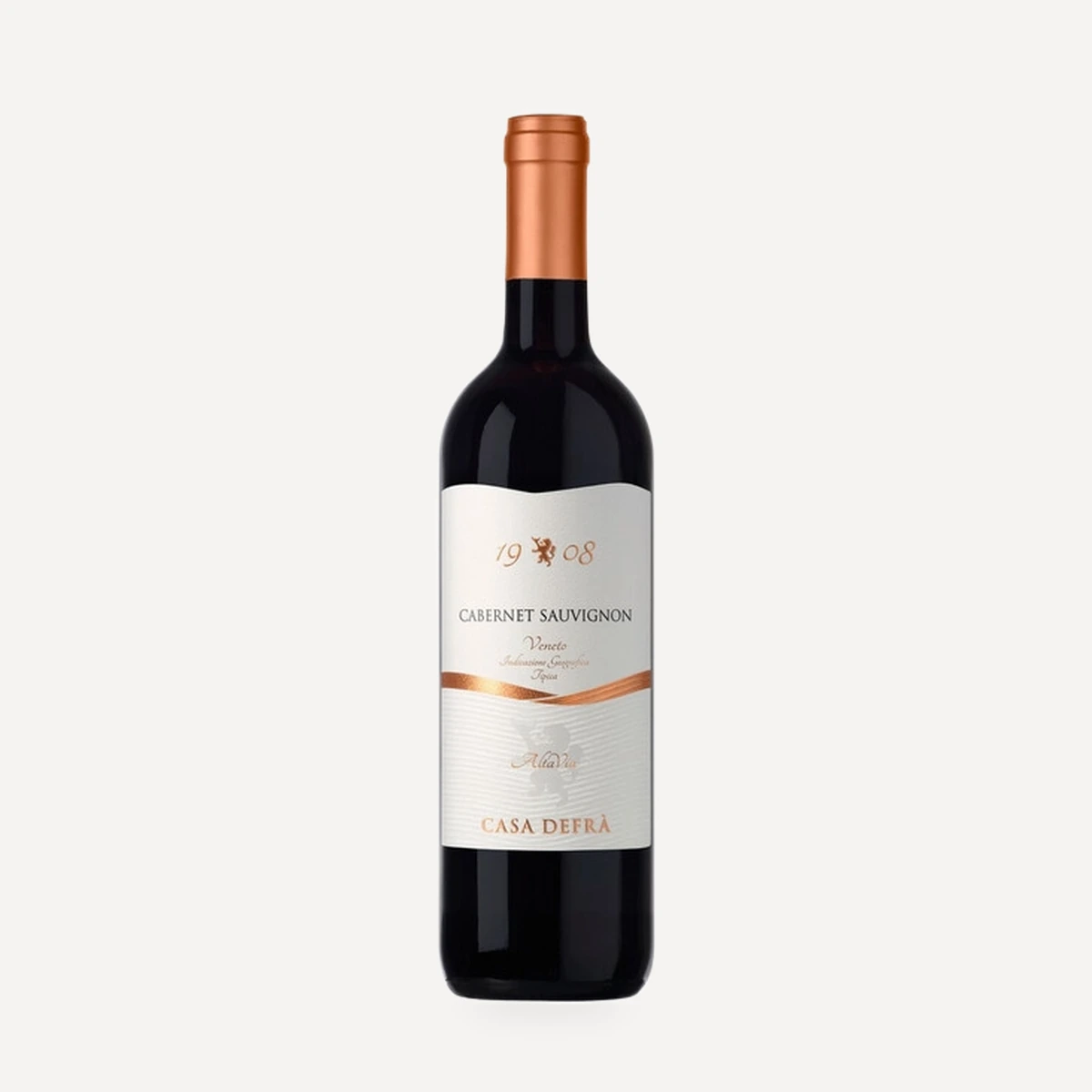
Cabernet Sauvignon Veneto IGT
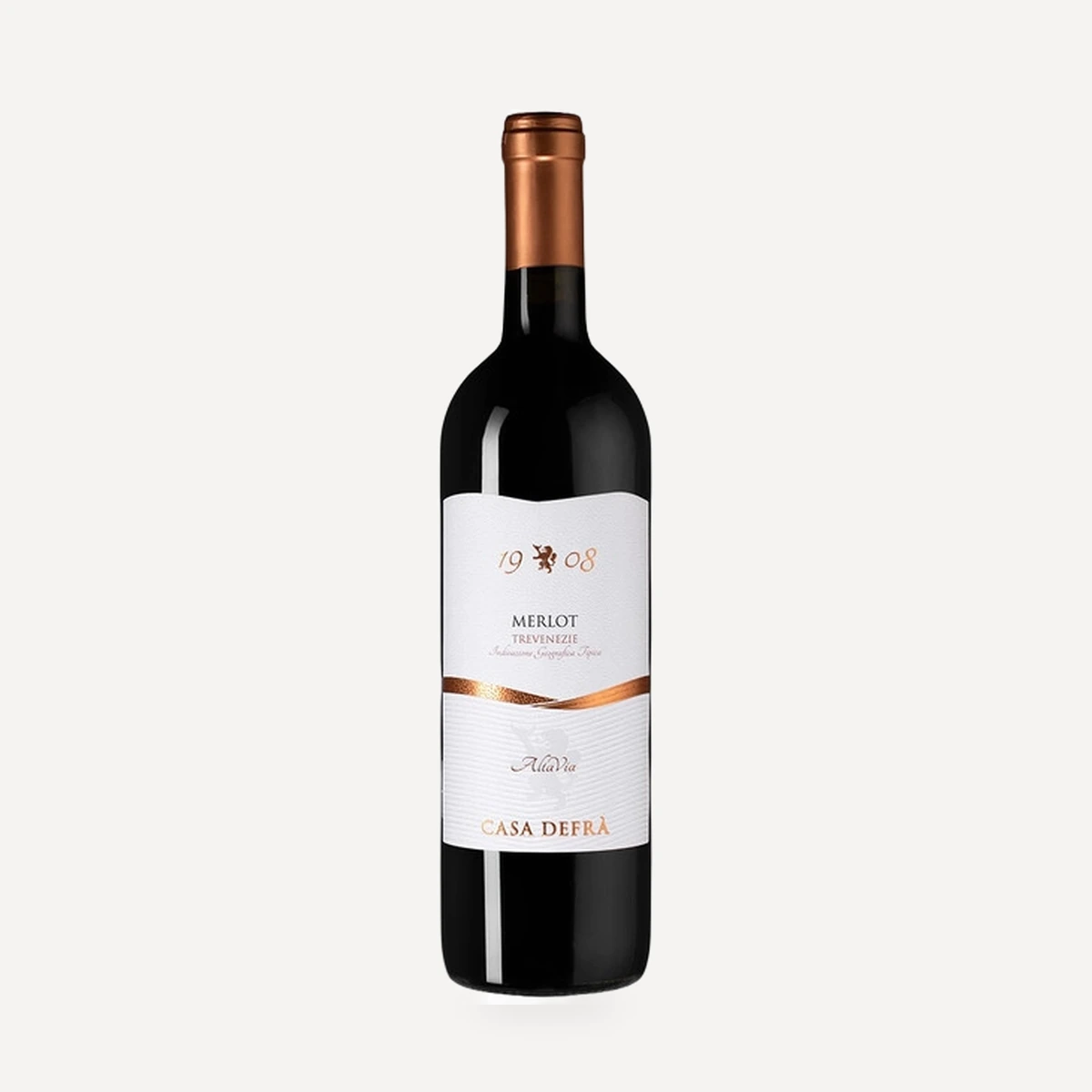
Merlot Veneto IGT
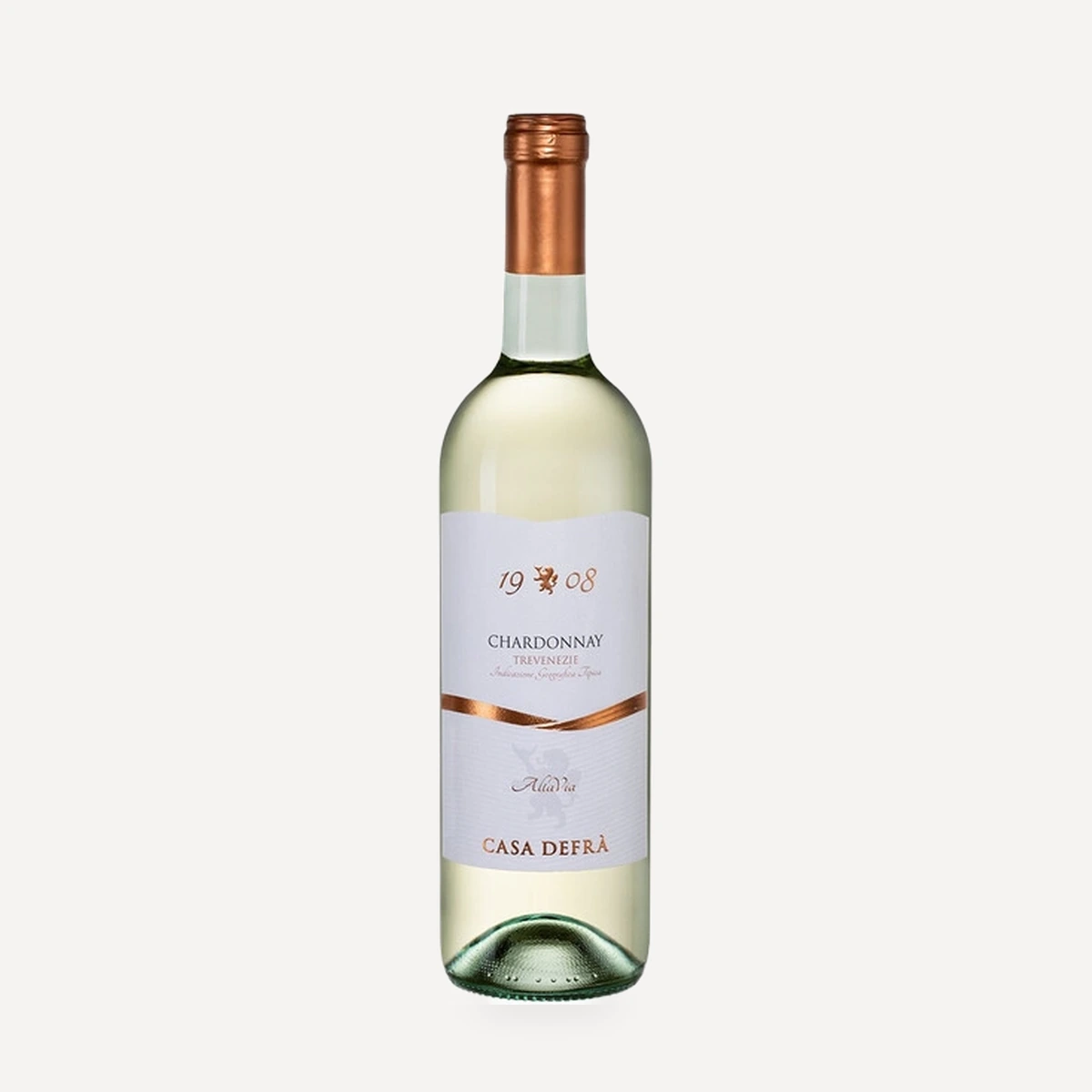
Chardonnay Veneto IGT
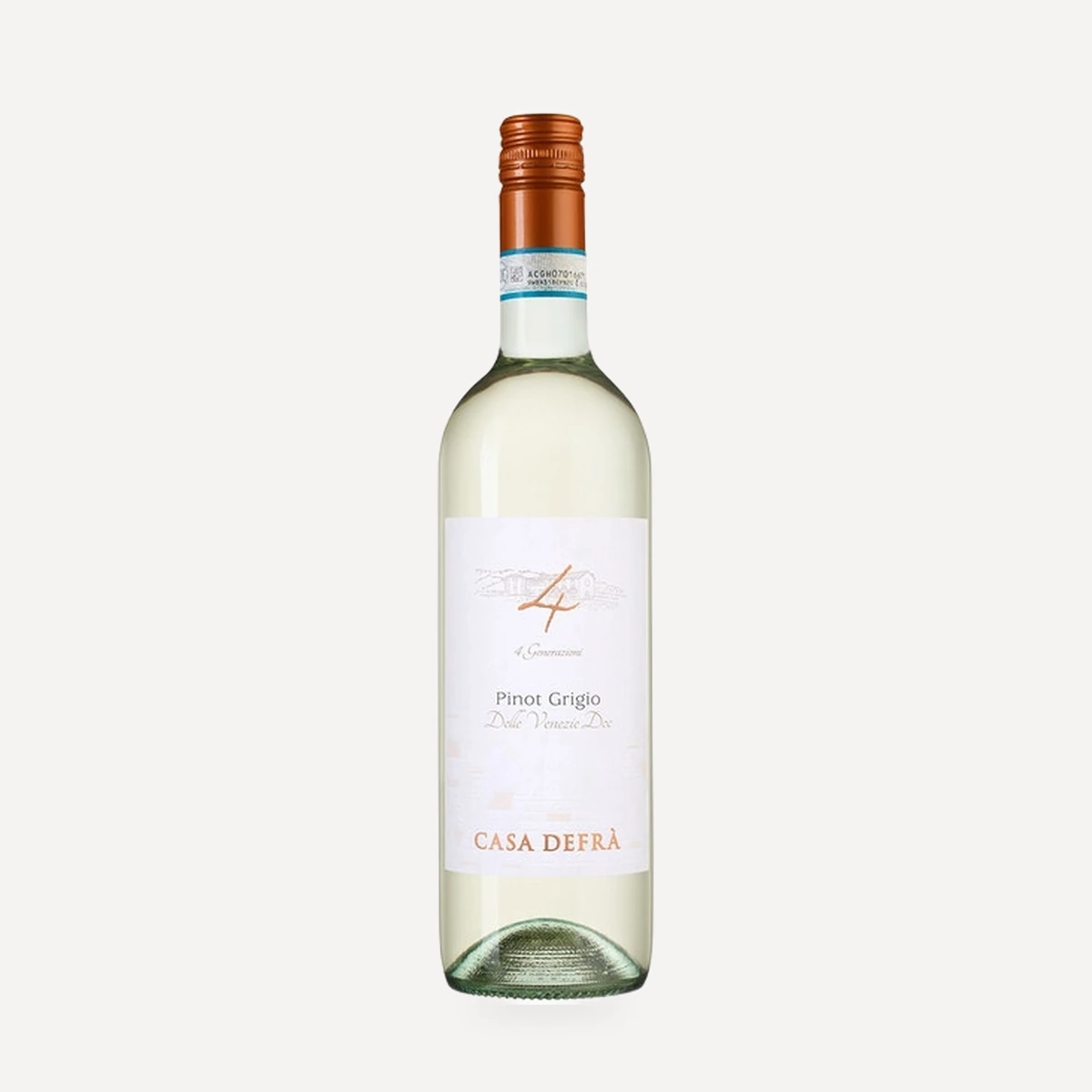
Pinot Grigio Delle Venezie DOC