History
Land with a long family history
The Di Majo family’s connection with Ramitello predates the modern winery by centuries. The land around Tenuta Ramitelli has belonged to the family for many centuries and forms part of the ancient fief of the Marquises Norante di Santa Cristina.
Wine production since the 19th century
Di Majo Norante has made wine from estate-grown grapes since the 19th century. Surviving evidence includes old cellars beneath the square in Campomarino and within the family’s old palazzo. The estate’s commitment to viticulture passed first to Luigi and subsequently to Alessio Di Majo.
From inherited practice to research
Under Alessio di Majo Norante, inherited winegrowing practices have been combined with research and experimentation. He rejected high productivity and standardized flavour in favour of quality and site-specific character, working from the conviction that southern Italian varieties are particularly well adapted to Molise’s pedoclimatic conditions. Research into native and long-established southern varieties has included selecting clones and studying their adaptation to local soils.
Organic development
A small estate vineyard became Di Majo Norante’s first certified-organic site about 30 years ago. Organic methods were subsequently extended as an estate-wide approach to vineyard management, with biodiversity, natural soil cover, natural fertilizers and low-impact pest control at its centre.
The estate today
Di Majo Norante works with grapes from 123 ha of vineyards on the former Norante di Santa Cristina fief. Tenuta Ramitelli serves as its production, administrative and logistics headquarters. The present approach combines traditional Mediterranean winegrowing principles with ongoing experimentation and modern cellar technology.
Terroir
Setting
Masseria Di Majo Norante lies north of the Gargano promontory in Contrada Ramitelli, within the countryside of Campomarino. The estate is close to the Adriatic coast, and its principal vineyard territories extend between coastal ground and nearby hills.
Climate and maritime influence
Summer heat is moderated by recurring sea breezes. At Cocciolete, the constant maritime airflow tempers both summer heat and winter cold, clears the sky and supports high solar exposure. Ramitelli has a mild Mediterranean climate, with hot, dry summers and a constant circulation of air to and from the sea. At Camarda, summer warmth and the sea breeze help maintain healthy vineyard conditions with little need for chemical assistance.
Soils
The broader Campomarino setting has clay-rich, partly sandy soils. Camarda is characterized by sand mixed with clay, while individual plantings are also described as calcareous-clay or calcareous. Cocciolete has calcareous soil incorporating different clays. Ramitelli is predominantly clay. The higher Tintilia planting is on clay-calcareous soil.
Relief and exposure
Camarda occupies a southeast-facing hill beside the Adriatic and reaches approximately 200 m. Cocciolete lies between sea and hills and reaches 160 m, although its overview altitude is given as 100 m. Ramitelli’s vineyards grow in the direction of the sea; the territory is described at approximately 50 m in the estate narrative and at 100 m in its heading. Other documented estate plantings extend from 50–100 m around Ramitelli and Martarosa to 300–350 m for Tintilia.
Historic landscape
The Camarda hill is crossed by the 244 km Tratturo Magno, the L’Aquila–Foggia drove road historically used to move flocks from the Gran Sasso mountains toward the pastures of the Tavoliere delle Puglie.
Winemaking
Organic management and biodiversity
Di Majo Norante follows organic farming principles across its vineyards. A small vineyard received organic certification about 30 years ago and became the first certified-organic parcel on the estate. The biodiversity objective encompasses plants, animals, insects and microorganisms.
Only natural fertilizers are used, together with natural or non-invasive approaches to pest control. Grass and flowers are allowed to grow and bloom spontaneously throughout the vineyards. This permanent natural cover helps balance the soil, sustains native microorganisms and creates habitat for insects that prey on vineyard pests.
Soil and water conservation
Spontaneous ground cover improves the movement and retention of water in the soil, reduces unnecessary water loss and limits erosion caused by heavy rain and wind. Estate water is used for irrigation. At Camarda, summer heat and maritime airflow help keep vines healthy without routine chemical assistance.
Yield and canopy management
Production is deliberately held at low levels. Manual selection takes place during different stages of vine development, while pruning and bunch thinning remove weaker material so that the healthiest, strongest and ripest bunches reach harvest. Leaf removal before harvest and balanced foliage management expose the fruit to additional warmth and light, supporting more complete ripening.
Plant material and harvest
The estate selects clones of native and long-established southern varieties and studies their adaptation to local soils. Documented harvest periods run from September through the first part of November, with some Aglianico retained until the end of November and Moscato Reale dried on the vine until mid-October. Hand harvesting is documented for Falanghina used in the traditional-method sparkling wine and for Sangiovese in the Ramitello and Martarosa vineyards.
Cellar approach
The cellar combines a traditional Mediterranean approach with modern technology intended to preserve and express the potential of the grapes. The exact process varies with grape type and intended style.
White and rosé production
Documented white-wine methods include brief skin contact or cold maceration lasting approximately 12–36 hours, followed by fermentation in stainless-steel vats at controlled temperatures of 16–18°C. Some lots complete malolactic fermentation. Rosé production includes both gentle direct pressing and short contact with skins and pomace for no more than 24 hours before handling the must in the manner of a white wine. Stainless-steel maturation may last about six months, followed by bottle refinement.
Red-wine production
Red grapes may undergo prolonged skin maceration of about one month in steel vats or small steel fermenters. Slow fermentation, complete malolactic fermentation and maturation divided between steel and wood are documented. Oak vessels include small barrels, barriques and tonneaux; one long-aged expression spends 24 months in French-oak barriques and tonneaux followed by 18 months in bottle. Other wines receive several months of bottle refinement after vat or barrel maturation.
Late-harvest and dried grapes
Moscato Reale is left to dry naturally on the vine until mid-October. The dried fruit is cold-macerated, gently pressed to retain aromatic character and fermented slowly at a controlled temperature, followed by maturation in steel and bottle. A proportion of Aglianico is harvested later, at the end of November, before an extended traditional red vinification.
Traditional-method sparkling wine
Hand-picked Falanghina is vinified by the metodo classico. The wine remains on its lees for at least 24 months before disgorgement, and no sugar is added at final disgorgement.
Philosophy
Di Majo Norante’s philosophy joins inherited Mediterranean winegrowing practices with research, experimentation and modern cellar technology. Its central aim is to preserve the recognizable character of the varieties and their Molise growing conditions rather than pursue high yields or standardized flavours.
Alessio di Majo Norante’s approach rests on the conviction that southern Italian grape varieties are particularly well suited to the pedoclimatic conditions of the Molise countryside. Clone selection and studies of adaptation to local soils therefore form an essential part of the estate’s work.
Environmental care is treated as a practical requirement for the estate’s future. Vineyard biodiversity, organic cultivation, natural soil cover, reduced erosion, careful water use and investment in solar power are integrated into that position. The estate’s stated long-term objective is greater energy self-sufficiency.
Wines
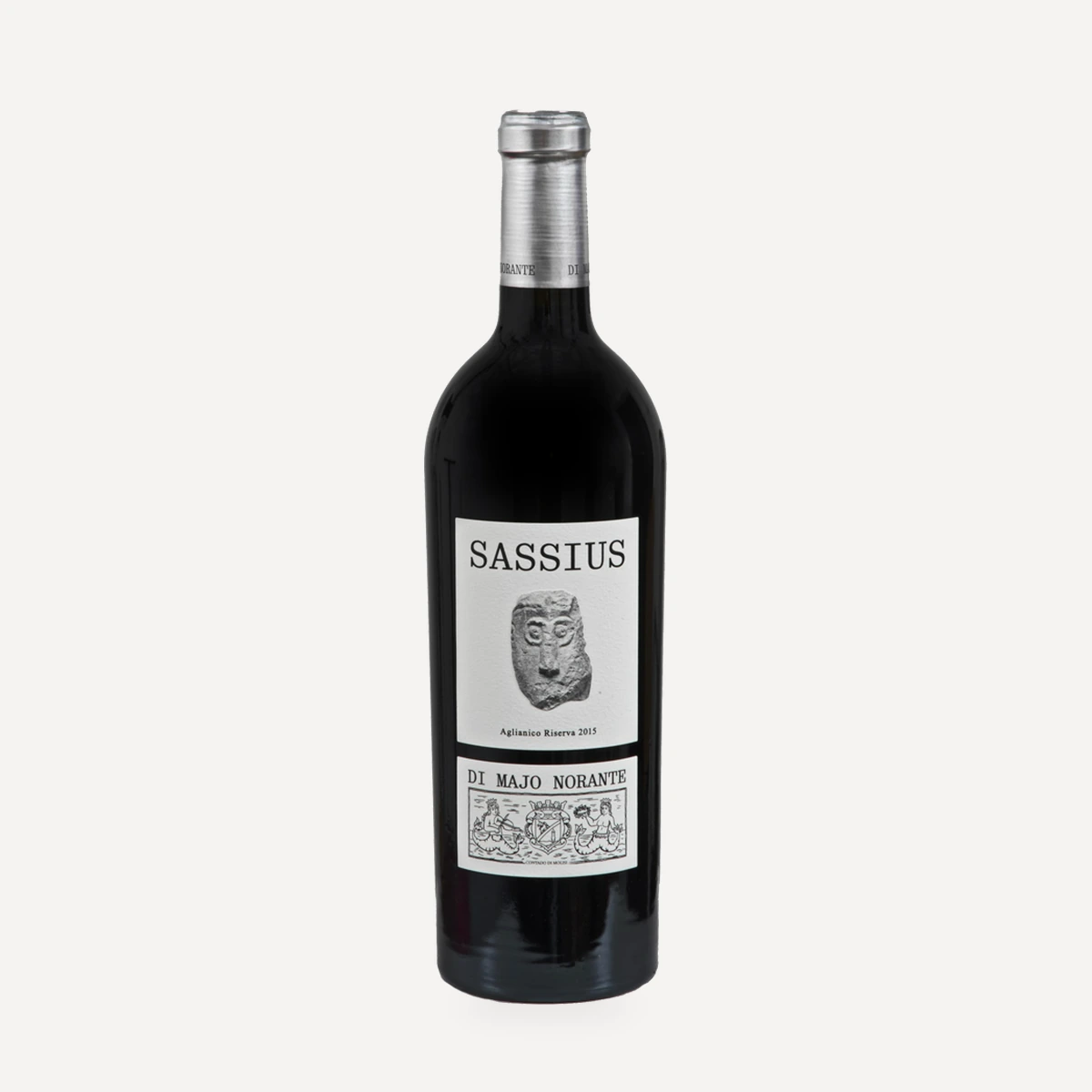
Sassius Aglianico del Molise Riserva DOC
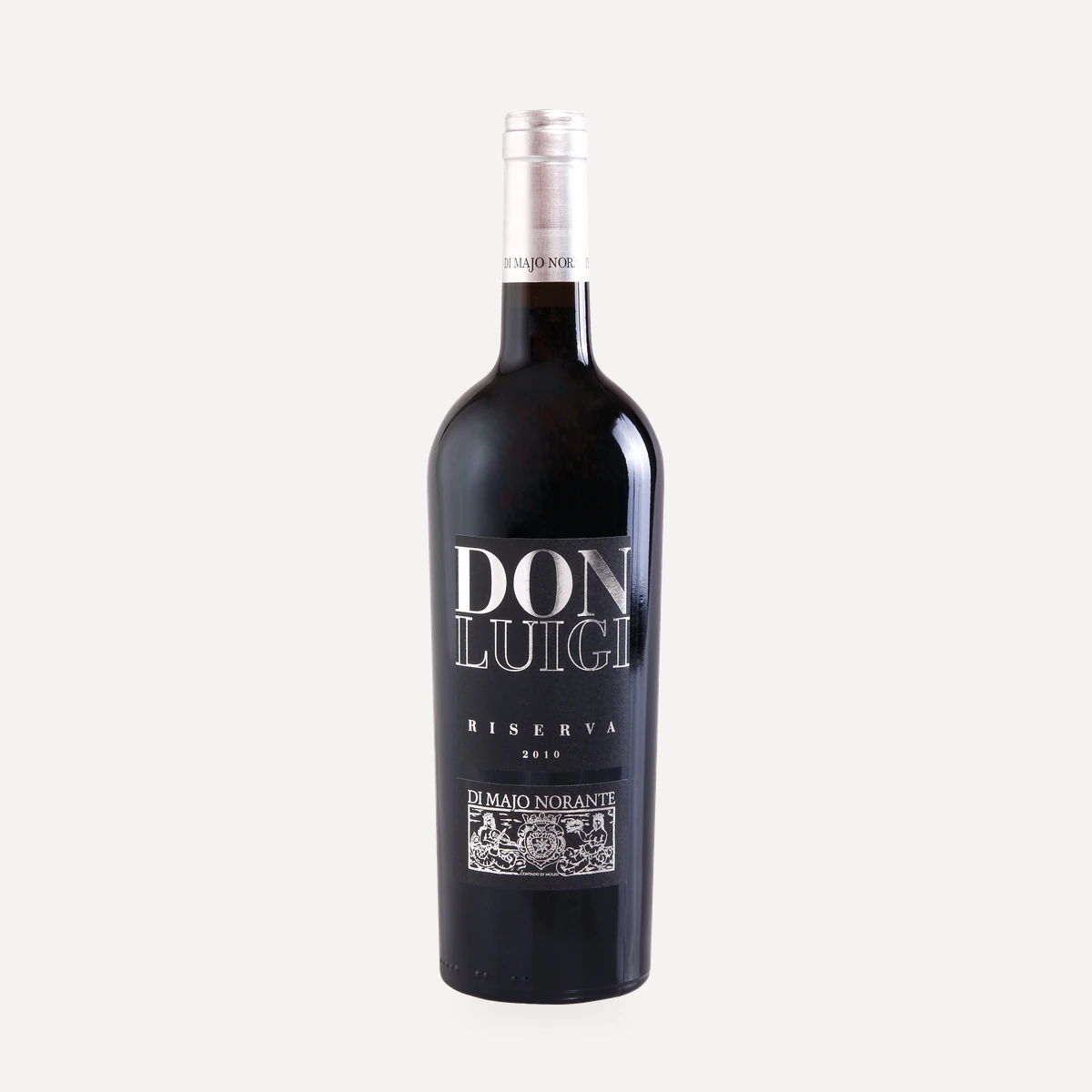
Don Luigi Molise Rosso Riserva DOC
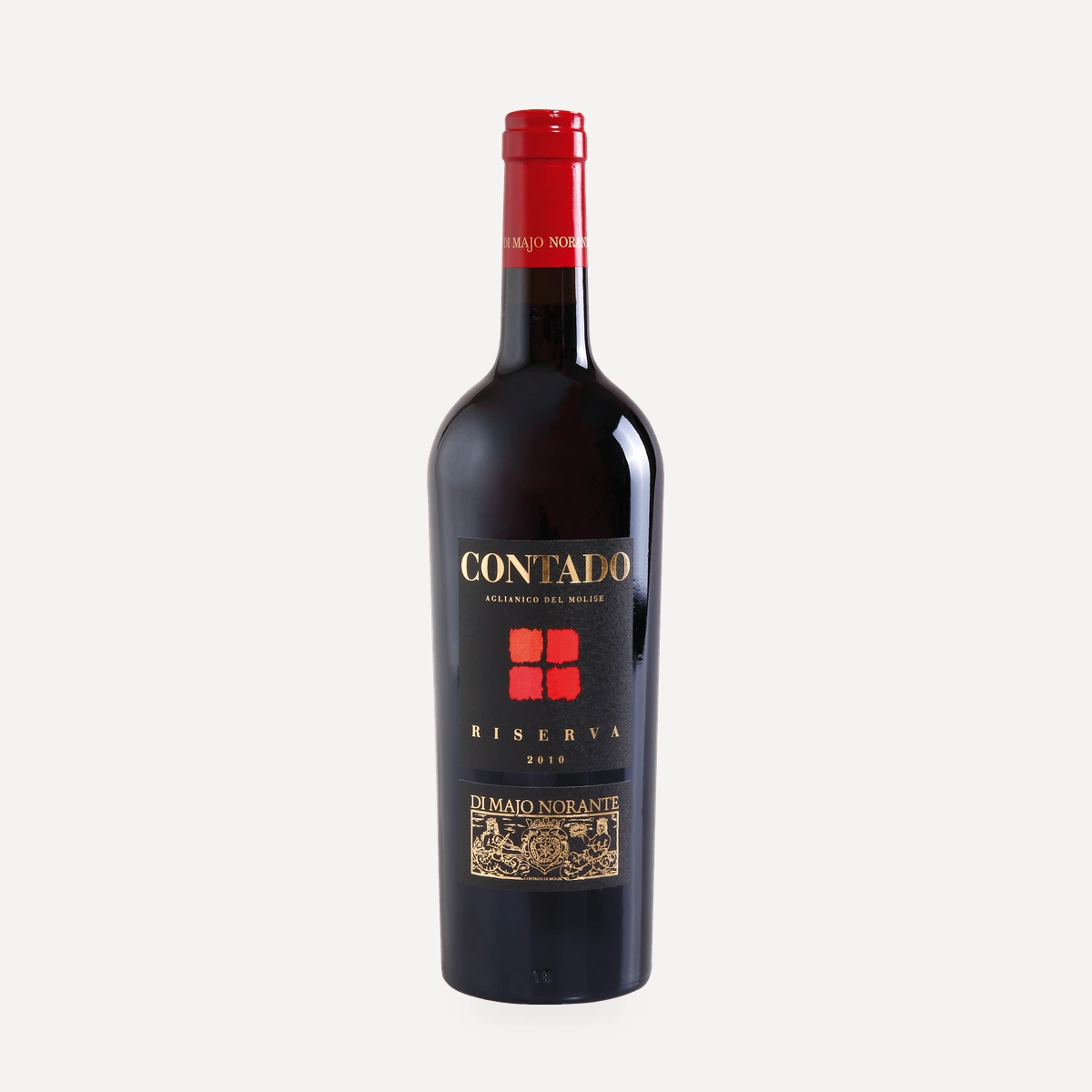
Contado Aglianico del Molise Riserva DOC
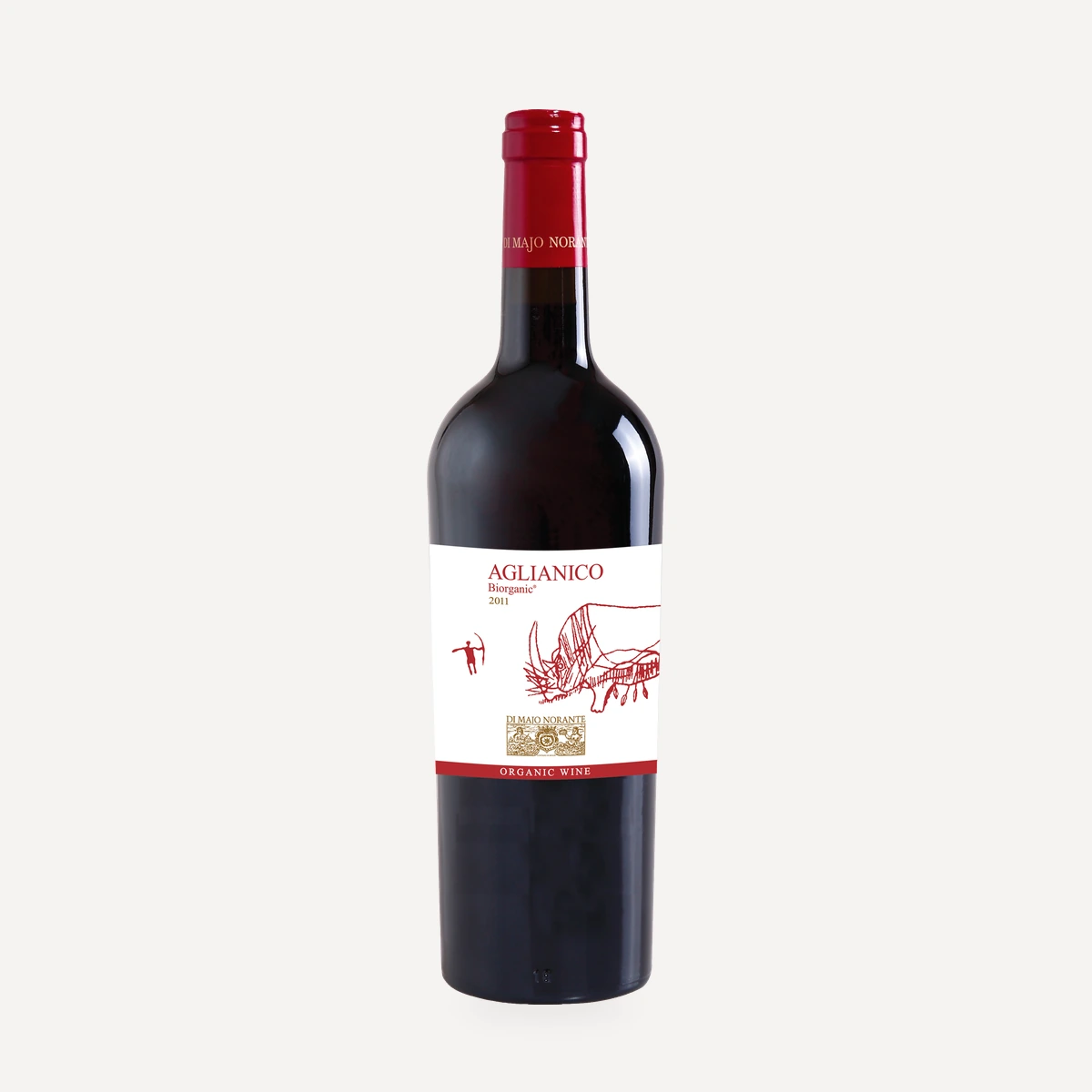
Aglianico Biorganic Aglianico del Molise DOC
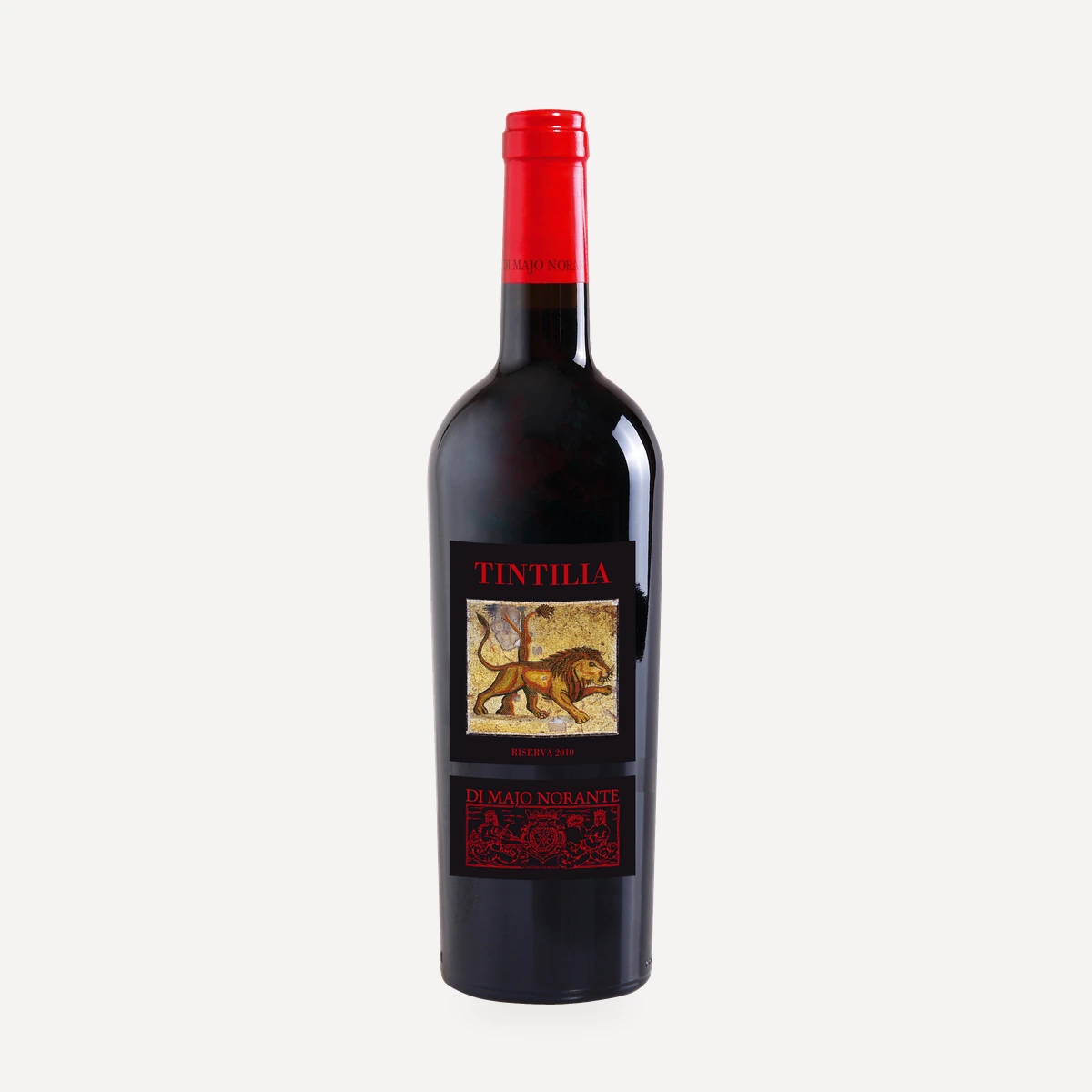
Tintilia del Molise DOC
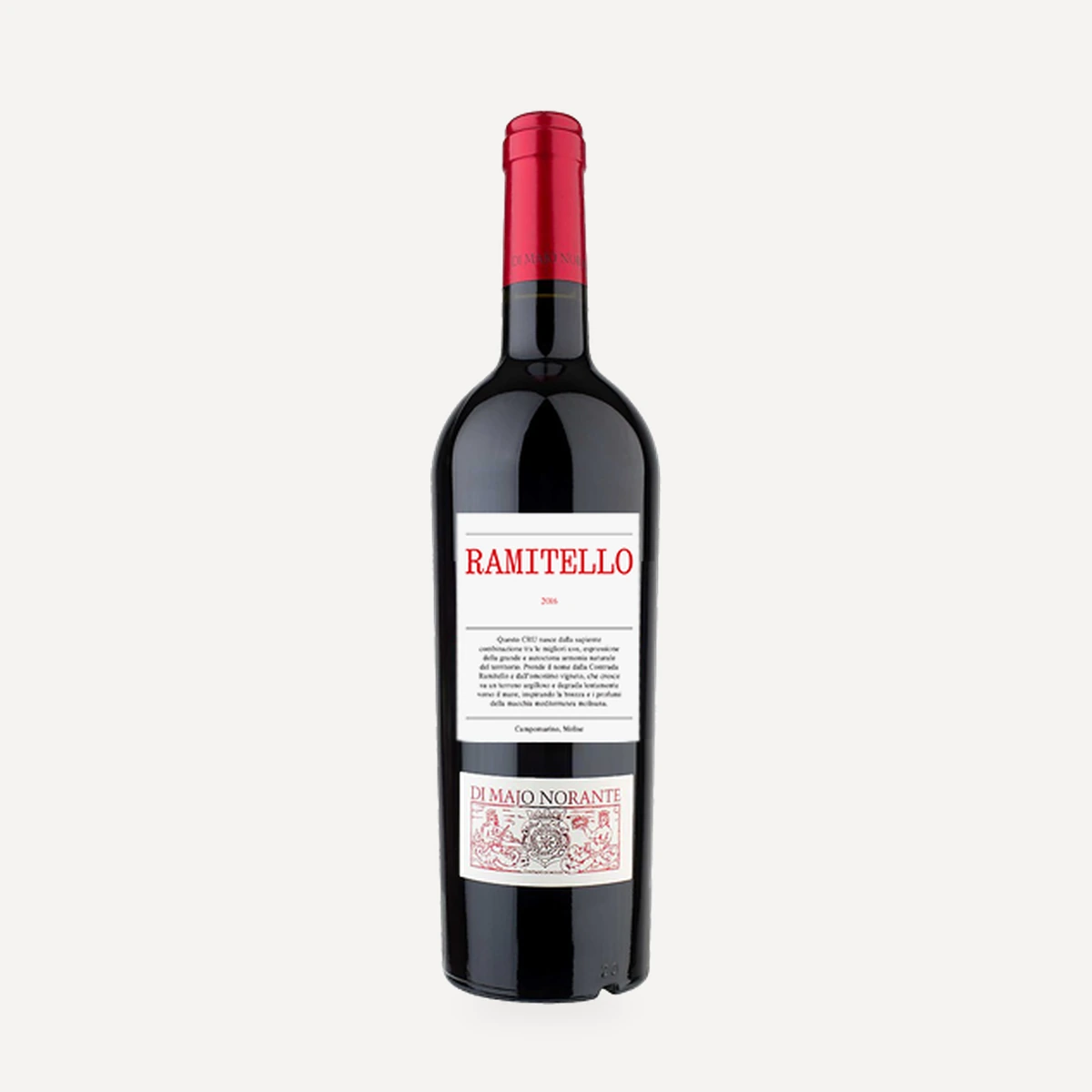
Ramitello Biferno Rosso MOLISE DOC
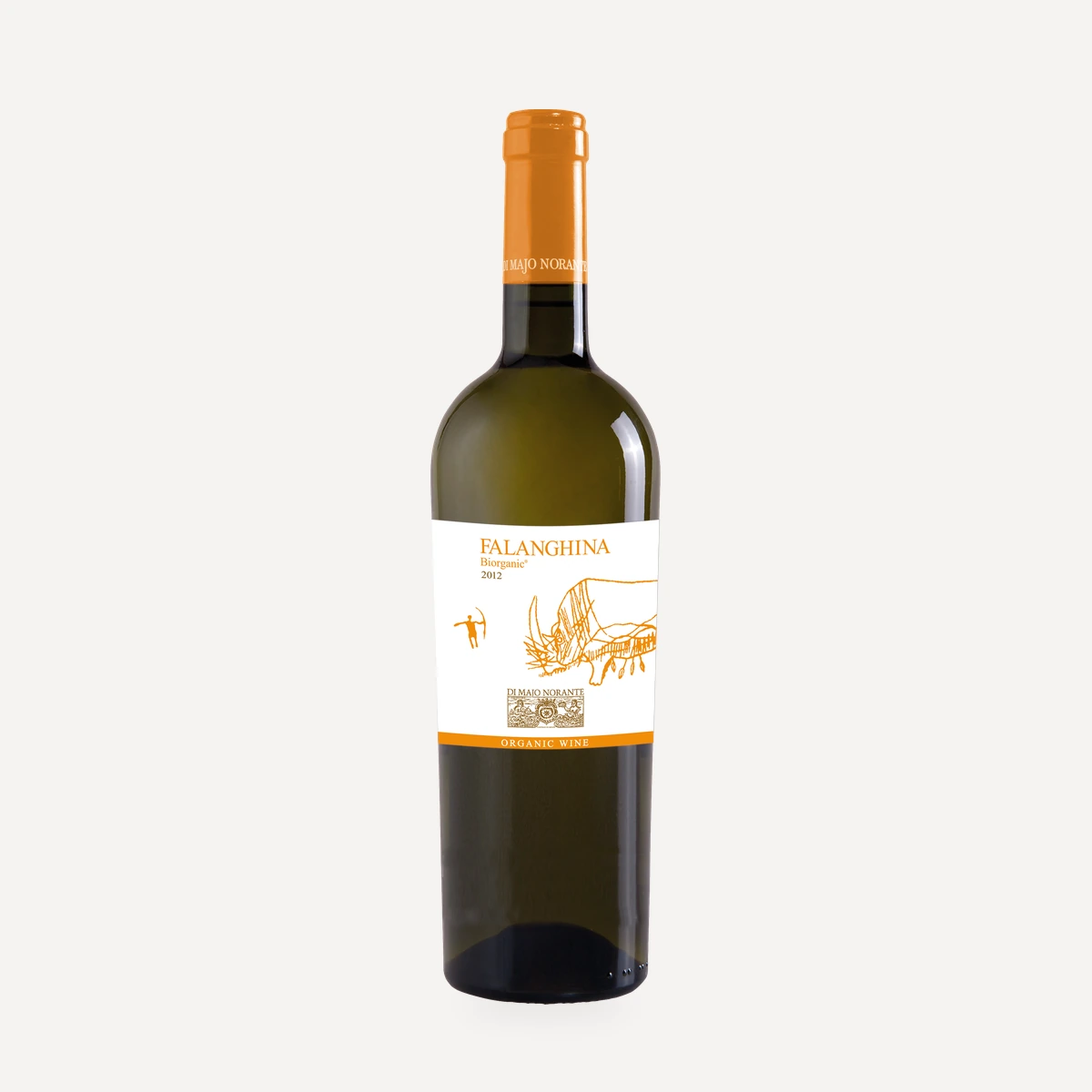
Falanghina Biorganic Falanghina del Molise DOC
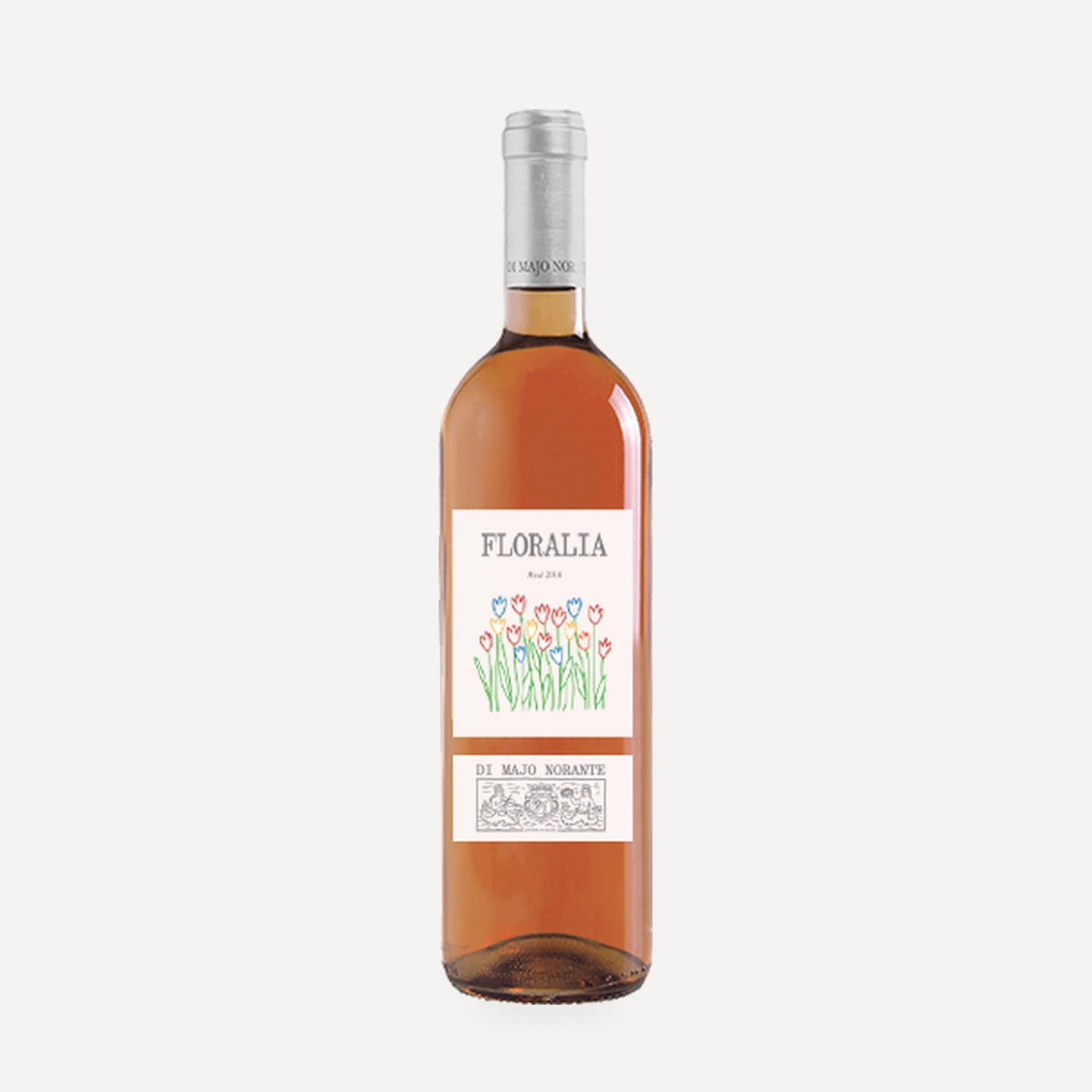
Floralia IGT
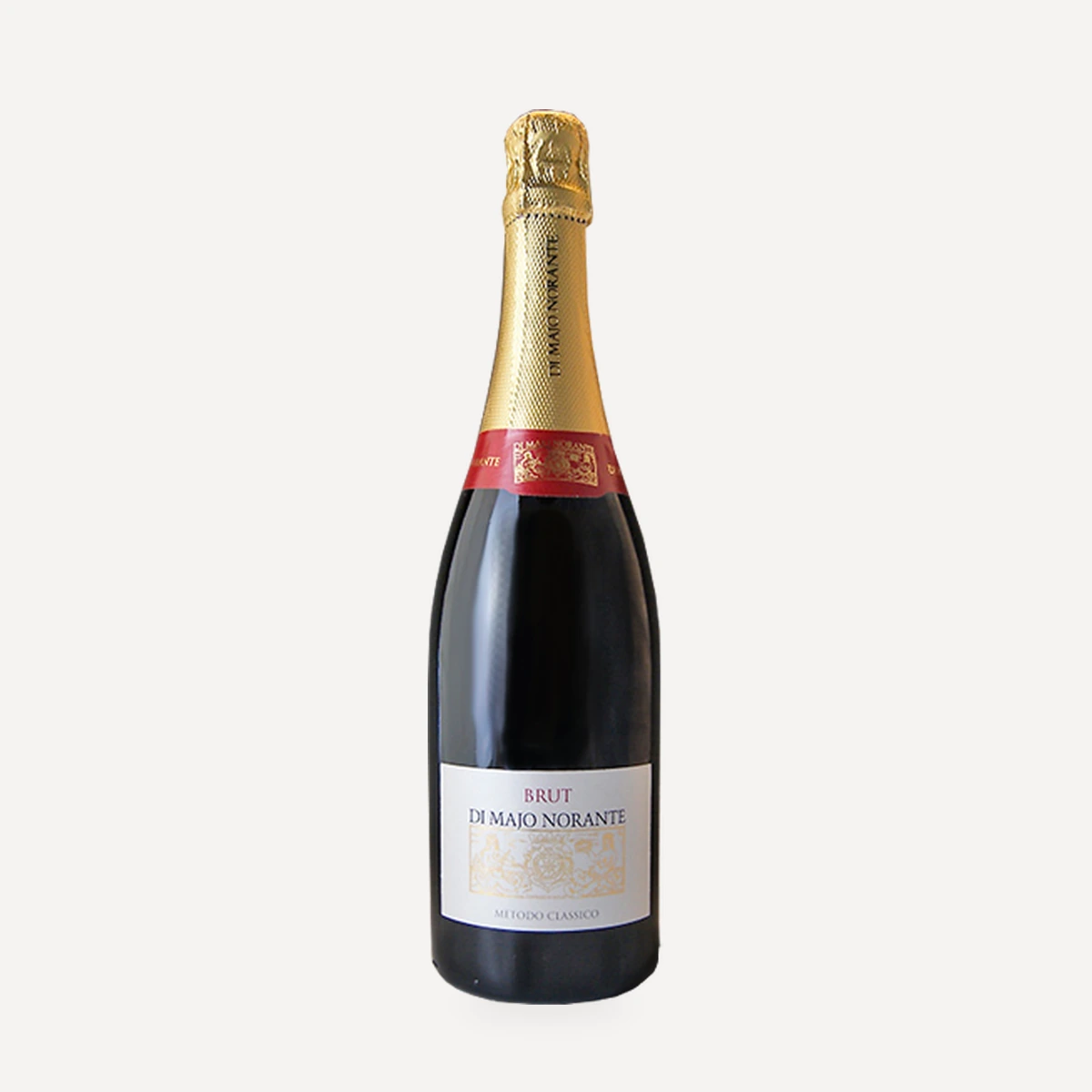
Spumante Metodo Classico Brut Falanghina del Molise DOC
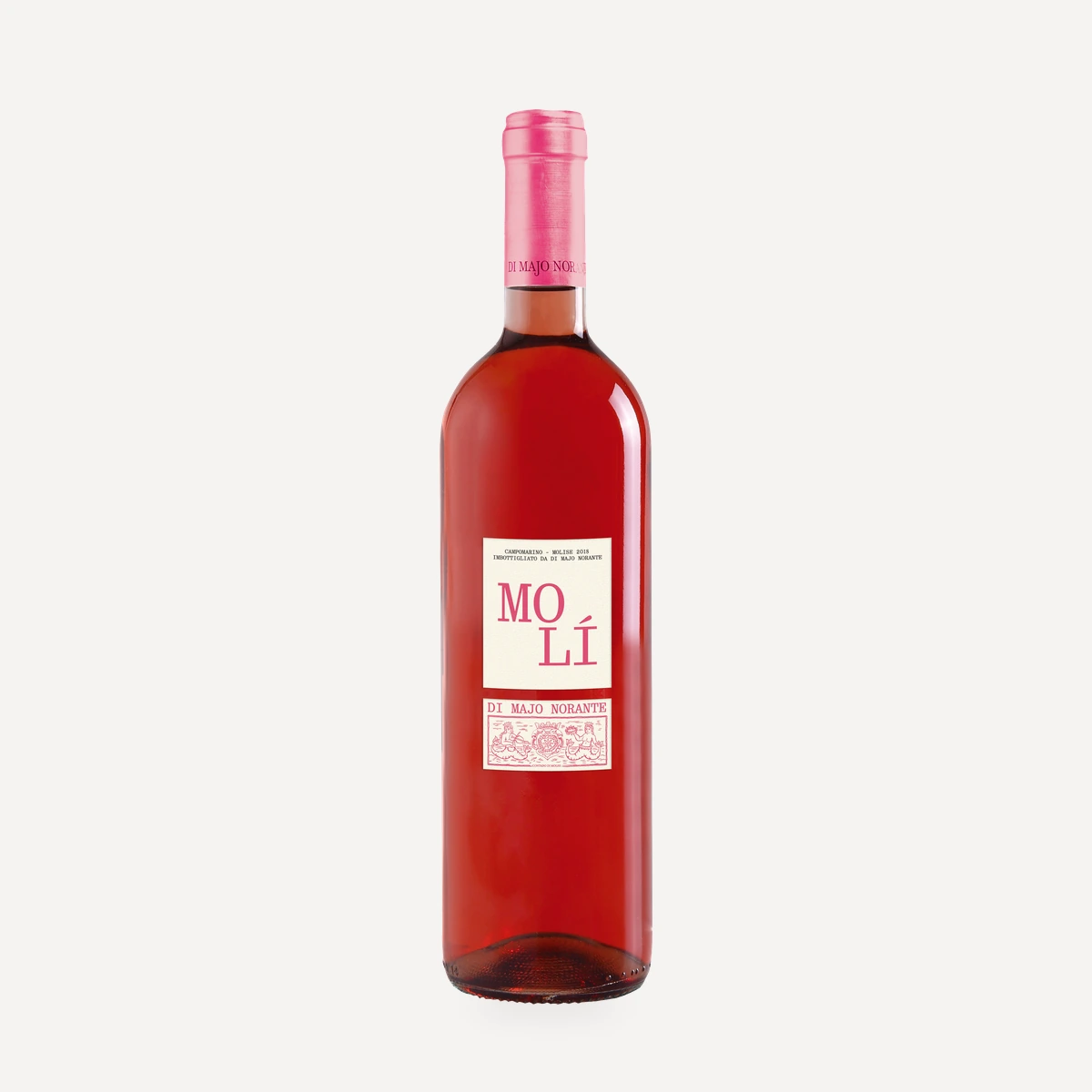
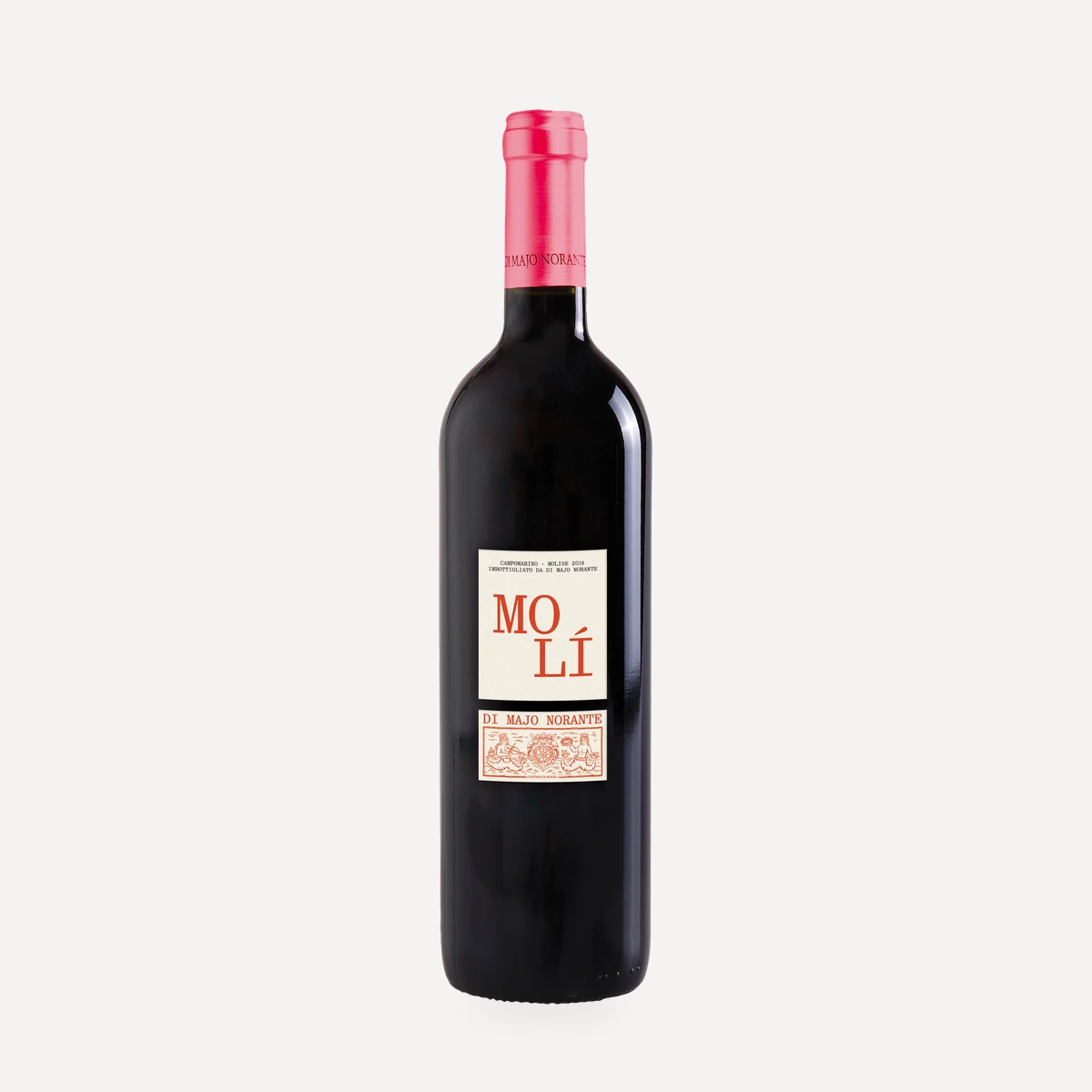
Molì Rosato Terre degli Osci IGT
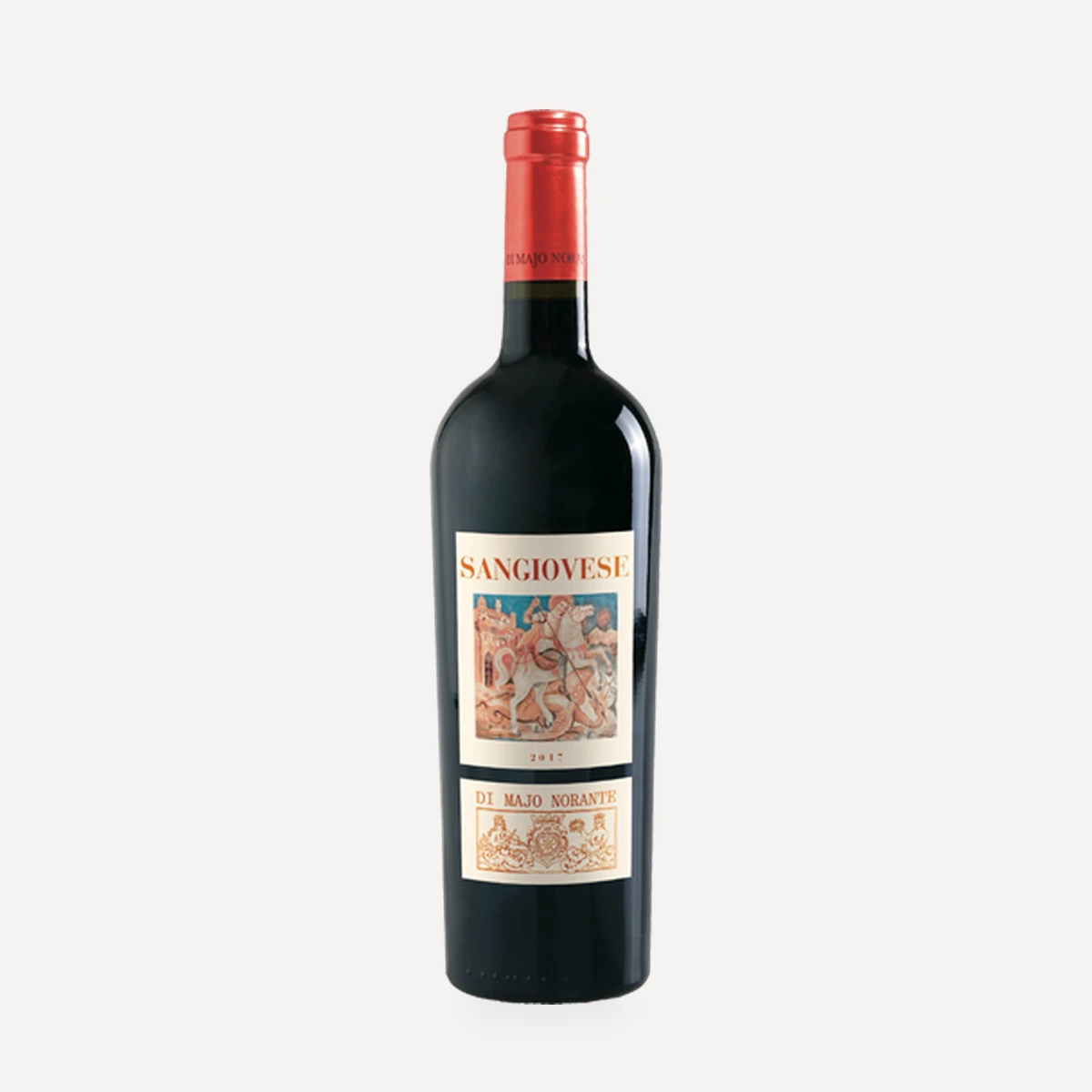
Sangiovese Terre degli Osci IGT
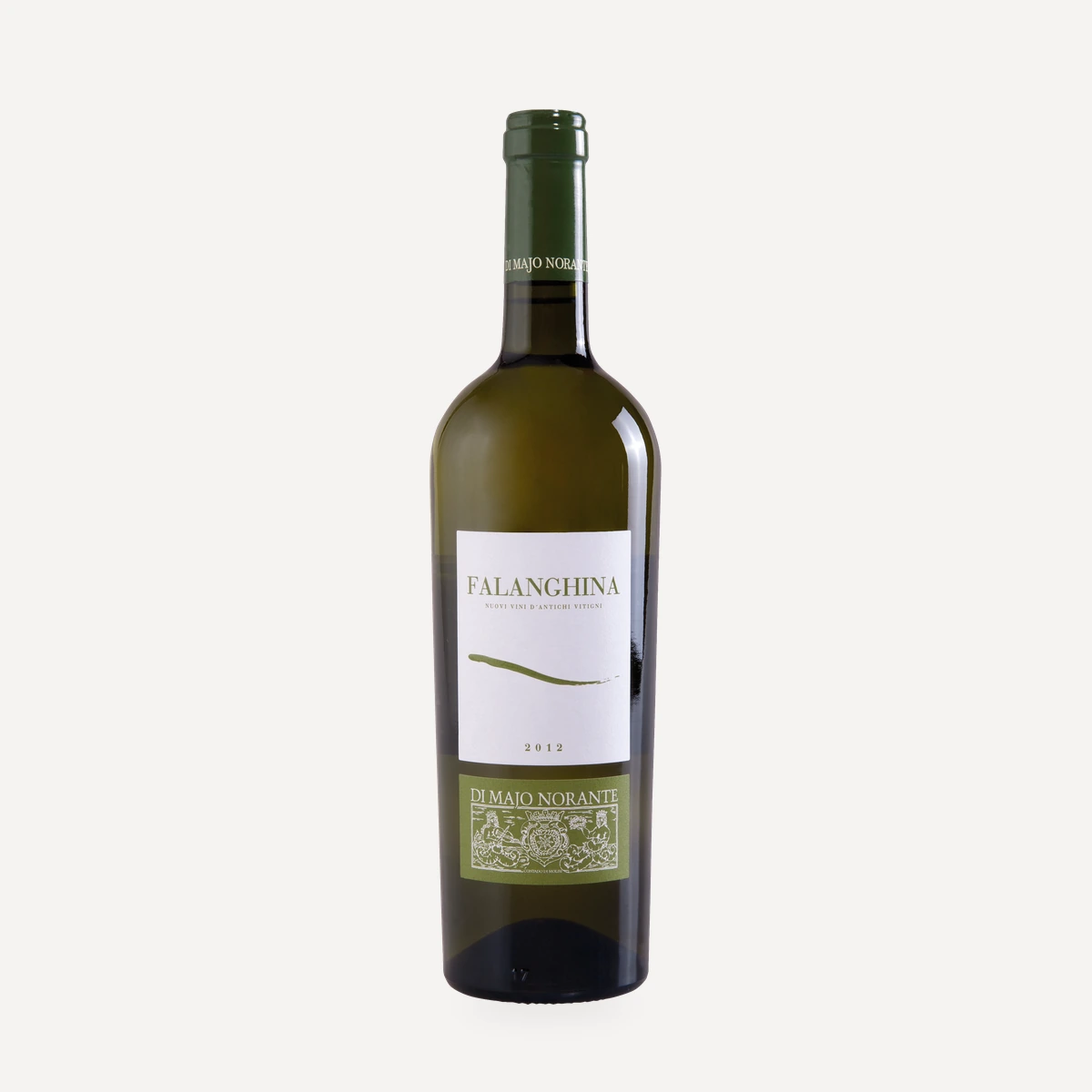
Falanghina del Molise DOC
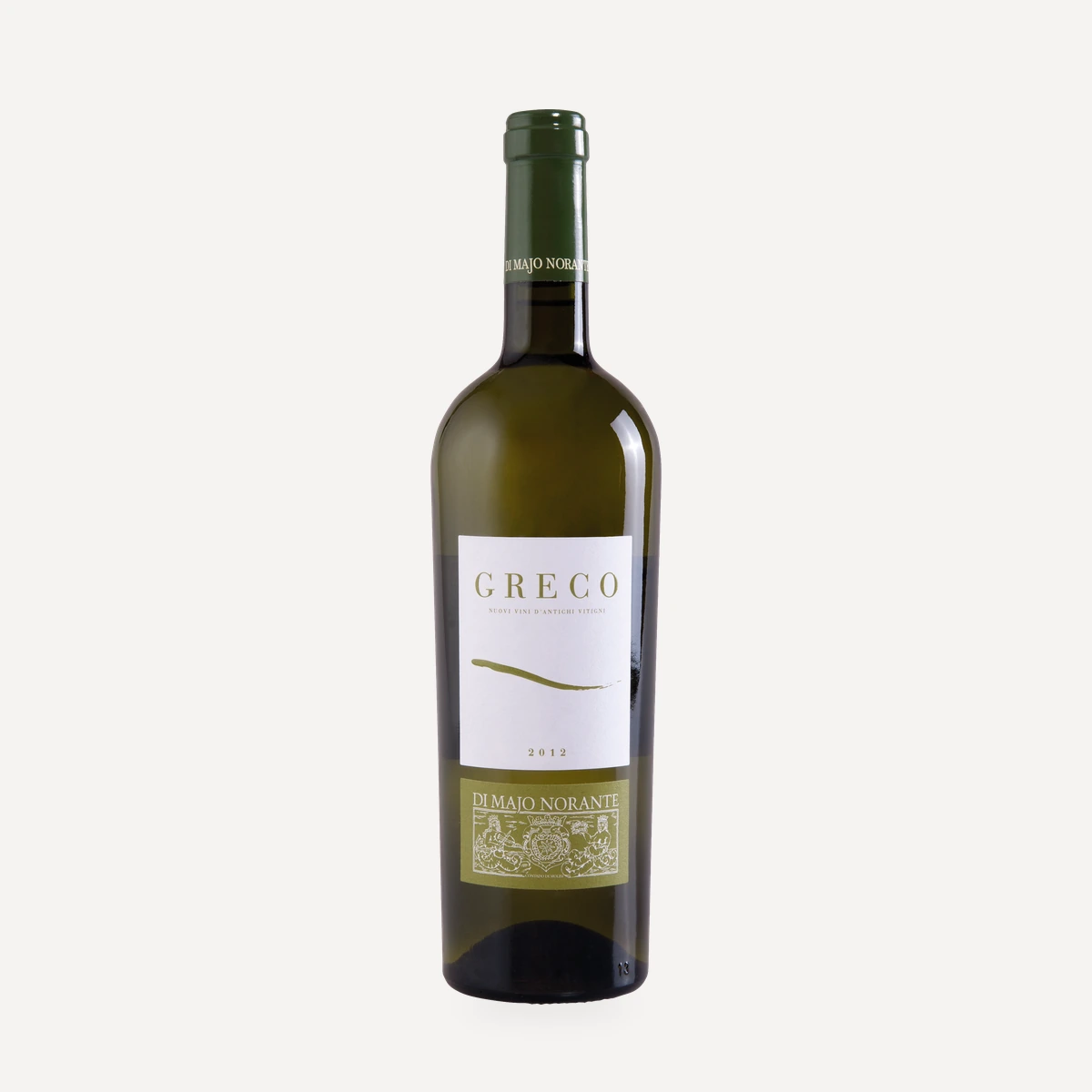
Greco del Molise DOC
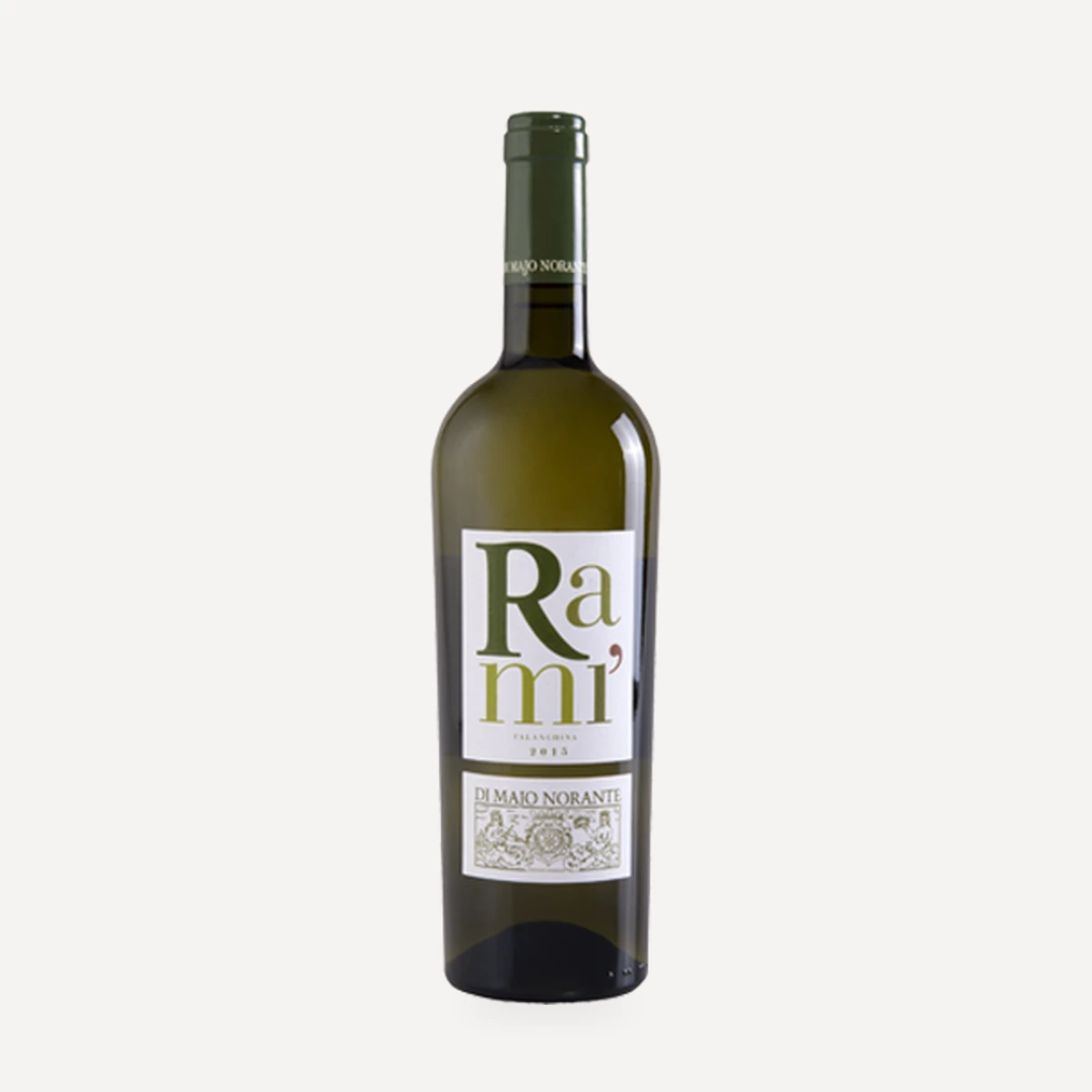
Ramì Falanghina del Molise DOC
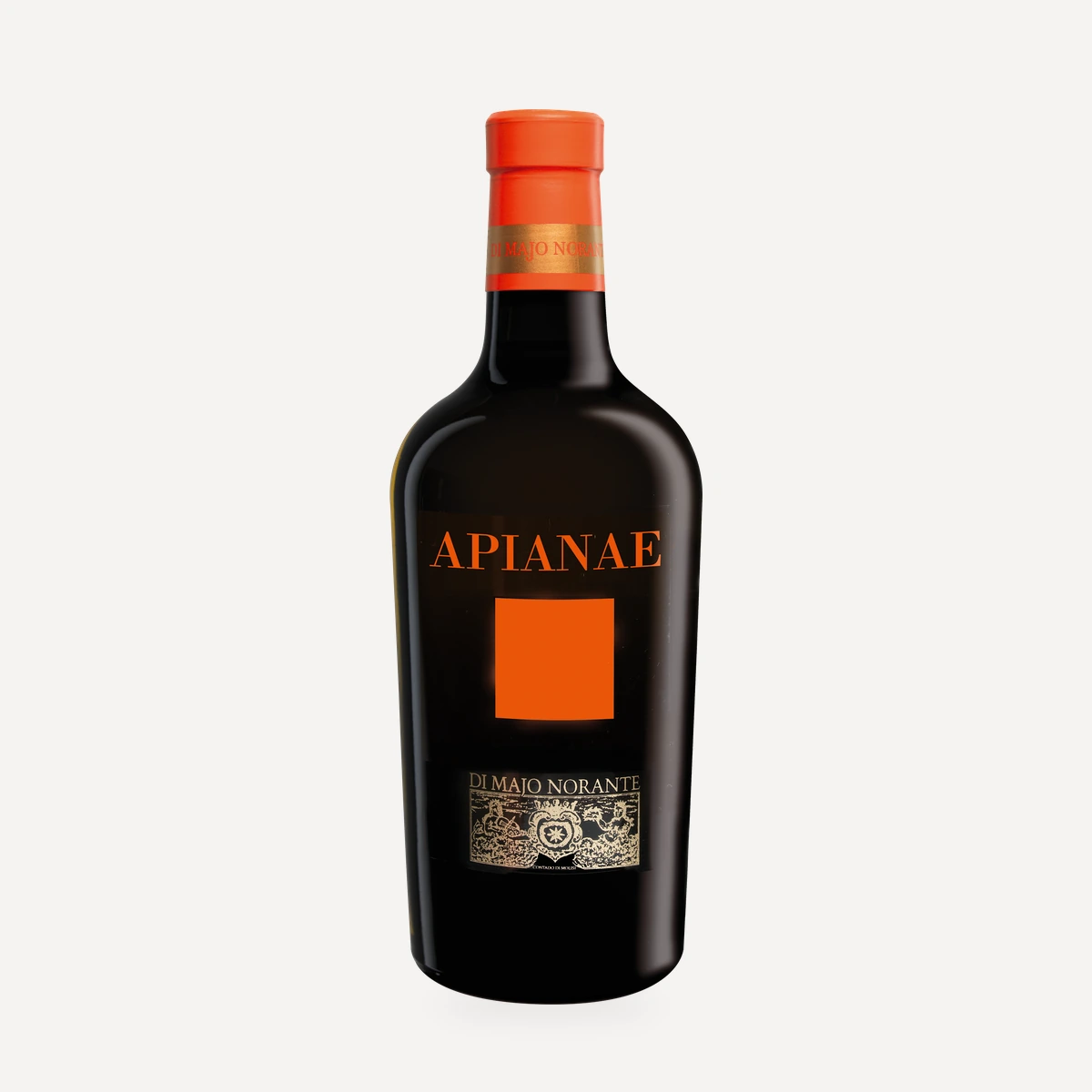
Apianae Moscato del Molise DOC
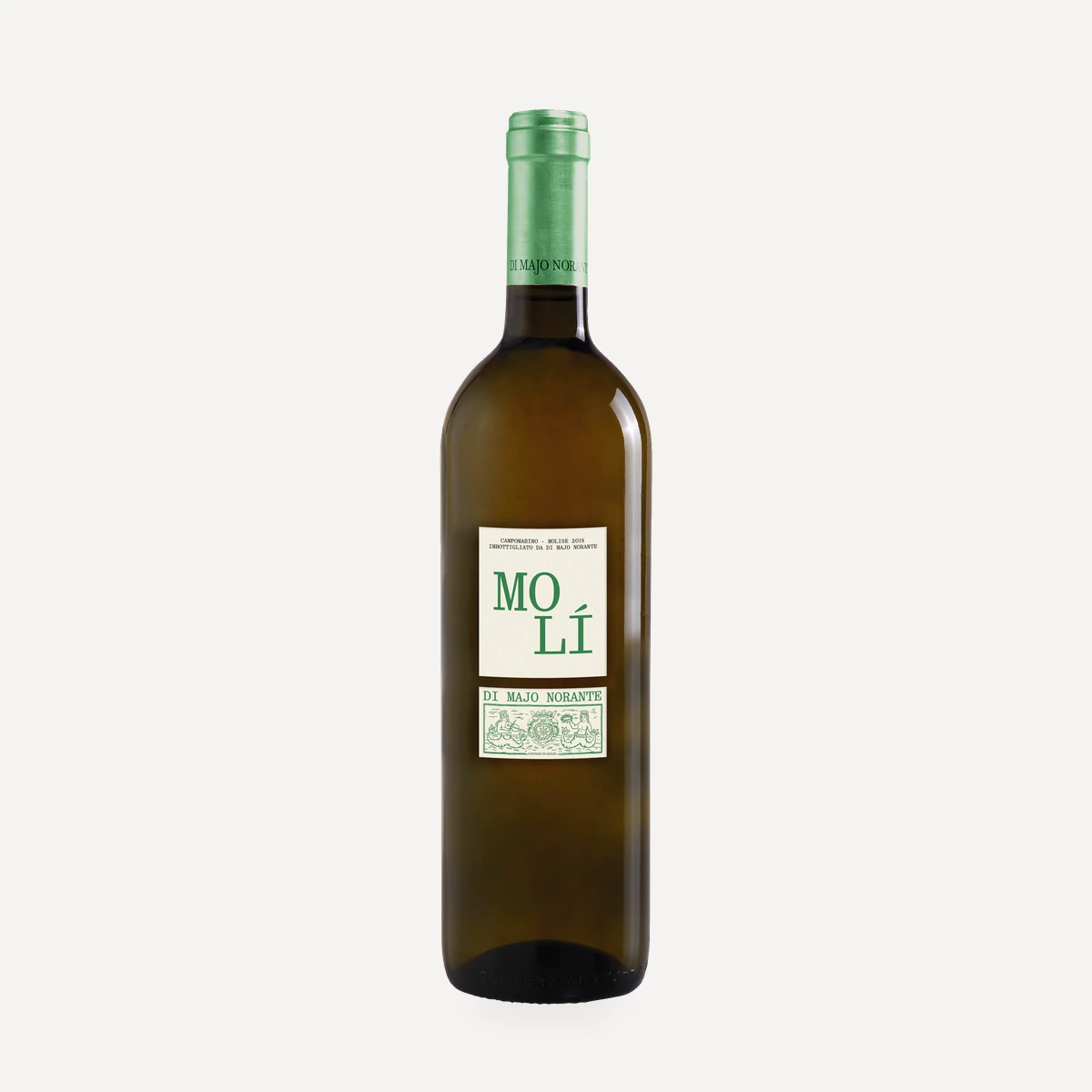
Molì Bianco Terre degli Osci IGT