History
The beginning
Duemani grew from winemaker Luca D’Attoma’s vision of creating a viticultural project governed from the outset by organic and biodynamic principles. The estate took shape in the hills between Castellina Marittima and Riparbella on the Tuscan coast, in a landscape influenced by the Tyrrhenian Sea and surrounded by Mediterranean scrub.
The property comprises 47 hectares of land between the Maremma and the Tyrrhenian Sea, with woods, hills and vineyards planted to Cabernet Franc, Syrah, Merlot and Grenache. The project was conceived as an interpretation of this coastal setting, its winds and the changing conditions of each growing season.
2004 — first vintage
Duemani produced its first vintage in 2004. From that inaugural harvest, the wines were intended to reflect the interaction between the estate’s soils, coastal climate, light and wind.
2023 — acquisition by Le Tenute del Leone Alato
Le Tenute del Leone Alato acquired Duemani in 2023. The transaction made Duemani the group’s sixth estate and was presented as a foundation for the winery’s future growth while retaining its collection of Tuscan wines and biodynamic identity.
Terroir
Coastal hills
Duemani lies on the Tuscan coast in the hills between Castellina Marittima and Riparbella, overlooking the Tyrrhenian Sea. Its 47 hectares occupy a landscape between the Maremma and the sea, interspersed with woods, hills and Mediterranean scrub.
The proximity of the Tyrrhenian shapes the estate through its light, warmth, marine air and breezes. The hilltop position is scented by both sea and woodland. Libeccio, maestrale and scirocco are recurring influences, and their changing conditions determine the timing of work in the vineyards.
Parcels and soils
The vineyards are divided among several hillside parcels, each understood to possess an individual character. The highest Grenache vineyard is also among the estate’s most exposed and well-ventilated sites; its wind helps dry and protect the vines. At 350 metres above sea level, its soil is described as clay-rich and saline, with a substantial stony component of calcareous origin.
The Syrah used for Suisassi occupies a particularly favoured position in Riparbella, where the ground’s marked salinity is a defining feature. Cabernet Franc vineyards extend across Castellina Marittima and Riparbella, while Merlot and additional Syrah sites are associated with Riparbella.
Winemaking
Duemani follows organic and biodynamic viticulture, with organic certification through BioAgricert and biodynamic certification through Demeter. Only inputs permitted in organic agriculture are used, including sulphur, copper and biostimulants, with the aim of strengthening plant resilience and self-sufficiency.
Human intervention is limited to supporting the vines’ natural growth and responding to their needs throughout the year. Every vineyard operation is performed by hand and timed to the appropriate season and conditions. Work follows the lunar calendar, aligning field activity with lunar phases.
Weather is observed continuously. Libeccio, maestrale and scirocco determine the rhythm and timing of interventions. Medicinal herbs and flowers are sown between the rows to protect and enrich biodiversity.
Harvesting is manual. Grapes are selected carefully before being guided into natural fermentation. In the documented Grenache parcel, fruit is selected in the vineyard, picked into small boxes and subsequently selected by hand on a sorting table.
Cellar and materials
The cellar is arranged as a single, simple and highly functional complex. Technology is kept to a minimum, while cleanliness and attention to detail are treated as priorities.
Natural, breathable vessels are central to the cellar. The range includes Tuscan terracotta jars, amphorae, raw concrete tanks, cocciopesto vessels and wood. Amphorae and jars made from cocciopesto or unglazed concrete provide controlled micro-oxygenation and stable temperatures. Magnets are also employed to increase electrostatic energy during the process.
Tonnelleries and types of oak are selected carefully. Oak vessels are replaced after their third use.
From harvest to ageing
Grapes are harvested by hand, carefully selected and guided through natural fermentation. Fermentation and maturation choices are adapted to the quality, variety and individual character of the fruit rather than imposed through a single standard protocol. The hillside parcels are kept conceptually distinct so that each may find an appropriate expression during maturation.
Ageing may take place in wood, Tuscan terracotta jars, raw concrete or cocciopesto. These breathable materials provide controlled oxygen exchange and stable temperatures, supporting a gradual development of the wine.
Philosophy
Duemani presents biodynamics as a holistic relationship among the cosmos, the earth, the vines and human work. Humanity is understood as a bridge between cosmic energy and the land, while the estate seeks to act as a neutral conduit that strengthens this connection without excessive interference.
Three ideas organize this approach: creativity, interpretation and respect. In the vineyard, intervention is limited to helping the vines grow naturally and supporting their changing needs. In the cellar, observation, analysis and interpretation determine how each wine should develop, with decisions guided by the quality, variety and condition of the grapes.
The estate’s guiding formulation is that nature creates and people preserve. Biodynamics therefore functions not only as a farming system but also as a discipline of observation: work responds to weather, plant cycles, lunar phases and the character of individual hillside parcels. Natural and breathable cellar materials extend this principle into vinification and maturation.
Wines
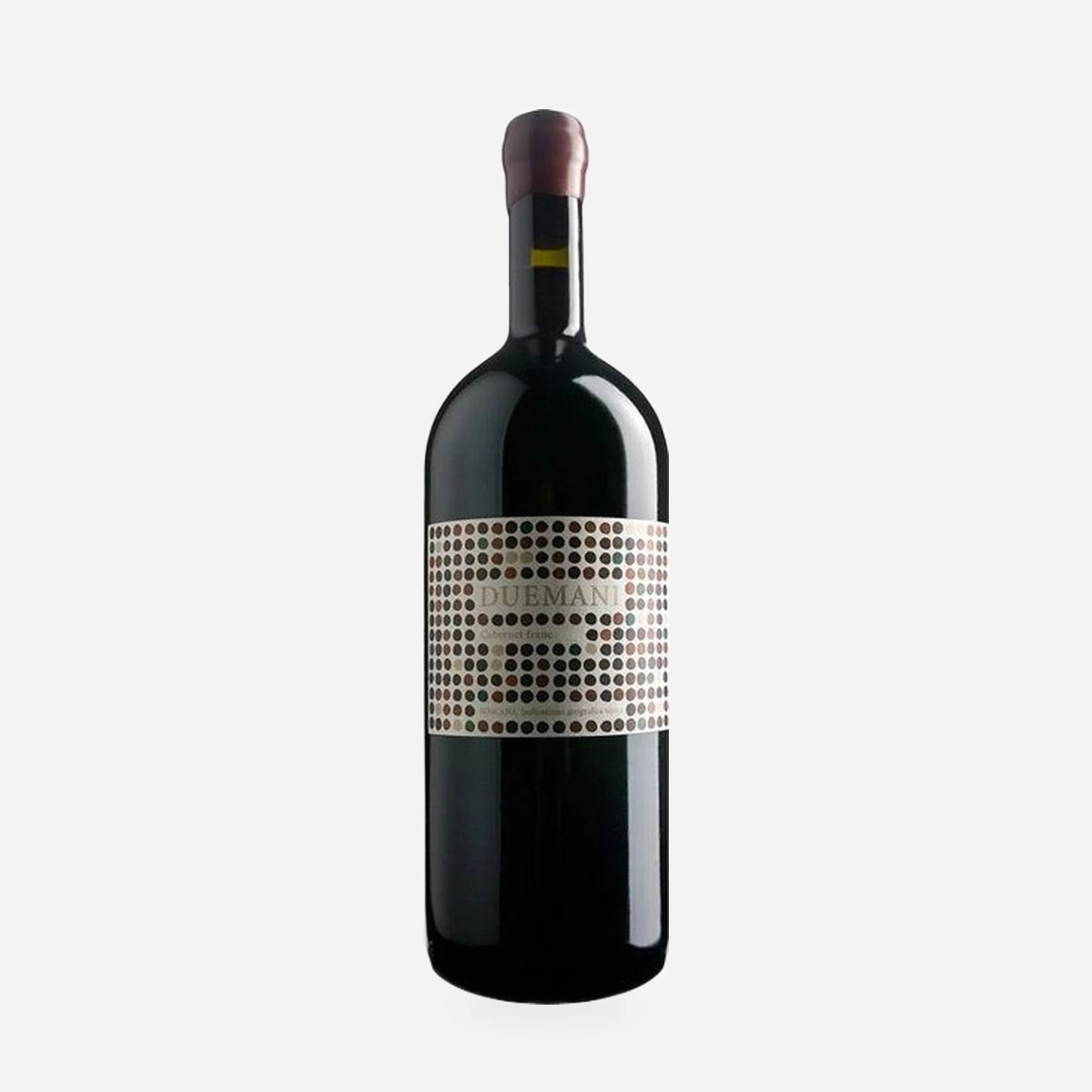
Duemani
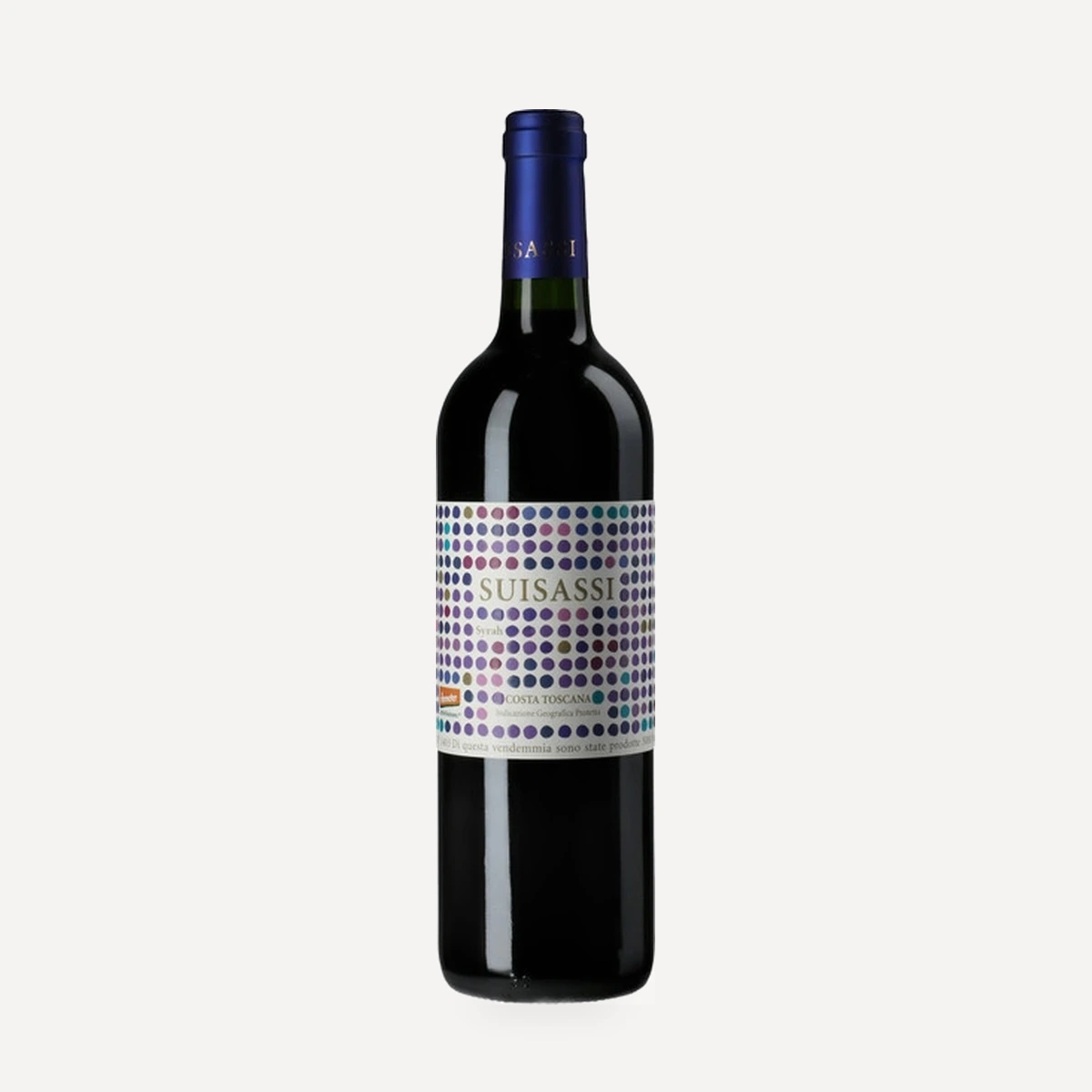
Suisassi
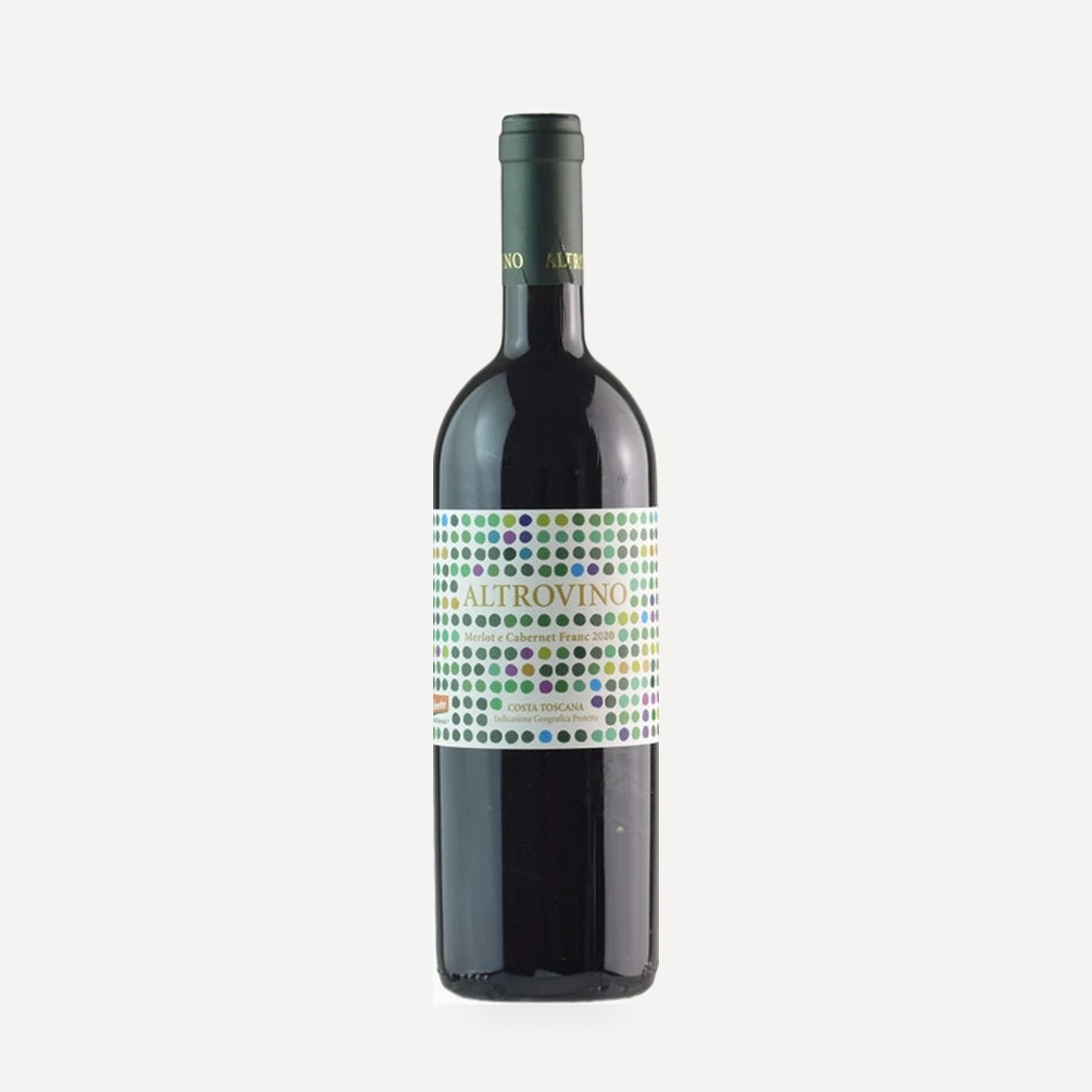
Altrovino
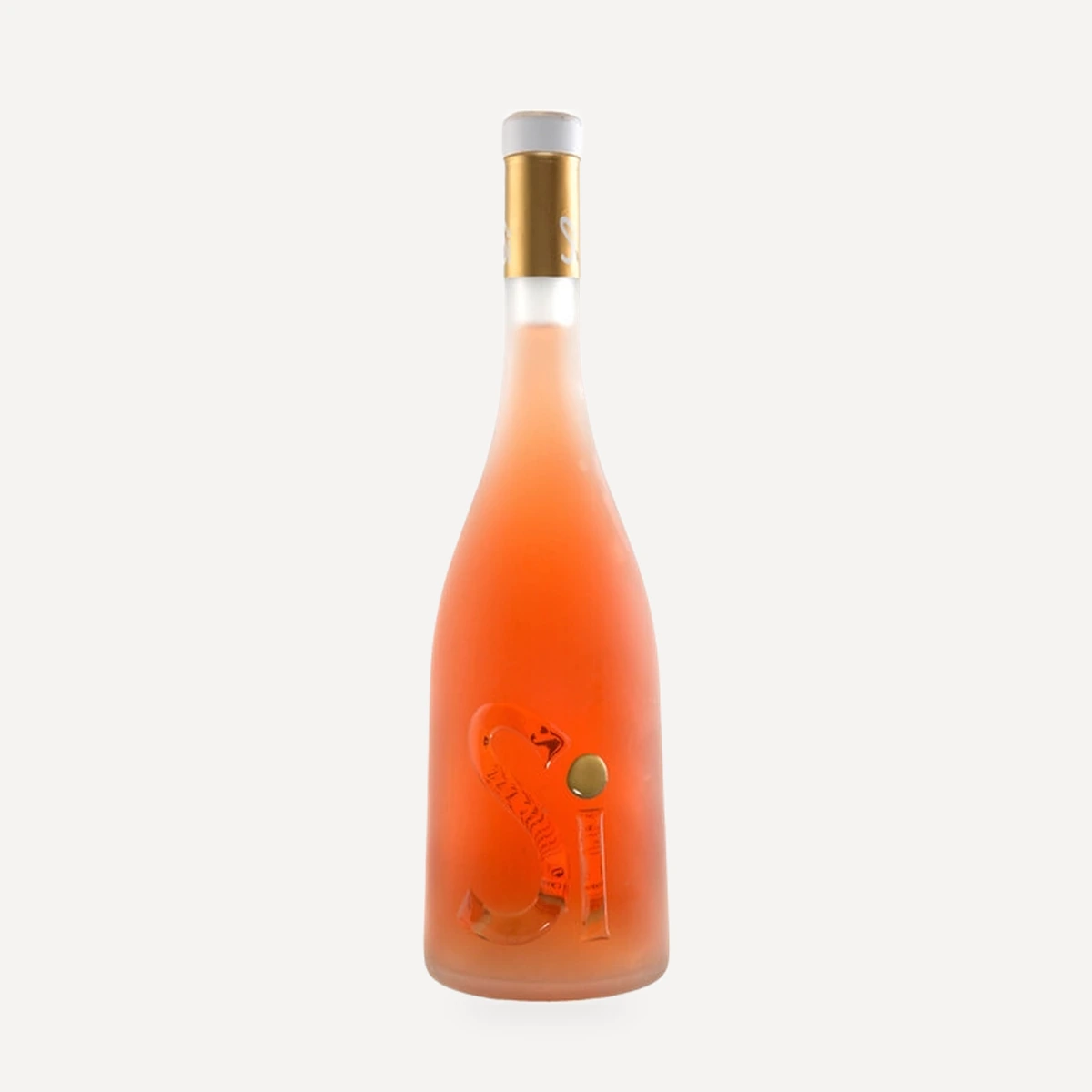
Sì