History
Ancient origins and the historic estate
The name Fèlsina derives from the Etruscan term for a stopping place where hospitality was offered. The Etruscans associated the area with agriculture and introduced vines and olive trees to the Italian peninsula. Under Roman rule, Fèlsina served as a place of rest and exchange along the Via Antiqua between Siena and Arezzo.
A document dated 1165 records a hospitalis in Felsine. Its early religious buildings and lands, some incorporated into the estate, served pilgrims travelling toward Rome on the Via Francigena. The wider district was historically associated with the Berardenghi, the Frankish dynasty connected with the foundation of the duchy of Siena.
Fèlsina later belonged to the Grand Dukes of Tuscany. Agriculture was then dominated by olive growing, with only a few hectares of vines. Noble families linked to the Order of Saint Stephen renovated the complex in the eighteenth century. In the early twentieth century, under the Florentine Busatti family, wine was already being bottled in the small original cellar; the Busatti period also shaped the present eighteenth-century appearance of the villa, church and other courtyard buildings.
The estate’s historic farmsteads developed over more than a millennium. They remained the basic agricultural units even after sharecropping families began leaving the countryside following the Second World War.
1966: the Poggiali family arrives
Domenico Poggiali acquired Fèlsina in 1966, initially drawn by his passion for hunting. He found fewer than 10 ha of vines and a compact stone cellar built into the tuff, with a broad brick vault. Individual farmsteads still tended their own vineyards and made wine in cellars located on their respective holdings.
Recognising the agricultural potential of the soils during a difficult period for Italian viticulture, Domenico chose to invest in wine quality and in the skills of a small, young team. Together with his son Giuseppe Poggiali, he expanded the vineyards and cellar and modernised the management of the countryside without abandoning local practices. Within a few years, the vineyard area had grown beyond 40 ha, transforming both the scale and organisation of the business. The first vintage of the estate’s foundational Chianti Classico and Riserva wines was 1967.
The difficult replanting of Colonia also began in 1966 under Domenico and Giuseppe. Its exceptionally rocky ground complicated the work, which continued through the late 1970s.
The underground cellar and commercial development
A new underground cellar was completed in the early 1970s. It connected the historic cellar with former estate service buildings and created stable conditions for maturation. The family paired the new facility with a team entrusted with carrying forward both the estate’s accumulated knowledge and its interest in innovation.
In the second half of the 1970s, Domenico’s son-in-law Giuseppe Mazzocolin, husband of Gloria Poggiali, joined Fèlsina to develop sales and marketing. His humanistic education, cultural outlook, emphasis on personal relationships and understanding of human responsibility in agricultural work broadened his role. He helped develop the estate’s presence in Italy and abroad and contributed to its first international recognition.
Mazzocolin proposed collaboration with the Venetian oenologist Franco Bernabei. Their work was reinforced by dialogue with Luigi Veronelli, a friend of Fèlsina from 1966 onward. This combination of commercial direction, technical expertise and cultural reflection established the course followed in subsequent decades.
Research, Sangiovese and new plantings
The 1983 vintage marked the debut of both Fontalloro and Rancia. In the same year, Fèlsina and Franco Bernabei began a systematic programme of massal selection to preserve the estate’s diverse Sangiovese material. The work identified differences in cluster form, skin concentration, appearance and resistance to difficult weather, connecting individual selections with the estate’s heterogeneous soils and microclimates.
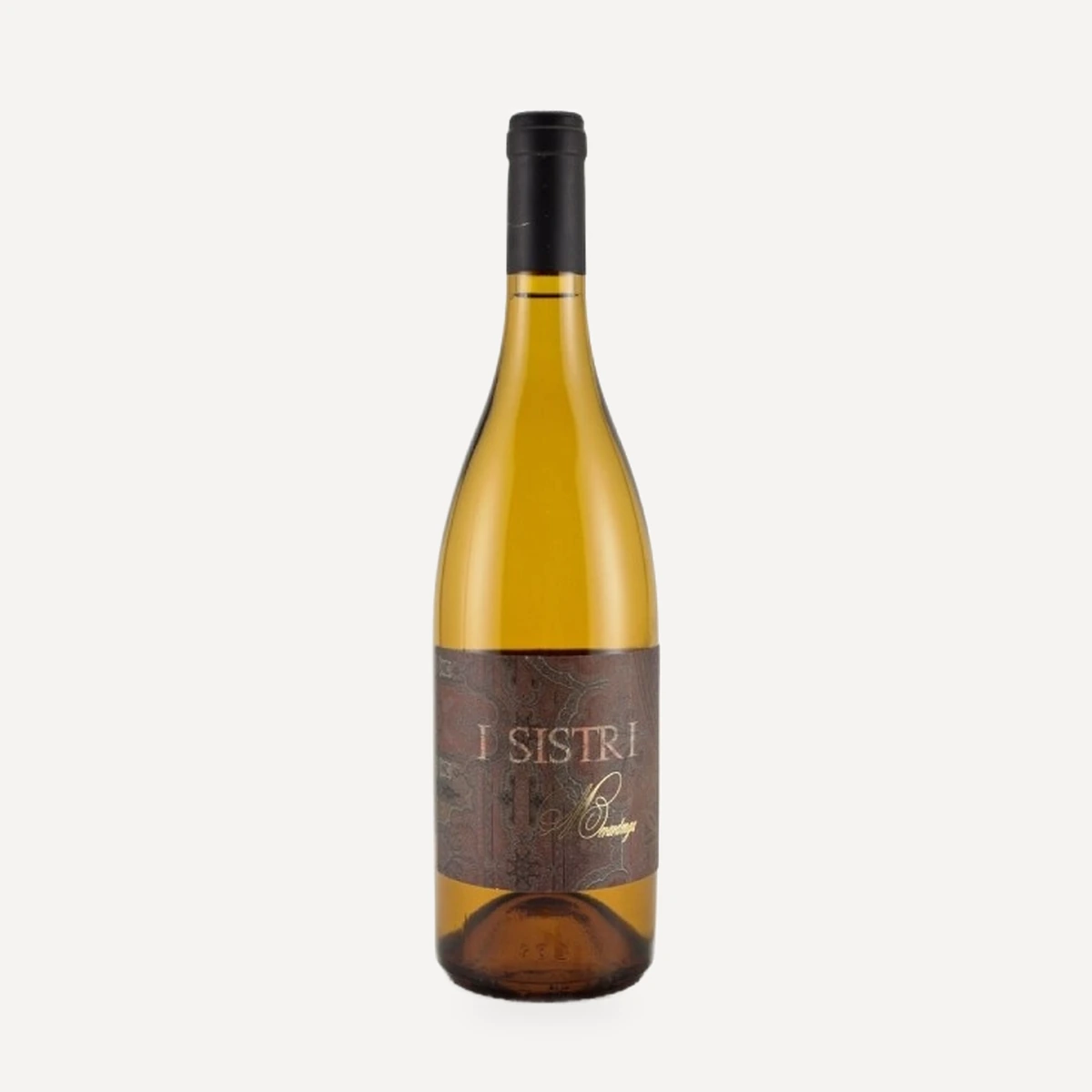
During the 1980s, Fèlsina also began experimental work with non-traditional varieties. Clones were evaluated against different soils, propagated, grafted, replanted and tested through micro-vinification. This research led to the first vintages of Maestro Raro, based on Cabernet Sauvignon, and I Sistri, based on Chardonnay, in 1987. Research into base wines for Metodo Classico production likewise involved the selection and propagation of suitable plant material.
The extreme rockiness of Colonia caused that project to be abandoned in the mid-1980s. Giovanni Poggiali, the eldest of Giuseppe’s three sons and Domenico’s grandson, became an active protagonist in the estate from 1990. He championed authenticity in vineyard and cellar, the central place of Sangiovese, and a balance between nature and technology, varietal identity and the market.
Giovanni resumed work on Colonia in 1991. With his father and grandfather, he completed the planting in 1993. That year he also assumed responsibility for a broader programme of replacing old vineyards and establishing new ones, deepening Fèlsina’s research into Sangiovese and the relationship between vine, soil and accumulated human knowledge.
Domenico Poggiali died in 1994, one year after Colonia was planted, giving the vineyard particular significance as the work of three generations. Its first crop was harvested in 1997.
Cellar renewal, olive-oil research and organic conversion
In 1998, Giovanni and Giuseppe Poggiali invested in stainless-steel vinification technology and more precise instrumentation for the cellar team. The objective was greater control while retaining the values of balance, consistency and stylistic continuity.
In 2002, Fèlsina launched Olio secondo Veronelli, applying a vineyard-like concept of terroir and traceability to olive cultivation. Three olive-growing areas—Fèlsina, Pagliarese and Boschi—were identified for the estate’s four cultivars.
Colonia produced its first bottled vintage in 2006, initially without a denomination. The following vintage entered the Chianti Classico denomination; the wine was subsequently presented as Chianti Classico Gran Selezione.
Fèlsina completed its conversion to organic agriculture on 7 March 2015 under certification by ICEA. The conversion covered the agronomic sphere, including organic inputs for fertilisation, soil amendment and crop protection.
Terroir
Fèlsina lies in the commune of Castelnuovo Berardenga, northeast of Siena and at the southeastern edge of the Chianti Classico zone. The property extends from the last spurs of the Chianti hills toward the beginning of the Ombrone valley and the Crete Senesi, in the direction of Montalcino. Views extend toward Monte Amiata, Montalcino, the Maremma and the sea.
This position creates a geological frontier. On the Chianti side, soils are principally rocky and calcareous, with alberese limestone, surface rock and laminated galestro marl. They drain freely, are difficult to work and place substantial demands on the vines. Other sectors derive from Pliocene marine and alluvial sediments. These soils contain more clay or sand, with differing water-retention capacity and a more vigorous vegetative response. Layered sandstone, silt, loam, alluvial pebbles and mineral-rich marine deposits add further variation.
The vineyards occupy ventilated slopes. Many of the Chianti Classico vineyards face southwest and lie broadly between 320 and 420 m. Colonia reaches approximately 450 m at the top of Poggio a Rancia. Fontalloro’s source vineyards descend from about 407 to 330 m: the higher sites lie within Chianti Classico, while the lower sites face the Crete Senesi and the Chianti Colli Senesi area.
The estate’s diversity of elevations, soils, landscapes and microclimates is central to its interpretation of Sangiovese. Individual farmsteads and vineyard parcels are treated as distinct agricultural and cultural identities rather than as interchangeable sources of fruit.
Winemaking
Fèlsina completed its conversion to certified organic agriculture on 7 March 2015 under ICEA. Organic products are used for fertilisation, soil amendment and field crop-protection treatments. The approach treats organic farming as an ecosystem-wide commitment intended to reduce external disruption of biological and food-chain relationships.
Protecting natural soil fertility is the principal agronomic objective. The estate combines long-established practice with experimentation that extends from biodynamic methods to modern agricultural technology, while seeking to avoid excess. Vine cultivation aims for complete morphological and physiological ripeness rather than a uniform calendar date.
Massal selection has been central since 1983. Diverse Sangiovese material and rootstocks are preserved across heterogeneous soils, and individual selections differ in cluster shape, skin concentration, appearance and resistance to adverse weather. Since 1993, vineyard replacement and new plantings have extended this research. Experimental work with Cabernet Sauvignon, Chardonnay and Pinot Nero has likewise matched clones and rootstocks to particular soils through grafting, replanting and micro-vinification.
Biodiversity is supported by the estate’s woods, olive groves, cereal fields, ditches, streams, scrub and small plots planted with crops and herbs including alfalfa, sainfoin or related forage plants, sorghum, millet, sunflower and field beans. The farm also raises goats, hens, quail, ducks and guinea fowl. Reduced chemical fertiliser use is linked to the health of wildlife in the surrounding woodland.
Harvest dates vary substantially with altitude, parcel and variety, allowing the complete estate harvest to extend for more than two months. Fruit for sparkling-wine bases may be collected from August, while Cabernet Sauvignon can remain until well into October. Grapes are harvested by hand, commonly into small boxes, followed by manual selection of individual clusters.
Cellar and grape reception
The original cellar is a compact stone structure set into tuff and covered by a broad brick vault. An underground cellar completed in the early 1970s connected the historic working spaces with former estate buildings and remains devoted to maturation. The winery now combines large and small wooden vessels with concrete and stainless-steel tanks.
Harvesting and cluster selection are performed by hand. Optical sorting equipment provides an additional selection stage, while cooling technology brings fruit to the desired processing temperature. Because varieties and elevations differ, grape reception can continue for more than two months.
Fermentation and maturation
Vinification principally uses stainless steel, introduced with precision instrumentation in 1998. Steel allows parcels, soil types and vintages to be handled and interpreted separately. Yeast strains are selected to suit the character of each wine. Red-wine work includes destemming, pressing, temperature-controlled fermentation and maceration, with programmed punch-downs and daily pump-overs where appropriate.
The maturation cellar uses concrete and steel alongside large oak ovals, medium-sized Slavonian oak casks and smaller French oak barrels. Vessel capacity, provenance, age, toasting and the timing of transfers are selected according to the intended wine. The operating principles are identity, respect and precision, with technical expertise and experimentation balanced by close observation of the fruit and vintage.
White and sparkling-wine work includes gentle pressing, cold settling, racking and controlled-temperature fermentation. Some Chardonnay is fermented in 225 L French oak, matured on the lees and worked by programmed daily bâtonnage. Metodo Classico wines undergo secondary fermentation in bottle with sugar and selected yeasts, extended maturation on the lees, disgorgement, dosage with liqueur d’expédition and further bottle ageing.
Vin Santo continues through the transfer of the estate’s ‘mother’ from one vintage to the next. Selected Trebbiano, Malvasia and Sangiovese clusters dry naturally on mats into the winter. The pressed must enters sealed 100 L oak caratelli containing the mother, remains in the vinsantaia for seven years and receives at least six further months in bottle.
Philosophy
Fèlsina defines terroir as more than geology. Soil, climate and exposure are joined by the accumulated work of farmers, the transmission of local practices and the decisions of successive generations. Each farmstead, parcel and vineyard is therefore treated as an individual agricultural and cultural identity.
Sangiovese—also called Sangioveto in the estate’s Tuscan terminology—occupies the central place. Preserving its internal diversity is regarded as a responsibility to future generations. The decision to produce varietal Sangiovese rests on prolonged work with different soils, clones and rootstocks rather than on ideology alone.
The estate seeks equilibrium between inherited practice and innovation, nature and technology, varietal fidelity and market demands. In the cellar, this becomes an emphasis on identity, respect and precision; in the fields, it means safeguarding fertility and biological balance while remaining open to biodynamic experimentation and modern technology.
Agriculture is approached as a whole-estate system. Vineyards, olive groves, cereal fields, gardens, woods, watercourses, wildlife and livestock are interconnected. Minimising external disruption to that system is both an agronomic and ethical objective. Balance, consistency and stylistic continuity guide cellar decisions, while vintage and parcel differences are retained rather than standardised away.
Wines
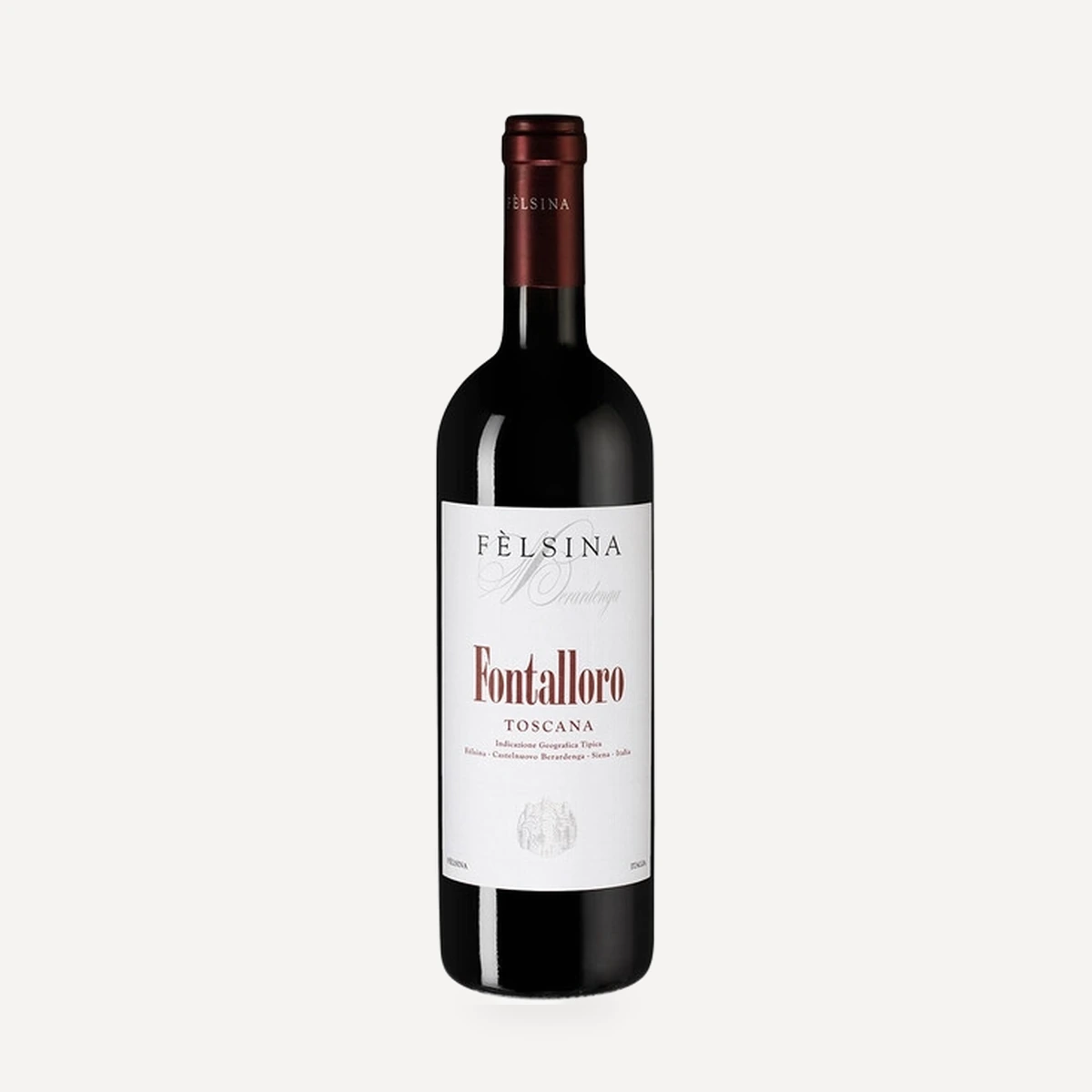
Fontalloro Toscana IGT
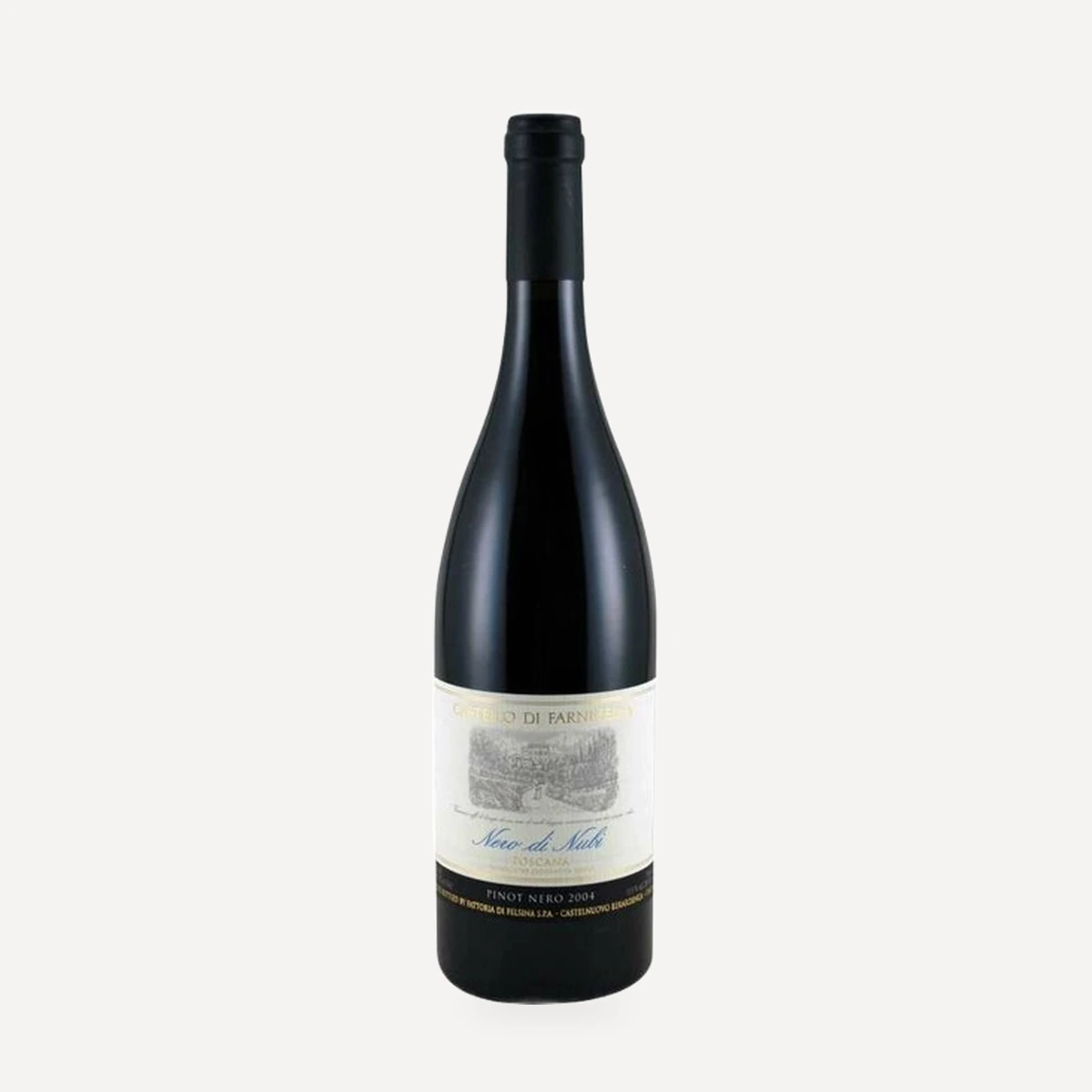
Nero di Nubi Toscana IGT
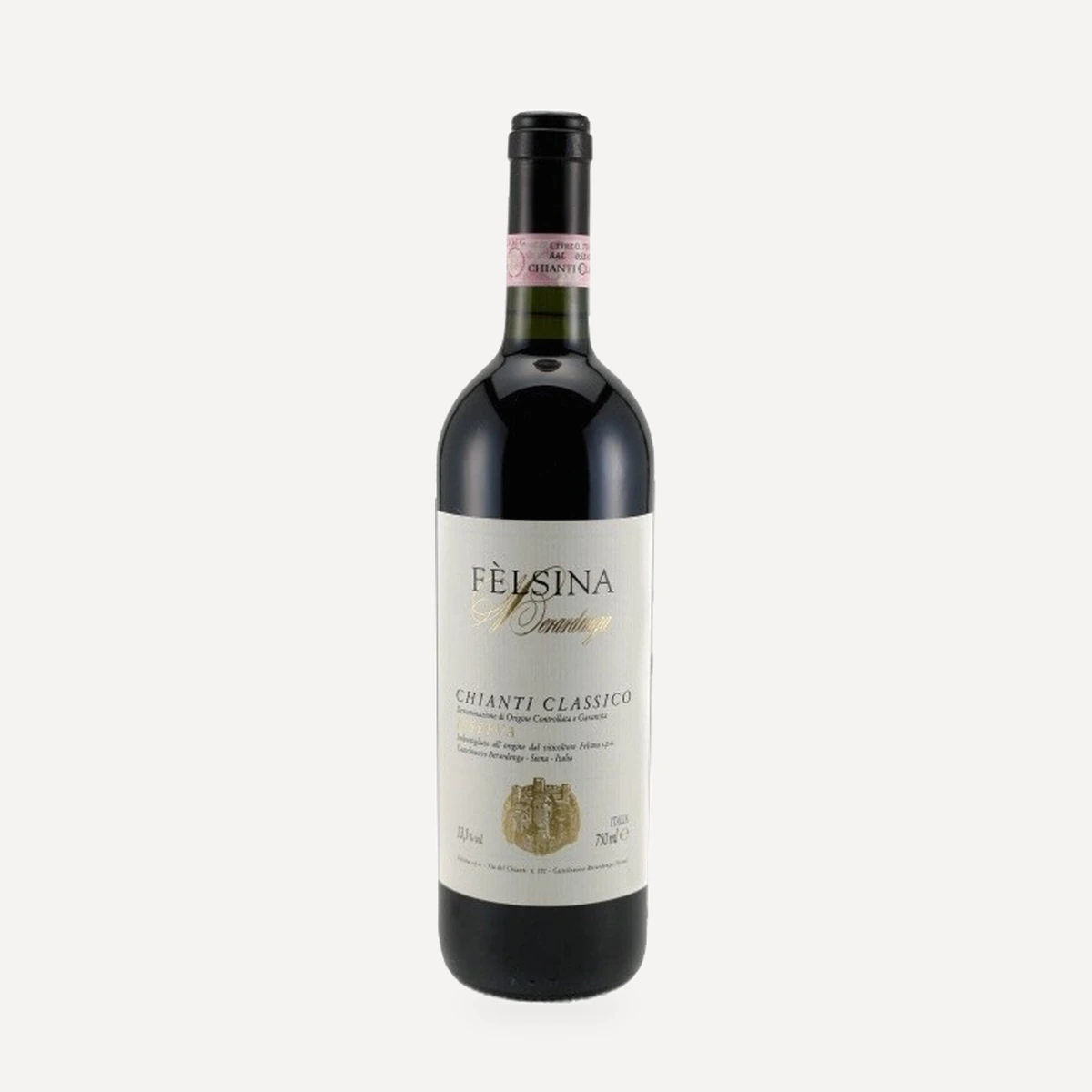
Chianti Classico Riserva Berardenga DOCG
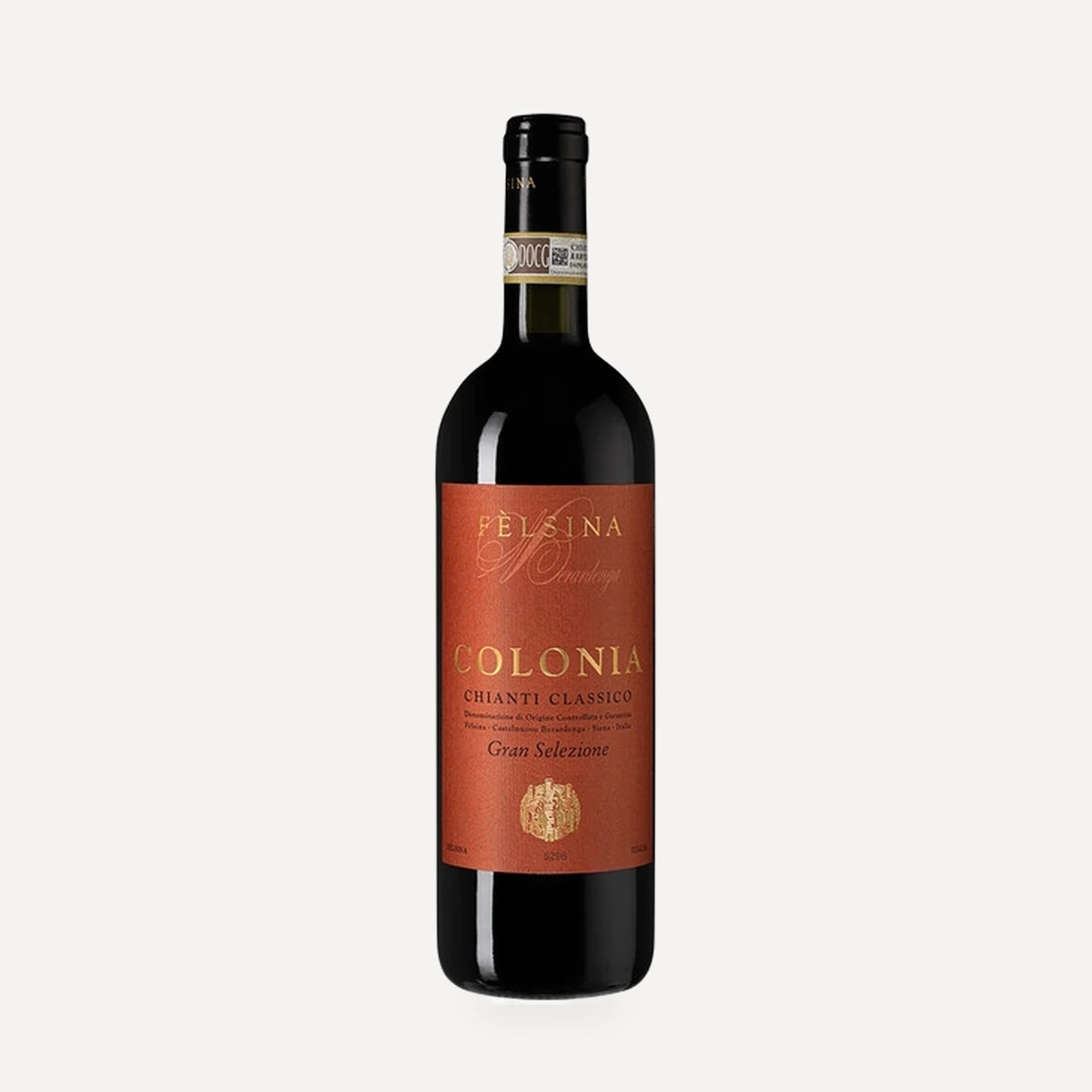
Colonia Chianti Classico Gran Selezione DOCG
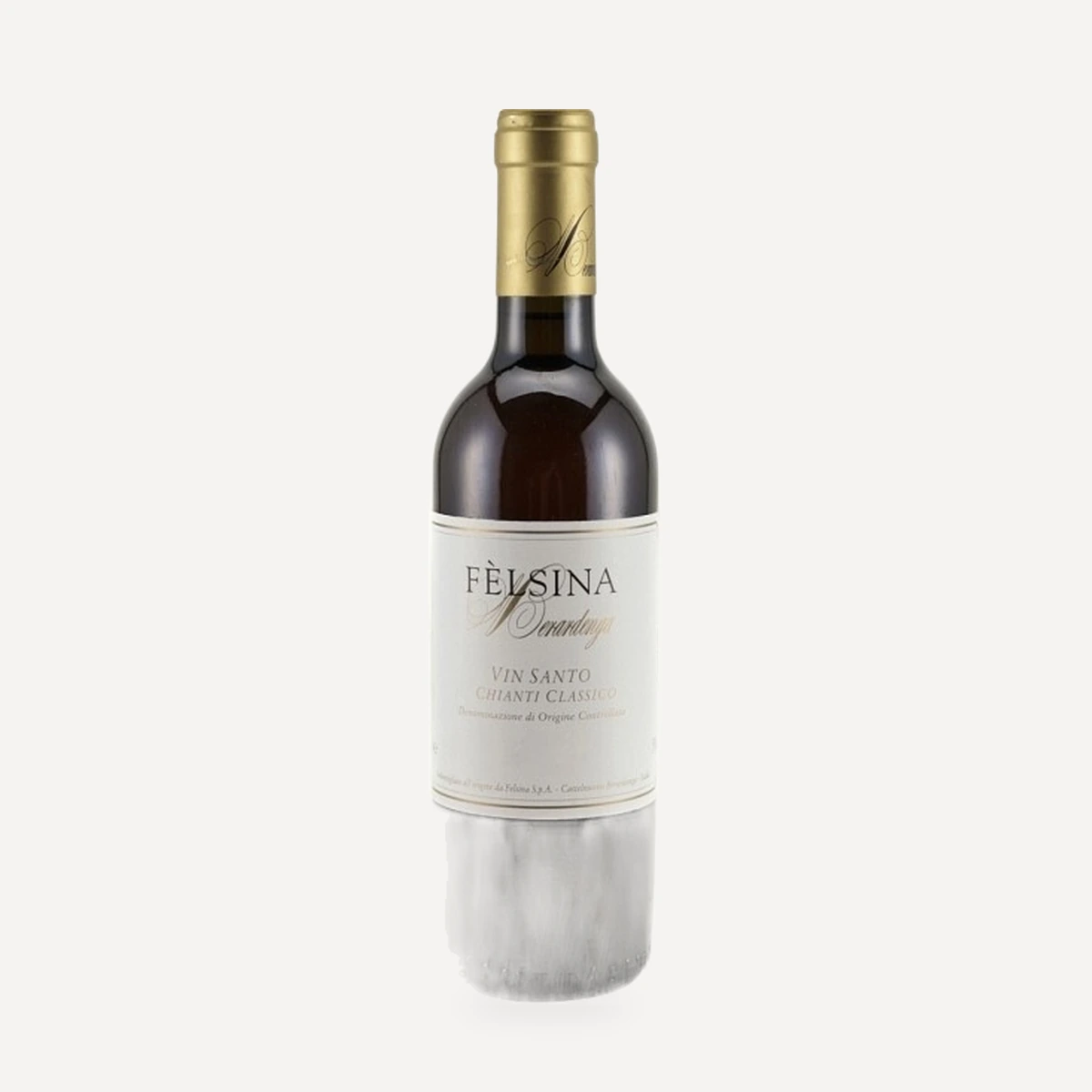
Vin Santo Chianti Classico DOCG
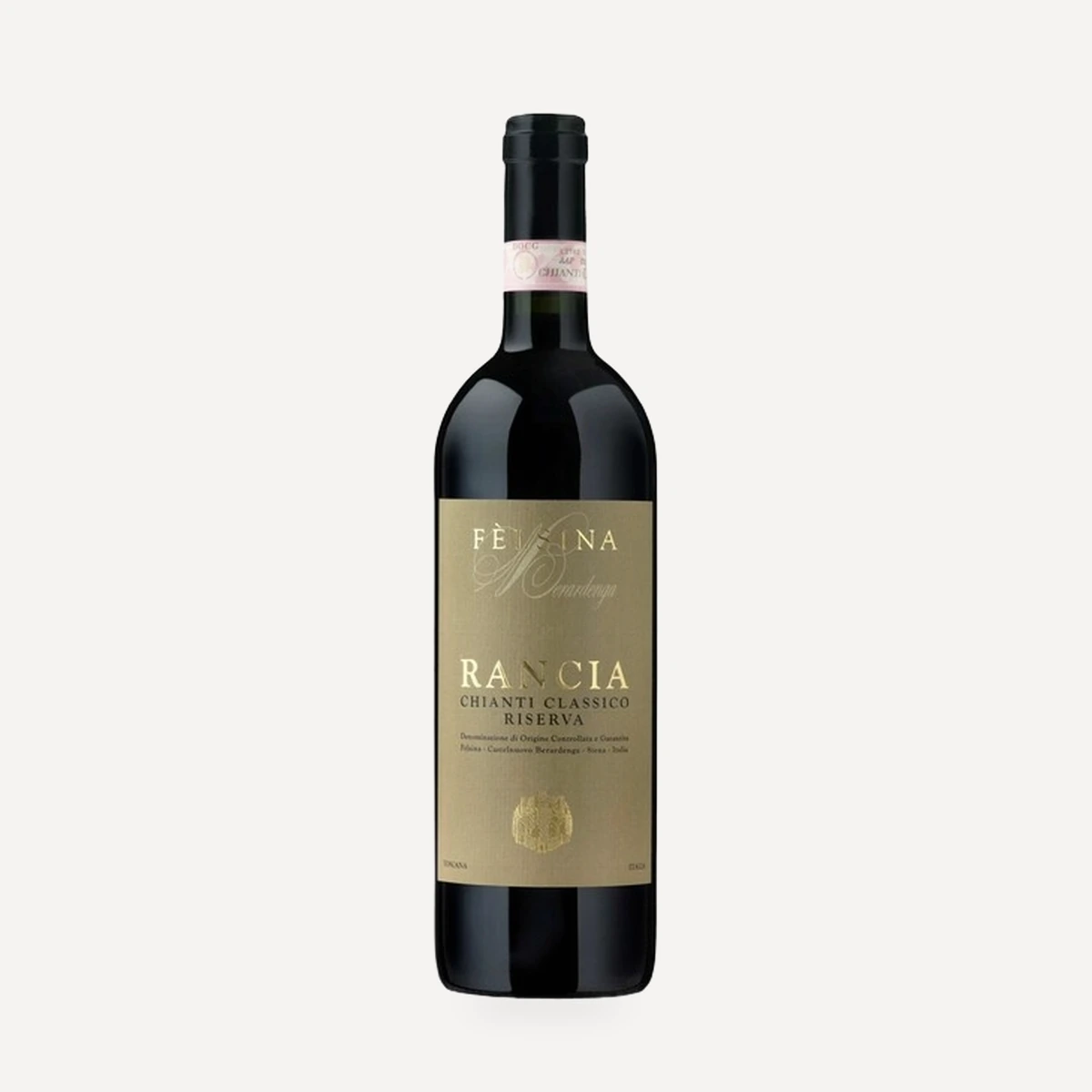
Rancia Riserva Chianti Classico DOCG
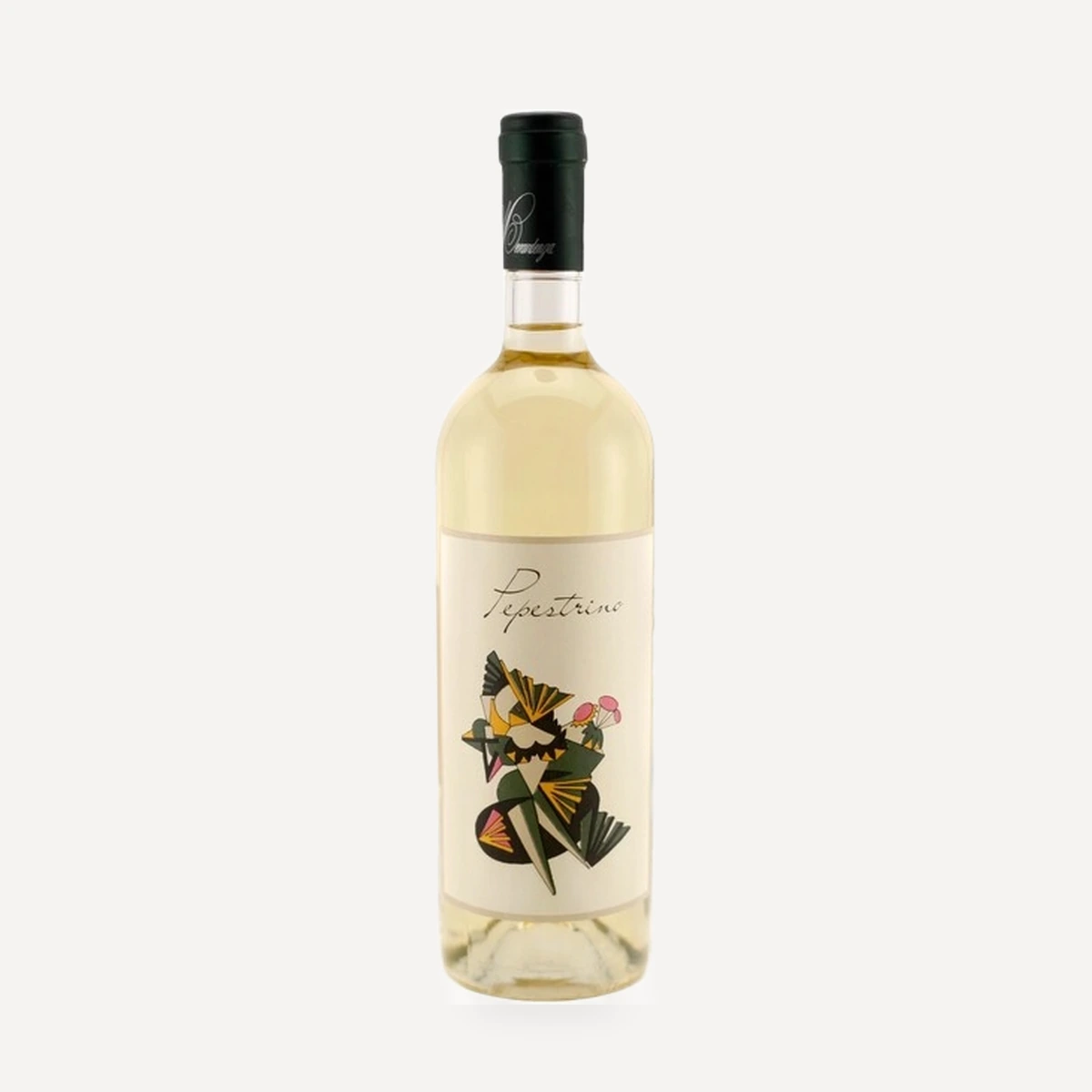
Pepestrino Toscana IGT
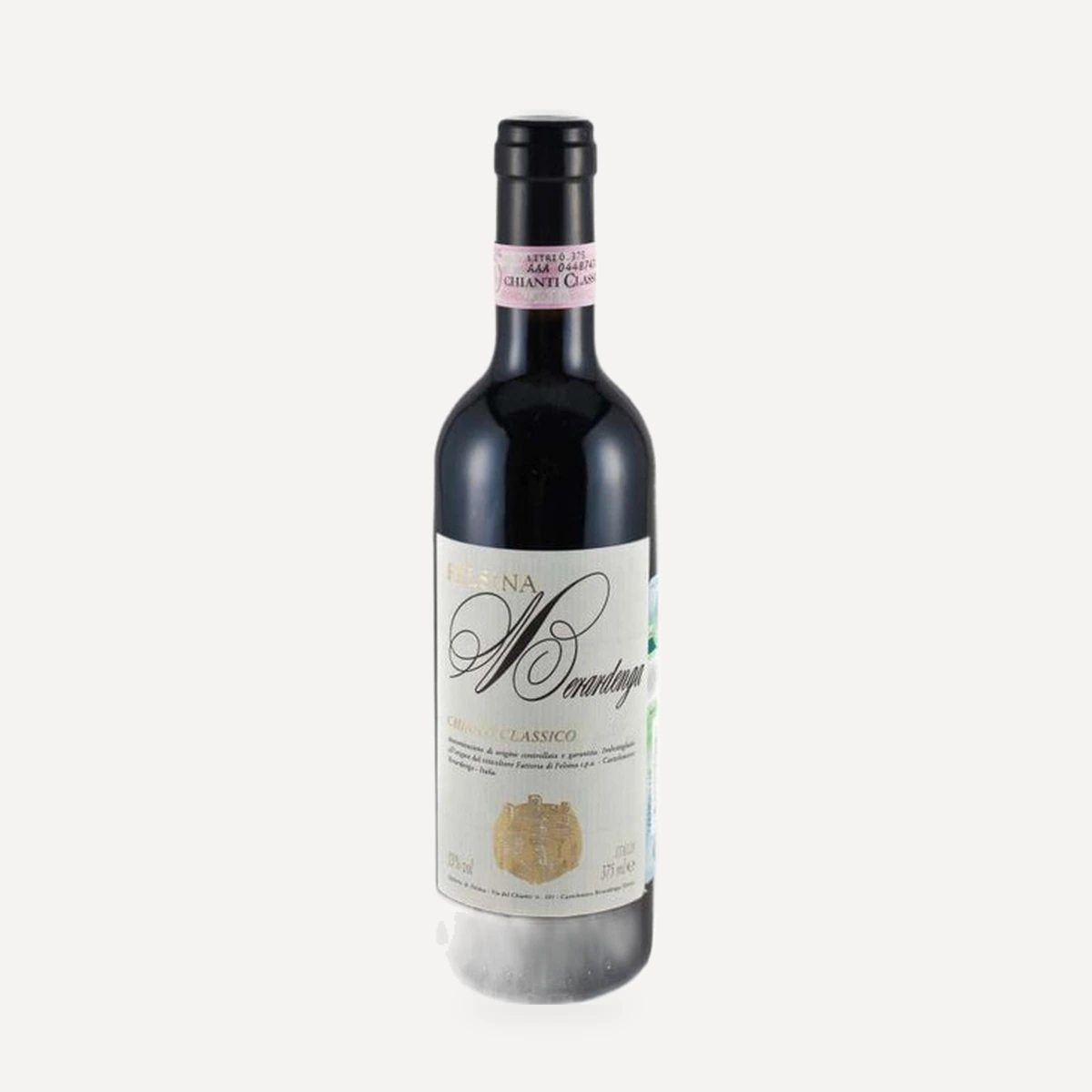
Felsina Chianti Classico DOCG
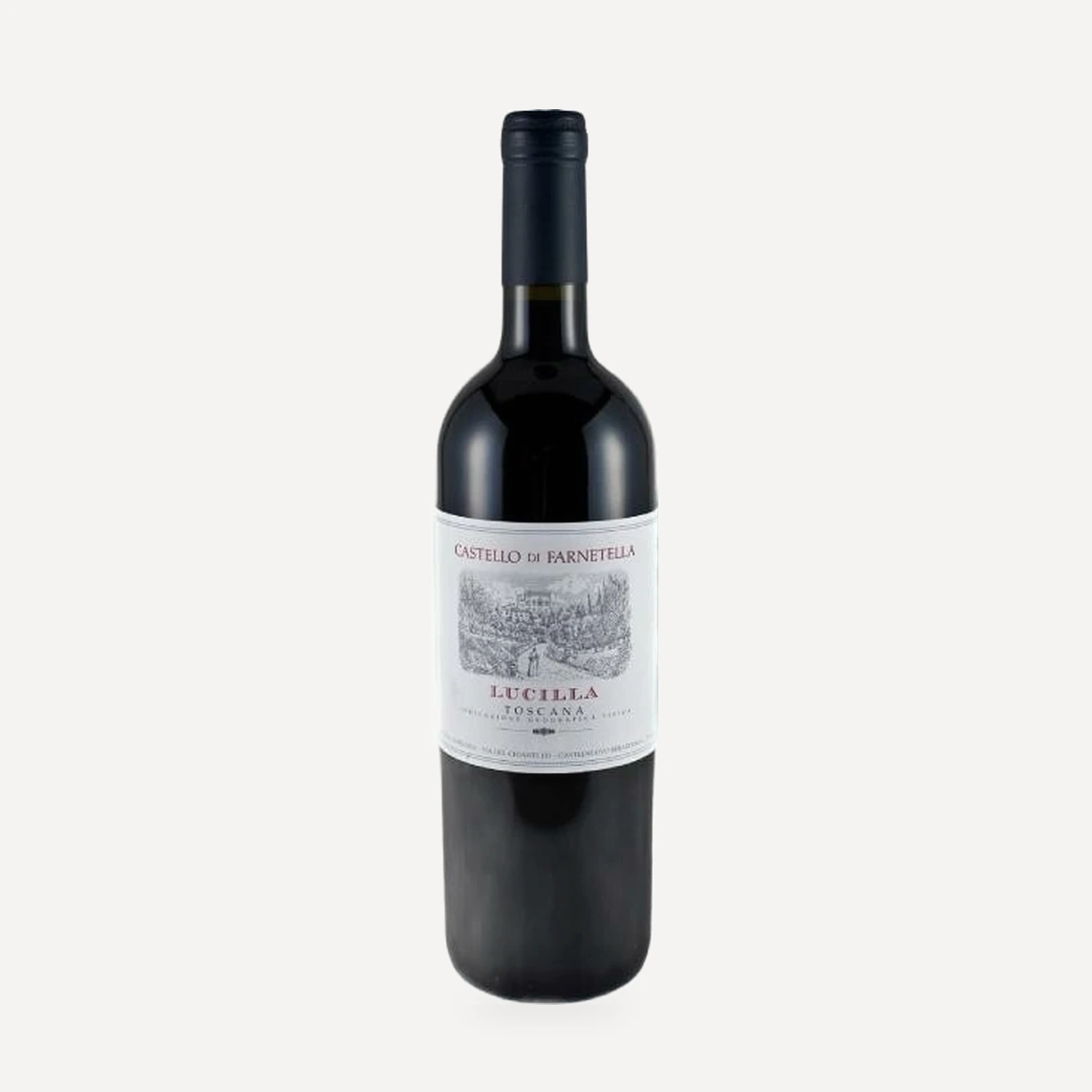
Lucilla Toscana IGT
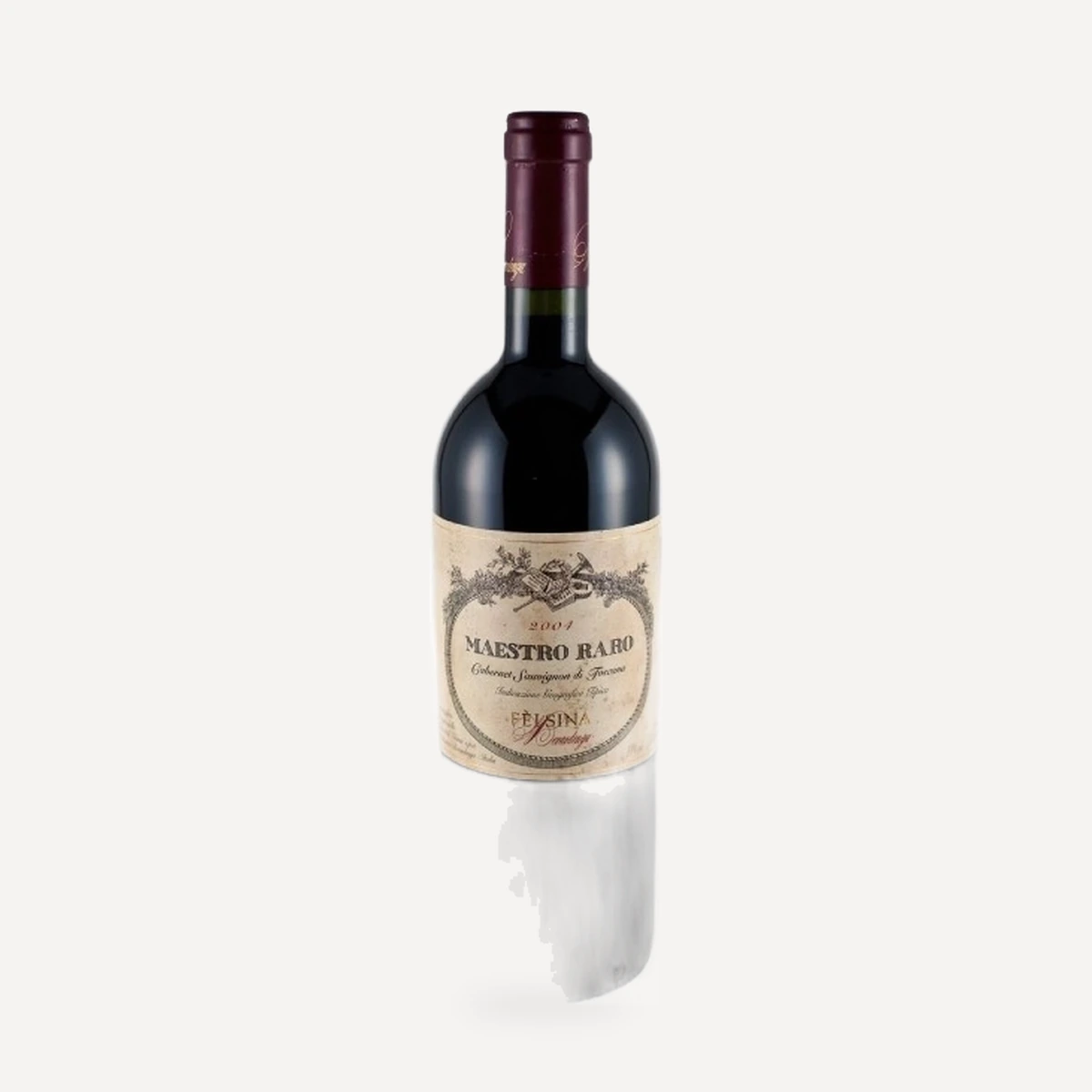
Maestro Raro Toscana IGT
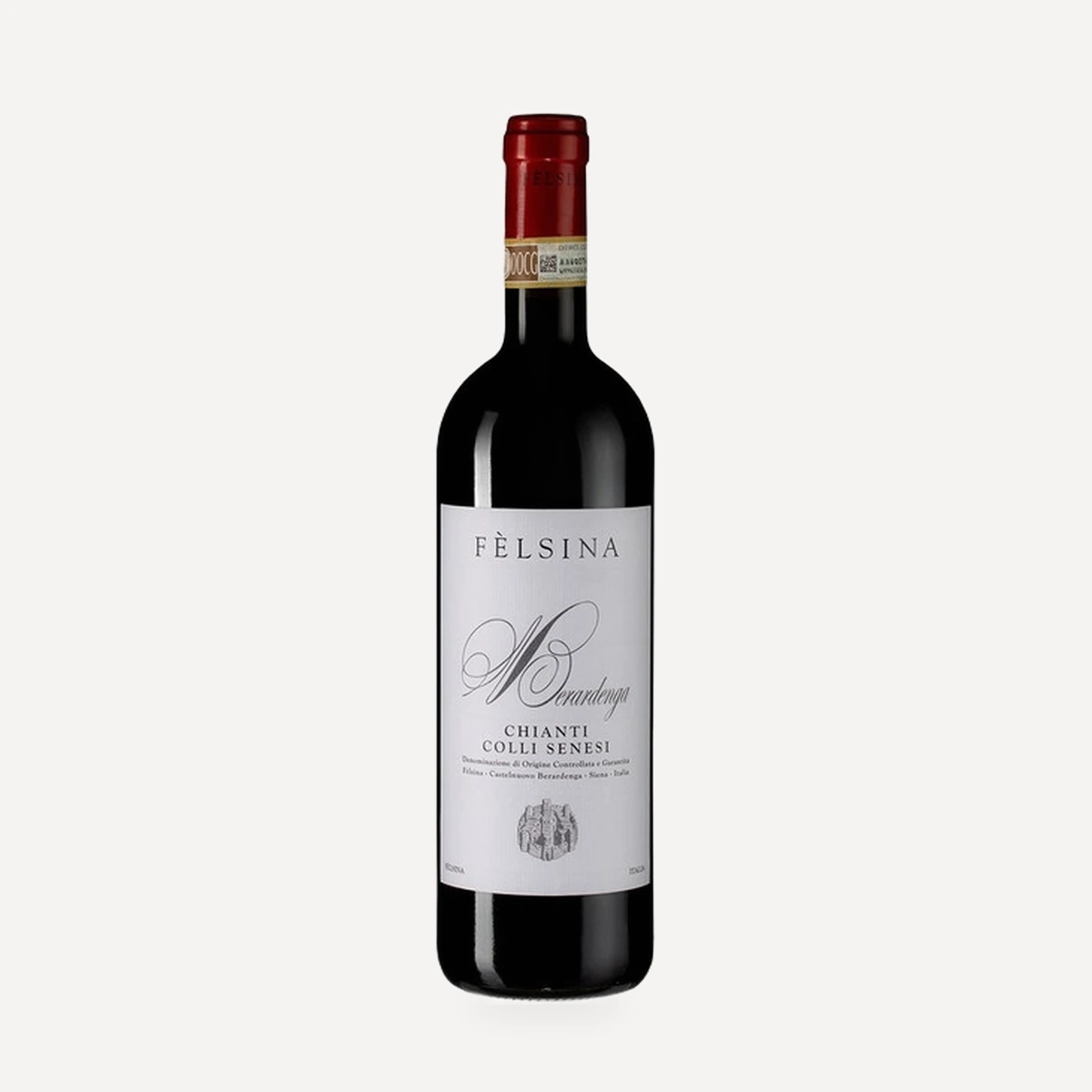
Chianti Colli Senesi DOCG