History
The experimental beginnings: 1983–1991
Montevetrano began in 1983 through the friendship of a small group of wine enthusiasts who wanted to experiment. Silvia Imparato and Riccardo Cotarella were among the participants. Their aim was to make a high-quality red capable of extended ageing.
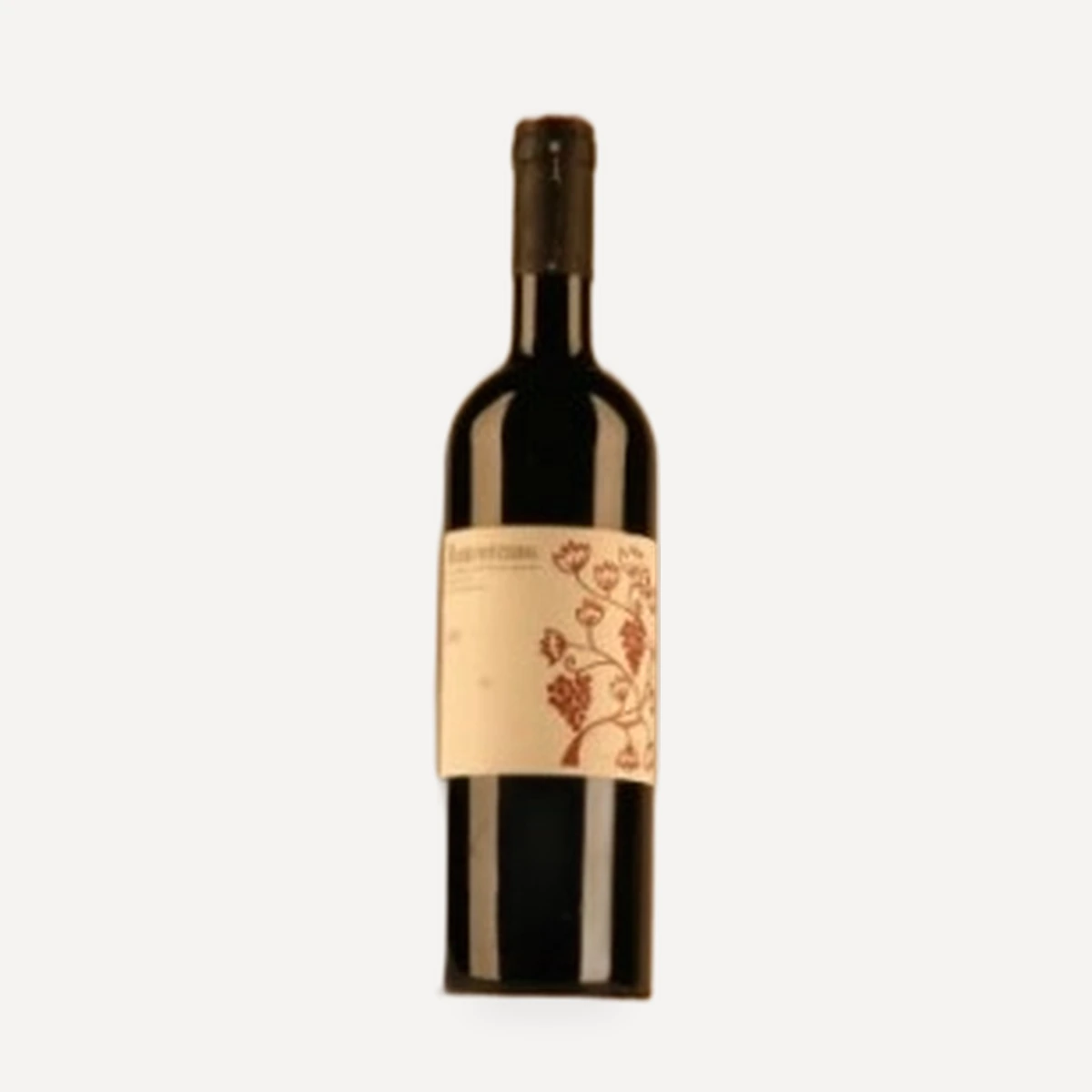
Six years after the project began, the group made its first bottles from a blend of 90% Cabernet Sauvignon and 10% Aglianico. The wine took the name Montevetrano from the medieval castle overlooking the property. The estate's detailed wine presentation identifies 1991 as the first vintage produced.
Commercial launch: 1993
The first Montevetrano vintage reached the market in 1993. Production was based on estate-grown fruit, with vinification and bottling carried out at the property so that the entire cycle remained under the estate's control.
The vineyards were thereafter dedicated specifically to Montevetrano. Although the proportions and composition underwent limited changes over the years—including the incorporation of Merlot—the estate continued to cultivate Cabernet Sauvignon, Aglianico and Merlot for this wine alone. Silvia Imparato regarded the contribution of all three varieties in each vintage as integral to its nuance, complexity and richness.
Core Rosso: 2011
After two decades of Montevetrano, Silvia Imparato and Riccardo Cotarella considered making a varietal Aglianico. Their experience with the estate vineyard showed that its Aglianico contributed significantly to the Montevetrano blend but did not, by itself, possess the character they sought for a standalone cru. They therefore searched outside the estate for mature vineyards strongly committed to Aglianico.
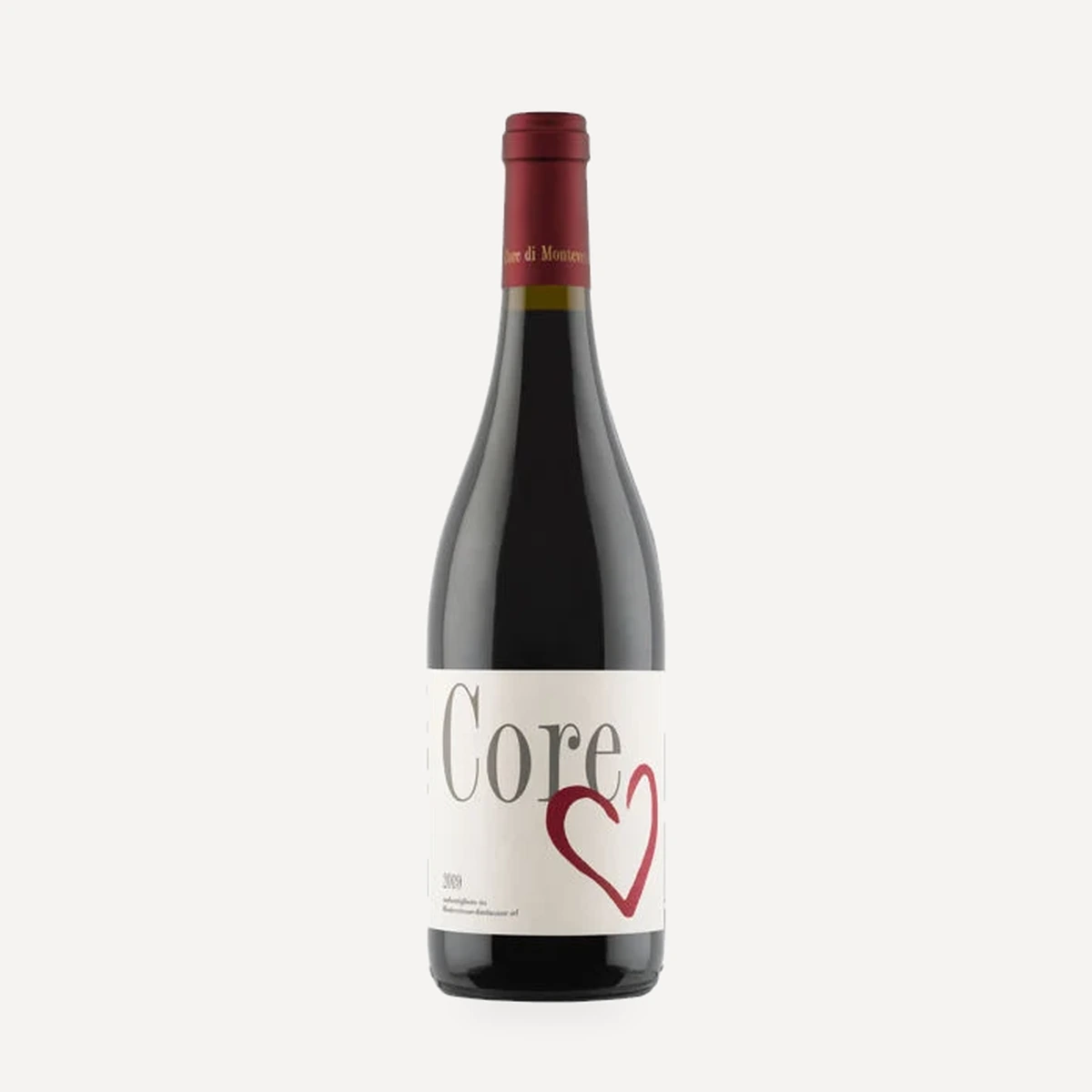
The search led to Sannio, in the province of Benevento, where volcanic-origin hills containing tuff, volcanic ash and limestone were selected for the project. Core Rosso's first vintage was 2011, and the wine was released to mark Montevetrano's twentieth anniversary. It was conceived by Silvia Imparato and developed under Riccardo Cotarella's oenological direction as a Campanian expression based entirely on Aglianico.
Core Bianco: 2015
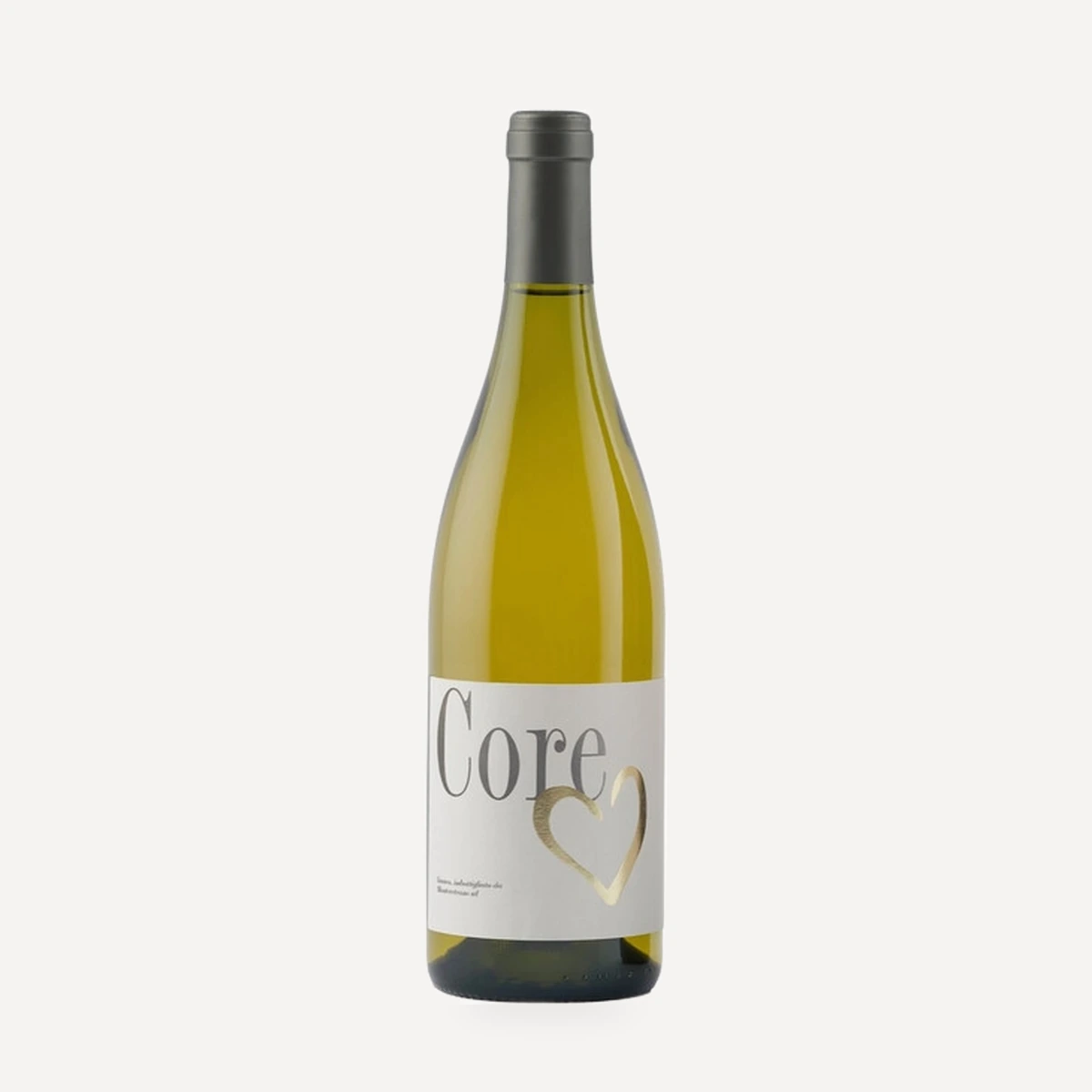
Core Bianco followed in 2015. Fiano and Greco were sourced from Sannio because those varieties were not cultivated in Montevetrano's own vineyard. The addition of a white wine broadened the Core project while preserving the estate vineyard's exclusive role in the production of Montevetrano.
A distinct Core identity: 2017
With the 2017 vintage, Core Rosso and Core Bianco received redesigned packaging. Both adopted a Burgundy-shaped bottle, visually separating the range from Montevetrano and reinforcing Core as an autonomous identity. The label was also revised around a larger, immediately legible “core” name, intended to communicate the range more directly and reach a younger audience.
Twenty-five years: 2018
In 2018, Silvia Imparato and the Montevetrano team marked twenty-five years of commercial activity with three public encounters at the estate. Moritz Rogosky of Podere il Carnasciale was hosted on 20 September, Champagne Tarlant on 12 October, and Alfio Cavallotto of Cavallotto Tenuta Bricco Boschis on 16 November. Each event paired four wines from the visiting producer with three Montevetrano archive vintages, followed by a dinner from an emerging local chef. Bernardo Conticelli introduced and guided the encounters, each limited to 25 guests.
Core Rosa: 2025
The Core range expanded again with Core Rosa, whose first vintage was 2025. Silvia Imparato conceived a light, immediate Aglianico rosé with the direct identity of the Core range, and Riccardo Cotarella oversaw its realization. Fruit was sourced from Guardia Sanframondi, Castelvenere, San Lorenzo Maggiore and Torrecuso in Sannio, and the wine was bottled at Montevetrano.
Terroir
San Cipriano Picentino estate
The 26 ha estate lies in the Monti Picentini Regional Park in southern Italy, at San Cipriano Picentino a few kilometres from Salerno. Its approximately 5 ha of vineyard occupy a hilly, south-west-facing position at about 100 metres above sea level, on the crest of a hill within a former Bourbon property.
The estate is surrounded by the Picentini Mountains and benefits from a mild climate and the influence of the sea. Oaks, chestnut trees, hazelnut trees, citrus and olive trees share the landscape. Blackberry bushes and old roses mark the vineyard boundaries. A medieval castle overlooks the property, while the late-eighteenth-century manor house stands near the rows of the area known as the “Vigna del Cavallo.”
The vineyard soil is of medium texture, with a substantial stony or skeletal component. The sheltered mountain setting, maritime influence and hillside exposure form the environmental framework presented for the estate vines.
Sannio vineyards
The Core range uses fruit selected in Sannio, in the province of Benevento. These are mature vineyards on hills of volcanic origin. Tuff, volcanic ash and limestone characterize the wider selection area; the Core Rosso technical description also identifies its soils as clay-limestone. The selected sites were sought specifically for Aglianico, Fiano and Greco rather than treated as extensions of the Montevetrano estate vineyard.
Winemaking
The approximately 5 ha Montevetrano vineyard is planted at an average density of 4,000 vines/ha and combines spurred-cordon and Guyot training. Its stated production level is 6,000 kg/ha. Cabernet Sauvignon, Aglianico and Merlot are estate-owned, and the vineyard is maintained specifically to provide the components of Montevetrano.
For the Core project, mature Sannio vineyards were selected after a prolonged search. Core Rosso's Aglianico is double-Guyot trained at 2,600–3,500 vines/ha; Core Bianco's Fiano and Greco are also double-Guyot trained, at 2,400–3,000 vines/ha. The Sannio fruit is sourced rather than grown in Montevetrano's estate vineyard.
Montevetrano production stream
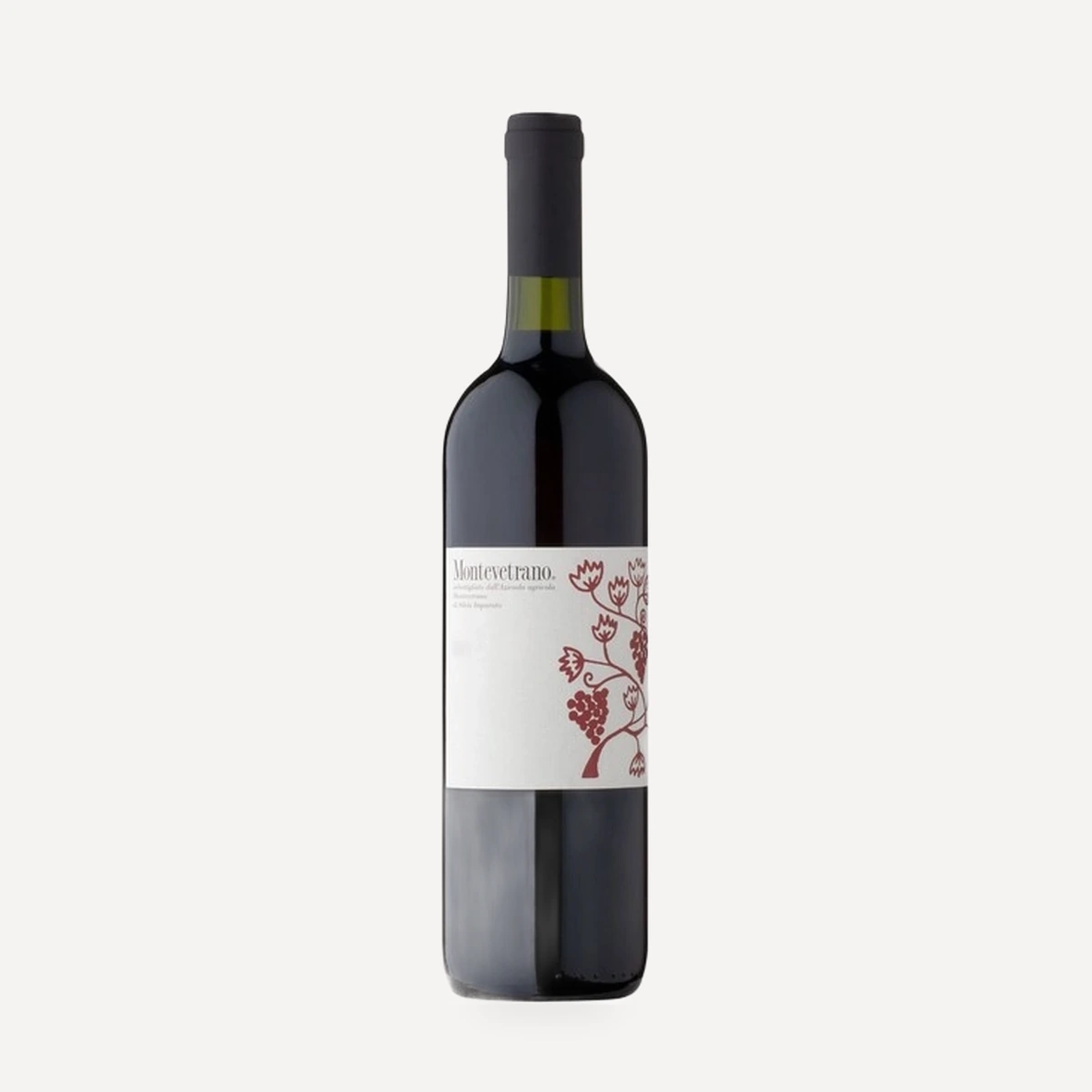
Montevetrano is made from estate-owned Cabernet Sauvignon, Aglianico and Merlot and is bottled at the property, maintaining control from vineyard through bottling. Vinification takes place in stainless steel after a 15% saignée. Fermentation lasts approximately 20 days and is accompanied by extended skin maceration; alcoholic fermentation is in stainless steel, followed by completed malolactic fermentation.
Ageing lasts approximately 12 months in 225-litre barriques made from oak sourced in Nevers, Allier and Tronçais. The 2017 technical specification divided the barrels equally between new and second-use wood, while the current general presentation describes new barriques. Bottle maturation lasts at least six months before release.
Core Rosso production stream
Core Rosso is produced from Sannio Aglianico and bottled by Montevetrano. It undergoes long skin maceration, followed by a 15-day alcoholic fermentation in stainless steel and completed malolactic fermentation. Ageing lasts ten months in new 225-litre barriques of Nevers, Allier and Tronçais oak, followed by four months in bottle.
Core Bianco production stream
Fiano and Greco undergo cryomaceration. Because the two varieties ripen at different times, their alcoholic fermentations are conducted separately. They are blended after fermentation, then mature on fine lees for seven to eight months with weekly bâtonnage. Bottle maturation lasts four months.
Core Rosa production stream
Aglianico undergoes brief cryomaceration with short skin contact. Alcoholic fermentation takes place in stainless steel at a controlled 12–14°C. The wine then matures on fine lees for two months with weekly bâtonnage.
Philosophy
Montevetrano originated in friendship, experimentation and the ambition to make a red of high quality and long ageing potential. The estate vineyard is treated as the place dedicated to that original wine: Cabernet Sauvignon, Aglianico and Merlot are cultivated there for Montevetrano because each year's components contribute different nuances, complexity and richness.
Silvia Imparato and Riccardo Cotarella developed Core without diverting the estate vineyard from this role. Once its Aglianico was judged more valuable as part of the Montevetrano blend than as a standalone cru, they searched for mature Sannio vineyards better suited to varietal Aglianico and subsequently to Fiano and Greco. The Core wines were conceived to represent Campania through local varieties while retaining the same quality ambition.
The expansion of the range balances continuity with differentiation. Montevetrano remains tied to the San Cipriano Picentino estate, while Core has its own Sannio sourcing, direct stylistic aims and, since 2017, an independent visual identity. Core Rosa extends that approach toward a lighter and more immediate expression intended for a broad audience.
Wines
Montevetrano
Core Bianco
Core Rosso
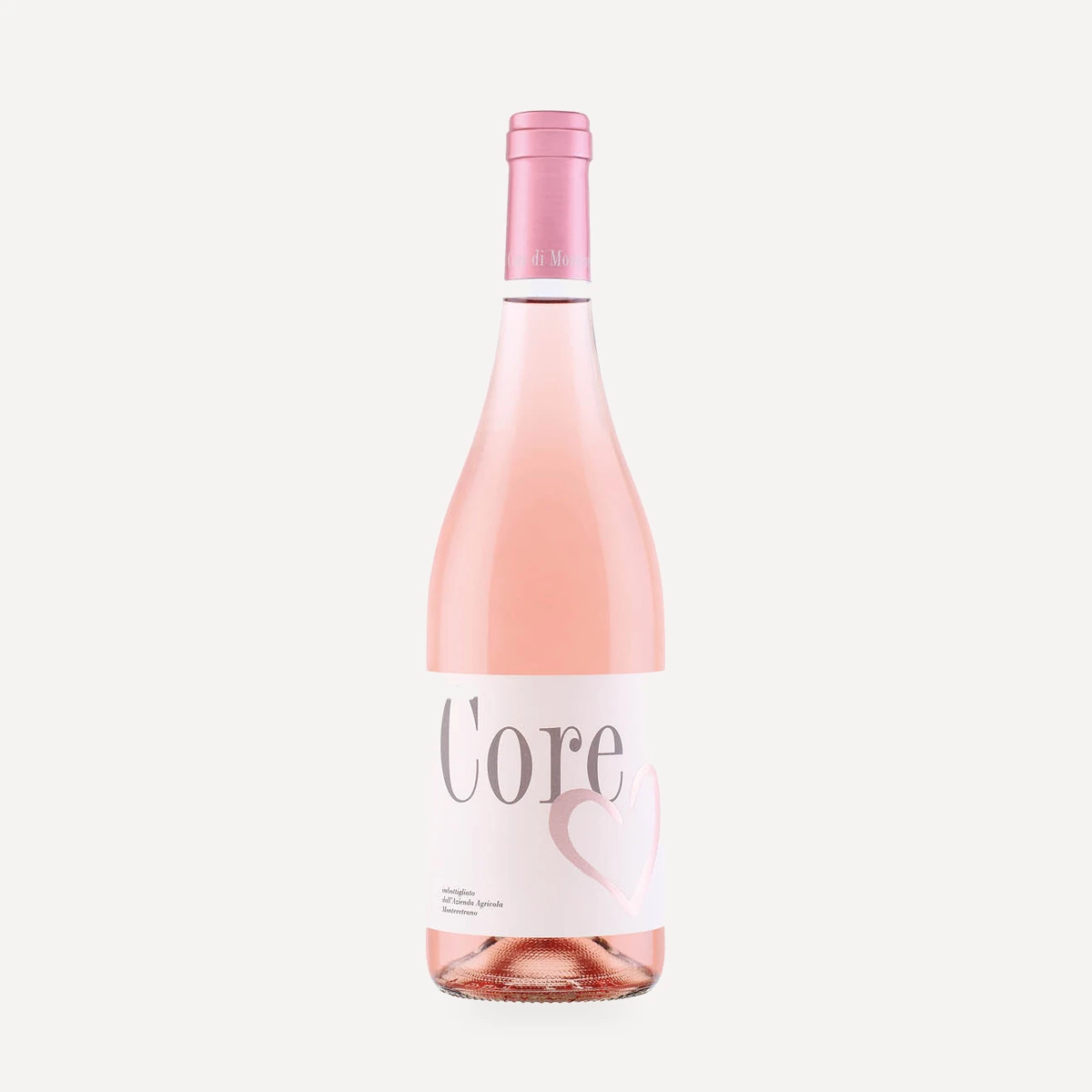
Core Rosa