History
Origins after the 1980 earthquake
The idea behind Feudi di San Gregorio grew out of the economic and social difficulties experienced in Irpinia after the 1980 earthquake. The founders sought to create employment and lasting value around wine, a product already deeply embedded in the territory. The Capaldo family founded the winery in Irpinia in 1986, making the protection and development of Campania’s indigenous grapes—especially Greco, Fiano and Aglianico—the centre of its work.
First wines and appellations
Nobellum became the first wine produced by the new winery in 1991. Production under the principal local denominations followed soon afterwards: Fiano di Avellino and Greco di Tufo appeared in 1992, followed by Taurasi in 1994.
A new visual and architectural identity
In 2001 Massimo Vignelli began the redesign of the brand identity. His work, developed together with Lella Vignelli, extended beyond the labels to the interiors, exhibition stands, publications and later the packaging for FeudiStudi. The compact labels, mosaics, colour choices and hot-gold details translated Irpinian tradition into a contemporary visual language.
The project for a new winery also began in 2001. Hikaru Mori and Maurizio Zito designed the structure, recovering existing buildings and creating new production, hospitality and garden spaces with a deliberately limited environmental footprint. Massimo and Lella Vignelli designed the interiors. The complex was inaugurated in 2004 with the Marennà restaurant at its centre. It became one of Italy’s early examples of a designer-led winery and was subsequently presented twice at the Venice Biennale as an example of architectural excellence. Marennà received a Michelin star in 2009.
Research, sparkling wine and territorial interpretation
DUBL, a traditional-method sparkling-wine project, was launched in 2006. Between 2001 and 2010, the Patriarchs research programme studied the DNA of ancient, pre-phylloxera, ungrafted vines with Professors Attilio Scienza and Luigi Moio. Selected material was catalogued and propagated, including in new Aglianico plantings at Dal Re. The work also contributed to the recovery of Sirica from three vine-trees more than two centuries old.
The FeudiStudi zoning and experimental-vinification project began in 2012. It selects the most expressive vineyards each year from the estate’s network of more than 800 parcels, according to the conditions of the vintage. Its research later developed into publications devoted to Irpinia and its principal denominations.
Expansion and cultural commitments
The wider family wine enterprise expanded through the acquisition of Basilisco in 2010, investment in Sirch in 2015 and the acquisition of Campo alle Comete in 2016. These remain separate estates and projects.
In 2014 Feudi di San Gregorio became a founding member of the Fondazione di Comunità San Gennaro, which works against social disadvantage in Naples’ Rione Sanità through art and culture. Site-specific artworks commissioned for the winery have subsequently inspired limited-edition labels whose proceeds support the foundation.
An internal Code of Ethics was adopted in January 2019. The GREASE research project also began in 2019 with the University of Naples Federico II and CRM, examining sustainable models for cultivating Greco, resource-use efficiency and environmental-footprint indicators in the context of climate change.
Benefit Company and certifications
On 10 May 2021 Feudi di San Gregorio became a Società Benefit, formally placing environmental, social and cultural objectives alongside its commercial purpose. Equalitas Corporate certification followed in July 2021. The company’s stated benefit commitments encompass regenerative development in Irpinia, closer interdependence with grape growers, sustainable and circular practices, cultural projects, employee wellbeing and consumer engagement.
B Corp certification was achieved in 2022, following an assessment score of 100.2. In August of that year the winery presented its Good Agricultural Practices Protocol to contributing growers. The protocol consolidated direct experience, dialogue with growers and scientific research into a parcel-sensitive vineyard-management framework.
Feudi di San Gregorio joined the United Nations Global Compact in 2023. During the same period, Pellegrino Capaldo transferred his shares to his son Antonio Capaldo as part of a planned generational transition; Antonio was already company president and became the majority shareholder.
In March 2024 the winery received the Old Wine Hero Award for its work protecting historic vine heritage. In 2026 it marked its fortieth anniversary with the “40 anni di curiosità” programme, a book about its collaboration with Lella and Massimo Vignelli, support for the Triennale Milano exhibition “Lella and Massimo Vignelli. A Language of Clarity,” and the “Il Viaggio Meraviglioso” campaign.
Terroir
Feudi di San Gregorio’s viticultural base lies in Irpinia, the predominantly mountainous interior of Campania. Regional summits rise above 1,800 metres, while vineyards occupy numerous hills, valleys and small clearings among woodland, old olive trees and aromatic vegetation.
The climate combines pronounced day-to-night temperature variation with cold, snowy winters. Annual precipitation is approximately 1,200–1,300 mm, spread across more than 100 days. The vineyard network is highly fragmented: more than 800 parcels differ in elevation, exposure and gradient, creating a large range of mesoclimates and growing conditions.
Large areas have soils with strong volcanic and sandy components. These conditions helped some vines survive the arrival of phylloxera in the early twentieth century, leaving Irpinia with centenarian, pre-phylloxera and ungrafted plants. Feudi di San Gregorio treats this surviving material as a genetic reserve rather than seeking uniformity across the territory.
The principal white-grape sectors include the slopes of Monte Partenio for Fiano di Avellino and the Sabato valley for Greco di Tufo. The Taurasi sector follows the Calore valley and its adjoining hills. The estate’s territorial work centres on Fiano, Greco and Aglianico, with Falanghina also cultivated and the rare Sirica recovered from ancient parent vines.
Winemaking
Viticulture is organised through a Good Agricultural Practices Protocol presented to contributing growers in August 2022. It combines practical experience, consultation with growers and scientific research rather than imposing one uniform prescription on every parcel. Decisions are adjusted to territory, vineyard and, where necessary, different zones within the same vineyard. Variables considered include climate, soil, training system, planting density, vine age and interaction with neighbouring crops.
The protocol defines practices for soil management, fertility, crop protection, vineyard maintenance, pruning, thinning and harvest management. Its objectives are grape and wine quality, environmental and economic sustainability, biodiversity and worker safety. The underlying principle is to preserve the life and productive longevity of each vineyard; older vines are valued for increasingly balanced fruit.
The approach draws on the best experience of organic and biodynamic farming without presenting every parcel as uniformly organic or biodynamic. The company holds ICEA organic certification and operates under Equalitas sustainability requirements. Growers and outsourced vineyard services are included in sustainability assessment and training processes.
Old-vine conservation
The Patriarchs project, conducted from 2001 to 2010 with the Universities of Milan and Naples, analysed DNA from centenarian, pre-phylloxera and ungrafted vines. Selected plants were catalogued, reproduced and introduced into new vineyards. Work with Simonit&Sirch also applies specialist pruning knowledge to the preservation and propagation of this material. Sirica was recovered from three vine-trees more than 200 years old and replanted in a small vineyard.
Research and monitoring
The GREASE project, launched in 2019 with the University of Naples Federico II and CRM, studies sustainable cultivation models for Greco, efficient resource use and carbon- and water-footprint indicators under changing climatic conditions. Ripening curves are monitored in the vineyard, and analytical controls continue through incoming grapes, musts, wines, intermediate products and finished wines.
Feudi di San Gregorio has also measured soil, air and water biodiversity indicators. Neighbours of owned and leased vineyards are periodically consulted through questionnaires intended to identify local concerns.
The Sorbo Serpico winery was conceived as an integrated production, maturation and hospitality complex. Designed by Hikaru Mori and Maurizio Zito and opened in 2004, it incorporates recovered pre-existing structures, essential architectural lines and gardens. A tunnel connects the theatrical barrel cellar to the vineyard, while a suspended tasting room overlooks the barrels.
Production operates through documented product and conditioning plans. Harvest and grape-supply decisions, wine purchases and processing choices draw on a multi-year analytical database. Controls cover ripening grapes, incoming grapes, must and wine, intermediate stages and finished products; testing is carried out internally or by accredited external laboratories.
Wine is stored in tanks and barriques, with storage procedures formally documented. Technical plans seek to reduce water and energy use and minimise the use of processing aids, additives, nutrients and detergents without lowering quality or hygiene standards. Water consumption is monitored by production phase, and cleaning protocols have been revised to reduce use while maintaining sanitation. Suppliers of oenological products, detergents and packaging are selected, where equivalent quality and service are available, in favour of environmental and sustainability certification.
Since January 2021 the operation has used electricity sourced entirely from renewables. On-site photovoltaic generation began in 2012 and initially covered about 10% of requirements; further installations are intended to increase self-generation. Packaging work has included lighter cartons, recycled or FSC-certified board, sharply reduced use of varnishes, high-recycled-content glass for selected bottles and elimination of a frosting stage from one bottle-production process.
FeudiStudi applies consistent production protocols to selected parcels so that technical variables interfere as little as possible with vineyard expression. Pierpaolo Sirch directs its vinification and maturation choices. The project usually produces around twelve crus per year—approximately four each from Fiano, Greco and Aglianico—with individual selections changing according to the vintage.
Philosophy
Feudi di San Gregorio defines its purpose around the protection and contemporary interpretation of Irpinia. Indigenous grapes, old vines and the differences among small parcels are treated as assets to preserve rather than variables to standardise. The company’s stated view is that diversity itself will be fundamental to the future of wine.
Curiosity links its viticultural, scientific and cultural work. Research into ancient genetic material looks backwards in order to establish more resilient future vineyards, while FeudiStudi uses the conditions of each vintage to decide which sites should be interpreted separately. Wine is also understood as a living cultural object whose creation shares patience, craft and transformation with art.
As a Benefit Company, Feudi di San Gregorio has formalised five priorities: stimulating regenerative development in Irpinia; building interdependence with suppliers and especially grape growers; sharing sustainable and circular practices; promoting artistic and cultural projects; supporting employee wellbeing and potential; and engaging consumers with the territory, culture and positive conviviality represented by wine.
Environmental commitments include lower-impact farming, protection of vineyard longevity, renewable energy, resource monitoring, more sustainable packaging and work toward climate neutrality. The approach emphasises collaboration with growers, universities, research centres, local authorities and community organisations.
Wines
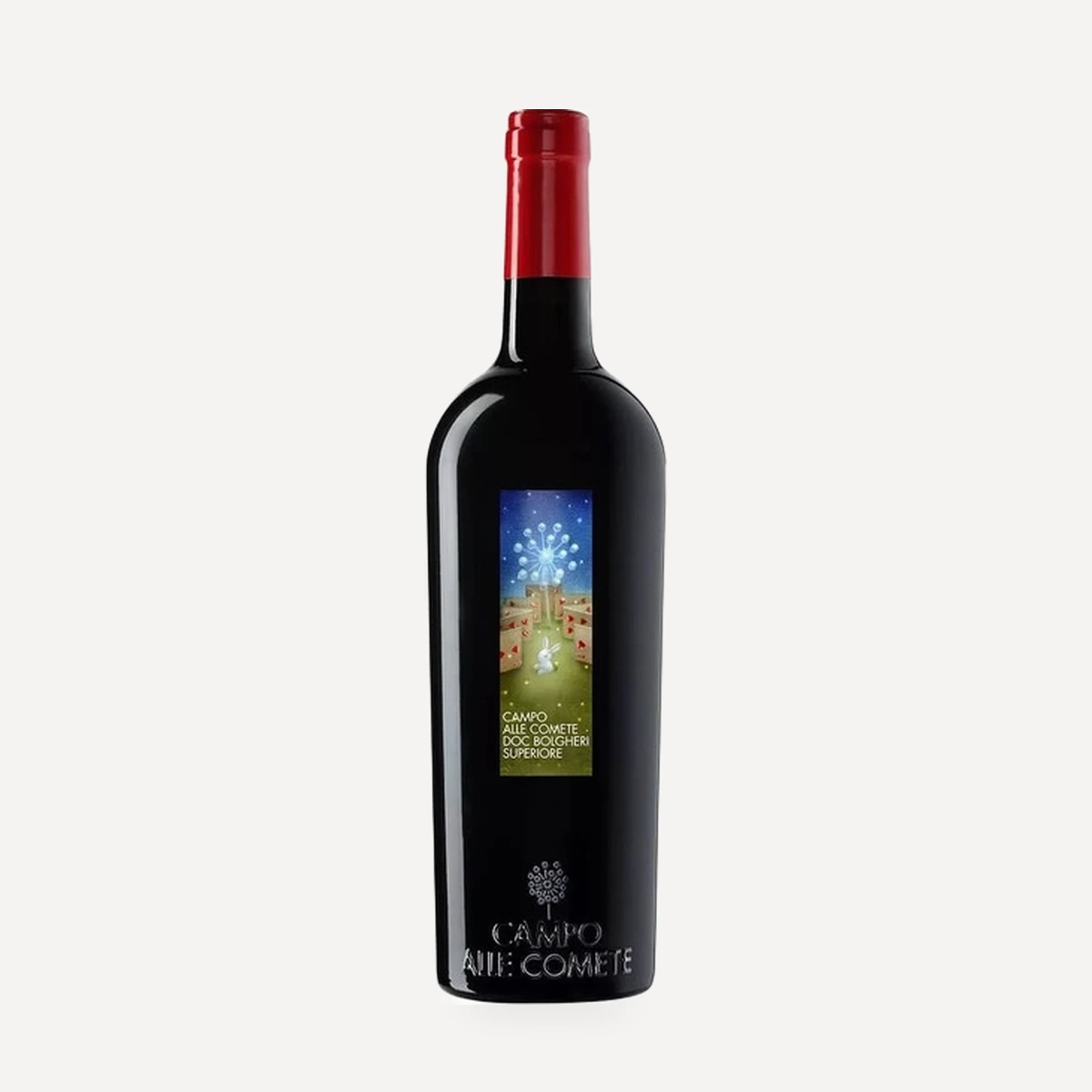
Campo alle Comete Bolgheri Superiore DOC
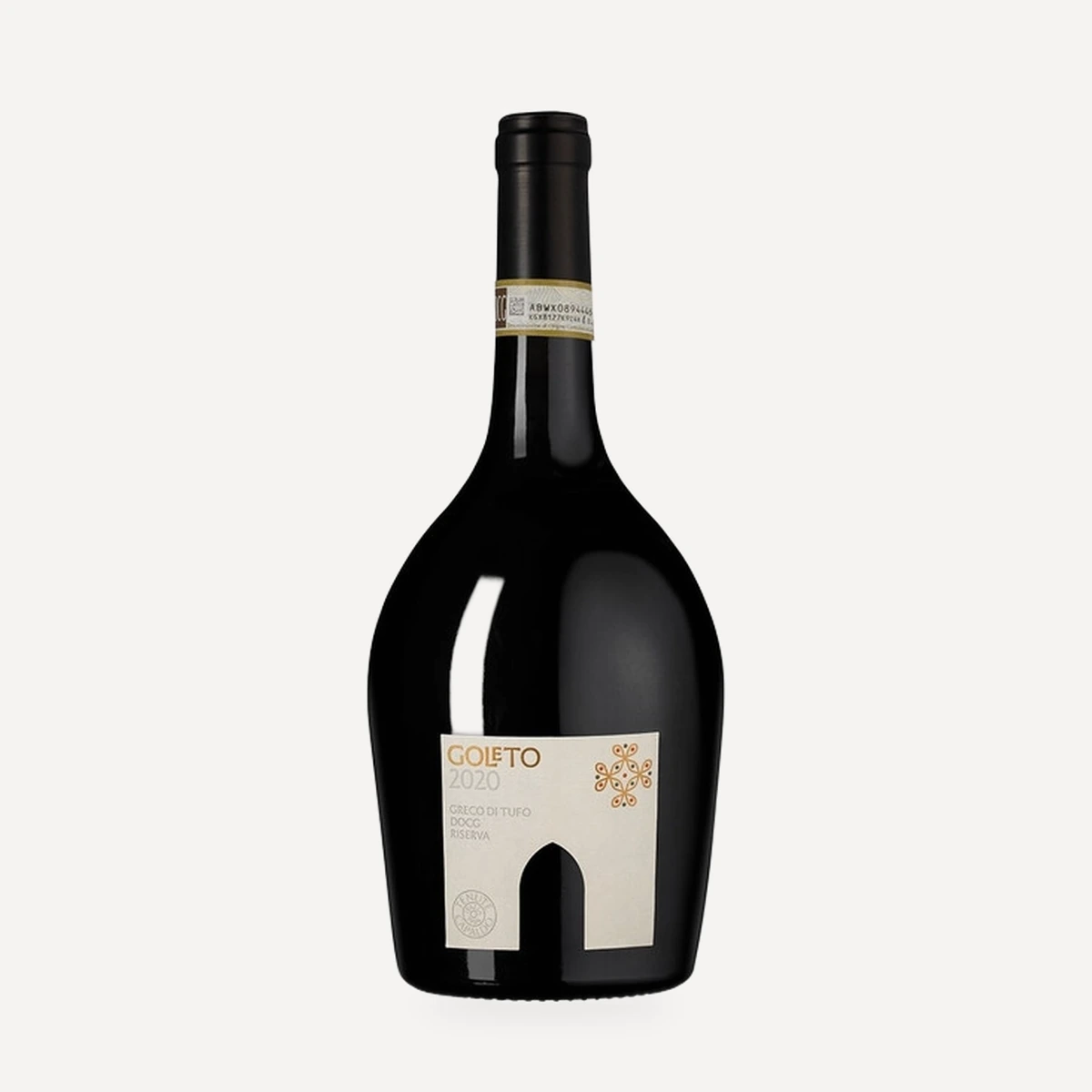
Goleto Greco di Tufo Riserva DOCG
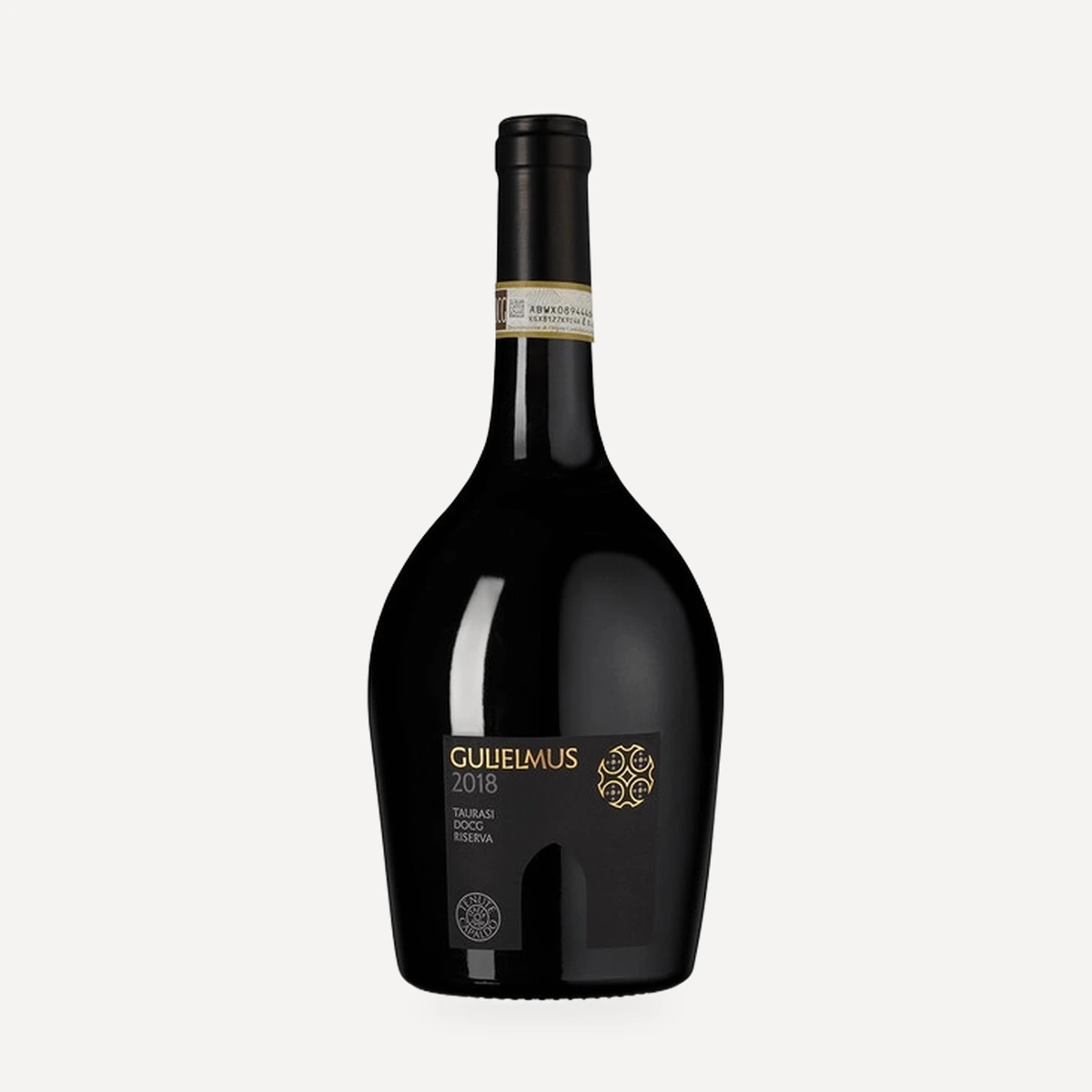
Gulielmus Taurasi Riserva DOCG
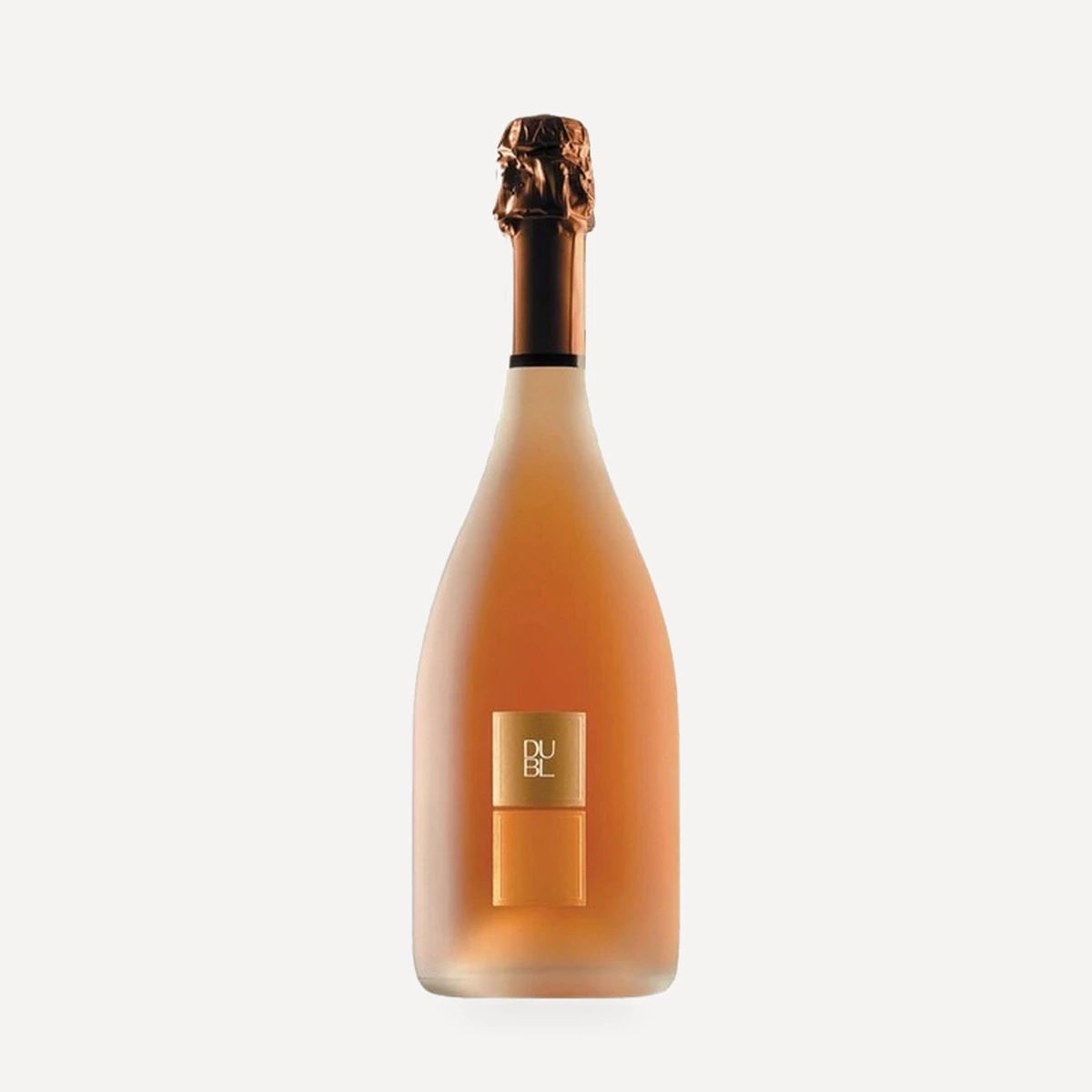
Dubl Rosato
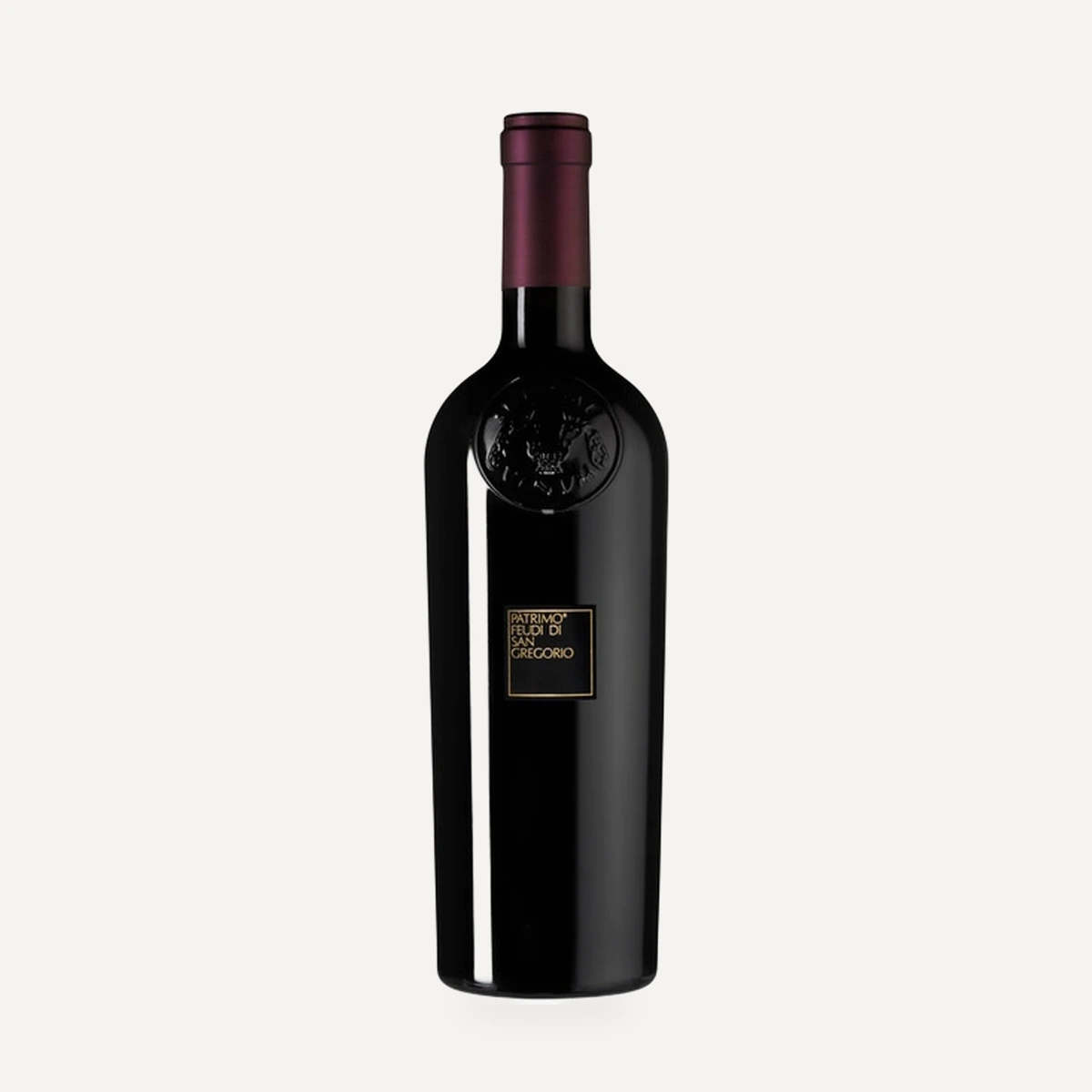
Patrimo
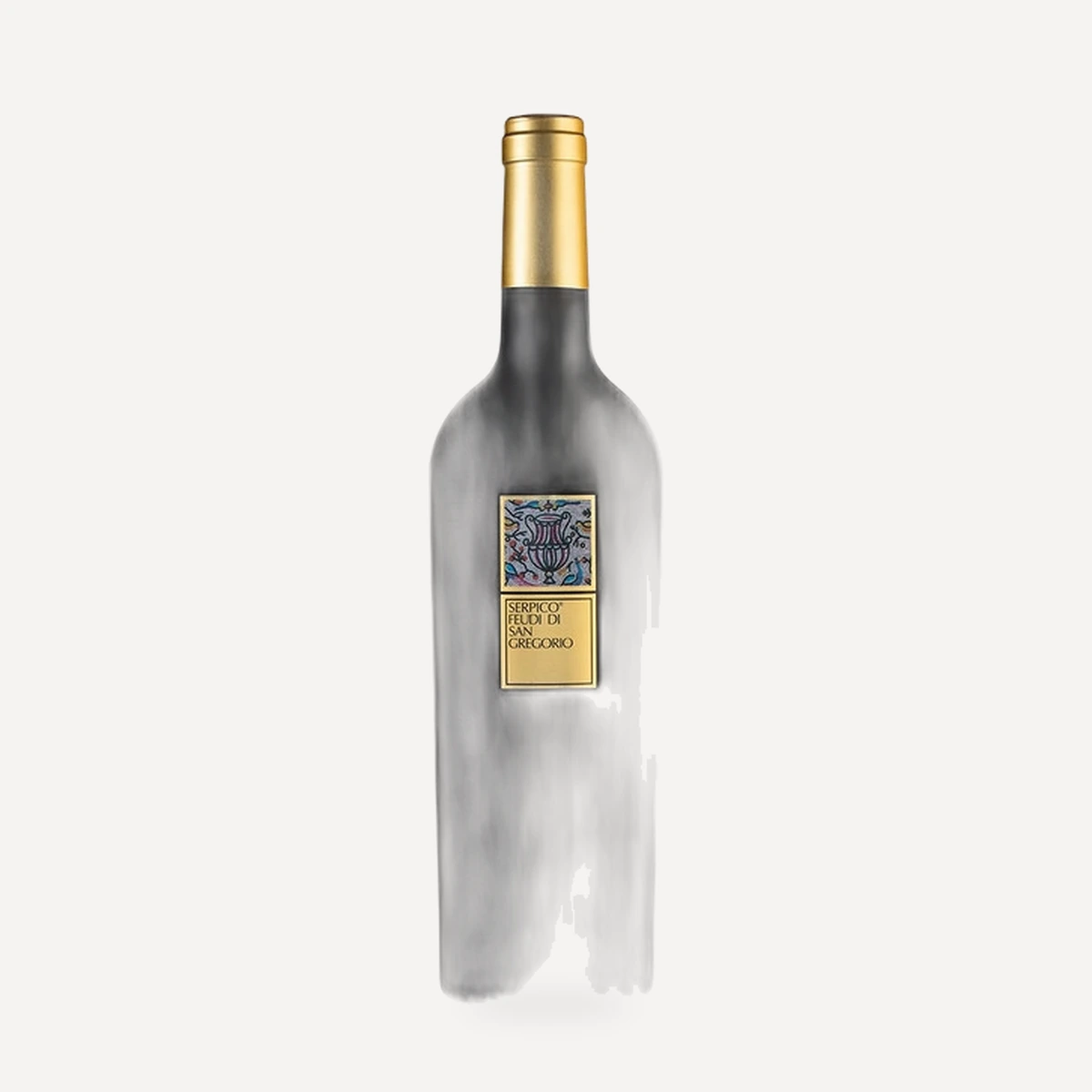
Serpico Irpinia DOC
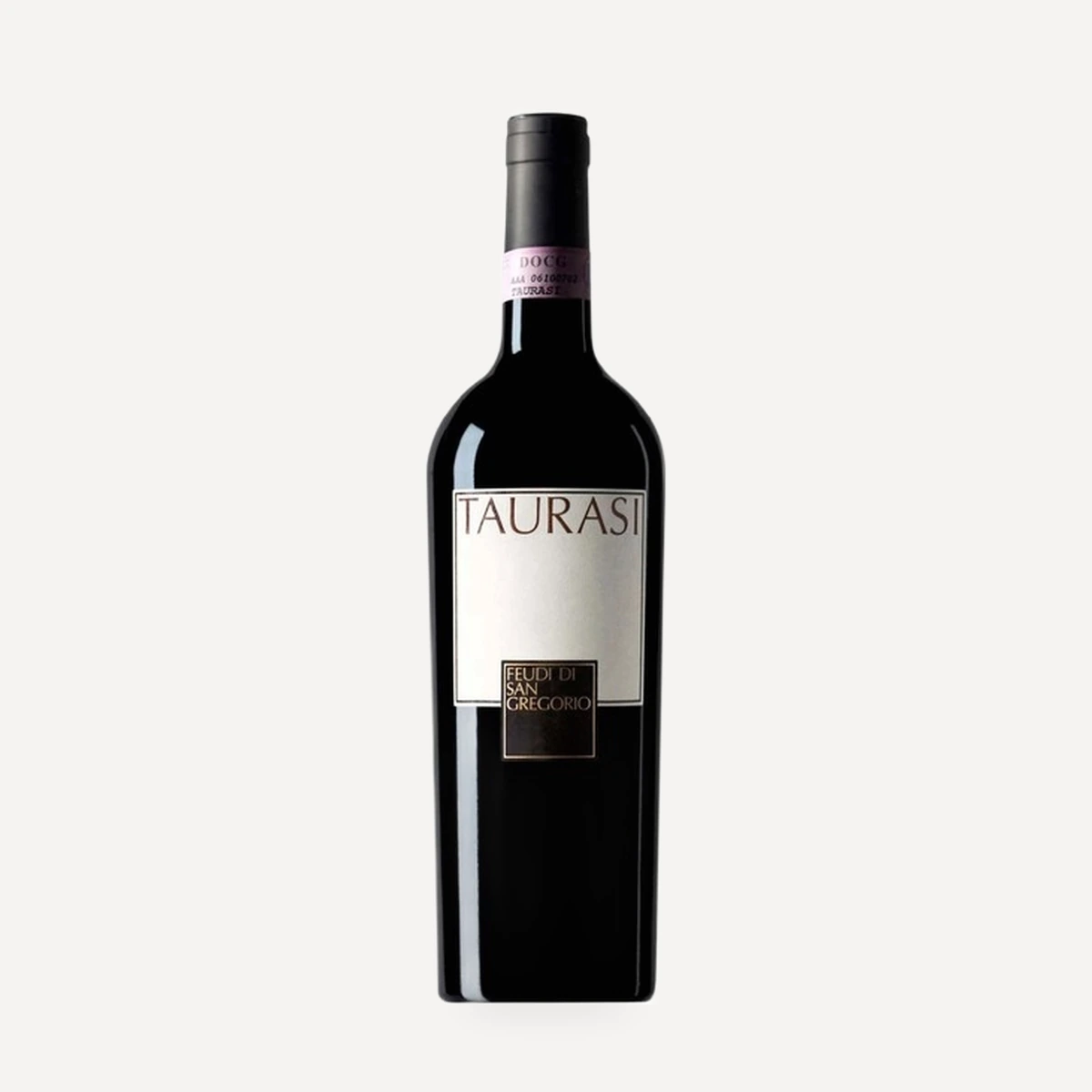
Taurasi DOCG
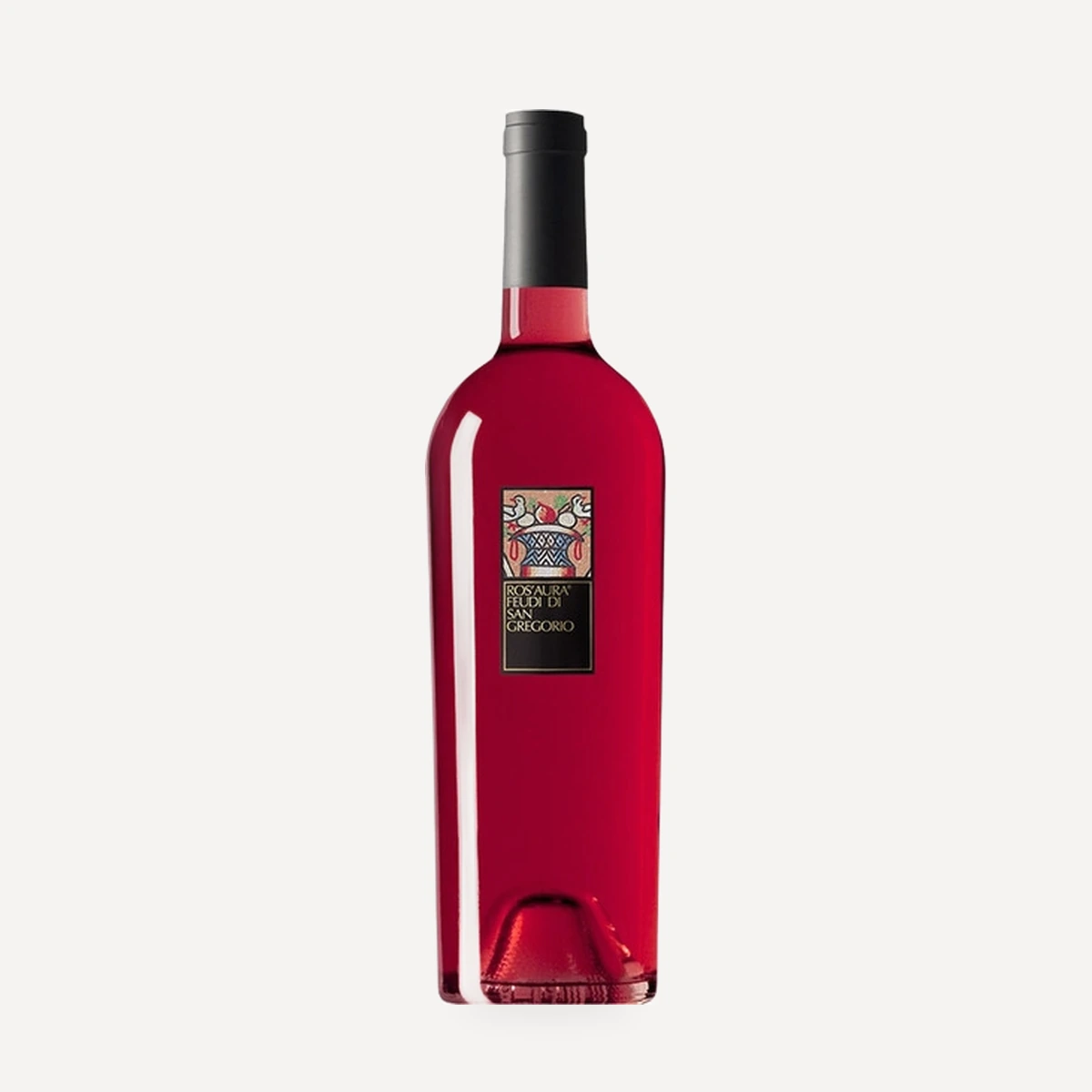
Ros'Aura Irpinia DOC
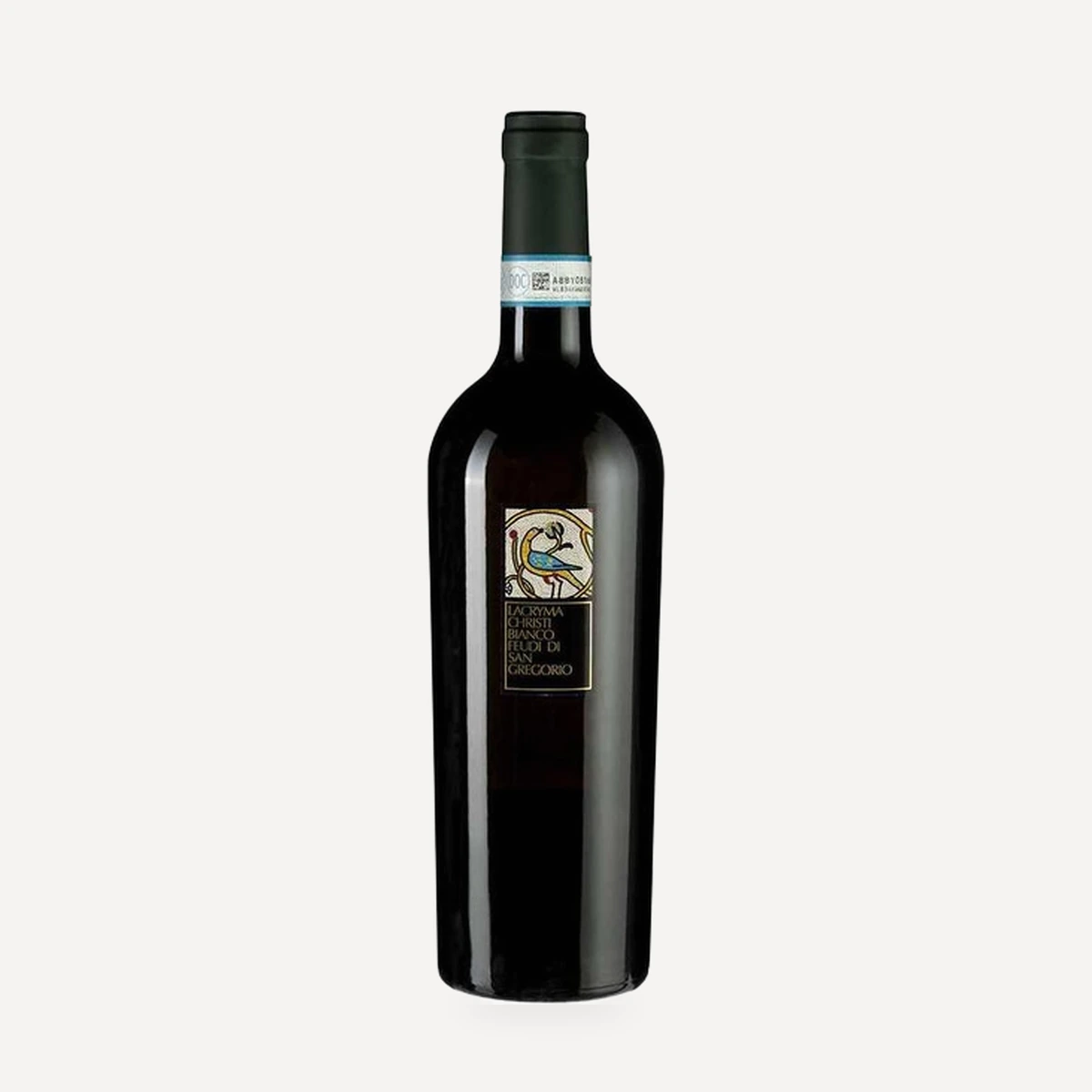
Lacryma Christi Bianco Vesuvio DOC
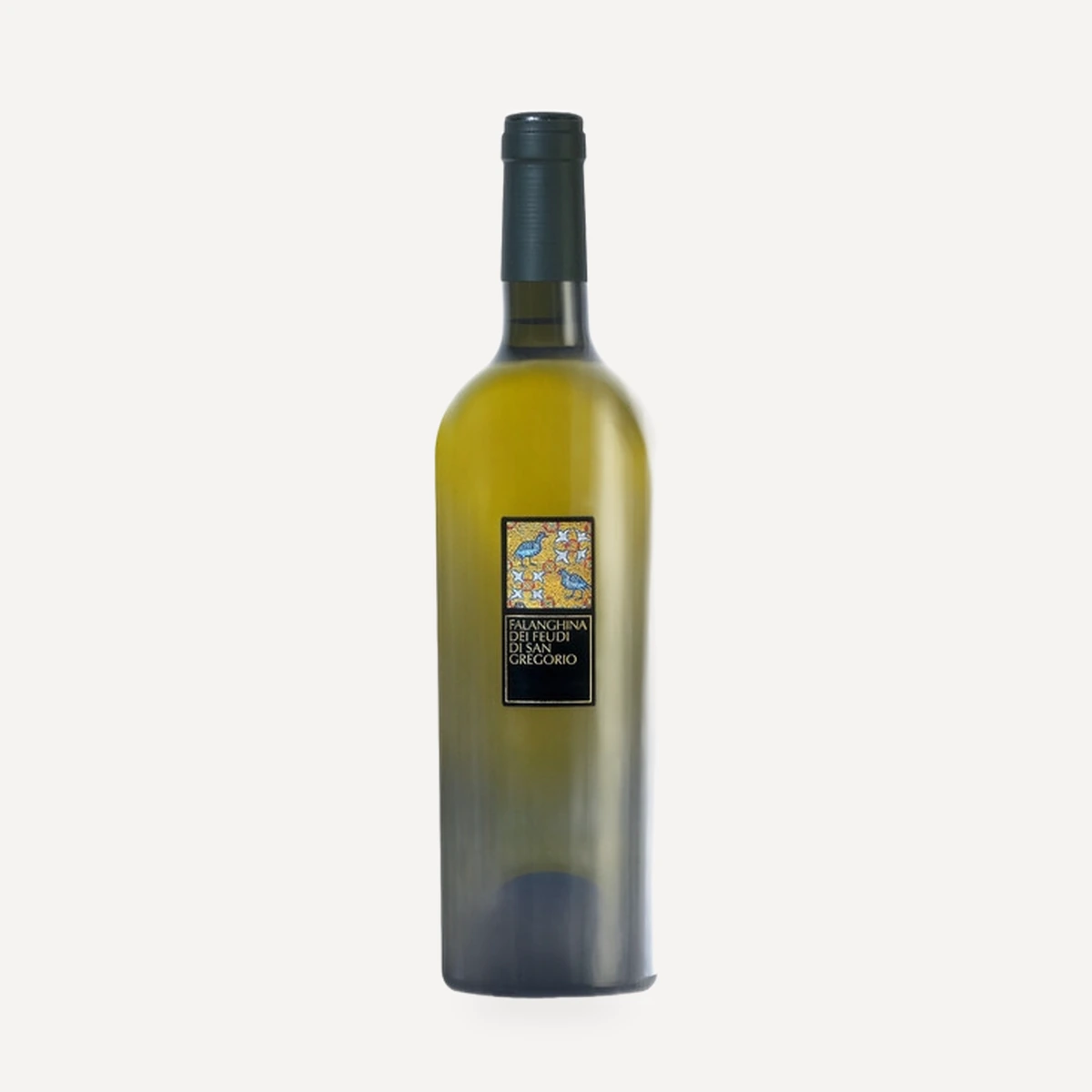
Falanghina DOC
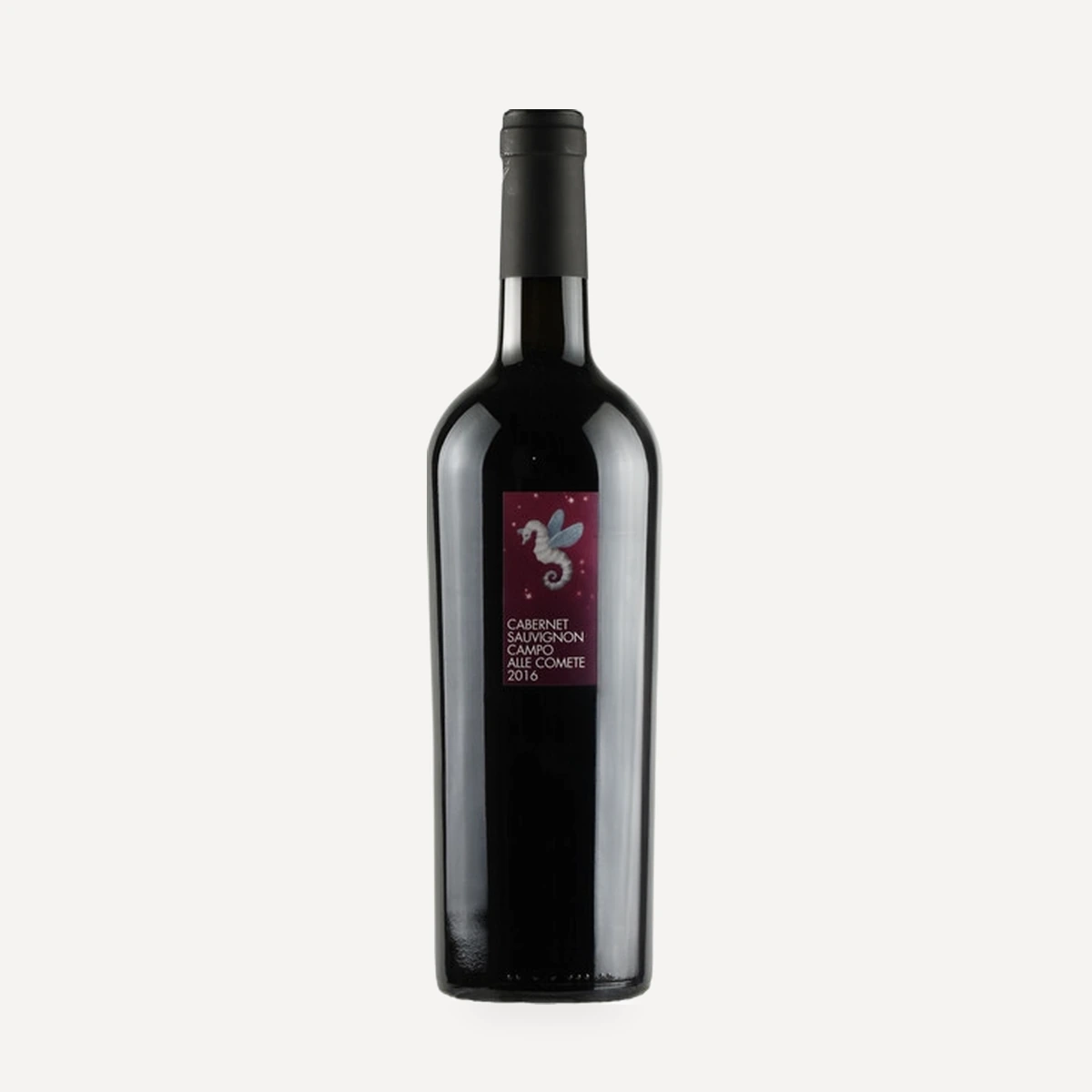
Campo alle Comete Cabernet Sauvignon Toscana IGT
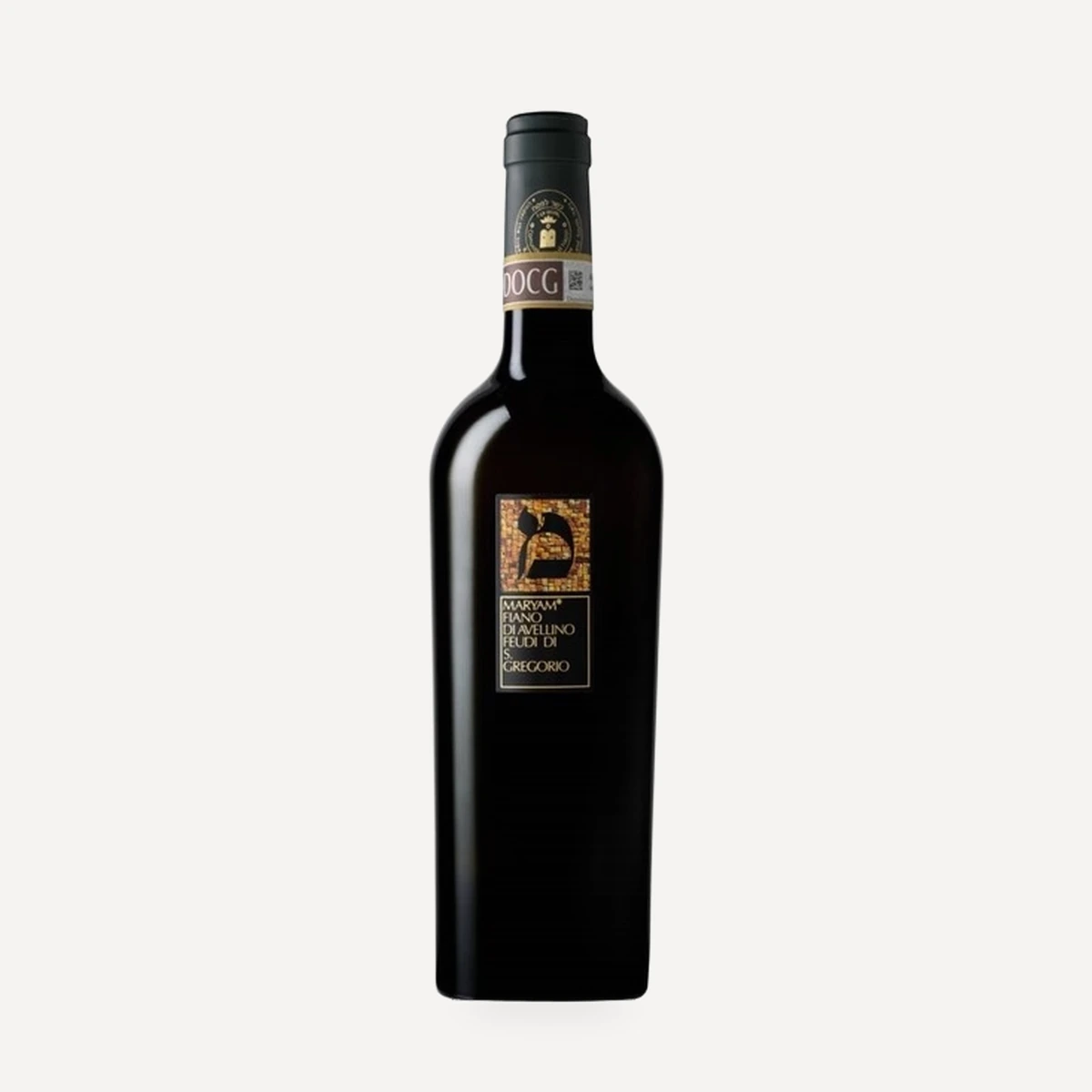
Maryam Fiano di Avellino DOCG
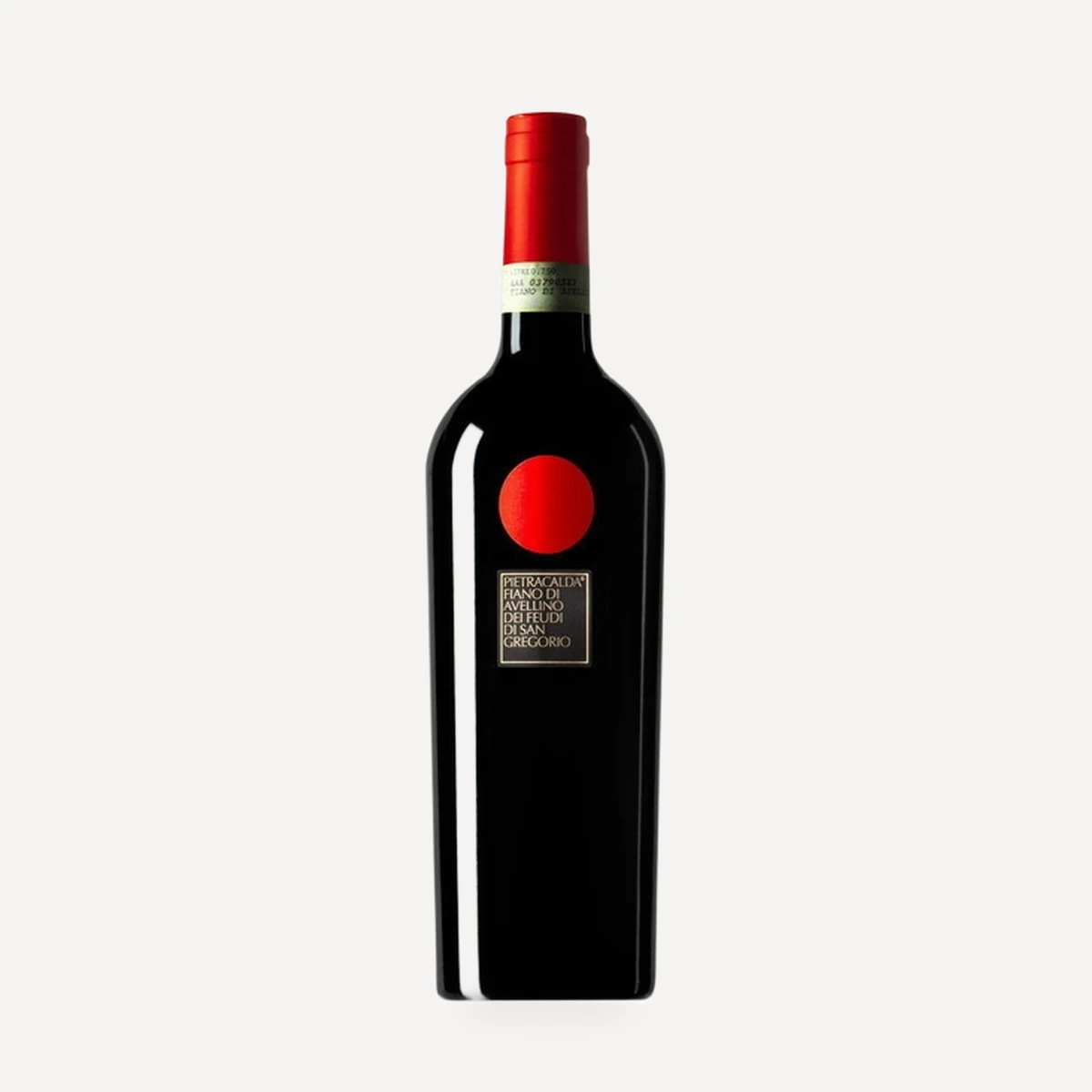
Pietracalda Fiano Di Avellino DOCG
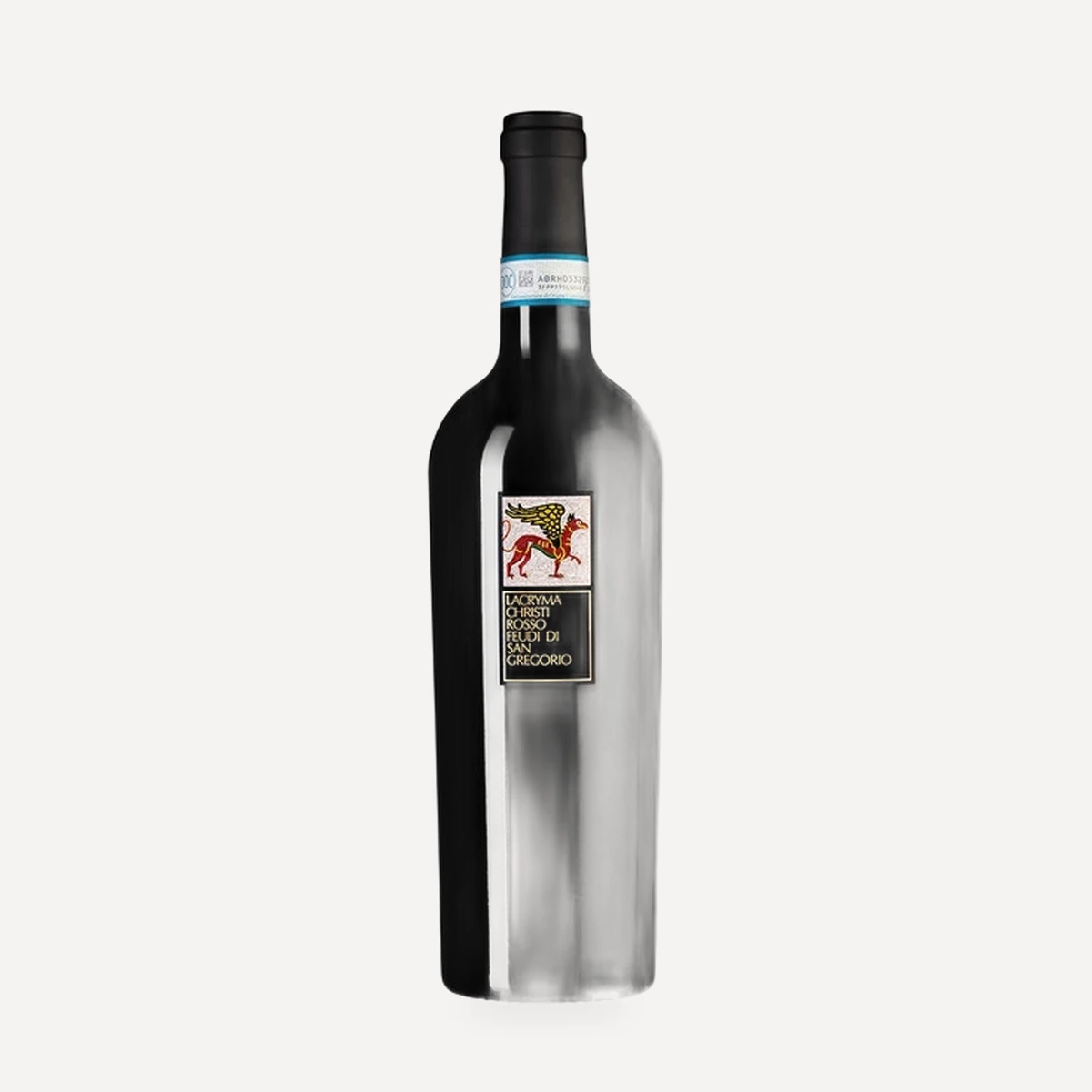
Lacryma Christi Rosso Vesuvio DOC
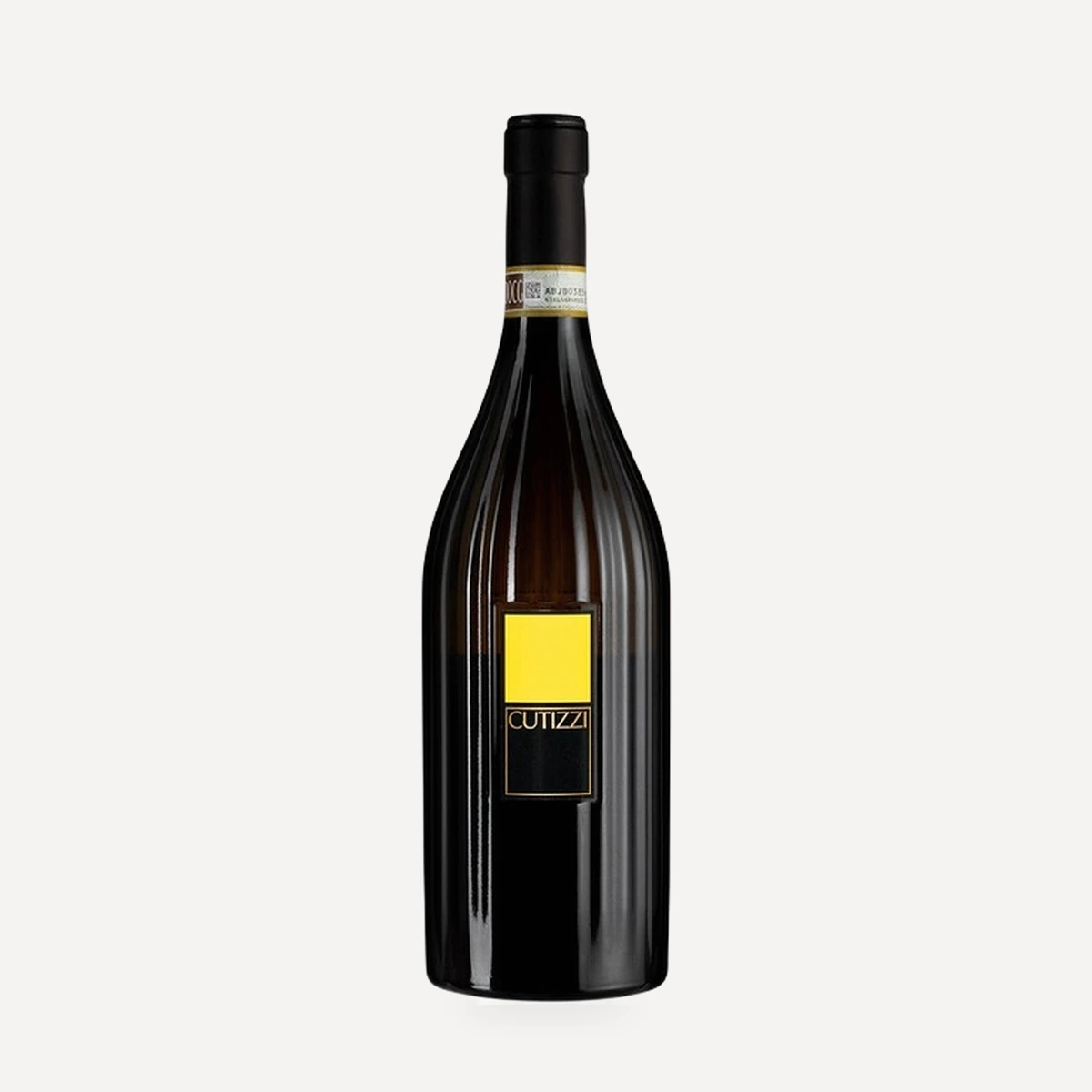
Cutizzi Greco di Tufo DOCG
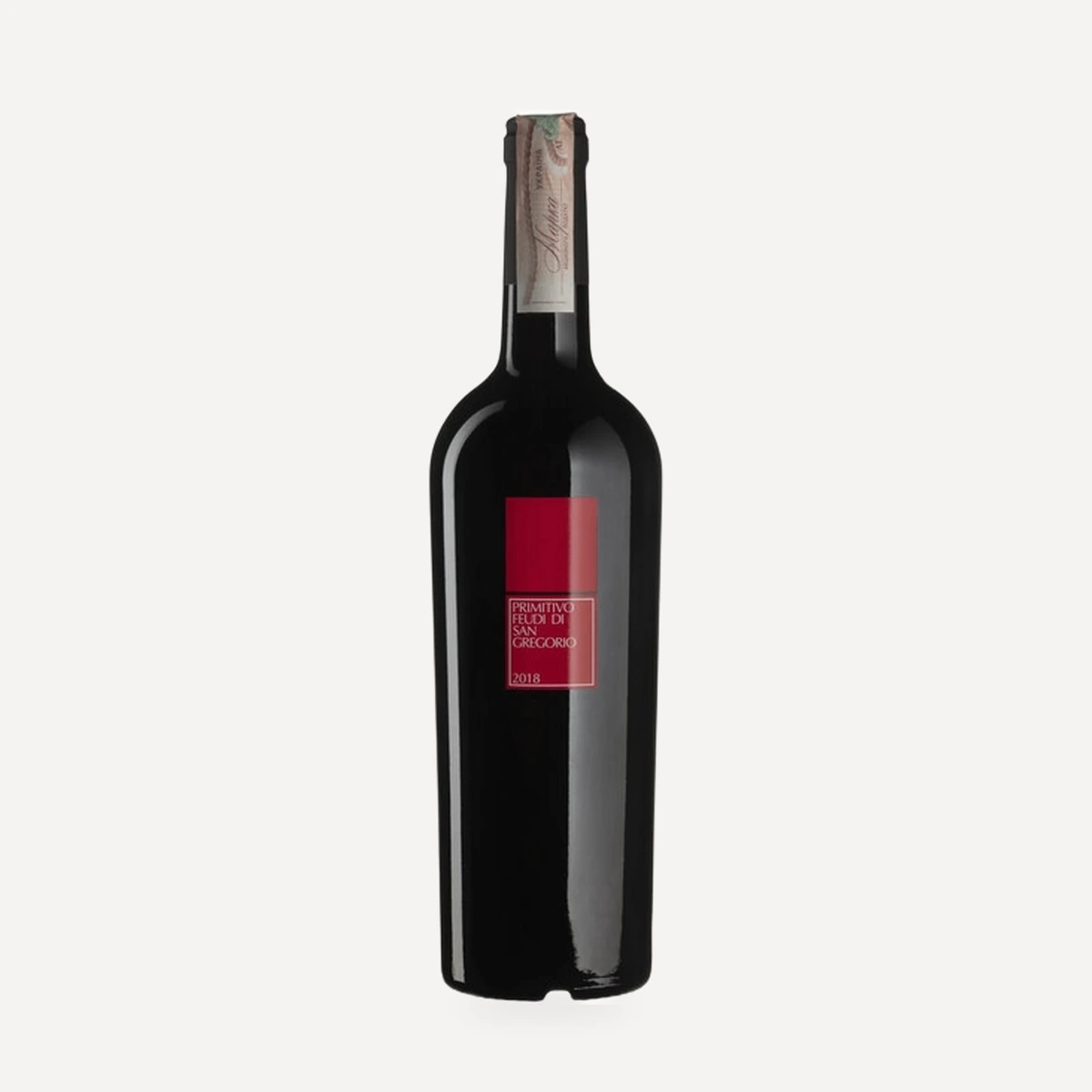
Primitivo di Manduria DOC
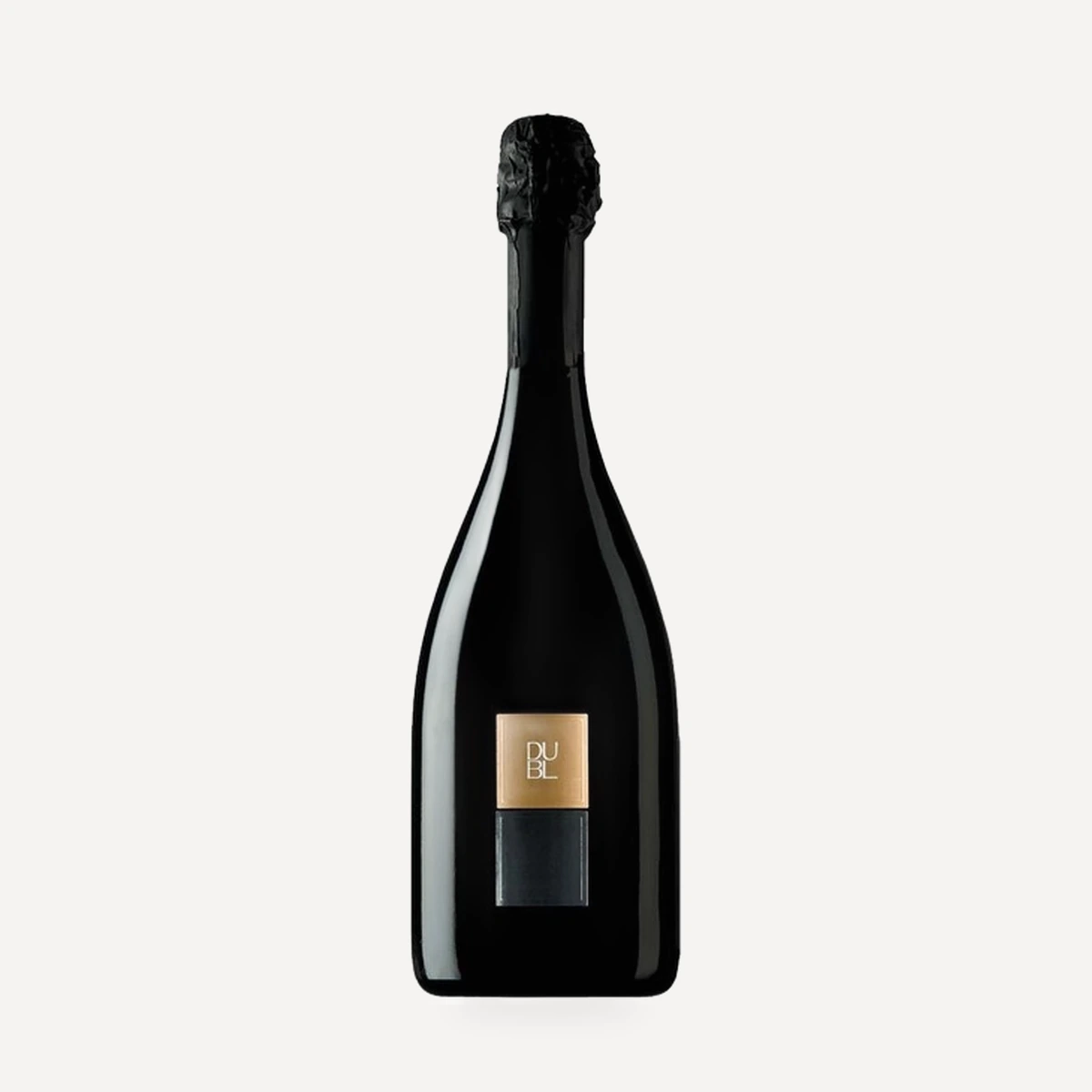
Dubl Falanghina
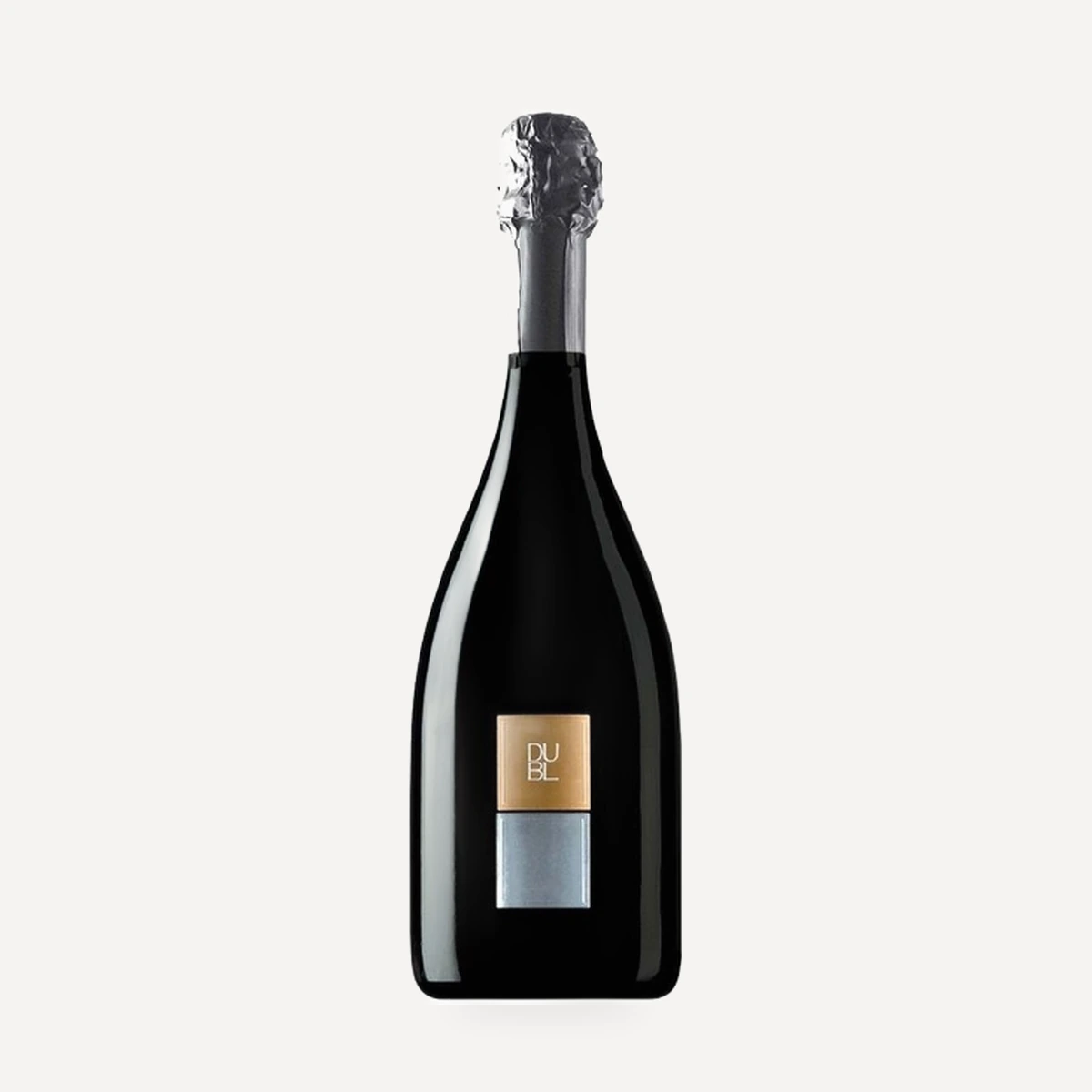
Dubl Greco
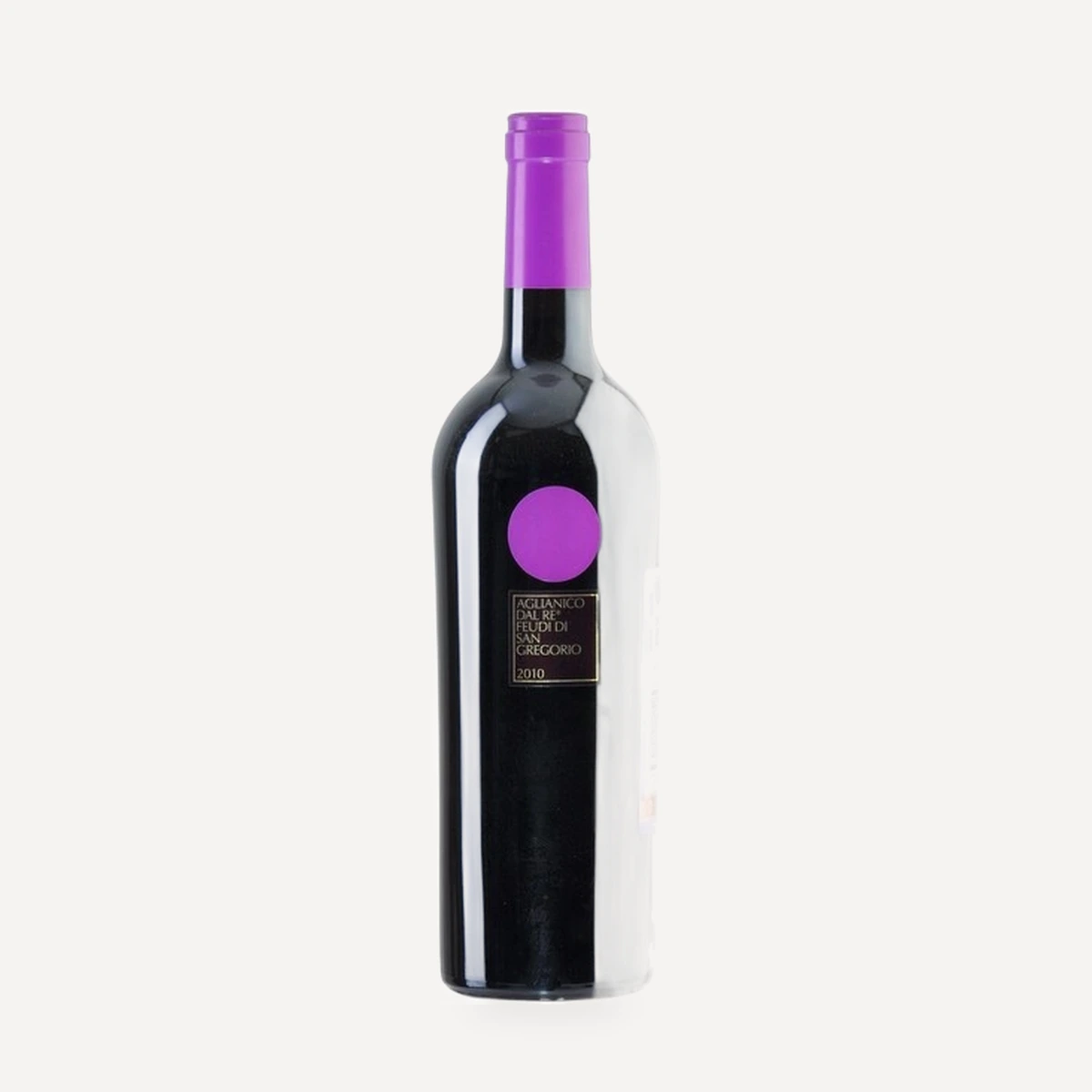
Dal Re Aglianico Irpinia DOC
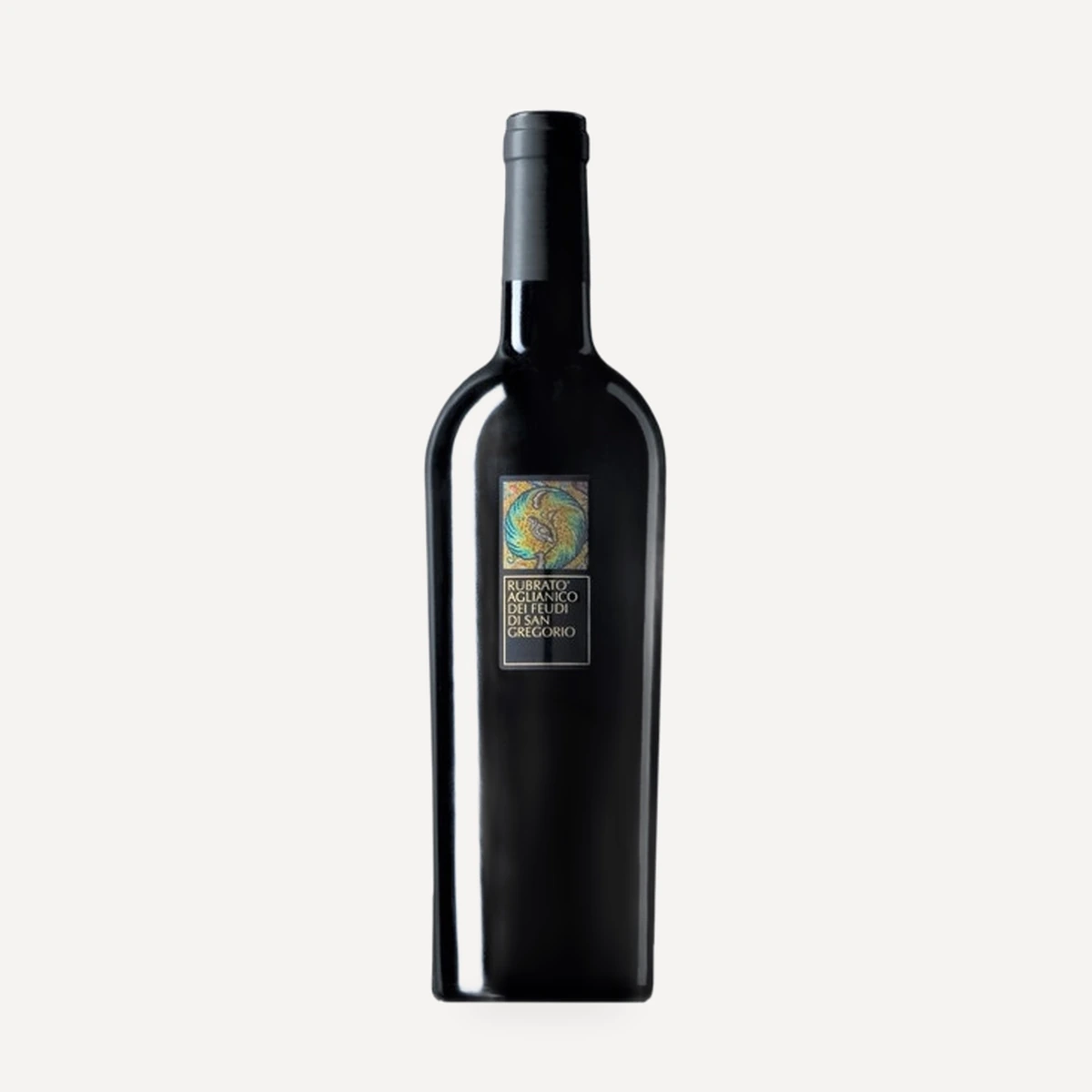
Rubrato Aglianico Irpinia DOC
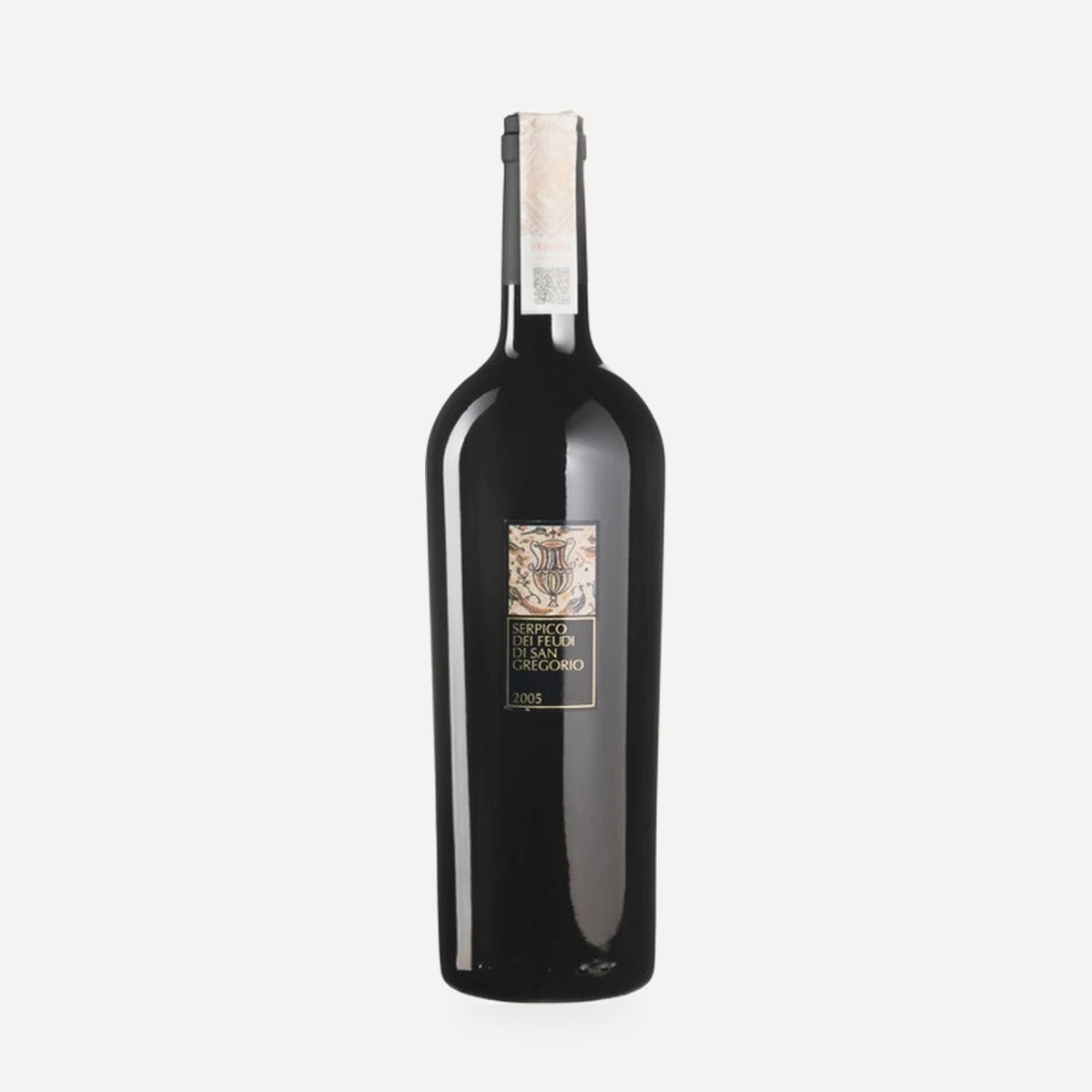
Serpico Irpinia Aglianico IGT
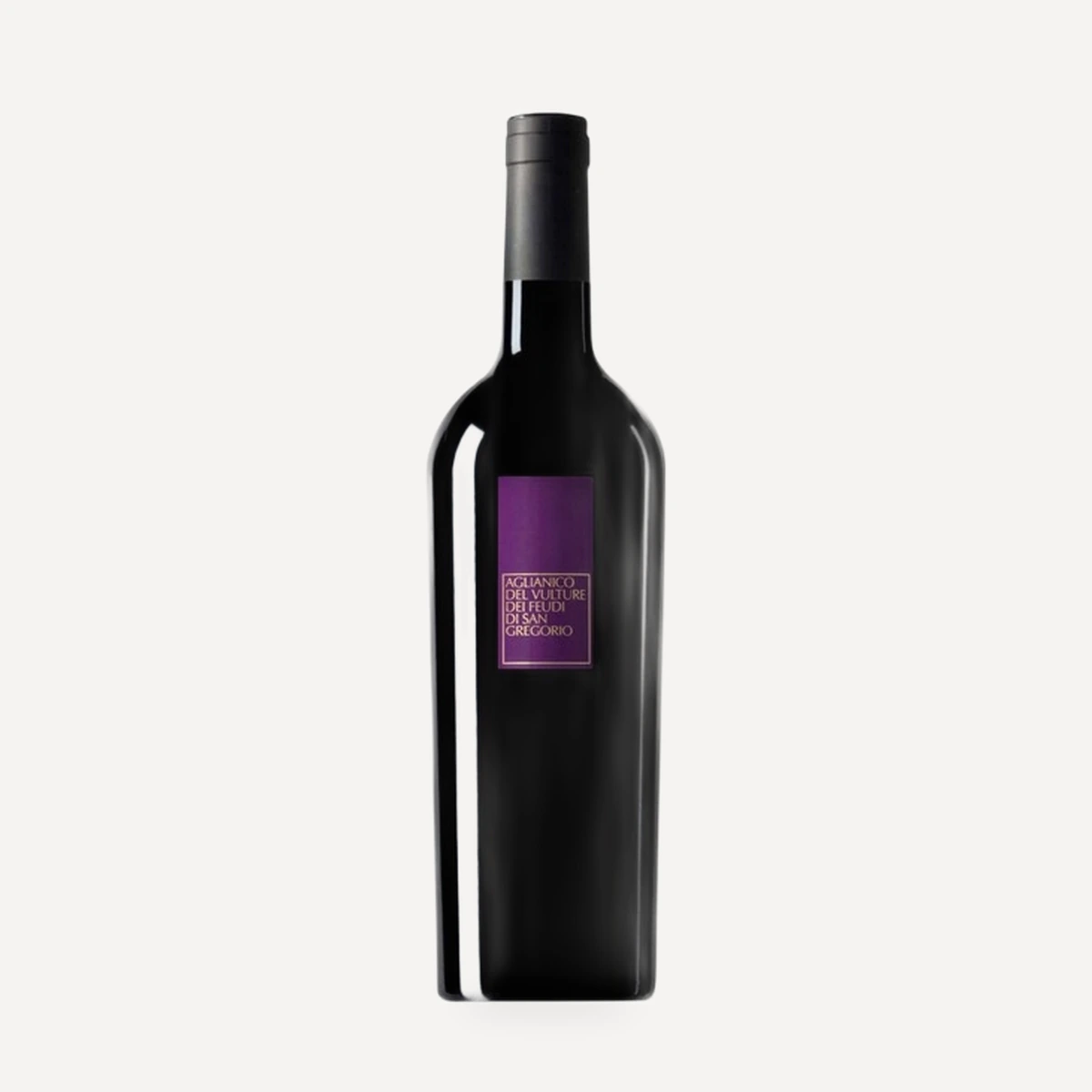
Aglianico del Vulture DOC
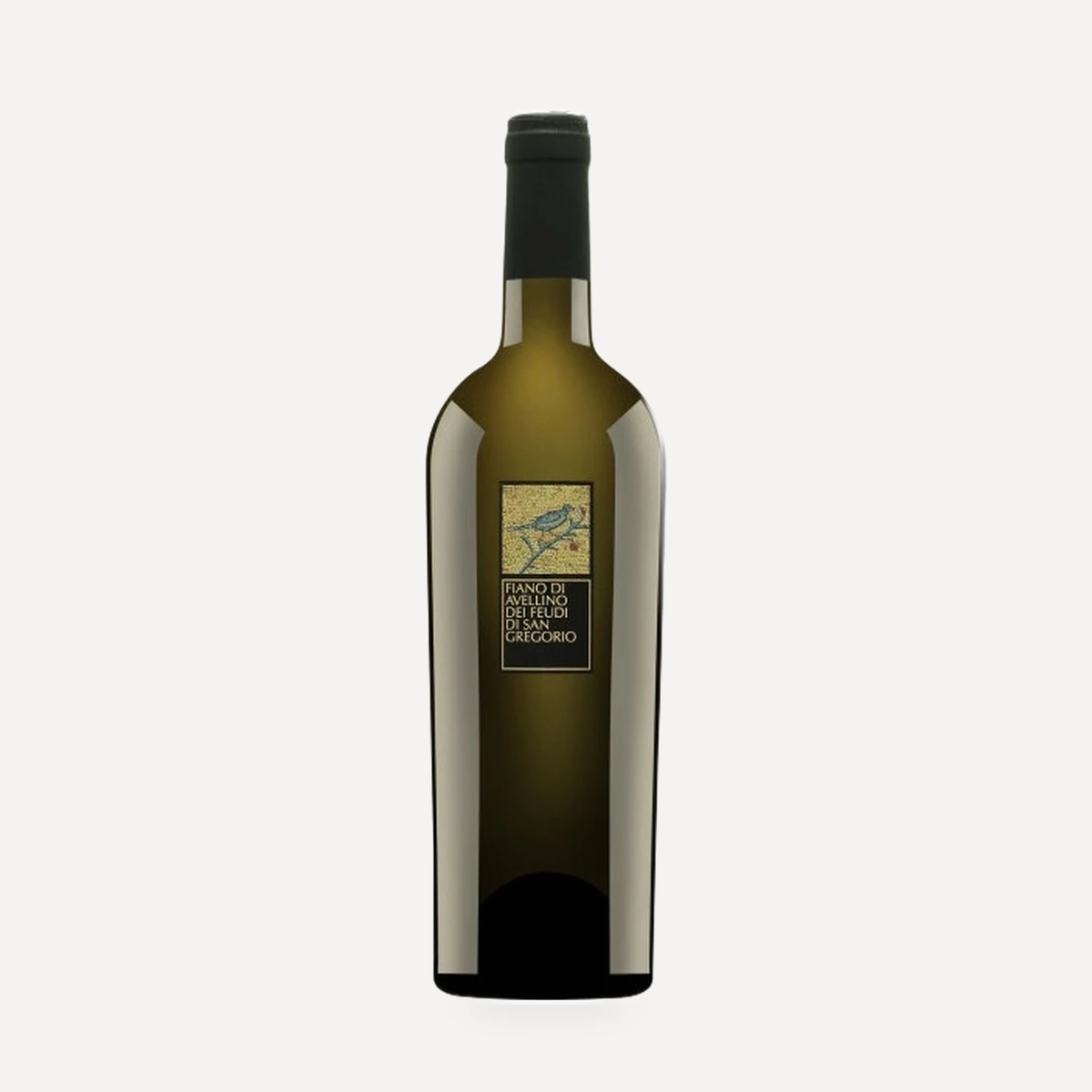
Fiano di Avellino
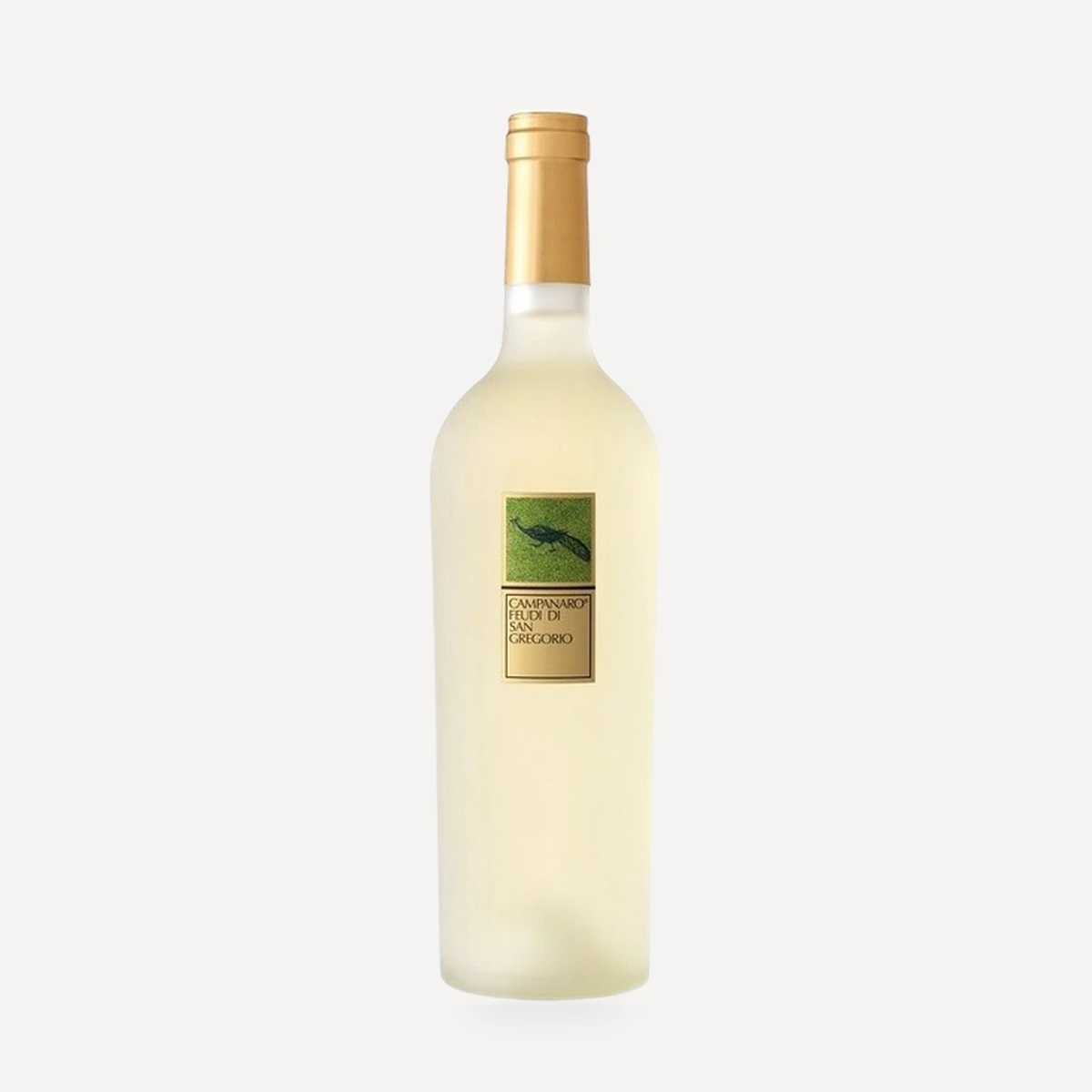
Campanaro Irpinia DOC
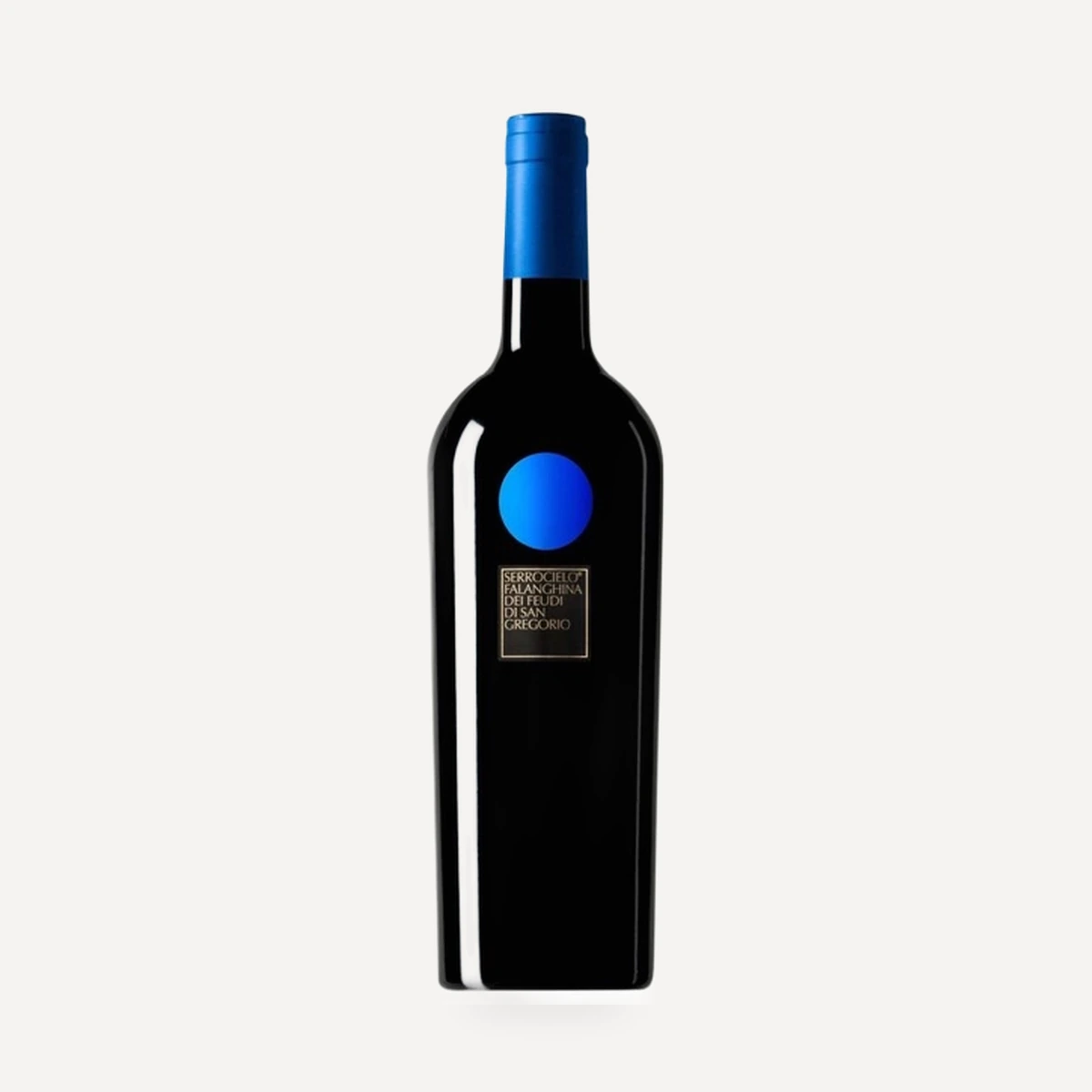
Serrocielo Falanghina DOC
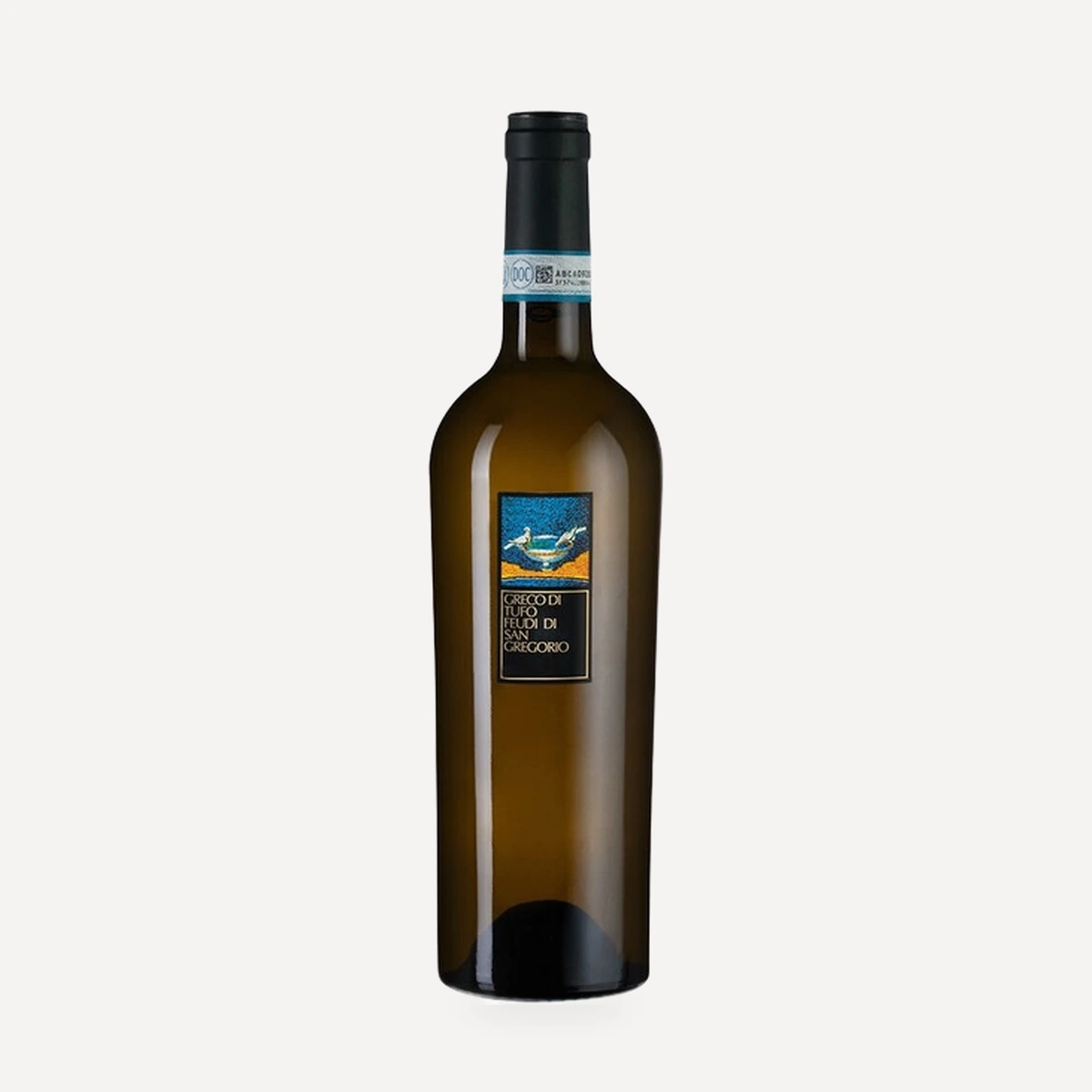
Greco di Tufo DOCG
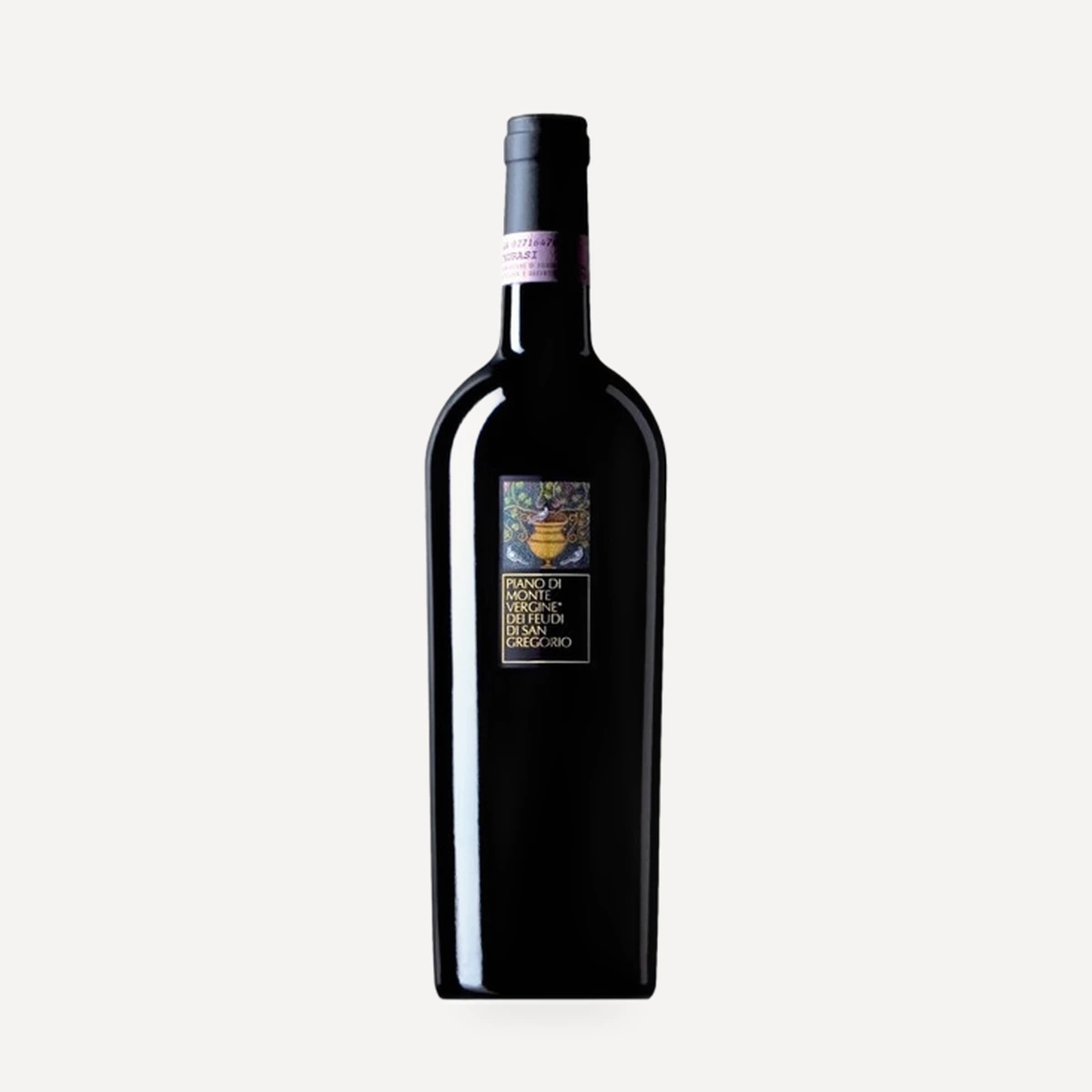
Piano di Montevergine Taurasi DOCG
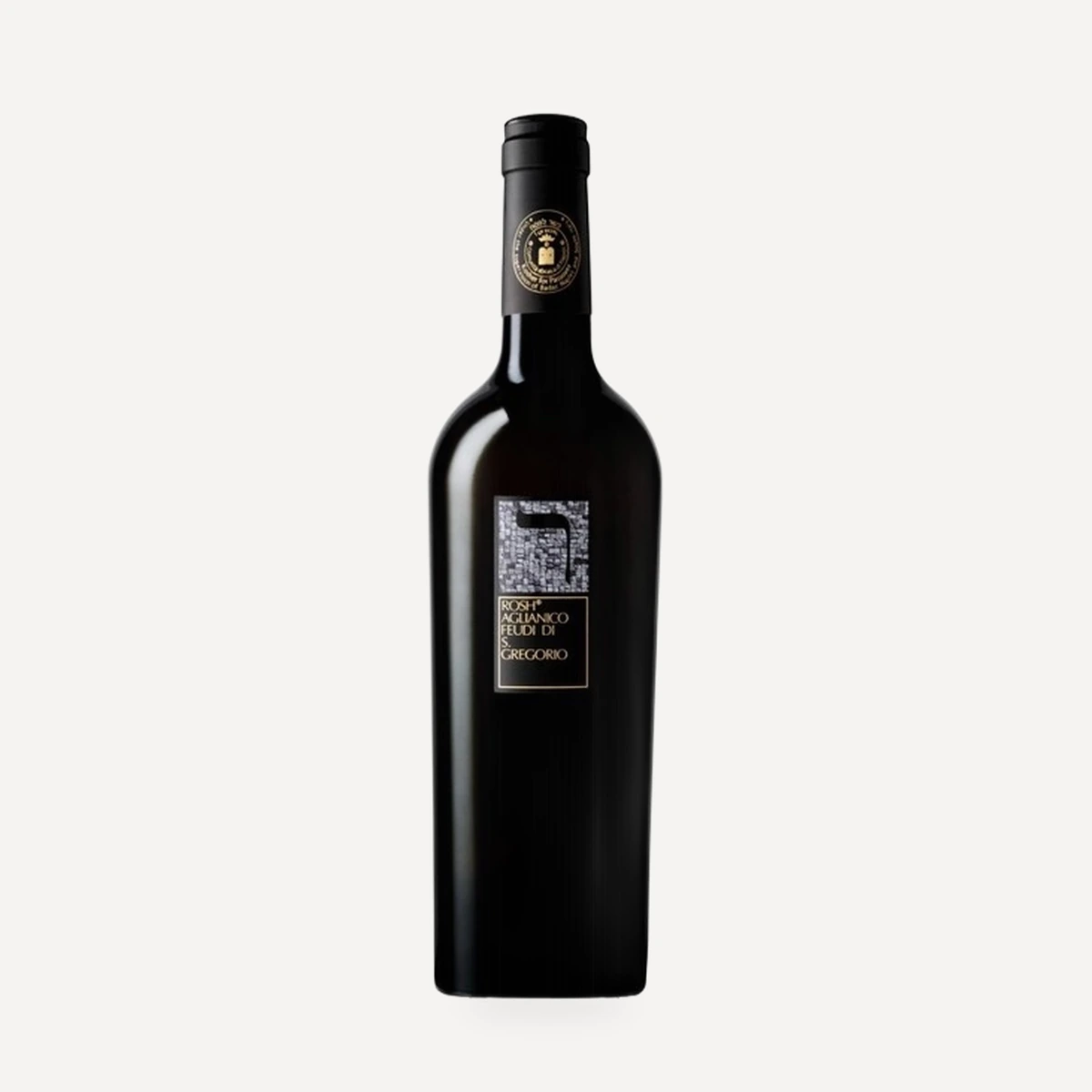
Rosh Aglianico (Kosher)
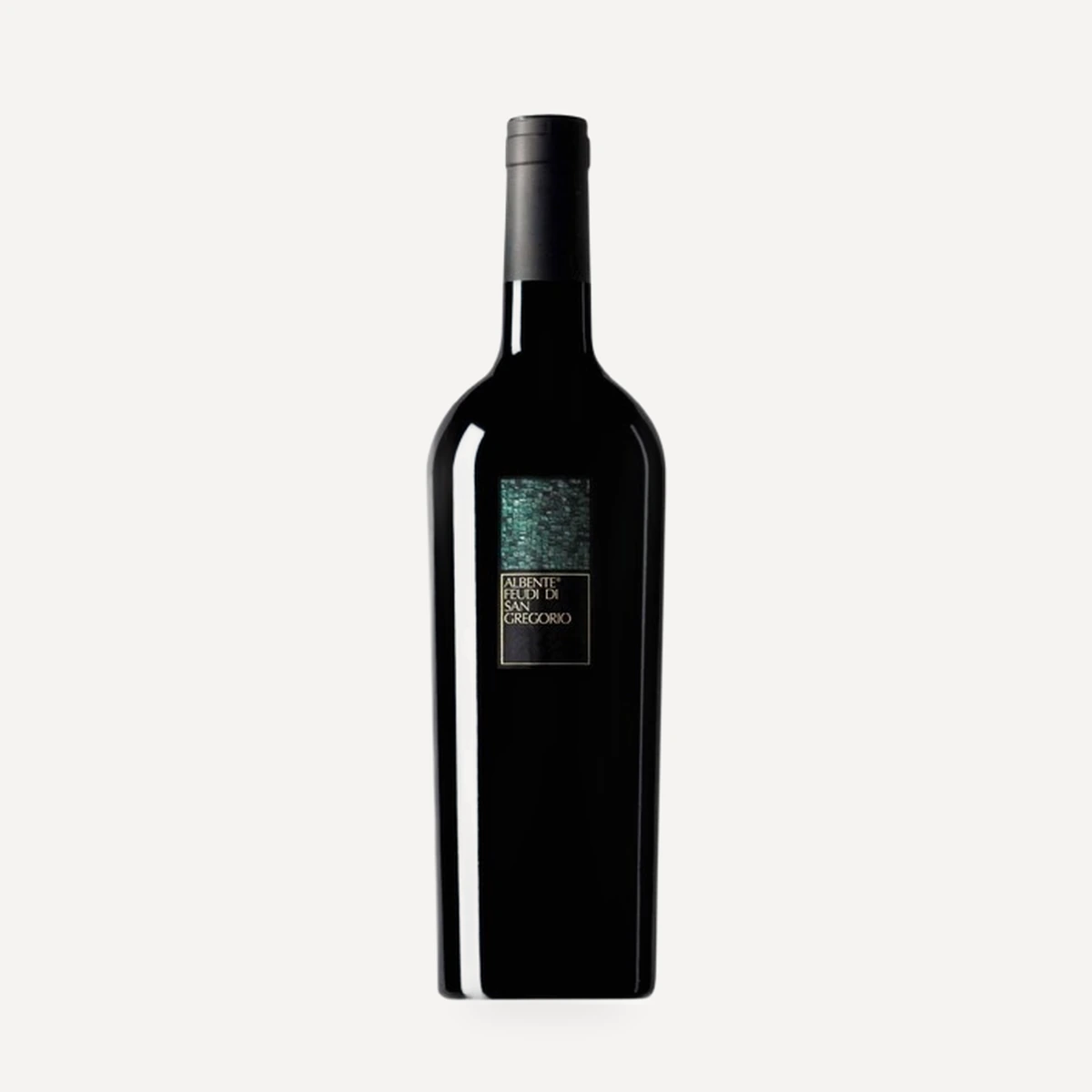
Albente Campania IGT
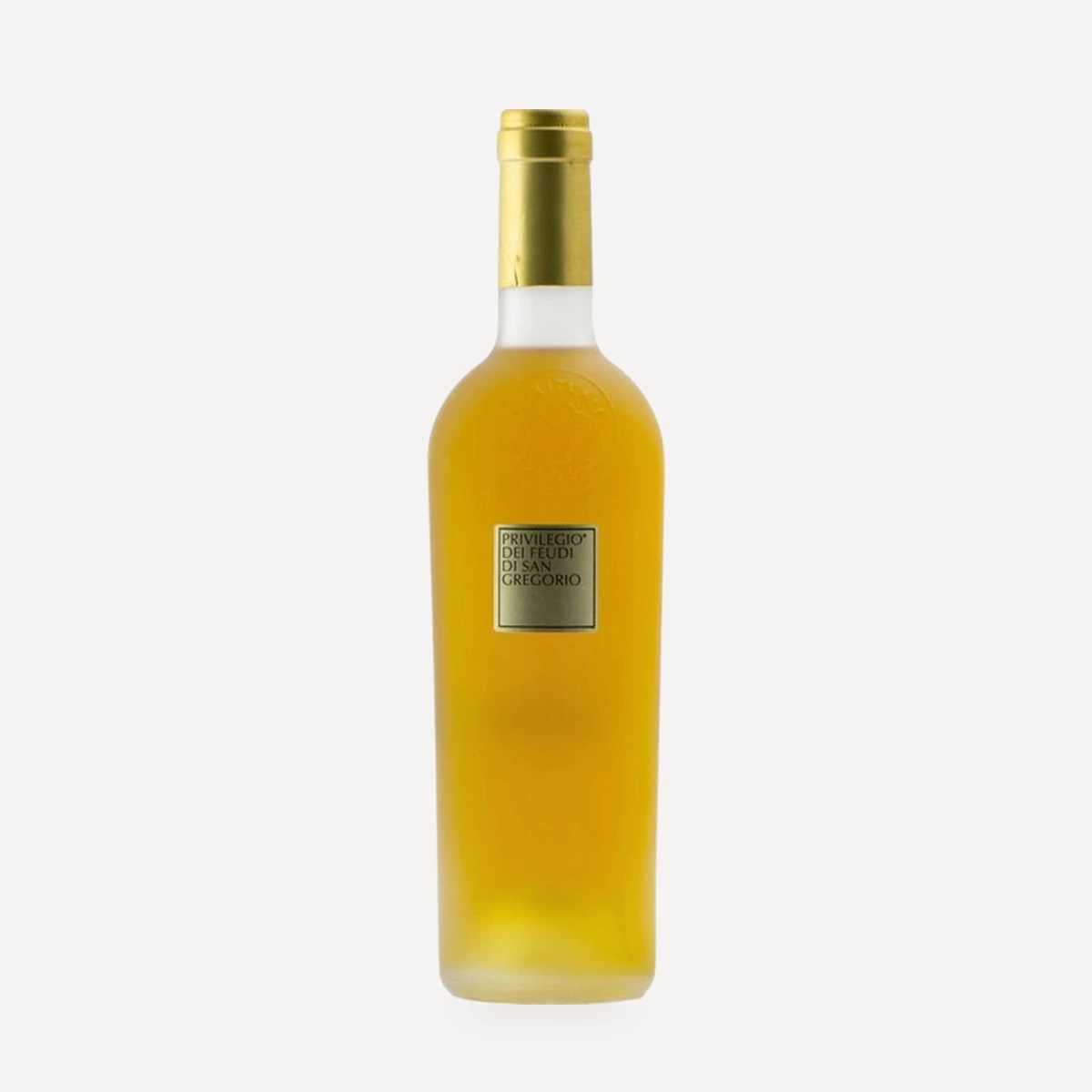
Privilegio IGT