History
Vineyard chronology
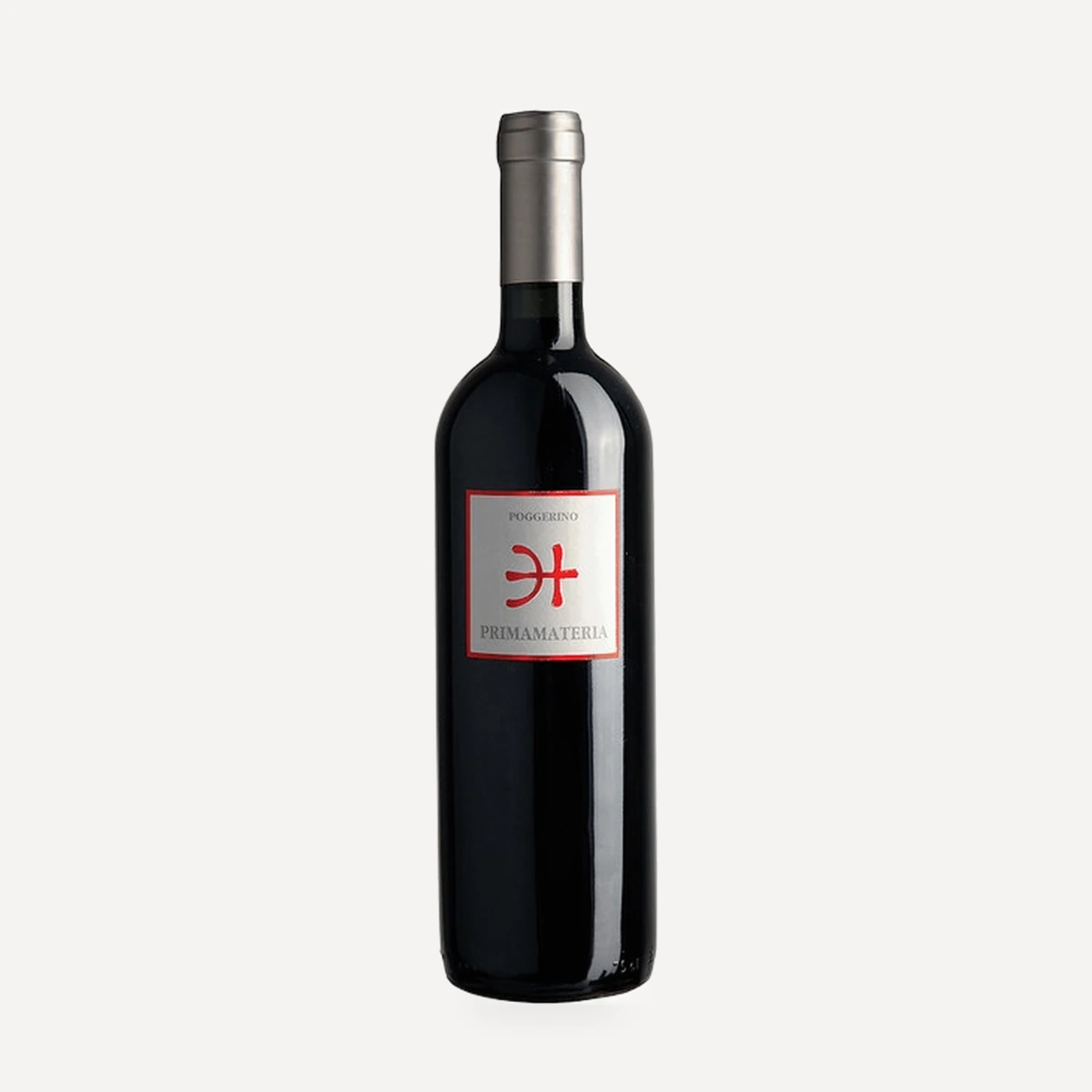
The estate’s dated chronology begins with its vineyards. Vigna Bugialla dates to 1973 and is the oldest specifically identified planting. Other Sangiovese vineyards represented in the current range include plantings spanning 1984–2004 and 1994–2004. The Sangiovese and Merlot components associated with Primamateria were planted in 1996 and 1999 respectively, while another group of Sangiovese vineyards spans 2004–2012.
Present-day estate
Fattoria Poggerino is operated by Piero and Benedetta Lanza through an agricultural partnership bearing their names. The owners directly oversee the chain from vineyard cultivation to vinification and commercialization. Piero combines the roles of winemaker and agronomist, while Benedetta has been responsible for the agritourism operation.
The vineyard holding now covers approximately 11 hectares. Sangiovese is the principal variety and remains the focus of most new planting, while approximately one hectare is planted with Merlot. All Poggerino wines are made exclusively from fruit grown in the estate vineyards.
Terroir
The vineyards lie at 400–500 metres above sea level in Radda in Chianti, with south to south-west exposures.
Their soils contain an abundant stony skeleton formed through the breakdown of galestro rock. The high proportion of stone provides effective natural drainage. Poggerino regards this combination of elevation, exposure and freely draining galestro-derived soil as particularly well suited to Sangiovese.
Winemaking
Organic cultivation
Poggerino’s farming is organized around increasing biodiversity, biological activity and natural cycles. Because repeated harvests can gradually deplete vineyard soils, the work focuses on sustaining biological vitality, structure and mineral content, with the aim of establishing a natural balance and producing healthy fruit that retains the character of its place.
No herbicides or pesticides are used. Weeds are removed mechanically, while Bacillus thuringiensis provides biological control against pests. Synthetic fungicides are excluded; disease protection is limited to mined sulfur and a minimal quantity of copper.
Chemical fertilizers are also excluded. Fertility is supported with composted manure obtained from a neighbouring organic farm. Annual green-manure crops are sown throughout the vineyards, olive groves and vegetable garden. These crops nourish the soil, improve its structure, provide habitat for beneficial insects and help suppress unwanted vegetation.
Tractor passages through the rows are kept to a minimum to avoid compaction and preserve soil structure. After a vineyard is uprooted, the land is rested for seven to nine years and sown annually with green-manure crops, allowing the soil to regenerate before replanting.
New Sangiovese vineyards use carefully selected clones characterized by small clusters and berries and a favourable skin-to-must ratio. Vineyard work is directed toward bringing healthy grapes into the cellar at full maturity. Harvesting for the wines represented in the estate range is manual, with timing varying from late August through early October according to grape and intended use.
All stages of production—from vineyard cultivation through vinification and commercialization—are managed directly by the owners. Wines are produced exclusively from grapes grown in Poggerino’s approximately 11 hectares of estate vineyards.
The production approach begins with intensive vineyard work intended to deliver healthy grapes at their fullest appropriate maturity. This fruit quality is treated as the foundation for wines that preserve the identity of the estate’s terroir. The intended balance combines natural concentration and capacity for ageing with supple tannins that also allow enjoyment when young.
Philosophy
Poggerino places Sangiovese at the centre of its identity. The variety dominates the vineyard area and remains the priority for most new plantings, where selected clones are used to explore its potential under the estate’s conditions.
The declared philosophy begins with particularly rigorous vineyard work. Healthy, fully mature grapes are regarded as essential to making wines with recognizable style and character while respecting the estate’s terroir. Direct owner involvement across cultivation, vinification and commercialization keeps this philosophy connected to every stage of production.
The stylistic objective is to unite the natural concentration needed for longevity with sweet, approachable tannins that make the wines enjoyable without requiring prolonged ageing.
Environmental responsibility is treated as an active programme of soil regeneration rather than simply the exclusion of synthetic inputs. The estate seeks to increase biodiversity, biological activity, soil structure and mineral reserves; green manuring, composted organic manure, low tractor traffic and long fallow periods between vineyard cycles all serve that objective.
Wines
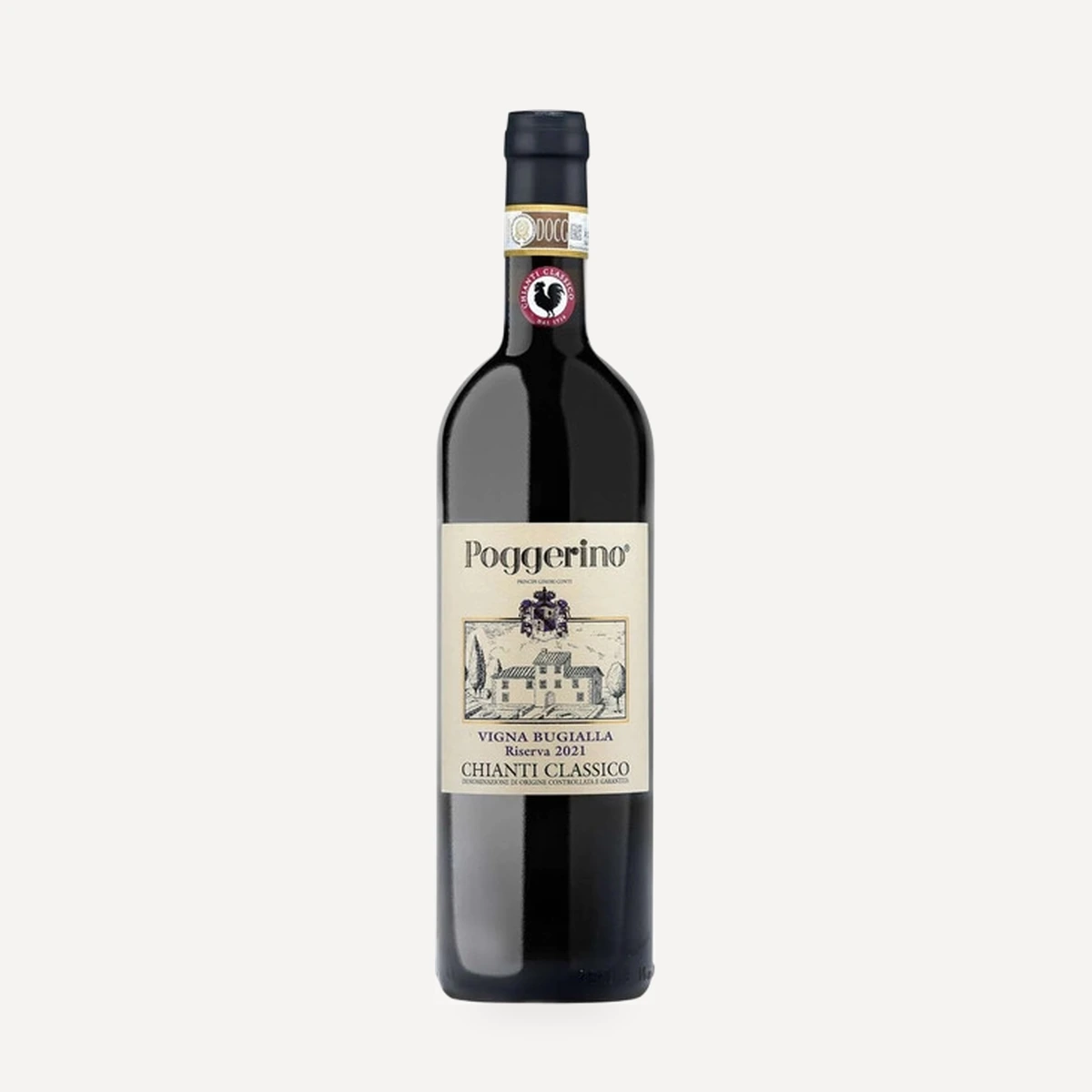
Poggerino Chianti Classico Riserva Vigna Bugialla
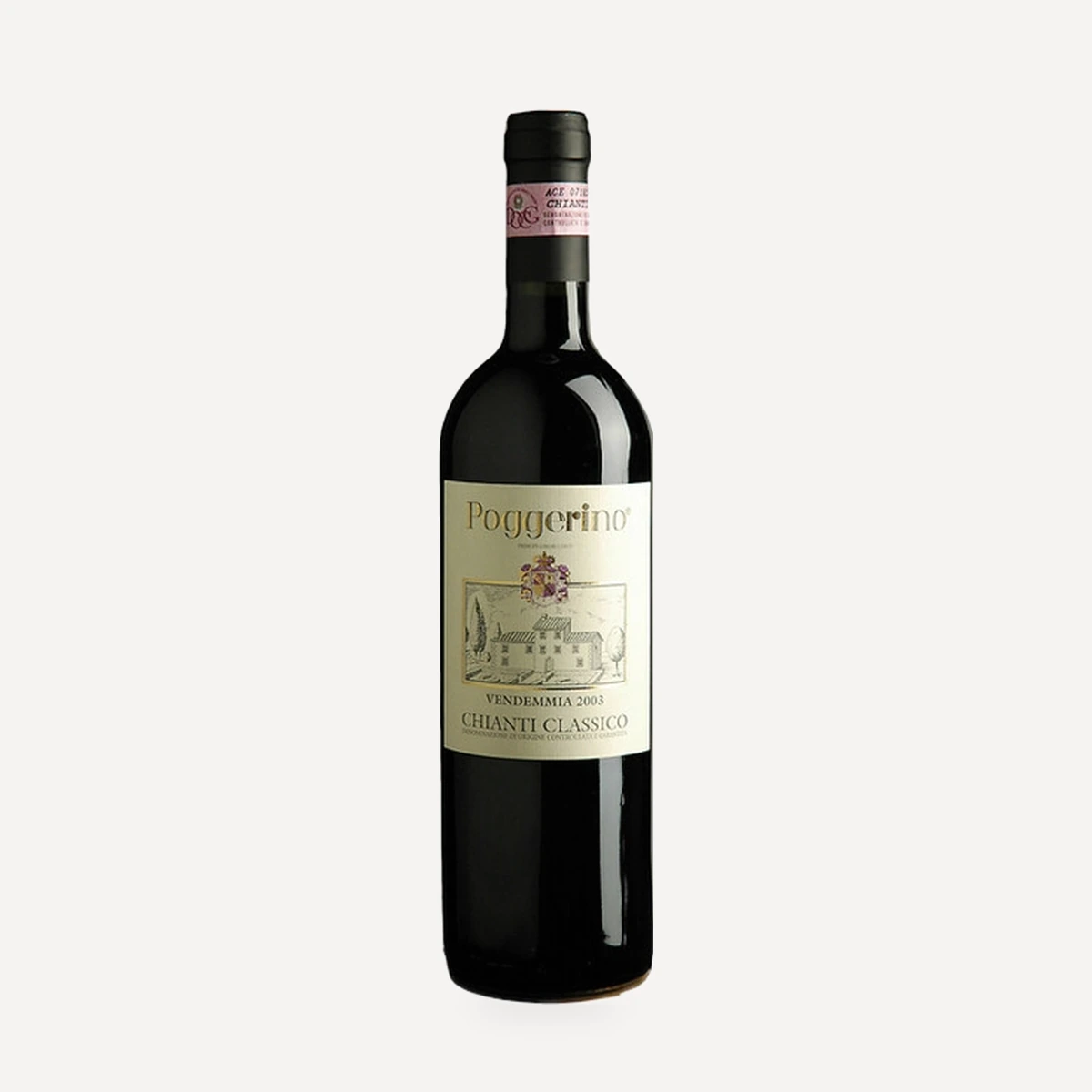
Poggerino Chianti Classico