History
1945–1955: arrival in Annunziata and the first replanted vineyards
Immediately after the Second World War, Giovanni Revello and Caterina Tezzo moved from Cherasco to L’Annunziata, a hamlet of La Morra, with their children Ercole, Maria and Giacomo Revello. In 1954 the family rented a farmhouse belonging to the Parish of S. Martino in La Morra. Giovanni, assisted by Ercole and Giacomo, began replanting vineyards in 1955. At this stage the entire grape harvest was sold rather than vinified by the family.
1967–1984: the first Barolo and the acquisition of vineyard land
The exceptional 1967 vintage prompted the family to vinify part of its harvest for the first time. The result was the first bottle of Barolo bearing the name Giovanni Revello & Figli. The year also brought a generational milestone: Giacomo Revello married Mariarosa Ferrero in June, and their first son, Lorenzo, was born in December. Their second son, Carlo, followed in 1969.
In 1971 the family purchased land in the Gattera cru. Part of the property was used to build a farmhouse, and the whole family moved there. In 1984 Giacomo and Ercole rented land in the Conca cru; that land was later purchased by Giacomo’s sons, Lorenzo and Carlo.
1990–1993: Lorenzo and Carlo take over
After gaining professional experience elsewhere, Lorenzo and Carlo assumed responsibility for the family estate in 1990. They complemented wine production with a family restaurant: Mariarosa and Carlo worked in the kitchen, while Lorenzo and his future wife, Luciana Veglio, managed the dining room. Lorenzo and Luciana married in 1991, the year their daughter Elena was born.
A decisive technical influence arrived in 1992 through family friend Elio Altare. He encouraged the young brothers to capitalize on their vineyard position and offered practical guidance. Lorenzo and Carlo adopted his teachings, initiating a substantial improvement in wine quality.
1994–1999: separate vinification of individual vineyards
The estate began isolating its principal vineyard expressions during the 1990s. Giachini was vinified separately for the first time in 1994, when Barbera d’Alba Ciabot du Re was also produced for the first time. Lorenzo and Luciana’s son Simone was born in 1995. Separate vinification of Rocche dell’Annunziata began in 1996, followed by Conca in 1997 and Gattera in 1999.
The nonprofit L’Insieme project was launched in 1997.
2001–2003: changes in élevage, hospitality and the winery
The first 15-hectolitre barrels were purchased in 2001, after which Barolo Gattera was matured in large barrels. In the same year, the family closed the restaurant and converted the hospitality activity into rooms offering Bed & Breakfast accommodation. The winery was enlarged in 2003, when a new panoramic tasting room was also constructed.
2012–2016: Cerretta and the next generation
In 2012 the estate rented the Cerretta vineyard in Serralunga from Luciana’s father. Cerretta was vinified separately for the first time in 2013. Elena joined the estate in 2015.
In 2016 Lorenzo and Carlo divided the estate to make it easier for their respective children to enter the family businesses. Simone joined the family estate in the same year, establishing a working generation alongside Lorenzo, Luciana and Elena.
Terroir
Most of the vineyards lie around Annunziata, a hamlet of La Morra, with Cerretta as the sole holding outside that municipality. The Annunziata sites described in technical detail occupy elevations between approximately 230 and 270 metres and encompass east-, west-, south-, southeast- and southwest-facing slopes. Their soils are predominantly calcareous clay.
Annunziata and its individual sites
Conca forms a small, sheltered basin beside the road descending from Annunziata toward the valley floor. Its protected position creates a distinctive, favourable microclimate, while the vineyard faces south at approximately 250 metres. Red Anemone coronaria grows spontaneously between the rows in spring.
Gattera has a complex topography across the Annunziata hillside, with the wider mention ranging from southeast and southwest to northeast exposures. The estate’s approximately one hectare is divided into two distinct sections: one beside the winery and another on the historically named Turna Lunga hill. A prominent cedar of Lebanon stands above Gattera.
Giachini lies between Bricco Rocca and the Annunziata hamlet. Its land and exposures resemble those of neighbouring Rocche dell’Annunziata, though Giachini lies at a lower elevation. The estate’s parcel faces southeast at approximately 270 metres.
The other Annunziata vineyards span roughly 230–270 metres. The Barolo parcels face southeast and southwest; Barbera occupies east-, west-, south- and southeast-facing positions; Dolcetto faces east and west; and the Langhe Nebbiolo parcels face southeast and southwest.
Cerretta
Cerretta surrounds the hamlet of the same name in the northern part of Serralunga. The estate’s parcel faces south to south-southeast and has clay-calcareous marl soils. Its fruit produces a firmer tannic structure than the estate’s La Morra vineyards, particularly in youth.
Winemaking
The estate follows a self-described sustainable approach and personally manages its vineyards on the premise that wine quality originates in the vineyard. Treatments are limited and targeted, relying mainly on sulphur- and copper-based products. Pesticides and herbicides have been abandoned.
Two separate green harvests are performed during summer. Approximately 50–60% of the bunches are left on each vine, concentrating sugars and polyphenols in the remaining berries.
Harvest timing varies by variety and site. Dolcetto is picked around mid-September; Barbera and Langhe Nebbiolo follow from early October; the cru Nebbiolo parcels and the principal Barolo vineyards are generally harvested from early to mid-October. Published yields range from 5.5–6.0 tonnes/ha in the individual Barolo crus, through 6.0–7.0 tonnes/ha in the other Barolo parcels, to 8.0 tonnes/ha in the Annunziata Barbera, Dolcetto and Langhe Nebbiolo vineyards.
The cellar follows a modern vinification approach built around temperature-controlled horizontal roto-fermenters. Maceration is maintained at approximately 28–30°C and relies exclusively on native yeasts. Across the red-wine production described, skin contact lasts approximately 5–10 days, depending on the grape and intended wine.
After the skins and seeds have been removed, alcoholic fermentation is completed in vertical stainless-steel tanks, generally over approximately 10–15 days. Malolactic fermentation takes place either in stainless steel or, for wines intended for wood ageing, in barriques.
The maturation program uses stainless steel, French oak barriques and Slavonian oak barrels according to the intended expression. French barriques may be new or previously used, with the share of new oak varying by vineyard and wine structure. The proportion of new wood has been progressively reduced over time. Large 15-hl barrels entered the cellar in 2001, initiating the use of large-format wood for Gattera; current technical information specifies Slavonian oak for that élevage.
The estate does not fine or filter its wines, preserving the individual nuances of each lot. Its Barolo program is designed to combine the capacity for extended bottle ageing with accessibility and intelligibility in youth.
Philosophy
Fratelli Revello’s production philosophy begins with the conviction that great wine is made in the vineyard. The family presents meticulous personal care of the vines, respect for nature and gratitude for its gifts as the foundations of its work.
In the cellar, this vineyard-first position is paired with a modern technical approach: controlled roto-fermentation, native yeasts and an élevage tailored to individual sites and wine structure. The progressive reduction in new oak and the decision to avoid fining and filtration are intended to preserve the distinctions and nuances of each wine.
The objective for Barolo is twofold: sufficient structure and integrity for long bottle ageing, together with enough clarity and accessibility to be appreciated while young. Quality is therefore pursued through strict work in the vineyard, selective intervention in the cellar and sensitivity to the character of individual crus.
Wines
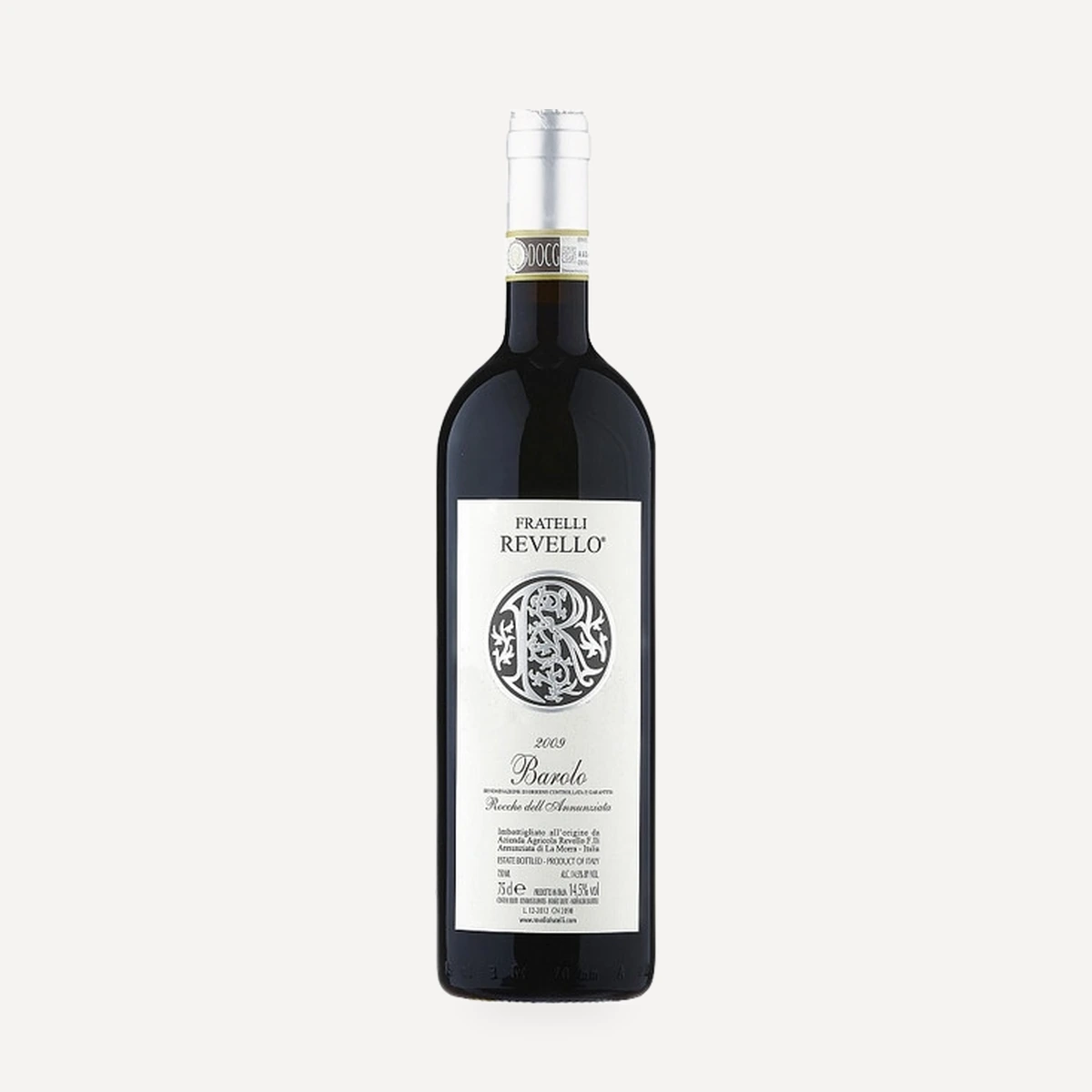
Barolo Rocche dell’Annunziata
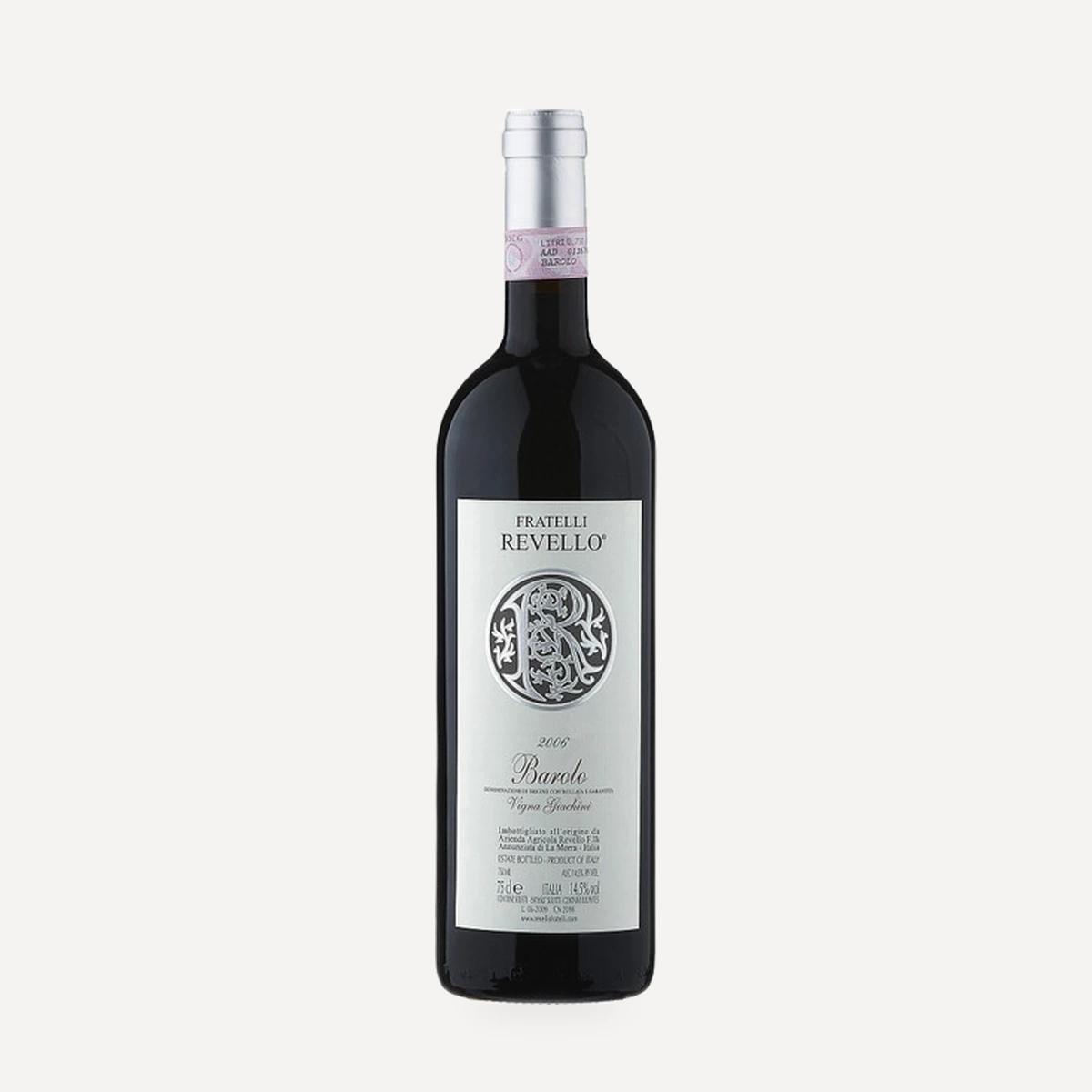
Barolo Giachini
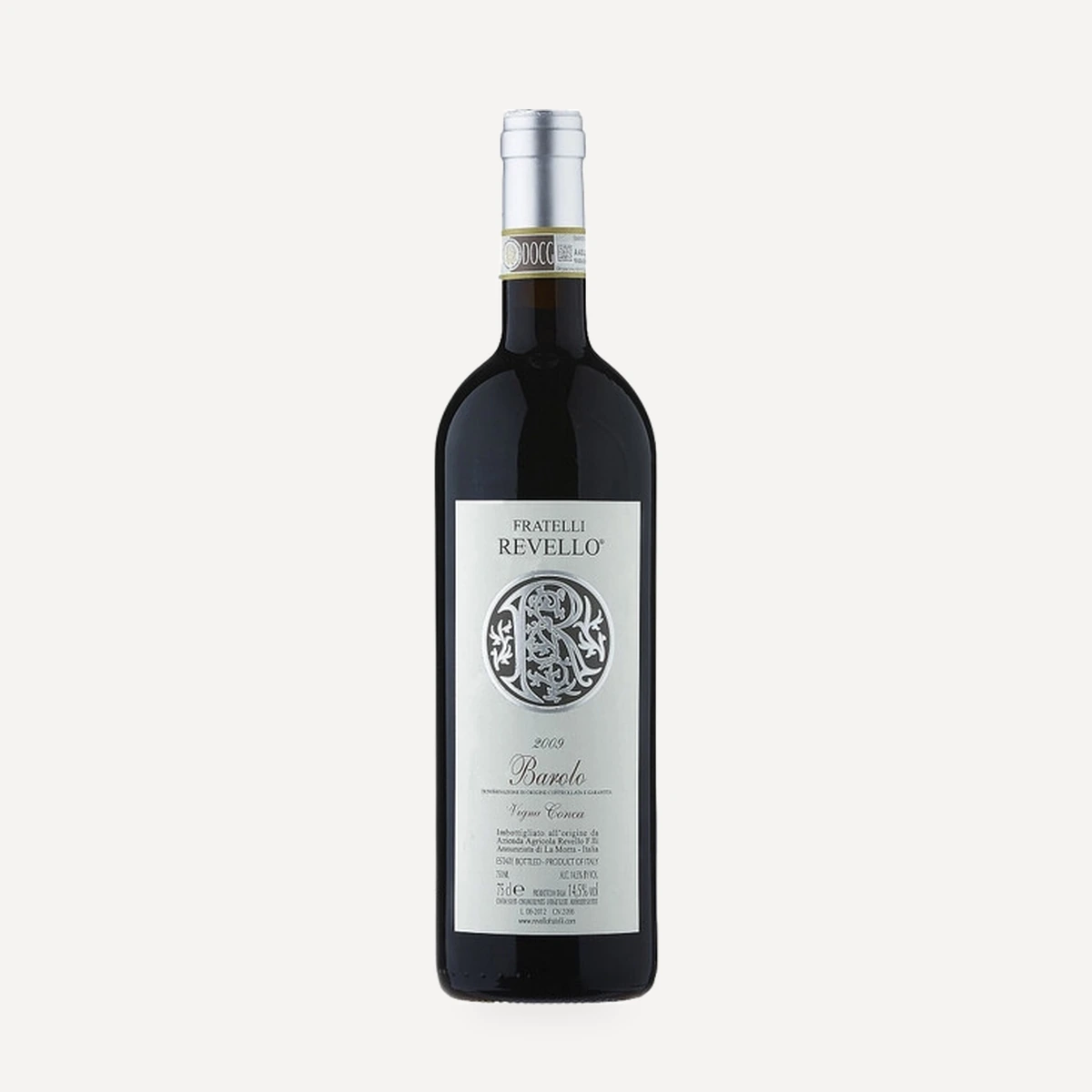
Barolo Conca
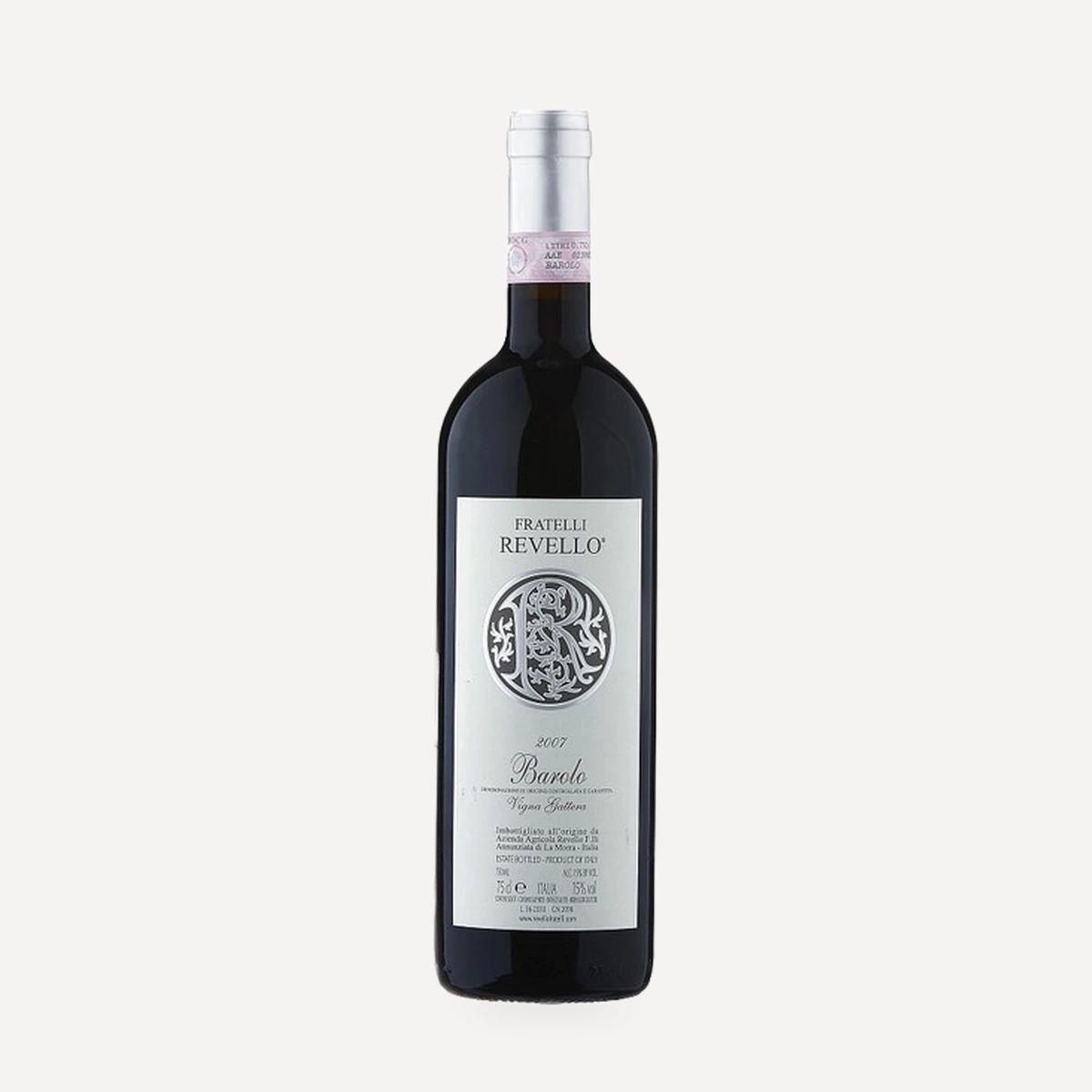
Barolo Gattera