History
The family vineyards
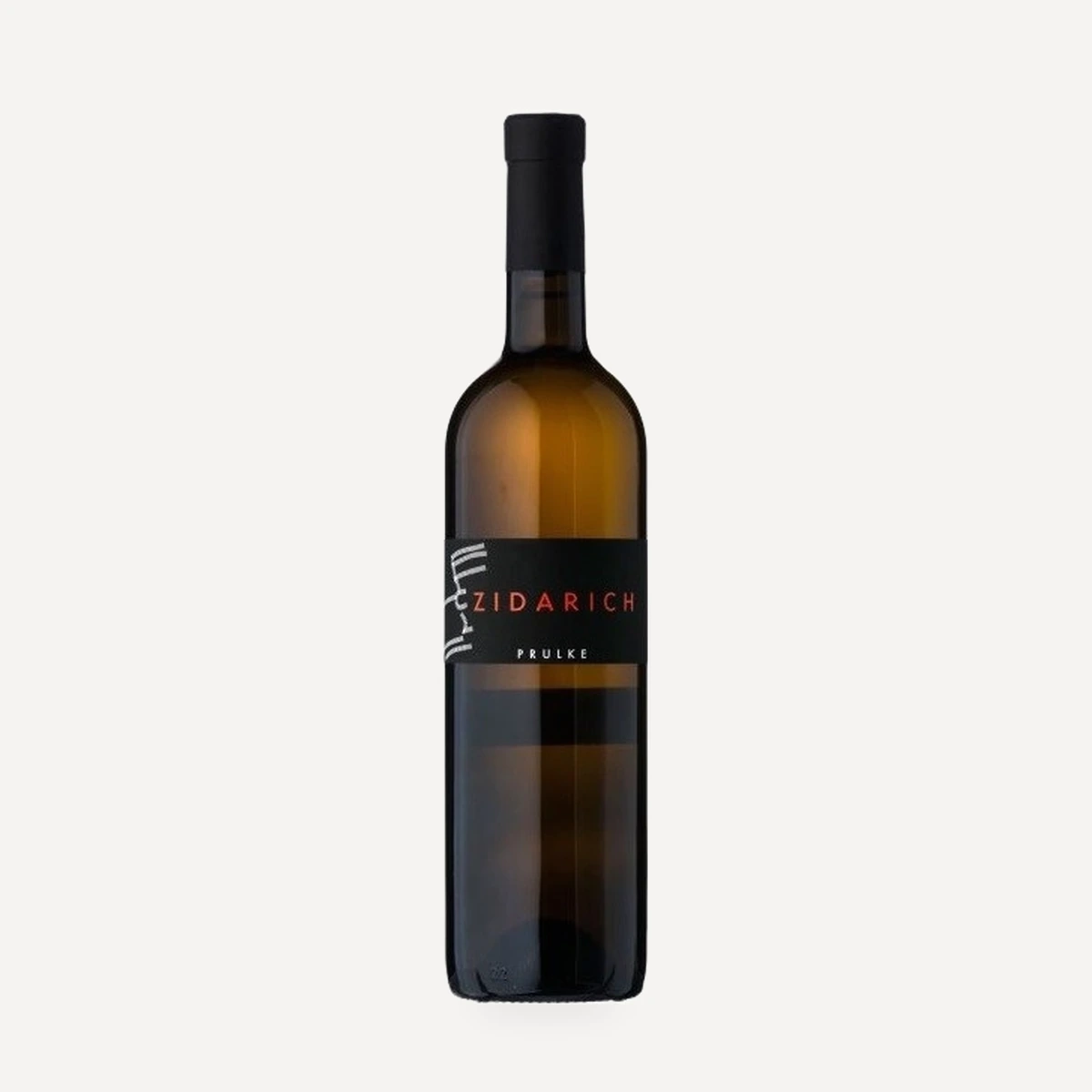
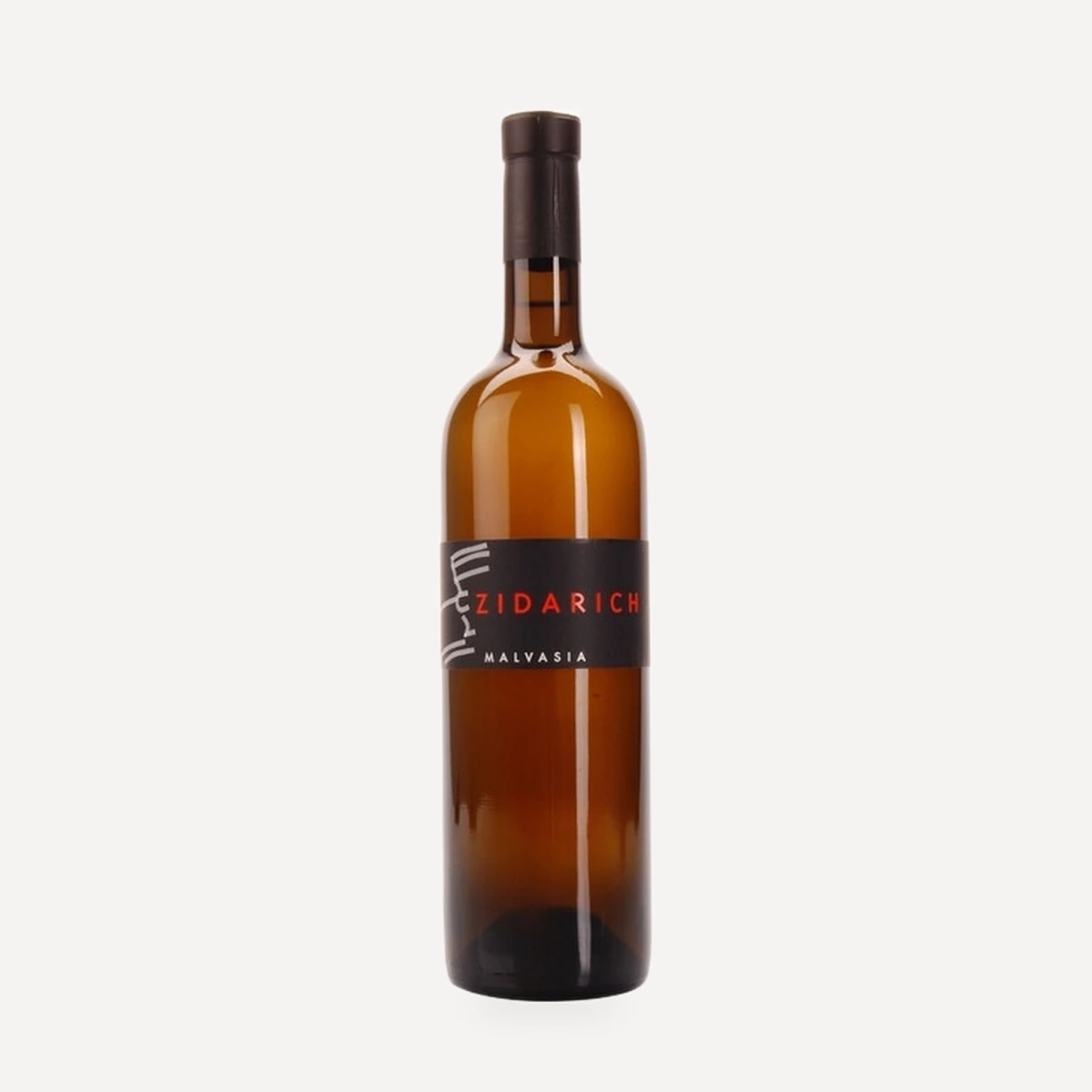
The estate is based at Prepotto/Praprot in the commune of Duino Aurisina. One of its Malvasia vineyards formerly belonged to Benjamin Zidarich’s parents and now provides the fruit associated with Lehte. In the area below Prepotto, the estate has expanded its plantings around the historical place-name Prulke.
A cellar excavated into the Karst
A new cellar was officially inaugurated on 3 July 2009 after almost eight years of construction. Designed by architect Paolo Meng, it was excavated into the Karst rock beneath the vineyards, built largely underground with local materials, and arranged over five levels. The structure descends 20 metres and covers approximately 1,200 m².
The building brought the estate’s winemaking activities together in purpose-specific spaces. Production and reception areas occupy the upper part of the structure, while wines mature on the lowest level beneath vaulted ceilings made from local Karst stone. The tasting room sits at the top, with large windows overlooking the surrounding vineyards and the sea.
Vitovska Collection and long maturation
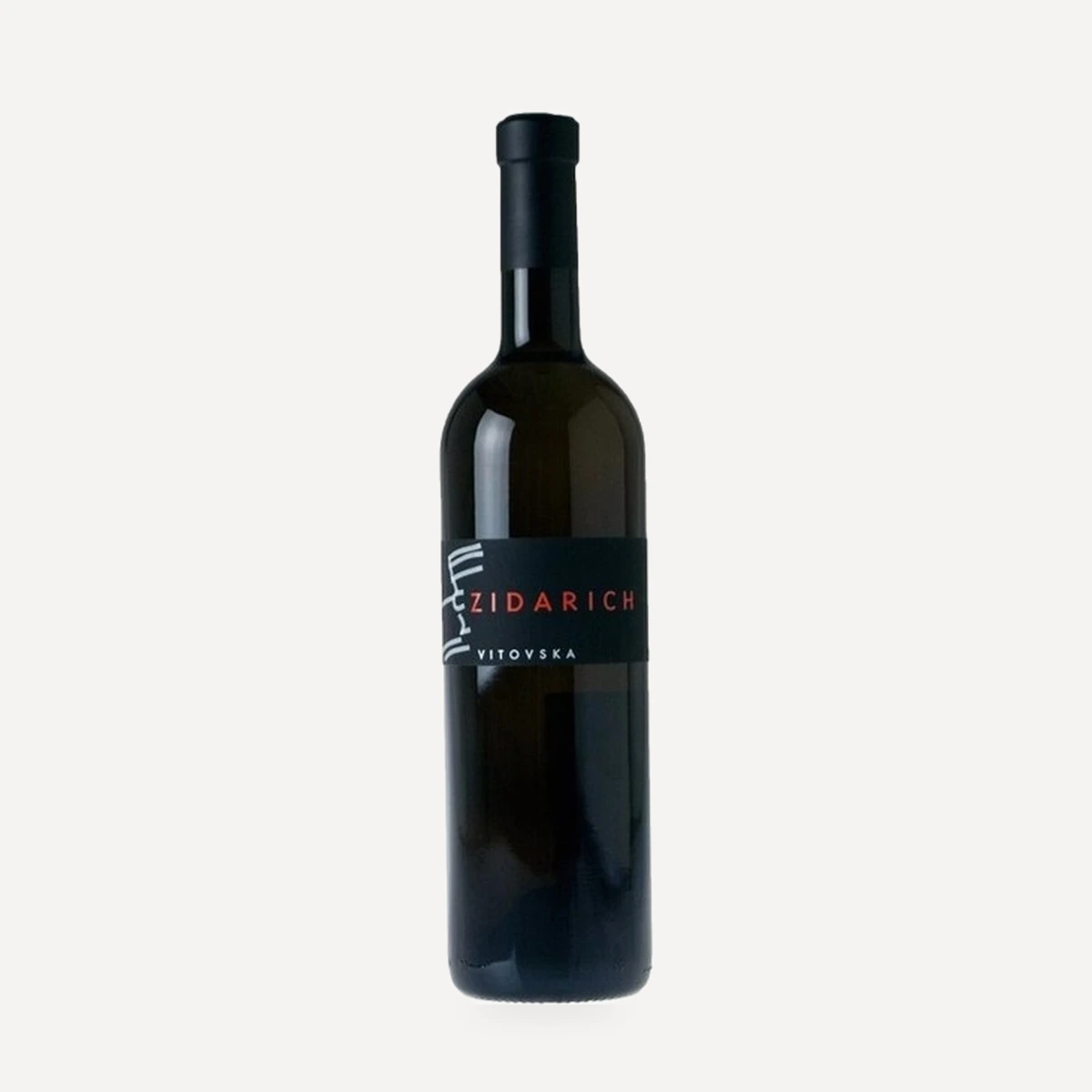
In June 2011, five years after the harvest, the estate released its 2006 Vitovska Collection. The release comprised 1,300 numbered bottles, with the wine having spent four years in a single 10-hectolitre wooden cask. The collection is reserved for selected vintages; 2006, 2009 and 2015 are identified among them.
The KAMEN experiment
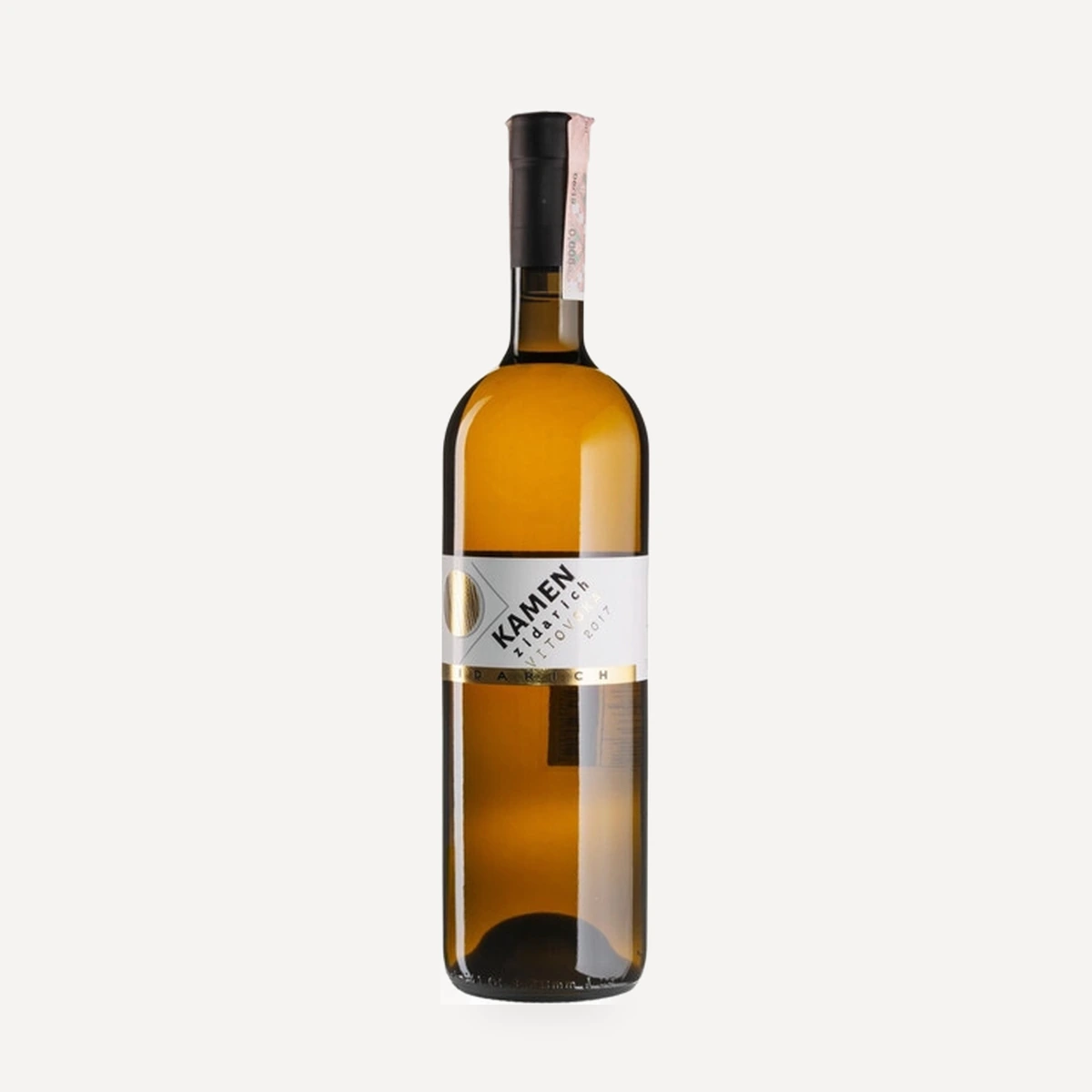
In 2011, after completing the new cellar, Benjamin Zidarich began an experiment that connected Vitovska directly with the local geology: maceration and fermentation in vessels made from Karst stone. He commissioned local stone artists and craftsmen Marko and Kristjan Zidarič to produce five stone vats. Each vessel was deliberately given a different form, echoing the variation in shape and size among the berries of a Vitovska bunch and expressing the diversity of the territory.
Vineyard and cellar investment
Under the Friuli Venezia Giulia Rural Development Programme 2014–2020 and the “Grappa Friulana I.G.” supply-chain project, the business undertook investments intended to improve its environmental performance, fruit quality and profitability. The programme financed a tractor, platform, vine trimmer, trailer, implement frame, star-disc cultivator, forklift, stalk shredder, vine-tying machine, destemmer, pallet truck, barrel washer, large bins and associated technical expenses. Land improvement work also enabled the planting of a new vineyard. The declared investment was €399,689.35.
The programme linked higher grape quality to improved pomace quality. After vinification, the pomace was designated for delivery to Camel Distillerie S.p.A., responsible for distillation and sale of the finished product.
Terroir
Between the Adriatic and the Karst
The vineyards lie at Prepotto/Praprot in Duino Aurisina, on the Karst plateau between the Adriatic Sea and the hills and mountains. Estate vineyard blocks used across the range face southeast and stand at approximately 260–280 metres above sea level. The elevated tasting room looks across the surrounding vines toward the sea.
Limestone and red earth
Karst limestone has been dissolved and shaped by water over time, leaving only a limited covering of red, iron-rich clay. The vineyard soils are described as calcareous Karst terrain with terra rossa. Vines root into this stony limestone environment, a physical relationship that inspired the use of the same local stone for KAMEN fermentation and maceration vessels.
Climate and water
The plateau contains contrasting climatic influences: some sectors have Mediterranean characteristics, while others can be distinctly Alpine. Overall, the climate is characterized as continental, with cold winters and hot summers.
Surface watercourses are absent because rain drains through sinkholes and vertical fissures associated with the Karst phenomenon. Rainfall is generally abundant and supplies the plateau’s scarce red clay. Wind carries plant material from east to west through the narrow corridor between sea and mountains.
A cultivated stone landscape
The landscape is presented as land reclaimed from a previously bare and inhospitable Karst, where people learned to cultivate among stones and animals grazed every available corner. The return of vegetation is associated with protection, care and continued human use of the land.
Winemaking
Vines are cultivated on southeast-facing Karst sites at approximately 260–280 metres. Guyot is used across the vineyards, while alberello is also employed for Vitovska, Malvasia and several mixed blocks. Pruning specifications range from four or five buds to six buds, depending on the block and variety.
Planting density is high, generally between 7,000 and 10,000 vines per hectare. Vine ages represented across the estate’s production range extend from roughly 4 to 40 years. Recorded yields range from 40 to 70 quintals per hectare: many mature blocks fall within 40–50 quintals, while a younger Vitovska block reaches 70 quintals and one mixed red block reaches 60 quintals.
Harvest is manual, with grapes placed in small crates. Picking extends from the last week of September into the first ten days of October. A land-improvement project under the 2014–2020 rural-development programme enabled the establishment of an additional vineyard. The same investment added a tractor, vine trimmer, trailer, star-disc cultivator, implement frame, stalk shredder and vine-tying equipment, with the stated goals of improving environmental performance and grape quality.
The cellar
All stages from vinification through maturation and tasting take place in a purpose-built cellar excavated into Karst rock beneath the vineyards. The largely underground building covers approximately 1,200 m², descends 20 metres and is distributed over five levels. Processing and reception spaces occupy the upper levels; the maturation area is on the lowest level beneath vaulted ceilings made from local stone.
Fermentation and maceration
The principal still-wine method begins with manual harvesting into small crates and destemming. Fermentation and skin maceration take place in open vats, with several punch-downs each day and no temperature control. Indigenous yeasts carry out alcoholic fermentation. Malolactic fermentation is conducted in large oak casks where specified.
The KAMEN method places Vitovska in direct contact with vessels carved from local Karst stone for maceration and fermentation. Five vats were produced, each with a different shape. The method was conceived as a continuous cycle between vines rooted in limestone, grapes fermented against that same stone and the finished wine’s expression.
The production repertoire also includes ancestral-method bottle refermentation. Wine is blended with fermenting must and continues fermenting after bottling, using indigenous yeasts and only the sugar naturally present in the grapes. No sugar or other additions are introduced. Sediment and possible cloudiness are retained as part of the wine’s spontaneous evolution.
Maturation and bottling
Maturation uses oak in a range of formats. Medium and large Slavonian oak casks are central to the cellar; small casks are also used for selected red wines, and naturally toasted French oak accompanies Slavonian oak for one white blend. Ageing periods range from approximately one year to several years, with some selections receiving a further six months to one year in bottle. The long-aged Vitovska Collection matures in a single 10-hectolitre Slavonian oak cask and is released five years after harvest.
Bottling is carried out without filtration or stabilization. The ancestral-method wine likewise remains unfiltered and unstabilized.
Philosophy
For Benjamin Zidarich, the Carso is both a place of work and a defining part of personal identity. His declared approach rests on the territory’s vocation, inherited practices and natural production in the spirit of vini veri—“real wines.” Tradition is not treated as static: the rock-cut cellar and the KAMEN vessels use contemporary design and local craftsmanship to renew the physical relationship between vineyard, stone and wine.
The KAMEN project expresses this philosophy as a closed cycle. Vines take root in calcareous stone; the grapes return to local stone during fermentation and maceration; the resulting wine is intended to carry that connection into the glass. The five vats were intentionally made in different forms, treating diversity as an essential feature of the territory rather than something to standardize.
Minimal cellar intervention follows the same logic. Fermentations rely on indigenous yeasts, proceed without temperature control and are followed by bottling without filtration or stabilization. In the ancestral-method wine, natural grape sugar alone sustains refermentation, and sediment is preserved rather than removed.
Wines
Prulke
Malvasia
Vitovska
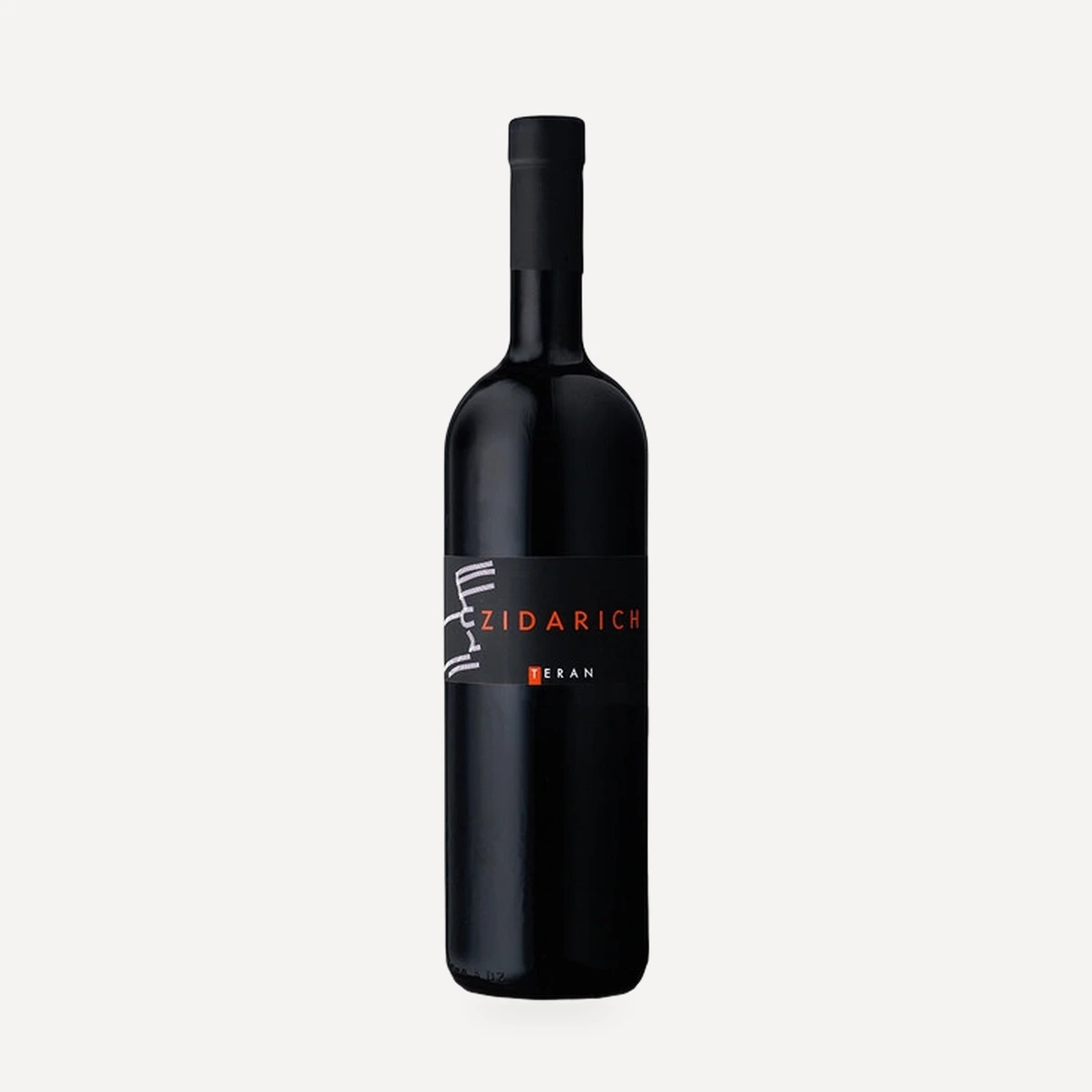
Terrano – Teran
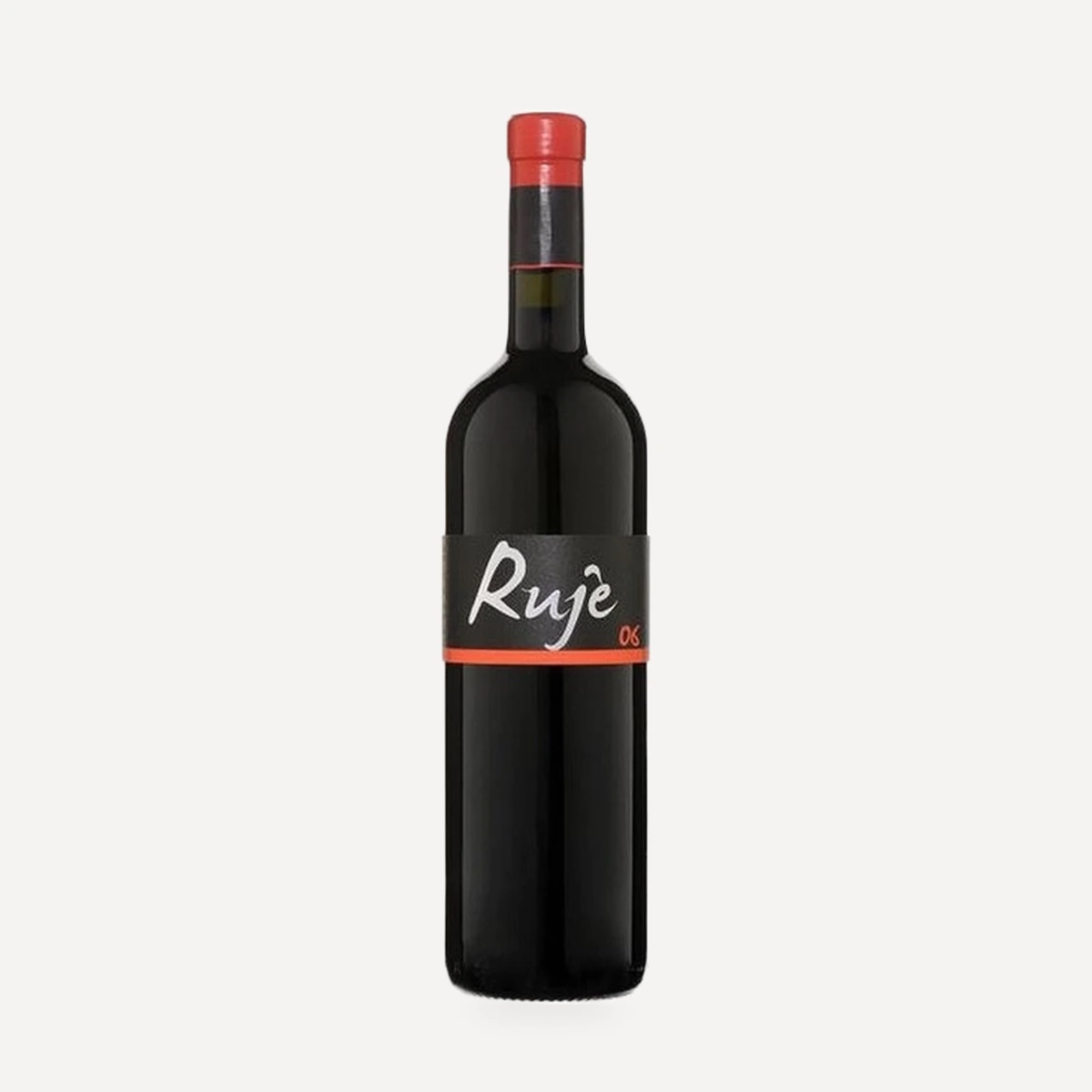
Ruje
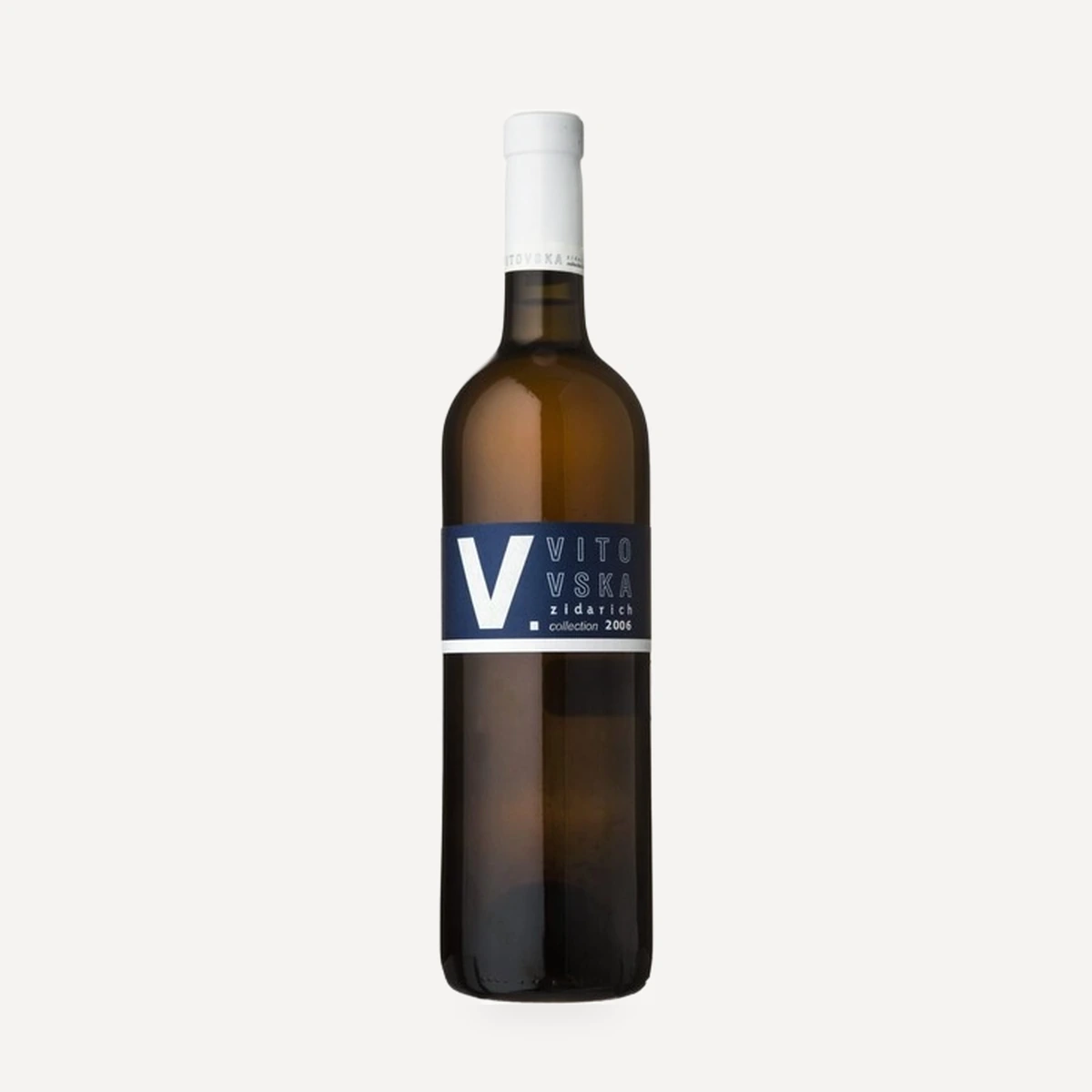
Vitovska Collection B.
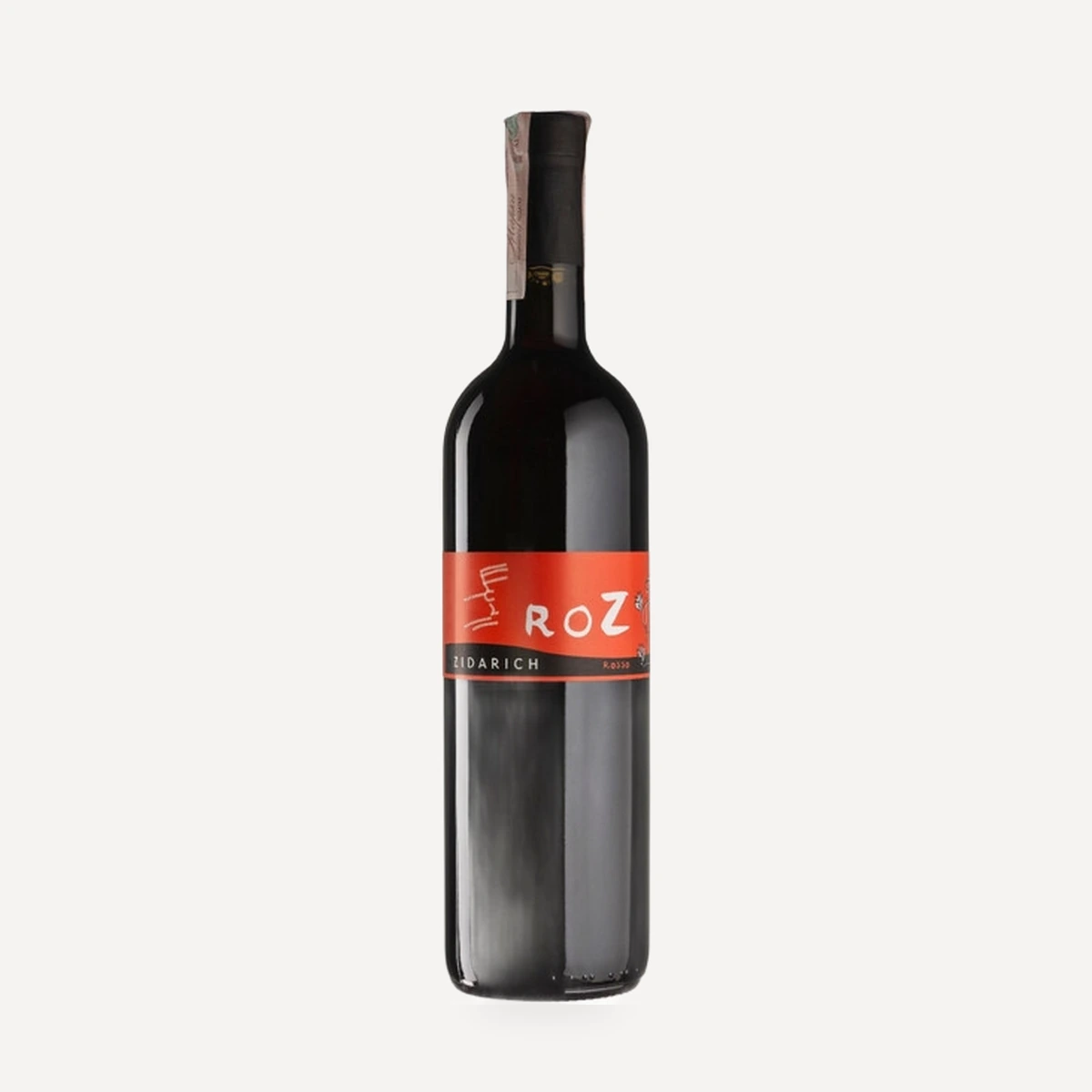
Rosso Zidarich